
15 things most people believe about their health that aren't true
Medical misinformation persists because it sounds plausible. Here's what the evidence actually says about 15 things most people get wrong

Cottonbro Studio / Pexels
Medicine has a specific problem that most fields don't: a lot of what doctors spend time correcting isn't misinformation in the tabloid sense. It isn't wild conspiracy or fringe belief. It's advice that sounds like it came from a doctor, circulates like it came from a doctor, and may even have come from a doctor at some point before the evidence moved on. Eight glasses of water a day. Complete the antibiotic course. Don't sit too close to the television. These are the instructions of a responsible adult, passed down from a responsible adult, attributed to medicine in a general way that makes them very difficult to argue with at a dinner table.
What makes health myths different from most other beliefs is that they survive not because they are comforting or politically convenient but because they are plausible approximations of real facts. Hydration is important; the eight-glasses claim is just not the evidence-based version of that fact. Antibiotic resistance is a genuine problem; completing the course is not always the correct response to it. Cold temperatures do not cause respiratory infections; the viral infections that cause colds do circulate more in winter, for reasons that are specific and interesting but unrelated to temperature.
The persistence of these myths also reflects the gap between what medical research has established and what has been communicated to the public. Several of the myths on this list were once endorsed by official health guidance and have since been revised — but the original guidance circulated widely and the revision did not. Several have been promoted by commercial interests whose product sales benefit from the misconception. Several are simply old enough that they have acquired the cultural authority of received wisdom, resistant to correction because they feel like something that has always been true.
This list covers 15 health myths that appear frequently in clinical settings, that have been investigated in peer-reviewed research, and that the current medical evidence clearly contradicts. Each slide explains what the myth is, where it came from, and what the evidence actually says. The goal is accurate health information presented without the false urgency of wellness content — not "you've been doing everything wrong" but "here are fifteen specific things you can stop worrying about, and a few things to understand more accurately."
You need eight glasses of water a day

Pixabay / Pexels
The eight-glasses-a-day recommendation — sometimes rendered as "8x8" (eight eight-ounce glasses, approximately two liters of water daily) — is one of the most widely repeated pieces of health advice in popular culture and one of the least supported by clinical evidence. The origin of the specific "eight glasses" figure is genuinely obscure: it cannot be traced to any particular study or clinical guideline, and the most commonly cited origin — a 1945 U.S. Food and Nutrition Board recommendation to consume approximately 2.5 liters of water daily — was followed immediately by the sentence "most of this quantity is contained in prepared foods," a qualifier that was subsequently dropped as the advice circulated.
The physiological reality is more nuanced and more individual. Hydration needs vary substantially based on body size, activity level, ambient temperature and humidity, diet composition, and health status. A sedentary 60kg person in a cool climate eating a diet rich in water-containing foods (fruits, vegetables, soups) has substantially lower fluid requirements than an 80kg athlete exercising in hot conditions. The specific volume that constitutes adequate hydration for any individual is therefore not a universal number.
The most reliable indicator of adequate hydration is urine color: pale yellow indicates adequate hydration, dark yellow or amber indicates mild to moderate dehydration. Thirst is also a generally reliable signal in healthy adults, though it is less reliable in older adults (who have a diminished thirst response) and in people engaged in intense exercise (where sweat losses can exceed the thirst response in hot conditions).
The practical implication is not to drink less water — adequate hydration is genuinely important for cognitive function, kidney health, and many other physiological processes — but to drink in response to thirst and urine color rather than in adherence to a specific daily target that has no clinical basis.
Cold weather causes colds

Gustavo Fring / Pexels
The belief that going outside in cold weather, with wet hair, or inadequately dressed causes colds is one of the oldest and most persistent health myths, and it is wrong in the specific causal sense that matters: cold temperatures do not cause respiratory infections. Respiratory infections are caused by viruses — primarily rhinoviruses for the common cold, influenza viruses for flu — and cannot be contracted without exposure to those viruses.
The controlled trial evidence is direct. In the 1950s and 1960s, a series of experiments conducted at the Common Cold Unit in Salisbury, England, exposed volunteers to cold temperatures, wet conditions, and drafts — and found no increased rate of infection compared to controls kept warm and dry. Subsequent research has confirmed the finding: cold exposure alone, in the absence of viral exposure, does not cause respiratory infection.
The seasonal pattern of respiratory infections — their peak in winter — is real but explained by different mechanisms. People spend more time indoors in closer proximity to others in cold weather, increasing the probability of viral transmission. Cold, dry air reduces the function of the mucociliary clearance system in the nose and airways that traps and removes viral particles. Some viruses replicate more efficiently at the cooler temperatures found in the upper respiratory tract in cold air. The association between winter and colds is genuine; the causal mechanism is not temperature but the specific indoor conditions and viral biology of the cold season.
Cracking your knuckles causes arthritis

Eren Li / Pexels
The belief that cracking knuckles causes arthritis in the hands is a widespread and persistent myth that has been directly tested — most famously by Donald Unger, a physician who cracked the knuckles on one hand but not the other for 60 years and found no arthritis in either hand at the end of the experiment, for which he received the 2009 Ig Nobel Prize in Medicine. While Unger's self-experiment was not a controlled clinical trial, larger studies have found no association between habitual knuckle cracking and the development of osteoarthritis.
The sound produced by cracking knuckles is caused by the rapid formation and collapse of gas bubbles in the synovial fluid that lubricates the joint — a process called cavitation. When the joint is stretched, the pressure within the joint space falls, dissolved gases come out of solution and form a bubble, and the snap or crack is produced when the bubble collapses or is forcibly released. The process does not cause joint damage under normal circumstances, though some studies have found that habitual knuckle cracking may be associated with minor soft tissue swelling around the joint — a consequence with no clinical significance.
The myth's persistence likely reflects a combination of the sound's vaguely concerning quality (loud sounds in joints feel like they should be damaging something) and the social disapproval the habit attracts from people who find it irritating, whose disapproval is more effective when accompanied by a health warning.
Antibiotics should always be completed

Michelle Leman / Pexels
The instruction to complete a course of antibiotics even after feeling better has been standard medical advice for decades, based on the concern that stopping early would leave some bacteria alive, potentially allowing the most resistant bacteria to survive and reproduce while the susceptible ones were killed. This reasoning led to the intuitive conclusion that more antibiotic exposure is safer than less.
The evidence has become more nuanced. A 2017 review in the BMJ, authored by a group of British infectious disease researchers, argued that the "complete the course" message was not supported by evidence for most antibiotic prescriptions and may itself contribute to antibiotic resistance by exposing patients — and therefore the broader bacterial environment — to longer antibiotic courses than necessary. The review proposed that for many common infections, stopping antibiotics when feeling better was at least as safe as completing a defined course.
The situation varies significantly by infection type. For some infections — tuberculosis, certain sexually transmitted infections — completing a full course is essential for treatment success and resistance prevention, and the evidence for completion is strong. For others — uncomplicated urinary tract infections, respiratory infections, soft tissue infections — shorter courses or symptom-guided stopping may be equally effective with less total antibiotic exposure. The current guidance from most health authorities is to follow the specific duration prescribed for the specific infection rather than applying a universal rule.
The most important practical implication is that patients should follow the specific guidance of their prescribing clinician for the specific infection being treated, rather than a general principle about completing courses or stopping when better.
You only use 10% of your brain

Anna Shvets / Pexels
The claim that humans use only 10% of their brain capacity — and by implication that the remaining 90% is available for activation through the right training, supplements, or mental technique — is perhaps the most durably false statement in popular neuroscience, regularly repeated in motivational contexts and regularly debunked by neurologists. It has no basis in neurological fact and appears to have originated in misattributed quotes, misinterpretations of early neuroscience research, and the commercial usefulness of implying that unlimited cognitive potential is available if only you would buy the right product.
Modern neuroimaging — functional MRI, PET scanning, and other techniques — consistently shows that the entire brain is active to varying degrees across different tasks and states, with different regions specialized for different functions. No region of the brain sits permanently inactive. The cerebellum — the structure at the back of the brain traditionally associated with motor coordination — contains approximately half of all the neurons in the brain and is active in most cognitive tasks. The frontal lobes are active across an enormous range of cognitive, emotional, and motor tasks. Damaging any region of the brain — something that would be without consequence if that region were inactive — consistently produces specific, often severe, functional deficits.
The myth's appeal is psychological: the belief that large reserves of untapped cognitive capacity are available is encouraging in a way that the accurate picture — your brain is already working close to capacity and the legitimate ways to improve cognitive performance are primarily sleep, exercise, and managing health conditions — is not.
Vaccines cause autism
Towfiqu Barbhuiya / Pexels
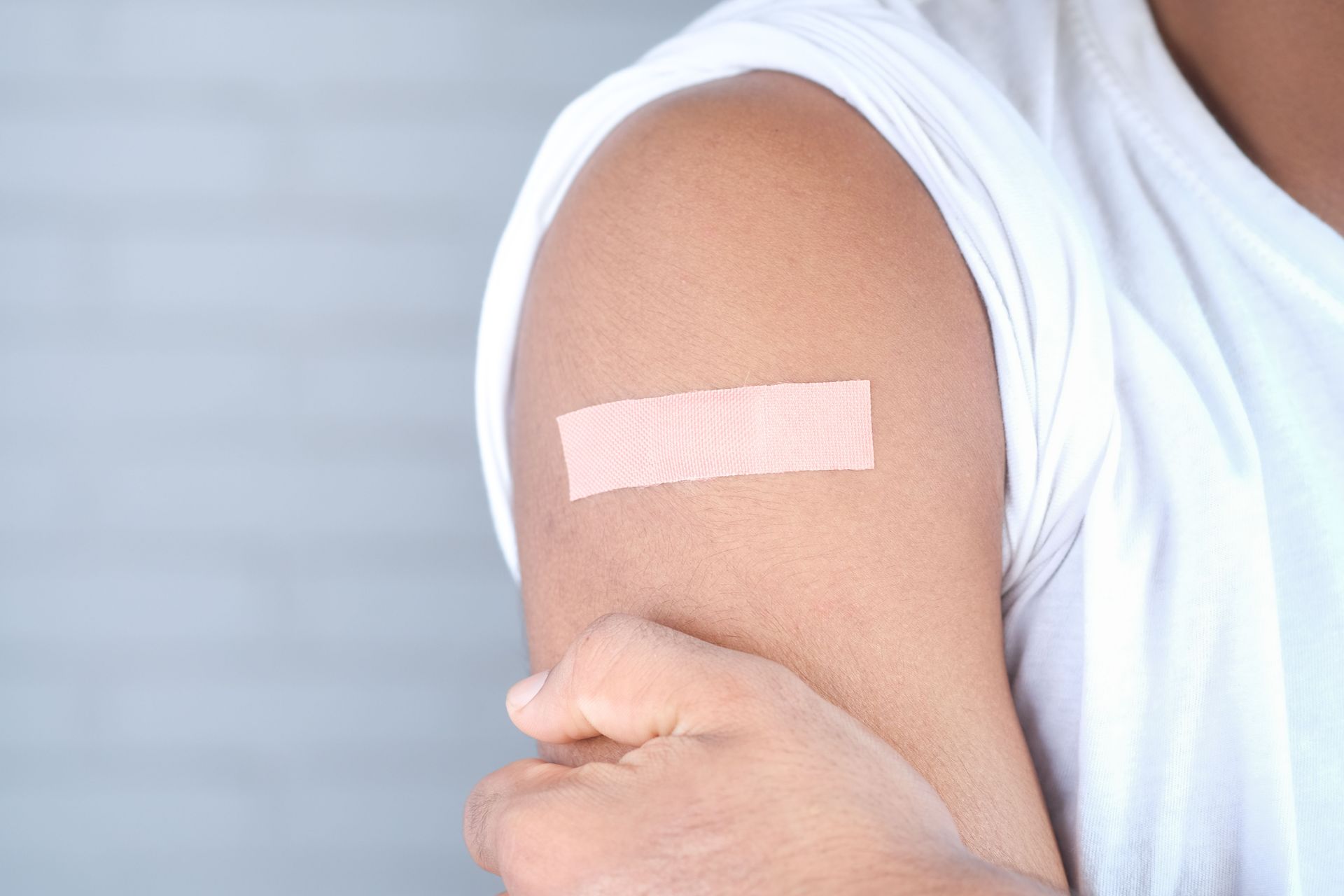
The claim that childhood vaccines, specifically the MMR (measles-mumps-rubella) vaccine, cause autism is the most consequential health myth of the past three decades — directly responsible for vaccination rate declines, measles outbreaks in populations that had previously eliminated the disease, and an estimated increase in preventable childhood deaths that public health researchers have attempted to quantify.
The origin of the myth is specific and documented: a 1998 paper in The Lancet by Andrew Wakefield and colleagues claimed a link between the MMR vaccine and autism based on a study of 12 children. The paper was retracted by The Lancet in 2010 after investigative journalist Brian Deer documented that Wakefield had undisclosed financial conflicts of interest, had manipulated data, and had subjected the children in the study to unnecessary and invasive procedures without ethical approval. Wakefield was subsequently struck off the medical register by the General Medical Council. The retracted paper has nonetheless continued to circulate online as if it were valid evidence.
The evidence against any causal link between vaccines and autism is extensive. Studies examining the vaccination records and autism diagnoses of hundreds of thousands of children in multiple countries — including studies specifically designed by researchers sympathetic to the concern — have consistently found no association. The biological mechanism proposed by Wakefield — gut inflammation producing neurotoxins — has not been found in subsequent research. The timing of autism diagnosis in the second year of life, which overlaps with vaccination schedules, reflects the age at which autism becomes clinically apparent rather than any causal connection to vaccination.
Feed a cold, starve a fever
Cottonbro Studio / Pexels
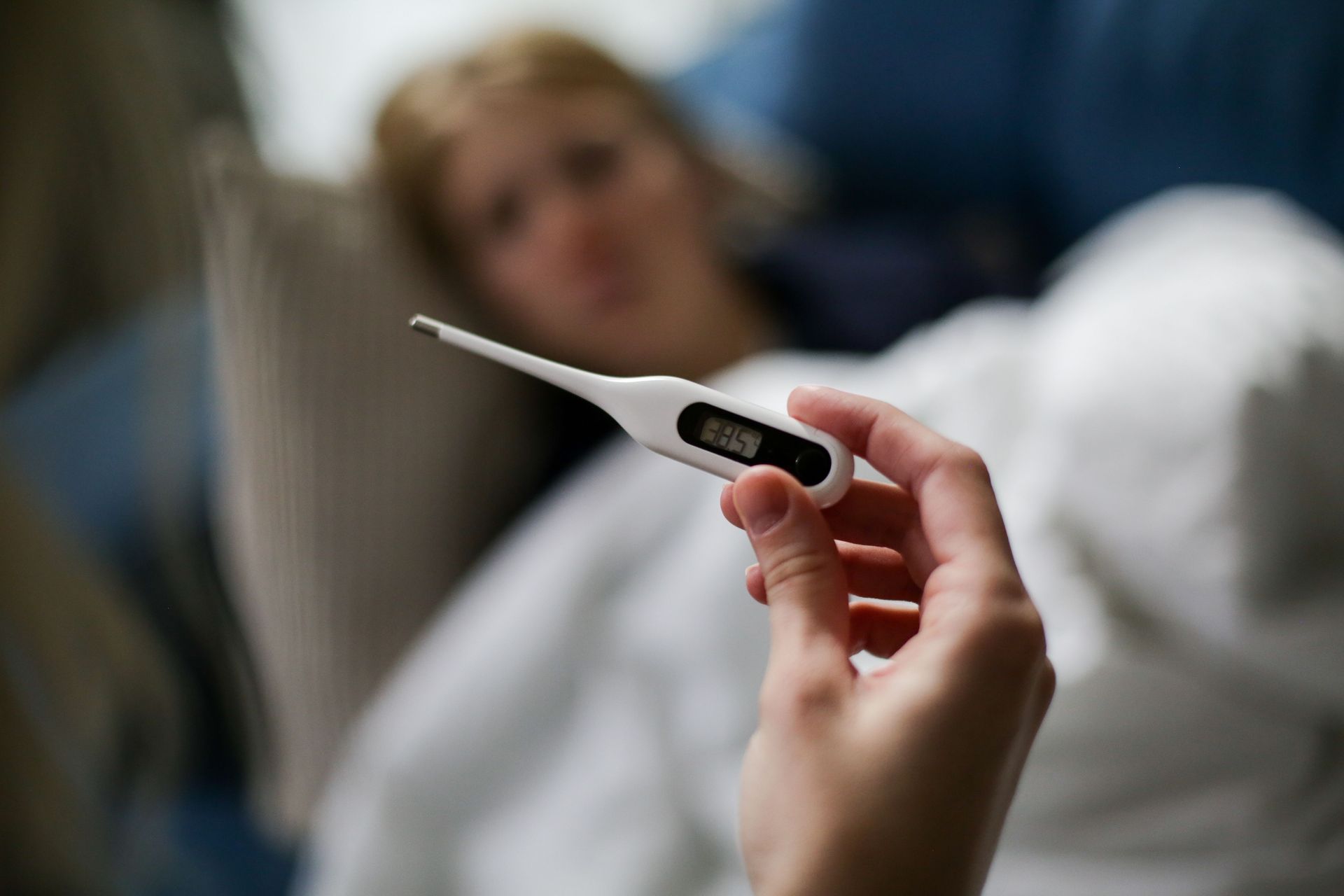
The folk saying "feed a cold, starve a fever" has been circulating since at least the 16th century and represents the kind of medical advice whose specificity implies clinical authority that it does not possess. The advice lacks consistent empirical support and has been examined in clinical research that finds little basis for either the feeding or the starving component.
The "feed a cold" component has some limited support: energy and protein intake supports immune function, and adequate nutrition during illness is generally beneficial. The "starve a fever" component is not supported by evidence and may be counterproductive. Fever increases the body's metabolic rate — a 1°C increase in body temperature increases metabolic rate by approximately 10 to 13% — meaning that people with fever have higher energy requirements, not lower ones. Restricting caloric intake during fever imposes an energy deficit on a body whose energy demands are elevated.
A 2002 study published in Clinical Nutrition found that eating during a fever did not worsen outcomes and provided the nutritional support that immune function requires. The primary evidence-based recommendation for both colds and fever is adequate hydration — both conditions increase fluid losses, and dehydration impairs both immune function and comfort — followed by adequate food intake as tolerated.
The specific difficulty with fever is reduced appetite, which is a physiological feature of the febrile response rather than a signal that food should be withheld. Eating as much as appetite permits during a fever is a reasonable practical guideline; deliberate restriction is not supported by clinical evidence.
Reading in dim light damages your eyes

Bacho Grigolia / Pexels
The belief that reading in dim light damages eyesight is taught to most children and believed by most adults, and it is not supported by any evidence from clinical ophthalmology. Reading in dim light does not damage the eyes, cause any structural change in the eye, or increase the risk of any eye disease. It may cause temporary eye strain — the muscular fatigue that accompanies any sustained visual effort in suboptimal conditions — but this symptom resolves with rest and does not represent underlying harm.
The American Academy of Ophthalmology has explicitly stated that reading in low light does not harm the eyes and that the discomfort sometimes experienced is eye strain rather than damage. The eyes are not injured by effort in the way that, say, muscles can be injured by overuse: the discomfort of eye strain reflects temporary fatigue of the ciliary muscle (which adjusts the lens for focusing) and the extraocular muscles, not tissue damage.
The myth's persistence may reflect the genuine phenomenon of myopia development in childhood and adolescence, whose increase in prevalence over the past several decades is associated with increased near-work and reduced outdoor time. The mechanism of myopia development is related to the duration of sustained near-focus work and the absence of bright outdoor light stimulation rather than to illumination levels during near work. Dim light during reading is not the relevant variable; the duration of near-focus work and the balance with outdoor activity are more significant for myopia development.
Antibacterial soap is better than regular soap
Burst / Pexels
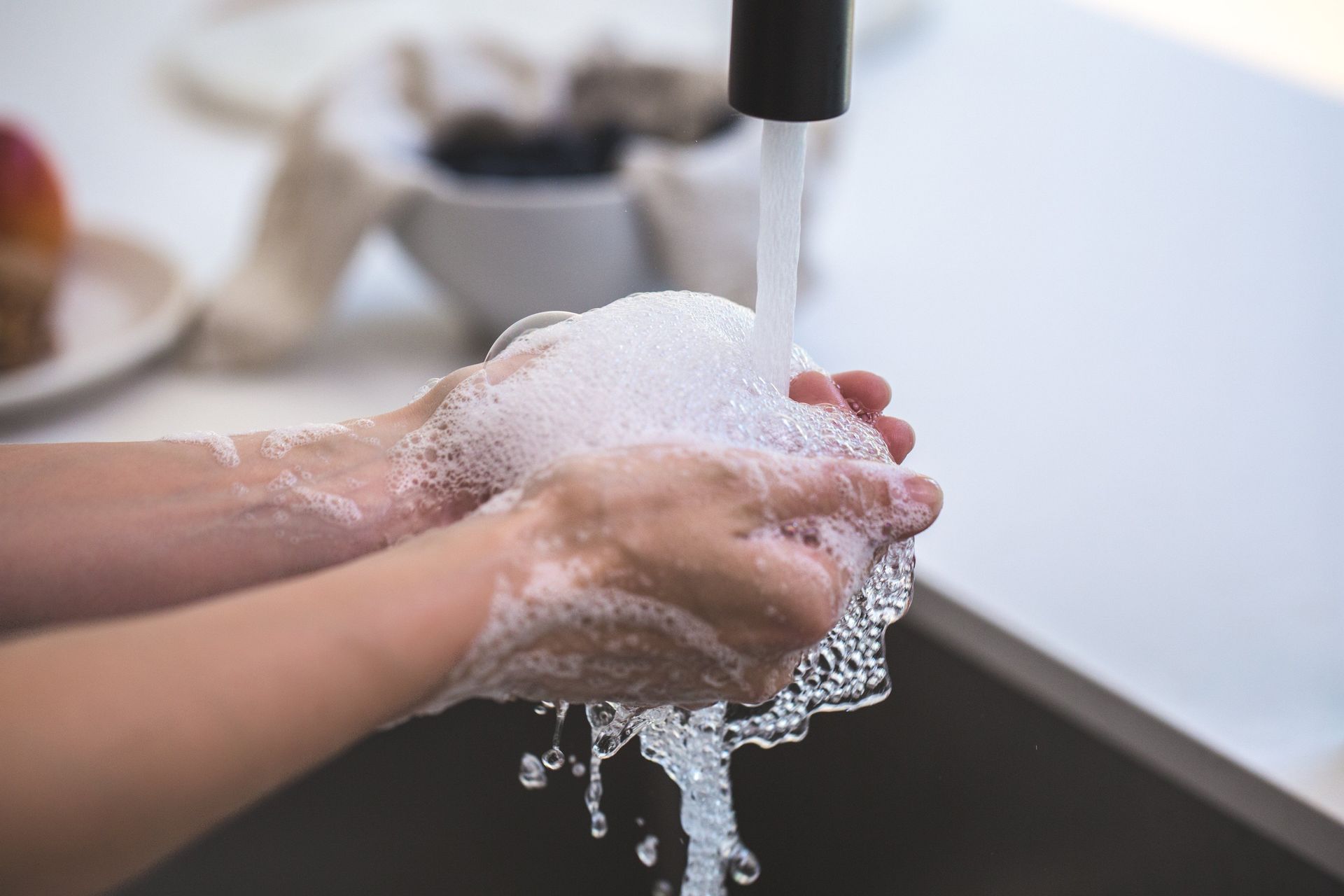
Antibacterial soaps — those containing antimicrobial agents such as triclosan or triclocarban — were widely sold and marketed for decades as superior to regular soap for hand hygiene, implying that the antimicrobial additive provided additional protection against infection. The evidence does not support this claim, and the regulatory response has been significant.
In 2016, the U.S. Food and Drug Administration banned the sale of consumer antibacterial soaps containing triclosan and 18 other active ingredients after manufacturers failed to demonstrate that these products were either more effective than plain soap and water or safe for long-term daily use. The EU similarly restricted triclosan use in personal care products from 2017. The FDA finding was specific: washing hands with antibacterial soap for the recommended duration showed no greater bacterial reduction than washing with plain soap for the same duration.
The mechanism of regular soap's effectiveness is physical rather than chemical: soap molecules have a hydrophilic (water-attracting) head and a hydrophobic (water-repelling) tail, and the tail embeds in the fatty membrane of bacteria and viruses, disrupting their structure and allowing them to be rinsed away. This mechanism is effective against a broad range of pathogens without requiring any specific antimicrobial compound.
The additional concern about antibacterial additives is the potential contribution to antimicrobial resistance — the same concern that drives antibiotic stewardship. Widespread, low-level exposure to antimicrobial compounds in soap may contribute to the development of resistance in bacterial populations, a potential harm that provides an additional reason to prefer plain soap in routine hand hygiene.
Detox diets cleanse your body

Mikhail Nilov / Pexels
Detox diets — the category of dietary regimens claiming to cleanse the body of accumulated toxins through juice fasts, restrictive eating patterns, or specific food and supplement combinations — represent one of the more commercially successful health myths, generating significant revenue for the wellness industry while lacking any coherent scientific basis.
The specific problem with detox claims is definitional: the word "toxin" in detox marketing is used without identifying any specific substance that the detox removes, the mechanism by which normal physiology fails to remove it, or evidence that the detox intervention changes its concentration in the body. This vagueness is not accidental — it is what allows the claim to be made without being testable.
The body's actual detoxification systems — the liver and kidneys, primarily — continuously filter, metabolize, and excrete waste products of normal metabolism, environmental exposures, and dietary compounds. The liver's cytochrome P450 enzyme system is one of the most sophisticated biotransformation systems in biology, capable of metabolizing thousands of different compounds. The kidneys filter approximately 180 liters of blood per day, excreting waste products in urine. These systems do not require supplementation or assistance from a juice cleanse under normal physiological conditions.
The one circumstance in which the body genuinely requires assistance with toxin elimination is clinical poisoning — overdose, heavy metal poisoning, certain pharmaceutical toxicities — which is managed with specific medical interventions (activated charcoal, chelation therapy, dialysis) rather than with dietary modifications. The gap between what detox diets claim and what medical detoxification requires illustrates the category error at the heart of the detox myth.
Sugar makes children hyperactive

Sklei / Pexels
The belief that sugar consumption causes hyperactivity in children is one of the most thoroughly studied and most consistently disproven myths in pediatric medicine, and it is also one of the most resistant to correction — partly because the belief is reinforced by the expectation of hyperactivity in contexts where sugar is consumed (birthday parties, Halloween), which shapes the perception of children's behavior regardless of their actual activity level.
The evidence against sugar-induced hyperactivity is robust. A 1995 meta-analysis in JAMA, covering 23 double-blind randomized controlled trials, found no evidence that sugar consumption affects children's behavior or cognitive performance, even in children described by their parents as "sugar-sensitive." The studies included in the meta-analysis controlled for expectation effects — in some, parents were told their child had consumed sugar when they had not, and parents who believed their child had consumed sugar rated their behavior as more hyperactive than parents who were not told this, demonstrating that expectation, not sugar, was driving the perception.
The mechanism by which people believe sugar causes hyperactivity — a direct pharmacological stimulant effect — is not consistent with the known metabolic fate of sucrose. Sugar is metabolized to glucose and fructose, which are used for energy. There is no known mechanism by which this metabolic process produces the behavioral changes associated with stimulant drugs.
The behavioral changes observed in children in high-sugar contexts (parties, celebrations) are more plausibly attributed to the excitement of the social occasion, later bedtimes, more permissive supervision, and general environmental stimulation than to the sugar content of the food consumed.
Sitting too close to the TV damages eyesight

Cottonbro Studio / Pexels
The belief that sitting close to a television screen damages the eyes is one of the more specifically dated health myths — it originated with genuine safety concerns about early cathode ray tube televisions in the 1960s, which emitted X $TWTR-ray radiation at levels that were found to be potentially harmful, before the manufacturers corrected the defect. The safety concern that applied to 1960s CRT televisions does not apply to any television technology produced since, but the warning persists.
Modern television screens — LCD, OLED, plasma — do not emit ionizing radiation in any quantities that could damage the eyes or any other tissue. The light emitted by screens is non-ionizing visible and near-visible radiation that does not have the energy to damage DNA or other biological structures at the intensities produced by a television.
Sitting close to a screen may produce eye strain — the same temporary muscular fatigue described in the reading in dim light entry — particularly in children who sit very close for extended periods. Children often sit close to screens because they are compensating for uncorrected myopia, in which case the close-viewing behavior is a symptom rather than a cause of the vision problem. An eye examination will distinguish the cases.
The American Academy of Ophthalmology's position is that close viewing of screens does not damage eyes and that parents who are concerned about their child's habitual close viewing should have the child's vision tested rather than restricting viewing distance.
You lose most body heat through your head
Gustavo Fring / Pexels
The belief that a disproportionate amount of body heat is lost through the head — and therefore that wearing a hat is more important than wearing other cold-weather clothing — is a myth whose specific origin has been traced to a 1950s U.S. Army survival manual that instructed soldiers to wear a hat in cold conditions on the basis that the head is the part of the body most exposed when adequately clothed elsewhere. The specific claim that 40 to 45% of body heat is lost through the head has been repeated ever since and is not supported by physiology.
Heat loss from any body surface is proportional to the surface area exposed and the temperature differential between the skin and the environment. The head constitutes approximately 10% of the body's total surface area and loses approximately 10% of total body heat under cold exposure conditions — proportional to its surface area, not disproportionate. Experimental studies in which subjects were placed in cold water with only the head exposed found heat loss rates consistent with the head's surface area.
The confusion may partly reflect the fact that the head is highly vascular and that the face, which is more sensitive to temperature than covered skin, produces a strong subjective sensation of cold that overrepresents the head's thermal significance in subjective experience. Wearing a hat in cold weather is beneficial for the same reason that wearing any warm clothing is beneficial — it reduces heat loss from an exposed surface area — not because the head is a special site of heat loss.
You shouldn't swim for 30 minutes after eating

Sóc Năng Động / Pexels
The warning not to swim for 30 minutes — or sometimes an hour — after eating, on the grounds that the blood diverted to the digestive system during digestion will cause cramping severe enough to drown, is a piece of parental caution whose evidence base is essentially nonexistent. Competitive swimmers routinely eat before training and competition. No credible medical literature documents a drowning caused by post-meal cramping. The myth appears to be a creation of parental caution rather than a reflection of physiological reality.
The physiological basis offered for the myth — that digestion diverts blood to the gastrointestinal tract and away from the muscles, causing cramps — is not consistent with how circulation actually works. Blood flow regulation is not a zero-sum system in which the digestive organs compete directly with skeletal muscles for a fixed supply. The body increases cardiac output during exercise to supply both working muscles and active digestive organs simultaneously, and the degree of blood flow diversion during normal digestion is not sufficient to impair muscle function in healthy individuals.
Side cramps — the sharp pain in the side sometimes experienced during vigorous exercise, known as exercise-related transient abdominal pain (ETAP) — do occur, more commonly in running than in swimming, and their incidence may be slightly higher when exercise begins soon after a large meal. This is a real and sometimes uncomfortable phenomenon, but it is not dangerous, it does not cause drowning, and it does not justify a universal 30-minute post-meal waiting period. Swimming vigorously on a very full stomach may produce discomfort; it does not produce the medical emergency the myth implies.
Hair and nails continue growing after death
Yazid N / Pexels
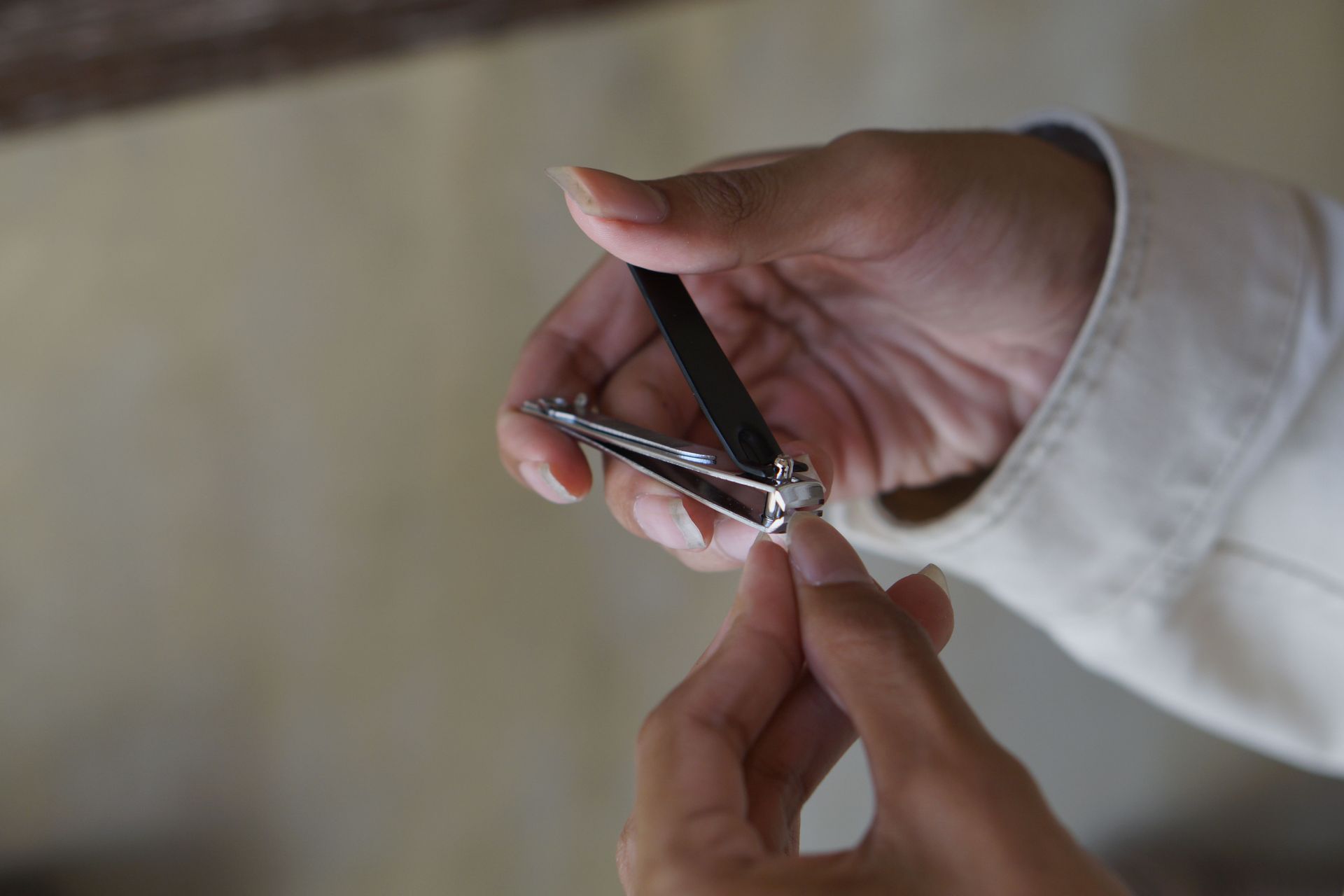
The belief that hair and nails continue to grow after death — a fixture of horror literature and persistent popular culture belief — is based on a misinterpretation of a real post-mortem observation. It is false in the specific causal sense: hair and nails do not actually grow after death because growth requires metabolic activity, cellular division, and the continuous delivery of nutrients and energy that circulation provides and that ceases at death.
The observation that inspired the myth is real: the skin surrounding hair follicles and nail beds retracts as it dehydrates in the hours and days after death, making the hairs and nails appear longer relative to the skin that borders them. The hair and nails have not grown; the skin has shrunk. The visual impression of longer hair and nails in a deceased person reflects tissue dehydration and retraction rather than continued growth.
Hair growth requires active cellular division in the hair bulb at the base of the follicle, powered by glucose metabolism. Nail growth requires similar cellular division in the nail matrix under the skin at the base of the nail. Both processes require the continuous supply of oxygen and nutrients that circulation provides, and both cease within minutes of death as cells are deprived of their energy supply and undergo the metabolic shutdown that precedes cell death.
The myth has proven remarkably persistent despite its straightforward biological implausibility, which suggests that it persists primarily through horror and literary tradition rather than through any genuine observational confusion.