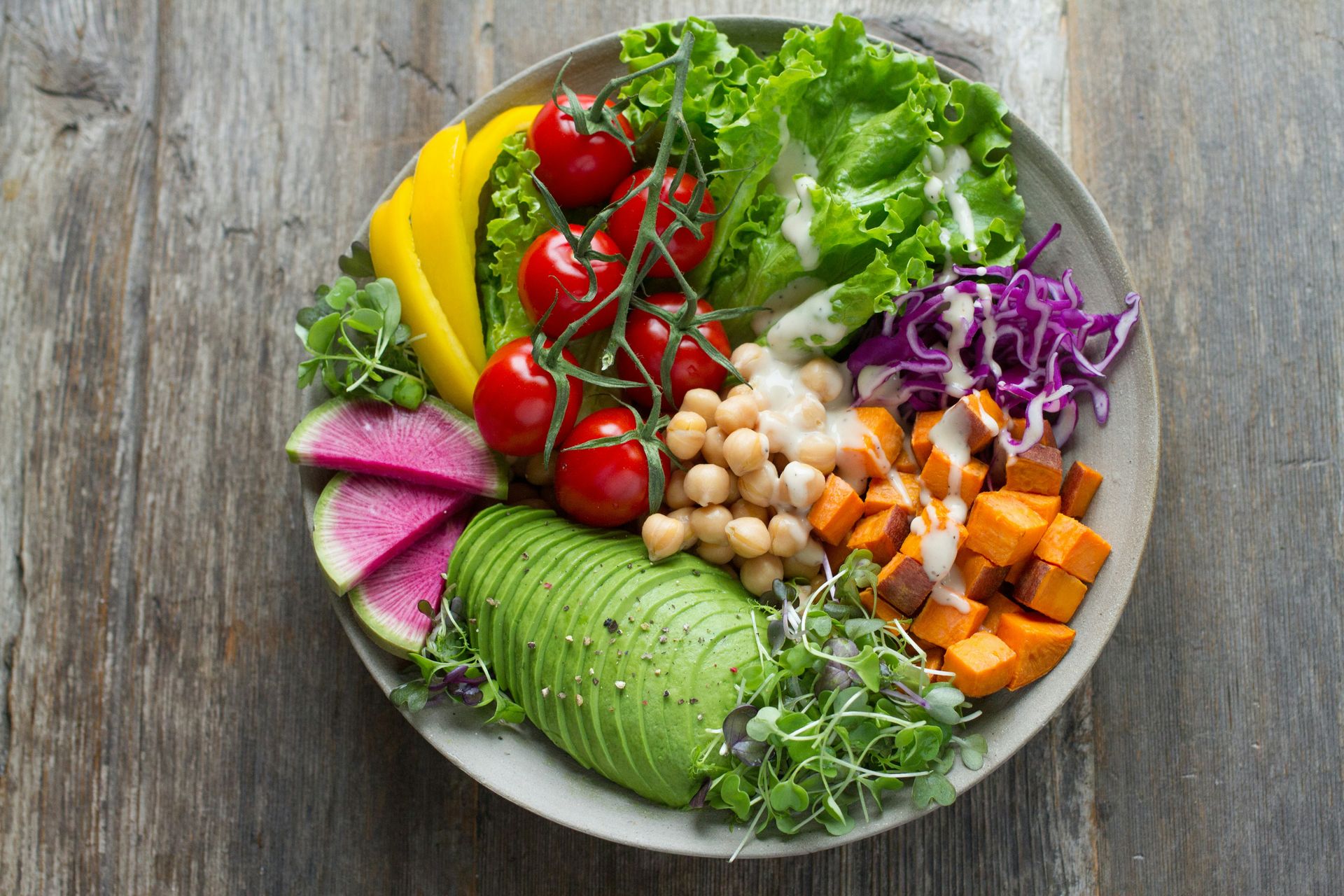
Anna Pelzer / Unsplash
Mental health is often discussed through the lens of therapy, exercise, sleep, and stress management. Nutrition tends to receive less attention, even though what we eat influences many of the systems that help regulate mood, cognition, and emotional well-being. Researchers continue to uncover links between dietary patterns and mental health outcomes, suggesting that food choices may play a meaningful role in supporting brain function throughout life.
That does not mean a healthy meal can cure anxiety, depression, or other mental health conditions. Diet is only one piece of a much larger picture. However, according to The Healthy, emerging evidence points to several eating habits that may help create a stronger foundation for mental wellness. Many of these habits focus less on restriction and more on adding foods that provide important nutrients, support the gut microbiome, and help reduce inflammation throughout the body.
The connection between food and mental health is complex. Nutrients influence chemical processes that support brain function. The gut and brain communicate through an extensive network known as the gut-brain axis. Dietary patterns can also affect inflammation, which researchers increasingly associate with cognitive and emotional health. As a result, small adjustments to everyday eating habits may have effects that extend beyond physical wellness alone.
The good news is that many of the eating habits linked to better mental health are also associated with broader health benefits. Eating more fruits and vegetables, incorporating fish into weekly meals, and prioritizing nutrient-dense foods are recommendations that appear consistently across nutrition research.
Here are five healthy eating habits that experts say can help support mental well-being while also benefiting overall health.
1 / 5
-1920x1280.jpg)
Photo by Clark Douglas on Unsplash
Many healthy eating plans begin with a list of foods to avoid. According to The Healthy, focusing on the positive outcomes that healthier eating can bring, including increased energy, improved health, and feeling better overall.
The report notes that constantly framing food choices as punishment or deprivation can contribute to a negative mindset, while persistent negative self-talk may be perceived by the body as a source of stress. Shifting attention toward what can be gained from healthy eating creates a more positive relationship with food and may make healthy habits easier to maintain over time.
This perspective aligns with a broader trend in nutrition science that emphasizes sustainable behavior change over short-term dieting. Restrictive approaches often prove difficult to maintain because they rely heavily on willpower and can leave people feeling deprived. By contrast, focusing on adding beneficial foods and building healthier routines may feel less burdensome and more achievable.
Eating habits that promote a sense of balance and flexibility may reduce the stress often associated with dieting. A healthier mindset around food can support emotional well-being while also encouraging consistency with long-term nutrition goals.
2 / 5
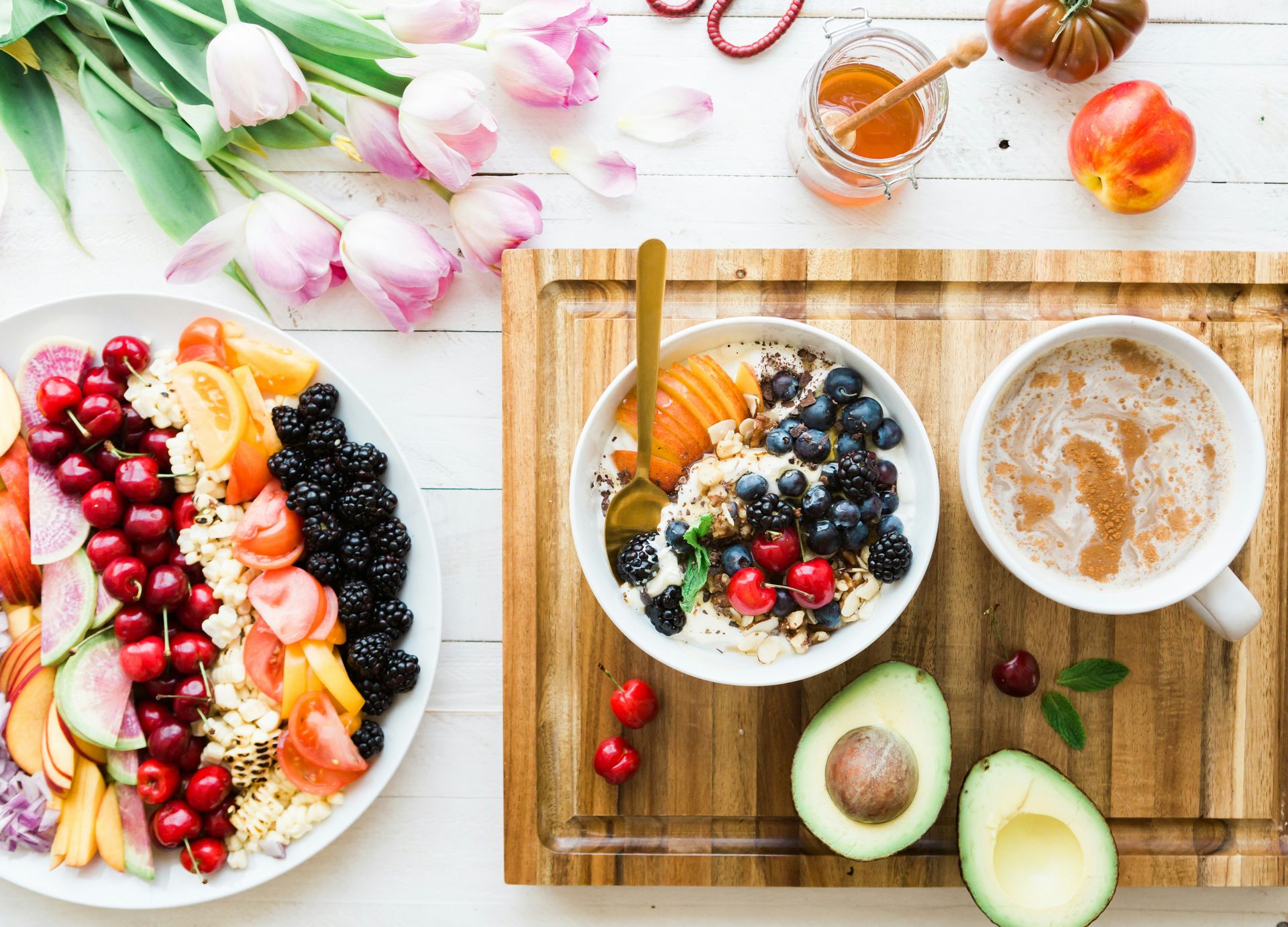
Photo by Brooke Lark on Unsplash
Fruits and vegetables are among the most consistently recommended foods for overall health, and research suggests their benefits may extend to mental well-being as well. According to The Healthy, fruit and vegetable consumption and improvements in areas such as mood, sleep quality, self-esteem, life satisfaction, stress levels, and overall mental wellness appear to be connected.
According to the report, fruits and vegetables provide vitamins, minerals, fiber, and water that support numerous functions throughout the body. These nutrients contribute to chemical processes involved in brain function and help nourish beneficial bacteria within the gut microbiome.
Variety matters as much as quantity. Different fruits and vegetables contain different combinations of nutrients and plant compounds. Colorful produce is particularly rich in phytonutrients, naturally occurring compounds that researchers have linked to cognitive benefits. Studies cited by The Healthy suggest these compounds may support memory, mood, and executive function.
The recommendation extends beyond fresh produce. Processed options such as 100% fruit juice can still contribute valuable nutrients and help increase overall fruit and vegetable intake. The goal is to create a diverse mix of plant foods that deliver a broad range of nutritional benefits.
3 / 5

Photo by Deon Black on Unsplash
Scientists increasingly view the gut as an important player in mental health. The gut and brain communicate through what researchers call the gut-brain axis, a complex network connecting the gastrointestinal system and the central nervous system. Evidence suggests that disruptions to gut health can influence mood, cognition, and emotional well-being.
According to the report, maintaining a healthy gut microbiome is essential for supporting this connection. The microbiome consists of trillions of microorganisms that live within the digestive system and help regulate numerous bodily functions. Diet plays a major role in determining which types of bacteria thrive.
One of the most effective ways to support microbial diversity is through plant diversity. The Healthy highlights research suggesting that consuming up to 30 different plant foods each week may contribute to a more diverse microbiome. That includes fruits, vegetables, whole grains, legumes, nuts, seeds, herbs, and spices.
A diverse microbiome is generally associated with better digestive health, but its influence may extend beyond digestion alone. Researchers continue to investigate how gut bacteria affect neurotransmitter production, immune function, and inflammation, all of which may have implications for mental health.
This habit differs from simply eating more vegetables. It emphasizes variety across the entire spectrum of plant foods. Someone who eats the same salad every day may receive important nutrients, but a broader selection of plants introduces a wider range of fibers and compounds that feed different microbial species.
4 / 5

Photo by Caroline Attwood on Unsplash
Fish remains one of the most studied foods when it comes to brain health. Research highlighted by The Healthy suggests that regular fish consumption is associated with better mental health outcomes and a lower risk of cognitive decline later in life.
Much of the attention centers on omega-3 fatty acids and other beneficial lipids found in fish. Studies have linked these nutrients to a reduced risk of depression and age-related cognitive decline. Researchers continue to investigate the mechanisms involved, but omega-3 fats appear to play important roles in brain structure and function.
According to the report, Harvard Health recommends consuming one or two three-ounce servings of fatty fish each week. Examples include salmon, herring, mackerel, anchovies, and sardines. In addition to supporting brain health, these fish are associated with cardiovascular benefits and may help reduce the risk of stroke.
Fish offers an advantage because it delivers multiple nutrients simultaneously. Along with omega-3 fatty acids, many varieties provide protein, vitamin D, selenium, and other nutrients that support overall health. This combination makes fish a particularly nutrient-dense addition to a balanced eating plan.
For individuals who rarely eat seafood, adding even one weekly serving may represent a meaningful dietary improvement. The goal is not necessarily to overhaul an entire eating pattern overnight. Consistent, moderate intake appears to be the factor most often associated with positive outcomes.
5 / 5

Photo by Louis Hansel on Unsplash
Inflammation has become an increasingly important area of research in mental health. The Healthy cites a review published in the International Journal of Environmental Research and Public Health, which found that dietary patterns rich in fruits, vegetables, and fish were associated with a lower risk of depression.
These foods form the foundation of an anti-inflammatory eating pattern, but they are not the only components. Nuts, seeds, whole grains, and olive oil also contribute valuable nutrients and healthy fats. Many contain omega-3 fatty acids and other compounds that research has linked to improved mood and brain health.
The benefit may come from the overall pattern rather than any single food. Anti-inflammatory diets emphasize nutrient-dense foods that work together to support physical and mental well-being. This approach resembles dietary patterns such as the Mediterranean diet, which researchers frequently associate with positive health outcomes.
The habit also involves paying attention to foods that may contribute to inflammation. The Healthy notes that experts commonly recommend reducing intake of added sugars, sugary beverages, and heavily processed junk foods. High consumption of these foods has been associated with poorer health outcomes and may worsen depressive symptoms in some individuals.
