
Cold showers, drinking ice water, blasting a fan in a closed room — the heat-coping habits most people trust that don't actually work the way they think

Pixabay / Pexels
Extreme heat produces a specific kind of folk wisdom: habits and beliefs that feel intuitively correct because they produce an immediate sensation of relief, even when the physiological reality is more complicated, or in some cases the opposite of what the habit is intended to achieve. A cold shower feels cooling in the moment; the body's actual response to it is not what most people assume. An ice-cold drink feels like the fastest way to cool down; the body's core temperature regulation does not work quite that simply.
The myths in this list persist because they are partially true — most of them describe a real, immediate physical sensation that gets misread as evidence of an underlying physiological effect that isn't actually occurring, or that occurs in a way different from what people assume. Understanding the actual mechanism behind heat regulation makes it possible to distinguish between habits that genuinely help and habits that merely feel like they help.
Each entry covers the myth, the physiological reality that contradicts or complicates it, and the more accurate version of the advice.

Armin Rimoldi / Pexels
A cold shower feels immediately and dramatically cooling, but the physiological effect is more complicated than the sensation suggests: cold water on overheated skin causes blood vessels near the skin's surface to constrict (vasoconstriction), which is the body's normal cold response, and this constriction actually reduces the rate at which heat from the body's core is transported to the skin surface for dissipation — the opposite of what someone trying to cool their core temperature quickly actually needs.
The more effective approach, according to heat physiology research, is a lukewarm or moderately cool shower rather than a cold one: lukewarm water cools the skin without triggering the vasoconstriction response that a cold shower produces, allowing heat to continue transferring from the core to the skin and off the body more efficiently. The immediate, intense relief of a cold shower is real, but it is largely a nervous system response to the cold sensation itself rather than evidence of more effective core cooling.
For situations involving genuine heat-related illness (heat exhaustion or heat stroke) rather than ordinary discomfort, the calculation changes again: in an emergency cooling context, the priority shifts to rapid core temperature reduction by any means available, including cold water immersion, because the risk of organ damage from sustained dangerous core temperature outweighs the theoretical inefficiency of vasoconstriction in that specific emergency scenario.
Alexey Demidov / Pexels
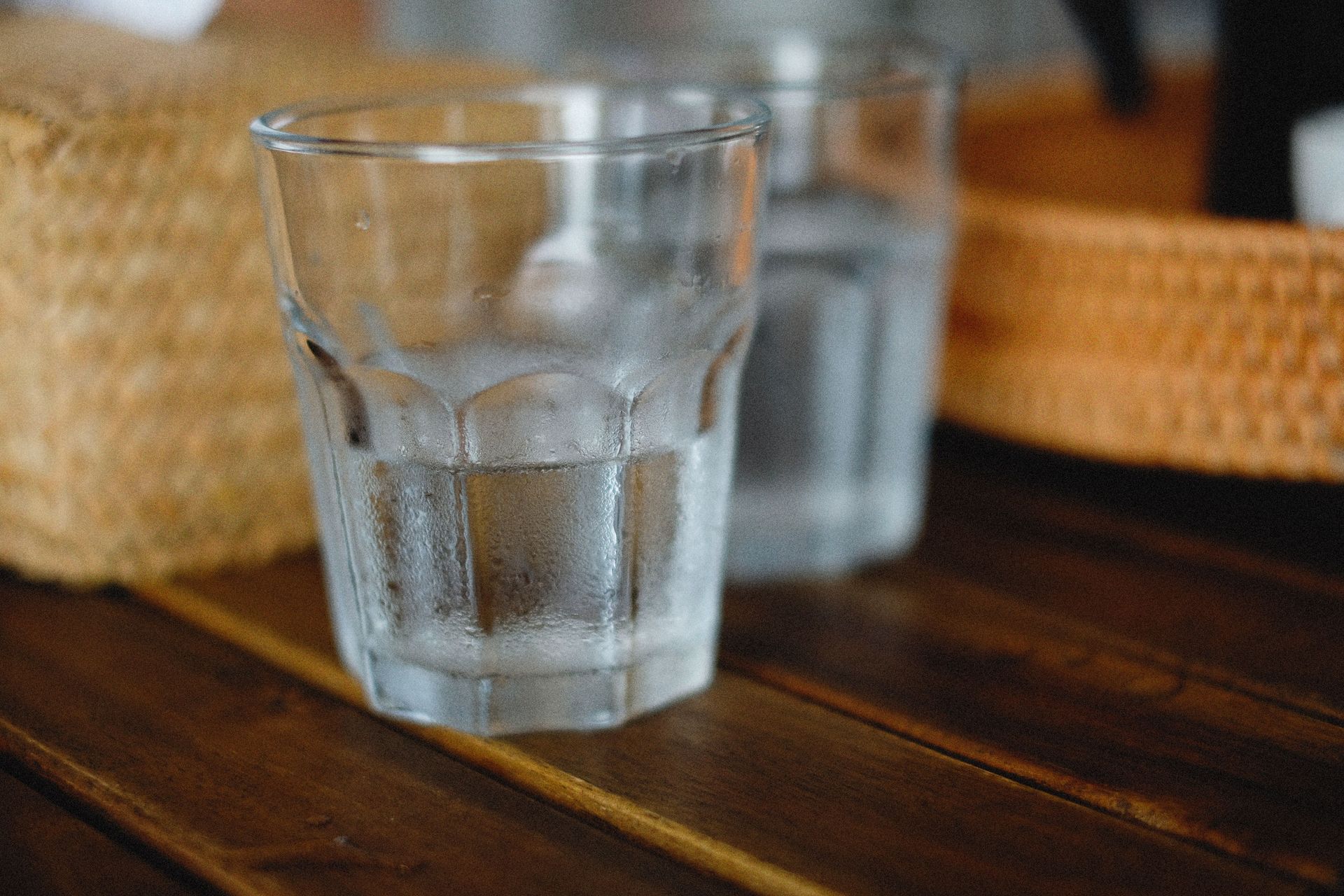
Ice-cold water feels like the most direct way to lower body temperature, but the stomach and digestive system must first warm the cold water to body temperature before it can be absorbed and distributed, a process that requires the body to expend some metabolic energy (which itself generates a small amount of heat) and that delivers the cooling benefit more slowly than the immediate sensation suggests.
Research on hydration and thermoregulation has found that cool (not ice-cold) water is absorbed and distributed more efficiently than ice-cold water, supporting hydration — which is the more significant factor in heat tolerance — more effectively than the extreme cold temperature that ice water provides. Adequate hydration supports the body's sweating mechanism, which is the primary and most effective cooling system the human body has; a well-hydrated person sweats more effectively and cools more efficiently than a dehydrated person drinking ice water intermittently.
The practical implication is that consistent, moderate fluid intake throughout a hot day matters considerably more for heat tolerance than the specific temperature of any individual drink, and prioritizing steady hydration over chasing the momentary sensation of an ice-cold beverage produces better heat tolerance over the course of a full day.
Jakub Zerdzicki / Pexels
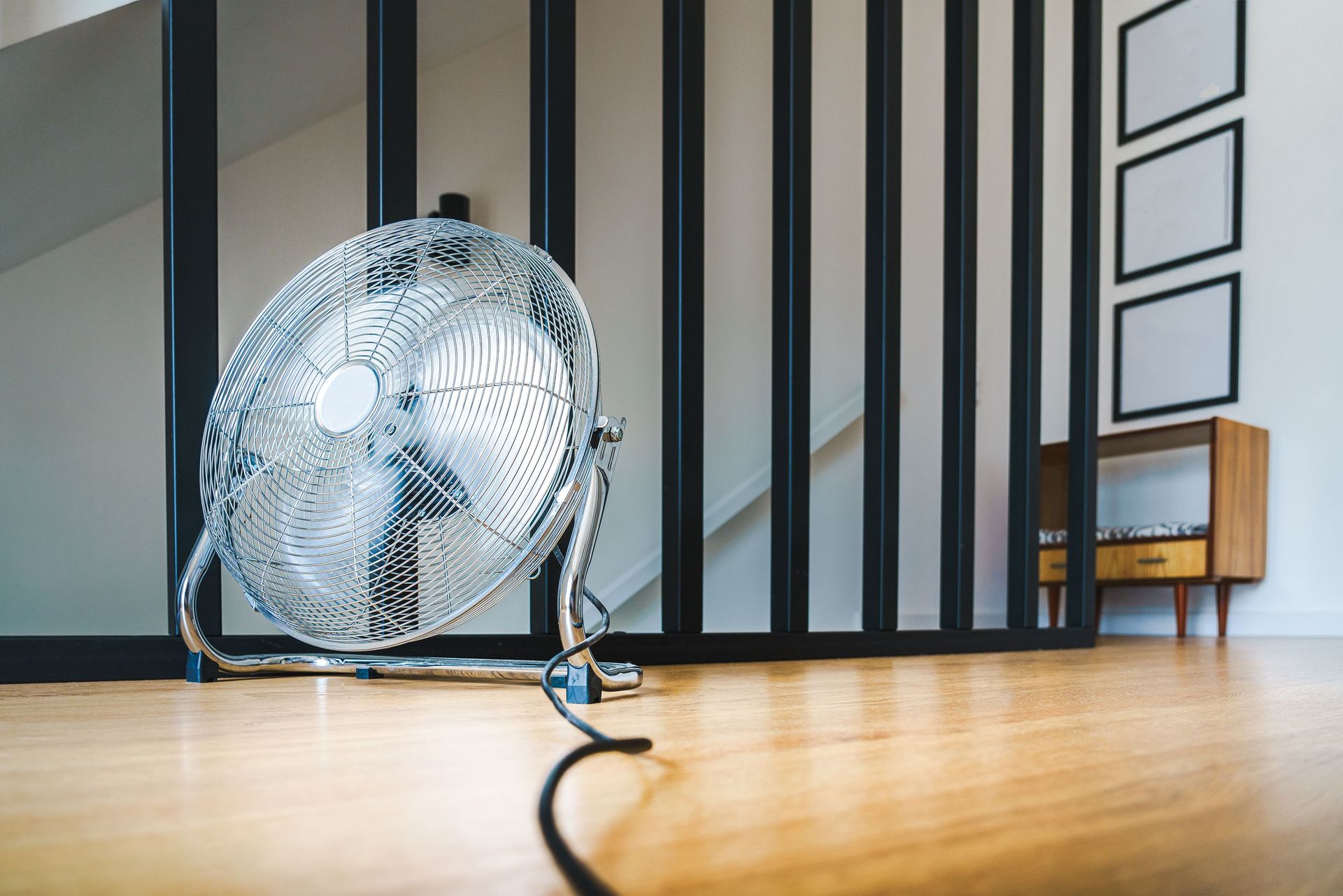
A fan does not lower the temperature of a room; it moves air, and the cooling sensation it produces comes entirely from increased evaporation of sweat from the skin, which is genuinely effective for human comfort but does nothing to reduce the actual air temperature in a closed space — a distinction that matters significantly in extreme heat situations where the room temperature itself may reach dangerous levels.
In sufficiently high ambient temperatures (generally cited around 95°F or higher, particularly with high humidity that reduces sweat evaporation efficiency), a fan can become actively counterproductive: moving air at a temperature higher than skin temperature increases heat transfer to the body rather than away from it, similar to the effect of a convection oven, and several public health advisories specifically warn against relying on fans alone during the most extreme heat events for this reason.
The practical implication is that a fan is a genuinely useful comfort tool at moderate-to-high temperatures where evaporative cooling still provides net benefit, but it is not a substitute for air conditioning or another actual temperature-reduction method during the most extreme heat, and understanding this distinction matters most for vulnerable populations (elderly people, young children) who are at greatest risk if fan use is mistakenly relied upon as adequate protection during a genuine heat emergency.

RDNE Stock project / Pexels
The intuitive logic — hot food and drinks add heat to a body that is already too hot — is contradicted by a well-documented physiological response: consuming hot beverages, particularly hot tea, triggers increased sweating that, when the sweat is able to evaporate, produces a net cooling effect that exceeds the direct heat added by the beverage itself, a phenomenon studied specifically in populations (including in parts of India, the Middle East, and North Africa) with cultural traditions of drinking hot tea in extremely hot climates.
The mechanism depends heavily on the sweat's ability to evaporate: in low-humidity conditions, where sweat evaporates efficiently, hot beverages can produce a genuine net cooling benefit through this triggered sweat response. In high-humidity conditions, where sweat does not evaporate efficiently regardless of what triggered it, the calculation shifts, and the direct heat added by a hot beverage is less likely to be offset by an already-compromised evaporative cooling mechanism.
The practical takeaway is that this is a genuinely climate-dependent piece of advice rather than a universal one: the traditional practice of hot tea in hot, dry climates has a real physiological basis, but it does not necessarily transfer to hot, humid climates where the evaporative cooling mechanism the practice depends on is already impaired by ambient humidity.

Vinícius Caricatte / Pexels
Alcohol produces a subjective sensation of warmth being relieved and often accompanies a feeling of relaxation in hot weather, but its physiological effects work directly against effective heat regulation: alcohol is a diuretic, increasing fluid loss through urination at a time when the body's fluid reserves are already under pressure from sweating, accelerating the progression toward dehydration, which impairs the sweating mechanism that is the body's primary cooling system.
Alcohol also produces peripheral vasodilation (widening of blood vessels near the skin surface), which can create a subjective sensation of warmth being released from the body, but this same vasodilation, combined with alcohol's impairment of the hypothalamus's temperature-regulating function, can interfere with the body's ability to accurately sense and respond to rising core temperature — a combination of effects that has been specifically implicated in heat-related illness and death in situations involving alcohol consumption during extreme heat events.
The practical implication, supported by public health guidance during heat emergencies, is that alcohol consumption should be reduced rather than increased during extreme heat, despite the common social pattern of hot-weather drinking (barbecues, beach days, outdoor summer events), specifically because alcohol's dehydrating and vasodilating effects work against the body's natural heat management systems at precisely the time those systems are under the greatest strain.
Maurício Mascaro / Pexels
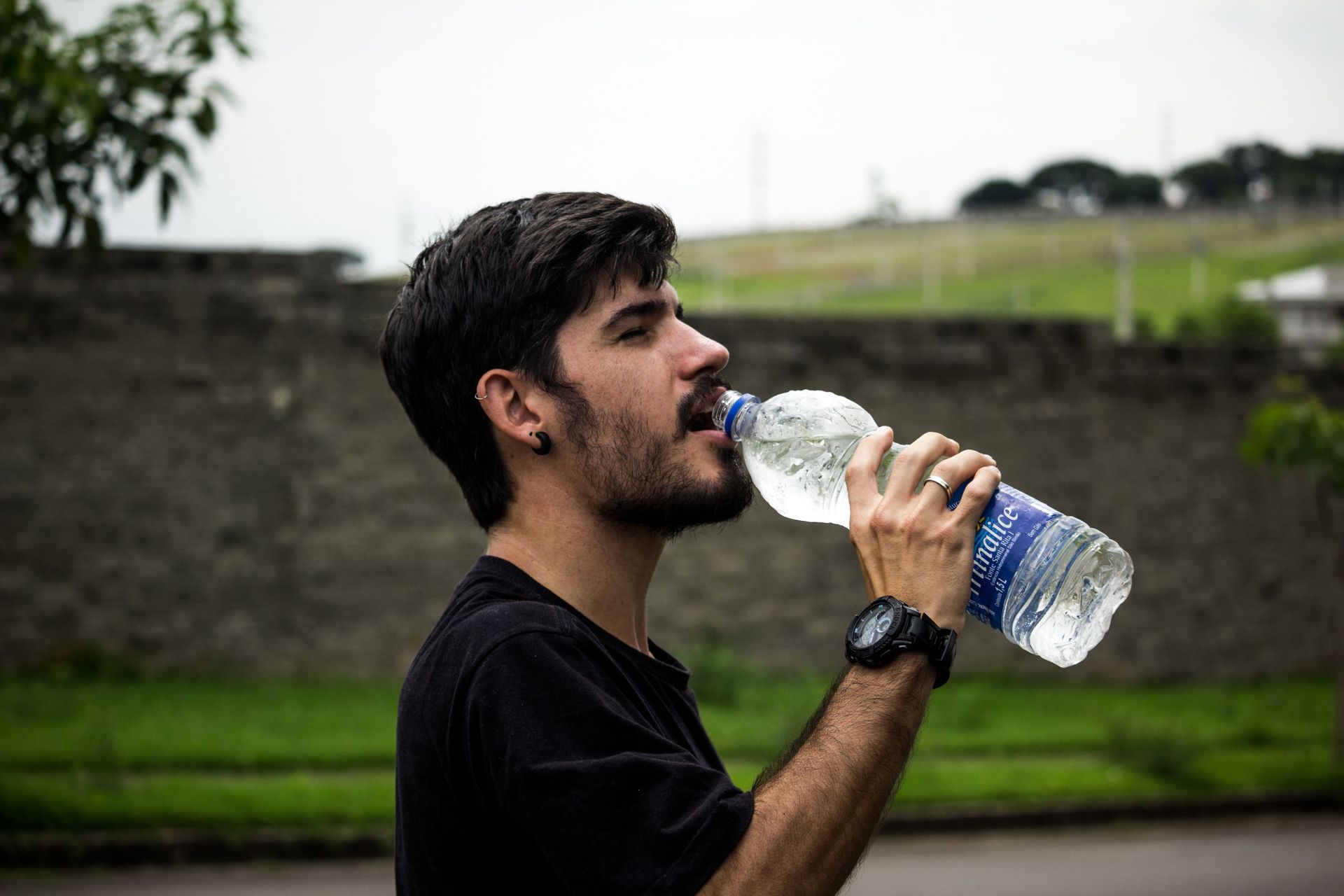
Thirst is a lagging indicator of hydration status, activating only after a meaningful degree of fluid deficit has already developed, and by the time thirst is clearly perceived, mild to moderate dehydration — sufficient to measurably impair physical and cognitive performance — has typically already occurred, a specific finding well-documented in sports science and heat physiology research.
This delay is particularly significant in older adults, whose thirst response becomes measurably less sensitive with age, meaning that elderly individuals can develop significant dehydration during a heat event without the thirst signal that younger adults would experience at an earlier stage of fluid deficit — a mechanism that contributes to the disproportionate heat-related illness and mortality risk that elderly populations face during heat waves.
The practical implication is that hydration during hot weather should be proactive and scheduled (drinking at regular intervals throughout the day) rather than reactive to thirst sensation, particularly for older adults, outdoor workers, and anyone engaged in physical activity in the heat, since waiting for thirst as the cue to drink means beginning rehydration only after a fluid deficit has already developed.

Vasya Sleptsov / Pexels
The general principle that light-colored clothing reflects more solar radiation than dark clothing, and therefore keeps the wearer cooler, is broadly accurate for direct sun exposure, but the complete picture is more nuanced than the simple light-versus-dark framing suggests: fabric weave, thickness, and breathability affect heat and comfort at least as significantly as color, and a well-ventilated, loose-fitting dark garment can outperform a tightly woven, non-breathable light-colored garment in actual comfort and heat management.
Additionally, some research has found that in certain conditions — specifically for people in the shade rather than direct sun — dark clothing can radiate absorbed heat away from the body more efficiently than light clothing, a finding that traditional desert-dwelling populations' clothing choices (some of which favor darker, loose-fitting fabric) have anecdotally reflected for generations, complicating the simple assumption that light color is unconditionally superior in all hot-weather contexts.
The practical takeaway is that color is one factor among several, and for most typical hot-weather situations (direct sun exposure, moderate activity), light-colored, loose-fitting, breathable fabric remains the generally best-supported recommendation, but the common assumption that color alone determines heat comfort oversimplifies a more complex interaction between color, fabric properties, and specific sun exposure conditions.

Yura Forrat / Pexels
This is among the most dangerous heat myths on this list because the underlying physics are dramatically more severe than most people intuitively expect: research has consistently found that a car's interior temperature can rise by 20°F within just 10 minutes even in relatively mild outdoor temperatures (mid-70s Fahrenheit), and cracking the windows has been found to have minimal effect on this rate of temperature rise, providing a false sense of mitigated risk.
The specific mechanism is the greenhouse effect operating at a small, enclosed scale: solar radiation passes through the car's windows and is absorbed by the interior surfaces (seats, dashboard), which then re-radiate that energy as heat that is largely trapped by the glass, producing a rapid temperature increase that a few inches of cracked window does essentially nothing to prevent, since the volume of air exchange through a small window gap is far too limited to offset the rate of heat accumulation.
The practical and unambiguous implication, stated directly rather than softened by any nuance: children and pets should never be left alone in a parked car, even briefly, even with windows cracked, and even in weather that does not feel extremely hot by outdoor standards, since the enclosed car environment produces temperatures that reach dangerous and potentially fatal levels far faster than most people's intuitive sense of "a few minutes" accounts for.

Yura Forrat / Pexels
While heat exhaustion and heat stroke exist on a continuum of heat-related illness, treating them as merely different degrees of the same condition obscures a critical distinction that determines the correct emergency response: heat exhaustion is generally responsive to rest, hydration, and cooling measures applied by the affected person or a bystander, while heat stroke is a medical emergency involving the failure of the body's core temperature regulation itself, requiring immediate professional medical intervention and carrying a real risk of organ damage or death if not treated rapidly.
The specific distinguishing signs matter clinically: heat exhaustion typically presents with heavy sweating, weakness, and cool or clammy skin, while heat stroke is often marked by the cessation of sweating (the body's cooling mechanism has failed), hot and dry or hot and damp skin, confusion or altered mental status, and a core body temperature typically above 103°F — signs that indicate the situation has progressed beyond what home remedies or bystander intervention can adequately address.
The practical and safety-relevant implication is that recognizing heat stroke specifically as a "call emergency services immediately" situation, rather than treating it with the same wait-and-see approach that might be reasonable for heat exhaustion, is a distinction that can meaningfully affect outcomes, since heat stroke's organ damage risk increases with every additional minute the core temperature remains dangerously elevated without medical intervention.

Kindel Media / Pexels
Sunscreen addresses UV radiation exposure and the associated skin cancer and sunburn risk, but it does nothing to address heat exposure or the risk of heat-related illness, a distinction that matters because sunscreen's specific protective function is frequently conflated with general "sun safety" or "heat safety," leading some people to feel adequately protected against heat risks simply because they have applied sunscreen.
The specific gap this myth creates: a well-sunscreened person exercising or working outdoors during extreme heat remains at full risk of dehydration, heat exhaustion, and heat stroke, because sunscreen's mechanism (absorbing or reflecting UV radiation to prevent skin damage) has no bearing on the body's core temperature regulation, hydration status, or the physiological processes that heat-related illness actually involves.
The practical implication is that comprehensive heat safety requires a combination of measures addressing different risks simultaneously: sunscreen for UV protection, adequate hydration and rest breaks for heat illness prevention, and appropriate clothing and shade-seeking behavior for both — and treating sunscreen application as a complete heat safety solution leaves the more medically significant risks (heat exhaustion and heat stroke) entirely unaddressed.