
Credit: Canva Images
The job market does not reward stability. It rewards relevance. And relevance is shifting faster than most career guides acknowledge. Over the next decade, automation will absorb a significant share of routine cognitive work — data entry, basic legal drafting, rote financial analysis — while simultaneously creating demand for roles that require human judgment, physical dexterity in unpredictable environments, or the ability to manage the very systems doing the automating.
Several forces are converging to reshape which jobs matter. Climate change is forcing governments and corporations to rebuild infrastructure, energy systems, and agricultural supply chains. AI adoption is accelerating across every major industry, creating a gap between the tools organizations are deploying and the people who can manage, interpret, and audit them. An aging population in the U.S., Europe, Japan, and China is expanding demand for healthcare — not just doctors and nurses, but specialists in geriatric care, mental health, and chronic disease management.
At the same time, geopolitical fragmentation is pushing supply chains back toward domestic production, creating demand for advanced manufacturing roles that didn't exist in their current form a decade ago. Biosecurity has moved from a niche government concern to a mainstream institutional priority following the COVID-19 pandemic. Cybersecurity needs are growing faster than the talent pipeline can replenish them.
What most of these emerging high-value roles share is that they sit at intersections — between technical knowledge and human communication, between data interpretation and ethical accountability, between physical trades and digital fluency. The most durable careers over the next decade will not belong to pure technologists or pure humanists. They will belong to people who can operate at the seam.
This list focuses on roles where demand is structurally growing, not cyclically. These are not jobs that are hot because of a funding bubble or a single policy moment. They are jobs where the underlying drivers — demographic change, climate transition, technological adoption, public health infrastructure — are durable and compounding. Some of these roles already exist and are undervalued. Others are new enough that formal credentials barely exist yet. All of them are worth understanding.
1 / 15
-1920x1280.jpg)
Credit: Markus Winkler / Pexels
Organizations deploying artificial intelligence at scale face a problem that did not exist five years ago: they cannot always explain what their own systems are doing, or why. AI systems auditors fill that gap. Their job is to evaluate whether AI tools are performing as intended, producing fair outcomes, and complying with emerging regulations — and to document those findings in ways that executives, regulators, and the public can understand.
The role sits at the intersection of data science, ethics, and institutional compliance. A competent auditor needs enough technical knowledge to interrogate model outputs, assess training data quality, and identify failure modes. But they also need the communication skills to translate those findings into policy language and the institutional fluency to recommend changes that organizations will actually implement.
This is not purely a technical job, and that is part of what makes it durable. Fully automated systems cannot meaningfully audit themselves for ethical failures or regulatory compliance — not because the math is too hard, but because the standards being applied are social and political, not computational. Someone has to decide what fairness means in a given context, and someone has to be accountable for that decision.
The regulatory environment is pushing demand in a very specific direction. The European Union's AI Act, which came into force in phases beginning in 2024, imposes strict requirements on high-risk AI systems — including mandatory conformity assessments, documentation standards, and oversight mechanisms. Similar frameworks are developing in the U.K., Canada, and several U.S. states. Every organization subject to those regulations will need people who can do this work.
In practice, AI auditors are currently being drawn from several adjacent fields: data scientists who develop an interest in governance, lawyers who develop technical fluency, and policy analysts who learn enough statistics to be useful. There is no dominant credential yet, which means the field is accessible to people coming from multiple directions. That window will likely close as formal certification programs develop — which makes this an unusually good moment to enter the field.
The pay range for this role is still being established, but it is trending toward the higher end of knowledge work. Organizations treat compliance failures as existential risks, which means the people who prevent them command significant leverage in salary negotiations.
2 / 15
Credit: Lâm Trần / Pexels
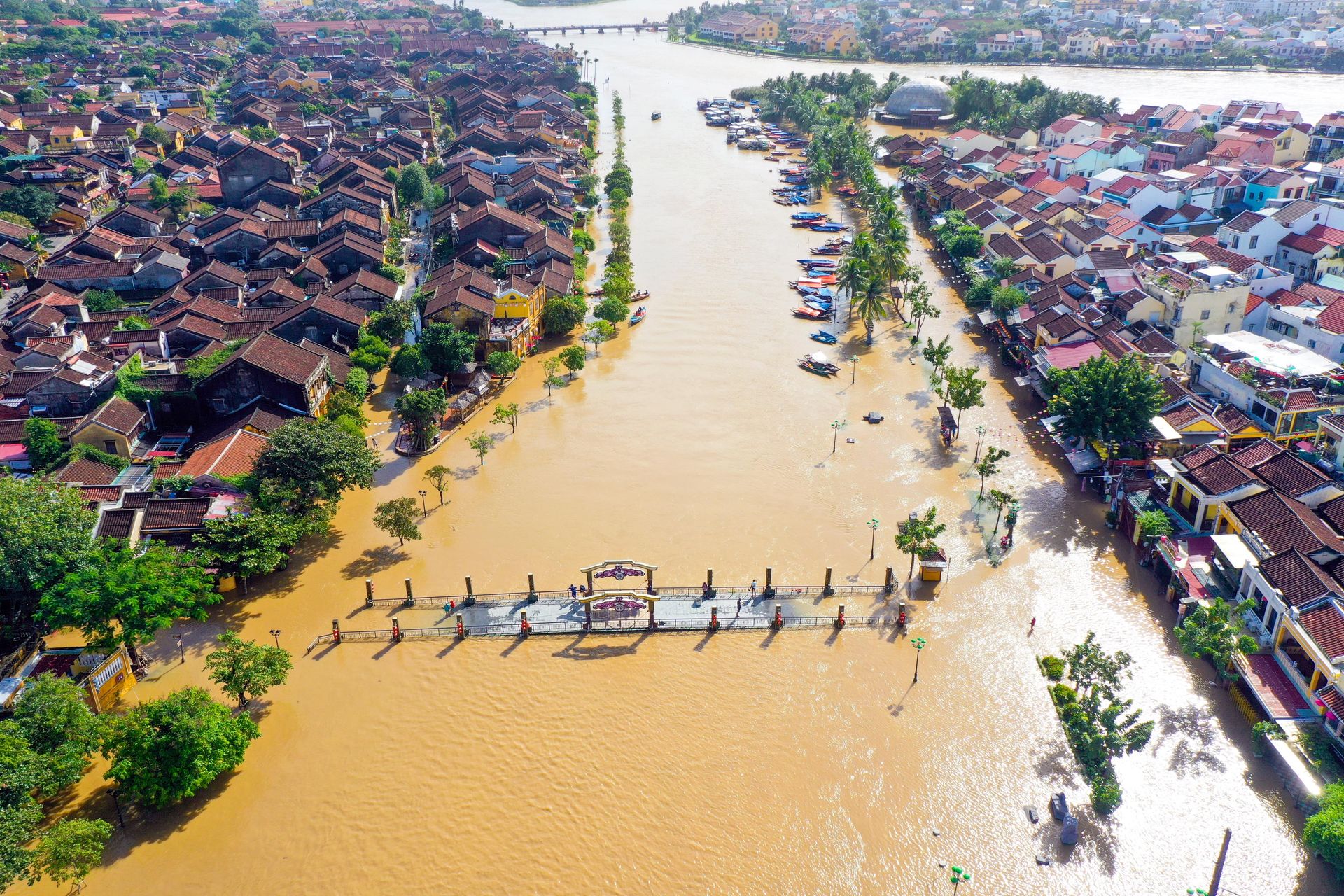
Climate adaptation engineering is the work of redesigning the built environment to survive conditions that did not exist when it was originally constructed. That includes making cities resilient to flooding, heat, drought, and wildfire; redesigning coastal infrastructure to account for sea level rise; and rethinking transportation and utility networks that were built for a climate that no longer exists.
The distinction between mitigation and adaptation is important. Mitigation is the work of reducing emissions to slow or stop climate change. Adaptation is the work of adjusting to the changes that are already locked in. Both matter, but adaptation engineering is often underfunded relative to its importance — and that gap is closing fast as the physical consequences of climate change become more costly and visible.
Civil and structural engineers have always handled infrastructure design. What makes climate adaptation engineering a distinct and growing specialty is the need to integrate probabilistic climate projections into design standards that were built on historical data. Engineers designing a storm drainage system today cannot use 20th-century rainfall records as their primary reference. They need to model how precipitation patterns will shift over the 50- to 100-year life of the infrastructure they are building.
That requires competence in climate science that most engineering curricula do not currently cover. Engineers who develop it — whether through graduate study, continuing education, or direct experience — are in a position to command significant premiums over the next decade.
The public sector is the largest employer of this work. Federal agencies, state governments, and municipal infrastructure departments are all operating under updated climate risk requirements. But private sector demand is growing too. Real estate developers, insurance companies, utilities, and large industrial operators all need people who can assess and manage climate-related physical risk.
Internationally, the demand is even more acute. Countries in South and Southeast Asia, sub-Saharan Africa, and small island states face climate impacts that are more severe and immediate than those in wealthy temperate nations — and they have less existing infrastructure to cushion the transition. Engineers with climate adaptation expertise who are willing to work internationally have a large and growing market.
3 / 15

Credit: Drazen Zigic / Magnific
The U.S. population aged 65 and older is projected to nearly double between 2020 and 2060. Similar trends are playing out in Japan, South Korea, Germany, Italy, and most of Western Europe. This demographic shift is not new information — it has been visible in population data for decades — but its implications for healthcare are now arriving in full force.
Geriatric care specialists work with older adults managing multiple chronic conditions, cognitive decline, frailty, or complex medication regimens. The specialty requires a different clinical approach than standard adult medicine: older patients are more likely to have atypical presentations of illness, more likely to experience adverse drug interactions, and more likely to require care coordination across multiple providers and settings.
Demand for this specialty is growing faster than supply. The number of certified geriatricians in the U.S. has not kept pace with the aging population, and most medical training still underemphasizes geriatric medicine relative to its epidemiological weight. That gap creates real opportunities for clinicians — physicians, nurse practitioners, physician assistants, pharmacists, and social workers — who choose to specialize in this area.
The financial case for specializing in geriatrics has historically been weak: the specialty involves longer appointments, more complex coordination, and lower reimbursement rates than some procedural specialties. That is changing as payment models shift toward value-based care, which rewards outcomes and care coordination rather than procedure volume. Geriatric care specialists who can manage complex patients effectively and reduce hospitalizations are increasingly attractive to health systems operating under risk-based contracts.
Beyond clinical care, there is growing demand for geriatric expertise in non-clinical settings: long-term care facility design, insurance product development, technology companies building assistive products, and policy organizations working on Medicare and Medicaid reform. Clinicians with geriatric training who develop fluency in any of these adjacent domains have particularly strong career trajectories.
4 / 15
Credit: Fernando Narvaez / Pexels
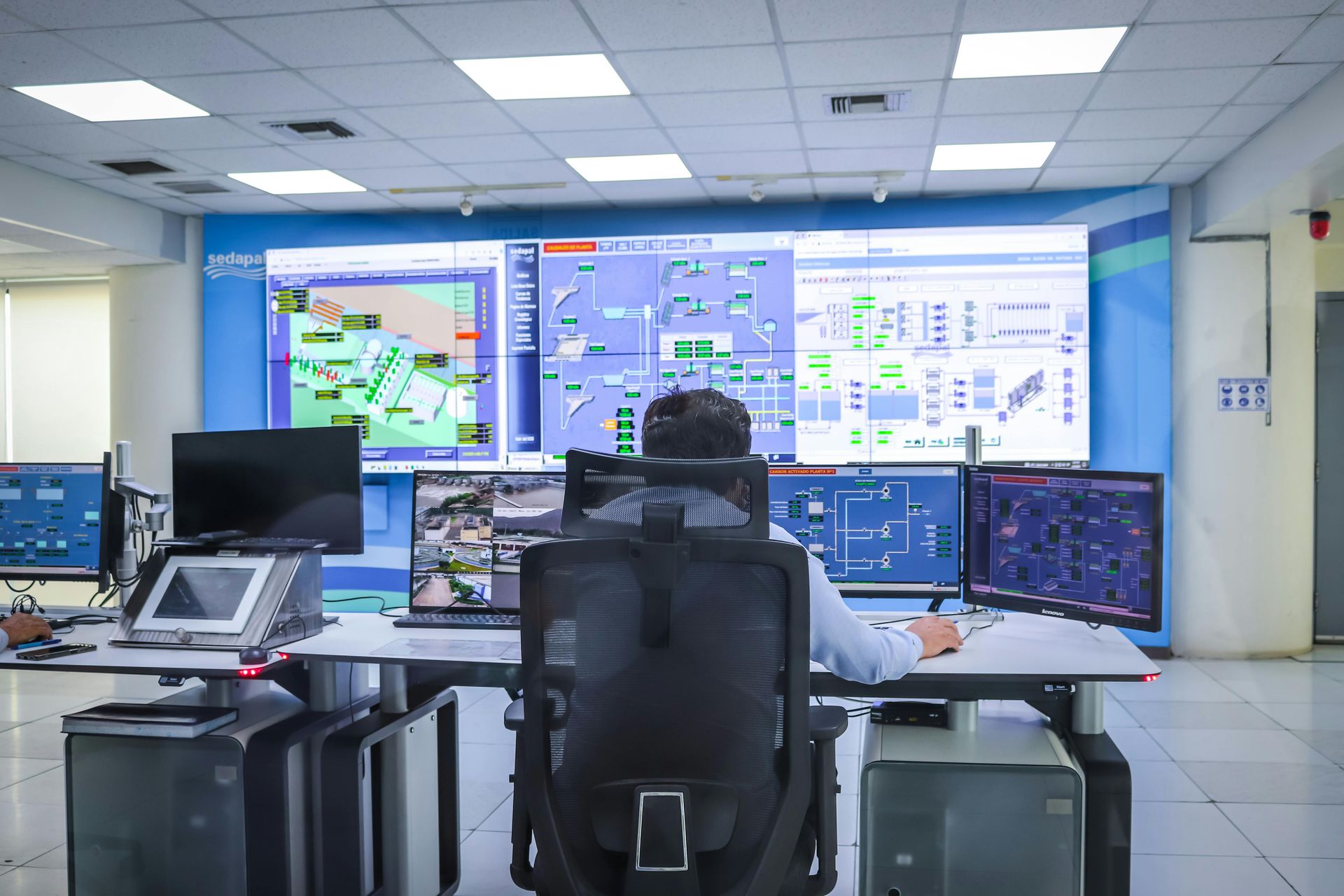
Most cybersecurity talent is concentrated in IT — the digital networks that handle data, communications, and software systems. Operational technology (OT) cybersecurity is a different and less populated field, focused on the digital systems that control physical infrastructure: power grids, water treatment facilities, pipelines, manufacturing plants, and hospital equipment.
The stakes in OT security are different from IT security. A breach of a corporate email system is damaging. A breach of a power grid or water treatment system can be dangerous. The 2021 attack on a water treatment facility in Oldsmar, Florida — in which an attacker briefly changed the sodium hydroxide levels in the water supply — made the physical consequences of OT vulnerabilities visible in a way that focused government and industry attention.
OT systems present distinct security challenges. Many were designed before cybersecurity was a consideration, and they run on legacy protocols that were not built with security in mind. They often cannot be patched or updated the way IT systems can, because doing so would require taking critical infrastructure offline. And they typically need to be kept running continuously, which limits the window for security interventions.
The workforce gap in OT security is significant. The field requires a combination of IT security skills — network analysis, threat modeling, incident response — and engineering knowledge of physical systems: how a SCADA system works, how industrial control systems communicate, what a safety instrumented system does. Very few people have both, which means the people who do command very high salaries.
Government is a major driver of demand. The U.S. Cybersecurity and Infrastructure Security Agency (CISA) has made OT security a central priority, and federal funding for critical infrastructure protection has grown. The energy transition is adding new complexity: the grid is becoming more distributed and digitally connected as solar, wind, and battery storage assets are integrated, and each new connection point is a potential attack surface.
Private sector demand is equally strong. Utilities, manufacturers, and infrastructure operators are all under pressure to improve OT security posture. Consultancies that specialize in this area are growing quickly, and in-house OT security roles are being created at major industrial companies.
5 / 15

Credit: CDC / Pexels
The COVID-19 pandemic exposed the gap between existing public health infrastructure and the scale of response required by a fast-moving global pathogen. That exposure has driven a sustained increase in investment in biosecurity — the practice of identifying, assessing, and mitigating biological threats, whether from natural outbreaks, laboratory accidents, or deliberate misuse.
Biosecurity analysts work across a range of institutions: government health agencies, international health organizations, academic research centers, think tanks, and defense departments. Their work involves monitoring surveillance data for early signals of emerging pathogens, assessing the risks posed by new biotechnologies, evaluating national and international preparedness frameworks, and advising on policy responses.
The field sits at the intersection of biology, epidemiology, public policy, and national security. Entry paths are correspondingly diverse. Some analysts come from graduate training in infectious disease or microbiology. Others come from public health, law, or international relations, and develop the scientific literacy needed for the role through self-study or specialized training programs.
What makes biosecurity distinct from adjacent public health roles is the explicit focus on risk and threat. Biosecurity analysts are not primarily treating patients or running vaccination campaigns — they are trying to anticipate and prevent catastrophic scenarios. That requires a different analytical mindset: scenario planning, probabilistic risk assessment, and the ability to make decisions under significant uncertainty.
The biosecurity field is well-funded by historical standards but is still small relative to its importance. The Johns Hopkins Center for Health Security, the Nuclear Threat Initiative's Global Health Security program, and government agencies like the Biomedical Advanced Research and Development Authority (BARDA) are among the major employers. The field expanded significantly after 2020, and it has retained that expanded footprint as governments have treated pandemic preparedness as a durable priority rather than an emergency response.
Salaries are competitive with other policy and research roles, and the field offers meaningful work. The combination of genuine intellectual challenge, policy relevance, and mission-driven culture makes it attractive to people with scientific training who want careers with direct public benefit.
6 / 15

Credit: lange x / Pexels
The energy transition is generating one of the clearest workforce demand signals of the next decade. Solar, wind, and battery storage are growing from a small share of total electricity generation to a dominant one — and that growth requires not just engineers and financiers, but large numbers of skilled technicians who can install, maintain, and repair the physical equipment.
Solar photovoltaic installers and wind turbine service technicians are among the fastest-growing occupations by percentage growth in the U.S. Bureau of Labor Statistics occupational projections. The underlying driver is straightforward: every new solar panel installed and every new wind turbine commissioned requires ongoing maintenance, and the installed base is growing rapidly.
The pay for these roles is rising. Wind turbine technicians, in particular, earn wages comparable to many jobs requiring four-year college degrees, without the associated debt burden. The work is physical and outdoors, which suits people who prefer not to spend their careers at a desk. It also requires genuine technical competence — electrical systems, mechanical systems, safety protocols, and increasingly, digital diagnostic tools.
The geographic distribution of these jobs is a notable feature. Renewable energy projects are often located in rural areas, where wind resources and solar irradiance are high and land is available. This means well-paying technical jobs are appearing in parts of the country that have seen long-term manufacturing decline. Communities in the Great Plains, the Southwest, and Appalachia are all seeing renewable energy project activity.
Battery storage is an emerging component of this workforce. As grid-scale battery systems become more common — needed to balance the intermittency of solar and wind — technicians who can install and service electrochemical storage systems will be in growing demand. This is a newer specialty than solar or wind, and the workforce training infrastructure for it is still being built. People who develop relevant skills now will be well-positioned as the market matures.
7 / 15

Credit: SHVETS production / Pexels
Demand for mental health services has grown substantially over the past decade, driven by a combination of reduced stigma around seeking care, increased public awareness of anxiety and depression as treatable conditions, and the documented mental health effects of the COVID-19 pandemic. That demand has outpaced the supply of trained providers, and the gap is structural rather than temporary.
Mental health counselors — a category that includes licensed professional counselors, licensed mental health counselors, and marriage and family therapists — provide therapy and counseling services across a wide range of settings: private practice, community mental health centers, schools, hospitals, and workplace employee assistance programs. The educational pathway typically requires a master's degree and supervised clinical hours before licensure.
The telehealth expansion that accelerated during the pandemic has changed the market for mental health services in important ways. Counselors who are licensed in multiple states can now serve clients remotely, significantly expanding their potential patient population. Platforms that match therapists with clients have grown rapidly and provide one channel for building a caseload, though they vary considerably in their compensation structures.
Specialty areas within mental health counseling are particularly strong. Trauma-informed therapy, substance use counseling, and child and adolescent mental health are all areas of significant unmet need. Counselors who develop competence in evidence-based modalities like Cognitive Behavioral Therapy or Dialectical Behavior Therapy have stronger competitive positions than generalists.
The workforce shortage in mental health is particularly acute in rural areas and in communities with low average incomes. Some states and the federal government have created loan forgiveness programs and other incentives for counselors who serve these underserved populations, which can substantially change the financial calculus of entering the field. The long-term career trajectory for mental health counselors is stable: unlike many knowledge work roles, therapy requires human presence, sustained attention, and relational capacity that automation does not currently replicate.
8 / 15
Credit: Tom Fisk / Pexels
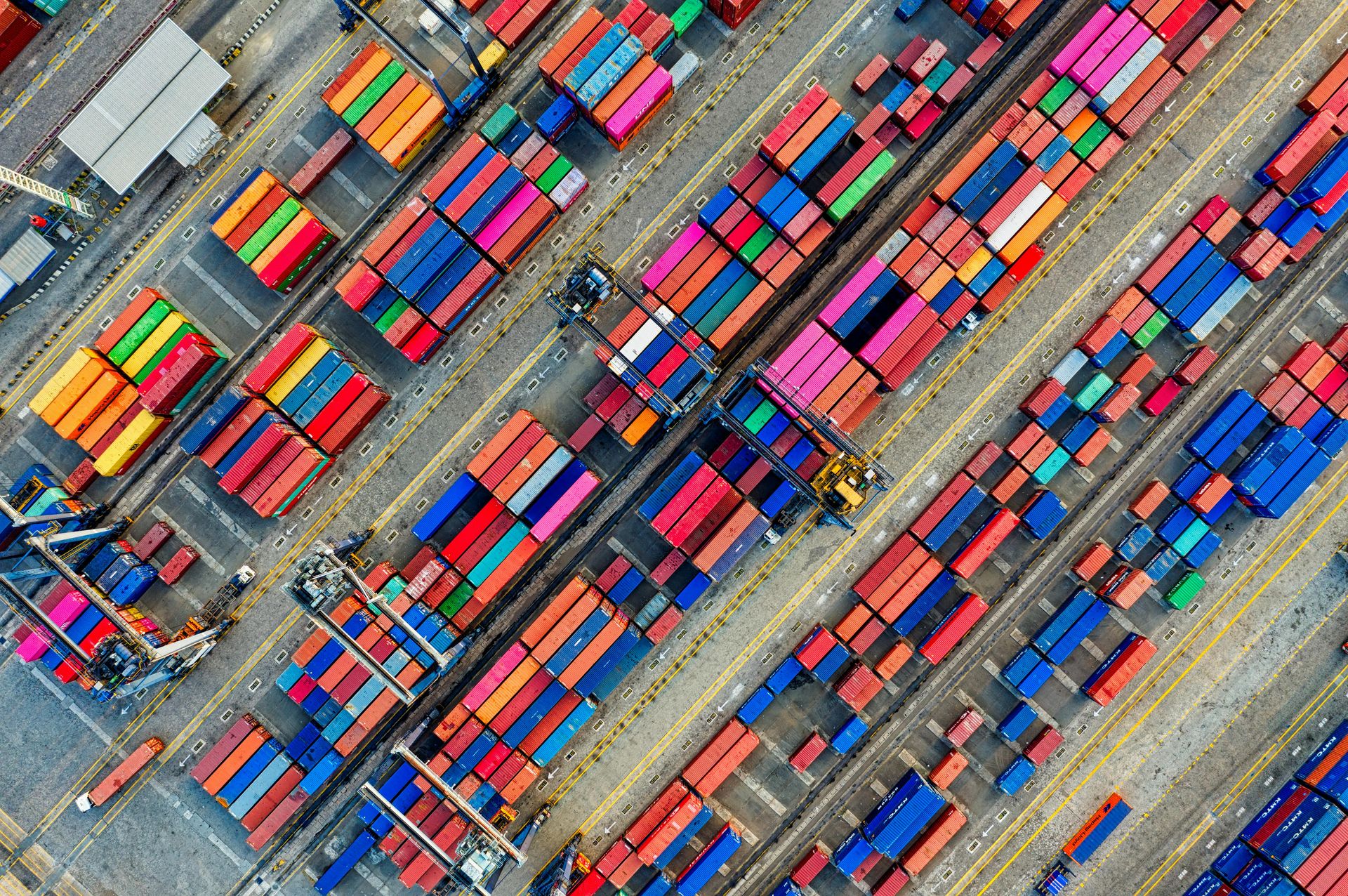
The pandemic made visible what logistics professionals had known for years: global supply chains optimized for efficiency are fragile under stress. The disruptions of 2020 through 2022 — port backlogs, microchip shortages, raw material scarcity — forced companies to rethink supply chain design at a fundamental level. The people who can do that rethinking are now in high demand.
Supply chain resilience managers work at the intersection of operations, risk management, and strategic planning. Their job is to identify vulnerabilities in a company's supply network — single points of failure, geographic concentrations of suppliers, critical components with limited alternative sources — and redesign those networks to perform under a wider range of disruptions.
This is a different discipline from traditional supply chain management, which has historically focused on reducing cost and increasing speed. Resilience requires accepting some inefficiency as the price of reliability. Making that case internally — and then executing the redesign — requires both technical competence and organizational credibility.
The geopolitical dimension of this work has grown in importance. U.S. and European companies that had concentrated sourcing in China are reassessing those relationships in light of trade tensions and export controls. Reshoring and near-shoring decisions — moving production back to the U.S. or to nearby countries like Mexico — require detailed analysis of alternative supplier capabilities, logistics costs, and regulatory environments. Companies are creating senior roles specifically to manage this transition.
Technology is also changing the discipline. Supply chain visibility platforms, which use data from sensors, shipment tracking, and supplier systems to create real-time maps of a company's logistics network, are becoming standard tools. Managers who can work fluently with these platforms and interpret their outputs — not just consume reports but interrogate the underlying data — are significantly more effective than those who cannot.
The educational backgrounds of people in these roles are diverse. Industrial engineering, operations research, and business are common entry points. The most effective practitioners tend to combine analytical rigor with the interpersonal skills needed to manage relationships with suppliers and internal stakeholders.
9 / 15
Credit: Magda Ehlers / Pexels
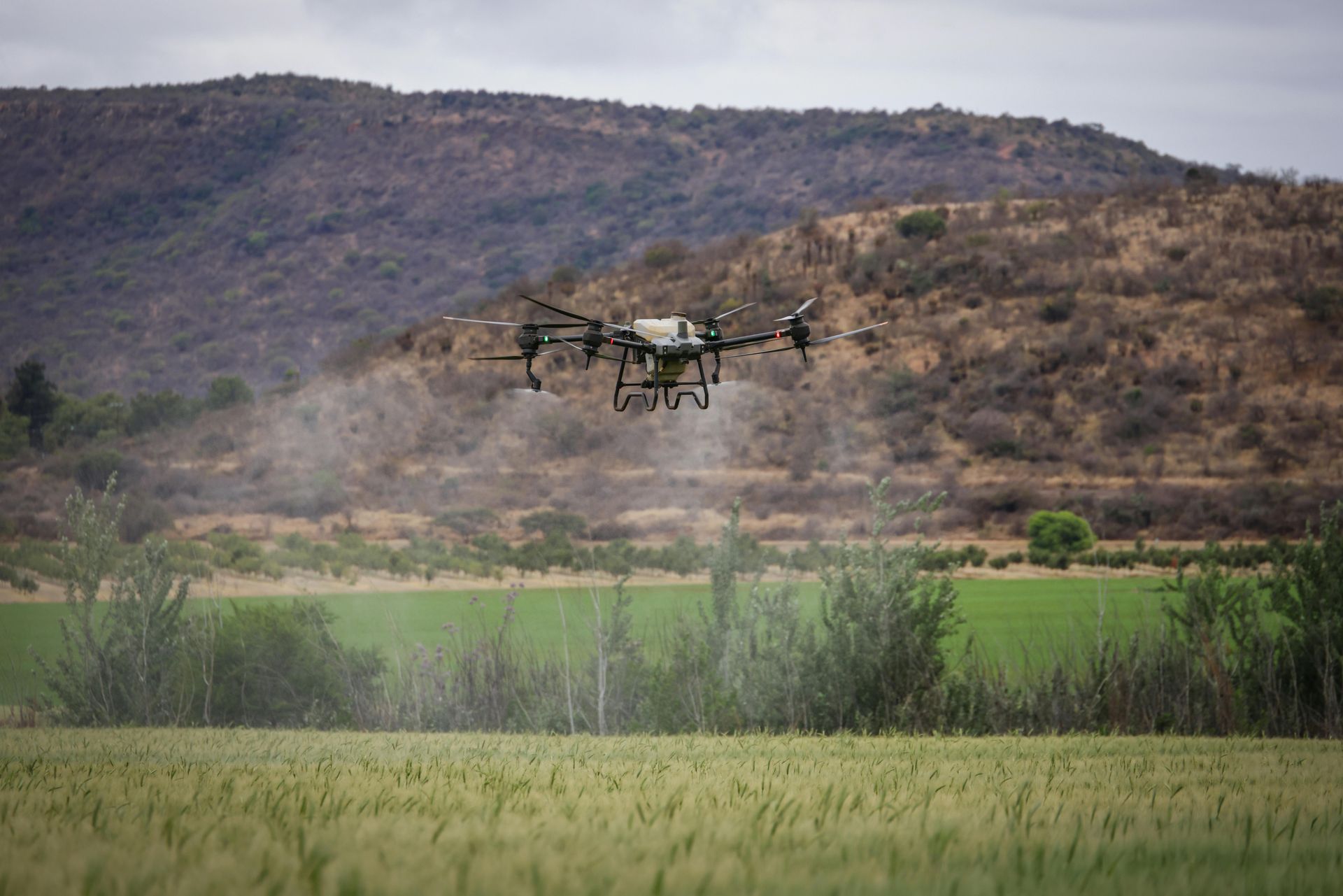
Agriculture is undergoing a technology transition that is less visible than AI or renewable energy but equally consequential. Precision agriculture — the use of data, sensors, and automated systems to optimize farm management at the level of individual fields or even individual plants — is moving from early adoption to mainstream practice on large commercial farms. The specialists who implement and manage these systems are in growing demand.
Precision agriculture technologists work with a range of tools: GPS-guided tractors and planting equipment, drone-mounted sensors that map crop health and soil conditions, satellite imagery analysis platforms, variable-rate application systems that adjust fertilizer or pesticide inputs based on field-level data, and increasingly, AI-powered decision support tools that synthesize sensor data into planting and harvest recommendations.
The payoff from these technologies is significant. Variable-rate fertilizer application reduces input costs and reduces nutrient runoff — simultaneously improving profitability and environmental performance. Early disease detection through remote sensing allows targeted intervention rather than blanket spraying. Yield mapping allows farmers to identify underperforming areas of fields and understand why.
The workforce for this specialty is still relatively small, partly because the technology is still maturing and partly because agricultural technology adoption has historically been slower than adoption in other industries. That is changing as the economics become clearer and as the generation of farmers who grew up with digital tools moves into positions of operational control.
Entry into this field typically comes through agricultural science, agronomy, or agricultural engineering programs that have added precision technology components to their curricula. Some technologists enter through information technology and develop agricultural knowledge through on-the-job experience. Community colleges and technical schools in major agricultural regions are beginning to offer dedicated precision agriculture credentials.
The geographic concentration of this work — in major farming regions of the Midwest, the Central Valley of California, and internationally in places like Brazil and Australia — means that relocation is often part of career development. But the combination of technical skills and agricultural knowledge creates a relatively small competitive field.
10 / 15

Credit: Christina Morillo / Pexels
Privacy regulation has moved from a niche compliance concern to a mainstream business requirement. The General Data Protection Regulation in Europe, the California Consumer Privacy Act, and a growing number of state-level privacy laws in the U.S. have created enforceable obligations around how organizations collect, store, process, and share personal data. Data privacy engineers build the technical systems that make compliance possible.
The role is distinct from a privacy lawyer or a compliance officer. Privacy engineers work at the code level — designing systems with privacy protections built in rather than added afterward. That includes implementing data minimization (collecting only what is necessary), designing consent management systems, building data deletion and portability workflows, and creating audit trails that demonstrate regulatory compliance.
Privacy-by-design has become a term of art in software development, but the actual practice of building privacy protections into systems requires specialized knowledge that most software engineers do not have. Understanding how different regulatory regimes define personal data, what constitutes a lawful basis for processing, and how to architect systems that can demonstrably comply with deletion requests — these are specialized competencies.
The demand for this role is growing in parallel with regulation. Every time a new jurisdiction passes a comprehensive privacy law, every organization operating in that jurisdiction needs to assess and update its technical infrastructure. The geographic expansion of privacy regulation — from Europe to California to Virginia to Brazil to India — means that this is a compounding rather than a one-time demand.
The career path typically starts in software engineering, with privacy specialization added through certification programs (the International Association of Privacy Professionals offers widely recognized credentials), graduate coursework, or direct experience working on regulated systems. Compensation is strong — privacy engineers with five or more years of experience earn salaries competitive with senior software engineers at major technology companies.
11 / 15
Credit: Jakob Schlothane / Pexels
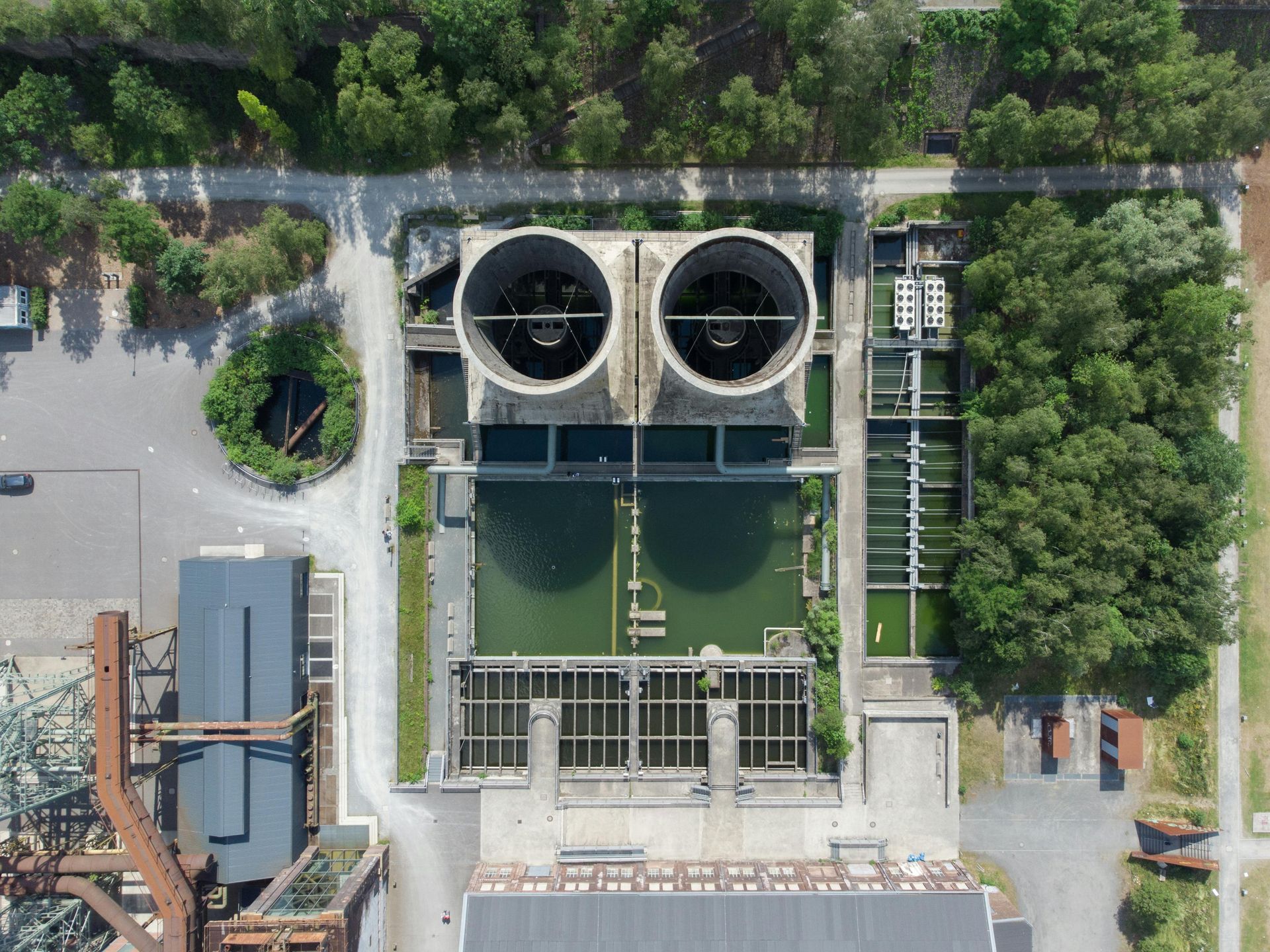
Freshwater is becoming a constraint in ways that were not anticipated when most U.S. and global urban water infrastructure was built. Drought, population growth, agricultural demand, and groundwater depletion are stressing supply. Aging pipe networks are losing significant quantities of water through leaks before it reaches customers. Climate-driven weather extremes are producing both flood events that overwhelm drainage systems and drought periods that stress reservoirs. Urban water systems engineers work on all of these problems.
The work spans both supply and distribution: designing and rehabilitating treatment plants and storage systems, managing pipe network replacements, developing alternative supply strategies such as water recycling and aquifer recharge, and integrating new sensor and monitoring technologies into what are often very old infrastructure networks.
This specialty has historically been a quiet corner of civil engineering. It is becoming less quiet. The American Society of Civil Engineers has rated U.S. drinking water infrastructure a D+ in recent assessments, reflecting the scale of deferred maintenance and the investment gap. Federal funding through the Infrastructure Investment and Jobs Act of 2021 directed substantial resources toward water systems, increasing the project volume that utilities and engineering firms need to execute.
Western U.S. cities facing serious water supply constraints — Phoenix, Las Vegas, Los Angeles, Denver — are making major capital investments in supply diversification. Southern Nevada's water recycling program and Arizona's investments in desalination and water banking are examples of the scale of infrastructure work underway. Engineers who specialize in these supply diversification strategies are in particular demand.
Internationally, water scarcity is an even more pressing concern, and large-scale water infrastructure projects are underway in the Middle East, South Asia, and sub-Saharan Africa. Engineers with relevant technical expertise who are willing to work on international projects can access a global market.
12 / 15

Credit: Canva Images
As AI systems become embedded in consequential decisions — medical diagnosis, credit underwriting, criminal justice risk assessment, hiring — the question of how humans interact with those systems becomes critically important. Human-machine interaction designers work on the interface layer: how information is presented, how human oversight is structured, and how people make decisions in partnership with automated systems.
This is not the same as traditional UX design, though it draws on UX methods. The specific challenges of human-AI interaction include: how to communicate uncertainty (AI systems produce probabilistic outputs, but most interfaces present binary recommendations); how to structure human review so that it is genuinely critical rather than rubber-stamping automated decisions; and how to design systems that fail gracefully when the AI is wrong.
These problems are well-documented in high-stakes settings. Radiologists reviewing AI-assisted mammography scans have been shown to perform differently when the AI flags a suspicious area than when it does not — sometimes worse than without AI assistance, because the AI recommendation anchors their judgment. Designing around these cognitive dynamics requires understanding both human decision-making and the specific failure modes of the AI system involved.
The educational background for this field is diverse. Cognitive psychology, human factors engineering, UX design, and computer science are all entry paths. The most effective practitioners tend to have both design skills and enough technical understanding to know what questions to ask of the AI systems they are designing around.
This is a relatively new field, which means job titles are not yet standardized. Roles doing this work are variously labeled as AI UX designer, human factors engineer, responsible AI designer, or interaction designer. The functions are similar regardless of title. As AI adoption deepens, the demand for this expertise will grow — particularly in healthcare, financial services, and legal technology, where the consequences of poor human-AI interaction design are most severe.
13 / 15
Credit: Canva Images
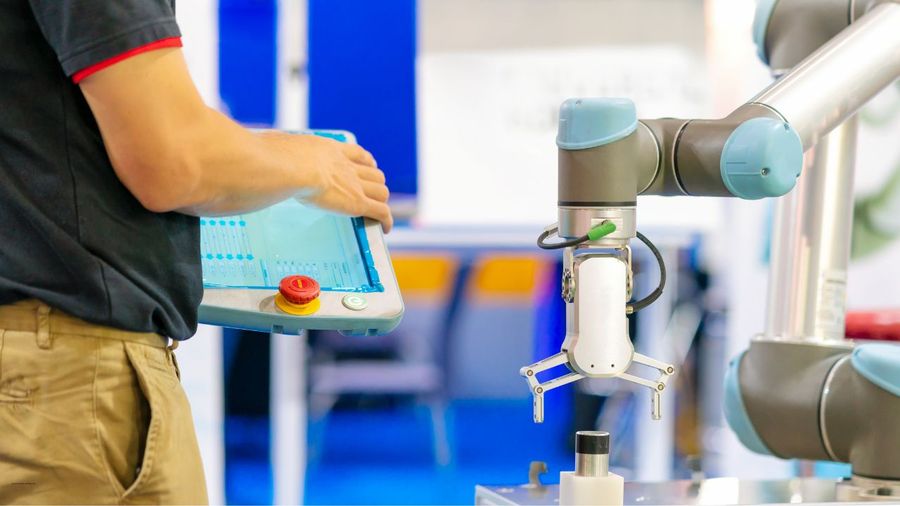
Industrial robotics has existed for decades, but the current generation of collaborative robots — machines designed to work alongside humans rather than in isolated cages — is bringing automation to a much wider range of manufacturing and logistics settings. These systems require technicians who can program, maintain, and troubleshoot them.
Robotics process technicians are not the engineers who design robots — that requires different training. They are the skilled tradespeople who install and commission robotic systems, write and modify the programs that control them, diagnose problems when systems malfunction, and retrain or reprogram robots as production requirements change. The work is hands-on, technical, and increasingly in demand.
The growth of collaborative robots (cobots) from manufacturers like Universal Robots, Fanuc, and KUKA has expanded the market significantly. These systems are smaller, safer, and easier to program than traditional industrial robots, and they are being adopted by mid-sized manufacturers who could not previously afford or safely deploy robotic automation. Each new installation creates ongoing technician demand.
The logistics industry is a particularly large and growing market. Automated fulfillment centers — warehouses where robotic systems sort, pick, and pack orders — require large numbers of technicians to keep them running. Amazon $AMZN, Walmart $WMT, and major third-party logistics operators are all investing heavily in automated warehouse technology and need workers who can maintain it.
The educational pathway is primarily through two-year technical programs and community college robotics or automation technology degrees. Some manufacturers offer their own certification programs. The work does not require a four-year degree but does require genuine technical competence and comfort with both hardware and software. Salaries are well above the median for non-degree jobs and are rising as demand outpaces supply.
14 / 15
Credit: Canva Images
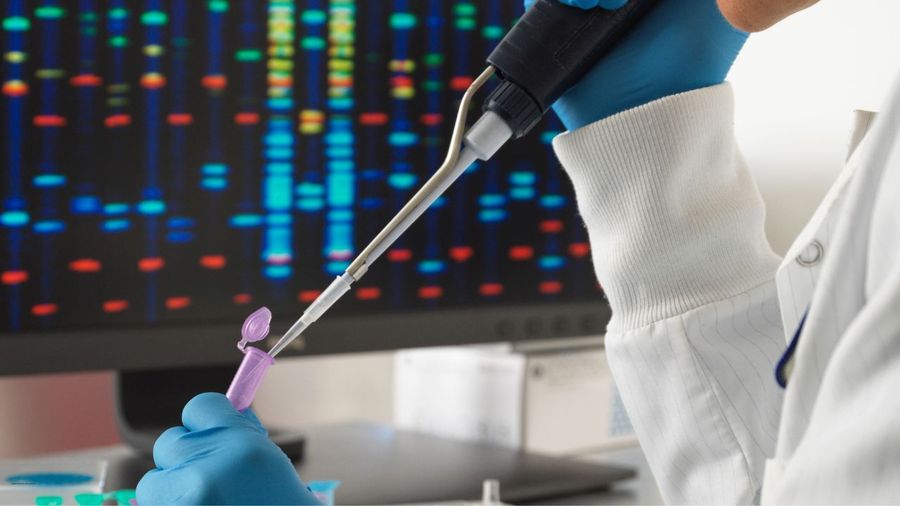
Advances in genomic technology have made genetic testing faster, cheaper, and more clinically actionable than it was even a decade ago. Whole exome and whole genome sequencing, once research tools, are increasingly entering clinical practice for cancer diagnosis, rare disease evaluation, and reproductive planning. Genetic counselors help patients understand what these tests mean, make decisions about whether to pursue them, and process the emotional and practical implications of the results.
Genetic counselors are master's-level clinicians with specialized training in genetics, psychology, and medical ethics. They work in cancer genetics, prenatal and preconception care, pediatric rare disease, cardiology, neurology, and increasingly in pharmacogenomics — the use of genetic information to guide drug selection and dosing. Each of these subspecialties is growing as the clinical applications of genomic information expand.
The field requires a combination of scientific knowledge and communication skill that is genuinely difficult to replicate. Explaining to a patient what it means to carry a BRCA2 variant — including the probabilistic nature of cancer risk, the options for risk reduction, and the implications for family members — requires technical accuracy, emotional attunement, and the ability to present complex information to people who are often under significant stress. That combination of skills is not easily automated.
The U.S. Bureau of Labor Statistics projected that genetic counselor employment would grow substantially through the 2020s, driven by expanding clinical applications and increased insurance coverage of genetic testing. Salaries are competitive with other master's-level healthcare positions and have been rising as demand has increased.
The field is also internationalizing. Many countries are in earlier stages of integrating genetic counseling into clinical practice, and there is significant demand for professionals who can help build those programs. For genetic counselors interested in global health or academic work, the international dimension offers career options that did not exist a generation ago.
15 / 15

Credit: Canva Images
The linear model of industrial production — extract raw materials, manufacture products, sell them, dispose of them — is facing growing pressure from resource scarcity, regulatory requirements, and corporate sustainability commitments. The circular economy offers an alternative: design products for reuse, repair, and recycling; recover materials at end of life; and minimize waste and virgin resource consumption throughout the production cycle.
Circular economy specialists work on implementing that transition in practice. The role spans multiple functions: analyzing where in a product lifecycle materials are lost or degraded, redesigning products for disassembly and recovery, building reverse logistics systems that bring used products back from customers, developing business models around product-as-a-service rather than outright sale, and working with suppliers on material inputs that support recyclability.
This is not a single standardized role — it appears in companies under titles including sustainability manager, circular economy strategist, industrial ecologist, and product stewardship manager. But the underlying function is consistent: systematically reducing a company's dependence on virgin materials and designing out waste.
Regulatory pressure is accelerating adoption in Europe more than in the U.S. The EU's Ecodesign for Sustainable Products Regulation, which is progressively establishing requirements for product durability, repairability, and recyclability, is creating compliance requirements for any company selling products in the European market. That includes large numbers of U.S.-based manufacturers and consumer goods companies. Every organization subject to these requirements needs someone who understands them.
The business case for circular economy practices has also strengthened as raw material prices have become more volatile and supply chain disruptions have highlighted the cost of dependence on single-source materials. Companies that can recover and reuse materials from their own products are partially insulated from commodity market volatility. The specialists who can design and manage those systems are becoming strategic assets rather than compliance overheads.
