Heather Paul/Getty Images
Like many homeowners, when my husband and I opened our home insurance renewal email recently, our jaws dropped. The annual premium to insure our home in Aurora, Colorado, was nearly doubling — from about $5,600 to almost $10,000. This would also push our monthly mortgage payment up by several hundred dollars.
Confused and reeling, we called our insurance agent for an explanation. The agent told us that claim costs were up about 60% to 80% in our area in recent years, so premiums were going up to account for it.
I also spied a new addition to our policy: Instead of a flat $1,000 wind/hail deductible as we’ve had for the past 12 years, we were now on the hook for a 1% deductible of the total dwelling coverage amount, or nearly $8,000. A double whammy.
After 12 years with our insurer, we decided to shop around and switch companies for more affordable rates. We’re not alone.
Across the country, steeper home insurance rates driven by higher replacement costs and soaring claim amounts are reshaping the affordability equations for both prospective homebuyers and existing homeowners.
Home insurance rates jumped 40.4% from 2019 through 2024, according to LendingTree’s State of Home Insurance: 2025 report. Since 2021, rate increases have accelerated by 5.4%, 11.0%, and 11.4% in 2022, 2023, and 2024, respectively. In 2024 alone, home insurance rates rose 11.4%, with the average annual cost in the U.S. sitting at $2,801, LendingTree found.
For consumers, this means they’ll have to shop policies regularly and be more mindful of where they can afford to live.
For mortgage lenders, it’s changing the budget discussions they have with borrowers where insurance costs are increasingly straining homebuyers’ budgets.
Josh Lewis, a certified mortgage consultant with BuyWise Mortgage in Huntington Beach, California, said that for most of his 30 years in the lending business, home insurance has been an afterthought — something borrowers shopped for at the last minute.
But that’s changed dramatically now, especially for buyers with tight debt-to-income ratios. If a home insurance premium comes in too high, it can prevent someone from qualifying for a mortgage if their DTI exceeds loan program rules, Lewis explained.
In 2024, Montana and Nebraska saw the largest home insurance rate spikes, both at 22.1%, according to the LendingTree analysis. Minnesota and Washington trailed at 19.5%; no state saw a drop in these premiums.
Chuck Nyce, a professor of risk management and insurance at the Florida State University, noted that Florida experienced major rate hikes in 2022 through 2024 but has since leveled out. Meanwhile, he says Nebraska has recently emerged as one of the highest-premium states due to severe convective storms, tornadoes, and hail damage.
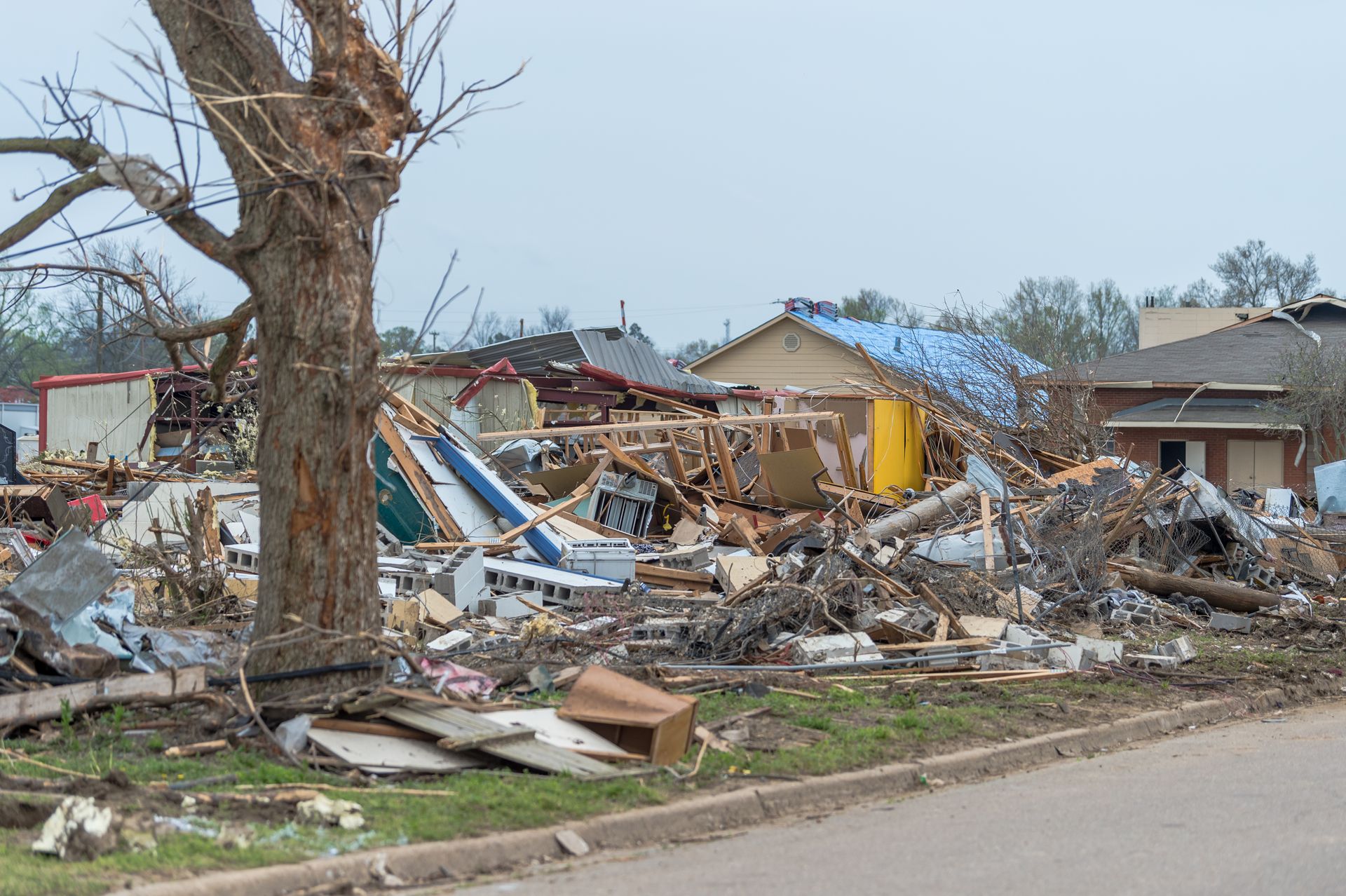
In fact, wind and hail damage accounted for the majority (42.5%) of all homeowners insurance losses attributed to property damage in 2023, according to data from ISO.
"In pockets of the country, you're going to continue to see rate increases," Nyce said, adding that areas prone to wildfires like California and Colorado have also faced significant premium jumps following catastrophic losses.
The January 2025 Palisades and Eaton fires that swept through these Los Angeles County areas represent an estimated $40 billion in insured losses, prompting market reactions that will ripple through premium pricing, Nyce noted.
Insurance companies adjust premiums based on numerous factors, according to the NAIC. These include "the home's location, age, condition, and replacement cost as well as the customer's own claims history, personal characteristics such as credit score, and deductible choice."
Reconstruction costs have skyrocketed in recent years, driven by pandemic-era supply chain disruptions, labor shortages and potential tariff impacts on building materials like Canadian lumber.
Nyce said that insurance companies also use sophisticated catastrophe models to assess risk. And those models are predicting more frequent, severe storms ahead.
Experts agree that home insurance is no longer a set-it-and-forget-it option. Here are key strategies for finding affordable homeowners insurance coverage.
Lewis recommended beginning insurance shopping immediately upon mortgage preapproval rather than waiting until closing approaches. This gives buyers time to factor accurate costs into their budget and adjust their home search if needed.
Current homeowners typically get policy renewal communications a few weeks before their existing coverage renews for the year. If you don’t love the rate, start shopping around with other insurers, either directly with major carriers, comparing quotes on marketplace websites, or using an independent insurance broker who can pull quotes for you.
Courtney Klosterman, home insights expert at Hippo Home Insurance, stressed understanding what's actually covered — and what isn't.
"A standard policy typically covers the structure of your home, personal belongings, and liability, but certain risks require separate coverage," Klosterman said.
Some of those events include:
"Start by familiarizing yourself with the known risks in your area and check your declaration page to see what may not be covered by your policy," Klosterman advised.
Both Nyce and Lewis recommend shopping insurance companies every one to two years rather than staying with one carrier indefinitely. You won’t know how much extra you’re paying unless you compare what else is out there.
As you evaluate quotes, make sure the amounts for dwelling coverage, personal property, other structures, deductibles, personal liability and medical payments match your needs. Also, check for any exclusions that might require separate coverages (like flood or earthquake insurance).
"Companies will evaluate what their exposure is to any given single event, and if a company has more houses than they want to insure in your zip code, they want to balance that out," Nyce said. "How do companies get out of insuring in certain areas? They raise their prices and let someone else come in and charge less."
Klosterman noted that home improvements can qualify for premium discounts on home insurance rates. Ask your insurer about savings for:
Preventive measures can help reduce damage to your home — and lower your insurance costs. And some insurers are now requiring mitigation before they’ll insure a property. Here are some items to consider:
For fire-prone areas:
For all homeowners:
Lewis advised being strategic about location choices, particularly for new buyers. Check to see if the areas you’re thinking of buying in are in FEMA-designed high-risk flood zones, and ask an insurance broker to identify whether that area carries higher insurance costs than others.
"For me personally, I would have a very hard time buying in any high-risk area, if it's wind risk, flood risk, fire," Lewis said, noting that you can have two areas of the same city but one is in a high-risk area and another isn’t — and the difference can mean paying considerably higher insurance costs.
Klosterman recommended reassessing coverage each year at renewal and after major life changes. These might include:
"Understanding what's covered by your home insurance policy, how much coverage you need and what needs regular maintenance is essential," Klosterman said. “Every home insurance policy is different so speak with your insurance provider if you have any questions.”
