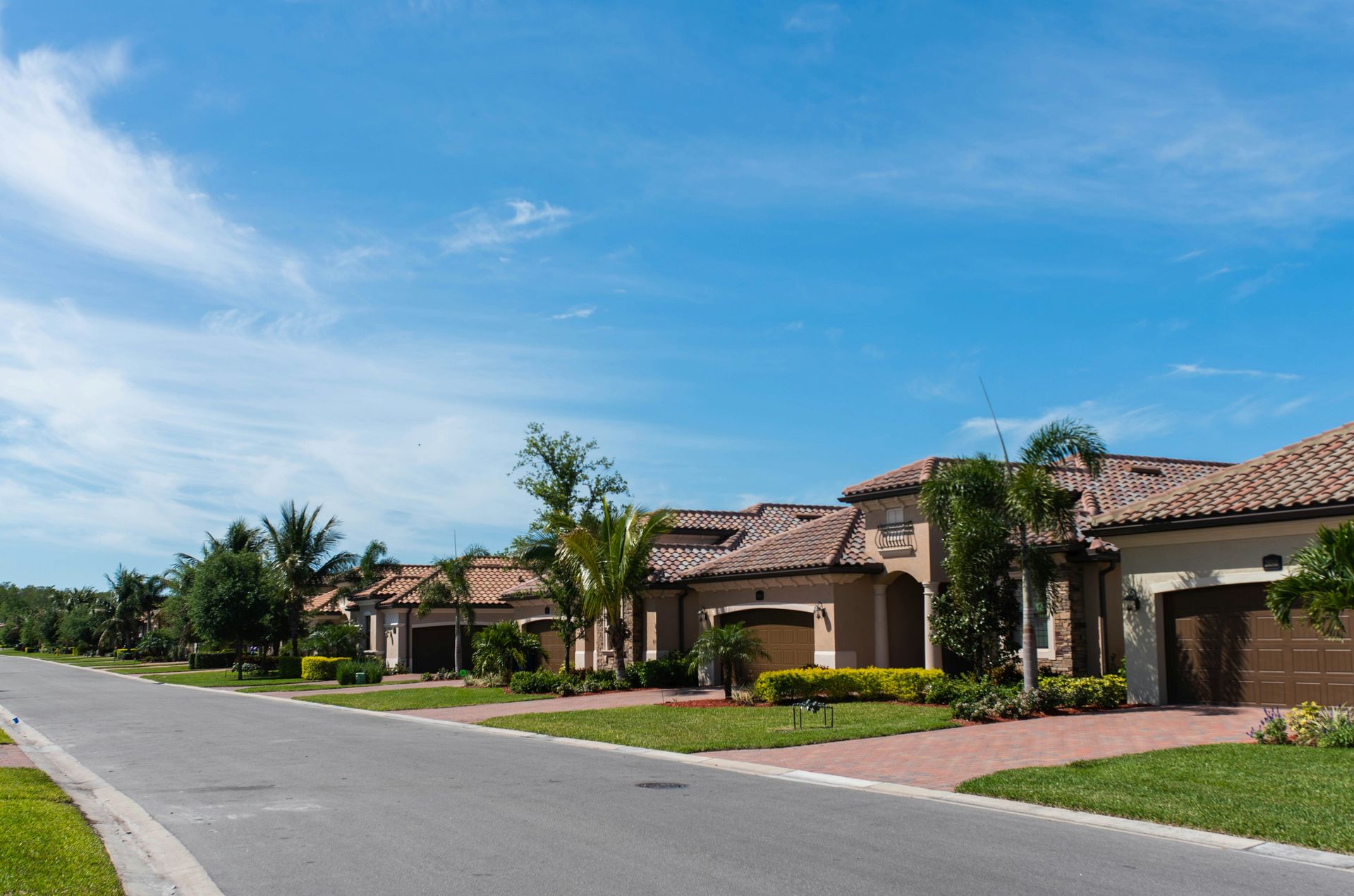
Maine
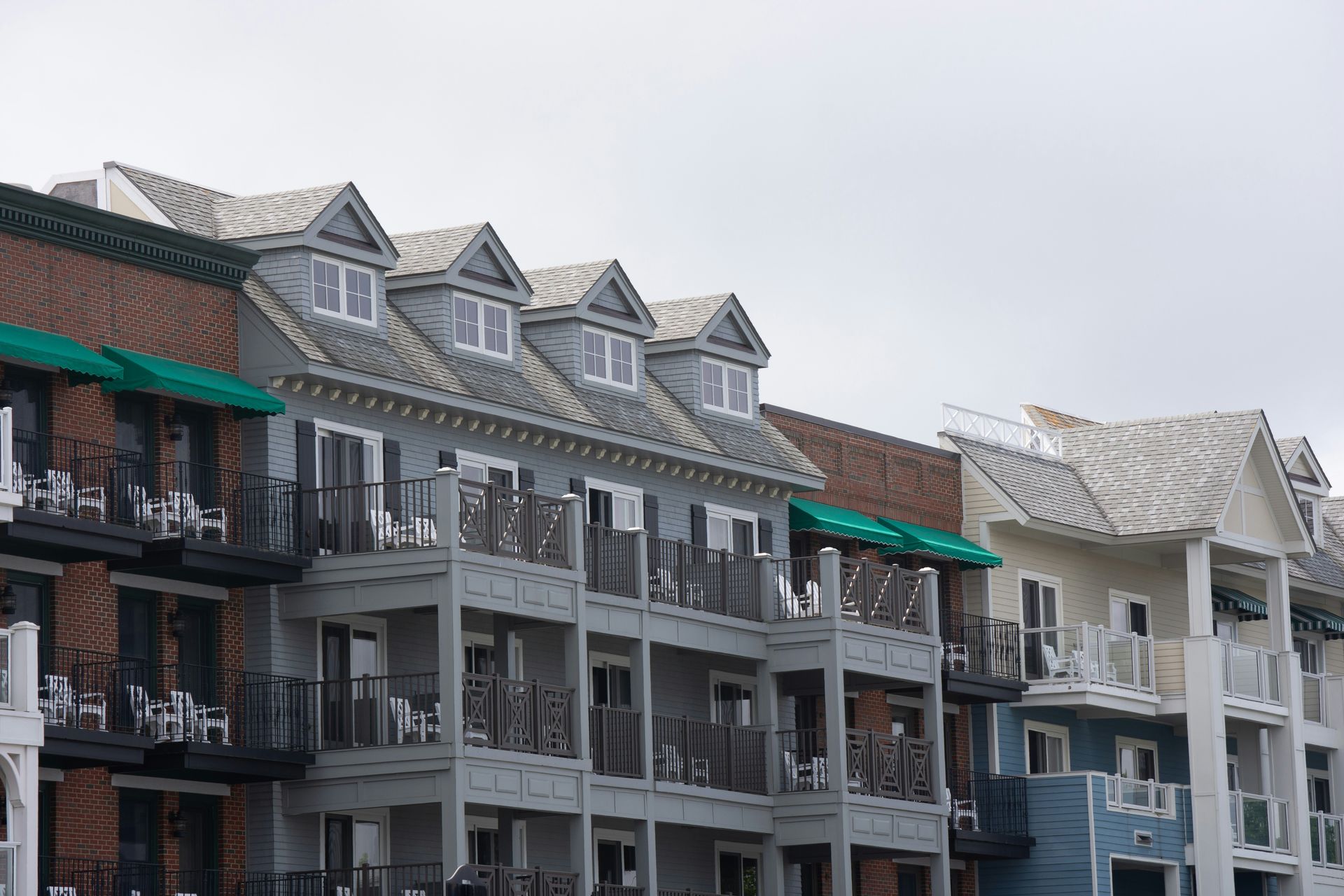
Donovan Reeves / Unsplash
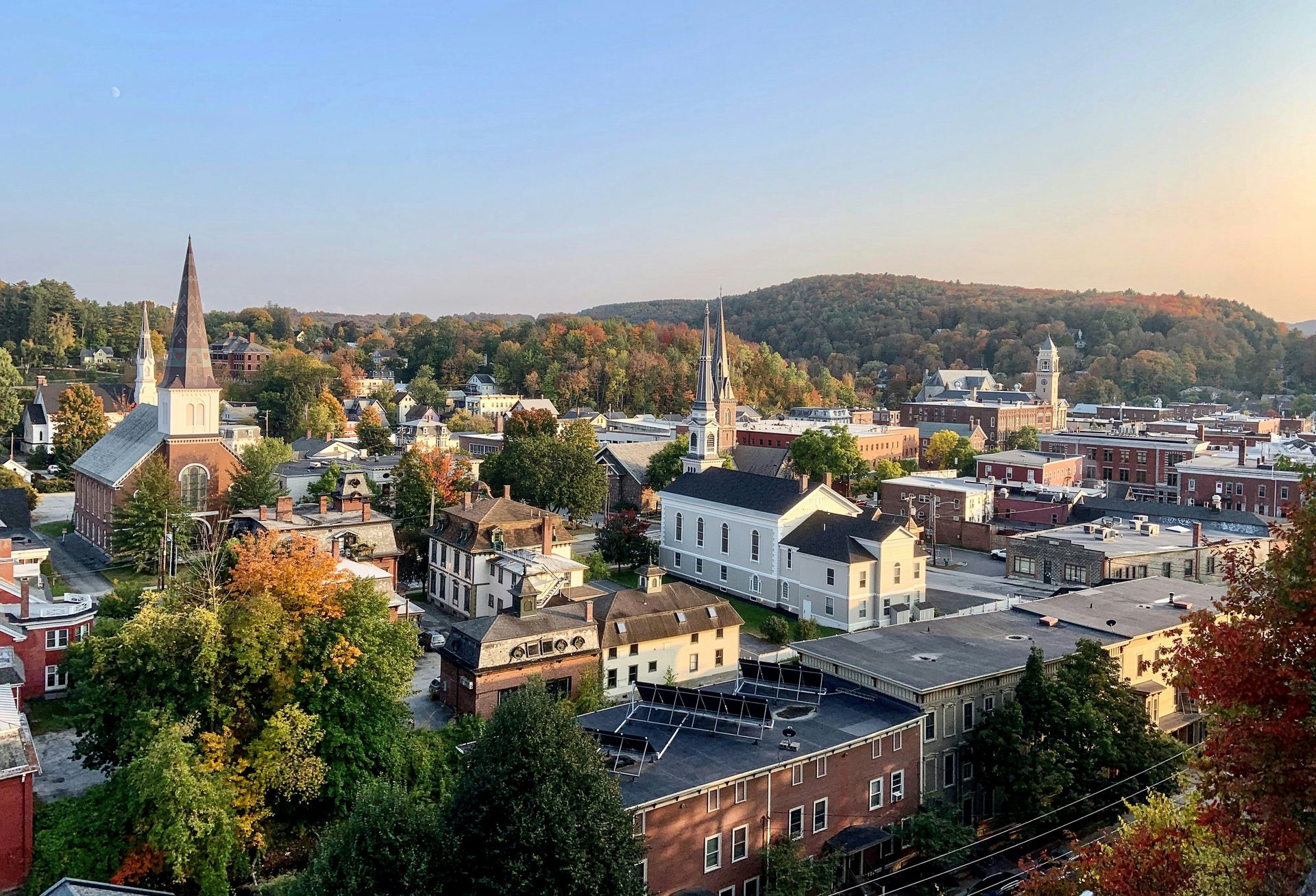
Maine has led the nation in housing vacancy for 13 of the past 14 years, and the 2023 data confirms that streak is intact. The state's overall vacancy rate of 21.09% means that more than one in five of its 746,552 housing units sits unoccupied, a figure that translates to 157,467 vacant homes and a rate more than double the national average. The median home value is $266,400, below the national median of $322,180, and the vacancy rate fell 0.70 percentage points from 2022, one of the larger year-over-year declines in the country. None of those numbers, taken in isolation, would suggest a state in the grip of a housing crisis. But Maine is in one, and the vacancy rate is central to understanding why.
Seasonal vacation properties make up 19% of Maine's total housing stock, the highest concentration of vacation homes per capita in the country. Bangor Daily News reporting on the LendingTree data noted that once those seasonal properties are removed from the count, only about 2% of Maine's homes are vacant for any other reason, a figure that makes the actual year-round market "exceptionally tight in most places." A healthy housing market typically maintains a vacancy rate of around 5% among available homes to give buyers and renters enough options to make informed choices without creating artificial scarcity. Maine falls far below that threshold for non-seasonal housing, meaning the state that appears to have the most empty homes in the country actually has among the fewest available to people who want to live there full-time.
The pandemic accelerated the problem. Remote workers from Boston, New York, and other expensive metro areas discovered they could relocate to Maine's coastal and inland communities while keeping their city salaries, and that influx of purchasing power drove prices sharply higher in towns that had previously been affordable for local workers. Communities within commuting distance of Portland, such as Yarmouth, Falmouth, and Cape Elizabeth, have seen median home prices climb 18% annually in recent years, well above the national pace. MaineHousing, the state's housing finance authority, has responded with below-market mortgage rates through its First Home Loan program, and the state's affordable housing pipeline is producing units well above historical averages. But the underlying deficit created by decades of underbuilding, combined with the permanent conversion of seasonal homes into primary residences by pandemic-era transplants, has left Maine with a structural gap between supply and demand that the vacancy rate alone completely obscures.