



Quartz
Subscribe
Quartz
Subscribe
Edition
Business News
A.I.
Technology
Money & Markets
Leadership
Lifestyle
Latest

Get Quartz in your inbox

Free daily briefing on global business news.

Business News
AirlinesAutomobilesFoodPharmaceuticalsPolitics & GovernmentRetail & EcommerceSpace & AerospaceEarnings
Technology
A.I.ComputingConsumer TechSpace & AerospaceEarnings
Money & Markets
Economic IndicatorsMarketsPersonal FinanceEarnings
Lifestyle
Cars & BikesCollectingEntertainmentFood & Fine DiningHealth and FitnessReal EstateTravel
Real Estate

What are the best options for roof companies on a budget?

These practical strategies cover comparing companies, timing the job right, and finding financing or assistance so a new roof stays within budget

1 / 12
What are the best options for roof companies on a budget?
ByCris Tolomia
·Updated July 1, 2026
Add QZ to Google

Credit: Ryan Stephens /  Pexels

A roof failure rarely announces itself on a convenient timeline. Shingles curl, flashing pulls away, and a water stain spreads across a ceiling just as a household is already stretched thin. Replacing a roof ranks among the largest bills a homeowner will face outside of a mortgage. Unlike a kitchen remodel or a new deck, it is rarely optional. Rain does not wait for a bigger paycheck.

That timing pressure is exactly what drives up costs. Homeowners facing a leak often accept the first bid they receive. Some skip research on financing entirely. Others sign with whichever contractor knocked on the door after a storm. Roofing companies know this, and pricing can vary sharply between a homeowner who compares options and one who does not.

Cost control does not have to mean cutting corners on materials or hiring an unlicensed crew to save cash. It means understanding which levers actually move the price. That includes how many estimates to gather, which repairs can wait, and when in the year contractors discount their labor. It also means knowing which government or nonprofit programs exist to help homeowners who cannot cover a full replacement out of pocket. Understanding how an insurance policy actually pays out matters too, since coverage terms for aging roofs have shifted in ways many homeowners do not discover until they file a claim.

The options below cover the full range of decisions that affect what a new or repaired roof will ultimately cost. They include how to compare roofing companies and which materials keep costs down without sacrificing durability. Others cover how financing and assistance programs work, and how basic maintenance can push a replacement further into the future. None of it requires becoming a roofing expert. It requires knowing which questions to ask before signing a contract, and which options exist that most homeowners never think to look for.

Get 3 estimates before you choose a company

Credit: Ryan Stephens /  Pexels

Roofing bids vary more than most homeowners expect, sometimes by thousands of dollars for what looks like the same job. Two crews can quote wildly different prices for identical square footage and materials. That gap often comes down to differences in overhead, supplier relationships, or how urgently a contractor thinks a homeowner needs the work done. The only way to know whether a bid is fair is to compare it against others.

Three estimates is a reasonable minimum for most residential roofing jobs. Fewer than that leaves too much room for a single contractor to set the price without any competitive pressure. Homeowners who gather several bids typically find that the highest and lowest quotes differ by 30 percent or more for the same scope of work. On a mid-size home, that gap can mean a difference of several thousand dollars.

Getting quotes that can actually be compared requires giving every contractor the same information. Before calling around, homeowners should have a rough idea of the roof's square footage and current material. They should also decide whether they want a like-for-like swap or an upgrade to a different material. Asking each contractor to itemize labor, materials, tear-off or disposal fees, and warranty terms separately makes it far easier to spot where the price differences actually come from.

A written estimate matters more than a verbal quote. Verbal numbers can shift once work begins, and a written bid gives homeowners something to hold a contractor to if a dispute comes up later. The estimate should specify the exact shingle or material brand and product line, not just a general description like architectural shingles. Prices and quality vary widely within a single category.

It is worth resisting the instinct to automatically choose the lowest bid. A price that comes in far below the others can signal a contractor who is underinsured, planning to use lower-grade underlayment, or unfamiliar with local permitting requirements. The middle of the range, paired with a contractor who answers questions clearly and provides references, is often the safer bet. A homeowner trying to save money should weigh that against the risk of a failed job that costs more to fix later.

Weigh a local company against a national franchise

Credit: Tima Miroshnichenko /  Pexels

Roofing companies generally fall into two categories: independent local or regional contractors, and large national franchises or brands that operate across many states. Both can do quality work, but their cost structures differ in ways that matter to a homeowner trying to keep a project affordable.

National franchises often carry higher overhead. They spend more on advertising, operate call centers, and in many cases pay commissions to sales representatives who are not the crew doing the physical work. Some franchises use a financing-first sales model, presenting monthly payment figures before the total project cost, which can make comparison shopping harder. That overhead is built into the price a homeowner ultimately pays, even when the actual labor is subcontracted to a local crew.

Independent local companies typically have lower overhead and may be more willing to negotiate on price, particularly during slower months. They often rely on word-of-mouth and repeat business within a specific area, which can translate into more attentive service, since a bad reputation spreads quickly in a smaller market. The tradeoff is that a small company may have a shorter track record or fewer crews available if something goes wrong. It may also have less financial cushion if the business runs into trouble mid-project.

Warranty structure is one area where the difference matters most. Many national roofing brands are certified installers for specific manufacturers, which can unlock enhanced warranties covering both materials and labor for a longer period. A local company might only offer the standard manufacturer warranty on materials, with a separate and shorter workmanship warranty of its own. Homeowners should ask exactly what is covered, for how long, and whether the warranty transfers if the home is sold.

Checking how long a company has operated under its current name is worth the extra few minutes. Some contractors close and reopen under new business names to avoid the consequences of unresolved complaints. A local company with 10 years of continuous operation in the same market, with verifiable past addresses, generally presents less risk. That holds true no matter how polished a newer competitor's marketing looks.

Ask whether a repair or overlay can replace a tear-off

Credit: Chris Shafer /  Pexels

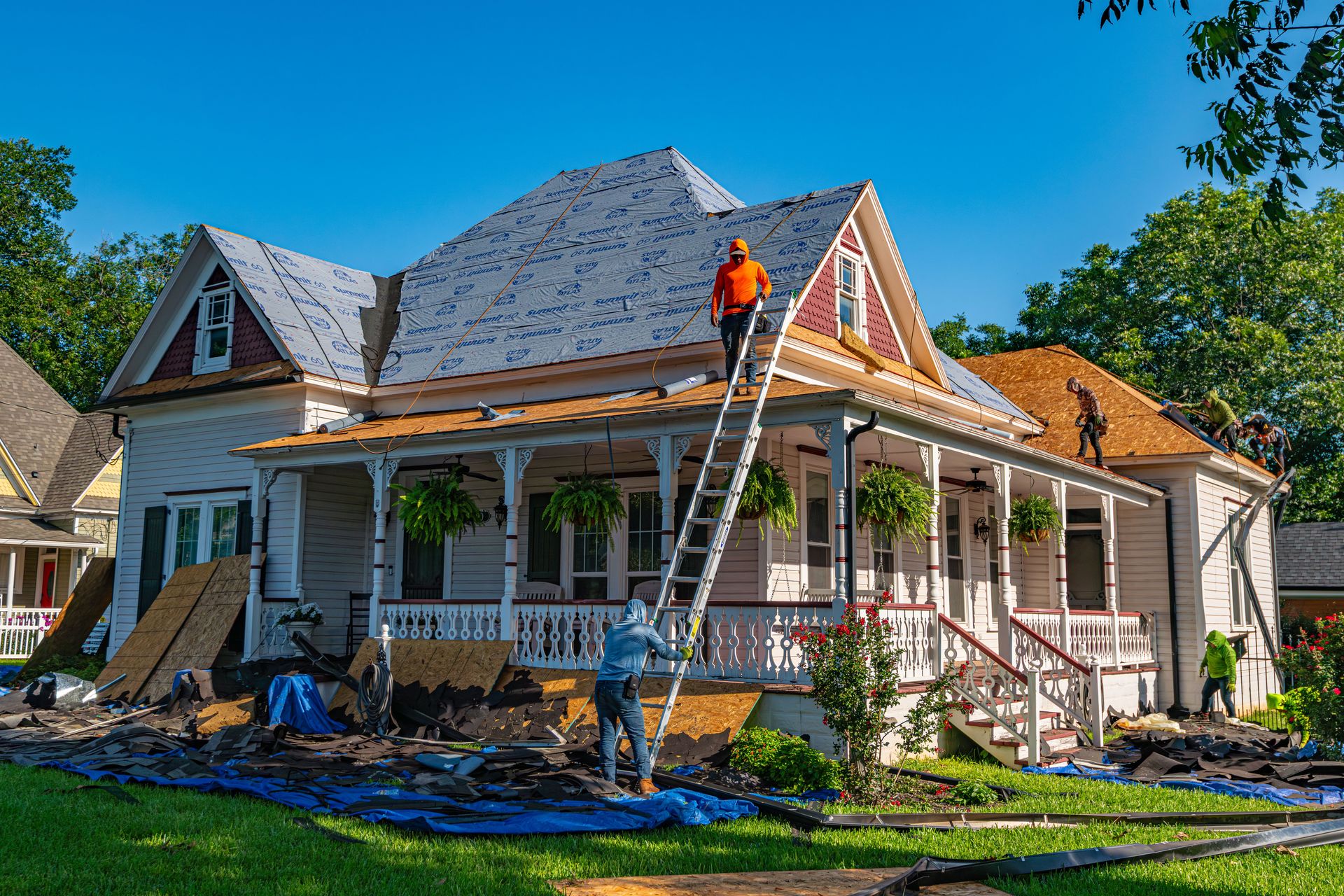
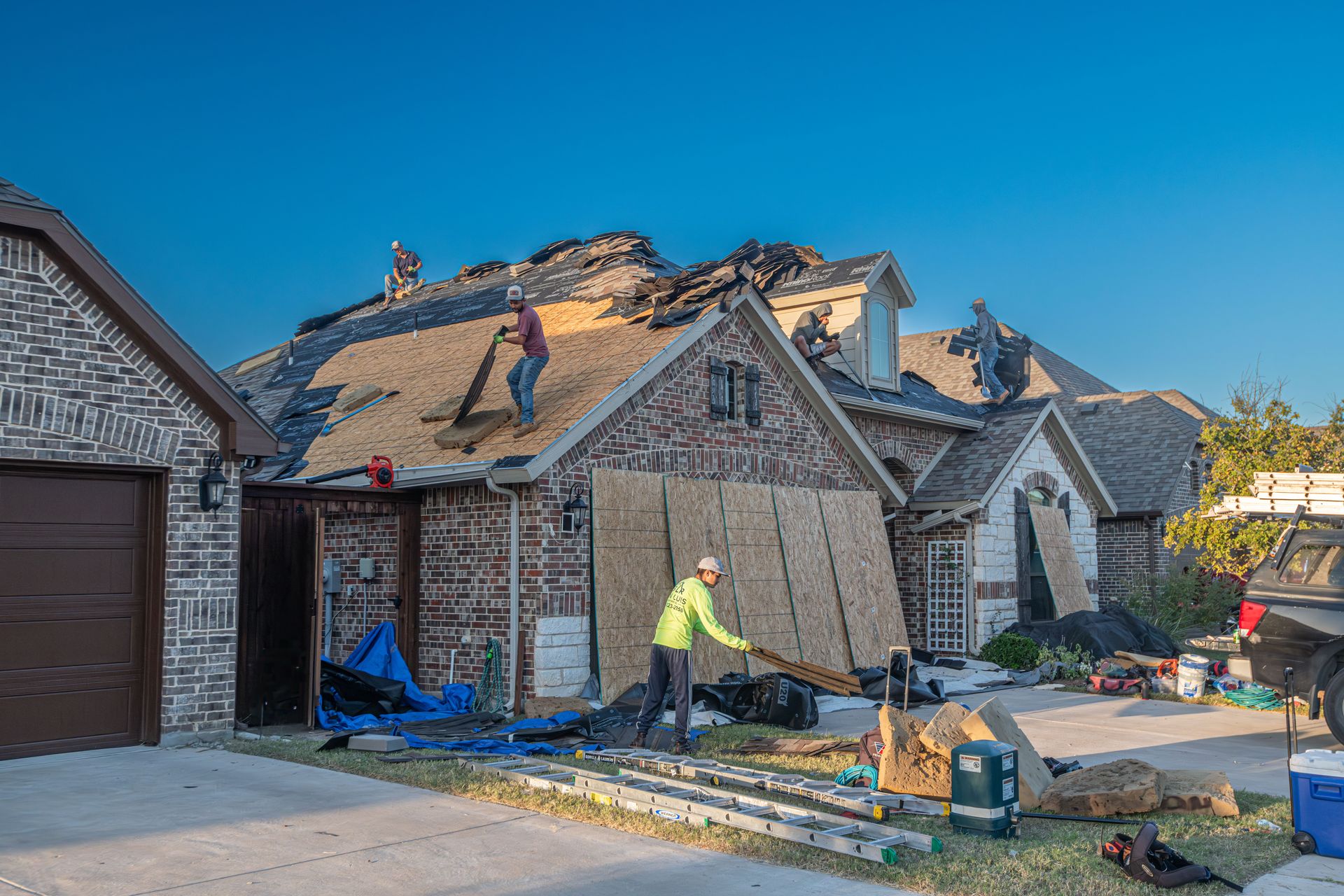
A full roof replacement is not always necessary, even when a homeowner assumes it is. A fallen branch, a cracked vent boot, or a section of missing shingles after a storm counts as localized damage. These issues can often be repaired for a small fraction of what a full replacement would cost. That holds true as long as the rest of the roof is in reasonable condition.

A qualified contractor should be able to explain whether a roof's problem is isolated or systemic. Isolated issues, such as a leak around a single chimney flashing or a patch of shingles lifted by wind, are usually repair candidates. Systemic issues point toward replacement instead. These include widespread granule loss, multiple soft spots in the decking, or a roof already past its manufacturer's expected lifespan. Repeated repairs on a failing roof add up quickly, which is why replacement often becomes the more cost-effective long-term choice.

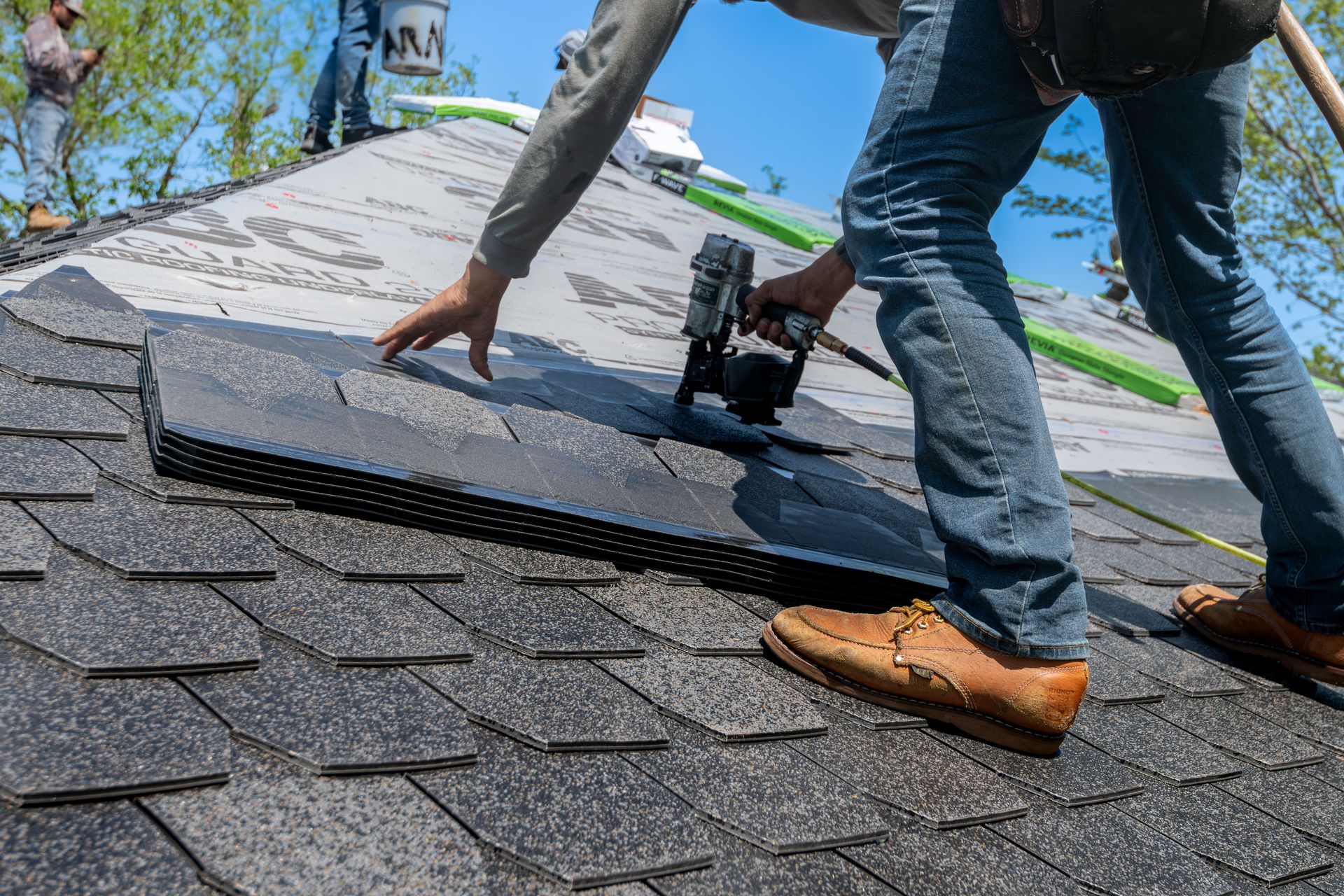
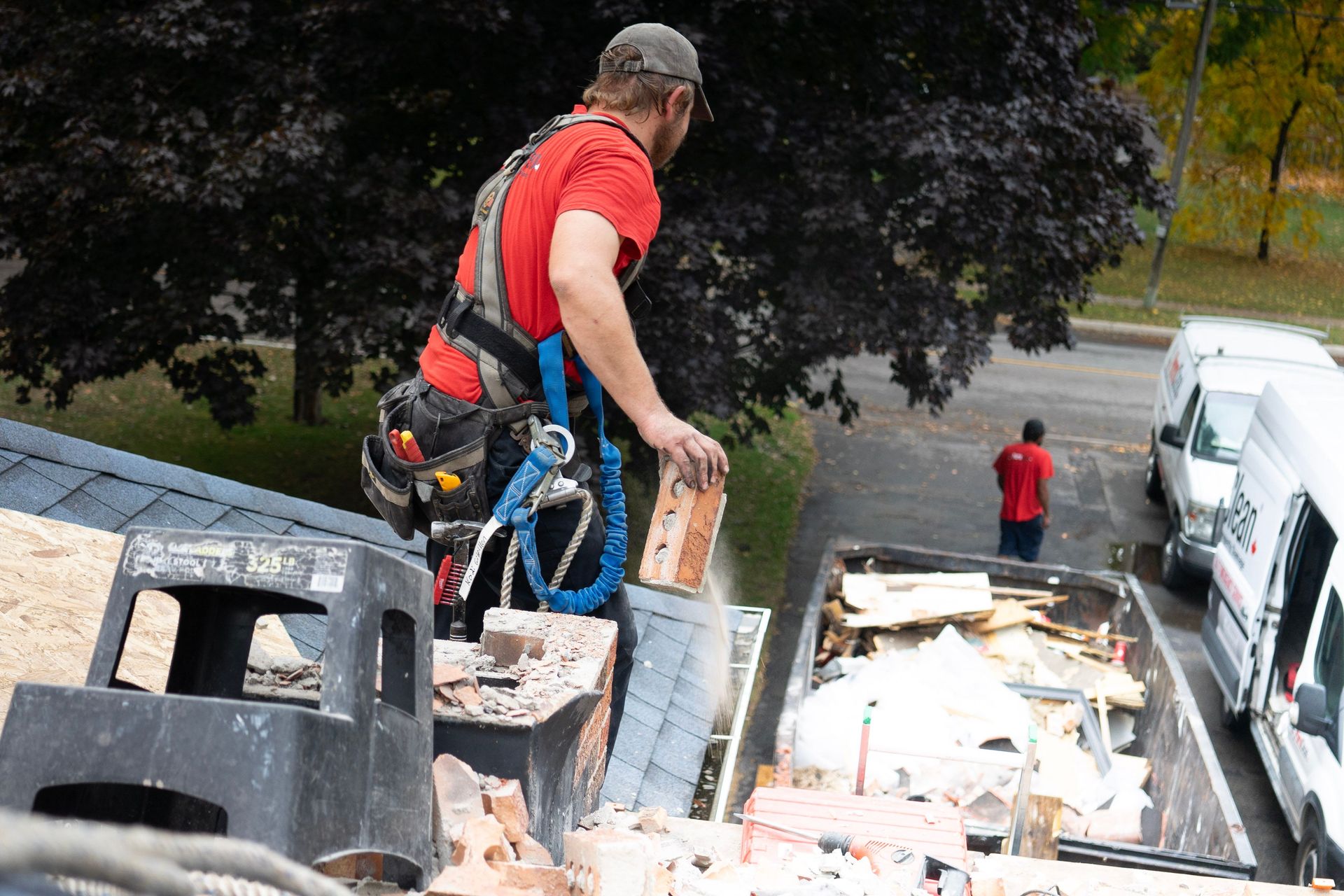
Between a repair and a full replacement sits a middle option called an overlay, where new shingles are installed directly over the existing layer instead of tearing it off first. An overlay typically costs roughly 20 to 40 percent less than a full tear-off, since it skips the labor and disposal costs of removing the old roof. It can be a reasonable choice for a homeowner who needs to extend a roof's life on a tight budget. The existing shingles need to be flat, free of curling, and structurally sound underneath for this to work.

Overlays come with real limitations. Building codes in most areas cap roofs at two layers of shingles, so a home that already has one overlay cannot get another. The added weight requires a contractor to confirm the roof structure can support it. An overlay also tends to shorten the lifespan of the new shingles, since heat trapped between the layers accelerates wear. Many shingle manufacturers will not extend a full warranty over a recovered roof, either. A homeowner planning to stay in the house for more than 10 years often gets better long-term value from a tear-off, even at a higher upfront cost.

Pick asphalt shingles over premium materials

Credit: morgan /  Pexels

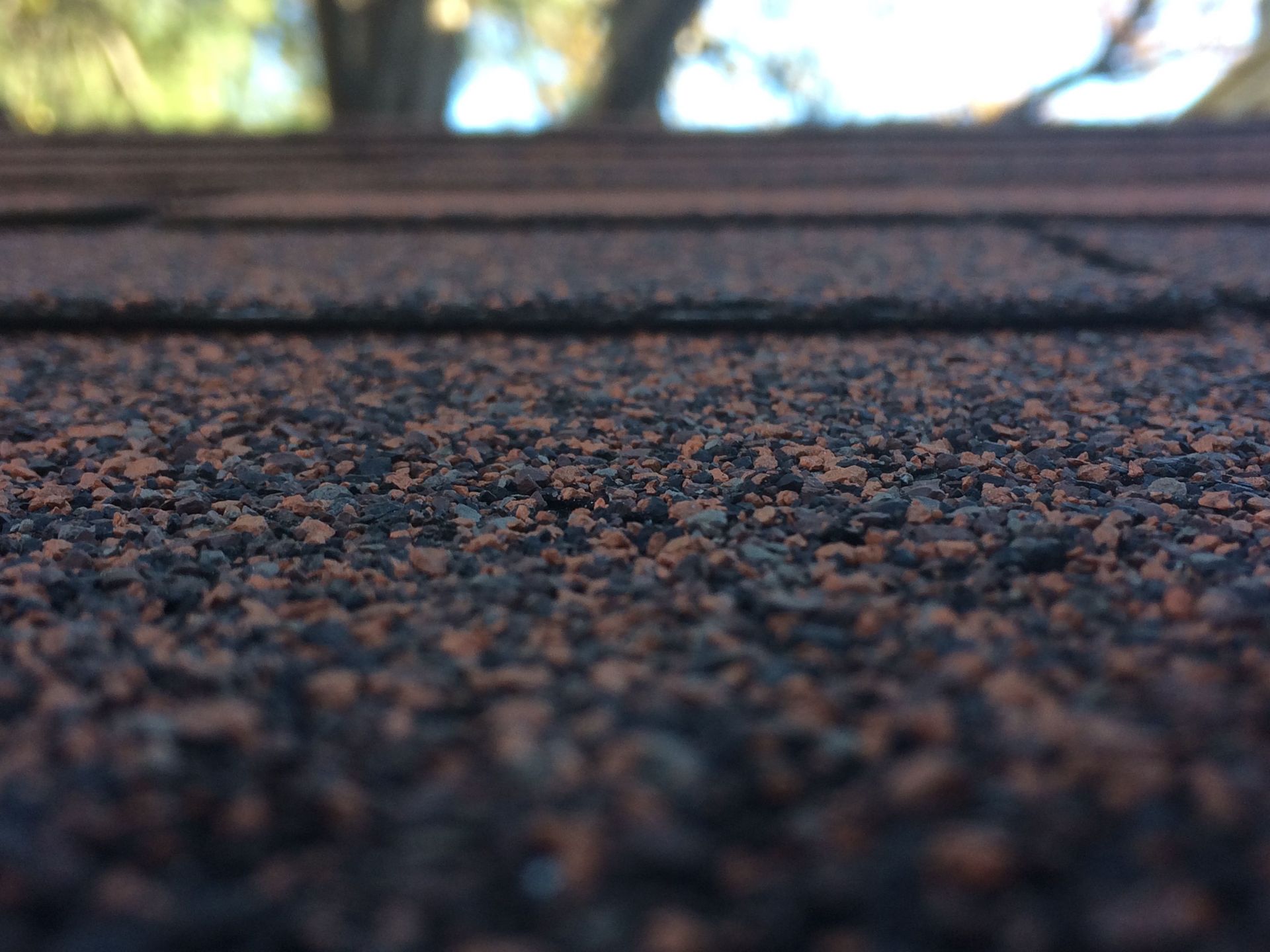
Material choice affects the cost of a new roof more than almost any other decision a homeowner makes. Asphalt shingles remain the most widely used roofing material in the U.S. The reason is simple: they cost significantly less than alternatives like metal panels, slate, clay tile, or wood shakes. They still offer a service life of 20 to 30 years when installed correctly.

Within asphalt shingles, there is a further choice between three-tab and architectural, sometimes called dimensional, shingles. Three-tab shingles are flatter, lighter, and less expensive, though they generally carry a shorter warranty and a flatter appearance. Architectural shingles cost more per square but last longer and better resist wind, which can matter in areas prone to severe weather. For a homeowner focused strictly on upfront cost, three-tab shingles remain a legitimate budget option. Architectural shingles have become the more common standard on new installations, even so.

Color and style also factor into price in ways that are easy to overlook. Unusual or premium color blends often carry a price premium over a manufacturer's standard color line, simply because they are produced in smaller volumes. Choosing a widely available, standard color can shave a modest amount off the material cost without any difference in performance.

Metal roofing, while considerably more expensive upfront, lasts far longer than asphalt. It can also reduce cooling costs in hot climates by reflecting more sunlight. For a homeowner who plans to remain in a home for decades, the higher initial cost can make sense on a lifetime basis. For anyone focused on the immediate expense of getting a sound roof overhead, though, asphalt shingles remain the material most likely to fit a limited budget. The wide competition among manufacturers in that category also tends to keep pricing more competitive than in smaller, specialty material markets.

Schedule the job for the slow season

Credit: Sergey Platonov /  Pexels

Roofing costs shift with the calendar in most parts of the country. Contractors have a busy season, typically spanning late spring through fall in regions with cold winters. Demand for roofing work peaks during that stretch, and crews get booked weeks or months in advance. Prices tend to hold firm then too, since contractors have little incentive to discount work they can sell at full price anyway.

Winter and early spring are generally the slowest months for roofing companies in much of the country, and slow months create an incentive to negotiate. With fewer jobs on the books, contractors are often more willing to offer a lower price, throw in upgraded underlayment, or move quickly on scheduling to keep crews working. A homeowner whose roof is not leaking urgently can use that leverage to negotiate a better deal than they would get during peak season.

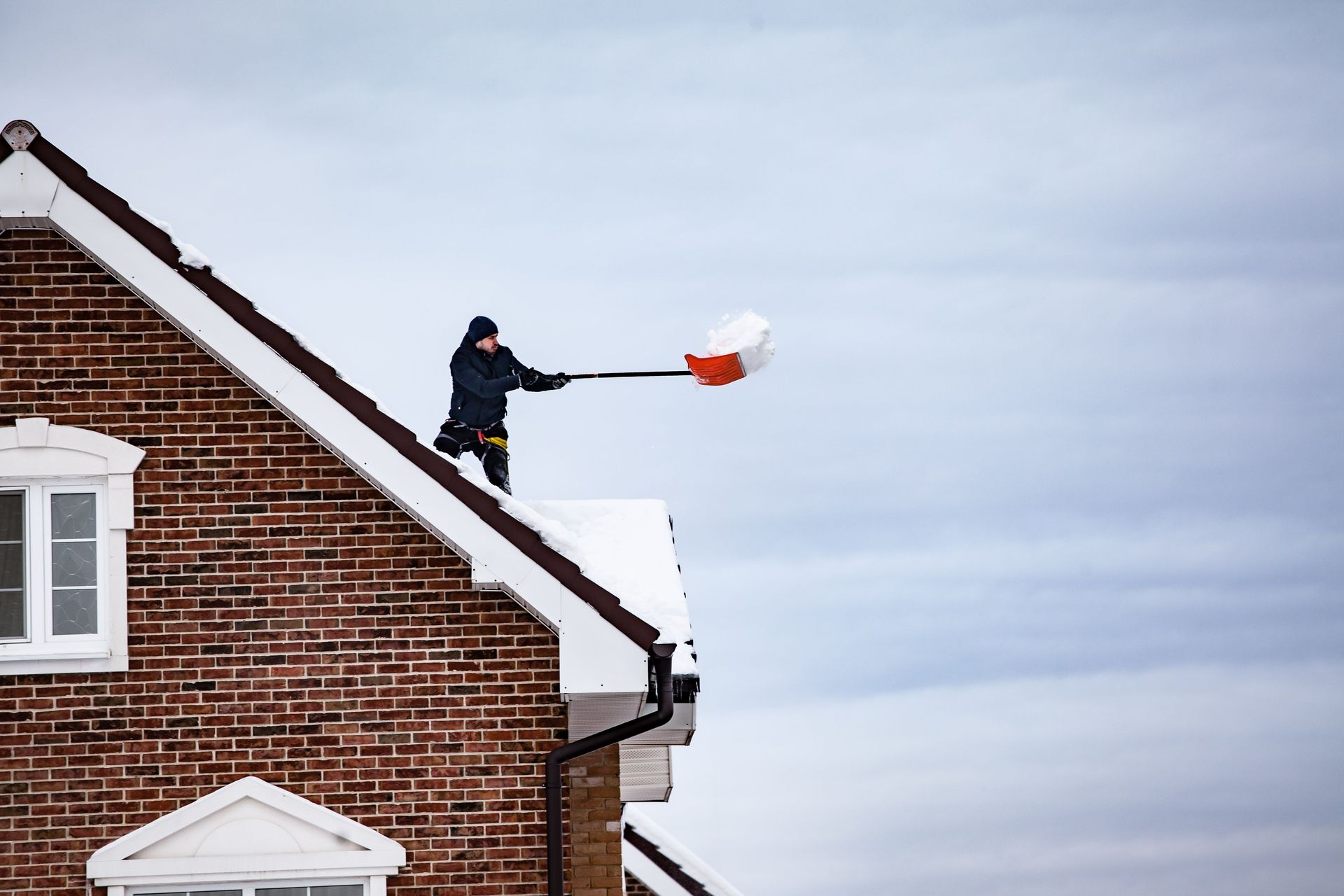
Climate determines how realistic winter roofing actually is. In regions with mild winters, such as much of the South and parts of the West Coast, roofing crews can work through the colder months with few interruptions. In colder northern climates, asphalt shingles need temperatures generally above 45 degrees Fahrenheit to seal properly. That can limit how much work gets done between December and February, or push contractors toward cold-weather adhesives and techniques that may add back some of the off-season discount.

Fall often ends up as a middle ground. Demand remains high as homeowners rush to finish projects before winter, but availability starts to open up as the summer backlog clears. A homeowner who is not facing an active leak has the most room to negotiate. That means planning a replacement for deep winter, or booking early in a slow season before contractors fill their calendars. Waiting until a roof fails completely removes almost all of that negotiating power. Emergency repairs get priced at whatever a contractor can charge when a homeowner has no time to shop around.

Ask every company about financing and payment plans

Credit: RDNE Stock project  /  Pexels

Most established roofing companies offer some form of financing. A roof replacement is a large enough expense that few homeowners can pay the full amount upfront without planning for it. Financing options vary widely between companies, and the terms attached to them can affect the total cost of a project as much as the base price of the job itself.

Many contractors partner with third-party lenders to offer installment loans. These are sometimes advertised with promotional periods of no interest if the balance is paid off within a set window, often 12 to 18 months. Those offers can be genuinely useful for a homeowner who can pay off the balance within the promotional period. The interest rate that kicks in afterward is often high, though, so it pays to read the fine print on what happens if the deadline is missed.

Some smaller or local roofing companies offer in-house payment plans instead of routing homeowners through a third-party lender. These arrangements can sometimes be more flexible, though they are also less standardized. It is worth asking directly how missed or late payments are handled and whether there is a penalty for paying the balance off early.

A home equity loan or home equity line of credit is another route some homeowners use to fund a roof, particularly for a larger replacement. These typically carry lower interest rates than unsecured personal loans or contractor financing, since the home itself secures the debt. They also carry more risk if payments are missed, since the home is what backs the loan.

Whatever financing route a homeowner considers, it is worth asking multiple contractors what their financing actually costs in total, not just what the advertised monthly payment looks like. A lower monthly payment stretched over a longer term can end up costing considerably more than a shorter loan with a higher monthly payment. Comparing the total repayment amount across offers is the only reliable way to see which option is actually cheaper.

Check how your insurance actually pays out

Credit: Ryan Stephens /  Pexels

Homeowners insurance can cover a significant part of a roof replacement, but only under specific conditions. The way policies pay out has also been shifting in ways that catch many homeowners off guard. Standard policies generally cover roof damage caused by a sudden, covered event, such as wind, hail, or a fallen tree. They do not cover gradual deterioration from age or a lack of maintenance, and insurers can deny those claims as a maintenance issue rather than a covered loss.

The more important distinction for a budget-conscious homeowner is between replacement cost coverage and actual cash value coverage. Replacement cost coverage pays what it actually costs to install a new roof today, regardless of the old roof's age. Actual cash value coverage factors in depreciation, paying only what the damaged roof was worth at the time of the loss. For an older roof, that can be a fraction of what a full replacement costs.

In recent years, more insurers have shifted older roofs onto actual cash value coverage or onto a sliding depreciation schedule, often once a roof passes 10 to 15 years old. This applies even to some homeowners who believed they had full replacement coverage. That change is frequently buried in renewal paperwork rather than announced clearly. Homeowners should check their current declarations page for terms like roof payment schedule or cosmetic damage exclusion, both of which can significantly reduce a claim payout.

Before assuming insurance will offset the cost of a new roof, it is worth calling the insurer directly. Ask exactly how a roof claim would be calculated given the roof's current age. If coverage has shifted to actual cash value, some insurers allow homeowners to pay a higher premium to restore full replacement cost coverage. That may be worth the added cost for a homeowner who wants to avoid a large surprise bill after the next storm. Filing a claim only makes sense for damage tied to a specific, documented event, not for wear that has accumulated gradually over years.

Look into government and nonprofit repair help

Credit: RDNE Stock project /  Pexels

A number of federal, state and nonprofit programs exist specifically to help homeowners who cannot afford a roof repair or replacement out of pocket. Most come with income limits and other eligibility requirements that rule out a broad segment of homeowners. It is worth checking the details before assuming a program will or will not apply.

The USDA's Section 504 Home Repair program is one of the most substantial options for eligible homeowners in rural areas. It offers loans of up to $40,000 at a fixed 1% interest rate over a 20-year term to very-low-income homeowners for repairs including roof replacement. It also offers grants of up to $10,000 for homeowners age 62 or older who cannot afford to repay a loan. The grant money must go toward removing a health or safety hazard. Loans and grants can be combined for up to $50,000 in total assistance. Eligibility depends on income, and the home must be in a USDA-designated rural area, which can be checked through the agency's online eligibility tool.

Habitat for Humanity operates home repair programs through local affiliates in many parts of the country, separate from the organization's better-known new home construction work. These programs typically serve homeowners below a set percentage of the area's median income. They can include roof repair alongside other critical health and safety work, often at reduced or no cost, using a mix of volunteer labor and licensed contractors. Program availability, income limits and the specific repairs covered vary by local affiliate, so it is worth contacting the nearest chapter directly rather than assuming national rules apply everywhere.

Local and county housing departments, community action agencies, and organizations such as Rebuilding Together also run home repair assistance programs. These are frequently targeted at elderly, disabled or veteran homeowners, and they are rarely advertised widely. Homeowners who think they might qualify based on income or age should call their local Area Agency on Aging or county housing office directly. Funding and programs change from year to year, so it is worth asking what is currently available.

Verify licensing, insurance and reviews before signing

Credit: Kindel Media /  Pexels

The cheapest bid on a roofing job can become the most expensive mistake a homeowner makes if the contractor turns out to be unlicensed, uninsured, or simply unreliable. A botched installation can lead to leaks that damage the interior of a home or void a manufacturer's warranty. It can also mean an entirely new roof is needed years before it should have been. All of that costs far more than whatever was saved on the original bid.

Most states require roofing contractors to hold a specific license, and many require proof of both liability insurance and workers' compensation coverage. Homeowners should ask for a contractor's license number and verify it directly through the state's licensing board website, rather than taking a business card at face value. License numbers can be copied or fabricated. Confirming active insurance matters just as much. If an uninsured worker is injured on a homeowner's property, the homeowner can potentially be held liable for medical costs.

Online reviews are useful but should be read with some skepticism. A pattern across many reviews, whether about missed deadlines, poor cleanup, or unresponsive communication after payment, is more meaningful than any single five-star or one-star review. Checking a contractor's standing with the Better Business Bureau or a state consumer protection office can reveal unresolved complaints. Those complaints do not always show up on review platforms that businesses can influence.

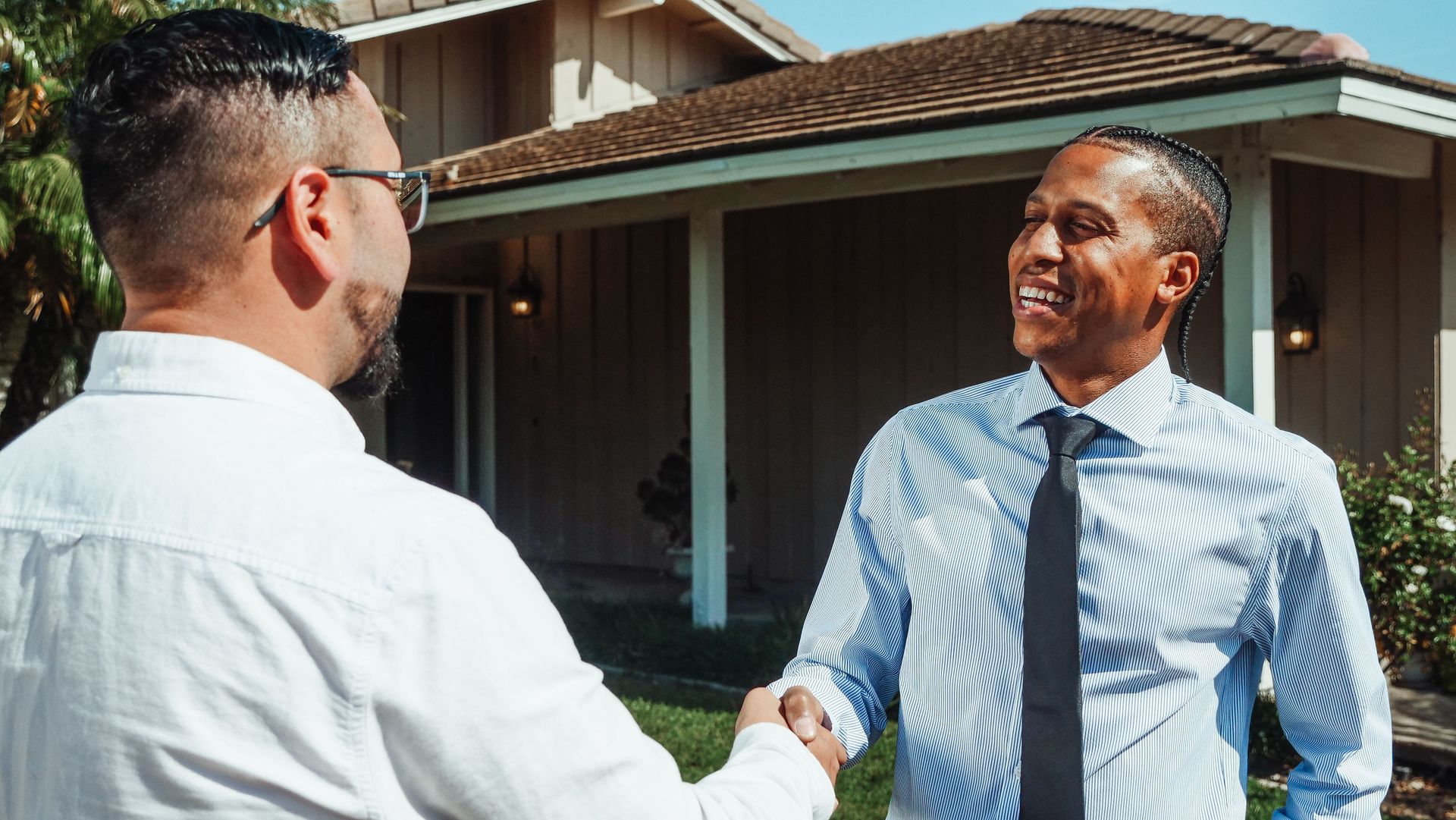
It is worth being especially cautious of contractors who go door-to-door after a storm offering a free roof inspection, then pressure a homeowner to sign a contract on the spot. This kind of solicitation is common after severe weather. Some of these contractors are legitimate, but the approach is also a known tactic among scammers who disappear after collecting a deposit. A homeowner who takes even a single day to verify a contractor's license, insurance and local reputation avoids the vast majority of roofing scams. Any legitimate company will have no problem with that pause.

Maintain the roof you have to delay replacement
Credit:  Revive Wash /  Pexels

The least expensive roofing option is often the one that avoids or delays a replacement altogether. Routine maintenance is inexpensive compared with a full roof replacement, and consistent upkeep can meaningfully extend how long an existing roof lasts before it needs major work.

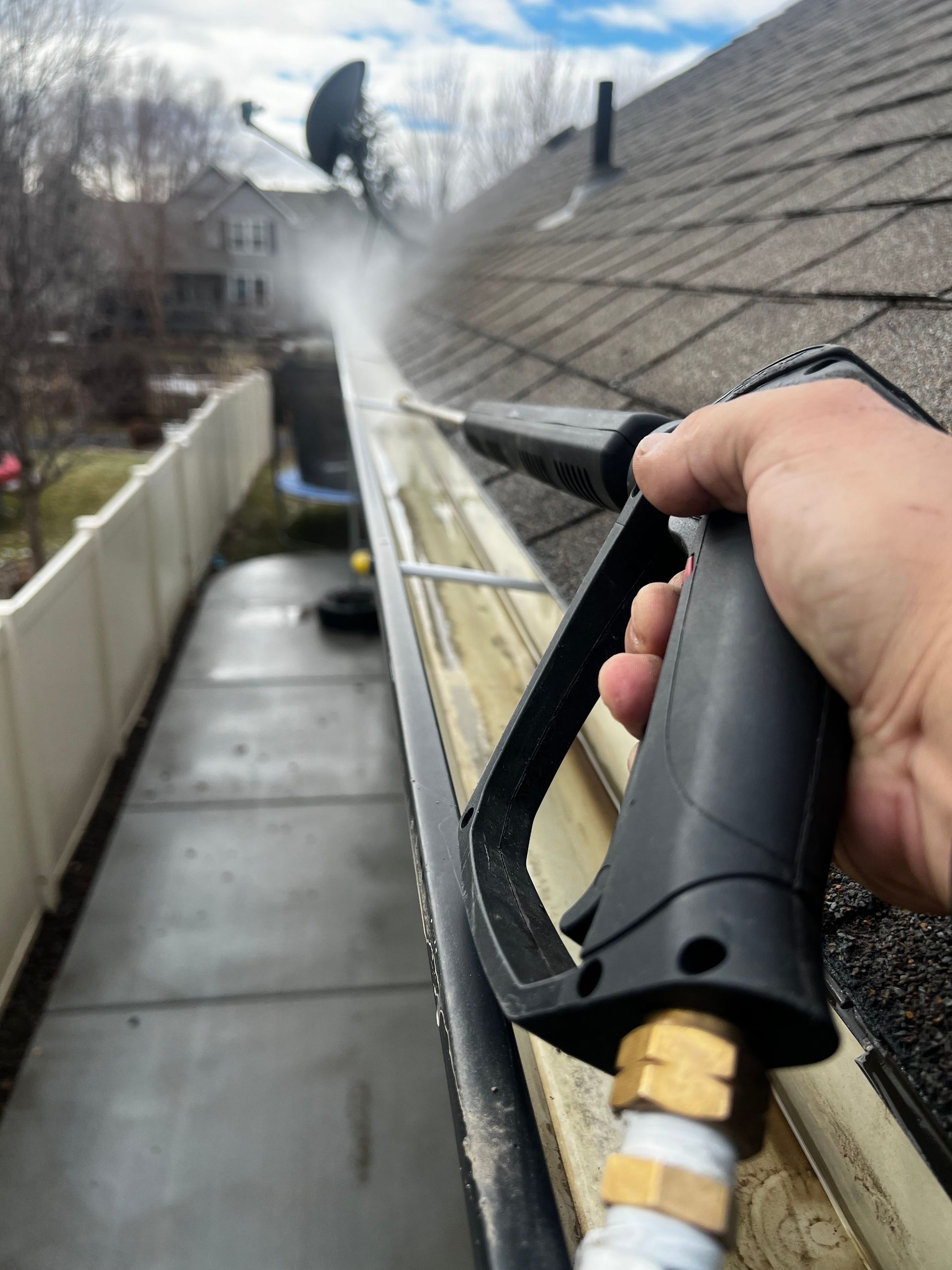
Clearing gutters at least twice a year keeps water from backing up under the roof edge. That backup is one of the more common causes of premature rot in the decking below shingles. A gutter packed with leaves and debris holds water against the roofline long after a storm has passed. That trapped moisture causes damage that would not otherwise occur. Trimming back tree branches that overhang the roof reduces both physical damage from falling limbs and the buildup of moss or algae in shaded, damp areas.

A basic visual inspection twice a year, in spring and fall, can catch small problems while they are still cheap to fix. Missing or curling shingles, cracked caulk around vent pipes, and rusted flashing around a chimney are all inexpensive repairs when caught early. Left through another season of rain and snow, though, those same small problems can lead to interior water damage and rot. Homeowners uncomfortable getting on a roof themselves can hire a contractor for a paid inspection, which typically costs far less than any repair it might catch in time.

Moss and algae growth deserves particular attention in humid or shaded climates, since it holds moisture against shingles and can shorten their lifespan considerably. Zinc or copper strips installed near the roof's ridge allow rainwater to carry small amounts of metal down the roof surface, which discourages new growth over time without repeated cleaning. Proper attic ventilation also plays a role most homeowners overlook. Poor airflow traps heat and moisture against the underside of the roof deck, which accelerates shingle aging from below. That damage is invisible from the ground, but it shortens the roof's usable life all the same.

Quartz

Global business news for a smarter world

Topics

  • Business News
  • Money & Markets
  • Tech & Innovation
  • Generation A.I.
  • Lifestyle
  • Leadership

Products

  • Daily Brief
  • Weekly Digest
  • Member Benefits
  • Quartz Pro

Legal

  • Sitemap
  • About
  • Accessibility
  • Privacy
  • Terms of Service
  • Advertising

© 2026 Quartz Media, Inc. All rights reserved.