From a medieval Islamic engineer to a Black NASA mathematician, these overlooked figures altered the course of science, politics, and human rights in ways most schools never mention

Credit: Abraham Cresques / Wikimedia Commons (CC BY-SA 4.0)
History is not short of names. It is short of space — or rather, short of willingness to make space. Every school curriculum is a set of choices about whose stories get told, and those choices have long favored the powerful, the European, the male, and the already-celebrated. The result is a canon that is remarkably thin given how wide and deep the human past actually runs.
That thinning matters beyond the classroom. When the only engineers children learn about are white men from Western Europe, they inherit a distorted picture of how knowledge traveled and accumulated across the centuries. When the only political leaders in the syllabus are heads of state, students miss the organizers, lawyers, journalists, and agitators who actually moved the needle on civil rights, labor protections, and democratic reform. When women appear only as consorts or exceptions, the curriculum erases the structural contributions that kept entire fields alive.
The 21 figures in this list are not obscure for lack of importance. Several of them were, in their own time, the most prominent person in their field. A few were celebrated across continents. One advised heads of state for decades. Another's mathematical work made the U.S. space program possible. What they share is not obscurity in the historical record — it is absence from the version of history that gets packaged for mass education.
The reasons for their absence vary. Some were women in fields that systematically excluded women from credit. Some were from colonized nations whose intellectual traditions were misattributed or dismissed. Some worked in disciplines — engineering, public health, linguistics — that textbooks treat as supporting cast to politics and war. Some were erased deliberately; others simply fell through the cracks of a curriculum that was never designed with them in mind.
Each of these figures has a documented, substantive legacy. The goal here is not to rank them or to argue they should replace anyone in particular. It is to fill in a map that most students never see — one that looks less like a straight line from Athens to the Industrial Revolution and more like the genuinely networked, multicultural, argumentative thing that human history actually was.
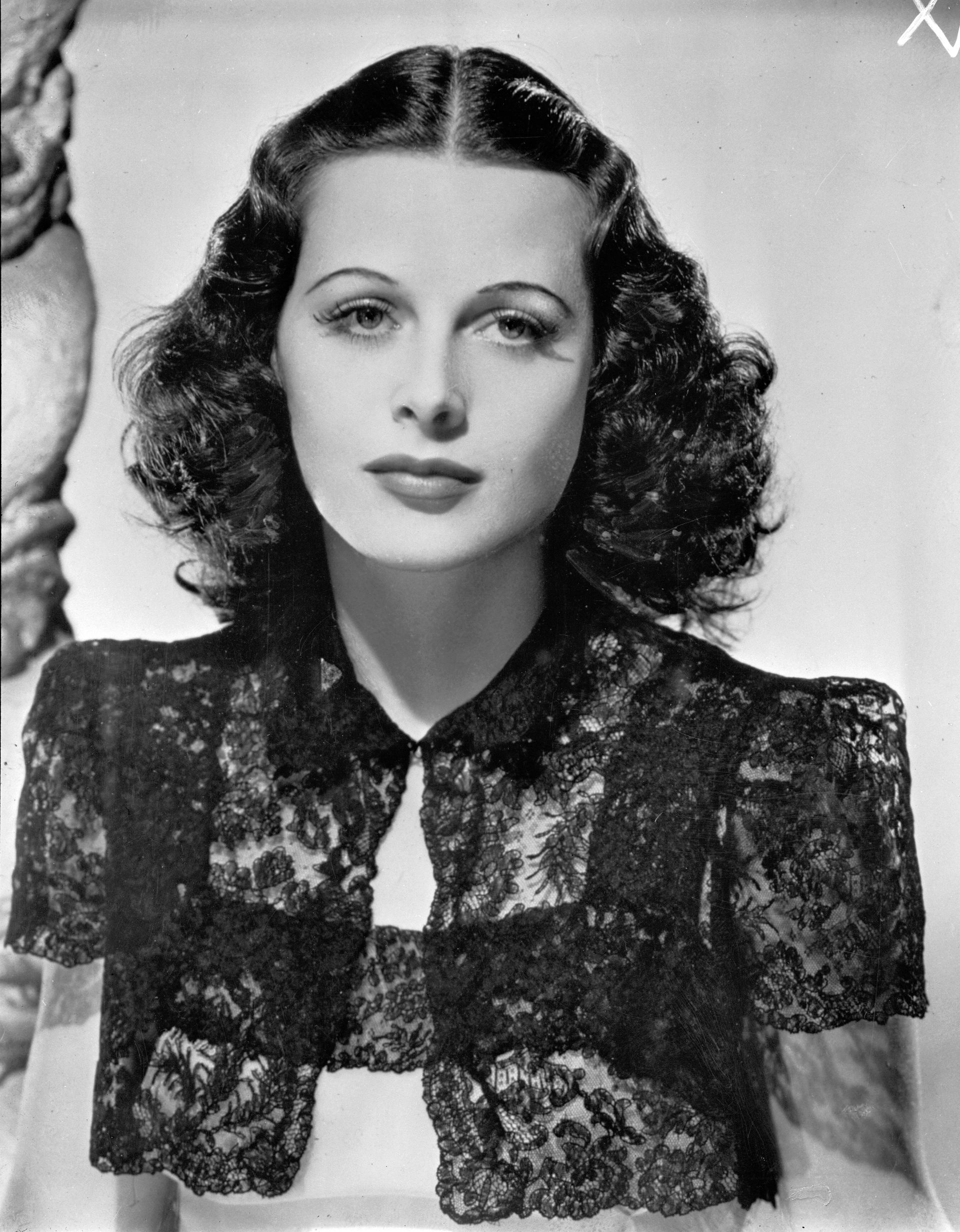
Credit: Los Angeles Times / Wikimedia Commons (CC BY 4.0)
Hedy Lamarr is remembered, when she is remembered at all, as one of the most photographed women in Hollywood during the 1930s and 1940s. What most people do not know — and what most school curricula do not mention — is that she was also the co-inventor of a frequency-hopping spread spectrum communication technique that became foundational to modern wireless technology, including Wi-Fi, GPS, and Bluetooth.
Born Hedwig Eva Maria Kiesler in Vienna in 1914, Lamarr emigrated to the United States after escaping a controlling marriage to an Austrian arms dealer. She arrived in Hollywood with a contract from MGM and a mind that spent its leisure hours solving engineering problems. During World War II, Lamarr became concerned that radio-guided torpedoes used by Allied forces could be detected and jammed by the Germans. Working with composer George Antheil, she developed a method of rapidly switching radio frequencies to prevent jamming — a technique they called frequency hopping.
The two filed a patent for their invention in 1942. The U.S. Navy initially set the idea aside, and the patent expired before the technology was widely adopted. When the technique was finally applied by the military in the 1960s, Lamarr received neither credit nor compensation. It was not until 1997 that she and Antheil received the Electronic Frontier Foundation Pioneer Award in recognition of their contribution. Lamarr reportedly said at the time that it was about time.
The story of her invention illustrates two overlapping forces that kept women out of the intellectual record: the assumption that beauty and intelligence could not coexist in one person, and the legal and financial structures that allowed inventors — particularly women with limited resources — to lose control of their own work. Lamarr did not have the institutional backing, the professional network, or the access to capital that a male inventor in the same period might have had. She developed an idea that would eventually underpin billions of dollars in technology, and she died in 2000 without ever having benefited financially from it.
For students learning about World War II technology, or about the roots of digital communication, Lamarr's story is directly relevant. It is also an entry point into the broader question of who gets credited in technical fields and why. Her absence from standard curricula is not a minor gap. It is a symptom of a much larger pattern.
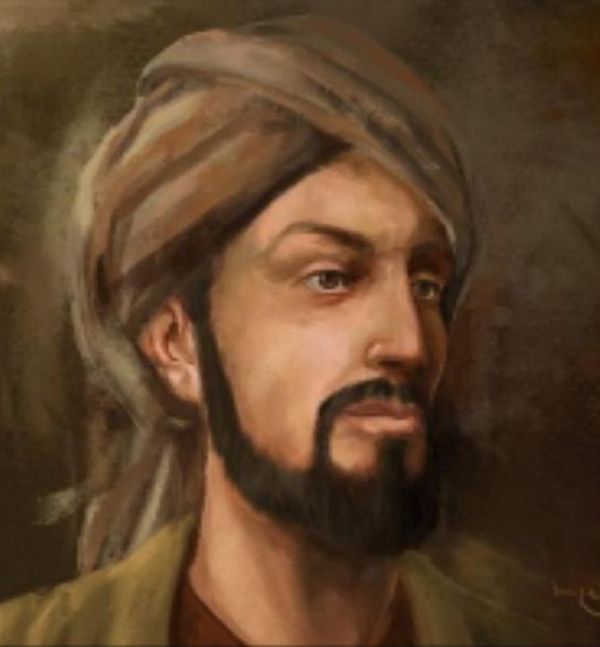
Credit: Fahads1982 / Wikimedia Commons (CC BY-SA 4.0)
In 1206, a mechanical engineer working in the court of the Artuqid dynasty in what is now southeastern Turkey completed a manuscript he called "The Book of Knowledge of Ingenious Mechanical Devices." The author was Ismail al-Jazari, and the book described more than 50 mechanical devices — including programmable automata, crankshaft mechanisms, segmental gears, and a water-raising machine that prefigured later hydraulic engineering.
Al-Jazari worked at a time when the Islamic world was the leading center of scientific and technical knowledge. His contributions were not merely theoretical. He built the devices he described, testing them and refining them in practice. His work included a hand-washing automaton that automatically replenished a basin, a mechanical boat with automaton musicians that entertained guests at royal gatherings, and a blood pressure–measuring device that used a float mechanism. He is also credited with the first known use of the connecting rod and crankshaft — a combination that is essential to virtually every internal combustion engine ever built.
Western histories of engineering and mechanics often jump from ancient Greece and Rome to the Renaissance, as though nothing of significance happened in the intervening millennium. This is not only inaccurate but deeply misleading. Al-Jazari's work predates the Renaissance by two to three centuries, and many of the mechanical principles associated with later European inventors had clear precedents in Islamic scholarship.
The book al-Jazari wrote survived, was translated into multiple languages, and was known to European scholars. The question of how much direct influence it had on later developments is debated, but the significance of the work itself is not. It represents one of the most comprehensive treatises on mechanical engineering produced before the Industrial Revolution, and al-Jazari deserves a place in the history of technology that most curricula give exclusively to European figures.
His absence from standard science and engineering education is part of a broader pattern in which Islamic contributions to mathematics, astronomy, medicine, and engineering are treated as a brief prelude to European achievement rather than as a rich intellectual tradition in their own right.
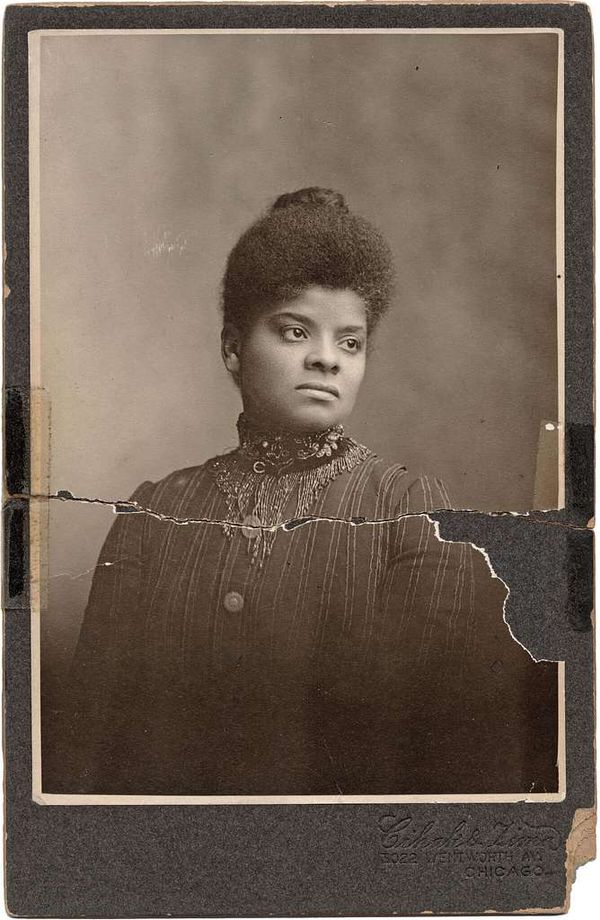
Credit: Ida B. Wells circa 1895 by Cihak and Zima / Picryl
Ida B. Wells was a journalist, an activist, and one of the most effective investigators of racial violence in American history. Born into slavery in Holly Springs, Mississippi, in 1862 — six months before the Emancipation Proclamation — she became one of the first people to systematically document the practice of lynching in the American South, turning anecdotal horror into statistical evidence that could not be ignored.
Wells was 29 when three of her close friends were lynched in Memphis in 1892. Rather than accept the official justifications, she investigated. She gathered accounts, cross-referenced claims, and published her findings in a pamphlet called "Southern Horrors: Lynch Law in All Its Phases." What she found was that the stated rationale for lynching — typically accusations of sexual assault — was overwhelmingly fabricated, and that lynching was in practice a tool of economic and political suppression used to eliminate Black Americans who competed with white businesses or exercised political power.
Her writing was so effective that her newspaper office in Memphis was destroyed by a mob, and she was threatened with death if she returned to the city. She relocated to Chicago, continued her investigative work, and eventually toured Britain to build international awareness of what was happening in the American South. Her work helped shift public discourse in ways that no political speech alone could have achieved.
Wells was also a co-founder of the NAACP, though she was later pushed to the margins of that organization — partly because she refused to moderate her positions to accommodate the comfort of white allies. She ran for the Illinois state senate in 1930, becoming one of the first Black women to run for public office in the U.S. She died the following year.
Despite all of this, Wells is absent from most standard American history curricula. When the civil rights movement is taught, the narrative typically begins in the 1950s, erasing the decades of organizing, journalism, and legal work that laid its foundation. Wells is one of the most important figures in that earlier chapter.
Credit: Biography of Ramanujan / Wikimedia Commons (CC BY-SA 3.0)
Srinivasa Ramanujan was a self-taught mathematician from Erode, India, who, with almost no formal training beyond high school level, produced results in number theory, infinite series, and continued fractions that stunned the most accomplished mathematicians in the world. He died at 32, leaving behind notebooks filled with thousands of theorems, many of which took decades for other mathematicians to prove — and some of which are still being explored today.
Ramanujan was born in 1887 in a Brahmin family of modest means. He excelled at mathematics from childhood but failed his college examinations because he neglected every subject except math. He worked as a clerk in Madras while filling notebooks with mathematical discoveries he had arrived at largely through intuition. In 1913, he wrote a letter to the British mathematician G.H. Hardy at Cambridge, enclosing a sample of his results.
Hardy initially suspected a hoax. After consulting with colleagues, he concluded that the work could not have been fabricated — that whoever wrote it was a mathematician of the first order. He arranged for Ramanujan to come to Cambridge, where the two collaborated until Ramanujan's health deteriorated. Ramanujan suffered from tuberculosis and other illnesses, and the English climate and wartime food shortages made his condition worse. He returned to India in 1919 and died in 1920.
The theorems in Ramanujan's notebooks were not proved by conventional derivation — many appeared to him directly, and he sometimes described them as gifts from a family deity. His methods were opaque even to Hardy, who spent years working backward from results to find the proofs. This unconventional approach has made Ramanujan a subject of ongoing mathematical investigation. Some of his results on mock theta functions, for example, found applications in string theory and black hole physics decades after his death.
Ramanujan is a central figure in the history of mathematics, yet he rarely appears in school curricula outside India. His story is also a pointed illustration of how talent is distributed without regard to geography or class, and how institutional gatekeeping can suppress it.
Credit: Cold Spring Harbor Laboratory / Wikimedia Commons (CC BY-SA 4.0)
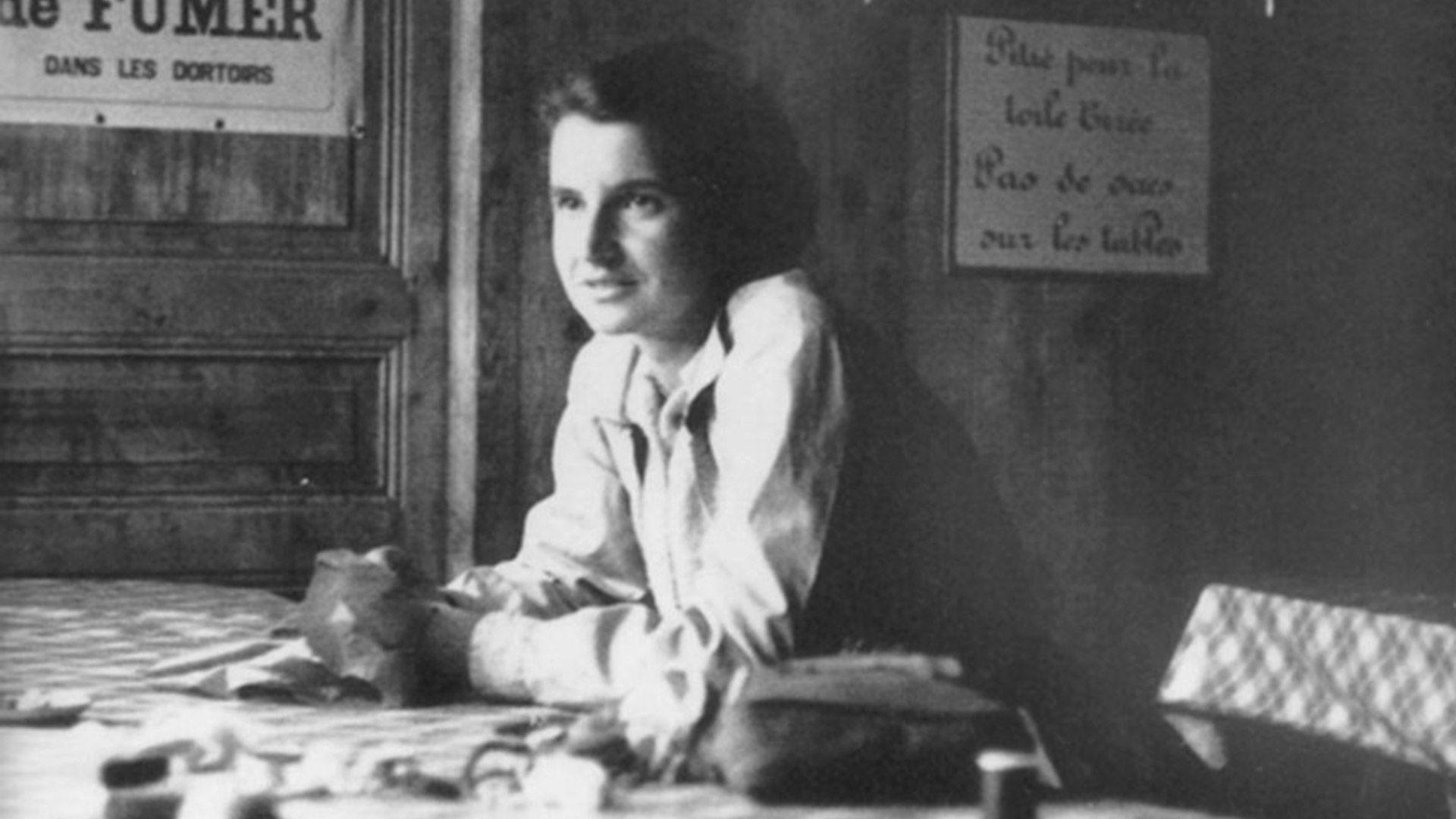
Rosalind Franklin produced the X $TWTR-ray crystallography images that made it possible to determine the double-helix structure of DNA — and she received almost no credit for it during her lifetime. The story of how her work was used without her knowledge or consent is one of the most discussed cases of gender discrimination in the history of science.
Franklin was a physical chemist at King's College London in the early 1950s. She was meticulous, technically precise, and deeply skilled in X-ray diffraction, a method she had developed expertise in while working in Paris. At King's, she worked on DNA structure alongside Maurice Wilkins — though the two had a tense working relationship, partly because of a miscommunication about their respective roles when Franklin arrived.
In 1952, Franklin produced an X-ray diffraction image of DNA known as Photo 51. It was the clearest image of the DNA molecule yet taken, and it revealed critical information about the molecule's structure. Wilkins showed the image to James Watson without Franklin's knowledge. Watson and Francis Crick used the information from Photo 51, combined with data from an unpublished report by Franklin that they also accessed without her consent, to construct their model of the DNA double helix. They published in Nature in 1953. Franklin's contribution was acknowledged only in a footnote.
Watson, Crick, and Wilkins received the Nobel Prize in Physiology or Medicine in 1962. Franklin had died of ovarian cancer in 1958, at 37, and Nobel Prizes are not awarded posthumously. The story of her role in the discovery was largely suppressed for years. Watson's memoir "The Double Helix," published in 1968, was openly dismissive and condescending about Franklin, referring to her by her first name while calling Wilkins and other male colleagues by their surnames.
Franklin's rehabilitation in the historical record has been gradual and incomplete. She remains absent from many basic biology curricula, even those that cover DNA structure at length.
-1920x1080.jpg)
Credit: Noahalorwu / Wikipedia (CC BY-SA 4.0)
In 1900, a 60-year-old grandmother led one of the last major armed resistances against British colonial rule in West Africa. Her name was Yaa Asantewaa, and she was the queen mother of the Edweso state, part of the Ashanti Confederacy in what is now Ghana. Her campaign, known as the War of the Golden Stool, is a central event in Ghanaian history and nearly unknown outside it.
The immediate trigger for the conflict was the British governor Frederick Hodgson's demand that the Ashanti hand over their Golden Stool — the sacred symbol of the Ashanti nation's soul, unity, and sovereignty. Hodgson wanted to sit on it as a demonstration of colonial dominance. The Ashanti chiefs, most of whom had been exiled, were in no position to resist. Yaa Asantewaa reportedly addressed a council of remaining chiefs and shamed them into action, saying that if the men would not fight, the women would.
She organized and led the ensuing military campaign herself. The Ashanti forces besieged the British fort at Kumasi for several months. British reinforcements eventually broke the siege, and Yaa Asantewaa was captured and exiled to the Seychelles, where she died in 1921. The British never found the Golden Stool.
The war did result in the formal annexation of the Ashanti kingdom into the British Gold Coast colony, but it also forced a significant revision of British colonial policy in the region. The British abandoned their demand for the stool and granted the Ashanti a degree of internal autonomy they had not originally intended to allow.
Yaa Asantewaa's story is taught in Ghanaian schools and is a point of national pride. Outside Africa, she is almost entirely absent from curricula about colonialism, resistance, or women in history — despite being exactly the kind of figure those curricula claim to seek out.
Credit: NASA / Langley Research Center / Picryl
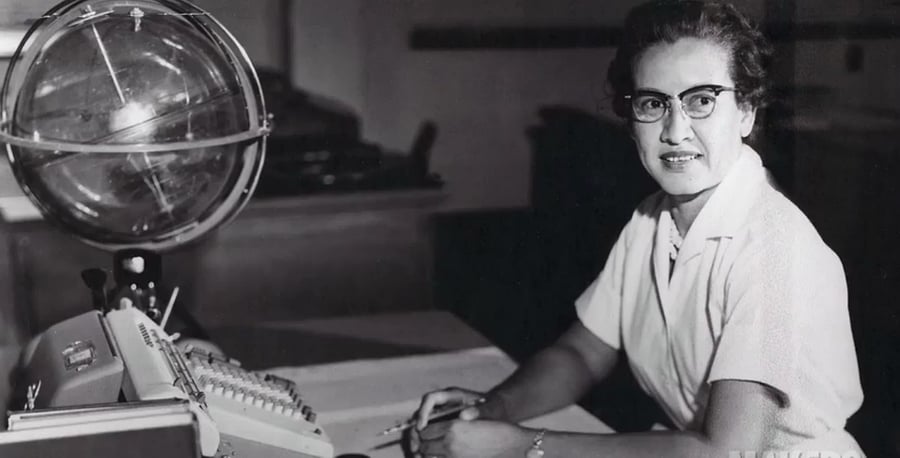
Katherine Johnson was a mathematician who calculated the orbital trajectories for several of NASA's most consequential missions, including John Glenn's first orbital flight and the Apollo 11 moon landing. She worked at NASA — and at its predecessor agency, the National Advisory Committee for Aeronautics — for 35 years, and her calculations were so trusted that Glenn reportedly refused to fly until Johnson had personally verified the computer's numbers.
Johnson was born in White Sulphur Springs, West Virginia, in 1918. She graduated from West Virginia State College at 18 and later became one of the first Black students to integrate West Virginia University's graduate school. She joined NACA in 1953 as a "human computer" — one of a pool of Black women mathematicians employed to perform complex calculations by hand.
At a time when the agency's facilities were segregated — separate bathrooms, separate dining rooms, separate workspaces — Johnson's mathematical abilities distinguished her quickly. She was assigned to the Flight Research Division, where she worked on projects that were technically classified. She co-authored research reports at a time when women were typically not credited on such documents.
Her calculations for Glenn's Friendship 7 mission in 1962 required her to replicate, by hand and in a tight deadline, the output of the electronic computer the agency had just begun using. Glenn did not fully trust the new technology. He trusted Johnson. The mission succeeded.
Johnson's story, along with those of her colleagues Dorothy Vaughan and Mary Jackson, was largely unknown to the general public until the 2016 book and subsequent film "Hidden Figures." She received the Presidential Medal of Freedom in 2015 and died in 2020 at 101.
Her contributions were not peripheral. They were structurally essential to the U.S. space program at its most critical period — and they were obscured for decades by the intersection of race and gender discrimination that shaped institutional credit within NASA.
Credit: Imre Solt / Wikimedia Commons (CC BY-SA 3.0)
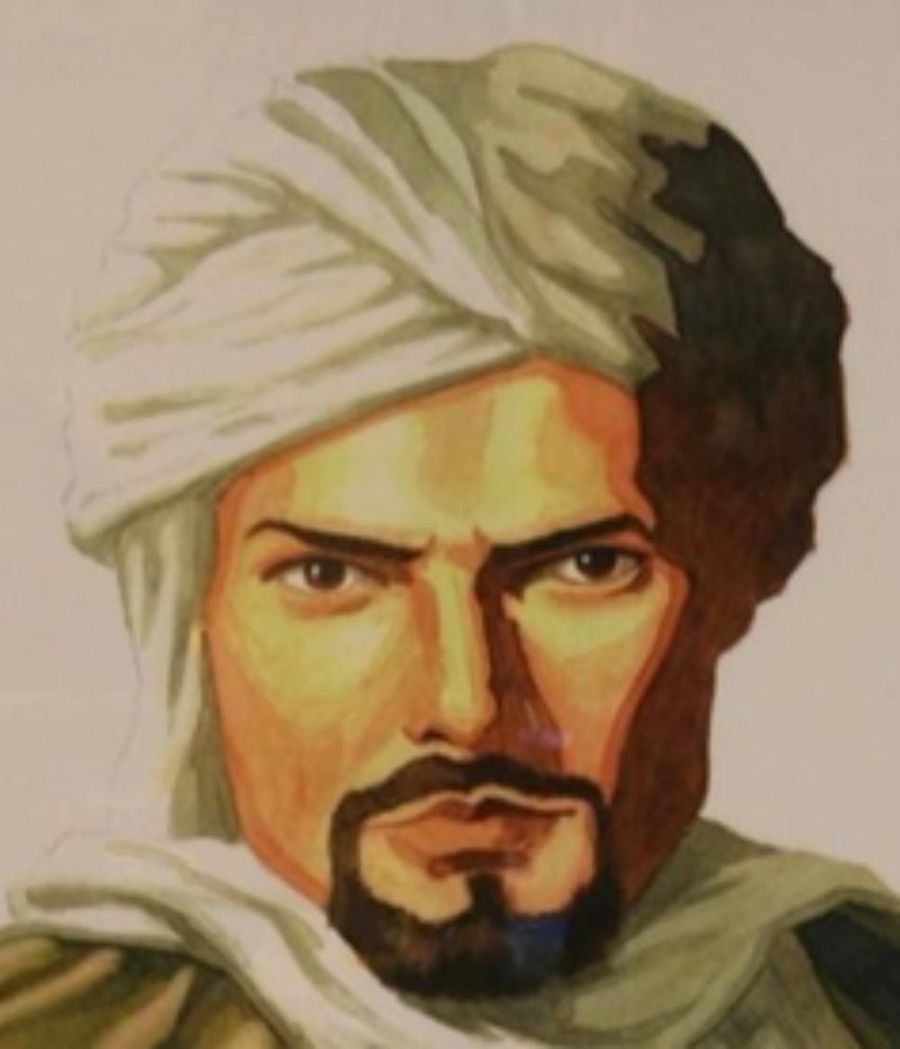
Ibn Battuta traveled more than 75,000 miles over approximately 30 years in the 14th century — a greater distance than any known traveler before him, covering territory from Morocco to Mali, from Constantinople to China, and including much of the Indian subcontinent and the East African coast. He left behind a detailed account of his journeys, known in Arabic as the Rihla, that is one of the most valuable primary sources for the social history of the medieval Islamic world.
Born in Tangier in 1304, Ibn Battuta set out for Mecca at 21 for what he intended as a religious pilgrimage. He did not return home for 24 years. Along the way, he served as a judge, a diplomat, and an envoy for multiple rulers. He observed court rituals in Mali under Mansa Suleyman, described the devastation of the Black Death as he moved through the Middle East in 1348, and traveled to the court of the Chinese emperor. He wrote candidly about what he saw, including the practices he found admirable and those he found objectionable.
The Rihla is not merely a travelogue. It is a work of comparative ethnography, recording customs, legal practices, religious observance, trade networks, and political structures across a vast swath of the medieval world. It documents the existence of an interconnected Islamic civilization that stretched from West Africa to Southeast Asia — a cosmopolitan world that European-centered curricula rarely acknowledge.
Marco Polo is a standard figure in world history curricula covering the same period. Ibn Battuta traveled farther, visited more places, and left a more detailed written account. His absence from most school syllabi while Polo is consistently included reflects a longstanding bias in Western curricula toward European perspectives on the same era.
Credit: Smithsonian Institution / Public Domain / Picryl
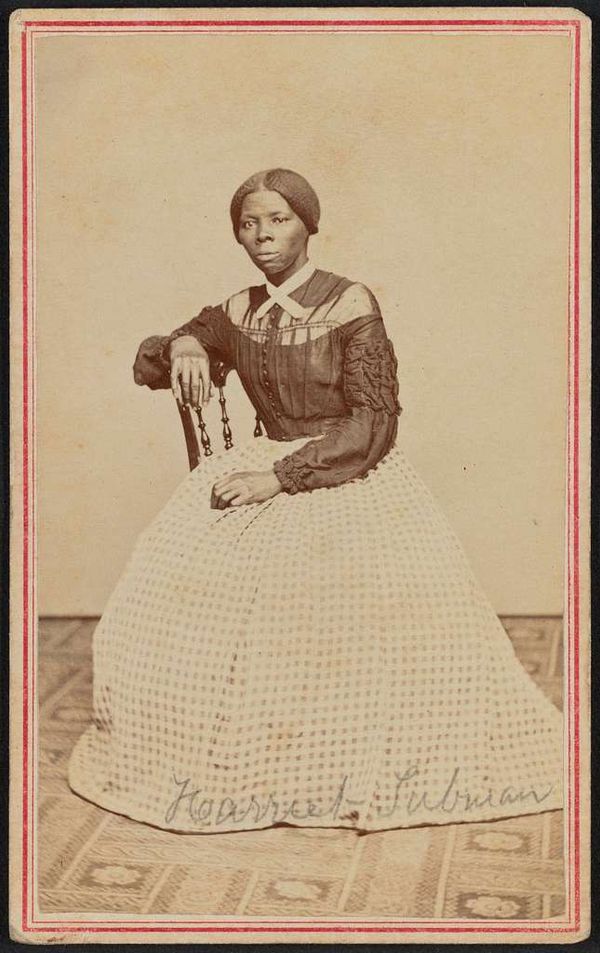
Harriet Tubman appears in many school curricula as a conductor on the Underground Railroad — a role that is genuine and important. What is rarely taught is that she also served as a Union spy and military operative during the Civil War, becoming the first woman in U.S. history to lead an armed military raid.
Tubman escaped slavery in 1849 and subsequently made approximately 13 missions to rescue around 70 enslaved people through a network of safe houses. This part of her story is relatively well known. What is far less taught is what she did after the Underground Railroad, when the Civil War made her wartime work possible.
In 1863, Tubman led the Combahee River Raid in South Carolina, working with Colonel James Montgomery and a group of Black Union soldiers. She had spent months gathering intelligence in the region, working with a network of scouts and informants to map Confederate positions and identify where plantation enslaved people were held. The raid liberated more than 700 enslaved people in a single night — one of the largest single liberations of the war.
Tubman served the Union Army as a spy, a nurse, and a scout for several years. She was never paid for most of this service. She applied for a pension multiple times and was denied. Congress finally approved a pension for her in 1899 — for her role as the widow of her second husband, not for her own military service. The U.S. government did not formally recognize her military service until the late 20th century.
The decision to teach Tubman primarily as a pre-war figure, and to omit her military role entirely, removes one of the most direct examples in U.S. history of a woman exercising military leadership and strategic intelligence.
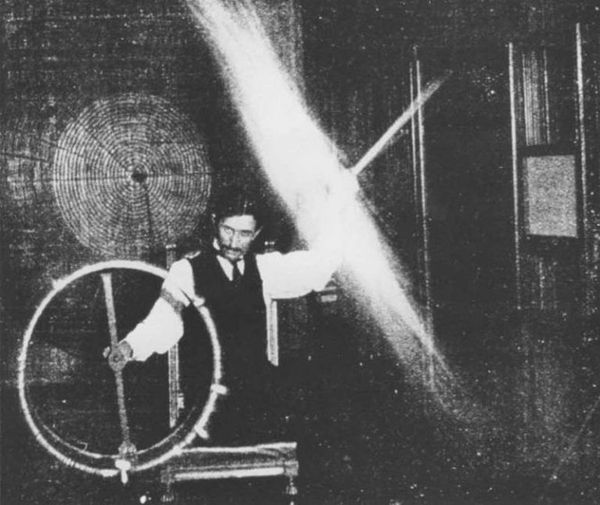
Credit: www.teslauniverse.com / Wikimedia Commons (CC BY-SA 4.0)
Nikola Tesla $TSLA appears in some curricula as the inventor who was cheated by Thomas Edison or as the namesake of an electric car company. What is rarely taught in depth is the scope of his actual inventions, the reasons his later career collapsed, and what his story reveals about the relationship between scientific genius and financial capital.
Tesla was born in 1856 in Serbia. He emigrated to the U.S. in 1884 and briefly worked with Edison before striking out on his own. His alternating current electrical system, developed with backing from George Westinghouse, ultimately defeated Edison's direct current system and became the global standard for electrical power distribution. This is among the most consequential engineering decisions of the modern era.
Beyond AC power, Tesla held patents in radio transmission, radio-controlled devices, and high-frequency electrical currents. His demonstration of a radio-controlled boat in 1898 was widely reported but treated as a curiosity rather than a harbinger of remote-control technology. His "Tesla coil" remains a standard demonstration device in physics education, though it is rarely taught in the context of his broader vision.
Tesla's most ambitious project — a worldwide wireless power transmission system centered on a tower at Wardenclyffe on Long Island — collapsed when his primary financial backer, J.P. Morgan, withdrew support. Tesla spent his last decades in poverty, living in a New York hotel, working on ideas that were increasingly disconnected from practical development. He died in 1943 with almost no money and very little recognition.
The story of Tesla's financial collapse is directly instructive for understanding how scientific innovation interacts with capital markets, intellectual property law, and the concentration of financial power. It is a case study in how the mechanisms of funding and credit can shape which technologies survive and which do not.
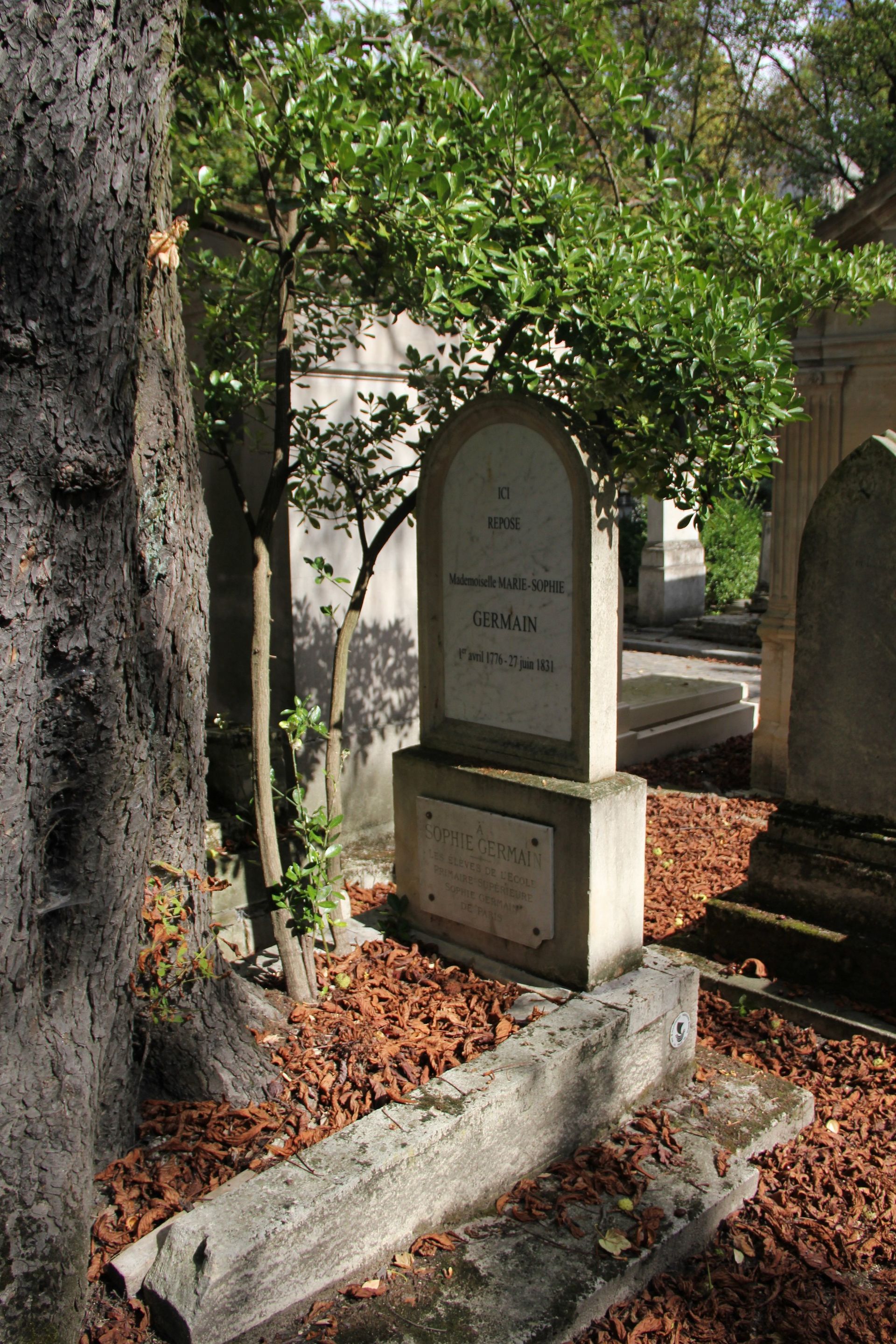
Credit: Miek Messerschmidt / Wikimedia Commons (CC BY-SA 3.0)
Sophie Germain was a French mathematician who made substantial contributions to number theory and the theory of elasticity in the early 19th century — contributions that were, for years, published under a man's name because the scientific establishment would not take a woman seriously.
Germain was born in Paris in 1776. She became interested in mathematics during the French Revolution, when she was confined to her family's home and had access only to books. She taught herself calculus and began corresponding with leading mathematicians, including Joseph-Louis Lagrange and, famously, Carl Friedrich Gauss — using the male pseudonym Monsieur LeBlanc because she feared her letters would be dismissed if she wrote as a woman.
When Gauss discovered her real identity, he wrote to her expressing genuine admiration, saying that she had displayed all the obstacles that custom and prejudice place in the way of women. His endorsement carried weight in the mathematical community, but it did not remove those obstacles.
Germain made significant progress on Fermat's Last Theorem, proving it for a large class of prime numbers — a partial result that stood as one of the most substantive advances on the problem for over a century. She also won the grand prize from the French Academy of Sciences for her work on the mathematical theory of vibrating surfaces, though the Academy initially had difficulty accepting that the winning entry came from a woman. She was not allowed to attend Academy sessions for most of her career and was admitted only in the final years of her life, informally, through the influence of her friend Joseph Fourier.
Germain died in 1831, the same year she was to receive an honorary degree from the University of Göttingen — she did not live to receive it. Her name is now attached to a class of prime numbers and to a street in Paris, but she is absent from most mathematics curricula that cover the same period.
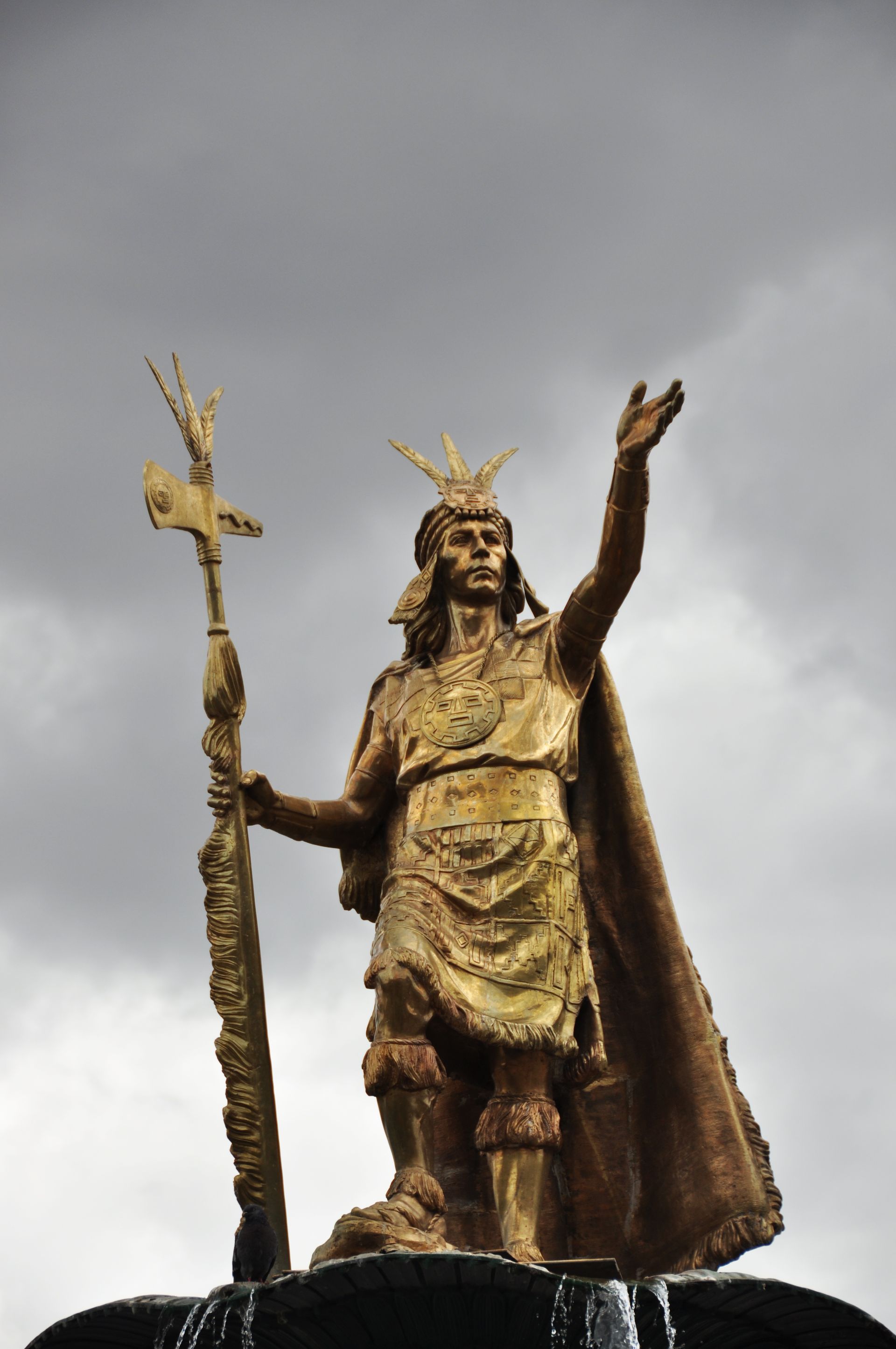
Credit: Glauber Ribeiro / Wikimedia Commons (CC BY 2.0)
Before the Spanish arrived in the Americas in the 15th century, the largest empire in the Western Hemisphere — and one of the largest empires in the world — was the Inca Empire, which stretched along the Andean coast for more than 2,500 miles. The man who built it was Pachacuti, the ninth Sapa Inca, who took power around 1438 and transformed a regional kingdom into a continent-spanning state.
Pachacuti's achievements in governance and engineering were extraordinary. He oversaw the construction of Machu Picchu, designed the city of Cusco as a ceremonial and administrative capital, and developed the Inca road system — a network of more than 25,000 miles of roads, bridges, and relay stations that connected the empire and allowed the rapid movement of goods, armies, and information. The road system was arguably the most sophisticated in the pre-Columbian Americas.
The Inca Empire under Pachacuti was administered through a system of labor taxation called mit'a, in which communities contributed labor rather than material goods to the state. This system funded monumental construction projects and also organized food storage, textile production, and military service across diverse ecological zones and dozens of distinct ethnic groups. Managing this complexity required sophisticated record-keeping, which the Inca accomplished through knotted cord devices called quipus.
Pachacuti also reorganized Inca religion, elevating the sun god Inti to the position of primary state deity and building temples across the empire that tied regional communities to Cusco through shared religious practice.
Standard world history curricula often include a brief mention of the Inca, usually in the context of Spanish conquest. Pachacuti — the architect of the state that the Spanish encountered — is far less often taught as a historical figure in his own right, with his own political genius and his own era of consequences.
Credit: Abraham Cresques / Wikimedia Commons (CC BY-SA 4.0)
Mansa Musa was the ruler of the Mali Empire from approximately 1312 to 1337, and his pilgrimage to Mecca in 1324 is one of the most documented journeys of the medieval world — not because of its religious significance but because of the sheer quantity of gold his caravan distributed, which temporarily destabilized the gold markets of Cairo, the Middle East, and Mediterranean trade networks for more than a decade.
The Mali Empire at its height was the largest in West Africa and one of the wealthiest in the world, controlling vast gold and salt trade routes across the Sahara. Mansa Musa's court at Timbuktu was a center of Islamic scholarship, housing universities and libraries that attracted scholars from across the Muslim world. The Sankore Mosque and its associated university in Timbuktu were functioning institutions of higher learning at a time when most European universities were only beginning to form.
Mansa Musa's pilgrimage traveled from Mali through North Africa and across the Arabian Peninsula to Mecca — a journey of several months with a caravan that reportedly included tens of thousands of people and camels laden with gold. In Cairo, he distributed and spent gold so lavishly that the local price of gold fell sharply and took years to recover. His visit was recorded by Egyptian chroniclers and later by Arab historians, making it one of the most-documented events in African medieval history.
Despite the wealth of documentation and the undeniable scale of his power, Mansa Musa rarely appears in standard world history curricula. When Africa is taught at all, it is usually in the context of the slave trade. The centuries of West African political complexity that preceded it — including the Ghana Empire, the Mali Empire, and the Songhai Empire — are largely invisible.
,_(c1840)._25_x_18.3_cm-900x1293.png)
Credit: Alfred Edward Chalon / Science Museum Group / Wikimedia Commons (CC BY-SA 4.0)
Ada Lovelace is increasingly recognized in conversations about women in computing, but her actual intellectual contributions are still often misunderstood or understated. She was not merely the person who wrote notes on Charles Babbage's Analytical Engine — she articulated, for the first time in print, the concept that a computing machine could be used for far more than arithmetic.
Lovelace was born in 1815, the daughter of the poet Lord Byron. Her mother, concerned about the influence of Byron's volatile temperament, directed Ada's education entirely toward mathematics and science — unusual for a woman of her era and social class. She met Babbage in 1833, at 17, and became fascinated by his work on the Analytical Engine, a mechanical general-purpose computer that Babbage was designing but never completed.
In 1843, Lovelace translated an article about the Analytical Engine written by the Italian mathematician Luigi Menabrea. Her own notes on the translation were three times longer than the original article. In these notes, she described an algorithm for computing Bernoulli numbers using the engine — an algorithm that is now recognized as the first published computer program, predating any working computer by over a century.
More significantly, she articulated what is now called the "Lovelace distinction" — the argument that while a machine could operate on symbols and produce outputs of many kinds, it could only do what it was programmed to do. It could not originate anything. This insight became a central debate in 20th-century artificial intelligence and remains unresolved.
Lovelace died in 1852, at 36, of uterine cancer. The programming language ADA was named after her by the U.S. Department of Defense in 1980. She is an increasingly prominent figure in discussions of computing history, but the substance of her ideas is still often reduced to "she wrote the first computer program," which misses the theoretical importance of what she actually wrote.
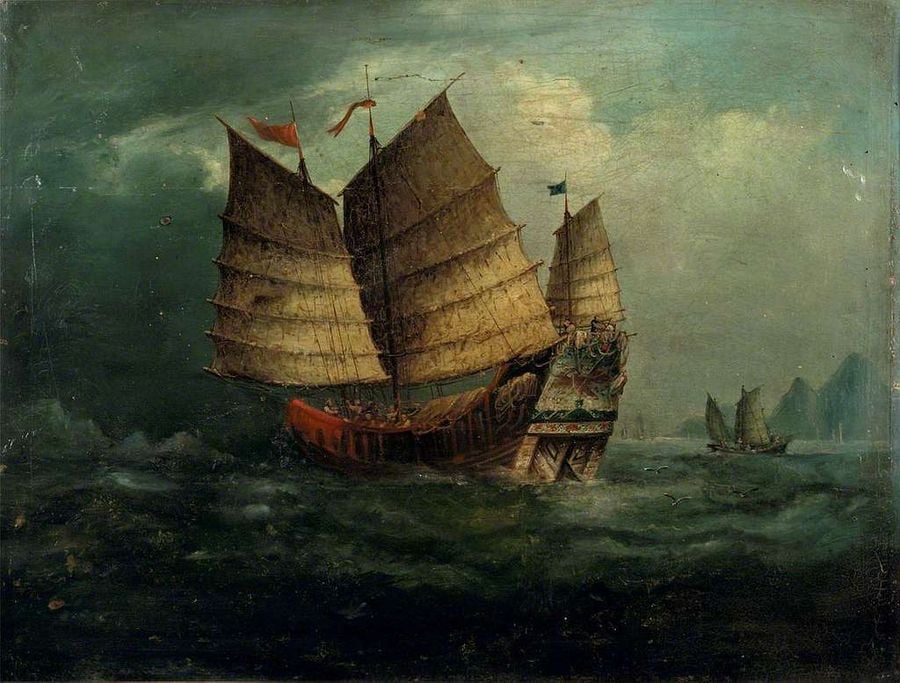
Credit: Attributed to George Chinnery / Royal Museums Greenwich / Picryl
In the early 19th century, a former sex worker from Guangdong, China became the commander of the largest pirate fleet in history. Her name was Ching Shih, and at the height of her power she commanded approximately 1,800 vessels and between 80,000 and 120,000 sailors, defeating the naval forces of the Portuguese Empire, the British East India Company, and the Qing dynasty in succession.
Ching Shih — also romanized as Zheng Yi Sao — was born around 1775. She married the pirate Cheng I in 1801 and helped him consolidate power among competing pirate confederacies along the South China Sea coast. When Cheng I died in 1807, she assumed command of the Red Flag Fleet, a force that controlled trade routes and extracted tribute from coastal villages and merchant ships across the region.
What distinguished Ching Shih from other pirates was not just her scale but her organizational sophistication. She established a detailed code of law for the fleet, specifying punishments for disobeying orders, mistreating captives, and embezzling prize money. She organized the fleet's economic activities, created systems for supply and recruitment, and developed intelligence networks that gave her advance warning of naval movements against her.
Multiple campaigns to defeat her fleet failed. The Chinese government eventually negotiated a peace settlement in 1810 rather than continue fighting a force it could not beat. Ching Shih secured a favorable surrender for herself and her officers — most were pardoned, allowed to keep much of their wealth, and granted land. She retired to Guangdong, opened a gambling house, and died peacefully in 1844.
The scale of what Ching Shih accomplished has no parallel in the history of piracy. Her story is directly relevant to any curriculum covering maritime trade, Chinese history, or the limits of imperial power — yet she is almost entirely absent from standard world history courses.
Credit: Wellcome Collection / Wikimedia Commons (CC BY 4.0)
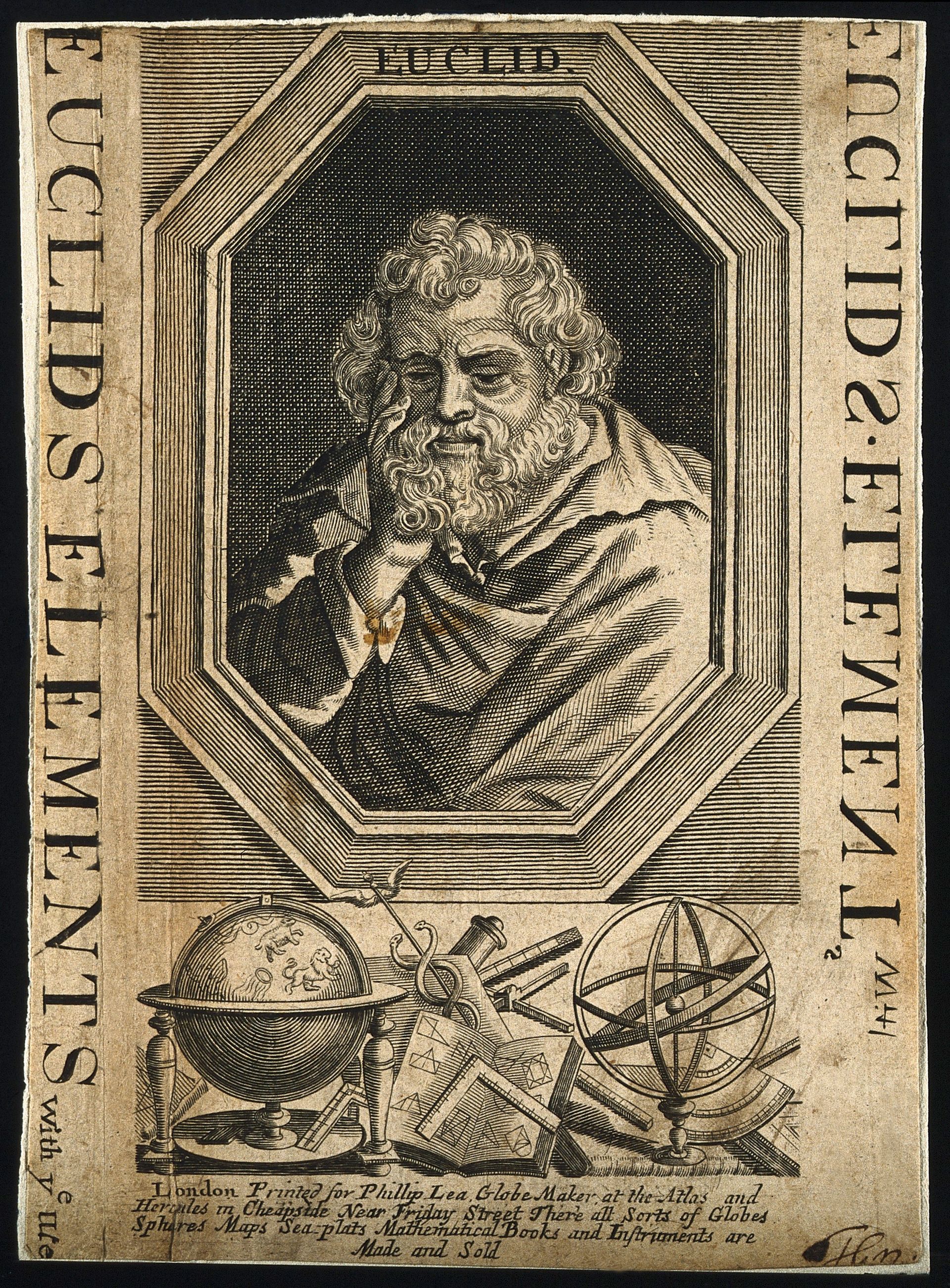
Euclid appears in some mathematics curricula as the author of "Elements," a textbook on geometry. What is rarely taught is the broader significance of what Euclid did, why it mattered beyond the specific theorems he compiled, and how his method of formal proof became the template for all of Western scientific reasoning.
Euclid was a mathematician who worked in Alexandria around 300 BCE. "Elements" was not primarily a collection of new discoveries — most of the mathematics in it had been developed by earlier Greek mathematicians. What Euclid did was organize this knowledge into a deductive system, beginning from a small set of axioms and definitions and building toward more complex results through a chain of proofs in which each step followed necessarily from what came before.
This structure — the axiomatic method — was genuinely new, and its influence was immense. "Elements" became one of the most widely reproduced and studied texts in history, used as a textbook in Europe and the Islamic world for more than two thousand years. When René Descartes developed analytical geometry, when Isaac Newton structured the Principia Mathematica, when Baruch Spinoza attempted to write ethics as a geometric proof — all of them were consciously imitating Euclid's method.
In the 19th century, mathematicians discovered that Euclid's fifth postulate — the parallel postulate — was not actually necessary. By relaxing it, they could construct entirely consistent but different geometries, which eventually became foundational to Einstein's general theory of relativity. This was only possible because Euclid had been so explicit about his assumptions that later thinkers could isolate exactly which assumptions were doing the work.
Teaching Euclid only as "the guy who proved things about triangles" misses what is arguably the most important thing he did: model a way of thinking that has shaped science, philosophy, law, and mathematics for 2,300 years.
Credit: Maull & Company / Wikimedia Commons / Picryl
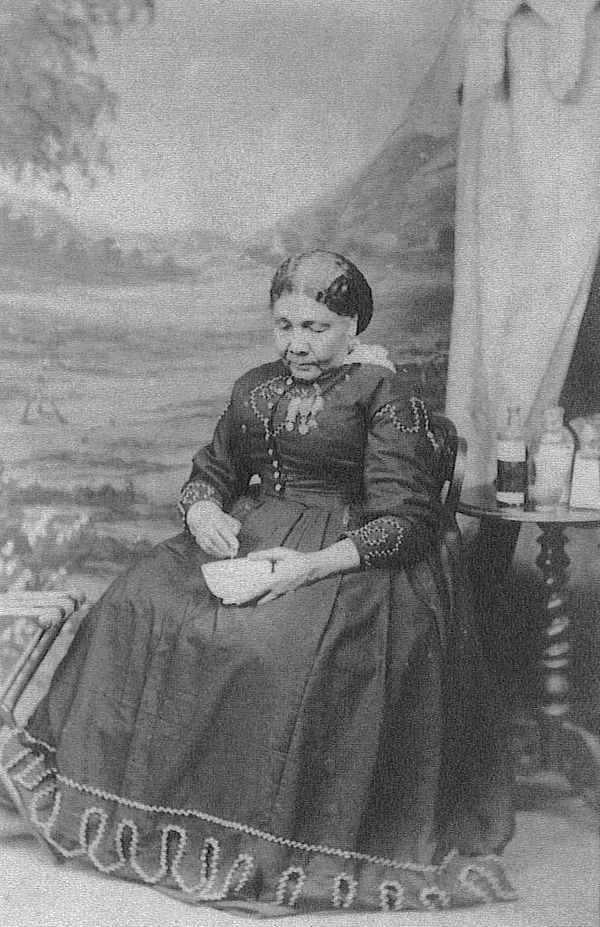
Florence Nightingale is the name that appears in school curricula when the subject is nursing reform in the 19th century. Mary Seacole — a Jamaican-born nurse and businesswoman who set up a hotel and nursing operation near the front lines of the Crimean War and treated wounded soldiers of multiple nationalities — is almost never mentioned alongside her.
Seacole was born in Kingston, Jamaica, around 1805. Her mother ran a boarding house that also served as an informal hospital, and Seacole learned nursing from her. She traveled widely before the Crimean War — to Panama, to London, and back to Jamaica — gaining experience treating cholera and yellow fever in regions where European medicine had little to offer.
When the Crimean War broke out in 1853, Seacole applied to the British War Office and to the organization Nightingale was heading to travel to the Crimea as a nurse. She was turned down — she believed, and later wrote, that the rejection was based on her race. She funded her own passage and set up the "British Hotel" near Balaclava, which served as a canteen, store, and treatment center for soldiers. She went into the front lines during battles to treat the wounded, often under fire.
After the war, Seacole returned to England in debt. A benefit fund was organized for her in 1857, and she published her autobiography, "Wonderful Adventures of Mrs. Seacole in Many Lands," the same year — one of the first autobiographies by a Black British woman.
Seacole's near-erasure from nursing history, while Nightingale was lionized, reflects both racism and the tendency to canonize institutional reformers over practitioners. Nightingale transformed hospitals. Seacole helped individual soldiers, on the ground, under fire. Both stories are worth telling.
Credit: Julius Kronberg / Wikimedia Commons / Picryl
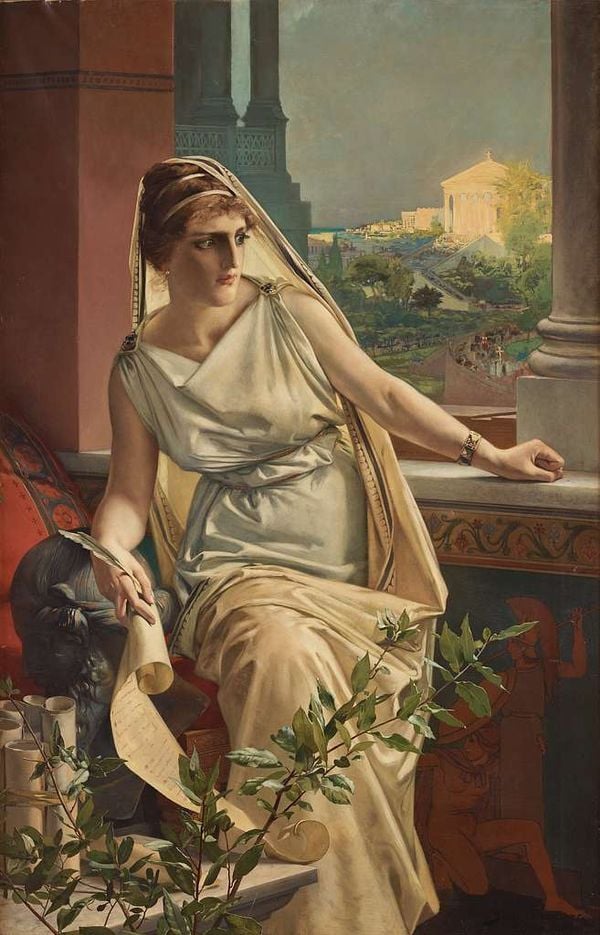
Hypatia was a mathematician, astronomer, and philosopher who taught in Alexandria in the late fourth and early fifth centuries CE. She was the head of the Neoplatonist school in Alexandria, a significant intellectual institution, and she was the first woman whose mathematical work is documented in historical sources. She was murdered by a Christian mob in 415 CE.
Born around 360 CE, Hypatia was the daughter of Theon of Alexandria, himself a mathematician who edited and wrote commentaries on classical texts. She worked alongside him and eventually surpassed him in reputation. She wrote commentaries on mathematical works, including Apollonius's "Conics" and Diophantus's "Arithmetica," and she appears to have produced original work in astronomy, though the exact nature of her contributions is difficult to establish because none of her writings survive independently — they survive only as incorporated into editions attributed to her father.
Hypatia taught students of diverse religious backgrounds, including Christians. Her influence extended into civic life in Alexandria — she corresponded with the prefect Orestes, and her counsel was valued enough that it made her politically visible during a period of intense religious conflict between Christians and pagans in the city. The bishop Cyril, who was in conflict with Orestes, apparently viewed her as an obstacle. In 415, a mob — described in ancient sources as associated with Cyril — intercepted her chariot, dragged her into a church, stripped her, killed her with roof tiles, and burned her remains.
Her murder is often described in later sources as a symbol of the end of classical learning. This is an oversimplification, but it does mark a period of severe contraction for Alexandrian intellectual life. Hypatia deserves a place in any history of mathematics, science, or women's intellectual history that extends before the modern period.
Credit: Abbot Academy / Wikimedia Commons (CC BY-SA 4.0)
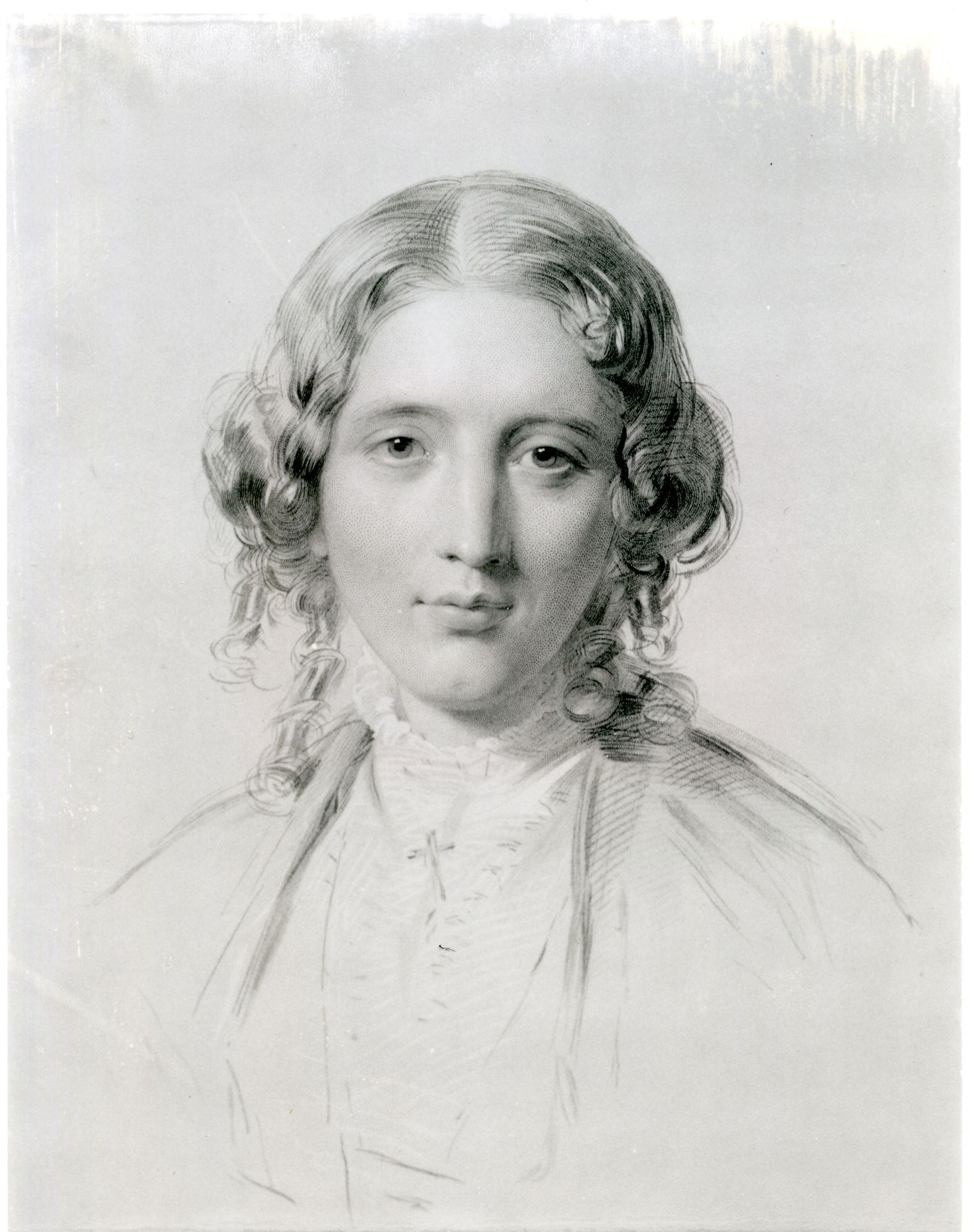
Harriet Beecher Stowe appears in some curricula as the author of "Uncle Tom's Cabin," published in 1852, with the note that Abraham Lincoln reportedly called her "the little woman who wrote the book that started this great war." What is less often taught is the specific mechanism by which the novel functioned as political influence, and what that reveals about literature as a force in legal and political change.
Stowe wrote "Uncle Tom's Cabin" in direct response to the Fugitive Slave Act of 1850, which required citizens in free states to assist in the capture and return of escaped enslaved people. The law made slavery a federal obligation across the entire country, not just in slave states, and it generated enormous public outrage in the North that had not previously been mobilized at scale.
Stowe's novel was serialized in an abolitionist newspaper before being published as a book and became the best-selling novel in the 19th century after the Bible. Its effect was not primarily on people who already opposed slavery — it was on Northern whites who had been more or less indifferent to the institution because it was geographically distant from them. The novel put a domestic, emotional face on the legal abstraction of slavery, and it did so at a moment when the law had made that abstraction suddenly personal.
This mechanism — using narrative to make distant injustice viscerally immediate to a large, previously unmobilized audience — is a case study in how cultural production can function as a political instrument. It is also a case study in the limits of such work: the novel's portrayal of its Black characters reflected stereotypes that had significant negative cultural afterlives, and the relationship between its anti-slavery intent and its actual representation of Black humanity is complicated and debated.
Teaching Stowe's novel only as a historical curiosity misses both its remarkable efficacy and its problematic legacy. Both are worth examining.
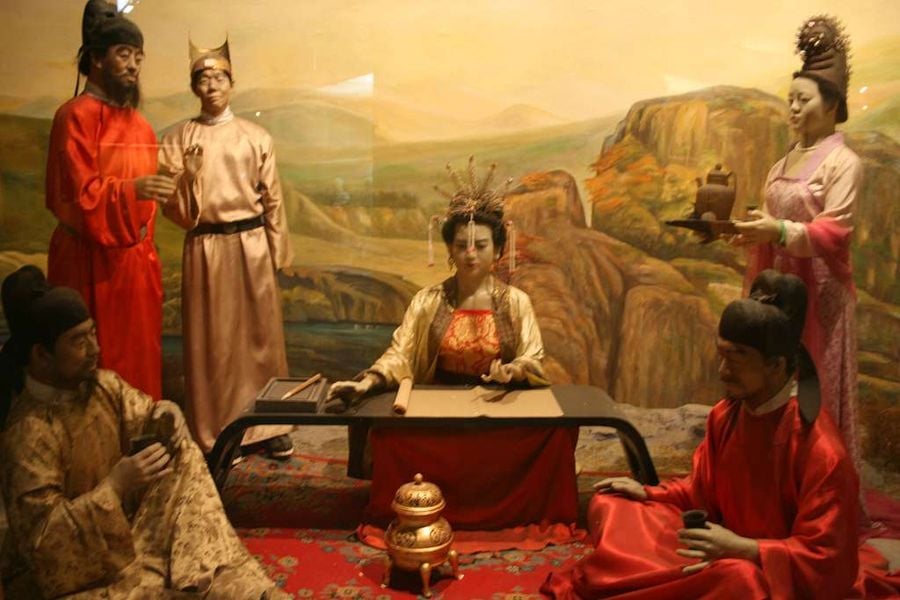
Credit: Henan Provincial Museum / Wikimedia Commons / Picryl
Wu Zetian was the only woman in Chinese history to rule as emperor in her own name. She held power from approximately 655 CE, when she became empress consort, until 705 CE, when she was forced to abdicate at the age of 81 — a reign of political dominance spanning five decades during the Tang dynasty.
Born around 624 CE into a wealthy family, Wu entered the court of Emperor Taizong as a concubine at 14. When Taizong died, she was supposed to enter a Buddhist convent for the rest of her life, as was customary for imperial concubines whose emperor had died. Instead, she became involved with Taizong's son and successor, Emperor Gaozong, who made her his empress consort in 655. When Gaozong suffered a series of strokes and became incapacitated, she began effectively governing the empire herself.
After Gaozong's death in 683, Wu ruled through two of her sons before deposing the second and declaring herself emperor — a title with no female form in Chinese, which she solved by simply using the male title — of a new dynasty she called the Zhou. Her 15-year personal reign (690–705) was marked by expansion of the civil examination system, which she broadened to allow people of lower social classes to compete for government positions. This democratization of bureaucratic access was a significant structural reform that outlasted her.
She sponsored Buddhism heavily, commissioning major temple complexes, and used Buddhist iconography to legitimize her rule — including sponsoring translations that described a female universal ruler. She also ruthlessly suppressed opposition, using a secret police network and encouraging denunciations.
Wu Zetian is a complex figure — no simple hero or villain — and that complexity makes her especially worth teaching. She reformed Chinese governance in ways that survived for centuries while using methods that were by any standard brutal. Her very existence as a female emperor complicates easy narratives about the universality of patriarchal rule.
Credit: George Kendall Warren / Picryl
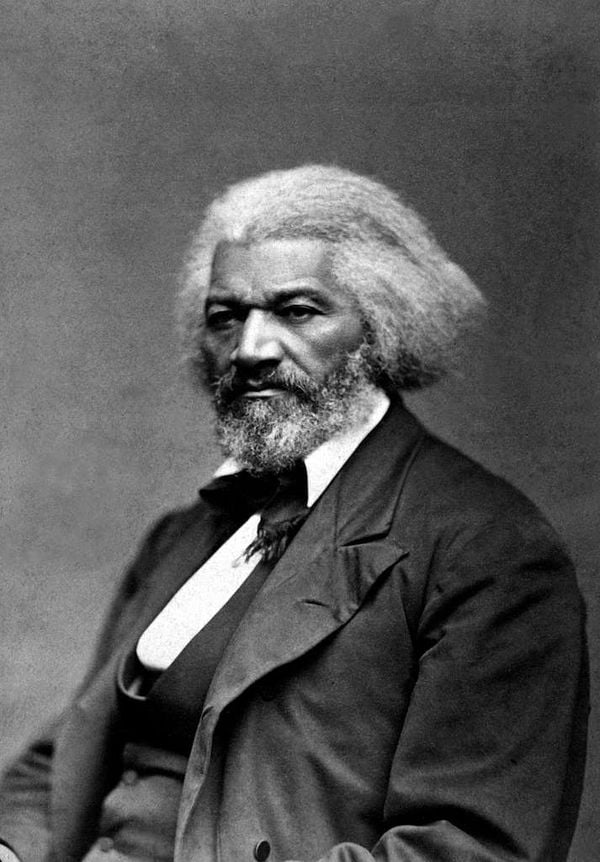
Frederick Douglass appears in many U.S. history curricula as a formerly enslaved person who escaped bondage and became an abolitionist speaker. This framing is accurate but incomplete. Douglass was also one of the most sophisticated political philosophers of the 19th century, whose arguments about the nature of citizenship, the meaning of the Constitution, and the obligations of democratic societies have continuing relevance.
Douglass escaped slavery in 1838 and published his first autobiography, "Narrative of the Life of Frederick Douglass," in 1845. The book was partly a proof of literacy — necessary at the time because pro-slavery advocates argued that enslaved people lacked the intellectual capacity for freedom. Douglass wrote it as a direct rebuttal to that claim and as a detailed indictment of the system.
His most consequential intellectual work came in the 1850s, when he broke publicly with William Lloyd Garrison over the question of whether the U.S. Constitution was fundamentally a pro-slavery or anti-slavery document. Garrison believed it was irredeemably pro-slavery and that abolitionists should refuse to participate in American political institutions. Douglass came to believe that the Constitution's principles — properly interpreted and fully applied — demanded the abolition of slavery, and that the fight had to be conducted inside American institutions, not from outside them.
This was not merely a strategic disagreement. It was a substantive argument about constitutional interpretation, the relationship between written law and its application, and the moral obligations of citizens in a democracy. Douglass's position anticipated arguments that would be made by civil rights lawyers a century later, including Thurgood Marshall, who also argued that the Constitution's promises had to be seized and enforced, not abandoned.
Douglass also gave one of the most important speeches in American history — "What to the Slave is the Fourth of July?" — in 1852. The speech is a masterwork of rhetorical argument, simultaneously honoring the ideals of the founding documents and indicting the country for its failure to live up to them. It is taught occasionally but rarely with the depth it deserves.
