Robert Crum / Getty Images
The price of protecting a home varies more than most homeowners realize, and that gap has widened as insurers respond to a decade of escalating weather losses. For a homeowner relocating from one corner of the country to another, insurance costs can shift by thousands of dollars annually without any change in the size or age of the home. A single insurance line item in a household budget can spell the difference between financial stability and persistent strain, particularly for first-time buyers who underestimate ongoing ownership expenses. Home insurance is not optional for most mortgage holders. Lenders require it, so the cost follows the homeowner regardless of preference or choice of carrier.
The forces shaping those costs are structural, not arbitrary. According to Triple-I, convective storms alone generated more than $50 billion in insured losses in 2025, the third consecutive year above that threshold. Insurers price those cumulative losses into the premiums charged in high-exposure states, effectively redistributing the financial burden of regional weather patterns onto local policyholders. States with little exposure to hurricanes, tornadoes, hailstorms, or wildfires offer carriers a more predictable loss environment, and those savings flow through to lower premiums. States that sit in the path of recurring severe weather absorb the cost through elevated rates. Elevated rates in high-risk states persist as long as the underlying risk remains.
A Bankrate analysis of average homeowners insurance premiums examined rates for policies with $300,000 in dwelling coverage across all 50 states and Washington, D.C., drawing on Quadrant Information Services data from November 2025. The national average annual premium stands at $2,424. The six states that sit farthest from that national figure, split between three at the low end and three at the high end, illustrate how sharply geography shapes the cost of coverage and how much a state's location within the country's weather map determines what homeowners pay each month.
1 / 6
Jim Feng / Getty Images
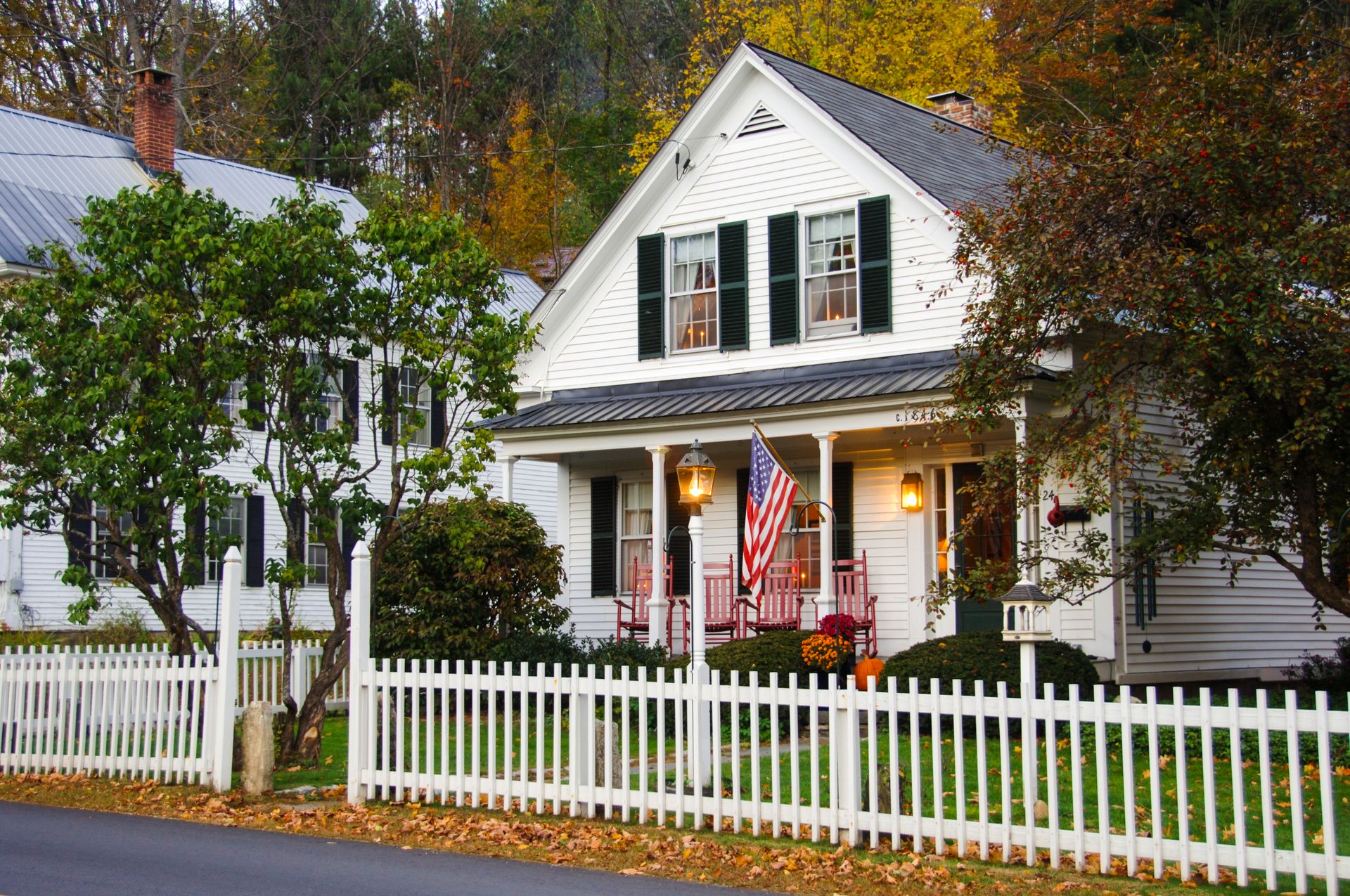
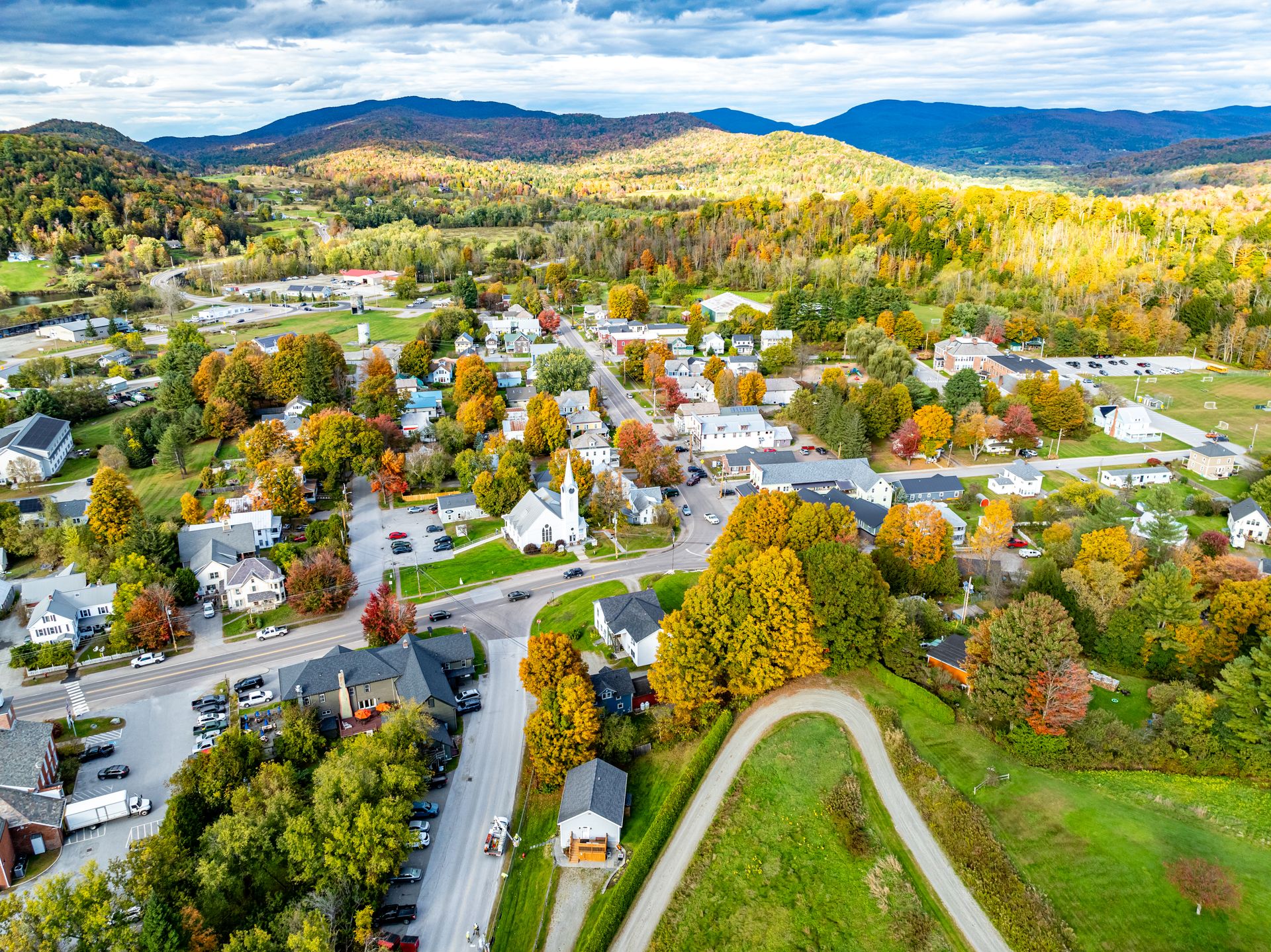
Vermont's average annual home insurance premium of $827 makes it the most affordable state in the country for coverage, a position that reflects the state's relative insulation from the severe weather patterns that drive costs elsewhere. That figure sits 66% below the national average of $2,424, translating to roughly $1,597 less per year than what the typical American homeowner pays. At $69 per month, policyholders in Vermont pay less for a full year of coverage than homeowners in several high-cost states pay in two months.
Geography explains much of the state's advantage. Vermont occupies the northeastern interior, shielded from direct hurricane landfalls and removed from the tornado-prone corridors of the Midwest and South. Hailstorms, high-wind events, and tornado outbreaks that generate large volumes of simultaneous claims occur far less frequently in Vermont than in states along the Gulf Coast or through the central plains. Insurers assess the likelihood and magnitude of losses when setting premiums, and a region with low historical weather losses produces a correspondingly lower cost of coverage.
The cost of rebuilding also contributes. Vermont's property values and construction costs sit at levels that create modest claims exposure compared with densely populated coastal states where labor and materials carry premium prices. A lower average claim size, paired with lower claim frequency, allows carriers to offer competitive rates without compromising their own financial stability. Vermont also has no proximity to the Gulf of Mexico or the warm ocean waters that fuel tropical storm systems, removing an entire category of catastrophic peril from the underwriting equation. The result is a state where the structural economics of insurance work consistently in the homeowner's favor. Vermont's geographic distance from the weather events that dominate the national claims landscape is directly responsible for keeping costs low. For prospective homeowners weighing locations, Vermont's premium environment represents one of the clearest financial benefits the state's geography provides.
2 / 6

Robert Kirk / Getty Images
Delaware's average annual home insurance premium of $966 places it second among the cheapest states, 60% below the national average. The monthly cost of $80 reflects a claims environment that insurers can model with confidence. Delaware is a small mid-Atlantic state that avoids the concentrated storm activity pushing premiums into the thousands in states to its south and west. The gap between Delaware and the national average amounts to $1,458 per year, a figure that compounds into meaningful savings across the life of a mortgage.
A coastal position might suggest elevated risk, but Delaware's exposure profile is more favorable than that of states along the Gulf Coast or even the Mid-Atlantic states directly to its south. The Delmarva Peninsula sits within the range of Atlantic hurricane tracks, but the frequency of direct landfalls remains low compared with Florida, Louisiana, or the Carolinas. Storms that reach the Delaware coast tend to weaken considerably before arrival, limiting the scale of wind damage that generates large insured loss events. Insurers incorporate historical loss data into their pricing models, and Delaware's relatively mild storm history keeps those projections restrained.
The state's small geographic footprint also limits cumulative exposure. A single severe weather event can produce claims across a broad area in a large state, but Delaware's size constrains the total dollar value of losses any one storm generates within its borders. Size-driven containment reduces the actuarial pressure to build large loss reserves into local premiums. The state also sits outside the most active zones for hail and tornadoes, two of the peril types that have driven the steepest premium increases nationally in recent years. Homeowners in Delaware benefit from a location that keeps costs well below what buyers in higher-risk states pay each month. The annual savings represent a quiet financial advantage built into the geography of where Delaware homeowners live.
3 / 6
filo / Getty Images
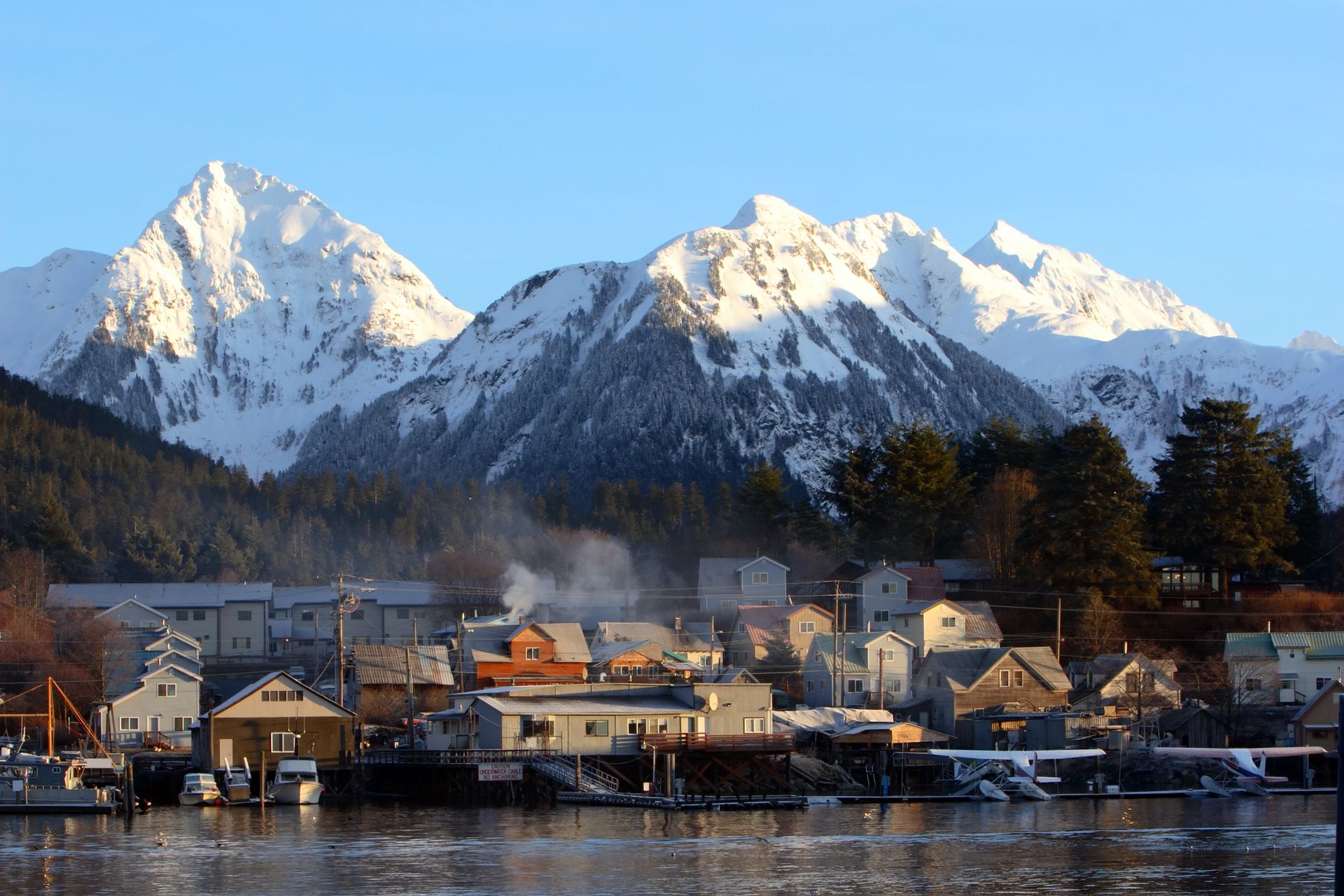
Alaska's average annual home insurance premium of $1,035 places it third among the least expensive states, 57% below the national average. At $86 per month, policyholders there pay less than half what the average American homeowner pays for comparable dwelling coverage. The $1,389 annual savings relative to the national average represents a meaningful benefit, particularly in a state where the broader cost of living runs high across most categories.
Several characteristics explain that cost, and they differ substantially from the lower 48 states. Alaska has no meaningful hurricane exposure, and while it experiences significant seismic activity, standard homeowners policies generally exclude earthquake coverage. Earthquake exclusions mean ground-movement peril does not factor into most premium calculations the way wind and hail damage does elsewhere. The weather events that drive the largest insured losses nationally — hurricanes, tornadoes, and large hailstorms — are largely absent from Alaska's profile. Insurers price policies according to the perils they cover, and Alaska's covered-peril exposure is structurally modest.
Population density adds another dimension. Alaska's dispersed settlement pattern means that even when weather events or other loss triggers occur, the total number of affected policies and the aggregate dollar value of claims tend to remain limited. Dense metropolitan areas concentrate risk. Alaska's geography spreads the potential claims base across a vast landmass with few population centers, limiting the catastrophic aggregation of losses that can force insurers to revise premiums sharply upward. The state's low crime rates and relatively new housing stock in many communities also reduce the frequency of non-weather claims that contribute to overall loss ratios. Together, these characteristics produce a state where home insurance remains accessible and affordable even as costs climb across much of the country, a direct function of geography that works in policyholders' favor despite the state's otherwise elevated cost of living.
4 / 6
Julie Denesha / Getty Images
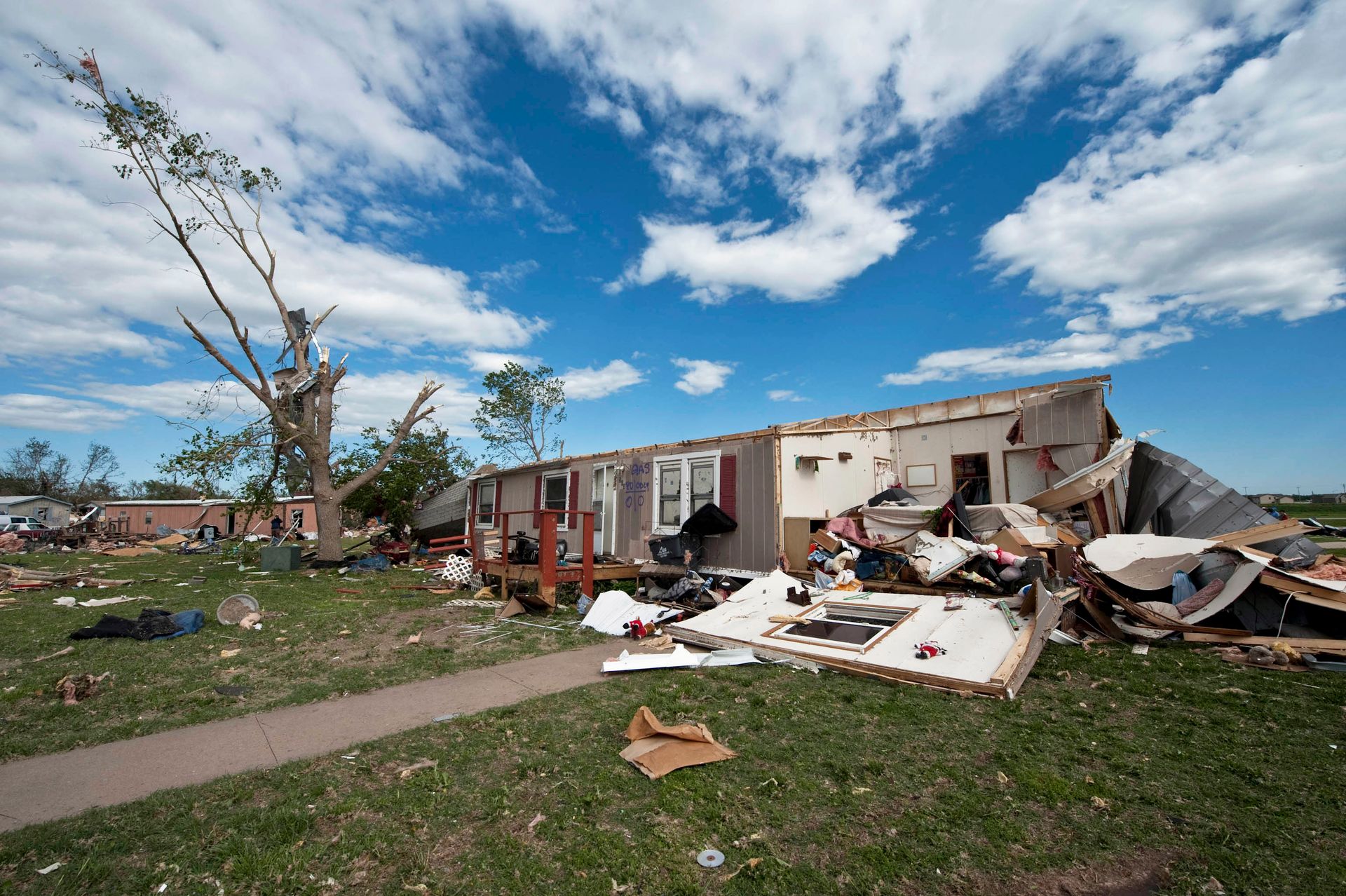
Nebraska's average annual premium of $6,587 makes it the most expensive state for home insurance, a position the state holds by a margin that reflects an acute concentration of severe weather risk. The annual cost sits 172% above the national average of $2,424, amounting to $4,163 more per year than the typical American homeowner pays. At $549 per month, policyholders in Nebraska pay more each month than Vermont homeowners pay for an entire year of coverage.
Nebraska occupies the heart of Tornado Alley, a geographic corridor where atmospheric conditions produce some of the most frequent and destructive tornadoes in the world. The state also experiences intense hailstorms that generate widespread roofing and siding claims across thousands of properties in a single event. Triple-I identified convective storms as the dominant driver of insured losses nationally, with more than $50 billion in cumulative totals recorded in 2025 alone. Nebraska sits squarely in the area where that activity is most concentrated, and policyholders absorb a disproportionate share of that peril environment through their premiums.
Catastrophic single-event losses compound the ongoing risk. A large hailstorm or tornado outbreak sweeping through a Nebraska community can trigger simultaneous claims from hundreds of properties, straining carrier reserves and feeding into future rate calculations. Insurers must price current policies to fund both existing claims and expected losses from events that have not yet arrived. Nebraska homeowners effectively pre-fund the costs of future storms. Property owners who relocate to the state from lower-risk regions often absorb the full premium shock without the regional context to explain it. The premium difference between Nebraska and the national average is not a quirk of the insurance market. It is a direct translation of the state's position in one of the most weather-exposed corridors in the country, and the financial reality that coverage must be priced to reflect the losses that geography makes predictable.
5 / 6

Jim West / UCG / Universal Images Group via Getty Images
Louisiana's average annual home insurance premium of $6,274 places it second among the most expensive states, 159% above the national average. At $523 per month, homeowners there pay $3,850 more per year than the national average. That figure makes insurance one of the most substantial ongoing expenses of homeownership in the state. Hurricane exposure, flooding risk, and a documented history of large-scale catastrophic events converge to create a pricing environment that few states can rival.
Gulf Coast geography exposes Louisiana to direct Atlantic hurricane landfalls more frequently than almost any other state. Hurricanes generate enormous insured losses from wind damage alone, but the storm surge that accompanies landfalls extends destruction well beyond the immediate coast. Multiple major storms have struck Louisiana over the past two decades, each producing billions of dollars in insured losses and shifting the actuarial baseline for the state's future premiums. Insurers operating there price not just current risk but the demonstrated pattern of recurrent catastrophic loss that the state's geography produces cycle after cycle.
The competitive consequences of that risk have become increasingly visible. Some insurers have reduced or withdrawn coverage from the state in response to loss ratios that compromise profitability, and the resulting contraction of carrier options intensifies competition for coverage among homeowners. Fewer competing providers in a field means less downward pressure on prices, which further elevates the premiums that remaining carriers charge. Homeowners who cannot secure coverage from private carriers must turn to the state's insurer of last resort, which typically costs more than a healthy private sector would provide. Louisiana homeowners face both the direct cost of high-risk geography and the secondary cost of a market that has thinned in reply to it. Those two pressures compound each other and show clearly in the state's position near the top of the national premium rankings.
6 / 6
Marco Bello / Bloomberg via Getty Images
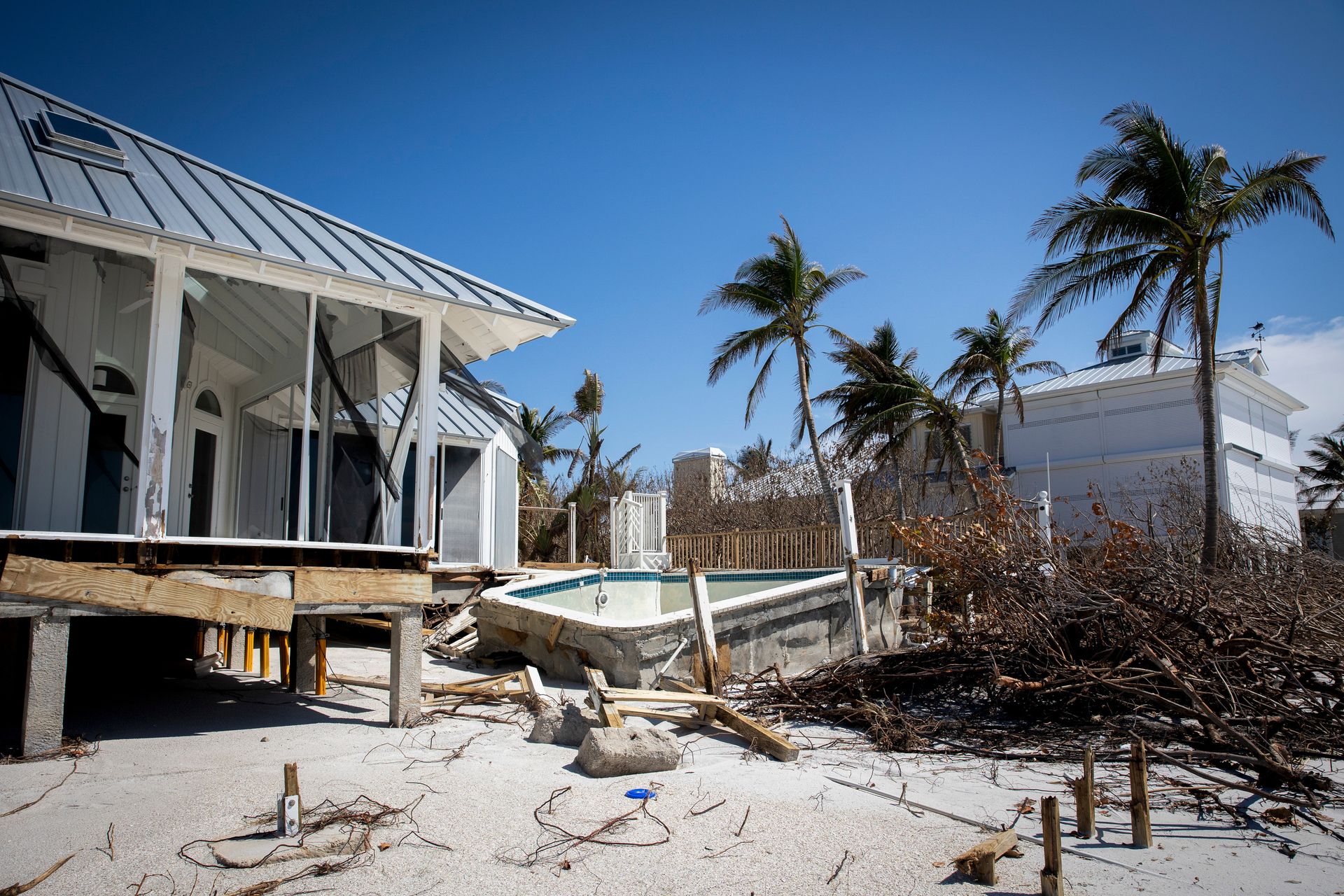
Florida's average annual premium of $5,838 places it third among the most expensive states for home insurance, 141% above the national average. Homeowners there pay $486 per month and $3,414 more per year than the national average. At $3,414 above the national average annually, the gap exceeds the total premium that homeowners in the least expensive states pay for an entire year. The cost reflects Florida's exposure to the full range of weather events that drive insured losses, concentrated in a state where population density amplifies the dollar value of every storm that makes landfall.
Florida sits at the intersection of Atlantic and Gulf hurricane tracks, with a coastline that wraps around both sides of the peninsula. That dual exposure means the state faces meaningful storm threat from multiple angles across a season that has grown less predictable in timing and intensity. The state's vulnerability extends beyond seasonal tempests. Severe thunderstorms and the tornadoes they produce affect Florida throughout the year, adding a persistent layer of smaller-scale losses to the catastrophic events that command national attention. Insurers pricing Florida policies must account for both the tail risk of a landfall and the steady accumulation of smaller weather claims across all 12 months.
The state's insurance sector has experienced significant instability in recent years, with multiple carriers becoming insolvent or exiting Florida in response to sustained underwriting losses. The resulting disruption has pushed more homeowners into the state-backed insurer of last resort and reduced the competitive pressure that would otherwise constrain pricing. Mark Friedlander of Triple-I noted that no U.S. landfalls during the 2025 Atlantic hurricane season contributed to improved homeowners financial performance nationally. Florida's structural risk remains unchanged, however, and its premiums reflect that baseline exposure, not the outcome of any individual season. The dynamics that have thinned the field of available insurers ensure that the cost of coverage in Florida carries a scarcity premium on top of the weather premium already embedded in the rate.
