
The 5 U.S. states where home insurance rates have climbed the most
Home insurance premiums aren't climbing evenly across the country. A LendingTree analysis ranks the states absorbing the steepest increases since 2020
LeNor Barry / Unsplash
Homeowners renewing their insurance policies over the past five years have opened each annual letter to a larger number than the one before, and not a single state has been spared. The increases started as small adjustments that were easy to absorb, then accelerated into double-digit jumps that caught millions of policyholders off guard. For many households, the premium line on their annual budget has quietly become one of the fastest-growing expenses they carry, outpacing both wages and broader inflation over the same period.
The numbers reflect a compounding problem. National home insurance rates rose a cumulative 46.8% from 2020 to 2025, with the sharpest single-year spike hitting 12.7% in 2024 before easing slightly to 6% in 2025. Severe weather drove much of the acceleration, with the U.S. averaging about 23 billion-dollar disasters per year between 2020 and 2024, up from roughly 15 per year in the prior five-year stretch, and the jump in severe convective storms was even more pronounced, rising from about nine per year to more than 14. Pandemic-era supply chain disruptions compounded the damage further, with lumber prices alone surging more than 300% between 2020 and 2021, pushing up the cost of every repair from roof patches to structural framing, and labor shortages in the construction trades made rebuilding both slower and more expensive.
LendingTree's 2026 State of Home Insurance report analyzed rate data from S&P Global $SPGI's RateWatch alongside Quadrant Information Services premium filings to rank every state by cumulative rate growth and current average cost. The findings reveal enormous variation hidden beneath the national average, with cumulative increases ranging from 19.2% in the most insulated states to more than 100% in the hardest-hit one. Five states absorbed the steepest premium growth over the five-year window, each pushed by a distinct mix of weather exposure, rising construction costs, and market instability.
Colorado

Acton Crawford / Unsplash
Home insurance rates in Colorado more than doubled between 2020 and 2025, a 100.8% cumulative increase that leads the nation by a wide margin, LendingTree's analysis found. The average annual premium in the state now runs $4,310, roughly 80% above the national average of $2,395, and the 18.3% single-year increase in 2025 was also the country's largest. Homeowners here haven't had a single year of modest premium growth in the past half-decade, with each renewal cycle compounding on an already elevated baseline and pushing the total further from what comparable coverage costs in lower-risk regions.
Three overlapping risk categories explain why insurers treat Colorado as one of the most expensive states to underwrite. CoreLogic data cited in the report places Colorado second in the country for wildfire-exposed housing, with more than 321,000 properties facing at least moderate fire risk and roughly $141 billion in total rebuilding costs tied to those homes. That exposure isn't concentrated in a handful of mountain communities. Residential development along the Front Range has steadily expanded into terrain that wasn't considered standard insurable risk a generation ago, and each new subdivision built into the wildland-urban interface adds to the total footprint of exposed properties that carriers need to price.
Hail, however, drives the largest share of premium costs in the state. Severe convective storms roll through Colorado's eastern plains and the Front Range corridor every spring and summer, producing widespread damage that generates a high volume of claims in a compressed timeframe. LexisNexis data cited in the report showed that Colorado had the country's highest insured-loss costs from weather-driven claims in 2024, with hail and severe storms accounting for the bulk of the damage rather than wildfire alone. The combination of wildfire, hail, and wind exposure means that insurers face elevated loss risk on virtually every type of weather event the state produces, and LendingTree's separate stability report published earlier in 2026 flagged Colorado's insurance market as one of the least stable in the country.
Iowa

Drew Dau / Unsplash
Iowa's home insurance rates nearly doubled over the same five-year window, with a cumulative increase of 96% from 2020 to 2025 that trails only Colorado, LendingTree found. The average annual premium in the state sits at $3,136, about 31% above the national average, and the 14.7% single-year increase in 2025 ranked third nationally. The trajectory has been steep enough to push Iowa onto virtually every national list of states where coverage costs are climbing fastest, and the underlying risk factors that drove the increases show no signs of easing.
Wind-related claims are the central driver of Iowa's insurance costs, because the state sits squarely in the path of severe convective storms that sweep across the Great Plains every year, generating straight-line winds, tornadoes, and hail that can damage hundreds or thousands of properties in a single event. The report notes that the state ranks among the highest nationally for wind-related insurance claims, and the density of those claims means that insurers operating in Iowa are absorbing losses at a pace that forces frequent rate adjustments. One of the starkest indicators of that pressure is the state's loss ratio of 118%, meaning insurers paid out $1.18 in claims for every dollar they collected in premiums during the measurement period. Only Louisiana, at 142.8%, posted a worse ratio.
That loss ratio tells a deeper story about the financial health of the insurance market in Iowa. When carriers consistently pay out more in claims than they take in, they respond by raising premiums, tightening underwriting standards, or both, and Iowa homeowners have experienced all of those adjustments simultaneously. The LendingTree stability report ranked Iowa among the least stable insurance markets in the country, alongside Louisiana and Arkansas, based on a composite of rate changes, loss ratios, insurance costs as a share of household income, uninsured-home rates, and market concentration. For homeowners in Iowa, the practical result is a cycle that's difficult to break on an individual level, because the risk factors that make coverage expensive aren't tied to any single property but to the broader geography of severe weather that touches the entire state.
Minnesota

Weston M / Unsplash
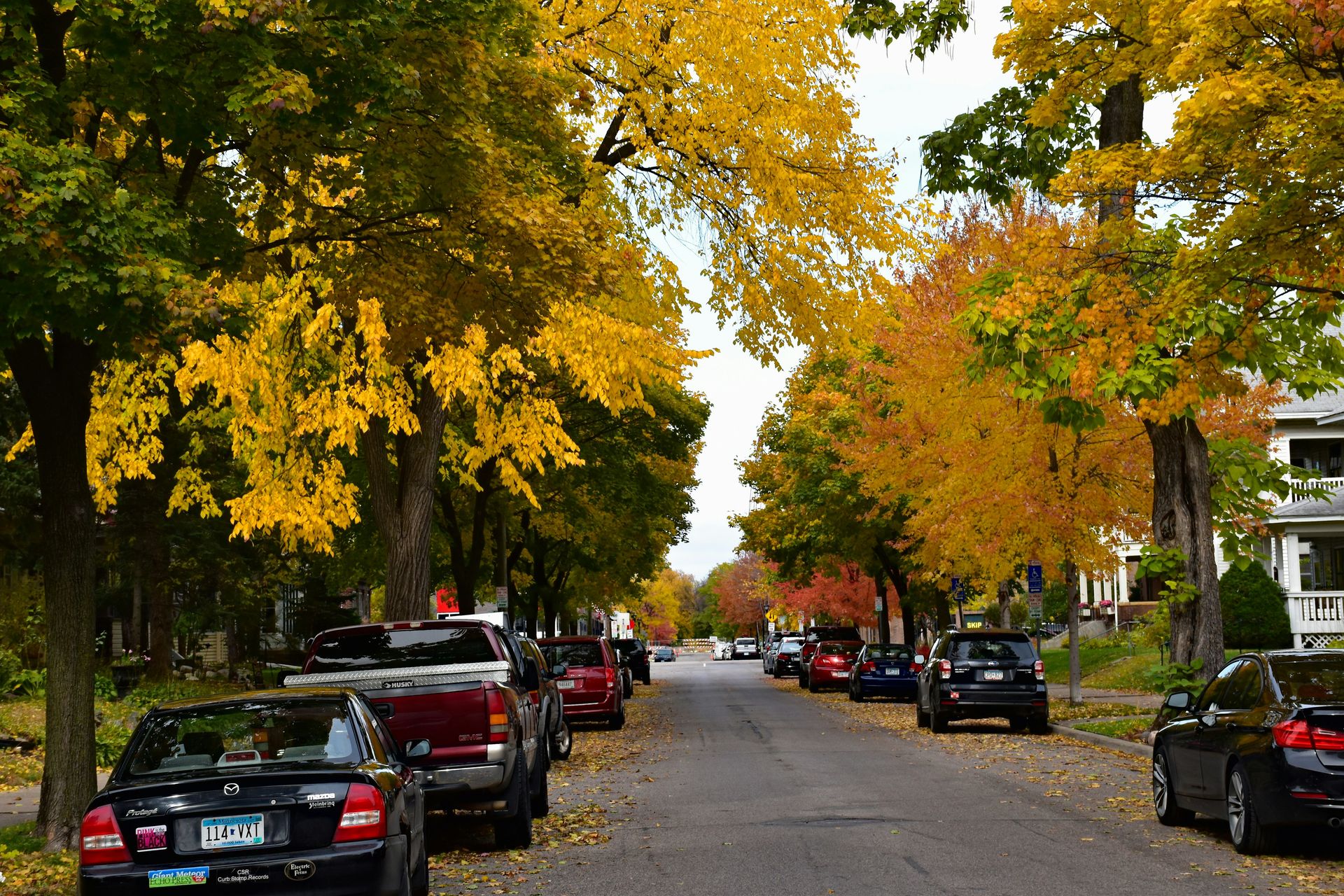
Minnesota's home insurance rates climbed 88.2% cumulatively from 2020 to 2025, ranking the state third nationally in LendingTree's analysis. The 17% single-year increase in 2025 was the second-largest in the country, trailing only Colorado, and pushed the average annual premium to $2,774, about 15.8% above the national average. The dollar figure remains lower than what homeowners in the top two states pay, but the rate of increase over the past five years has been aggressive enough to place Minnesota alongside Colorado and Iowa in the top tier of states where coverage costs are moving fastest.
Hail exposure is the primary risk factor behind the surge, and LendingTree's report notes that Minnesota ranks among the highest states in the country on that metric, with the resulting claims volume driving a disproportionate share of the rate increases that homeowners have absorbed since 2020. Severe convective storms don't just damage roofs in Minnesota. They generate a wave of claims that forces insurers to recalculate their pricing across entire metro areas and rural regions alike, and the frequency of those storms has been increasing. The broader pattern of severe convective storm losses across the Midwest, which exceeded $42 billion in insured losses for three consecutive years through 2025, has hit Minnesota particularly hard because of the state's combination of high exposure and dense suburban development in the Twin Cities metro area.
The speed of the increase has also created a notable gap between what Minnesota homeowners pay and what homeowners in nearby states with similar demographics and housing stock are spending. Wisconsin, by comparison, saw a cumulative increase of 48.7% over the same period, and its average premium of $1,679 is roughly 40% lower than Minnesota's. The gap reflects the degree to which hail exposure specifically, rather than broader Midwest weather risk in general, has singled out Minnesota for steeper rate adjustments. LendingTree insurance expert Lindsay Bishop pointed to severe storm damage as the explanation for why Minnesota and Iowa sit at the top alongside Colorado, noting that the wind, rain, and hail these storms produce tend to hit large clusters of homes at once, generating claim volumes that force insurers to raise rates.
Utah
Arturo Rivera / Unsplash
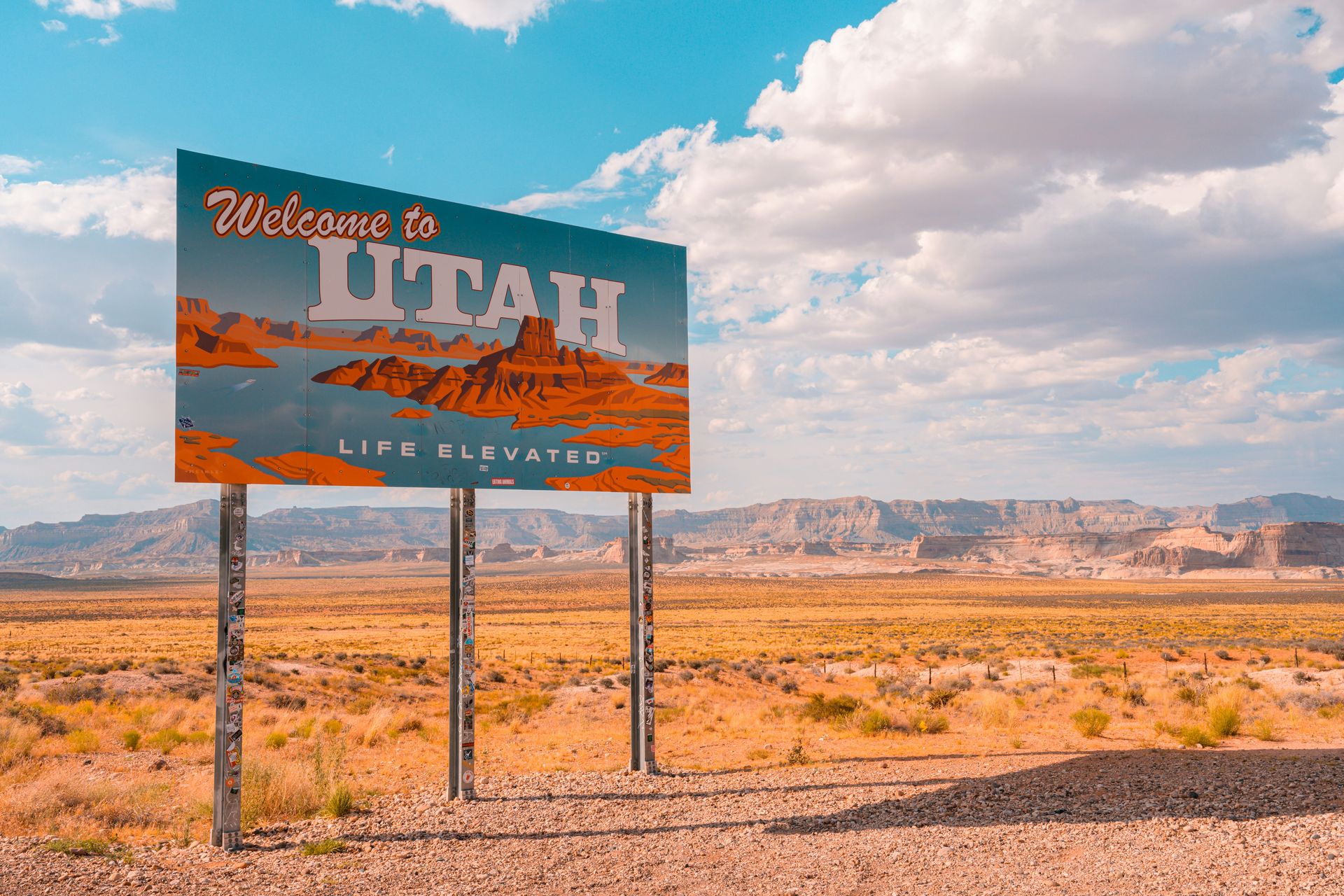
Utah's cumulative home insurance rate increase of 77.2% from 2020 to 2025 ranks fourth nationally in LendingTree's analysis, a position that surprises many homeowners in a state not traditionally associated with insurance crises. The average annual premium of $1,656 remains about 31% below the national average, which masks the speed of the increase itself. The 2025 single-year increase of 3% was relatively modest, but it followed years of sharper jumps that have fundamentally reset the baseline for what Utah homeowners pay.
The forces pushing premiums higher are different from those in the top three states. Wildfire risk, rather than hail or severe convective storms, is the dominant factor. A KSL investigation found that Utah's home insurance costs have been rising roughly six times faster than paychecks, creating what LendingTree's Rob Bhatt described as a "troubling" gap between what residents earn and what they're expected to pay for coverage. The state's growth pattern has amplified the problem, because new residential construction has pushed steadily into wildland-urban interface zones along the Wasatch Front and in southern Utah, placing homes in terrain where wildfire risk is high and rising. Roughly 60,000 structures across the state now sit in high-risk wildland-urban interface zones, and each new development in those areas expands the pool of properties that insurers need to price for fire exposure.
Utah's legislature responded with House Bill 48, which took effect in January 2026 and requires insurers to use the state's official wildfire risk map rather than their own proprietary models when writing homeowners policies. The law also requires carriers to provide written justification when they cancel a policy or substantially raise a premium in a wildfire-affected area, a transparency measure aimed at homeowners who've received cancellation notices without explanation. A new mitigation fee of $20 to $100 per structure, based on square footage, applies to properties in designated high-risk zones starting in 2026 and 2027. The legislative response reflects a state that's trying to get ahead of the insurance affordability problem before it reaches the severity that Colorado and California have experienced, but for homeowners already absorbing years of compounding increases, the relief isn't retroactive.
Nebraska

John Matychuk / Unsplash
Nebraska rounds out the top five with a 72.2% cumulative increase in home insurance rates from 2020 to 2025, but the raw percentage understates the financial burden on homeowners, because the state's premiums were already among the highest in the country before the surge began. LendingTree's analysis found that Nebraska's average annual premium of $4,956 is the second-highest nationally, trailing only Oklahoma, and sits 106.9% above the national average. The 6% single-year increase in 2025 was modest by comparison to what Colorado and Minnesota absorbed, but it stacked on top of a baseline that was already more than double what homeowners in most states pay.
Nebraska sits in what's widely known as "Hail Alley," and the resulting claims frequency is the primary engine of its insurance costs. NOAA data indicates the state averages 1.5 severe weather events per year, and the hailstorms that accompany those events regularly produce widespread property damage. A particularly destructive 2025 storm brought softball-sized hail that damaged siding and punched holes in car windows across entire communities, contributing to a 25% rate increase that year as measured by Insurify. That was followed by a projected 13% additional increase for 2026, making Nebraska one of only a handful of states facing back-to-back years of double-digit premium growth.
The state's housing stock and rural geography add another layer of cost. Many Nebraska properties include barns, outbuildings, and agricultural structures that require separate coverage, increasing the total insured value and the complexity of claims when storms hit. Older homes carry higher premiums as well, with properties built around 1980 costing roughly 31% more to insure than homes built in 2020, a gap of about $1,400 per year that reflects the higher repair costs and less resilient construction materials typical of earlier decades. Wind and hail deductibles in Nebraska are often calculated as a percentage of the home's insured value rather than a flat dollar amount, meaning homeowners with more expensive properties face deductibles that can run into thousands of dollars before their coverage kicks in. The structural factors that make Nebraska expensive to insure aren't going away, and Insurify's projections suggest the state will remain one of the costliest insurance markets in the country through the end of 2026.