Steven Van Elk / Unsplash
The gap between where Americans can afford to buy homes and where they actually want to live has been widening for years. Mortgage rates that climbed above 7% in 2023 and have since eased only into the low 6% range continue to squeeze first-time buyers and keep existing homeowners locked into their current properties. Construction costs, labor shortages, and restrictive local zoning rules have slowed the pace of new building in many of the country's most populated regions, leaving buyers in high-demand coastal markets with fewer options and higher prices than at any point in the last two decades.
The pressure isn't distributed evenly. States in the Midwest and South have generally kept housing within reach of median-income households by maintaining lower regulatory barriers to construction and producing new homes at rates that keep pace with population growth. Coastal states, by contrast, have struggled to approve new developments fast enough to meet demand, pushing prices further out of reach for the workers those economies depend on. The result is a country where a household earning the median income in one state can comfortably afford a home while an identical earner in another state would need to spend well over 40% of that income just to cover the mortgage.
Realtor.com ranked all 50 states and the District of Columbia on a 100-point scale in its 2026 Housing Report Cards, splitting the grade evenly between two categories. Half the score reflects housing affordability, measuring the share of median household income needed to afford a median-priced home alongside the platform's proprietary affordability index. The other half measures homebuilding activity, tracking the ratio of new building permits to population and the price gap between new and existing homes. None of the 51 jurisdictions earned an A+ this year, and 12 of the 13 highest-graded states sit in the Midwest or South. Six coastal states earned an F, with New York at the bottom of the pile.
1 / 5
KK Buys Indy Homes / Unsplash
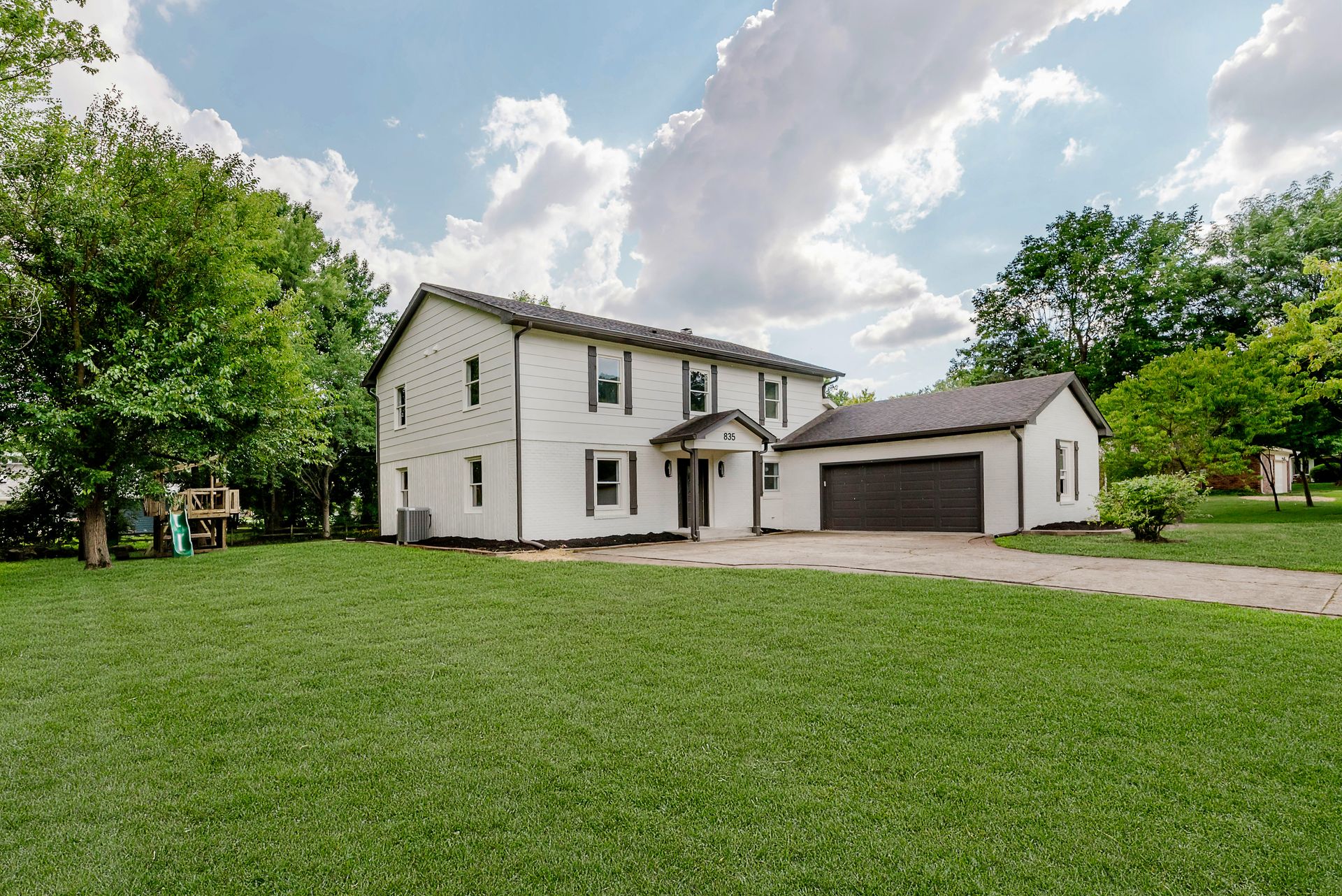
Indiana earned the top spot in the 2026 rankings with an overall score of 76.3 out of 100 and a straight-A grade, climbing three places from last year to dethrone 2025 leader South Carolina. The Hoosier State's strength is its balance between the two halves of the scorecard, performing well on both affordability and homebuilding without relying on an exceptional showing in either one alone. A median-priced home in Indiana runs $295,810, and a household earning the state's median income of $71,469 would need to devote roughly 28% of that income to cover the cost. That figure sits safely below the 30% threshold that housing economists generally treat as the dividing line between affordable and burdensome, and Indiana's Realtor.com affordability score of 0.89 ranks among the highest in the country.
On the construction side, Indiana's permit-to-population ratio of 1.02 means its construction pipeline runs in proportion to the number of people who live there, neither overbuilding nor falling behind. Builders completed more than 20,000 single-family units in 2025, a significant increase from roughly 12,000 a decade earlier. Even that faster pace hasn't been enough to erase a long-running housing deficit, particularly as young professionals from nearby metros, such as Chicago and Louisville, continue to relocate in search of lower costs. Rick Wajda, the CEO of the Indiana Builders Association, told Realtor.com that the mismatch between supply and demand is putting upward pressure on prices across the state because the inventory of available homes hasn't kept pace with the number of people looking to buy.
The state's political leadership has responded with a combination of regulatory reform and direct investment. Governor Mike Braun signed Housing Bill 1001 in April, a measure designed to lower ownership costs by rolling back restrictive local regulations on minimum lot sizes, square footage requirements, and accessory dwelling units. Indiana also created a $50 million Residential Infrastructure Fund in 2023 to help local communities extend the water, sewer, and road networks that new developments require. Wajda credited that fund with opening up housing in areas that had the demand but lacked the ability to expand infrastructure on their own.
2 / 5
Niko Vassios / Unsplash
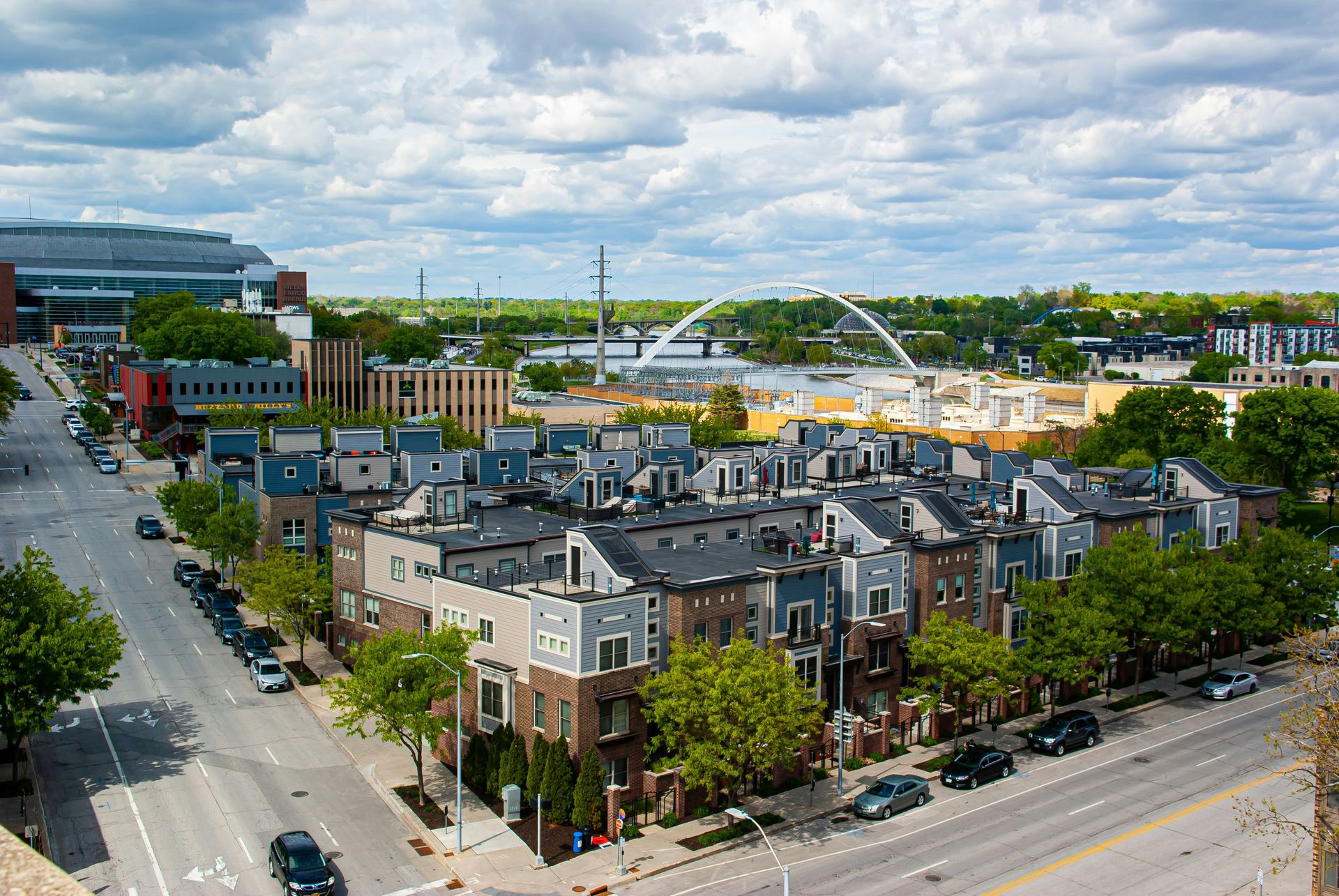
Iowa held steady in second place with an A grade, anchored by the strongest affordability numbers in the country. The typical Iowa household puts roughly 25% of its earnings toward a median-priced home, the lowest share of any state or the District of Columbia. Zillow's most recent data puts the average Iowa home value at $241,255, with prices rising a modest 3.9% over the past year. Redfin's May 2026 figures show a median sale price of $253,549, with homes going under contract in an average of 45 days and sales volume ticking up 2.5% year over year. Those numbers reflect a market that's competitive enough to support homeowners' equity without spiraling beyond the reach of new buyers.
The state's relative affordability is no accident. Iowa benefits from a combination of growing wages, expanding housing supply, and property costs that have historically tracked well below national averages. Researchers at the Common Sense Institute found that the average Iowan needs to work 38 hours per month to afford a mortgage payment on a typical new single-family home, 14 hours fewer than the national average. The same organization projects that the state's overall housing shortage is on track to close by the end of 2028, with permitting and construction activity slowly catching up to long-term demand. Where Iowa falls short is in the type of new housing being built. Realtor.com flagged a new-construction premium of 56%, meaning newly built homes in the state cost well over half again as much as existing ones. That gap suggests builders are concentrating on larger, more expensive properties rather than the entry-level inventory that first-time buyers need most.
Iowa's permitting activity remains subdued relative to faster-growing Sun Belt states, and the state's property tax burden presents another challenge for long-term affordability. The Common Sense Institute ranked Iowa 11th most burdened on property taxes, a metric that policymakers have identified as an area for improvement. Even so, the fundamentals remain strong enough to keep Iowa firmly in the top tier. Inventory has improved modestly since the tightest years of 2022 and 2023, mortgage rates in the mid-6% range have stabilized demand without freezing it entirely, and the state's low crime rates, steady employment base, and central location continue to draw buyers who are priced out of larger metropolitan areas elsewhere in the country.
3 / 5
Leo Heisenberg / Unsplash
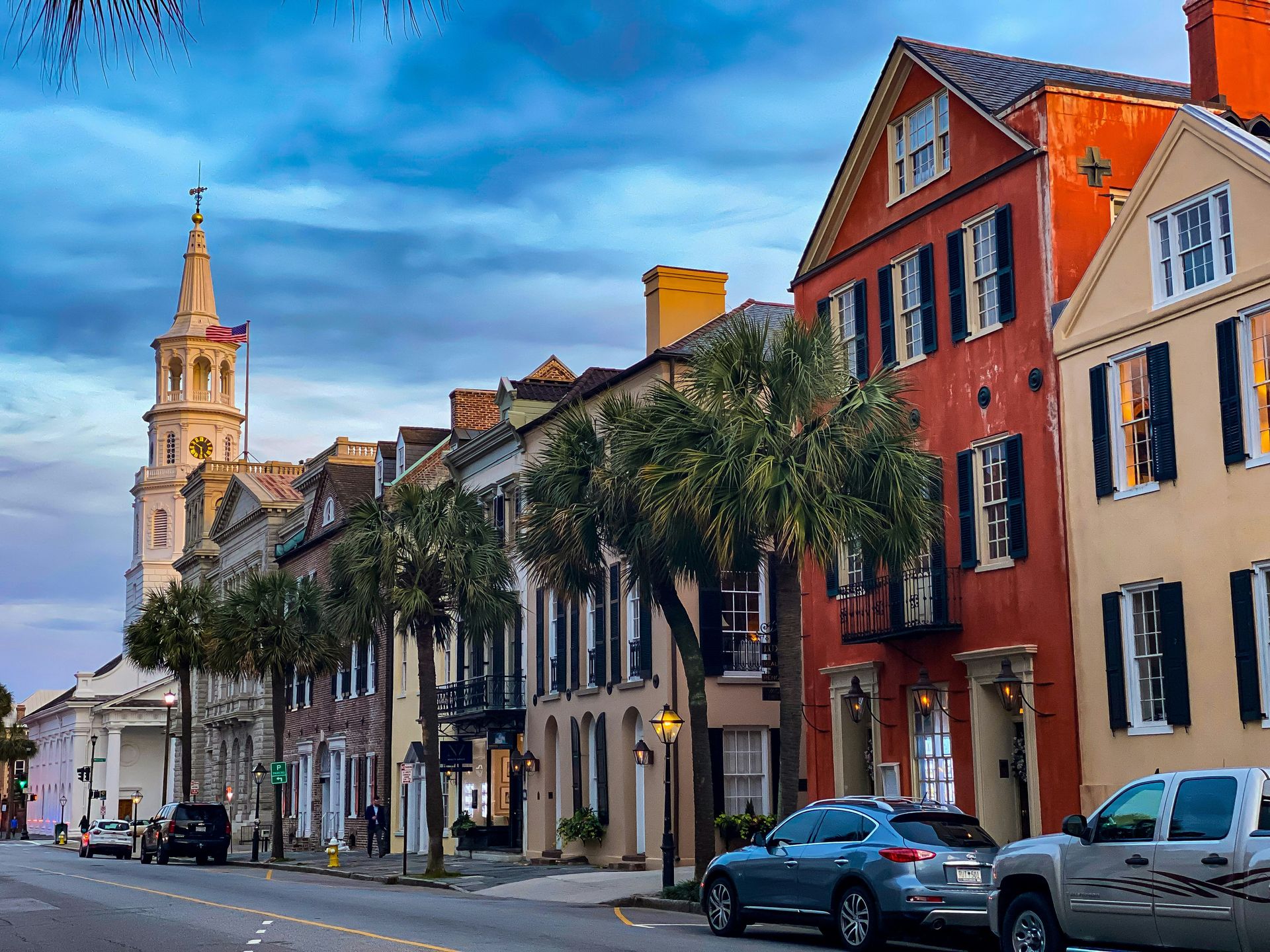
South Carolina slipped from first place to third this year but still earned an A grade, buoyed by a construction engine that few states can match. Builders in the Palmetto State produce nearly twice as many housing permits as the state's share of the national population would predict, and new-construction homes are priced 5.7% below existing listings. That combination is unusual and valuable, since in most states newly built homes carry a significant premium over resale properties. South Carolina's builders have calibrated their output to meet buyers where they are on price, not just on volume, and the result is a pipeline of housing that actively improves affordability rather than simply adding supply at the high end.
The state's broader housing market reflects a transition toward more balanced conditions. Redfin data from May 2026 show a median sale price of $351,716, with prices rising just 1.7% year over year and homes sitting on the market for a median of 76 days, up five days from the prior year. Active inventory has increased by more than 8% compared to last year, and the statewide supply stood at 3.6 months as of late 2025, close to the four-to-six-month range that housing analysts generally consider healthy. South Carolina also benefits from one of the lowest property tax rates in the country at 0.57%, a factor that keeps the total cost of ownership lower than the sticker price alone would suggest.
Population growth is the engine driving demand. The state consistently ranks among the top destinations for retirees and remote workers relocating from high-tax states in the Northeast and Midwest, drawn by the climate, lower cost of living, and a job market anchored by manufacturing investments from companies, such as BMW and Michelin, and the economic activity generated by the Port of Charleston. The state's Office of Revenue and Fiscal Affairs projects that South Carolina will reach 6.2 million residents by 2035, an increase of roughly 600,000 from its current population. Managing that growth has become a central policy challenge. Several localities imposed temporary construction moratoria in 2025 to slow the pace of development, and local governments continue to wrestle with how to balance rapid residential expansion against infrastructure capacity and community character. Realtor.com senior economist Joel Berner noted that even with those pressures, South Carolina's building output and pricing discipline kept it firmly in the top tier.
4 / 5
Eric Gonzalez / Unsplash
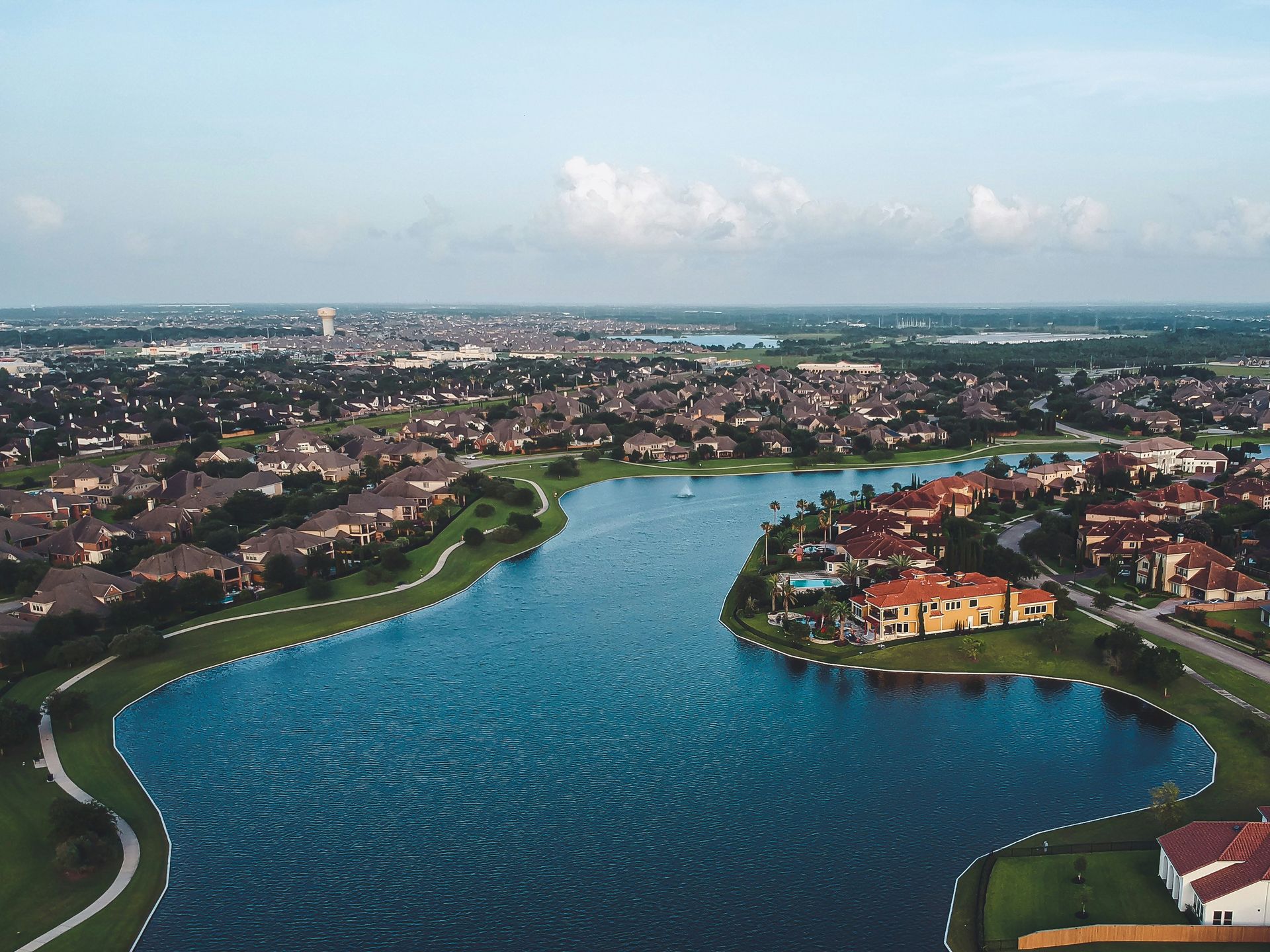
No state builds more housing than Texas, and the 2026 report card confirms it. Holding steady in fourth place with an A- grade, Texas issued nearly 15% of all building permits in the country despite accounting for just 9.3% of the national population, a ratio that has been growing for years. In the first quarter of 2026 alone, the state authorized 35,231 single-family home permits, leading every other state by a wide margin. Over the most recent five-year period tracked by the Texas Real Estate Research Center, counties and municipalities across the state authorized 781,020 single-family construction permits, a 40.9% increase over the previous five-year window and roughly 85,000 more than the number issued during the housing boom of the early 2000s.
That construction activity is concentrated in the state's four largest metropolitan areas. Houston and Dallas together account for nearly 80% of all new residential permits pulled statewide, with Houston leading in raw volume and Dallas producing higher-value builds. In May 2026, the four major metros combined for more than 5,950 new permits representing over $1.9 billion in total construction value. San Antonio has emerged as the most affordable construction market among the four, with average new-home values around $262,000, while Austin continues to attract higher-end development with average values above $327,000. Texas' decentralized regulatory environment plays a significant role in enabling this output. The state has no statewide residential building code, no school or transportation impact fees, and no state-level environmental surcharges, leaving each city and county to set its own rules. Houston remains the largest U.S. city without a traditional zoning ordinance, a distinction that has contributed to its ability to absorb population growth without the same affordability pressures seen in more heavily regulated markets.
Where Texas falls short is on the affordability side of the ledger. A household earning the state's median income now has to set aside more than 32% of its earnings to cover a median-priced home, pushing it past the 30% affordability benchmark. Realtor.com's report noted that this weakness in affordability is what keeps Texas from earning a higher overall grade despite its dominant construction numbers. Builders have responded to the affordability challenge by shifting production toward lower price segments, with the share of new homes priced below $300,000 recovering after a steep decline during the pandemic era when ultra-low interest rates pushed construction toward the luxury end. That recalibration is a meaningful supply-side response to the state's affordability gap, even as elevated mortgage rates and rising construction costs continue to limit how quickly the market can adjust.
5 / 5
Gene Gallin / Unsplash
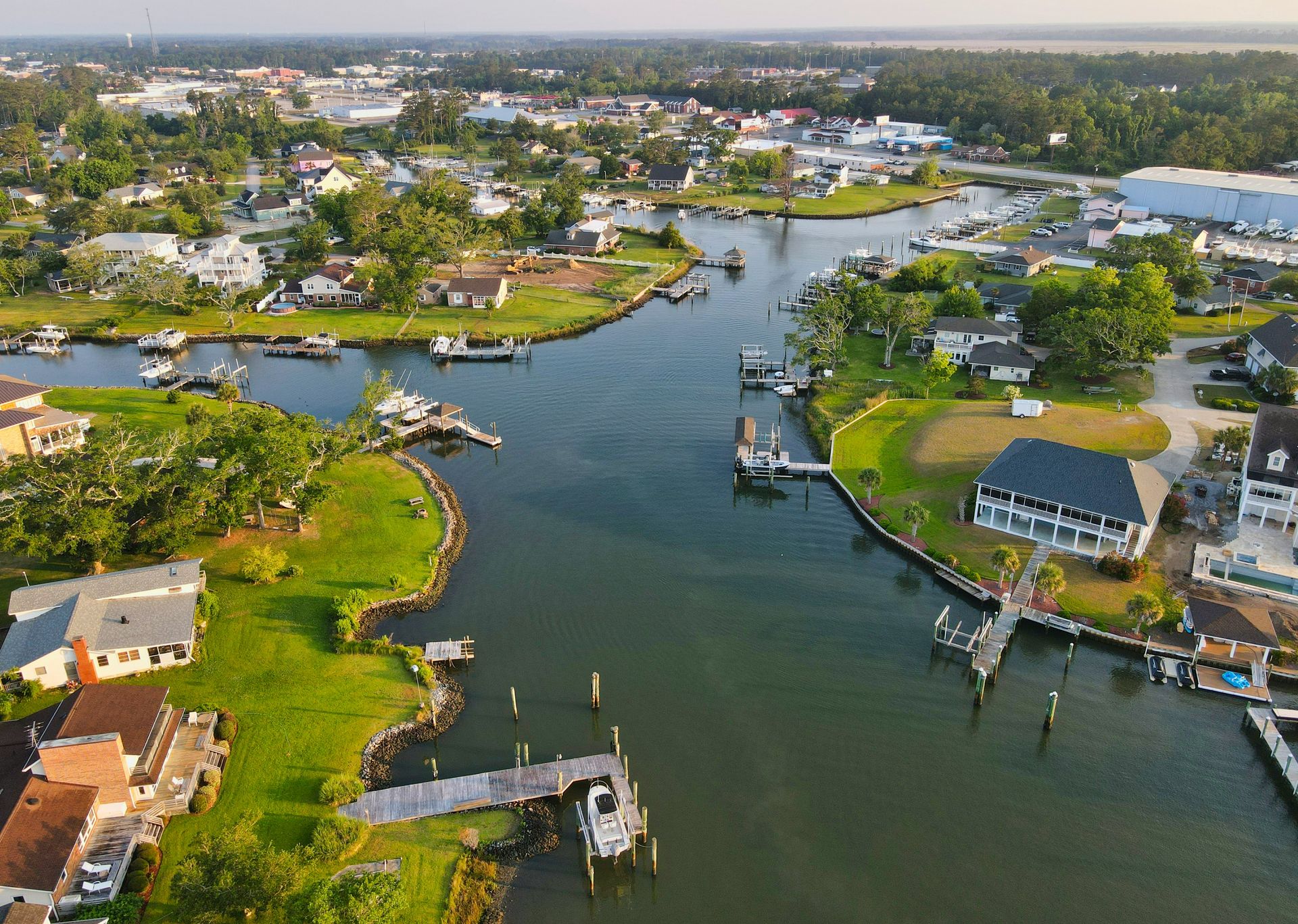
North Carolina rounded out the top five for the second consecutive year with a B+ grade, earning its place through a combination of strong permitting activity and new homes that are priced slightly below existing inventory. That pricing dynamic, where buyers can purchase a newly built home for less than a comparable resale property, gives the state's construction pipeline real affordability value rather than simply adding expensive new stock to an already stretched market. Redfin data from May 2026 show a statewide median sale price of $378,655, with prices rising just 1.0% year over year and sales volume climbing 5.2%, signs that demand remains healthy even as the pace of price growth has cooled significantly from the double-digit surges of the pandemic era.
The state's biggest liability is the gap between what homes cost and what residents earn. Realtor.com's report found that a median-priced home consumes close to 40% of what the typical household earns in North Carolina, well above the 30% affordability threshold and the worst ratio among the top five states. That pressure is most acute in the Charlotte metro and the Research Triangle region of Raleigh, Durham, and Chapel Hill, the two areas absorbing the largest share of the state's population growth. Mecklenburg and Wake Counties have both crossed the one-million-population mark, and surrounding suburbs, such as Apex, Holly Springs, and Huntersville, are among the fastest-growing communities in the Southeast. Most of the newcomers are arriving from larger and more expensive states, such as Florida, Virginia, and New York, drawn by North Carolina's lower cost of living, expanding job market, and quality of life.
The housing supply hasn't kept pace with that inflow. The North Carolina Housing Finance Agency estimates a shortfall of approximately 764,000 units over the next five years, a gap that new construction alone is unlikely to close. State legislators are working on the problem from the regulatory side. Senate Bill 497, currently under discussion in the 2026 legislative session, would require municipalities across North Carolina to allow duplexes, triplexes, quadplexes, and townhouses in all residential zones by right, eliminating the zoning delays and design restrictions that have historically discouraged denser development. If passed, the bill would represent one of the most significant changes to the state's housing policy in decades and could meaningfully expand the supply of entry-level and workforce housing in the communities where demand is greatest.
