From silky béchamel to punchy chimichurri, these 15 sauces are straightforward to make at home and taste nothing like the jarred versions
Credit: Giovanna Kamimura / Pexels
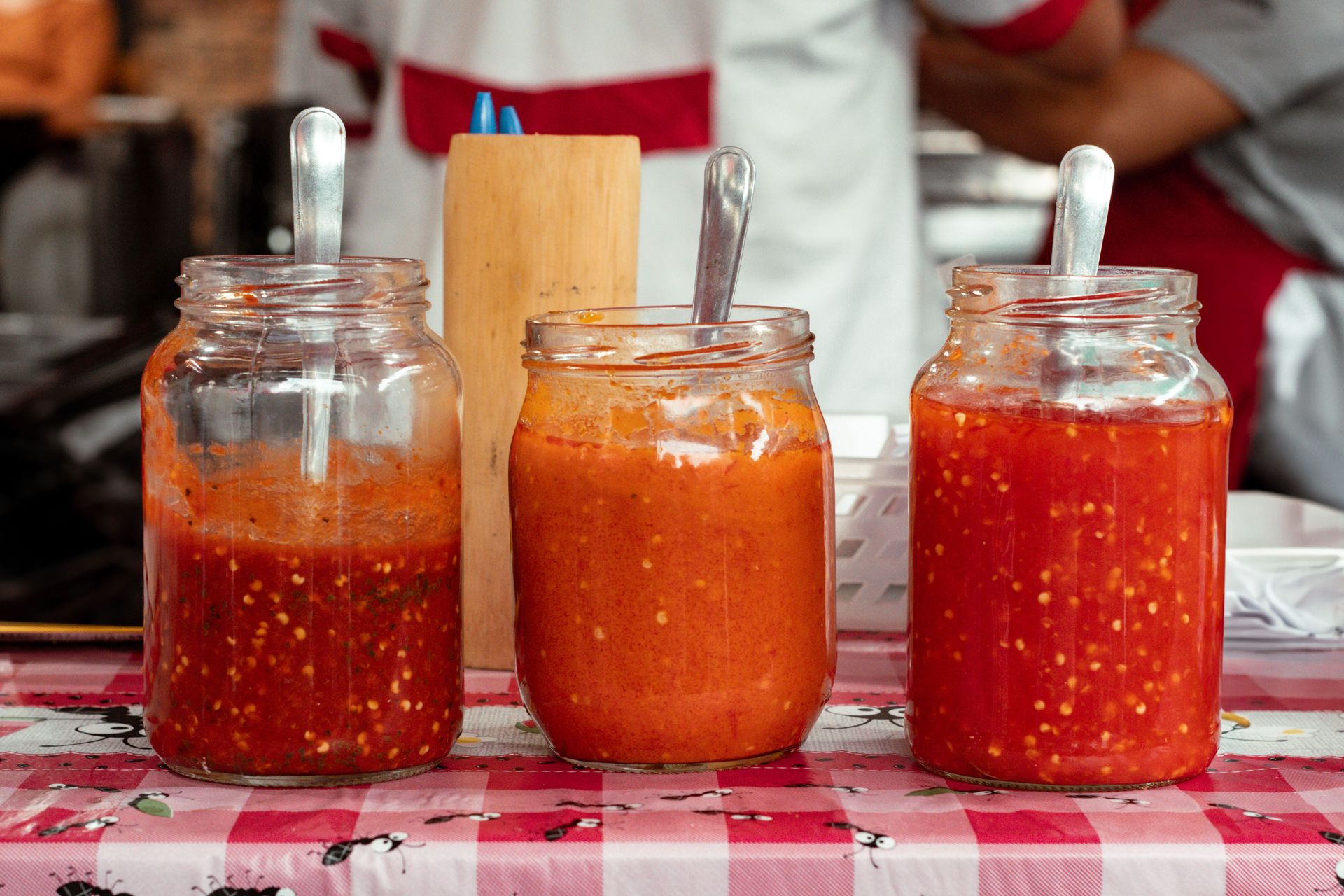
Sauce is the part of cooking that most people outsource — and it shows. The jarred marinara that's been sitting in the pantry since last winter, the bottled Caesar dressing with a watery, metallic finish, the store-bought hollandaise that has the texture of warm pudding. Convenience has a cost, and in the case of sauces, that cost is usually flavor.
The gap between a homemade sauce and its commercial counterpart is wider than it is for almost any other category of food. A jar of pasta sauce must survive industrial processing, a long shelf life, and the taste preferences of millions of people across different markets. That's a lot of compromise baked into every bottle. Homemade sauces carry none of those constraints. They can be made fresh, adjusted to taste, and built from ingredients that actually taste like something.
There's also a skills argument. Sauces are one of the most teachable parts of cooking. A handful of techniques — building a roux, emulsifying fat with acid, reducing stock to concentrate flavor — unlock an enormous range of dishes. Learn to make a proper pan sauce and you've changed how you cook meat forever. Understand the logic of a vinaigrette and you'll never need to buy salad dressing again.
The 15 sauces in this list are drawn from French, Italian, Mexican, Argentine, Middle Eastern, Southeast Asian, and American traditions. Some are classic foundations. Others are weeknight workhorses. A few require patience and technique; most can be done in under 20 minutes. What they share is the quality that no jar can replicate: they taste like someone made them, recently, with care.
None of these recipes require special equipment. A good knife, a saucepan, a blender, and a whisk will cover everything here. The ingredient lists are mostly short. The ratios are forgiving. And the results — served over pasta, spooned onto grilled meat, stirred into rice, or used as a dip — are consistently better than anything sold in a glass jar at the supermarket.
This is not about culinary ambition. It's about the straightforward payoff of making something from scratch that takes 15 minutes and costs less than the bottled version. Once you've made your own tomato sauce or your own tahini dressing, it becomes hard to go back. The homemade version just tastes more like food.
Credit: Canva Images
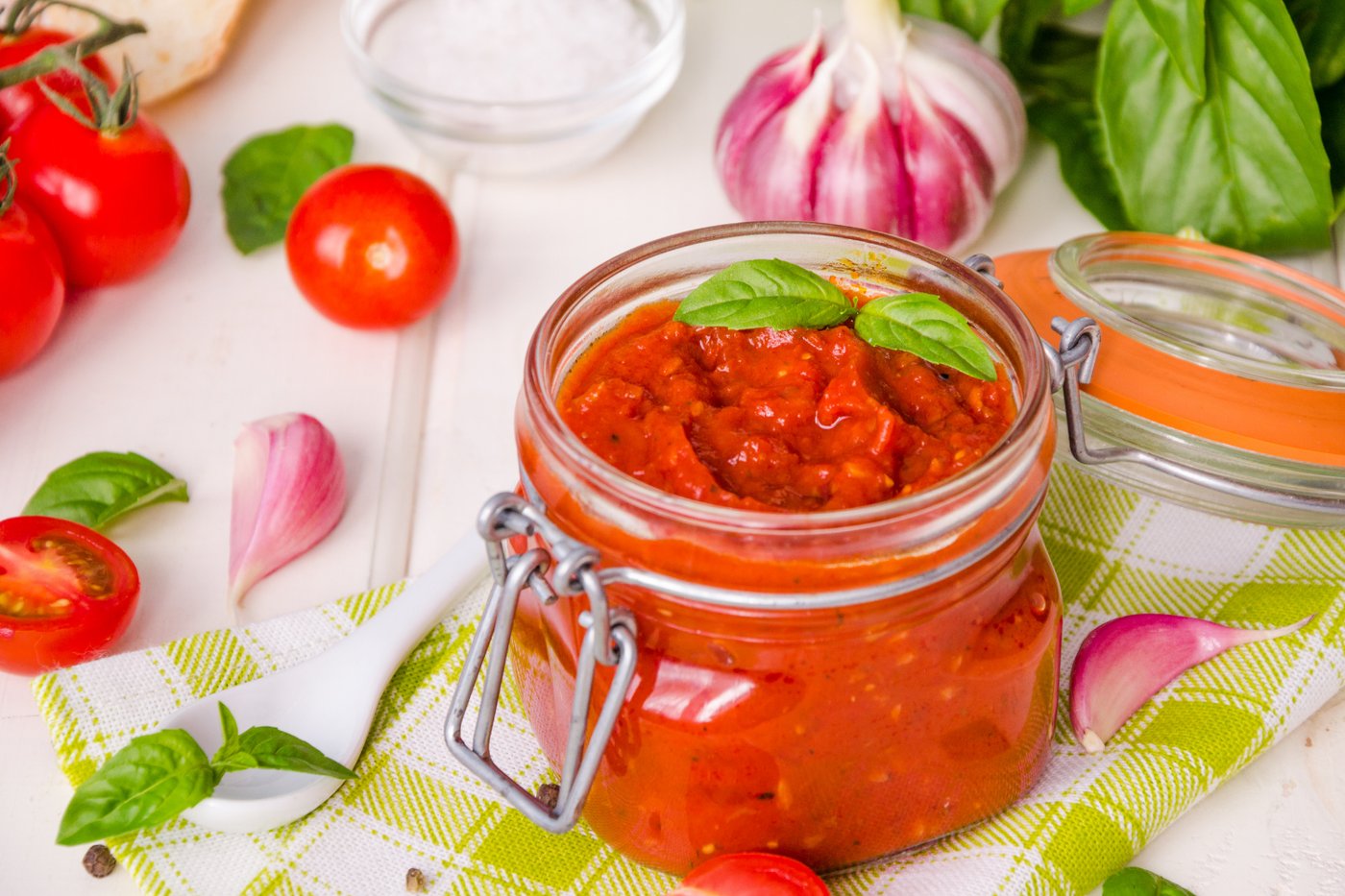
Marinara is the sauce that most home cooks have the most opportunity to upgrade. The jarred versions are almost universally too sweet, too acidic, or too thick — products of industrial production that must appeal to a broad audience. A homemade marinara made with good canned tomatoes is a different thing entirely.
The foundation is simple: olive oil, garlic, canned whole tomatoes, salt, and a small amount of time. The key variable is the tomato. San Marzano tomatoes, grown in the volcanic soil south of Naples, are the traditional choice and the one most serious Italian cooks still use. They're less acidic than most canned varieties, have a higher flesh-to-seed ratio, and break down beautifully when cooked. They're sold in most supermarkets and are worth the slight premium.
The technique is even simpler than the ingredient list suggests. Heat olive oil in a wide saucepan over medium heat. Add sliced garlic — not minced, because minced garlic burns faster and turns bitter — and cook it slowly until soft and fragrant, about three minutes. Add the tomatoes, crushing them by hand as they go in, and season with salt. Let the sauce cook for 20 to 30 minutes over low heat, stirring occasionally, until it's thickened and the oil has separated from the tomatoes and floats in orange pools on the surface. That separation is a sign the sauce is done.
What makes this version better than anything jarred is freshness and fat. A good marinara is built on olive oil — real olive oil, used generously, not drizzled in at the end as a finishing touch. The oil carries the garlic's flavor through the sauce and gives it a richness that no jar reproduces. Jarred sauces typically use minimal oil, or oil of inferior quality, because it affects shelf stability.
There are legitimate variations: a pinch of dried chili flakes for heat, a few basil leaves torn in at the end, a half teaspoon of sugar to balance a particularly acidic batch of tomatoes. But the base recipe needs nothing extra. Cooked properly, with decent tomatoes and enough olive oil, it's one of the best sauces in Italian cooking — and one of the easiest to make at home. It keeps for five days in the refrigerator and freezes well, so a double batch is always worthwhile.

Credit: Canva Images
Béchamel is one of the five French mother sauces, and it's the one home cooks most often either avoid or make badly. Avoided because it sounds technical. Made badly because the ratio of flour to butter to milk gets thrown off, or the milk is added too fast, or the roux isn't cooked long enough and the sauce tastes of raw flour.
None of these problems are hard to solve. A proper béchamel requires three things: equal weights of butter and flour, warm milk added gradually, and patience at the stove.
The first step is the roux. Melt butter over medium heat in a heavy saucepan — a thick bottom prevents scorching — and add an equal amount of flour. Stir the two together with a wooden spoon or a whisk and cook for two to three minutes, until the mixture smells faintly nutty but hasn't changed color. This step cooks off the raw flour taste and is the part most home cooks rush. Rushing it produces a sauce that tastes powdery.
The milk must go in warm. Heat it separately in a small pot or in the microwave until steaming, then add it to the roux a ladleful at a time, whisking constantly. Adding cold milk causes the roux to seize and form lumps. Adding warm milk and whisking continuously keeps the sauce smooth. Once all the milk is incorporated, lower the heat and let the sauce cook for another 10 minutes, stirring regularly to prevent a skin from forming on top.
Season with salt, white pepper — which keeps the sauce visually clean — and a grating of nutmeg. Nutmeg is not optional. It's been in the classic recipe for centuries and it does something essential to the flavor, adding a subtle warmth that lifts the otherwise neutral sauce.
A finished béchamel should coat the back of a spoon and hold a line drawn through it. Too thin: cook it longer. Too thick: whisk in a splash more milk. The sauce is the base for lasagna, moussaka, croque monsieur, macaroni and cheese made properly, and a dozen other dishes. No jarred white sauce comes close to the texture or clean flavor of one made fresh.

Credit: Canva Images
Hollandaise has a reputation for being temperamental, and it is — but it's temperamental in predictable ways that are easy to manage once you understand the chemistry. The sauce is an emulsion of egg yolks and clarified butter, stabilized by the lecithin in the yolks and a small amount of acid. Too much heat and the eggs scramble. Not enough and the emulsion never forms. The window is narrow but reliable.
The traditional method uses a double boiler: a heatproof bowl set over — not in — a pot of barely simmering water. Whisk egg yolks with a small splash of water and a squeeze of lemon juice until pale and thick, about three to four minutes. The mixture should ribbon off the whisk and hold its shape briefly. Remove the bowl from the heat and begin adding clarified butter very slowly, whisking constantly. The first tablespoon is critical — it must be incorporated fully before more fat is added, or the emulsion will break.
Clarified butter — butter with the milk solids and water removed — is used because it's pure fat and integrates more reliably than whole butter. It's made by melting unsalted butter gently and skimming off the foam, then pouring the clear yellow fat into a separate container, leaving the white solids behind.
Once all the butter is added, season with salt, a squeeze more lemon juice, and a pinch of cayenne. The sauce should be warm, creamy, and just pourable. If it breaks — separates into greasy pools — it can sometimes be saved by whisking a fresh egg yolk in a clean bowl and slowly drizzling in the broken sauce.
Hollandaise is the sauce for eggs Benedict, for asparagus, for poached salmon, and for any dish where a rich, buttery, slightly tangy sauce would improve things. The blender shortcut version — made by blending hot clarified butter into warm yolks in a blender — is faster and nearly as good. The jarred equivalent has the consistency of baby food and the flavor of little else.
Credit: Canva Images
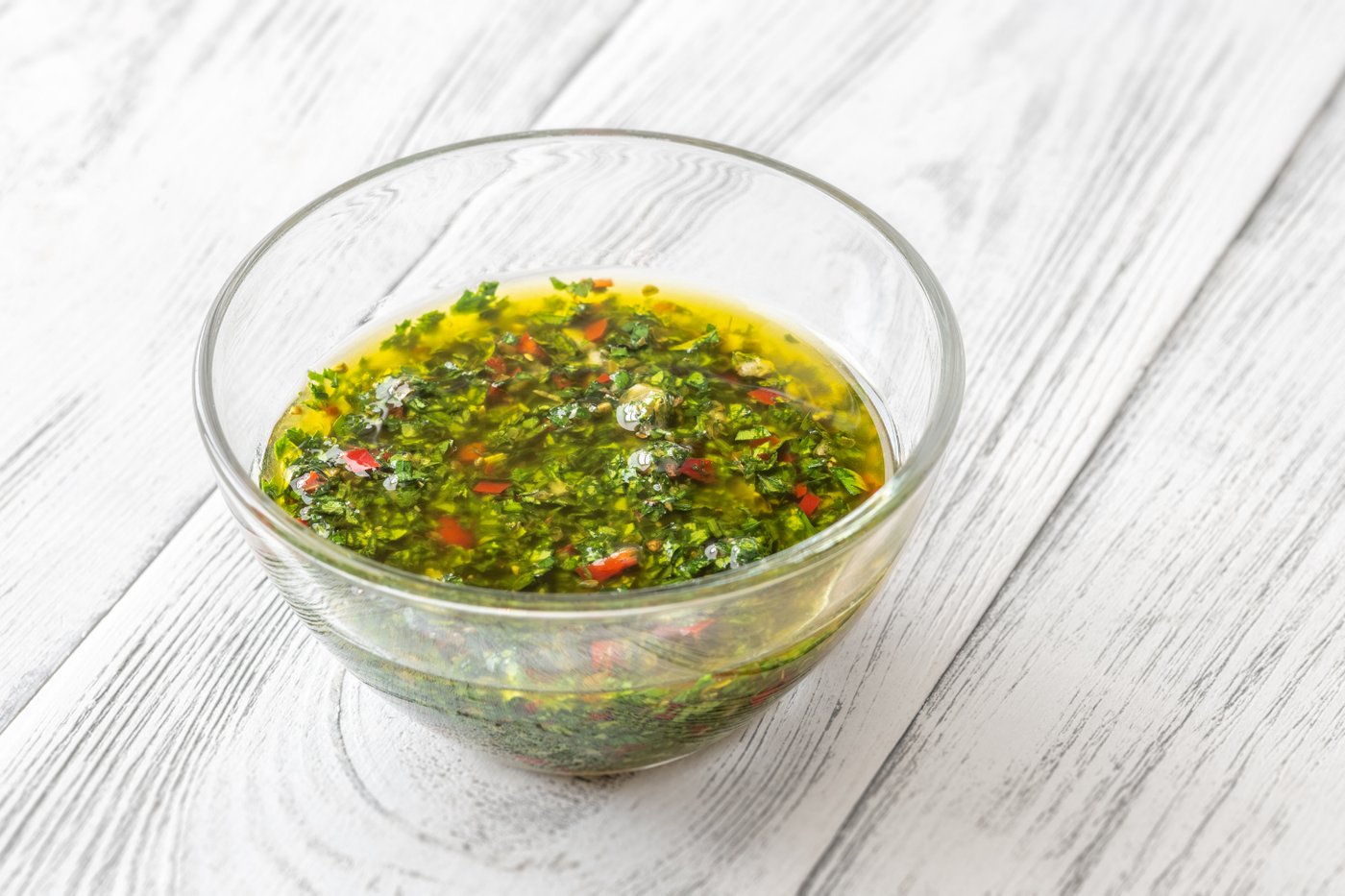
Chimichurri is an Argentine herb sauce traditionally served with grilled beef, and it's one of the few condiments that genuinely improves with a few hours of rest. The base is parsley and garlic, suspended in olive oil and red wine vinegar, with dried chili flakes for heat. It requires no cooking. It takes about five minutes to make.
The method is deliberately rough. Chimichurri is not puréed or blended smooth — it's chopped, or in some recipes made by hand-tearing the herbs, so the sauce retains texture and body. Finely chop a large bunch of flat-leaf parsley, including the tender stems. Mince four to six cloves of garlic. Combine in a bowl with a generous pour of olive oil, two tablespoons of red wine vinegar, a pinch of dried oregano, chili flakes to taste, and salt. Stir and taste. The vinegar should be present but not dominant. The garlic should be assertive.
Let the sauce sit for at least 30 minutes before serving — ideally a few hours. During that time, the garlic mellows, the herbs absorb the oil and vinegar, and the flavors integrate into something more cohesive than the raw sum of its parts.
There's a red version, chimichurri rojo, that adds tomatoes and red pepper. The green version is more common outside Argentina and works with a wider range of proteins — not just beef, but lamb, chicken, and firm white fish. It's also excellent on roasted vegetables, particularly potatoes.
What makes it categorically better than any bottled version is the freshness of the herbs. Parsley oxidizes quickly and loses its brightness within a day or two of being chopped. Any sauce that's been sitting in a bottle at room temperature does not smell or taste of fresh parsley. Homemade chimichurri does. The difference is immediate and obvious the moment you open the jar or the bowl side by side.
Credit: Benjamin Jauregui / Unsplash
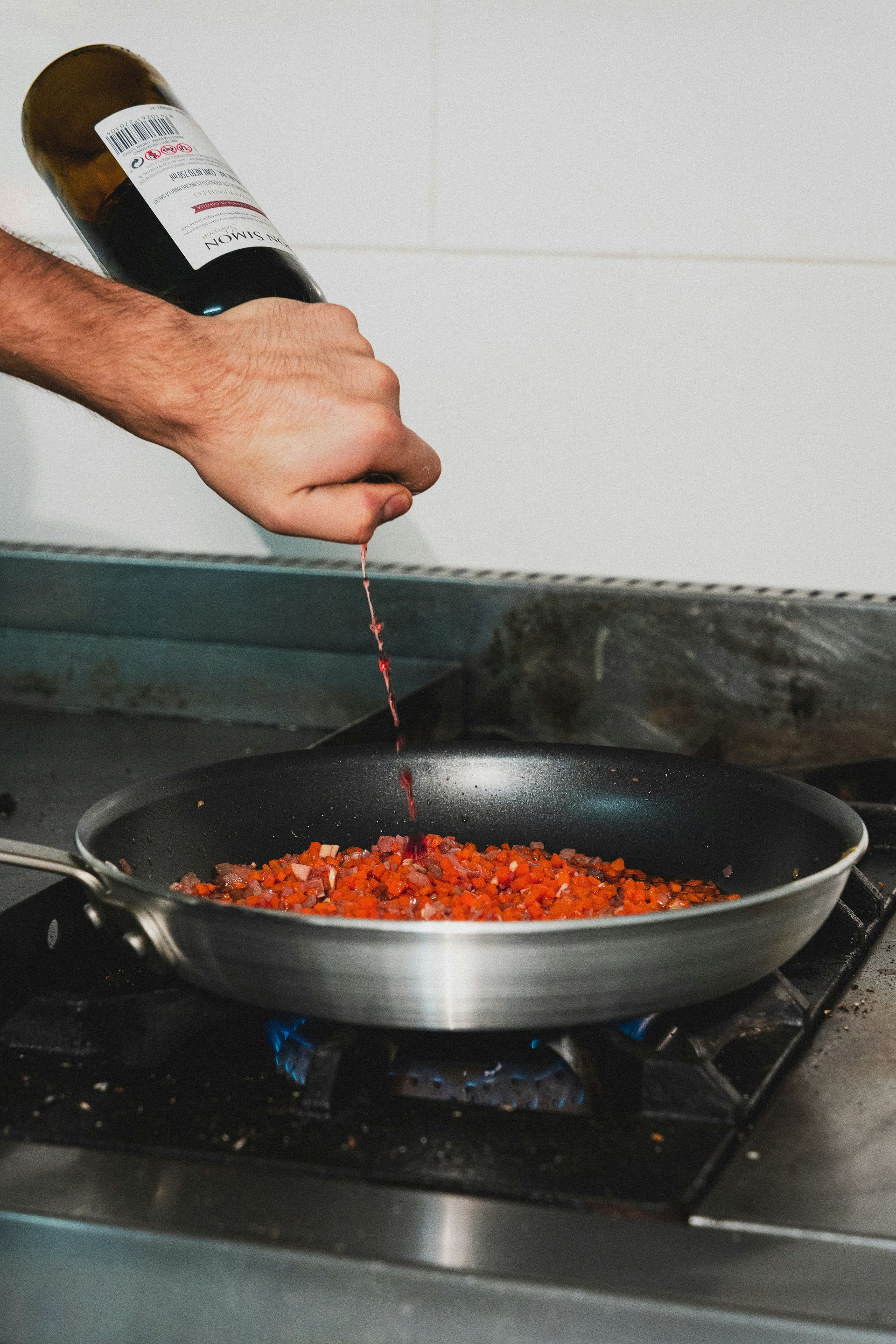
A pan sauce is not a recipe — it's a technique that produces a different sauce every time, depending on what was cooked and what's in the kitchen. It's also the single most useful sauce skill a home cook can develop, because it turns the browned bits stuck to the bottom of a hot pan — which most people wash down the drain — into the best part of the meal.
The process starts after removing the cooked protein from the pan. Leave the fat behind and the fond — the dark, caramelized residue on the pan floor — intact. Pour off excess fat if there's more than a thin film. Set the pan back over medium-high heat and add a liquid to deglaze: wine, stock, beer, cider, or even water. As the liquid hits the hot pan and begins to bubble, scrape the fond with a wooden spoon. It dissolves into the liquid and becomes the flavor base of the sauce.
Let the liquid reduce by about half. Add stock if you want more body, or cream if you want richness, or a knob of cold butter whisked in at the end for gloss and a silky texture. Finish with salt, black pepper, and something acidic — a squeeze of lemon, a splash of vinegar — to brighten the flavors. Fresh herbs added at the last moment add complexity.
The result is a sauce made entirely from what was already in the pan, built in under 10 minutes, with a depth of flavor that no bottled product achieves because it's made specifically from the animal or vegetable that was just cooked. Every pan sauce is unique to that meal.
The technique scales to any protein. Red wine and thyme for a beef or lamb chop. White wine and tarragon for chicken. Apple $AAPL cider and sage for pork. Sherry and cream for a mushroom dish. Once the method is understood, cookbooks and recipes become less necessary.
Credit: Canva Images
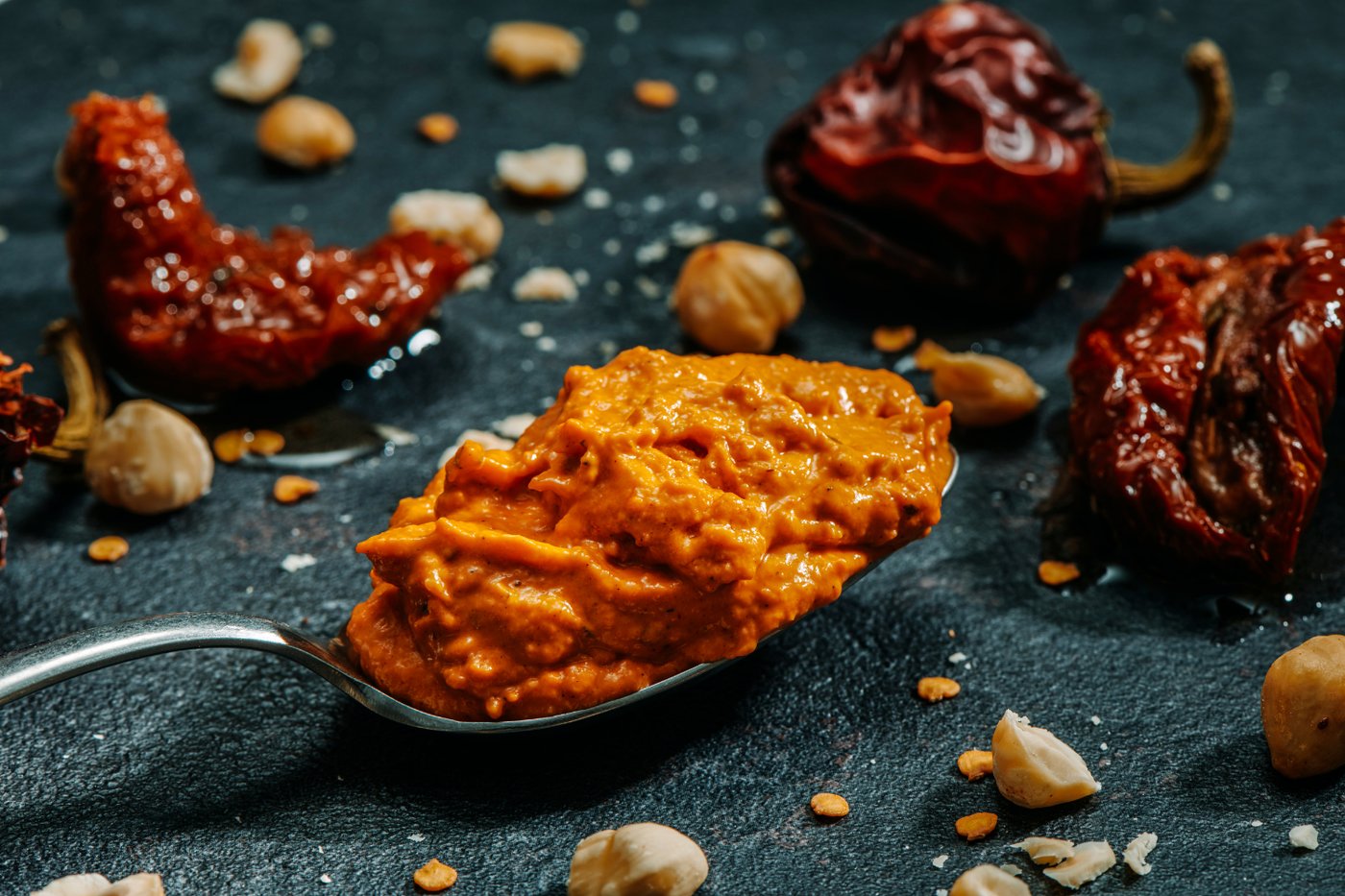
Romesco is a Catalan sauce made from roasted red peppers and nuts, and it's one of the most versatile things in Spanish cooking. It's served with grilled spring onions at the calçotada festivals of Catalonia, as a dip for bread, as a sauce for fish, and as a topping for roasted vegetables. It's thick, deeply flavored, and slightly smoky — nothing like any jarred pepper sauce sold commercially.
The traditional recipe uses roasted red peppers, dried ñora peppers (a mild, sweet variety native to southeastern Spain), almonds or hazelnuts, garlic, tomatoes, bread, olive oil, and sherry vinegar. The bread and nuts are toasted separately and used to give the sauce body and a slightly grainy texture. The ñora peppers can be replaced with ancho chiles, which are more widely available and have a similar sweetness.
The method involves toasting the nuts in a dry pan, roasting the peppers until charred and collapsed, and peeling them before blending everything together. The bread — a few slices of stale white bread, fried in olive oil until golden — goes into the blender with everything else. The result after blending should be thick but still pourable, with visible texture from the nuts.
Season aggressively with salt and sherry vinegar. The vinegar is important: romesco that lacks acid tastes flat and heavy. The garlic should be raw, not roasted, for a stronger presence. Some versions add smoked paprika for extra depth.
The sauce keeps well in the refrigerator — up to a week — and actually improves after a day as the flavors meld. It can be thinned with olive oil to a looser consistency if needed. As an accompaniment to grilled or roasted fish, it's difficult to improve on. As a spread for sandwiches or a dip for crudités, it's more interesting than anything in the condiments aisle.

Credit: Canva Images
Tahini sauce — tahini thinned with lemon juice and water, seasoned with garlic and salt — is one of the most useful condiments in Middle Eastern cooking and one of the easiest to make from scratch. The base ingredient, tahini, is a paste of ground sesame seeds and is sold in most supermarkets. The sauce itself takes under five minutes.
The ratio is roughly one part tahini to one part lemon juice to one part water, adjusted by taste and desired thickness. Start with a few tablespoons of tahini in a bowl. Add lemon juice and stir — the mixture will seize up and turn thick and pale, which is normal. Keep adding cold water a tablespoon at a time and whisking until the sauce reaches a pourable, creamy consistency. Add minced garlic, salt, and optionally a pinch of cumin.
The quality of the tahini matters significantly. Cheap tahini is often bitter and gritty; good tahini — typically made from Ethiopian or Humera sesame seeds — is smooth, nutty, and slightly sweet. The difference between a sauce made from cheap tahini and one made from a good-quality version is notable. Look for tahini where the only ingredient is sesame seeds, with no added oil or preservatives.
Tahini sauce is the standard accompaniment for falafel, for grilled or roasted chicken, for lamb, and for roasted cauliflower or eggplant. It's stirred into hummus, drizzled over shakshuka, and used as a salad dressing with olive oil and herbs. The bottled tahini sauce sold commercially is almost always over-salted and lacks the fresh lemon brightness of the homemade version.
A tablespoon of good tahini sauce transforms simple roasted vegetables into a dish that feels complete. A squeeze of extra lemon, a scattering of parsley, and a drizzle of olive oil over the top finish it.
-1920x2560.jpg)
Credit: Paloma Gil / Pexels
Pesto genovese is one of those sauces that sounds like it requires specialized equipment and rare ingredients. It doesn't. It requires basil, garlic, pine nuts, Parmigiano-Reggiano, Pecorino Romano, olive oil, and a mortar and pestle — or, more practically, a blender. The main barrier is fresh basil in quantity, which is widely available and inexpensive in summer.
The traditional method uses a marble mortar: garlic and coarse salt are ground to a paste first, then pine nuts are added and crushed, then the basil is worked in gradually with a circular motion, then the cheeses are stirred in, and finally the olive oil is added to loosen the sauce. The manual method produces a slightly different texture — less homogeneous, with more visible herb fiber — and many cooks prefer it for that reason.
The blender method is faster and produces a smoother result. Combine all ingredients except the olive oil and pulse until roughly chopped. With the motor running, pour in the olive oil in a slow stream until the sauce comes together. Don't over-process: pesto should have texture, not be completely smooth.
The proportions: per 50 grams of basil leaves, use one small clove of garlic, a tablespoon of pine nuts, three tablespoons of Parmigiano-Reggiano, one tablespoon of Pecorino, and enough olive oil — roughly five or six tablespoons — to bring it to a thick, pourable sauce.
Two practical notes. First, basil oxidizes quickly after blending, turning black on contact with air. Blanching the basil briefly in boiling water and shocking it in ice water before blending keeps the pesto bright green. Second, the sauce should never be cooked — it goes onto hot pasta after the pan is off the heat, because heat destroys its fresh flavor. Any jarred pesto has been heat-treated for preservation. Homemade pesto tastes of living basil. The comparison is not subtle.
Credit: Canva Images
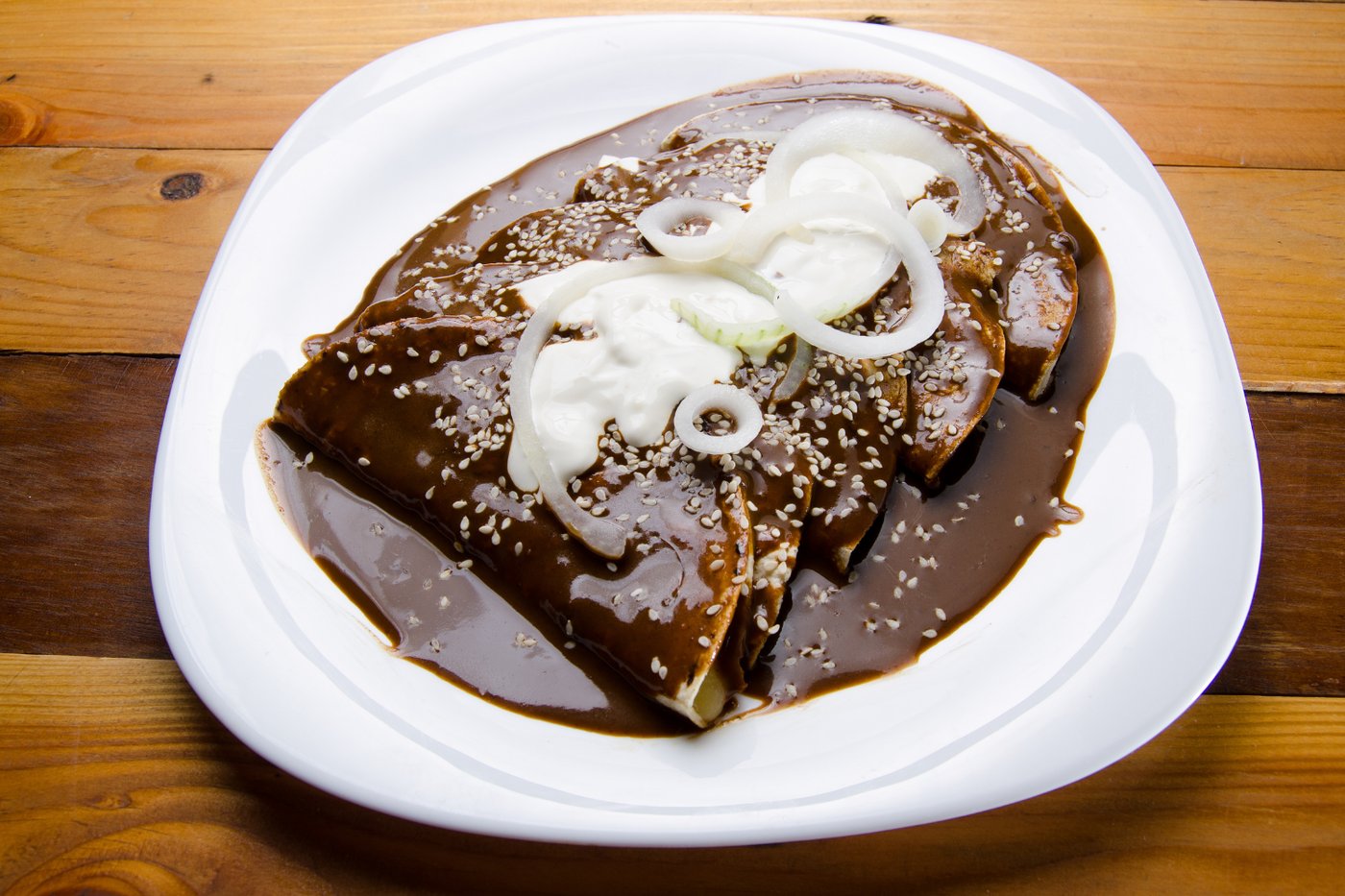
Mole negro is the most complex sauce in this list and one of the most complex in any culinary tradition. It's a Mexican sauce from Oaxaca made from dried chiles, chocolate, spices, seeds, nuts, charred vegetables, and stale bread or tortillas, slow-cooked for hours. A full restaurant version can involve 30 or more ingredients. A home version, simplified without being dishonest, can be done in a couple of hours and is still better than any jarred or canned mole.
The dried chiles are central: mulato, ancho, and pasilla negro for a true negro mole. They're toasted in a dry pan until fragrant, then soaked in hot water to soften. The seeds are toasted separately. A plantain, half an onion, and several garlic cloves are charred directly on a hot comal or under the broiler until blackened — this char is intentional and important to the sauce's dark, complex flavor.
The soaked chiles, charred vegetables, toasted seeds, and aromatics are blended in batches with some of the soaking liquid, then the paste is fried in hot lard or oil in a heavy pot over medium-high heat, stirring constantly, until it darkens and thickens. Stock — turkey or chicken — goes in gradually, followed by a small amount of dark chocolate, a stale tortilla or a piece of bread, and the suite of spices: cumin, Mexican cinnamon, cloves, black pepper.
The sauce cooks slowly, stirred often, for at least an hour after the stock is added. It should end up thick enough to coat a spoon, deeply dark, complex without being overwhelmingly hot, and with a faint bitterness from the chocolate and the charred chiles. No jarred mole comes close to this depth. They taste thin and one-dimensional by comparison.
Credit: Canva Images
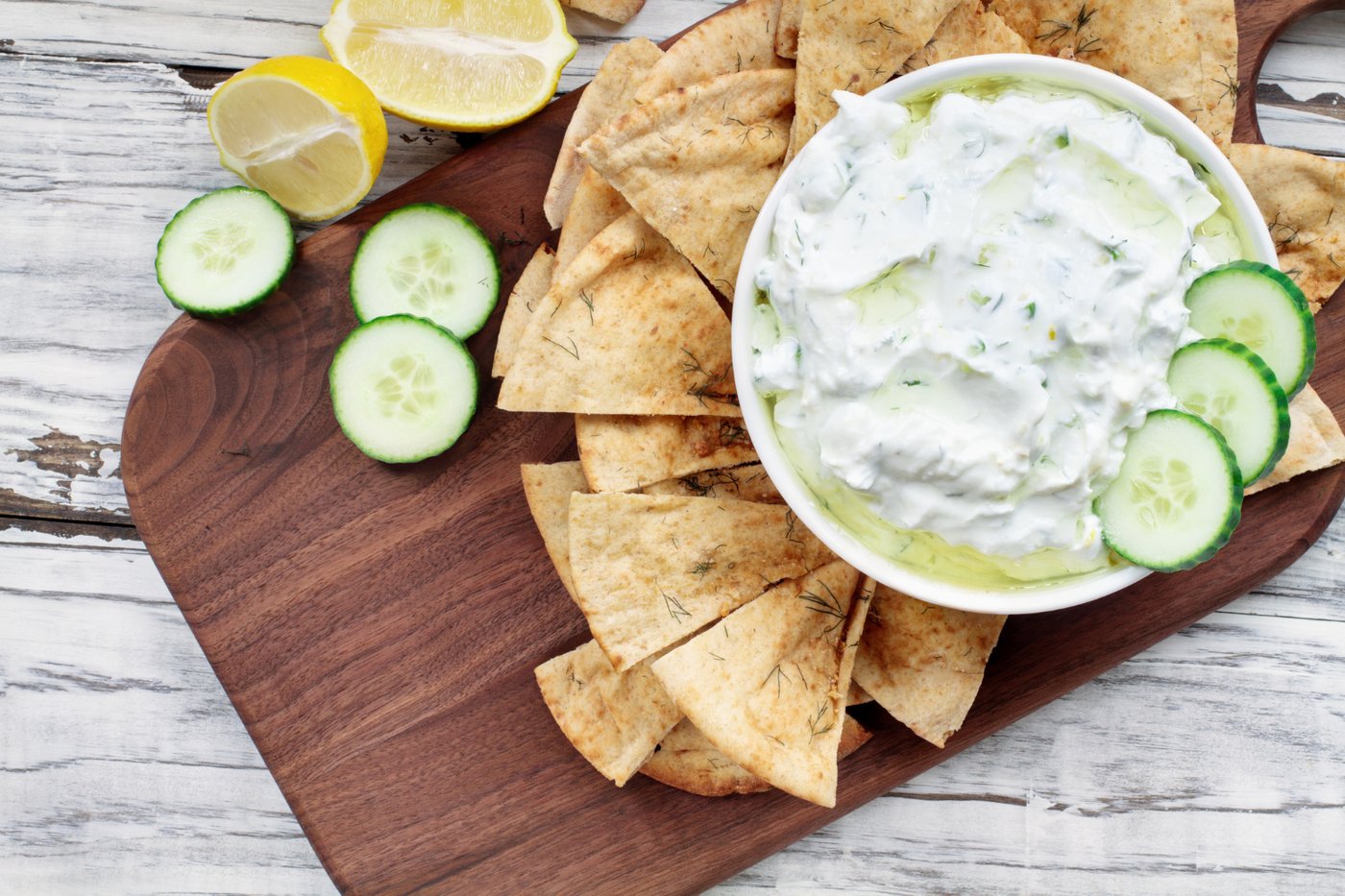
Tzatziki is a Greek cucumber-and-yogurt sauce with a refreshing, clean flavor that makes it one of the most versatile condiments in the Eastern Mediterranean kitchen. It's a dip, a sauce, a spread, and a side dish depending on context, and it takes about 10 minutes to make from start to finish. The bottled versions sold in supermarkets are almost always too watery and under-seasoned.
The most important step is draining the cucumber. Grate a large cucumber on the large holes of a box grater, transfer the shreds to a clean cloth or several layers of paper towel, and squeeze firmly to extract as much liquid as possible. This step prevents the tzatziki from becoming watery as it sits. A wet cucumber will dilute the yogurt within an hour of mixing.
The yogurt should be full-fat Greek yogurt — strained, thick, and tangy. Low-fat versions make the sauce taste thin. Some recipes call for straining the yogurt further through cheesecloth for an even thicker result.
Combine the drained cucumber with the yogurt, a clove or two of minced garlic, a tablespoon of olive oil, a tablespoon of white wine vinegar or lemon juice, and a handful of finely chopped fresh dill or mint. Season well with salt. Stir to combine and taste — it should be garlicky, fresh, and creamy with a clean acidity from the vinegar or lemon.
The sauce is served alongside grilled meats, used as a spread in sandwiches and wraps, or served as a dip with flatbread and crudités. The garlic mellows and the flavors meld if the sauce rests for 30 minutes in the refrigerator before serving. It keeps for three days but is best consumed fresh, when the herbs are still bright. Any bottled equivalent has none of that freshness.
Credit: Fujiphilm / Unsplash
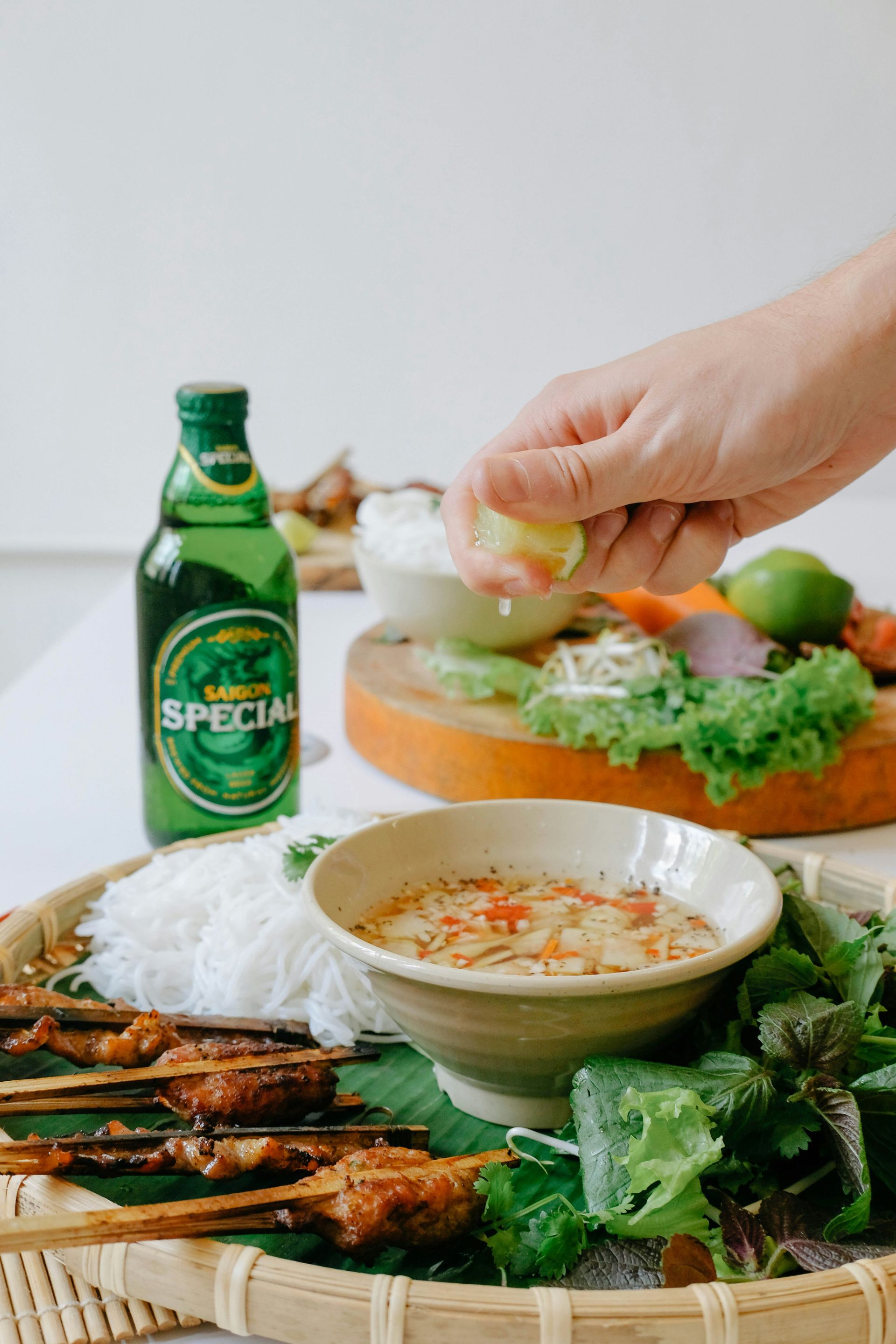
Nước chấm is the dipping sauce at the center of Vietnamese cooking — a balance of fish sauce, lime juice, sugar, water, garlic, and chili that accompanies spring rolls, bánh mì, rice dishes, and grilled meats. It's pungent, sweet, sour, and salty all at once, and the balance between those four elements is what makes it work. Getting the balance right is the skill; the sauce itself requires no cooking.
The base ratio: two parts fish sauce, two parts lime juice, two parts sugar, and about four parts warm water. The warm water dissolves the sugar quickly. Taste immediately — the raw proportions will seem strongly flavored, but the sauce is used as a dipping condiment or drizzle, not eaten by the spoonful. Adjust with more lime for brightness, more fish sauce for depth, more sugar to round out sharp edges.
Add minced garlic and finely sliced bird's eye chili to the base. The garlic should be raw for maximum pungency. Some cooks grate a small amount of carrot into the sauce for color and sweetness; some add a splash of rice vinegar alongside the lime.
The quality of the fish sauce matters. Fish sauces vary significantly in saltiness, sweetness, and intensity. Vietnamese brands — Phu Quoc fish sauce is the most widely respected — are generally lighter and less aggressively salty than Thai versions. The difference is noticeable in the finished sauce.
Nước chấm makes bottled sweet chili sauce seem blunt by comparison. It's a more complex, layered condiment that doesn't oversimplify the flavors it's meant to complement. Once mixed, it keeps in the refrigerator for up to a week, though the garlic becomes more pungent over time. It's one of the most efficient condiments in any cuisine — five minutes of work, a wide range of uses.
Credit: Canva Images
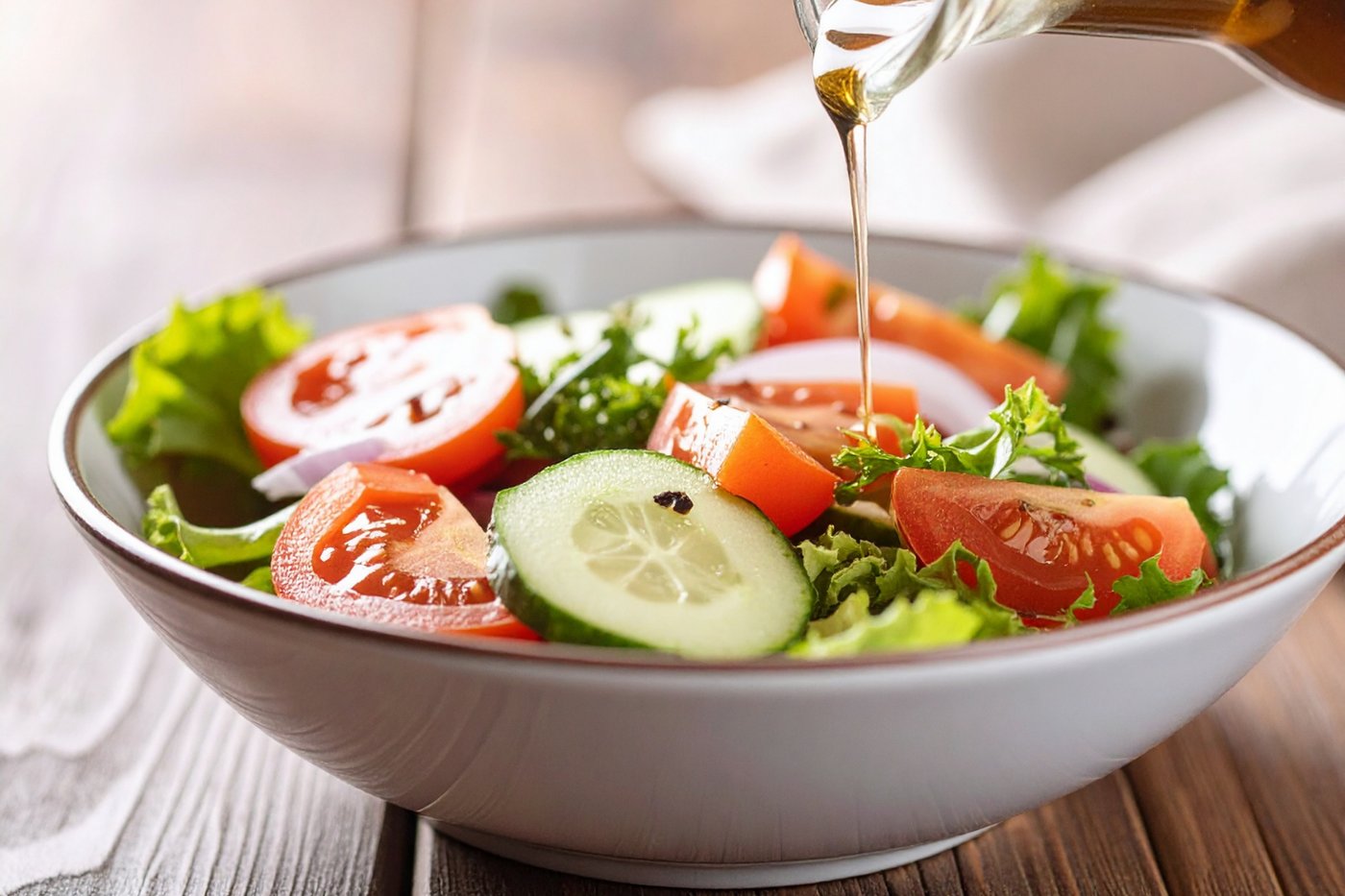
Vinaigrette is possibly the most frequently bought-unnecessary sauce in most households. Bottled salad dressings are expensive, often over-sweetened, and usually contain emulsifiers that give them an artificial smoothness. A homemade vinaigrette costs a fraction of the price, takes 90 seconds to make, and can be adjusted to complement whatever's in the salad.
The classic ratio is three parts oil to one part acid — three tablespoons of olive oil to one tablespoon of red wine vinegar, for instance. This is a starting point, not a rule. A stronger vinegar, like sherry or balsamic, may need more oil to balance. A mild rice vinegar may need less.
To make the vinaigrette, put the vinegar in a bowl with a small pinch of salt and a half teaspoon of Dijon mustard. The mustard acts as an emulsifier, helping the oil and vinegar stay combined rather than separating immediately. Whisk to dissolve the salt, then add the oil in a thin stream while whisking constantly. The dressing will thicken slightly and turn opaque — a sign the emulsion has formed.
Season with black pepper and taste. If it's too acidic, add more oil. If it's flat, add more vinegar or a pinch more salt. Minced shallot, fresh or dried herbs, a small amount of honey, or a crushed garlic clove are all legitimate additions.
The dressing can be made in a jar — combine all ingredients, seal, and shake vigorously for 30 seconds. The jar doubles as storage. A well-made vinaigrette will hold its emulsion for an hour or two; after that, a quick shake reconstitutes it.
Used immediately, a homemade vinaigrette has a freshness and brightness that no commercial dressing matches. The olive oil tastes of olives, the vinegar tastes of fermented wine, and the balance is exactly what the cook intended rather than what a food scientist designed for maximum shelf appeal.
Credit: Canva Images
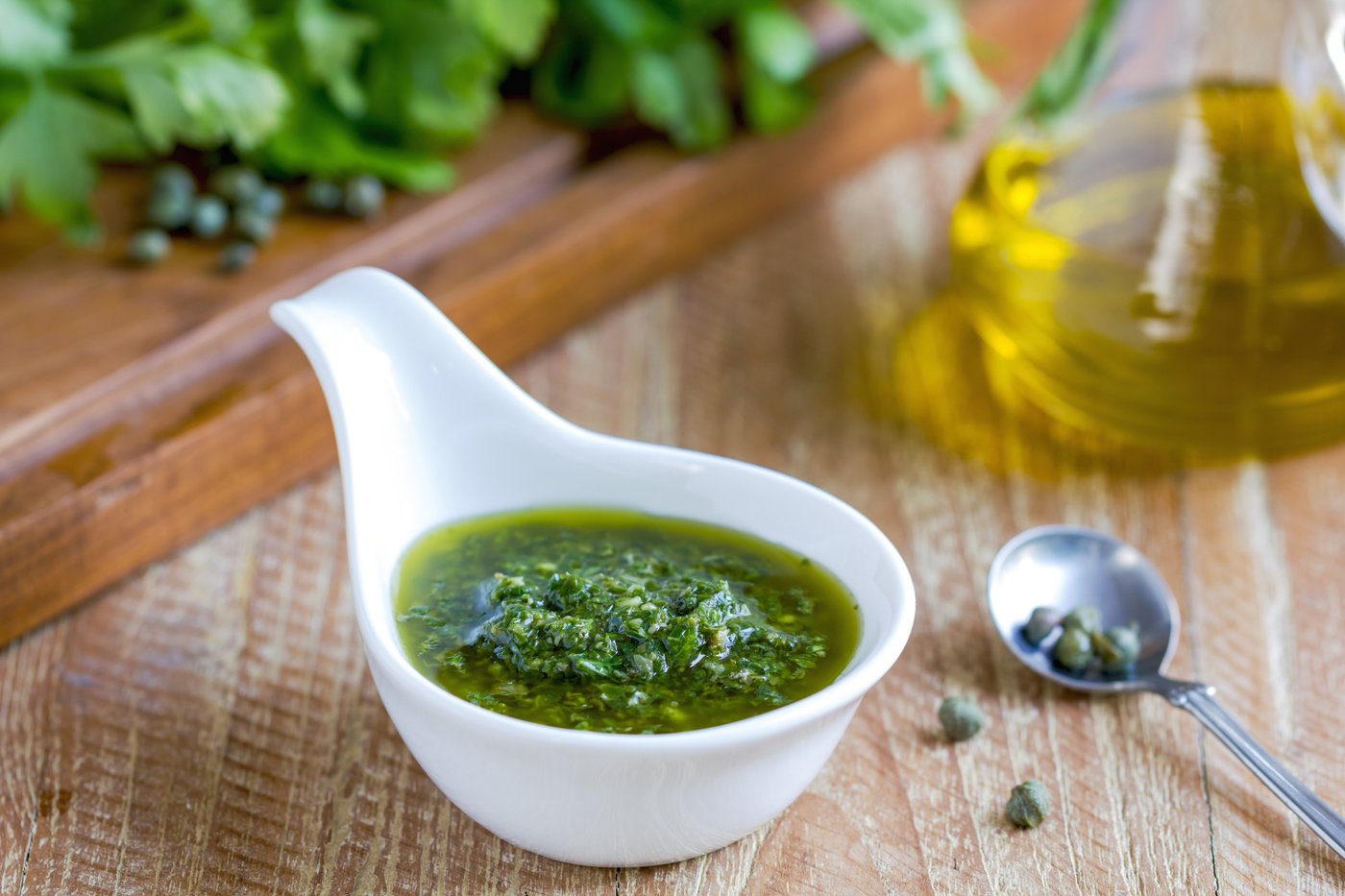
Italian salsa verde is a sharp, herb-heavy green sauce from northern Italy — specifically Lombardy and Piedmont — distinct from the Mexican green salsa of the same name. It's made from flat-leaf parsley, capers, anchovies, garlic, Dijon mustard, and olive oil, with some versions adding hard-boiled egg yolk for body and creaminess. It's traditionally served with boiled meats, the bollito misto of northern Italian cooking, but works equally well with grilled fish, roasted vegetables, or as a spread on bread.
The method involves finely chopping all the solid ingredients by hand — not blending them, because the texture should be coarse and chunky rather than smooth. Start with the capers, anchovies, and garlic: these form the umami base and salt element of the sauce. Chop them together until they're almost a paste. Add a large quantity of flat-leaf parsley, both leaves and tender stems, chopped finely. If using egg yolk, add a hard-boiled yolk at this stage and press it through a fine sieve before mixing in.
Combine everything in a bowl with Dijon mustard and enough olive oil to bring the sauce to a thick, spoonable consistency. Add a small splash of red wine vinegar for acid and brightness. Taste and adjust — it should be punchy, herby, salty from the anchovies and capers, and tangy from the vinegar and mustard.
Resting the sauce for 30 minutes before serving is important. The anchovies meld into the oil, the parsley softens slightly, and the flavors integrate. The sauce keeps for two days in the refrigerator with a thin layer of olive oil poured over the surface to prevent oxidation.
There's no bottled Italian salsa verde worth mentioning. The anchovy and caper flavors deteriorate quickly once jarred, and the parsley loses all of its herbaceous brightness. Fresh is the only version that makes sense.
Credit: Canva Images
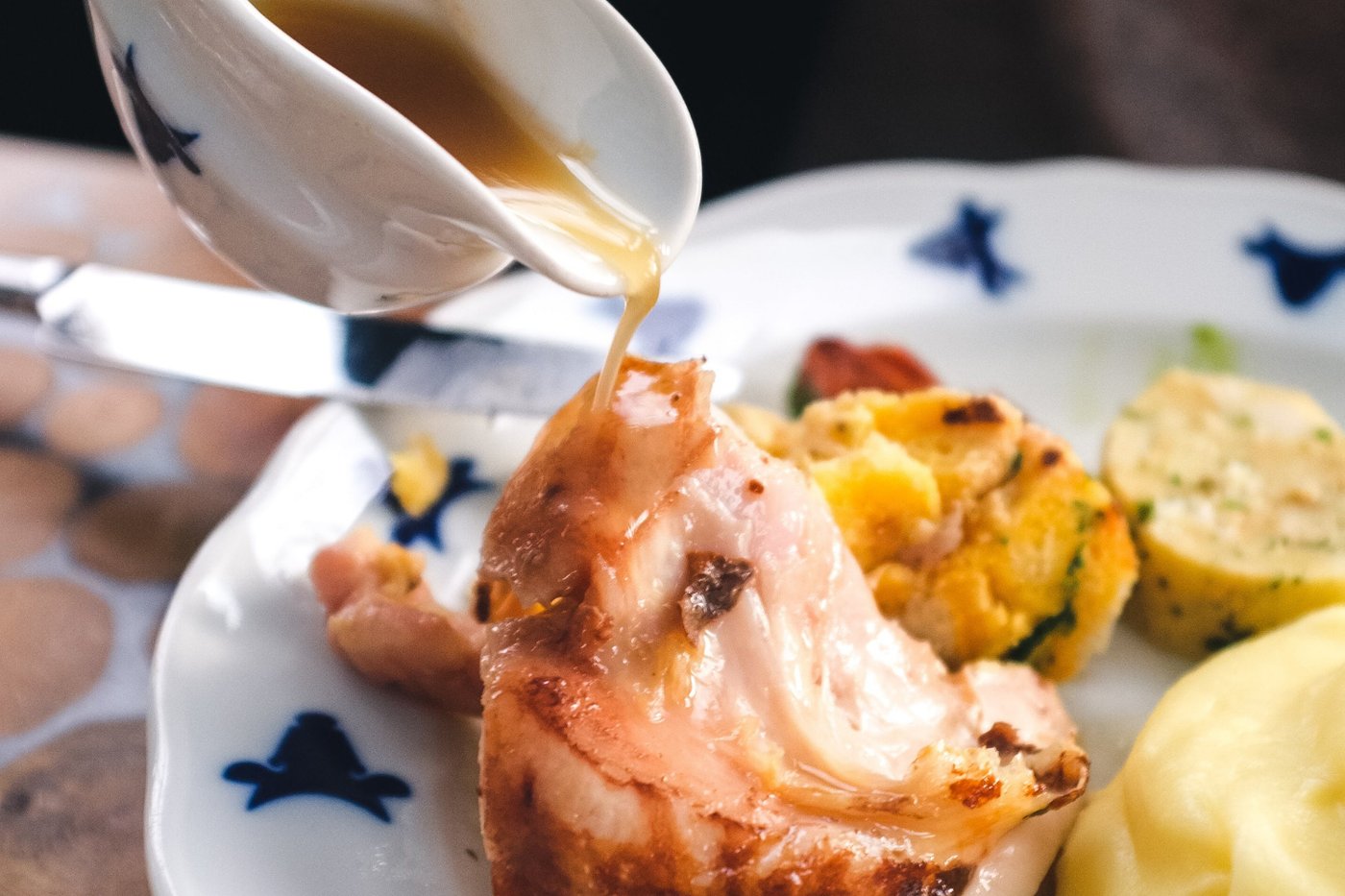
Roast gravy made from drippings is the logical conclusion of the pan sauce — the richest, most flavorful version of the technique, made with the rendered fat and juices of a whole roasted bird or joint of meat. It's also the sauce most routinely replaced by packets and stock cubes, and the difference between a proper dripping-based gravy and a reconstituted packet gravy is significant.
After the roast comes out of the pan, pour the drippings into a fat separator or a heatproof jug. Let it settle — the fat rises to the top, the dark meat juices sink. Pour off and reserve about two tablespoons of fat and return it to the roasting pan. Discard the rest of the fat, or save it for another use.
Set the pan over two burners on medium heat. Add flour to the fat — roughly one tablespoon per cup of finished gravy — and stir constantly for two minutes to cook the roux. Add warm stock gradually, whisking to prevent lumps, then add the reserved meat juices. Stir in any vegetables or herbs from the roasting pan — they'll add flavor and can be strained out at the end.
Simmer the gravy for 10 minutes, stirring regularly, until it thickens to a coating consistency. Season with salt and pepper. A splash of wine — red with beef or lamb, white with poultry — added before the stock deepens the flavor. Worcestershire sauce is a traditional addition that adds depth without being identifiable as a separate flavor.
Strain through a fine sieve before serving. The result is a gravy that carries the specific flavor of the meat it was made from, with a depth and roundness that no packet or bottle achieves. It's built from what was already in the pan. Nothing extra is required.
-1920x1280.jpg)
Credit: Cliffer Rebelo / Unsplash
Caesar dressing is one of the most frequently bought and most frequently disappointing bottled condiments in any supermarket. The commercial versions are typically too sweet, too thick, and taste primarily of generic dairy rather than the sharp, umami-forward flavor profile of the original. The homemade version is built on anchovies, raw or coddled egg yolk, garlic, lemon, Worcestershire sauce, and Parmigiano-Reggiano, emulsified with a neutral oil and olive oil.
The dressing was created in Tijuana in the 1920s by Caesar Cardini, an Italian-born restaurateur, and the original recipe did not include anchovies — those came later, added by others. The modern classic version, however, relies on them. The anchovies are mashed to a paste with the flat of a knife and minced garlic, forming the salty, savory base of the dressing before any liquid is added.
Whisk together the anchovy-garlic paste, an egg yolk, a teaspoon of Dijon mustard, a tablespoon of Worcestershire sauce, and the juice of half a lemon. Drizzle in a neutral oil — canola or a light olive oil — very slowly, whisking constantly, to form an emulsion. Finish with a small amount of extra-virgin olive oil for flavor. Grate in a generous amount of Parmigiano-Reggiano and taste. Adjust lemon and salt as needed.
The dressing should be creamy but still pourable, with a sharp, briny, umami-heavy flavor that's nothing like ranch dressing. It should taste of the sea — from the anchovies — and of fermented milk — from the Parmesan — with a clean lemon brightness.
Made fresh and tossed immediately with romaine, housemade croutons, and more shaved Parmesan, it's a salad course that stands alone. The bottled version, by comparison, tastes like something else entirely.
