
Affordable suburbs have captured homebuyer attention in 2026. Redfin scored ZIP codes in 100 U.S. metros by listing-view growth and competition
icholakov / Getty Images
The neighborhoods that attract the most buyer attention in any given year reveal something precise about the housing market's structural pressures. In 2026, buyers are not flooding into the most recognizable city centers or the country's most storied coastal corridors. They are moving toward a specific category of place: affordable suburbs and mid-sized satellite cities positioned close enough to large metros to preserve a workable commute but priced low enough to allow competitive offers. This pattern did not emerge suddenly. It reflects years of accumulated cost pressure in major markets, and the neighborhoods drawing the heaviest traffic in 2026 are the places where that pressure has found its clearest relief valve.
The Midwest has absorbed a disproportionate share of this redirected demand. Six of the 10 neighborhoods that claimed spots on this year's ranking sit in the American heartland, the second consecutive year the region has dominated the list. That consistency is not coincidental. Midwest suburbs surrounding cities such as Milwaukee, Detroit, and Kansas City offer a price-to-amenity ratio that has become increasingly difficult to match elsewhere. Parks, walkable downtowns, strong schools, and short commutes to large employment centers are available at price points that feel implausible to buyers accustomed to coastal metro conditions. Redfin Senior Economist Asad Khan described it directly: these neighborhoods sit just outside major hubs, hitting a sweet spot of lower cost of living without sacrificing access to highly rated schools, shopping, and dining.
Redfin's analysis ranked ZIP codes across the 100 most-populous U.S. metro areas by two measures: year-over-year growth in listing views on Redfin.com and the Redfin Compete Score, a metric that captures how difficult it is to win a home in a given area based on days on market, the share of homes that sold above their listing price, and sale-to-list price ratios. The Compete Score runs on a scale of zero to 100, with 100 representing the most competitive conditions. All data covers January through February 2026, measured against the same window in 2025, and ZIP codes had to clear a threshold of at least 50 home sales and a Compete Score above 50 to qualify. The 10 neighborhoods below drove the strongest numbers by those combined measures.
Kevin Kelly / Getty Images
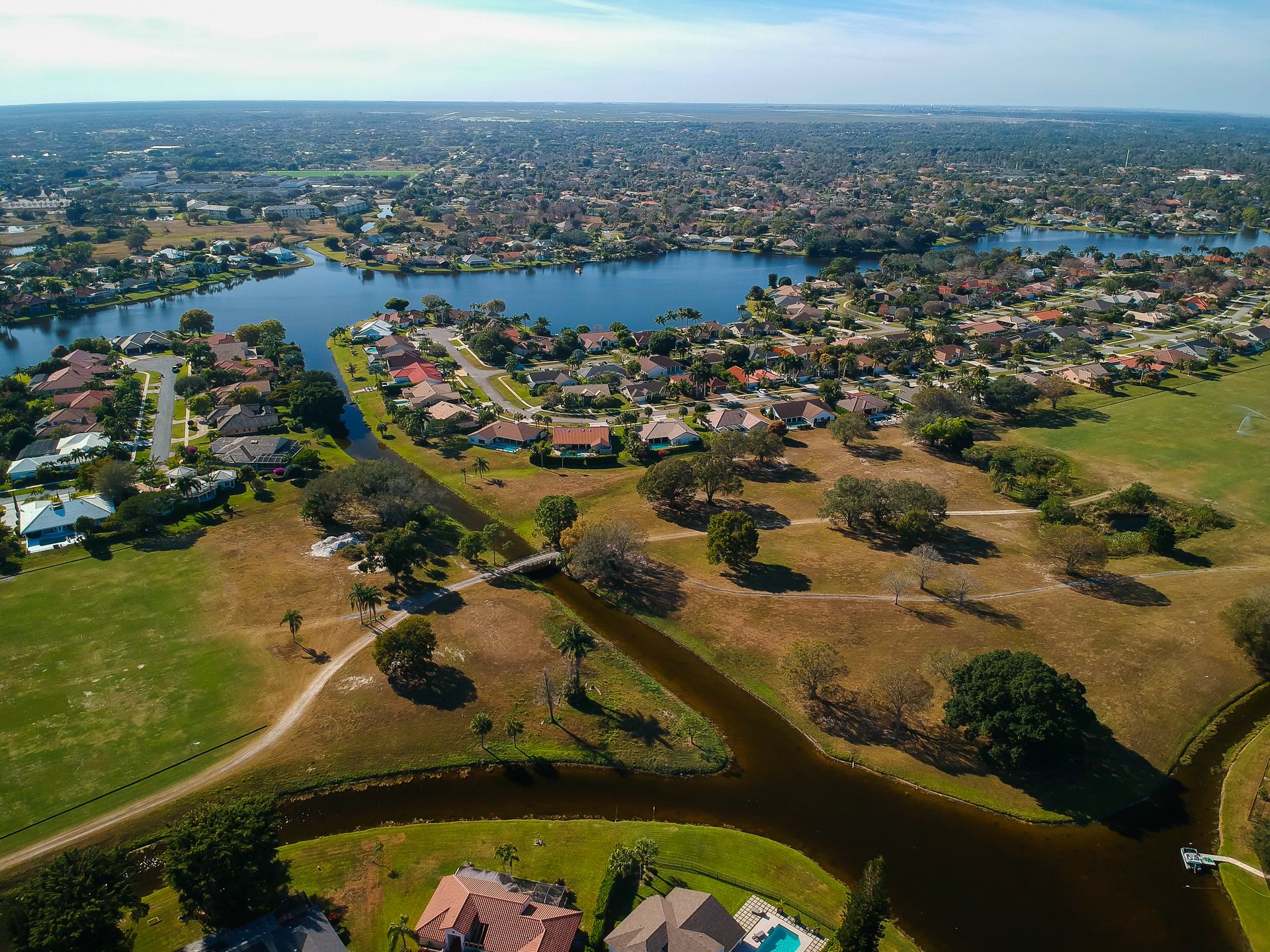
Land O'Lakes, Fla., claims the top spot on the list by posting the largest year-over-year increase in listing views of any neighborhood in the ranking, a 90.9% jump that nearly doubled the traffic its homes received. Home sales also climbed, rising 35.9% year over year, a figure that sets it apart from most of its competitors in this ranking, where sales volume more commonly held flat or declined. The median sale price reached $425,000, up 7.6% from the prior year, and homes spent a median of 66 days on market.
The Tampa-area suburb sits roughly 20 miles north of the city and holds over 38,000 residents. Its appeal to buyers flows from a specific configuration: new construction and established neighborhoods existing side by side, giving buyers choices that denser urban markets rarely offer. Redfin senior agent Angelo Dass described the draw in terms of space and value: qualities that resonate particularly with buyers relocating from high-tax states. "A lot of buyers are coming from high-tax states like New York and California, looking for more value," Dass said. The physical footprint of the area — more land, more distance between homes — functions as a direct answer to what those buyers encounter in their origin markets.
Lifestyle infrastructure supports the population's growth. Residents can reach Clearwater's beaches within driving range, access walkable retail in parts of town, and bike to everyday errands. Strong public schools draw consistent attention from families during the search process. Land O'Lakes draws buyers specifically looking for open space: Dass noted that there is a bit more land out here and more room between homes, pointing to a physical character that distinguishes the suburb from the denser corridors closer to Tampa's core. These qualities reinforce an accumulating momentum: as out-of-state buyers discover the area and close, listings attract further attention from buyers tracking where demand is concentrating.
Marje / Getty Images
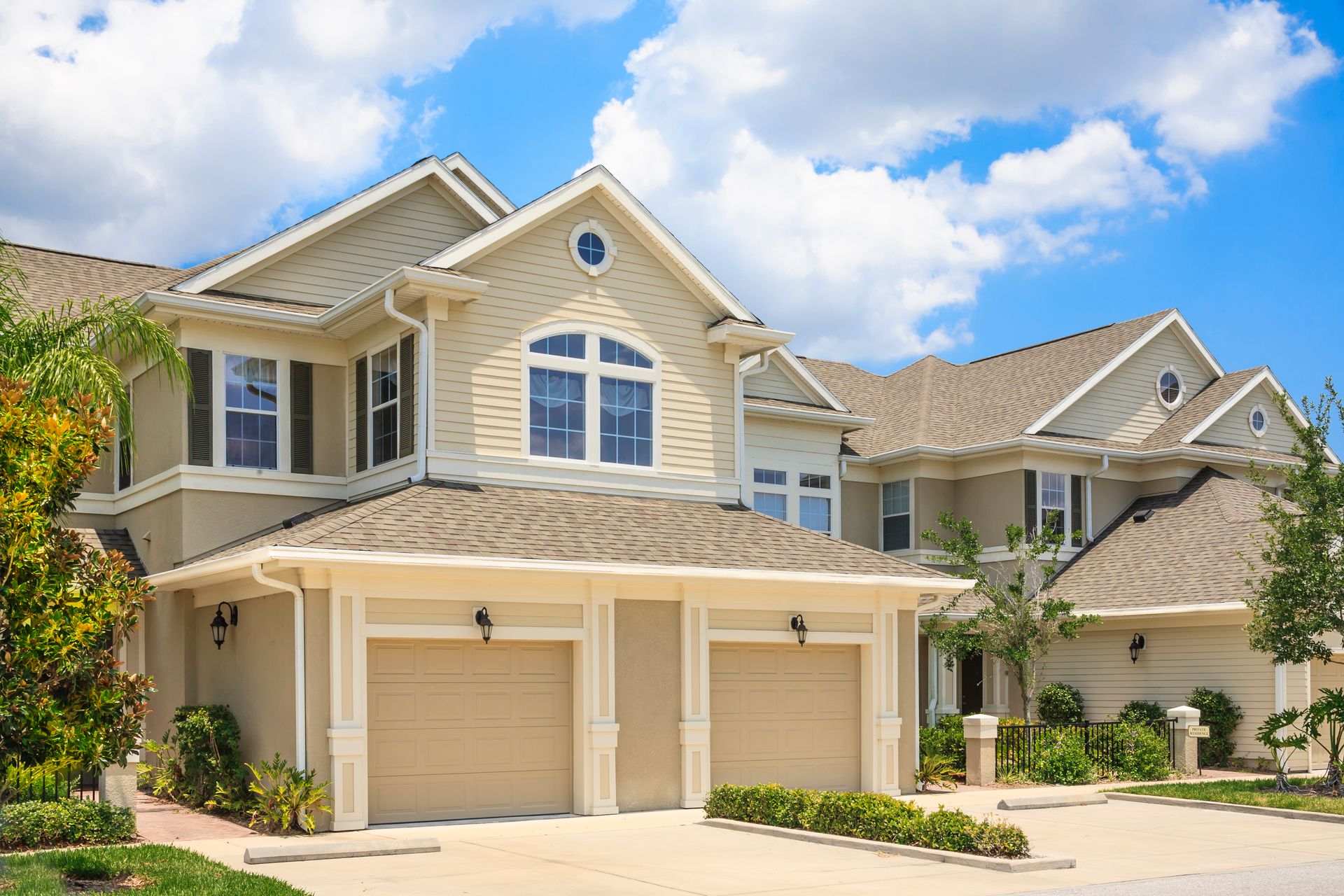
Plant City, Fla., enters the ranking at second place carrying a distinction that separates it from every other neighborhood on the list: its median sale price fell 7% year over year, dropping to $320,000, even as buyer attention climbed. Listing views increased 30.6% and home sales edged up 5.9%. The gap between falling prices and rising demand signals an entry-point market: buyers registered the price decline and moved toward it, not away from it.
At $320,000, Plant City holds the lowest median sale price of any neighborhood in this ranking. The number answers a specific need among buyers who want Florida's year-round climate and outdoor lifestyle without the prices that beach-proximate communities now command. Dass described it plainly: buyers want to live in Florida but do not want to be confined to small houses in crowded beach towns with little distance between neighbors. In Plant City, a buyer can acquire land alongside sunshine, a pairing that most Florida markets have made prohibitively expensive.
The suburb sits roughly 25 miles east of Tampa and 63 miles west of Orlando, giving its more than 45,000 residents access to two major employment and entertainment centers from a single address. Newly constructed communities have expanded the available inventory, adding brand-new homes at prices that remain below the state's more prominent corridors. The median of 46 days on market is meaningfully faster than Land O'Lakes' 66-day pace, suggesting that buyers who find their way to Plant City move to close with less hesitation. Only 13% of homes sold above their listing price, a figure that reflects the relatively lower competition pressure compared to some tighter markets in this ranking. Plant City is therefore one of the few markets in this ranking where buyers retain negotiating room, a condition increasingly rare in the most sought-after suburbs of 2026.
JamesBrey / Getty Images
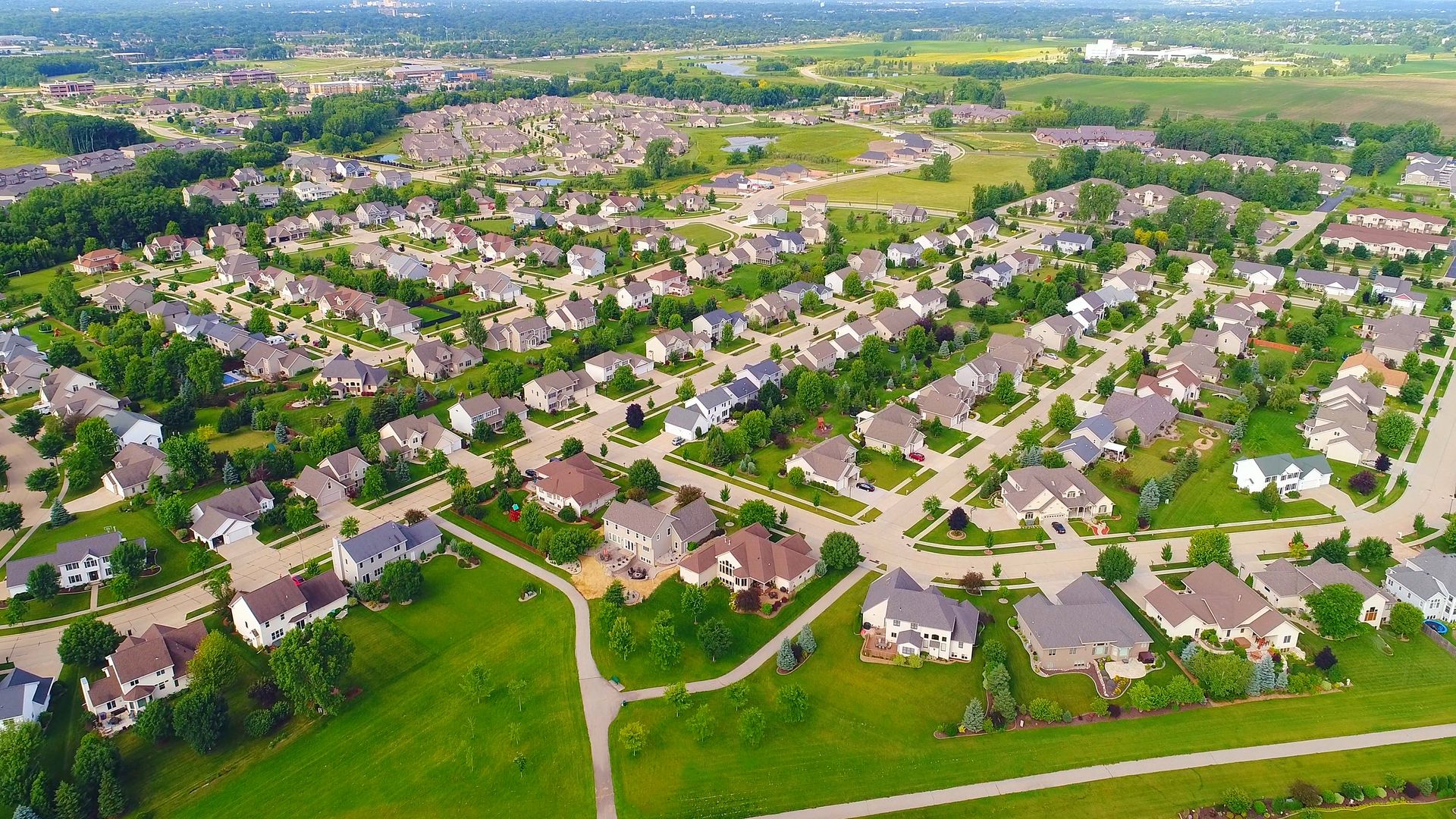
Oak Creek, Wis., lands third on the list with a geographic advantage that no other neighborhood in the ranking matches: its position just south of Milwaukee along Lake Michigan places it within driving range of Milwaukee, Chicago, and Minneapolis, three distinct major metros accessible from a single suburban address. Listing views rose 26.5% year over year, and 38% of homes sold above their listing price. The median sale price reached $381,200, up 12.8% from the prior year. Homes spent a median of 42.5 days on market.
The city carries recognition beyond its Compete Score numbers. Redfin Premier agent W.J. Eulberg noted that Oak Creek offers the perks of Milwaukee living alongside more space and room for new construction, a characterization that reflects the suburban-versus-urban exchange that drives most of the demand captured in this ranking. Lakeside parks, trails, and a town square with shops, restaurants, and events give the community an anchor that purely residential suburbs often lack. These amenities serve both the families drawn by the school system and the commuters who prioritize walkability outside working hours.
Oak Creek's standing as one of the fastest-growing cities in Wisconsin adds a longer-run dimension to the data. Year-over-year figures capture a single window. Population growth reflects an accumulating judgment by buyers over successive years that the city delivers durable value. The 12.8% appreciation and continued population momentum together create conditions a competitive housing market requires: enough demand to sustain prices and enough incoming residents to validate the infrastructure investment that makes a suburb worth choosing. Home sales slipped 3.8% year over year, a modest dip that points to constrained inventory, not cooling appetite, and that reading is consistent with an above-list rate of 38%, which confirms that buyers who encounter listings compete actively for them. Oak Creek's ability to put three major-metro commutes within reach of one address remains its most structurally distinctive quality.
Alex Potemkin / Getty Images
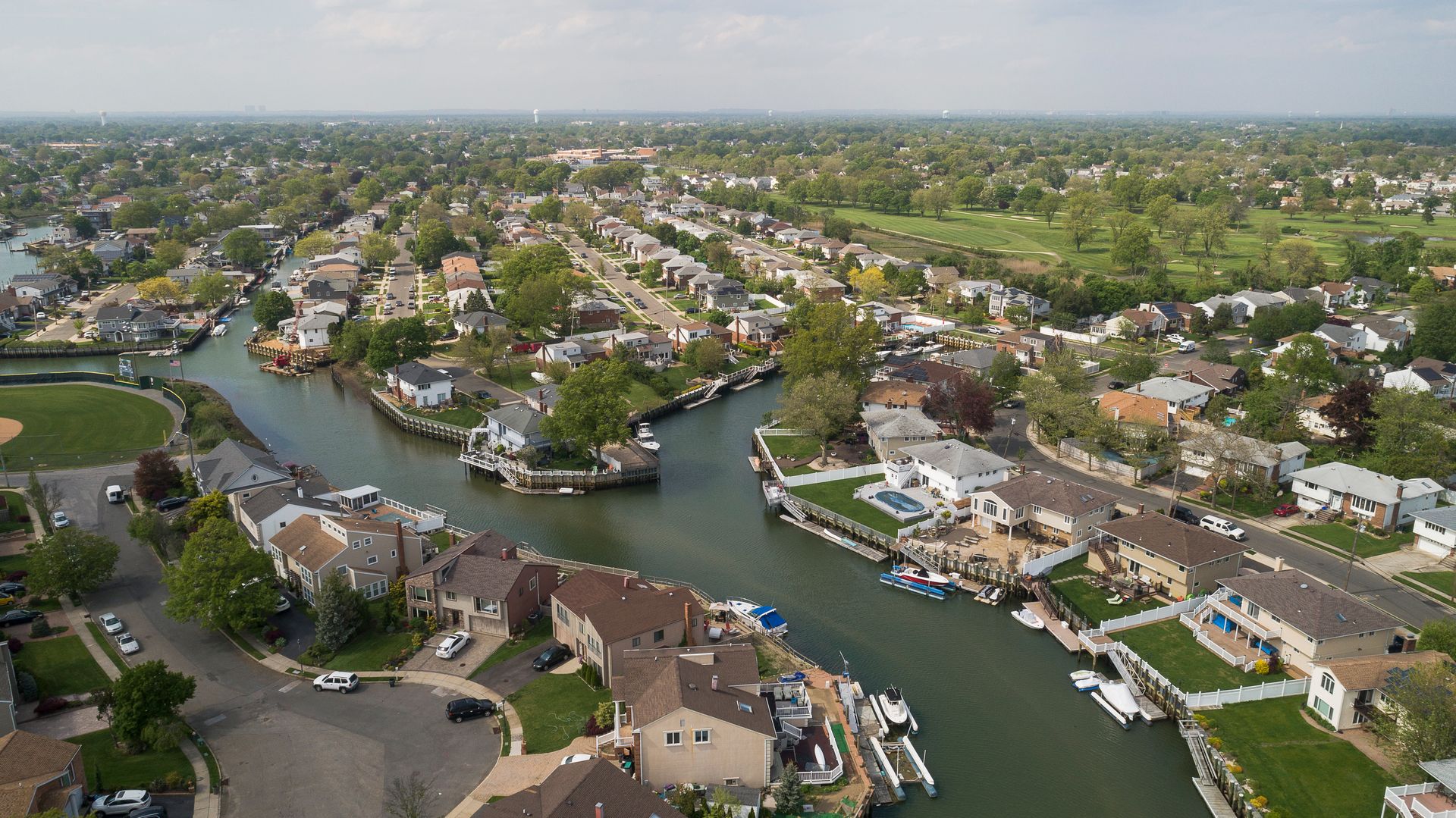
Oceanside, N.Y., sits fourth overall and holds the most striking single data point in the ranking: half of the homes sold in this Long Island community go for above asking price, the highest share of any neighborhood on the list. Listing views surged 34.6% year over year. The median sale price stands at $725,000, up 2.8%, and homes sell in a median of 38 days.
The neighborhood sits four miles from the Atlantic Ocean, giving residents access to Long Beach and Jones Beach State Park alongside a commuter corridor into New York City. Senior Redfin agent Michael Graziose described the broader Long Island market as off the charts, framing Oceanside's performance as part of a demand surge that started during the pandemic and has held momentum since. The 50% above-list figure is not a statistical artifact of a thin market: it is the outcome of sustained buyer competition in a supply-constrained environment where the appeal of coastal proximity and urban access commands a structural premium.
Home sales in Oceanside declined 7.5% year over year, which means the competition reflected in the above-list share plays out across fewer available transactions. Fewer homes change hands not because demand has cooled but because fewer homeowners are willing to exit a market where they hold appreciated equity. Owner reluctance to sell tightens inventory further, and tighter inventory intensifies competition for the listings that do appear, producing the conditions where half of all closings clear the asking price. The 38-day median on market, the fastest pace among the New York-area neighborhoods in this ranking, confirms that buyers move quickly when inventory surfaces. Oceanside's position on Long Island also means it participates in the broader trend Graziose identified: the entire corridor has drawn attention from buyers who want coastal access and a manageable distance from the city, a profile that shows no sign of abating.
Posnov / Getty Images
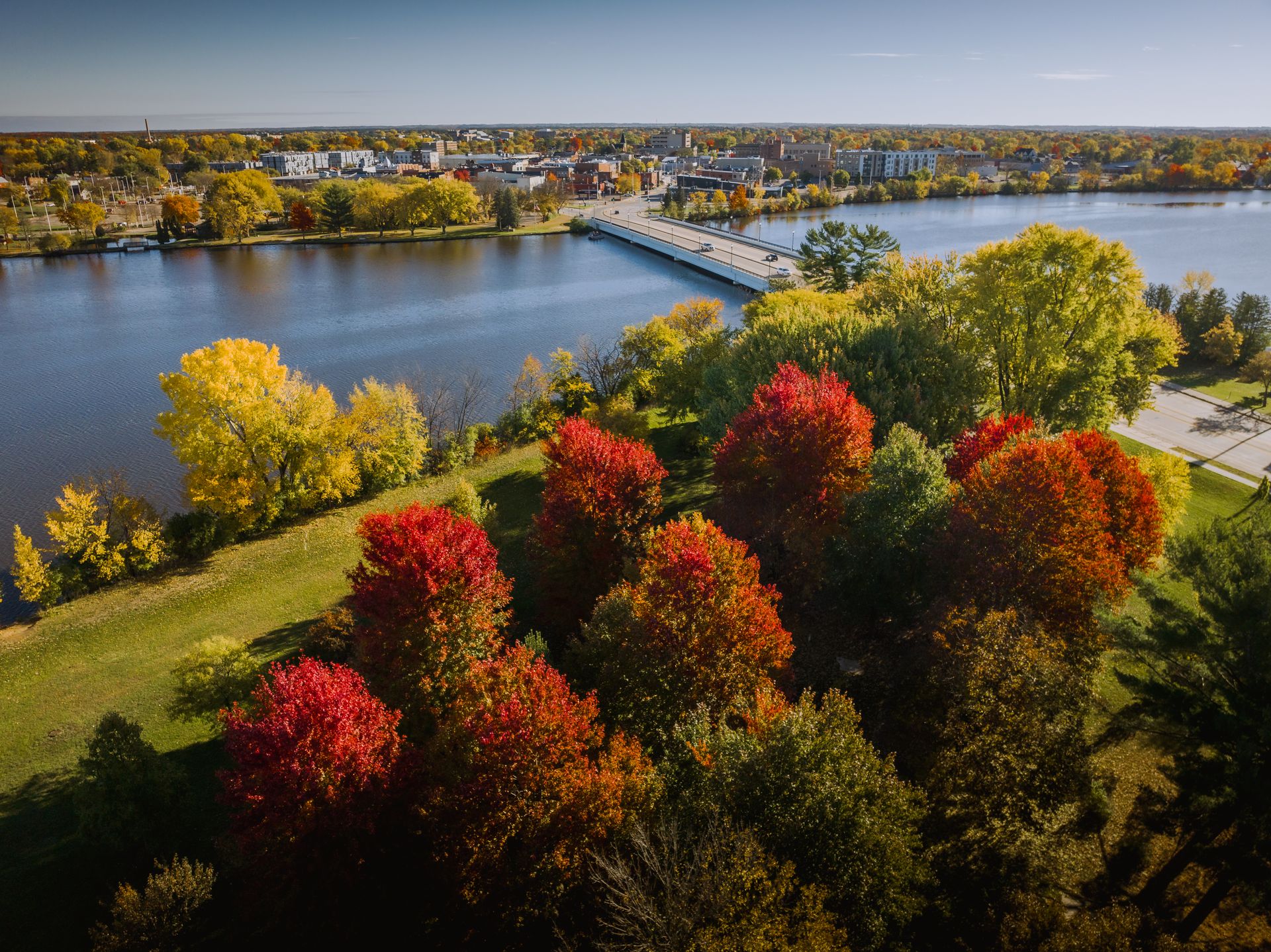
West Bend, Wis., claims fifth place with a year-over-year price increase of 16.7%, the largest appreciation rate of any neighborhood in the ranking. The median sale price reached $350,000. Nearly 45.1% of homes sold above their listing price, and listing views grew 19.4% year over year. Homes spent a median of 42 days on market. Home sales declined 8.9% year over year, a contraction driven by limited supply and constrained listings, not fading interest.
About 40 minutes from Milwaukee, West Bend appeals to buyers who want small-town character without surrendering access to a major city. Eulberg described the trade-off directly: living in West Bend delivers a small-town feel and a complete set of local amenities while keeping Milwaukee within a fast commute. The area's parks and trails draw outdoor-oriented buyers, and a walkable downtown with established retail adds a dimension that purely residential suburbs rarely offer. Buyers pushed out of larger metro markets find a credible alternative here: one with its own assets and a distinct community character, not merely a lower price tag.
The cost structure also sharpens the appeal. West Bend carries a lower tax rate than Milwaukee County, a difference affecting the total monthly cost of ownership, not just the purchase price. Buyers who factor total ownership cost into their calculations find a wider gap between West Bend and Milwaukee than the list price alone reveals, a gap the 16.7% appreciation rate suggests the market is steadily closing. The 45.1% above-list rate reflects a buyer pool that understands the cost advantage and arrives prepared to compete. The 16.7% price gain in a single year, the steepest in this ranking, signals that the repricing is still active: buyers are bidding West Bend's values upward even as the community preserves the affordability margin that drew them to it.
pawel.gaul / Getty Images
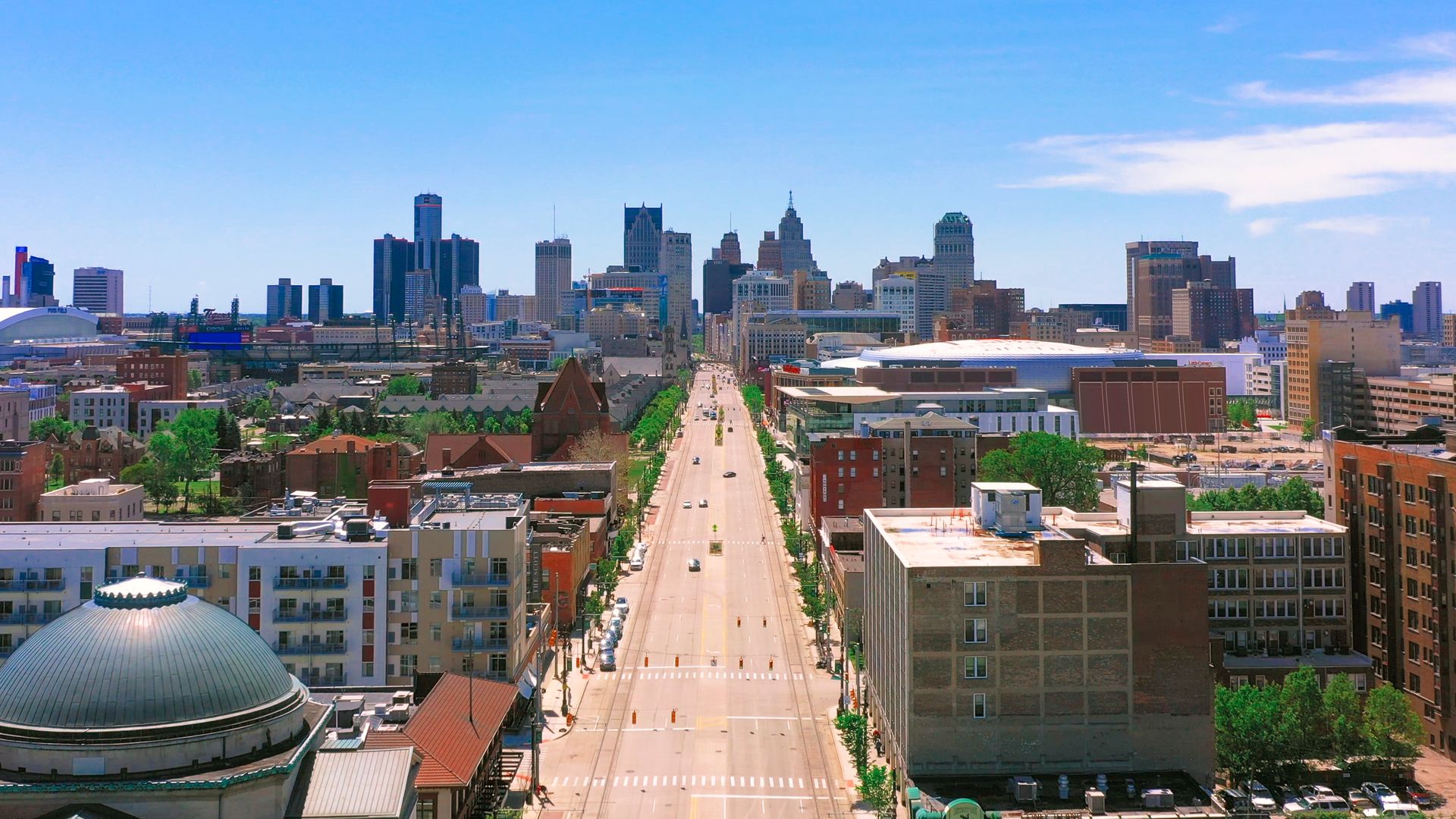
Lincoln Park, Mich., enters the ranking at sixth with a median sale price of $158,000, the lowest figure of any neighborhood in the top 10. Home sales climbed 14% year over year, and 38.7% of homes sold above their listing price. Homes spent just 30 days on market, the shortest median time in the ranking, meaning buyers who find inventory in Lincoln Park close faster than buyers anywhere else on this list.
Sitting just south of Detroit, Lincoln Park connects buyers to the city and its airport without demanding the price premium that Detroit's closer-in neighborhoods now carry. Redfin Premier agent Anne Loehr described the appeal as a lifestyle equation, not simply a financial one: affordability and quality of life arrive together in Lincoln Park, drawing buyers who might have expected to sacrifice one for the other. Parks and a walkable stretch of local shops and restaurants give the neighborhood a daily-use infrastructure that entry-price markets do not always offer. Loehr noted that the quality of life component is what draws people, not just the price, a distinction that matters when assessing whether demand is durable or opportunistic.
The 14% sales increase distinguishes Lincoln Park from most of its neighbors in this ranking. Most markets on this list saw sales decline even as views and competition rose, a pattern consistent with constrained inventory. Lincoln Park moved in the opposite direction: homes came to market and closed at a higher rate. The distinction matters for buyers evaluating where their search effort is most likely to convert to a purchase. A market with growing sales volume, sub-$160,000 median prices, and a 30-day close pace offers a different risk profile than the higher-priced, lower-inventory environments that occupy the rest of this list. The 38.7% above-list rate confirms the competition is genuine even at this price level.
eyecrave productions / Getty Images
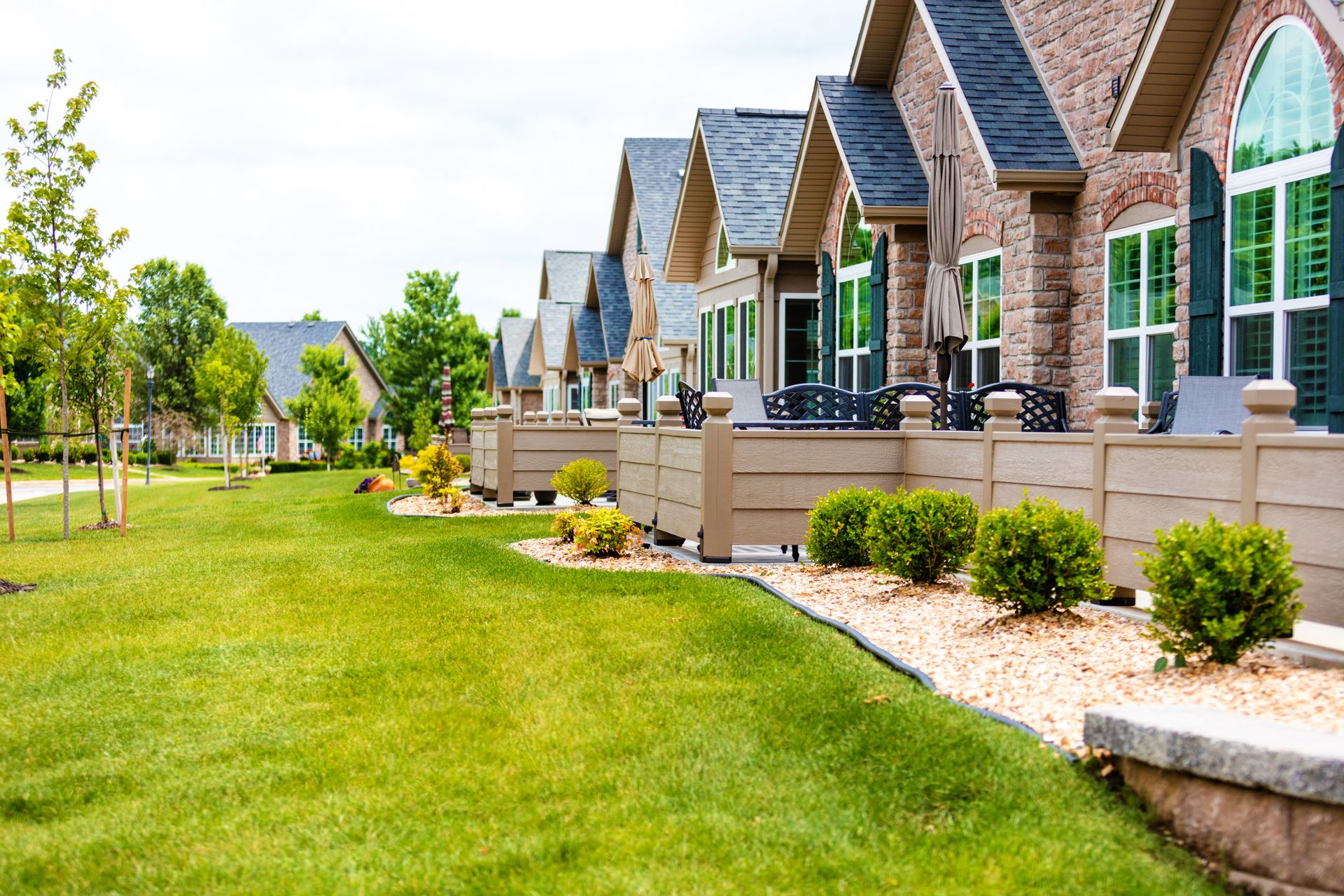
Lee's Summit, Mo., places seventh in the ranking with listing views up 31% year over year, among the stronger view-growth figures in the top 10. Home sales fell 16% year over year, and the median sale price of $397,500 declined 2.8% from the prior period. Nearly 30.9% of homes sold above their listing price. Homes spent a median of 41 days on market.
The gap between falling sales volume and rising search interest defines Lee's Summit's position in this ranking. Redfin Premier agent Jo Chavez offered the most direct characterization of the market: buyers who search in Lee's Summit rarely leave without purchasing there. That conversion rate — buyers finding the area, evaluating it, and committing — reflects a community that delivers on what its online profile promises. Chavez described recently working with a family exploring Kansas City suburbs who visited Lee's Summit, fell in love, and closed above asking price. The anecdote captures a dynamic the data supports: buyers do not hesitate once they arrive.
Lee's Summit's infrastructure supports that loyalty. Well-established subdivisions, recreation areas, and a collection of local shops and restaurants give the city a completeness that newer or thinner suburban markets lack. Its position roughly 25 minutes from Overland Park, Kan., expands the employment catchment beyond Kansas City proper, giving residents access to two substantial job markets from a single address. The city has been rapidly growing for some time, Chavez noted, a characterization that matches the demand signals in the data even as the transaction count falls. The 16% sales decline paired with 31% view growth points toward a tightening inventory problem: more buyers are searching, fewer homeowners are listing, and the homes that do surface move with urgency. A 30.9% above-list rate in that context reflects a disciplined buyer pool competing seriously for limited options.
Grace Cary / Getty Images
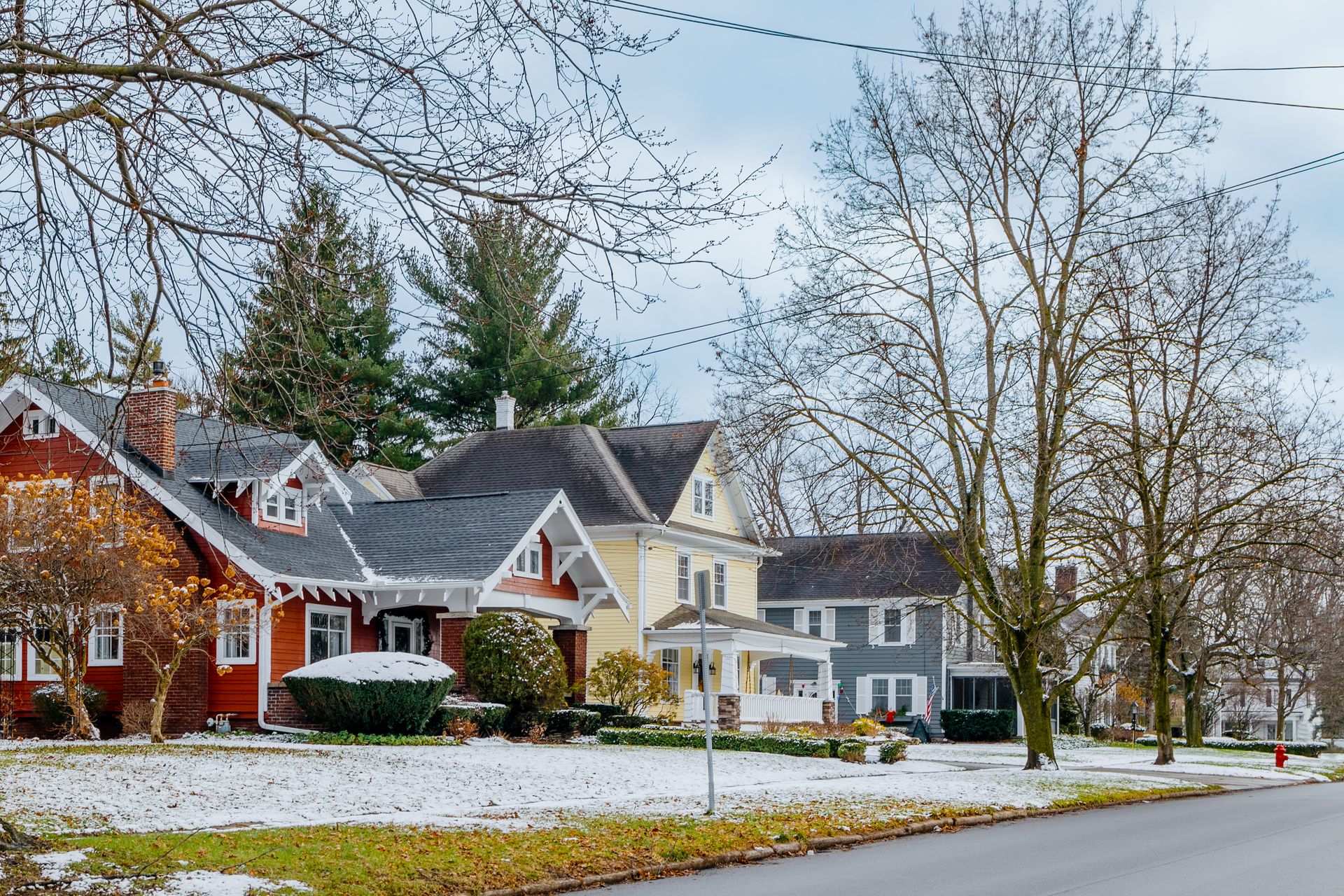
Little Neck, Queens, N.Y., reaches eighth place with a median sale price of $796,500, the highest figure in the ranking, and that price rose 35% year over year, the largest percentage gain in the top 10. Home sales increased 11.1%, and listing views climbed 26.7%. A quarter of homes, 26%, sold above their listing price, and the median days on market reached 49.5.
Positioned about 15 miles from Midtown Manhattan, Little Neck offers the Long Island Rail Road as a commuting mechanism, with service into Manhattan in under 30 minutes. Buyers who want a suburban environment without surrendering reliable transit access to the city find that connection resolves the central trade-off defining most outer-borough searches. Redfin Premier agent Mohamed Elbaroudy described the proximity as the primary driver: the neighborhood sits at the first stop on Long Island, and buyers understand the city is one short train ride away. Elbaroudy also noted that inventory has not kept pace with demand: the supply gap tightens competition for every listing that surfaces.
Tree-lined streets, waterfront views along Little Neck Bay, and access to top-rated schools complete the neighborhood's profile. These qualities have historically carried a premium in the Queens market, but the 35% annual price surge indicates the market is still recalibrating toward the level of demand buyers are expressing. At $796,500 with that growth rate, Little Neck is signaling that buyers are willing to pay well above what the recent past established as the ceiling. The 11.1% sales increase, one of the few positive sales movements in this ranking, confirms that inventory is turning, a contrast to the markets elsewhere on the list where rising demand meets homeowners reluctant to list. Little Neck offers both intensifying competition and actual transactions, a pairing that makes it the most active high-price market in the top 10.
Nic Antaya / Getty Images
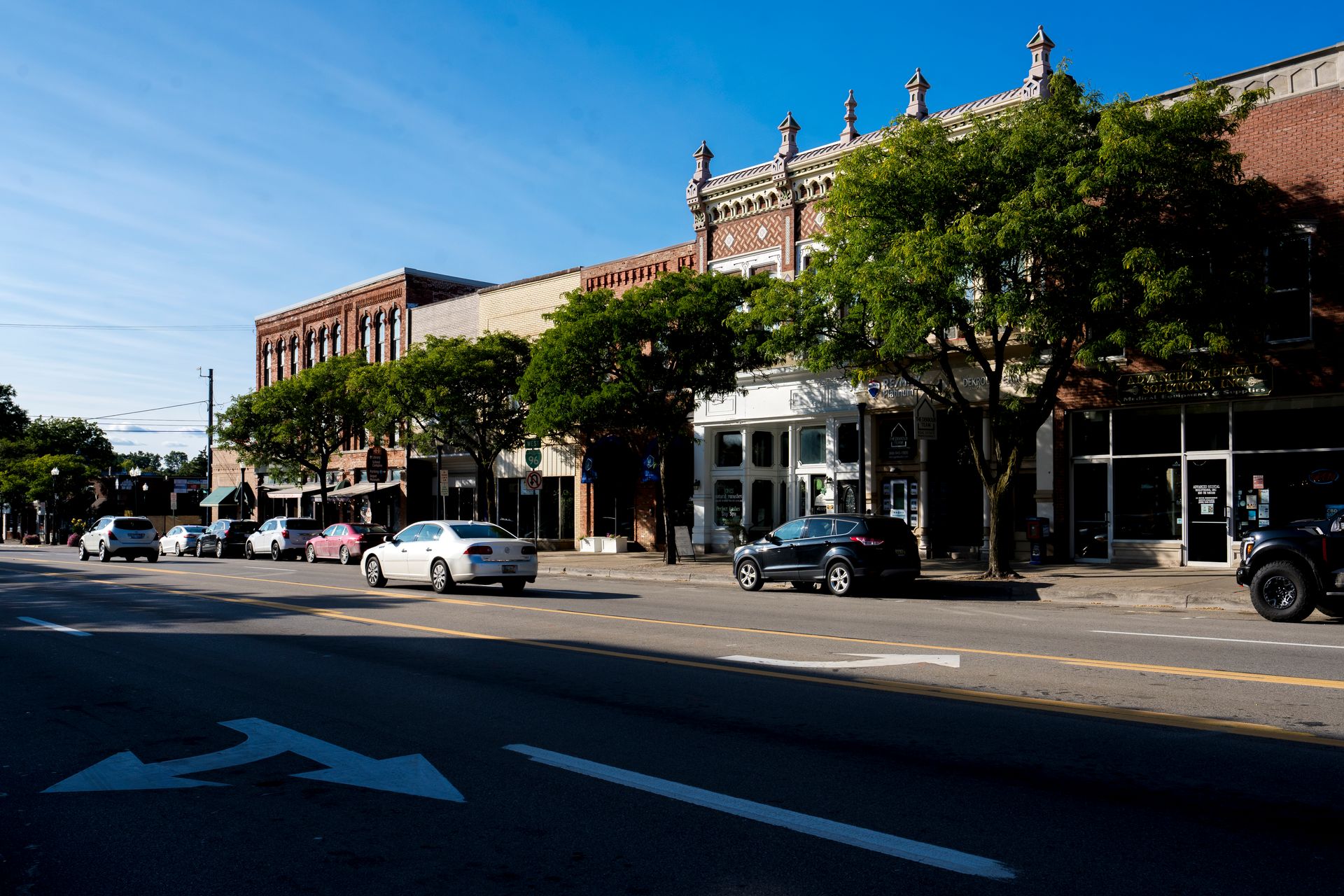
Howell, Mich., lands ninth overall with the most acute version of a pattern visible across multiple entries in this list: home sales fell 22.7% year over year, the steepest decline in the ranking, while listing views climbed 27.3%. The median sale price reached $385,000, up 1.7%. A quarter of homes, 26.3%, sold above their listing price. Homes spent a median of 54 days on market.
Set between Lansing and Detroit, Howell gives buyers access to two separate metro areas from a single address in the Warren, Mich., metro area. The draw extends beyond commuting math. A revitalized downtown — new restaurants, boutiques, and local shops occupying historic storefronts — gives the city a character that distinguishes it from the generic new-construction suburbs filling much of Michigan's outer ring. Redfin Premier agent Anne Loehr described the inventory situation without ambiguity: there are not many homes to sell because the place is popular. That circularity is the defining feature of Howell's market in 2026.
The 22.7% sales decline in the face of a 27.3% views increase means the gap between what buyers want and what the market offers is widening actively. Housing options in Howell run from classic older homes to new construction and properties with acreage just outside town, a range that gives Howell more variety than most comparably sized markets in this ranking. Those options are not moving to market at a pace that matches the incoming interest, however. The 54-day median is longer than most of the competition in this ranking, reflecting not cooling demand but a patient negotiation process in a market where buyers recognize alternatives are scarce. The 26.3% above-list rate confirms that buyers respond with urgency when a home does appear. Rising views, rising prices, and falling sales volume together signal that Howell's inventory constraints are not easing.
Sandra Lund / Getty Images
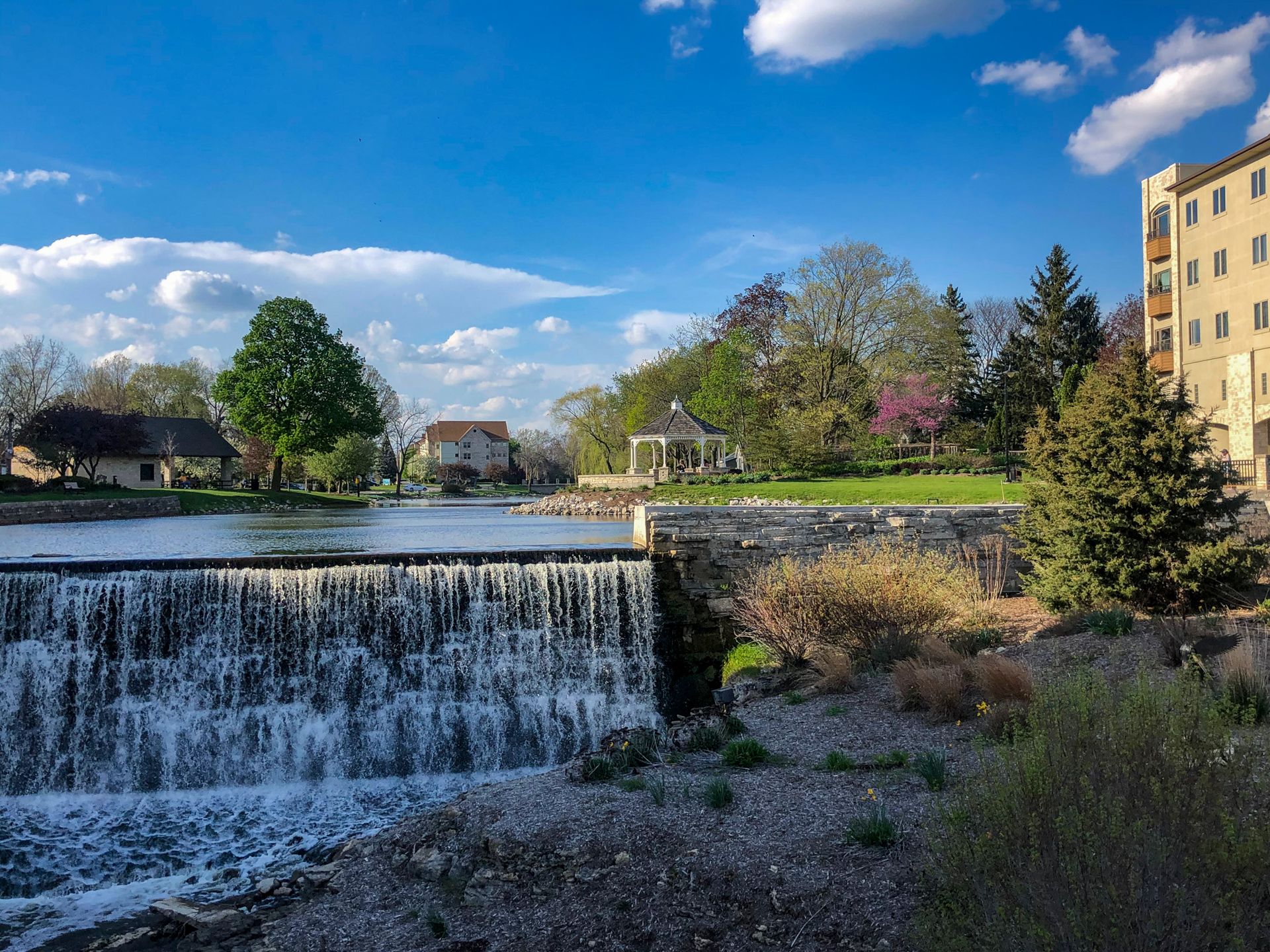
Menomonee Falls, Wis., closes the ranking at 10th place with a median sale price of $410,000, a figure that sits above Milwaukee's median despite falling 11.4% year over year. More than 41.6% of homes sold above their listing price. Listing views grew 19.2% year over year, while home sales declined 19.1%. Homes spent a median of 57 days on market, the longest in the ranking.
The neighborhood shares core qualities with West Bend, the other Milwaukee suburb in the top five: a walkable downtown with shops and restaurants, an abundance of parks, and available land for new construction. Redfin Premier agent W.J. Eulberg, who covers multiple Milwaukee-area communities, has noted the consistent appeal of outer-ring suburbs for buyers who want city access alongside space. The easy commute to Milwaukee and the community infrastructure combine to produce a living environment that buyers evaluate favorably against the city itself, a judgment the above-Milwaukee median price reflects directly.
At 41.6%, the above-list rate ranks among the highest in the ranking, sitting just below Oceanside, N.Y., and West Bend, Wis.. In a market where the median price has fallen 11.4%, that competitive pressure reveals a gap between list prices and buyer willingness to pay: sellers may be pricing conservatively or adjusting to recent conditions, but buyers are consistently clearing those asks and bidding higher. The sales decline of 19.1% mirrors the inventory-constrained pattern visible throughout this list: the homes that do come to market face intense competition, and the homeowners who decline to list represent demand that has no outlet. Menomonee Falls becoming the third Milwaukee suburb to earn a top-10 position confirms that the region's affordability margin over coastal markets continues to steer buyer attention toward Wisconsin's outer communities, and that margin is sustaining values even as individual ZIP codes experience year-to-year price fluctuations.