6 housing markets ready to boom in 2026 — and 6 ready to bust
Discover six metro areas primed for growth and six expected to weaken as affordability, climate risk, and more reshape the market
Sigmund / Unsplash
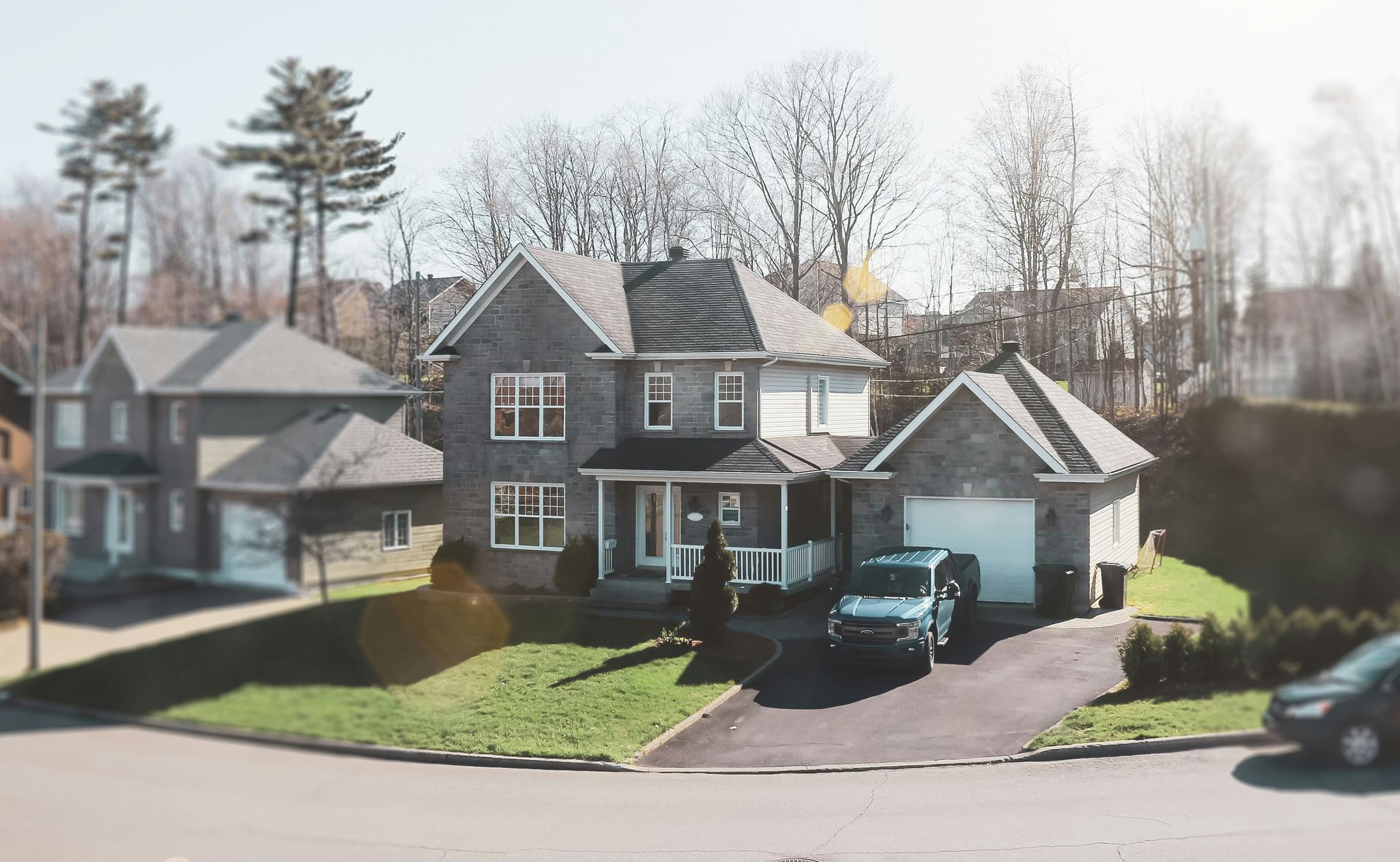
In 2026, the U.S. housing market is set for major changes. Wage growth may finally outpace home-price increases — something that has not happened since the economic recovery after the financial crisis, according to Redfin.
This change, along with mortgage rates likely to settle in the low 6% range, could slowly make monthly housing costs more affordable. Some metro areas are set to benefit the most, especially those that offer a mix of affordability, stable economies, and good quality of life. These places may draw buyers looking for value and long-term security.
Meanwhile, markets that saw big growth during the pandemic may cool off as buyers pay more attention to high housing costs, climate risks, and the overall cost of living. Here are six markets expected to grow and six that may slow down.
1 / 12
Boom: NYC suburbs (Long Island, Hudson Valley, Northern NJ, Fairfield County)
Tyler Donaghy / Unsplash
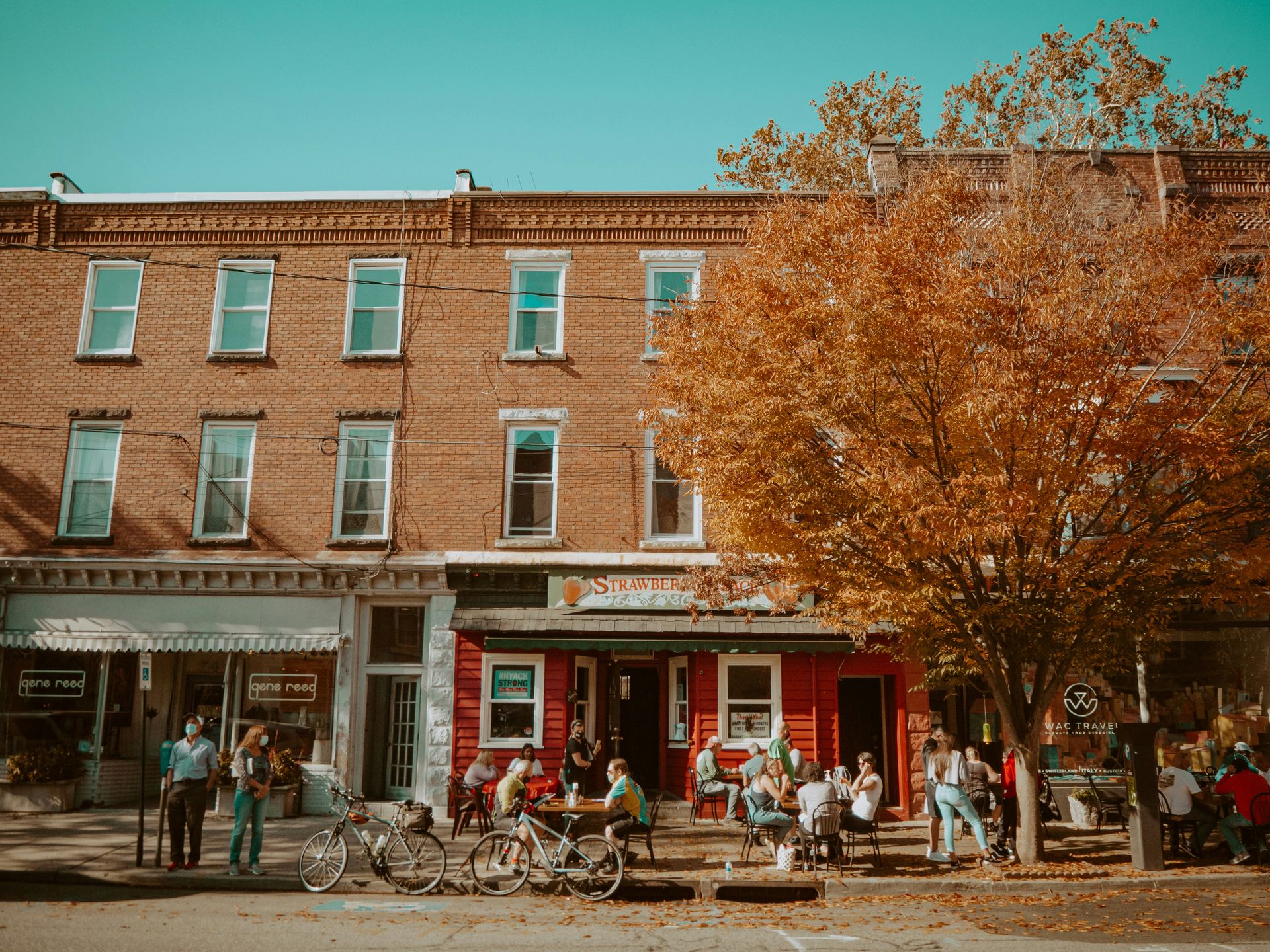
The suburbs surrounding New York City may heat up in 2026 as more workers return to offices and seek commuter-friendly, more affordable housing outside the city core. Redfin notes those suburbs combine convenience with relatively lower prices.
2 / 12
Boom: Syracuse, New York
Joss Broward / Unsplash
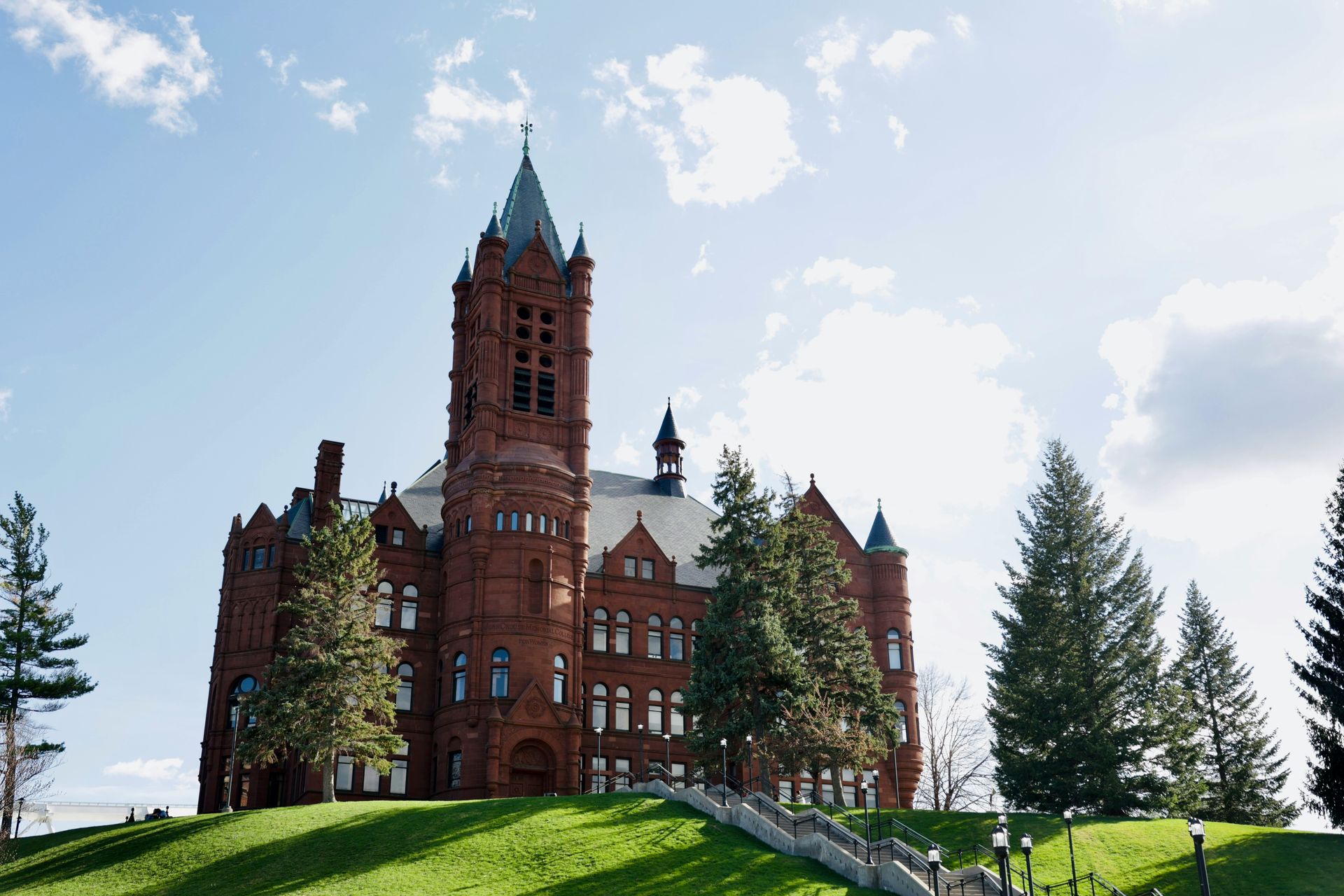
Syracuse stands out as an affordable inland metro. Lower home prices, reasonable living costs, and access to jobs and amenities may attract buyers priced out of expensive coastal metros.
3 / 12
Boom: Cleveland, Ohio
DJ Johnson / Unsplash
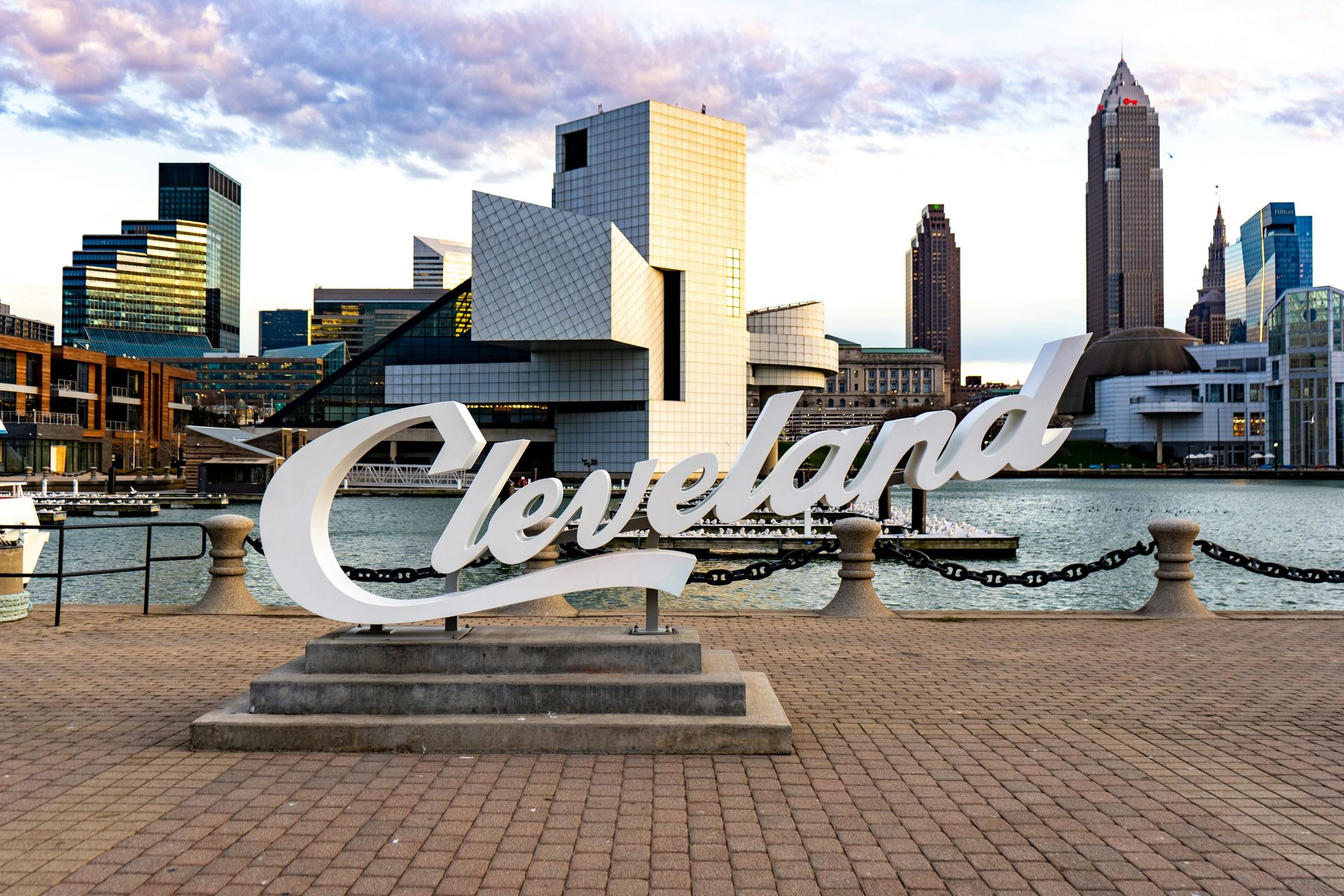
Cleveland offers moderate home prices and a stable economic foundation. Redfin points out that combination could draw buyers seeking value and sustainability rather than high-cost markets.
4 / 12
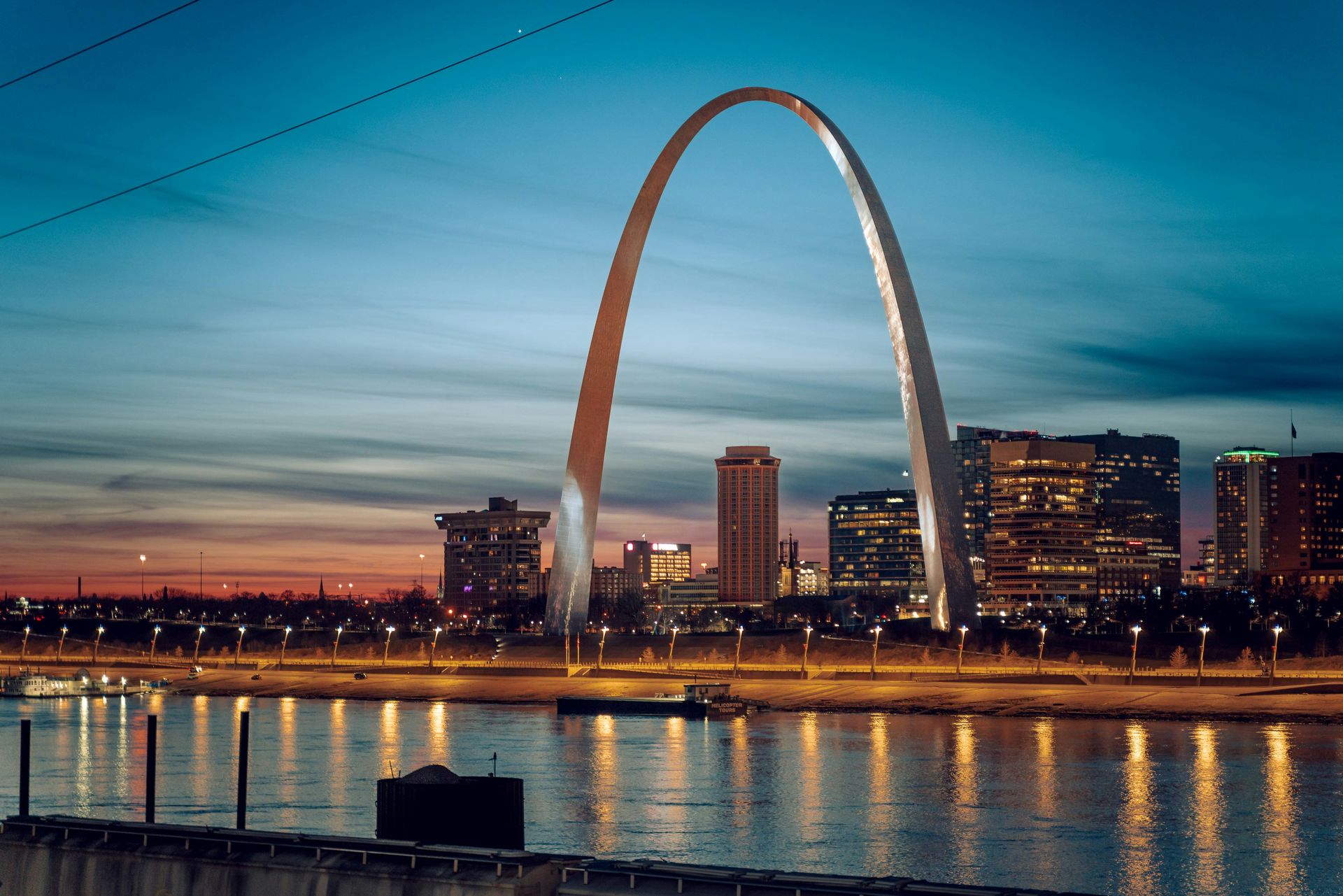
Boom: St. Louis, Missouri
Kenny Nguyen / Unsplash
As a midwestern hub with affordable housing and potential job-market resilience, St. Louis may benefit from people relocating from pricey coastal areas.
5 / 12
Boom: Minneapolis, Minnesota

Nicole Geri / Unsplash
Minneapolis delivers urban amenities, reasonable housing costs, and a strong local economy. That balance, Redfin says, could appeal to buyers looking for quality of life without coastal premiums.
6 / 12
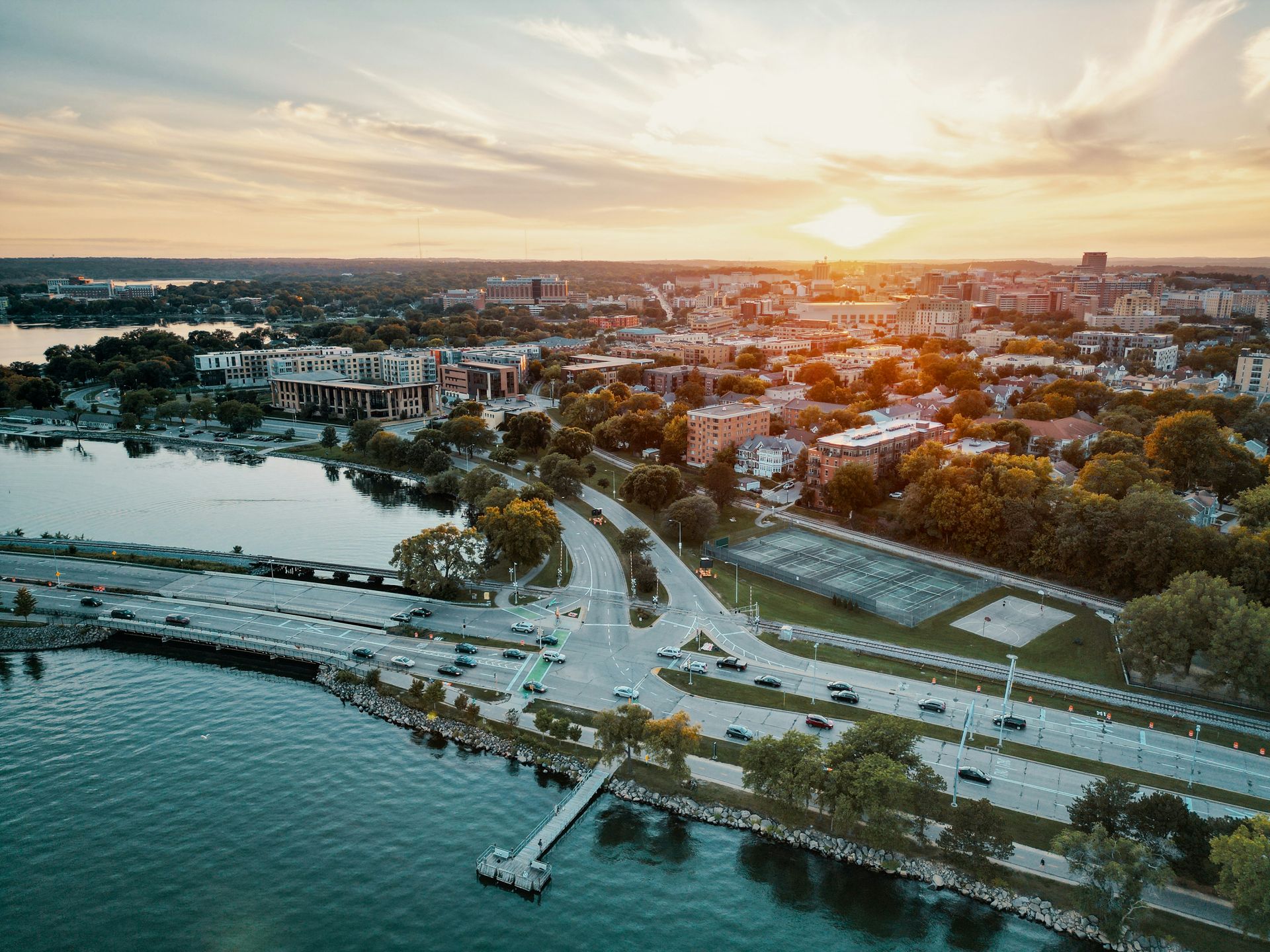
Boom: Madison, Wisconsin
Josh Sorenson / Unsplash
Madison combines a stable economy with mid-sized city amenities and a lower cost of living. The city may attract buyers interested in long-term stability as national housing adjusts, according to the predictions.
7 / 12
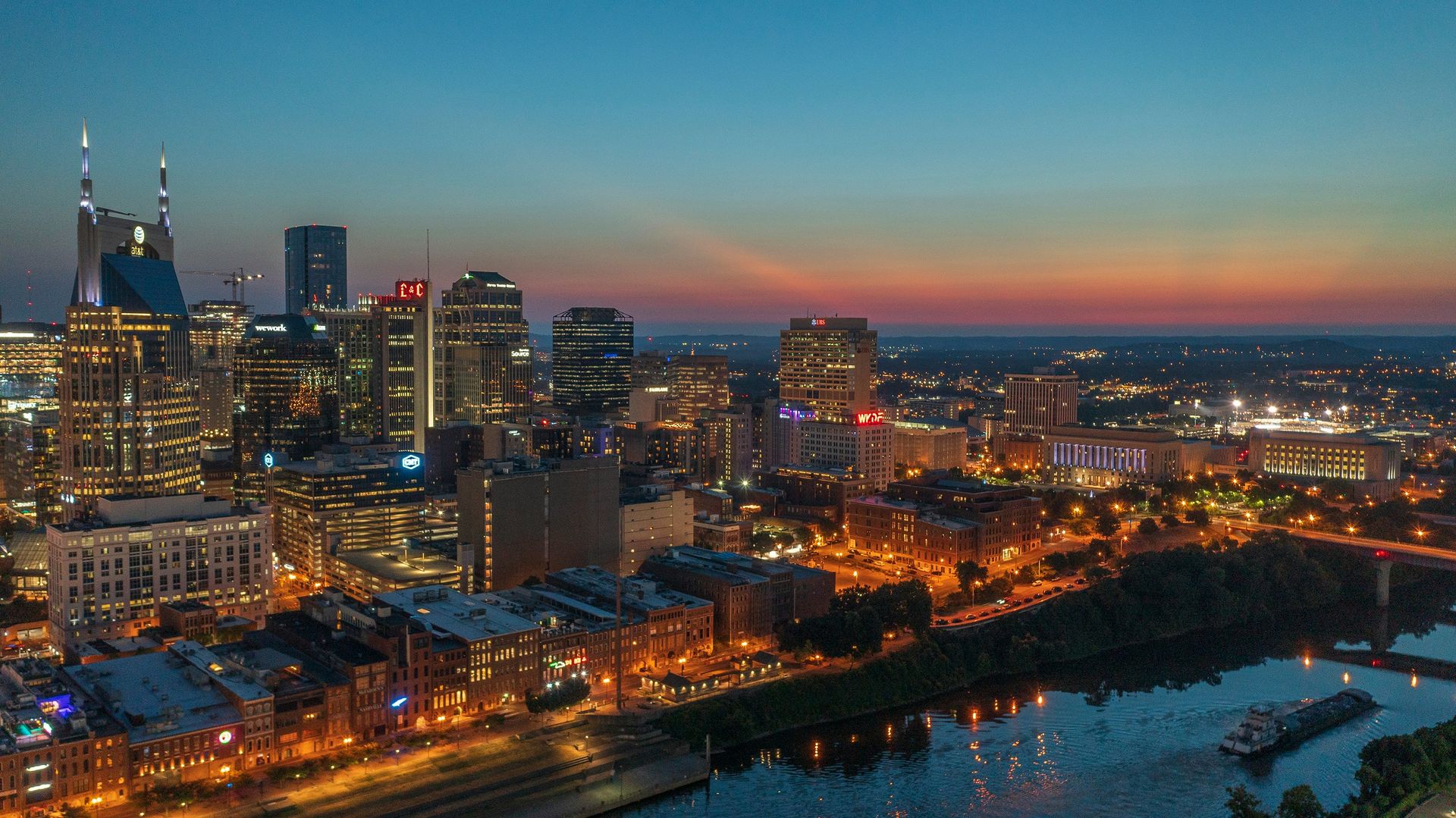
Cool: Nashville, Tennessee
Ricky Beron / Unsplash
Nashville may cool in 2026 as pandemic-era demand from remote workers fades. Redfin suggests that buyers might shift toward more affordable or lower-risk markets.
8 / 12
Cool: San Antonio, Texas

Weston M / Unsplash
San Antonio could soften as rising insurance costs and changing migration trends erode some of the post-pandemic momentum that drove its housing demand.
9 / 12
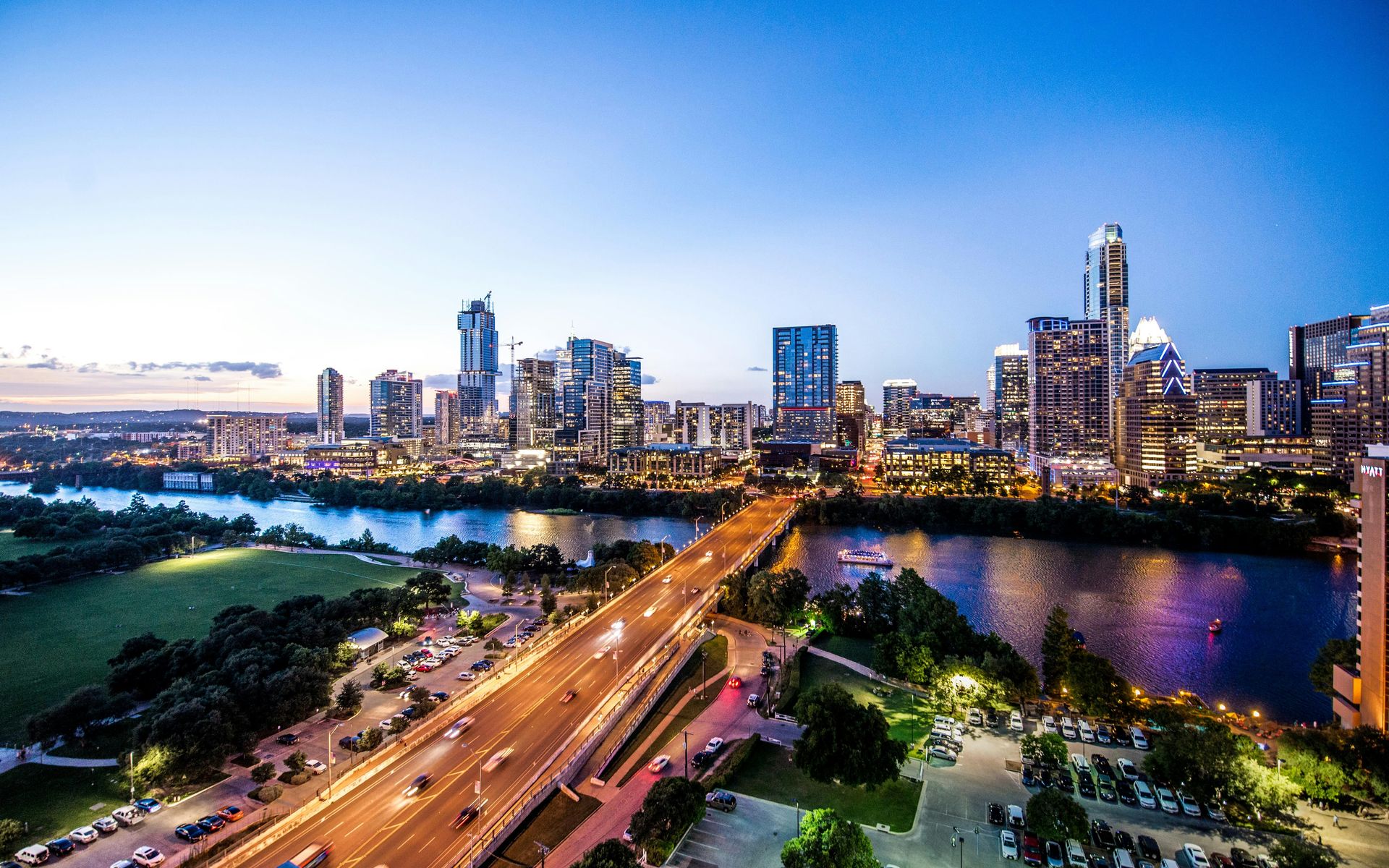
Cool: Austin, Texas
Carlos Delgado / Unsplash
Austin, once a hot spot during the pandemic, may lose steam according to Redfin, if remote-work migration slows and affordability pressures intensify.
10 / 12
Cool: Fort Lauderdale, Florida

Lance Asper / Unsplash
Fort Lauderdale’s market may cool, according to Redfin, due to climate risk, rising insurance costs, and shifting buyer preferences away from coastal living.
11 / 12
Cool: West Palm Beach, Florida

Thomas Cowern / Unsplash
Like other coastal Florida markets, West Palm Beach could see reduced demand as affordability concerns and climate risks weigh more heavily on potential buyers, according to Redfin’s predictions.
12 / 12
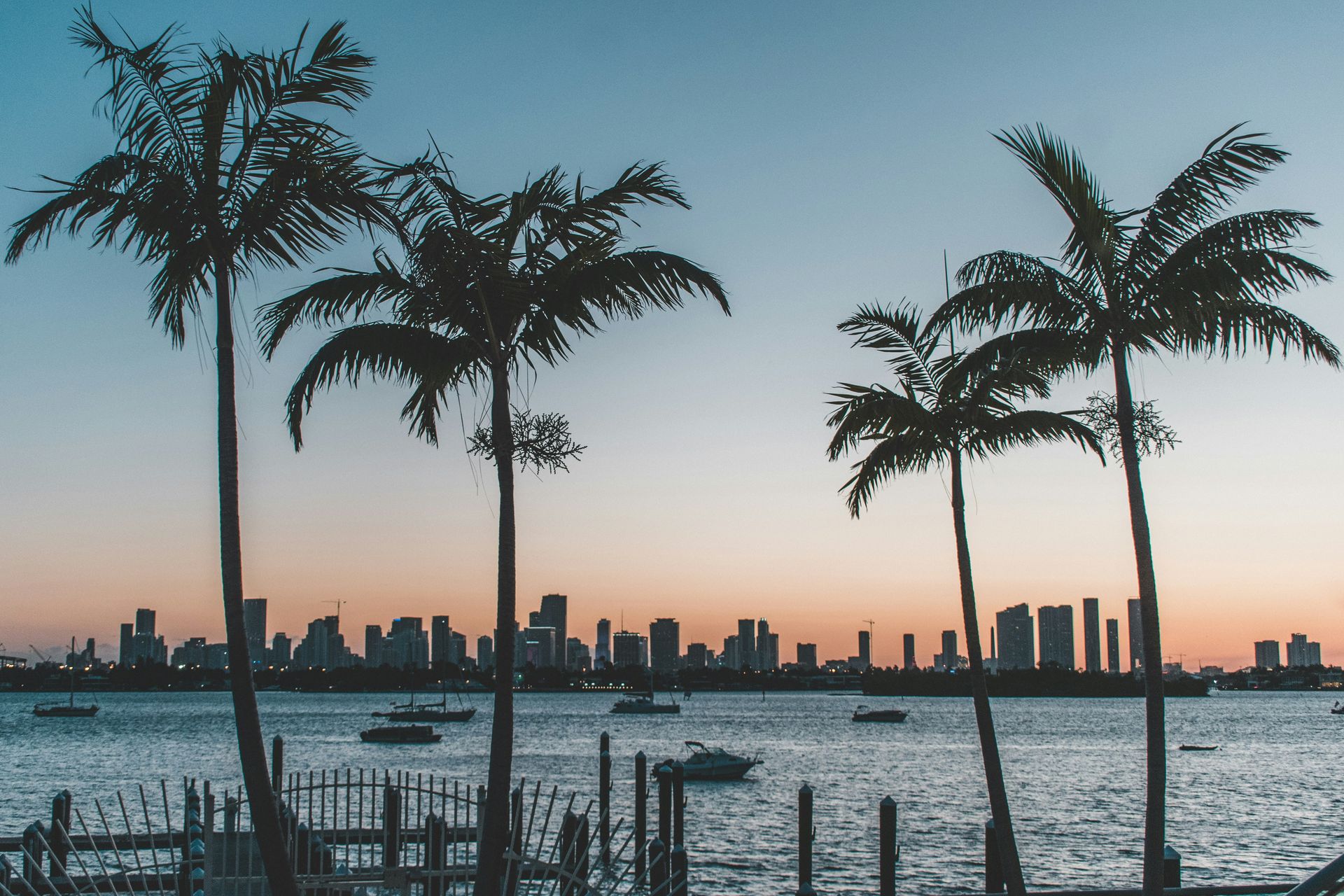
Cool: Miami, Florida
Denys Kostyuchenko / Unsplash
Redfin says Miami faces headwinds in 2026 as people reconsider costly coastal real estate and growing climate-related risks push some buyers toward safer, more stable markets.
