
15 things to understand about how social media platforms make money
From targeted ads to subscription tiers, here's how the platforms billions of people use every day actually generate revenue — and why it matters

Credit: Canva Images
Social media platforms occupy an unusual place in the modern economy. Billions of people use them daily, often for hours at a time, and the vast majority pay nothing to do so. No subscription fee, no per-message charge, no admission price. The product, at least on the surface, appears to be free. But these are among the most valuable companies in the world. Meta $META, the parent company of Facebook, Instagram, and WhatsApp, generates hundreds of billions of dollars in annual revenue. YouTube brings in more than $30 billion a year. TikTok's parent company, ByteDance, is privately held but widely estimated to be one of the most valuable private companies ever created. None of this happened by accident.
The business models behind social media are carefully engineered systems — ones that depend on attention, data, psychology, and infrastructure working together in precise ways. Understanding them matters not just for investors or tech analysts, but for anyone who uses these platforms, employs people who use them, advertises on them, or makes policy decisions about them. The way these platforms make money shapes what content gets amplified, what features get built, how your personal data gets used, and what it means when a platform is "free."
This explainer breaks down 15 of the most important concepts behind social media monetization — covering everything from the mechanics of targeted advertising to the economics of creator programs, from the role of first-party data to the surprisingly large business of virtual goods. Some of these ideas are widely understood. Others are less visible but equally consequential. Together, they form a picture of an industry whose financial logic touches nearly every corner of modern life.
You don't need a background in finance or technology to follow any of this. What you need is a willingness to look past the feed and think about what's actually happening when you scroll.
Attention is the core product

Credit: SHVETS production / Pexels
Every social media business model begins with the same foundational asset: time. When a user opens an app and scrolls, watches, or reads, they are giving that platform something it can sell — specifically, the opportunity to place an advertisement in front of an engaged human being. The longer a user stays on the platform, the more ad impressions can be served, and the more revenue the platform can generate.
This is why platform design is inseparable from business strategy. Features like infinite scroll, autoplay video, push notifications, and algorithmically curated feeds are not primarily designed for user satisfaction — they are designed to maximize time-on-app. The technical term sometimes used internally at these companies is "engagement," but what that word really describes is attention captured and held long enough to monetize.
The economics are straightforward at scale. If a platform has one billion daily active users who each spend an average of 30 minutes on the app, that represents 500 million hours of human attention available for sale every single day. Even a small increase in average session length — say, two additional minutes per user — translates into tens of millions of additional hours per day, which translates directly into additional ad inventory.
This is why researchers who study platform design often describe the relationship between users and platforms as asymmetric. The user believes they are using a tool for communication, entertainment, or information. The platform is simultaneously using the user as a source of monetizable attention. Both things are true at the same time.
The implications of this model extend beyond advertising revenue. Because attention is the core product, platforms have an incentive to maximize engagement regardless of whether the content driving that engagement is accurate, healthy, or socially beneficial. Content that provokes strong emotional responses — outrage, envy, anxiety — tends to generate more clicks, comments, and shares than content that is calm or neutral. The business model doesn't inherently distinguish between the two. Engagement is engagement, and attention is attention, regardless of what produced it.
This has become one of the central tensions in debates about social media regulation. The question isn't simply whether platforms are doing something illegal. The question is whether a business model built on capturing attention has structural incentives that are misaligned with user welfare — and what, if anything, should be done about it.
Targeted advertising is the primary revenue engine

Credit: Lukas Blazek / Pexels
For most major social media platforms, the dominant source of revenue is digital advertising — and not just any advertising, but highly targeted advertising that uses personal data to match specific ads with specific users at specific moments.
Traditional advertising — a billboard, a television commercial, a newspaper ad — is broadcast-style. An advertiser pays to put a message in front of a large audience and hopes that a meaningful percentage of that audience is interested in what they're selling. The targeting is crude: a beer company buys time during a football game because the audience skews male and adult. A luxury car brand buys space in a financial magazine because the readership tends to be affluent. The match between message and audience is approximate at best.
Social media advertising is fundamentally different. When a user on Facebook $META clicks "like" on a post about hiking, searches for trail gear on Instagram, joins a running group, and lists their age and zip code on their profile, the platform now has a rich, specific picture of that person. An advertiser selling hiking boots can pay to show their ad specifically to that user — not as part of a broad demographic sweep, but as an individual match. The advertiser is paying for precision, and precision has a premium.
The targeting variables available to advertisers on platforms like Meta are extensive. They include age, gender, location, device type, relationship status, education level, job title, interests derived from content interactions, purchase behaviors inferred from off-platform data, and membership in "lookalike audiences" — groups of users who resemble an advertiser's existing customers. All of this can be layered and combined to create highly specific audience segments.
This precision benefits advertisers because it reduces waste. A small business selling dog grooming equipment in Phoenix doesn't need to pay to show ads to people in Boston who don't own pets. They can target dog owners in their geographic area, exclude people who have recently made a similar purchase, and set the ad to run only during hours when their target demographic tends to be online. The result is a higher return on ad spend than traditional channels can offer, which is why advertiser budgets have shifted so dramatically toward digital and social platforms over the past 15 years.
For the platforms, precision advertising creates a highly efficient marketplace. Advertisers bid against each other in real-time auctions for the opportunity to reach specific users. The platform matches supply (available ad impressions from specific users) with demand (advertiser bids for those users) and takes a fee for facilitating the transaction. This auction-based system, running billions of times per day, is the financial engine that powers most of what social media is.
The data flywheel: why more users means better targeting
Credit: Canva Images
One of the structural advantages that large social media platforms hold over smaller competitors is the quality and depth of their targeting data — and that advantage compounds over time in a way that makes it difficult for new entrants to catch up.
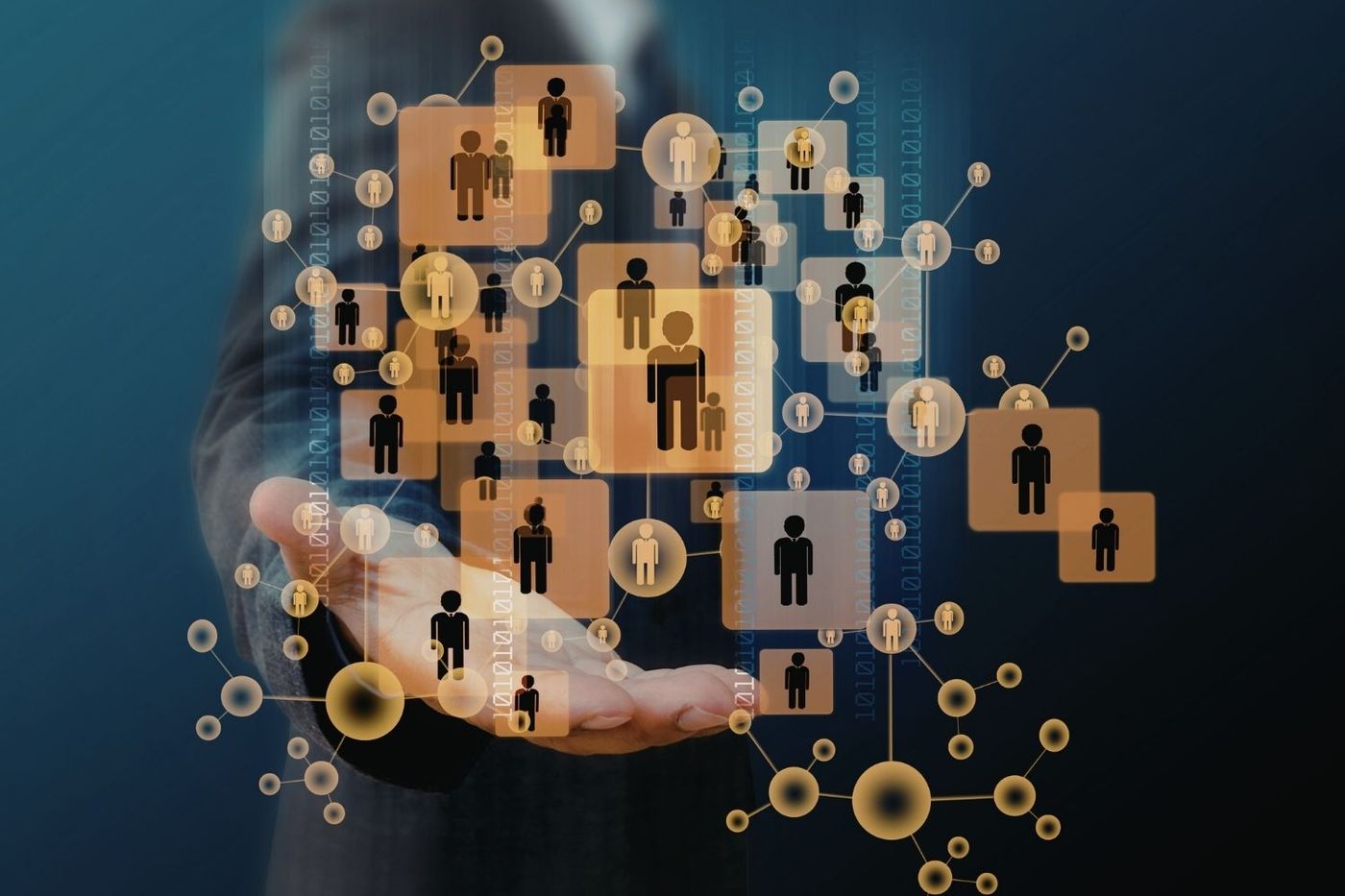
The mechanism is often described as a flywheel. More users generate more behavioral data. More behavioral data allows for more precise targeting. More precise targeting produces better results for advertisers. Better results attract more advertiser spending. More advertiser revenue funds product improvements. Better products attract more users. And so the cycle continues, each turn of the wheel reinforcing the next.
This is not a subtle or theoretical dynamic. It is one of the primary structural reasons why Meta $META has remained dominant in social advertising despite years of criticism, competition, and regulatory scrutiny. When Meta's platforms — Facebook, Instagram, and WhatsApp — collectively have more than three billion daily active users, the behavioral dataset they accumulate is not just large. It is, in important respects, irreplaceable. A new social platform starting from zero cannot buy or recreate the data infrastructure that Meta has built over 20 years.
The data flywheel also explains why platforms go to considerable lengths to keep users inside their ecosystems. Every time a user leaves a platform to visit an external website, that user's behavior becomes harder to track. Historically, platforms used third-party tracking cookies embedded across the web to follow users off-platform and build more complete behavioral profiles. Apple $AAPL's 2021 App Tracking Transparency update, which required apps to ask users for permission before tracking them across other apps and websites, disrupted this practice significantly. Meta disclosed that the change cost it approximately $10 billion in revenue in 2022 alone.
The flywheel isn't only about advertising. Richer user data also helps platforms improve their recommendation algorithms, design better features, predict churn, and personalize the experience in ways that increase engagement. Data is both the input and the output of the system — feeding the targeting machine while simultaneously improving the product that generates more data.
Ad auctions: how pricing actually works

Credit: Canva Images
Social media advertising doesn't operate on a fixed-price model. Advertisers don't simply pay a set rate to display their ad to a specific number of people. Instead, most major platforms use real-time bidding systems — automated auctions that run at extraordinary speed to determine which ad appears in which slot, to which user, at which price.
The basic structure works like this. When a user's feed loads, the platform instantly runs an auction among all the advertisers who have set up campaigns targeting that user's characteristics. Each advertiser has specified a maximum bid — the most they're willing to pay for that particular impression. The platform evaluates the bids alongside other factors, including the expected click-through rate of the ad (a proxy for its relevance to the user) and the advertiser's historical performance. The winner of the auction gets their ad shown. The price they pay is typically not their maximum bid, but something closer to just above the second-highest bid — a mechanism borrowed from academic auction theory that encourages advertisers to bid their true valuations.
This system has several important implications. First, ad prices are highly variable. They fluctuate based on how many advertisers are competing for a given audience segment at a given moment. Advertising to a highly sought-after demographic — say, high-income adults aged 30–45 in major U.S. cities — costs more than advertising to a demographic with fewer competing advertisers. Prices also spike during periods of high advertiser demand, such as the holiday shopping season, election cycles, and major sporting events.
Second, the auction system rewards relevance. Platforms have a financial interest in showing ads that users are likely to engage with, because engaged users generate better results for advertisers, which sustains advertiser spending. An ad with a high expected engagement rate can win an auction even if its bid is lower than a competitor's, because the platform factors in the expected revenue it will generate beyond the immediate impression.
Third, there are two common pricing models: cost-per-click (CPC), where advertisers pay only when a user clicks their ad, and cost-per-thousand impressions (CPM), where advertisers pay a flat rate per thousand views regardless of clicks. Different campaign objectives suit different models.
First-party data and why privacy changes transformed the industry
Credit: Zulfugar Karimov / Unsplash
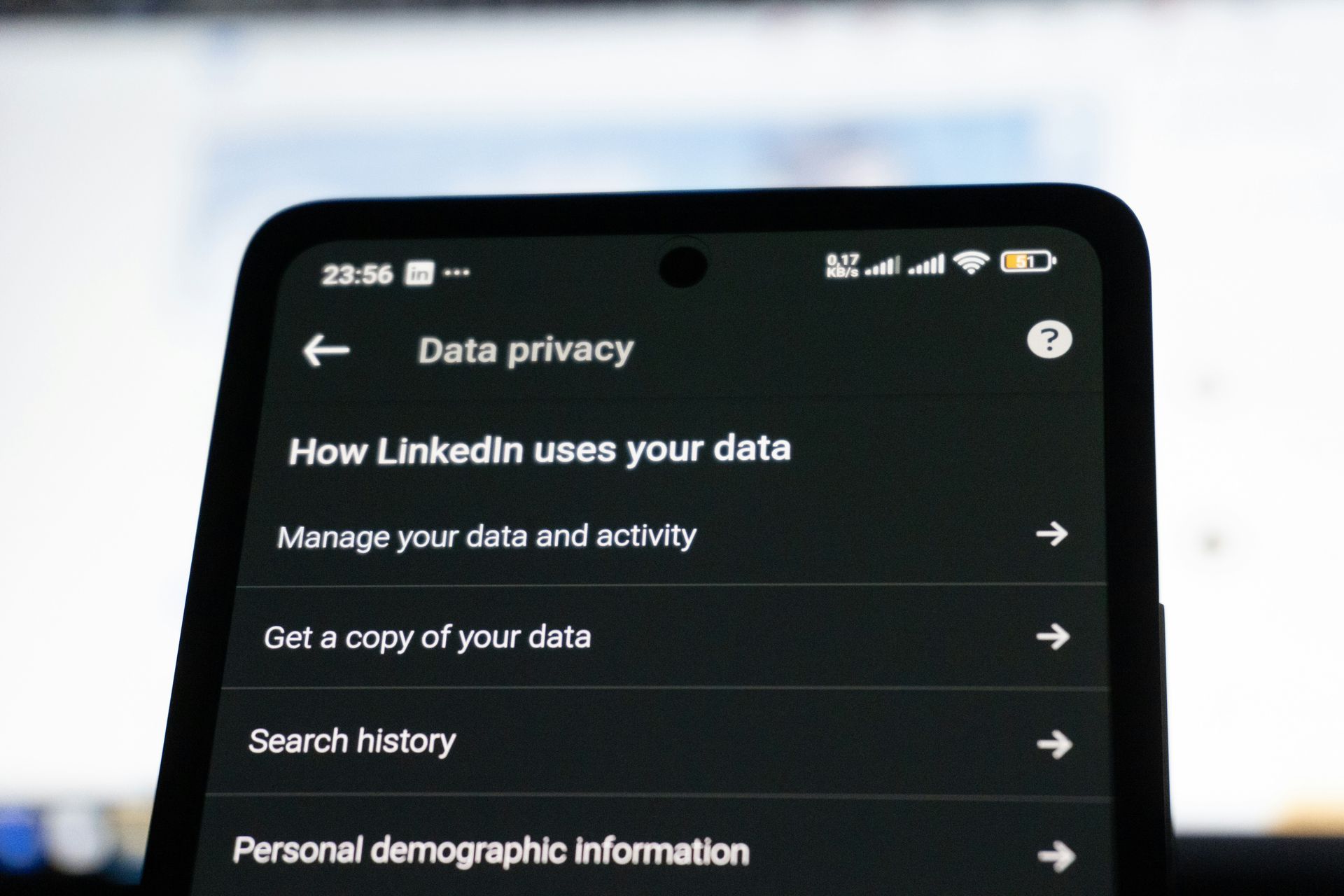
For years, the digital advertising industry relied heavily on third-party data — information collected about users by entities other than the platform or website the user was currently visiting. This included data brokers, cross-site tracking cookies, and pixels embedded on third-party websites that reported back user behavior to advertising platforms. A platform could learn not just what users did on its own app, but what they searched for, what products they browsed, and what news they read across the wider web.
That infrastructure began to unravel in the late 2010s and accelerated through the early 2020s. The European Union's General Data Protection Regulation, which came into force in 2018, placed strict requirements on how companies collect and use personal data. Apple $AAPL's App Tracking Transparency framework, launched in 2021, gave iOS users the ability to opt out of cross-app tracking — and the vast majority chose to do so. Google $GOOGL has also moved to deprecate third-party cookies in Chrome, though the timeline for that change has shifted several times.
These changes moved the industry toward first-party data — information that users share directly with a platform through their own actions on that platform. When a user creates a profile, follows accounts, watches videos, makes purchases, or engages with content on a platform, all of that behavior generates first-party data that the platform owns and can use for targeting without relying on external tracking.
Platforms with large, engaged user bases and strong first-party data advantages — Meta $META, Google, TikTok — have proven more resilient to the privacy changes than smaller players who relied more heavily on third-party data networks. This is one reason why advertising spending has continued to consolidate toward the largest platforms even as overall industry conditions have fluctuated.
First-party data is also more durable. It doesn't disappear when a browser policy changes or when a user clicks "decline" on a cookie consent banner. It belongs to the platform and is continuously refreshed every time the user interacts with the app. For advertisers trying to reach specific audiences in a more privacy-constrained environment, platforms with rich first-party data have become more valuable — not less.
The subscription model: an alternative to ads
Credit: Ercan Şenkaya / Pexels
Not all social media revenue comes from advertising. A growing number of platforms have introduced subscription tiers as a complementary or — in some cases — primary revenue stream. The logic is appealing in theory: instead of selling user attention to advertisers, a platform sells access to features or an ad-free experience directly to users.
The most prominent recent example is X $TWTR (formerly Twitter), which has built a subscription product called X Premium. Subscribers pay a monthly fee for access to features including longer posts, the ability to edit posts after publishing, reduced advertising frequency, and the ability to earn a share of ad revenue from their own content. The subscription also confers a verification checkmark, which was previously reserved for accounts that Twitter had independently verified as authentic.
Snapchat has offered Snapchat+, a paid subscription tier providing access to experimental features and customization options. LinkedIn, which operates a professional networking model somewhat distinct from consumer social platforms, generates significant revenue from its Premium subscription products, which offer enhanced search capabilities, direct messaging to people outside a user's network, and analytics on who has viewed a profile.
YouTube offers YouTube Premium, which removes ads from videos and provides access to YouTube Music. The service has attracted tens of millions of subscribers globally, though it represents a smaller share of YouTube's total revenue than advertising.
The tension in subscription models is significant. Advertising-dependent platforms face a structural conflict: their most desirable users — the ones advertisers most want to reach — are exactly the ones most likely to pay for an ad-free experience. If a platform succeeds in converting those users to a paid subscription, it removes them from the advertising inventory, potentially reducing the value of the remaining ad-supported audience.
This is why most platforms have structured their subscription offerings carefully, ensuring that the paid tier doesn't cannibalize too much ad revenue. The result is often that subscriptions exist alongside advertising rather than replacing it.
Creator monetization programs and the platform's cut

Credit: www.kaboompics.com / Pexels
Social media platforms increasingly serve as economic infrastructure for content creators — people who make videos, write posts, or build audiences for a living. The rise of the creator economy has prompted platforms to develop monetization programs that allow creators to earn money directly through the platform, rather than relying entirely on brand deals negotiated off-platform.
YouTube's Partner Program, one of the oldest and most established, allows creators who meet a threshold of subscribers and watch hours to earn a share of the ad revenue generated by their videos. The split is roughly 55% to the creator and 45% to YouTube, though the exact terms vary depending on content type and advertising rates. For top YouTube creators, this generates substantial income — sometimes millions of dollars per year.
TikTok has developed multiple creator programs, including a Creator Fund (now largely replaced in some markets by the Creativity Program) and a range of tools that allow creators to earn through live gifting, subscription features, and brand marketplace deals facilitated by the platform. The rates paid to creators through TikTok's direct programs have been widely criticized by creators as lower than comparable YouTube payouts, partly because TikTok's advertising rates have historically been lower than YouTube's.
Meta $META has offered bonuses, ad revenue sharing for Reels, and subscription tools for creators on Instagram and Facebook. The competitive dynamic is significant: platforms are competing for top creators because popular creators drive user engagement, and user engagement drives ad revenue. Creators who build large followings on one platform represent a potential anchor for that platform's audience, and losing them to a competitor can trigger user migration.
The platform's financial interest in creator programs is not purely altruistic. When a creator earns money on a platform, the platform typically takes a cut of those earnings — through ad revenue splits, transaction fees on tips or subscriptions, or fees on virtual goods. The creator economy generates revenue for platforms at both ends: it attracts users whose attention can be sold to advertisers, and it facilitates transactions on which the platform takes a margin.
E-commerce integration and social shopping

Credit: Kelvin Ang / Unsplash
Social media platforms have invested heavily in integrating shopping features directly into their apps, transforming them from pure media environments into transactional ones. The goal is to capture not just advertising revenue but also a share of the commerce that advertising drives.
The most advanced example of this model in operation is TikTok Shop, which allows users to browse and purchase products without ever leaving the TikTok app. Sellers list products, creators promote them through short videos or live streams, and the purchase completes within the platform. TikTok takes a commission on each sale — a percentage of the transaction value that the platform earns in addition to any advertising revenue generated by the promotional content.
Instagram introduced Shopping features that allow brands and creators to tag products in posts and Stories, creating a path from content to purchase that previously required the user to navigate to an external website. Facebook $META Marketplace, while distinct from social shopping, has become one of the largest peer-to-peer commerce platforms in the world.
Pinterest $PINS has positioned itself explicitly as a platform for product discovery, and its advertising products are tightly integrated with shopping intent. A user who saves a product to a board signals clear purchase interest, which makes that user highly valuable to advertisers and, increasingly, to shopping partners.
The appeal of social commerce for platforms is structural. Advertising creates an intention to buy but doesn't capture the transaction itself. If a user clicks an ad, visits an external website, and makes a purchase, the platform receives its ad fee but earns nothing from the transaction. By bringing commerce inside the platform, social media companies can earn both the advertising revenue and a transaction fee — doubling their revenue per customer interaction.
For advertisers and brands, social commerce reduces the friction between discovery and purchase, which historically improves conversion rates. The fewer steps between seeing a product and buying it, the more likely the purchase is to happen. This makes social commerce valuable to merchants even if the platform's transaction fee adds to their costs.
Influencer marketing: an off-platform revenue stream platforms try to capture

Credit: Tima Miroshnichenko / Pexels
Influencer marketing — brands paying individuals with large social media followings to promote products — has become a significant segment of the advertising industry. Estimates of its global scale vary, but it has grown from a niche tactic into a mainstream budget line for many consumer brands. The important thing to understand about this revenue stream is that it initially developed largely outside platform control.
When a brand approaches a creator directly, negotiates a fee, and has them post a sponsored video or photo, the platform on which that post appears may earn nothing beyond any ad revenue generated by that specific post. The creator is monetizing their audience — which was built on the platform — without the platform taking a cut of the deal. From the platform's perspective, this represents value leakage: influence built on its infrastructure is being monetized through transactions it has no visibility into.
Platforms have responded by building tools designed to bring influencer marketing inside their ecosystems. Meta $META's Brand Collabs Manager allows brands to find and connect with creators for sponsored content deals. TikTok has a Creator Marketplace that facilitates similar introductions and provides brands with data on creator audiences and performance metrics. These tools give the platform visibility into deals that would otherwise happen off-platform — and in some cases allow the platform to take a facilitation fee.
Disclosure requirements have also become relevant here. Regulatory bodies in many countries, including the U.S. Federal Trade Commission, require that sponsored content be clearly labeled as advertising. Platforms have implemented native disclosure tools — labels like "Paid partnership" on Instagram or "Sponsored" tags on TikTok — partly in response to these requirements. These labels also help platforms maintain records of commercial relationships conducted through their systems.
The long-term dynamic here is one of gradual platform capture of the influencer market. As platforms improve their marketplace tools, provide better audience analytics, and make it easier for brands to transact directly through the app, more of the value that flows through influencer marketing will be captured by the platform rather than passing through it invisibly.
Virtual goods, tipping, and the live streaming economy

Credit: Canva Images
One of the less-discussed but financially significant corners of social media monetization is the market for virtual goods — digital items with no physical existence that users purchase to express appreciation for creators, signal status within a community, or enhance their own experience of the platform.
The most visible form of this in Western markets is live stream gifting. On TikTok Live, viewers can purchase virtual coins using real money and then send those coins in the form of animated "gifts" to creators who are broadcasting live. The creator receives a portion of the gift's value — after the platform takes its cut. The gifts themselves are purely symbolic; a "Rose" or a "Dragon" on TikTok Live has no function beyond signaling appreciation. But users purchase them in volume, and the platform earns revenue from both the initial coin purchase and the ongoing circulation of coins through the gifting system.
YouTube introduced a similar feature called Super Chat, which allows viewers watching a live stream to pay to have their message highlighted in the chat feed. Twitch, the gaming-focused live streaming platform owned by Amazon $AMZN, has Super Chats' equivalent in "Bits" — a virtual currency users purchase and donate during streams.
In Asian markets, particularly in China, South Korea, and Southeast Asia, virtual goods and live stream tipping have been substantial revenue sources for longer than they have in Western markets. The Chinese live-streaming industry, which predates TikTok's global expansion, built significant revenue on virtual gifting alone.
The psychology of virtual goods is worth understanding. Users who purchase a gift for a creator during a live stream are not buying a product — they are buying a social experience. The act of sending a visible gift in real time, of being acknowledged by a creator, of signaling generosity to other viewers, is itself the thing being sold. Platforms that understand this dynamic design their virtual goods systems to maximize social visibility and emotional reward, which drives purchasing behavior.
Platforms typically retain between 30% and 50% of the revenue from virtual goods transactions before passing the remainder to creators. At scale, even small transactions generate meaningful aggregate revenue.
Licensing data to third parties

Credit: Canva Images
Beyond advertising and direct transactions, some social media platforms generate revenue by licensing access to their data — particularly the raw stream of public posts, interactions, and behavioral signals — to outside organizations. This practice is less visible to users than advertising but has been a meaningful revenue line for certain platforms.
Twitter $TWTR (now X) maintained what was called the "firehose" — a full, real-time stream of every public tweet — and licensed access to it at enterprise rates. Academic researchers, financial institutions, and market intelligence firms paid for access to use the data for sentiment analysis, trend tracking, and social listening. After Elon Musk's acquisition of Twitter in 2022, the platform significantly increased the price of API access and restructured its data licensing terms, which disrupted many research relationships but also generated more revenue per customer from the enterprises that remained.
Reddit $RDDT has pursued a similar strategy. When the company moved toward its 2024 IPO, it struck data licensing agreements — including a reported deal with Google $GOOGL — to license access to Reddit's corpus of user-generated content for use in training artificial intelligence models. Reddit positioned its vast archive of human conversations as a valuable asset for AI development, and the licensing fees represented a new revenue stream that the company highlighted to investors.
Facebook $META's historical relationship with third-party data access became highly controversial following the Cambridge Analytica scandal in 2018, in which a political consulting firm obtained data on tens of millions of Facebook users through a third-party app developer that had access to the platform's API. The scandal accelerated platform restrictions on third-party data access across the industry.
Data licensing remains a live topic because the development of large language models and other AI systems has created new demand for high-quality, large-scale text and behavioral data. Social media platforms, which sit on some of the largest repositories of human communication ever assembled, have an asset that AI developers want — and the negotiations over how to price and structure that access are ongoing.
Platform fees on transactions and payments
Credit: Mika Baumeister / Unsplash
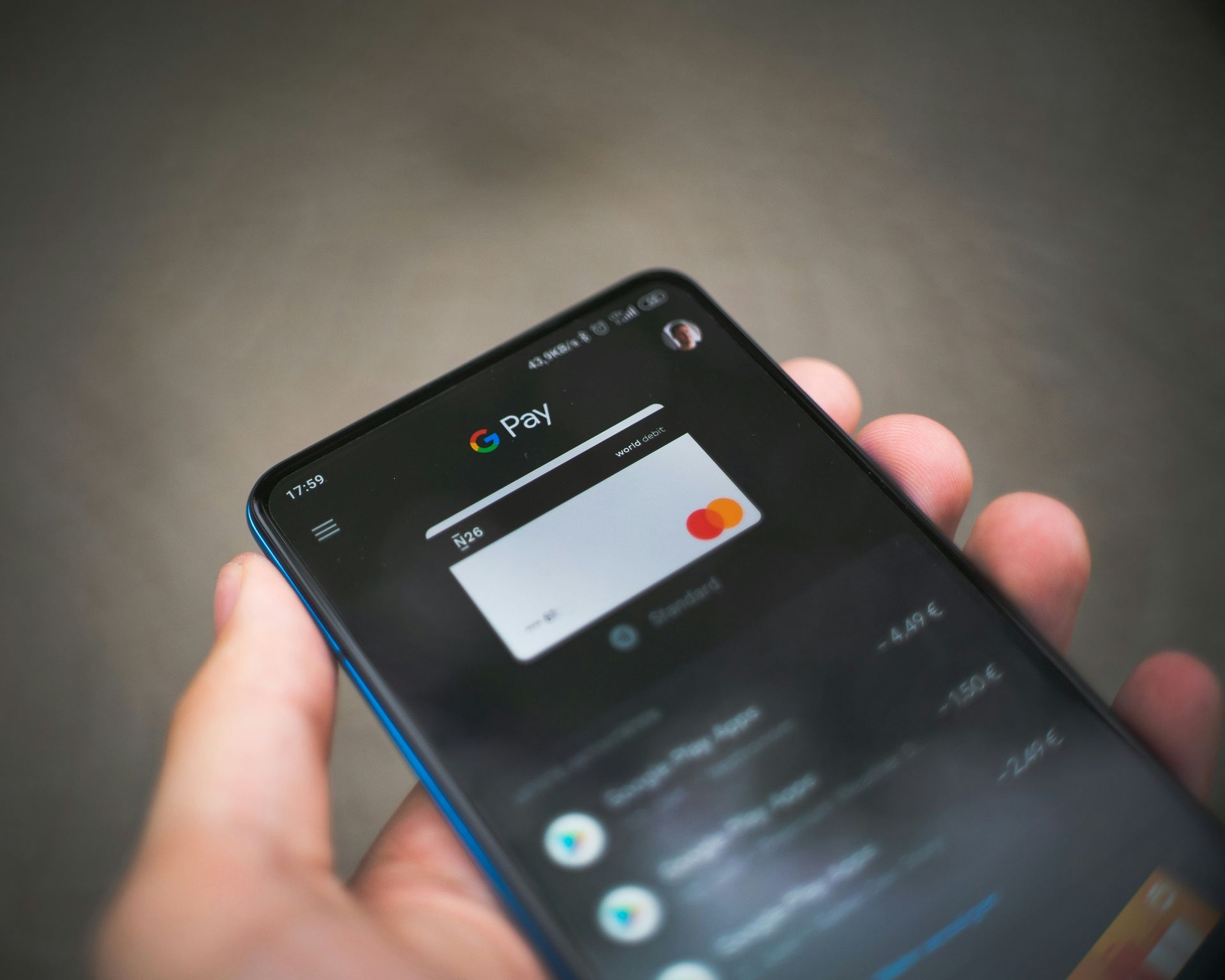
As social media platforms have expanded into commerce, payments, and tipping, they have built infrastructure for processing financial transactions — and they charge fees for that infrastructure in ways similar to other payment processors.
When a creator on Instagram receives a subscription payment from a follower, Meta $META takes a percentage of that transaction. When a seller completes a sale through Facebook Marketplace's checkout feature, there is a selling fee. When a TikTok Shop merchant completes a sale, TikTok charges a commission. These fees are structured differently across platforms but follow the same basic logic: the platform provides a payment rail and a captive audience, and it charges for both.
The fee structures are often layered. There may be a flat transaction fee, a percentage commission on the sale price, a currency conversion fee for cross-border transactions, and potentially a fee for enhanced promotional placement within the shopping environment. Merchants and creators who want to operate inside a platform's economy often have limited ability to negotiate these terms — the platform sets the rates, and the choice is whether to participate or not.
Apple $AAPL and Google $GOOGL also extract fees from this chain that are upstream of the social platform itself. Apps distributed through the App Store or Google Play that sell digital goods are subject to a 30% commission on those in-app purchases (with reduced rates in some circumstances). Social platforms selling virtual goods, subscriptions, or other digital items within their apps must account for this commission when structuring their own pricing. This is one reason why some platforms have pushed users toward web-based purchases — transactions completed in a mobile browser can sometimes bypass app store fees.
The payments infrastructure that platforms are building has longer-term ambitions in some cases. Meta's repeated attempts to develop a payments product — most notably its effort to create a cryptocurrency-based payments system, initially called Libra and later Diem, before being abandoned — reflect the strategic value the company sees in owning the payment layer, not just the advertising layer.
The economics of subscriptions within apps: super-follows and fan clubs

Credit: Jacob Padilla / Unsplash
Beyond platform-wide subscriptions, many social media platforms have developed tools that allow individual creators to charge their own fans for access to exclusive content — effectively creating creator-to-fan subscription businesses that run inside the platform. The platform provides the infrastructure, handles payments, and takes a percentage of the subscription revenue.
Meta $META has offered subscription tools for both Instagram and Facebook, allowing creators to charge followers monthly fees for access to exclusive posts, live sessions, or badges that mark them as paying supporters. X $TWTR offers a feature called "Subscriptions" (previously Ticketed Spaces) that allows creators to charge for access to specific live audio content. YouTube's channel membership feature allows viewers to pay a monthly fee to a specific creator in exchange for exclusive badges, emojis, and content.
Patreon, while technically a standalone platform rather than a social media network, pioneered this model and remains a significant player in the creator subscription space. Its success demonstrated the demand for fan-supported creator businesses, which prompted social platforms to build competing tools directly into their ecosystems.
The financial split between platforms and creators on these subscription products varies. Meta has historically offered favorable terms to attract creators — sometimes taking no fee initially before gradually introducing one. YouTube takes 30% of channel membership revenue. The platform cut matters enormously to creators who are building subscription businesses, because the difference between a 15% and a 30% platform fee can represent a significant income gap at scale.
From the platform's perspective, creator subscription tools serve multiple purposes. They generate direct revenue through transaction fees. They increase creator loyalty by making the platform the economic home of their business, not just their distribution channel. And they increase platform stickiness — fans who pay a monthly fee for access to a creator's content have a financial reason to keep returning to the app.
Ad-free or reduced-ad tiers: the regulatory dimension

Credit: Canva Images
The European Union's Digital Markets Act and related privacy regulations have created a new dynamic in social media monetization that doesn't exist in most other markets. The regulations require that companies with gatekeeper status — a designation applied to the largest platforms — give users meaningful choices about how their data is used, including whether it can be used for targeted advertising.
Meta $META responded to this regulatory environment in late 2023 by introducing a "subscription for no ads" option for users in the EU. European users could either continue using Facebook and Instagram for free, accepting personalized advertising based on their data, or pay a monthly fee to use the platforms without personalized ads. The pricing was set at approximately €10 per month on desktop and slightly higher on mobile.
This created a novel business model — one where the choice between free-with-ads and paid-without-ads is not just a product feature but a regulatory compliance mechanism. The European Data Protection Board subsequently scrutinized whether this model genuinely constituted valid consent under GDPR, questioning whether a paywall for privacy could be considered a meaningful free choice.
The regulatory pressure on advertising-based business models is not limited to Europe. In the U.S., multiple states have passed or are considering consumer privacy laws that could restrict certain uses of behavioral data in advertising. The Federal Trade Commission has taken enforcement actions against platforms over data practices. The Children's Online Privacy Protection Act has been the subject of reform discussions in the U.S. Congress for years.
For platforms, the regulatory dimension of their business models has become a material financial consideration — not just a compliance issue. The cost of regulatory adaptation, potential fines, and the revenue impact of data restrictions now factor into the financial planning of every major platform. Understanding the business model means understanding that it is operating under increasing regulatory scrutiny and that the rules governing it continue to evolve.
Why "free" is a deliberate strategic choice

Credit: indra projects / Pexels
The decision to make social media platforms free to use was not simply a generosity toward users — it was a calculated business strategy that has compounded over time into one of the most effective growth mechanisms in the history of consumer technology.
Zero price eliminates the primary barrier to adoption. When a product costs nothing, the decision calculus for a potential user changes completely. There is no risk of spending money on something that turns out not to be useful. There is no sign-up fee, no trial period anxiety, no price comparison to make. The only cost is time, and if the product is well-designed, that time cost feels like pleasure rather than sacrifice. This is why platforms like Facebook $META were able to reach global scale in years rather than decades.
The free model also benefits from network effects in a way that paid models typically don't. A communication platform becomes more valuable as more people use it. If Facebook had charged even a small monthly fee, it would have created a permanent friction point that slowed adoption and, crucially, slowed the accumulation of the network effects that make the platform valuable. Every user who joined made the platform more useful for the users who were already there, which attracted more users, which generated more data, which improved targeting, which attracted more advertisers, which funded the free service that attracted more users.
The freemium model — free core product, paid premium features — is a variation on this that many platforms have adopted after reaching scale. The free tier builds the user base and the network effects. The paid tier monetizes the segment of users willing to pay for additional capabilities. Because the paid tier sits on top of a free foundation that is already at massive scale, even a small conversion rate generates significant revenue.
Understanding that "free" is a business model — not an absence of one — changes how you see everything else about how these platforms operate. The content, the design, the algorithms, the features, the policies: all of it serves a commercial logic that begins with the decision to charge users nothing and to make up the difference, at extraordinary scale, by selling their attention.