
From the heart to the gut to the immune system, chronic stress leaves a measurable mark on nearly every organ and system in the human body

Credit: Uday Mittal, Unsplash
Stress is often treated as a psychological problem — something to be managed through mindset, meditation, or time off. But the body registers stress as a biological event, not just a mental one. When the brain perceives a threat, it triggers a cascade of hormonal and neurological changes that ripple outward into the cardiovascular system, the gut, the skin, the immune system, and beyond. Most of these responses were never designed for the pressures of modern life. They evolved to handle short, sharp dangers — a predator, a fall, a fight. The problem is that the human stress response does not distinguish between a charging lion and a mounting pile of unpaid bills.
The two primary stress hormones, cortisol and adrenaline, are efficient and powerful. In small doses, they sharpen focus, raise energy, and prepare the body for action. But when stress becomes chronic — when those hormones stay elevated for days, weeks, or months — the same mechanisms that protect in an emergency begin to cause damage. Sustained high cortisol suppresses immune function, disrupts sleep architecture, increases blood pressure, and alters how fat is stored. Chronic adrenaline exposure strains the heart and keeps the nervous system in a state of low-level alert that is exhausting to maintain.
The physical consequences of long-term stress are not vague or speculative. They show up in blood panels, on imaging scans, in measurable inflammation markers, and in the clinical outcomes of people who carry high allostatic load — the term researchers use to describe the cumulative wear on the body from repeated or chronic stress. What follows is a breakdown of 20 ways stress makes its mark on the physical body, system by system, organ by organ. Some of these effects are well known. Others are less obvious but no less real. Together, they make a strong case for treating psychological stress as a serious physical health concern — not a soft one.
Credit: Nik, Unsplash
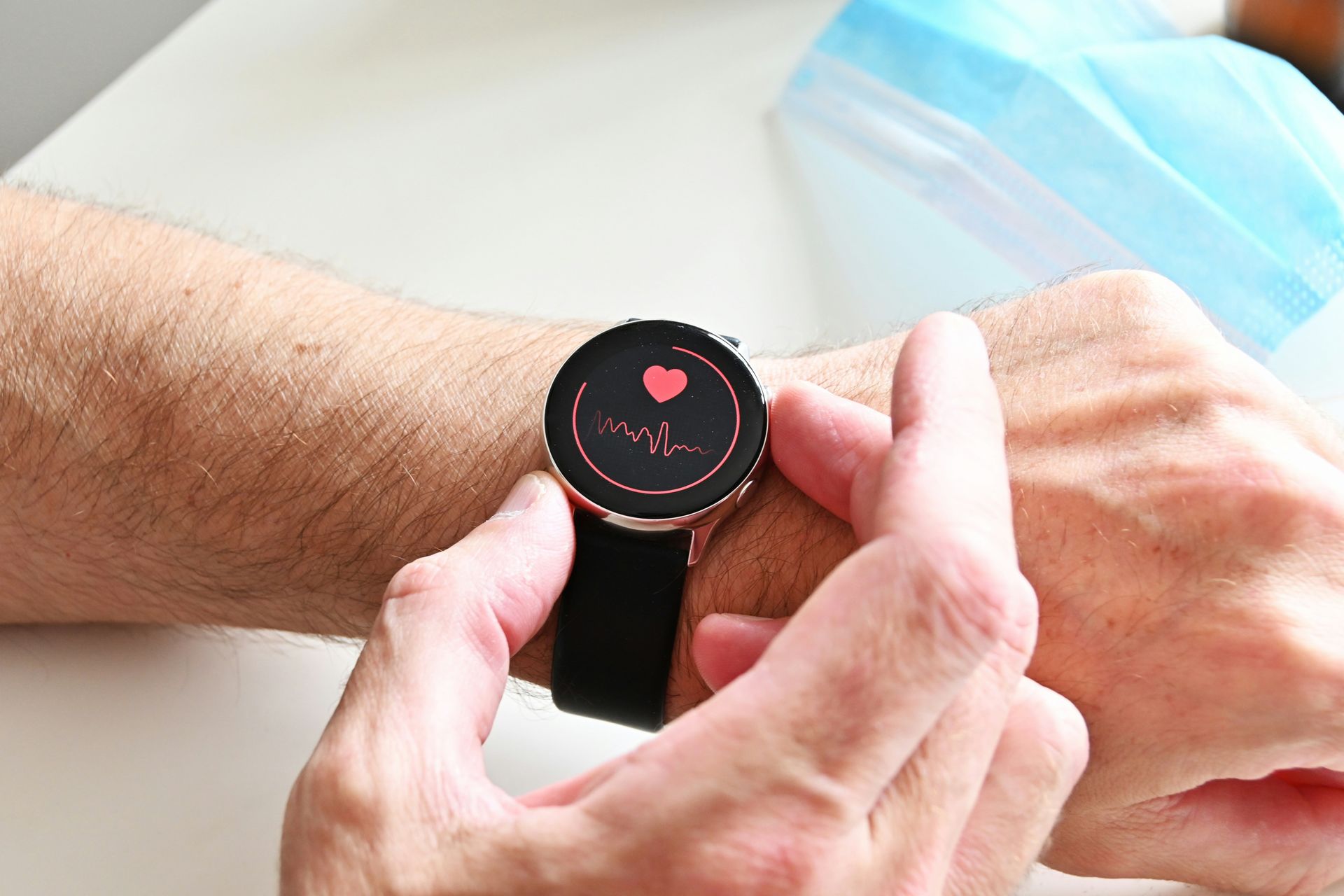
The cardiovascular system is one of the first to respond when stress hits. The moment the brain registers a threat, the adrenal glands release adrenaline — also known as epinephrine — which immediately signals the heart to beat faster and with more force. This response is designed to pump more oxygenated blood to the muscles in preparation for movement. Heart rate can climb from a resting 60 to 70 beats per minute to well over 100 beats per minute within seconds of a perceived threat.
In the short term, this is useful. If you need to sprint or react quickly, a racing heart is an asset. But when stress becomes chronic, the cardiovascular system pays a price. The heart is a muscle, and like any muscle, it can be overworked. Sustained high heart rate and elevated blood pressure force the heart to work harder over long periods, which contributes to left ventricular hypertrophy — a thickening of the heart wall that can impair its function over time.
There is also the matter of cortisol, which plays a separate role in cardiovascular stress. Cortisol narrows the blood vessels, which raises blood pressure even when adrenaline levels have fallen. Over months and years, persistently elevated blood pressure damages the inner walls of arteries. Those damaged walls become sites where cholesterol and inflammatory material accumulate, forming plaques that narrow the arteries and raise the risk of heart attack and stroke.
Chronic stress is also associated with higher levels of C-reactive protein and other inflammatory markers that are independently associated with cardiovascular disease. The mechanisms here are multiple and interacting — stress raises inflammation, inflammation damages vessels, damaged vessels raise the risk of clots and blockages. This is why high perceived stress levels are considered a meaningful independent risk factor for coronary artery disease, separate from diet, exercise, smoking, and other lifestyle variables.
The heart does not have an off switch. It responds to the body's stress signals around the clock, including during sleep. People who experience high stress often show elevated nighttime heart rates and reduced heart rate variability — a marker of cardiac flexibility that is associated with long-term heart health. When that variability decreases, it is a sign the nervous system is stuck in alert mode even when the body is supposed to be resting and recovering.

Credit: Thirdman, Pexels
High blood pressure, or hypertension, is frequently described as a silent condition — most people cannot feel it happening, even when readings are dangerously elevated. Stress is one of the mechanisms that drives it, and the relationship between the two is well established in clinical medicine.
When the stress response activates, the body prioritizes blood flow to the muscles and organs that need it most in a crisis — the heart, the lungs, the limbs. To accomplish this, it redirects blood away from systems that are less immediately critical, and it raises the overall pressure at which blood moves through the arteries. Adrenaline and cortisol both contribute to this pressure increase by signaling blood vessels to constrict, reducing their diameter and forcing the heart to push harder.
In most healthy people, blood pressure returns to baseline once the stressor has passed. The problem arises when stressors are sustained or recurrent. Each stress episode produces a spike. When those spikes happen frequently enough, the blood vessels begin to adapt to elevated pressure as their new normal state. The walls thicken and stiffen over time, a process called arterial stiffness, which makes it harder for vessels to dilate when needed and keeps baseline pressure higher than it should be.
Beyond the direct physiological mechanisms, stress also raises blood pressure through behavioral pathways. People under significant stress tend to sleep poorly, exercise less, eat more sodium-rich comfort foods, and drink more alcohol — all of which contribute independently to elevated blood pressure. The behavioral and biological effects compound each other.
Hypertension is not an abstract concern. Sustained elevated blood pressure is the leading modifiable risk factor for stroke, and it is a major contributor to kidney disease, aortic aneurysm, and vision loss. The kidneys filter blood under pressure; when that pressure is chronically elevated, it damages the delicate filtering structures called glomeruli, reducing kidney function over years.
For people who already carry a genetic predisposition to hypertension, chronic stress can tip them into clinically significant ranges earlier than they would otherwise reach them. For those without that predisposition, it can still produce significant and lasting increases in their baseline readings.
Credit: CDC, Pexels
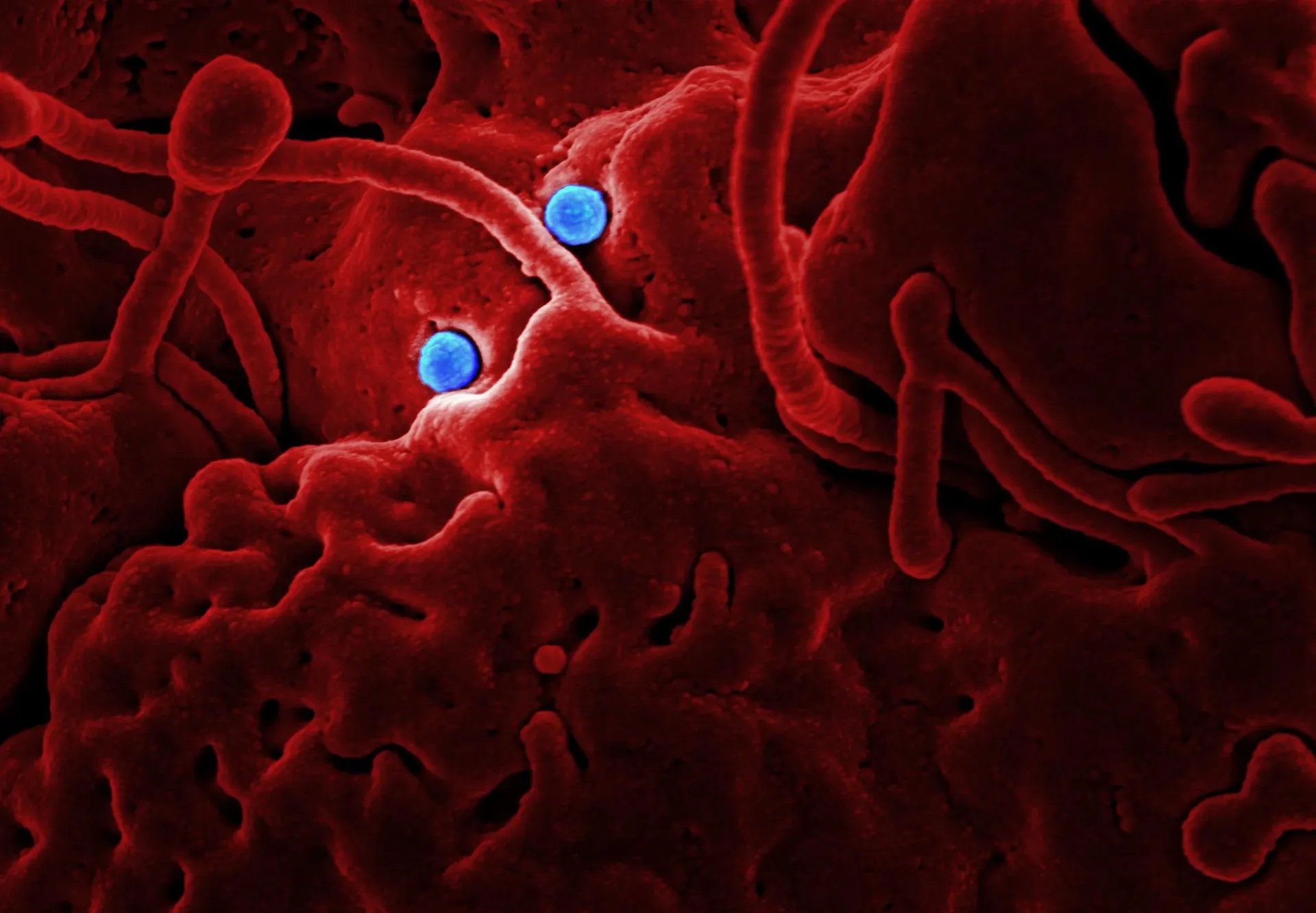
Stress and immune function are linked in ways that seem almost paradoxical at first glance. In the short term, acute stress actually primes the immune system — cortisol and adrenaline mobilize immune cells and prepare the body to deal with potential injury or infection. This made evolutionary sense: if you are about to fight or flee, the odds of a wound are high, and having immune cells ready to respond is adaptive.
But when stress becomes chronic, the immune system does not stay in that primed state. Instead, it becomes dysregulated. The sustained presence of cortisol begins to suppress immune function in ways that are clinically measurable. Natural killer cell activity decreases. T-cell proliferation slows. The production of certain protective antibodies is reduced.
This is why people under long-term stress get sick more often. It is also why they tend to heal more slowly from wounds and infections. The immune surveillance system that would normally identify and eliminate pathogens or damaged cells is running below its normal capacity.
At the same time, chronic stress produces a paradoxical increase in systemic inflammation. Cortisol ordinarily acts as an anti-inflammatory signal, but chronic exposure causes immune cells to become resistant to that signal. As a result, pro-inflammatory cytokines — signaling molecules that promote inflammation — remain elevated even without a specific infection or injury driving them. This low-grade, persistent inflammation is associated with a wide range of serious conditions, including cardiovascular disease, type 2 diabetes, and certain cancers.
The immune dysregulation caused by chronic stress also affects vaccine response. Research on caregivers and other chronically stressed populations has shown that stress reduces the magnitude and duration of immune responses to vaccination — meaning the protection vaccines are designed to provide may be less effective in people experiencing sustained psychological pressure.
Autoimmune conditions can also flare under stress. When immune regulation is disrupted, the systems that prevent the body from attacking its own tissues can become less reliable, which is why conditions like lupus, rheumatoid arthritis, and multiple sclerosis often worsen during periods of high psychological stress.

Credit: cottonbro studio, Pexels
Sleep is not a uniform state. It cycles through distinct stages — light sleep, deep slow-wave sleep, and rapid eye movement sleep — in predictable patterns across the night. Each stage serves different physiological functions. Deep sleep is when the body repairs tissue, consolidates certain types of memory, and clears metabolic waste from the brain through the glymphatic system. REM sleep supports emotional processing and other cognitive functions.
Cortisol is a major regulator of the sleep-wake cycle. Under normal conditions, cortisol follows a diurnal rhythm: it rises sharply in the early morning to promote waking, then falls steadily across the day, reaching its lowest point in the hours after midnight. This pattern supports both the onset of sleep and the quality of sleep throughout the night.
Chronic stress disrupts this rhythm. Elevated cortisol in the evening — when it should be at its lowest — makes it harder to fall asleep. The body cannot fully shift into the parasympathetic state that sleep requires when cortisol and adrenaline are still signaling alertness. Even when sleep does begin, it tends to be shallower and more fragmented. Stress-related sleep disturbances preferentially reduce slow-wave sleep, the deepest and most physically restorative stage.
Over time, this creates a damaging feedback loop. Poor sleep raises cortisol levels the following day. Higher cortisol makes sleep worse the next night. The cycle is self-reinforcing and can persist long after the original stressor has resolved, because disrupted sleep architecture can itself become a physiological habit that requires deliberate intervention to correct.
The downstream consequences of sleep disruption are significant. Insufficient slow-wave sleep impairs tissue repair and immune function. Reduced REM sleep affects mood regulation and emotional resilience, making the person more reactive to stress the following day. Cognitive functions including working memory, decision-making, and impulse control all degrade meaningfully with even modest sleep restriction.
People who chronically undersleep due to stress also show metabolic changes — including impaired glucose regulation and increased appetite for high-calorie foods — that compound the health risks already associated with high cortisol.

Credit: Sora Shimazaki, Pexels
The gastrointestinal tract has its own nervous system — the enteric nervous system — containing roughly 100 million neurons. This system communicates directly with the brain via the vagus nerve, a bidirectional pathway that runs between the brainstem and the gut. Because of this connection, emotional and psychological states have immediate and measurable effects on gut function.
When the stress response activates, digestion is treated as a non-essential function. Blood flow to the gastrointestinal tract is reduced. The muscles in the intestinal walls change their movement patterns. Gastric acid secretion is altered. The body effectively slows or disrupts the digestive process to redirect resources toward the systems deemed more immediately necessary for survival.
In the short term, this can produce nausea, reduced appetite, or the urgent need to empty the bowels — a phenomenon so common it has become a cultural cliché. But under chronic stress, the effects on gut function become more complex and more damaging.
The gut lining, which forms a barrier between the intestinal contents and the bloodstream, can become more permeable under sustained stress. This increased permeability — sometimes called a leaky gut — allows bacterial products and other materials to cross into circulation, triggering inflammation and immune responses. This is not a marginal or speculative mechanism; it has been demonstrated in both animal models and human subjects under acute and chronic stress conditions.
Stress also alters the gut microbiome — the community of bacteria, fungi, and other microorganisms that live in the digestive tract and influence everything from immune function to mood. High cortisol and disrupted gut motility change the conditions that different microbial species require to thrive. The result is a shift in microbiome composition that can persist well beyond the stress period itself.
For people with preexisting conditions such as irritable bowel syndrome, Crohn's disease, or ulcerative colitis, stress is a well-documented trigger of symptom flares. The gut-brain connection means that managing psychological stress is not optional for managing these conditions — it is a clinical necessity.

Credit: Kindel Media, Pexels
The body's response to stress includes immediate muscle tension. When the brain perceives a threat, muscles throughout the body contract in preparation for protective movement — this is part of the fight-or-flight response, which readies the musculoskeletal system for rapid action. Shoulders rise, the jaw tightens, the neck and back engage. In the context of a brief stressor, this tension resolves once the threat passes.
Under chronic stress, it frequently does not resolve. The muscles remain in a state of partial contraction for extended periods. This sustained tension, particularly in the neck, shoulders, and upper back, is one of the most common physical complaints associated with prolonged stress, and it is not simply discomfort — it represents real physiological changes in how muscle fibers are loaded and how blood flows through the tissue.
Muscles under sustained tension receive less blood flow than muscles at rest, which means less oxygen and fewer nutrients reach the tissue, and metabolic waste products accumulate rather than being cleared. Over time, this produces myofascial trigger points — localized areas of muscle fiber that remain contracted and become acutely tender to pressure. These points can produce referred pain, meaning the sensation is felt not just at the trigger point itself but in distant areas that share nerve pathways.
Tension headaches are among the most common manifestations of this mechanism. The muscles at the back of the skull and the sides of the head tighten in response to stress, restricting blood flow and triggering pain that can last for hours or days. For many people, these headaches are so habitual they stop recognizing them as stress-related.
Beyond headaches and musculoskeletal pain, chronic muscle tension also contributes to temporomandibular joint disorder — jaw pain and dysfunction that results from the jaw-clenching and teeth-grinding that many people do unconsciously in response to stress, often while asleep. Long-term stress-related muscle tension in the lower back is a significant contributor to the enormous global burden of back pain, which is the leading cause of disability worldwide.

Credit: freepik, Magnific
Skin conditions and psychological stress have a well-documented relationship. The skin is not simply a passive outer layer — it is an immunologically active organ with its own stress response system. Skin cells express receptors for cortisol and other stress hormones, and they respond to those hormones in ways that alter barrier function, inflammatory signaling, and oil production.
Cortisol elevates sebum production in the sebaceous glands — the oil-producing glands attached to hair follicles. Higher sebum production increases the likelihood of blocked pores and the bacterial conditions that contribute to acne. This is why acne flares are commonly observed during high-stress periods, and why stress management is sometimes incorporated into dermatological treatment plans.
The skin barrier — the outermost layer of the epidermis that prevents water loss and blocks entry of irritants and pathogens — is also weakened by chronic stress. Cortisol reduces the production of the lipids that maintain this barrier. When the barrier becomes compromised, moisture escapes more readily, and irritants and allergens penetrate more easily, triggering inflammatory responses. This mechanism is relevant to conditions including eczema, psoriasis, and rosacea, all of which worsen under stress in many patients.
Wound healing slows under chronic stress, partly due to immune suppression and partly due to impaired blood flow in the skin. Research involving wound punch biopsies has shown that wounds heal measurably more slowly in subjects experiencing high psychological stress compared with those under low stress — and that the difference is attributable to cortisol-related interference with the inflammatory phase of healing.
Stress also affects hair. Telogen effluvium — a form of diffuse hair shedding — can occur two to three months after a significant physical or emotional stressor. This happens because stress pushes a large proportion of hair follicles simultaneously into the resting phase of the hair growth cycle, after which they shed. The hair loss is typically temporary, but it can be significant in scale and distressing when it occurs.

Credit: jcomp, Magnific
The respiratory system shifts immediately and noticeably when stress activates. Breathing becomes faster and shallower — a pattern called thoracic or chest breathing — rather than the slower, deeper diaphragmatic breathing that characterizes a relaxed state. This change is designed to get more oxygen into the bloodstream quickly and to expel carbon dioxide at a higher rate.
Under brief, acute stress, this respiratory shift is functional. Under chronic or recurrent stress, it becomes problematic. Habitual chest breathing maintains a state of subtle physiological arousal that keeps the nervous system from returning fully to its parasympathetic, rest-and-digest baseline. The diaphragm — the primary muscle of respiration — becomes underused, while the accessory muscles in the neck and shoulders compensate. Over time, this pattern contributes to the neck and shoulder tension described elsewhere, and it becomes a self-reinforcing habit that is difficult to break without deliberate intervention.
Hyperventilation — rapid, shallow breathing that drives carbon dioxide levels down too far — can occur during acute stress episodes. Low carbon dioxide in the bloodstream causes blood vessels to constrict, which can produce dizziness, tingling in the hands and face, and a feeling of tightness in the chest that can itself be misinterpreted as a sign of danger, escalating the stress response further.
For people with asthma, stress is a recognized trigger of bronchospasm — the narrowing of the airways that produces wheezing and breathlessness. The exact mechanisms are complex and involve both the direct effects of stress hormones on airway smooth muscle and the indirect effects of stress on immune and inflammatory pathways that govern airway reactivity.
Chronic stress also affects the respiratory system through its relationship with sleep. Poor sleep, which is common under stress, is associated with disrupted breathing during sleep, including increases in sleep-disordered breathing events. The relationship between stress, sleep, and respiratory function forms a tightly interconnected system where disturbances in one dimension reliably affect the others.

Credit: isens usa, Unsplash
Cortisol is a glucocorticoid — its name reflects one of its primary functions, which is to raise blood glucose levels. When the stress response activates, the body needs rapid energy, and cortisol ensures that energy is available by prompting the liver to release stored glucose into the bloodstream and by reducing the ability of cells to take up that glucose. This mechanism makes sense in a crisis: the muscles need fuel, and insulin-driven glucose storage can wait.
Under chronic stress, the persistent elevation of cortisol means blood glucose is regularly pushed higher than it would be under normal resting conditions. The cells' reduced sensitivity to insulin — a condition called insulin resistance — means glucose stays in the bloodstream longer. Over time, sustained insulin resistance is one of the primary mechanisms through which type 2 diabetes develops.
People who are already prediabetic or at risk of type 2 diabetes are particularly vulnerable to this mechanism. Even in people without a predisposition to diabetes, chronically elevated cortisol is associated with higher fasting glucose levels, higher hemoglobin A1c readings — the marker of average blood glucose over the previous three months — and greater postprandial glucose spikes after meals.
Stress also affects blood sugar through behavioral channels. High cortisol drives cravings for calorie-dense, high-carbohydrate foods — a pattern that likely evolved to drive rapid energy replenishment after physical exertion, but which in sedentary modern life contributes to caloric excess and weight gain. The combination of elevated cortisol, increased caloric intake, and insulin resistance is metabolically damaging in ways that compound each other.
The pancreas, which produces insulin, is also subject to inflammatory stress. Chronic low-grade inflammation — driven in part by sustained stress — can impair pancreatic beta cells, the cells responsible for insulin production, further degrading the body's capacity to regulate blood glucose. This is a downstream consequence of the immune dysregulation that chronic stress produces, and it illustrates how the body's stress response systems interact and amplify each other's effects.

Credit: B Y G, Unsplash
Weight gain under stress is not simply a matter of eating more. The pattern of fat storage changes under chronic stress in ways that are driven directly by cortisol, and those changes carry specific health implications that differ from other forms of weight gain.
Cortisol promotes the storage of visceral fat — the type that accumulates around the organs in the abdominal cavity rather than under the skin. This deep abdominal fat, sometimes called central adiposity, is metabolically different from subcutaneous fat. It is more metabolically active in harmful ways: it secretes more inflammatory cytokines, it is more directly connected to the portal circulation that feeds the liver, and it is more strongly associated with insulin resistance, cardiovascular disease, and metabolic syndrome than fat stored elsewhere in the body.
This is why people under chronic stress often report weight gain that concentrates in the abdomen even when their total caloric intake has not substantially increased. The hormonal environment created by chronically elevated cortisol favors abdominal fat deposition, independent of diet.
The mechanism involves cortisol's interaction with fat cells in the abdominal region, which have a higher density of cortisol receptors than fat cells elsewhere in the body. Cortisol binds to those receptors and promotes the differentiation and enlargement of abdominal fat cells. At the same time, it suppresses fat breakdown in the abdominal region while facilitating it elsewhere, creating a net shift toward central fat accumulation.
Visceral fat is not an inert storage depot. It functions as an endocrine organ, producing hormones and inflammatory signaling molecules that worsen insulin resistance, raise blood pressure, and promote the kind of chronic inflammation that is associated with cardiovascular disease and several cancers. In this sense, the fat gain produced by chronic stress is not a cosmetic concern — it is a metabolic and inflammatory one, and it becomes part of the mechanism through which chronic stress contributes to serious disease over time.

Credit: Vitaly Gariev, Pexels
The stress response interacts with the reproductive system in ways that can measurably affect fertility in both men and women. This is not a coincidental overlap — the hypothalamic-pituitary-adrenal axis, which governs the stress response, and the hypothalamic-pituitary-gonadal axis, which governs reproductive hormone production, share overlapping regulatory pathways. When the stress axis is chronically activated, it can suppress the reproductive axis.
In women, chronic stress can disrupt the hypothalamic signaling that regulates the menstrual cycle. The pulse pattern of gonadotropin-releasing hormone — the signal that initiates the hormonal cascade leading to ovulation — becomes irregular under high cortisol conditions. This can result in anovulatory cycles, in which the hormonal process runs but ovulation does not occur, or in irregular or missed periods altogether. The phenomenon is well documented in athletes, in women with very low body weight, and in people experiencing severe psychological stress.
Cortisol can also raise prolactin levels, which further suppresses the release of reproductive hormones and can contribute to menstrual irregularity and reduced fertility. For women undergoing fertility treatments, high stress levels have been associated with lower success rates in assisted reproduction — though the relationship is complex and does not mean that stress reduction alone resolves infertility.
In men, chronic stress reduces testosterone production and is associated with lower sperm counts, reduced sperm motility, and higher rates of abnormal sperm morphology. Cortisol directly suppresses Leydig cell activity in the testes — these are the cells responsible for testosterone production — and the effects are measurable in men experiencing sustained psychological stress.
Sexual desire and function are also affected in both sexes. Chronic stress reduces libido in women and is associated with erectile dysfunction in men through both hormonal and vascular mechanisms. The blood vessel constriction produced by stress hormones reduces blood flow to the genitals, which is a physiological prerequisite for sexual arousal and function.
Credit: Anna Shvets, Pexels
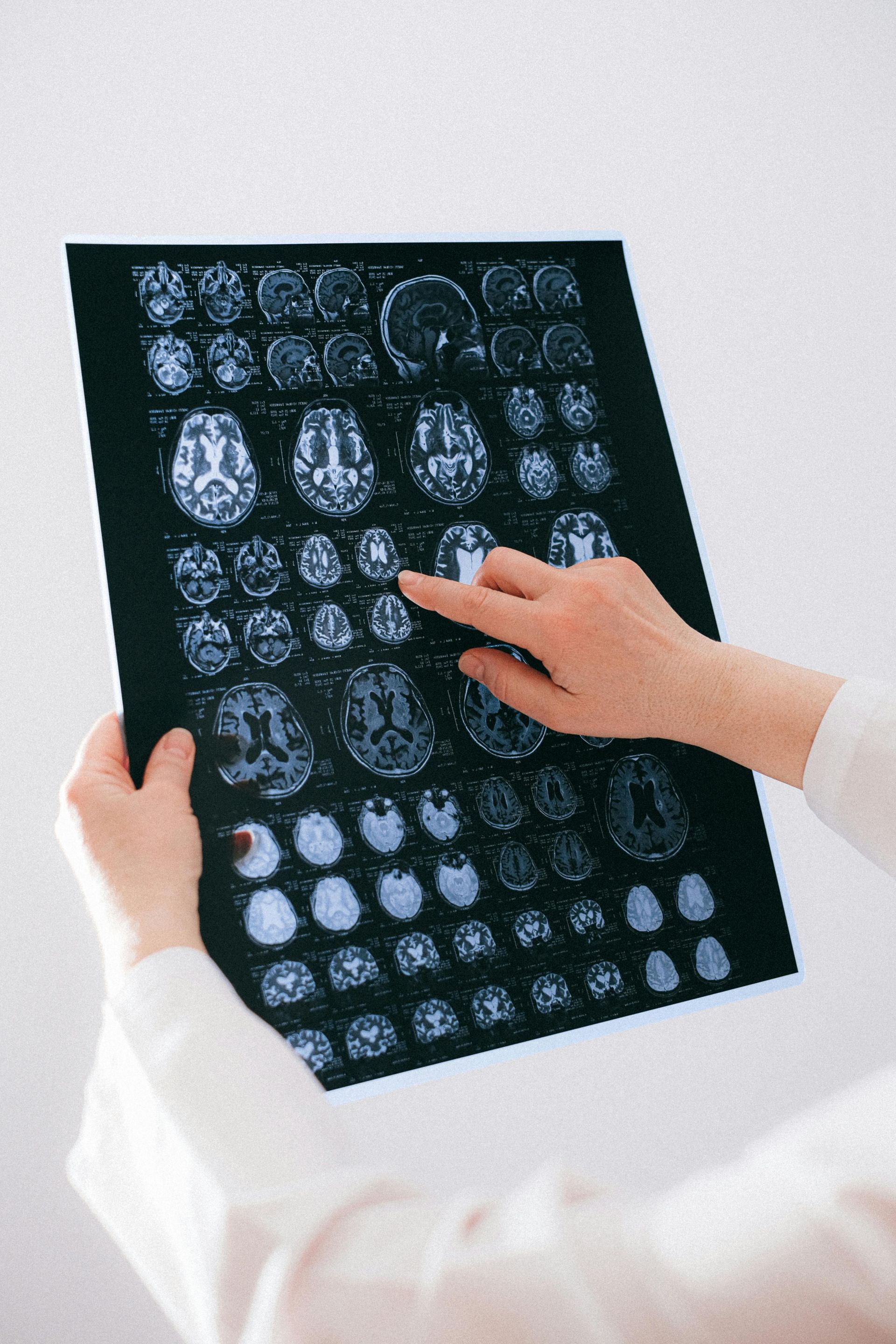
Chronic stress does not merely affect how the brain functions from moment to moment — it produces measurable structural changes in brain tissue itself. Some of these changes are reversible with treatment and stress reduction. Others may persist.
The hippocampus — a region critical to memory formation, spatial navigation, and the regulation of the stress response itself — is particularly vulnerable to cortisol. Neurons in the hippocampus are dense with cortisol receptors, and sustained high cortisol is toxic to them. Chronic stress reduces hippocampal volume, primarily through the atrophy of dendritic branches — the projections that connect neurons to each other — and through suppression of neurogenesis, the process by which new neurons are generated in the hippocampus throughout life.
This volume reduction has cognitive consequences. The hippocampus plays a central role in consolidating new memories and in spatial processing. Hippocampal shrinkage is associated with impairments in episodic memory — the kind that records the events of a person's life — and with difficulty learning new information. It is also a feature of depression, and stress is a major precipitating factor in depressive disorders, which may partly explain this structural overlap.
The amygdala — the region associated with threat detection and emotional reactivity — changes in the opposite direction under chronic stress. Amygdala volume increases, and the dendritic branching in amygdala neurons becomes more extensive. This structural change corresponds to a functional change: people under chronic stress show heightened amygdala reactivity to threats, meaning the brain's alarm system becomes more sensitive and harder to override.
The prefrontal cortex, which provides executive control over the amygdala and governs decision-making, impulse control, and rational thought, also suffers under chronic stress. Its dendritic complexity decreases, and its functional connections to the amygdala weaken. The net effect is a brain that is simultaneously more reactive to perceived threats and less capable of applying rational override.
Credit: Tayfun Dikmen, Unsplash
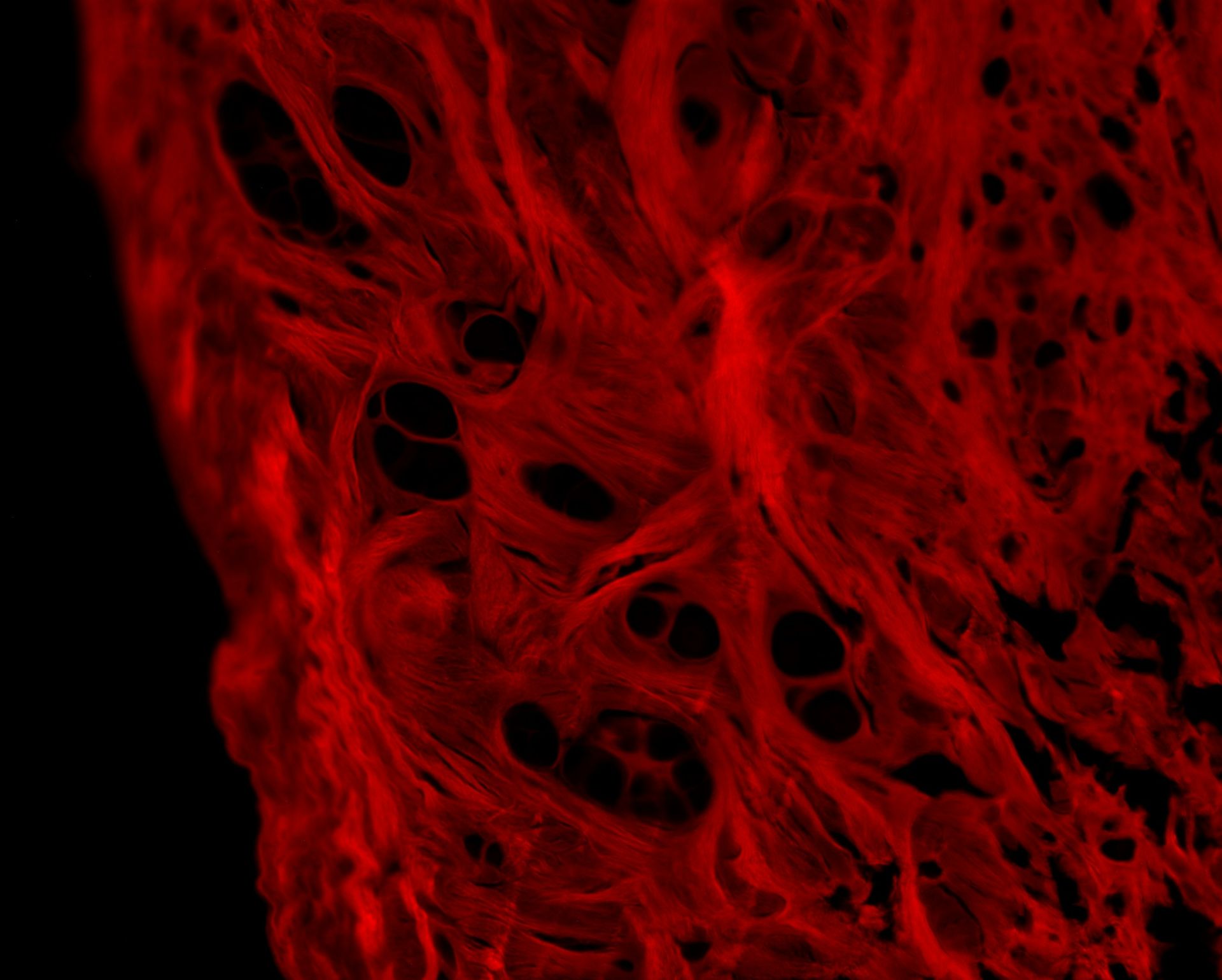
Inflammation is the body's core protective response to injury and infection — a coordinated biological process that recruits immune cells to damaged or infected tissue, clears debris, and initiates repair. In the right context and at the right duration, it is essential. But inflammation that persists without a specific injury or infection driving it is a different matter, and chronic stress is one of the major pathways through which that kind of systemic inflammation develops.
The connection between stress and inflammation runs through multiple channels. Cortisol, in normal concentrations, actually suppresses inflammation — it is, after all, the basis for corticosteroid medications used to treat inflammatory conditions. But under chronic stress, cells throughout the body become resistant to cortisol's anti-inflammatory signaling. This resistance develops through the downregulation of glucocorticoid receptors on immune cells, meaning the anti-inflammatory message can no longer get through effectively.
At the same time, chronic stress activates the nuclear factor kappa B pathway — a cellular signaling pathway that promotes the production of pro-inflammatory cytokines, including interleukin-6, interleukin-1, and tumor necrosis factor-alpha. These molecules circulate throughout the body and can promote inflammatory responses in tissues far from any specific site of damage.
Elevated levels of these inflammatory markers are detectable in blood tests and are associated with a wide range of serious diseases. Systemic inflammation accelerates atherosclerosis. It impairs insulin signaling. It promotes the kinds of cellular changes that are associated with cancer initiation and progression. It damages the brain, contributing to neurodegenerative processes. It accelerates biological aging at the cellular level, shortening telomeres — the protective caps on chromosomes that shorten with each cell division and with oxidative stress.
The cumulative effect of chronic inflammation driven by persistent stress is not confined to any single disease or organ. It is a general accelerant of the body's aging and disease processes — a background condition that raises risk broadly and measurably across multiple systems simultaneously.
Credit: brgfx, Magnific
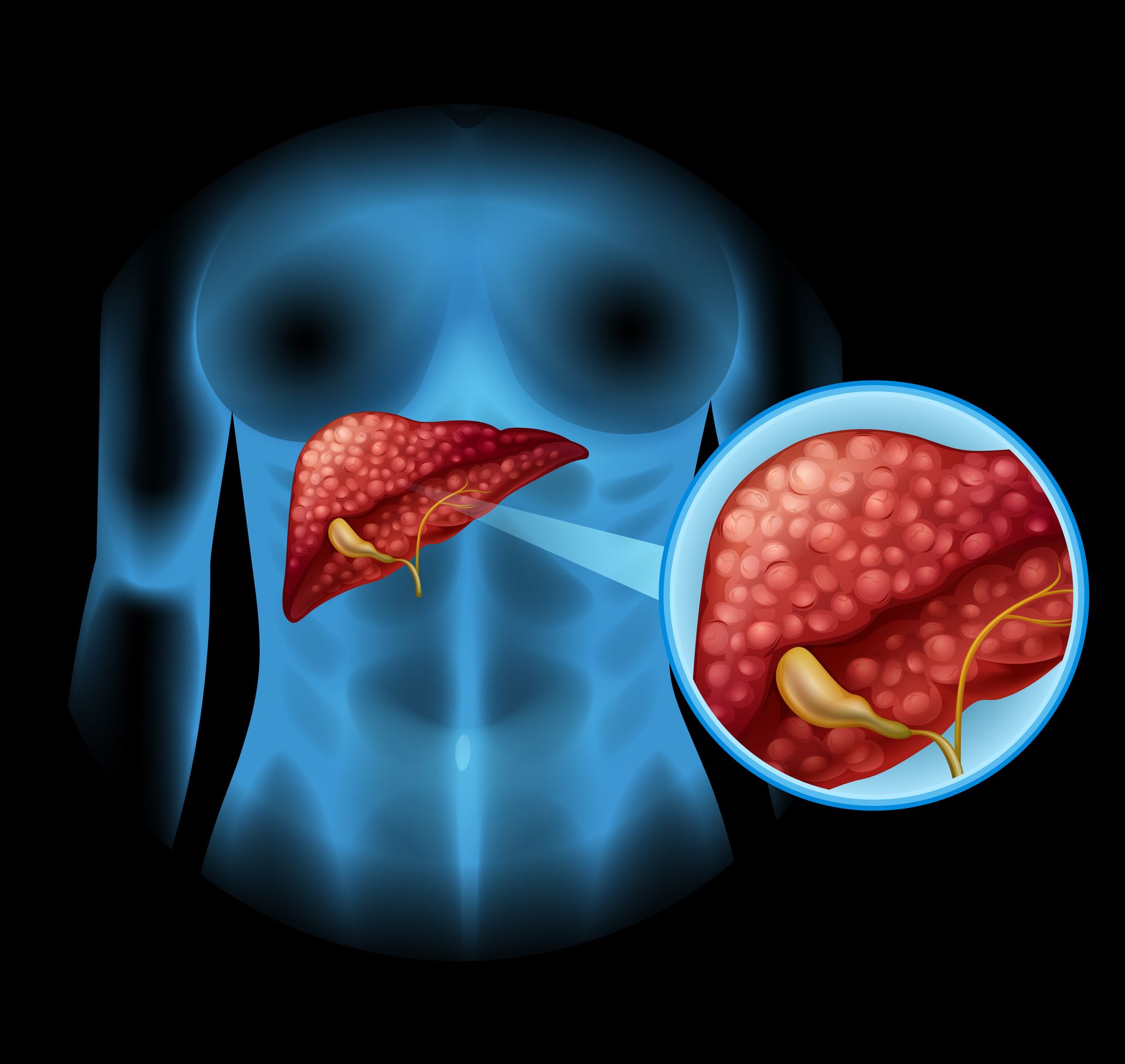
The liver is the body's primary metabolic processing center, responsible for filtering the blood, metabolizing hormones, managing blood glucose, synthesizing proteins, and processing everything from alcohol to medications to the body's own chemical byproducts. Under chronic stress, its workload increases substantially.
Cortisol is metabolized primarily in the liver. When cortisol levels are chronically elevated, the liver must process larger and more sustained loads of the hormone. This in itself is not catastrophic for a healthy liver, but it contributes to the overall metabolic burden the organ carries. More directly, cortisol's effect on glucose metabolism — specifically, its instruction to the liver to release stored glucose via glycogenolysis and gluconeogenesis — means the liver is working in a chronically elevated glucose-releasing mode that can deplete glycogen stores and place demands on gluconeogenic pathways.
The connection between chronic stress and nonalcoholic fatty liver disease (NAFLD) is an area of ongoing investigation. Cortisol promotes lipogenesis — the synthesis of fats — in the liver, and combined with the dietary patterns common under stress (higher caloric intake, more refined carbohydrates and saturated fats), this contributes to the accumulation of fat in liver cells. Hepatic steatosis — fatty liver — impairs the organ's metabolic function and can progress to nonalcoholic steatohepatitis (NASH), a more inflammatory form of the condition.
The liver also produces the inflammatory proteins that are elevated under chronic stress. C-reactive protein, which is widely used as a clinical marker of systemic inflammation, is synthesized in the liver in response to cytokine signals. When inflammation is chronically elevated, the liver is in a sustained state of producing these acute-phase proteins, which represents both a metabolic cost and a marker of systemic strain.
Alcohol consumption, which frequently increases under psychological stress, adds a direct hepatotoxic burden on top of these stress-related changes — an important intersection between behavioral and physiological stress responses in the organ most responsible for processing them.
Credit: brgfx, Magnific
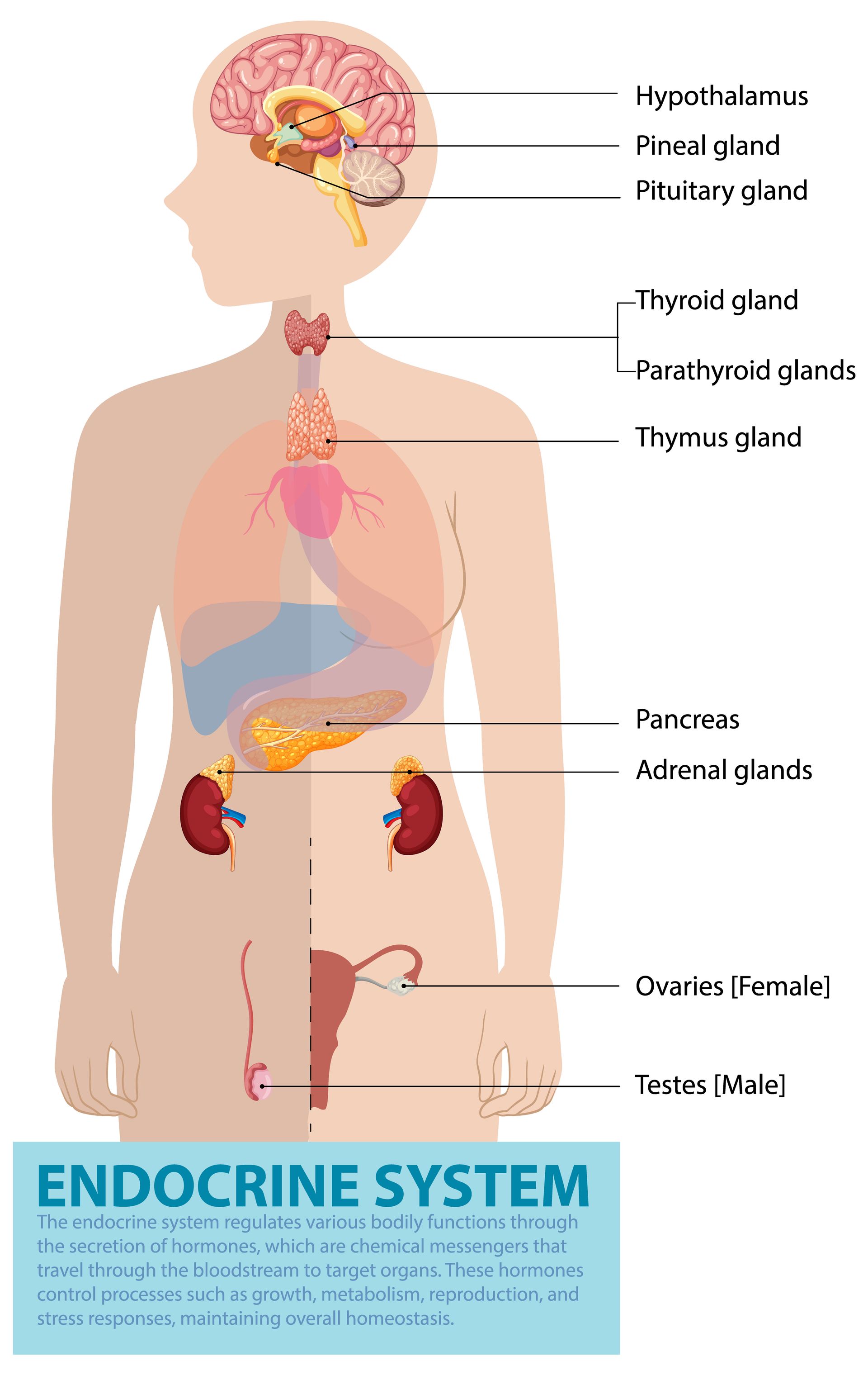
The endocrine system — the network of glands that produce and regulate hormones — operates as an integrated whole. Changes in one hormone affect others through feedback loops and shared regulatory pathways. Chronic stress introduces sustained perturbations into this system that extend well beyond cortisol and adrenaline.
The thyroid gland, which regulates metabolism throughout the body, is sensitive to stress in several ways. Cortisol suppresses the conversion of T4 — the inactive form of thyroid hormone produced by the thyroid gland — to T3, its active form, which occurs primarily in the liver and other peripheral tissues. This means that even when the thyroid itself is producing adequate hormone, the amount available for cellular use can be reduced under chronic stress. The result can resemble hypothyroidism in its symptoms: fatigue, cognitive fog, cold intolerance, and weight changes.
Insulin is affected, as described in relation to blood sugar regulation. But so is glucagon, insulin's counterpart hormone, which the pancreas releases to raise blood glucose. Stress activates glucagon release in tandem with cortisol, amplifying the blood glucose elevation.
In the adrenal glands themselves, chronic overstimulation can deplete the precursor molecules used to synthesize both cortisol and the sex hormones, since they share a common biosynthetic pathway. The concept of adrenal fatigue as a clinical entity is controversial, but the underlying principle — that sustained demand on adrenal hormone production can affect the balance of downstream hormones including DHEA, estrogen precursors, and progesterone precursors — has a biological basis.
Melatonin production, which governs circadian rhythm and supports immune function, is suppressed by cortisol and by the light exposure that accompanies stress-related screen use at night. Disrupted melatonin rhythms feed back into disrupted sleep architecture, creating another dimension of the hormonal imbalance that chronic stress produces.

Credit: Towfiqu barbhuiya, Pexels
The relationship between chronic stress and pain is bidirectional and well established in pain medicine. Stress amplifies pain perception, and pain amplifies stress, creating feedback loops that are difficult to interrupt without addressing both dimensions simultaneously.
The mechanism through which stress raises pain sensitivity involves multiple pathways. Cortisol and other stress hormones modulate the activity of the descending pain inhibitory pathways — neural circuits that run from the brain down the spinal cord and dampen pain signals from the periphery before they reach conscious awareness. Under chronic stress, these inhibitory pathways become less effective, meaning the brain's natural capacity to reduce pain signals is diminished.
At the same time, the inflammatory environment created by chronic stress sensitizes the peripheral nervous system. Inflammatory cytokines reduce the threshold at which nociceptors — the sensory neurons that detect potentially damaging stimuli — fire. This peripheral sensitization means that stimuli that would not normally be experienced as painful begin to produce pain signals, and stimuli that would normally produce mild pain become more intense.
This phenomenon is centrally relevant to understanding conditions like fibromyalgia, which is characterized by widespread chronic pain in the absence of obvious tissue damage and which is frequently precipitated or exacerbated by psychosocial stress. The pain in fibromyalgia is not imagined or psychosomatic in a dismissive sense — it is a real experience driven by measurable changes in how the nervous system processes sensory input.
The relationship between stress and migraine headaches is also well established. Stress is consistently among the most commonly reported migraine triggers, and the mechanisms include both the vascular changes produced by stress hormones and the central sensitization effects on pain processing. Post-stress relaxation can itself trigger migraines in some people — the so-called "letdown migraine" — suggesting that even the resolution of stress can produce neurological changes that initiate a migraine episode.
People with chronic pain conditions are, in turn, under higher levels of physiological and psychological stress, which feeds back into elevated pain sensitivity. This loop is one of the reasons chronic pain is so difficult to treat without integrated approaches that address the stress component directly.
Credit: Uday Mittal, Unsplash
Stress has immediate and measurable effects on cognitive performance. In the short term, moderate stress can actually sharpen attention and improve performance on certain tasks — this is the inverted-U relationship between arousal and performance described in the Yerkes-Dodson model. But as stress intensity increases beyond an optimal point, cognitive performance degrades across multiple domains.
Working memory — the cognitive system that holds information in mind and manipulates it in real time — is particularly vulnerable to high cortisol. The prefrontal cortex, which supports working memory function, has high concentrations of cortisol receptors, and elevated cortisol directly impairs synaptic functioning in this region. The practical consequence is that under high stress, people hold less information in mind at once, make more errors in tasks that require tracking multiple variables, and have more difficulty suppressing irrelevant information.
Decision-making also deteriorates under chronic stress. Research in cognitive neuroscience has documented a shift under stress from deliberative, goal-directed decision-making — which relies on prefrontal circuits — toward habitual, stimulus-driven responding — which relies on subcortical circuits including the basal ganglia and amygdala. In practical terms, this means that people under sustained stress tend to fall back on familiar patterns and routines even when those patterns are not optimal for the situation at hand, and they show reduced ability to update their behavior based on new information.
Attention and concentration suffer as well. The hypervigilance produced by chronic stress — a state in which the threat-detection system is continuously scanning for danger — competes with directed attention. Tasks requiring sustained focus become more taxing and are abandoned more quickly. Distraction increases. The ability to engage deeply with complex material diminishes.
Memory consolidation, which depends on adequate slow-wave sleep and hippocampal function — both of which are impaired by chronic stress — is also affected. People under high stress frequently report difficulty retaining new information, which is consistent with the structural and functional changes in the hippocampus described elsewhere in this piece.

Credit: Mayra Camargo, Unsplash
The urinary system is not often mentioned in discussions of stress physiology, but it is directly affected by the same autonomic nervous system shifts that govern the rest of the stress response. The autonomic nervous system — divided into the sympathetic branch, which drives the stress response, and the parasympathetic branch, which governs rest and recovery — plays a central regulatory role in bladder function.
Bladder storage and voiding are parasympathetically controlled processes. The bladder fills and the urge to urinate builds when the parasympathetic nervous system sends the appropriate signals; urination itself is a parasympathetically driven action that requires a state of relative muscular relaxation. The sympathetic activation produced by stress suppresses this process — which is why, under conditions of extreme stress, the urge to urinate can temporarily subside entirely as the body deprioritizes non-urgent functions.
However, stress also has a paradoxical relationship with urinary urgency. Many people experience increased frequency and urgency to urinate under stress, particularly psychological stress. This appears to involve the direct sensitization of bladder sensory neurons by inflammatory mediators and stress hormones, which lowers the threshold at which the bladder signals fullness even when it is not physiologically full.
For people with interstitial cystitis — a chronic bladder condition characterized by pain, pressure, and urinary urgency — stress is a well-recognized trigger of flares. The mechanisms here likely involve both the neurogenic sensitization of bladder tissue and the systemic inflammation produced by chronic stress.
Pelvic floor muscle tension is another relevant factor. Chronic stress produces widespread muscle tension throughout the body, and the pelvic floor is no exception. Chronically elevated pelvic floor tone can impair the normal coordination of bladder and urethral muscle activity, contributing to symptoms of both urgency and incomplete emptying.

Credit: Towfiqu barbhuiya, Pexels
The mouth and jaw are among the places where stress most physically concentrates in the body, and the consequences are measurable and sometimes irreversible. The two most common stress-related dental problems — bruxism and temporomandibular joint disorder — are both directly linked to the muscle tension and nocturnal arousal produced by chronic psychological stress.
Bruxism refers to the habitual clenching or grinding of the teeth, which most commonly occurs during sleep. Most people who grind their teeth are unaware they are doing it until a dentist points out the evidence — characteristic patterns of tooth wear on the enamel surfaces, which are visible on examination. Tooth enamel does not regenerate. Once worn, it is lost permanently. Severe bruxism can grind teeth down to the point where they require extensive restoration. It can also cause tooth fractures, crack dental restorations, and contribute to increased tooth sensitivity and decay.
The forces produced by bruxism are substantial. The jaw muscles — the masseters and temporalis — are among the strongest muscles in the body relative to their size, and sustained clenching applies forces that far exceed those involved in normal chewing. Over time, this leads to hypertrophy of the masseter muscles, which can visibly alter jaw appearance, and to temporomandibular joint dysfunction, which produces clicking, locking, and pain in the jaw joint.
TMJ disorder — as temporomandibular joint disorder is commonly abbreviated — produces a range of symptoms extending beyond the jaw itself. Because the jaw joint and its associated muscles share nerve pathways with other regions, TMJ disorder frequently produces referred pain in the ear, temple, neck, and upper back. People with TMJ disorder have higher rates of headache and tinnitus — ringing in the ears — which is produced by the proximity of the jaw joint to the structures of the inner ear.
Stress also affects oral health through its suppression of immune function, which reduces the mouth's defenses against the bacterial environment that drives gum disease, and through dry mouth — a common effect of sympathetic nervous system activation — which removes the protective buffering and antibacterial properties of saliva.

Credit: user18526052, Magnific
Vision and eye health are not exempt from the effects of chronic stress. The eyes, like every other organ, are subject to the hormonal and autonomic nervous system changes that stress produces — and some of the effects are clinically significant.
Pupil dilation is among the most immediate stress responses visible to an observer. Adrenaline causes the pupil dilator muscle to contract, widening the pupils to let in more light and improve peripheral vision — both useful adjustments when scanning for danger. Under sustained stress, the eyes maintain a state of greater pupil dilation, which increases light sensitivity and can contribute to eye strain and headaches.
The extraocular muscles — the six small muscles that control eye movement and coordination — are subject to the same tension that affects muscles throughout the body under stress. Sustained tension in these muscles contributes to a form of eye strain that extends beyond the simple fatigue of screen use, and it can produce blurred vision, difficulty focusing at different distances, and frontal headaches.
Elevated intraocular pressure — the pressure within the eyeball, which is central to glaucoma risk — has been associated with stress. Cortisol can impair the drainage of aqueous humor, the fluid that maintains intraocular pressure, and sustained elevated intraocular pressure is the primary risk factor for damage to the optic nerve that characterizes glaucoma.
Central serous chorioretinopathy is a condition in which fluid accumulates under the retina, producing distorted or impaired central vision. It is disproportionately associated with high cortisol levels, whether produced by endogenous stress or by exogenous corticosteroid use. Episodes often resolve spontaneously, but recurrent episodes can produce lasting visual changes.
Dry eye syndrome — characterized by insufficient tear production or poor tear film quality — is another common complaint among people under chronic stress. Cortisol reduces the activity of lacrimal glands, and the incomplete blinking that often accompanies screen use during stress compounds this effect.