
25 ways technology has changed the nature of work since 1990
From fax machines to AI assistants, a look at the tools and shifts that redefined how, where, and when people work

Credit: Kristina Chuprina / Pexels (left)
Credit: Dextar Vision / Pexels (right)
In 1990, the modern office still ran on paper. Memos circulated in interoffice envelopes. Phone messages were scrawled on pink slips and left on desks. A fax machine was cutting edge, and a desktop computer, if a worker had one at all, likely ran on a floppy disk and connected to nothing beyond its own four walls. The internet existed but was confined mostly to universities and government labs. Cellphones were the size of bricks and reserved for executives who could justify the expense.
What followed over the next three and a half decades was not a single invention but a long chain of them, each one reshaping not just how tasks got done but what counted as a job in the first place. Email replaced the interoffice envelope. The internet replaced the trip to the library or the file cabinet down the hall. Smartphones erased the line between the office and everywhere else. Cloud software meant a worker's files lived not on a single machine but everywhere they had a login. And artificial intelligence, still in its early stages of workplace adoption, has begun taking on tasks once assumed to require a human mind.
This list traces 25 of the most consequential shifts in workplace technology since 1990, organized roughly by the era in which they took hold. Some, like email, are so embedded in daily routine that it is easy to forget they did not always exist. Others, like the four-day workweek experiments or the rise of AI coding assistants, are recent enough that their long-term effects are still unfolding. Together they describe a single throughline: the steady erosion of the idea that work has to happen in one place, during fixed hours, using tools that do not talk to each other. The story of work since 1990 is, in large part, the story of these tools.
Email became the default mode of business communication

Credit: Ivan S / Pexels
Before the early 1990s, most business correspondence moved by phone, fax, or interoffice mail. Email existed in limited academic and military networks going back to the 1970s, but it was not until the early 1990s that commercial email systems began spreading through corporate America. Lotus cc:Mail and Microsoft $MSFT Mail were common in offices by the early part of the decade, and the arrival of the World Wide Web in 1991 set the stage for email to become a universal business tool rather than a niche one.
By the mid 1990s, email had displaced the memo as the primary way colleagues communicated in writing. It also changed the pace of business. A letter took days. A fax took minutes but required someone to be standing at the machine. Email could be sent at any hour and read whenever the recipient checked their inbox, which introduced both convenience and a new kind of obligation: the expectation of a response.
This shift also restructured internal company hierarchies in subtle ways. Memos had typically flowed in one direction, from management down, or were filtered through secretaries and assistants. Email made it just as easy for a junior employee to write directly to a senior executive, flattening some of the gatekeeping that had defined office communication for decades.
Email also created the first wave of what would later be called "always on" culture. Workers began checking messages at home, then on vacation, then constantly. By the time smartphones arrived in the following decade, the expectation of near-instant email responsiveness was already deeply established in many industries, particularly finance, law, and media.
The technology itself kept evolving, from desktop clients to web-based webmail in the late 1990s, but the basic behavior, asynchronous written messages that could be sent and received at any time, was set in this period and has remained the backbone of business communication ever since.
The internet gave every worker access to a global library
Credit: RDNE Stock project / Pexels
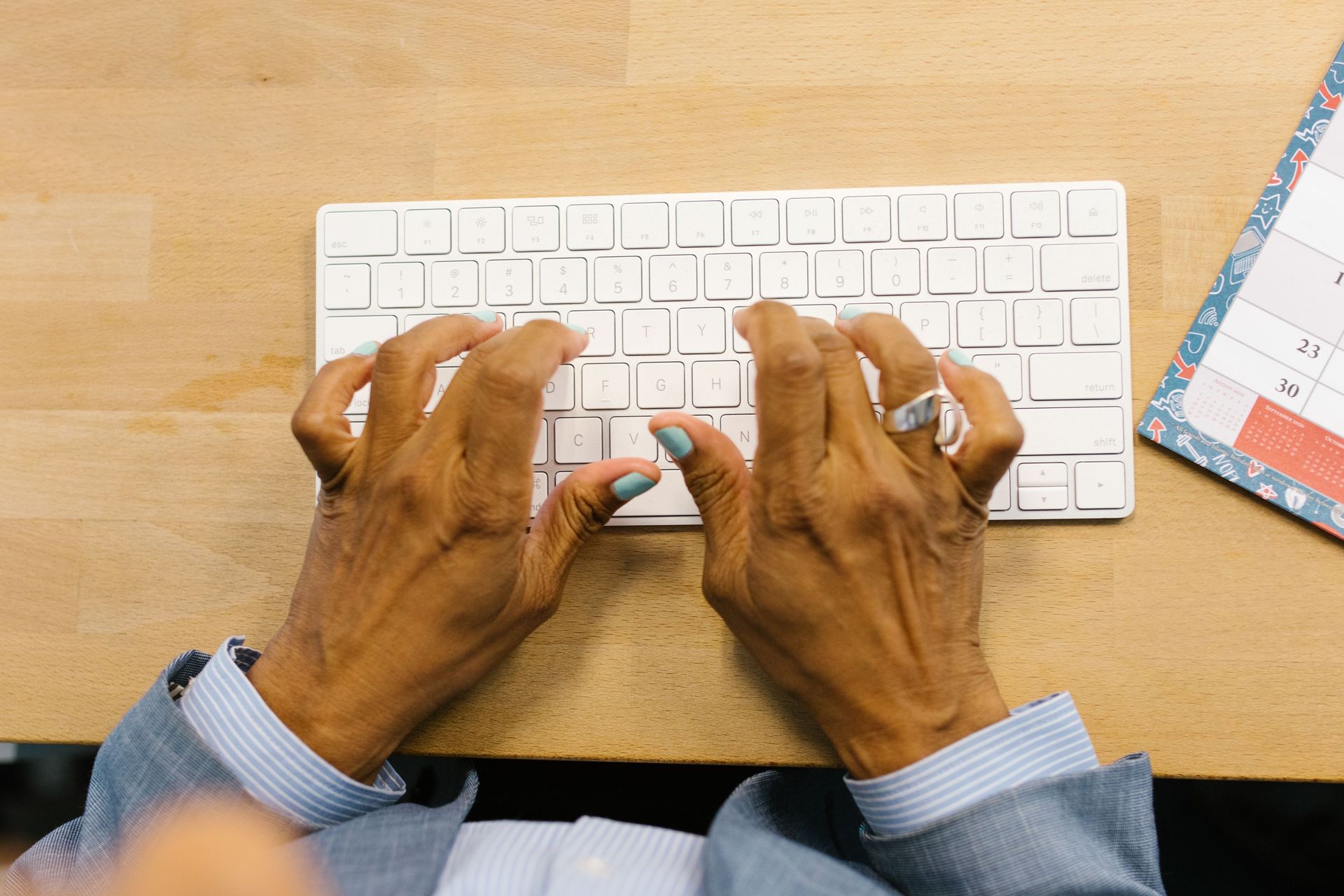
For most of office history, research meant a trip to a library, a call to an expert, or a search through internal company archives. The commercialization of the internet in the early-to-mid 1990s, marked by the launch of the Mosaic browser in 1993 and Netscape Navigator in 1994, changed that almost overnight for industries that adopted it early.
Information that once took a librarian an afternoon to track down became searchable in seconds. This had an outsized effect on professions built around research and information gathering: journalism, law, academia, finance, and consulting in particular. A junior analyst with an internet connection in 1996 had faster access to public company filings, news archives, and reference material than a senior partner had a decade earlier.
The internet also began dissolving the walls between a company and the outside world. Customers could research products themselves rather than relying entirely on a salesperson. Competitors' public information became easy to monitor. Job postings moved online, and so did resumes, changing how companies recruited and how workers searched for new roles.
Search engines compounded this effect. Early tools like Yahoo and AltaVista organized the web's growing volume of information, and Google $GOOGL's 1998 launch made search fast and relevant enough that "looking something up" became a near-instant reflex rather than a planned task. By the early 2000s, the internet had become so central to office work that an outage could halt productivity across an entire company.
The internet's workplace effect went beyond information access. It also laid the groundwork for nearly every other shift on this list. Email, e-commerce, cloud computing, remote work, and the gig economy all depend on the basic infrastructure the internet built in this period. Without it, none of the later changes to how people work would have been possible in the form they eventually took.
Laptops untethered work from a single desk
Credit: Atlantic Ambience / Pexels
Portable computers existed before 1990, but they were heavy, expensive, and limited in what they could do compared with a desktop. The 1990s saw a steady improvement in laptop technology, including lighter materials, longer battery life, and color screens, that made them practical for everyday business use rather than a niche tool for road warriors.
IBM $IBM's ThinkPad line, introduced in 1992, became one of the defining business laptops of the decade, known for its durability and the red TrackPoint nub in place of a mouse. Apple $AAPL's PowerBook, launched the same year, brought a similar shift to its own user base. By the late 1990s, laptops had become common enough in corporate settings that "bringing your laptop home" started to become part of normal office life rather than an exception for traveling executives.
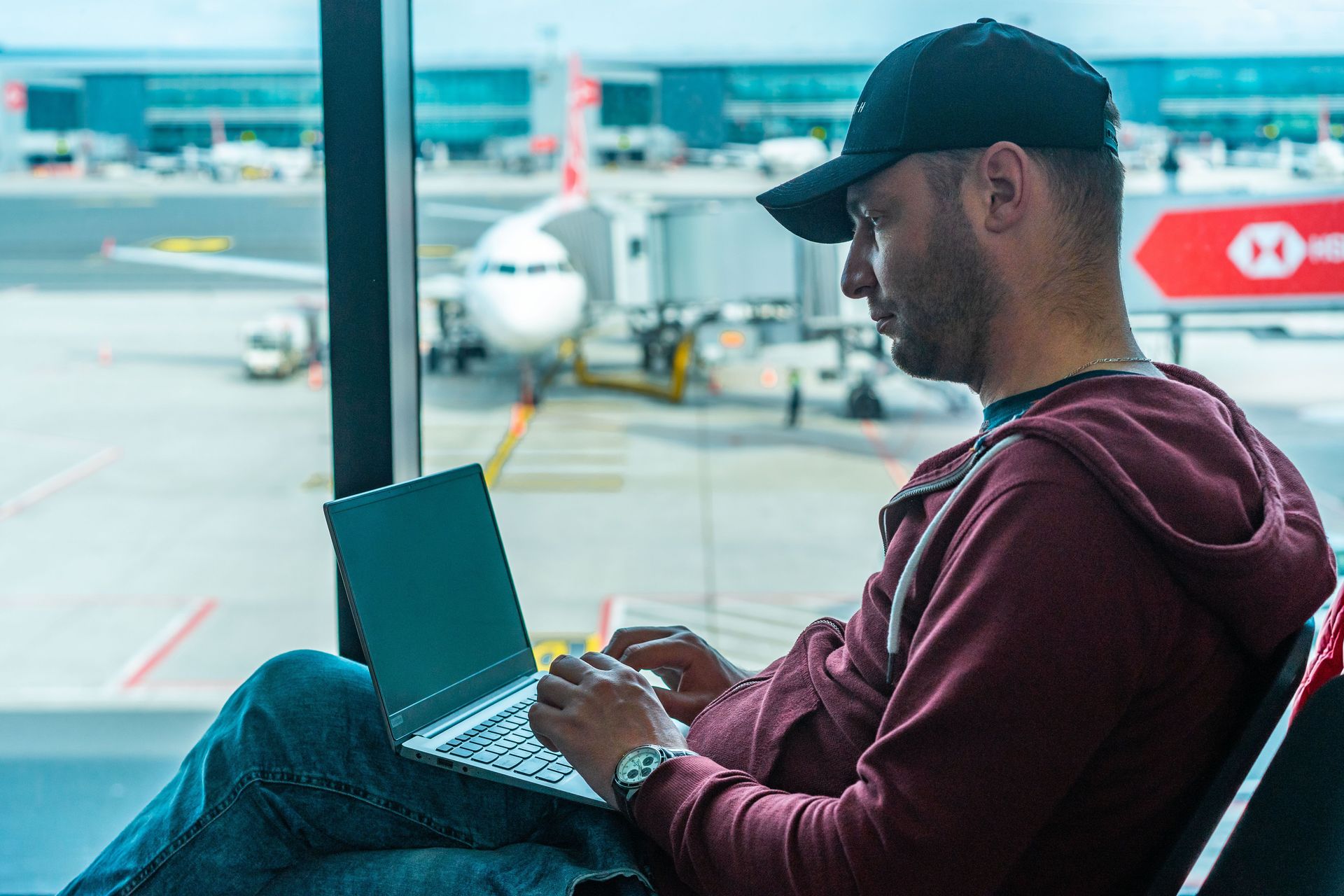
This had a direct effect on where and when work happened. A desktop computer tied an employee to a specific physical location: their desk. A laptop meant the same files and software could travel to a hotel room, an airport lounge, or a kitchen table. Work no longer required being in the office, even if it still usually was.
Laptops also changed business travel. Salespeople, consultants, and executives could prepare presentations and respond to email while traveling rather than losing those hours entirely. This compressed travel time into work time, a shift that contributed to longer effective workdays even as it added flexibility.
The combination of laptops and growing internet access through the late 1990s and 2000s set up the conditions for the much larger remote work shift that would arrive decades later. Before home broadband and video calls made full remote work practical, laptops had already established the basic premise: that a worker's tools did not need to be bolted to a desk in a corporate building. That premise would not be fully realized until wireless internet and cloud software caught up, but laptops were the first physical break from the fixed workstation.
Mobile phones made workers reachable outside the office

Credit: Olanma Etigwe-uwa / Pexels
In 1990, a mobile phone was a status symbol reserved mostly for executives, salespeople, and emergency services. Motorola's early flip phones and "brick" phones from the late 1980s were expensive, had short battery life, and offered no functionality beyond calls. Over the course of the 1990s, prices dropped and phones shrank, and by the end of the decade mobile phones had moved from executive perk to common business tool across many industries.
This had an immediate effect on availability. A worker who left the office in 1990 was, for practical purposes, unreachable until they returned or checked in by landline. By the late 1990s, a manager could call a field technician, a salesperson, or a traveling executive at almost any time. This extended the workday's reach well beyond the physical office, even before smartphones added email and internet access to the mix.
Industries with mobile workforces felt this shift first. Construction supervisors could coordinate with crews across multiple job sites in real time rather than relying on scheduled check-ins. Sales representatives could close deals from a client's parking lot rather than waiting to return to a desk. Delivery and logistics companies used early mobile and pager systems to route drivers more efficiently as the decade progressed.
The flip side of constant reachability was the early erosion of personal time. Workers who had once been fully off the clock once they left the building now faced calls during evenings, weekends, and vacations. This was a precursor to the more intense always-on culture that smartphones would later bring, but the basic shift, from unreachable to reachable, started with the simple mobile phone.
By 2000, mobile phone ownership had become widespread enough in many developed economies that being unreachable was the exception rather than the rule for many professionals, setting the stage for the far more disruptive arrival of internet-connected smartphones in the following decade.
Enterprise software replaced paper-based business processes
Credit: fauxels / Pexels
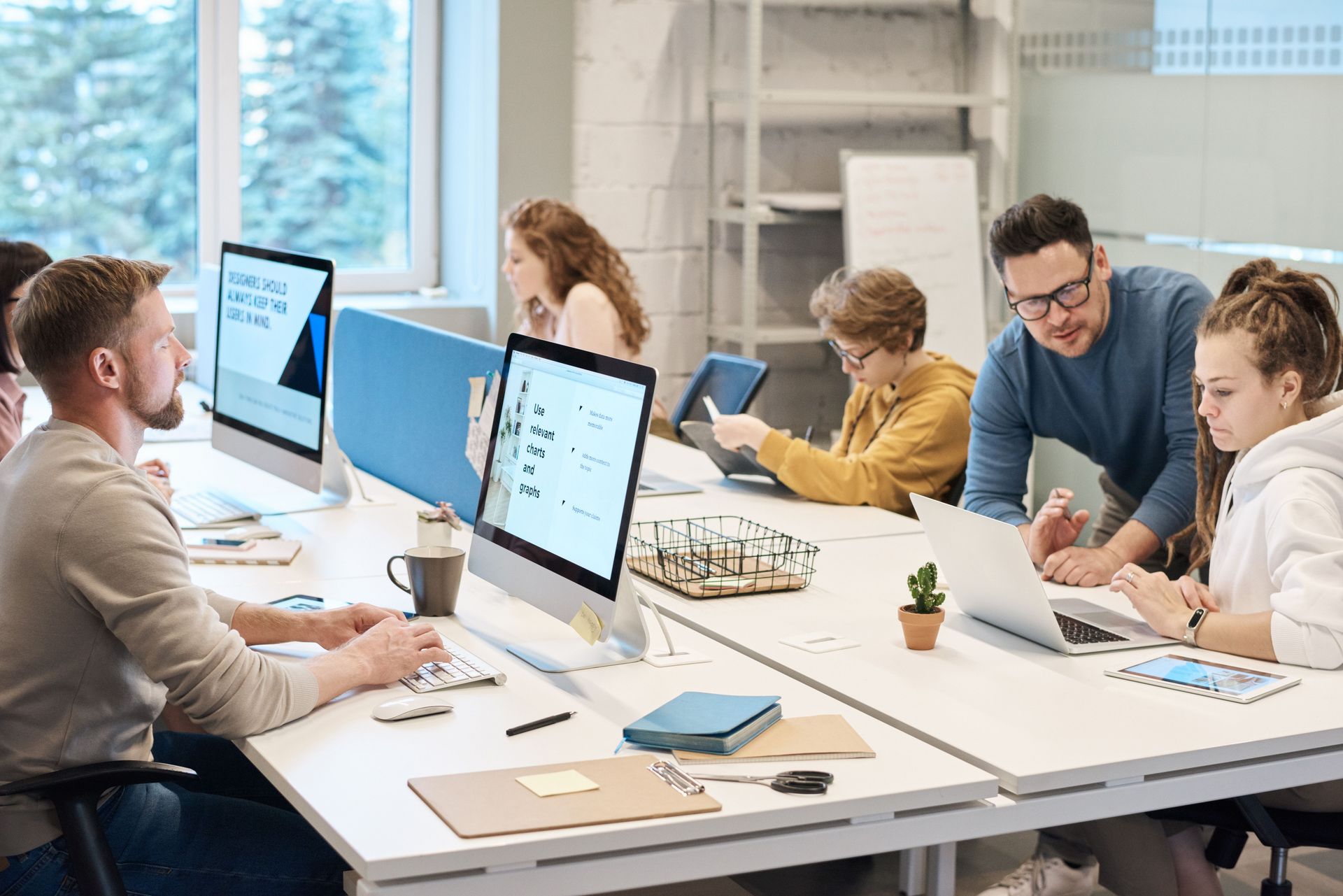
Through the 1980s and into the early 1990s, core business functions including accounting, inventory, payroll, and human resources often ran on separate paper systems or isolated, incompatible software. The 1990s saw the rise of enterprise resource planning, or ERP, systems that aimed to unify these functions into a single digital platform.
German company SAP, founded in 1972, became one of the dominant players in this space during the 1990s as large corporations adopted its R/3 software to integrate finance, manufacturing, and logistics. Oracle $ORCL and PeopleSoft offered competing systems, and by the middle of the decade, ERP adoption had become a major undertaking for large companies, often involving years-long implementation projects and significant cost.
This shift changed the nature of administrative and finance work substantially. Tasks that had once required manually reconciling paper records across departments could now be tracked in a shared digital system. An inventory shortage in a warehouse could be visible to a sales team in another building instantly rather than after the next physical count.
The technology also created new categories of jobs. ERP implementation consultants, systems administrators, and data analysts became necessary roles as companies needed specialists who understood both the business processes and the software managing them. This represented an early version of a pattern that would repeat throughout the following decades: new software creating demand for entirely new job titles.
ERP systems also introduced a downside that would recur with later workplace technology: rigidity. Once a company built its processes around a specific software platform, switching systems became expensive and disruptive, leading many organizations to stay on outdated software far longer than ideal. This tension, between the efficiency gains of integrated systems and the difficulty of changing them later, became a recurring theme in enterprise technology adoption for decades to follow.
Video conferencing reduced the need for business travel
Credit: Polina Tankilevitch / Pexels
Video conferencing technology existed in limited forms before 1990, including early systems used by large corporations for executive meetings, but the equipment was expensive, the connections were unreliable, and the picture quality was poor. Through the 1990s and 2000s, gradual improvements in internet bandwidth and compression technology made video calls more practical, though full adoption did not happen quickly.
Early business video conferencing in the 1990s often required dedicated conference rooms with specialized, costly equipment. Companies like PictureTel sold systems aimed at large enterprises that could afford the investment, but the technology remained out of reach for smaller businesses and individual workers throughout most of the decade.
The technology became dramatically more accessible in the 2000s and especially the 2010s as webcams became standard on laptops and software like Skype, launched in 2003, made video calling free and simple for individual users. Businesses increasingly adopted similar tools for internal meetings, sales calls, and client check-ins, reducing the need for some forms of travel that had previously been considered necessary.
This shift had a measurable effect on business travel patterns over time, particularly for routine check-ins and status meetings that did not require an in-person presence. Companies began reserving travel budgets for meetings where physical presence offered clear value, such as final contract negotiations or relationship-building visits, while routine coordination moved to video.
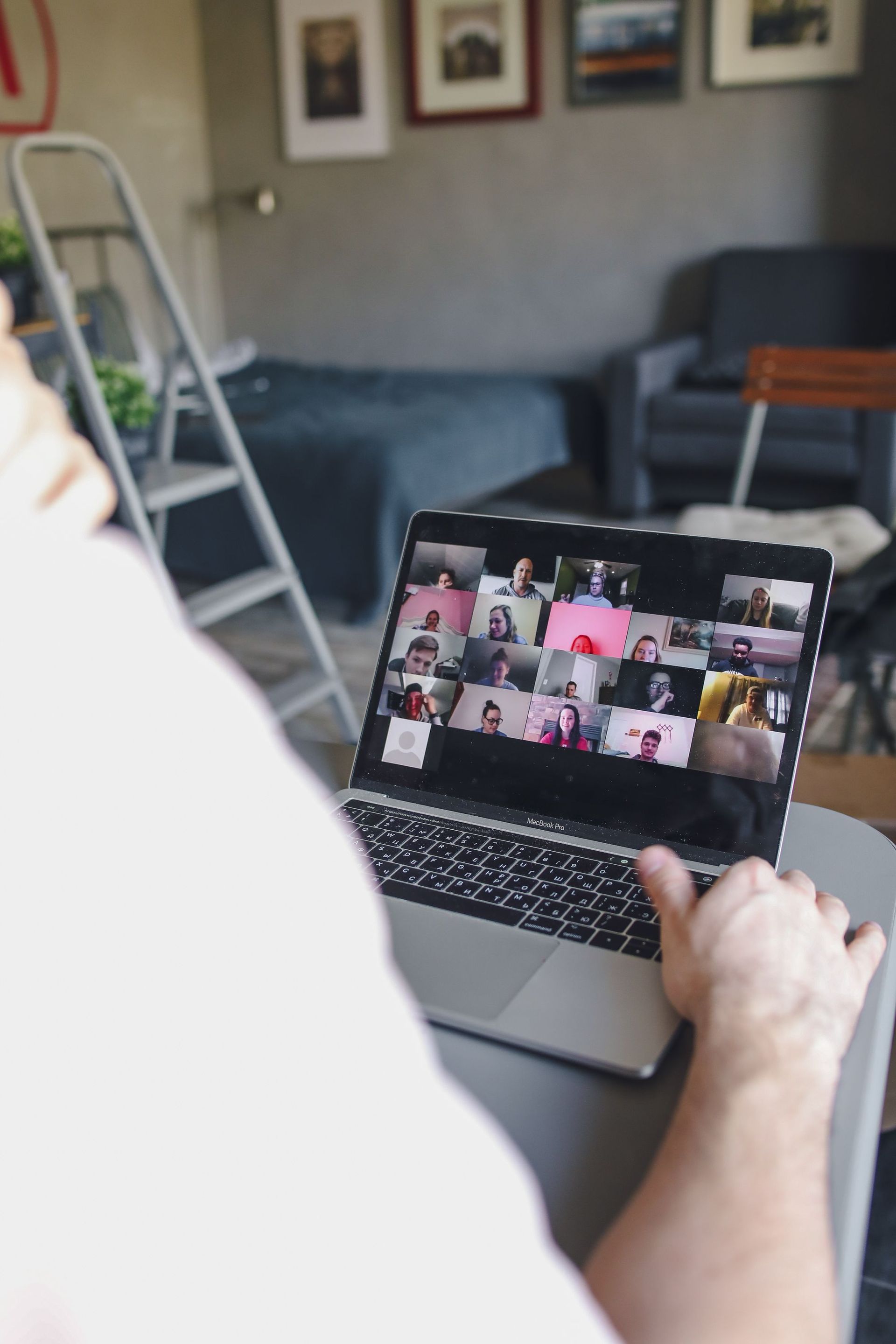
The trend accelerated dramatically and abruptly during the COVID-19 pandemic beginning in 2020, when tools like Zoom $ZM, which had launched in 2011 but remained a secondary option for many companies before the pandemic, became the primary mode of business meetings almost overnight. This period demonstrated how much business interaction could be conducted remotely when necessity demanded it, permanently changing expectations about which meetings truly required travel.
Cloud computing decoupled software from physical hardware
Credit: panumas nikhomkhai / Pexels
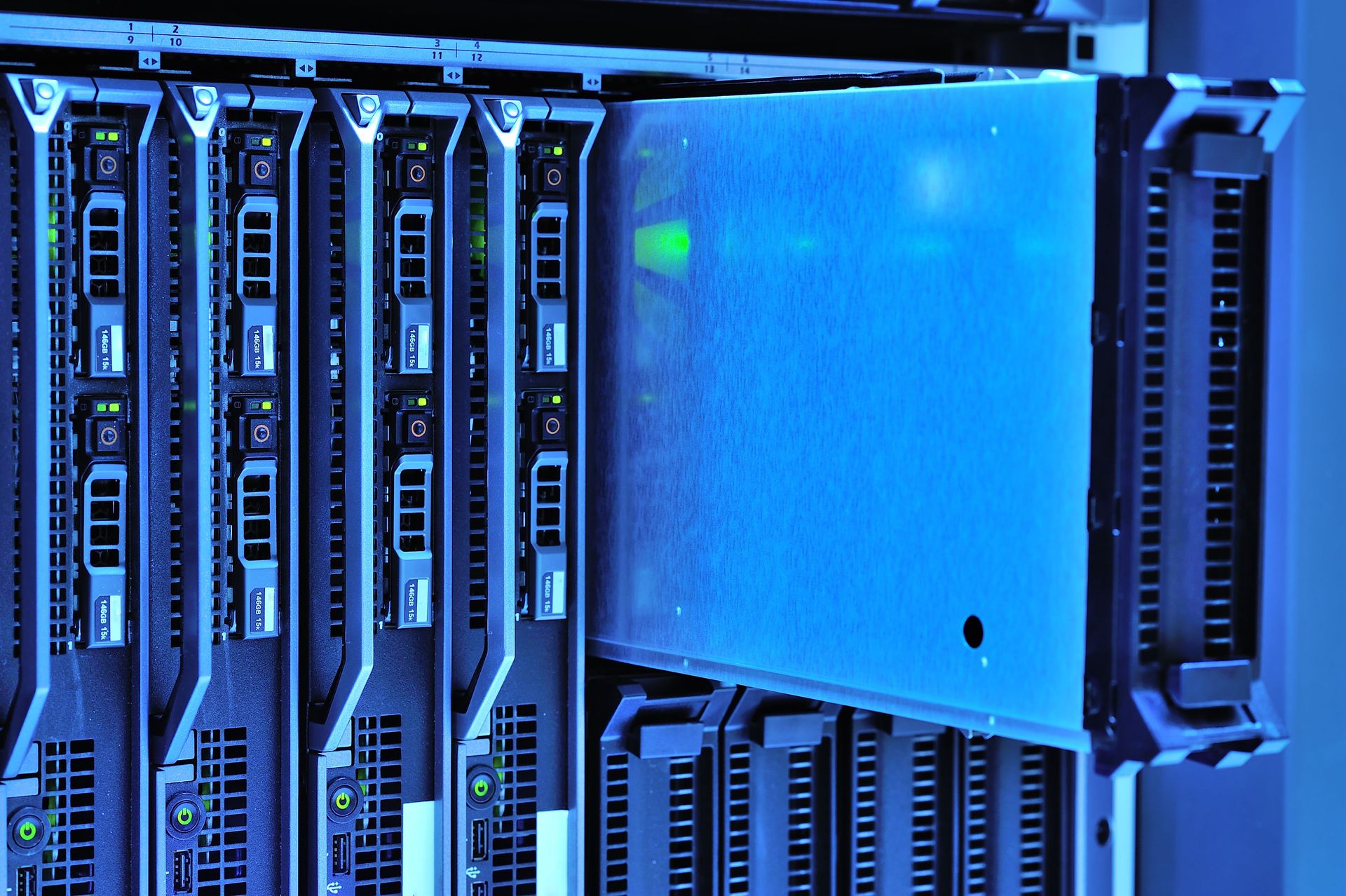
Through most of the 1990s and into the 2000s, business software typically lived on physical servers owned and maintained by the company using it, or on individual desktop computers running locally installed programs. This required significant upfront investment in hardware and ongoing technical staff to maintain it.
The cloud computing model, in which software and data are hosted on remote servers and accessed over the internet, began gaining real commercial traction in the mid-2000s. Salesforce $CRM, founded in 1999, was an early and influential example, offering customer relationship management software as a subscription service accessed entirely through a web browser rather than installed software. Amazon $AMZN Web Services, launched in 2006, extended this model further by allowing companies to rent computing infrastructure itself rather than just specific applications.
This shift changed the economics and flexibility of business technology substantially. A small startup no longer needed to purchase servers or hire a dedicated IT department to run sophisticated software. They could instead pay a monthly subscription fee and access the same caliber of tools that previously only large corporations could afford to build internally.
Cloud computing also changed how teams collaborated on documents and projects. Google $GOOGL Docs, launched in 2006, allowed multiple people to edit the same document simultaneously from different locations, eliminating the version-control problems that had plagued earlier collaboration methods involving emailed file attachments with names like "report_final_v3_USE_THIS_ONE.docx."
The shift to cloud-based software also enabled much of the remote work flexibility that became standard in later years. When company files and software live on remote servers rather than a single office computer, an employee can access their full working environment from anywhere with an internet connection. This infrastructure, built gradually through the 2000s and 2010s, became essential when large-scale remote work became necessary during the COVID-19 pandemic.
Smartphones merged personal and professional life into one device

Credit: Cup of Couple / Pexels
The launch of Apple $AAPL's iPhone in 2007, followed quickly by the broader adoption of Google $GOOGL's Android operating system, introduced a device that combined a phone, an internet browser, email access, and eventually a vast ecosystem of specialized applications into a single pocket-sized tool. This represented a more significant shift for workplace behavior than the basic mobile phones of the 1990s.
Before smartphones, checking email outside the office required either a laptop or, for a smaller group of professionals, devices like the BlackBerry, which launched email-capable models in the early 2000s and became closely associated with constant connectivity among executives and government officials. Smartphones extended that same capability to a much larger portion of the workforce within just a few years of the iPhone's debut.
This had a profound effect on the boundary between work and personal time. A worker could now receive a work email, a calendar reminder, or a Slack $WORK notification at any hour, on the same device they used for personal messages, photos, and entertainment. The physical act of leaving the office no longer meant leaving work behind in any meaningful sense for many employees.
Smartphones also enabled entirely new categories of work. Mobile apps allowed ride-hailing drivers, delivery couriers, and various gig economy workers to receive job assignments, navigate to locations, and process payments entirely through their phone. This infrastructure would not have been possible with the basic mobile phones of the 1990s or even the early 2000s.
The always-available nature of smartphones also sparked a broader cultural conversation about the right to disconnect from work. Several countries, including France in 2017, passed laws giving employees a legal right to ignore work communications outside of contracted hours, a direct policy response to the boundary-blurring effects that smartphone-based work had introduced.
Instant messaging replaced the office walk-over and the phone call

Credit: Alena Darmel / Pexels
Before workplace instant messaging tools became standard, quick questions between colleagues typically meant walking to someone's desk, calling their phone extension, or sending an email and waiting for a response that might take hours. Early instant messaging tools including AOL Instant Messenger, popular among consumers in the late 1990s, demonstrated the format's potential, but it took longer for businesses to adopt dedicated workplace versions.
Microsoft $MSFT's internal messaging tools and later products like Yahoo Messenger found some early business use in the late 1990s and 2000s, but workplace instant messaging did not become truly standard until the 2010s. Slack $WORK, launched in 2013, played a particularly significant role in popularizing the format for business use, offering organized channels for different teams or topics alongside direct messaging.
This shift changed the texture of daily office communication. A question that once required composing a full email with a greeting and a sign-off could instead be asked in a single short sentence with an expectation of a quick reply. This sped up many routine interactions but also created a new kind of pressure to respond immediately, since instant messaging implied immediacy in a way email did not.
Instant messaging also changed meeting culture in some organizations. Quick decisions that previously required scheduling a call or a short meeting could instead happen in a messaging thread, reducing the number of meetings needed for minor coordination, though many workers reported that messaging tools simply added another channel to monitor rather than fully replacing meetings.
The format also introduced new etiquette questions that did not exist with email or phone calls: whether a message needed an immediate response, how quickly a worker was expected to reply, and whether being shown as "active" but not responding constituted a kind of digital rudeness. These norms varied significantly across companies and continued to evolve throughout the 2010s and into the 2020s as messaging tools became more deeply embedded in daily work routines.
Search engines made expertise less scarce
Credit: Firmbee.com / Pexels
Before search engines matured in the late 1990s, certain kinds of knowledge work depended heavily on specialized expertise that was difficult to access quickly. A legal question might require consulting a law library or a specialist. A technical question might require finding someone who had encountered the same problem before. Google $GOOGL's 1998 launch, building on earlier search engines like Yahoo and AltaVista, gradually changed this dynamic across many fields.
The effect was not that expertise became unnecessary, but that the baseline cost of accessing certain kinds of information dropped sharply. A worker facing an unfamiliar technical error message could search for it and often find someone else who had already solved the same problem, a practice that became especially common among software developers using forums and later sites like Stack Overflow, launched in 2008.
This changed hiring and training in some fields. Memorizing specific procedures or facts became less valuable than knowing how to find accurate information quickly and evaluate its reliability. Some professions adjusted their training to emphasize problem-solving and information evaluation skills over rote memorization, though this shift played out unevenly across industries and roles.
Search engines also changed customer service and sales. Customers researching a product or service before contacting a company became standard behavior, meaning sales and support staff increasingly interacted with customers who already had baseline information rather than starting from zero. This shifted the role of many customer-facing employees from pure information providers toward something closer to advisors helping customers interpret information they had already gathered.
The flip side of this accessibility was a new challenge: evaluating the reliability of information found through search. As the volume of online content grew, distinguishing accurate information from inaccurate or outdated content became its own skill, one that search engines themselves attempted to address through ranking algorithms but never fully solved, leaving workers across many fields needing to develop their own judgment about source reliability.
Online job boards and applicant tracking systems changed hiring

Credit: cottonbro studio / Pexels
Before the mid-1990s, job seekers typically found openings through newspaper classified ads, industry publications, or word of mouth, and applied by mailing or faxing a paper resume. Early online job boards including Monster, which launched in 1994, and CareerBuilder, founded in 1995, began moving this process online, allowing companies to post openings and candidates to apply digitally.
This expanded the geographic reach of both job postings and applications. A company could advertise an opening to candidates well beyond their immediate region, and a job seeker could apply to positions across the country or even internationally without the cost and delay of mailing physical materials.
The increased volume of applications that resulted from this ease of access led companies to adopt applicant tracking systems, software designed to manage, sort, and filter large numbers of resumes automatically. These systems, which became increasingly common through the 2000s and 2010s, used keyword matching and other automated criteria to narrow large applicant pools before a human reviewer saw any resumes at all.
This created a new dynamic in job searching: candidates needed to write resumes that would pass automated screening systems, not just impress a human reader. This led to widespread advice about incorporating specific keywords from job postings into resumes, a practice that became standard guidance from career coaches by the 2010s.
LinkedIn's growth through the 2000s and 2010s added another layer to this shift, allowing recruiters to proactively search for and contact potential candidates who were not actively job hunting, a practice known as passive recruiting. This changed hiring from a purely reactive process, waiting for applications, into one where companies could actively identify and approach people with specific skills, fundamentally altering the balance of initiative between employers and job seekers.
Remote work became standard practice rather than an exception

Credit: Vlada Karpovich / Pexels
Working from home existed in limited forms before the 2020s, often associated with specific roles like sales or consulting that already involved significant time outside a central office, but it remained a minority practice across most industries. The technology required for full remote work, reliable home broadband, cloud-based file access, and video conferencing, had developed steadily through the 2000s and 2010s, but cultural and managerial resistance kept adoption limited.
The COVID-19 pandemic, beginning in early 2020, forced an abrupt and widespread shift to remote work across industries that had previously considered it impractical or undesirable. Companies that had resisted remote work for years implemented it within weeks out of necessity, demonstrating that much of the earlier resistance had been organizational rather than technological.
This rapid, forced experiment changed long-held assumptions in many industries. Productivity in many roles did not decline as significantly as some managers had predicted, leading to broader acceptance of remote and hybrid arrangements even after pandemic restrictions eased in subsequent years.
The shift also changed where people chose to live relative to their jobs. Workers in some industries no longer needed to live within commuting distance of their employer's office, leading to population movement away from some expensive urban centers toward smaller cities and towns, particularly in places like the U.S., where this trend was well documented in the years following 2020.
Hybrid arrangements, combining some in-office days with remote work, became a common compromise at many companies in the years following the pandemic's acute phase, rather than a full return to pre-pandemic office norms or a complete shift to permanent remote work. This represented a lasting structural change to where and how a significant portion of office-based work happens, distinct from the temporary, emergency nature of the initial 2020 shift.
Project management software replaced the whiteboard and the status meeting

Credit: Ketut Subiyanto / Pexels
Before dedicated project management software became common, tracking tasks across a team often relied on physical whiteboards, shared spreadsheets, or simply asking colleagues for status updates in meetings or hallway conversations. This worked reasonably well for small teams but became increasingly unwieldy as projects grew more complex or involved remote collaborators.
Software designed specifically for project tracking, including early tools and later popular platforms like Asana, founded in 2008, and Trello, launched in 2011, introduced shared digital boards where tasks, deadlines, and responsibilities could be tracked visually and updated in real time by anyone on the team.
This changed how teams monitored progress on shared work. Rather than waiting for a scheduled status meeting to learn whether a task was complete, team members could check a shared board at any time and see current status, reducing the need for some meetings that existed primarily to share status updates that could instead be tracked asynchronously.
The software also created a more detailed and permanent record of how work actually happened. Whiteboards got erased and hallway conversations were forgotten, but digital project management tools retained a history of who was assigned what, when deadlines shifted, and how a project evolved over time, information that became useful for both accountability and process improvement.
These tools also introduced a new kind of overhead: maintaining the software itself became a task in its own right. Teams needed to keep boards updated, which required discipline that not every team consistently maintained, leading to a common complaint that project management software worked well only when everyone actually used it consistently, a coordination problem that the technology itself could not fully solve.
E-commerce platforms created an entirely new retail workforce

Credit: Tiger Lily / Pexels
Amazon $AMZN, founded in 1994, and eBay, founded in 1995, were among the early companies to demonstrate that significant retail commerce could happen entirely online rather than through physical stores. This was a gradual shift through the late 1990s and 2000s rather than an immediate transformation, but it eventually reshaped large portions of the retail industry and the jobs within it.
Traditional retail jobs, including cashiers and in-store sales associates, declined in number at many companies as more shopping moved online over the following decades. In their place grew an entirely new set of roles: warehouse fulfillment workers, delivery drivers, e-commerce platform developers, and digital marketing specialists focused specifically on online retail.
Amazon's fulfillment center model, which expanded significantly through the 2000s and 2010s, introduced a distinct kind of warehouse work organized around speed and precision, often using handheld scanning devices and algorithmically optimized walking routes to maximize the number of items a worker could pick and pack within a shift. This represented a new category of physical labor shaped directly by software in ways that earlier warehouse work had not been.
E-commerce also created opportunities for individual entrepreneurship that had not previously existed at the same scale. Platforms allowing individuals to sell products directly to consumers, including eBay in its early years and later platforms like Etsy, founded in 2005, and Shopify $SHOP, founded in 2006, made it possible for individuals to start small retail businesses without the overhead of a physical storefront.
The shift to e-commerce also changed logistics and supply chain work substantially. The expectation of fast shipping, accelerated significantly by services like Amazon Prime, launched in 2005, required substantial investment in distribution infrastructure and created demand for logistics and supply chain specialists capable of managing increasingly complex delivery networks.
Gig economy platforms redefined the relationship between worker and employer

Credit: Norma Mortenson / Pexels
Companies including Uber $UBER, founded in 2009, and similar platforms in other sectors built business models around connecting independent contractors with customers through a mobile app, rather than employing workers directly. This represented a significant departure from the traditional employer-employee relationship that had defined most work arrangements for decades.
The technology underlying this shift, smartphone GPS, mobile payment processing, and algorithmic matching of supply and demand, did not exist in a form practical for this purpose before the smartphone era beginning around 2007. Gig platforms could not have operated in their current form even a decade earlier due to the absence of the necessary mobile technology.
This model offered genuine flexibility that traditional employment often did not, allowing workers to set their own hours and work across multiple platforms simultaneously. It also removed many of the protections and benefits traditionally associated with employment, including health insurance, retirement contributions, and guaranteed minimum hours, since gig workers were typically classified as independent contractors rather than employees.
This classification became a significant legal and political issue in many jurisdictions through the 2010s and into the 2020s, with courts, legislatures, and regulators in various countries and states reaching different conclusions about whether gig workers should be classified as employees entitled to traditional benefits and protections, or remain independent contractors. California's Proposition 22, passed by voters in 2020, was one notable example of this ongoing legal and political debate playing out in a specific jurisdiction.
The gig economy model also expanded beyond transportation and delivery into other sectors, including freelance creative and professional work facilitated by platforms like Upwork, formed through a 2014 merger of earlier freelance platforms, and Fiverr, founded in 2010. This extended the same basic model, connecting independent workers with customers through a digital platform, into knowledge work and creative fields that had previously relied on more traditional freelance arrangements and personal networks.
Automation and robotics changed manufacturing and warehouse labor
Credit: Freek Wolsink / Pexels
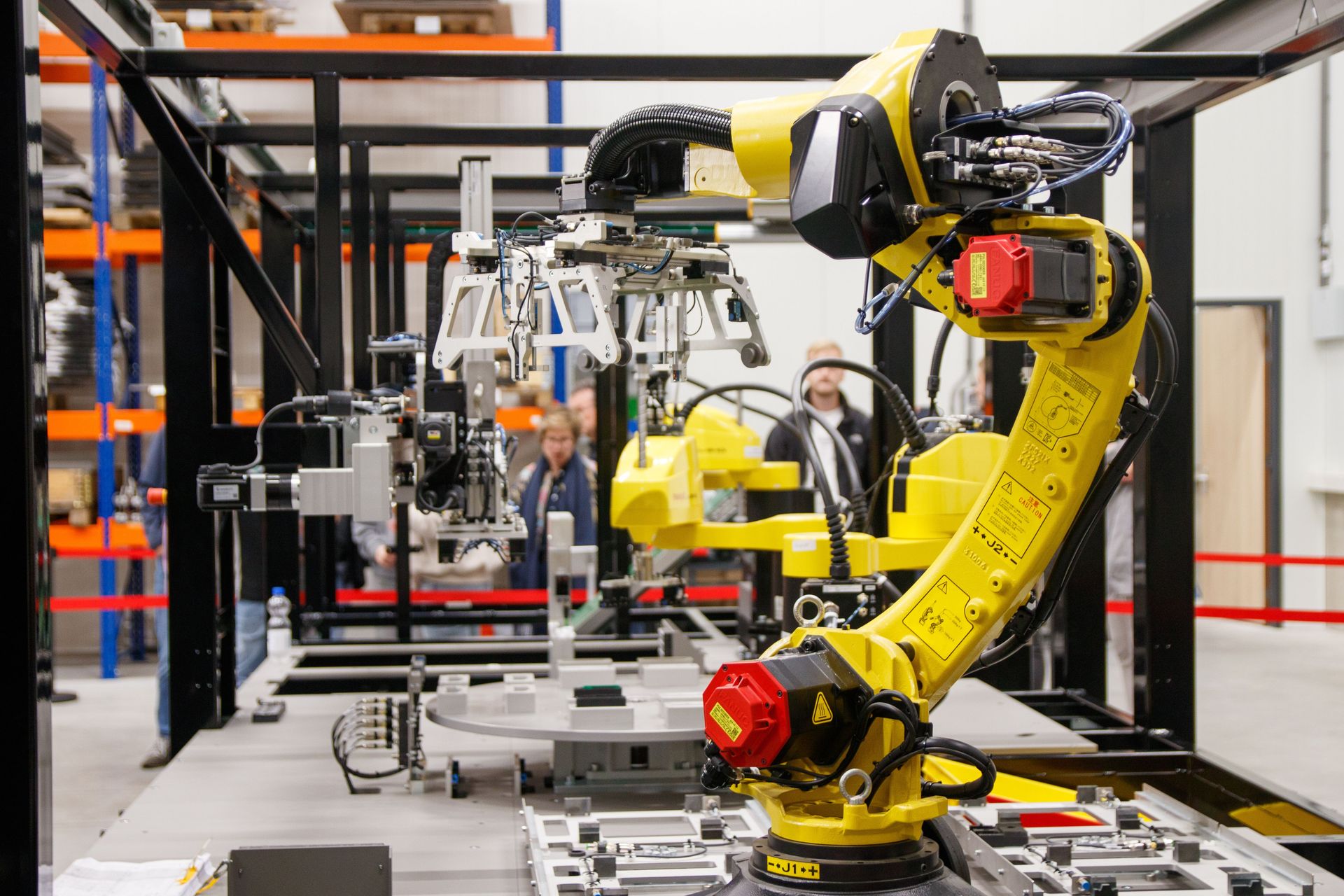
Industrial robots existed in manufacturing before 1990, but the sophistication, affordability, and flexibility of robotic systems improved substantially over the following decades. This allowed automation to extend into tasks that had previously required human dexterity and judgment, including some forms of assembly, quality inspection, and material handling.
Automotive manufacturing, an early adopter of industrial robotics going back to the 1960s and 1970s, continued to expand robotic use through the 1990s and 2000s, with robots taking on an increasing share of welding, painting, and assembly tasks on production lines. This reduced the number of workers needed for certain manufacturing tasks while simultaneously creating demand for workers skilled in robot maintenance and programming.
Warehouse automation accelerated significantly in the 2010s, with companies including Amazon $AMZN deploying robotic systems, notably following its 2012 acquisition of Kiva Systems, to move shelves of products to human workers rather than requiring workers to walk through warehouses to retrieve items themselves. This changed the physical nature of warehouse work, shifting some of the walking and searching burden from humans to machines while often increasing the pace at which remaining human tasks needed to be completed.
This shift sparked ongoing debate about the net effect of automation on employment. Some economists pointed to historical precedent showing that automation, while eliminating specific jobs, had generally created new categories of work over time, as seen with earlier waves of industrial automation. Others expressed concern that the pace and scope of more recent automation, combined with its extension into white-collar tasks through artificial intelligence, could prove more disruptive than previous waves.
The transition also created a persistent skills gap in many manufacturing regions, where workers displaced from traditional manufacturing roles often lacked the technical training needed for the robot maintenance and programming jobs that automation created in their place. This mismatch between displaced workers' existing skills and the requirements of newly created roles became a recurring policy concern in manufacturing-heavy regions across multiple countries through the 2010s and 2020s.
Data analytics turned business decisions into a quantitative discipline
Credit: Rafael Minguet Delgado / Pexels
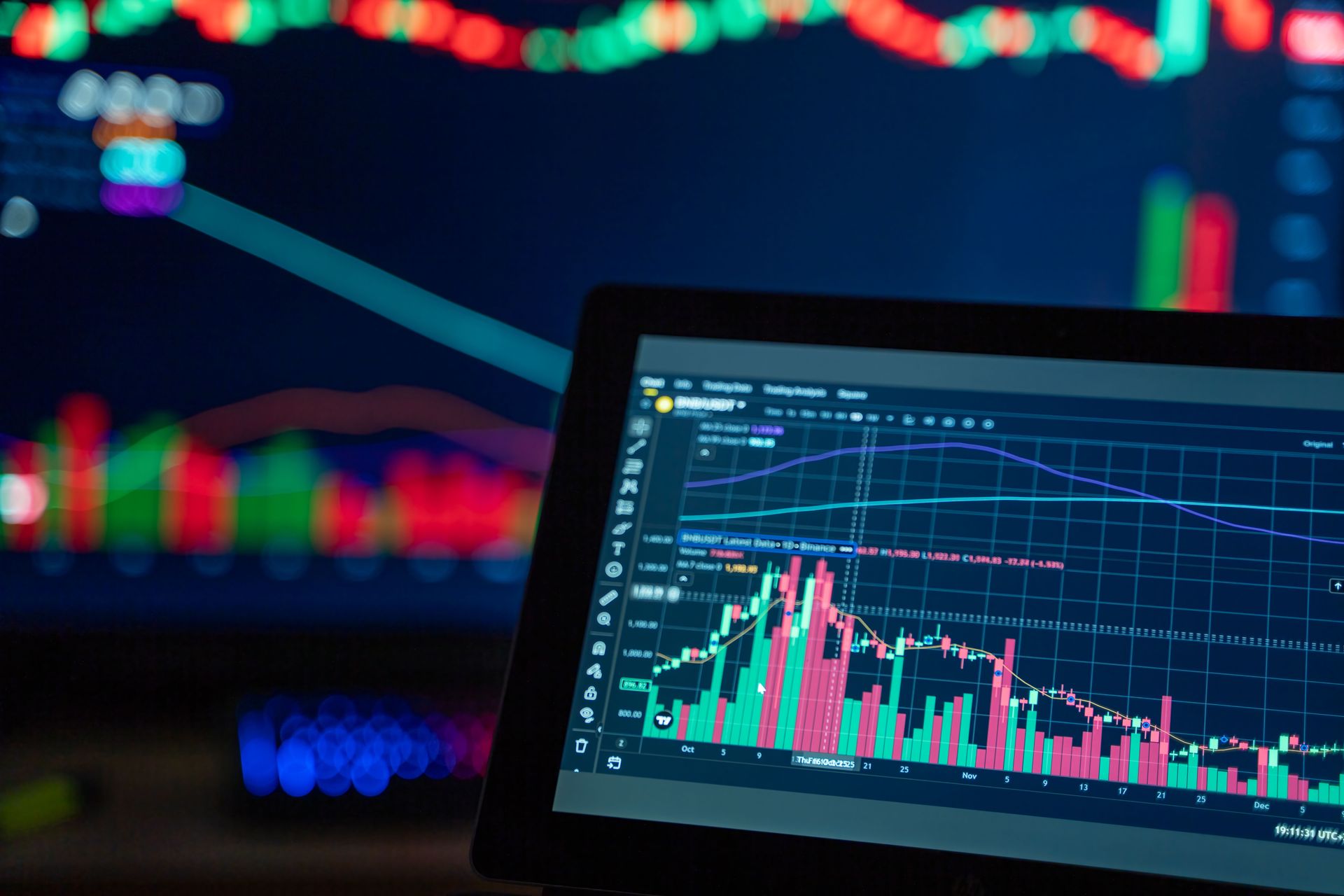
Business decisions before the widespread availability of data analytics tools often relied heavily on experience, intuition, and limited internal reporting. The growth of data collection capabilities through the 1990s and 2000s, combined with increasingly sophisticated software for analyzing that data, gradually shifted many business functions toward more quantitative, evidence-based decision-making.
Customer relationship management software, including early systems and later cloud-based platforms like Salesforce $CRM, allowed companies to track detailed information about customer interactions, purchase history, and behavior patterns in ways that had previously been impossible at scale. This data could then inform decisions about marketing, sales strategy, and product development with a level of specificity that earlier business leaders simply did not have access to.
This shift created an entirely new job category: the data analyst, along with related roles including data scientist, a term that gained widespread use in the early 2010s, and business intelligence specialist. These roles required a combination of statistical knowledge and business judgment that did not map cleanly onto previously existing job descriptions.
The shift toward data-driven decision-making also changed how performance was measured and managed within companies. Sales targets, marketing campaign effectiveness, and even individual employee performance increasingly came to be evaluated through quantitative metrics tracked by software, a change that offered more objective measurement in some cases but also created new pressures and, in some workplaces, a sense that workers were being managed by algorithms and dashboards rather than human judgment.
This quantitative turn extended into fields that had not traditionally been data-driven, including human resources, where companies increasingly used analytics to inform hiring decisions, predict employee turnover, and evaluate performance, raising new questions about privacy and the appropriate role of algorithmic assessment in decisions that had previously relied primarily on human judgment.
Cybersecurity became a core business function rather than an afterthought

Credit: AI25.Studio Studio / Pexels
In the early 1990s, with most business computers not yet connected to external networks, security concerns centered mainly on physical access to machines and basic password protection. The rapid growth of internet connectivity through the 1990s introduced new vulnerabilities that most companies were not initially prepared to address.
High-profile incidents through the 1990s and 2000s, including early computer viruses and increasingly sophisticated hacking attempts, gradually demonstrated that internet-connected business systems faced real and growing risks. This led companies to begin investing in dedicated cybersecurity measures rather than treating security as a minor add-on to general information technology management.
This shift created the role of chief information security officer, a position that became increasingly common at large companies through the 2000s and 2010s as cybersecurity grew from a technical specialty into a board-level concern. The role reflected a broader recognition that cybersecurity failures could cause significant financial and reputational damage, not just technical inconvenience.
Major data breaches at large companies through the 2010s, affecting millions of customers' personal and financial information in some cases, increased pressure on companies across industries to invest more heavily in security infrastructure and to train employees in basic security practices, including recognizing phishing attempts and following password protocols.
Cybersecurity training became a standard part of employee onboarding at many companies by the 2010s, representing a shift in responsibility from a purely technical IT function to something every employee needed at least basic awareness of. This reflected the reality that human error, including clicking malicious links or using weak passwords, remained one of the most common causes of security breaches, regardless of how sophisticated a company's technical defenses had become.
The four-day workweek moved from fringe idea to active experiment

Credit: Nadezhda Moryak / Pexels
Proposals for shorter workweeks have circulated for decades, but the concept remained largely theoretical for most companies until a wave of structured experiments began in the late 2010s and accelerated through the early 2020s. These trials tested whether reducing work hours while maintaining full pay could preserve or even improve productivity.
Iceland conducted some of the most widely cited public sector trials between 2015 and 2019, involving a substantial portion of the country's working population in tests of reduced hours with maintained pay. The results from these trials, which found that productivity remained stable or improved in many participating workplaces, contributed to broader public and policy interest in the concept across other countries.
The U.K. ran a large-scale private sector pilot in 2022 involving dozens of companies across various industries, testing a four-day week with no reduction in pay. Most participating companies reported the trial successful enough that they continued the arrangement after the formal pilot period ended, lending further momentum to the idea beyond government-run experiments.
The shift toward shorter workweeks connects directly to many of the other technological changes described elsewhere in this list. Automation, data analytics, and improved collaboration software have allowed some companies to maintain output with fewer working hours by eliminating inefficiencies that previously consumed significant working time, including excessive meetings and manual processes that software can now handle more quickly.
Adoption has remained uneven across industries and countries, with the model proving easier to implement in knowledge work and white-collar settings than in sectors requiring continuous physical presence, including healthcare, retail, and manufacturing. The four-day workweek represents an example of how technology-driven efficiency gains can translate into restructured work schedules rather than simply increased output within existing hours, though its long-term, widespread adoption remains an open question still being tested by companies and policymakers in the mid-2020s.
Algorithmic management introduced software supervisors into daily work
Credit: Jakub Zerdzicki / Pexels
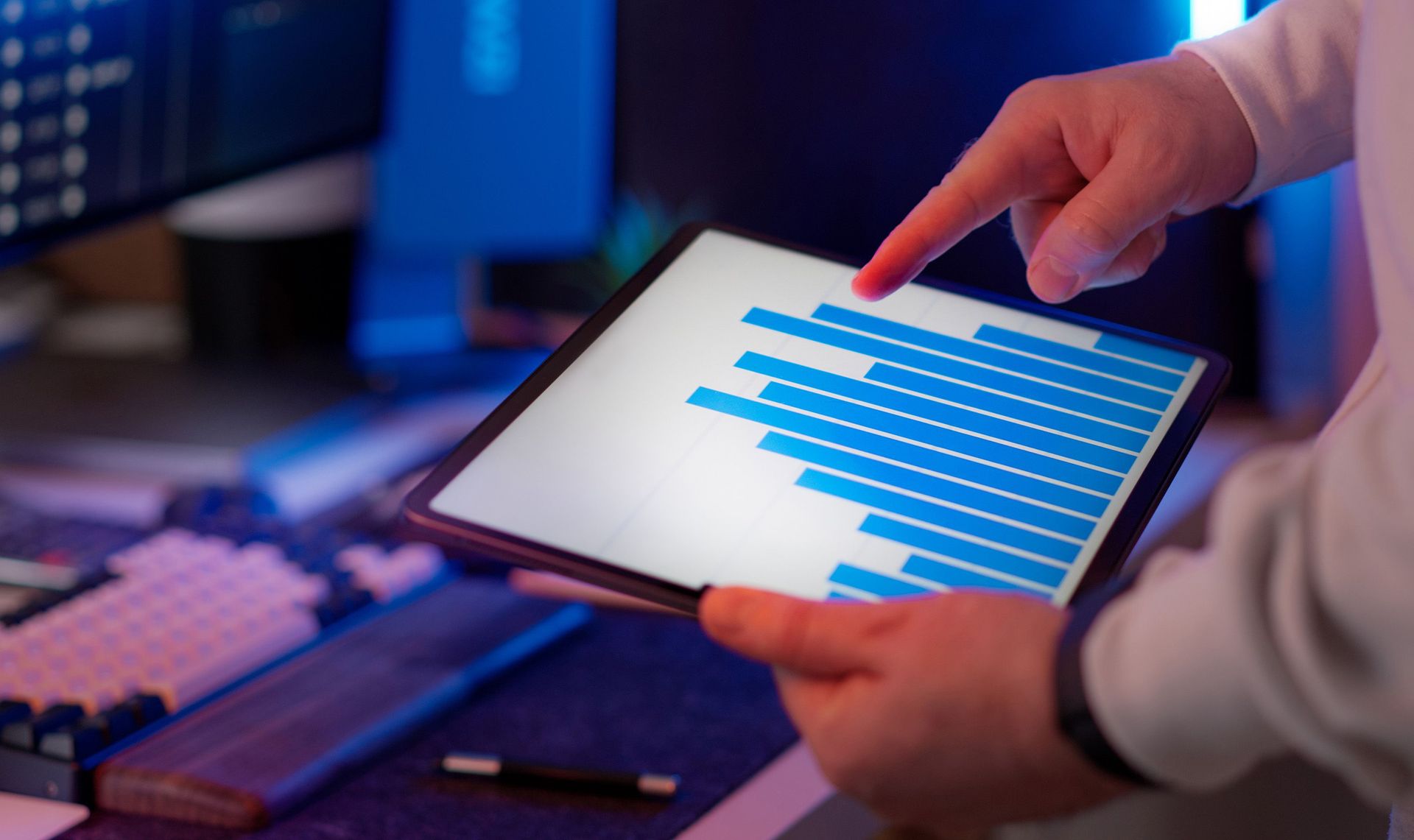
Algorithmic management refers to the use of software algorithms, rather than human managers, to assign tasks, monitor performance, and make decisions that previously required direct human judgment. This approach emerged most visibly in gig economy platforms but has since extended into more traditional workplace settings as well.
Ride-hailing and delivery platforms pioneered this model from their inception in the late 2000s and 2010s, using algorithms to match drivers with rides, set dynamic pricing based on demand, and even determine which drivers received priority for future ride requests based on performance metrics tracked automatically by the platform's software.
Warehouse work has seen similar algorithmic management practices extend into more traditional employment relationships, with companies using software to track individual worker productivity metrics, including the time taken to complete specific tasks, and using that data to inform performance evaluations or, in some cases, automated warnings or terminations.
This shift has raised distinct workplace concerns that differ from traditional human management. Workers managed primarily through algorithms have sometimes reported difficulty understanding exactly how decisions affecting their work, including pay rates or task assignments, were being made, since the underlying logic of proprietary algorithms is typically not disclosed in detail to the workers it affects.
Some jurisdictions have begun introducing regulations specifically addressing algorithmic management, including transparency requirements about how automated systems affect worker pay and scheduling, and in some cases, rights to human review of automated decisions. This regulatory response reflects growing recognition that algorithmic management represents a distinct category of workplace technology requiring its own specific policy considerations, separate from broader automation and data analytics oversight that addresses different aspects of how software affects work.
Artificial intelligence began performing tasks once considered uniquely human
Credit: Matheus Bertelli / Pexels
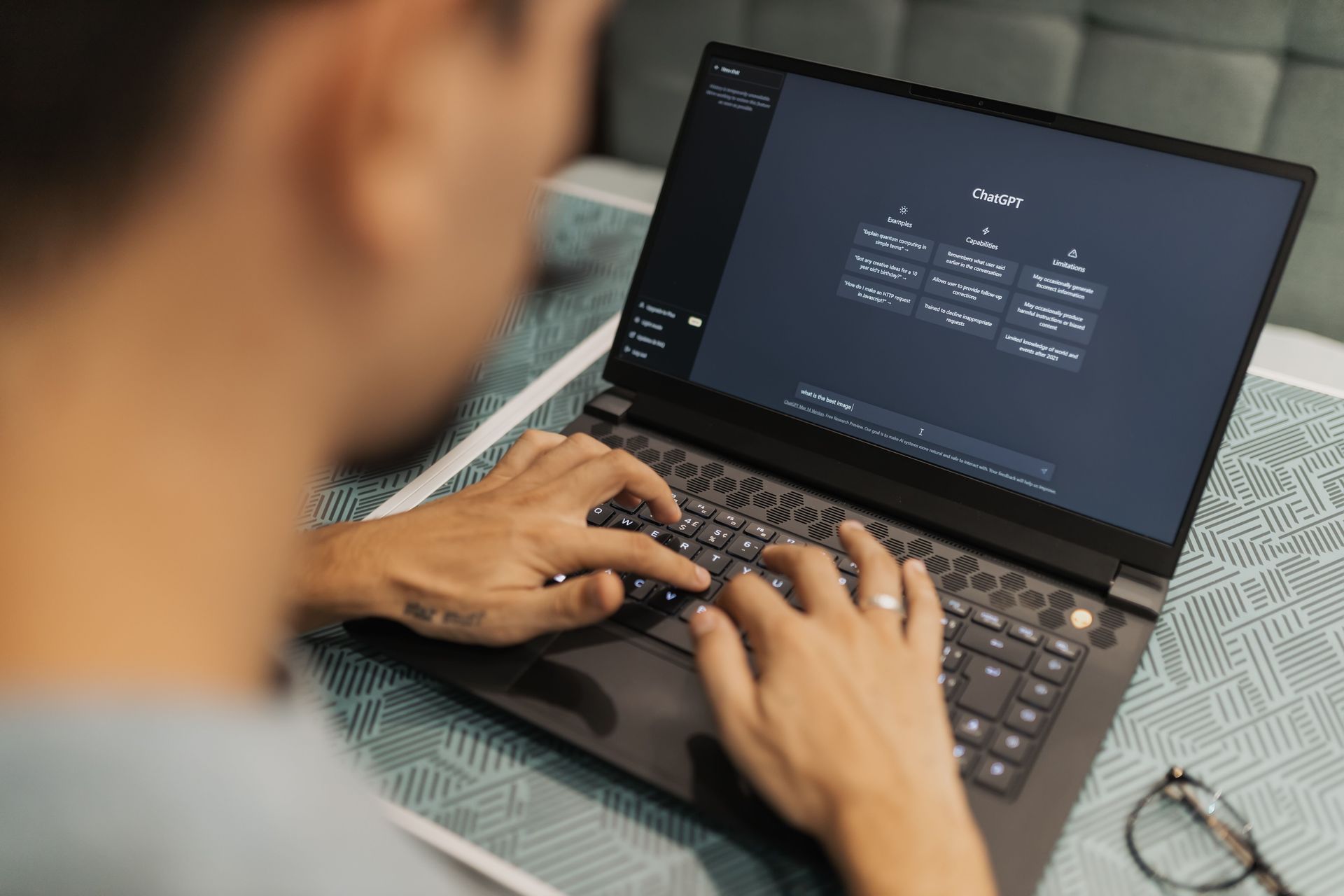
Artificial intelligence has been used in limited, specialized business applications for years, but the public release of large language model chatbots, beginning prominently with OpenAI's ChatGPT in late 2022, introduced AI capabilities that could be applied across a much broader range of office tasks than previous AI tools.
These tools demonstrated an ability to draft written content, summarize documents, generate code, and answer questions across a wide range of topics with a level of fluency that surprised many users and led to rapid adoption across multiple industries within a remarkably short period following the technology's public release.
This had an immediate effect on certain categories of work. Tasks including drafting routine emails, summarizing meeting notes, and generating first drafts of written content could increasingly be partially automated, changing the role of the human worker from initial creator to editor and reviewer in some contexts.
The technology also extended into specialized professional fields. AI tools capable of drafting legal documents, analyzing medical images, and writing software code introduced capabilities that touched on tasks previously considered to require substantial specialized human training, prompting ongoing discussion within those professions about how AI tools should be integrated into existing workflows and what oversight remained necessary.
The rapid pace of this adoption, occurring over a period of roughly two to three years rather than the decade-plus timelines associated with earlier major workplace technology shifts described elsewhere in this list, has made it difficult for companies, regulators, and workers themselves to fully assess its long-term effects, leaving many of the most significant questions about AI's ultimate effect on the nature of work still actively unresolved as of the mid-2020s.
AI coding assistants changed how software gets written
Credit: Mizuno K / Pexels
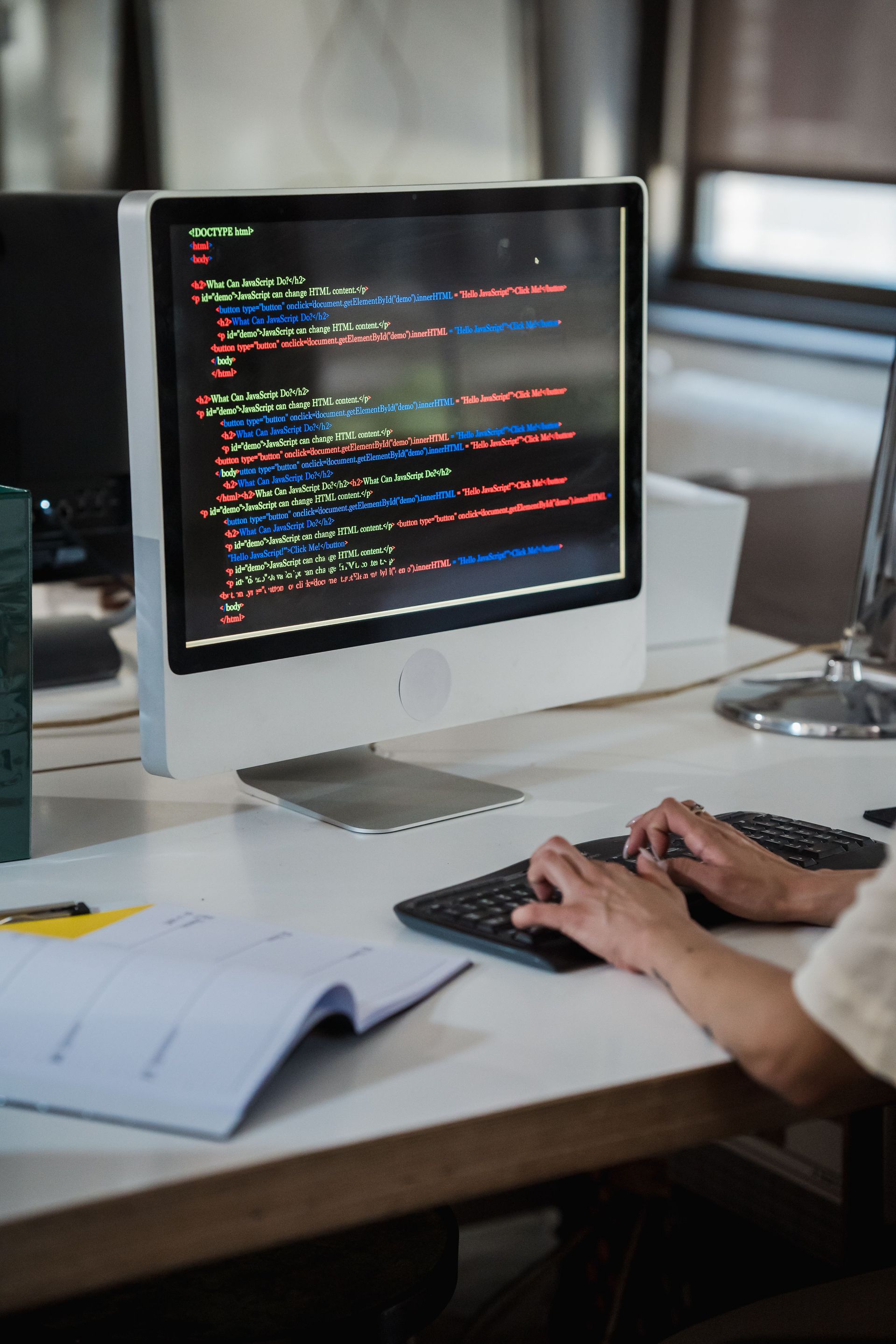
Software development has used automated tools for decades, including code completion features and automated testing, but AI coding assistants capable of generating substantial portions of functional code based on natural language descriptions represented a more significant shift, emerging prominently with tools including GitHub Copilot, which launched publicly in 2022.
These tools could generate working code based on a programmer's description of what the code should accomplish, draft documentation, identify potential bugs, and suggest fixes, tasks that previously required the programmer to write each component manually or search for similar examples through other means, including the search engine and forum-based research methods described elsewhere in this list.
This changed the daily workflow for many software developers, shifting a portion of their time from writing code line by line toward reviewing, testing, and refining code that an AI tool had generated as a starting point. Surveys of professional developers in the years following these tools' release indicated substantial adoption rates across the software industry, though developers reported varying levels of trust in AI-generated code's accuracy and varying practices for verifying it before deployment.
The shift also affected how new programmers learned their craft. Some computer science educators expressed concern that students relying heavily on AI-generated code might develop weaker foundational understanding of programming concepts, while others argued that the technology simply represented a new tool that programmers needed to learn to use effectively, similar to earlier shifts toward using pre-built code libraries rather than writing every function from scratch.
The long-term effect on software industry employment remains an open question, with some companies reporting that AI tools allowed existing development teams to handle larger workloads without proportional staff increases, while the overall demand for software development work has continued to depend heavily on broader economic and technology investment trends that are difficult to separate from the specific effect of AI coding tools themselves.
Digital nomadism turned remote work into a lifestyle choice

Credit: Atlantic Ambience / Pexels
The concept of working while traveling extensively predates modern remote work technology, but it remained a niche practice limited mostly to freelancers and a small number of location-independent entrepreneurs until reliable global internet access, cloud-based work tools, and video conferencing matured sufficiently in the 2010s to make the practice viable for a broader range of workers.
The term digital nomad gained increasing public recognition through the 2010s as improved technology infrastructure, including widespread availability of coworking spaces in popular travel destinations and increasingly reliable internet access in many parts of the world, made it more practical for remote workers to maintain a traveling lifestyle while continuing to perform their jobs.
This trend accelerated significantly following the COVID-19 pandemic, as the broader normalization of remote work described elsewhere in this list led some employers to become more accepting of employees working from locations far from any company office, including from other countries, at least for limited periods.
Several countries responded to this growing population of remote workers by introducing specific digital nomad visa programs through the early 2020s, allowing remote workers to legally reside in the country for an extended period while working for an employer based elsewhere, a category of visa that did not widely exist before this period. Countries including Portugal, Croatia, and Costa Rica were among those that introduced such programs.
This shift created new considerations for both workers and employers that traditional remote work arrangements within a single country did not raise, including questions about tax obligations across multiple jurisdictions, time zone coordination with colleagues and clients, and varying labor law protections depending on where the work was physically performed, even when the employment relationship itself remained based in the worker's home country.
Wearable and tracking technology extended monitoring into physical labor
Credit: www.kaboompics.com / Pexels
Tracking technology in workplaces existed in limited forms before the 2010s, including time clocks and basic productivity software for office work, but the development of wearable devices and increasingly sophisticated tracking sensors extended monitoring capabilities into physical and logistics-based work in ways that had not previously been practical.
Warehouse and logistics companies began deploying handheld scanners and, in some cases, wearable devices through the 2010s that tracked worker location, movement speed, and task completion times with a precision that earlier paper-based or basic electronic tracking systems could not match. This data informed both individual performance evaluations and broader operational decisions about warehouse layout and staffing levels.
Delivery drivers working for various logistics and gig economy companies experienced similar tracking through smartphone-based GPS monitoring, which could track route efficiency, delivery speed, and adherence to suggested paths, information that platforms used both to optimize logistics and, in some cases, to evaluate individual driver performance against algorithmically determined benchmarks.
This extension of tracking technology into physical labor raised distinct concerns compared with earlier office-based monitoring, since physical workers often had less ability to take brief breaks or vary their pace without the tracking technology immediately flagging a deviation from expected performance metrics. This created working conditions that some labor advocates argued were more intensively monitored than office-based knowledge work had typically been, even as both categories of work faced increasing technological oversight.
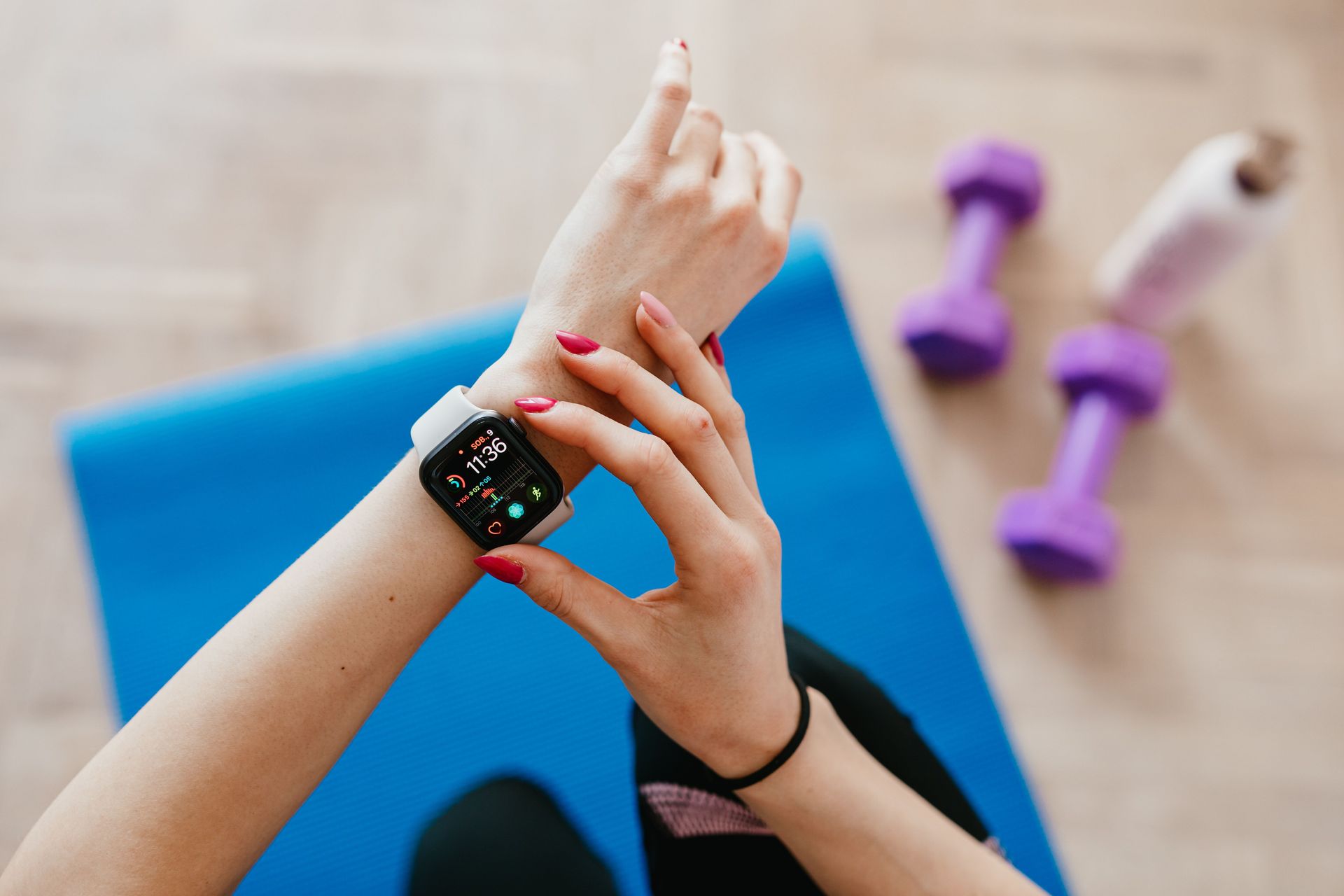
Some companies extended tracking even further into health and wellness, offering wearable fitness trackers as part of workplace wellness programs, sometimes tied to insurance incentives, a practice that introduced its own set of questions about the appropriate boundary between an employer's interest in worker wellbeing and an employee's right to privacy regarding personal health data collected through a device connected to their employer.
Social media created new jobs and new professional risks
Credit: Zx Teoh / Pexels
Platforms including Facebook $META, founded in 2004, Twitter $TWTR, founded in 2006, and LinkedIn, founded in 2002, changed how companies marketed themselves, how professionals built networks, and how individual employees represented themselves publicly. This created entirely new categories of work that did not exist before the platforms themselves.
Social media manager became a standard job title at companies of nearly every size by the early 2010s, responsible for managing a brand's public presence, responding to customer inquiries publicly, and increasingly managing the reputational risk that comes with an always-visible online presence. Related roles including community manager, content strategist, and digital marketing specialist grew alongside it.
LinkedIn in particular changed professional networking and recruiting. Before its widespread adoption, professional networking happened primarily through industry conferences, alumni associations, and personal introductions. LinkedIn made it possible to research a potential business contact, evaluate a job candidate's professional history, or reconnect with former colleagues without requiring an in-person event or a personal connection to facilitate the introduction.
Social media also introduced new professional risks that did not previously exist in the same form. An employee's personal social media posts, even ones unrelated to their job, could become a source of reputational damage for their employer if discovered and publicized. This led many companies to develop social media policies governing what employees could post, and some industries, including journalism, finance, and politics, became particularly cautious about employee social media activity due to the public nature of their work.
The platforms also changed how customer service operated. Companies increasingly needed to monitor and respond to public complaints on social media, sometimes in real time, adding an entirely new channel of customer interaction that operated under different norms and expectations than traditional phone or email support.