Tesla is betting its Semi can transform freight transport with lower costs, longer range, and cleaner energy as diesel prices rise
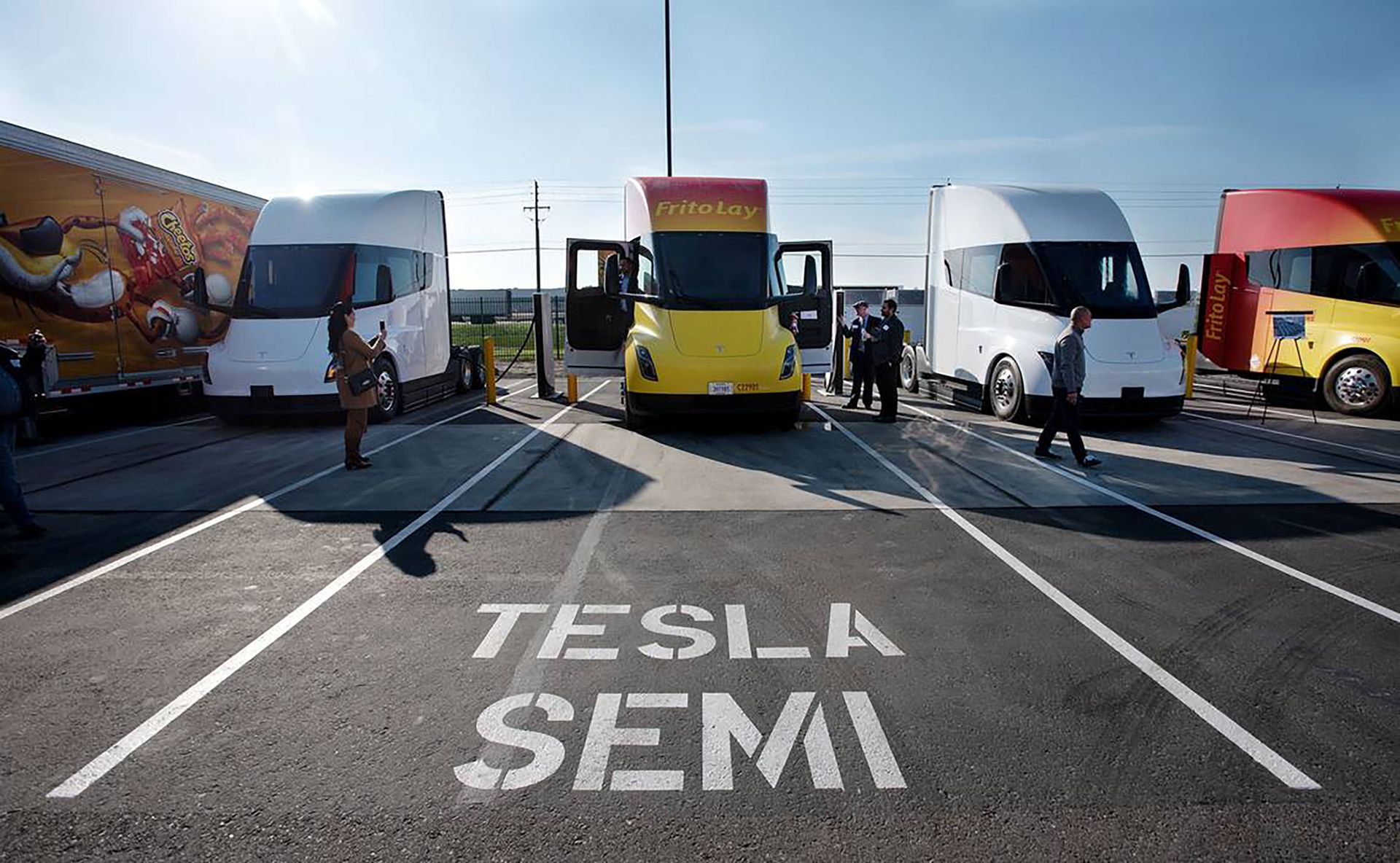
Andy Alfaro/Modesto Bee/Tribune News Service via Getty Images
A version of this article originally appeared in Quartz’s members-only Weekend Brief newsletter. Quartz members get access to exclusive newsletters and more. Sign up here.
Two decades ago, Tesla $TSLA did something the auto industry considered impossible. It convinced consumers that a battery-powered car could be desirable, fast, and practical — and almost single-handedly built the electric vehicle market.
Join 500,000+ readers who start their day with Quartz.
By subscribing, you agree to our Terms of Service and Privacy Policy.
Earlier this month, Tesla delivered the very last Model S and Model X $TWTR off its production line, ending the run of the two vehicles that started it all.
The factory space will now be used to try the same trick with big rigs. And the timing could hardly be better.
After almost a decade of delays since Elon Musk first unveiled the vehicle at a theatrical event in Los Angeles, Tesla has opened a high-volume assembly line in Nevada and started taking real orders for the Semi.
Tesla says that Semi's long-range version travels up to 500 miles on a charge, further than comparable electric trucks from Daimler, Volvo, and other incumbents. And it costs about $290,000, roughly $100,000 less than what those rivals charge.
Fuel economics are pushing fleet operators to look harder at the numbers. Diesel prices have risen sharply since the start of the Iran war, making electricity's per-mile cost advantage more pronounced.
For regional carriers doing short hauls around California's major ports, the math is already working in the Semi's favor. Gov. Gavin Newsom recently announced a $1 billion rebate program offering up to $120,000 per vehicle, which makes the Semi competitive with diesel on purchase price even before any fuel savings kick in.
California trucking companies have applied for state subsidies to purchase more than 1,200 Tesla Semis, more than all applications for other electric truck models since the state's incentive program launched in 2019.
If this scales, it matters well beyond the trucking industry. Heavy trucks make up a small share of vehicles on the road but generate roughly a third of global carbon dioxide emissions from road transport. They also produce almost half of nitrogen oxide emissions from U.S. road transportation, the pollutants most responsible for smog and respiratory illness in communities near freight corridors.
Cheaper, cleaner freight also means lower costs moving goods from ports and warehouses to stores and front doors. That eventually flows downstream to the people buying those goods, even if slowly.
The central bet Tesla is making is that building the charging network matters as much as building the truck itself.
The company has dozens of high-powered charging locations planned along major freight corridors, with a partnership with Pilot Travel Centers, the nation's largest truck stop chain, meant to bring the first stations online this summer. At full speed, those chargers can add roughly 300 miles of range during a standard 30-minute driver rest break, which aligns neatly with federal rules requiring truckers to rest anyway.
But nearly all of those planned sites are listed as "coming soon" without firm opening dates. Long-haul operators running 600 or more miles in a single stretch will need a reliable nationwide network before they commit entire fleets.
Tesla's history with the Semi program (and pretty much every vehicle) includes years of missed deadlines.
Competition is also coming from a direction most American coverage ignores. In China, roughly 11% of heavy long-distance trucks sold over the past year were already battery-powered, backed by manufacturers now actively targeting overseas markets.
European truck giants Daimler and Volvo, meanwhile, are pushing back on California's clean-air standards in court even as they claim to support electrification. The incumbents are not going quietly.
Tesla has done this before. It started with a sports car almost nobody could afford, moved to a luxury sedan, and eventually landed on a mass-market SUV that reshaped the entire industry.
Those first two vehicles just made their final exit. The Semi is already further along than the Model S was at this stage. And this time Tesla isn't starting from zero.
