Discover 5 practical strategies to reduce reoccurring monthly expenses without sacrificing comfort

Vitaly Gariev / Unsplash
Household bills have a remarkable talent for showing up whether invited or not.
Rent is due whether you are ready or not. Utility costs fluctuate without warning. Subscriptions multiply. Many households respond by chasing dramatic lifestyle changes, yet the most reliable savings come from smaller, repeatable adjustments that reduce recurring expenses month after month.
The challenge is finding actions that shrink recurring costs instead of delivering short-lived savings. Bills repeat automatically, which means even one smart adjustment can quietly return hundreds or thousands of dollars over time.
Reader’s Digest proposes a practical starting point: know where the money goes, study how resources are used, and focus first on the bills taking the largest bite out of a budget. Recent expenses tell a clear story about where efficiency matters. Modest adjustments inside daily routines often outperform dramatic financial resets. A shorter shower, smarter grocery planning, or a renegotiated contract can deliver recurring savings without changing how comfortably people live.
Instead of cutting back on comfort or convenience, households improve the systems behind daily spending by becoming more intentional about energy consumption, more strategic about grocery planning, and more willing to question housing and subscription costs that once felt fixed, allowing small operational changes to support lasting financial stability.
Savings rarely arrive through one dramatic decision. They accumulate through consistent, targeted adjustments. Lowering household bills works the same way. Improve the system once. Benefit every month afterward.
Here are five clever ways to reduce your household bills without shrinking your life.

Jakub Zerdzicki / Unsplash
Lower household costs begin with understanding exactly where money is going. Reader’s Digest highlights budgeting as the most effective yet least practiced strategy for reducing bills. A working budget identifies utility usage patterns and reveals which expenses offer the greatest opportunity for savings. Reviewing recent bills allows households to calculate usage. That information transforms budgeting from guesswork into data-driven decision-making.
A structured budget also prevents common financial mistakes such as automating every payment without reviewing costs. Reader’s Digest emphasizes that consistent monitoring enables households to identify rising expenses early and respond before costs compound.
This method works because it focuses on recurring expenses rather than occasional purchases. Lowering a monthly bill produces continuous savings. Over time, those reductions create financial flexibility without requiring significant lifestyle sacrifices.

Kostiantyn Li / Unsplash
Housing represents the largest expense for most households, making it one of the most powerful areas for savings. Reader’s Digest explains that homeowners can lower costs by refinancing mortgages when interest rates allow.
Another strategy involves switching to biweekly mortgage payments. This can accelerate principal repayment and reduce total interest owed, potentially shortening a loan by several years.
Renters have similar options. Landlords often prefer stability over vacancy risk. Timing also matters. According to the report, signing leases during fall or winter, when demand declines, can reduce rent by as much as seven percent.
These strategies share one principle: housing costs are rarely fixed. Payment structures, timing decisions, and direct negotiation reshape long-term expenses without requiring relocation. A single adjustment can permanently lower a household’s largest bill.
-1920x1440.jpg)
Maria Lin Kim / Unsplash
Food spending rises gradually because purchasing habits operate on autopilot. Reader’s Digest outlines several behavior-based strategies that reduce grocery costs without sacrificing nutrition.
Timing purchases also matters. Shopping on store restock days often reveals discounted items retailers want cleared before new inventory arrives.
Planning meals around seasonal produce can reduce grocery expenses by up to 15 percent, according to the report. Seasonal foods benefit from higher supply and lower transportation costs. Cash-back applications provide another layer of savings by refunding purchases already planned.
Each tactic reduces waste rather than consumption. Households spend less because fewer purchases go unused. Grocery savings accumulate weekly, making this category one of the fastest ways to lower monthly bills.
Mohammad Esmaili / Unsplash
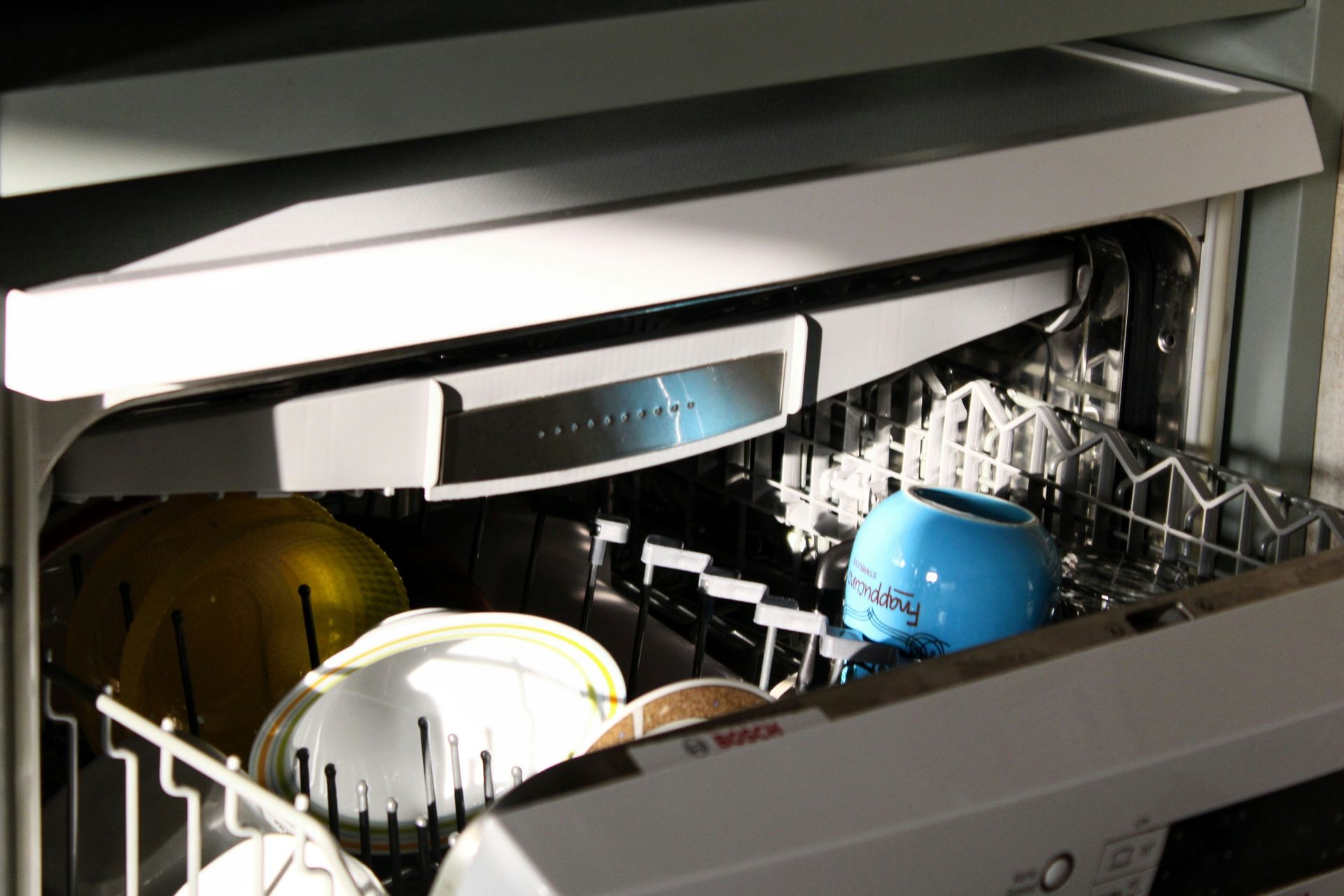
Water expenses often go unnoticed because usage feels routine. Reader’s Digest shows that minor behavior adjustments produce measurable savings.
Daily habits matter, such as taking faster showers to reduce usage, as standard showerheads release roughly 2.5 gallons per minute.
Appliance use also affects water bills. According to the report, using air-dry settings further reduces energy and water consumption. Reusing a single cup or bottle throughout the day decreases dishwasher loads, lowering both water and electricity usage.
These changes succeed because they integrate seamlessly into daily routines. No major investment is required. Consistent efficiency replaces unconscious overuse. Over months, reduced consumption translates into lower utility bills without reducing comfort.
-1920x1281.jpg)
Dan Lefebvre / Unsplash
Heating and cooling represent major energy expenses, especially in climates with seasonal extremes. Reader’s Digest highlights several practical methods to reduce HVAC costs. The report notes that using ceiling fans alongside air conditioning improves air circulation, allowing households to set thermostats higher while maintaining comfort and reducing overall energy demand.
Physical barriers also matter. Heavy curtains block sunlight that heats interior spaces, preventing air conditioners from working harder.
Maintenance remains critical. Insulating attics, according to the report, can generate annual savings exceeding $400 in previously uninsulated homes. Checking for drafts and sealing leaks prevents conditioned air from escaping.
Smart thermostats can also offer additional savings. Efficiency improvements reduce energy demand rather than comfort. The result is sustained savings every season.
