Discover 7 strategies to help you spend less on groceries, bills, shopping, and everyday life without making drastic lifestyle changes

Photo by Emil Kalibradov on Unsplash
Saving money used to sound simple: skip coffee, stop eating out, cancel everything fun. Then prices climbed, groceries got smaller, and suddenly even careful spenders felt like they were falling behind.
The truth is, saving money today isn’t about one dramatic lifestyle overhaul. It’s about dozens of small decisions that shift where your cash goes. Financial experts consistently point out that steady habits beat extreme budgeting every time. You don’t need to become a spreadsheet enthusiast or a coupon warrior. You just need systems that work quietly in the background of real life.
Reader's Digest highlights practical money-saving strategies, where the most effective approaches tend to be surprisingly ordinary. The people who save consistently aren’t making heroic sacrifices—they’re building repeatable habits that prevent small expenses from turning into big financial leaks.
The idea is to focus on practical changes you can actually stick with. The kind that add up without making daily life feel restrictive.
Here are seven ways you can shift your lifestyle to save more money.

Photo by Torbjørn Helgesen on Unsplash
Walking into a grocery store without a plan is basically volunteering for impulse purchases. A thoughtful list keeps spending intentional, according to Reader's Digest, and can help prevent that mysterious extra $40 that appears at checkout.
Build meals around sales, seasonal produce, and pantry staples you already own. Frozen fruits and vegetables are especially helpful because they last longer and reduce food waste. Avoid convenience versions of basic items when possible—precut fruit, shredded cheese, and individually packaged snacks often cost significantly more for the same food.
A grocery list can help to remove decision fatigue before it starts.
-1920x1440.jpg)
Photo by Maria Lin Kim on Unsplash
Shopping at the same store every week feels efficient, but familiarity can actually raise costs. Different retailers specialize in different price advantages, whether that’s produce, bulk goods, or household staples, according to Reader's Digest.
Warehouse clubs, discount grocers, and local markets often offer better prices than premium chains. Rotating where you shop, even just once a month, can noticeably reduce spending without changing your lifestyle. Convenience has value, but it shouldn’t automatically win every time.
Brand loyalty works wonderfully for companies. It works less well for budgets.
Many store-brand products come from the same manufacturers as national brands, according to Reader's Digest, which means you’re often paying extra for packaging and advertising rather than quality. Try swapping one or two familiar items each week and see if you notice a difference. Most shoppers realize quickly that they don’t.
Saving money sometimes starts with realizing the cheaper option isn’t actually a downgrade.
-1920x1278.jpg)
Photo by Glenn Carstens-Peters on Unsplash
Meal planning sounds intimidating until you stop imagining perfectly scheduled dinners. The goal isn’t culinary excellence—it’s avoiding last-minute takeout because nothing sounds doable. According to Reader's Digest, a little flexibility can go a long way when you're feeling too tired to come up with an idea for dinner.
Plan meals around what’s discounted that week. If chicken is on sale, chicken becomes the theme. If vegetables are discounted, build meals around them. Flexibility matters more than perfection, and even loose planning can save hundreds over time.
Perfectly shaped produce is mostly an aesthetic preference, not a quality standard. Slightly imperfect fruits and vegetables are often discounted simply because they look different.
Buying these options saves money while reducing food waste, notes Reader's Digest, which makes it one of the rare financial decisions that also feels environmentally virtuous. Once everything is chopped or cooked, nobody remembers whether the carrot was photogenic.

Photo by Hyoshin Choi on Unsplash
Menus are carefully designed sales tools. Labels like “house favorite” or “chef’s recommendation” often highlight dishes with the highest profit margins.
That doesn’t mean the food is bad—it just means the suggestion benefits the restaurant more than your wallet. According to Reader's Digest, ordering what you genuinely want, rather than what’s promoted, can help keep dining out enjoyable without unintentionally increasing the bill.
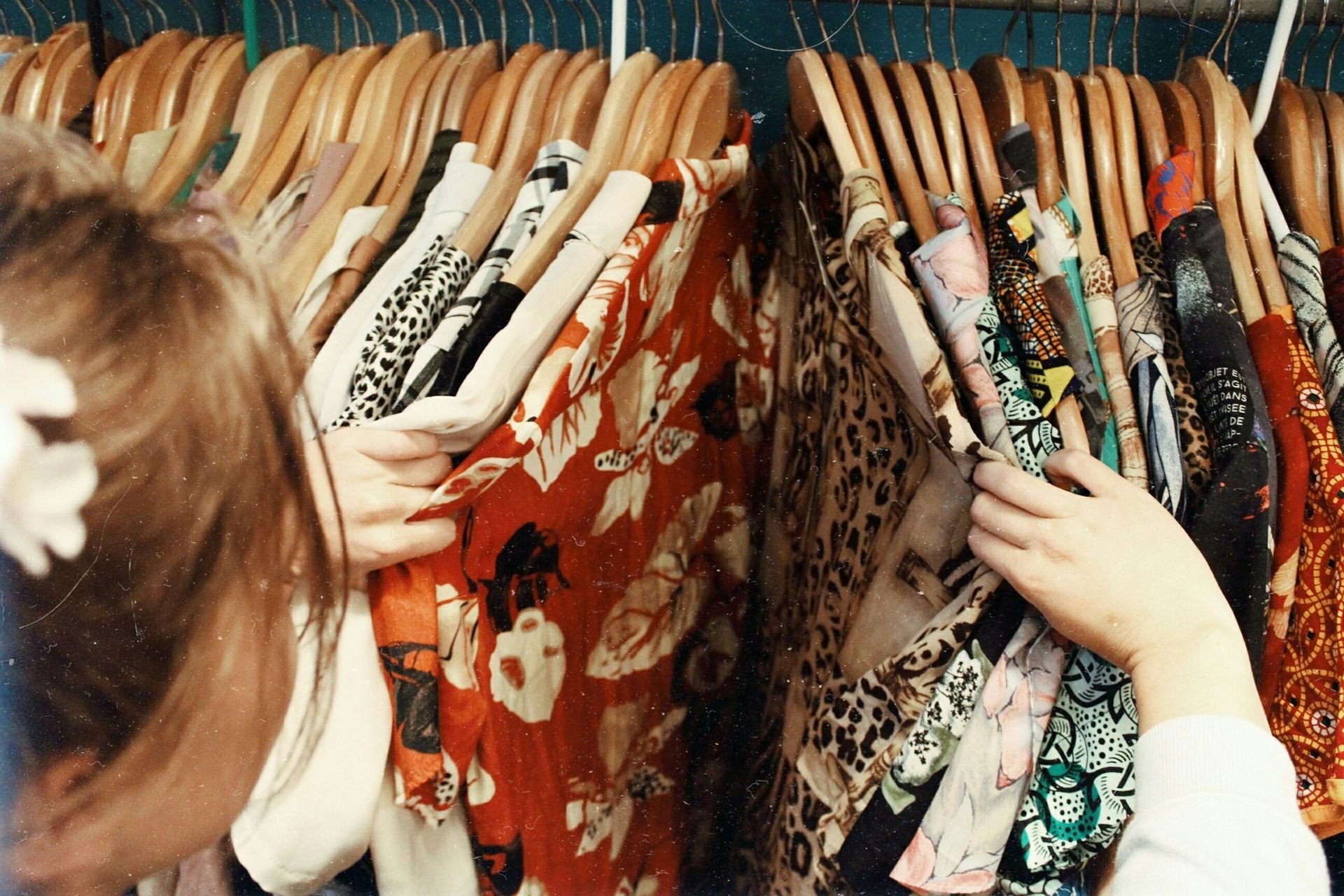
Photo by Becca McHaffie on Unsplash
Secondhand shopping has evolved far beyond dusty thrift stores. Online resale platforms, local marketplaces, and consignment shops offer high-quality items at significant discounts.
Furniture, children’s clothing, bikes, sports equipment, and home décor are especially good secondhand purchases, notes Reader's Digest, because they depreciate quickly when new. Let someone else absorb the original markup while you enjoy the savings.