Discover five signs of a happy dog, from relaxed body language and playful zoomies to healthy daily habits
Angel Luciano / Unsplash
Every dog has its own personality, which means happiness doesn't always look the same from one pup to another. Some dogs burst into joyful zoomies the moment you grab the leash, while others quietly lean against your leg or watch you with soft, content eyes. Learning to recognize these subtle signs can help you better understand your pet's emotional well-being and strengthen the bond you share.
Although researchers continue studying canine emotions, experts agree that dogs communicate how they feel through their body language, facial expressions, movement, and daily habits. Looking at just one behavior in isolation doesn't always tell the full story. Instead, the happiest dogs typically display several positive behaviors together, including relaxed body language, playful energy, healthy routines, and an eagerness to interact with the people they trust.
Recognizing these behaviors isn't just reassuring for pet owners—it can also help you notice when something changes. A dog that suddenly stops playing, avoids interaction, or loses interest in food may be signaling that something isn't right. Knowing what normal happiness looks like makes it easier to spot potential health or behavioral concerns early.
According to Reader's Digest, understanding your dog's unique personality is just as important as recognizing common signs of happiness. While every dog expresses joy differently, there are several behaviors experts consistently associate with content, emotionally healthy pups.
Here are five of the clearest ways your dog may be telling you they're living their happiest life.
Jonathan Daniels / Unsplash
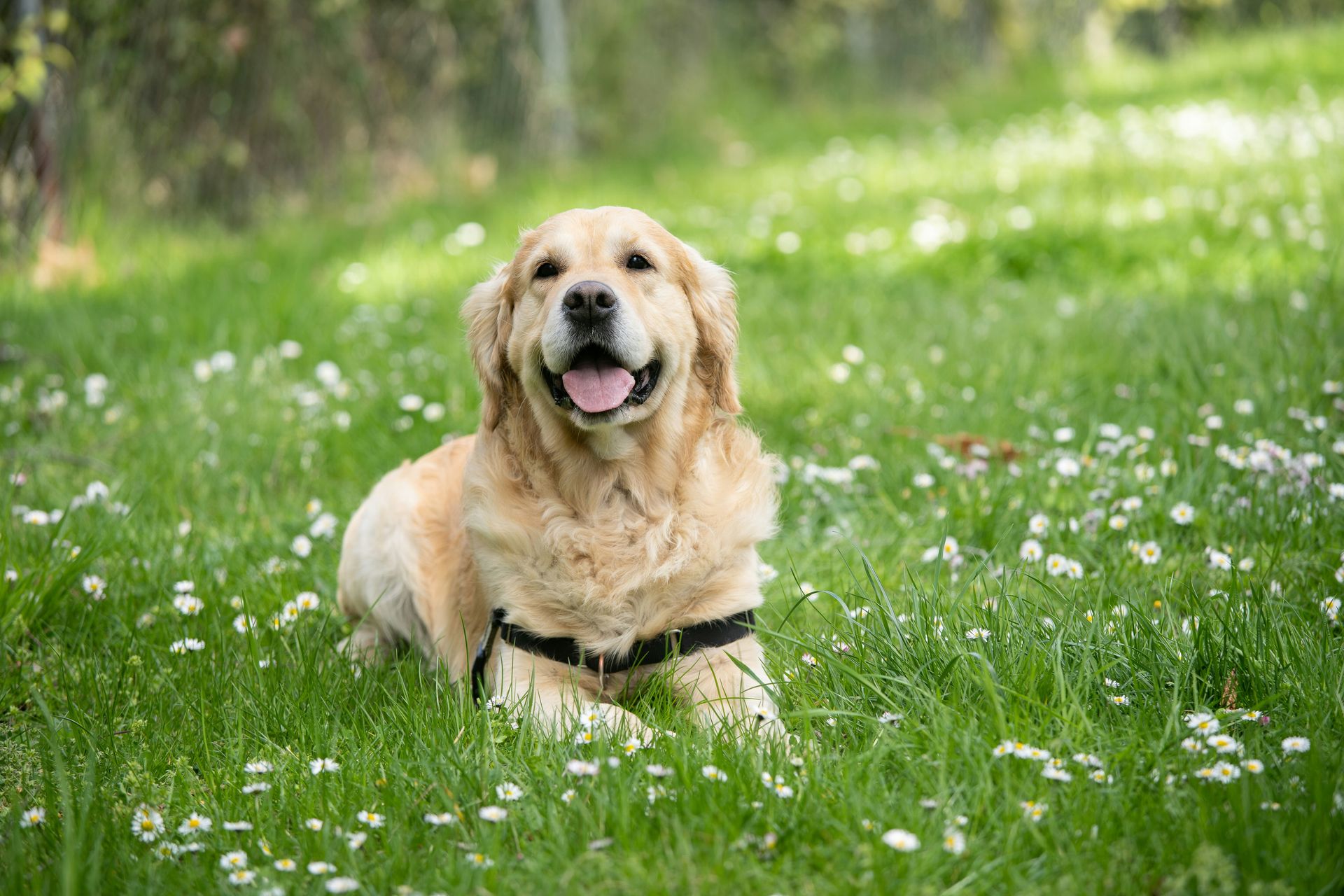
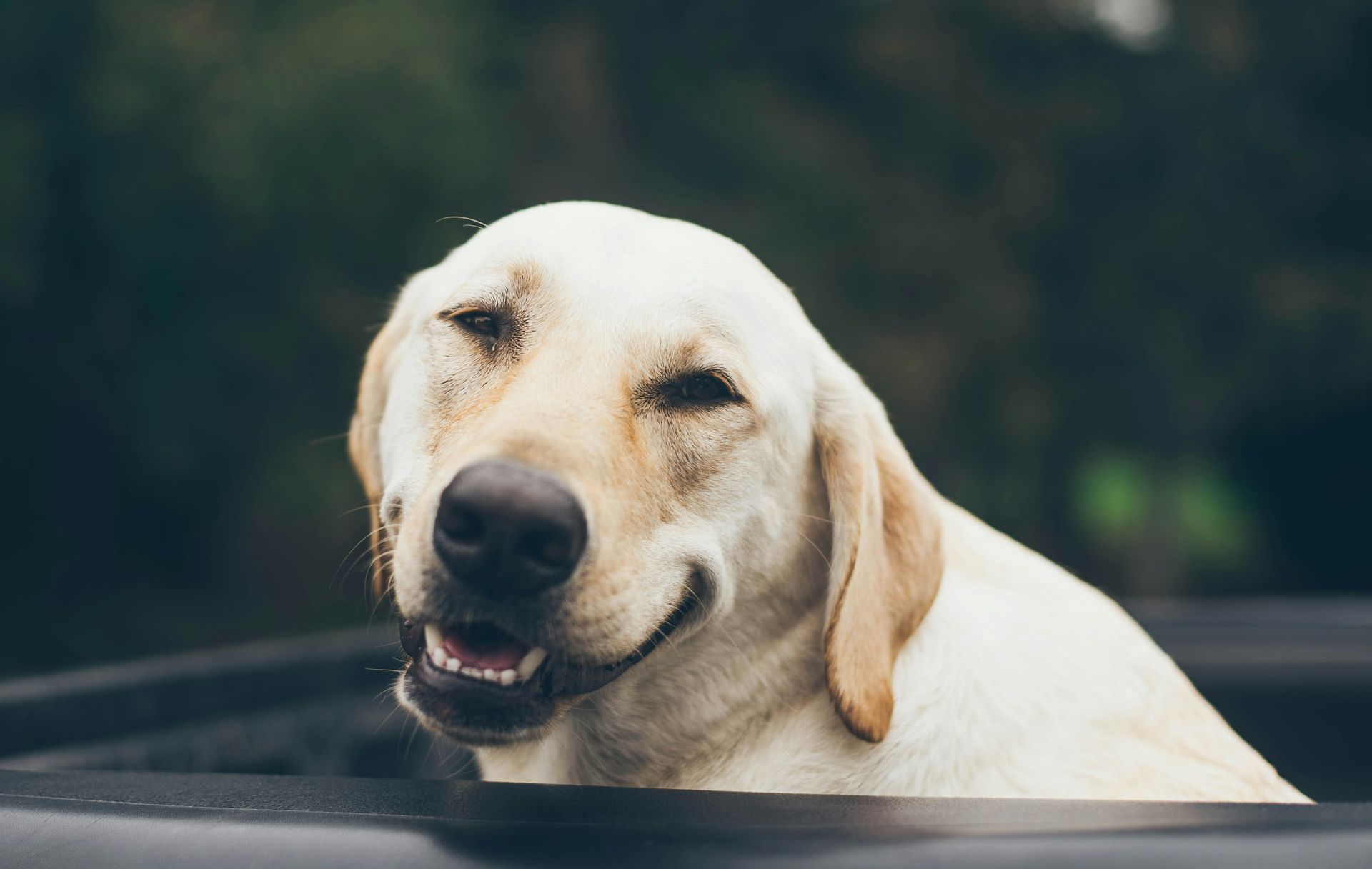
A happy dog often looks relaxed before they ever wag their tail. Reader's Digest explains that content dogs typically have a soft gaze with gently opened eyes and may blink frequently when they're calm. Their mouth often hangs slightly open with a relaxed jaw, sometimes giving the appearance of a smile as the corners of their mouth naturally turn upward. Unlike an anxious or overheated dog, this expression isn't paired with heavy panting or tense muscles. Instead, the entire face appears loose and comfortable.
These relaxed expressions are also associated with trust and affection, and prolonged eye contact between dogs and their owners has even been linked to increased oxytocin—the bonding hormone—in both species. While every dog has its own facial expressions, a calm, open face paired with relaxed body language is one of the easiest signs that your pup feels safe, comfortable, and genuinely happy.
Mia Anderson / Unsplash
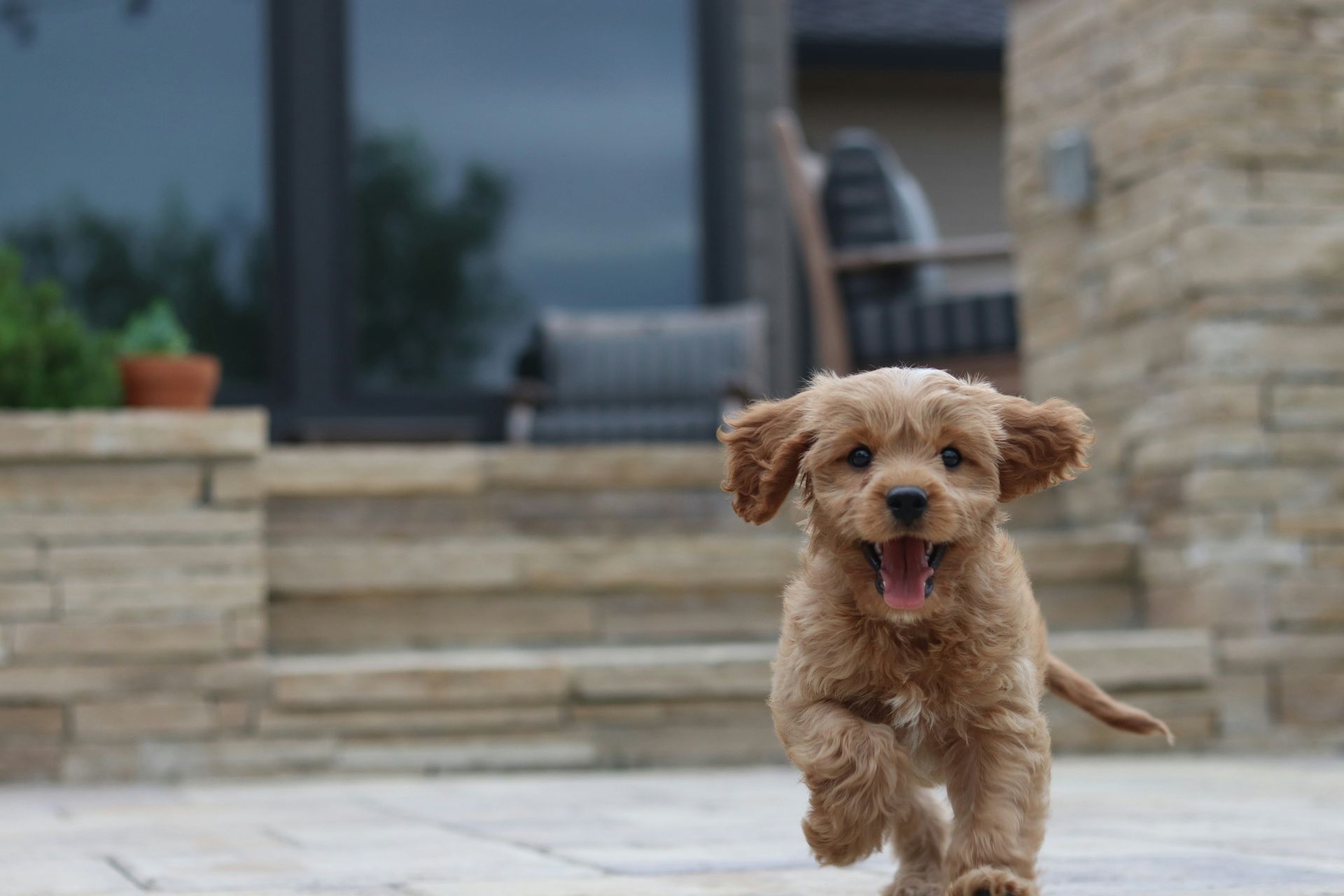
A wagging tail doesn't always mean a dog is happy, but the way they wag makes all the difference. Reader's Digest notes that happy dogs usually carry their tail in a neutral or slightly raised position while wagging slowly and broadly from side to side. Even more telling is the rest of their body. Happy dogs move with loose muscles, relaxed posture, and smooth, bouncy movements rather than stiff or tense motions.
Some dogs even perform what experts call a "happy dance," wiggling their entire body with excitement when greeting family members or preparing to play. Because tail movement can signal different emotions depending on context, experts recommend looking at the whole picture instead of focusing on the tail alone. When a loose tail wag is paired with relaxed facial expressions and easy body movement, it's one of the clearest indicators your dog is feeling joyful and secure.
Anna Dudkova / Unsplash
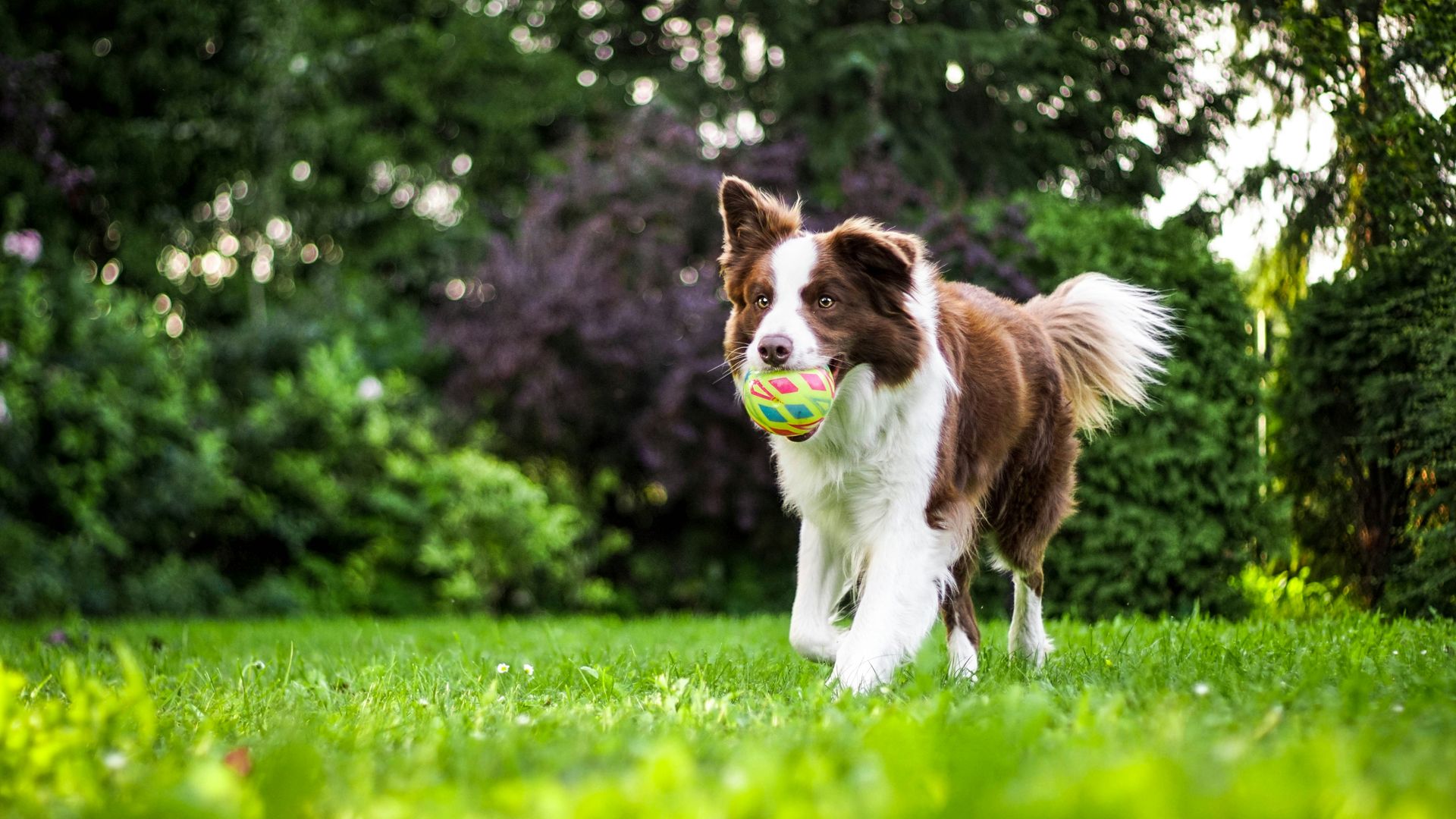
Playfulness is one of the strongest outward signs that a dog feels happy. Reader's Digest explains that dogs often invite play by dropping their chest toward the ground while keeping their hindquarters raised in the classic "play bow." This posture tells both humans and other dogs they're ready for fun. Happy dogs may also break into the zoomies—those sudden bursts of energetic running that send them racing around the yard or living room.
While zoomies can occasionally happen after stressful situations like baths, they're often simply an outlet for excitement and excess energy. During walks, happy dogs also tend to move with a loose, springy gait while eagerly sniffing their surroundings and exploring at a comfortable pace. These playful behaviors show that a dog feels physically comfortable, mentally stimulated, and emotionally relaxed enough to enjoy the moment.
-1920x1371.jpg)
Wade Austin Ellis / Unsplash
Not every happy dog is a constant cuddler, but most enjoy spending time with the people they trust. According to Reader's Digest, many content dogs seek physical contact by leaning against their owners, nudging for pets, curling up nearby, or simply choosing to stay close throughout the day. Even dogs that aren't naturally affectionate often show happiness by calmly following their favorite people from room to room or resting nearby while they relax.
The amount of physical contact varies by personality and breed. Some dogs may only want a few minutes of affection before happily wandering off to nap. What matters most is that your dog voluntarily chooses your company and appears relaxed while interacting with you. Those small moments of closeness are often powerful signs of trust, security, and genuine contentment.
Kojirou Sasaki / Unsplash
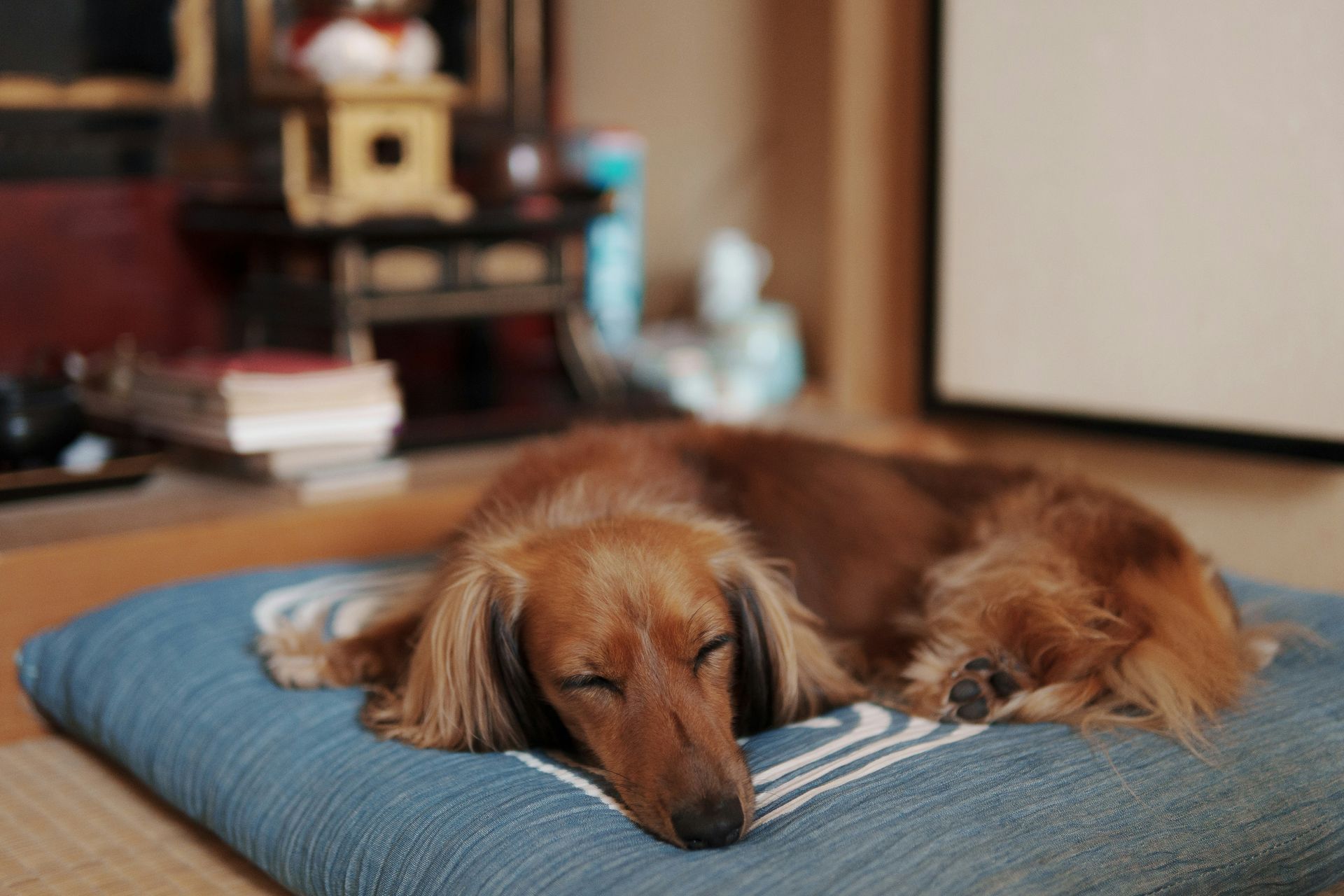
A happy dog usually shows it through consistent everyday routines. Reader's Digest explains that emotionally healthy dogs generally maintain a good appetite, sleep about 12 hours each day as adults, and continue displaying the behaviors that fit their normal personality. They often enjoy walks, remain interested in their surroundings, and are less likely to develop destructive habits without an underlying reason.
While even happy dogs can occasionally misbehave or have off days, sudden changes in eating, sleeping, energy, or behavior may indicate stress, illness, or emotional discomfort rather than simple stubbornness. Since every dog has unique habits, owners who know what's normal for their pet are best equipped to recognize when something changes. Regular routines, combined with relaxed body language and playful interactions, provide strong evidence that your dog feels safe, healthy, and emotionally fulfilled.
