
10 human foods that are safe for dogs

Zen Chung / Pexels
Most information available to dog owners about human food focuses on the danger list — the chocolate, grapes, and xylitol that can cause serious harm — and this focus, while important, has produced a secondary effect: many owners have become broadly cautious about all human food, treating the entire category as suspect rather than distinguishing between the genuinely dangerous foods and the ones that are not only safe but can be a nutritious addition to a dog's diet.
The foods in this list are not treats in the sense of empty-calorie indulgences; several of them are commonly used by veterinary nutritionists as functional additions to address specific health needs — pumpkin for digestive regulation, plain cooked chicken as a bland diet component during gastrointestinal upset, blueberries for their antioxidant content. Understanding which human foods fall into this beneficial category allows owners to share food with their dogs without either the anxiety of a blanket "never" policy or the risk of sharing something genuinely harmful.
Each entry covers the food, its specific nutritional benefit for dogs, and the correct preparation and portion guidance, since even foods that are safe in the right form and quantity can cause problems if prepared incorrectly or given in excess. A standard veterinary disclaimer applies: any new food should be introduced gradually and in small amounts, and dogs with existing health conditions should have dietary changes reviewed with a veterinarian first.
Samir Smier / Pexels
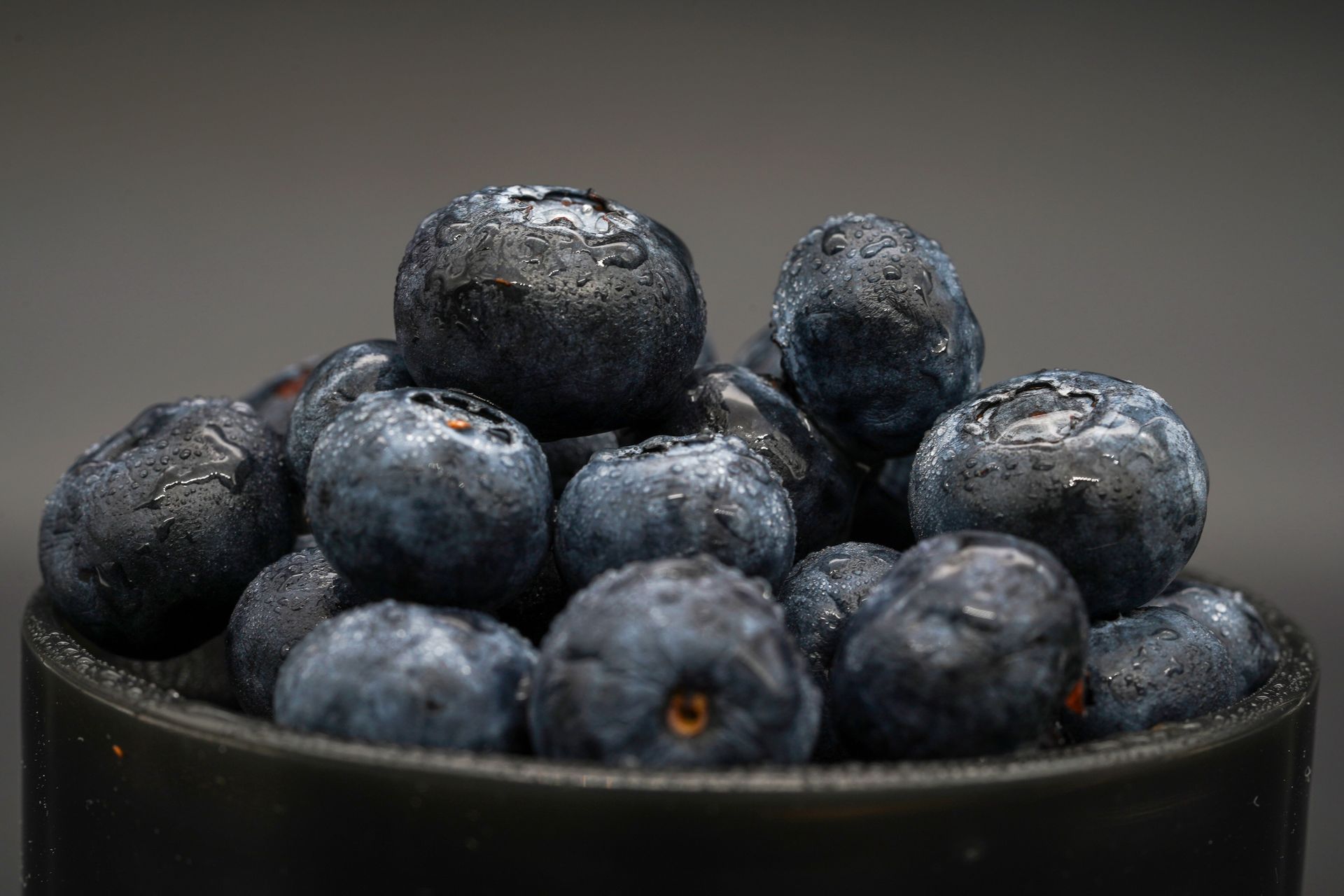
Blueberries are one of the most consistently recommended fruits for dogs, offering a significant concentration of antioxidants (particularly anthocyanins, the compounds responsible for their color) that help combat cellular damage from oxidative stress, along with fiber and vitamin C, all in a low-calorie package that makes them a suitable treat even for dogs managing their weight.
The specific antioxidant content in blueberries has been studied in aging dogs for potential cognitive benefits, following research in humans and other animals suggesting that antioxidant-rich diets may help reduce the oxidative damage associated with age-related cognitive decline, though the research specific to dogs is less extensive than the general antioxidant research in other species.
Blueberries can be given fresh or frozen (frozen blueberries are a popular hot-weather treat that some dogs find particularly appealing) and require no preparation beyond ensuring they are given in appropriate portions for the dog's size — a small handful for a large dog, proportionally less for smaller breeds, since even healthy foods can cause digestive upset if given in excessive quantity.
Lukas Blazek / Pexels
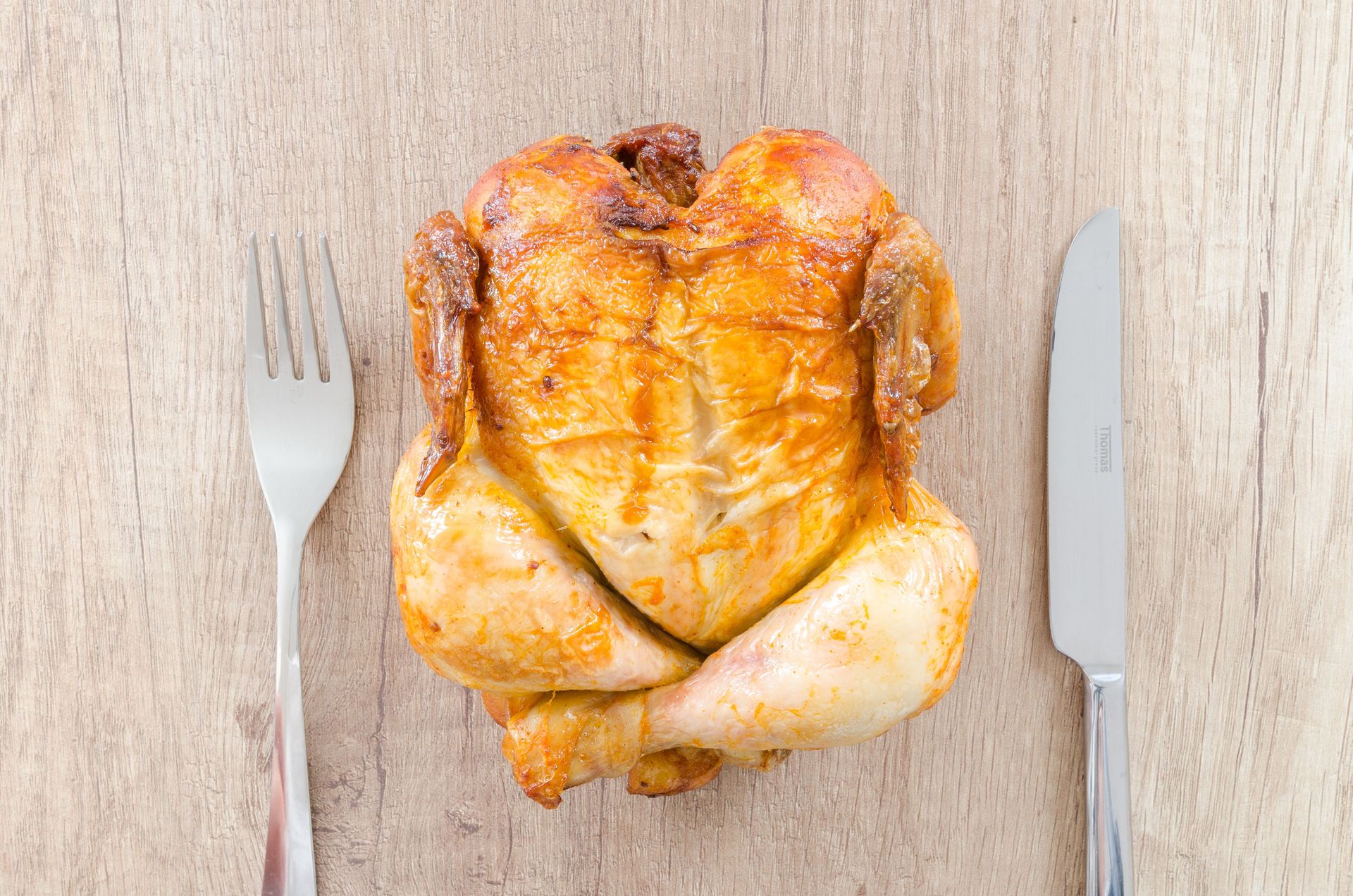
Plain, boneless, skinless chicken breast, cooked without added salt, seasoning, garlic, or onion (all of which can be harmful to dogs even when the chicken itself is safe), is one of the most widely used human foods in canine diets, valued both as a lean protein source and as a component of the bland diet veterinarians commonly recommend for dogs recovering from gastrointestinal upset.
The specific value of plain chicken in a bland diet context comes from its combination of high digestibility and low fat content, which reduces the digestive workload during a period when a dog's gastrointestinal system is already compromised, typically paired with plain white rice in the classic bland diet formulation used to help dogs recover from vomiting or diarrhea before transitioning back to their regular food.
The preparation specifics matter significantly: chicken must be fully cooked (no raw chicken, due to salmonella and other bacterial contamination risk), boneless (cooked chicken bones, particularly, can splinter and cause internal injury or obstruction), and unseasoned, since the garlic, onion, and excessive salt commonly used in human chicken preparations are each independently harmful to dogs regardless of the chicken itself being a safe and beneficial food.
cottonbro studio / Pexels
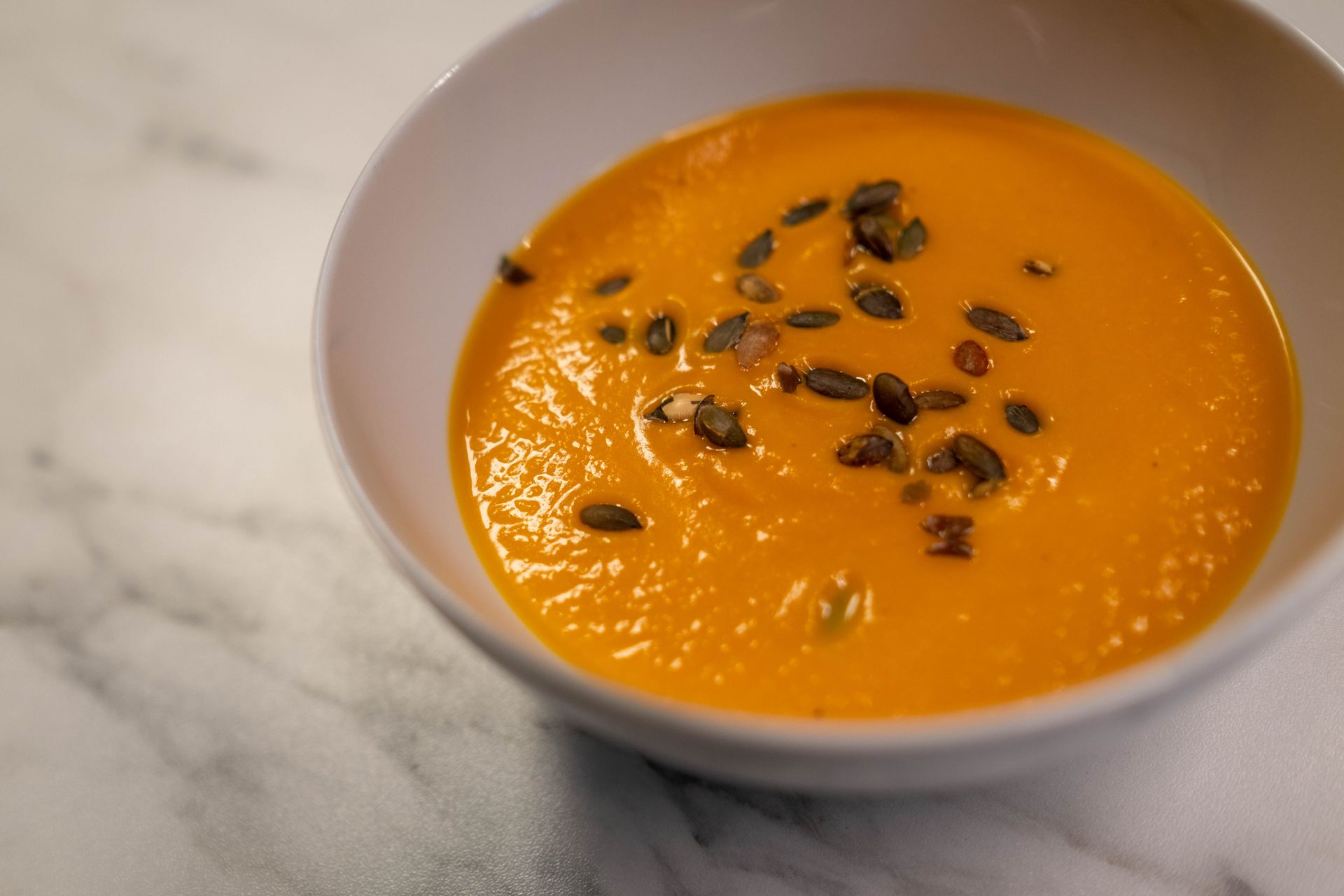
Plain canned pumpkin (not pumpkin pie filling, which contains added sugar and spices including nutmeg, which can be toxic to dogs in sufficient quantity) is one of the most commonly recommended foods by veterinarians specifically for digestive regulation, valued for its high fiber and water content, which can help address both constipation and mild diarrhea by normalizing stool consistency and supporting healthy gut motility.
The fiber content in pumpkin also provides a mild prebiotic effect, supporting the beneficial gut bacteria that contribute to overall digestive health, and pumpkin's high water content combined with its fiber makes it particularly useful for dogs who need additional hydration support or who have a tendency toward constipation, a common issue in older dogs with reduced mobility and gastrointestinal motility.
The correct product is critical: plain canned pumpkin puree or pumpkin specifically labeled for pet use, not pumpkin pie filling, which contains added sugar and spices unsuitable for dogs. A typical recommended portion is one to four tablespoons depending on the dog's size, mixed into regular food, and pumpkin should be introduced gradually since its fiber content, while beneficial in appropriate amounts, can cause loose stool if introduced too quickly or given in excessive quantity.

Alesia Kozik / Pexels
Carrots, whether raw or cooked, are a low-calorie, high-fiber vegetable that many dogs enjoy both as a treat and, when given raw and appropriately sized, as a satisfying chew that can provide some incidental dental benefit through the mechanical action of chewing, though carrots should not be relied upon as a substitute for actual dental care.
The beta-carotene content in carrots, which the body converts to vitamin A, supports eye health and immune function, and the low calorie density of carrots (roughly 25 calories per medium carrot) makes them a suitable treat option for dogs managing weight, offering the satisfaction of a substantial, crunchy treat without the caloric cost of many commercial dog treats.
Raw carrots should be cut into appropriately sized pieces for the dog's size to reduce choking risk, particularly for small dogs or dogs that tend to swallow food without much chewing, and while most dogs tolerate raw carrots well, cooked (steamed or boiled) carrots are a gentler option for dogs with sensitive digestion or dental issues that make raw, hard vegetables difficult to chew comfortably.
cottonbro studio / Pexels
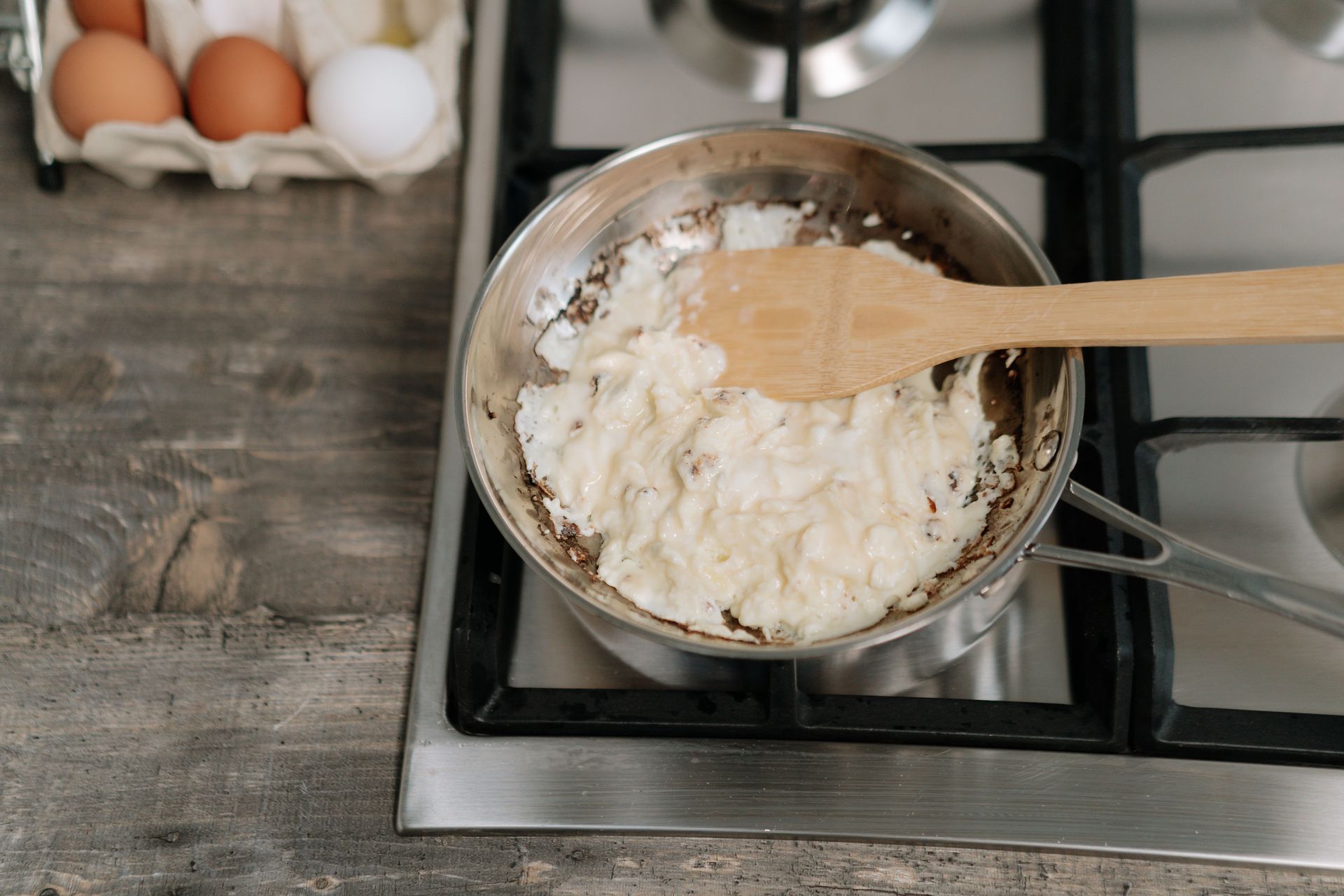
Eggs are a complete protein source containing all essential amino acids, along with biotin, riboflavin, and selenium, and plain cooked eggs (scrambled without butter, oil, salt, or seasoning, or hard-boiled) are commonly recommended by veterinary nutritionists as a nutritious addition to a dog's diet, valued particularly for their high-quality, easily digestible protein.
The specific concern with eggs for dogs is not the egg itself but preparation: raw eggs carry salmonella risk similar to raw chicken, and raw egg whites specifically contain avidin, a protein that binds biotin and can, with sustained raw egg consumption, contribute to biotin deficiency — a concern that fully cooking the egg eliminates, since cooking denatures avidin and neutralizes this specific risk.
Eggs should be given plain, without the butter, oil, salt, cheese, or other additions common in human egg preparations, and in moderation as part of a balanced diet rather than a dietary staple, since while eggs are nutritious, they should complement rather than replace a dog's primary, nutritionally complete diet.
Kindel Media / Pexels
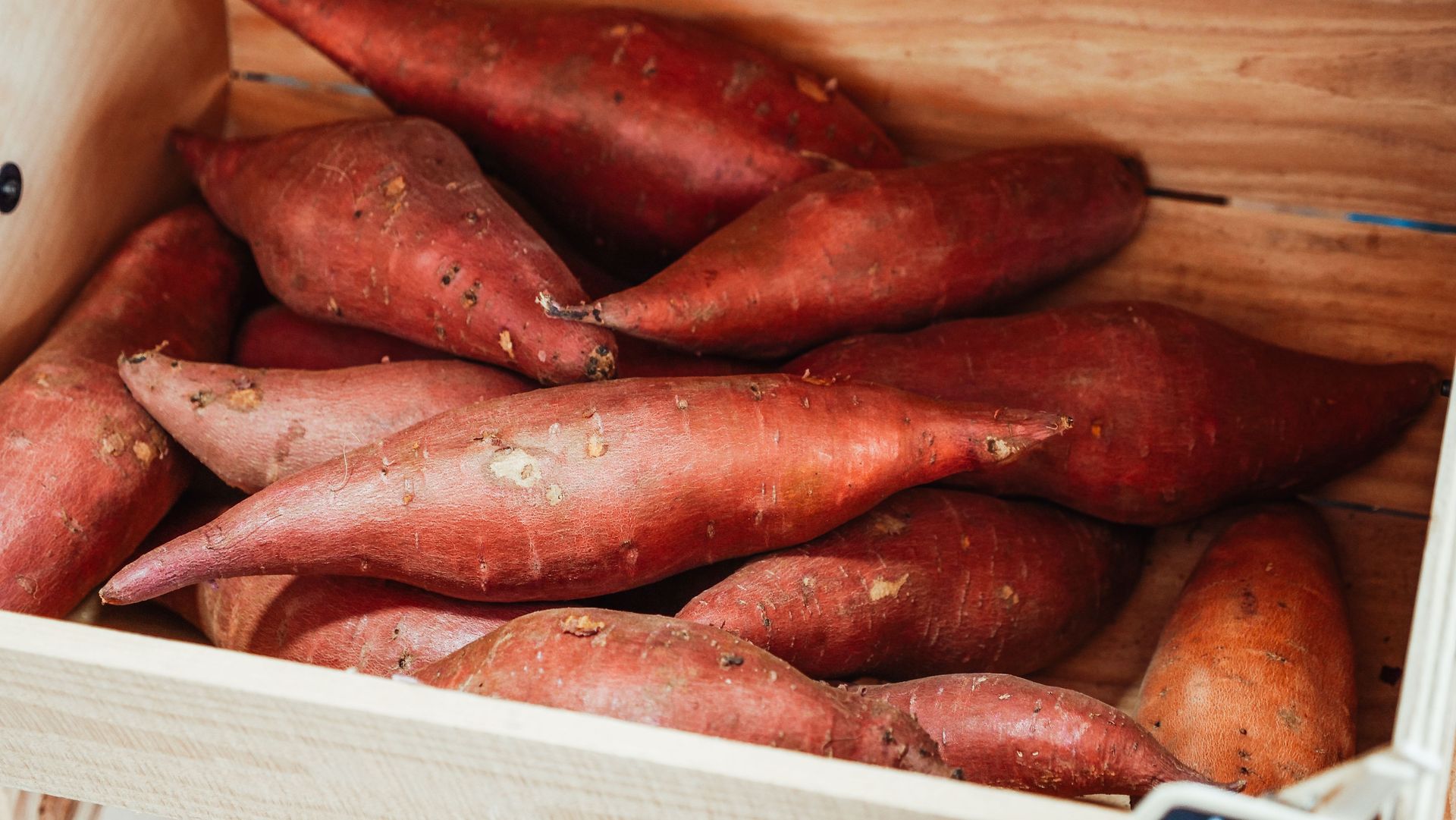
Sweet potato, cooked (baked, steamed, or boiled) and served plain without butter, sugar, or the marshmallow and spice additions common in human sweet potato preparations, is a nutrient-dense carbohydrate source rich in fiber, vitamin A, vitamin C, and potassium, commonly included as an ingredient in commercial dog foods and equally suitable as a home-prepared addition to a dog's diet.
The fiber content supports digestive health similarly to pumpkin, and sweet potato's relatively low glycemic impact compared to some other carbohydrate sources makes it a commonly recommended option for dogs needing a digestible carbohydrate source, including dogs on limited-ingredient diets for food sensitivities, where sweet potato is frequently used as an alternative to grain-based carbohydrates.
Sweet potato should always be fully cooked before serving, since raw sweet potato is difficult for dogs to digest and can cause gastrointestinal upset, and should be given plain and in moderate portions, since despite its nutritional benefits, sweet potato is calorie-dense enough that excessive quantities can contribute to weight gain if not accounted for within the dog's overall daily caloric intake.
Lionel Ntasano / Pexels
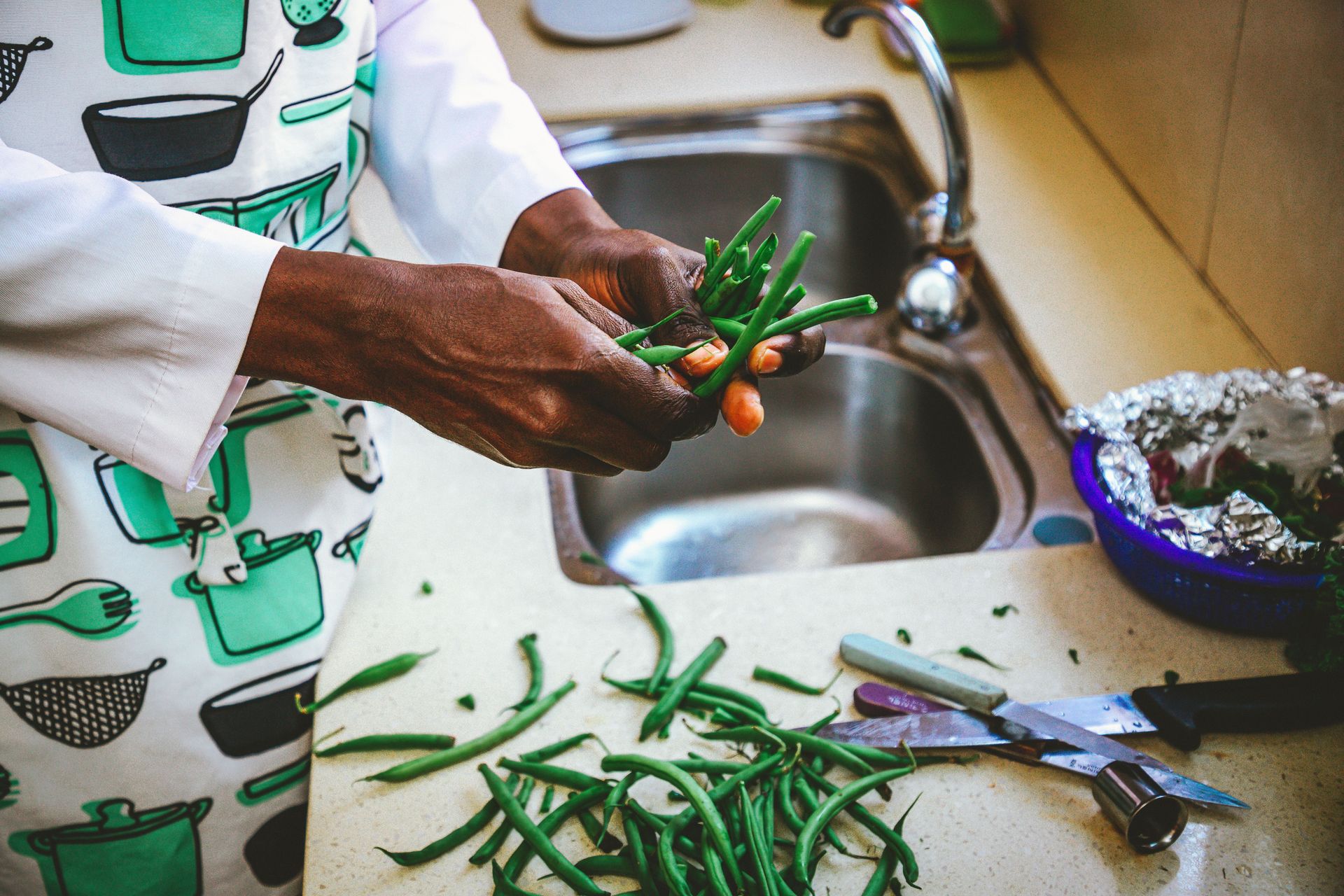
Plain cooked or raw green beans are a low-calorie, high-fiber vegetable frequently recommended for dogs managing weight, valued specifically because they provide volume and satiety with minimal caloric cost — some veterinarians specifically recommend green beans as a partial food replacement strategy for overweight dogs on a calorie-restricted diet, allowing the dog to eat a satisfying volume of food while reducing overall caloric intake.
Beyond the weight management application, green beans provide fiber, vitamin K, vitamin C, and manganese, and their firm texture when raw provides some of the same incidental chewing satisfaction as carrots, making them a reasonable low-calorie treat alternative for dogs who enjoy crunchy textures.
Green beans can be given raw, steamed, or boiled, and should be plain without the butter, salt, or almond additions common in human green bean preparations (canned green beans, specifically, often contain added sodium that should be avoided, making fresh or frozen green beans, or plain canned green beans with no salt added, the better choice).
Giovanna Kamimura / Pexels
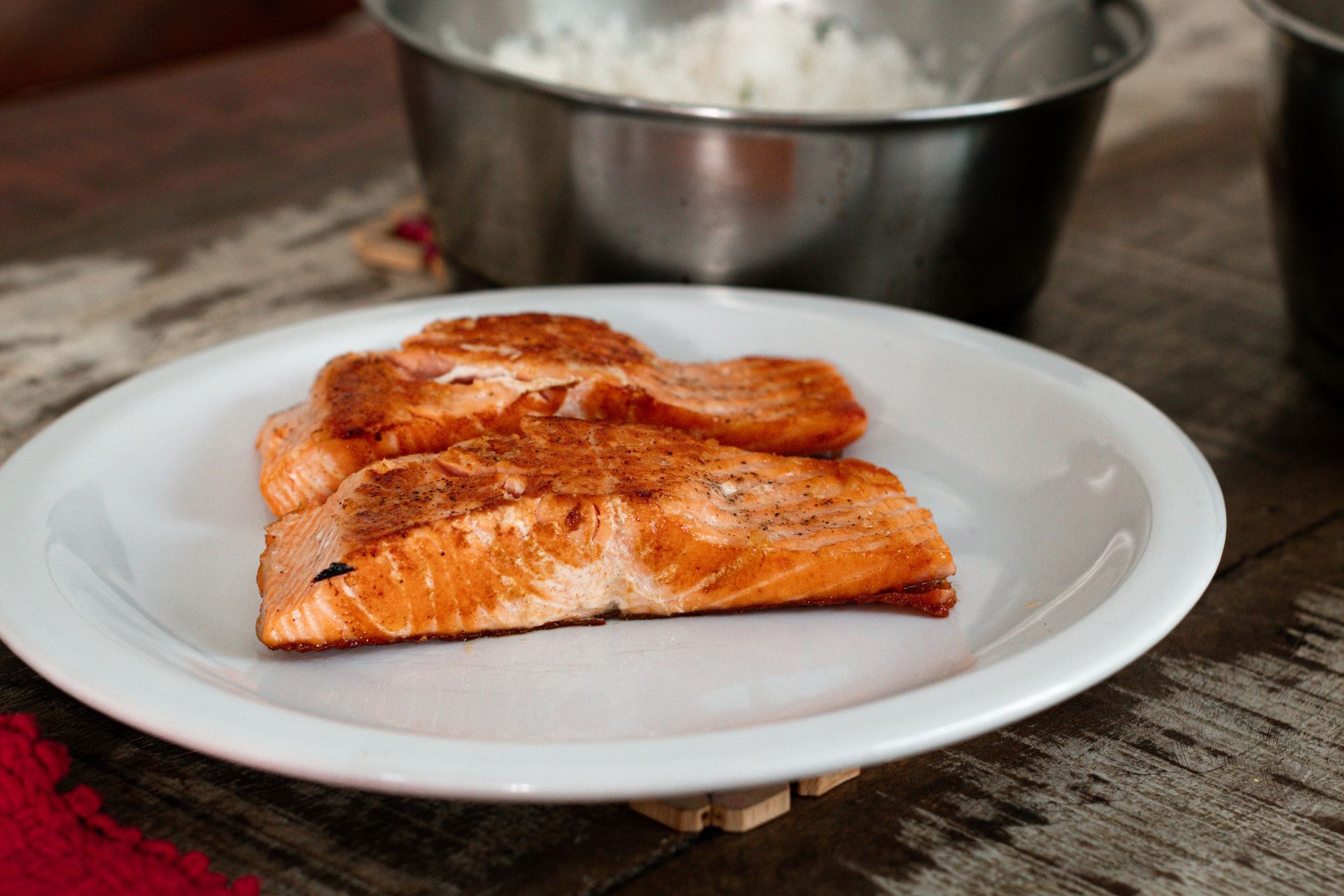
Cooked salmon, fully cooked and boneless, is an excellent source of omega-3 fatty acids, which support skin and coat health, reduce inflammation, and contribute to cardiovascular and cognitive health — benefits well-documented in both human and canine nutrition research, making salmon one of the more nutritionally significant entries on this list rather than merely a safe treat.
The specific preparation requirement for salmon is more stringent than for the other proteins on this list: salmon must be fully cooked, since raw or undercooked salmon (particularly from the Pacific Northwest) can carry a parasite that causes salmon poisoning disease, a serious and potentially fatal condition in dogs caused not by the parasite itself but by a bacteria (Neorickettsia helminthoeca) that the parasite carries — a risk that thorough cooking eliminates completely.
Salmon should be served plain, without the seasoning, butter, or sauces common in human salmon preparations, and with bones carefully removed, since even cooked fish bones can pose a choking or internal injury risk, making the deboning step as important as the cooking step in safely sharing salmon with a dog.
Victoria Bowers / Pexels
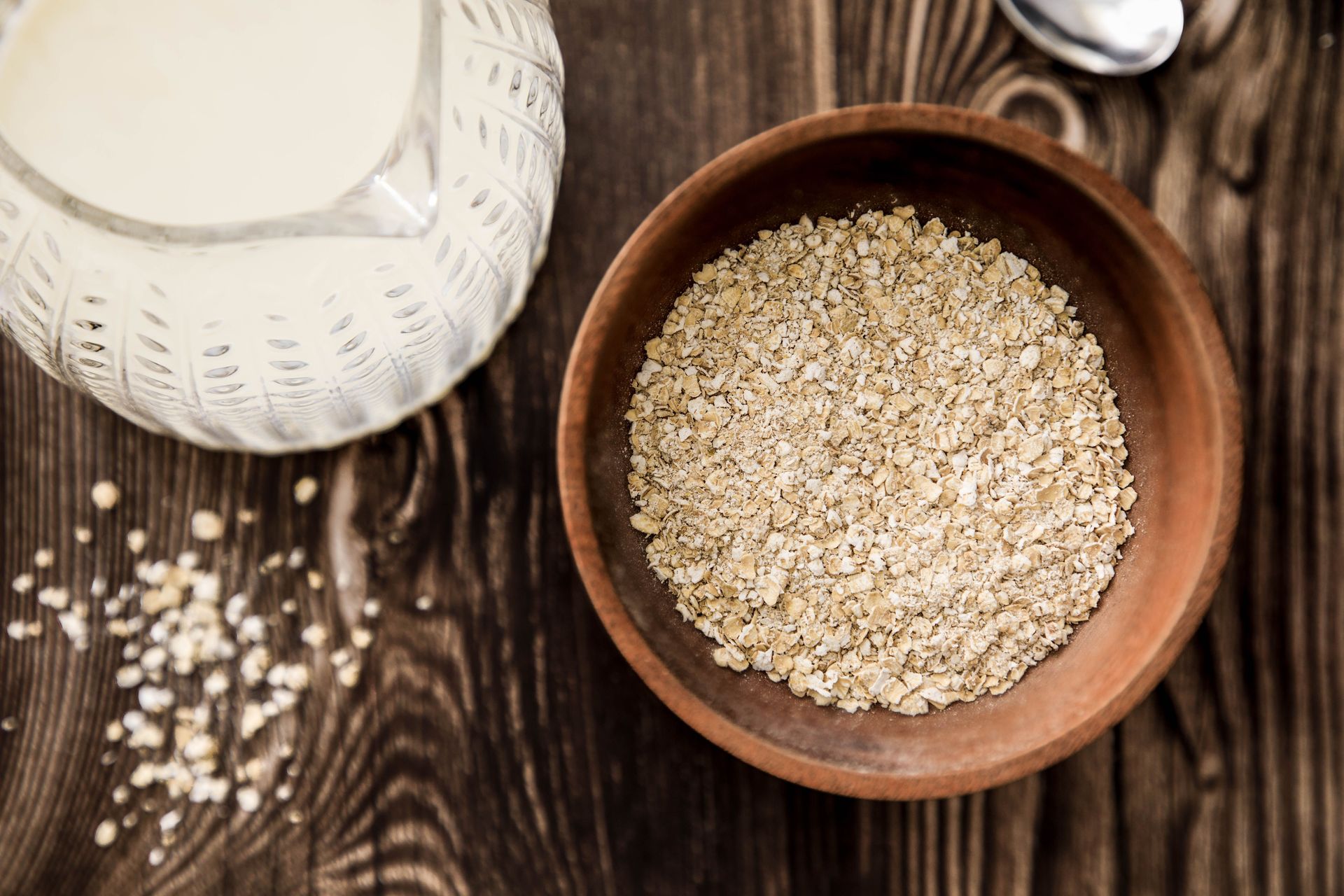
Plain, cooked oatmeal (without added sugar, flavoring, or the artificial sweeteners sometimes found in flavored instant oatmeal packets, some of which may contain xylitol, which is toxic to dogs) is a good source of soluble fiber and can be a suitable grain option for dogs with wheat sensitivities, since oats do not contain the specific proteins that trigger wheat-related digestive issues in sensitive dogs.
The soluble fiber in oatmeal supports digestive regularity similarly to pumpkin and sweet potato, and oatmeal's relatively neutral flavor and smooth texture when cooked make it an easy food to introduce to dogs with sensitive stomachs or during recovery from gastrointestinal upset, often used as an alternative to rice in bland diet formulations for dogs with grain sensitivities specific to rice or wheat.
Oatmeal should always be cooked (raw oats are difficult to digest) and served plain, without milk, sugar, or any of the flavoring packets marketed for human consumption, since instant flavored oatmeal products frequently contain ingredients — added sugar, artificial sweeteners, sometimes chocolate flavoring — that are inappropriate or potentially dangerous for dogs despite the base product (plain oats) being entirely safe and beneficial.
Cihan Yüce / Pexels
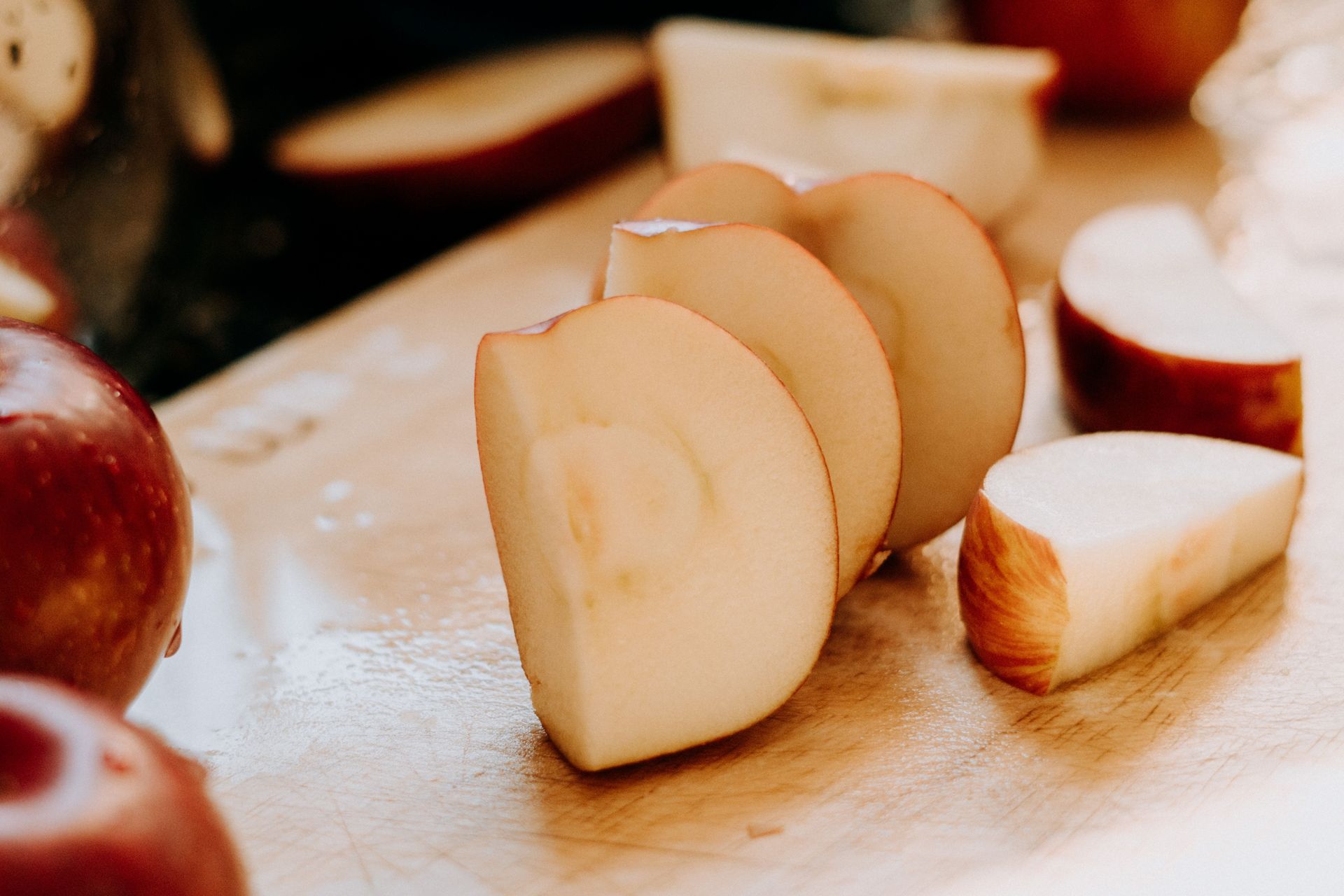
Apple $AAPL slices, with the core and seeds removed, are a crunchy, fiber-rich, low-calorie treat that many dogs enjoy, providing vitamin C and vitamin A along with the dietary fiber that supports digestive health, and the fibrous texture provides some of the same incidental dental benefit and chewing satisfaction as carrots and raw green beans.
The specific preparation requirement for apples is important and frequently overlooked: apple seeds contain amygdalin, a compound that releases cyanide when metabolized, and while the quantity in a small number of seeds from normal apple consumption is unlikely to cause serious harm in most cases, removing the core and seeds entirely eliminates any risk and is the standard safety recommendation regardless of the relatively low risk from occasional accidental seed consumption.
Apples should be given in slices appropriately sized for the dog to chew safely rather than whole, particularly for smaller dogs or dogs prone to gulping food without adequate chewing, and like the other fruits on this list, apples should be given in moderation as a treat component of the diet rather than a dietary staple, since the natural sugar content, while much lower than processed treats, still contributes calories that should be accounted for in the dog's overall daily intake.