
15 human foods that are toxic to cats — including ones most owners don't know about
Foods toxic to cats range from onions and chocolate to lesser-known risks like raw fish, excess liver and xylitol hidden in everyday snacks
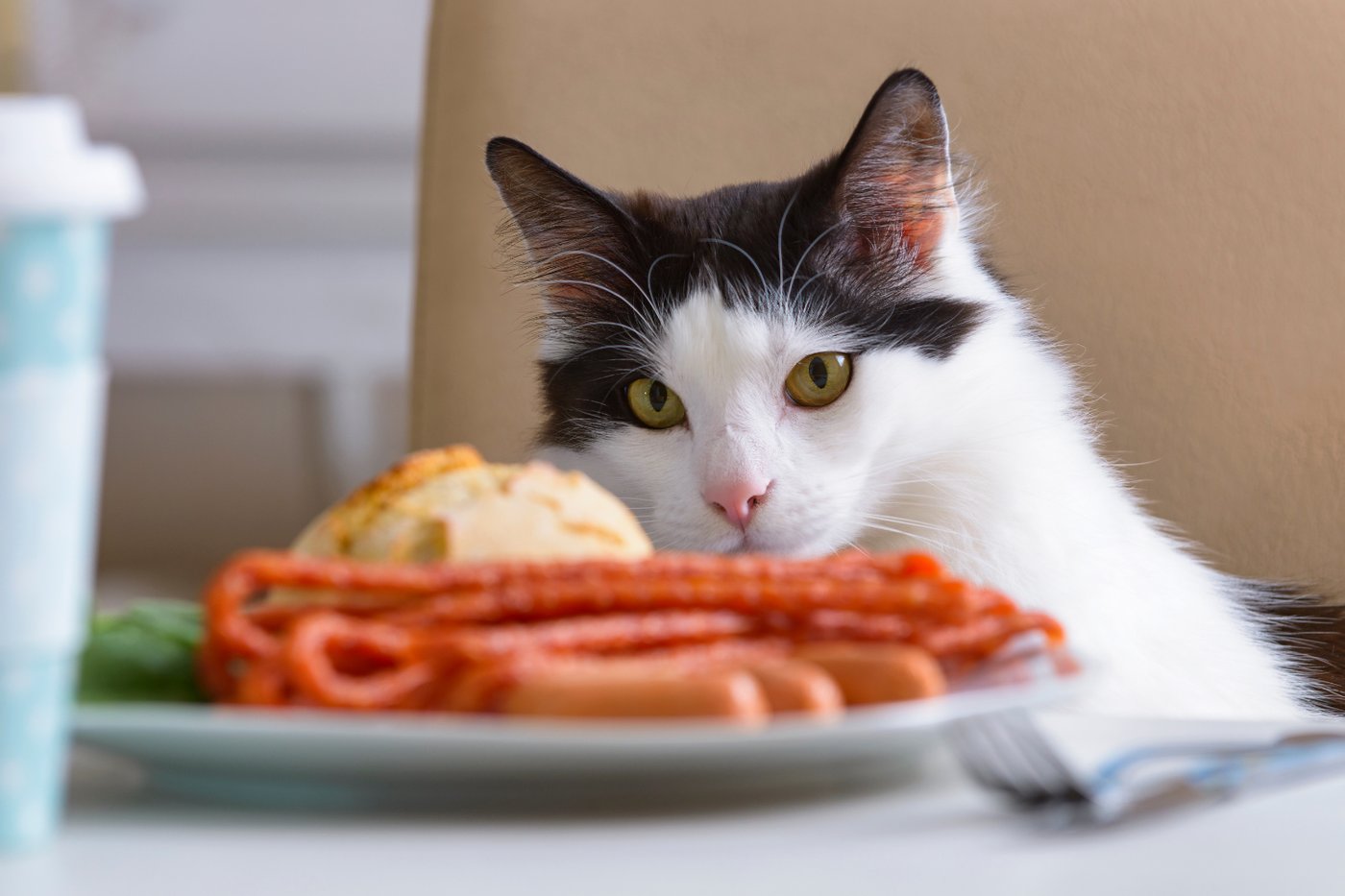
Credit: Canva Images
Cats process the world differently than dogs do, and that difference starts in the liver. Cats have a limited version of an enzyme pathway called glucuronidation. Many mammals use this pathway to break down and clear out foreign compounds. That gap is why a handful of foods toxic to cats can cause real harm at doses a dog would tolerate. A cat's small body size makes even a modest taste riskier than it looks.
Most cat owners already know to keep chocolate out of reach. Fewer know that a splash of milk, a slice of raw fish or a spoonful of liver as a treat can each cause a different kind of problem. Some of these problems show up as sudden digestive upset. Others build slowly, as toxic vitamin levels climb over weeks or months. Some risks are immediate and dramatic. Others show up quietly, only after a food has become a habit rather than a one-time slip.
This list covers 15 human foods and ingredients that pose a real risk to cats, ranked from the most familiar to the ones that catch even careful owners off guard. A few are dramatic emergencies. Others are quieter problems that only surface after months of a well-meaning habit. Each entry explains what makes the food dangerous, what exposure typically looks like in a real household, and which signs call for a veterinarian rather than a wait-and-see approach. None of this replaces a veterinarian's advice for a specific cat, especially one with an existing health condition. It is a starting point for knowing what belongs nowhere near a food bowl, a countertop or a curious cat's reach.
The through-line across all 15 entries is simple. A cat's small size and unusual metabolism turn a bite that a person or a dog could shrug off into something that can send a cat to the emergency room.
Onions, garlic, chives and leeks
Credit: Justus Menke / Pexels
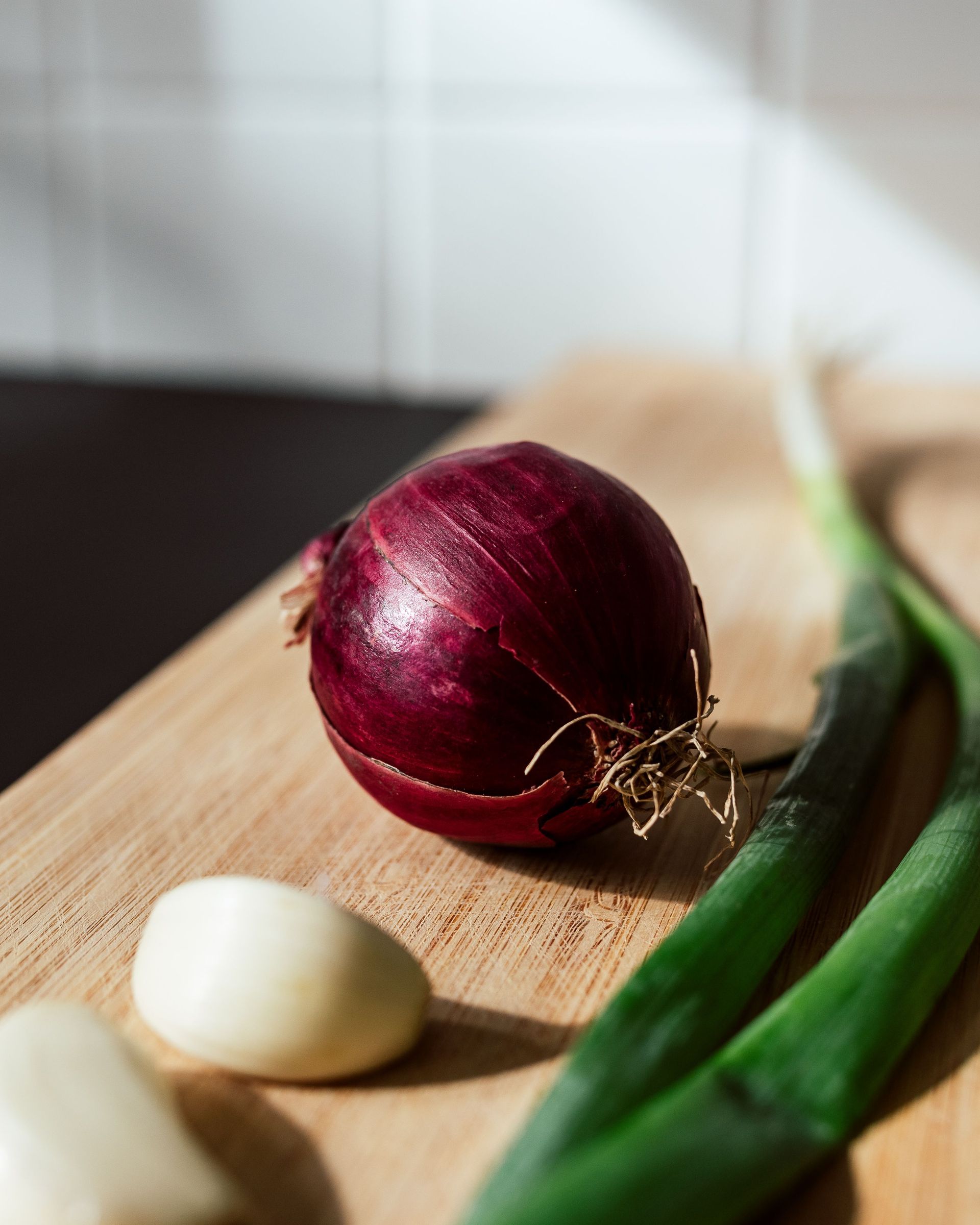
Every allium-family plant, including onions, garlic, leeks, shallots and chives, contains compounds called thiosulfates. These compounds damage a cat's red blood cells and can trigger a type of anemia called hemolytic anemia. This applies to raw, cooked, powdered and dehydrated forms alike, and powdered versions are often more concentrated by weight than the fresh vegetable.
Cats are more sensitive to allium toxicity than dogs, and it does not take much to cause a problem. A few bites of onion in gravy or a lick of garlic butter can be enough to trigger symptoms in a small cat. Repeated small exposures over several days can be just as risky as one large dose.
The damage builds gradually inside the bloodstream. Thiosulfates cause oxidative damage to hemoglobin, forming what veterinarians call Heinz bodies inside red blood cells. Those damaged cells are then destroyed faster than the body can replace them, and that is what produces anemia. This process takes time, so symptoms often do not appear for a day or more after exposure. That delay makes it easy to miss the connection between a meal and the illness that follows.
Signs to watch for include lethargy, pale or yellowish gums, rapid breathing, weakness and a reduced appetite. Urine that looks orange to dark red is a strong warning sign, since it points to red blood cell breakdown. Any of these symptoms after a cat eats something containing onion, garlic, leek or chive calls for a veterinarian. Anemia can keep progressing for days even after the exposure has stopped.
The safest approach is to keep all allium-family vegetables away from cats entirely. That includes any dish seasoned with onion or garlic powder, along with broths, soups, gravies and pet food scraps from a human plate. Baby food is a common hidden source, since some savory varieties are seasoned with onion powder. Checking the label before offering jarred food to a cat is worth the extra minute.
Chocolate, especially dark and baking chocolate

Credit: Vie Studio / Pexels
Chocolate contains theobromine and caffeine, two compounds in a class called methylxanthines that cats cannot metabolize as efficiently as people can. Even a small amount of dark chocolate or unsweetened baking chocolate can cause vomiting, diarrhea and an elevated heart rate. Larger amounts can bring on tremors or seizures.
Cats are generally less likely than dogs to seek out chocolate on their own, since they lack the sweet-taste receptors that make sugary food appealing to many mammals. That natural disinterest does not remove the risk. A cat that knocks a wrapped chocolate bar off a counter or licks frosting off a plate can still ingest enough to become ill.
The type of chocolate matters as much as the amount. Baking chocolate and dark chocolate contain far more theobromine per ounce than milk chocolate. White chocolate contains almost none, though its high fat and sugar content can still upset a sensitive stomach. As a rough guide, the darker and more bitter the chocolate, the more dangerous a given amount becomes. Cocoa powder and unsweetened baker's chocolate sit at the most concentrated end of that scale, well above a typical milk chocolate candy bar.
Early signs of chocolate toxicity include vomiting, diarrhea, restlessness and increased thirst or urination, usually within a few hours of ingestion. As theobromine builds up in the bloodstream, symptoms can progress to a racing or irregular heartbeat and muscle tremors. In severe cases, seizures can follow. Because cats are smaller than most dogs, an amount of chocolate that would only mildly affect a large dog can be more serious in a cat.
Any confirmed or suspected chocolate ingestion is worth a call to a veterinarian or a pet poison control hotline. This is especially true if the chocolate was dark, semi-sweet or unsweetened baking chocolate. Bringing the wrapper along helps a veterinarian estimate the dose based on cocoa content and the amount that appears to be missing.
Grapes and raisins
Credit:Suzy Hazelwood / Pexels
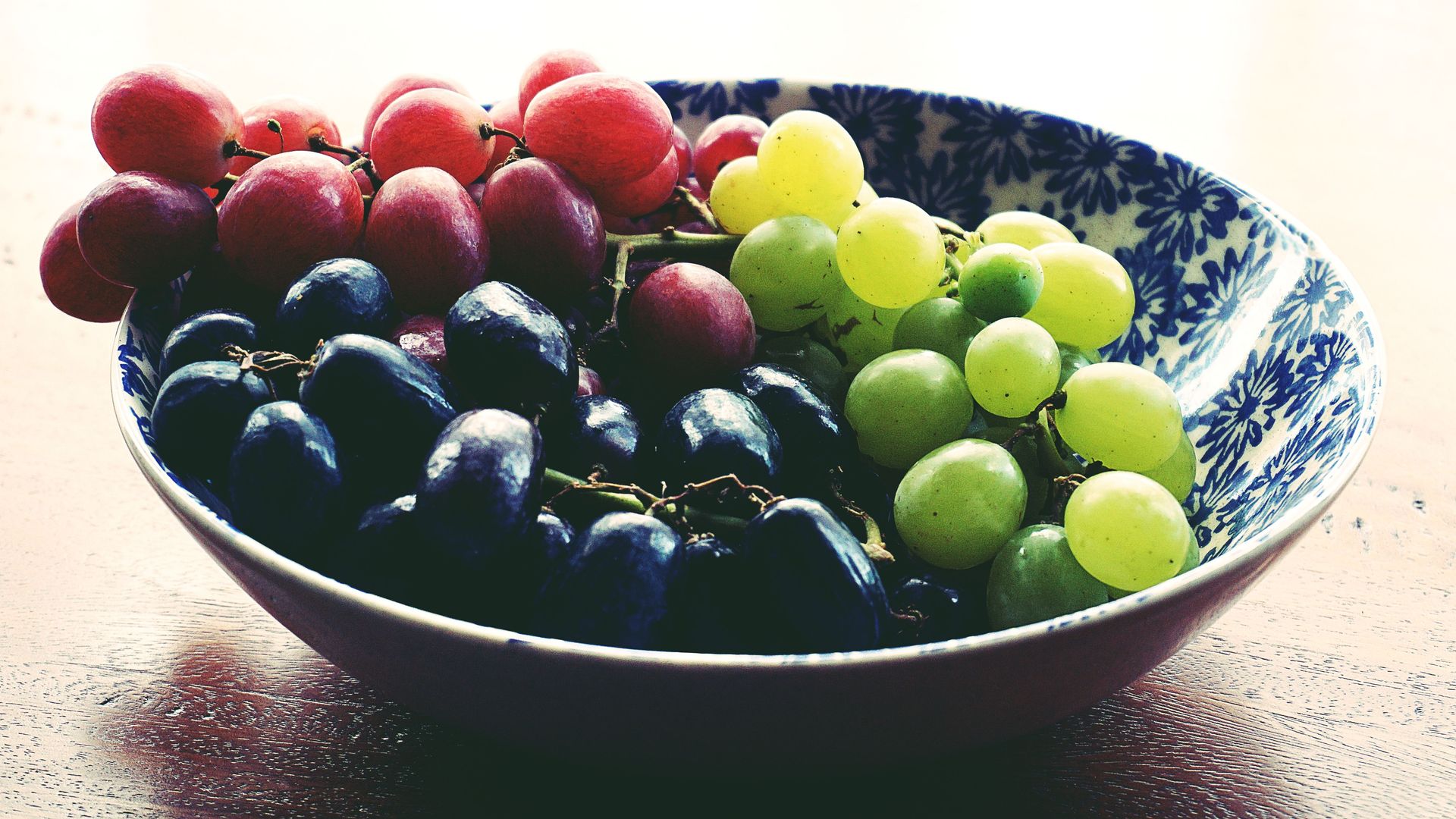
Grapes and raisins are an established cause of acute kidney injury in dogs. The evidence in cats is less extensive, but veterinary toxicology groups, including the ASPCA Animal Poison Control Center, list them as a risk for cats too. The exact toxic compound has not been identified, which is part of why veterinarians recommend avoiding them entirely rather than assuming a safe amount exists.
What makes grape and raisin toxicity unusual is its unpredictability. Some animals eat a large quantity with no apparent ill effect. Others develop kidney damage after a small amount, and there is no reliable way to predict which cats fall into which group. That inconsistency is exactly why veterinary guidance treats every exposure as potentially serious.
Raisins concentrate whatever toxic compound is at play, since drying removes water but not the substance responsible for kidney injury. A small handful of raisins carries more risk ounce for ounce than an equivalent weight of fresh grapes. This makes raisins hidden inside baked goods, trail mix and granola bars a particular concern. A cat could eat a meaningful amount without an owner realizing raisins were part of the food at all.
Signs of grape or raisin toxicity typically develop within 24 hours and include vomiting, lethargy, decreased appetite and changes in urination as kidney function is affected. Abdominal pain and dehydration can follow as the kidneys struggle to filter waste from the blood. Kidney damage can become permanent if untreated, so any known ingestion of grapes or raisins should prompt an immediate call to a veterinarian, even if the cat still seems normal.
There is no antidote for grape and raisin toxicity. Treatment focuses on decontamination and supportive care. That often means inducing vomiting if the ingestion was recent, along with intravenous fluids to protect kidney function while the body clears whatever compound is responsible.
Xylitol in sugar-free gum and baked goods
-1400x933.png)
Credit: Canva Images
Xylitol is a sugar substitute used in sugar-free gum, candy, some peanut butters, baked goods and even certain toothpastes. It is well documented as highly toxic to dogs, triggering a rapid release of insulin that causes dangerously low blood sugar. Toxicity data in cats is much more limited, since cats show far less interest in sweet foods and xylitol exposures in cats are reported far less often.
That smaller body of evidence is not the same as a clean bill of health. Cats share the same basic pancreatic insulin response as dogs. Veterinary toxicologists generally recommend treating any known xylitol ingestion in a cat with the same urgency as a dog. The reaction can turn dangerous fast, and a cat's small body leaves little margin for error.
The practical risk in most households comes from products a person would not think to guard closely. Sugar-free gum left in a bag can contain enough xylitol to matter for an animal a fraction of a human's body weight. So can a jar of low-sugar peanut butter used to hide a pill. Reading ingredient labels on anything marketed as sugar-free is the most reliable way to catch it before it reaches a cat.
In dogs, xylitol ingestion can cause vomiting, weakness and loss of coordination, sometimes within 30 minutes. More serious cases progress to seizures and liver failure. Given the overlap in mammalian insulin physiology, a cat showing any of these signs after eating a xylitol-containing product should be treated as an emergency rather than watched at home.
There is no way to reverse xylitol's effect on insulin release once it has occurred. That makes prevention matter more here than with almost any other item on this list. Keeping sugar-free gum, candy and baked goods sealed and out of reach removes the risk entirely.
Alcohol in any form
Credit: Piotr Makowski / Unsplash
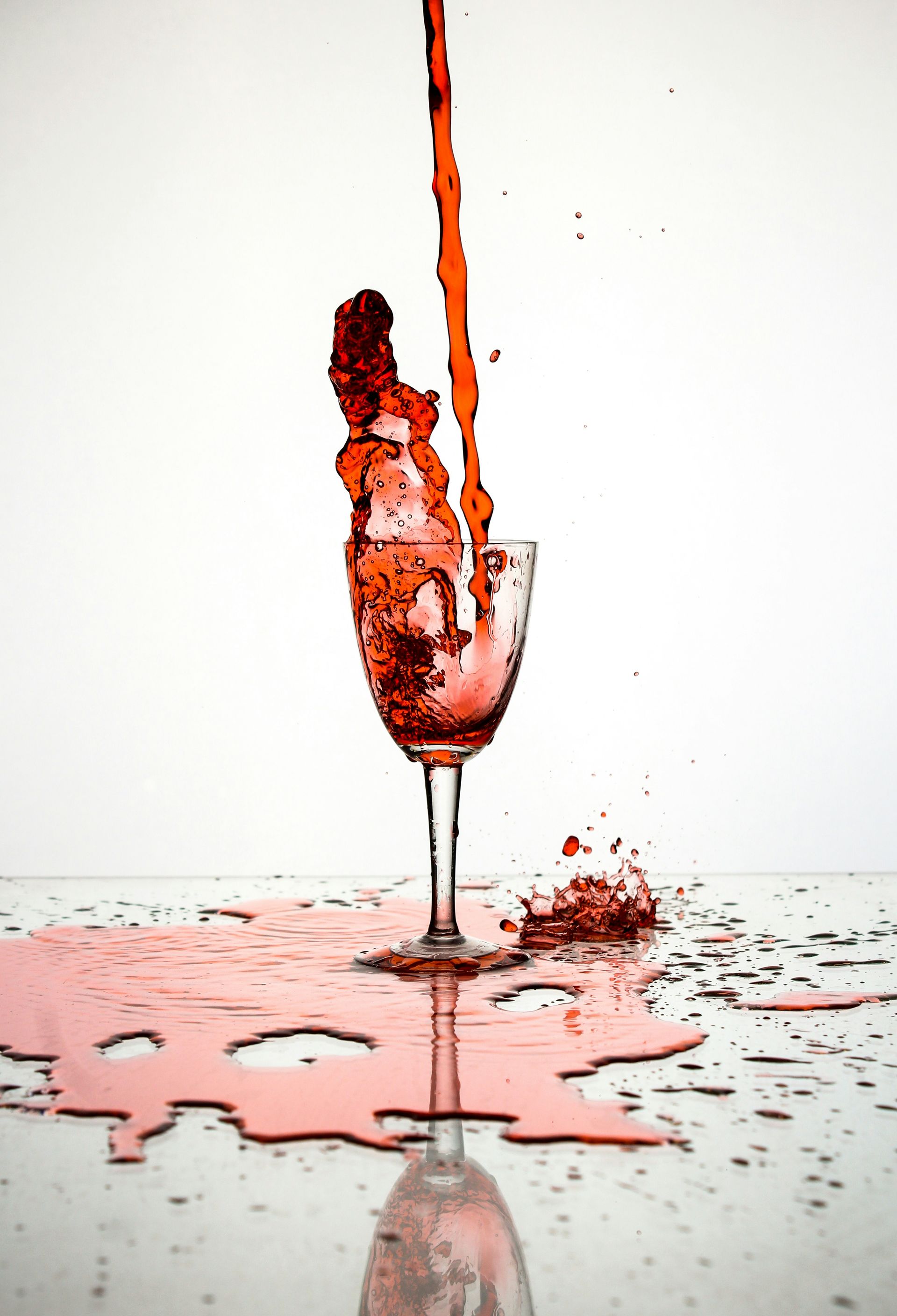
Alcohol depresses a cat's central nervous system far more severely than it does a person's. Even a small amount of beer, wine or a mixed drink can cause dangerously low blood sugar, disorientation and slowed breathing. Because a cat weighs a fraction of what an adult person does, what looks like a trivial spill represents a much larger relative dose.
Cats rarely seek out alcohol voluntarily, since the taste is unappealing to most of them, but exposure still happens in ordinary ways. A cat drinking from an unattended cocktail glass or licking spilled wine off a counter can take in enough ethanol to cause symptoms. Food soaked in alcohol during cooking, such as a dessert made with rum, carries the same risk.
The effects come on quickly and can escalate. Early signs include disorientation, poor coordination, vomiting and lethargy, similar to visible intoxication. As blood alcohol rises, a cat can develop dangerously low body temperature, low blood sugar and slowed breathing. In severe cases, coma can follow. The same volume of alcohol that produces mild tipsiness in an adult can cause a life-threatening drop in a cat's temperature and blood sugar.
Cooking with alcohol does not fully eliminate the risk. Not all of the alcohol evaporates during cooking, particularly in dishes with shorter cook times or where alcohol is added near the end. A cat eating a serving of tiramisu or a wine-based sauce can still take in a meaningful amount of ethanol along with the food.
Any known alcohol exposure in a cat warrants an immediate call to a veterinarian. This applies to a spilled drink, an alcohol-based dessert or a fermenting substance like raw dough. Do not wait to see if symptoms appear, since the drop in blood sugar and body temperature can progress faster than an owner might expect from a small amount.
Caffeine from coffee, tea and energy drinks
Credit: Edo Nanda Tri Putra / Pexels
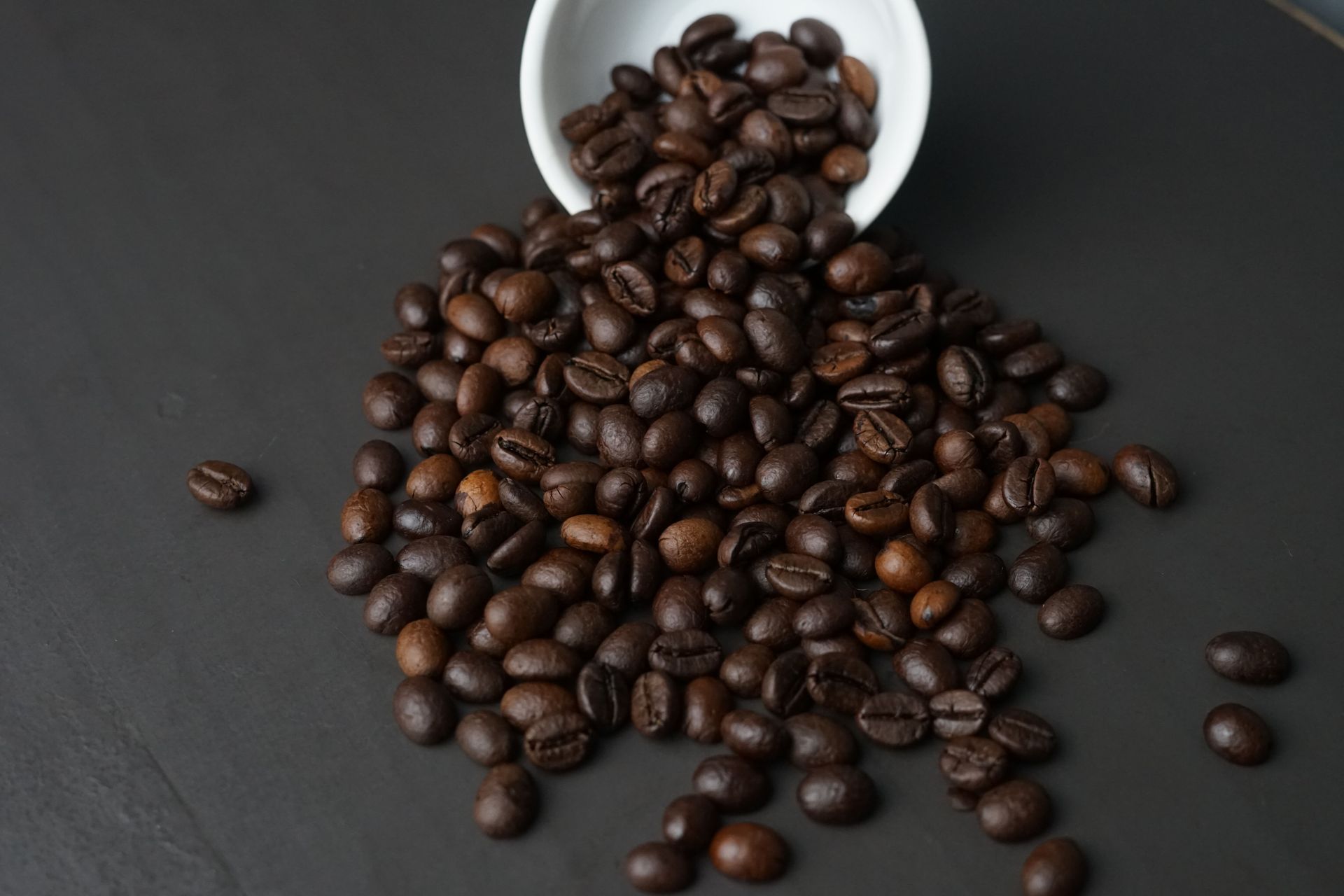
Caffeine is a methylxanthine, the same chemical family responsible for chocolate's toxicity. It affects a cat's heart and nervous system even in the small amounts found in coffee, tea, energy drinks and some sodas. A cat lapping up spilled coffee or chewing on a used tea bag can ingest enough caffeine to cause restlessness, a racing heart and tremors.
Coffee grounds and tea leaves are more concentrated sources of caffeine than brewed beverages, which makes them a specific hazard worth naming separately. A cat that chews on a bag of coffee grounds is taking in a far more concentrated dose than one that laps up a diluted cup of brewed coffee. The beverage seems like the more obvious risk, but it is not.
Energy drinks and pre-workout supplements deserve particular caution. They are formulated to deliver a much higher caffeine dose per ounce than coffee or tea, sometimes combined with other stimulants. A cat that gets into a spilled energy drink is exposed to a caffeine load well beyond what an equivalent amount of coffee would provide.
Symptoms of caffeine toxicity in cats typically appear within one to two hours. They include restlessness, rapid breathing, an elevated heart rate and muscle tremors, with seizures possible in severe cases. Because caffeine stimulates the heart, cats with an existing heart condition face a higher risk of serious complications from a smaller dose than a healthy cat would.
There is no specific antidote for caffeine toxicity. Treatment centers on removing any remaining source from the stomach if the ingestion was recent, along with supportive care to manage heart rate and control tremors. Any cat showing agitation or a racing heartbeat after exposure to coffee, tea or an energy drink should be seen by a veterinarian promptly. Bringing along the packaging, or noting roughly how much was spilled or missing, helps the veterinarian judge how large a dose is involved.
Raw bread dough made with yeast
Credit: Julia Filirovska / Pexels
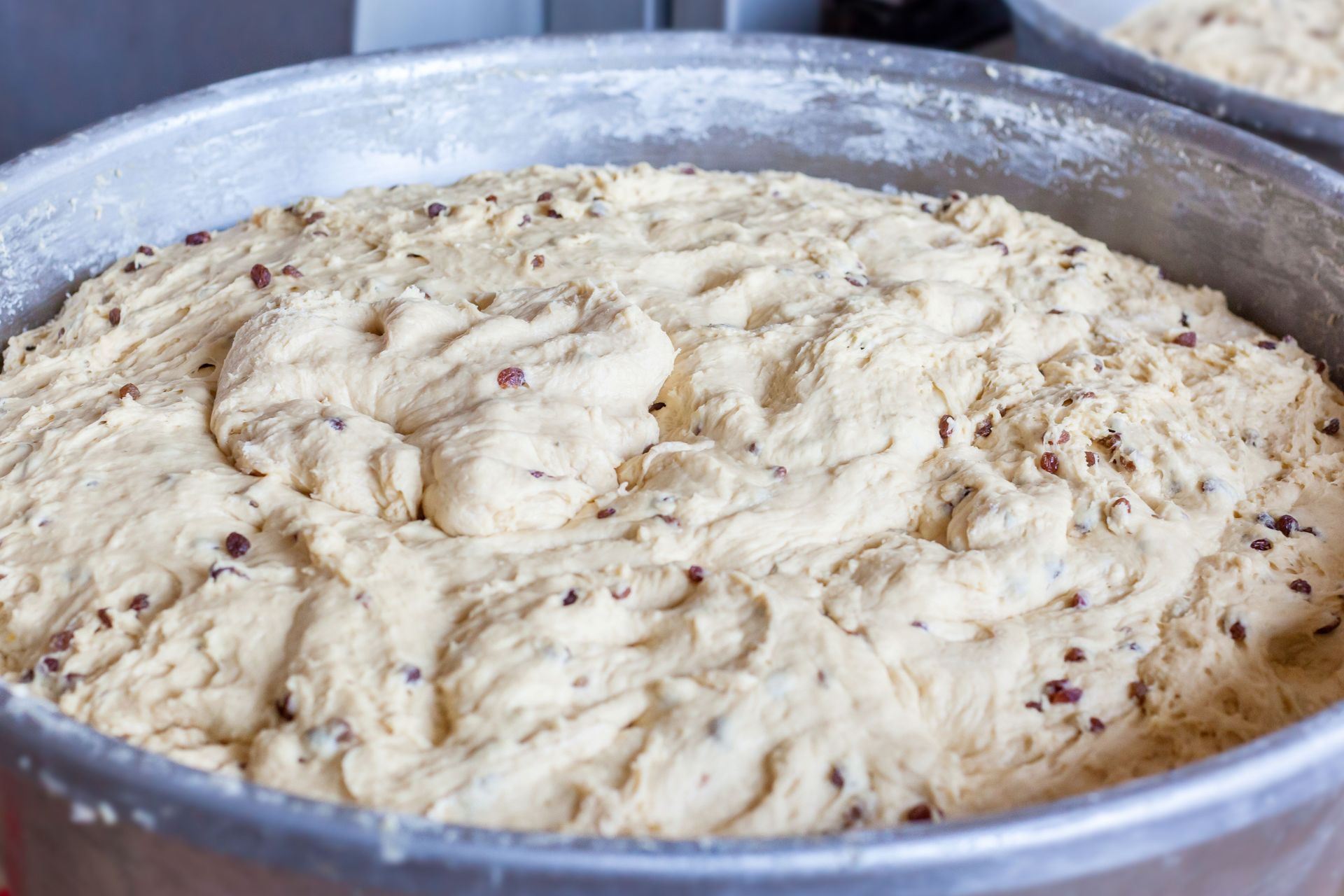
Raw dough made with live yeast poses two separate risks once it reaches a cat's warm stomach. The yeast keeps fermenting and expanding, producing gas that can distend the stomach and, in serious cases, cause it to twist. That same fermentation produces ethanol, which is absorbed into the bloodstream and can cause alcohol poisoning.
The expansion risk is often underestimated because dough looks small and manageable outside the body. A warm, moist stomach is close to ideal for yeast to keep rising. Dough that seemed like a modest amount before ingestion can expand significantly once inside a cat, causing bloating and pain. In the most severe cases, the stomach can twist, a condition known as gastric dilatation-volvulus.
At the same time, the process that makes dough rise generates alcohol as a byproduct. A cat that eats raw dough is effectively also consuming alcohol, with all the same risks of low blood sugar, disorientation and slowed breathing described elsewhere on this list. The combination of physical bloating and alcohol absorption makes raw dough more dangerous than either risk on its own.
Cats are drawn to raw dough less often than dogs, but it still happens. Dough left rising on a counter under a towel is a common target, and a curious cat may investigate or knock it down. Bread machines and stand mixers left unattended with dough inside are another source of accidental access.
Signs of raw dough ingestion include a visibly distended abdomen, unproductive retching, restlessness and lethargy, and these can appear within an hour as fermentation continues. Any cat suspected of eating raw yeast dough should be taken to a veterinarian immediately. Both the bloating and the alcohol absorption can turn life-threatening without prompt treatment. Inducing vomiting at home is not recommended, given the risk of the dough causing a stomach twist.
Raw fish fed regularly
Credit: Nadin Sh / Pexels
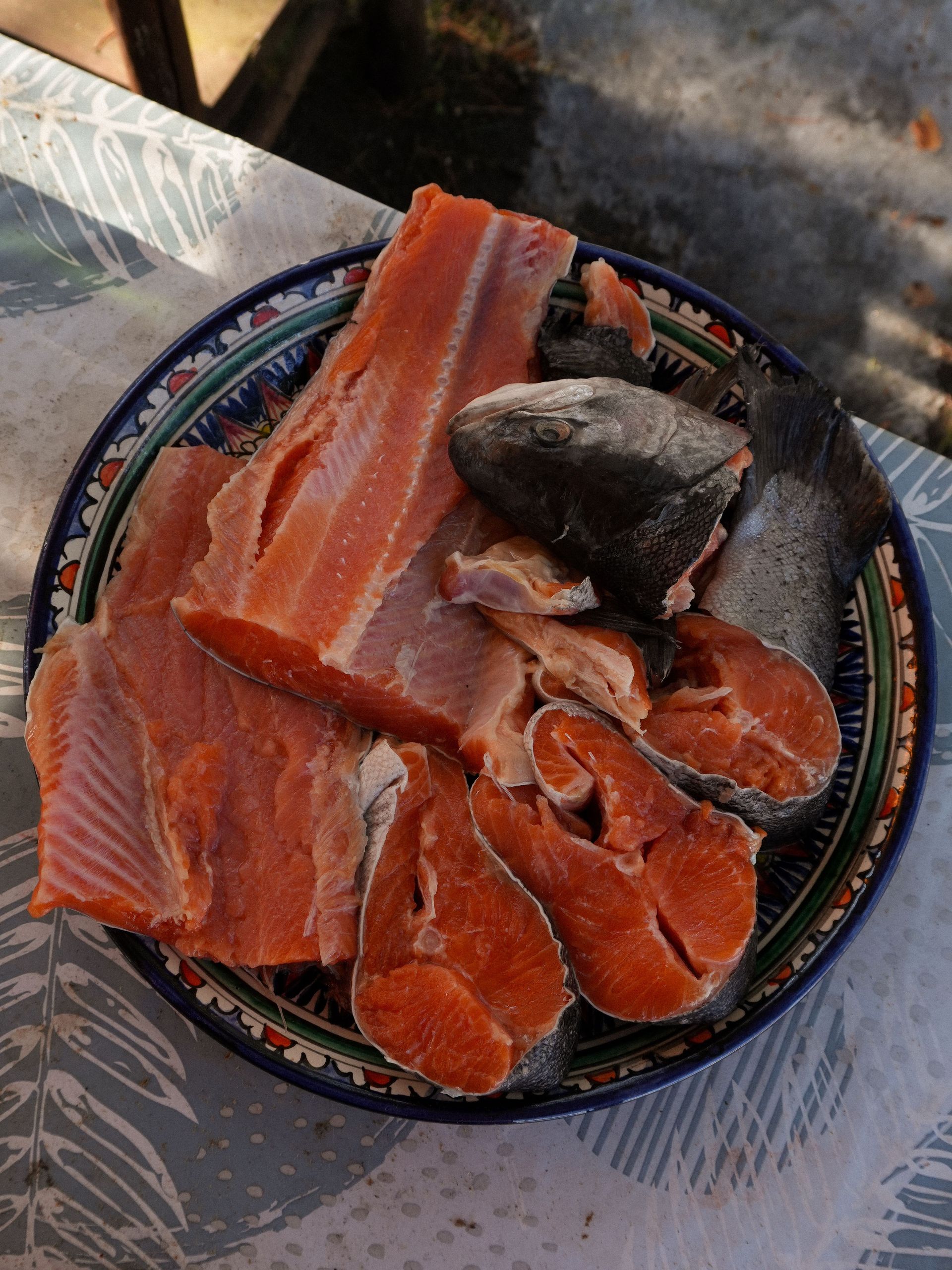
Raw fish, particularly species like carp, herring and some varieties of tuna, contains an enzyme called thiaminase. This enzyme breaks down thiamine, also known as vitamin B1, before a cat's body can absorb and use it. Feeding raw fish as an occasional treat is unlikely to cause a problem. Making it a regular part of a cat's diet is different, and can lead to a thiamine deficiency over weeks to months.
This is one of the oldest documented nutritional problems in cats fed a fish-heavy diet. Veterinary reports going back decades describe neurological symptoms in cats and farmed fur-bearing animals fed diets high in raw fish. The mechanism has not changed since then. Thiaminase survives in raw fish tissue and keeps breaking down thiamine after the fish has been eaten, unless it is cooked first, since heat deactivates the enzyme.
Thiamine is essential for normal nervous system function. A prolonged deficiency affects the brain and nerves rather than causing the sudden, dramatic symptoms tied to something like chocolate or grape toxicity. That slower onset is part of what makes this risk easy to miss. A cat can seem healthy for weeks while eating raw fish regularly before signs of deficiency appear.
Early signs of thiamine deficiency include reduced appetite and vomiting. Over time this can progress to weakness, a wobbly or uncoordinated gait and dilated pupils. Advanced cases can bring on seizures or a head tilt reflecting damage to the nervous system. These neurological signs can be mistaken for other conditions, which is part of why a cat's diet history matters when a veterinarian is trying to identify the cause.
The straightforward fix is cooking any fish before offering it to a cat, which deactivates thiaminase and removes the risk entirely. Cooking also cuts the chance of foodborne bacteria that raw fish can carry. Occasional raw fish as a rare treat is a much smaller concern than a diet built around it every day.
Liver in large or frequent amounts
Credit: Canva Images
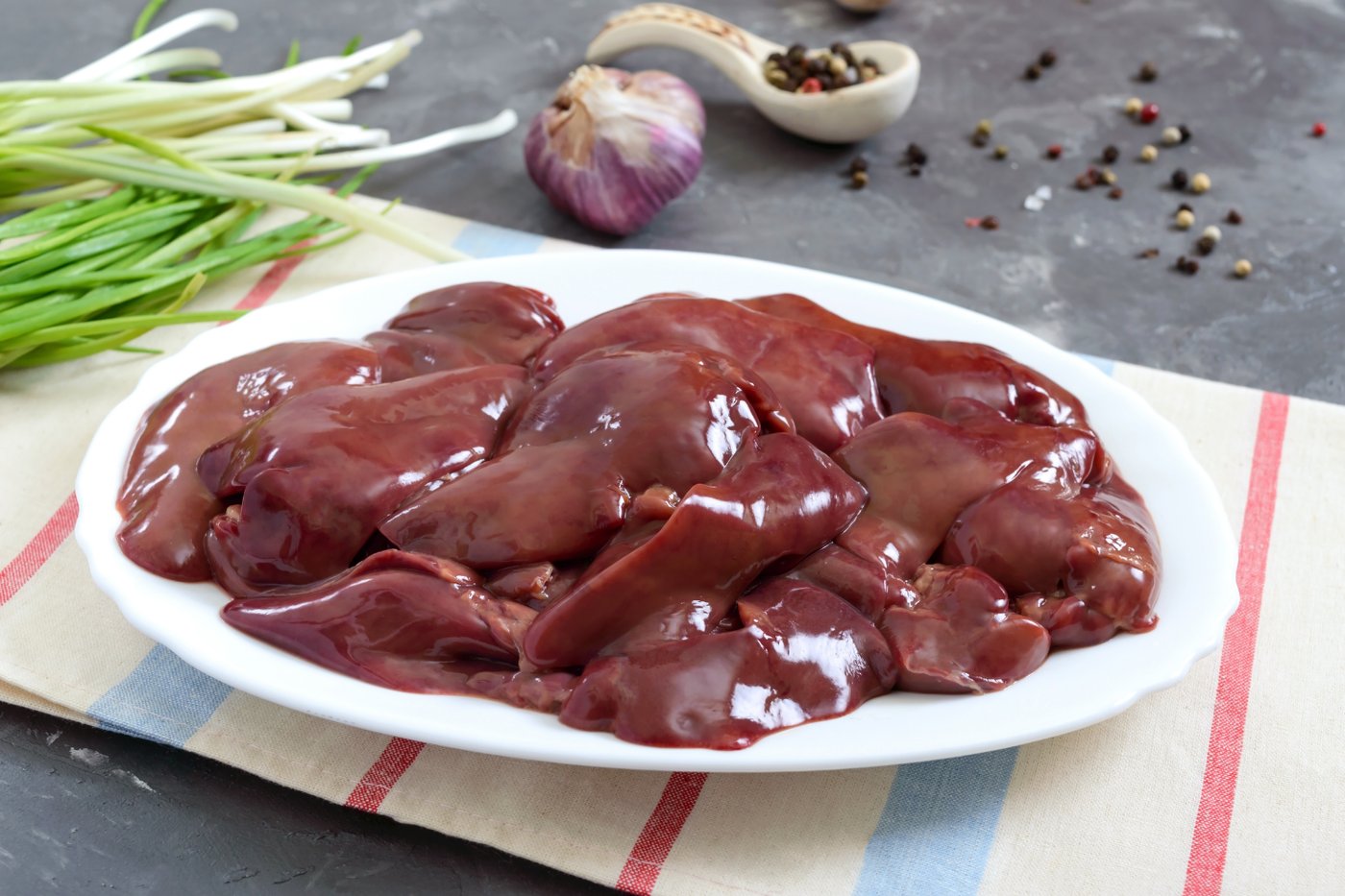
Liver is rich in vitamin A. Feeding it to a cat regularly or in large portions can cause a condition called hypervitaminosis A, in which excess vitamin A builds up in the body. That buildup leads to painful bone deformities, particularly along the spine and around the joints. This is a slow-building problem rather than a sudden poisoning, developing over weeks or months of a liver-heavy diet.
Unlike most items on this list, the danger from liver is not an immediate toxin. It is an excess of something a cat's body actually needs in smaller amounts. Vitamin A supports vision, immune function and skin health, but cats cannot easily eliminate a large surplus of it. It builds up in the liver and other tissues over time when intake consistently exceeds what the body can use.
Historical veterinary reports describe cats fed diets consisting mostly of liver developing bony outgrowths along their vertebrae. Some owners fed liver this way as a supposed health measure. The result was limited neck and joint mobility, sometimes permanent, since the skeletal remodeling caused by chronic vitamin A excess does not fully reverse.
The practical risk today is lower than it once was, since most commercial cat foods are formulated to a balanced vitamin A level. It resurfaces when owners supplement a cat's diet heavily with liver as a treat, believing more of a nutritious food must be better. Feeding liver occasionally, once or twice a week at most as a treat rather than a diet staple, avoids the problem entirely.
Signs of hypervitaminosis A include reluctance to move the neck, stiffness and sensitivity around the spine and joints. These signs typically develop gradually rather than appearing after a single meal. A cat showing these signs alongside a diet history of frequent liver feeding should be evaluated by a veterinarian. Imaging can often reveal the characteristic bony changes along the spine.
Citrus peels, pith and essential oils
Credit: Lisett Kruusimäe / Pexels
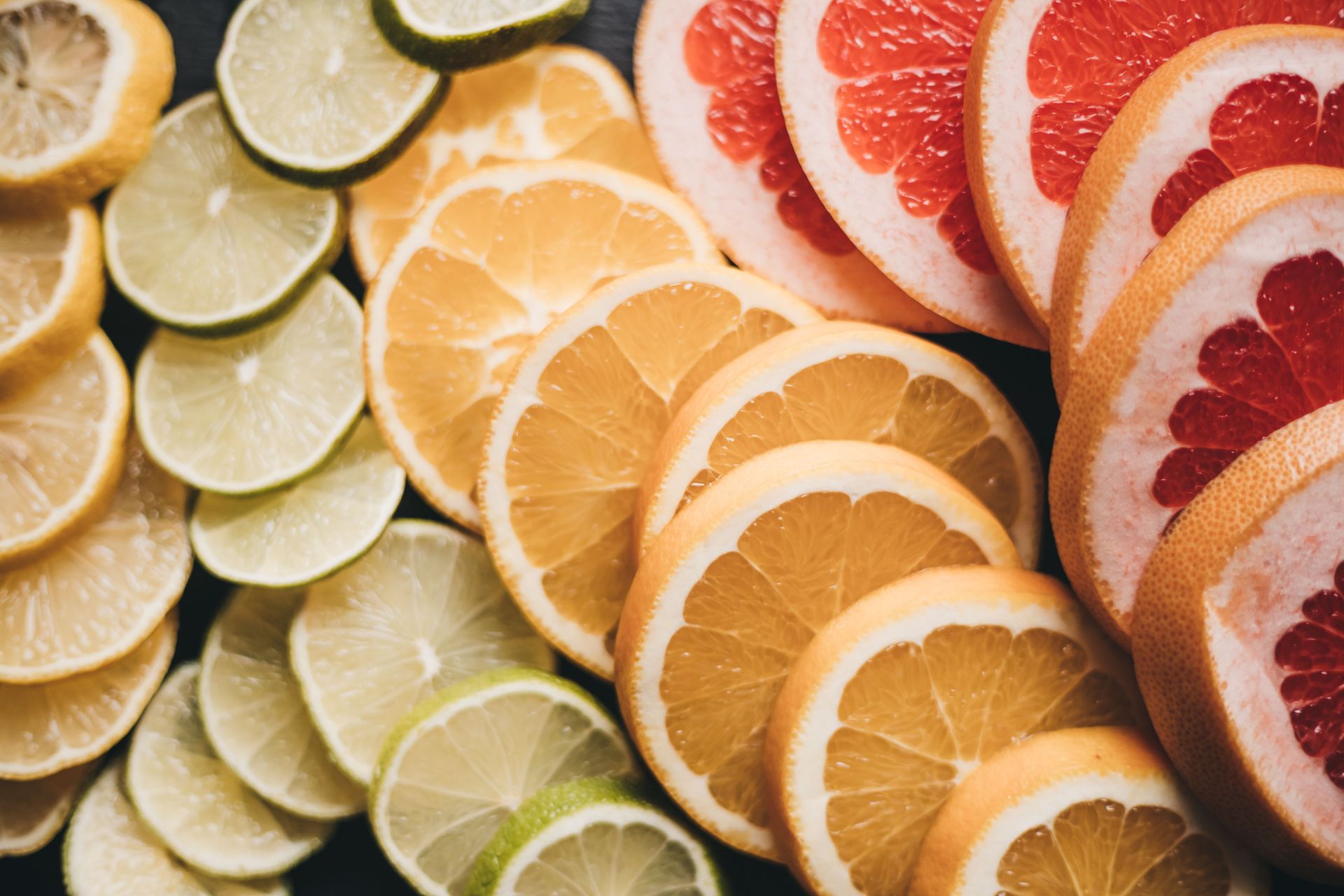
The peel, pith and seeds of citrus fruits like lemons, limes, oranges and grapefruit contain compounds called psoralens, along with essential oils that cats digest poorly. This can lead to vomiting, diarrhea and, with skin contact, irritation. The flesh of a citrus fruit in small amounts is generally far less concerning than the peel and oil-rich outer layers.
Cats have a reduced ability to break down many plant-derived essential oils compared to other mammals. This limitation is tied to the same restricted liver enzyme pathways that make cats sensitive to several other substances on this list. Citrus essential oils, whether from the peel itself or a cleaning product, can affect a cat more severely than the same exposure would affect a dog or a person.
Most citrus exposure in cats happens incidentally rather than through direct feeding, since few cats show interest in eating citrus fruit voluntarily due to its strong scent and sour taste. A more common scenario is a cat walking through spilled citrus juice or zest and later grooming it off its fur. Contact with cleaning products and essential oil diffusers that use concentrated citrus oil is another route.
Ingestion of citrus peel or pith typically causes vomiting, diarrhea and drooling. Direct skin contact with concentrated citrus oil can cause redness and irritation, and if enough is absorbed through grooming, more systemic signs like tremors can follow. Citrus-scented diffuser oils and cleaning sprays are worth keeping away from areas a cat can access or walk through.
Most citrus exposures resolve without lasting harm once the source is removed and any residue is cleaned off a cat's fur or paws. A veterinarian should be consulted if a cat has eaten a meaningful amount of peel or pith. The same goes for skin irritation from oil contact that does not improve after cleaning the area with mild soap and water.
Macadamia nuts
Credit: Muhammad Khawar Nazir / Pexels
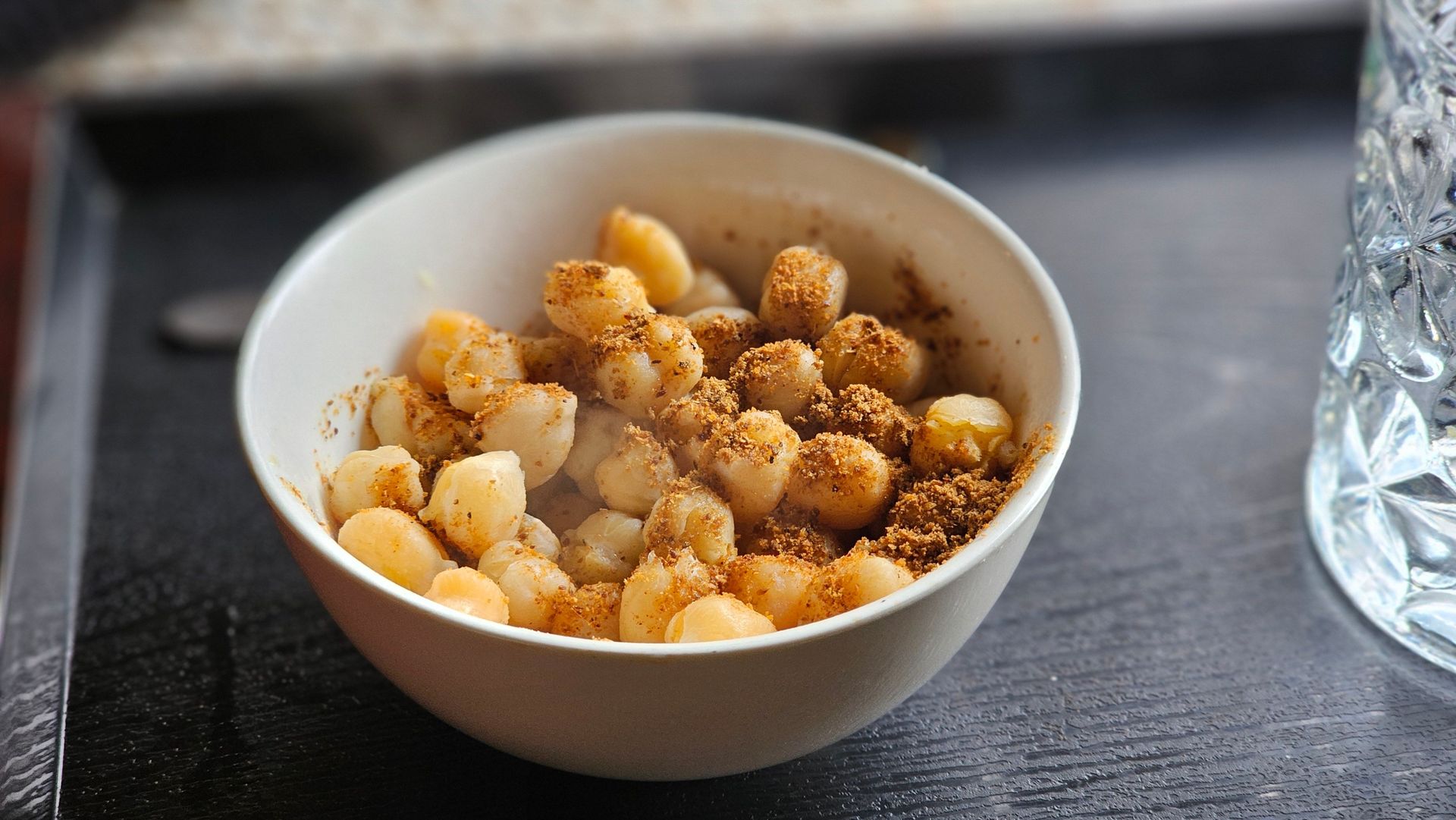
Macadamia nuts are a well-documented cause of temporary weakness, tremors and hyperthermia in dogs. The exact toxic compound has not been identified, and formal toxicity studies in cats are limited. Veterinarians generally recommend keeping macadamia nuts away from cats as well, given the shared physiology between the two species. There is no evidence that cats are somehow immune to whatever affects dogs.
Beyond the specific toxin question, macadamia nuts carry a second, better-established risk for cats: their high fat content. A cat's digestive system is not built to process a concentrated dose of fat well. Eating even a small handful of macadamia nuts can trigger vomiting or diarrhea. In cats prone to it, this can bring on pancreatitis, an inflammation of the pancreas that ranges from mild to severe.
Macadamia nuts are often used in baked goods, trail mixes and candy. Exposure frequently comes from a cat getting into a dish or snack mix rather than being fed a plain nut directly. Cookies and brownies containing macadamia nuts can also contain chocolate or xylitol at the same time, compounding the risk from a single piece of food.
In dogs, symptoms of macadamia nut ingestion typically appear within 12 hours. These include weakness in the hind legs, tremors, vomiting, joint stiffness and a mild fever, most of which resolve within 48 hours with supportive care. Whether cats experience the same set of symptoms has not been established with the same body of case reports. That gap is part of why caution, rather than a documented cat-specific symptom list, is the more honest guidance here.
Given an unconfirmed but plausible toxic mechanism alongside a well-established fat-related risk, the simplest approach is to keep macadamia nuts away from cats entirely. That applies whether they are raw, roasted, salted or baked into something else.
Avocado flesh, skin and pit
Credit: Stepanenco Valeria / Unsplash
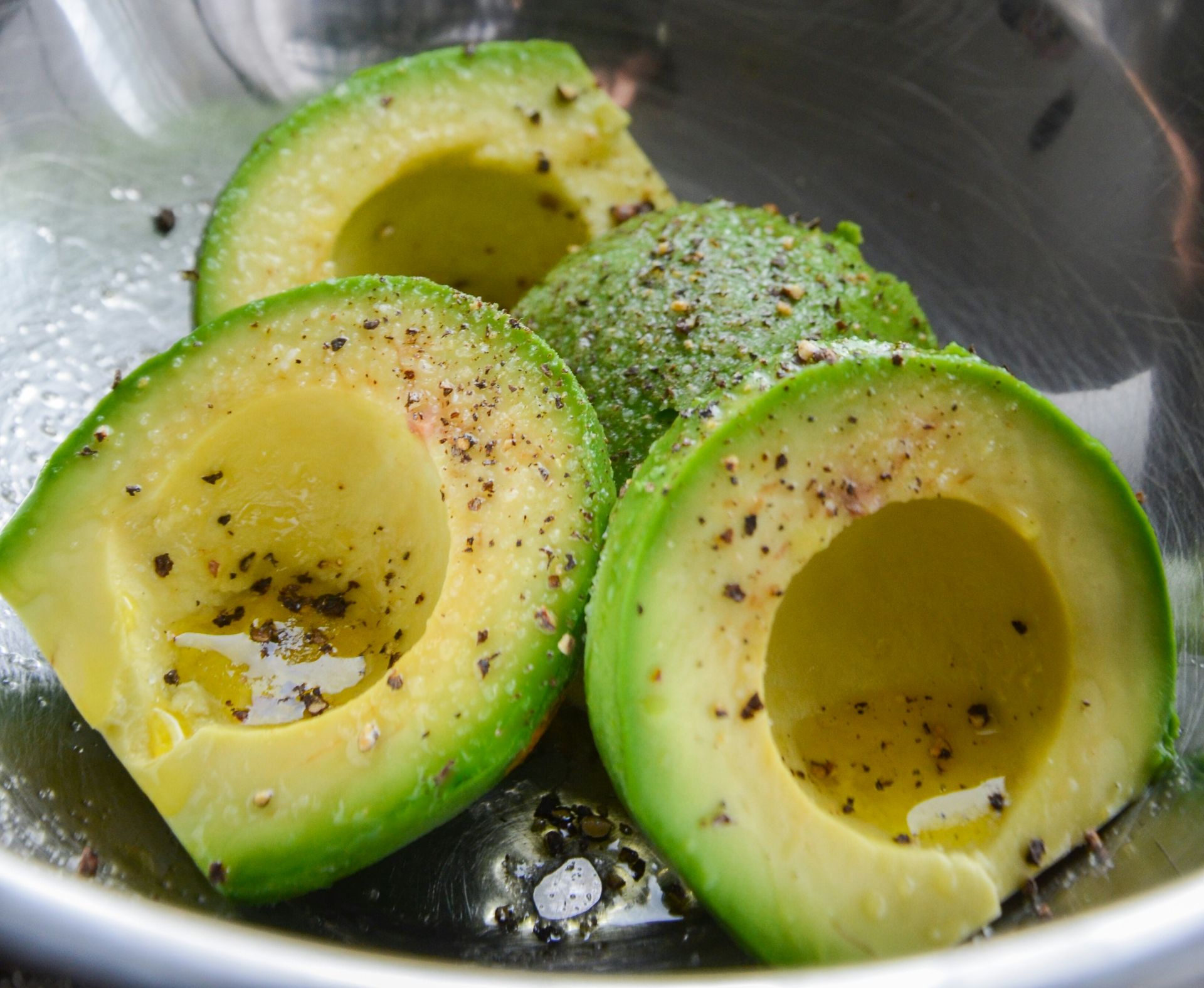
Avocado contains a compound called persin that is well documented as highly toxic to birds and to some mammals including rabbits and horses. Cats appear to tolerate persin far better than those species. Reported effects in cats are limited mostly to mild digestive upset from the fruit's high fat content, rather than the severe reactions seen in more sensitive animals.
That relative tolerance does not make avocado a food worth offering a cat on purpose. The flesh's high fat content alone can cause vomiting or diarrhea in a cat that eats more than a small amount. Cats with a history of pancreatitis or other fat-sensitive digestive issues are more likely to react poorly, even to a modest quantity.
The larger practical hazard from avocado is not persin at all. It is the pit. Large, hard and roughly round, it is a genuine choking and intestinal obstruction risk if a cat manages to swallow it or a large piece of it. An obstruction from a swallowed pit can require surgical removal, a far more immediate emergency than any chemical toxicity from the fruit itself.
The skin of an avocado is tough and fibrous. Like the pit, it poses more of a mechanical digestive hazard than a chemical one, and it can contribute to an intestinal blockage if a large enough piece is swallowed. Cats rarely choose to eat avocado skin or pit voluntarily, but a curious cat investigating kitchen scraps can still encounter both.
If a cat has eaten a small amount of avocado flesh, mild digestive upset is the most likely outcome and usually resolves on its own. If a cat has swallowed part of the pit or a large piece of skin, a veterinarian should be consulted promptly. Obstruction symptoms like repeated vomiting and a painful abdomen can develop over the following day or two.
Cow's milk and other dairy
Credit: Canva Images
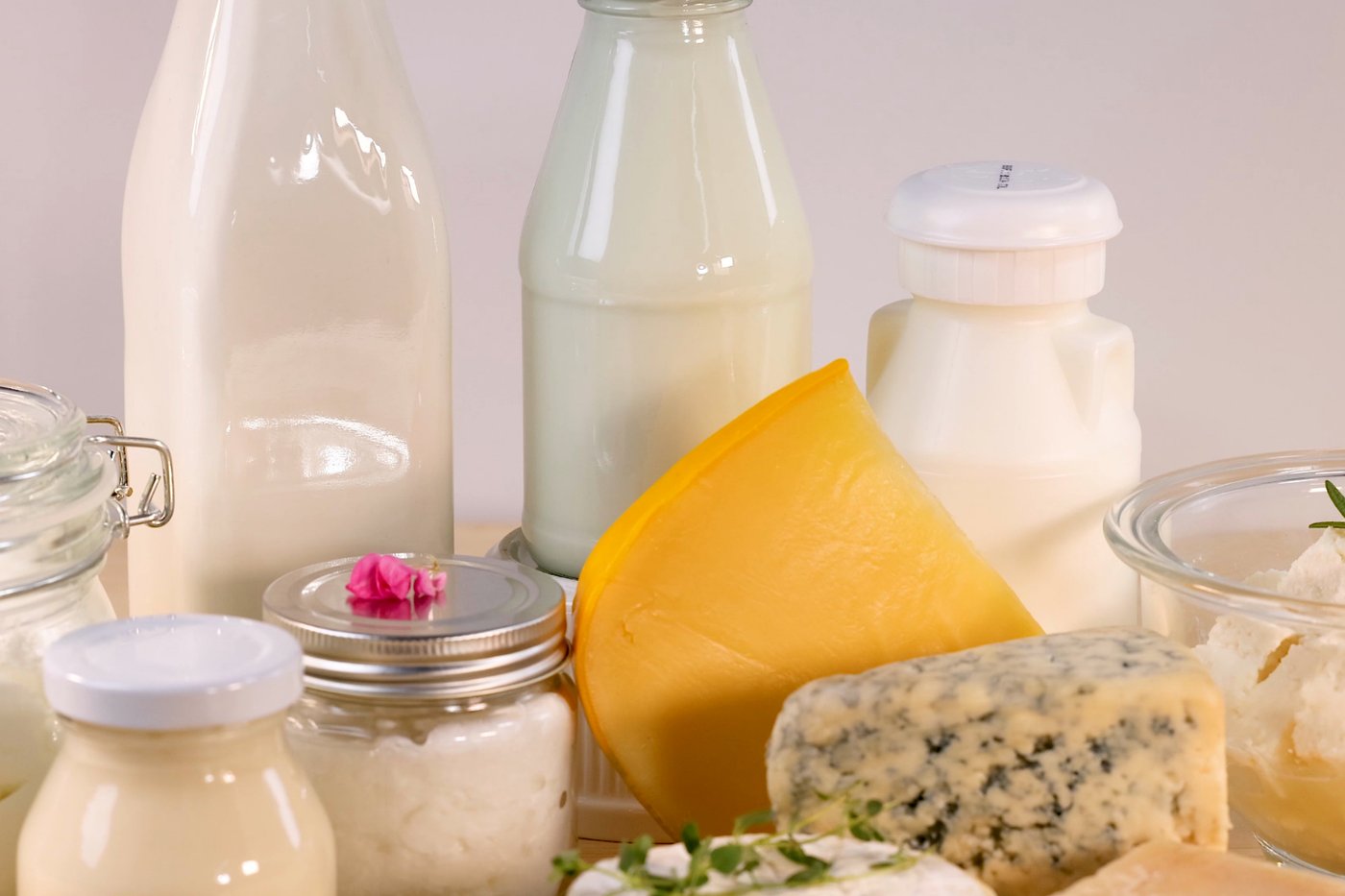
Most adult cats are lactose intolerant, meaning they no longer produce enough of the enzyme lactase needed to properly digest the lactose sugar in cow's milk and cheese. Feeding milk to an adult cat commonly causes diarrhea, vomiting, gas and abdominal discomfort within a few hours. The image of a cat drinking a saucer of milk remains a common cultural picture anyway.
Kittens are the exception, since they produce lactase to digest their mother's milk while nursing. That enzyme production naturally declines after weaning in most cats, in the same way lactose tolerance changes across many mammal species as they mature. An adult cat's reduced lactase supply means undigested lactose passes into the colon, where it draws in water and ferments, producing the gas and loose stool tied to dairy intolerance.
The severity of the reaction varies from cat to cat and depends on how much dairy is consumed and how sensitive that cat's digestive system happens to be. A small lick of milk left in a cereal bowl may cause no visible reaction in one cat. A similar amount can produce noticeable diarrhea in another, which is why there is no universally safe amount that applies across all cats.
This is a digestive intolerance rather than a toxic reaction in the way chocolate or onions are. Dairy does not carry the same risk of organ damage or a medical emergency. Even so, repeated digestive upset is uncomfortable for a cat and can contribute to dehydration if diarrhea is severe or prolonged. This is a bigger concern in kittens, senior cats or cats with an existing gastrointestinal condition.
Cats that show interest in dairy can be offered products formulated to be low in lactose, including some cat-specific milk substitutes sold at pet stores. A small taste of hard cheese, which tends to contain less lactose than milk, is another lower-risk option. Plain cow's milk as a regular offering is best avoided, even though it remains one of the most persistent myths about acceptable feline treats.
Raw or undercooked eggs
Credit: Los Muertos Crew / Pexels
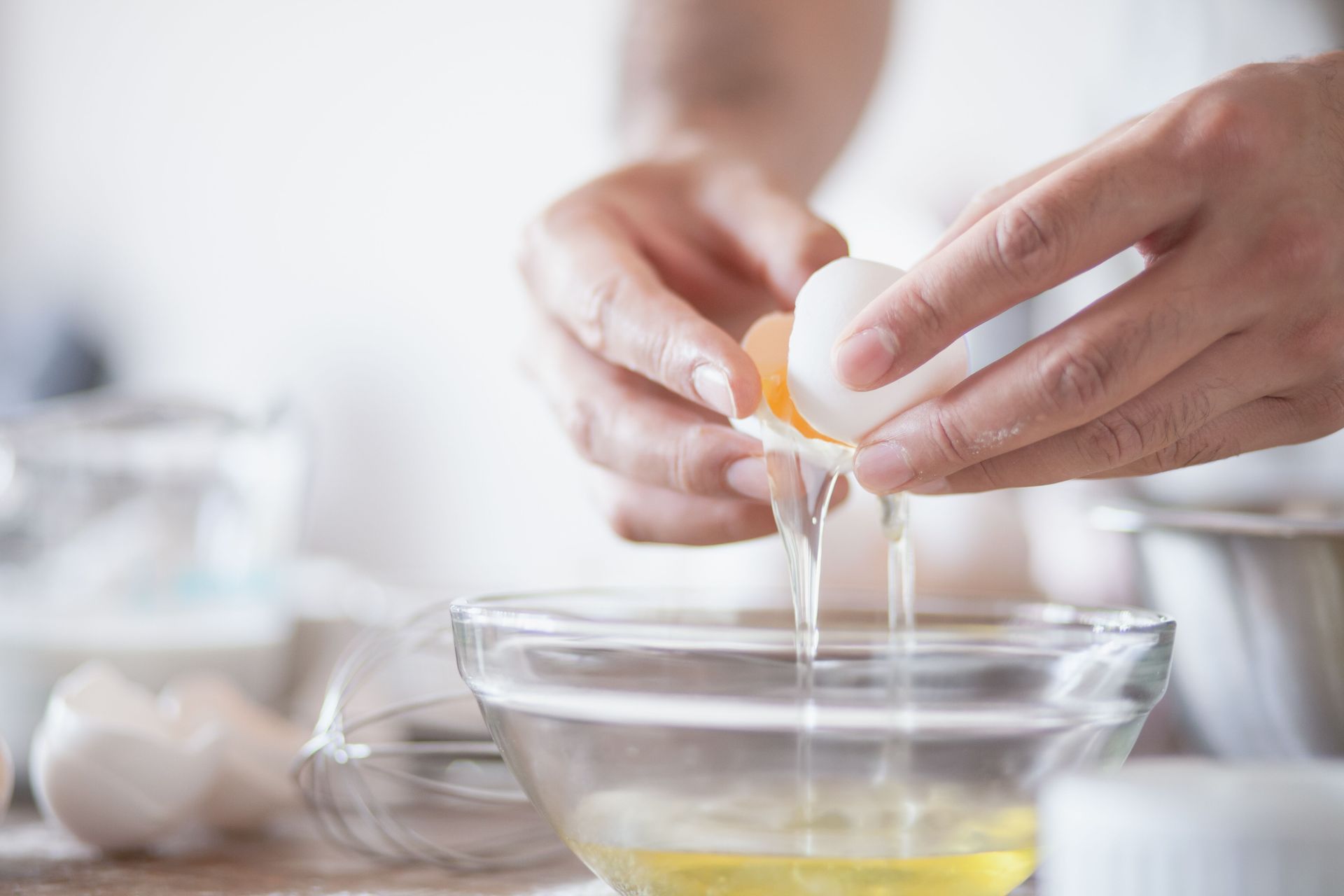
Raw eggs carry two separate risks for cats. There is a chance of bacterial contamination from Salmonella or E. coli that can cause vomiting and diarrhea. There is also a compound in raw egg white called avidin, which binds to biotin, a B vitamin. This can interfere with biotin absorption if raw eggs become a regular part of a cat's diet.
The bacterial risk is the same one that applies to raw eggs fed to people. It depends heavily on how the eggs were handled, stored and sourced, and there is no way to guarantee an egg is free of contamination just by looking at it. A cat with a compromised immune system, a kitten or a senior cat is generally more vulnerable to a foodborne infection than a healthy adult cat would be.
The biotin interference from avidin is a smaller concern with an occasional raw egg. It becomes more relevant if raw eggs are fed consistently over weeks or months. Avidin binds biotin tightly enough to reduce how much of it the body can actually use. Biotin deficiency in cats can eventually contribute to skin and coat problems, though this typically requires sustained raw egg feeding rather than a single exposure.
Cooking an egg fully deactivates avidin and eliminates most of the bacterial contamination risk at the same time. That is why a cooked egg, without added salt or butter, is generally considered a reasonably safe occasional treat, in contrast to a raw egg offered regularly. Plain scrambled or hard-boiled egg is the simpler and lower-risk way to offer this particular food.
Signs of foodborne illness from a contaminated raw egg include vomiting, diarrhea, lethargy and reduced appetite, typically within a day of ingestion. A cat showing these signs after eating raw egg should be evaluated by a veterinarian, especially if the eggs were left unrefrigerated or symptoms persist beyond a day.
Salty snacks and cured meats

Credit: Julia Filirovska / Pexels
Large amounts of salt can cause sodium ion poisoning in cats, leading to excessive thirst, vomiting, diarrhea and tremors, with seizures possible in severe cases. Reaching a truly dangerous dose usually requires eating a substantial amount of salty food relative to a cat's small body weight. Everyday snacks like chips and pretzels are a more common source of mild digestive upset than of a true poisoning emergency.
Cured and processed meats such as bacon, ham and salami combine high salt content with a heavy fat load, which makes them a double concern rather than a salt-only issue. The fat in these meats can trigger vomiting or an episode of pancreatitis on its own, independent of the sodium load that comes with it. A cat that has eaten cured meat before without reacting is not necessarily safe to eat a larger amount next time.
Cured meats also frequently contain nitrates and nitrites used as preservatives. Many recipes for products like flavored sausage or seasoned deli meat also include garlic or onion powder, layering an allium risk on top of the salt and fat already present. A cat that steals a piece of seasoned salami from a counter may be taking in three separate risk factors in a single bite.
Most single incidents of a cat eating a small salty snack, like one potato chip, resolve with nothing more than mild, short-lived stomach upset and increased thirst. The bigger practical concern is repeated small exposures becoming a habit, whether through regular table scraps or a cat with steady access to salty human food left within reach.
Signs that call for a veterinary visit include excessive thirst combined with vomiting or diarrhea, disorientation and tremors, with seizures in a worst-case scenario. This is most likely after a cat eats an unusually large amount of salty or cured food in one sitting. Keeping chips, pretzels, bacon and deli meats out of reach removes both the salt and fat risks at once, along with whatever seasoning happens to be mixed in.