20 skills worth learning that almost nobody realizes are within reach
Skills that look hard and aren't — and the specific reason the difficulty is mostly myth

AI25.Studio Studio / Pexels
Most skills have a reputation that significantly exceeds their actual difficulty — a gap produced by the combination of the skill's visible impressiveness when done well, the silence of the people who have already learned it (who no longer remember what the learning felt like), and the specific human tendency to assume that things we cannot currently do require special talent rather than specific practice. Touch typing looks like a complex coordination task that takes years; it is a mechanical habit that most people can build to functional speed in two to three weeks of daily practice. Reading music looks like a code that requires musical genius to crack; it is a notation system with about 12 rules that can be learned in an afternoon and applied to simple pieces within a week.
The skills in this list share a specific structure: they have a reputation for difficulty that is significantly larger than the actual learning curve, and they have a learning curve that is front-loaded — the bulk of the practical value comes from the first 20 percent of the learning, which is accessible quickly, and the remaining 80 percent is refinement that produces diminishing practical returns. The person who can touch-type at 40 words per minute has captured most of the practical benefit of touch typing; increasing to 80 words per minute requires months of additional practice for a benefit that most people would not notice in daily life.
Understanding this structure — the 80/20 distribution of practical value in most skill learning — changes the calculation about whether to invest time in learning something. A skill that appears to require years of practice before it is useful often provides most of its practical value within the first 10 to 20 hours of deliberate practice. This is the insight behind Tim Ferriss's "minimum effective dose" concept and behind Josh Kaufman's research suggesting that most skills reach functional competence within 20 hours of focused practice.
Each entry in this list covers the skill, the specific reason it seems harder than it is, the realistic learning timeline to functional competence, and the most efficient path to get there. None of these requires special talent. All of them are within reach of any motivated adult who spends the time described.
1 / 20
Touch typing
cottonbro studio / Pexels
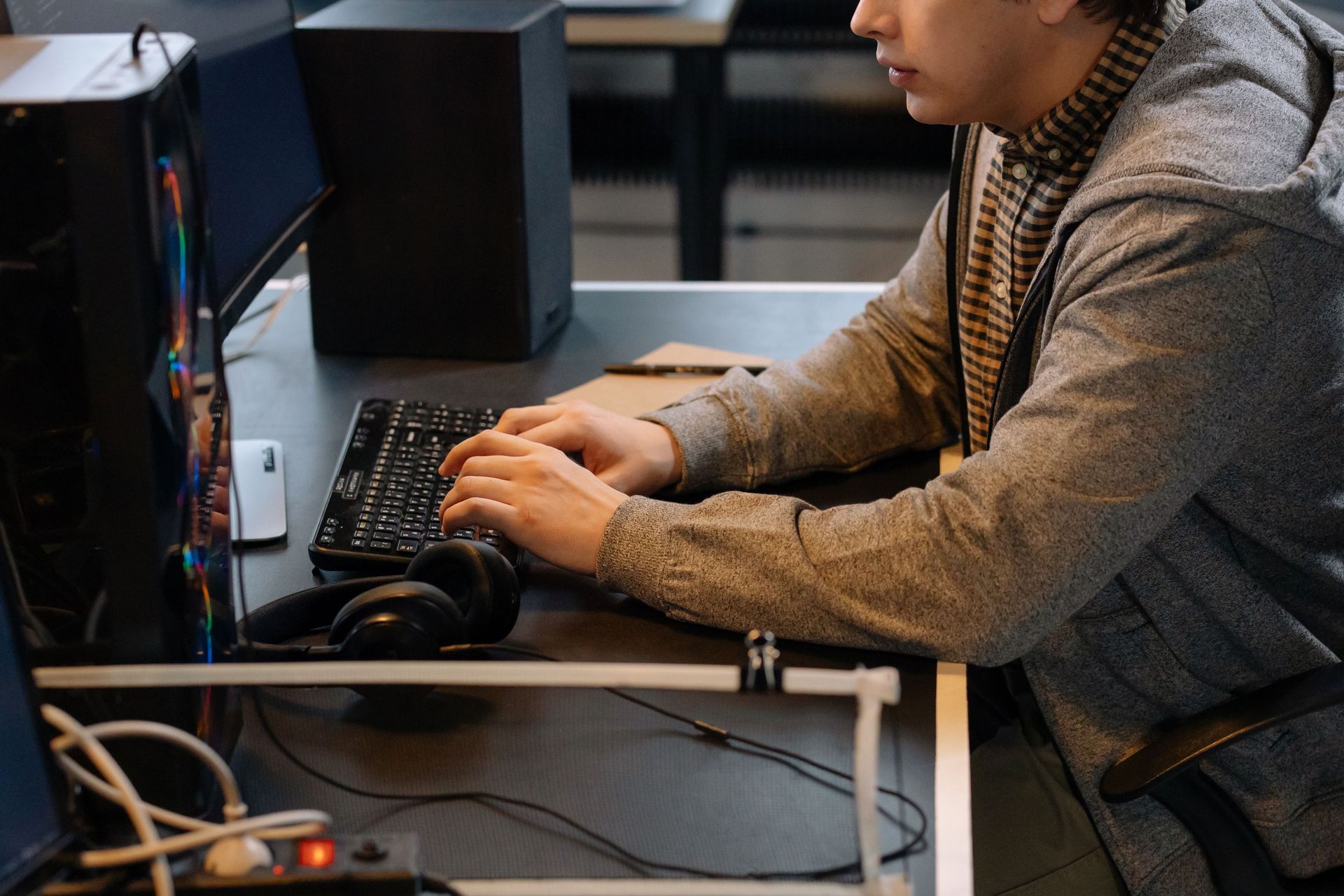
Touch typing — typing without looking at the keyboard, using all ten fingers in the conventional home-row position — looks like a complex coordination skill requiring months of practice, and the full version (90 words per minute with high accuracy) does take months. But functional touch typing — 40 to 50 words per minute, accurate enough for everyday use — is achievable in two to three weeks of daily 20-minute practice using free online tools.
The specific reason touch typing seems harder than it is: the learning curve is uncomfortable in the middle. For the first week, you are slower than your current hunt-and-peck speed, which feels like regression. This discomfort is the primary reason people quit. The discomfort ends around day 10 to 14, when the muscle memory for the most common letters has consolidated and speed begins to rise. Most people who quit do so just before this consolidation.
The most efficient learning path is Keybr.com or Typing.com — free, adaptive tools that focus practice on your specific weak letters rather than cycling through all letters equally. Twenty minutes per day of deliberate practice with one of these tools, committed to for three weeks, produces functional touch typing for most people. The investment is approximately seven hours of total practice time for a skill that affects productivity for the rest of your life.
2 / 20
Solving a Rubik's cube
Mart Production / Pexels
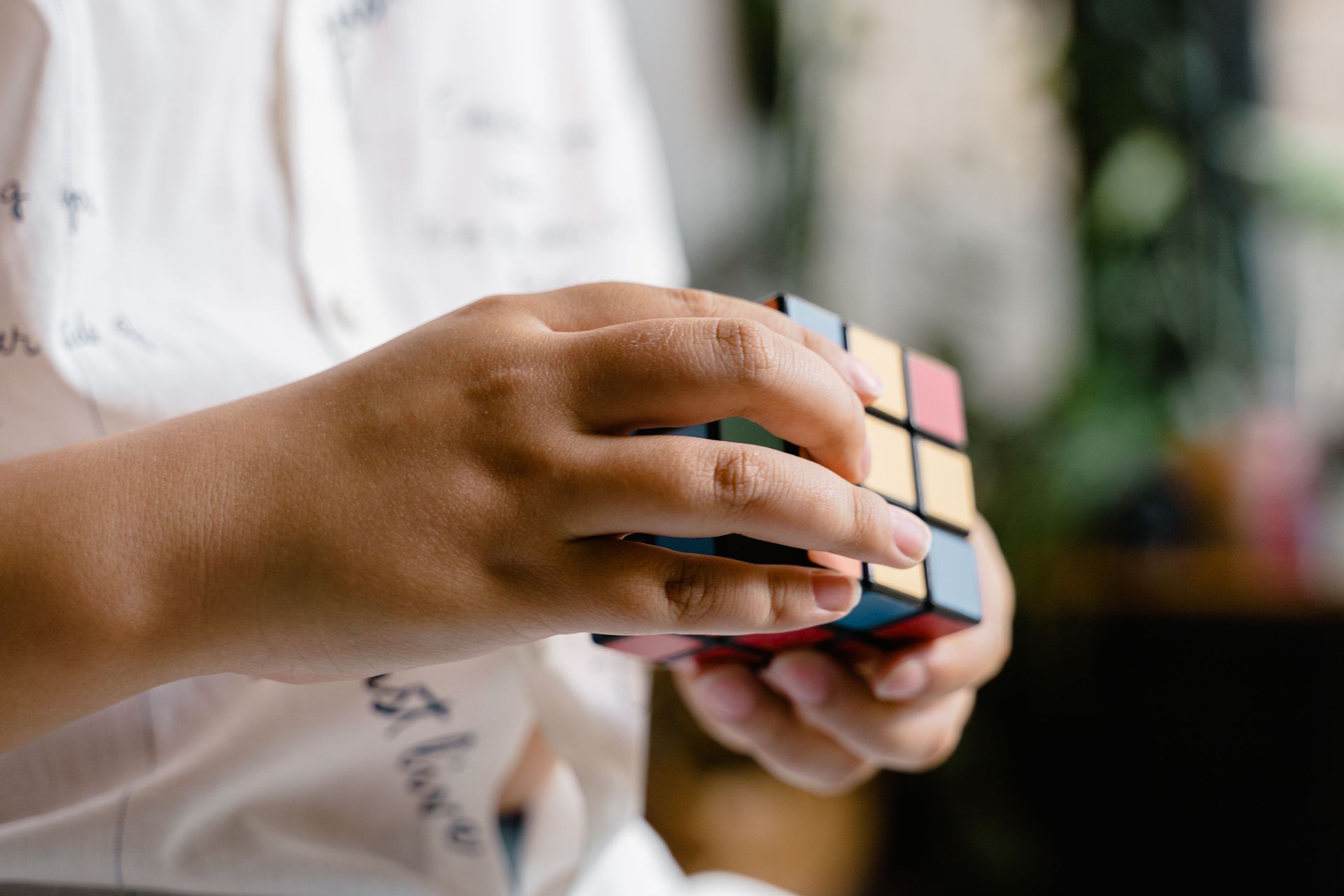
The Rubik's cube is the single skill whose difficulty is most dramatically overstated in popular culture. Most people who cannot solve a Rubik's cube assume that doing so requires either extraordinary spatial intelligence or years of practice. The beginner's method — a layer-by-layer algorithm that requires memorizing approximately seven sequences of moves — can be learned in two to three hours from a YouTube tutorial, and the average adult who follows the tutorial can solve the cube for the first time within that same session.
The specific reason the Rubik's cube seems harder than it is: the solution looks like it requires understanding the cube mathematically, when it actually requires only memorizing and executing a specific sequence of moves. You do not need to understand why the algorithms work. You need only to learn to recognize the patterns that trigger each algorithm and to execute the moves in the correct order.
The learning process: watch the beginner's method tutorial by J Perm on YouTube (approximately 20 minutes), follow along with a cube in hand, and practice the complete solution five to ten times. After those first few solves, the cube is solvable every time within 3 to 5 minutes. Reducing the solve time to under two minutes requires additional practice; solving it at all requires one focused afternoon.
3 / 20
Reading music

Anastasia Kolchina / Pexels
Reading music notation — the standard system of notes on a staff that allows musicians to perform music they have never heard — looks like a complex code requiring years of musical training. The basics of music notation can be learned in a single afternoon, and reading simple melodies follows within a week of practice.
The specific reason music reading seems harder than it is: people see a page of complex sheet music and assume the complexity is in the reading, when most of the complexity is in the playing. Reading a note on a staff and knowing what pitch it represents is a mechanical skill with approximately 12 rules. Executing that note on an instrument is the hard part, and the two skills are often conflated.
The efficient learning path: learn the lines and spaces of the treble clef (Every Good Boy Does Fine / FACE), the note values (whole, half, quarter, eighth), the time signature, and the key signatures for the major scales. This takes approximately two hours. Then find simple sheet music (beginner piano pieces or beginner recorder pieces) and read through them slowly, identifying each note before playing it. After a week of this practice, simple sight-reading is functional.
4 / 20
Basic lockpicking
Jsme MILA / Pexels
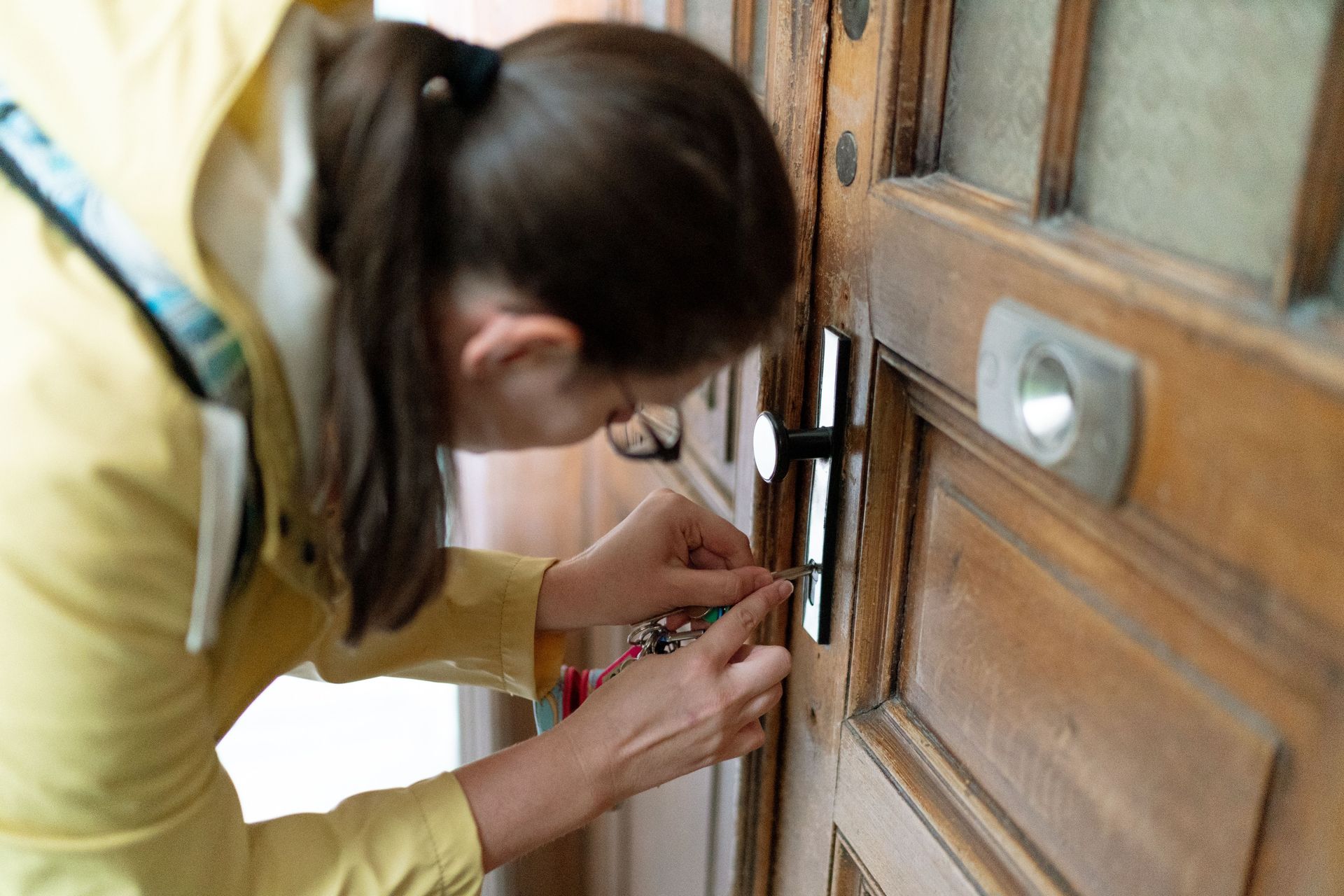
Lockpicking — the skill of opening pin tumbler locks without the key, using a tension wrench and a pick — is legal to learn and practice in most US states (check your local laws), requires inexpensive tools, and can be learned to the level of opening basic padlocks in one to two hours of practice.
The specific reason lockpicking seems harder than it is: it looks like it requires extraordinary sensitivity and years of practice. Basic single-pin picking of a simple padlock requires modest tactile sensitivity and knowledge of one principle: that the pins in a lock bind one at a time due to manufacturing tolerances, and setting each pin individually while maintaining tension opens the lock. This principle takes five minutes to understand and one to two hours to apply successfully for the first time.
The learning path: a beginner lockpick set ($20 to $30), a transparent practice lock (which allows you to see the pins, dramatically accelerating learning), and the LockPickingLawyer's beginner videos on YouTube. Most people open their first lock within two hours of practice. The skill has practical utility (locked out of your own property) and is a legitimate hobby with an active community.
5 / 20
Parallel parking

Mario Amé / Pexels
Parallel parking has a reputation as one of the most feared driving skills in the American driver education system, and surveys consistently find that large proportions of licensed drivers avoid it entirely or feel incompetent at it. The skill is a geometric procedure with three reference points that can be learned in a single 30-minute practice session.
The specific reason parallel parking seems harder than it is: most driver education teaches it as a felt sense ("turn when it feels right") rather than as a geometric procedure with specific reference points. The specific reference points — when the front of the space aligns with your rear bumper, when you can see the front car's rear bumper in your side mirror, when you straighten out — make the procedure mechanical rather than intuitive.
The learning path: find an empty parking lot, set up two traffic cones or boxes to simulate a parking space, and practice the three-step procedure until it is mechanical. The procedure is: (1) align parallel with the car ahead, (2) reverse at 45 degrees until you see the rear car in your mirror, (3) straighten and pull forward to center. Thirty minutes of deliberate practice in an empty lot produces reliable parallel parking in real traffic.
6 / 20
Making sourdough bread
Merve / Pexels
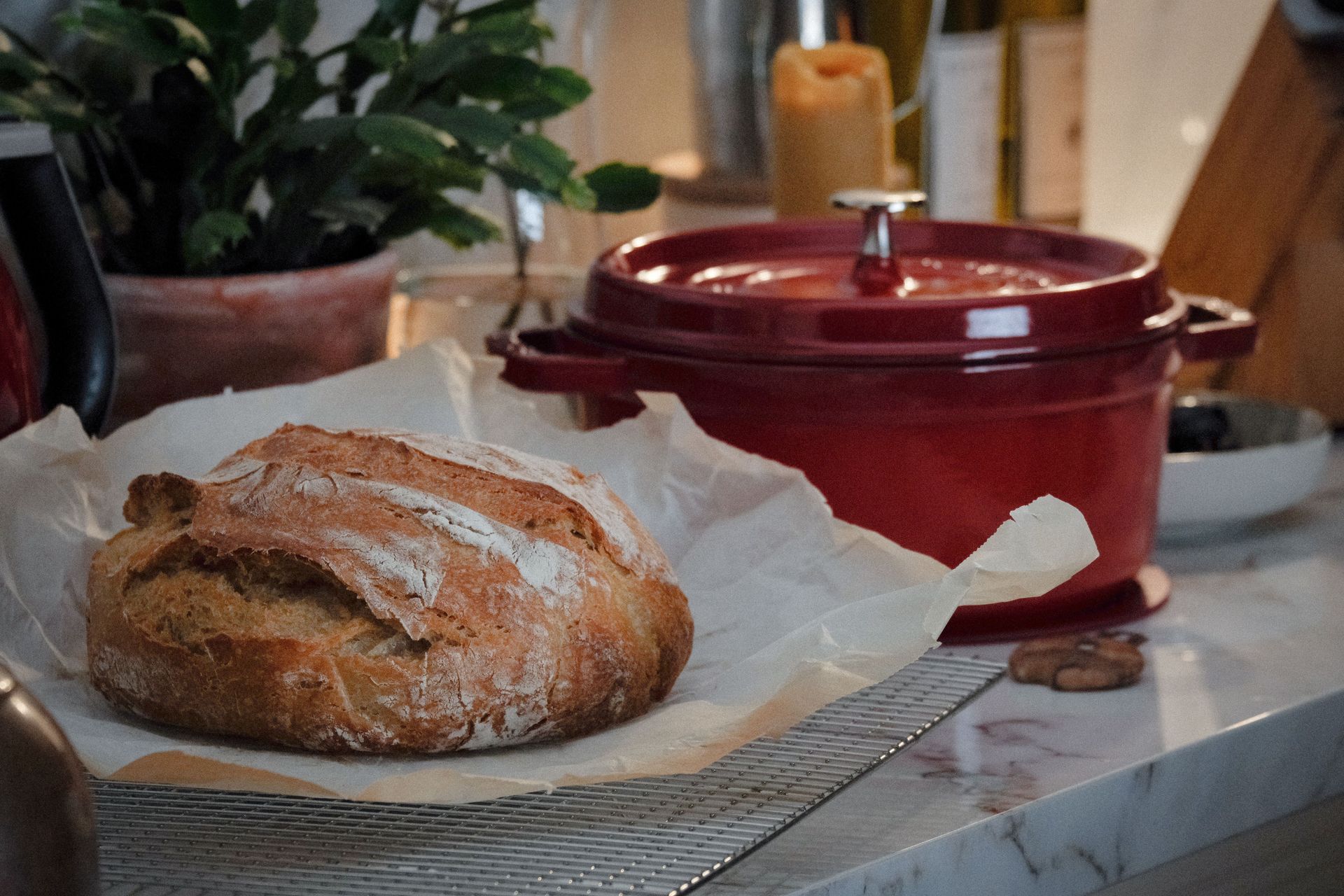
Sourdough bread — the naturally leavened bread made from a fermented starter of flour and water — has acquired a reputation for difficulty through the pandemic-era sourdough revival, which produced an enormous amount of content about the complexity of starter maintenance, hydration percentages, shaping technique, and scoring patterns. The basic sourdough loaf is significantly simpler than this content implies.
The specific reason sourdough seems harder than it is: the intermediate content (videos and blog posts aimed at people who have already made sourdough and want to improve) is vastly more abundant than the beginner content, and the intermediate content discusses variables (hydration ratios, autolyse periods, specific shaping techniques) that are irrelevant to making a first acceptable loaf.
The learning path: establish a starter by mixing flour and water and feeding it daily for five to seven days until it is reliably active (bubbling and doubling after feeding). Make the first loaf using a simple no-knead recipe: mix flour, water, salt, and starter; fold four times over four hours; refrigerate overnight; bake in a covered Dutch oven at high heat. The resulting loaf will not be perfect, but it will be sourdough bread, and the process will have taken approximately 30 minutes of active work across 24 hours.
7 / 20
Basic conversational phrases in a new language

Tima Miroshnichenko / Pexels
Reaching a level of conversational functionality in a new language — the ability to introduce yourself, ask for directions, order food, and handle basic social interactions — is achievable in 20 to 30 hours of focused study for most Western European languages, significantly less than most people assume and significantly more useful than nothing.
The specific reason language learning seems harder than it is: the endpoint people compare against (full fluency, native-like pronunciation, the ability to watch television without subtitles) is years away. But basic conversational functionality is not years away. The 100 most common words in most languages account for approximately 50% of all speech. The 1,000 most common words account for approximately 80%. Focused acquisition of vocabulary and basic grammatical structures produces conversational utility much faster than traditional language learning methods suggest.
The learning path: Duolingo or Babbel for the first 20 to 30 hours, combined with Anki flashcard decks for vocabulary, and a single session with a native speaker on iTalki to practice the phrases learned. For travel-level functionality in Spanish, French, Italian, or Portuguese, 20 to 30 hours produces enough capability to navigate a trip independently and have simple conversations.
8 / 20
Basic drawing

Vitaly Gariev / Pexels
Drawing — specifically the ability to produce recognizable representational sketches of objects and people — is a skill that most adults believe requires innate artistic talent and that research by Betty Edwards and others has shown is almost entirely a learnable perceptual skill: learning to see what is actually there rather than what your brain tells you is there.
The specific reason drawing seems harder than it is: people attempt to draw what they think something looks like (the symbolic representation stored in memory) rather than what they actually see (the specific shapes, shadows, and proportions in front of them). The result is the characteristic flat, symbol-like quality of adult non-artists' drawings, which look nothing like the subject. Learning to override the symbolic representation and draw what is actually visible is a skill, not a talent, and it can be learned.
The learning path: Betty Edwards's Drawing on the Right Side of the Brain includes a series of specific exercises (drawing upside-down images, drawing negative space, contour drawing) that build the perceptual skills required for representational drawing. Most people who complete the basic exercises show dramatic improvement within five to ten hours of practice — improvement that surprises them because it contradicts their belief that they cannot draw.
9 / 20
Basic coding (Python)

Mikhail Nilov / Pexels
Learning to write basic Python code — enough to automate repetitive tasks, manipulate data in spreadsheets, or build simple scripts — is achievable in 20 to 40 hours of focused learning and is one of the highest-return skills available for the time invested, given the breadth of tasks that basic scripting can automate.
The specific reason coding seems harder than it is: the visible complexity of professional software — millions of lines of code, complex architecture, years of development — creates the impression that producing anything useful requires that level of skill. It does not. A 20-line Python script that automatically renames files, converts spreadsheet data, or sends scheduled emails produces genuine practical value and requires approximately 10 hours of learning to write.
The learning path: Python.org's beginner tutorial or Automate the Boring Stuff with Python (free online, by Al Sweigart) — specifically the second book, which focuses on practical automation tasks rather than on computer science fundamentals. Learn variables, loops, functions, and file handling. Then pick a specific repetitive task you actually do and write a script to automate it. The constraint of a specific problem accelerates learning dramatically compared to generic tutorials.
10 / 20
Swimming (basic freestyle)
Kindel Media / Pexels
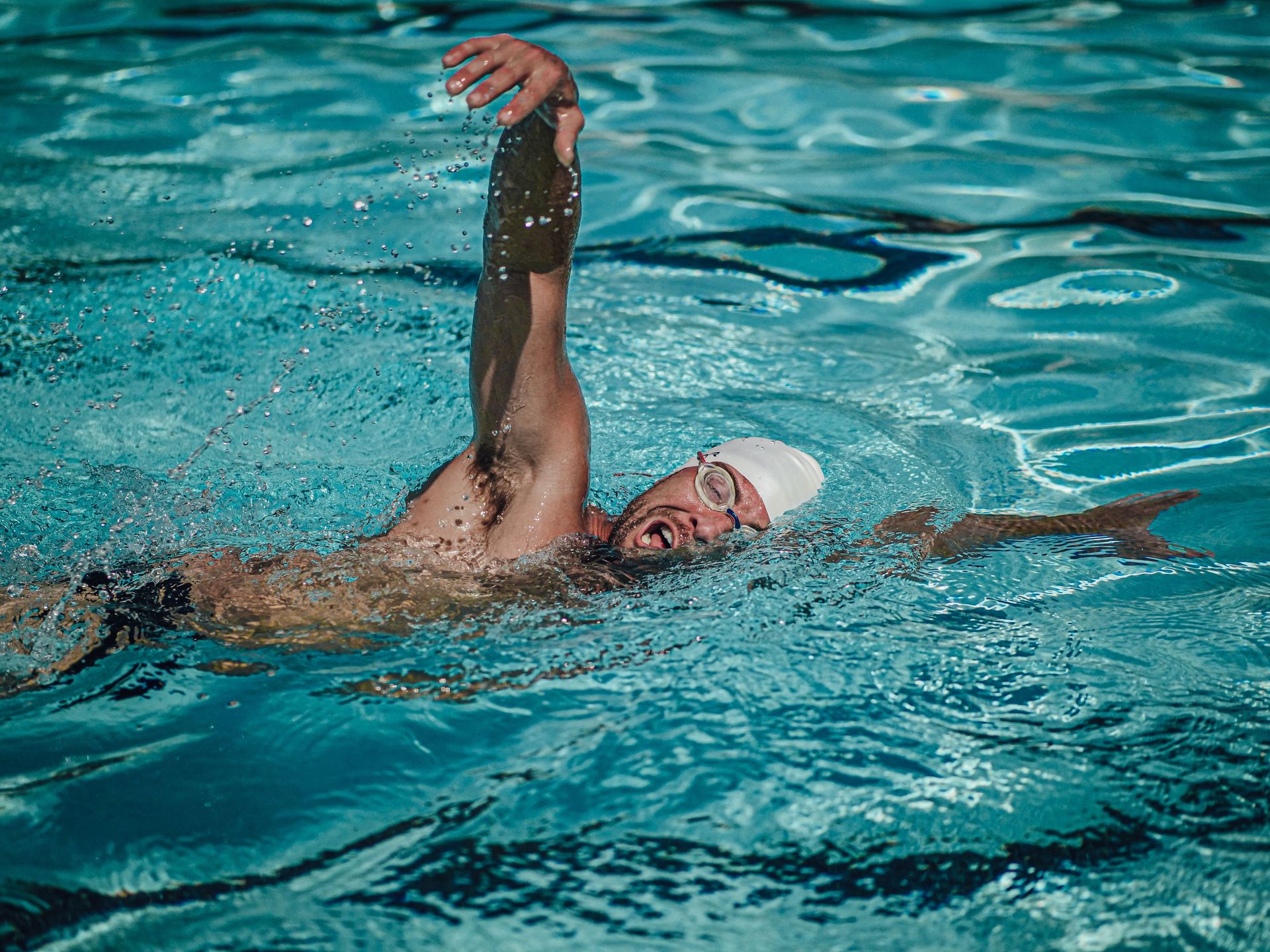
Adult non-swimmers consistently overestimate the difficulty of learning basic freestyle swimming, in part because the learning occurs in an environment (water) that feels inherently threatening and in part because the skill is almost always learned in childhood, making adults who never learned feel that they have missed a developmental window that is now closed. They have not.
The specific reason swimming seems harder for adults than it is: the fear of water creates a physical tension that directly impedes the relaxed body position that swimming requires. Learning to float — to trust that the body is naturally buoyant in water and will not sink if relaxed — is the prerequisite skill that most adult beginner programs address first, and it typically resolves within one to two lessons.
The learning path: three to five lessons with an adult swim instructor (not a child instructor — the pedagogical approach differs) produces basic freestyle competence in most non-swimmers. The specific skills — face-in-water breathing, flutter kick, arm stroke, and their coordination — are each simple in isolation and combine within a few sessions. Basic competence means swimming 25 meters without stopping, which is achievable within five lessons for most adults who commit to the process.
11 / 20
Public speaking (basic)
Pavel Danilyuk / Pexels
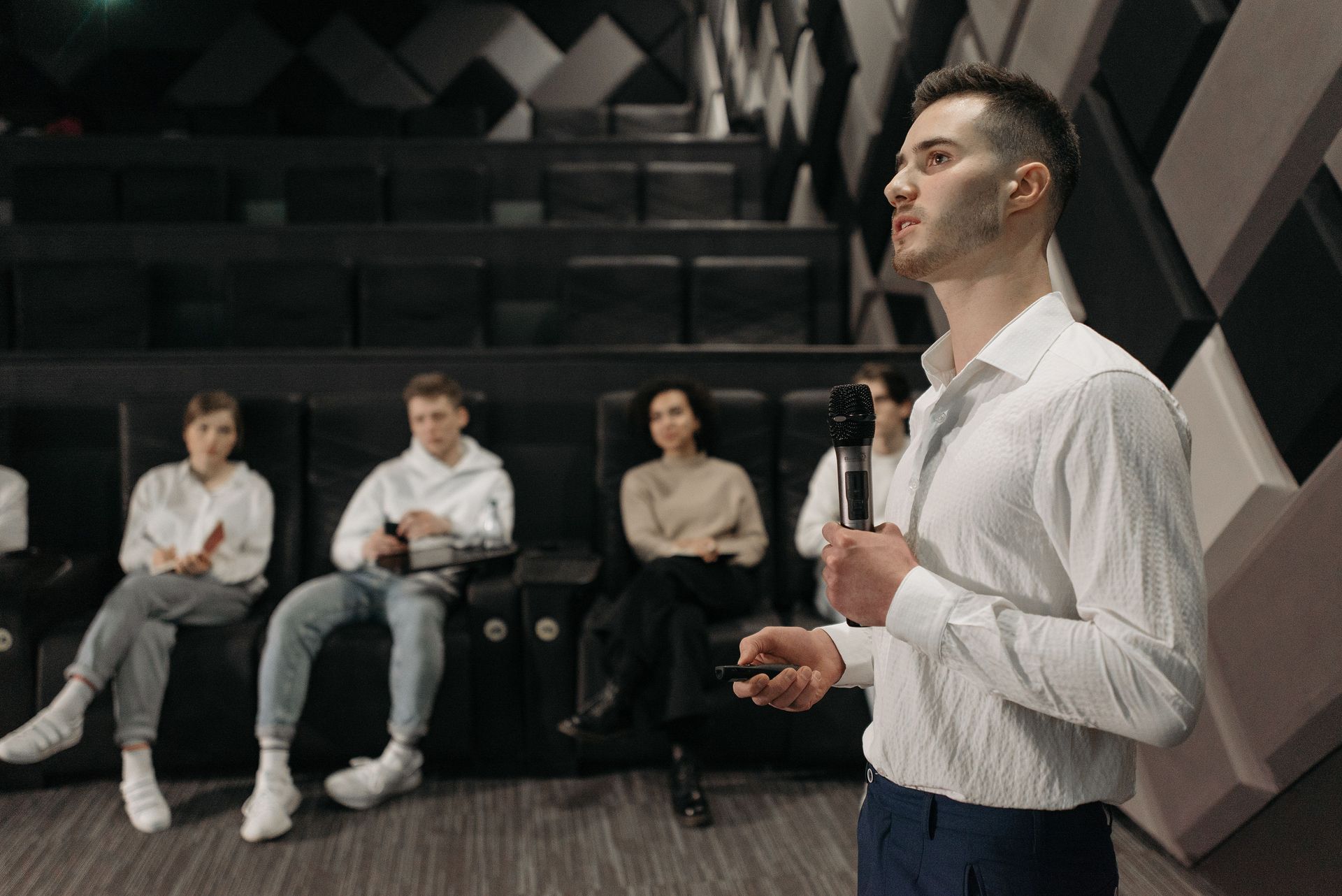
The fear of public speaking is more common than the fear of death in American surveys and produces more avoidance behavior than almost any other social anxiety. The specific skill of giving a short, structured talk to a small audience — the version of public speaking that is most practically relevant for most people — is substantially learnable in one to two months of regular practice.
The specific reason public speaking seems harder than it is: the emotional experience of anxiety before and during speaking is so uncomfortable that it is mistaken for evidence that the skill is beyond reach. Anxiety does not indicate lack of ability; it indicates the activation of a threat response that reduces with repeated exposure. Every person who becomes a competent public speaker went through the same anxiety and continued despite it.
The most efficient learning path is Toastmasters International — a nonprofit organization with clubs in most cities globally that provides a structured progression from two-minute table topics to prepared speeches, with supportive feedback from other members who have gone through the same progression. Attending one meeting per week for two months produces measurable improvement in delivery, structure, and confidence. The first few speeches are uncomfortable; the discomfort is the learning.
12 / 20
Knitting or crocheting
Roman Odintsov / Pexels
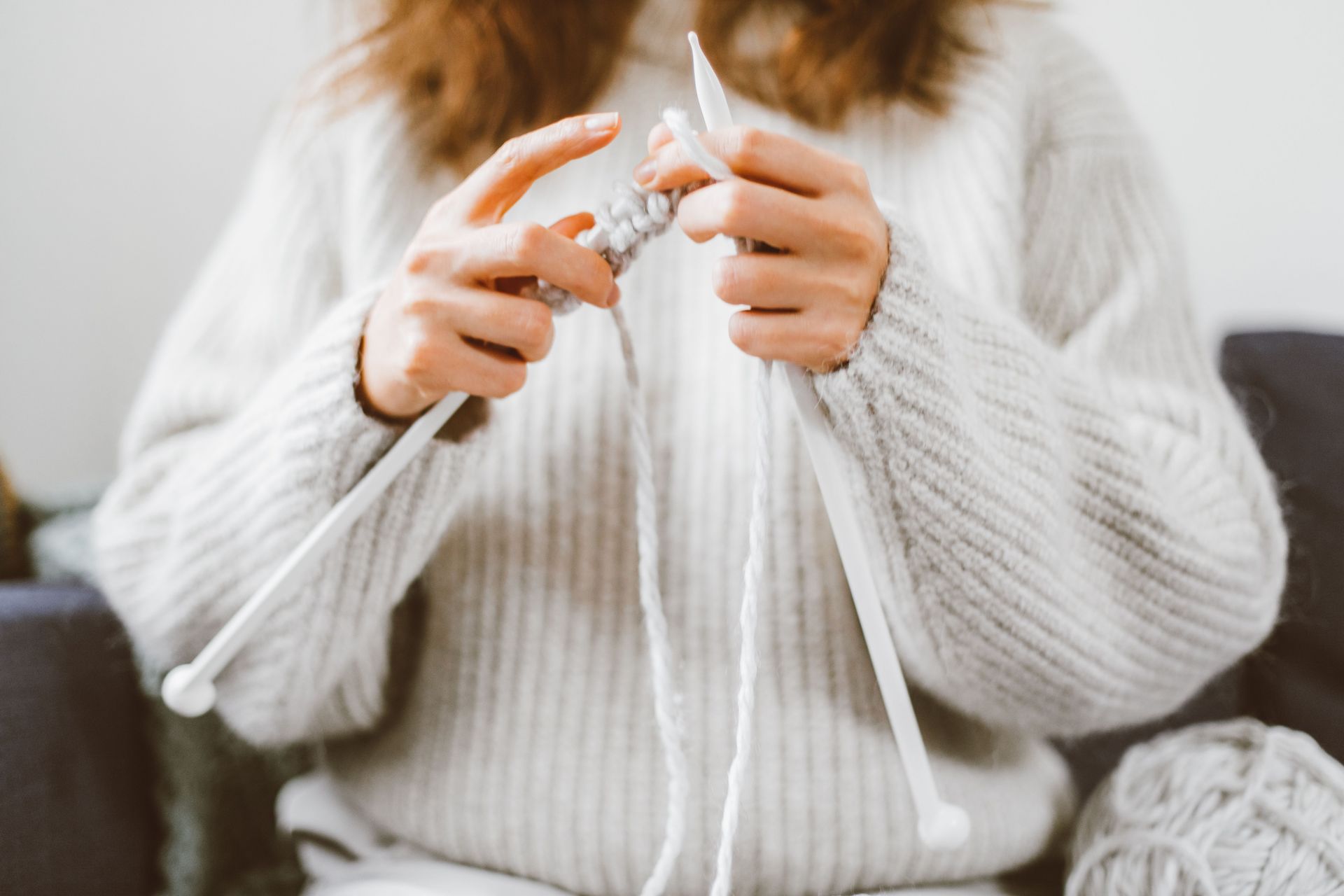
Knitting and crocheting — the textile crafts of constructing fabric from yarn using needles or hooks — have reputations as complex hobbies requiring years of practice before producing anything useful. A basic knitted or crocheted rectangle (a dishcloth, a simple scarf) can be produced by a complete beginner within one to two hours of learning the basic stitch.
The specific reason fiber crafts seem harder than they are: the finished products (intricate sweaters, lace shawls, complex colorwork) are what most people see, and they extrapolate from the finished product to the learning required to produce it. The basic stitch from which all knitting and crocheting is built is simple enough to learn in 20 minutes from a YouTube tutorial, and a beginner-level project can be completed within a few hours of that first tutorial.
The learning path: for crocheting, learn the chain stitch and the single crochet. For knitting, learn the cast-on, knit stitch, and bind-off. Use chunky yarn and large needles or a large hook, which makes the stitches easier to see and manipulate. Practice on a swatch until the motion is comfortable, then begin a simple project (a dishcloth, a bookmark, a simple hat). YouTube tutorials by channels like GoodKnit Kisses (knitting) and Bella Coco (crocheting) are the most accessible starting points.
13 / 20
Basic chess
William Fortunato / Pexels
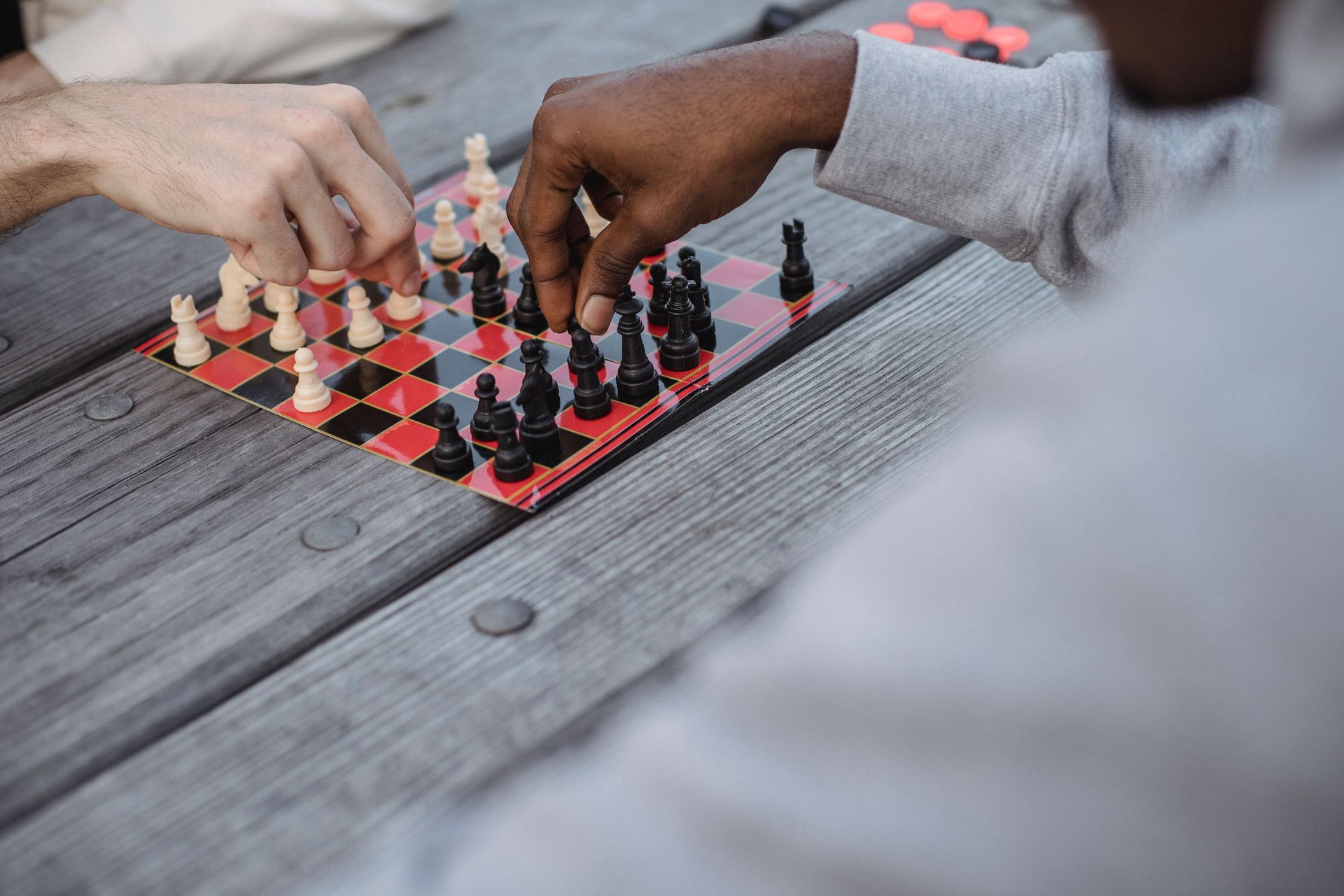
Reaching a level of basic chess competence — understanding all the pieces, their moves, and the fundamental strategic principles (control the center, develop pieces, protect the king) that allow you to play a recognizable game — takes approximately five to ten hours of learning and practice.
The specific reason chess seems harder than it is: the visible complexity of high-level chess (grandmaster games, deep calculation, opening theory) creates the impression that producing anything resembling chess requires years of study. It does not. The rules of chess are simpler than the rules of most card games; the complexity emerges from the interaction of those simple rules across many possible positions, and you do not need to master that complexity to play enjoyably at a beginner level.
The learning path: Chess.com's free lessons cover the rules and basic tactics in approximately three to five hours. Play against the computer at the lowest difficulty settings to practice the rules without the social pressure of playing against another person. Learn four basic tactics: the fork (attacking two pieces simultaneously), the pin (immobilizing a piece), the skewer (forcing a more valuable piece to move), and discovered check (revealing an attack by moving another piece). With these fundamentals, you can play a genuine game of chess within ten hours of starting.
14 / 20
Meditation (basic mindfulness)

Kampus Production / Pexels
Basic mindfulness meditation — the practice of sitting quietly and focusing attention on the breath, returning to the breath each time the mind wanders — is achievable in a single session for the specific purpose of establishing what the practice is and how it feels. The misconception that most beginners carry is that meditation requires an emptied mind; it does not.
The specific reason meditation seems harder than it is: beginners sit down, experience a mind full of thoughts, and conclude that they are doing it wrong. They are not. The practice of meditation is not the absence of thought; it is the returning of attention to the breath after thought arises. The thought arising is expected and normal. The returning is the practice. Understanding this one principle makes the first meditation session a success by definition.
The learning path: a guided meditation app (Insight Timer is free; Headspace and Calm have free trials) provides structure for the first sessions. Begin with 5-minute guided sessions and increase gradually. After ten sessions of 5 to 10 minutes, the basic practice of returning attention to the breath is established as a reliable skill. The health benefits documented in research (stress reduction, improved attention, reduced anxiety) begin to emerge within four to eight weeks of daily practice at this minimal level.
15 / 20
Reading faster (basic speed reading)

RF._.studio _ / Pexels
Increasing reading speed by 50 to 100% — from the average adult reading rate of approximately 200 to 250 words per minute to 350 to 400 words per minute — is achievable in one to two weeks of deliberate practice without any reduction in comprehension. The extreme claims of speed reading (reading 1,000 or 2,000 words per minute with full comprehension) are not supported by the evidence, but the more modest goal of reading 50% faster is.
The specific reason reading improvement seems harder than it is: people assume their reading speed is fixed, when it is largely determined by a habit called subvocalization (the internal pronunciation of each word as it is read) that can be reduced with practice. Most adults read at the pace of their internal speaking voice — approximately 200 to 250 words per minute — rather than at the pace their visual system could support.
The learning path: use a pointer (finger or pen) under each line of text to pace reading faster than the subvocalization rate; increase the pace gradually over sessions. The pointer technique forces the eyes to move faster than the inner voice can keep pace with, gradually reducing the dependence on subvocalization. Two weeks of daily reading practice with the pointer technique produces a measurable increase in comfortable reading speed for most people.
16 / 20
Changing a tire

Frans van Heerden / Pexels
Changing a car tire — replacing a flat tire with the spare — is a 20-minute procedure that requires no special tools beyond what is in most cars' standard equipment and no mechanical knowledge beyond what a single demonstration provides. It is, in practice, one of the most practically valuable skills in this list given the frequency with which flat tires occur and the cost and inconvenience of waiting for roadside assistance.
The specific reason tire changing seems harder than it is: cars and engines have become sufficiently complex that most people have developed a general avoidance of any mechanical interaction with their vehicle, and the tire change is caught in this avoidance even though it requires none of the electrical, hydraulic, or computerized systems that make modern car maintenance genuinely complex.
The learning path: watch one YouTube video demonstrating the procedure for your specific vehicle type. Then perform a practice tire change — loosening the lug nuts, jacking the car, removing and replacing the tire, lowering the car — in your driveway on a Saturday afternoon with a flat tire that is not actually a roadside emergency. The practice context removes the stress of the real situation and makes the procedure mechanical before it is needed. The whole practice session takes approximately 30 minutes.
17 / 20
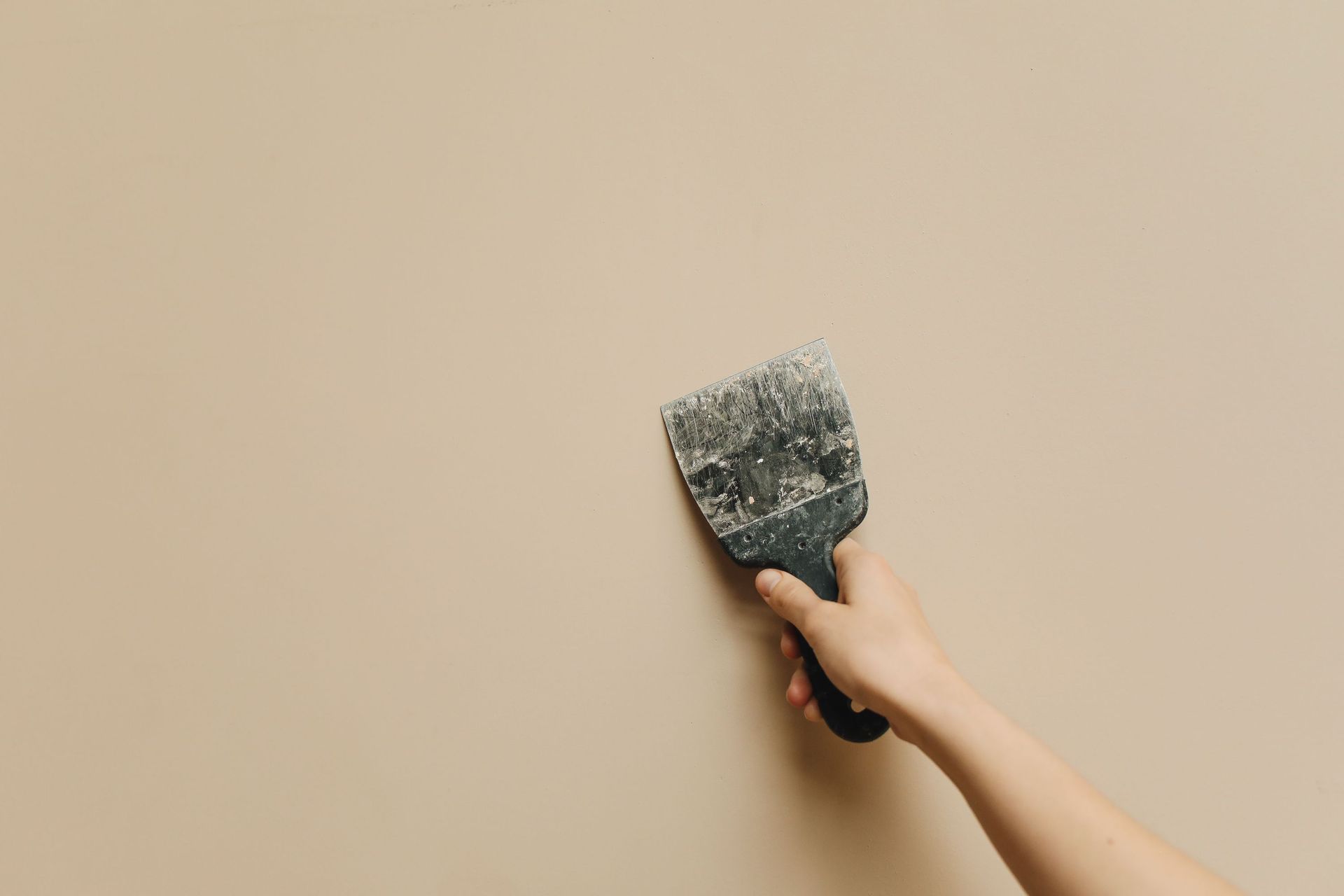
Basic home repair (patching drywall)
Polina Tankilevitch / Pexels
Patching a small hole in drywall — the skill required for the most common home repair task, producing the kind of invisible patch that looks like undamaged wall — requires three materials (joint compound, drywall tape or a patch kit, sandpaper) and approximately two hours of active work across two days (one day for the first coat, one day for sanding and second coat).
The specific reason home repair seems harder than it is: the finished professional result — an invisible patch — looks like it requires specialized training and equipment. The basic patch kit available at any hardware store for under $15 produces results that, when properly sanded and painted, are invisible to anyone who does not know where the hole was.
The learning path: for holes up to approximately four inches in diameter, a peel-and-stick mesh patch kit is the most beginner-accessible approach. Apply the patch, spread joint compound over it with a putty knife, allow to dry fully (overnight), sand smooth, apply a second thin coat, sand again, paint. The total active work time is approximately 45 minutes; the total elapsed time is two days. A YouTube tutorial specific to the patch type provides the visual guidance that makes the technique clear.
18 / 20
Juggling three balls

Paweł L. / Pexels
Juggling three balls — the basic three-ball cascade that most people picture when they think of juggling — can be learned to functional competence in approximately three to five hours of deliberate practice using a specific progression that begins with one ball and builds to three.
The specific reason juggling seems harder than it is: people watch skilled jugglers and see the finished skill — smooth, fast, seemingly effortless — and assume the learning curve to that point is long. The learning curve to the basic cascade (three balls, catching continuously for 10 to 15 throws) is a few hours for most adults.
The learning path: begin with one ball, throwing it in an arc from one hand to the other and back without looking at your hands. When this is comfortable, add a second ball: throw the first, then when it peaks, throw the second from the other hand. When two balls are comfortable, add the third. Each stage takes 20 to 30 minutes of focused practice. Total time to the basic three-ball cascade: three to five hours spread across a few sessions. Bean bags or scarves (slower, more forgiving) are the recommended learning tools rather than balls.
19 / 20
Whistle with your fingers

Kampus Production / Pexels
The finger whistle — the loud, piercing whistle produced by placing two fingers in the mouth and blowing while the tongue blocks part of the airflow — is one of the most consistently cited skills that people wish they had and assume requires a special physical gift. It requires approximately 20 to 60 minutes of practice to produce the first sound and a few hours total to make the sound reliably.
The specific reason the finger whistle seems harder than it is: the first attempts produce only air, and the feedback (why isn't it working?) is opaque without knowing the specific tongue position that creates the restriction. Once the tongue position is understood, the learning curve is short.
The learning path: use your index fingers (some people use index and middle finger, some the middle fingers of each hand), curling the tongue back so its tip points slightly downward, covering approximately a quarter to a third of the tongue surface with the fingers, and blowing air over the top. The key variable is tongue position — experiment systematically with pulling the tongue back further or less far until air begins to whistle. Once the first whistle is produced, replicating it becomes progressively easier as the muscle memory is established.
20 / 20
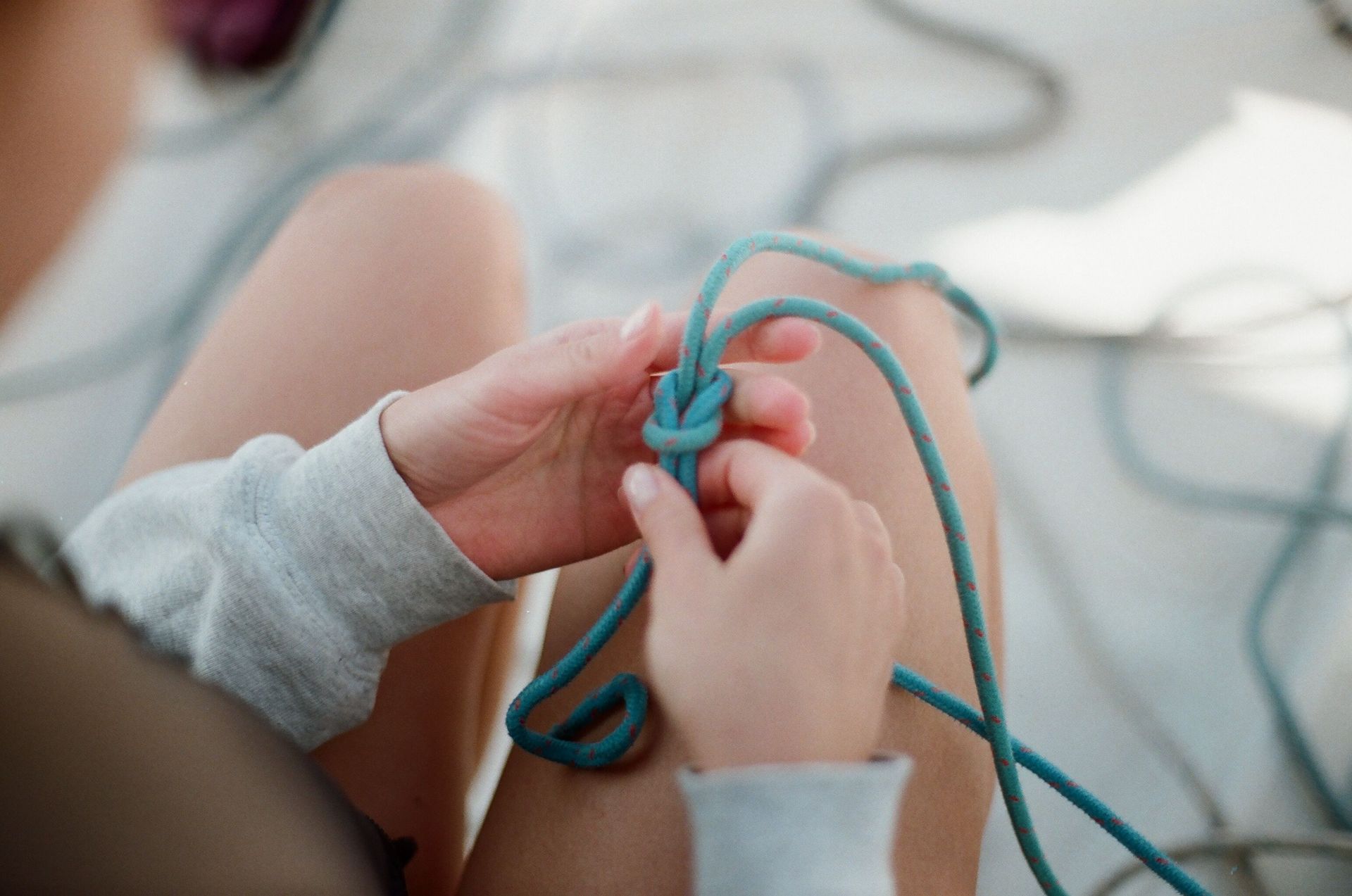
Basic knot tying
Diana Onfilm / Pexels
The small repertoire of knots most practically useful in daily life — the bowline (a loop that will not tighten under load), the cleat hitch (for securing a line to a dock cleat), the clove hitch (for securing a line to a post), the square knot (for joining two lines), and the figure eight (for stopping a line from running through a block) — can be learned to reliable execution in a single two-hour session with a piece of rope.
The specific reason knot tying seems harder than it is: there are thousands of named knots, and people who know knots are often enthusiastic about their breadth of knowledge, which creates the impression that useful knot competence requires extensive study. The five knots listed above cover the vast majority of practical rope-use scenarios that most people encounter.
The learning path: Animated Knots (animatedknots.com) provides step-by-step animations for every practical knot. Practice each knot with a piece of rope (approximately one meter of paracord or thin rope is ideal) until you can tie it without looking at the reference, then tie it with your eyes closed, then tie it one-handed. Two hours of practice produces reliable execution of five essential knots.
