“If the woman wishes to have long and black hair, take a green lizard and having removed its head and tail, cook it in common oil. Anoint the head with the oil,” advises The Trotula, a medieval compendium on women’s medicine.
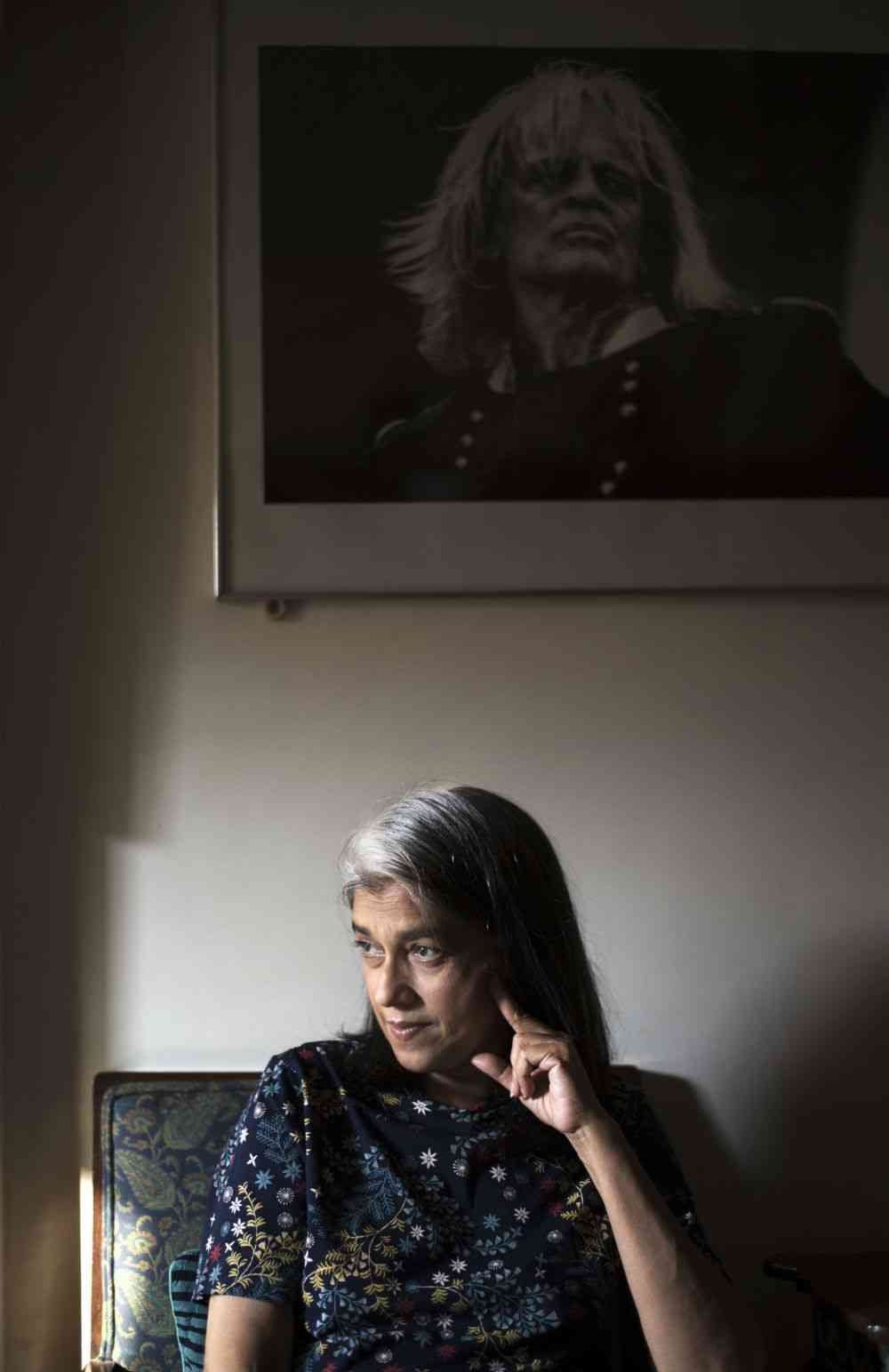
“If the woman wishes to have long and black hair, take a green lizard and having removed its head and tail, cook it in common oil. Anoint the head with the oil,” advises The Trotula, a medieval compendium on women’s medicine.
Throughout history women have used pollen, henna and sometimes even reptiles to change the colour of their hair. None of these methods, though, were invented with the specific purpose of covering greys. It was only after French chemist Eugenè Schueller invented commercial hair dye in 1909 that grey hair begin to garner negative associations, particularly for women.
Join 500,000+ readers who start their day with Quartz.
By subscribing, you agree to our Terms of Service and Privacy Policy.
The advertising and media industry soon began leveraging fear to convince women that they would lose friends, admiration and lovers if they chose grey over a perceived idea of youth. An egregious example of this was an advertisement for Goldman’s Hair Colour Restorer in 1926. “Are grey-haired women honest?” the ad asked, insinuating that women who claimed that “grey hair cannot be helped” were obviously lying.
In the hierarchy of prejudices, sexism prevailed over ageism. While grey-haired men were often called silver foxes or described as distinguished, women with grey hair were boxed into stereotypical narratives by popular culture. In an Indian commercial in the 1990s for hair dye, a teenage boy referred to a young woman with greys as aunty, until she dyed her hair—after which, she was dubbed, a less offensive, didi.
Perceptions began to shift only recently, with conversations around body positivity gaining ground. Online spaces representing grey-haired women today encourage others to accept and flaunt their natural hair. One such platform is the popular Instagram handle @grombre. “A radical celebration of the natural phenomenon of grey hair,” with 90.9K followers, the handle shares photos of contributors in various stages of greying.
Thanks to these efforts, grey hair is no longer associated with shame, and women, including in India, are increasingly embracing their natural greys as early as in their teens. Silver was a hair colour trend in 2018, and even cosmetic brands are changing their stance.
Celebrities from Zosia Mamet to Rihanna have dabbled in grey colour, displaying a host of possibilities, including silver streaks, frosted grey tips, metallic hair extensions, global lilac-ombres and other variations on the look, turning what was once called the #GrannyHair trend into a glamorous sought-after look. Ironically, even L’Oreal, the company that built its foundation on persuading women to cover their greys, now offers everything from silver shampoo and toner to tutorials on how to get the right shade of grey.
Scroll.in spoke to a few women of different ages and backgrounds who wear their greys with pride about how it feels to defy stereotypes. Edited excerpts:
When did you see your first grey and what made you stop colouring?
How did you handle the transition of growing back your grey roots?
Does your hair tend to get you typecast into certain roles? How do you deal with that?
Grey hair has stereotypical gender representations—did you ever have a female role model who made you feel unencumbered about being yourself?
What positive reactions have you encountered after choosing to go back to your greys?
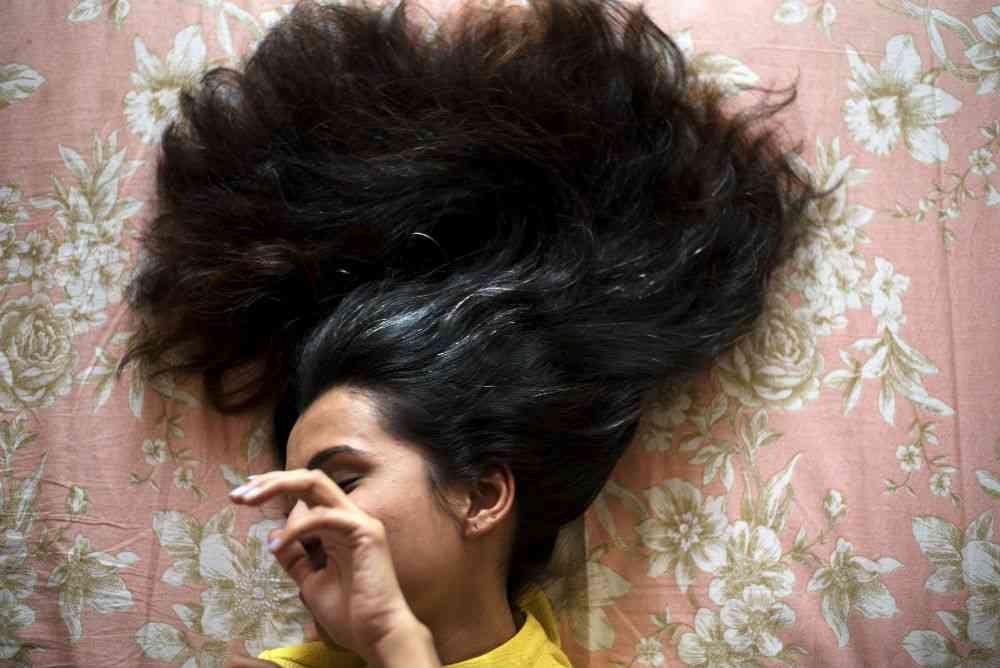
When did you spot your first grey and how did you feel?
Do friends and family sometimes pressure you to colour your greys?
What has convinced you to keep your natural greys?
My perceptions of beauty were shaped by that experience. I saw my mother being extremely concerned about her appearance, and I saw it all go. So, for me, physical beauty became just another thing one could lose. So my outward persona isn’t as important as other things in my life.
Have you had second thoughts?

When did you notice your first grey?
Why have you chosen not to go down the colouring path?
But does it bother people around you?
As someone who has sported grey hair for nearly 15 years, do you feel the current perception is different?
What about friends and family?
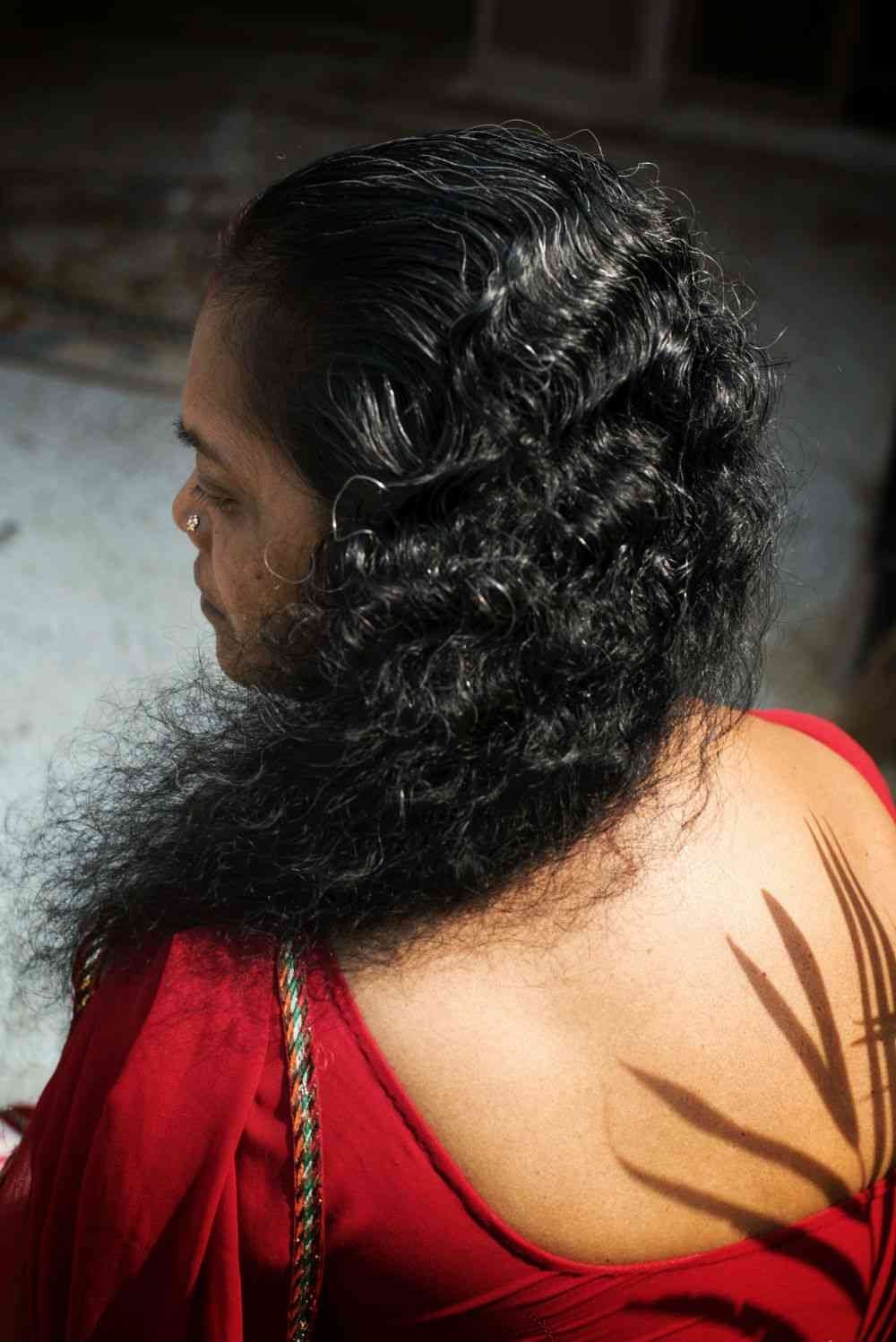
When did you spot your first greys? Why have you chosen not to colour them?
Have you ever been tempted to change your look?
What about friends and family—did they encourage you to dye your greys?
What’s the best part of not having to colour your hair?

When did you spot your first grey? How did you feel about it?
Have you ever considered colouring?
Why have you decided to stay natural at the moment?
Any role models who inspire you to stay grey?
What are your personal opinions on women who’ve kept their natural greys?

How did you choose the colour grey for your hair?
A lot of international celebrities and influencers are colouring their hair grey, with hues of purple and silver. Was there anyone in particular who inspired you?
As a designer with an understanding of colour, you picked grey. What does grey mean to you?
This piece was first published on Scroll.in. We welcome your comments at [email protected].
