The price of a product is a function of what the market will bear, what alternatives exist, and who has leverage. These 20 industries make that visible
Andrea Piacquadio / Pexels
Sometime in the 1990s, a pair of glasses that cost $2 to make started selling for $200. The frames were not hand-carved from rare materials. The lenses were not ground by artisans. The markup was the product of a single Italian conglomerate quietly buying up nearly every eyewear brand in the world until, for most consumers in most countries, every apparent choice in the glasses aisle was the same company in different packaging. The price had nothing to do with cost. It had everything to do with the fact that there was, functionally, nowhere else to go.
This is the story this list tells, 20 times over, in 20 different industries. The gap between what something costs to make and what it is sold for is not random and is not simply greed — it is structural. It reflects the specific mechanisms by which sellers protect themselves from the competition that would otherwise drive prices toward costs: patents that grant monopoly for 20 years, captive audiences with no exit, brand premiums so internalized that buyers stop asking whether the price makes sense, vertical integration that eliminates the market entirely, or the specific asymmetry of a buyer who needs something urgently and a seller who knows it.
In a genuinely competitive market, price gravitates toward cost. A new entrant underbids the incumbent; the incumbent matches; prices fall until the margin above cost is thin. This is how commodity markets work, how airlines work on contested routes, how the price of generic drugs falls 80% the day a patent expires. It is not how most markets work most of the time, because most markets have been specifically organized to prevent it.
What follows are 20 industries where the prevention has worked — where the distance between the cost of production and the price charged to the consumer is large, persistent, and specifically maintained. Some of these markups fund genuine innovation. Some fund enormous executive compensation. Most fund both. All of them reveal something specific about who has leverage, who lacks alternatives, and how that asymmetry is converted into price.

Jose Ismael Espinola / Pexels
The gap between the cost of producing a prescription drug and its retail price is among the largest and most consequential of any industry. Humira — the biologic drug for autoimmune conditions that was for many years the best-selling drug in the world — costs approximately $1,400 per year to manufacture and was listed at approximately $84,000 per year at US retail prices before biosimilar competition arrived. The markup is not an outlier; it is representative of the branded pharmaceutical pricing model.
The mechanism: pharmaceutical patents give the patent holder 20 years of exclusive market access from the date of patent filing, during which no other company can produce the same molecule. The economic logic is that the patent period allows the innovator to recoup research and development costs — which are genuinely large — before generic competition drives the price toward cost. The problem is that the patent system's logic produces prices calibrated to what the market will bear in the absence of competition, not to the cost of either development or production.
The US-specific amplifier: the United States is the only major developed country that does not allow the government to negotiate drug prices directly with pharmaceutical companies, which means that US prices are the global high-water mark for branded pharmaceuticals — other wealthy countries pay 40 to 80% less for the same drugs through government negotiation. The US market subsidizes pharmaceutical company revenues for the rest of the world.
The entry of generic drugs after patent expiration typically reduces prices by 80 to 95%, confirming that the branded price was not cost-based: the generic contains the identical molecule, is subject to the same manufacturing regulations, and sells at 5 to 20% of the branded price because competition has driven the price toward the actual cost of production.
Joerg Hartmann / Pexels
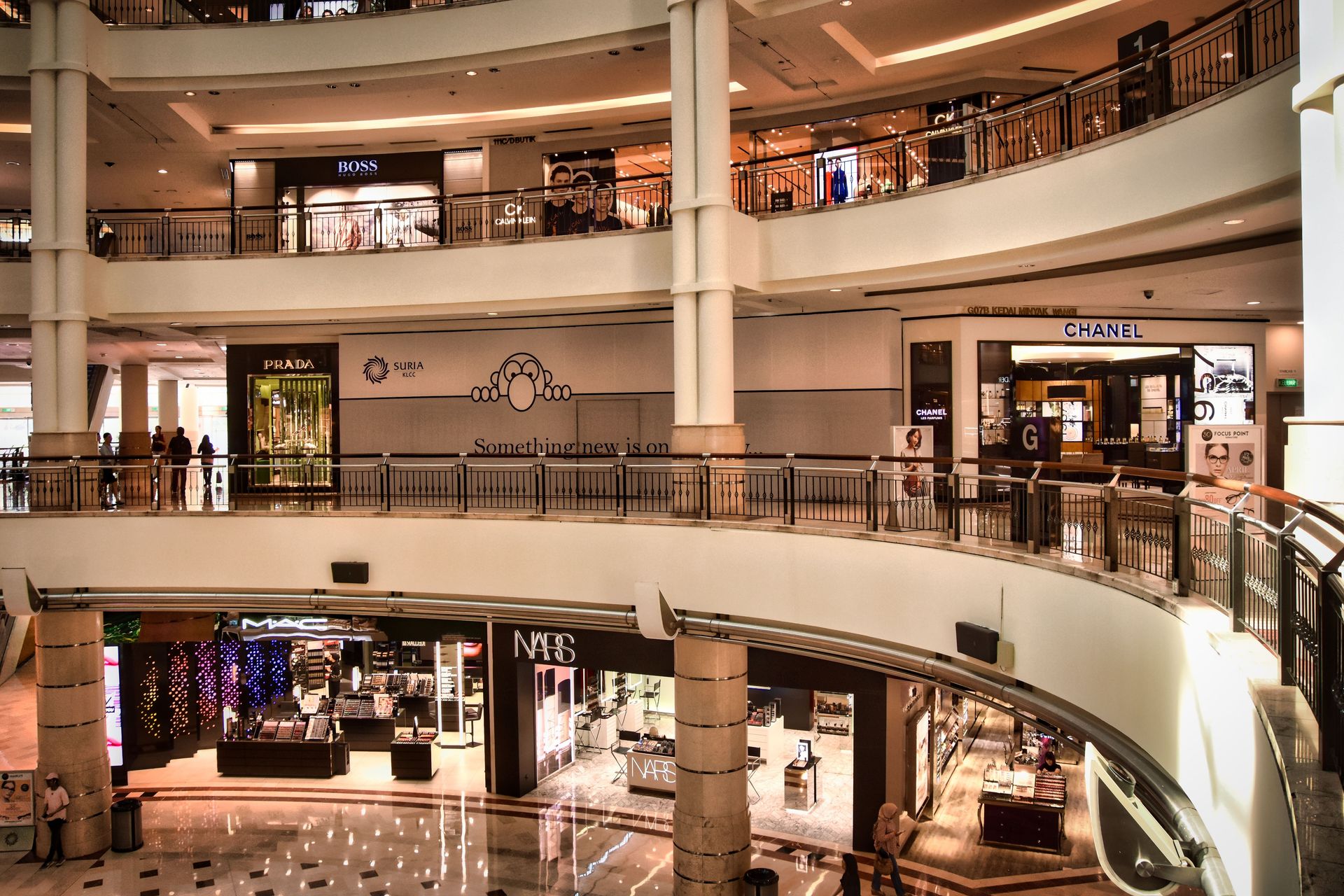
A luxury handbag from a top-tier European house — a Chanel Classic Flap, a Hermès Birkin, a Louis Vuitton Neverfull — costs between $50 and $800 to manufacture, depending on the materials and the complexity of the construction, and sells for $2,000 to $100,000 or more. The markup is not primarily a premium for quality — equivalent or superior craft can be found at a fraction of the price — but a premium for the specific social signaling that the brand name confers.
The mechanism that maintains this markup is brand scarcity — the deliberate management of supply to ensure that demand exceeds availability, maintaining the exclusivity signal that justifies the price. Hermès does not produce enough Birkins to satisfy demand and requires customers to build a purchase history before being offered one, creating a waiting list that functions as a social barrier rather than a supply constraint.
The markup is also maintained by the specific economics of aspirational consumption: the luxury good's value to the buyer is not its functional utility (a $50 bag carries things just as effectively as a $5,000 bag) but its social utility — the signal it sends about the buyer's wealth and taste. This social utility is produced by the brand, not by the product, and the brand's value is produced by the markup itself: a luxury good that became affordable would cease to be a luxury good.
Tuan Vy / Pexels
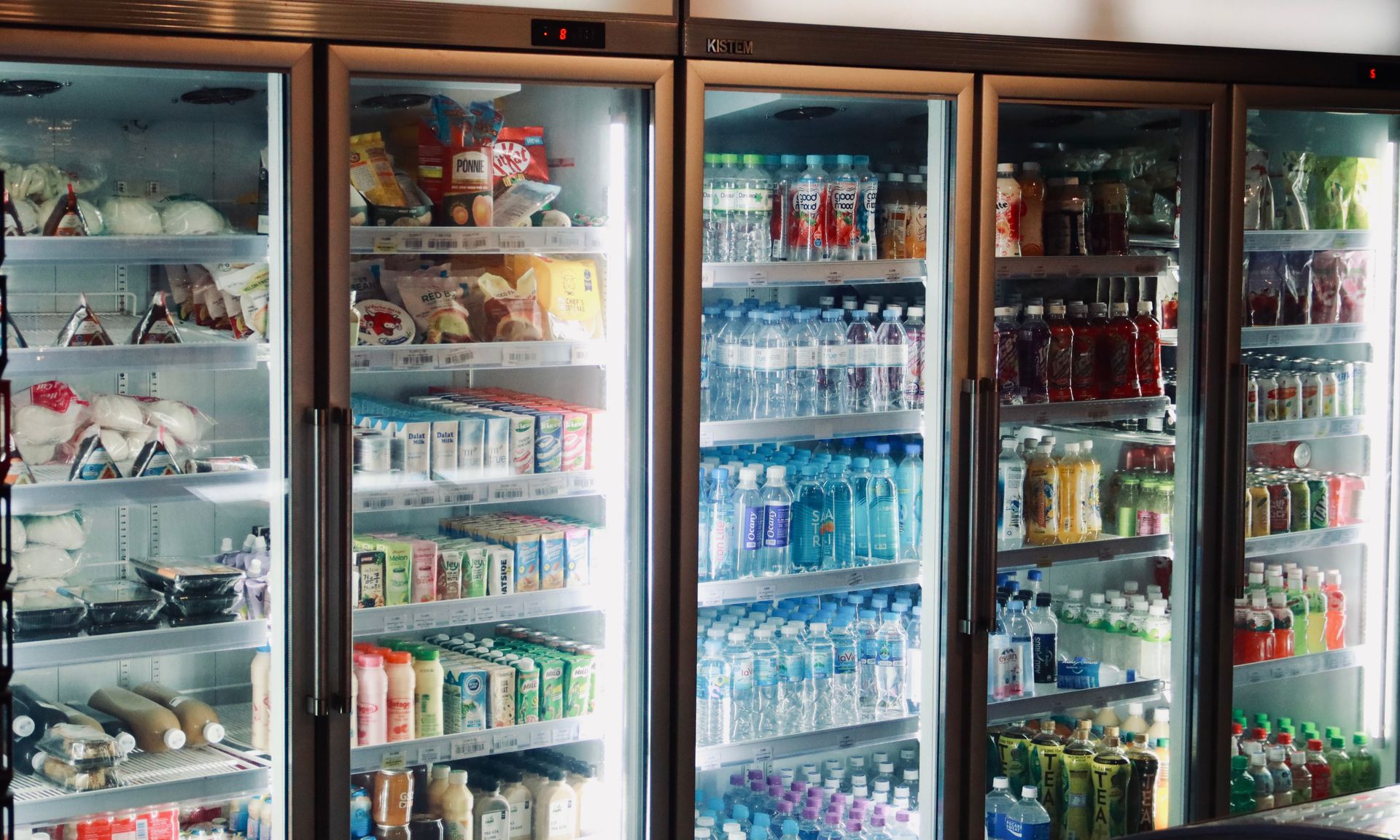
A 500-milliliter bottle of branded still water — Evian, Fiji, Volvic — costs approximately $0.002 to $0.005 to produce at the source, $0.05 to $0.10 in plastic bottle and cap, and $0.05 to $0.20 in distribution and refrigeration, before being sold at retail for $1.50 to $5.00. The markup on the water itself — as distinct from the packaging and distribution — is effectively infinite, since the raw material costs nothing.
The mechanism is convenience, marketing, and the specific retail environments where bottled water is sold. In airports, sports venues, theme parks, and other captive-audience environments, the absence of free alternatives and the social acceptability of charging for water has created pricing power that bears no relationship to the cost of production. The Fiji and Evian premiums add brand differentiation to what is chemically indistinguishable from municipal water in most taste tests.
The environmental cost externalized from the price — the plastic waste, the carbon footprint of transporting water across oceans, the impact on local water tables — means the actual total cost of bottled water is significantly higher than its retail price, with the difference absorbed by the public rather than priced into the product.

Pixabay / Pexels
A bag of popcorn that costs approximately $0.30 to $0.50 to produce (the kernels, the oil, the bag, the labor) is sold at movie theater concession stands for $8 to $15 — a markup of 1,200 to 3,000%. Movie theater popcorn is not incidentally expensive; it is the primary profit mechanism of the movie theater business, and understanding this changes the entire economic model of cinema exhibition.
The mechanism: ticket prices are negotiated with studios, and the studio typically takes a high proportion of ticket revenue (70 to 90% in the opening weeks of a major release). The theater's profit comes almost entirely from concessions, over which it has complete pricing power — there is no competition for concessions inside the theater, and bringing in outside food is actively discouraged or prohibited.
The bundling strategy of many theaters — the "combo deal" that nudges buyers toward purchasing larger sizes by making the price difference small — is specifically designed to maximize concession revenue per customer. The large popcorn costs almost the same as the medium because the marginal cost of more popcorn is negligible and the price difference is primarily about managing the buyer's perception of value rather than the seller's cost.

Zetong Li / Pexels
A college textbook priced at $300 to $400 costs approximately $15 to $30 to print and bind — a markup of 1,000 to 1,500% over production cost that is maintained by a combination of factors specific to the academic textbook market that have no parallel in consumer publishing.
The mechanism: professors assign the textbook, students have no choice about whether to purchase it, and the textbook is typically required in a specific edition that cannot be substituted. New editions appear on two-to-three-year cycles with content changes minimal enough to make the previous edition functionally equivalent, but the edition-specific assignment invalidates the used book market for each new edition, preventing the price competition that used books would otherwise provide.
The market structure: the professor who assigns the book does not pay for it, creating a principal-agent problem in which the person making the purchasing decision (the professor) bears none of the cost. Publishers cultivate faculty relationships through free desk copies, ancillary materials, and professor-facing features that are largely irrelevant to students, optimizing for adoption rather than for value to the end buyer.
The open-access textbook movement and the rental market have applied significant pressure to this model over the past decade, and average textbook prices have declined from their peaks, but the fundamental structural advantage of the captive-audience, professor-mediated assignment model continues to produce prices disconnected from production costs.

Rahul Pandit / Pexels
A concert ticket with a face value of $75 arrives at the buyer's checkout cart at $120 after Ticketmaster or Live Nation's fees are applied — service fees, facility fees, order processing fees, and the specific combination of charges that a 2023 US Senate investigation found could add 20 to 78% to the face price of a ticket. The fees cost approximately nothing to produce: they are charges applied to a digital transaction that requires no additional service beyond what the ticket purchase itself already requires.
The mechanism is monopoly consolidation. Live Nation Entertainment — formed by the 2010 merger of Live Nation and Ticketmaster and controlling approximately 70% of the primary ticketing market for major venues in the United States — owns or has exclusive ticketing agreements with most major concert venues, eliminating the competition that would otherwise force fees toward the actual cost of the transaction.
The secondary ticketing market — where resellers list tickets at multiples of face value — captures the difference between the face price and the true market-clearing price, a difference that exists because artists and venues have historically set face prices below market value (to maintain the appearance of accessibility) rather than charging the full amount themselves. The resale markup reflects not a markup over cost but a discrepancy between two different pricing decisions.

Pixabay / Pexels
A hospital's "chargemaster" — its official list price for every service, procedure, and item — bears no consistent relationship to what hospitals actually receive for their services, which itself bears no consistent relationship to the cost of providing the service. A chargemaster price for a hospital visit that lists an aspirin at $15 or a single gauze pad at $25 is not a cost-based price but a starting point for negotiations with insurers, whose negotiated rates are typically 30 to 70% below chargemaster prices, which are themselves a starting point.
The mechanism: uninsured patients are typically billed at the full chargemaster price, creating a specific penalty for being uninsured that is documented and significant. The insured patient's negotiated rate is determined by the bargaining power of their insurer, which is a function of the insurer's market share in that region. The complexity of the system — the gap between list price, negotiated price, and actual cost, multiplied across thousands of services — makes price comparison effectively impossible for the consumer.
The specific US feature: American hospitals' administrative costs — the billing departments, coding specialists, and claims management staff required to navigate the multi-payer system — constitute approximately 25 to 34% of total hospital spending, compared to 12% in Canada's single-payer system. The administrative cost of price complexity is itself a cost hidden in the price that is not present in simpler healthcare pricing systems.

Rodeo Software / Pexels
A software-as-a-service product — a project management tool, a design application, a CRM system — has a marginal cost per additional user that approaches zero after the initial development costs are paid. Serving the 10,001st subscriber costs almost nothing more than serving the 10,000th. Yet enterprise SaaS products routinely charge $50 to $500 per user per month for functionality whose incremental delivery cost is measured in cents.
The mechanism: software pricing is almost entirely value-based rather than cost-based. The price is set at what the customer is willing to pay given the value they receive, not at what it costs to provide the service. A business that saves $100,000 per year in efficiency through a project management tool will pay $10,000 per year for that tool without resistance — the cost of the tool is the least relevant factor in the pricing decision.
The enterprise tier of most SaaS products — where the same underlying software is sold to large companies at 10 to 100 times the price charged to small businesses — reveals the value-based pricing structure most clearly: the enterprise version contains additional compliance, security, and support features, but the primary driver of the price differential is the enterprise customer's ability to pay and the business value the software delivers at their scale.

VGIO Studios / Pexels
A one-carat diamond of average quality (G color, SI1 clarity) has a wholesale cost of approximately $2,000 to $4,000 and a retail price of approximately $4,000 to $8,000 — a retail markup of roughly 50 to 100% that is modest by the standards of this list. The more interesting markup is the one that has already occurred before retail: De Beers and the diamond pipeline extract value at multiple stages between mine and ring, and the rough stone that the consumer ultimately buys was available at a fraction of the cut, polished retail price at the mine.
The mechanism that makes diamonds valuable beyond their intrinsic properties: the "A Diamond Is Forever" campaign, launched by De Beers in 1947, created the cultural norm that engagement rings should be diamond rings, should cost two months' salary, and that diamonds hold their value — all of which are marketing constructs rather than natural facts. The resale value of a retail diamond is approximately 20 to 50% of its purchase price, demonstrating that the retail price is not supported by the diamond's intrinsic value but by the cultural premium created by decades of advertising.
Dreamscolor Media / Pexels
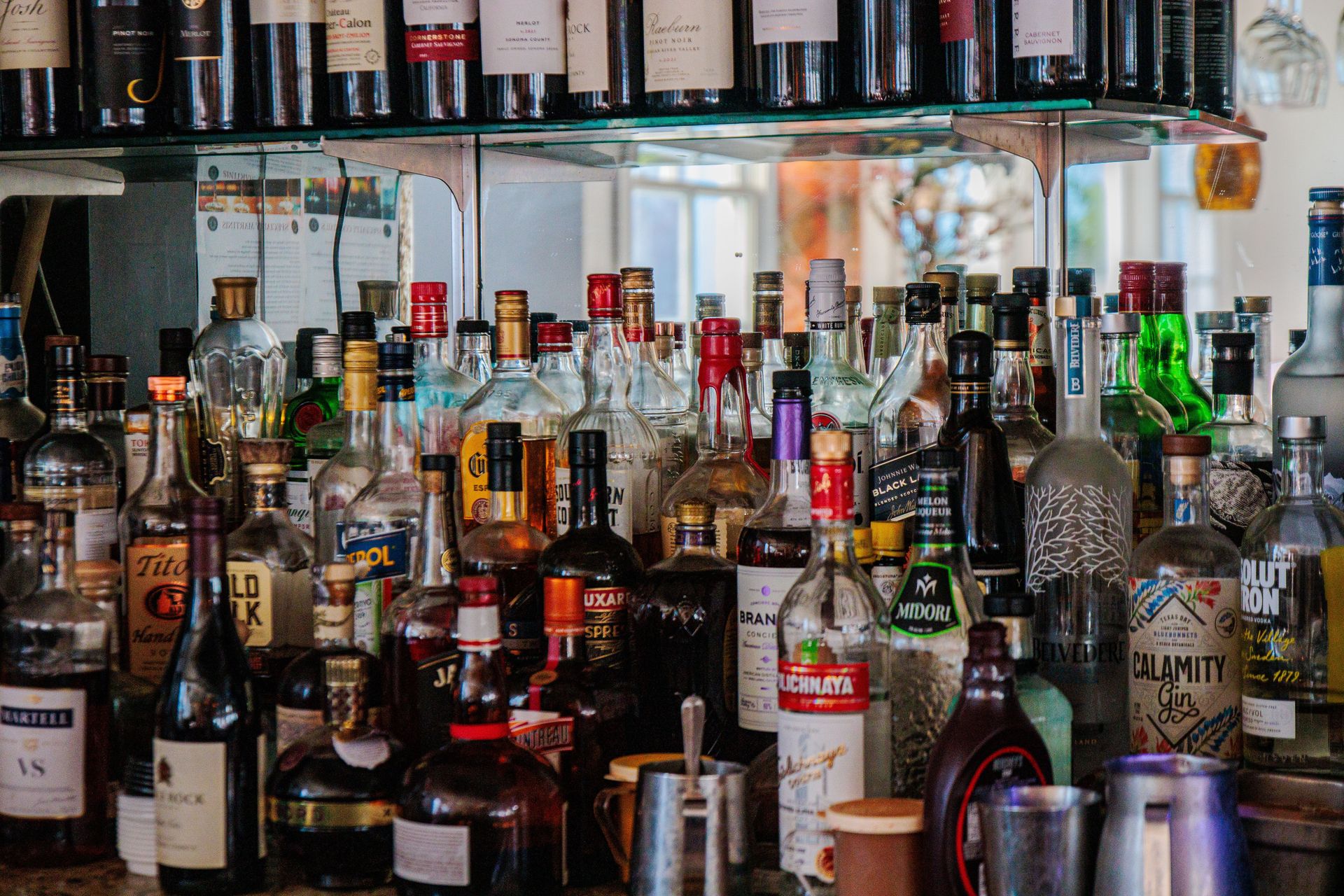
A bottle of wine that retails for $50 to $100 typically has a production cost of $5 to $15 — including the grapes, fermentation, bottling, and label. The markup between production cost and retail price for prestige wine reflects a combination of genuine quality differentiation at the upper end, brand premium throughout, and the specific scarcity of top appellations (Burgundy, Bordeaux Premier Cru) whose limited production genuinely constrains supply.
The specific mechanic of wine markup: the three-tier distribution system in most US states (producer → distributor → retailer) adds a markup at each stage, with the distributor and retailer each adding 30 to 50% above their acquisition cost. A wine that the producer sells for $15 arrives at retail at $35 to $45 through this compounding margin structure before any brand premium.
The spirits premium is more extreme: a premium whisky distilled for $5 to $10 in raw material and production costs is aged for 12 to 25 years, during which the inventory cost (the interest on the capital tied up in aging stock) is the primary additional cost before a premium whisky sells for $60 to $200. The "angel's share" — the 2% of the barrel's volume that evaporates annually — adds a romantic rationale for the premium that does not change the fundamental cost-price relationship.

Sam Lion / Pexels
The markup in the art market — between the cost of materials and production and the final sale price — is not merely large but effectively infinite for successful contemporary artists: a canvas, paint, and several hours of skilled labor that cost $500 to $3,000 to produce can sell for $500,000 or $5,000,000 at auction, with the specific price determined by the artist's market position, institutional validation, and collector demand rather than by any production cost relationship.
The mechanism: art value is produced by the art market itself — by galleries, curators, critics, auction houses, and institutional collectors whose collective validation of an artist's work produces the price rather than reflects it. The auction record creates the floor for the next sale; the institutional exhibition creates the legitimacy that moves prices upward; the gallery maintains scarcity by managing how many works reach the market.
The specific auction house mechanism: Christie's and Sotheby's charge both the buyer a buyer's premium (25% on the first portion of the hammer price, declining for higher amounts) and the seller a seller's fee, meaning the auction house extracts value from both sides of every transaction on work whose value they have partly created through their own institutional prestige.

Kaboom Pics / Pexels
A pair of prescription eyeglasses — frame and lenses — that retails for $400 to $800 at a typical optical retailer costs approximately $10 to $30 to manufacture. The specific structure of the eyewear industry explains the markup: approximately 80% of the global eyewear market is controlled by Luxottica (now EssilorLuxottica), which owns or licenses the manufacturing rights to most major frame brands (Ray-Ban, Oakley, Persol, and the licensed versions of Chanel, Prada, Armani, and others) and also owns or operates a large proportion of the retail chains (LensCrafters, Sunglass Hut, Target $TGT Optical) through which they are sold.
The vertical integration of design, manufacturing, distribution, and retail in a single company eliminates the price competition that would otherwise occur at each stage of the supply chain. The consumer who compares prices at different retail chains may be comparing prices from retail operations owned by the same ultimate parent company, whose frame inventory comes from the same manufacturer.
The online eyewear market — led by Warby Parker, which entered the market in 2010 with a direct-to-consumer model that bypassed the Luxottica distribution chain — has demonstrated that glasses can be sold for $95 to $175 with full prescription lenses while still generating a margin, confirming that the traditional retail price was not cost-based.
Elizabeth Ferreira / Pexels
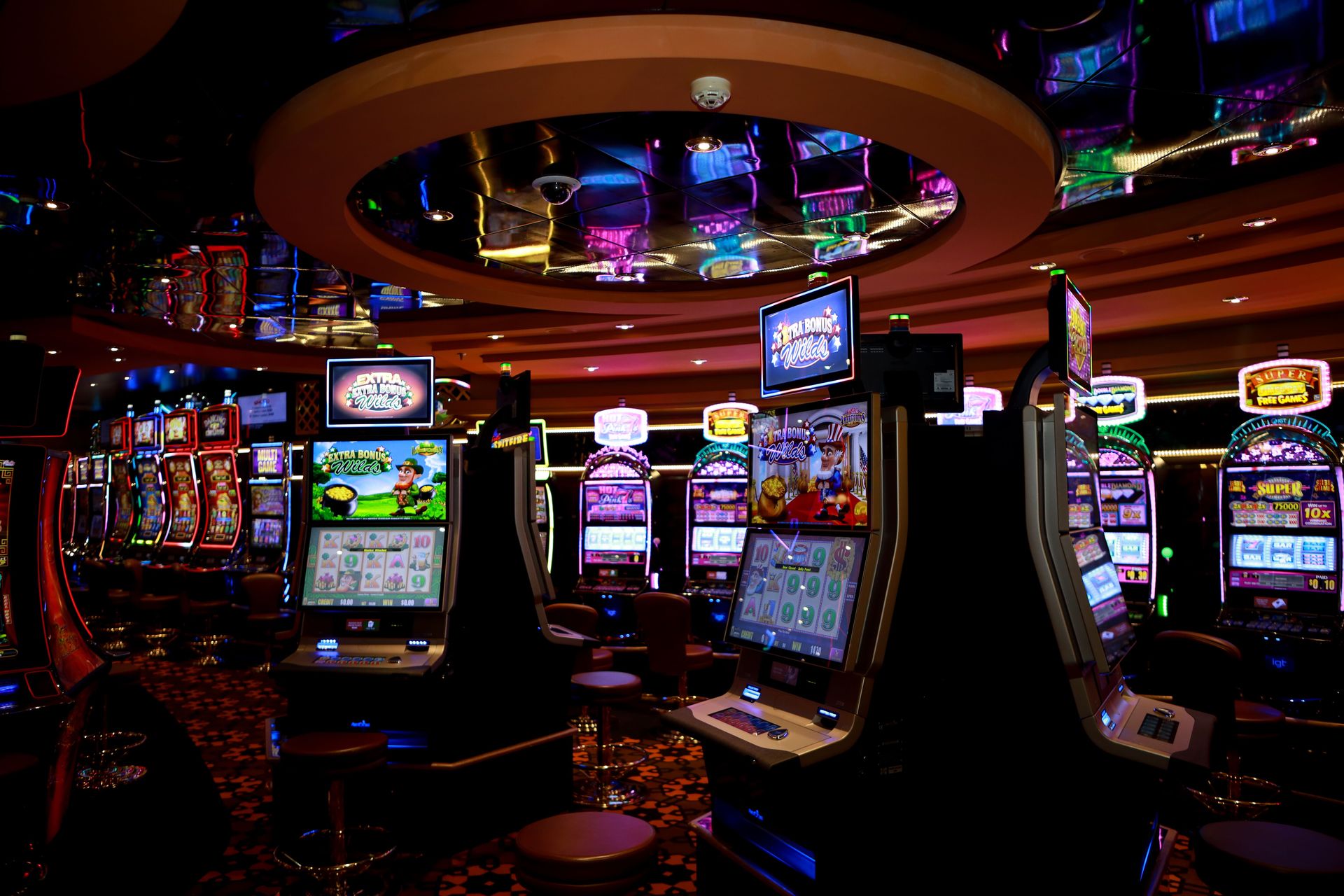
The casino industry operates on the explicit principle that every game is designed to return less to players than it receives — the house edge — and that this mathematical advantage, compounded over millions of plays, generates substantial revenue from a product that costs almost nothing to produce per transaction. A spin of a slot machine machine, a hand of blackjack, or a roulette spin costs the casino almost nothing in marginal cost but generates, on average, a specific percentage of the money wagered.
The cost-price relationship in gambling is inverted relative to most products: the consumer is paying for the experience of potential gain, not for a product being delivered. The "price" is the expected loss — the house edge applied to the amount wagered. A slot machine with a 7% house edge priced at $100 per hour of play costs the average player $7 per hour in expected value, a cost that varies enormously around the average and that is obscured by the intermittent reinforcement of occasional wins.
The specific mechanism of casino margin: the casino's cost is fixed infrastructure (the building, the staff, the machines) divided over a very large number of small transactions. The marginal cost of one additional bet is approximately zero. The revenue is the aggregate of millions of small expected losses across many players.

Freestocks / Pexels
A luxury moisturizer sold at $350 per jar at a department store counter contains ingredients — water, emollients, active compounds — that cost approximately $5 to $20 to formulate and fill. The markup of 1,000 to 7,000% is maintained by the specific retail environment (the counter, the uniformed staff, the sampling ritual), the packaging (the heavy glass jar, the gold lettering), and the advertising (the clinical-sounding ingredient names, the celebrity endorsements) rather than by the functional performance of the product.
The mechanism: the cosmetics industry is largely unregulated in its efficacy claims — the active ingredients in prestige skincare products are typically present in concentrations too low to produce the effects claimed in advertising, and the distinction between a $350 moisturizer and a $25 one is primarily the luxury experience rather than the skin outcome. Dermatologists consistently recommend drugstore sunscreens and moisturizers over prestige equivalents for functional outcomes.
The counter sales model — in which cosmetics are sold through department store real estate that the brand pays for through high margins rather than direct rent — adds a specific retail cost to the pricing structure that is invisible to consumers who experience it as "where luxury products are sold" rather than as a cost that they are paying.
RDNE Stock project / Pexels
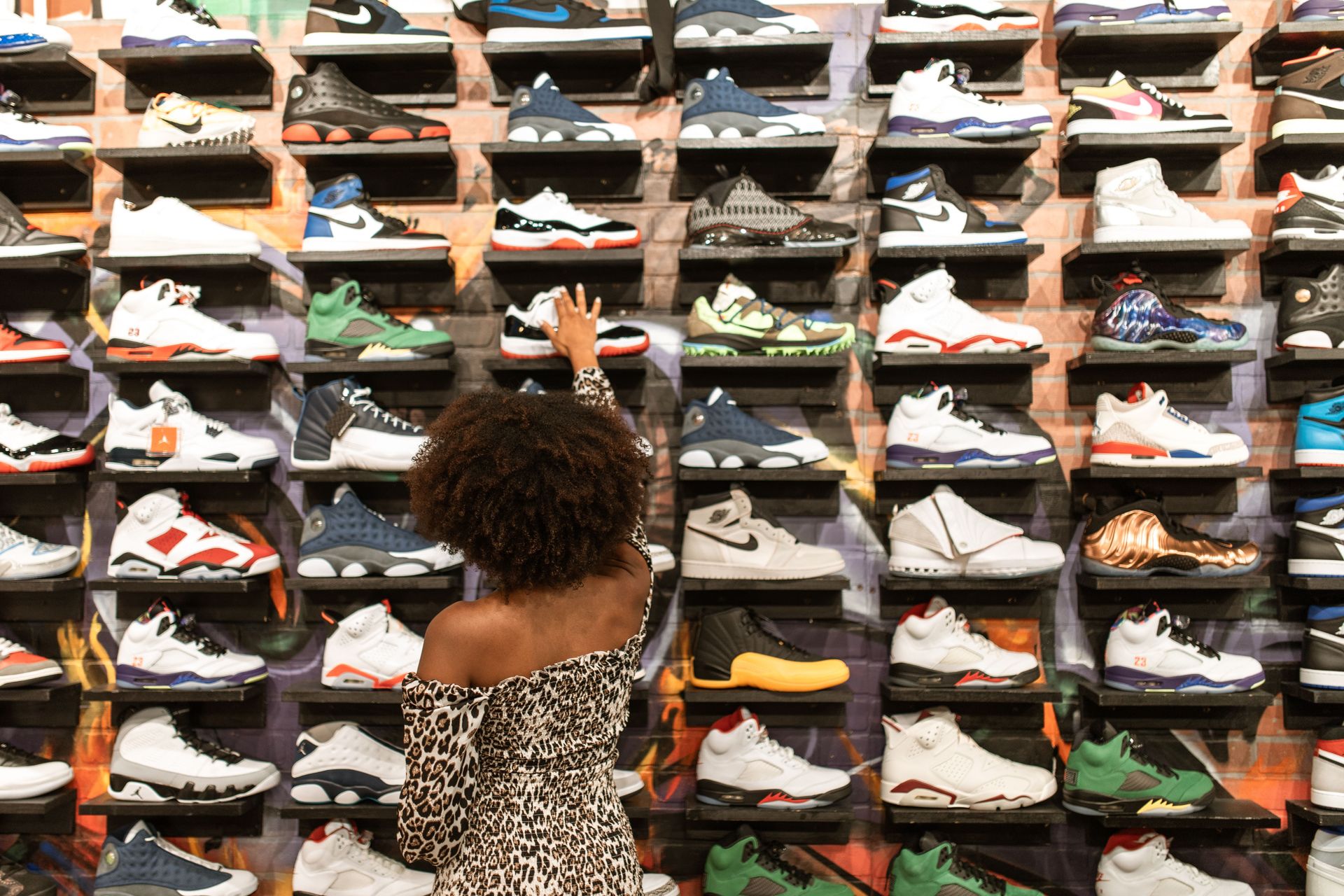
A licensed sports jersey retailing for $150 to $350 costs approximately $8 to $25 to manufacture — a markup of 600 to 1,500% — maintained by the exclusivity of the team's intellectual property, the fan's identification with the team, and the specific mechanics of the licensed merchandise market in which the team, the league, and the manufacturer each extract a share of the markup.
The mechanism: the team's IP license (the logo, the player number, the team name) is what creates the value — a blank jersey of identical quality would sell for $30 to $50. The license fee flows back to the team and the league, and the manufacturer's margin is a relatively modest portion of the total retail price. The consumer is paying primarily for the right to display team affiliation, which is produced by the team rather than by the physical product.
The resale market for player jerseys — where game-worn or autographed jerseys sell for multiples of retail price — reveals the IP layer most clearly: the same physical object, with the same manufacturing cost, is valued at a vastly different price depending on who wore it and when.

Lydia Griva / Pexels
A greeting card retailing for $6 to $10 costs approximately $0.25 to $0.75 to print and cut — a markup of 800 to 4,000%. The greeting card industry's markup is maintained by the specific retail placement (the Hallmark store, the end-cap display), the social obligation that accompanies card-giving (the cost is small relative to the social value of the gesture), and the consolidation of the industry around a small number of large publishers.
The Hallmark and American Greetings duopoly controls approximately 80% of US greeting card retail, allowing them to maintain the retail shelf presence and brand recognition that prevents competition from eroding the margin. The industry has faced significant pressure from the free digital alternatives (e-cards, social media birthday messages) that have reduced the overall volume of card purchases, but the specific social norm that a physical card has greater sentimental value than a digital message has maintained a premium market that persists.

Jakub Zerdzicki / Pexels
The production cost of a major Hollywood film — $100 million to $300 million for a tent-pole blockbuster — is not a cost that bears any relationship to the revenue generated, because the revenue side is determined by audience demand rather than production cost. A film that cost $200 million and generates $1 billion in global box office and streaming licensing fees has a 5:1 revenue-to-cost ratio that reflects not the cost of the product but the value the audience placed on it.
The more interesting cost-price relationship is in the streaming licensing market: Netflix $NFLX, Amazon $AMZN, and other platforms license films and television shows for prices determined by their expected viewing hours and subscriber retention value rather than by their production costs. A film acquired for $50 million that drives 10 million viewing hours has a cost-per-hour that the platform's willingness to pay determines, producing prices that oscillate between seemingly too low (direct-to-streaming acquisitions at fractions of production cost) and seemingly too high (theatrical releases acquired for multiples of their theatrical box office) depending on the platform's strategic priorities.

Markus Winkler / Pexels
A cut flower — a rose, a lily, a stem of peony — grown in Ecuador or Kenya costs approximately $0.08 to $0.25 at the farm, passes through a Dutch auction in Aalsmeer (the world's largest flower auction, handling approximately 20 million flowers per day), travels refrigerated to the destination country, moves through a wholesale distributor, and arrives at a retail florist for $1 to $3, where it is sold in an arrangement for $5 to $20 per stem.
The markup accumulates through a chain of intermediaries — the auction, the wholesale importer, the retail florist — each of whom adds a margin at their stage of the supply chain. The Aalsmeer auction's specific efficiency (it uses a Dutch auction format in which the price starts high and descends until a buyer accepts it, completing a transaction in seconds) keeps the wholesale price competitive, but the retail florist's margin is maintained by the local monopoly of being the nearest or most convenient supplier for a time-sensitive purchase (flowers cannot be easily substituted or deferred).
The premium for weddings and funerals — the two occasions when consumers are most price-insensitive about flowers — is the specific mechanism through which the retail floral industry extracts its highest margins, charging two to three times the regular retail price for the same flowers on the grounds of arrangement complexity and the specific emotional stakes of the occasion.

Pavel Danilyuk / Pexels
The hourly billing rate of a partner at a major US law firm — $800 to $2,000 per hour in 2026 — bears a specific relationship to cost: the cost to the firm of one partner's hour is their compensation ($3 to $5 million annually for a productive partner, divided by 2,000 billable hours, equals $1,500 to $2,500 per hour) minus the firm's overhead. The arithmetic suggests that the billing rate is not enormously above cost for a highly compensated partner, but it conceals the markup at the associate level.
An associate billing $500 per hour costs the firm approximately $100 to $200 per hour in direct compensation — a markup of 150 to 400% that covers the firm's overhead and profit. The senior associate and partner supervision of associate work adds value, but the specific markup on associate time is the primary profit engine of the large law firm.
The mechanism that maintains this pricing: the licensing requirements for legal practice (only licensed attorneys can provide legal advice, limiting competition to credentialed practitioners), the complexity of the work (which makes price comparison between providers difficult), and the specific circumstances of clients who need legal services immediately and urgently — litigation, regulatory response, M&A transactions — that reduce price sensitivity at the moment of need.
ClickerHappy / Pexels
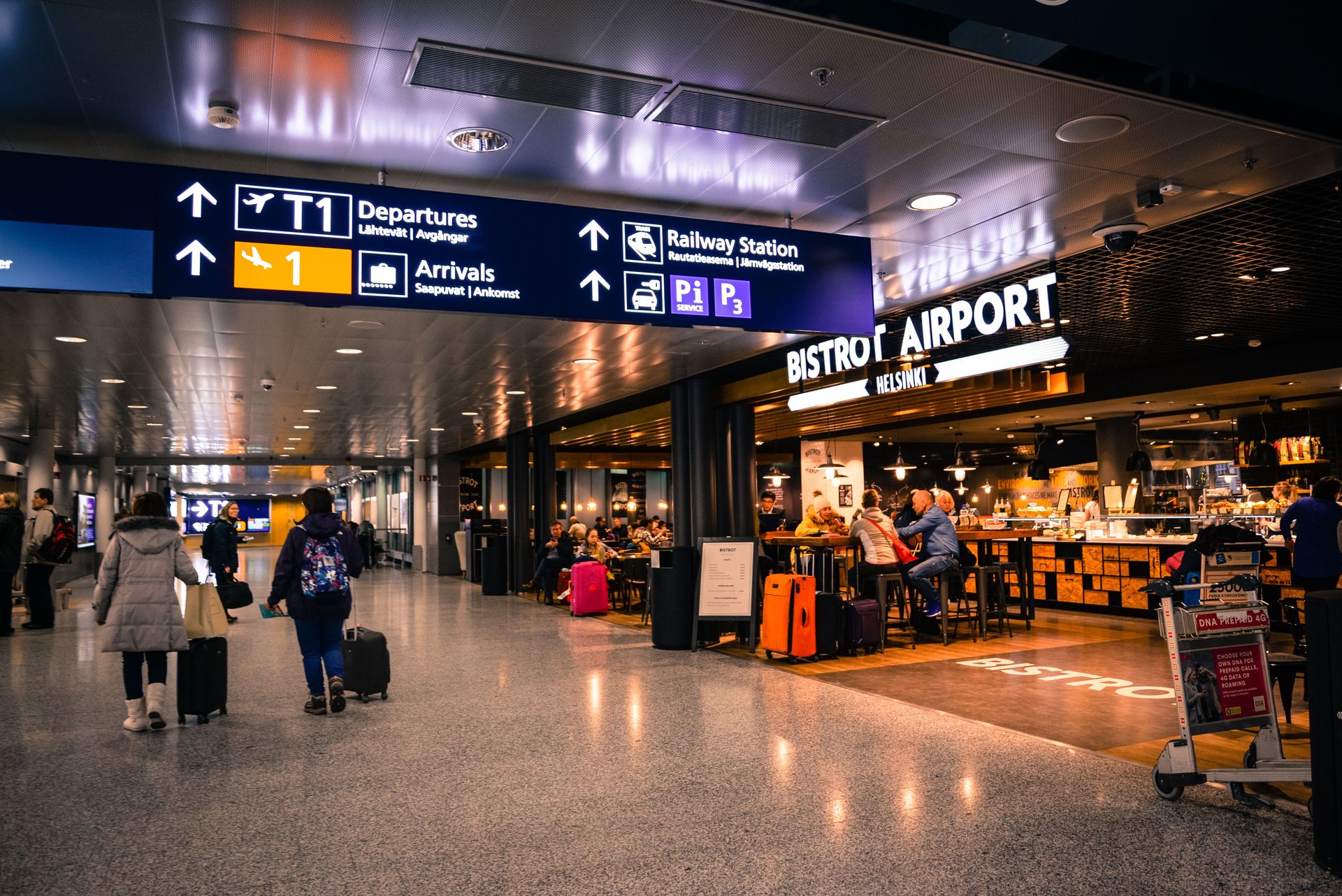
A $9 beer at an airport bar costs the same to produce as a $6 beer at a bar two blocks from the airport: the beer is poured from the same keg, the labor is the same, the glass is the same. The airport premium — which applies to food, drinks, newspapers, phone chargers, and every other retail category in the terminal — is maintained entirely by the captive-audience structure of airport retail and the specific commercial lease model that airports use.
Airport retailers pay some of the highest commercial rents in the retail world — a percentage of their revenue plus a minimum guaranteed amount — and pass those costs directly to consumers through elevated prices. The typical airport retail lease requires a retailer to charge prices no lower than those outside the airport ("street pricing policies"), which sounds consumer-friendly but functions as a floor rather than a ceiling: retailers set their prices as high as the captive audience will bear and the street pricing policy prevents them from charging less.
The mechanism: once through security, a passenger cannot leave the terminal to find cheaper options. The time pressure of a flight departure reduces price sensitivity. The specific retail categories that command the highest airport premiums are the ones that passengers forgot to bring from outside (phone chargers, neck pillows, reading glasses) and urgently need, which combines captive audience with urgency in the specific combination that produces the highest markups.
