
From scrap yards to self-storage, these unglamorous businesses have minted more millionaires than most people realize — here is how each one actually makes money

Credit: Pixabay / Pexels
Business media covers the same wealth stories on a loop: tech founders, hedge fund managers, celebrity entrepreneurs. The result is a distorted picture of how fortunes actually get built in the U.S. and beyond. Many of the most reliable paths to serious wealth run through industries that never trend, never get keynote slots and rarely appear in a headline. They involve dumpsters, gravel, dead animals, storage lockers and quarterly pest treatments. The people who own these businesses tend to like it that way. Obscurity keeps competitors out and valuations reasonable.
These industries share a few traits. Most generate recurring revenue — customers pay monthly or quarterly, year after year, with little prompting. Most have real barriers to entry, whether that is a landfill permit that takes a decade to secure, a billboard location grandfathered in before federal law froze new construction, or a quarry that no town will allow to be dug next door. Many are route-based, meaning the economics improve as a single truck serves more stops in a tighter area, which rewards local scale and punishes new entrants. And nearly all of them are fragmented, made up of thousands of family-owned operators — which is exactly why private equity firms have spent the past decade buying them up and making a generation of owners wealthy in the process.
None of this is secret. Public companies operate in every industry on this list, and their long-term stock charts tell the story plainly. A fastener distributor from Winona, Minnesota ranks among the best-performing U.S. stocks of the past half century. A billboard family in Baton Rouge built a multibillion-dollar company. The founder of a storage locker chain became one of the richest people in America. What these businesses lack in glamour they make up for in durability, pricing power and cash flow. Here are 15 industries that keep minting quiet fortunes — and the specific mechanics that make each one work.
Credit: Jan van der Wolf / Pexels
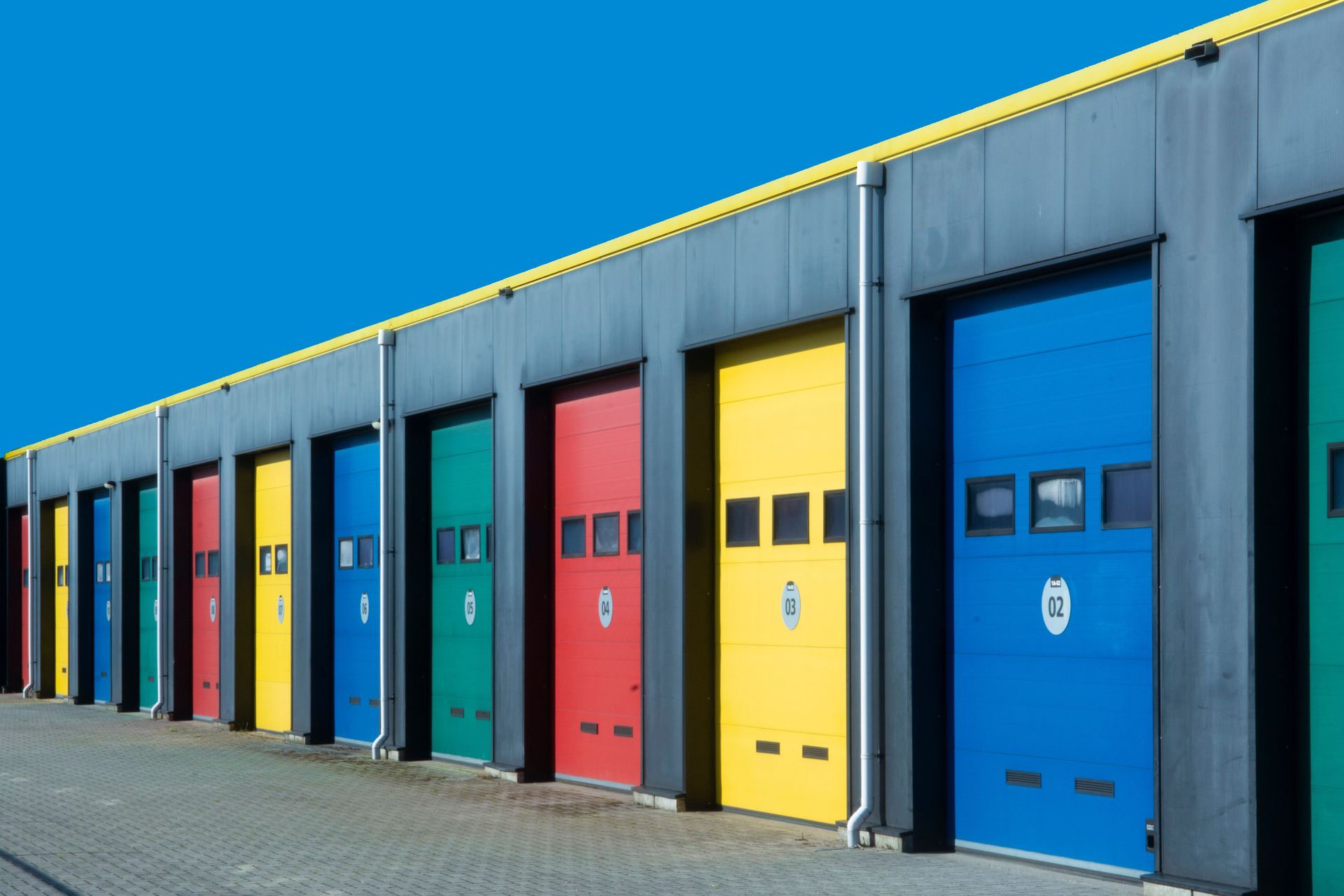
Self-storage is the business of renting empty rooms, and it has produced some of the most durable real estate fortunes in the U.S. B. Wayne Hughes co-founded Public Storage in 1972 and built it into the largest operator in the country, becoming a billionaire in the process. The model he refined remains largely unchanged: buy or build a simple structure, divide it into units, rent them month to month.
The economics explain the appeal. A storage facility has no kitchens, no plumbing in the units, no tenants calling about broken appliances. Operating costs are low, and a single manager can run a property with hundreds of units. Because leases are month to month, owners can adjust rents quickly — and customers tend to stay far longer than they planned. Moving boxes out of a unit is a chore most people keep postponing, so a locker rented for three months often stays occupied for years.
Demand comes from disruption. People rent storage when they move, divorce, downsize, inherit a house full of furniture or start a small business that outgrows the garage. Those events happen in good economies and bad ones, which gives the industry a reputation for holding up in recessions.
The wealth creation happens at two levels. Large operators, including several publicly traded real estate investment trusts, have compounded value for shareholders over decades. At the local level, the industry remains full of small owners — a large share of facilities in the U.S. are still held by independent operators. That fragmentation has fueled a long consolidation wave, with institutional buyers paying strong prices for family-owned properties. Owners who built or bought facilities decades ago, often on cheap land at the edge of town, have sold for sums that transformed their families' finances. The land appreciated, the rents climbed and the business asked very little of them along the way.
Credit: Erik Mclean / Pexels
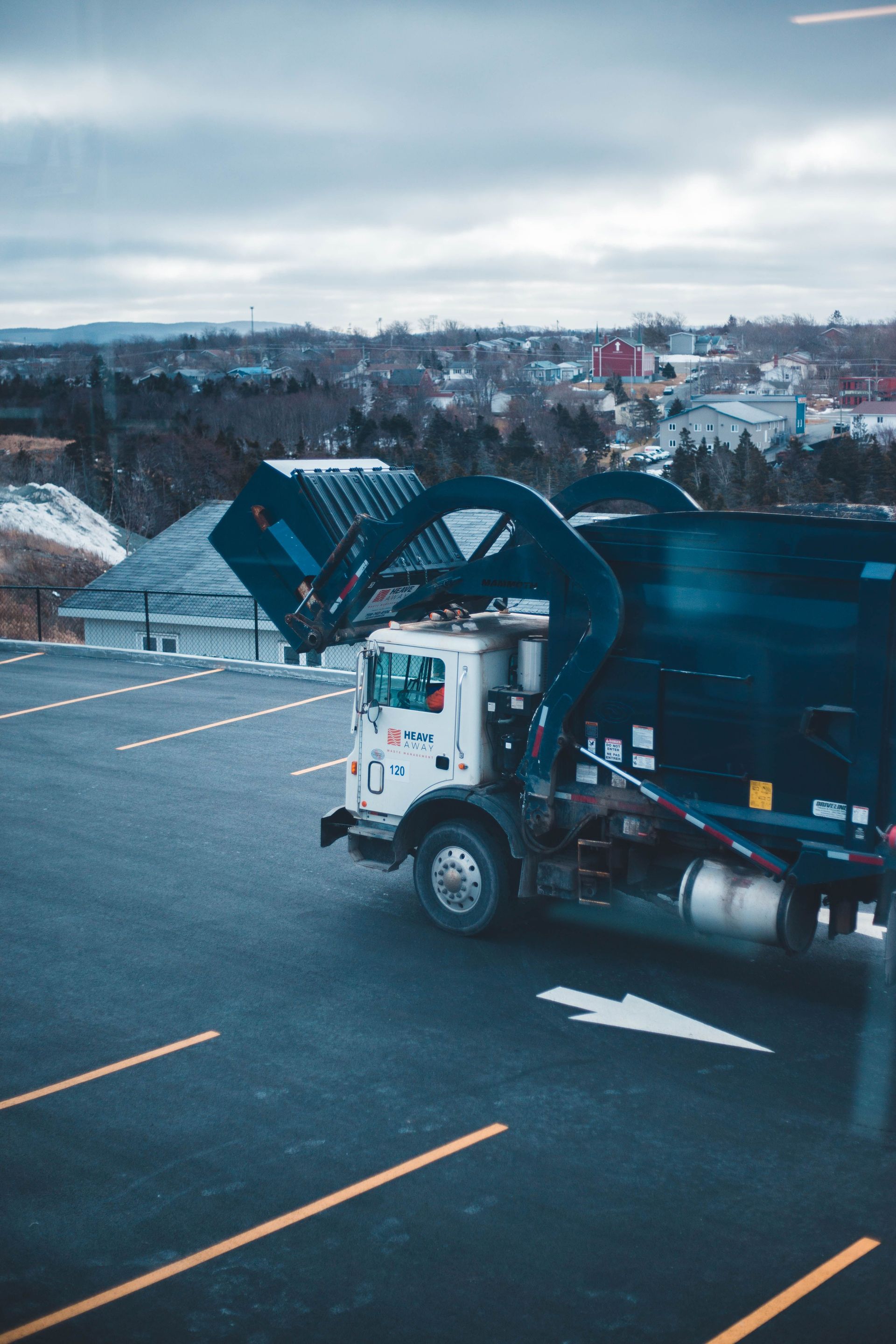
Garbage built one of the most storied fortunes in American business. Wayne Huizenga started with a single garbage truck route in Florida in the 1960s and rolled up haulers across the country to create Waste Management $WM, which remains one of the largest environmental services companies in the world. He later applied the same playbook to video rental and car dealerships, but trash came first — and trash was the most durable of the three.
The economics of hauling reward density. A truck that picks up 100 stops on one street is vastly more profitable than a truck driving across a county for the same number of customers. That means the local incumbent, with the tightest routes, can almost always underprice a new entrant. Long-term municipal and commercial contracts add another layer of stability, locking in revenue for years at a time.
The deepest moat sits at the end of the route. Landfills are extraordinarily difficult to permit — the approval process can take many years, and few communities will accept a new one. Companies that own disposal capacity effectively control the cost structure of every hauler in the region. It is one reason the large public players trade at premium valuations and why independent haulers sell to them at strong prices.
Portable sanitation runs on similar logic at a smaller scale. Renting portable toilets to construction sites, festivals and public events is a route-based service business with recurring weekly servicing fees. The equipment is cheap relative to the rental income it generates over its life, and few competitors rush into a business that involves pumping waste at dawn. Private equity firms have spent recent years consolidating regional portable toilet and septic service companies, handing founders exits they never expected when they bought their first truck. The work is unpleasant. The margins are not.

Credit: Pavel Danilyuk / Pexels
Funeral homes, cemeteries and cremation providers operate in a market with the most predictable demand curve in commerce. Everyone becomes a customer eventually, and families rarely comparison shop in the days after a loss. That combination — guaranteed demand, low price sensitivity and emotional urgency — has quietly enriched generations of funeral home owners.
The industry has consolidated heavily. Service Corporation International, based in Houston, grew into the largest deathcare company in North America by acquiring family-owned funeral homes and cemeteries, often keeping the local family name on the sign because trust is the core asset. Thousands of independent homes remain, and they continue to sell to consolidators at prices that reflect their steady cash flows.
Pre-need sales add a financial dimension most outsiders miss. Customers pay in advance for funerals and burial plots, sometimes decades before the services are delivered. Those payments sit in trusts and insurance products in the meantime, generating investment returns — a structure with echoes of the insurance float that Warren Buffett has long celebrated. A cemetery, meanwhile, sells the same acre of land hundreds of times over in the form of plots, then charges ongoing fees for care and maintenance.
The shift toward cremation has changed the product mix rather than broken the model. Cremation costs families less than burial, but it also costs providers far less to deliver, and operators have built revenue around urns, memorial services, niches in columbaria and scattering gardens.
Barriers to entry are cultural as much as financial. A new funeral home cannot buy a century of community trust, and licensing requirements for funeral directors vary by state and take years to satisfy. Owners who spent careers in a business most people prefer not to think about have retired on the proceeds of selling it — often to a buyer who was very eager to think about it.
Credit: Jose Andres Pacheco Cortes / Pexels
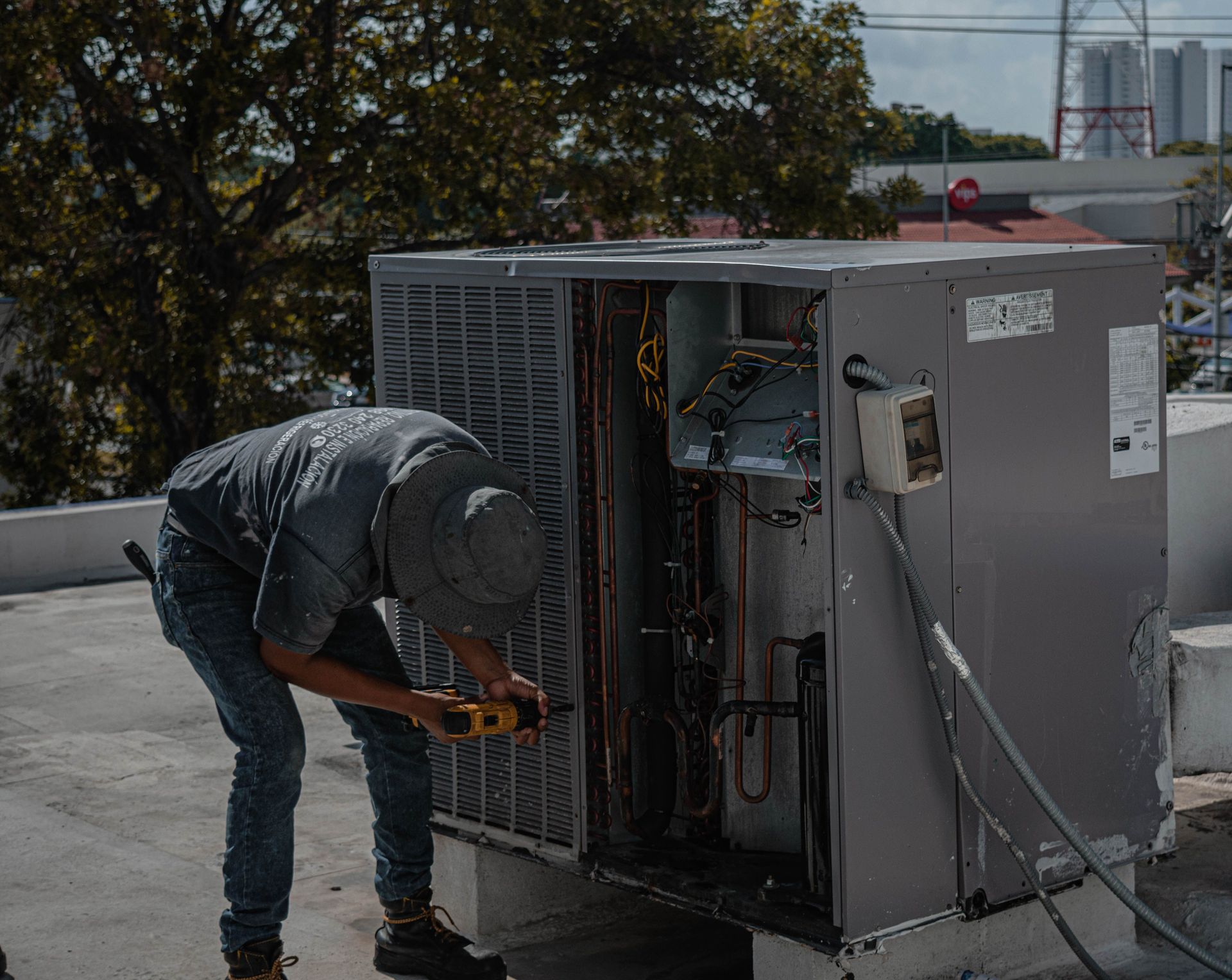
The skilled trades have become one of the most active wealth-creation stories in American small business. Heating and cooling companies, plumbing outfits and electrical contractors — businesses started by tradespeople with a van and a toolbox — are now selling to private equity firms and consolidators at prices that routinely turn founders into multimillionaires.
The demand side explains why. Air conditioning is not optional in Phoenix in July, and a burst pipe cannot wait for a better quote. Emergency and essential services carry pricing power that few consumer businesses enjoy. Maintenance agreements add recurring revenue: customers pay annual fees for seasonal tune-ups, which smooths cash flow and gives the company first position when the system eventually needs replacement. Replacement is where the money is — installing a new residential HVAC system is a four- or five-figure ticket.
Supply is the other half of the story. The U.S. faces a persistent shortage of skilled tradespeople as older plumbers, electricians and HVAC technicians retire faster than younger workers replace them. Scarce labor supports high billing rates and makes established companies, with their trained crews and dispatch systems, more valuable.
Consolidators have noticed. Investment firms have spent the past decade rolling up residential service companies into regional and national platforms, betting that professional management, shared marketing and better software can lift margins across dozens of formerly independent shops. For the tradesperson who built a company over 25 years, the result has been a seller's market unlike anything the industry had seen.
Commercial work adds another layer, with office buildings, hospitals and data centers requiring constant mechanical service. The wealth is not limited to owners who sell. A well-run residential services company in a growing metro area generates strong profits year after year, and the distribution layer above it — companies that sell parts and equipment to contractors — has produced excellent long-term returns for public shareholders as well.
Credit: Tom Fisk / Pexels
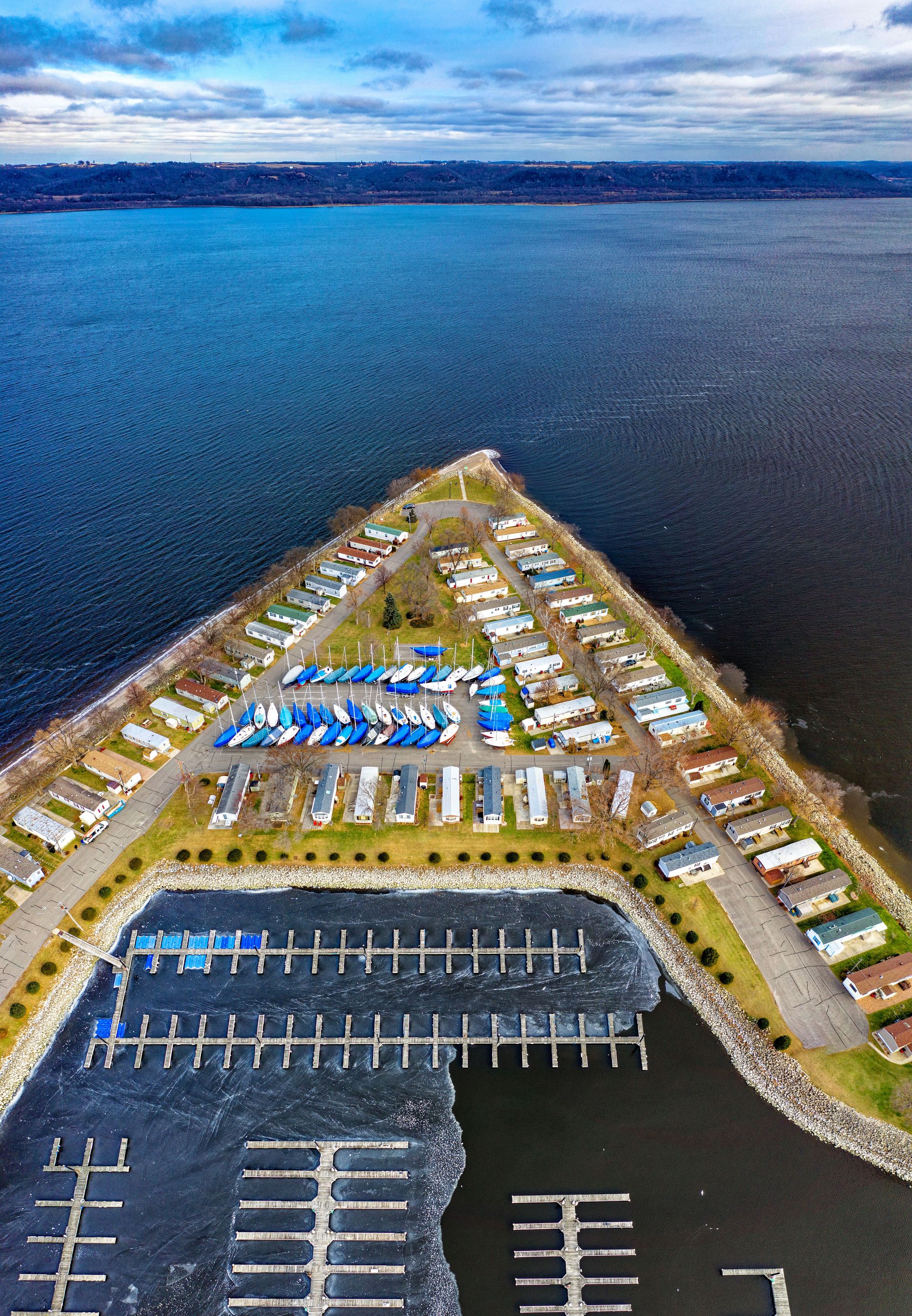
Manufactured housing communities operate on a model that investors describe with unusual bluntness: the tenant owns the depreciating asset, and the landlord owns the appreciating one. In a typical land-lease park, residents own their homes but rent the lot underneath. Moving a manufactured home is expensive and often impractical, so when lot rent rises, most residents stay.
Sam Zell, the Chicago real estate investor, understood this earlier than most institutional players. His Equity LifeStyle Properties became one of the largest owners of manufactured housing communities in the U.S., and Zell spoke openly about the segment's steady returns. Warren Buffett's Berkshire Hathaway $BRK.B operates on the manufacturing and financing side through Clayton Homes, the largest builder of manufactured housing in the country.
The supply dynamics do the heavy lifting. Almost no new mobile home parks get built, because municipalities routinely zone against them. Existing parks therefore face little new competition, and many sit on land that has appreciated as cities have grown outward to meet them. Owners collect lot rent with minimal capital expenditure — the landlord maintains roads and utilities, not roofs and furnaces.
Turnover is low, collections are strong relative to the price point and demand is structural. Manufactured housing remains one of the least expensive forms of unsubsidized housing in the U.S., and the shortage of affordable homes keeps parks full.
For decades the industry was dominated by mom-and-pop owners, many of whom inherited parks or bought them cheaply in the 1970s and 1980s. Institutional capital has since moved in aggressively, and long-time owners have sold at valuations that would have seemed implausible a generation ago. The business has drawn criticism precisely because of its economics — rent increases fall on residents with few alternatives — but as a wealth engine, it has been consistent across decades and market cycles alike.
Credit: Yulia Pribytkova / Pexels
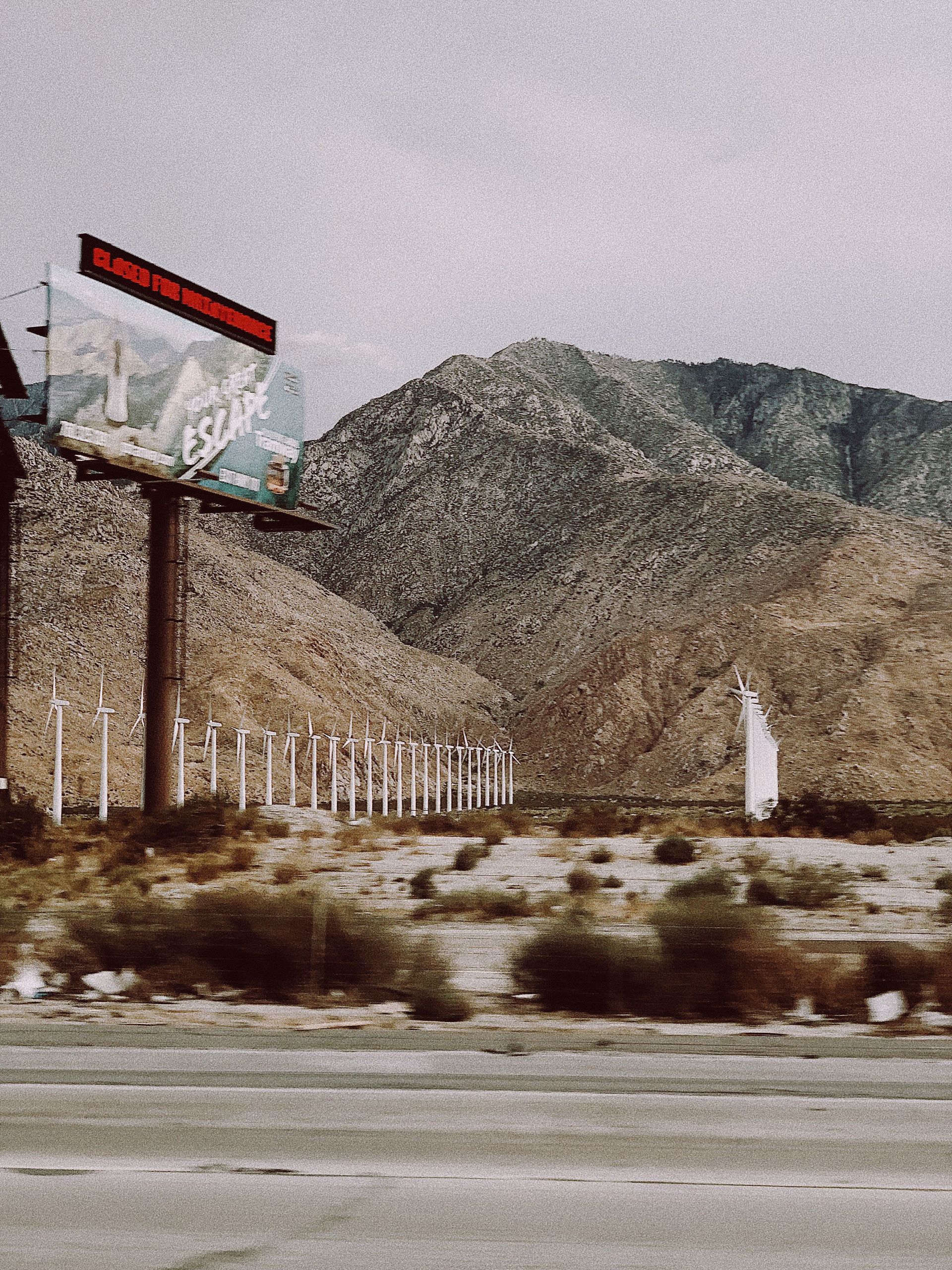
The billboard business runs on a regulatory accident. The Highway Beautification Act of 1965 restricted new billboard construction along federal highways, which meant existing signs were effectively grandfathered into permanent scarcity. Owning a well-placed billboard became something like owning a taxi medallion that never lost value — a license to sell attention in a location competitors cannot replicate.
The Reilley family of Baton Rouge, Louisiana turned that scarcity into Lamar Advertising, one of the largest outdoor advertising companies in the U.S., with tens of thousands of displays across the country. The company converted to a real estate investment trust, a structure that reflects what billboards really are: real estate with a media business attached.
The operating economics are lean. A billboard structure, once built, requires little beyond occasional maintenance, a land lease payment and a crew to change the copy. Digital conversion has multiplied the revenue potential of prime locations — a single digital board rotates among several advertisers, selling the same physical spot many times over while eliminating printing and installation costs.
Outdoor advertising has also proven more resilient to digital disruption than newspapers, radio or broadcast television. A driver cannot skip, block or scroll past a billboard, and audiences in cars have held up while other traditional media audiences fragmented.
The industry remains fragmented below the big public players. Thousands of small operators own a handful of signs along regional highways, and many families have collected billboard income for decades with almost no operating burden. When they sell, the large consolidators pay well for permitted structures in proven locations, because building new ones is often legally impossible. Few businesses combine that kind of regulatory moat with such minimal day-to-day work, which is why billboard wealth tends to stay in families for generations and out of the news entirely.
Credit: Willians Huerta / Pexels
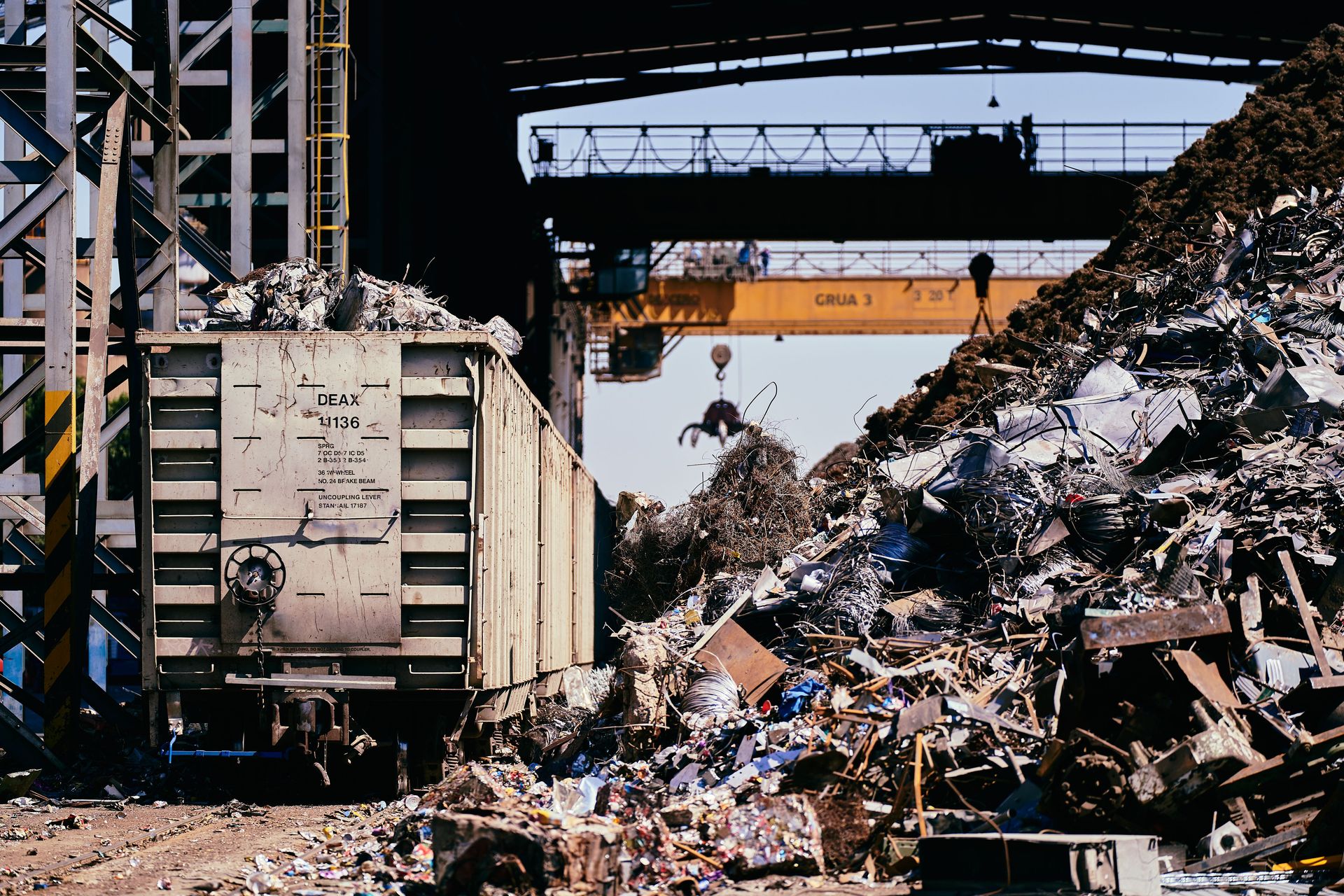
Scrap yards occupy an unglamorous corner of the industrial economy and have built family fortunes for over a century. The business buys discarded metal — junked cars, demolition debris, factory offcuts, old appliances — processes it and sells it to steel mills, foundries and exporters. Recycled metal is a core input for modern steelmaking, particularly for electric arc furnace mills that melt scrap rather than smelting ore.
The trade rewards knowledge that takes years to build. A skilled buyer can look at a pile of mixed material and price the copper, aluminum, brass and steel within it, while an amateur loses money on every load. Sorting and processing add the margin: a shredder that turns cars into fist-sized chunks of separated metal represents a multimillion-dollar investment that few newcomers can match, and it lets the owner capture value that smaller yards feed to them.
Relationships form the other moat. Demolition contractors, manufacturers and municipal fleets develop long habits about where they sell material, and yards that pay fairly and settle quickly keep those flows for decades. Many U.S. scrap dynasties trace back to immigrant peddlers who collected metal with a horse and cart in the early 20th century and whose descendants now run regional processing operations.
Commodity prices swing, and scrap profits swing with them, but the spread business — buying low from the public, selling processed material higher — persists through cycles. Copper's role in electrification and the steel industry's shift toward recycled feedstock have kept long-term demand firm.
Public companies operate in the sector, but much of it remains private and family-held, which suits the owners. Cash-heavy, dirty and complicated to value from the outside, scrap is a business outsiders tend to underestimate. That perception usually lasts right up until they learn what a well-run, third-generation yard with a shredder and steady mill relationships actually sells for.

Credit: Matilda Wormwood / Pexels
Pest control is a subscription business disguised as a service call. The standard residential contract involves quarterly treatments billed automatically, and commercial clients — restaurants, hotels, food processors, hospitals — sign ongoing service agreements because infestations threaten their licenses and reputations. Customers rarely cancel. Nobody wants to find out what happens when the treatments stop.
Rollins $ROL, the Atlanta-based parent of Orkin, turned those economics into one of the steadiest compounders on the U.S. stock market, delivering decades of growth from a product as old as termites. Rentokil, the U.K.-based giant, expanded aggressively into the U.S. with its acquisition of Terminix. Both built their positions largely by buying independent operators, and that acquisition pipeline is the quiet wealth story of the industry.
Starting a pest control company requires a truck, chemicals, licensing and little else, which means thousands of technicians have gone independent over the years. The ones who build route density — hundreds of recurring accounts in a tight geography — create assets that consolidators compete to buy. Valuations are strong because the revenue is recurring, retention is high and the buyer can fold routes into existing branches at low cost.
The demand backdrop favors the industry. Warmer temperatures have extended pest seasons and expanded the range of termites, mosquitoes and other insects. Urban density keeps rodent work steady. Bed bug resurgence created an entire service line. Regulation around food safety guarantees the commercial segment.
Margins benefit from the gap between what customers fear and what treatments cost. The chemicals for a quarterly visit cost little; the technician is on site briefly; the customer pays for certainty. Multiplied across a dense route, that gap has funded comfortable lives for thousands of operators — and life-changing exits for the operators who sold their routes at the right moment in the consolidation wave that continues today.

Credit: Tima Miroshnichenko / Pexels
The car wash converted itself from a coin-operated afterthought into one of the more sought-after business models in American retail, and it did so with a single innovation: the unlimited monthly membership. Express tunnel washes now sell subscriptions that let customers wash as often as they like for a flat monthly fee, turning sporadic cash transactions into predictable recurring revenue.
The math favors the operator. Most members wash far less often than they could, but the membership sits on their card and renews without friction. A tunnel that once depended on weather and weekend traffic now collects revenue on rainy Tuesdays. Labor needs are minimal in the express format — customers stay in their cars, machines do the work and a small crew manages loading and payment kiosks.
Throughput drives the model. A modern express tunnel can wash a car in a few minutes, which means a well-located site processes enormous volume on a small footprint. The real estate matters too: operators control corner parcels on high-traffic roads, and those sites hold value independent of the wash business.
Private equity noticed all of this in the 2010s and set off a land rush. Firms rolled up regional chains, and Mister Car Wash, the largest U.S. chain, went public in 2021. Independent owners who had operated a handful of locations found buyers willing to pay multiples that stunned an industry accustomed to being ignored.
New construction has boomed, and some markets now show signs of saturation, with tunnels clustering along the same commercial strips. That has raised fair questions about returns for late entrants. For early operators, though — the families who built memberships in their local markets before the capital arrived — car washing proved to be one of the better and least anticipated small-business fortunes of the past two decades in the U.S.
Credit: General Kenobi / Pexels
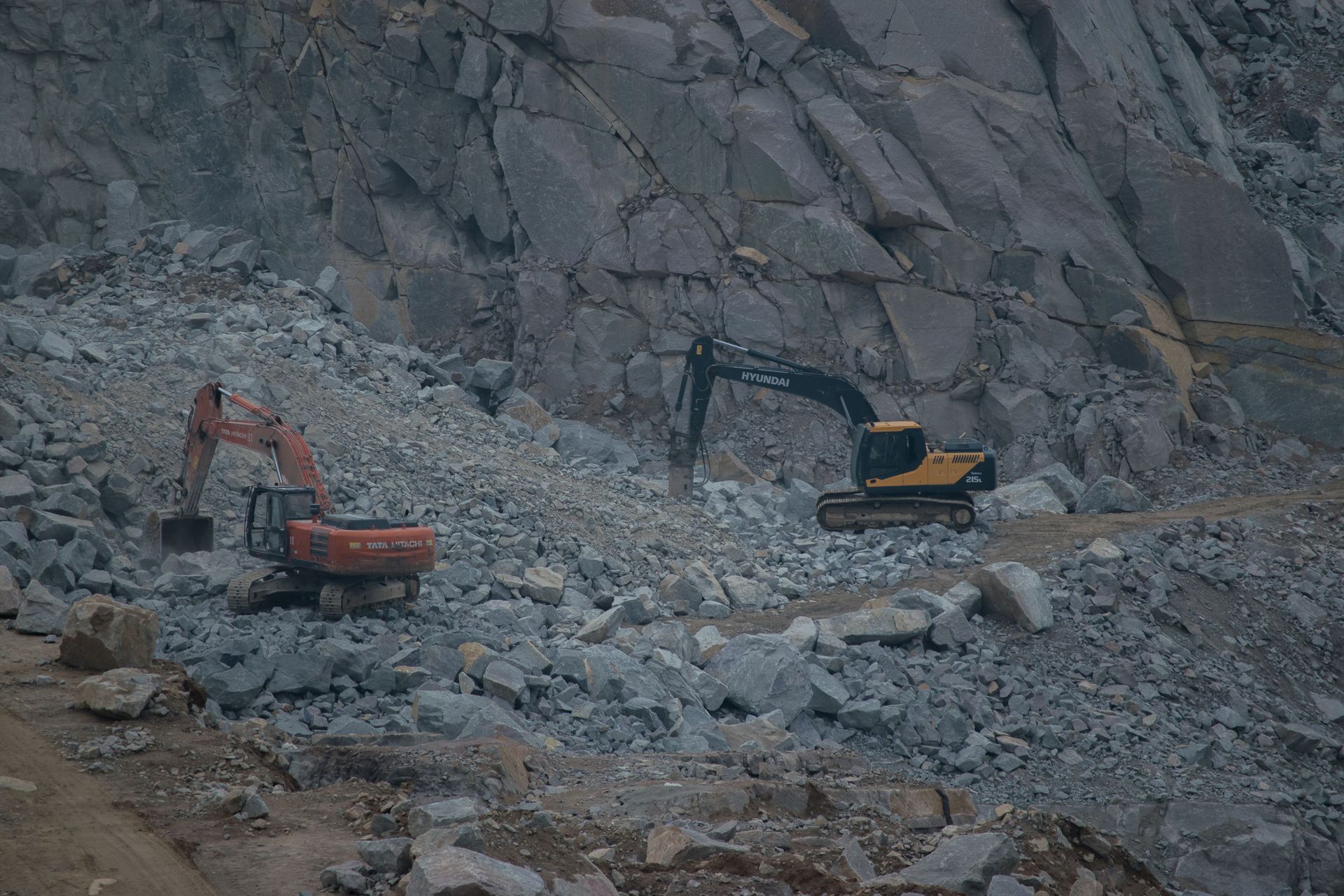
Aggregates are the least discussed essential commodity in construction. Every road, bridge, foundation, runway and parking lot begins with crushed stone, sand and gravel, and the U.S. consumes it by the billions of tons. The companies that quarry it — Vulcan Materials and Martin Marietta are the largest public players — have delivered decades of shareholder returns from a product that sells for a few dollars per ton.
The moat is geography plus permitting. Aggregates are heavy and cheap, so transport costs dominate: hauling stone even a modest distance by truck can exceed the value of the stone itself. That gives every quarry a natural service radius and makes the closest supplier to a construction site the default winner. A quarry near a growing metro area functions as a local monopoly or oligopoly.
New supply barely arrives. Permitting a quarry means convincing a community to accept blasting, dust and truck traffic for decades, and opposition is nearly universal. Approval processes stretch across many years and frequently fail. Existing operations with long reserve lives — some quarries hold half a century or more of rock — become more valuable every year that new competition fails to materialize.
Pricing reflects that scarcity. Aggregate producers have pushed through consistent price increases across economic cycles, because stone is a small fraction of any project's total cost and buyers have few alternatives nearby.
Family-owned quarries and sand pits still dot the industry, many held for generations on land bought when it sat far outside town. Growth eventually surrounded them, raising both the demand for their rock and the value of their acreage. Owners face a pleasant final decision: keep selling stone, or sell the exhausted pit as developable land, sometimes as a lake-front parcel. Few businesses end their productive lives with a second payday built in.
Credit: Tiger Lily / Pexels
Selling screws made one of the great American stock stories. Fastenal $FAST, founded by Bob Kierlin in Winona, Minnesota in 1967, distributes fasteners and industrial supplies — nuts, bolts, gloves, cutting tools — and ranks among the best-performing U.S. stocks since its 1987 initial public offering. W.W. Grainger, another industrial distributor, has compounded value for shareholders across generations. Neither company makes anything glamorous. Both make money with unusual consistency.
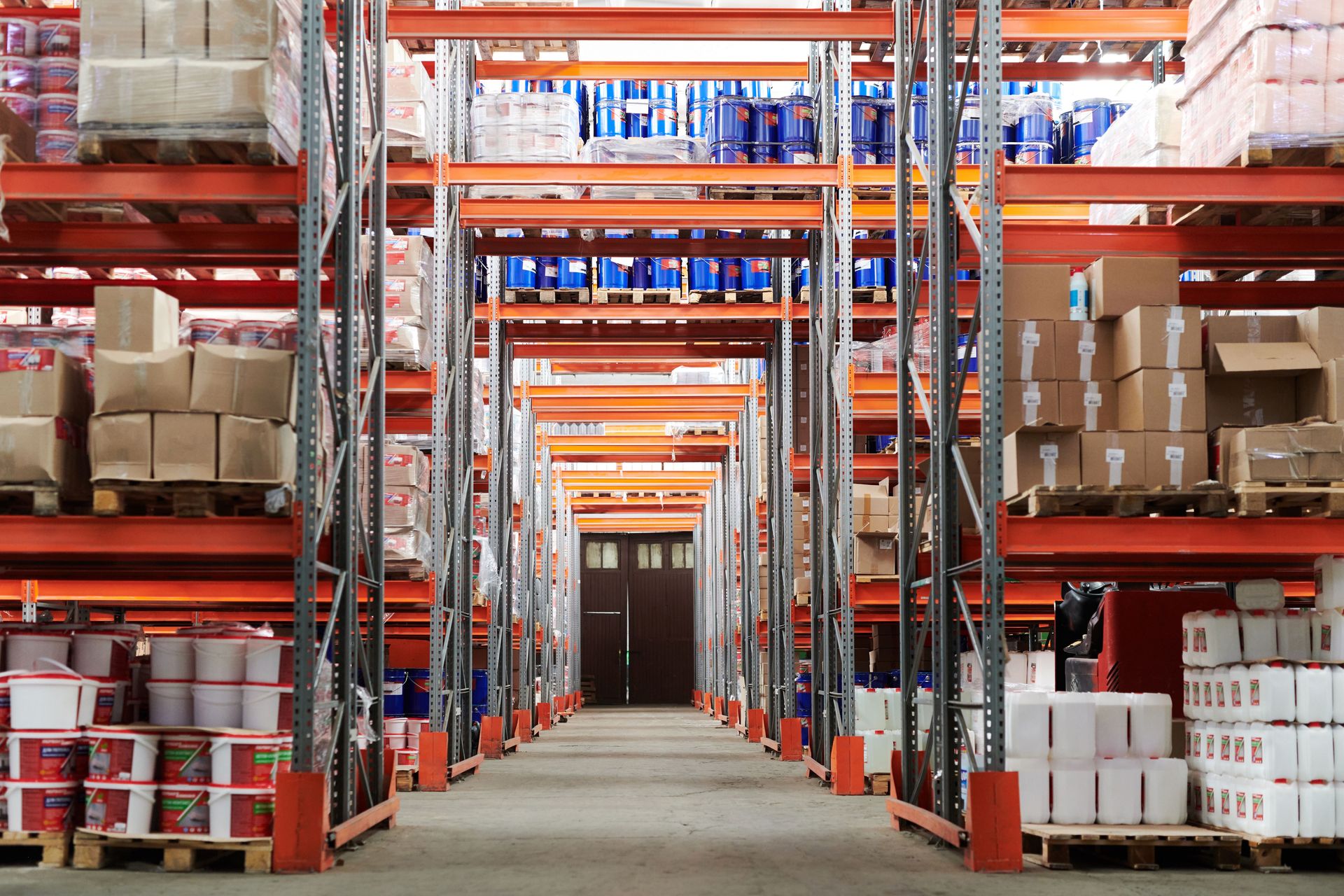
Distribution works because it solves an unglamorous problem: a factory that stops for want of a two-dollar part loses thousands of dollars an hour. Distributors position inventory close to customers, deliver fast and take over the tedious work of managing thousands of low-cost items. Fastenal pushed this logic to its conclusion by installing industrial vending machines directly on customers' factory floors, dispensing gloves and drill bits and billing automatically — a supply relationship that becomes part of the customer's daily operations and is painful to unwind.
The structure of the industry favors middlemen. Manufacturers of industrial products are fragmented, customers are fragmented and neither side wants to manage thousands of relationships. The distributor sits between them, earning a margin for logistics, credit and availability. Switching costs are real: once a distributor manages a plant's inventory, integrated into its purchasing systems, displacing it requires effort no procurement manager relishes.
The same pattern repeats in specialized niches. Watsco $WSO built the largest distribution network for HVAC equipment and parts in North America and delivered decades of strong returns doing it. Pool Corp did the same in swimming pool supplies. Distributors of electrical components, pipes, valves, fittings and janitorial supplies have quietly enriched founders and shareholders in parallel.
At the local level, family-owned distributorships in these niches sell to consolidators regularly, and the owners walk away with sums that reflect decades of relationships. Boring products, essential availability, repeat orders — the formula rarely makes headlines and rarely fails.

Credit: Mikhail Nilov / Pexels
Insurance brokers occupy one of the most attractive seats in financial services: they earn commissions on premiums without taking underwriting risk. When a hurricane destroys a coastline, the insurer pays claims. The broker who placed the policies collects renewal commissions the next year — often on higher premiums, because losses push rates up.
The model is capital-light and recurring. Businesses must carry insurance to operate, sign leases and win contracts, so commercial policies renew year after year with the incumbent broker as the default. Retention rates in commercial lines are high because switching brokers is a hassle with little upside for the client. A broker's book of business functions like an annuity, and books are bought and sold on exactly that basis.
Public markets have rewarded the model lavishly. Marsh McLennan, Aon $AON, Arthur J. Gallagher $AJG and Brown & Brown have all delivered long-term returns that most industries would envy, and Gallagher and Brown & Brown in particular built their growth on acquiring small agencies — hundreds upon hundreds of them over the years.
That acquisition machine is where the quiet fortunes concentrate. The U.S. insurance agency landscape is deeply fragmented, filled with local agencies built by producers who spent careers accumulating clients. Private equity discovered the sector in the 2010s and drove agency valuations to levels that turned modest Main Street firms into seven- and eight-figure exits. Founders who once expected to pass the agency to a junior partner instead sold to national platforms.
Individual producers prosper too. A commercial insurance salesperson with a strong book earns recurring commission income that compounds as clients grow and premiums rise, with earnings that rival medicine or law and far fewer credentialing barriers. The industry struggles to recruit young talent precisely because it sounds dull — a perception that has protected the economics for those already inside.

Credit: terry bazemore iii / Pexels
The U.S. federal government spends hundreds of billions of dollars a year buying goods and services from private companies, and most of that money flows to firms the public has never heard of. Beyond the famous defense primes sits a vast ecosystem of contractors providing logistics, facilities maintenance, IT services, staffing, construction, food service and consulting to federal, state and local agencies. The Washington, D.C. suburbs are full of quiet wealth built entirely on this spending.
The appeal starts with the customer. The government pays its bills, signs multi-year contracts and buys through downturns — federal demand held up in 2008 and 2020 while private markets seized. Contracts often run for years with renewal options, giving winners revenue visibility that few commercial businesses enjoy.
Barriers to entry are procedural rather than technological. Winning federal work requires registrations, security clearances, past-performance records, compliance infrastructure and fluency in a procurement process that takes years to learn. That bureaucracy deters newcomers and protects incumbents, which is precisely why experienced contractors prize it.
Set-aside programs create a defined on-ramp. The federal government reserves a portion of contracting dollars for small businesses, with specific programs for firms owned by veterans, women and disadvantaged individuals. Founders have used these programs to build past-performance records, then grown into full competition or sold to larger players. Acquirers pay well for companies holding contract vehicles and clearances, because those assets take years to replicate.
The sector rarely produces public celebrities. Contract awards are announced in databases, not press conferences, and many successful contractors deliberately keep low profiles. But the pattern repeats across decades: a founder wins a niche contract, performs well, expands across agencies and eventually sells to a platform or private equity buyer. The government is the largest customer on earth, and serving it competently has made thousands of people rich without a single viral moment.
Credit: Elizabeth Celestino / Pexels
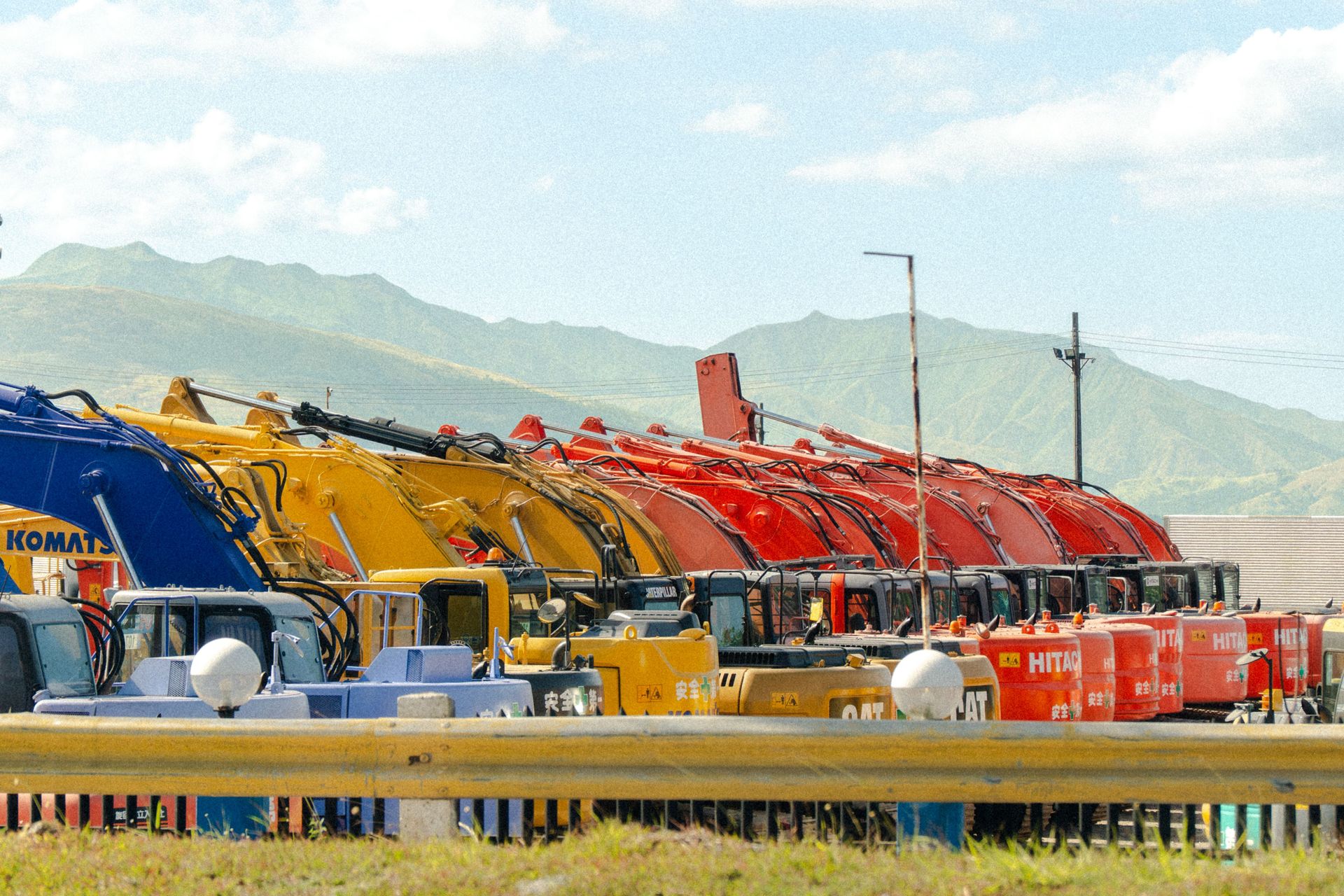
Construction companies increasingly rent their machines instead of owning them, and the companies on the other side of that transaction have prospered enormously. United Rentals, the largest equipment rental company in North America, ranks among the best-performing U.S. stocks of the past 15 years. Ashtead Group, the U.K.-listed parent of Sunbelt Rentals, delivered comparable returns building out its American network. Renting out excavators and scissor lifts outperformed most of the technology sector, and almost nobody outside the industry noticed.
The logic driving demand is straightforward. A contractor who buys an aerial lift pays for it whether it works or sits idle, absorbs maintenance, storage and transport costs, and ties up capital. Renting converts all of that into a variable cost matched to actual jobs. As projects have grown more specialized and equipment more sophisticated, the ownership calculation has tilted further toward renting, a shift known in the industry as rising rental penetration.
The rental company wins through utilization and scale. A machine rented across many customers earns far more over its life than it would serving one owner, and large fleets let operators shift equipment to wherever demand runs hottest. Scale also brings purchasing power with manufacturers and dense branch networks that can deliver a machine to a job site within hours — service smaller rivals struggle to match.
The industry consolidated the way many on this list have: national players acquired hundreds of regional and family-owned rental businesses, and those owners exited at strong valuations. Independent operators still thrive in specialty niches — trench safety, portable power, climate control, event equipment — where expertise matters as much as fleet size.
Infrastructure spending, data center construction and industrial building have kept demand firm. The business remains cyclical, tied to construction activity, but the long-term shift from owning to renting has proven durable across cycles.

Credit: khats cassim / Pexels
Rendering is the business of collecting what slaughterhouses, butchers and restaurants throw away — fat, bone, offal, used cooking oil — and converting it into products that trade globally. It is among the oldest recycling industries in existence, it operates almost entirely out of public view, and it has become newly lucrative because of renewable fuel.
The traditional model is a two-sided trade. Renderers often charge fees to haul away material that meat processors and restaurants must legally dispose of, then process that material into salable goods: tallow and grease for soap and oleochemicals, meat and bone meal for animal feed, protein ingredients for pet food. Getting paid to acquire raw material, then paid again for the finished product, is a structure most industries can only envy.
Routes create the moat. Rendering depends on collecting perishable material quickly across dense networks of pickup accounts, and the incumbent with established routes and processing plants nearby holds an advantage that is nearly impossible to attack. Rendering plants themselves are heavily regulated and unwelcome as neighbors, so new capacity rarely gets built — the same permitting dynamic that protects landfills and quarries.
Renewable diesel transformed the industry's economics. Fuel producers seeking low-carbon feedstocks now compete for animal fats and used cooking oil, and material that once sold into commodity markets became a prized energy input. Darling Ingredients, the largest publicly traded player, expanded from a century-old rendering business into a major renewable fuels supplier through its diesel joint venture with Valero $VLO.
Family-owned renderers and grease collectors, some dating back generations, found their unfashionable businesses suddenly courted by acquirers. The pattern captures this entire list in miniature: a business nobody wanted to discuss, built on routes, regulation and repeat customers, turned out to be sitting on exactly the feedstock the modern energy economy needed most.