
From logistics to construction, these major industries are all forging ahead with EV adoption
Andrew Roberts | Unsplash
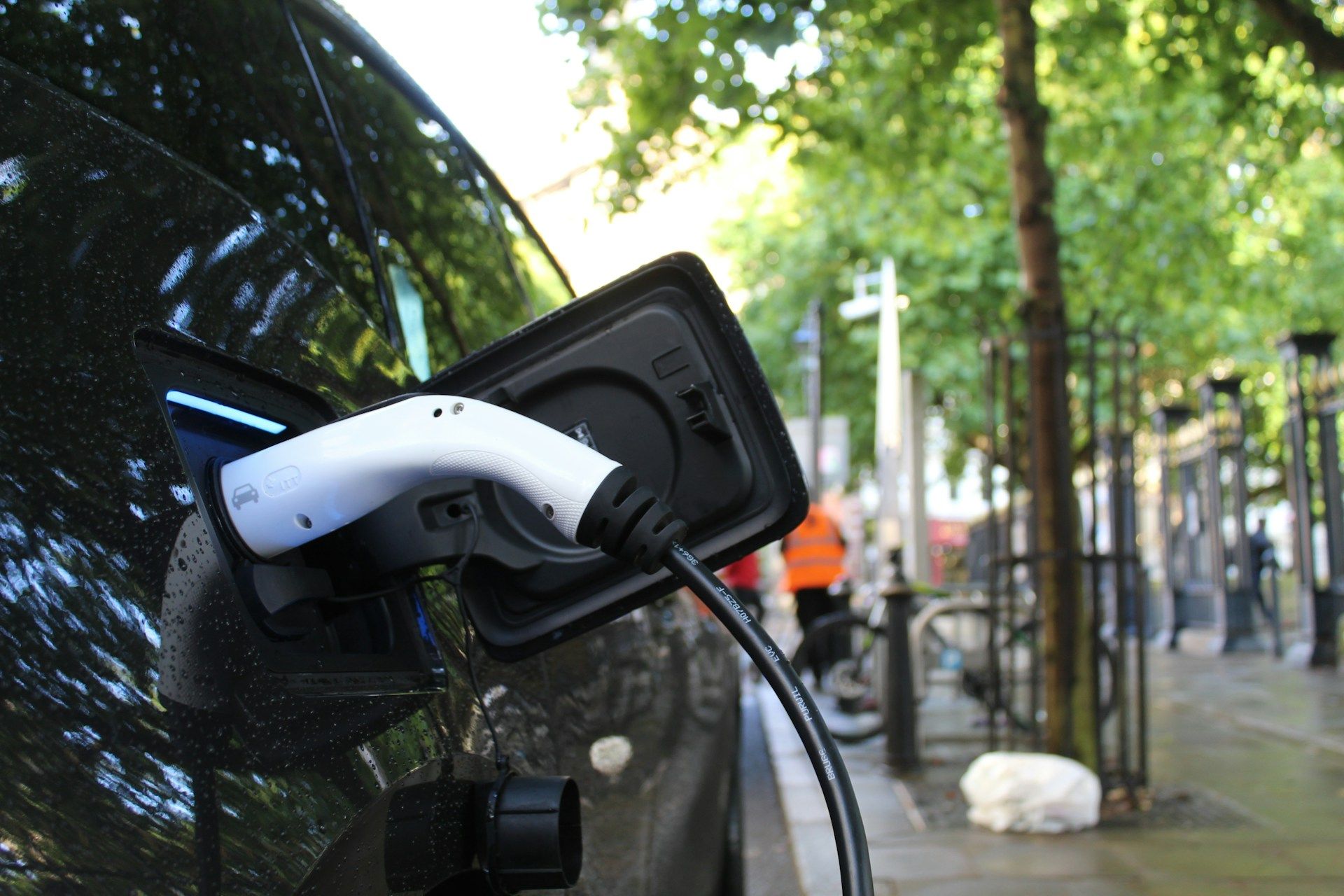
The shift to electric vehicles is gaining momentum worldwide, with sales of battery electric and plug-in hybrid vehicles in 2025 expected to increase by 25% from last year. And it’s not just everyday drivers making the switch. Industries across the board are moving quickly to adopt EVs, too, and with good reason.
Tougher environmental regulations and climate policies are forcing businesses to rethink their operations, especially when it comes to transportation. Pair this with an increase worldwide in government incentives like tax credits and grants, and switching to EVs begins to make financial sense for many.
EVs tend to have lower running costs than traditional vehicles. For companies that rely on large fleets — think delivery service, taxis, or utility providers — these savings can really add up. Meanwhile, technology is improving all the time, with longer ranges, faster charging, and more reliable, longer-lasting batteries, making EVs a more viable option for all kinds of sectors.
Another factor driving industry EV adoption is the pressure to reflect the eco-friendly values of many modern consumers. People today want to support businesses that take their responsibilities seriously. By switching to electric fleets, brands can show they are committed to environmental stewardship, and that’s not just good for the environment — it’s good for them.
Put it all together — regulations, savings, tech improvements, and customer expectations — and you have a powerful set of motivators encouraging many industries to make the move to EVs. It's a smarter, cleaner way forward for how entities move goods, serve customers, and build a more sustainable future.
Here are the industries leading the way with EV adoption.
Mario Sessions | Unsplash
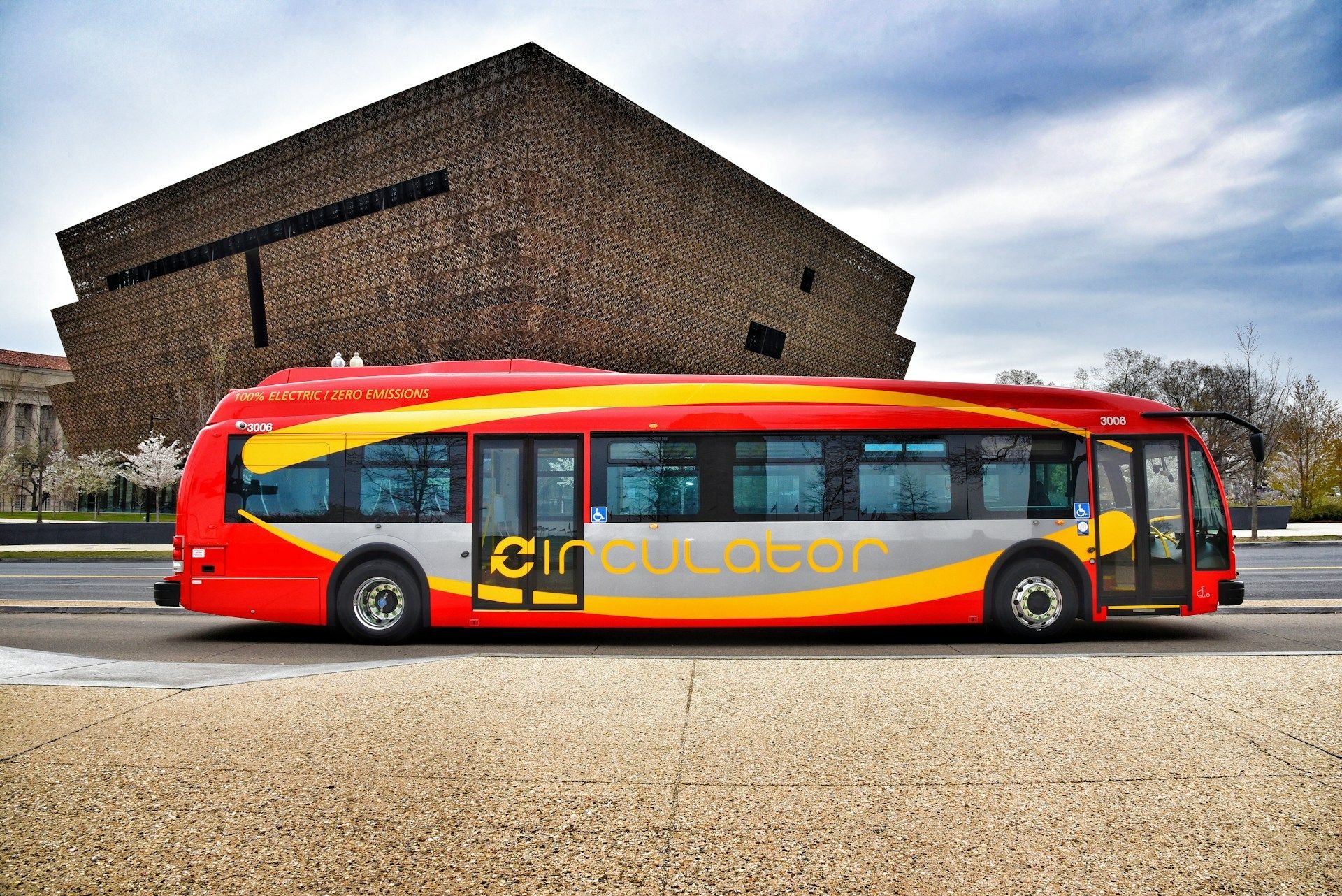
We all have to get from point A to B and, for millions of people, that means using public transportation. This industry is charging ahead with EV adoption, driven by a mixture of cost considerations and regulatory compliance. By 2050, 86% of buses in the global fleet will be electric, according to forecasts by Bloomberg.
Netze BW | Unsplash
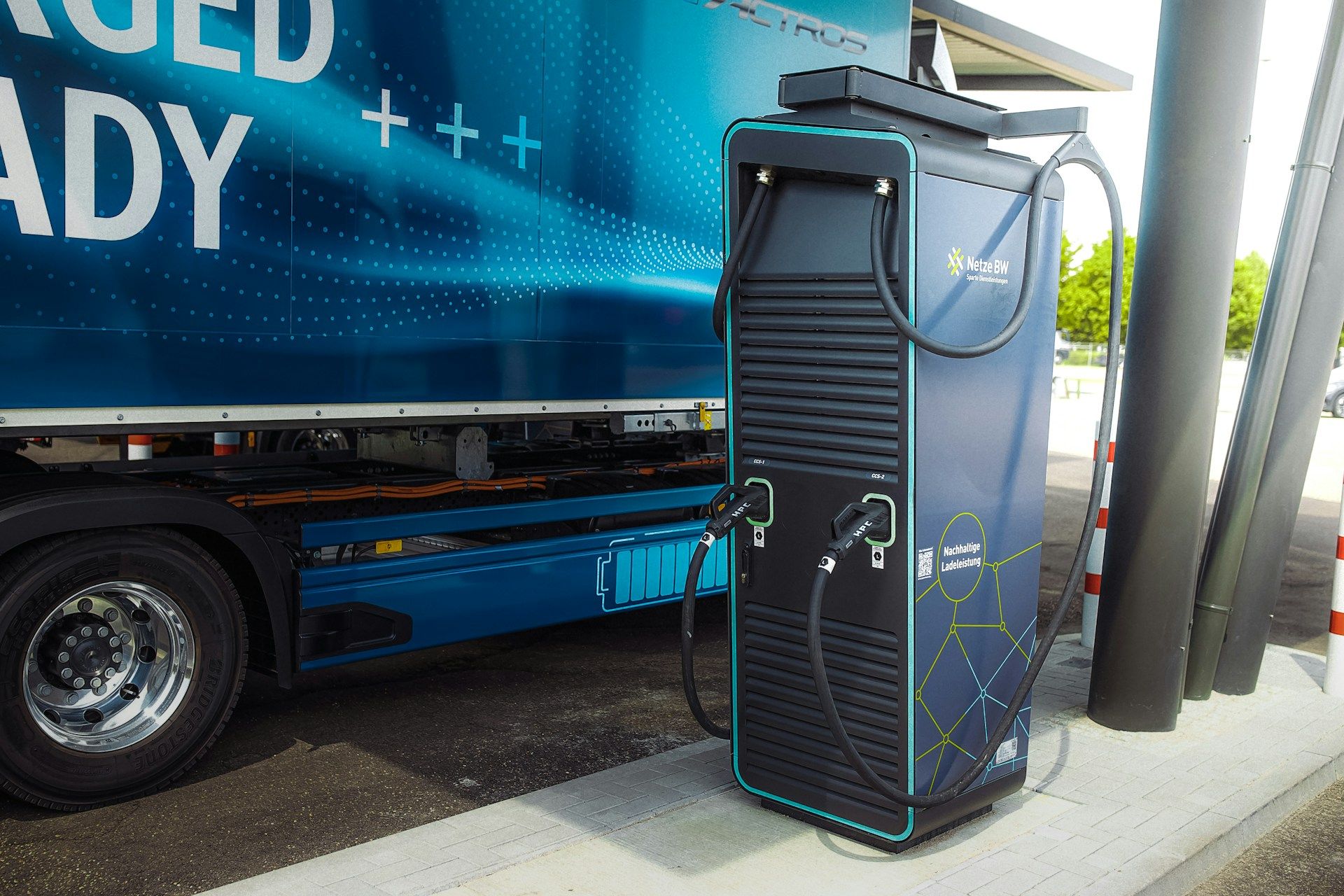
Diesel-powered freight trucks contribute to nearly 8% of global CO2 emissions, so the logistics industry faces aggressive zero-emission goals, such as California’s Advanced Clean Trucks rule. As enterprises rush to comply, electric truck sales are surging, with a year-on-year growth of almost 80%, and the purchase price of electric trucks is expected to fall rapidly.

Wicked Monday | Unsplash
According to a 2023 study, 60% of online consumers are interested in eco-friendly delivery options, which may help to explain why package delivery companies are rapidly adopting EVs. Apart from consumer perception, there are cost-efficiency drivers too. One thing’s for sure — when global giants like Amazon $AMZN commit to having 100,000 electric delivery vehicles by 2030, the pressure is on for others to follow suit.
Built Robotics | Unsplash
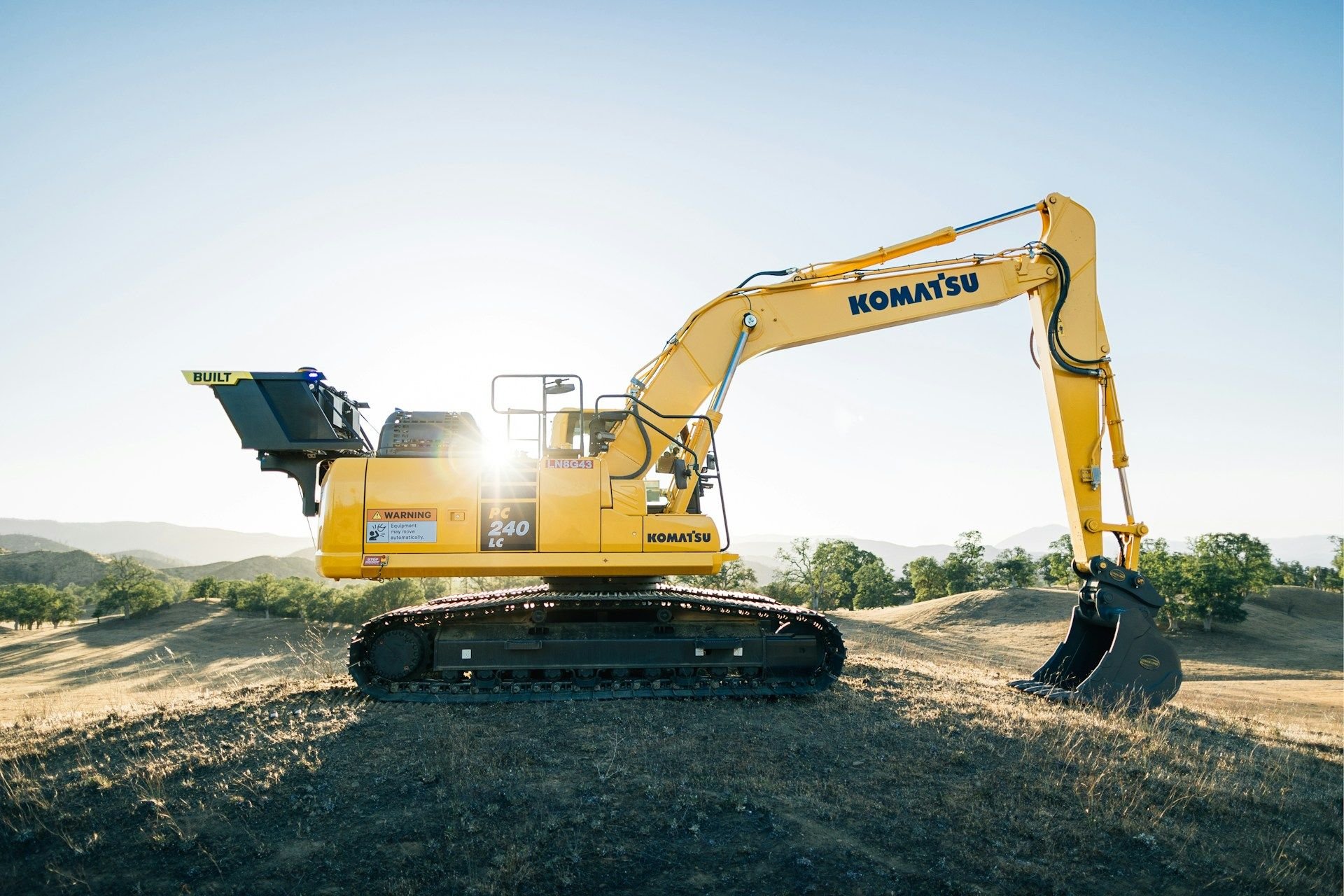
As technology has improved, electric heavy equipment in the construction industry can now rival and sometimes surpass diesel-powered machinery. Exhaust fumes can be problematic on urban construction sites, so operator safety is a key driver in the shift to EVs, alongside reduced noise pollution. Construction crews also benefit from easier regulatory compliance when they move to electric equipment.
Ricardo Gomez Angel | Unsplash
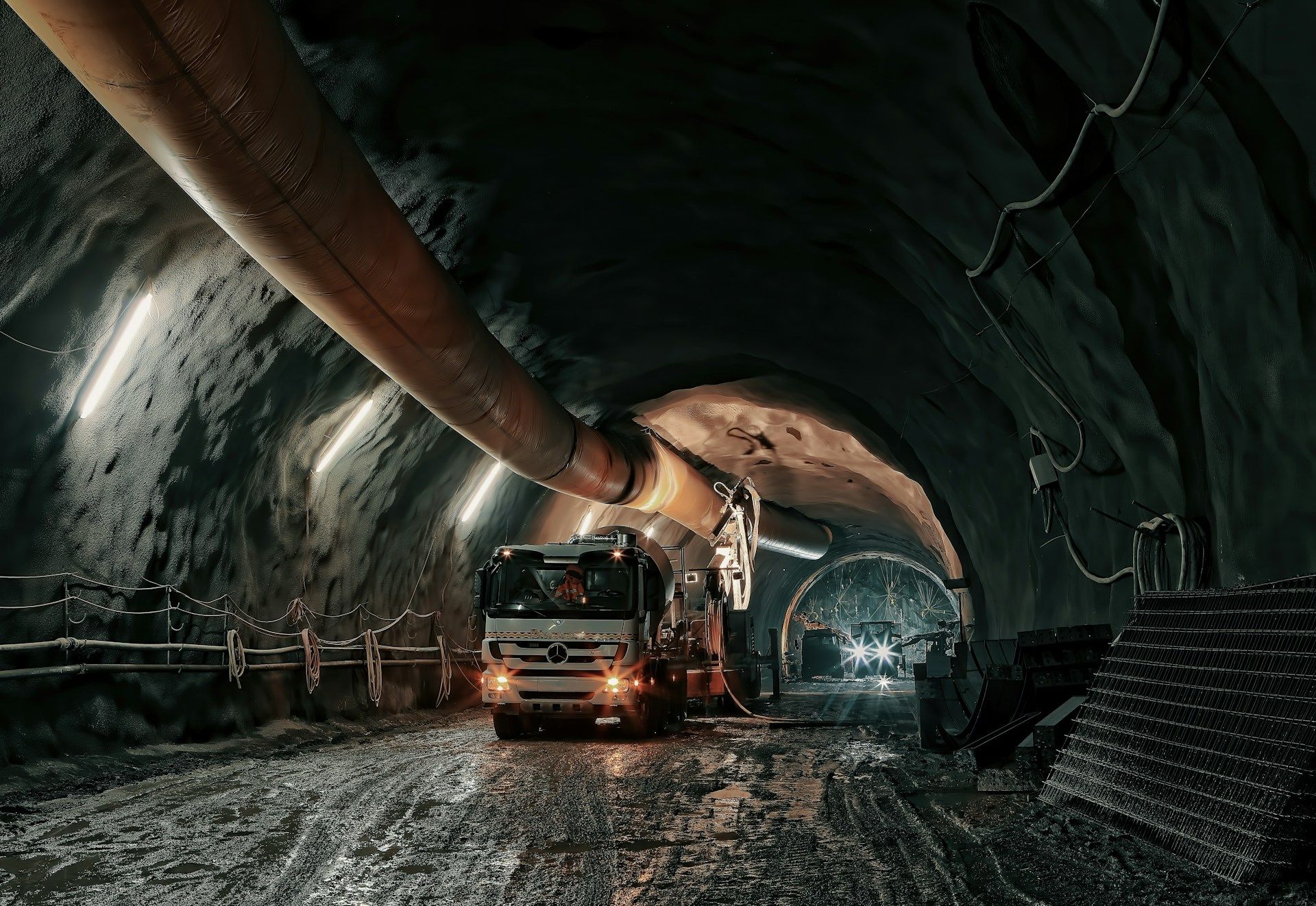
Mining is not a major greenhouse gas contributor, but the industry is still keen to adopt EVs, largely due to cost of ownership savings rather than regulatory compliance. From electric haul trucks to underground loaders, the potential here is huge. Autonomous EVs are also transforming safety in the mining industry and cutting costs.

Parviz Foto | Unsplash
Farming is an industry with notoriously tight margins, so the efficiency and cost savings offered by electric vehicles and electric farm machinery are driving EV adoption. Some experts estimate farmers can save $100,000 annually by switching to automated EV tractors, mowers, and other machinery. Driverless tractors can also help combat the labor shortages that often plague the agricultural industry.