
20 insects that are holding the natural world together — whether you like them or not
From the dung beetle to the monarch butterfly, insects do more ecological work than any other group of animals on Earth — and most of them are in serious trouble
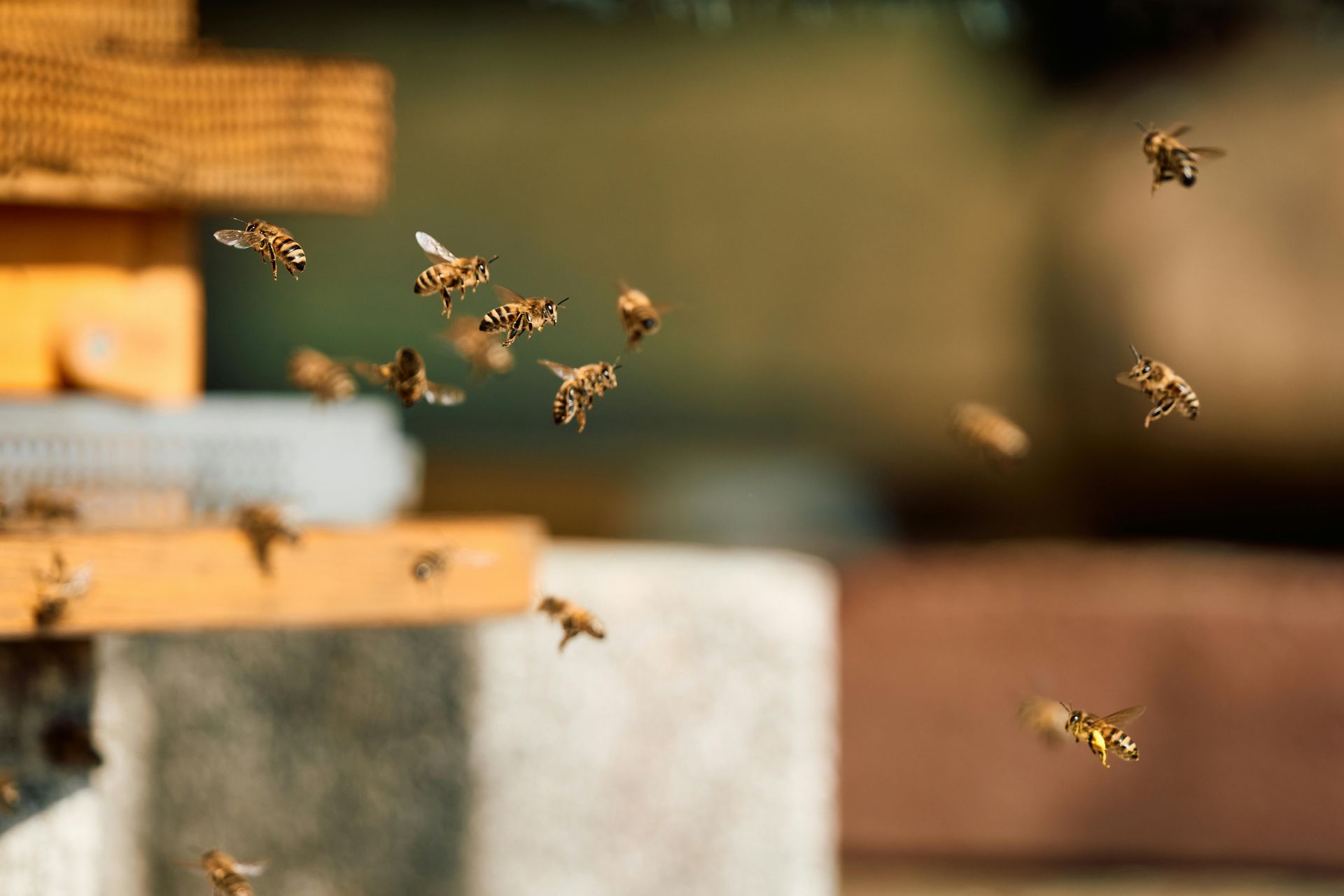
Robert Schwarz / Pexels
Insects are the most numerically dominant animals on Earth by almost any measure. There are an estimated ten quintillion individual insects alive at any given moment — roughly 1.4 billion for every human being. They constitute more than half of all known animal species. They have been here for approximately 480 million years, which is 470 million years longer than our own genus has existed. They have survived all five of Earth's mass extinction events. And in the past 50 years, human activity has reduced their populations in many regions by between 25 and 75 percent — a decline so rapid and so consequential that entomologists have begun describing it as an insect apocalypse, a term that is not hyperbole.
The problem is not only that insects are declining. It is that most people do not notice, because most people do not pay attention to insects, because most insects are small, and because the ones that attract attention — mosquitoes, flies, cockroaches — are the ones that bite, annoy, or repel. The ecological services that insects provide are largely invisible in the same way that water infrastructure is invisible: noticed only when they fail. Pollination, decomposition, soil aeration, nutrient cycling, pest control, food provision for birds, fish, reptiles, and mammals — these are functions that the world's ecosystems perform through insects, and they are functions that no other group of animals can replace at anything approaching the necessary scale.
This list covers 20 insects whose specific ecological roles illustrate what insects actually do and why their decline matters. The selection covers pollinators, decomposers, predators, parasitoids, aquatic ecosystem engineers, food web anchors, and several insects whose specific contributions are less well-known but equally important. The list is not comprehensive — no list of 20 insects could be — but each entry is a case study in a type of ecological function that insects perform and that the world depends on.
Each slide explains what the insect is, what it does, and what happens when it is gone — because the most effective way to understand why something matters is to imagine its absence. The absence of dung beetles is not a minor inconvenience. It is a breakdown in nutrient cycling, pasture productivity, and dung-borne disease control that has been directly costed in regions where the beetles have been lost. The absence of ground beetles is not a trivial gap in biodiversity. It is a failure of natural pest control across millions of acres of agricultural land. The insects on this list are not interesting curiosities. They are infrastructure.
Honeybee
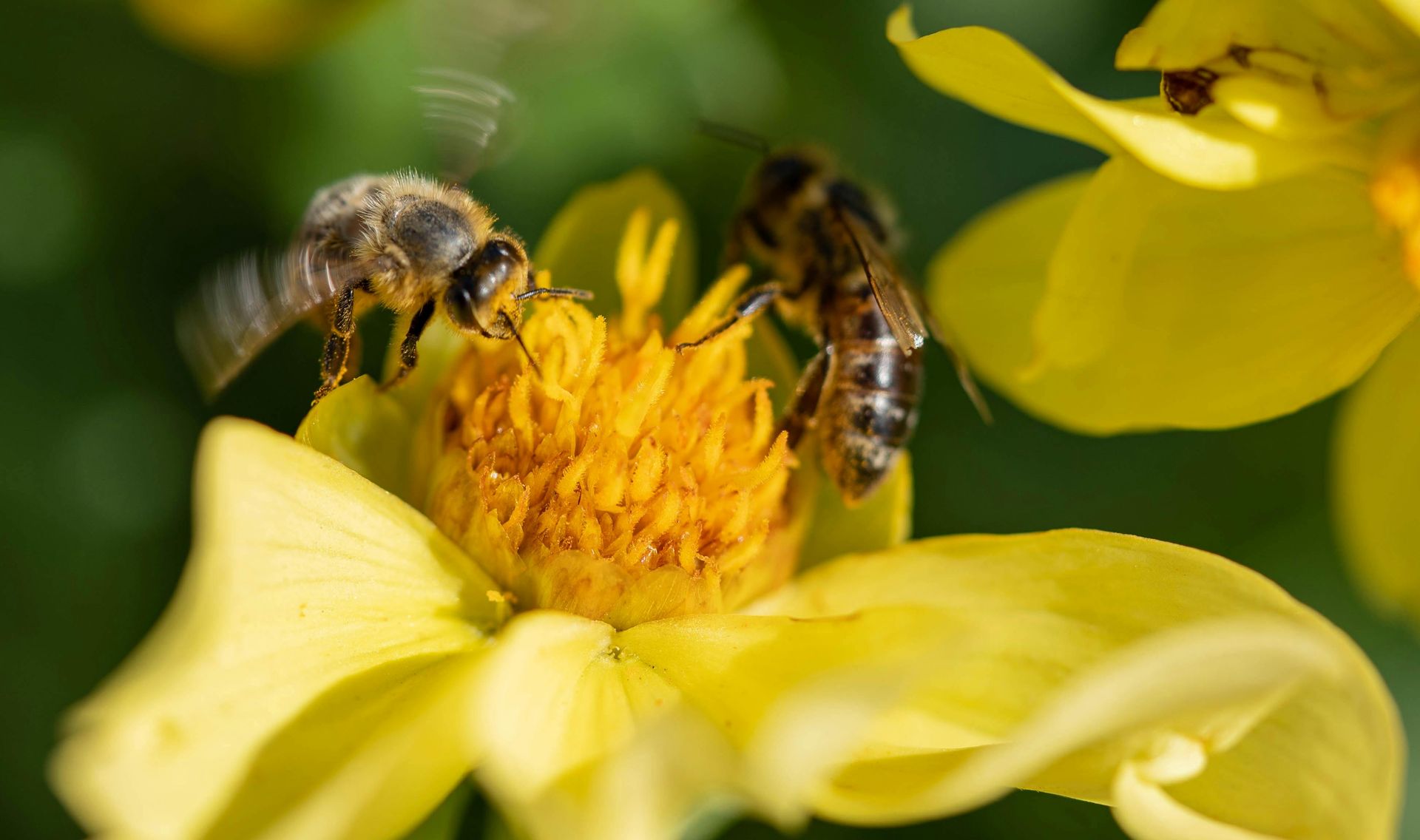
Scrob Andreea / Pexels
The honeybee is the insect most people think of when they think of pollinators, and its centrality to this list reflects both its genuine ecological importance and the specific way its decline has made insect loss legible to people who would otherwise not think about it. The collapse of managed honeybee colonies — Colony Collapse Disorder, first documented in the United States in 2006 and subsequently observed across Europe and elsewhere — was the first insect decline that generated mainstream media coverage and political response, partly because its economic consequences were immediately quantifiable.
Honeybees pollinate approximately 70 of the roughly 100 crop species that feed 90% of the world's population, including almonds, apples, cherries, blueberries, avocados, and cucumbers. The global economic value of honeybee pollination services is estimated at over $200 billion annually. In California's Central Valley, where almond production requires the largest managed pollination event in the world — approximately two million honeybee colonies transported to the valley each February, representing roughly 60% of all managed honeybee colonies in the United States — a decline in bee health has immediate, specific, and large financial consequences for growers and consumers simultaneously.
The mechanisms of honeybee decline are multiple and interacting: the varroa mite, a parasitic mite that attacks bees and transmits viral pathogens; neonicotinoid pesticides, which impair navigation and immune function; habitat loss and the reduction of floral diversity; and the stress of industrial-scale migratory beekeeping itself. The interaction between these stressors is more damaging than any single one would be alone.
The honeybee is also a reminder that managed pollinators are not a substitute for wild pollinators. Wild bee species — bumblebees, solitary bees — are more effective pollinators per individual than honeybees for many crops, and their populations are declining faster than managed honeybee colonies because they have no human management to buffer the losses. The honeybee crisis is the visible tip of a much larger pollinator decline that operates largely out of public sight.
Monarch butterfly
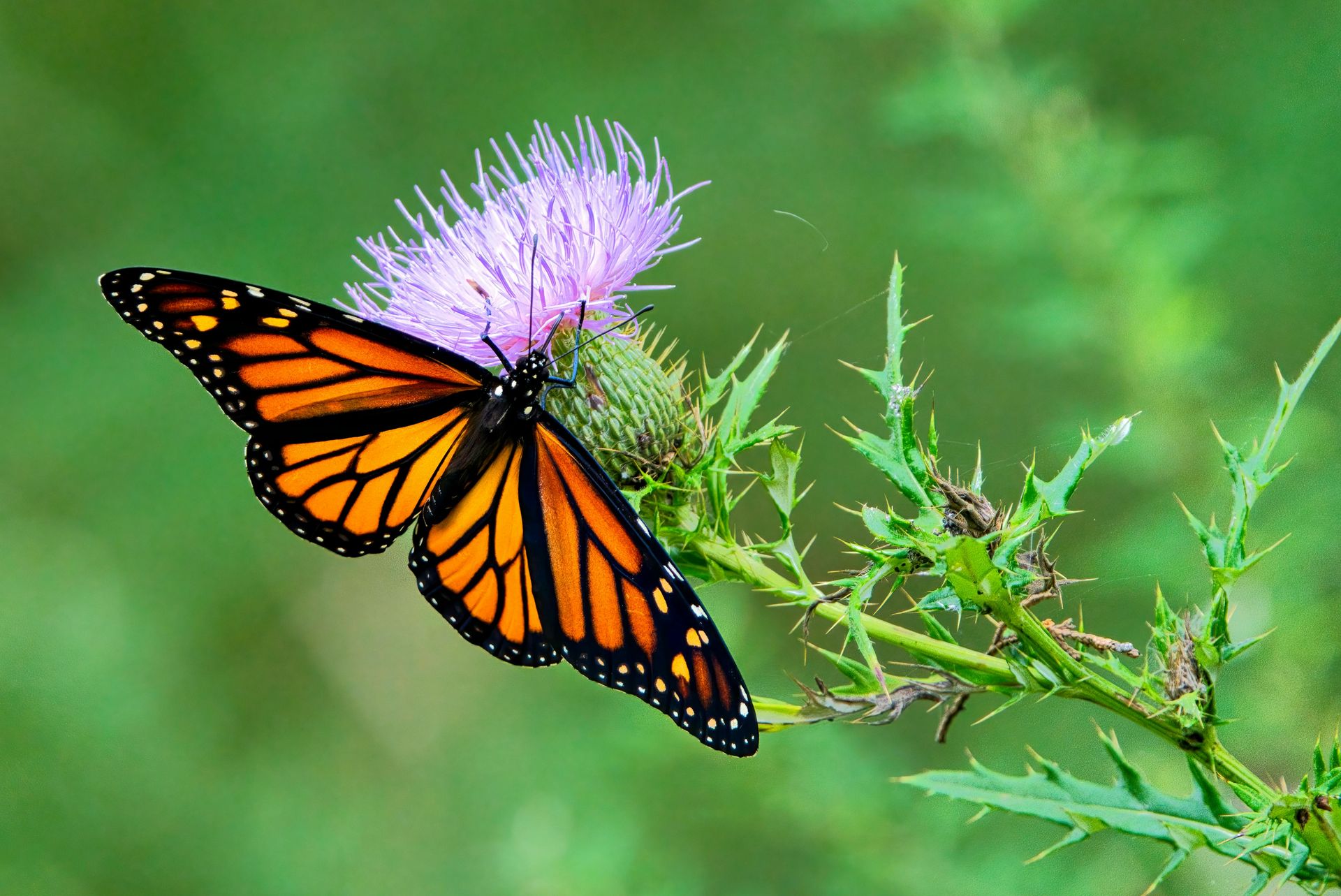
pete weiler / Pexels
The monarch butterfly undertakes one of the most extraordinary migrations in the animal kingdom: a multigenerational, 4,000-kilometer round trip between summer breeding grounds in Canada and the northern United States and winter roosting sites in the oyamel fir forests of central Mexico. No individual butterfly completes the full cycle — the autumn migration south is made by a single generation that lives six to eight months, while the return journey north is completed by two or three successive generations, each living only four to six weeks. The navigational mechanism — a time-compensated sun compass combined with magnetic sensing — is still not fully understood.
The monarch is both an ecological indicator and an ecological actor. As a pollinator, it contributes to the reproduction of dozens of wildflower species across its range. As a prey species, it provides food for birds, spiders, and other predators, though its sequestration of toxic cardenolides from its milkweed host plant makes it unpalatable to most vertebrate predators — a chemical defense that the bird species that have evolved tolerance for the toxin exploit by feeding heavily on monarchs at the Mexican overwintering sites.
The monarch population has declined by approximately 80% since the 1980s. The drivers are well-documented: the loss of milkweed — the only plant on which monarchs lay eggs and on which caterpillars feed — from agricultural landscapes following the widespread adoption of glyphosate-tolerant crops, which allowed herbicide applications that eliminated milkweed from cornfields and soybean fields across the Midwest; logging and degradation of the Mexican overwintering forests; and climate change, which is altering the timing of milkweed availability relative to the migration schedule in ways that are difficult to predict.
The monarch's decline has catalyzed significant conservation effort, including milkweed planting programs, agricultural set-aside schemes, and forest protection in Mexico. The monarch was listed as endangered on the IUCN Red List in 2022 — the first time it had received that designation.
Dung beetle
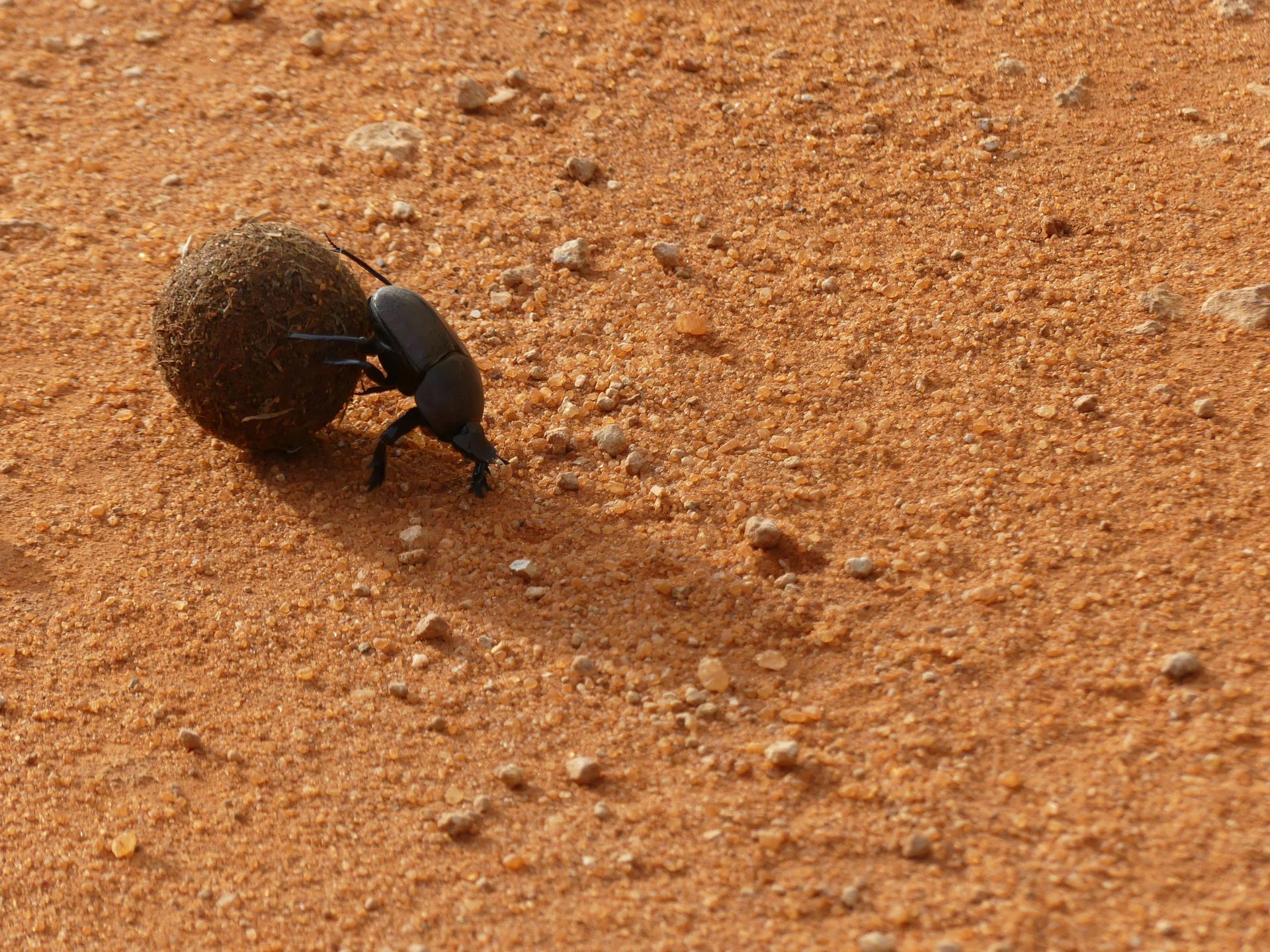
Stef Vanbroekhoven / Pexels
The dung beetle performs one of the most unglamorous and most essential ecological services in terrestrial ecosystems: it buries dung. In doing so it returns nutrients to the soil, aerates compacted ground, reduces the breeding habitat of dung-associated parasites and pathogens, and controls the populations of flies that would otherwise breed in unprocessed dung at scales that would be economically and epidemiologically significant.
The ecological value of dung beetles is one of the better-costed examples of insect ecosystem services. A 2007 study in the journal Ecology Letters estimated that dung beetles save the U.S. cattle industry approximately $380 million per year through the fly control and soil fertility services they provide. In Australia — where dung beetles are not native and were therefore not adapted to the dung of introduced cattle — a deliberate dung beetle introduction program was initiated in 1965 and has continued to the present day, importing species from Europe, Africa, and elsewhere to process cattle dung that native Australian beetles could not manage. Before the program, cattle dung persisted on the surface of Australian pastures for months, breeding flies in quantities that constituted a genuine public health problem.
There are approximately 6,000 species of dung beetle globally, distributed across most of the world's terrestrial ecosystems and specialized for different types of dung, different seasons, and different soil conditions. The diversity is itself ecologically important: different species process dung at different depths, rates, and times of year, and the complete loss of any species removes a specific component of the overall nutrient cycling function. In ecosystems where large mammals have been lost — reducing the available dung resource — dung beetle populations have declined in turn, illustrating the tight coupling between mammal and insect communities that makes the loss of either ecologically consequential.
Ground beetle
Глеб Коровко / Pexels
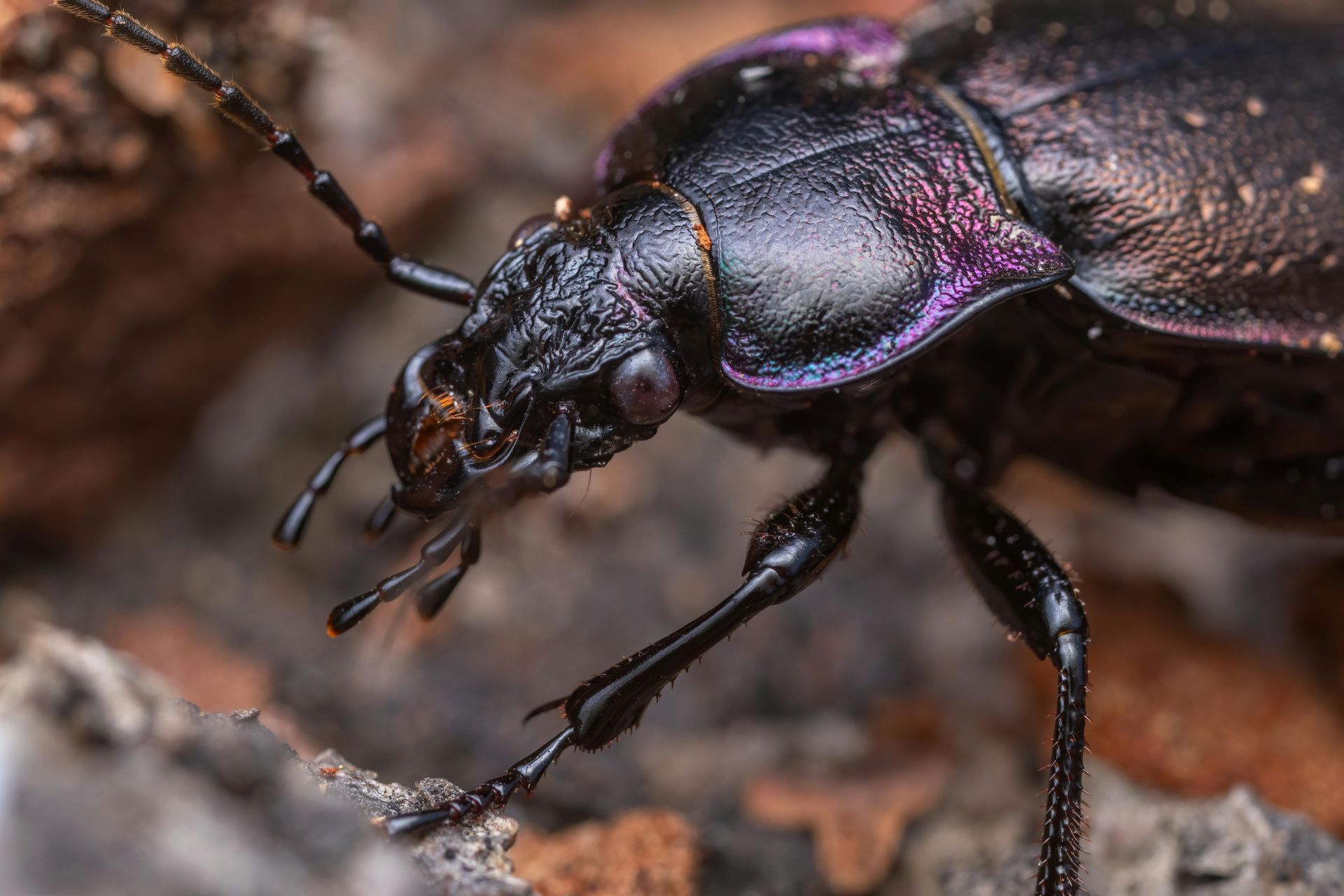
Ground beetles — the family Carabidae, with approximately 40,000 known species — are among the most abundant and most ecologically important predatory insects in terrestrial ecosystems. They are primarily nocturnal hunters that move through the soil surface and leaf litter consuming other invertebrates — including slugs, snails, aphids, fly eggs, springtails, and weed seeds — at rates that make them significant natural pest control agents in agricultural and garden environments.
The importance of ground beetles in agriculture is well-documented but poorly appreciated by most farmers and gardeners. Studies in cereal crop systems have found that ground beetle predation reduces aphid populations by 30 to 70% in some contexts, and predation of slug eggs and small slugs in vegetable crops is a significant service in regions where slug pressure would otherwise require molluscicide application. The value of natural pest control services from ground beetles and other predatory invertebrates has been estimated at $4.5 billion per year in the United States alone.
Ground beetles are sensitive indicators of habitat quality and land management practices. Intensive tillage disrupts their overwintering habitat in soil and leaf litter. Pesticide use — both insecticides that kill them directly and herbicides that remove the vegetation structure they depend on — reduces populations significantly. Field margin management is one of the most effective interventions for supporting ground beetle populations: uncropped grass margins around arable fields provide the overwintering and breeding habitat that intensively managed crop fields do not, and their presence is consistently associated with higher ground beetle abundance and diversity in adjacent fields.
The decline of ground beetle populations in intensively farmed landscapes is one of the less visible but more consequential components of the broader insect decline, representing a loss of pest control services that farmers are replacing with pesticide inputs.
Lacewing
Erik Karits / Pexels
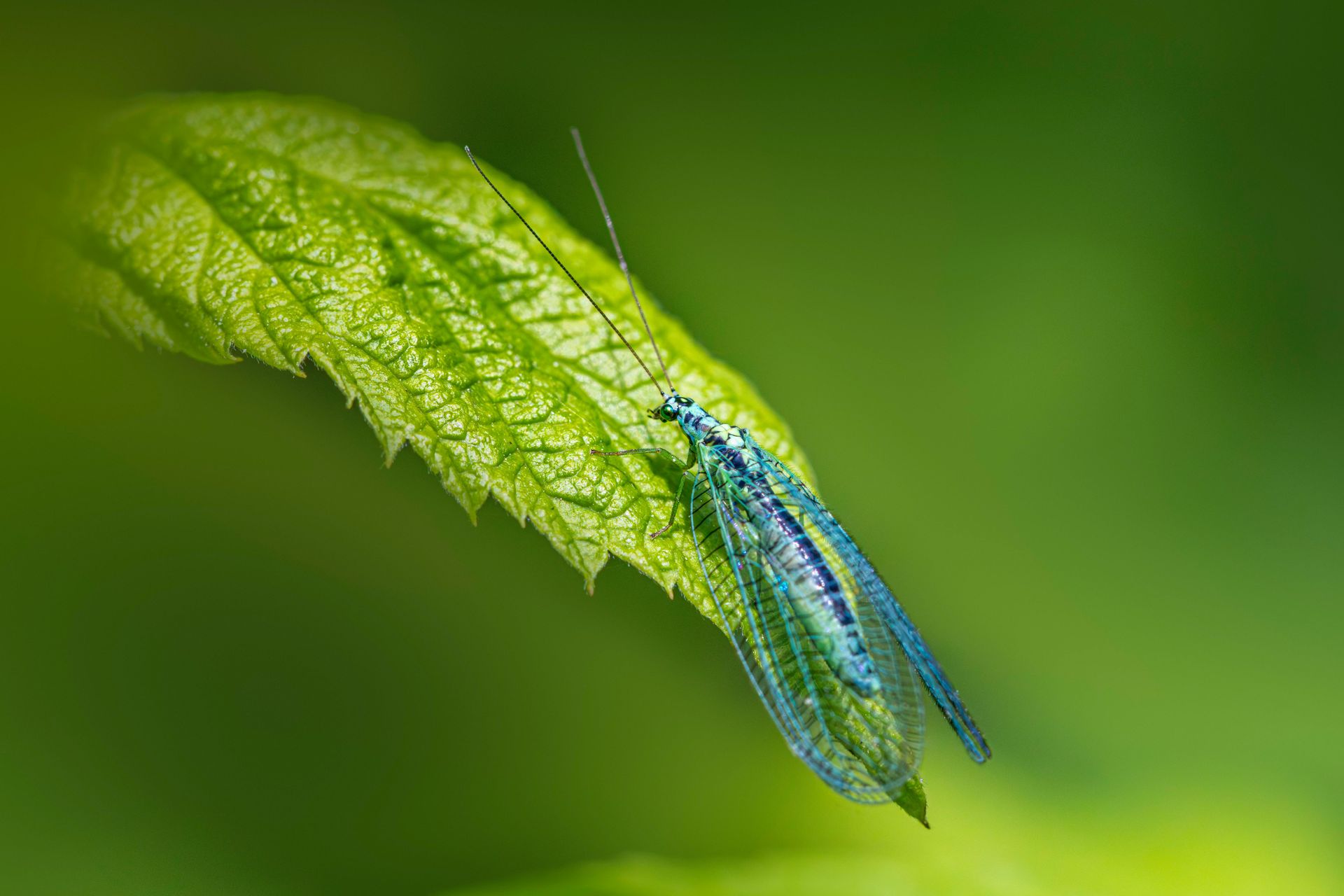
Lacewings — particularly the green lacewings of the family Chrysopidae — are one of the most effective natural pest control insects in garden and agricultural ecosystems, occupying a role that most gardeners and farmers are unaware of even when lacewings are present in significant numbers. Adult lacewings are delicate, pale green insects with large, veined wings and golden eyes that are encountered near lights on summer evenings and generally regarded as benign curiosities. Their larvae are something different: voracious, armor-plated predators that consume aphids, spider mites, thrips, whitefly, and the eggs of various pest moths at rates that have made them valuable in commercial biological control programs.
A single lacewing larva can consume approximately 200 aphids in a week, and the larval period lasts two to three weeks — meaning a single individual can account for hundreds of aphid kills before pupating. In aphid-heavy crops, the natural lacewing population can reduce aphid density substantially before the pest population reaches economically damaging levels, providing a pest suppression service that requires no chemical input.
The commercial biological control industry produces lacewing eggs for sale to growers — they are released into greenhouses and polytunnels where aphid and spider mite pressure is high. This practice is an explicit recognition of the ecosystem service that naturally occurring lacewing populations provide for free in landscapes where insecticide use has not eliminated them.
Lacewing populations are reduced by broad-spectrum insecticides, which kill them along with the pests they control, creating a situation in which pesticide use removes the natural pest control that would reduce the need for pesticide use. This feedback loop — in which insecticide use increases dependence on insecticide use by destroying the natural enemies that would otherwise provide control — is one of the most thoroughly documented patterns in agricultural entomology.
Bumblebee
Andy Staver / Pexels
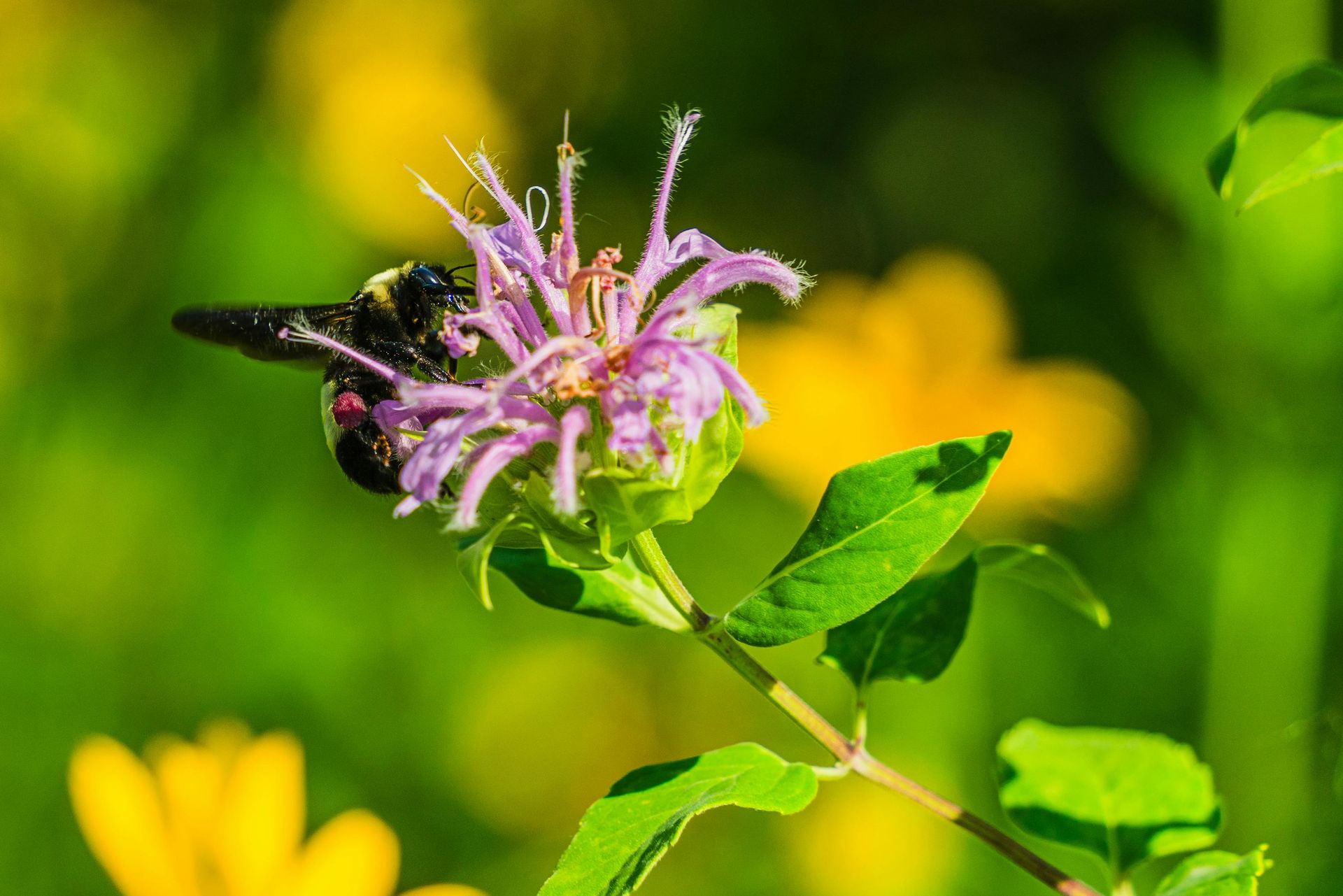
Bumblebees are the most effective pollinators of many crop species, exceeding honeybees in pollination efficiency per individual for tomatoes, peppers, blueberries, and several other crops because of their capacity for buzz pollination — a behavior in which the bee grasps the flower and vibrates its flight muscles at a specific frequency, dislodging pollen that other pollinators cannot access. Tomatoes, in particular, require buzz pollination to release pollen from their poricidal anthers, and the global tomato greenhouse industry depends almost entirely on commercially raised bumblebees for this service.
The 250-plus species of bumblebee vary considerably in tongue length, body size, and foraging behavior, and this diversity allows them to pollinate a wider variety of flower shapes and depths than any single bee species could manage. Short-tongued species pollinate shallow flowers that long-tongued species visit rarely. Long-tongued species pollinate deep tubular flowers — red clover, foxglove, monkshood — that short-tongued species cannot access efficiently. The diversity of the bumblebee community is itself an ecological service: a community with multiple species provides more complete pollination coverage than a community of equal abundance but single species.
Bumblebee decline has been particularly severe in North America and parts of Europe. The rusty patched bumblebee, once common across the eastern and central United States, was listed as federally endangered in the United States in 2017 — the first bee to receive that designation. Its population declined by approximately 87% between the late 1990s and the listing date. The causes include habitat loss, the pathogen Nosema bombi introduced through the commercial bumblebee industry, and the interaction between pesticide exposure and pathogen susceptibility that makes stressed bee populations more vulnerable to disease.
Dragonfly
Ankit Rainloure / Pexels
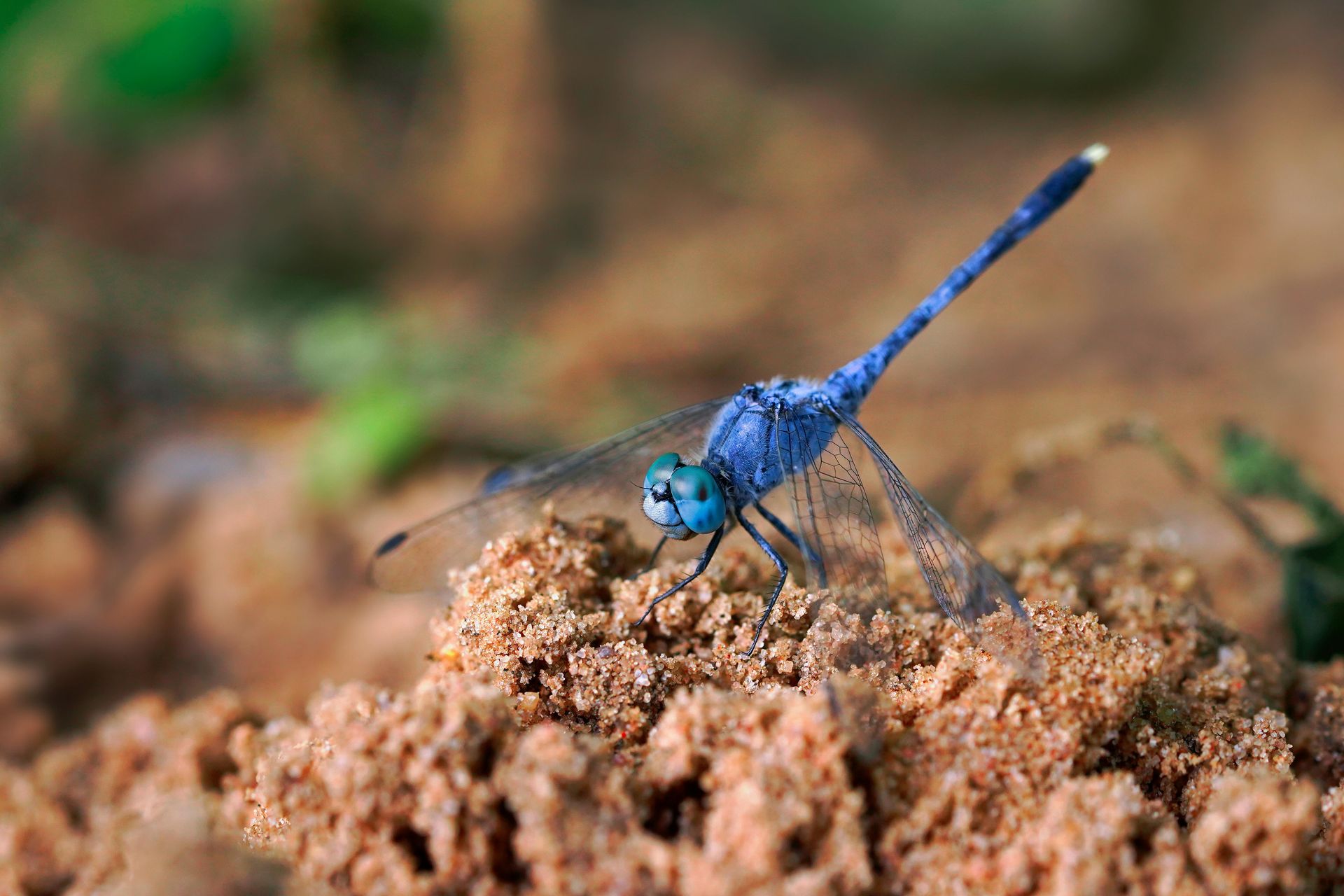
Dragonflies are among the oldest flying insects, their body plan essentially unchanged for 300 million years, and they are among the most effective aerial predators in the animal kingdom. Adult dragonflies catch and consume mosquitoes, midges, gnats, and other small flying insects in flight, with a hunting success rate of approximately 95% — the highest of any predator, vertebrate or invertebrate. Their larvae, which live in freshwater environments from ponds to rivers, are equally voracious aquatic predators, consuming mosquito larvae, water fleas, small fish, and tadpoles.
The dragonfly's role as a mosquito predator is its most discussed ecological service, though the scale of the service is genuinely significant. Both the adult and the larval stages consume mosquitoes, making dragonflies effective at two points in the mosquito life cycle simultaneously. In regions where mosquito-borne disease is a public health concern — malaria, dengue, West Nile virus — the natural suppression of mosquito populations by dragonflies and other aquatic insect predators is a free service that chemical mosquito control programs attempt to replicate at considerable cost and with environmental side effects.
Dragonflies are also sensitive indicators of freshwater ecosystem health. Because they require clean, well-oxygenated water with specific vegetation structures for breeding, their presence in a water body signals a level of ecological integrity that tolerant species — those able to survive polluted or degraded water — do not provide. Dragonfly monitoring is used as a proxy for freshwater biodiversity assessment in several countries.
The global decline in dragonfly populations — driven by freshwater habitat loss, water pollution, and the draining of wetlands — is part of a broader freshwater biodiversity crisis. Freshwater ecosystems cover less than 1% of the Earth's surface but support approximately 10% of all known species, and they are declining faster than either terrestrial or marine ecosystems by most measures.
Silkworm
Quang Nguyen Vinh / Pexels
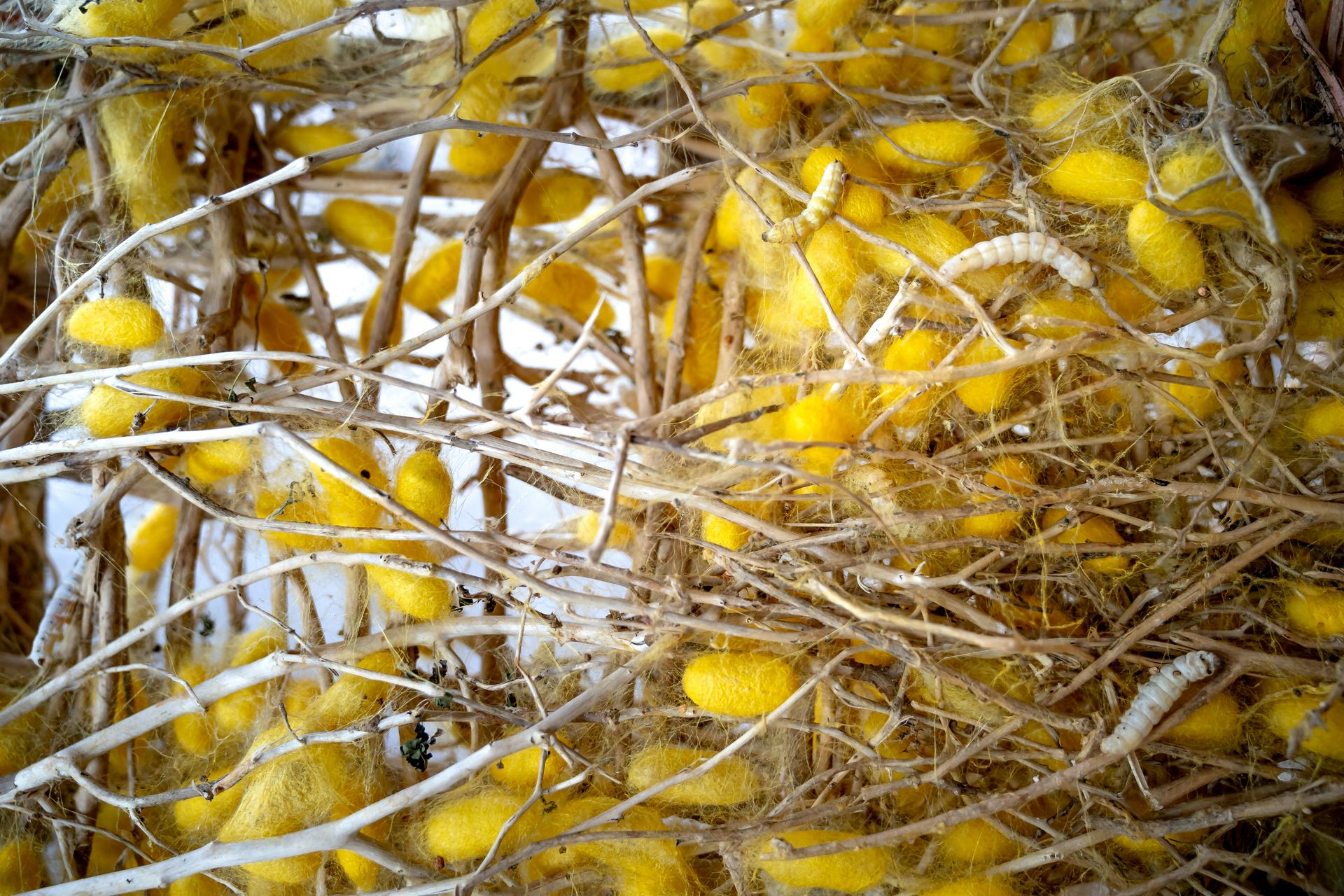
The silkworm — Bombyx mori — is one of the oldest domesticated insects in human history and the source of one of the most valued textiles in human culture. Its domestication in China dates to at least 5,000 years ago, possibly 7,000, making it roughly contemporary with the domestication of cattle and horses. The silkworm is so thoroughly domesticated that it is incapable of surviving without human care — it cannot fly, cannot camouflage itself, and produces silk cocoons so large and nutritious that wild birds would quickly destroy any population left unprotected.
A single silkworm cocoon contains a continuous filament of silk up to 1,500 meters long — a single thread of protein produced by the caterpillar as it pupates, strong enough that pound for pound it exceeds the tensile strength of steel. The silk thread is unwound from the cocoon in a process called reeling, with multiple cocoons unwound simultaneously and the filaments twisted together to produce the thicker thread used in weaving. China remains the world's largest silk producer, but silk production has spread to India, Japan, Brazil, and numerous other countries.
The silkworm's ecological and economic significance extends beyond luxury textiles. Sericin — a protein extracted from silk cocoons as a byproduct of silk reeling — is used in cosmetics, pharmaceuticals, and biomedical applications including sutures and tissue scaffolding. The silk fiber's unique combination of strength, flexibility, and biocompatibility has made it a subject of significant biomaterials research, with applications including drug delivery systems, wound dressings, and biodegradable electronic substrates.
The silkworm also illustrates a specific category of insect importance: the domesticated insect whose value to human civilization is cultural and economic rather than primarily ecological. The world without the silkworm would be a world without silk — and without the trade networks, cultural exchanges, and technological developments that silk enabled along the routes that bore its name.
Firefly
Marek Piwnicki / Pexels
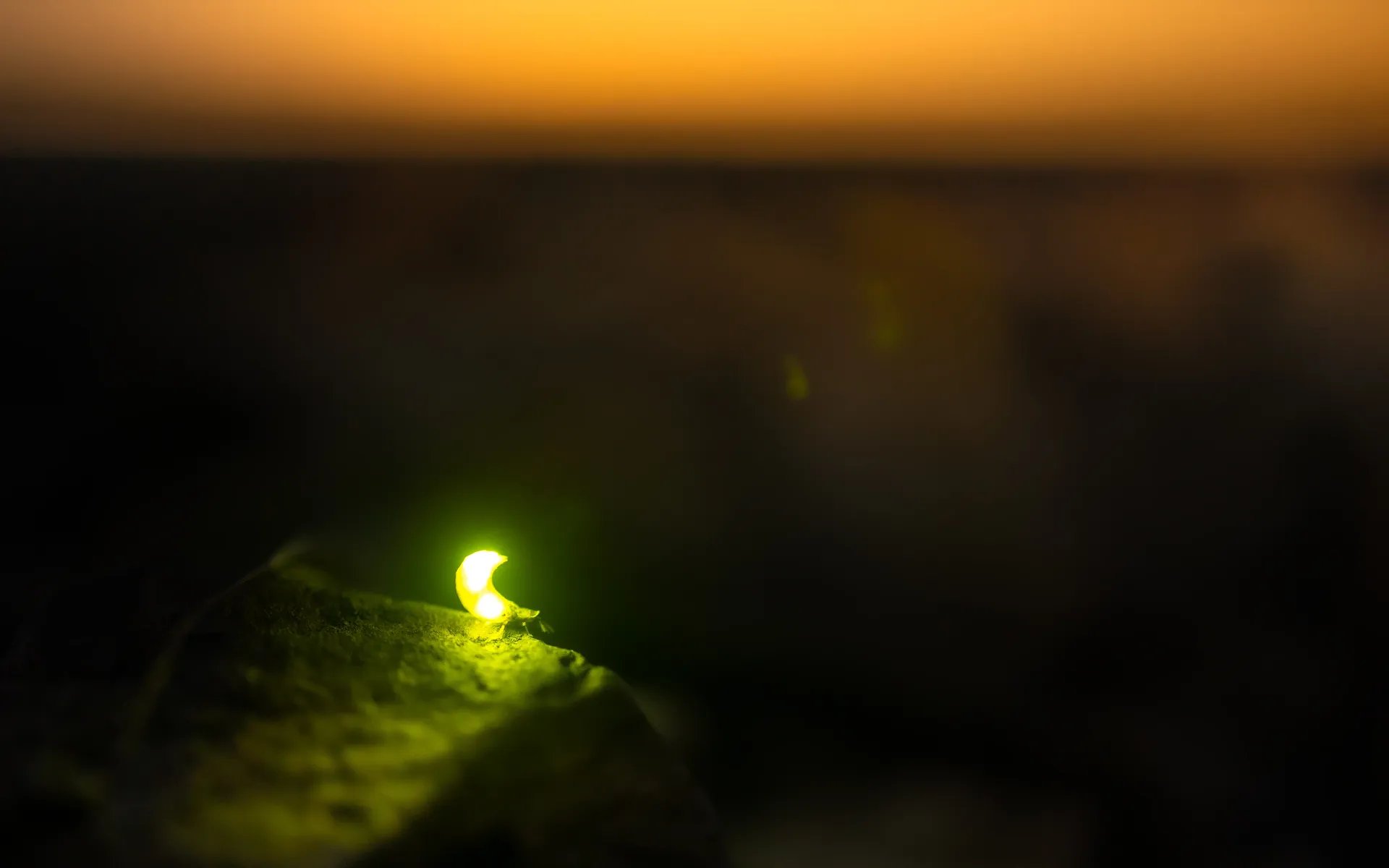
Fireflies — bioluminescent beetles of the family Lampyridae — are among the most culturally beloved insects in the world, and their decline in many regions over the past few decades has been one of the more emotionally resonant data points in the broader story of insect loss. They are also ecologically significant in ways that go beyond their visual appeal, and their decline is an indicator of specific forms of environmental degradation that affect a wide range of other species.
The bioluminescent flash of the adult firefly is a sexual communication signal: species-specific patterns of flash duration, frequency, and color that allow males and females to find each other in the dark. There are approximately 2,000 firefly species globally, and the diversity of flash patterns is remarkable — the Photinus pyralis male of eastern North America makes a single J-shaped yellow flash every six seconds, while females respond with a two-second delay from their position in the vegetation. The specificity of these signals means that fireflies are highly sensitive to light pollution, which interferes with the signals and prevents mating — making artificial light at night one of the primary drivers of firefly decline.
The larvae of most firefly species are terrestrial or semi-aquatic predators, feeding on earthworms, snails, and slugs, and contributing to the regulation of these populations in the habitats they occupy. Some species produce the same bioluminescent chemistry as adults, earning them the name glowworms. The specific biochemistry of firefly bioluminescence — the luciferin-luciferase reaction — has been widely adopted in medical and biological research as a reporter gene system, used to track gene expression, viral infection, and cancer cell activity in laboratory studies.
Firefly populations have declined significantly in many parts of Asia, North America, and Europe, driven by habitat loss (they require specific moisture conditions and vegetation structure), light pollution, and pesticide use. The cultural significance of firefly displays — which draw tourists to specific locations in Japan, Malaysia, and the United States — gives their conservation a public profile that most insect declines do not receive.
Hoverfly
Phil Mitchell / Pexels
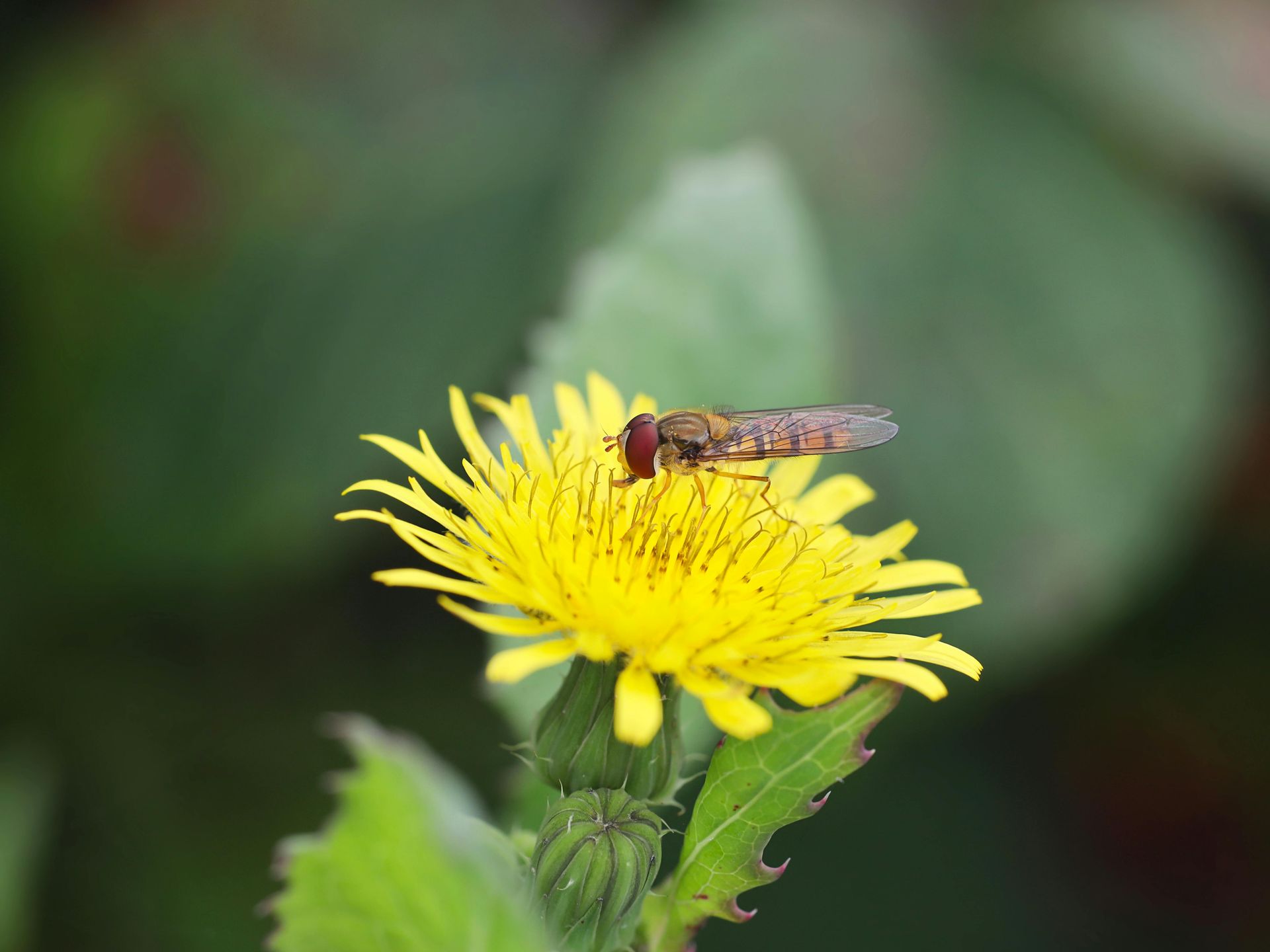
Hoverflies — the family Syrphidae, with approximately 6,000 known species — are the second most important group of pollinators globally after bees, and the fact that most people do not know this is a useful illustration of how invisible insect ecological services are in popular understanding. Adult hoverflies feed on nectar and pollen and are effective pollinators of many crops and wildflowers, particularly in cold, wet, or early-season conditions when bee activity is reduced. In apple orchards in early spring, when temperatures are too low for reliable bee activity, hoverflies provide pollination services that substitute for and complement bee pollination.
Many hoverfly species are Batesian mimics — they resemble bees or wasps in coloration and behavior to deter predators, despite lacking any sting or venom. The mimicry is effective enough that most people who encounter hoverflies assume they are wasps or bees, which is presumably why the pollination services hoverflies provide are so often attributed to bees in popular accounts.
The larval stages of hoverflies are ecologically diverse. Some species — the aphid-feeding hoverflies, including the common garden species Episyrphus balteatus — are voracious predators of aphids and contribute substantially to natural pest control in gardens and agricultural systems. A single aphid-feeding hoverfly larva can consume several hundred aphids during its development. Other hoverfly species have larvae that live in rotting wood, decomposing organic matter, or aquatic environments, contributing to decomposition and nutrient cycling.
Hoverfly migration is a phenomenon that has been documented only recently and is still being characterized. Some species undertake long-distance movements between summer and winter habitats, carrying pollen across large distances and potentially connecting plant populations that would otherwise be reproductively isolated. The scale of hoverfly migration in Europe — estimated at billions of individuals annually crossing the English Channel — suggests that their contribution to cross-landscape pollen transport may be ecologically significant in ways not yet fully quantified.
Leafcutter bee
Ali Goode / Pexels
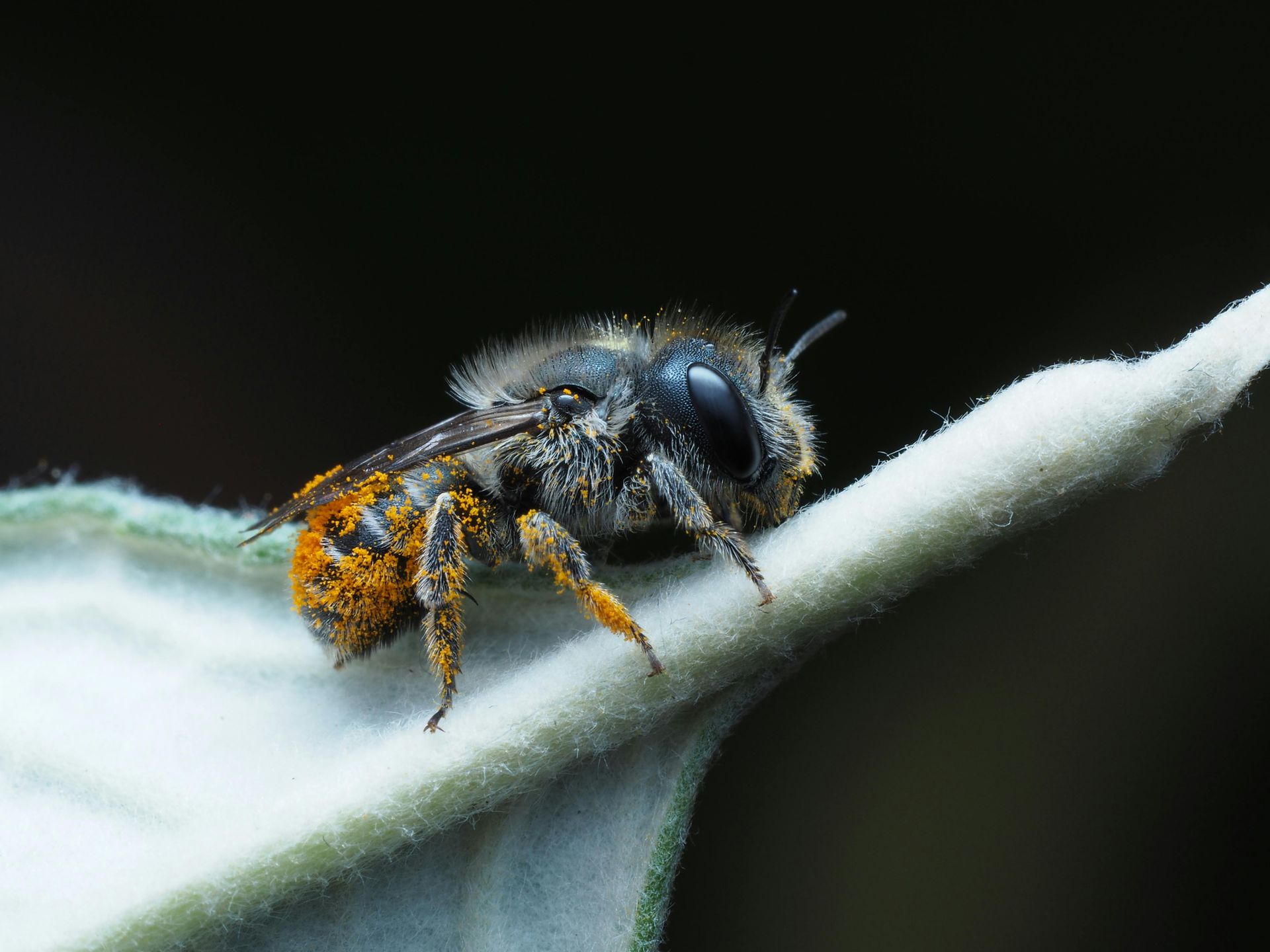
Leafcutter bees — solitary bees of the genus Megachile and related genera — are native pollinators of exceptional importance for a specific group of crops and wildflowers, and their efficiency as pollinators significantly exceeds that of honeybees for the plants they service. They cut semicircular pieces of leaf material to line their nesting cells — a behavior that makes their presence in a garden immediately visible as characteristic circular notches in rose, wisteria, and other soft-leaved plants — and construct solitary nests in pre-existing cavities in wood, hollow plant stems, and soil.
The alfalfa leafcutter bee, Megachile rotundata, is one of the most economically important insect pollinators in North America after the honeybee. It is the primary managed pollinator of alfalfa seed crops in the western United States and Canada — crops that produce seed used to grow alfalfa hay for the cattle industry. Honeybees avoid alfalfa flowers because the flower's pollen-release mechanism triggers a snap that strikes the bee and discourages repeat visits; leafcutter bees are undisturbed by this mechanism and visit the flowers readily. The alfalfa leafcutter bee industry manages populations specifically for alfalfa seed pollination, releasing bees into seed fields at timed intervals to coincide with flowering.
The broader ecological importance of solitary bees — which include leafcutter bees, mason bees, mining bees, and hundreds of other species — has been increasingly recognized as the focus on honeybees has broadened to encompass wild pollinator diversity. Solitary bees collectively pollinate a range of plant species that honeybees do not service efficiently, and their diversity means that the pollinator community as a whole is more robust and more complete than any single managed species could provide.
Ant
Pavan Prasad / Pexels
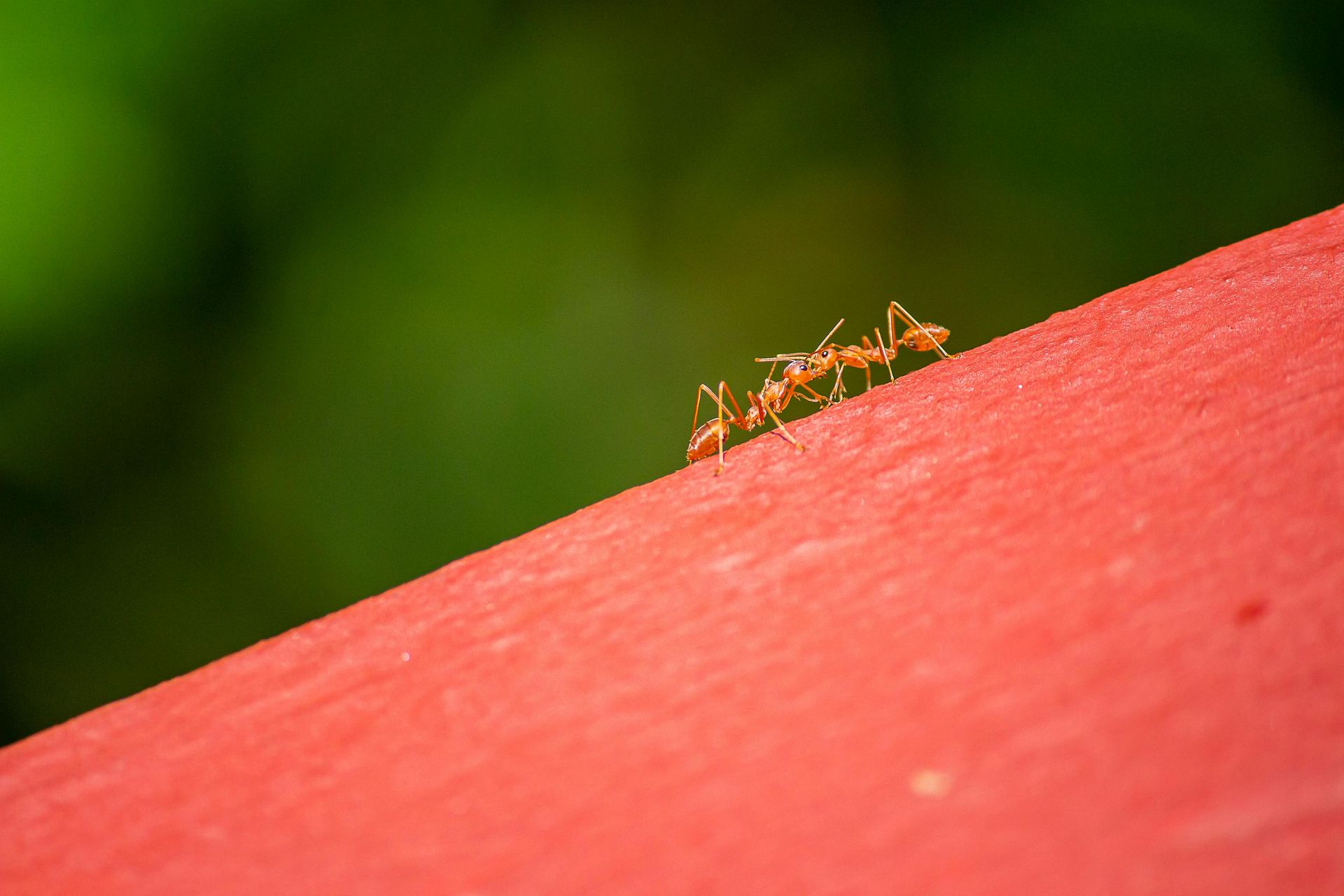
Ants are the most ecologically influential insects on Earth by most measures — in terms of biomass, energy consumption, and the scope of ecological functions they perform. There are approximately 20,000 known species of ant, distributed across every terrestrial ecosystem except Antarctica and the highest mountain elevations. Their combined biomass exceeds that of all wild mammals and birds combined, and their ecological activities — soil turning, seed dispersal, predation, decomposition, symbiosis with plants and fungi — are so fundamental to terrestrial ecosystem function that their removal would produce cascading effects of extraordinary magnitude.
Ants are the primary soil engineers in many ecosystems. Their nest-building activities turn and aerate soil at rates comparable to earthworm activity, creating macropores that improve water infiltration and nutrient distribution. A single colony of leafcutter ants — the fungus-farming ants of Central and South America — can move several tonnes of soil per year, alter the chemistry of the soil around the colony through the decomposition of leaf material in the underground fungus garden, and significantly increase plant productivity in the surrounding area.
Seed dispersal by ants — myrmecochory — is a critical ecological process in many plant communities. Approximately 11,000 plant species globally have seeds with lipid-rich appendages called elaiosomes that are nutritionally attractive to ants. The ants carry the seeds back to the colony, remove and consume the elaiosome, and discard the seed in the colony's waste area — which is typically underground and enriched with nutrients from colony activities, providing a favorable germination environment. The ant-seed dispersal mutualism is particularly important in fire-adapted communities, where ants disperse seeds underground before fires that would destroy surface-dispersed seeds.
The ant's ecological importance is matched by its resilience: ants are among the least affected insects in the current decline, partly because of their social organization and partly because of their ecological flexibility. Their relative stability while other insect groups decline is itself a data point about which ecological functions may be maintained and which may fail as insect decline continues.
Water boatman
Credit: Wikipedia
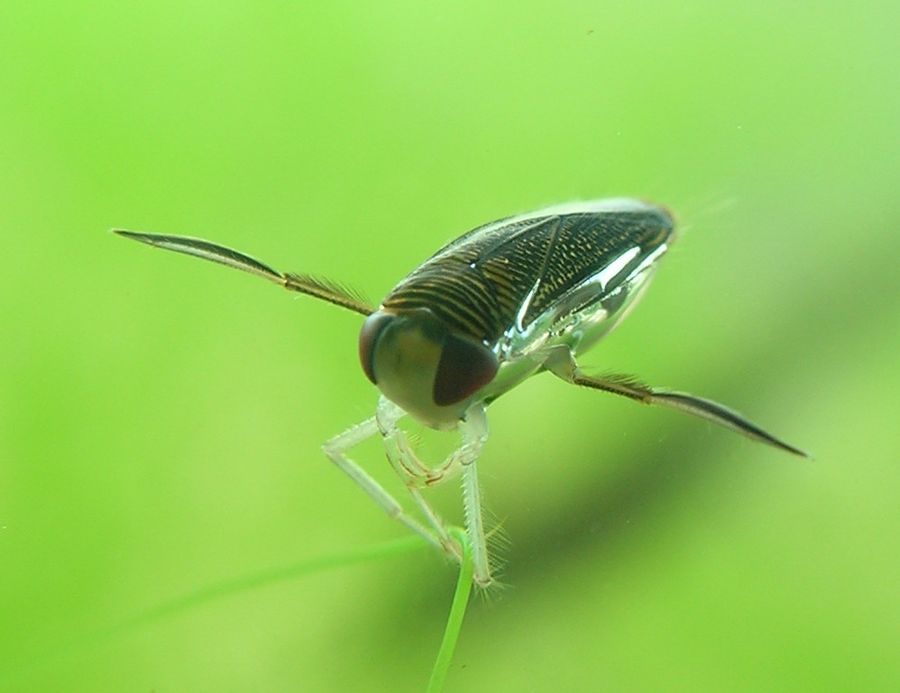
Water boatmen — aquatic bugs of the family Corixidae — are among the most abundant insects in freshwater ecosystems and among the most important in freshwater food webs, occupying a central position in the trophic structure of ponds, lakes, rivers, and wetlands that makes them critical links between primary producers and higher consumers.
Adult water boatmen are flattened, oval insects that use their oar-like hind legs to propel themselves through the water, rowing in a motion that gives the family its name. They are primarily herbivorous or detritivorous — feeding on algae, diatoms, and decomposing plant material — and they are consumed by fish, aquatic invertebrates, and a range of wading birds. Their numerical abundance in healthy freshwater systems makes them a dietary staple for many fish species, and their decline in degraded freshwater systems is associated with reduced fish productivity.
Water boatmen have an unusual relationship with sound for their size. The lesser water boatman, Micronecta scholtzi, holds the record for the loudest animal relative to body size: males produce a mating call at 99.2 decibels by rubbing their penis against their abdomen — a behavior called stridulation — producing a sound so loud relative to the insect's three-millimeter body length that it should be audible to humans above the water surface, though most of the sound is absorbed at the water-air interface.
The water boatman also plays a role in the cultural entomology of several countries: in Mexico, the eggs of water boatmen and related water bugs — harvested from lakebeds and known collectively as ahuautle — have been collected as a food source since pre-Columbian times and are considered a delicacy. The harvest of ahuautle represents one of the oldest recorded uses of insects as food in the Americas and reflects the density of water boatman populations in productive freshwater systems.
Hawk moth
Erik Karits / Pexels
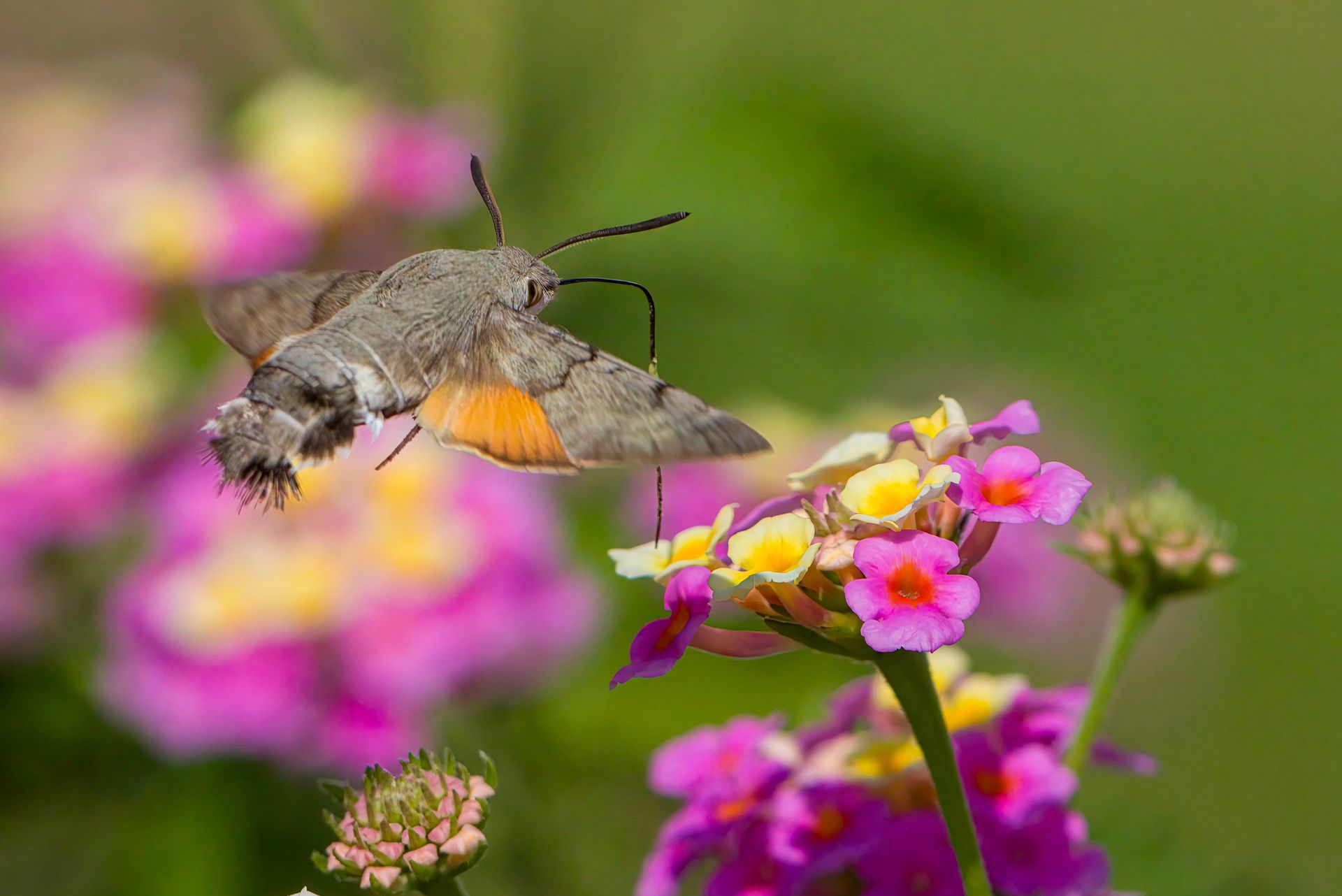
Hawk moths — the family Sphingidae, with approximately 1,400 known species — are among the most important nocturnal pollinators in the world, filling a pollination niche that is largely underappreciated because most of their activity occurs at night, invisible to casual observation. Their role as pollinators is disproportionate to their species count: because many hawk moths have extremely long proboscises — some species have proboscises exceeding 28 centimeters — they can access nectar in tubular flowers too deep for most other pollinators to reach, and the plants with these deep flowers are often dependent on hawk moths as their primary or sole pollinator.
Charles Darwin famously predicted in 1862, after examining the Angraecum sesquipedale orchid of Madagascar — which has a nectar spur 29 centimeters long — that a moth with a 30-centimeter proboscis must exist to pollinate it. The prediction was ridiculed at the time. In 1903, 21 years after Darwin's death, the hawk moth Xanthopan morganii praedicta — the specific epithet meaning "as predicted" — was discovered in Madagascar with a proboscis of the length Darwin had calculated.
Hawk moths are also important as larval defoliators in some ecosystems, consuming plant material in quantities that regulate plant growth and contribute to nutrient cycling. The tomato hornworm and the tobacco hornworm — among the most recognized garden pests in North America — are hawk moth larvae, and their consumption of solanaceous plants in natural ecosystems contributes to the vegetation dynamics of those communities.
The decline of hawk moth populations, associated with habitat loss and the reduction of the deep-tubed flowers they pollinate and depend on, risks the co-extinction of the plants that depend exclusively on them — a process called pollinator-dependent plant extinction that represents a cascading ecological loss beyond the loss of the moth itself.
Black soldier fly
Oktavianus Mulyadi / Pexels
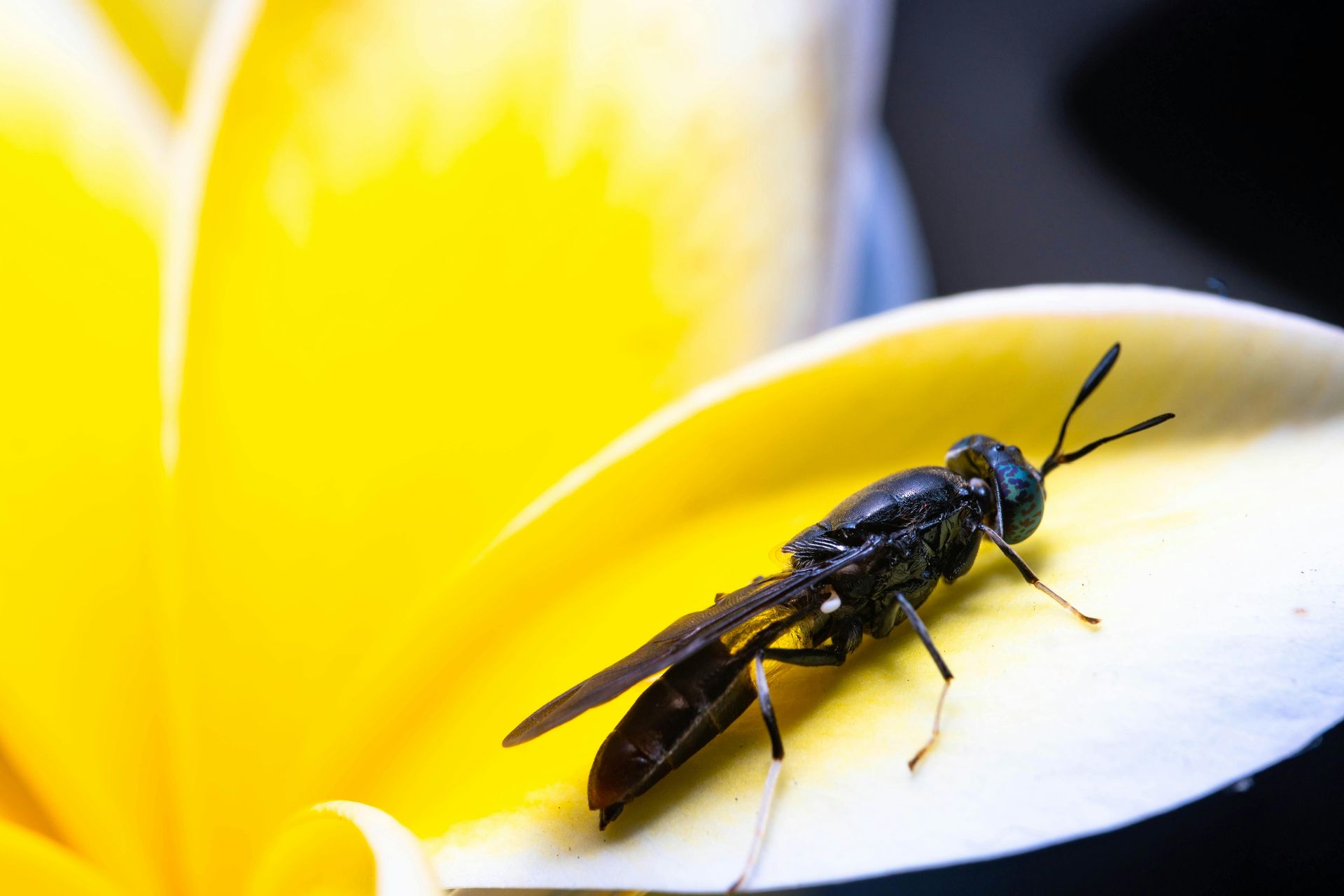
The black soldier fly, Hermetia illucens, has attracted more commercial and research attention in the past decade than almost any other insect, for reasons that have nothing to do with its ecological role in nature and everything to do with its potential role in the circular economy. The larvae of the black soldier fly are extraordinarily efficient converters of organic waste — food scraps, manure, agricultural byproducts — into high-quality protein and fat that can be used as animal feed, and the frass (excrement) they produce as a byproduct is a valuable soil amendment.
The efficiency is remarkable. Black soldier fly larvae can reduce a given mass of organic waste by 40 to 70% within two weeks, while converting it into a biomass that is approximately 40% protein and 30% fat on a dry weight basis. The protein quality — its amino acid profile — is comparable to fishmeal, the conventional high-quality protein source in aquaculture and poultry feed, and the potential to replace fishmeal with insect protein is a significant opportunity in industries whose dependence on wild-caught fish for fishmeal is ecologically problematic.
The ecological role of the black soldier fly in its native range — the Americas — is as a decomposer in warm environments. Adult flies do not feed, living only long enough to mate and lay eggs, and the larvae are found naturally in compost, manure, and other organic waste. The industrialization of this natural decomposition function at commercial scale is the specific opportunity the black soldier fly represents: a circular economy technology that converts waste into protein using a solar-powered biological process that requires minimal infrastructure.
The commercial insect farming industry, centered heavily on black soldier fly production, has grown rapidly since the early 2010s and is projected to become a significant component of the global protein supply by 2030. Several large-scale production facilities operate in Europe, Asia, and North America, and regulatory approvals for insect protein use in animal feed — including aquaculture and poultry — have been issued in the EU, the U.K., and several other jurisdictions.
Mayfly
Tom Christensen / Pexels
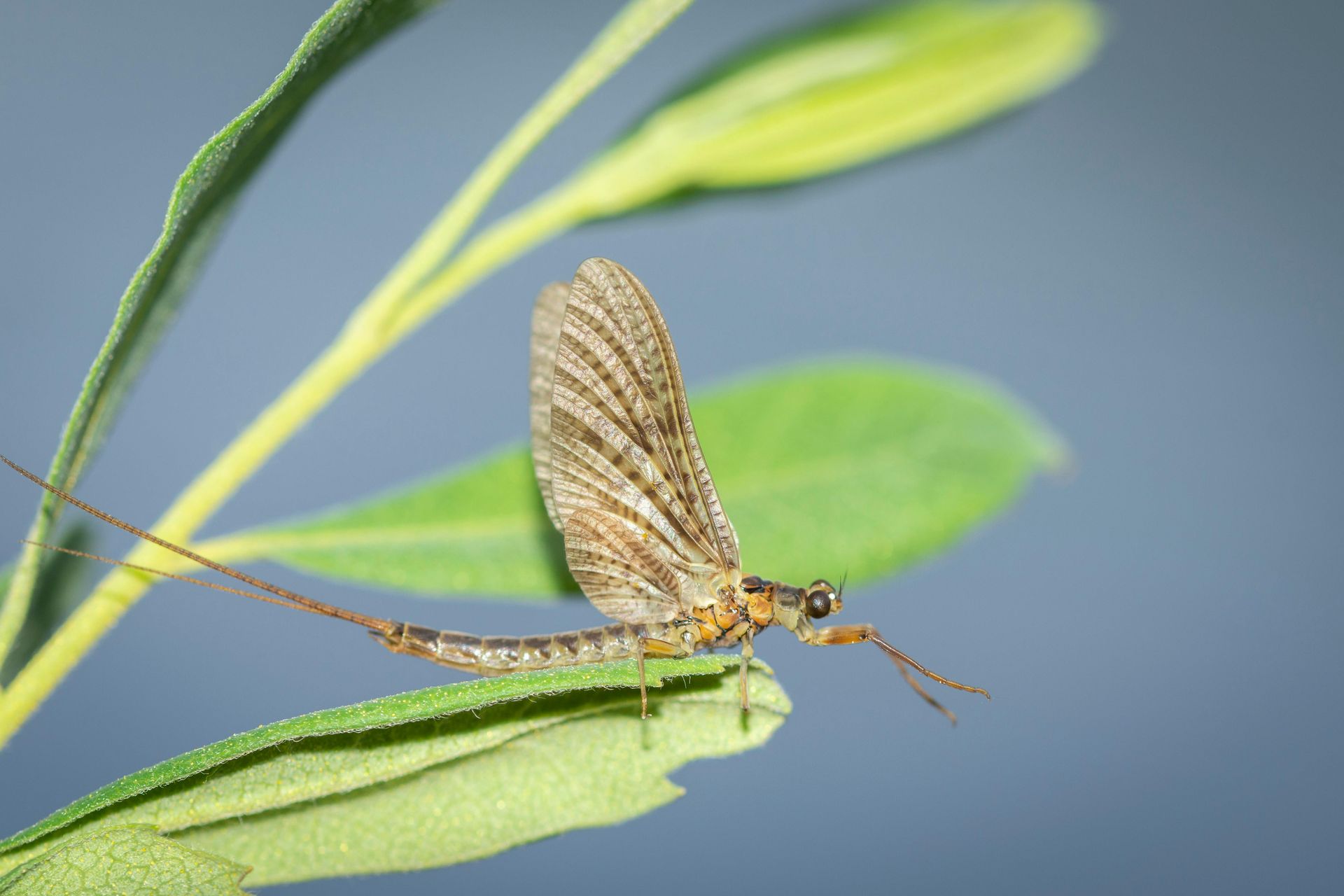
Mayflies — the order Ephemeroptera, with approximately 3,500 known species — are best known for the brevity of their adult life, which ranges from a few hours to a few days depending on species. The adult mayfly does not feed — it has no functional mouthparts — and exists solely to mate and, in females, to lay eggs on the surface of the water before dying. The larvae, which live in freshwater for most of the species' life cycle — from several months to several years — do the ecological work.
Mayfly larvae are among the most important invertebrates in freshwater food webs. They feed on algae, diatoms, and fine organic particles, converting primary production into animal biomass that is consumed by fish, aquatic invertebrates, and a range of birds and bats. The abundance of mayfly larvae in healthy rivers and streams is a direct driver of fish productivity — the relationship between mayfly density and salmonid fish biomass is one of the better-documented correlations in freshwater ecology, and the decline of mayfly populations is associated with reduced fish abundance in affected rivers.
Mayfly mass emergences — the simultaneous hatching of millions of individuals in a single night or over a few nights — are among the most dramatic natural events in freshwater ecosystems and have long been used as indicators of river health. In rivers where mayfly populations are large enough, the emergences can be detected on weather radar as large clouds of insects rising from the river surface. The decline of these emergences in degraded rivers is a visible signal of the broader freshwater invertebrate decline.
Mayflies are bioindicators — their presence or absence in a water body tells ecologists something specific about water quality. Mayfly species vary in their tolerance of pollution: some are highly sensitive to low oxygen levels and chemical contamination, while others tolerate degraded conditions. The composition of the mayfly community in a river — the ratio of sensitive to tolerant species — provides a rapid assessment of water quality that has been incorporated into regulatory monitoring frameworks in Europe, North America, and elsewhere.
Ichneumon wasp
Erik Karits / Pexels
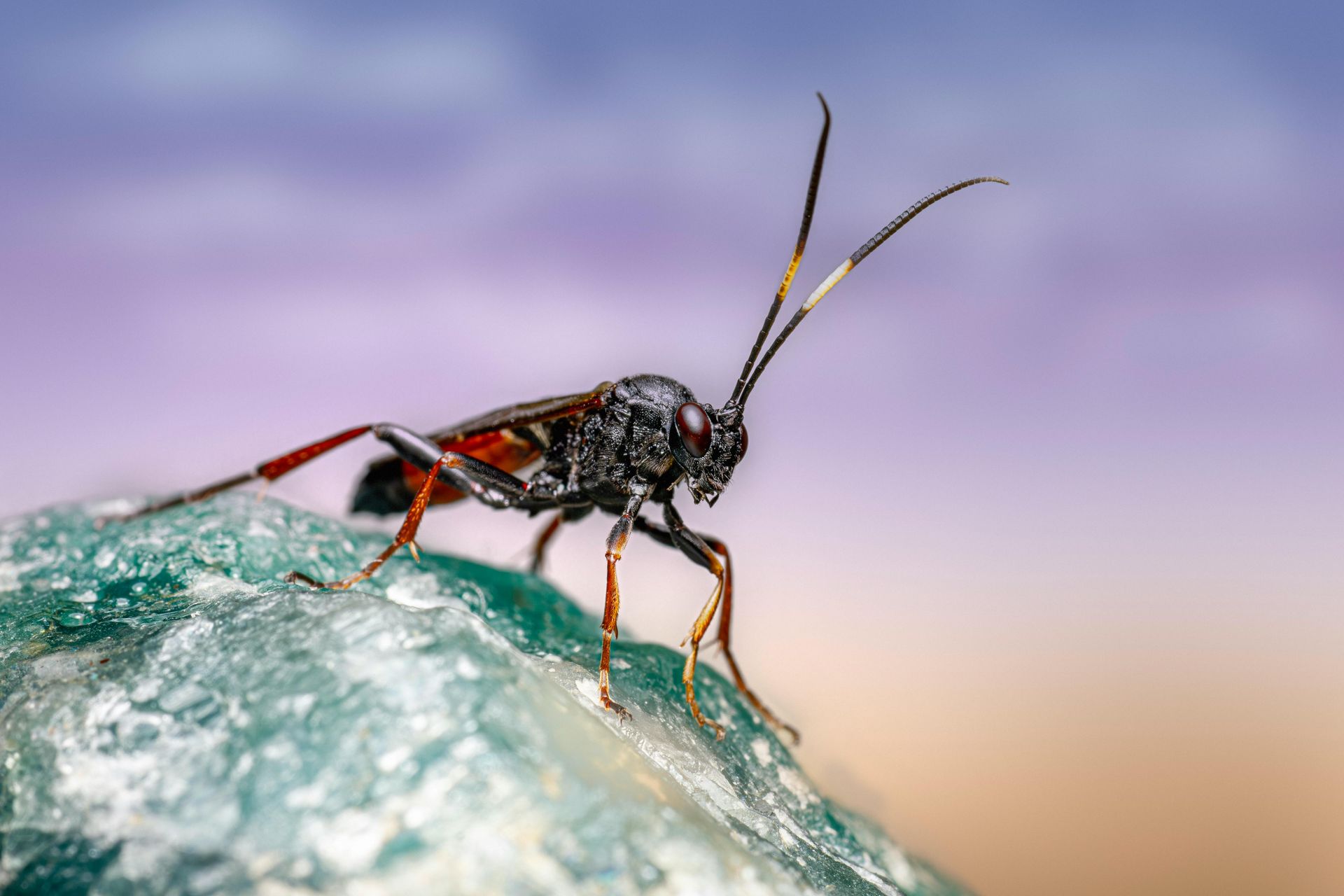
Ichneumon wasps — the family Ichneumonidae, with approximately 25,000 known species, making it one of the largest animal families — are parasitoid insects whose larvae develop inside or on the bodies of other insects, consuming them from the inside out. The description sounds alarming, which is why they are not popular subjects of nature documentaries, but the ecological function they perform — regulating the populations of herbivorous insects, particularly the caterpillars of moths and butterflies — is one of the most important and most underappreciated in terrestrial ecosystems.
A parasitoid is distinct from a parasite: a parasite exploits its host while keeping it alive; a parasitoid kills its host in the course of its development. Female ichneumon wasps locate caterpillars, beetle larvae, or other hosts through olfactory and vibrational cues, then either inject eggs directly into the host or attach eggs to the host's surface. The developing larvae consume non-essential tissues first, keeping the host alive and therefore fresh for longer, before consuming vital organs and killing the host just before pupating.
The diversity of ichneumon wasps reflects the diversity of their hosts — each species is typically specialized on a narrow range of host species, and the arms race between host defense and parasitoid counter-adaptation has generated an extraordinary variety of parasitoid strategies, host detection mechanisms, and venom compositions. Darwin was so struck by the behavior of ichneumon wasps — which he found incompatible with the concept of a benevolent creator — that he cited them in his correspondence as evidence against natural theology: "I cannot persuade myself that a beneficent and omnipotent God would have designedly created the Ichneumonidae with the express intention of their feeding within the living bodies of Caterpillars."
The ecological importance of ichneumon wasps is most clearly understood in agricultural contexts, where parasitoid wasps collectively provide substantial natural pest control of caterpillar and beetle pests.
Termite
Jimmy Chan / Pexels
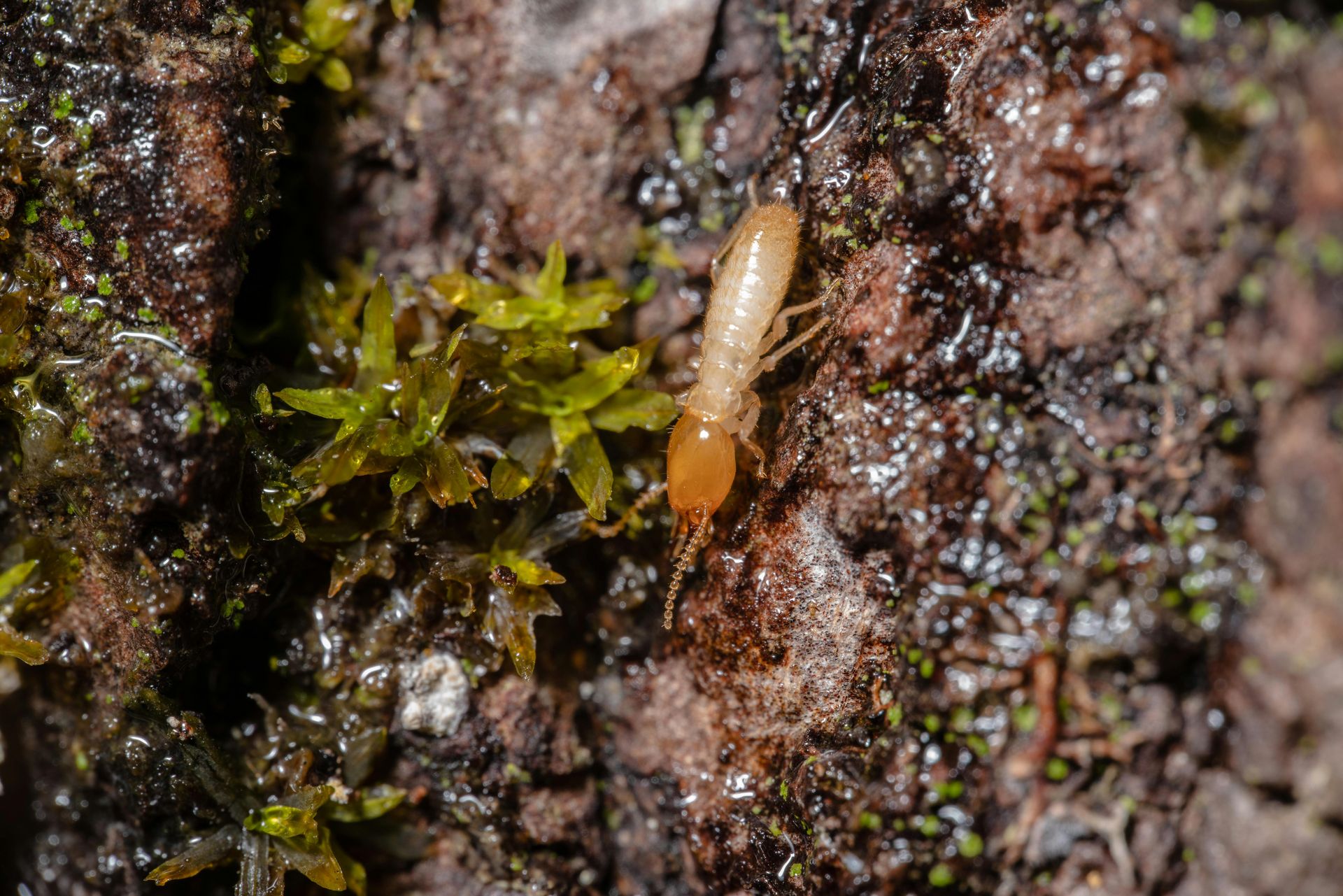
Termites are among the most consequential insects in tropical and subtropical ecosystems — soil engineers, decomposers, and ecosystem architects whose activities shape the physical and chemical environment of the landscapes they inhabit. They are also among the most misunderstood, because in the popular imagination they exist primarily as structural pests that eat wooden buildings, which is both true and deeply incomplete as a description of their ecological role.
Approximately 2,900 termite species are known, and only a small fraction of these are pest species that damage human structures. The large majority are decomposers in natural ecosystems, consuming dead wood, dry grass, leaf litter, and soil organic matter and returning the nutrients to a form accessible to other organisms. In African and Australian savannahs, where termite mound density can reach dozens per hectare, their cumulative effect on soil structure, nutrient distribution, and water infiltration is comparable to the effect of elephants on vegetation structure — a keystone function that shapes the ecosystem for other species.
Termite mounds are ecological hotspots in many savannah systems. The mound material is enriched with nutrients, and the vegetation immediately around mounds is typically more diverse and more productive than the surrounding matrix. In African savannahs, mound-associated vegetation persists through drought conditions that kill the surrounding grassland, providing refugia for herbivores, birds, and other animals when food elsewhere is scarce. Satellite analysis of savannah vegetation has shown that the regular spacing of termite mounds — which results from competition between colonies for food resources — creates a spatial pattern of nutrient enrichment that prevents the savannah from collapsing to desert under drought stress.
The global importance of termites in carbon cycling is also substantial: they are responsible for decomposing a significant proportion of the dead wood and dry grass produced annually in tropical and subtropical ecosystems, returning the carbon stored in that material to the atmosphere or soil in timescales that shape the carbon balance of entire biomes.
Stag beetle
Vladimir Srajber / Pexels
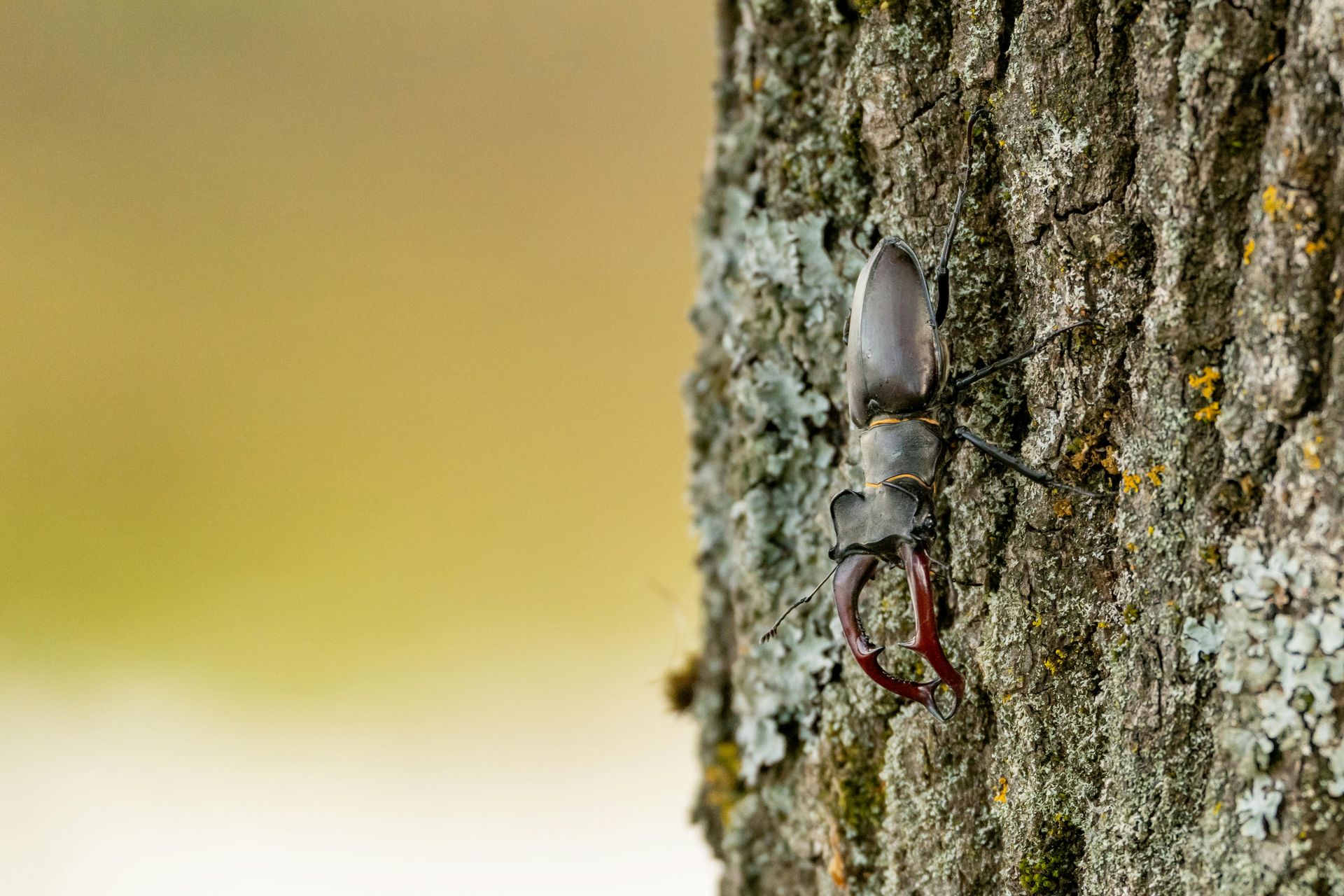
The stag beetle, Lucanus cervus — named for the male's enlarged mandibles, which resemble the antlers of a stag — is one of the largest beetles in Europe and one of the best-studied invertebrate species in European conservation biology. It is included on this list not because it has the broadest ecological impact — there are insects with more extensive roles — but because it illustrates a specific and undervalued ecological function: the decomposition of ancient deadwood.
Stag beetle larvae live in the roots and heartwood of decaying broadleaved trees — oak and other species — for three to seven years, consuming the wood with the assistance of gut microbes that break down the cellulose. The larval galleries they create in the wood increase its surface area and accelerate the overall decomposition process, making the nutrients locked in wood available to other organisms more quickly than if the wood were decomposing without their assistance. The deadwood ecosystem — the community of species that depends on decaying wood — is one of the most species-rich ecological communities in temperate forests, supporting thousands of species of beetles, flies, fungi, and other organisms.
The stag beetle's requirement for specific types of old decaying wood has made it a useful indicator of habitat continuity — it cannot persist in landscapes where old trees and deadwood have been removed, and its absence signals a loss of old-growth woodland character that has implications for the whole deadwood community. Its presence, conversely, is a marker of ecological continuity that managers use to identify priority woodlands for conservation.
The stag beetle's cultural profile has made it one of the most recognizable invertebrates in European conservation, and citizen science recording programs have produced distribution data for the species across Europe that would be impossible to generate through professional survey alone.
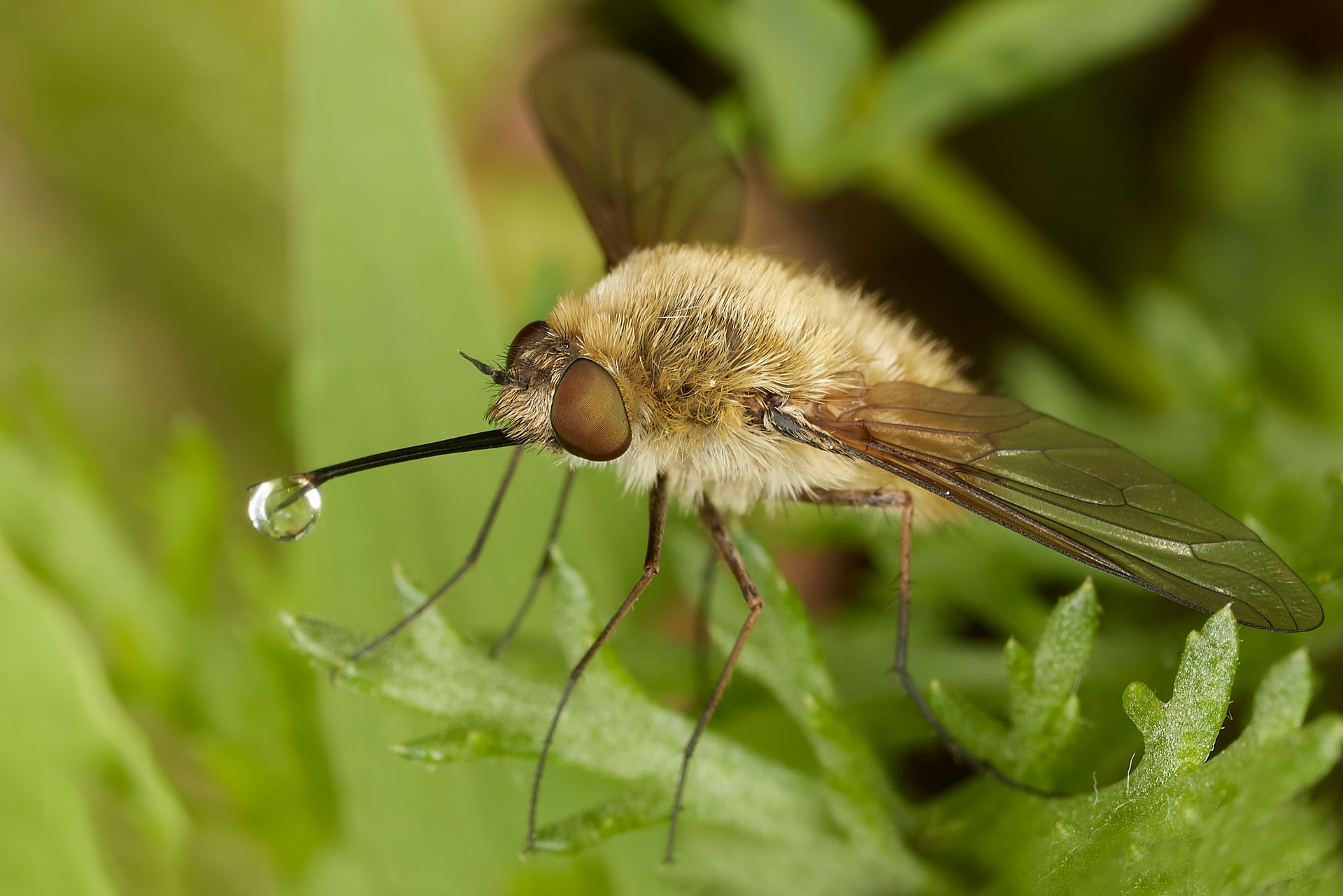
Bee fly
Massimo Piccoli / Pexels
Bee flies — the family Bombyliidae, with approximately 5,000 known species — are parasitoids of ground-nesting bees and other insects, but their adult life stage is entirely benign and ecologically beneficial: adult bee flies are important pollinators, hovering in front of flowers with a long proboscis extended to reach nectar in flowers that their body size alone does not allow them to land on.
The ecological role of bee flies as pollinators is underappreciated even by botanists and ecologists who study pollinator communities. Many species are early-season fliers — active in March and April in the northern hemisphere, when bee activity is still limited by cool temperatures — and they visit a range of spring-flowering plants in the period before the main bee season begins. In years with cold springs, early-flying bee flies may be the primary pollinators of some plant species during the gap between the snowdrop-and-crocus pollinators of late winter and the main bee emergence.
The larvae of bee flies are parasitoids or predators of the larvae of other insects, including solitary bees, ground beetles, grasshoppers, and moths. The female bee fly exhibits a remarkable oviposition behavior: she hovers near the burrow of a ground-nesting bee, flicks an egg toward the burrow entrance from the air, and the egg rolls into the burrow, where it hatches and the larva seeks out the bee larva to parasitize. The adult fly has no physical contact with the host at any point, and the accuracy of the aerial egg flicking is a precise behavior that requires anatomical and behavioral adaptations specific to this mode of reproduction.