From dramatic clifftops to ancient islands, Ireland's top destinations ranked for every kind of traveler
Tuul & Bruno Morandi / Getty Images
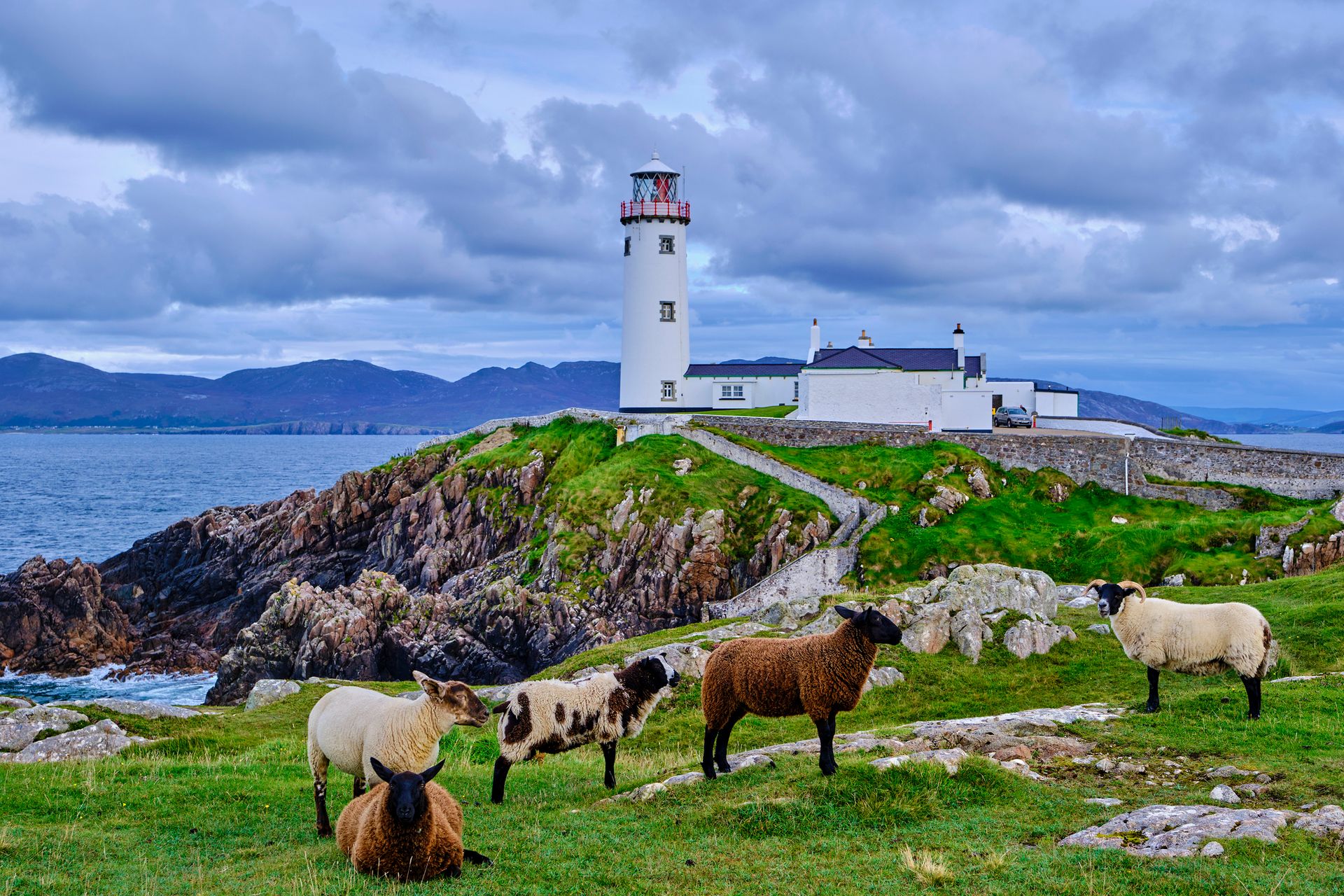
Ireland earns its reputation as a destination that rewards the traveler who arrives without a fixed plan and simply drives until the scenery demands a stop. The country is small enough to cross in a few hours yet varied enough to sustain weeks of exploration, with a coastline that shifts between sheer cliff faces, sandy beaches, and island-dotted bays across a relatively short distance. The cultural texture is equally concentrated: ancient forts, medieval castles, and early Christian ruins sit in fields that have been farmed continuously for thousands of years, and the tradition of gathering in a pub to play music or simply talk is not a performance for tourists but a genuine social institution that visitors can enter without ceremony.
The practical challenge of an Irish trip is not finding things worth seeing but choosing among an abundance of them. A traveler with a week faces a real decision: spend it in a single region and explore it deeply, or move quickly between the east and west coasts and the interior, accepting a shallower engagement with each. The west coast alone — from the Cliffs of Moher in County Clare north to the Inishowen Peninsula in Donegal — contains more distinct landscapes, heritage sites, and cultural traditions than many countries offer in total. The question of how to weigh cities against countryside, coastal drives against national parks, and well-known landmarks against lesser-visited towns shapes the itinerary more than any single destination choice.
The 10 destinations below are from U.S. News & World Report’s ranking of the best places to visit in Ireland for 2026, which assessed each location based on its sights, adventure opportunities, and cultural richness, along with expert opinion and traveler feedback. The list covers the full geographic range of the country, from the capital in the east to the remote northern peninsula, and spans coastal cliffs, island archipelagos, national parks, and medieval city centers, giving travelers a representative set of options across every type of Irish experience.
Nigel Killeen / Getty Images
Donegal sits at the northwestern edge of Ireland and holds a concentration of natural, historical, and cultural assets that places it at the top of this list. The 15th-century Donegal Castle stands in the town center as one of the best-preserved tower houses in the country, and the traditional Irish bars in the surrounding streets — some dating to the 1700s — provide a setting for the kind of social experience the Irish call craic: the mix of conversation, live music, humor, and general good company that defines the country’s pub culture at its most authentic.
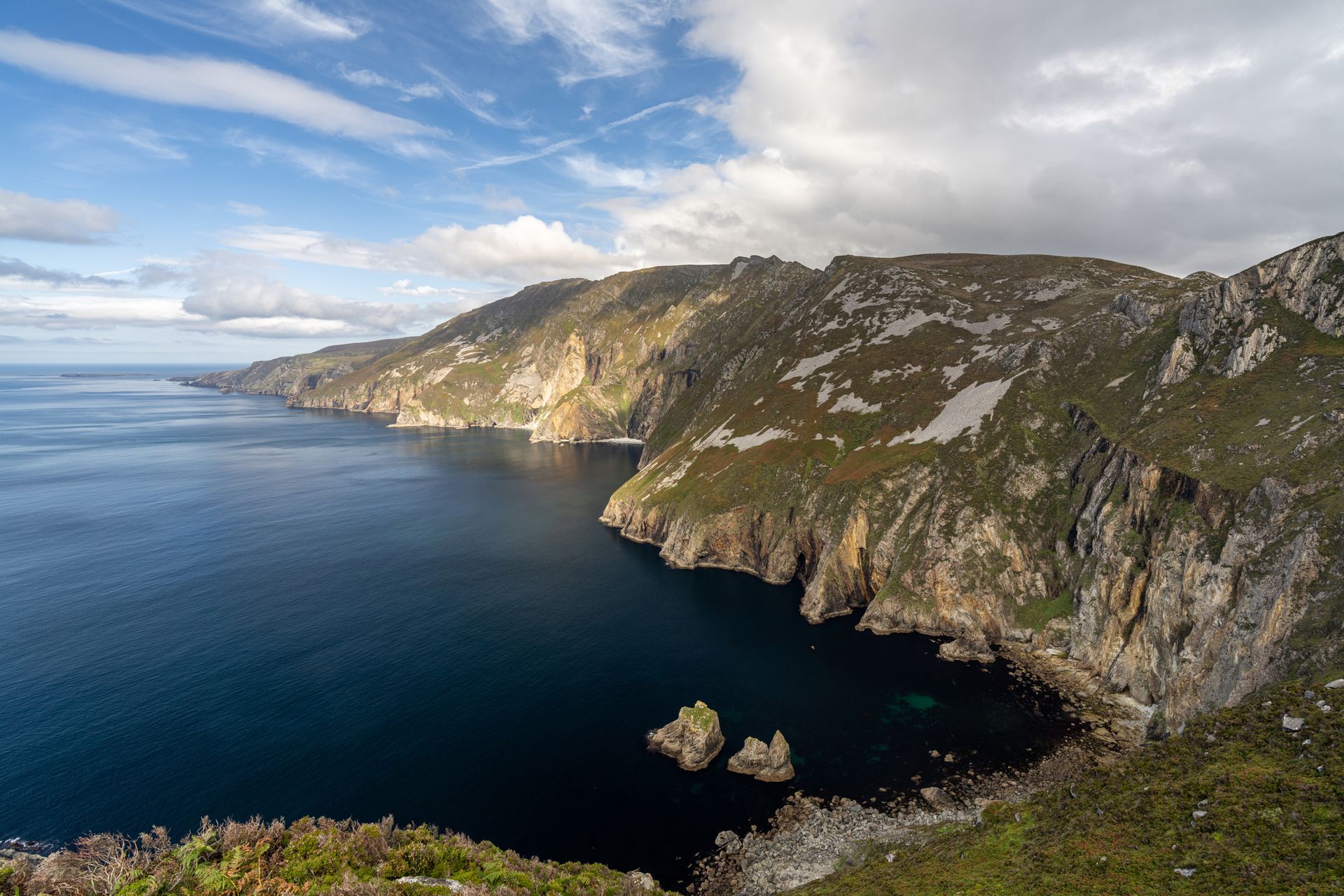
The natural scenery along Donegal Bay draws travelers willing to drive the coastal roads for views that rival those of any part of Ireland. The Slieve League cliffs rise nearly three times as high as the Cliffs of Moher and receive a fraction of the visitor numbers, giving travelers a dramatic coastal experience without the crowds that have made the more famous cliffs harder to enjoy quietly. The scale comparison is not abstract: where the Cliffs of Moher reach roughly 700 feet at their highest point, the Slieve League cliffs reach around 1,970 feet above the Atlantic.
The offshore islands add a cultural dimension that the mainland cannot match. Arranmore Island, reachable by ferry from Burtonport, is home to one of the largest Irish-speaking communities in the country and maintains a living Gaelic culture that has persisted despite centuries of pressure to assimilate linguistically. Travelers $TRV interested in the Irish language as a spoken, everyday medium will find Arranmore a more genuine experience than any language center or cultural tour on the mainland. High-spirited festivals in Donegal town draw visitors from across Ireland throughout the year, rounding out a destination that works across every register of an Irish holiday: scenery, history, music, language, and pure social pleasure. The Slieve League cliffs alone justify a visit that many travelers to Ireland never make, and the gap in visitor numbers relative to the Cliffs of Moher means the experience remains intimate in a way that Ireland’s most famous natural landmarks no longer offer.
espiegle / Getty Images
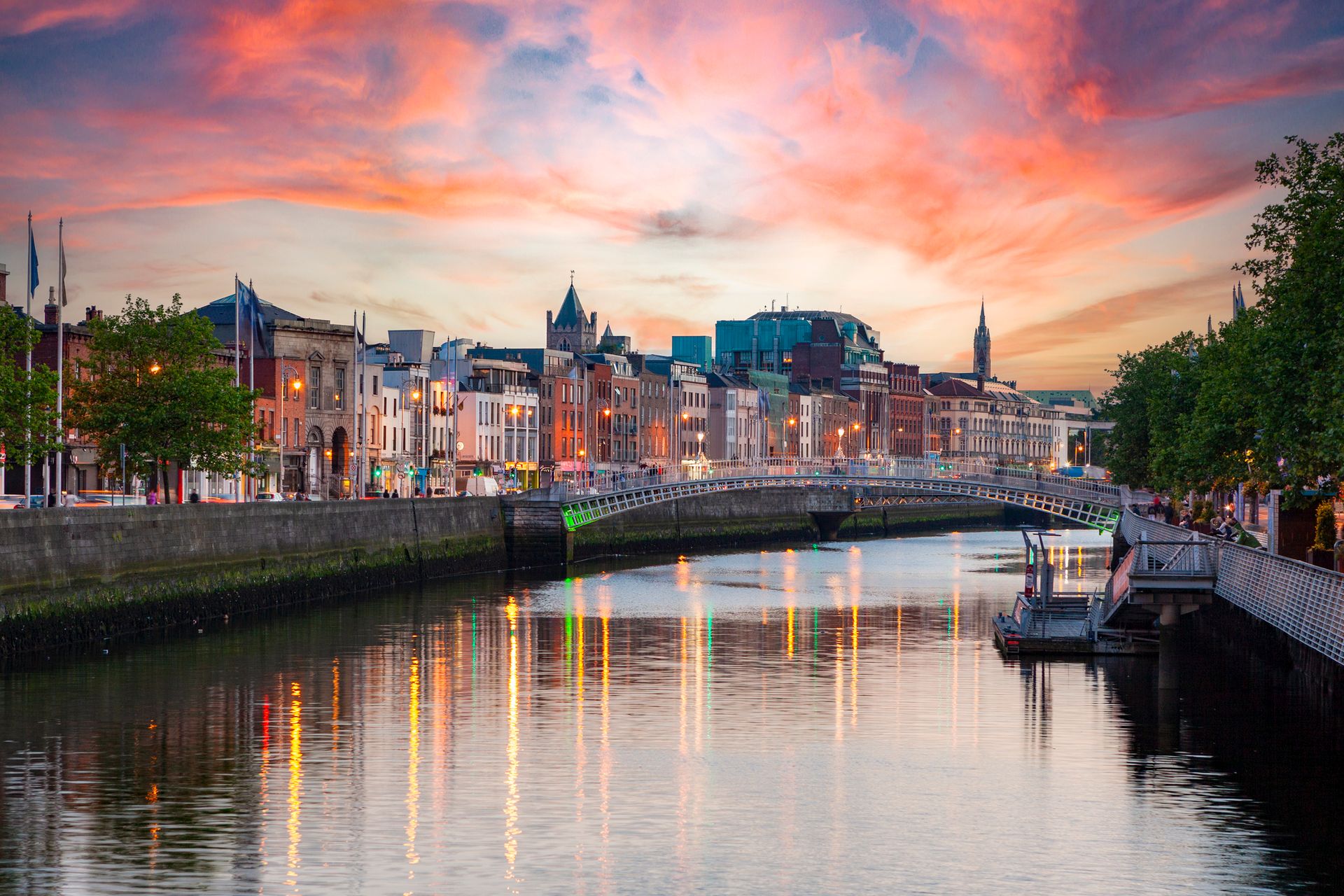
Dublin carries Ireland’s political, cultural, and musical life within a city that retains an approachable, unhurried atmosphere unusual for a European capital of its stature. The major heritage sites cluster within walking distance of the city center: Trinity College, home to the Book of Kells and one of the finest historic university campuses in Europe, sits minutes from the 13th-century Dublin Castle, which served as the center of British administration in Ireland for seven centuries before independence. The Temple Bar district, with its crowded lanes of pubs and live music venues, operates as a focal point for the city’s nightlife and draws visitors looking for the most concentrated expression of Dublin’s social culture in a single neighborhood.
The arts infrastructure is substantial and underused by many visitors who focus on the pub scene. Dublin’s national theater, the Abbey Theatre, stages productions with a direct connection to the Irish literary tradition, and the city’s museums dedicated to writers such as James Joyce, Oscar Wilde, and W.B. Yeats give the literary tourism circuit a physical presence that few cities can match. Festivals throughout the year bring additional cultural programming to streets and venues across the capital.
The city’s position on the eastern coast makes it a practical base for day trips that expand the itinerary beyond the urban core. Howth, a fishing village on a rocky headland north of the city, is accessible by DART commuter rail and offers coastal walks, seafood restaurants, and views back across Dublin Bay. Powerscourt Estate in County Wicklow, roughly an hour’s drive south, combines formal gardens, a waterfall, and mountain scenery in a single visit. Travelers $TRV who base themselves in Dublin for several days and use it as a hub for these day trips get a compressed but varied experience of the Irish east coast without the logistical overhead of relocating accommodation midway through the trip. Dublin also serves as the principal international air hub for Ireland, meaning most visitors pass through the city regardless of their ultimate destination, and spending two or three days there on arrival gives any Irish itinerary a well-grounded cultural starting point.
Christophe Boisvieux / Getty Images
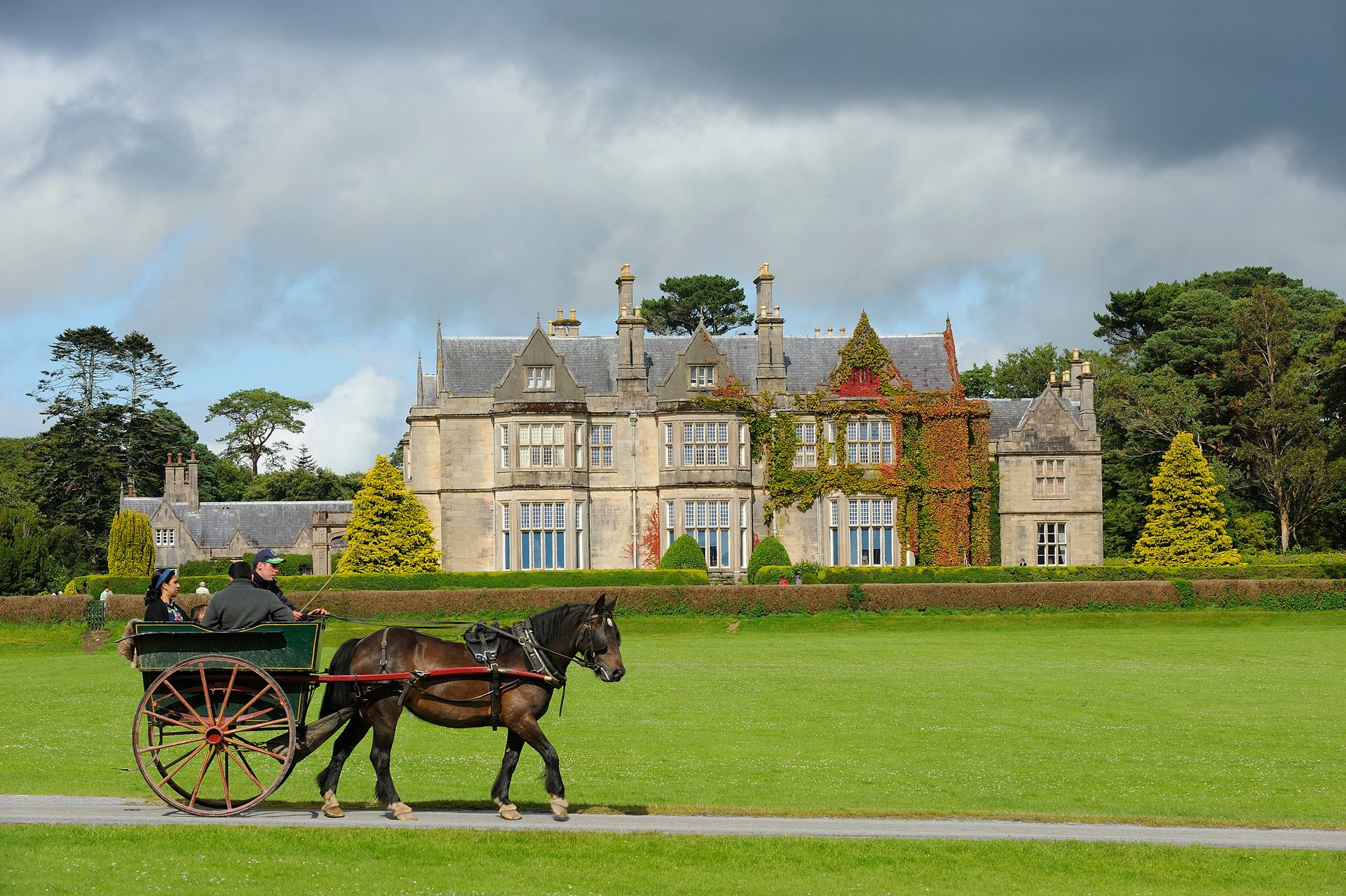
Killarney, in County Kerry, is the most convenient base for exploring the Ring of Kerry, a 111-mile scenic drive along the Iveragh Peninsula, without requiring visitors to drive it themselves. The town sits within walking distance of Killarney National Park, whose lakes and ancient woodland cover a landscape dominated on the southern horizon by Macgillycuddy’s Reeks, the highest mountain range in Ireland. Travelers $TRV who prefer not to navigate the Ring’s narrow roads can hire a horse-drawn jaunting car, the traditional open carriage that has carried visitors through the Gap $GPS of Dunloe — a glacial valley between the mountains — for generations.
The national park itself justifies the visit independently of the Ring of Kerry. The park encompasses the three Lakes of Killarney, and boat tours across the water provide views of the surrounding mountains and the wooded islands that hold some of the oldest native oakwood in Ireland. Muckross House, a Victorian mansion on the shore of Muckross Lake, is the park’s primary heritage attraction and includes furnished period rooms, a working traditional farm, and access to the gardens. Ross Castle, a 15th-century tower house on the edge of Lough Leane, rounds out the park’s built heritage and offers boat access to the lake system from its restored quayside.
The town of Killarney itself provides the full range of services — hotels, restaurants, guided tour operators, and equipment rental — that make it a genuine hub rather than merely a gateway. Visitors who prefer hiking to jaunting in cars will find Macgillycuddy’s Reeks accessible from several trailheads within the national park, and the higher peaks offer a physical challenge suited to experienced hill walkers. Killarney’s blend of accessible heritage sites, national park walking, lake cruising, and convenient transport options for the Ring of Kerry makes it the most logistically complete base on Ireland’s southwestern coast.
Tuul & Bruno Morandi / Getty Images
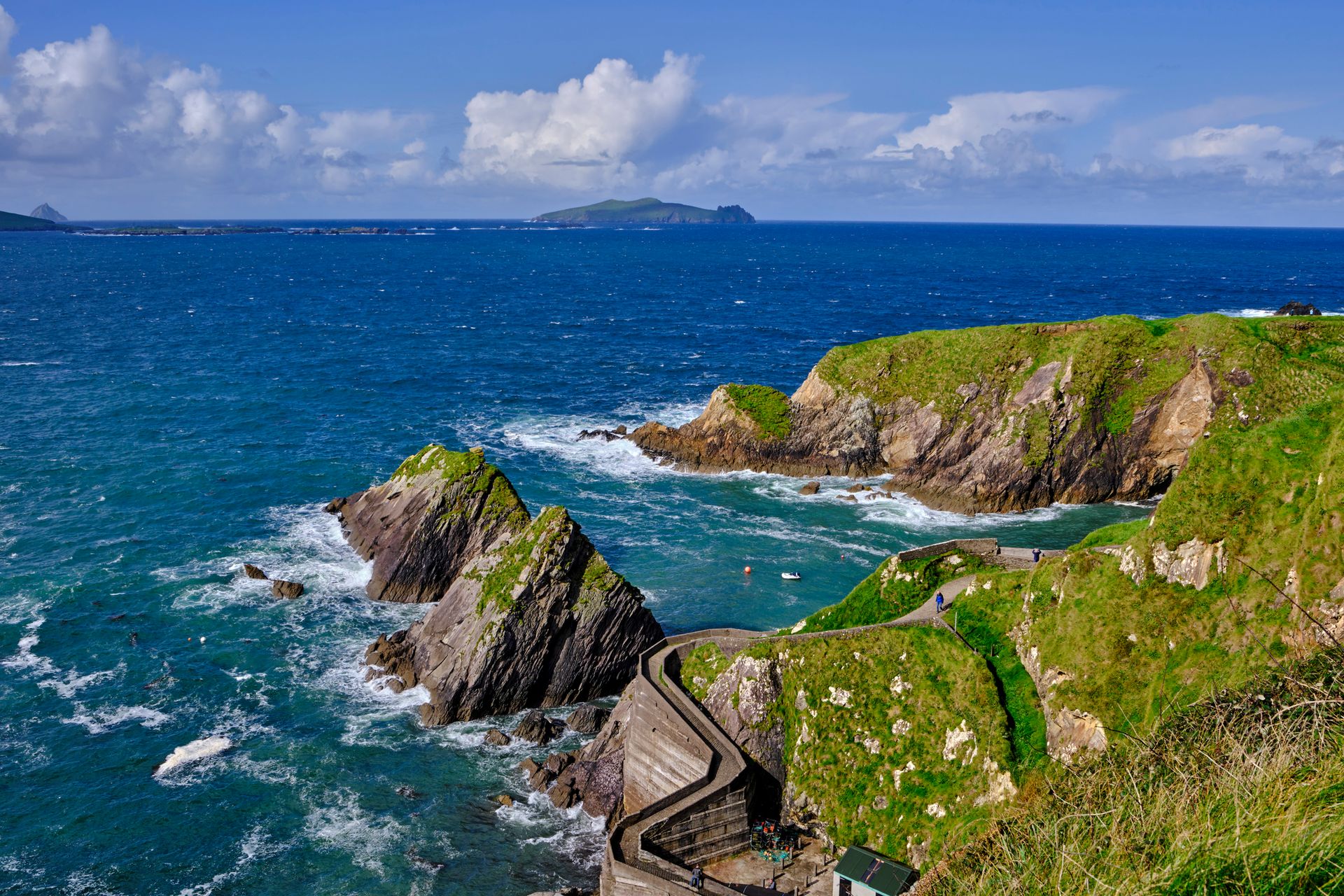
The Dingle Peninsula extends into the Atlantic along the Wild Atlantic Way on Ireland’s west coast and delivers the kind of scenery — grassy hillsides dropping to craggy shorelines above vivid blue water — that defines the western Irish landscape at its most dramatic. Slea Head Drive, a circular coastal road around the tip of the peninsula, passes through a sequence of views that change character with the light and weather, and the prehistoric stone structures scattered across the hillsides above the road add an archaeological dimension to what would otherwise be a purely scenic route.
The Dingle Way offers a pedestrian route for travelers who want to explore the peninsula on foot. The roughly 100-mile loop trail spans the full length of the peninsula and takes walkers through landscapes inaccessible by road, past sea stacks, cliff edges, and remote farmland that preserves a physical relationship between the land and the Atlantic that the driving route only partially conveys. Walkers can complete the full loop over eight to 10 days, or select individual sections for a shorter visit.
The Blasket Islands, accessible by ferry from Dunquin at the western tip of the peninsula, add a further dimension for travelers willing to cross. The Great Blasket was inhabited until 1953, when the Irish government evacuated the last remaining residents. The island now carries a particular quality of preserved abandonment: roofless stone cottages, unchanged Atlantic views, and a population of sheep moving through a landscape that has not changed since the evacuation. Dolphins are a frequent sighting in the waters between the mainland and the islands, and the beaches on the islands are among the least crowded in Ireland. The Dingle Peninsula’s layering of scenic driving, long-distance walking, island access, and prehistoric monuments makes it the most complete single-peninsula destination on this list. Travelers $TRV who arrive without a fixed plan and simply follow the Slea Head Drive in either direction, stopping where the scenery demands it, will find that the peninsula naturally unfolds into a full day without any additional itinerary planning.
mikroman6 / Getty Images
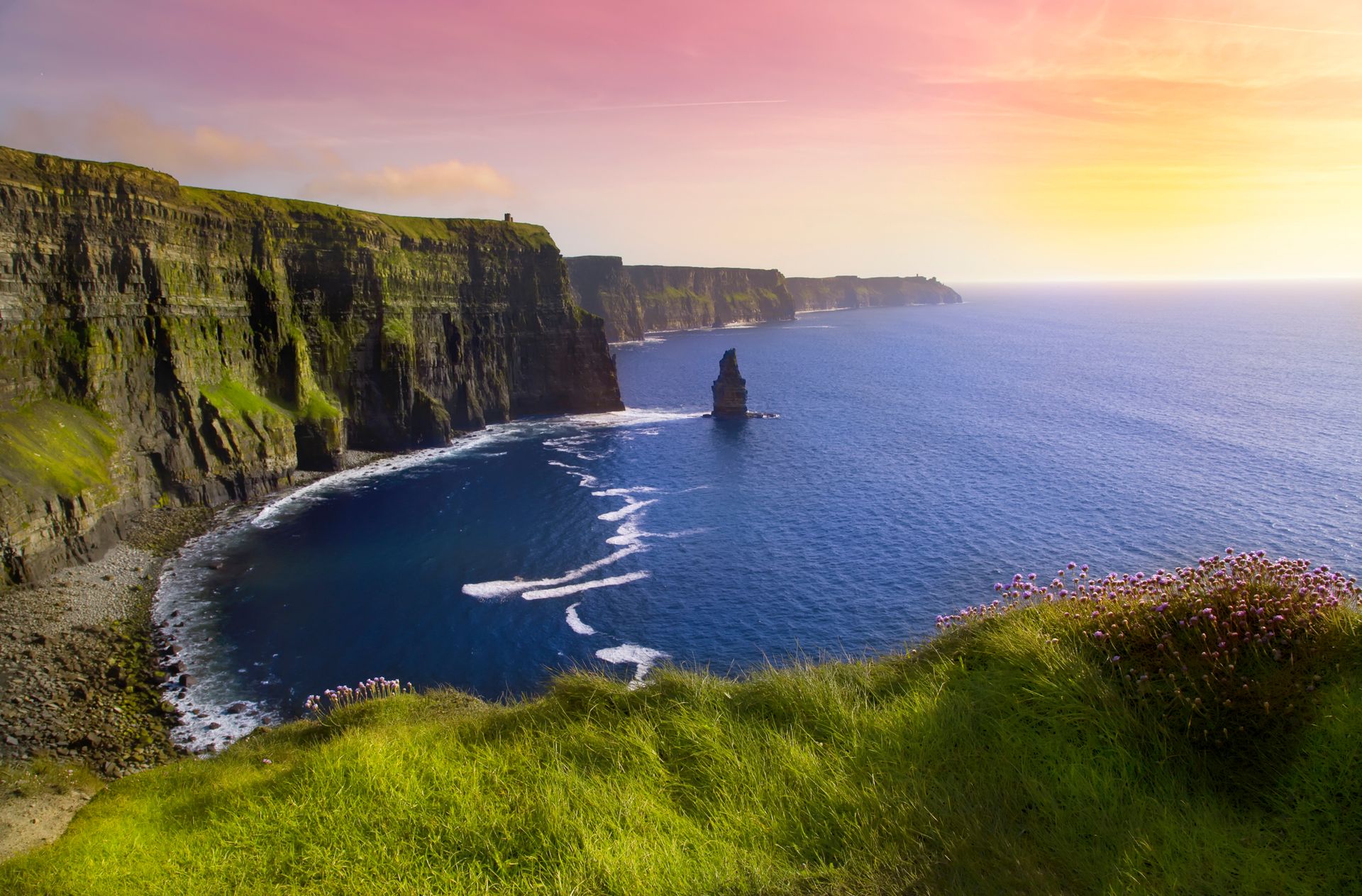
The Cliffs of Moher are the single most visited natural attraction in Ireland, drawing more than one million people each year from across the country and around the world. The scale justifies the volume: the cliffs run for roughly eight miles along the County Clare coast and reach approximately 700 feet at their highest point, providing a vertical face of dark carboniferous rock that drops directly to the Atlantic with no beach or gradual slope below. On clear days, the view from the clifftop extends across Galway Bay to the hills of Connemara and out to the Aran Islands, giving the panorama a geographic depth that amplifies the physical drama of the cliffs themselves.
The popularity of the cliffs generates real practical consequences for visitors. Towns more than 100 miles away run full-day bus tours to the site, and the visitor center and main viewing platforms see consistent crowds during peak season. Booking tickets online in advance reduces both costs and wait times at the entrance, and visiting in the early morning or late afternoon shifts the experience away from the midday peak. The walking path along the clifftop allows visitors to move in either direction from the main viewing area and reach sections of the cliffs where the crowds thin out significantly within a 15- to 20-minute walk.
The cliffs sit within easy reach of other major attractions in the region. Burren National Park, the limestone karst landscape that covers a large portion of County Clare, lies immediately to the north and provides a walking environment that contrasts sharply with the coastal drama of the cliffs. The cliffs and the Burren together fill a full day with two of Ireland’s most distinctive landscapes in close geographic proximity, which makes the County Clare region the most efficiently rewarding area on this list for travelers with limited time.
pawel.gaul / Getty Images
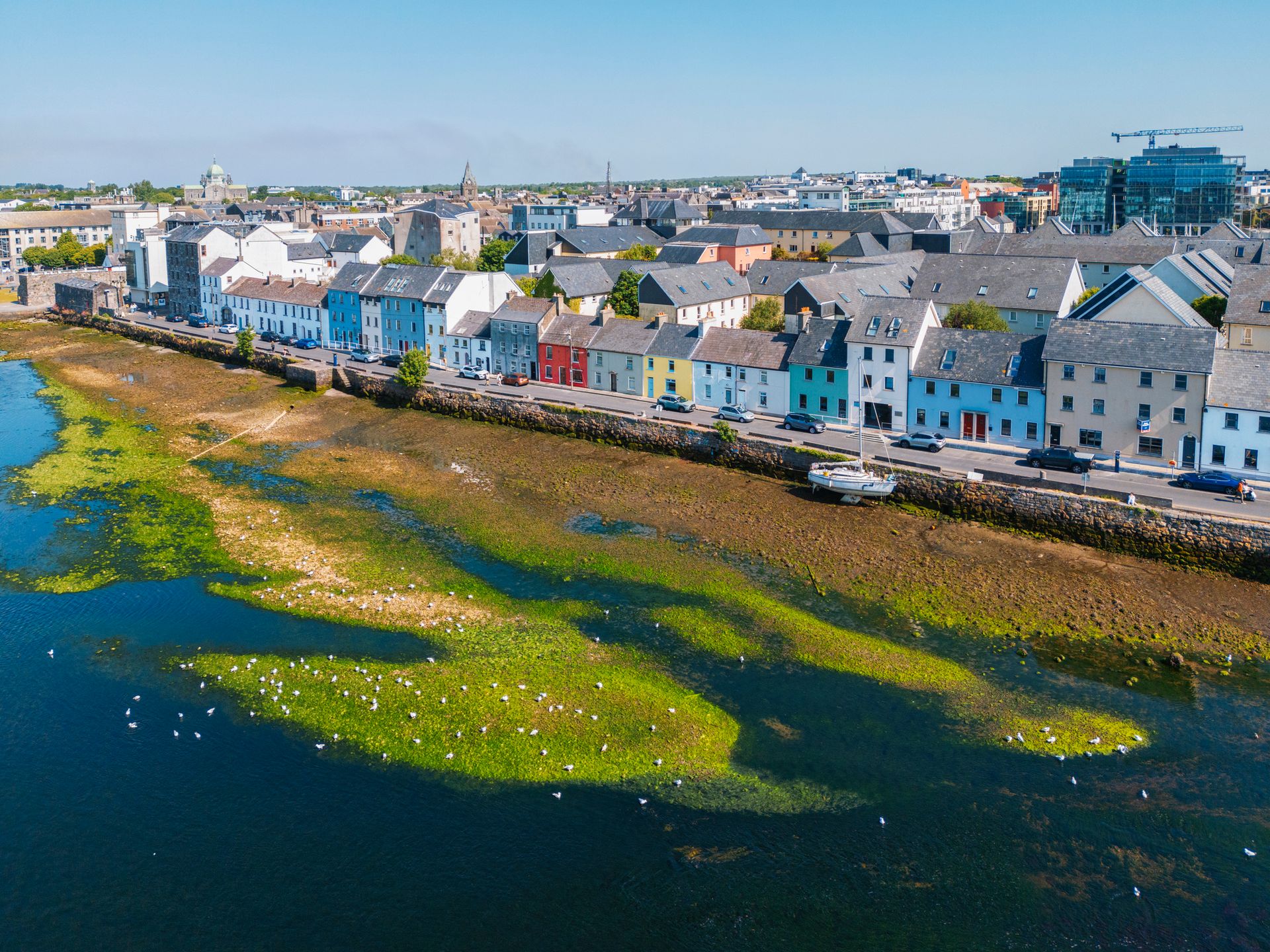
Galway functions simultaneously as one of Ireland’s most culturally active small cities and as the most convenient urban gateway to the wild western landscapes of Connemara and the Aran Islands. The Latin Quarter in the city center is home to traditional music venues, independent shops, and historic buildings around the Spanish Arch — a remnant of the city’s 16th-century walls — and St. Nicholas’ Collegiate Church, a medieval church that has served the city continuously since the 14th century. The streets around these landmarks fill with buskers and pub sessions on most evenings, sustaining a live music culture that operates without a fixed schedule and rewards visitors who simply follow the sound.
The Salthill Promenade stretches along the southern shore of Galway Bay and gives city visitors a coastal walking route with views across the bay to the Burren hills of County Clare on the far shore. The tradition of “doing the Salthill dip” — jumping into the sea from the promenade’s diving board — has persisted across generations and encapsulates the casual physical relationship with the Atlantic that characterizes life on Ireland’s west coast. Burren National Park, roughly a 45-minute drive south of the city, provides access to the limestone pavement landscape that supports an unusual mix of Arctic, Alpine, and Mediterranean plant species in a single compact area.
Galway’s festival calendar draws visitors from across Ireland and beyond throughout the year. The Galway International Arts Festival, the Galway Film Fleadh, the Galway Races, and the Oyster Festival each bring distinct audiences and distinct characters to the city across different seasons, making the timing of a visit relevant to the overall experience. Travelers $TRV who arrive during a festival period encounter a city operating at a different intensity than its normal pace, and those who arrive in the quieter months find the Latin Quarter’s music and pub culture more accessible without the peak-season crowds.
Dave G Kelly / Getty Images
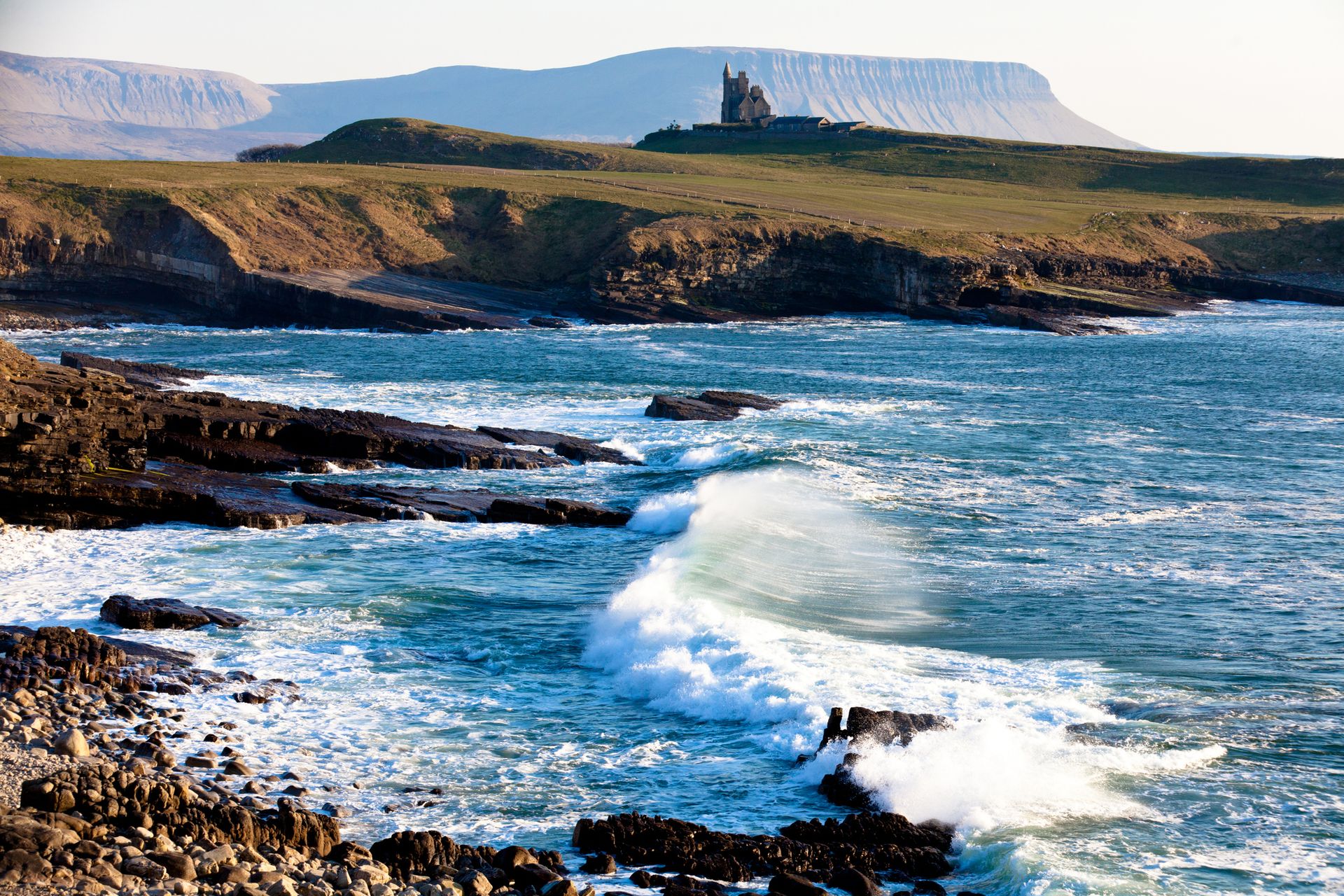
County Sligo’s identity as “Yeats Country” derives from the direct influence the landscape had on Ireland’s most celebrated poet, who spent summers in the area and returned to it throughout his life and work. The dominant physical feature is Benbulben, a flat-topped mountain that rises abruptly from the surrounding farmland and recurs in Yeats’s poetry. Yeats is buried in the churchyard at Drumcliffe, in the shadow of the mountain, and the grave has become one of the most visited literary sites in Ireland.
The outdoor activity options around Benbulben suit visitors who want physical engagement with the landscape alongside the literary context. A loop trail at the base of the mountain provides a manageable walk with sustained views of the summit plateau, and the exposed rock face on the mountain’s northern side draws more experienced climbers. Strandhill, a village on the Atlantic coast west of Sligo town, has developed a surf culture around the year-round beach break, and surf lessons are available for beginners. Mullaghmore Head, farther north along the coast, is a big-wave break that attracts professional surfers when Atlantic swells arrive in autumn and winter.
The food and arts culture of Sligo town provides an urban complement to the outdoor options. The Sligo Food Trail connects producers, restaurants, and markets across the county and gives food-focused travelers a structured way to explore local culinary traditions. The Model, a contemporary arts center in the town center, houses the Niland Collection, one of the most significant collections of Irish modern art outside Dublin. Lissadell House and Gardens, the ancestral home of the Gore-Booth family that Yeats visited repeatedly and wrote about, opens seasonally and gives visitors access to both the building and the grounds that appear in his poetry. Sligo rewards a two-night stay more than a single-day visit: the surf, the hiking, the food trail, the arts center, and the Yeats sites together require more time than one day permits without feeling rushed.
Christophe Boisvieux / Getty Images
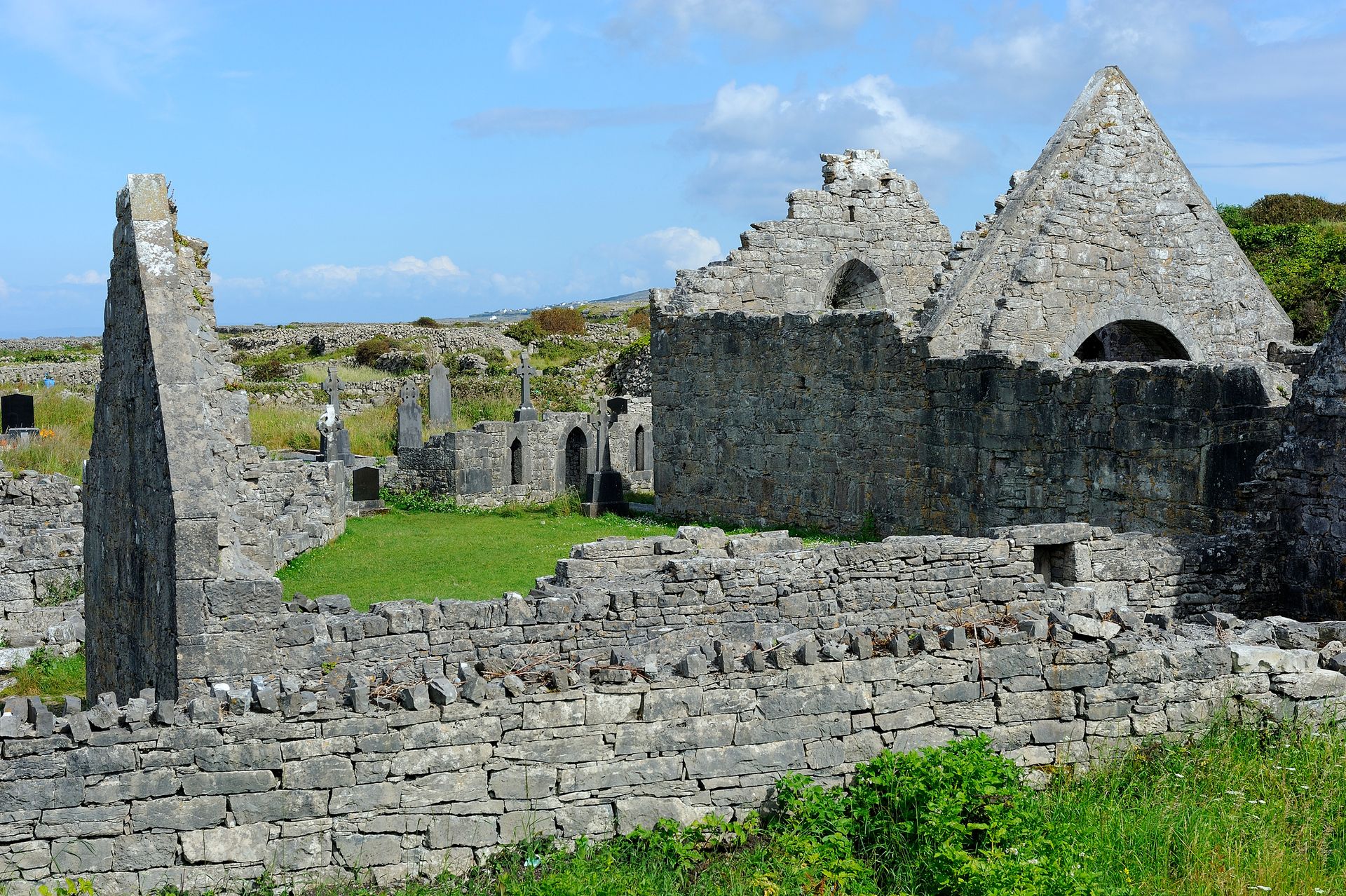
The three Aran Islands — Inis Mór, Inis Meáin, and Inis Oírr — lie off the Galway coast and constitute one of the most significant living repositories of Irish language and pre-Christian heritage in the country. Access to the islands is by ferry from Rossaveal in Galway and Doolin in County Clare, and by small aircraft from Connemara Airport, giving visitors several practical options for reaching the islands depending on their base. The ferry crossings take between 30 and 90 minutes, depending on the point of departure, and the transition from the mainland to the island environment begins the moment the boat clears the harbor.
Inis Mór, the largest of the three islands, holds the prehistoric cliff fort of Dún Aonghasa, a semi-circular stone structure built on the edge of a 300-foot cliff face whose seaward wall has long since fallen into the Atlantic. The fort dates to the Bronze Age and represents one of the finest examples of prehistoric Atlantic stone architecture in Europe. Visitors who walk to the edge of the cliff from within the fort walls encounter an unobstructed ocean view that has a different quality from that of the Cliffs of Moher. No fence or managed viewing platform interrupts the sightline. The stone fort sits behind the visitor, and the sea drops three hundred feet below.
The islands’ cultural significance extends beyond the archaeological. Traditional Sean Nós singing, an unaccompanied vocal style in the Irish language, survives as a living performance tradition on the islands rather than as a museum exhibit, and folk dancing retains a social function in island communities. The continued everyday use of the Irish language across the islands provides language learners and cultural travelers with a genuine context for hearing and engaging with Irish, not staged. Travelers $TRV who spend multiple days on the islands, particularly on Inis Mór, where accommodation options are most developed, gain access to a pace and texture of island life that a day trip from the mainland cannot approximate.
Andrea Pistolesi / Getty Images
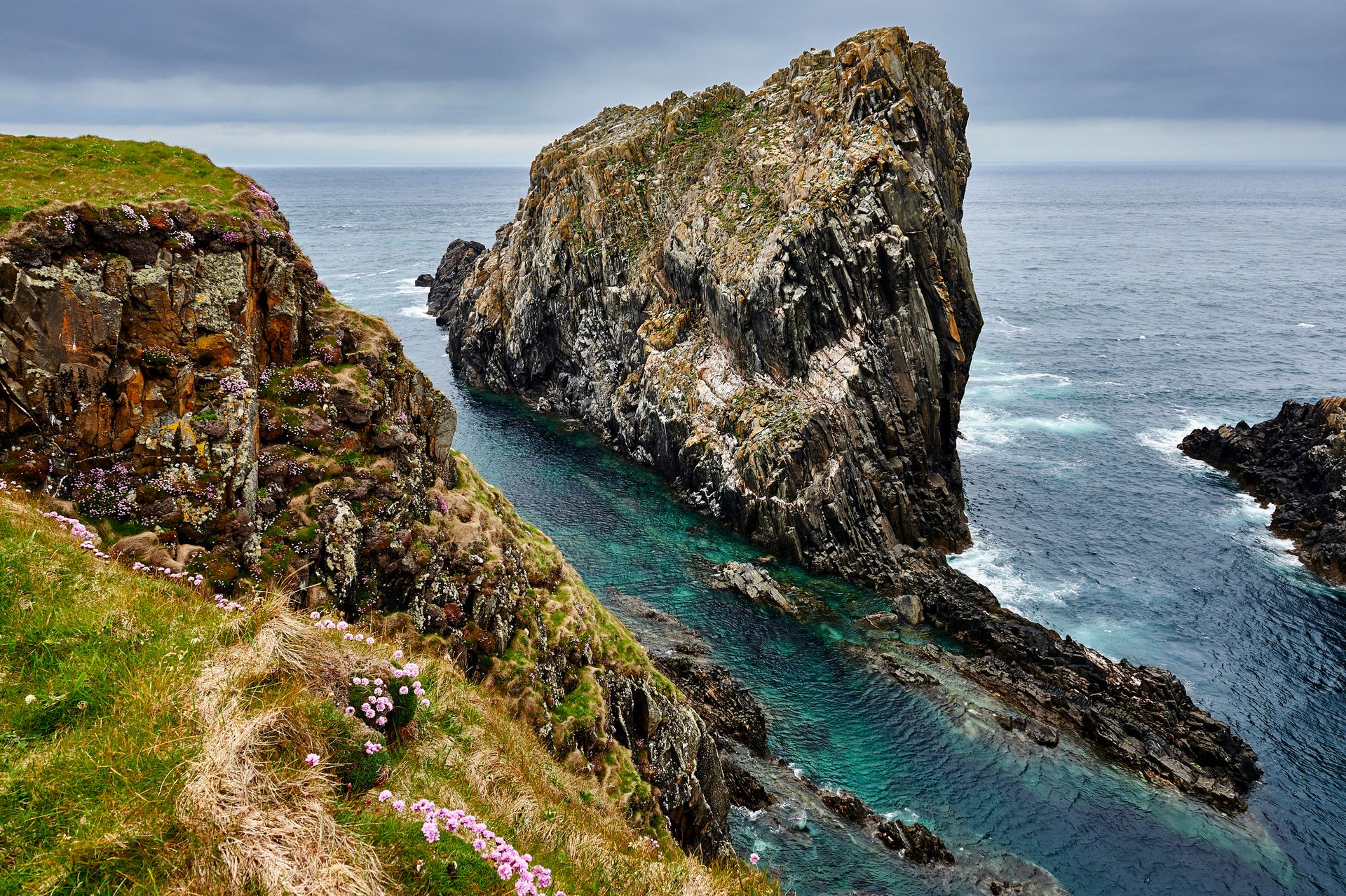
The Inishowen Peninsula, at the northern tip of County Donegal, is the largest peninsula in Ireland and holds a concentration of coastal and inland scenery that its remoteness has kept relatively undiscovered by international tourism. Malin Head, at the peninsula’s northern tip, is the most northerly point on the Irish mainland and gained wider recognition from its appearance as a filming location for “Star Wars: The Last Jedi,” but the headland’s appeal exists entirely independently of that association. The views from Malin Head across the North Atlantic carry a quality of exposure and openness that the more sheltered landscapes of the south and west do not replicate.
Trawbreaga Bay, a shallow inlet on the eastern side of the peninsula, provides a contrast to the Atlantic-facing drama of Malin Head. The bay’s tidal flats and dune systems support a bird population, making it a productive destination for wildlife observation, and the low-lying shoreline gives the landscape a gentler character suited to walking and reflection. The Gap $GPS of Mamore, a mountain pass on the western side of the peninsula, carries a single-track road over a col between two hills and offers views across Lough Swilly and the Fanad Peninsula to the west.
Winter visits to Inishowen offer the chance to see the aurora borealis. Ireland sits far enough north that the northern lights are occasionally visible on clear nights with sufficient solar activity, and the peninsula’s low light pollution makes it one of the better vantage points in the country for the phenomenon. Marine headlands, thatched cottages in the surrounding villages, prehistoric standing stones, and the occasional winter aurora give Inishowen a range of experiences that reward multiple days of exploration for travelers willing to make the drive to Ireland’s far north. The peninsula sees a fraction of the visitors that Donegal town attracts, despite sharing the same county, and that disparity in volume is the defining practical argument for including it on any itinerary that extends beyond the standard tourist circuit of the west coast.
Andrea Pistolesi / Getty Images
Waterford, on Ireland’s southeastern coast, holds the distinction of being the oldest city in the country, founded by Viking settlers in 914 and retaining physical evidence of that origin in its street plan and in the surviving tower structure of Reginald’s Tower, built by the Normans in the 12th century on the site of an earlier Viking fortification. The Waterford Treasures museum complex, which encompasses the Medieval Museum, Reginald’s Tower, and Bishop’s Palace, provides a coherent institutional framework for the city’s layered history across three adjacent buildings in the city center, giving heritage-focused travelers a structured half-day to full-day program without requiring significant navigation.
The House of Waterford crystal factory offers a different kind of heritage engagement. Waterford crystal has been manufactured in the city, with some interruptions, since the 18th century, and factory tours show visitors the full process from molten glass to finished piece, including the hand-cutting that gives the crystal its characteristic faceted surface. The brand’s global recognition, with Waterford crystal featured in collections in more than 100 countries, gives the factory tour a tangible connection to a product many visitors will already know. The retail operation adjacent to the tour space provides an opportunity to purchase pieces with direct knowledge of their origin.
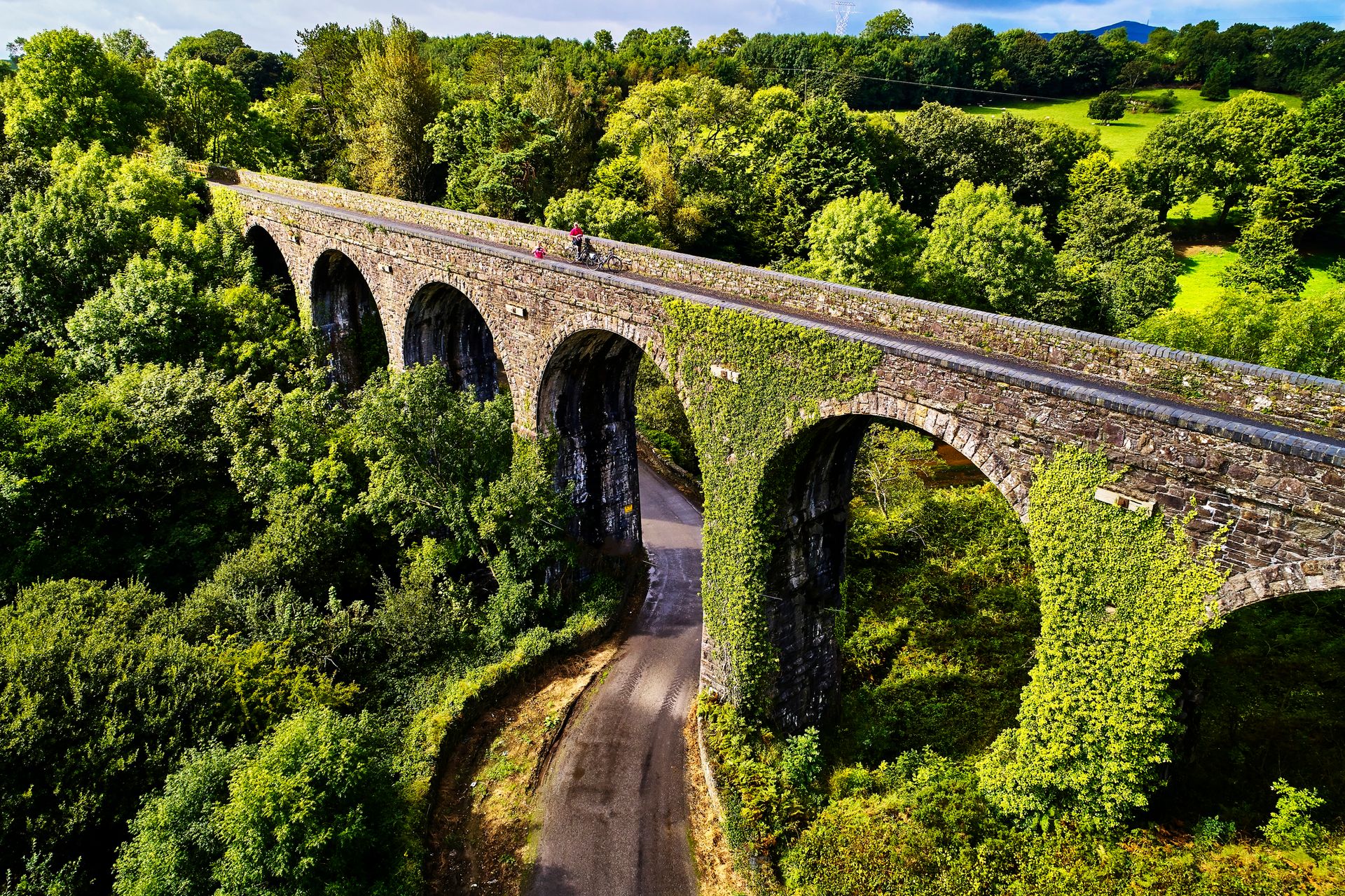
The Waterford Greenway extends the visit beyond the city’s heritage sites. The nearly 30-mile off-road cycling and walking path follows a former railway line from Waterford city to Dungarvan on the coast, passing through a varied landscape of river valleys, viaducts, and tunnel sections. The route is flat enough for casual cyclists and provides a physical counterpoint to the museum visits in the city. Waterford’s compact city center, strong heritage infrastructure, and the Greenway give it a fuller day’s program than its size might suggest, making it a worthwhile stop for travelers routing along the southern coast between Cork and the more visited destinations of the southwest.
