
7 famous journeys taken purely for leisure that changed history
These journeys that changed history began as simple leisure trips, from a Victorian rail excursion to a Beatles retreat in India
Credit: Sergey Sokolov / Unsplash
History books tend to credit wars, treaties and inventions with reshaping the world. But some of the biggest shifts in culture, science and geopolitics started with someone simply taking a trip for fun. A rail excursion organized for a temperance rally in 1841 became the template for the modern package holiday. A German writer's retreat to Italy rewired European Romanticism. A rock band's meditation retreat in northern India helped move yoga and mindfulness into Western living rooms. None of these journeys that changed history were undertaken to make history. They were vacations, retreats, garden tours and pleasure cruises, taken by people who simply wanted a break from work, politics or routine.
What connects them is not the destination but the accident of timing. A person with means, curiosity or a public profile went somewhere for personal reasons. What they brought back, whether a poem, a diary or a business idea, outlived the trip itself by centuries. Byron did not sail toward Greece intending to help end Ottoman rule there. Jefferson did not cross the English countryside intending to redesign an American plantation. Queen Victoria did not buy a Scottish castle intending to build a tourism economy around tartan and Highland scenery. Each of these leisure trips still left a measurable footprint on industries, art movements and political causes that followed.
This list gathers seven of the clearest examples, spanning more than 180 years and four continents. Some produced entirely new industries. Others produced new political sympathies, new artistic movements or new spiritual habits that persist today. Each entry stands on its own, with a specific date, specific people and a specific outcome attached. That means the link between the trip and its consequence can be traced rather than assumed. Together they make a simple case: leisure travel is rarely only leisure. It is one of the more reliable, and more overlooked, engines of cultural change.
Thomas Cook's 1841 rail excursion invented the package tour
Credit: NotFromUtrecht / Wikimedia Commons (CC BY-SA 3.0)
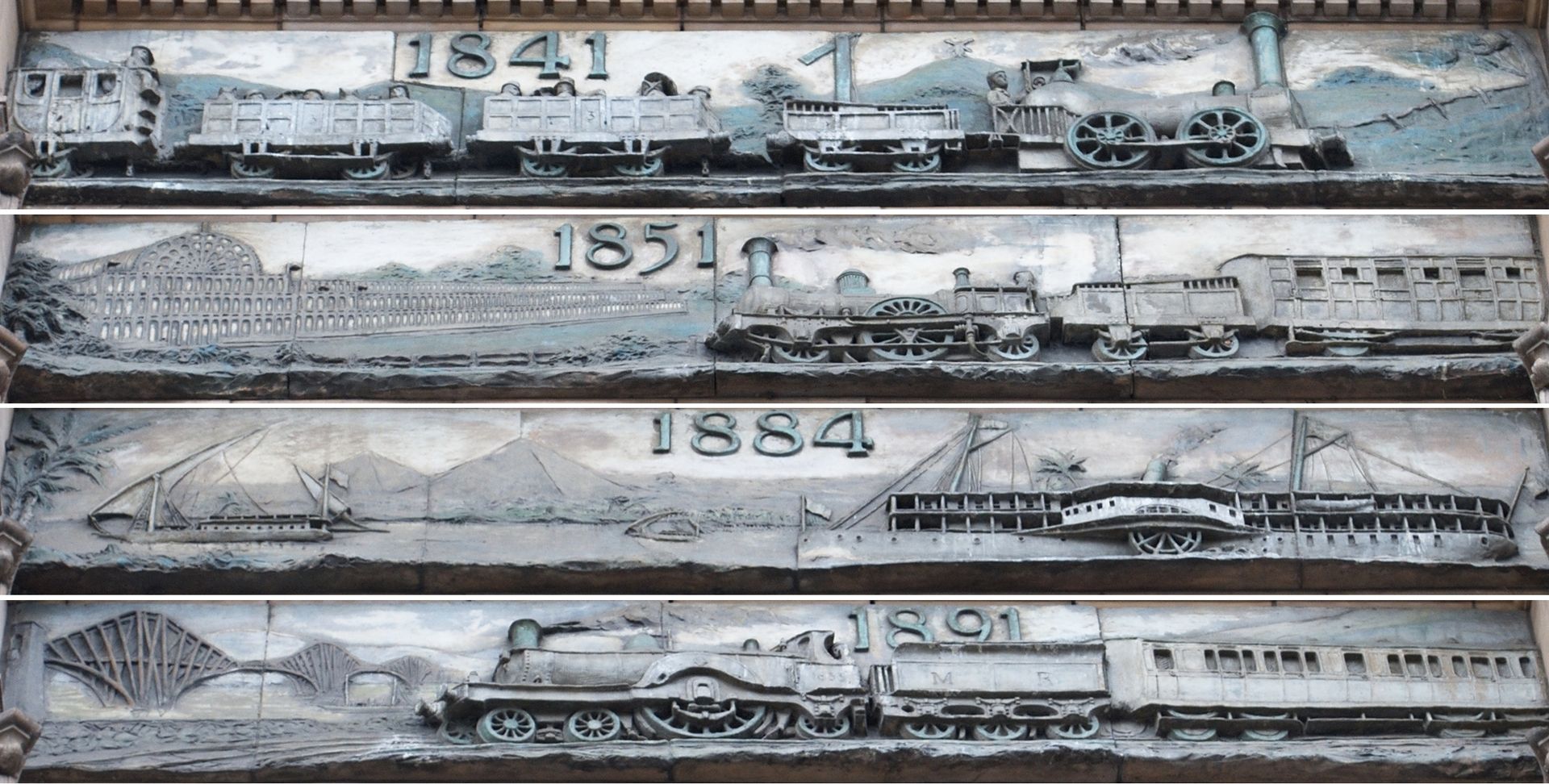
Thomas Cook chartered a train in July 1841 to carry about 500 temperance supporters from Leicester to a rally 11 miles away in Loughborough. The one-shilling round trip, food included, is widely credited as the first package tour and the starting point of the modern travel industry.
Cook was a cabinetmaker and Baptist preacher active in the temperance movement. The Loughborough trip began as a way to move a large group to a meeting cheaply and safely, with a band playing and refreshments laid on for the ride. It worked so well that Cook kept organizing more, first for temperance groups, then for the general public.
Within a few years he was running excursions to Liverpool, Scotland and the Lake District. By 1855 he had escorted his first tour group to the Continent, timed around the Paris Exposition. In 1863 he added Switzerland, and in 1869 he added Egypt and the Holy Land. In 1872 he led a round-the-world tour lasting some 222 days, one of the earliest of its kind marketed to ordinary paying travelers rather than wealthy explorers.
Cook's business, later run with his son John Mason Cook as Thomas Cook & Son, pioneered ideas that still define travel today. These included the prepaid hotel voucher, the fixed group itinerary and the printed guidebook handed to every customer. The company sold the idea that an ordinary family could book transport, lodging and meals through a single company. Before Cook, foreign travel was largely the province of aristocrats on a Grand Tour or merchants on business. After him, it became a purchasable product.
The company Cook built survived, in various corporate forms, for more than 170 years before it collapsed in 2019. But the model he invented on that first excursion outlasted the company itself. Every modern package holiday and escorted group tour traces its lineage back to a one-shilling train ride to a temperance rally in the English Midlands.
Goethe's Italian journey reshaped German Romanticism
Credit: British Library / PICRYL
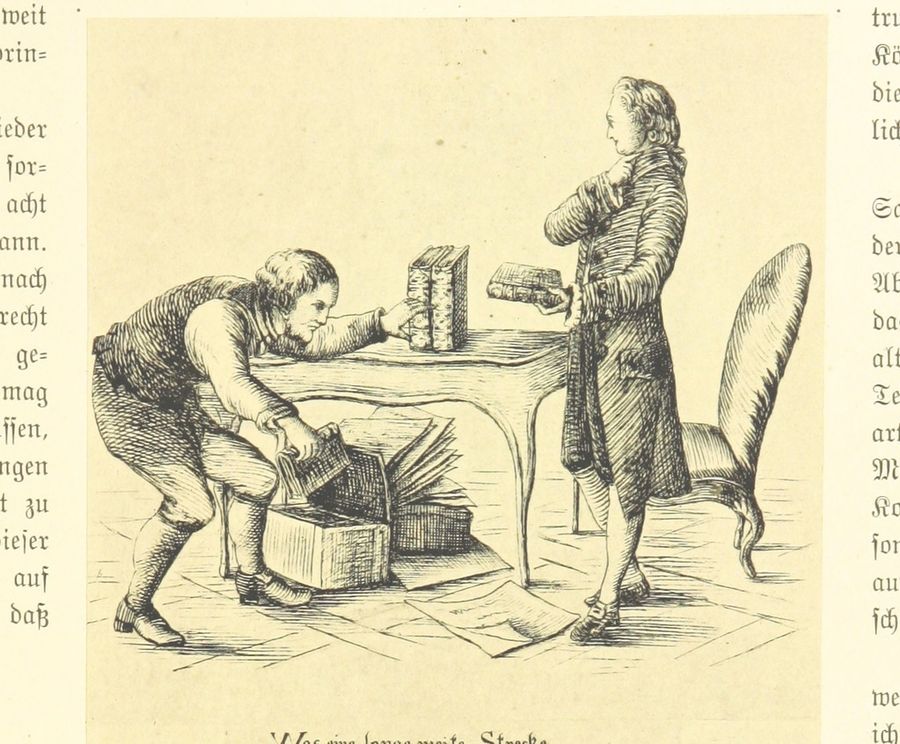
Johann Wolfgang von Goethe slipped away from the German spa town of Carlsbad before dawn on September 3, 1786. He spent close to two years traveling through Italy under an assumed name, purely to recover his creative energy. The trip reordered his artistic priorities and helped define the restrained style now known as Weimar Classicism.
By his mid-thirties, Goethe was a celebrated novelist and a government minister in the small duchy of Weimar. He felt worn down by administrative duties and unable to write. He left without telling most of his colleagues, traveling under the name Johann Philipp Möller. He made his way south through the Brenner Pass to Verona, Venice and Rome, eventually reaching Naples and Sicily.
In Rome he spent months studying classical sculpture and Renaissance painting and sketching ancient ruins. He mixed with a community of German and international artists there, including the painter Angelica Kauffman. The portraitist Wilhelm Tischbein painted him reclining among ruins in the now-famous work Goethe in the Roman Campagna. Goethe described the country as a kind of second education, one that reshaped his sense of form and restraint after years of a more emotional, unruly style.
He returned to Weimar in 1788 a changed writer, pushing his later work toward the clarity associated with classical antiquity. Several years later he formed a close creative partnership with Friedrich Schiller, one that historians treat as the high point of German literary classicism. Decades afterward he published an account of the trip as Italian Journey, drawn from his own letters and diaries. The book became a founding text of German travel writing.
The trip also helped cement Italy's place at the center of the German cultural imagination. It encouraged generations of German writers, painters and composers to make their own pilgrimages south. What began as one tired civil servant's escape from his desk became one of the most studied journeys in European literary history.
Lord Byron's Grand Tour ignited support for Greek independence
Credit: Nikolaos D. Nomikos / Pexels
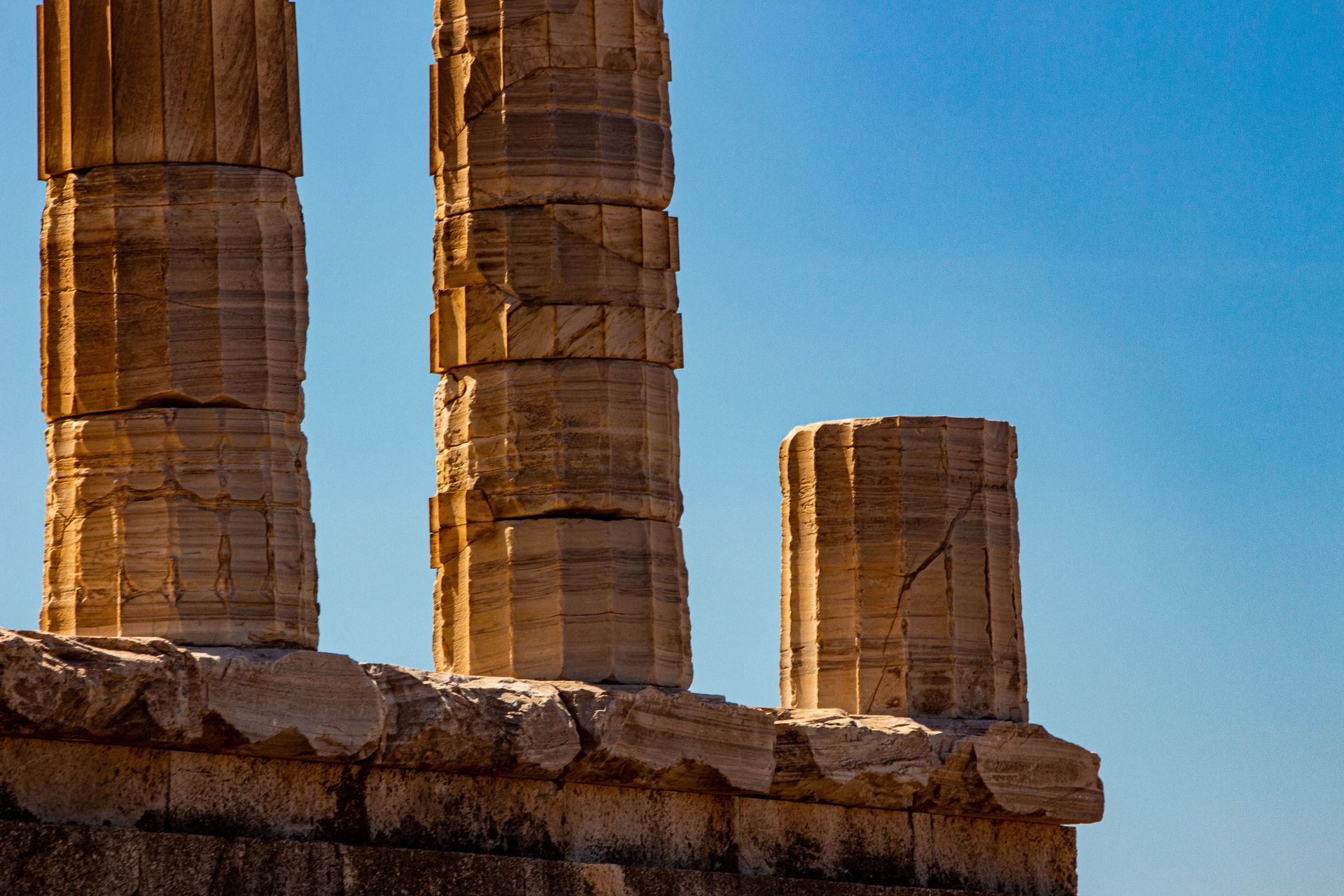
Lord Byron set out on an extended Grand Tour in the summer of 1809. The Napoleonic Wars had closed the usual route through France and Italy, and he also wanted an escape from debt and scandal in London. The journey through Portugal, Spain, Malta, Albania and Greece produced the poem that made him famous and helped plant the seeds of European support for Greek independence.
Traveling with his friend John Cam Hobhouse, Byron crossed Portugal and Spain by mule and carriage before sailing to Malta. From there he pushed into Albania, where he was hosted by the regional ruler Ali Pasha. He continued into Ottoman-ruled Greece, visiting Athens, Ioannina and the site of ancient Delphi, and famously swam across the Hellespont in imitation of the mythical Leander.
The trip became the basis for Childe Harold's Pilgrimage, a narrative poem published in 1812 that turned Byron into a literary celebrity almost overnight. Its vivid descriptions of Albania and Greece, paired with a narrator's romantic melancholy, reached a huge British readership. Greece emerged in the poem as a suffering, oppressed cradle of Western civilization, rather than a distant Ottoman province.
That image mattered a decade later, when the Greek War of Independence began in 1821. Byron, by then Europe's most famous poet, threw his money and reputation behind the Greek cause. He traveled to Missolonghi in 1823 to help organize and finance the rebel forces, and died there of fever in April 1824. News of his death, following directly from the fame his earlier leisure trip had built, turned him into a martyr for the Greek cause. It drew British, French and other European volunteers and funding toward the revolution.
Greece secured recognition as an independent state in 1830, six years after Byron's death. Greek streets, squares and even a mountain still carry his name, in tribute to a trip that started as a young aristocrat's escape from creditors.
Jefferson and Adams toured English gardens and reshaped Monticello
Credit: Phil Ledwith / Pexels
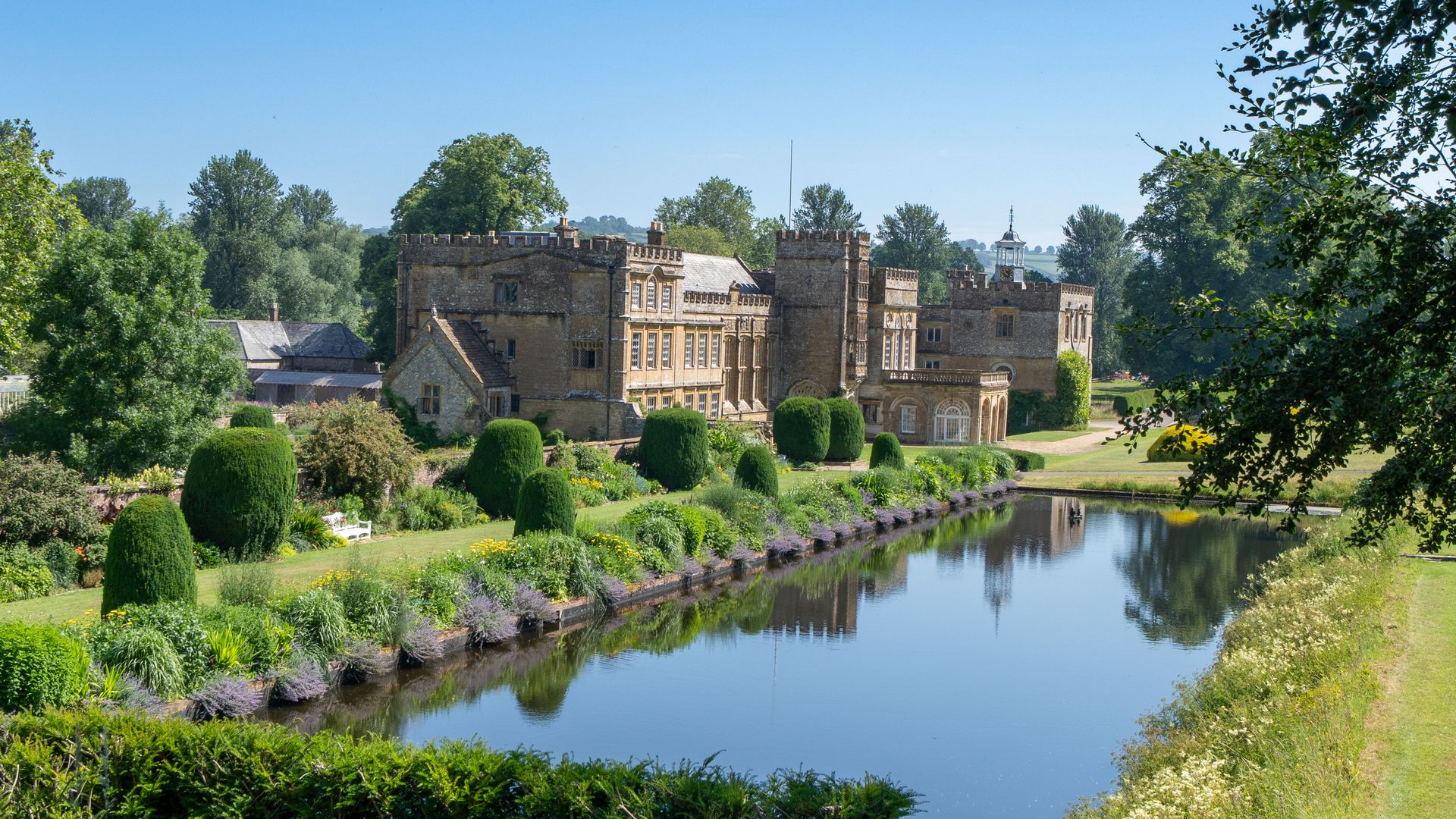
Thomas Jefferson and John Adams spent the first days of April 1786 touring English country estates and their gardens, purely out of personal curiosity. Both men were then serving as American diplomats in Europe. The trip directly shaped the landscape Jefferson later built at his Virginia home, Monticello.
Jefferson, then the U.S. minister to France, crossed the English Channel to visit Adams, the U.S. minister to Britain. The two men set off from London on a tour that took in Stowe, Woburn Farm, Blenheim Palace and Hampton Court. Each estate was known for the newer, more naturalistic style of landscape gardening associated with designers such as Lancelot Capability Brown. Jefferson kept a detailed notebook of the trip, later published as his Memorandums Made on a Tour to Some of the Gardens in England.
He recorded plant varieties, the placement of ponds and serpentine paths, and sightlines toward distant hills. He also noted the use of a sunken ha-ha wall to hide fences and keep a view uninterrupted. He was less impressed by some of the more contrived garden follies he saw. His notes show a practical eye, more interested in what could suit Virginia's climate than in copying English fashion outright.
Back at Monticello, Jefferson applied what he had learned to the grounds around his home. He laid out a winding roundabout walk, orchards, a terraced vegetable garden and naturalistic groves, rather than the rigid formal gardens common on earlier American estates. His notes and letters on the trip later circulated among American garden designers and architects. They fed directly into the broader adoption of English-style naturalistic landscaping on American estates through the 19th century.
The influence reached beyond private gardens. Landscape designers who shaped American public parks decades later worked in that same naturalistic tradition. They drew on the same English models Jefferson had studied firsthand in 1786, walking the same grounds he had toured with Adams.
Queen Victoria's Highland holidays turned Scotland into a tourist destination
Credit: Stuart Robinson / Pexels
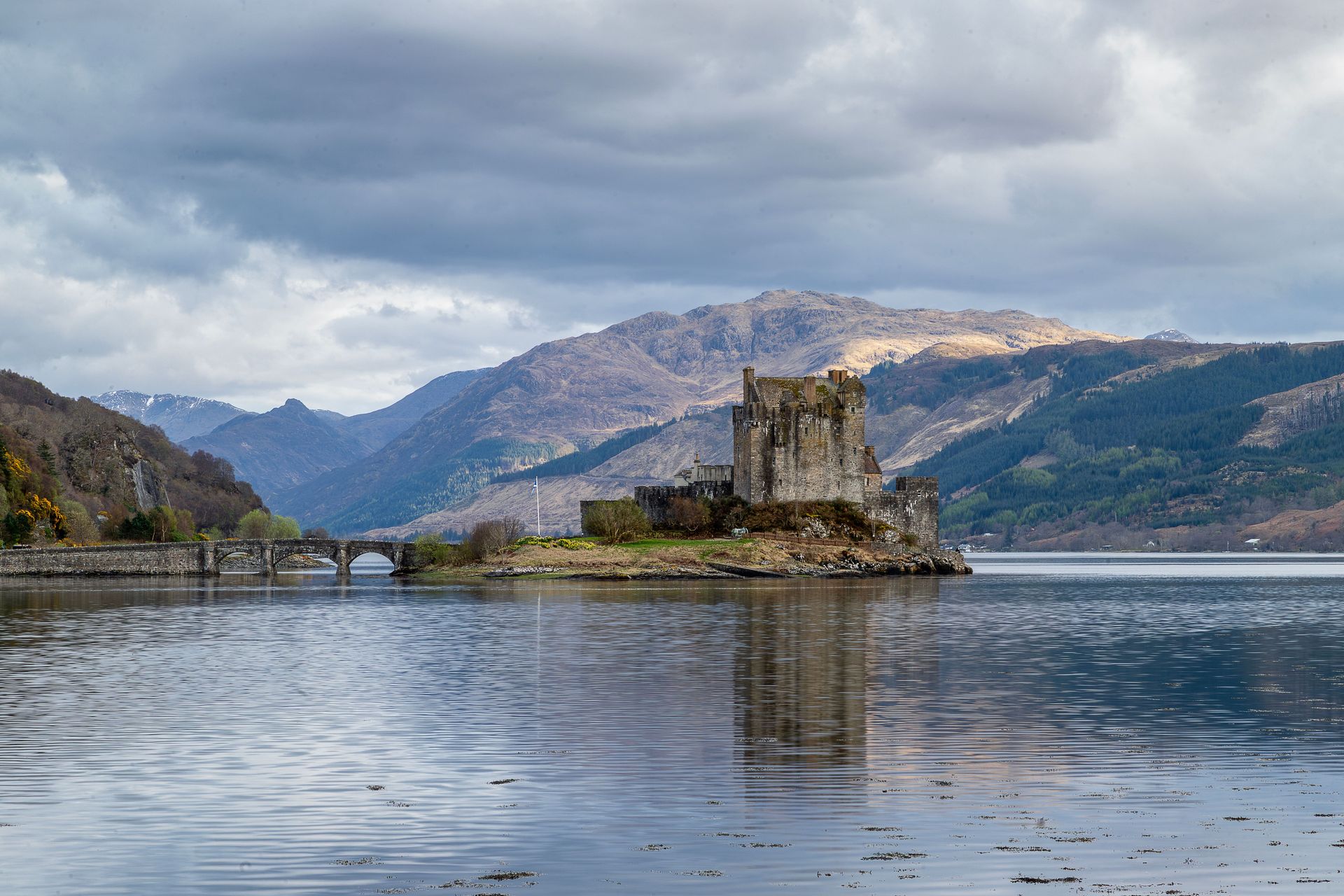
Queen Victoria and Prince Albert first visited the Scottish Highlands in 1842, purely for a holiday. Their growing attachment to Balmoral, leased in 1848 and bought outright in 1852, turned a royal vacation habit into a national tourism trend. Their annual Highland getaways helped build Scotland's modern tourism industry and revived interest in tartan and Highland dress.
The couple leased Balmoral first, without Albert having even seen it, then purchased the estate outright four years later. It was rebuilt between 1853 and 1856 into the turreted granite castle that stands today, in the Scottish baronial style Albert helped design. They returned nearly every autumn for the rest of Albert's life, and for decades after his death in 1861. Balmoral became a private retreat away from the formality of London and Windsor.
Victoria published two books drawn from her diaries of these trips. The first, Leaves from the Journal of Our Life in the Highlands, appeared in 1868, followed by More Leaves from the Journal of a Life in the Highlands in 1884. Both described hill walks, picnics and encounters with Highland staff and neighbors in affectionate detail. The books sold widely and gave ordinary readers an intimate look at royal life set against a romanticized image of Highland scenery and tartan.
That romanticized image, sometimes described by historians as Balmorality, encouraged a wave of railway tourism to Scotland. Middle-class Victorians followed the queen's example, visiting the Highlands and buying tartan clothing and souvenirs. Scottish whisky distillers, woolen mills and hotel keepers all benefited from the surge of interest that followed.
The royal family's attachment to Balmoral has continued for more than 170 years since the purchase. The estate remains a working symbol of how a single family's vacation preference reshaped an entire region's economy and its image abroad. Later monarchs kept up the same autumn habit, and Balmoral remains a working royal residence today, still drawing visitors to nearby villages each summer.
Mark Twain's Quaker City cruise created modern American travel writing
Credit: Maria Argiroudaki / Pexels
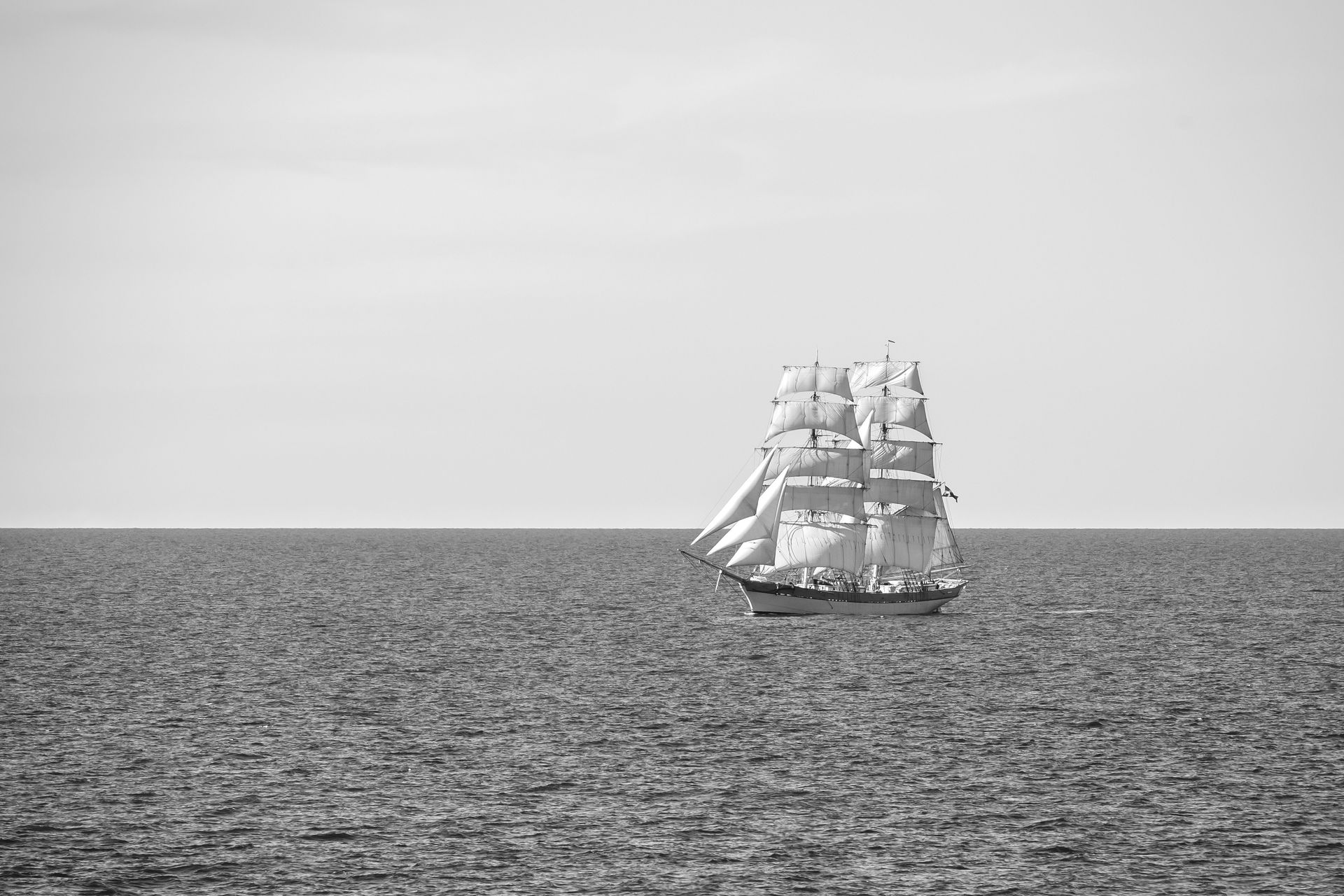
Mark Twain joined the Quaker City excursion in June 1867, a five-and-a-half-month pleasure cruise to Europe and the Holy Land. It was marketed to affluent Americans as one of the first organized leisure voyages of its kind. His dispatches from the trip became The Innocents Abroad, the best-selling of his books during his own lifetime.
The voyage was organized by the ship's captain, Charles C. Duncan, and marketed heavily to the congregation of the Brooklyn minister Henry Ward Beecher. It drew several dozen passengers who each paid 1,250 dollars, an enormous sum at the time, mostly from church congregations and the professional classes. Twain signed on as a correspondent for the Daily Alta California and other newspapers. He sailed with passengers to the Azores, Gibraltar, France, Italy, Greece, Constantinople, Egypt and finally the Holy Land.
Rather than write conventional travel reports, Twain poked fun at his fellow passengers' piety and pretension. He mocked European tour guides and their rehearsed patter, along with his own culture's habit of comparing every foreign sight unfavorably to America. The resulting letters were collected and expanded into book form in 1869. They sold more than 70,000 copies in their first year alone and established Twain as a national literary figure rather than a regional humorist.
The Innocents Abroad set a template that American travel writing followed for generations afterward. It was skeptical of guidebook reverence and alert to the gap between advertised wonders and the reality on the ground. It was also willing to laugh at both the tourists and the places they visited. The book shaped how millions of Americans who never left home pictured Europe and the Holy Land, feeding a growing appetite for organized overseas travel among the American middle class.
The Quaker City itself was a modest steamship, not a luxury liner, and the trip had none of the polish associated with later cruise tourism. What it produced instead was a voice and a genre that outlasted the ship by more than a century.
The Beatles' Rishikesh retreat brought meditation to the West
Credit: Utham mandanna / Wikimedia Commons (CC BY-SA 4.0)
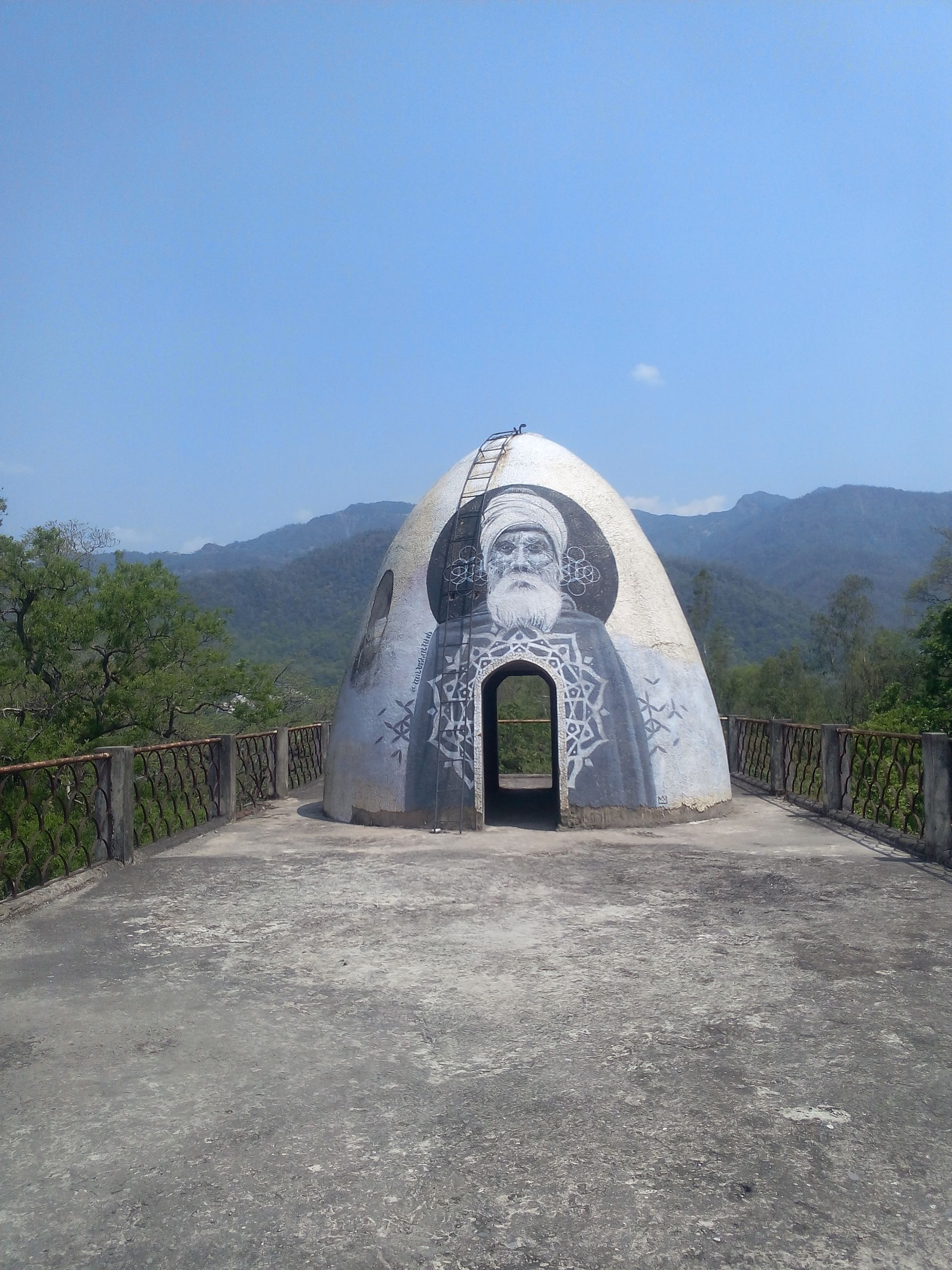
The Beatles traveled to Rishikesh, India, in February 1968 to study Transcendental Meditation with Maharishi Mahesh Yogi. No concerts, interviews or public appearances were planned. The retreat produced most of the songs that became the White Album, and it helped move meditation and yoga from a fringe interest into mainstream Western culture.
The band traveled with their wives and girlfriends and a small circle of friends. That circle included the singer Donovan, the Beach Boys' Mike Love and the actress Mia Farrow. They stayed at the Maharishi's ashram on the banks of the Ganges, following a daily routine of lectures, meditation sessions and simple vegetarian meals. Ringo Starr left after about 10 days, finding the food and insects difficult to handle. Paul McCartney left after roughly a month, but John Lennon and George Harrison stayed nearly two months.
With no recording equipment, touring schedule or press obligations, the group spent long stretches of free time writing songs on acoustic guitars. They reportedly produced as many as 40 new compositions during the stay. Many of those songs appeared later that year on the double album formally titled The Beatles, known universally as the White Album. Others surfaced on solo records released after the band's breakup.
Harrison had already been drawn to Indian music and Hindu philosophy before the trip. But the Rishikesh stay was widely covered by international press eager for any scrap of Beatles news. That coverage exposed a mass audience to Transcendental Meditation and Indian spiritual practice for the first time. Meditation centers and yoga studios expanded across Britain and the U.S. in the years that followed, feeding directly into wellness and mindfulness industries that are now worldwide businesses.
A retreat booked for personal reasons, with the explicit goal of avoiding public attention, ended up doing more than any concert tour to introduce meditation to a global audience.