
These seven ways to keep a house cool without air conditioning use timing, airflow and shade instead of extra energy or cost
Credit: Robert So / Pexels
Summer heat doesn't wait for a repair technician or a lower electricity bill, and air conditioning isn't always an option. Millions of homes, apartments and rentals around the world, including large parts of Europe and older housing stock across the U.S., simply weren't built with central air. Even where AC exists, running it around the clock strains electrical grids during heat waves, drives up utility bills, and in some regions triggers rolling blackouts precisely when cooling matters most. Keeping a house cool without leaning entirely on mechanical refrigeration is less about toughing it out and more about physics: heat moves through glass, walls and open doors in predictable ways, and small changes in timing and airflow can lower indoor temperature by several degrees without touching a thermostat.
The techniques that work aren't exotic. They come down to blocking solar heat before it enters a room, moving air deliberately instead of just turning on a fan and hoping, and shifting daily habits so that heat-producing tasks like cooking and laundry happen when the temperature outside is already lower. Some require a small upfront investment, like exterior shades or a whole-house fan. Others cost nothing beyond a change in routine, like when windows get opened and closed.
None of this replaces air conditioning in extreme heat, particularly for infants, older adults or anyone with a heat-sensitive medical condition, where mechanical cooling can be a safety issue rather than a comfort one. But for ordinary summer heat, or for cutting how hard an AC unit has to work, these seven approaches are grounded in how buildings actually gain and lose heat. Each one stands on its own, and most can be combined for a bigger effect than any single step delivers alone.
Credit: Darren Richardson / Unsplash
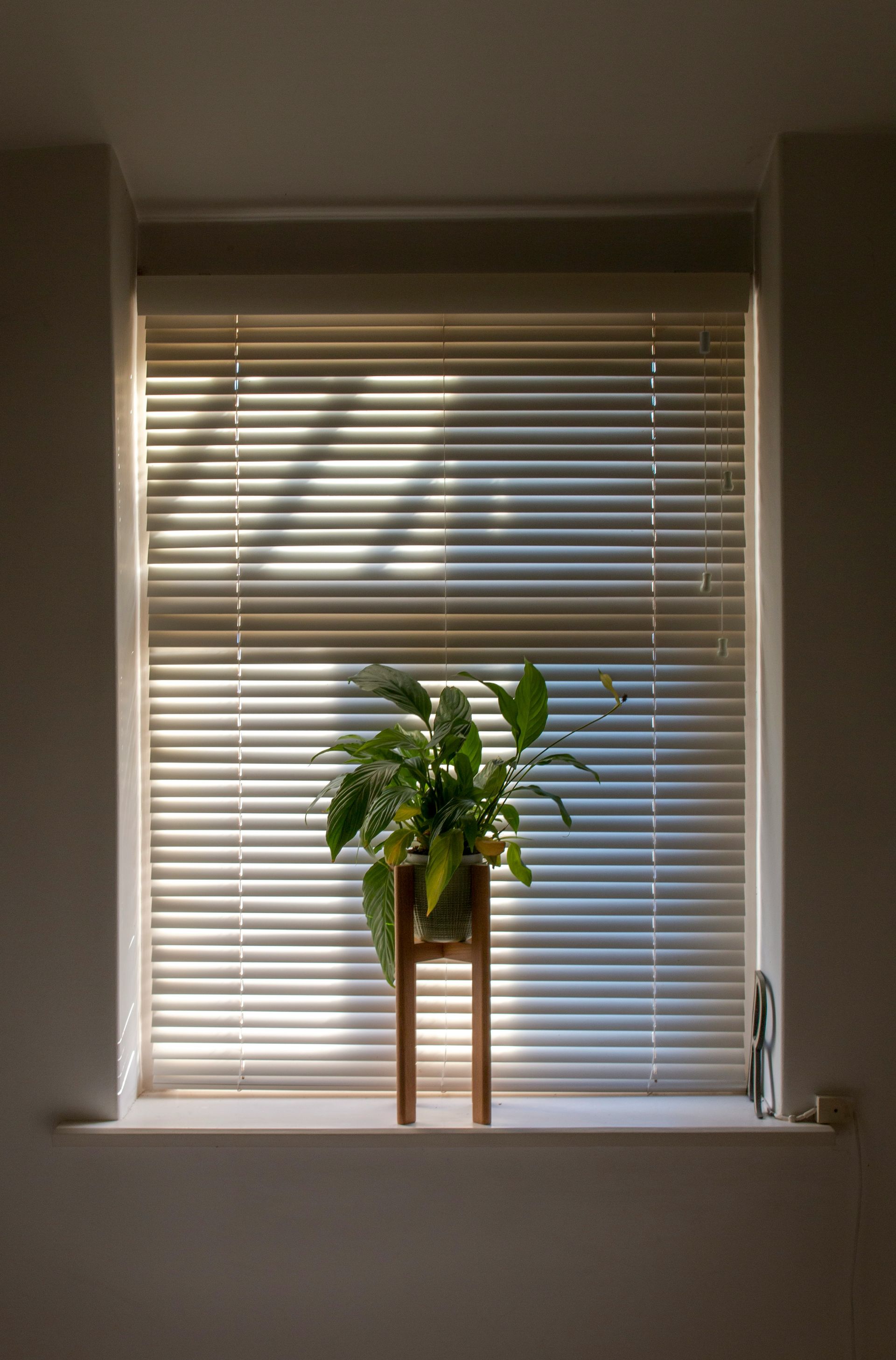
Blocking sunlight before it passes through glass stops more heat than any fan can remove afterward. The U.S. Department of Energy notes that medium-colored draperies with white plastic backing can cut heat gain through a window by about a third, and reflective blinds can reduce it by close to forty five percent under the right conditions. Windows, not walls, are usually the biggest source of unwanted heat in a room, especially those facing south or west, which take on direct sun for much of the afternoon.
The timing matters as much as the covering itself. Closing blinds, shades or heavy curtains before the sun hits a window in the morning is more effective than closing them once a room already feels warm, because at that point the heat has already transferred into the glass, the frame and the air inside. In practice, this means closing east-facing window coverings in the early morning and south- or west-facing ones by midday, before the sun reaches its highest angle.
Color and material make a measurable difference. Light-colored or white blinds reflect more solar radiation than dark ones, which absorb heat and re-radiate some of it into the room. Cellular shades, sometimes called honeycomb shades, trap a layer of air between the fabric and the window, which adds insulation on top of the reflective effect. Even a simple white bedsheet pinned over a particularly hot window can help in a pinch, though it won't perform as well as a purpose-built shade.
This step works especially well paired with exterior shading, since blocking sun on the outside of the glass is more effective than blocking it on the inside, but indoor coverings are the fastest and cheapest place to start. A room with blinds closed against direct sun can run several degrees cooler by late afternoon than an identical room with the same windows left uncovered, without any change to airflow or ventilation at all.
Credit: Lina Micán / Unsplash
Opening windows on opposite sides of a house after sunset lets cooler outdoor air push warm indoor air out, a technique called cross-ventilation. This works because nighttime air is almost always cooler than daytime air, and creating a path for that air to move through the house, rather than just sit in one room, pulls heat out of walls, furniture and floors that absorbed it during the day.
The key is opening windows on two different sides of a room or house, not just one. A single open window lets air in and out through the same opening with little actual movement, while windows on opposite walls or opposite ends of a hallway create a through-draft that circulates air far more effectively. Upstairs windows paired with downstairs ones work well too, since warm air naturally rises, and an opening near the ceiling on an upper floor gives that heat somewhere to escape.
Once morning arrives and outdoor air starts warming back up, closing and sealing those same windows keeps the cooler night air trapped inside for as long as possible. This is often the step people get backward: leaving windows open once the sun is up lets the day's heat right back in, undoing the previous night's ventilation. A good rule of thumb is to close up the house once the outdoor temperature climbs past whatever the indoor temperature has settled at overnight, then keep it sealed until evening.
A box fan or two placed in a window can speed this process along. Positioned to pull air out of one side of the house rather than push air in, a fan set in an upper-floor window facing away from the prevailing breeze can pull cooler air through the rest of the house behind it. This costs very little in electricity compared with running an air conditioner and can drop indoor temperature noticeably within an hour or two of consistent nighttime ventilation, especially in climates with a meaningful day-to-night temperature swing.
Credit: Curtis Adams / Pexels
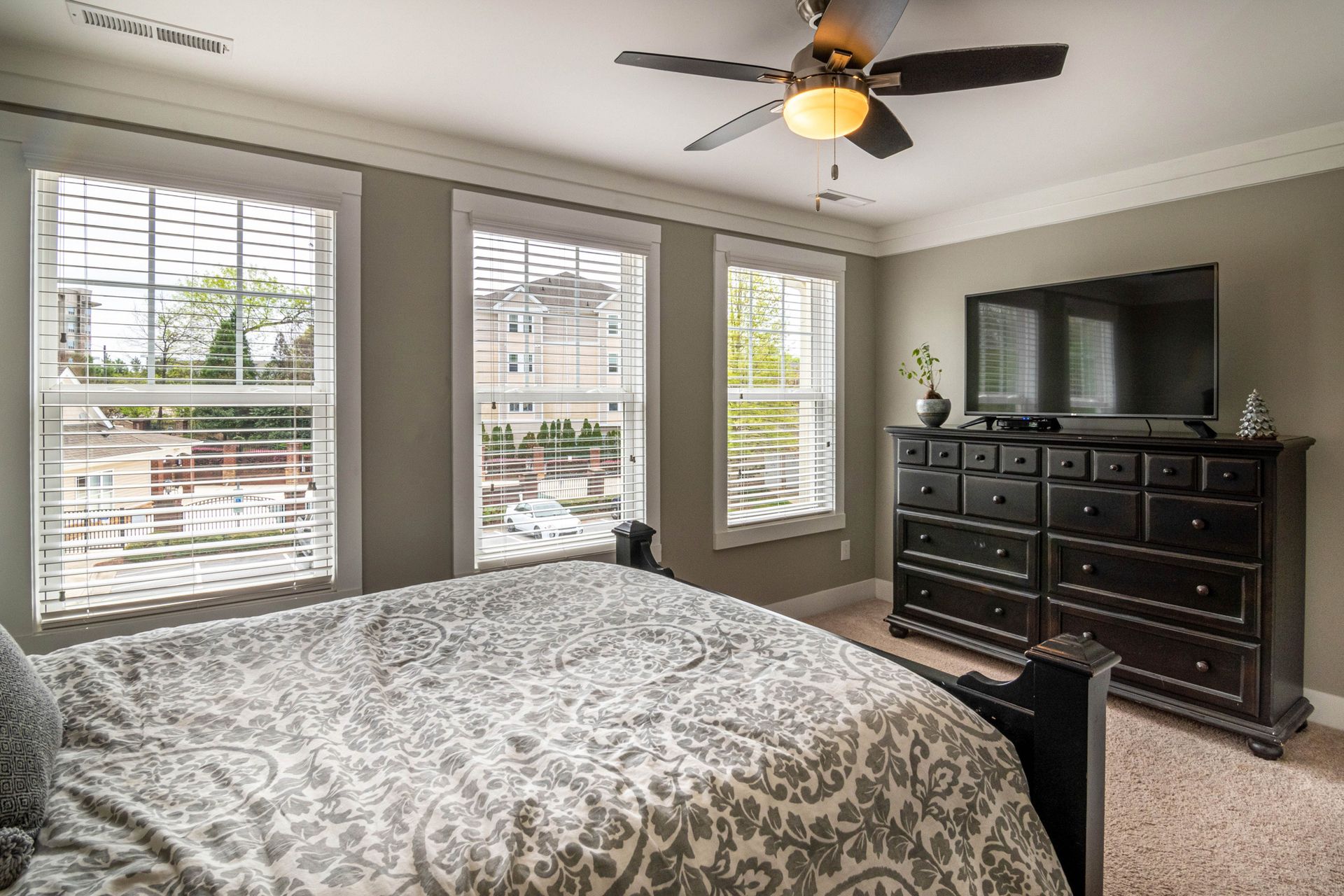
Most ceiling fans have a small switch on the motor housing that reverses the direction of spin, and setting it to counterclockwise in summer pushes air straight down instead of pulling it up. That downward airflow creates a wind-chill effect on skin, which makes a room feel several degrees cooler than the thermometer actually reads, even though the fan itself does nothing to lower the air temperature.
This distinction matters because a fan cools people, not rooms. Running a ceiling fan in an empty room wastes electricity without any benefit, since there's no one there to feel the airflow. The Department of Energy recommends turning fans off when a room is unoccupied for exactly this reason. Used correctly, though, a ceiling fan running counterclockwise in an occupied room can let a household raise the thermostat by around four degrees Fahrenheit and feel no less comfortable, according to Energy Star guidance, which is a meaningful savings for anyone still running an AC alongside these other methods.
Checking the direction is simple: standing under the fan and looking up, the blades should appear to move counterclockwise for summer use. In winter, the switch flips the other way, so the fan turns clockwise and pulls cool air up while gently pushing the warmer air that collects near the ceiling back down along the walls.
Fan placement adds another layer. A ceiling fan works best over the specific spot where someone spends the most time, whether that's a bed, a couch or a desk, rather than centered in a room for its own sake. Portable and pedestal fans follow the same downdraft logic when angled toward a person rather than a wall, and combining a ceiling fan with a single window fan pulling air from outside can turn a stagnant room into one with real airflow, closing much of the comfort gap that would otherwise call for air conditioning.

Credit: Ashim D’Silva / Unsplash
Ovens, dryers, dishwashers and stovetops all release heat directly into living space, and running them during the hottest part of the day adds load that a house then has to shed. Moving those tasks to early morning or after sunset, when outdoor and indoor temperatures are both already lower, avoids adding avoidable heat in the first place rather than trying to remove it afterward.
An oven in particular can raise kitchen temperature by several degrees within minutes, and that heat doesn't stay contained to the kitchen. It spreads through open doorways and hallways over the course of an hour or two, which is part of why baking and roasting in summer often makes an entire ground floor feel warmer well after the food is done cooking. Swapping oven-based meals for a slow cooker, an outdoor grill, a stovetop-only dish, or no-cook options like salads and sandwiches removes that heat source entirely rather than just rescheduling it.
Clothes dryers and dishwashers work the same way on a smaller scale, releasing warm, humid air as they run. Humidity compounds the problem, since damp air holds heat against skin and makes a room feel warmer than the same temperature at lower humidity. Running these appliances at night, or line-drying clothes outdoors instead of using a dryer at all, cuts both the heat and the humidity a house has to deal with the next day.
Even smaller heat sources add up. Incandescent light bulbs convert most of their energy into heat rather than light, so switching to LED bulbs reduces a source of warmth that runs for hours every evening. Laptops, game consoles and other electronics left running also generate steady, low-level heat, and turning them off rather than leaving them idle removes one more small but constant contributor. None of these changes are dramatic on their own, but together they reduce the total heat a house generates internally, which is heat that never has to be removed later.
Credit: Min An / Pexels
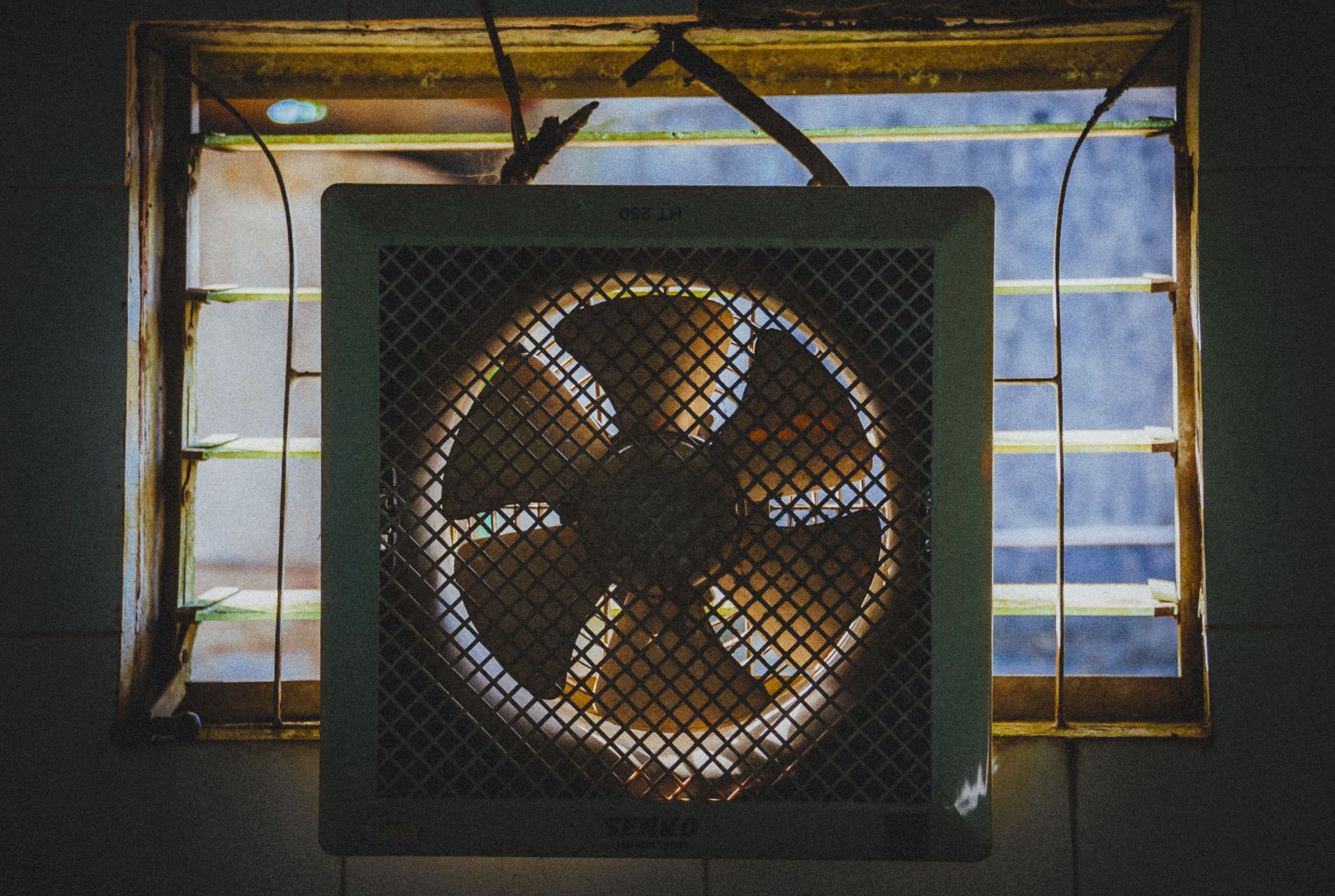
A whole-house fan, mounted in the ceiling between living space and the attic, pulls hot indoor air up and out through attic vents while drawing cooler outdoor air in through open windows, and it can replace the entire volume of air in a house in a matter of minutes. Unlike a standard ceiling or box fan, it's built into the structure of the house and moves air on a much larger scale, making it one of the more effective non-AC cooling systems available.
These fans work best used the same way as nighttime cross-ventilation: running with windows open once outdoor temperatures drop after sunset, then switched off and sealed up during the heat of the day. Because they pull air through the entire house rather than just one room, they're especially effective at clearing out heat that has built up over an afternoon, often bringing indoor temperature down close to the outdoor nighttime temperature within an hour of continuous use.
A separate but related option is an attic fan, which vents hot air out of the attic space itself rather than the living areas below. Attics can reach temperatures far higher than the rest of a house in direct sun, and that heat radiates down through the ceiling into the rooms below throughout the evening even after outdoor air has cooled. An attic fan, whether powered by electricity or a solar panel mounted on the roof, reduces that stored heat and lightens the load on any air conditioning system still in use, or on the rest of the cooling strategies covered here.
Both options require either an existing installation or a contractor, since they involve cutting into ceiling or roof structure, which puts them a notch above the no-cost changes elsewhere on this list. For anyone building, renovating or replacing an aging attic fan, though, the payoff shows up directly in lower evening and overnight indoor temperatures, particularly in climates with hot days and meaningfully cooler nights.
Credit: Efrem Efre / Pexels
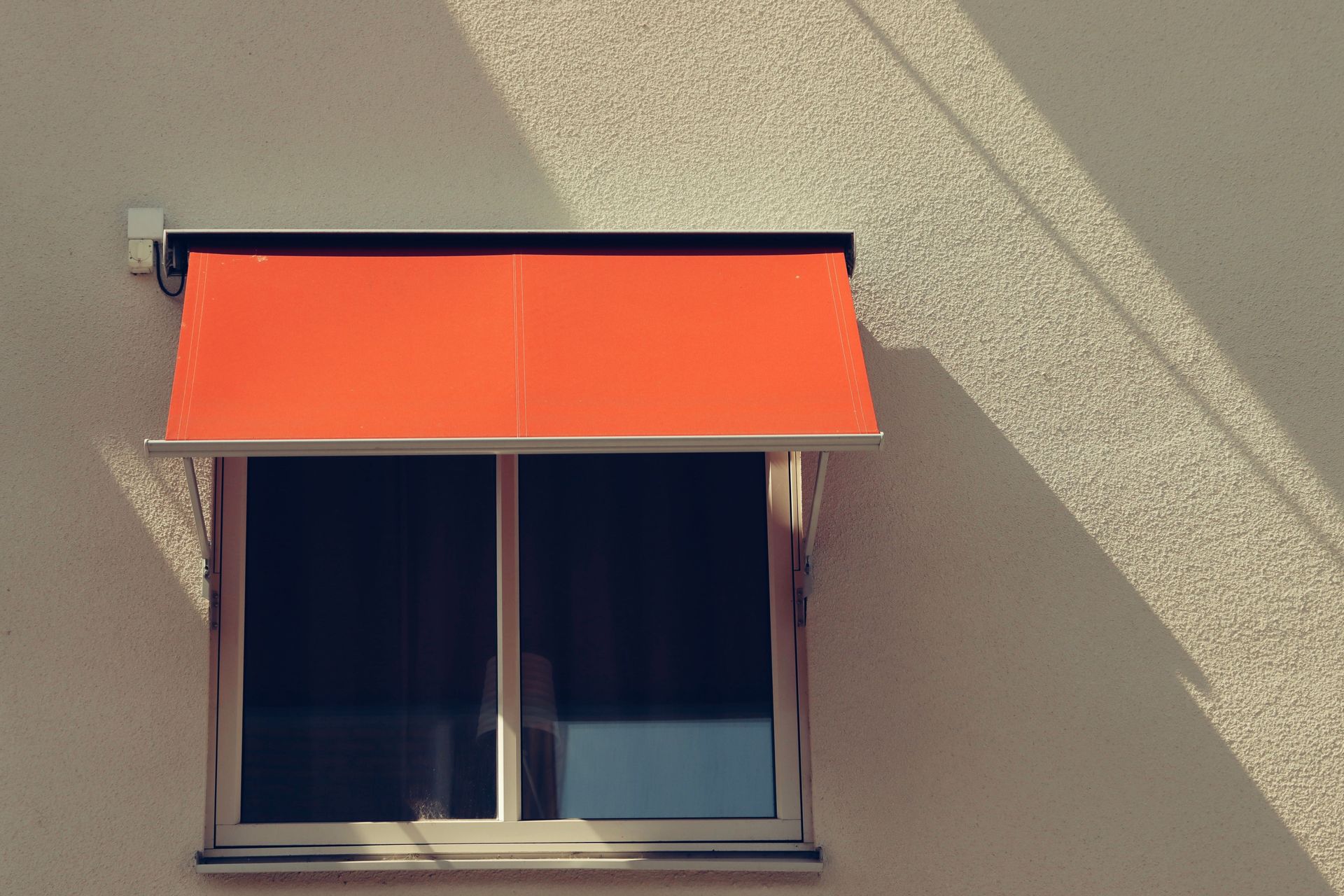
Exterior shading stops heat before it ever touches the glass, which makes it more effective than any indoor blind or curtain covering the same window. Awnings mounted above windows or doors, solar screens fitted to the outside of a window frame, and even well-placed deciduous trees all intercept sunlight outdoors, where the heat can dissipate into open air instead of radiating into a room.
Awnings are especially effective on south-facing windows, where the sun sits high in the sky for much of the day. A properly sized awning can block a large share of direct summer sun while still allowing lower-angle winter sun to pass underneath once the season changes, since the sun's path shifts noticeably between June and December in most parts of the world. Solar screens, made from a tightly woven mesh fabric, work well on west-facing windows that catch intense late-afternoon sun, cutting glare as well as heat while still allowing some visibility and airflow through an open window behind them.
Trees planted on the south and west sides of a house provide shade in summer and, if deciduous, lose their leaves in winter and let sunlight back through when it's welcome for warmth. This is a longer-term investment that takes years to mature, but even a young tree positioned to eventually shade an air conditioning unit itself can improve that unit's efficiency, since AC compressors run more effectively out of direct sun.
For renters or anyone who can't alter a building's exterior, reflective window film applied to the inside of the glass is a middle option. It won't block heat as effectively as true exterior shading, since the sun has already passed through the outer pane before the film reflects it, but it still reduces heat transfer more than an uncovered window and can be removed without damage when a lease ends.
Credit: Pexels User / Pexels
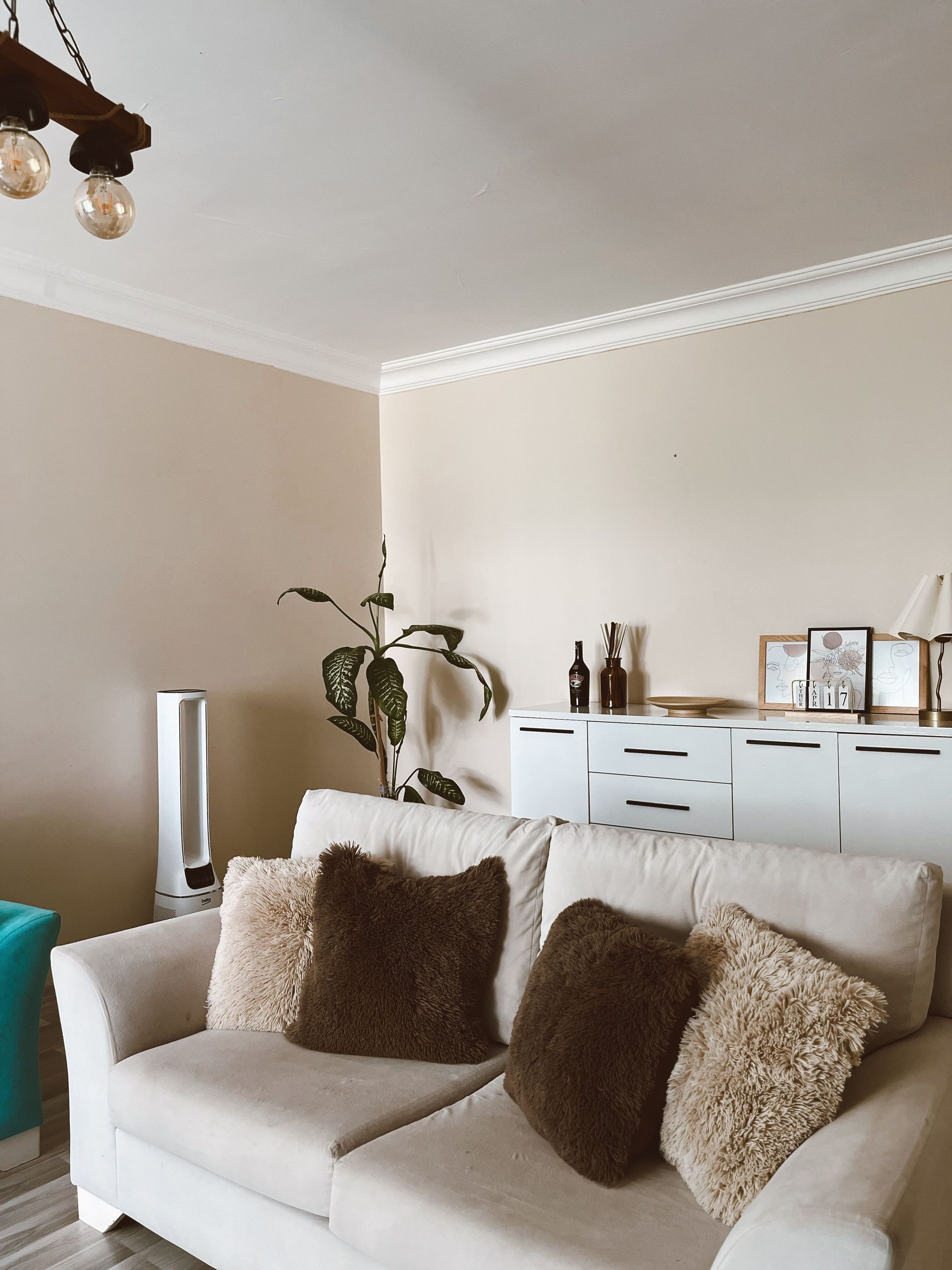
Humidity makes heat feel worse, because damp air prevents sweat from evaporating off skin, which is the body's main way of cooling itself down. Lowering indoor humidity with a dehumidifier can make a room feel noticeably cooler at the same actual temperature, particularly in climates near coastlines or in older homes with poor moisture control in basements and crawl spaces.
A dehumidifier works best in the specific rooms where humidity collects, such as basements, bathrooms without exhaust fans, or laundry areas, rather than run for an entire house at once. Reducing moisture in these spots keeps that damp air from spreading into the rest of the home, where it would otherwise raise the perceived temperature throughout.
Sealing air leaks addresses a related but separate problem: hot outdoor air finding its way in through gaps rather than through windows or walls directly. Weatherstripping around doors, caulking around window frames, and sealing gaps where pipes or cables pass through exterior walls all close off small entry points for heat that add up over a whole house. The Department of Energy estimates that air leaks account for a significant share of a home's total heat gain and loss, on par with the effect of poorly insulated walls in many older houses.
Attic insulation plays a similar role from above. Attics without adequate insulation let heat radiate down through the ceiling for hours after the sun sets, since insulation that would normally slow that transfer simply isn't there. Adding or upgrading attic insulation is a bigger project than caulking a window frame, but it addresses the same underlying issue: keeping outdoor heat from finding a path into living space in the first place, so that all six of the other approaches on this list have less heat to work against to begin with.