
15 kitchen scraps that professional cooks never waste
Parmesan rinds, corn cobs, bread crusts, citrus peels — the parts of food most people discard without thinking, and what to actually do with them
cottonbro studio / Pexels
Professional kitchens waste almost nothing. Not because chefs are environmentally virtuous — though some are — but because in a professional kitchen, every component of an ingredient that is discarded is food cost without revenue. The onion tops that most home cooks throw in the bin are aromatics that a restaurant kitchen adds to stock. The Parmesan rind that most home cooks discard with the packaging is an hour of deep umami flavor waiting to be dissolved into a soup or a braise. The stale bread on the counter is tomorrow's breadcrumbs, croutons, bread pudding, or panzanella. The liquid from canned chickpeas is a functional egg white substitute with specific culinary properties that home cooks have only recently discovered.
The gap between how professional kitchens and home kitchens treat secondary ingredients is not primarily a gap in technique — most of what professional kitchens do with scraps requires no special skill. It is a gap in awareness: knowing that the thing in your hand is worth something before you put it in the bin. This list covers 15 of those things — the kitchen scraps that are consistently undervalued in home cooking, with specific, practical instructions for what to do with each one and why it is worth the minimal effort required.
Several of these are so simple that "recipe" overstates the process: you put the Parmesan rind in the soup; you freeze the corn cobs and add them to stock; you save the citrus peels and dry them for zesting or candying. Several require a small amount of active cooking. None requires more than 20 minutes of actual work, and most of the effort is in the habit change rather than the cooking.
A note on storage: most of the scraps in this list benefit from freezing if they are not being used immediately. A bag in the freezer labeled "stock scraps" — onion peels, carrot tops, celery ends, leek tops, herb stems — is one of the most cost-effective habits a home cook can develop. The bag fills itself over weeks; the stock it produces is better than anything from a carton.
Parmesan rind
Castorly Stock / Pexels
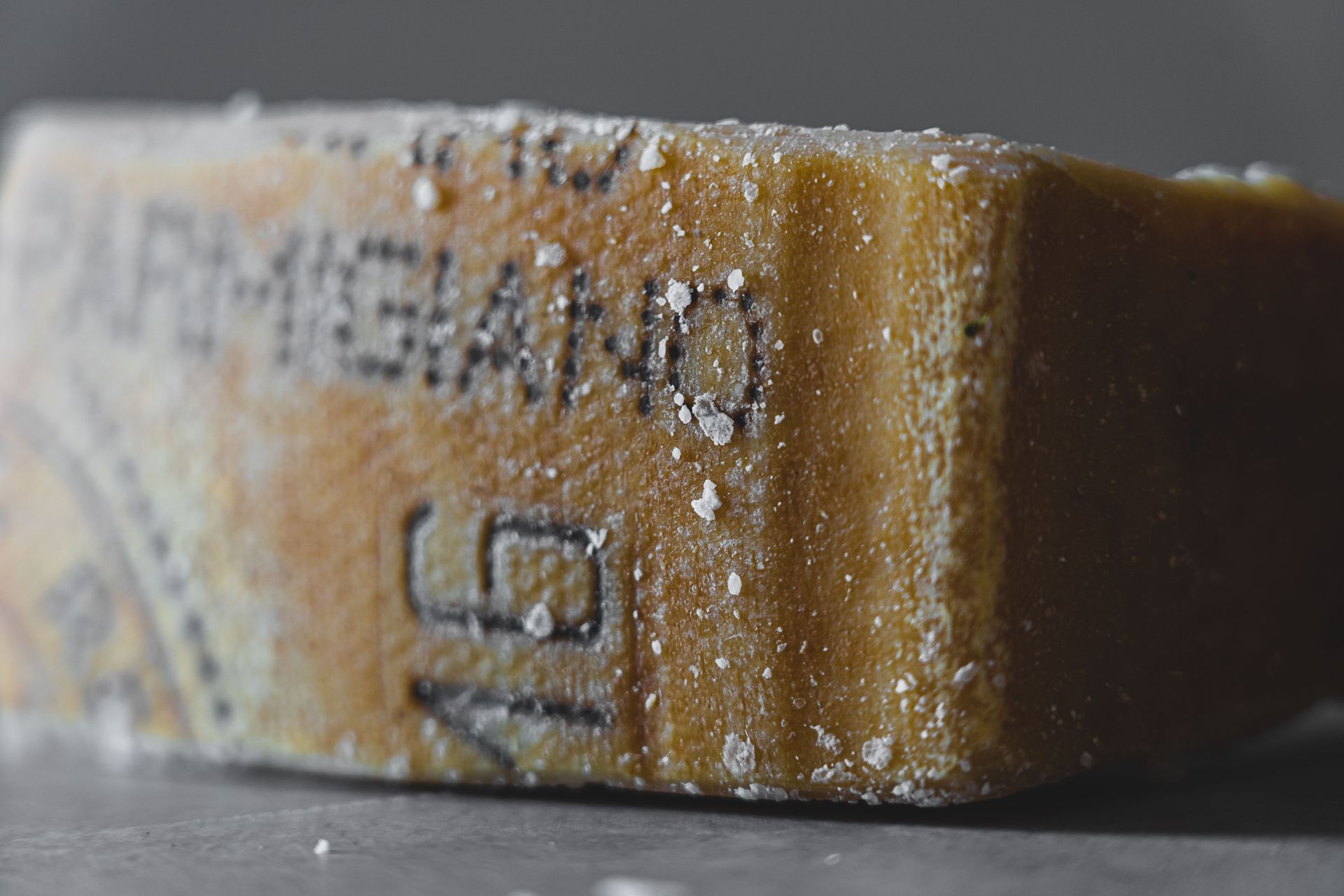
Parmesan rind — the hard, aged exterior of the wheel that is too tough to grate or eat but is not empty of flavor — is a standard ingredient in Italian professional cooking, dissolved into soups, stews, and braises over long cooking times to release the concentrated umami, saltiness, and depth of flavor that the aging process has produced in the outer rind. A Parmesan rind simmered in a minestrone for 45 minutes does more for the soup's depth than almost any other single addition.
The technique is simple: add the rind at the same time as the liquid, simmer for the duration of the cooking, and remove before serving. The rind will have softened significantly during cooking; it can be discarded or, if it has softened enough to be edible, cubed and returned to the soup as a specific chewy, intensely flavored element. Some Italian cooks specifically prize the softened rind as an ingredient in its own right.
The same technique works with other hard aged cheese rinds — Pecorino Romano, Grana Padano, aged Manchego — though Parmesan rinds are the most commonly available and the most intensely flavored. Store them in a sealed bag in the freezer; they keep indefinitely and can be added directly from frozen.
Best uses: minestrone, ribollita, any bean soup or braise, tomato sauce simmered for more than 30 minutes. What it adds: concentrated umami, depth, and a mild saltiness that distributes evenly through the liquid.
Corn cobs

Mateusz Feliksik / Pexels
Corn cobs — the fibrous central core of the ear after the kernels have been removed — contain a significant amount of the corn's sugars and flavor compounds in the structural tissue, and they release these compounds into liquid when simmered. A corn cob stock made from four to six cobs simmered in water for 45 minutes produces a liquid that is intensely sweet, distinctly corn-flavored, and useful for anything that benefits from corn flavor without corn texture.
The corn cob stock can be used as the liquid base for corn chowder (where it provides double-corn intensity), as the cooking liquid for polenta (where it produces a significantly more flavorful result than plain water), as the braising liquid for pork (where the sweetness complements the meat), or as the base for a corn-flavored risotto. It can be made immediately after cutting corn or the cobs can be frozen for later use.
The same general principle applies to other vegetable scraps: the cooking liquid from boiled corn, the water in which asparagus has been blanched, the liquid drained from canned tomatoes — each contains dissolved flavor compounds that can be incorporated into cooking rather than discarded.
Best uses: corn chowder base, polenta cooking liquid, risotto, corn-flavored sauces. Storage: freeze cobs in a zip-lock bag; they keep for several months.
Citrus peels

Jahra Tasfia Reza / Pexels
Citrus peels — the outer layer of lemons, oranges, limes, and grapefruits — contain the highest concentration of the essential oils that give citrus its flavor and aroma, and they are almost universally discarded after the juice has been squeezed, despite containing a disproportionate share of the fruit's culinary value. A squeeze of lemon juice adds acidity; lemon zest from the peel adds the specific floral, aromatic, complex lemon flavor that juice alone does not.
The most immediate use is zesting before juicing — always zest before juicing, because the whole peel is easiest to work with. Dried citrus peels can be used in spice blends, in mulled wine, and in compound butters. Candied citrus peel — simmered in sugar syrup and dried — is a confection that requires the peel rather than the fruit. Citrus salt (salt mixed with dried citrus zest) is a finishing salt that works on everything from roasted vegetables to fish.
For large quantities of peels — after squeezing a bag of oranges or lemons — the peels can be simmered in simple syrup to produce a flavored syrup for cocktails and desserts, or dried in a low oven and stored for later use. The specific flavor compounds in citrus peels are fat-soluble, which means they integrate most effectively into fat-based preparations: butter, oil, cream.
Best uses: zesting directly onto finished dishes, citrus salt, candied peel, infused simple syrup, compound butter. Storage: dried peels keep indefinitely; fresh peels can be frozen.
Aquafaba (chickpea liquid)
Wan Fun / Pexels
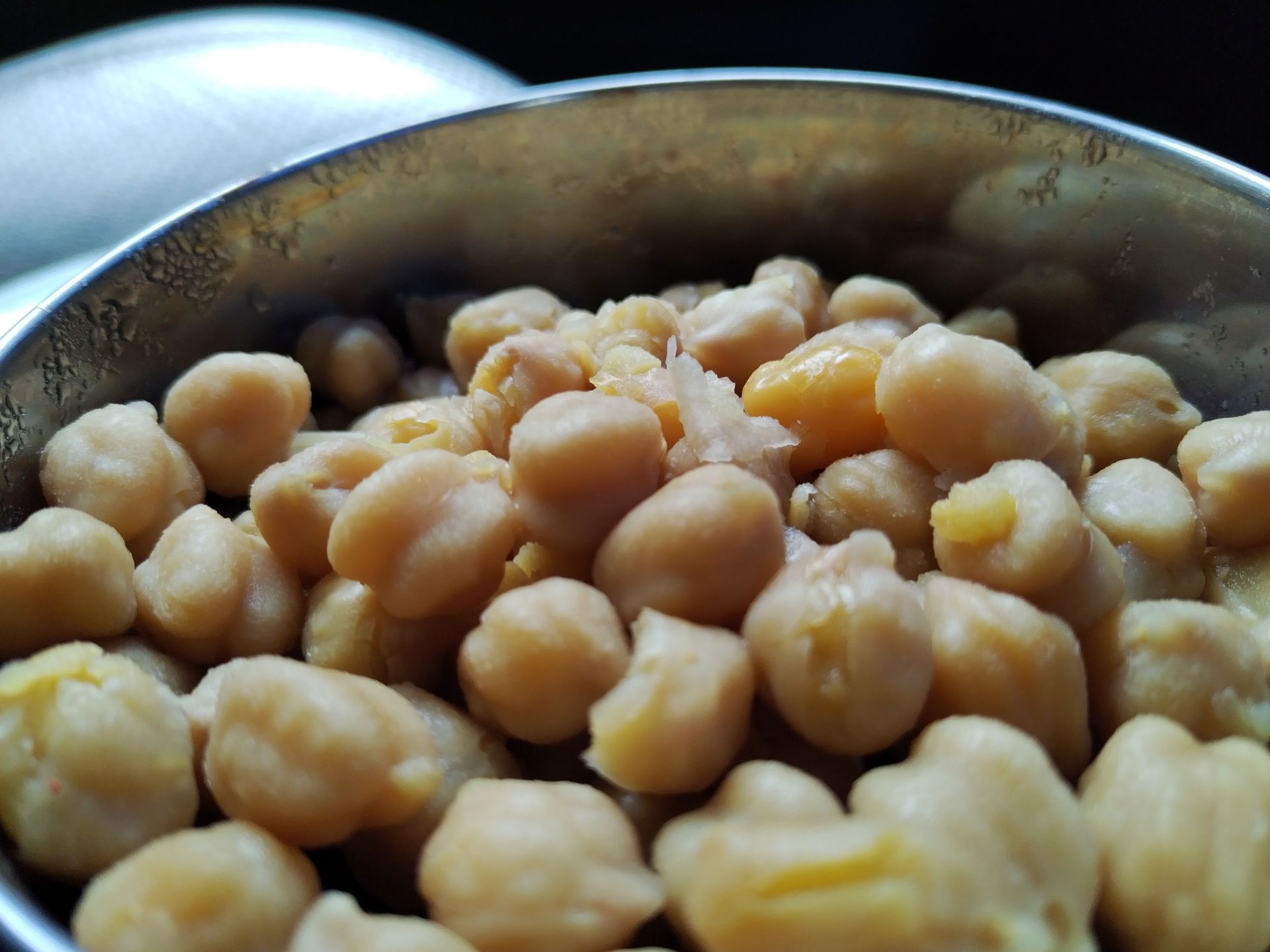
Aquafaba — the liquid in a can of chickpeas, or the cooking liquid from dried chickpeas cooked from scratch — is a functional egg white substitute with specific culinary properties that make it useful well beyond simple substitution. The liquid contains dissolved proteins and starches leached from the chickpeas during cooking, and these proteins whip into a foam when beaten, stabilize emulsions, and bind ingredients in ways that are chemically similar to egg white function.
Aquafaba was identified as an egg white substitute in 2014 by French chef Joël Roessel and subsequently popularized on social media; it is now a standard ingredient in vegan and egg-free cooking. Three tablespoons of aquafaba substitute for one egg white in most applications. It produces stable meringue, works in mayonnaise, binds fritters and patties, and adds body to cocktails (the vegan substitute for egg white in sours).
The most dramatic demonstration of aquafaba's properties is whipping it to stiff peaks — the foam is visually identical to whipped egg white and behaves similarly in applications like meringue and mousse. The flavor of chickpea liquid is mild enough to be imperceptible in most sweet applications once other ingredients are present.
Best uses: meringue, mousse, mayo, cocktail foam, egg-free binding in fritters and patties. What to avoid: the flavor is perceptible in very delicate preparations with no competing flavors.
Bread crusts and stale bread
Lisa / Pexels
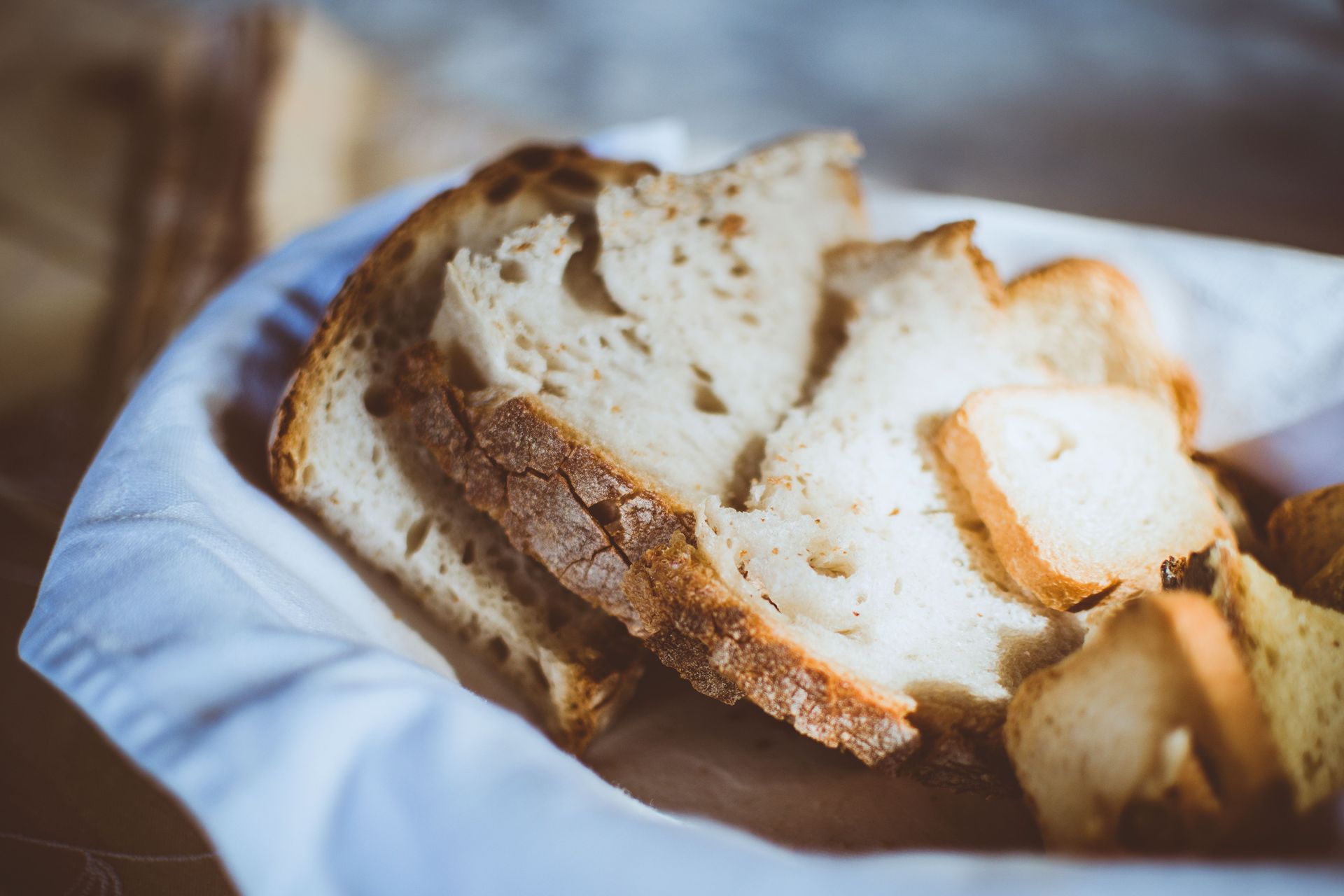
Stale bread — bread that has dried out and become too hard or too chewy to eat as bread — is the foundation of several important culinary preparations that require the stale texture specifically rather than tolerating it as a defect. Fresh bread makes inferior breadcrumbs, inferior panzanella, and inferior ribollita; stale bread makes all of these correctly.
The most immediate use is breadcrumbs: process stale bread in a food processor, season with salt and optionally olive oil and garlic, toast in the oven or a dry pan, and store. Homemade toasted breadcrumbs (pangrattato) are significantly better than purchased breadcrumbs: crisper, more flavorful, better textured. They work on pasta (tossed with olive oil and chilli, they substitute for Parmesan in southern Italian cooking), on roasted vegetables, on soup, and as a coating for anything fried.
Croutons require stale bread rather than fresh because fresh bread's moisture produces steaming rather than crisping when cooked. Panzanella (the Tuscan tomato and bread salad) requires bread stale enough to absorb the tomato juices without disintegrating. French onion soup's gratinéed lid works better with bread that has dried out. Bread pudding requires stale bread that will absorb the custard rather than dissolving into it.
Best uses: pangrattato (toasted breadcrumbs), croutons, panzanella, ribollita, bread pudding, French onion soup. Storage: dried fully before storing in an airtight container; keeps for weeks.
Herb stems

Kaboom Pics / Pexels
Herb stems — the fibrous lower portion of fresh herb bunches that most cooks discard after stripping the leaves — contain the same essential oils and flavor compounds as the leaves, in varying concentrations depending on the herb. The stems of parsley, cilantro, and dill are nearly as flavorful as the leaves and entirely edible raw or cooked. The stems of thyme, rosemary, and oregano are woody and not pleasant raw but release their flavor into cooking liquid effectively.
The immediate application for soft herb stems (parsley, cilantro, dill) is as a flavor addition to stocks, soups, and sauces where the texture of the stems is irrelevant and only the flavor matters. A bunch of parsley stripped for a salad leaves a collection of stems that can go directly into stock. Cilantro stems, finely chopped, have essentially the same flavor as cilantro leaves and work in any application where cilantro will be cooked or blended.
Woody herb stems (thyme, rosemary) can be used as skewers for grilling — lamb or shrimp threaded onto rosemary branches pick up the herb's flavor from the inside while grilling — or added to the fire or charcoal to produce flavored smoke. The stems that cannot be composted into a dish can flavor the fire used to cook the dish.
Best uses: stocks and soups (all herb stems), finely chopped in cooking (soft stems), grilling skewers or smoking (woody stems). What to avoid: woody stems in salads or raw preparations where texture matters.
Mushroom stems

Lora Rikky / Pexels
Mushroom stems — the lower portion of the mushroom attached to the cap, which is frequently tougher and less visually appealing than the cap — contain the same umami compounds as the cap and produce equivalent flavor when cooked, despite the texture difference that makes them less suitable for preparations where the mushroom is served whole or sliced for visual appeal.
The most direct use is stock: mushroom stems (along with onion peels, carrot tops, and other vegetable scraps) added to a vegetable stock produce a distinctly more savory, umami-rich stock than stock made without them. A stock that includes mushroom stems does not need to pretend to be chicken stock; it is genuinely flavorful as a vegetable preparation and produces risotto, soup, and sauces that are satisfying rather than merely vegetable-flavored.
Dried mushroom stems, once dried and ground to a powder, produce a mushroom powder that is one of the most versatile flavor boosters available in a home kitchen: added in small quantities to ground beef, it intensifies the meaty flavor; added to stock, it adds depth; added to the salt used for roasting vegetables, it produces an instant umami seasoning. The stems of shiitake mushrooms are particularly well-suited to drying and grinding because of their high umami content.
Best uses: stock, mushroom powder, duxelles (finely chopped and cooked down with butter and shallots). Storage: freeze fresh; dehydrate for powder.
Chicken bones and carcasses

Jonathan Reynaga / Pexels
A roasted chicken carcass — the frame that remains after all the meat has been carved — is the foundation of one of the most useful kitchen preparations available: homemade chicken stock. The carcass contains gelatin-producing connective tissue, marrow, and residual flavor compounds that produce a stock with a richness and body that no commercial stock carton replicates, and the process requires almost no active work: cover with cold water, add aromatics if available, bring to a simmer, and leave for two to four hours.
The specific quality that homemade stock has and commercial stock lacks is gelatin: properly made stock from bones will set to a jelly when chilled, because the long collagen chains in connective tissue have been converted to gelatin and dissolved into the liquid. This gelatin is what gives a sauce made from homemade stock its silky body and its ability to coat the back of a spoon; commercial stocks are deliberately de-gelled to remain liquid at refrigerator temperature, eliminating this quality.
The same principle applies to any bones: beef bones for beef stock, fish frames and heads for fish stock, shrimp shells for shrimp stock. Each produces a liquid that is both more flavorful and more texturally useful than commercial equivalents, at the cost of time (mostly unattended simmering) rather than effort.
Best uses: soups, sauces, risotto, braising liquid. Storage: freeze in ice cube trays for portion-sized blocks; keeps for six months.
Vegetable cooking water
Tibor Szabo / Pexels
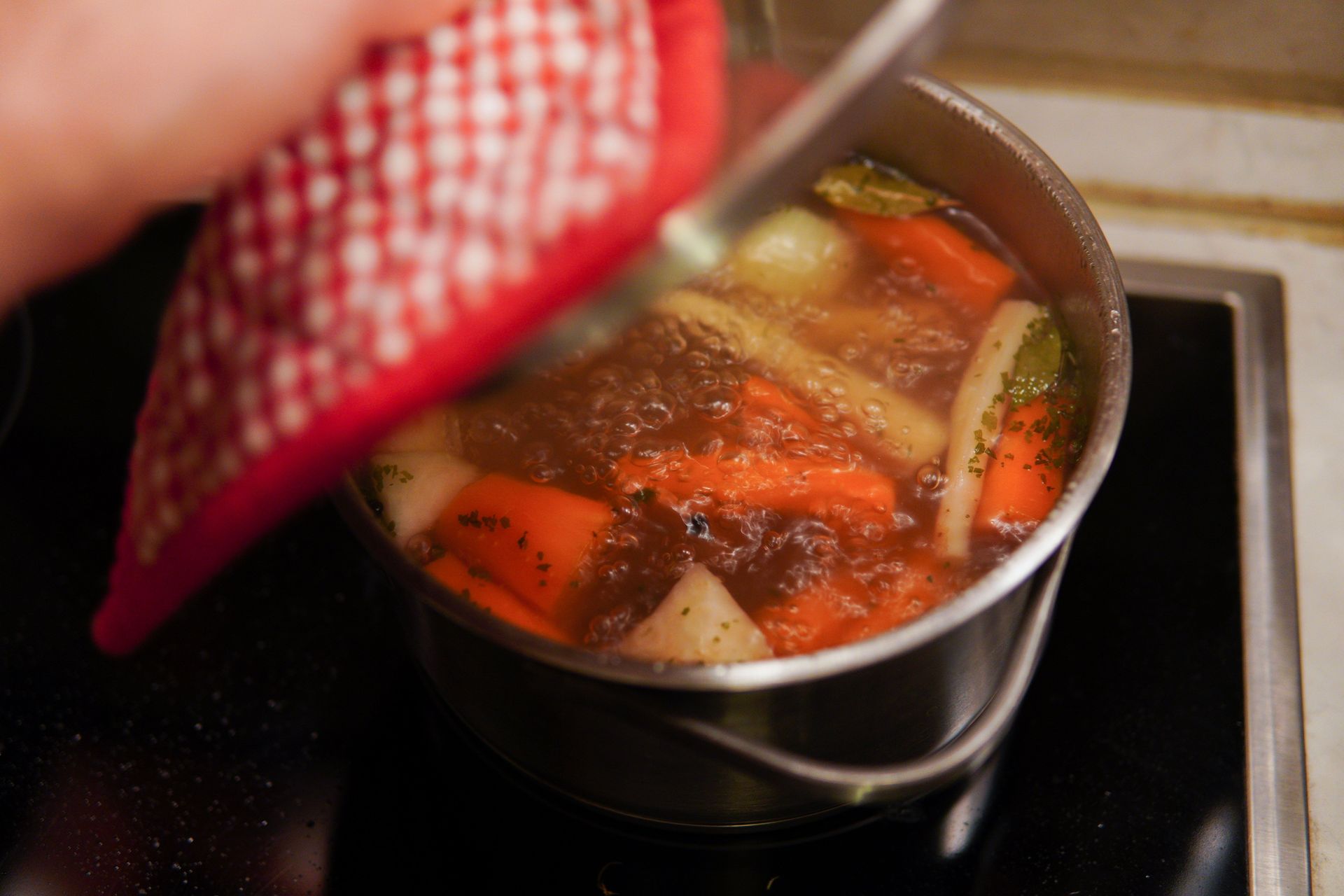
The water used to cook vegetables — pasta water, potato water, asparagus blanching water, beetroot cooking water — contains dissolved starches, sugars, minerals, and flavor compounds that are discarded by default but are useful in cooking. Pasta water is the most famous example: the starchy, salty water used to cook pasta is the emulsifying agent that binds pasta sauces, and a proper cacio e pepe or carbonara is impossible without it.
Beyond pasta water, the principle applies broadly. Potato cooking water, which contains dissolved starch, can be added to bread dough (where the starch feeds yeast activity and produces a softer crumb) or used to thicken soups and sauces. Asparagus blanching water retains the delicate flavor of asparagus and can be used as the liquid in an asparagus soup or risotto. Beetroot cooking water is a vivid magenta liquid that can be used as a natural food coloring, as the cooking liquid for risotto (producing a spectacular deep red result), or reduced to a sauce.
The general habit of saving cooking water requires only a moment of awareness before draining: is this water flavorful? Does it contain useful starch or color? If yes, reserve it. The most useful habit is keeping a container near the stove specifically for pasta water — the most consistently useful cooking water in everyday cooking.
Best uses: pasta water for sauce emulsification, potato water in bread, asparagus water in asparagus dishes, beetroot water for color and flavor. Storage: use within 24 hours or freeze.
Coffee grounds
Pixabay / Pexels
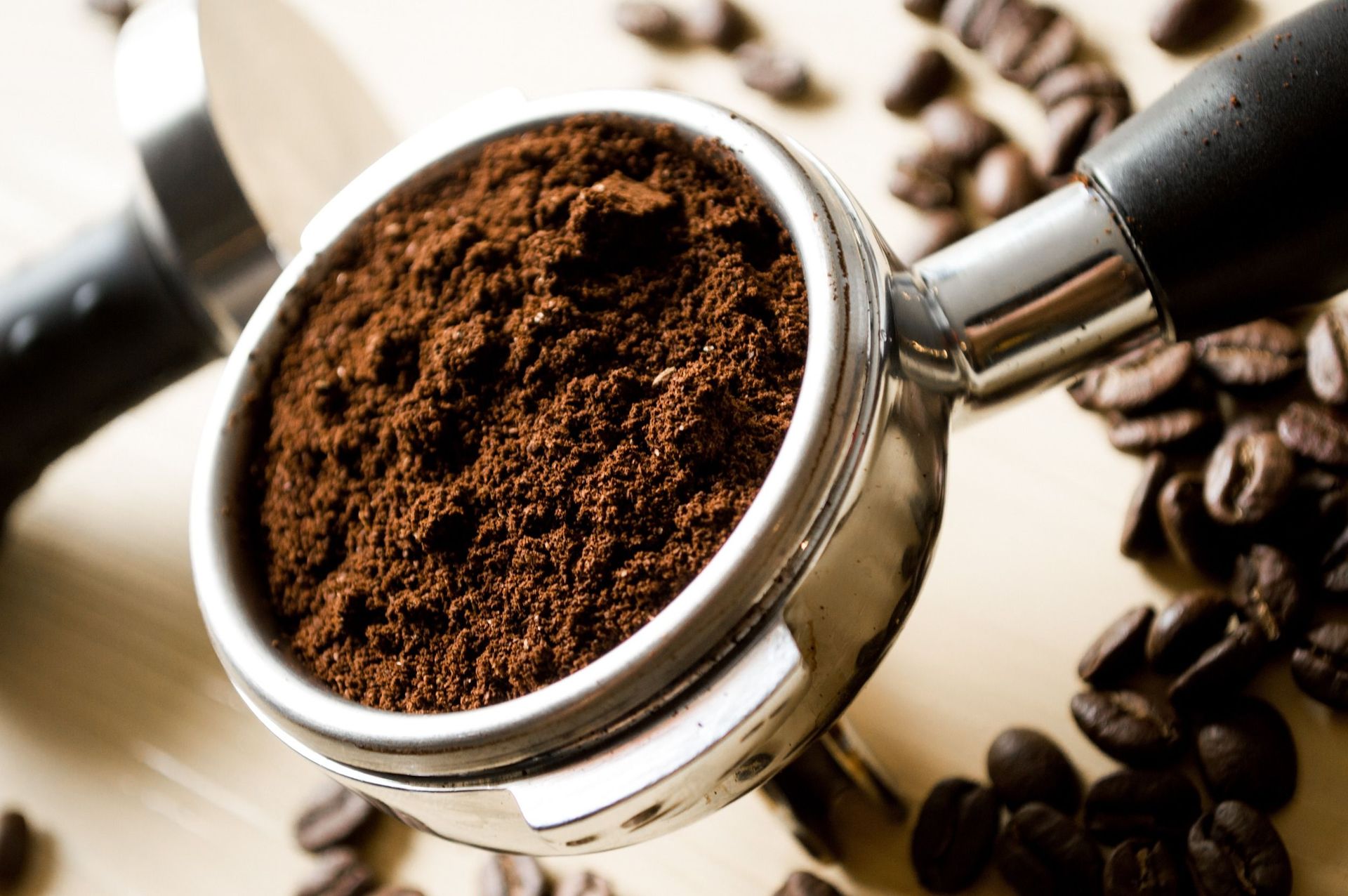
Used coffee grounds — the spent grounds remaining after brewing — retain significant quantities of flavor compounds, oils, and the specific bitter, roasted character of coffee that has useful culinary applications. Ground coffee and coffee grounds are used in meat rubs (where the bitterness and roasted notes complement the Maillard reaction products of searing and grilling), in chocolate desserts (where coffee intensifies chocolate flavor without adding coffee flavor at low concentrations), and in compound butters.
A coffee and spice rub for beef — equal parts used coffee grounds, brown sugar, smoked paprika, and salt — produces a specific bark on a steak or brisket that has a deeper, more complex crust than any commercial rub. The residual oils in the used grounds contribute to the crust's character in a way that ground coffee does not exactly replicate, making used grounds specifically (rather than fresh ground coffee) preferable for this application.
The grounds also have non-culinary uses worth knowing: they are an effective abrasive for cleaning stubborn residue from cast iron pans, an odor absorber for the refrigerator, and a garden soil amendment that provides nitrogen and deters some pests. The culinary and non-culinary applications together mean that coffee grounds from a household that drinks two to four cups daily should never reach the bin by default.
Best uses: meat rubs, chocolate dessert flavor enhancement, compound butter. What to avoid: using in delicate preparations where the grit of the grounds is unwelcome.
Fish bones and heads

Vladimir Srajber / Pexels
Fish bones and heads — the frame that remains after fillets are removed from a whole fish — produce stock in 20 to 30 minutes of simmering, significantly faster than meat bones, and produce a liquid that is the foundation of classic French and Italian fish cooking: bouillabaisse, fish velouté, seafood risotto. Most home cooks buy fish fillets and never see the frame; those who buy whole fish and fillet them (or have the fishmonger do it) have the stock material as a byproduct.
The specific quality of fish stock is its delicacy: unlike chicken or beef stock, which have robust flavors that persist through reduction and concentration, fish stock is subtle and loses its quality if overcooked or over-reduced. The technique requires cold water, the fish frames, aromatics (fennel is the classic pairing), and a maximum of 30 minutes of simmering — longer produces a bitter, heavy liquid rather than the clean, oceanic stock that the short extraction produces.
Shrimp and prawn shells are a more commonly available equivalent: the shells and heads of peeled shrimp, sautéed briefly in butter or oil until pink and fragrant before simmering in water for 15 to 20 minutes, produce a stock that is the foundation of bisque, shrimp sauces, and any seafood preparation that benefits from an intensely flavored shellfish base.
Best uses: seafood soups, bouillabaisse, seafood risotto, fish sauces. Storage: use within 24 hours or freeze immediately; fish stock deteriorates faster than meat stock.
Apple peels and cores
Skylar Kang / Pexels
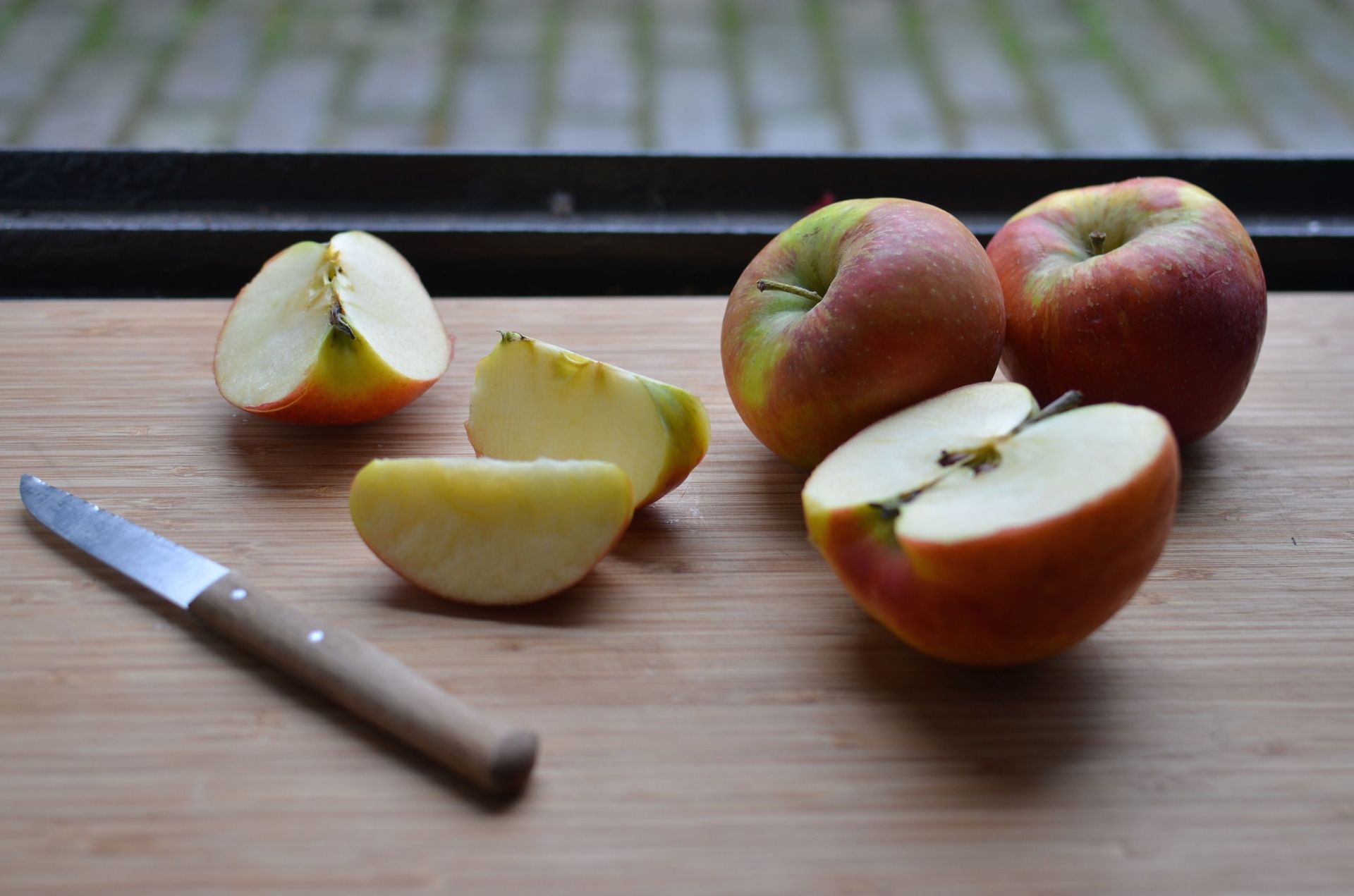
Apple $AAPL peels and cores — the material remaining after apples are peeled, cored, and prepared for a pie or crumble — contain pectin (the natural gelling agent that is extracted commercially for jam-making), sugar, and the concentrated apple flavor of the skin. They can be simmered with water and sugar to produce apple jelly (the pectin in the peels will set the jelly without any commercial pectin addition), dried for use in herbal tea blends, or fermented to produce apple scrap vinegar.
Apple scrap vinegar — apple cider vinegar produced at home from peels, cores, water, and sugar, fermented over two to four weeks — is a genuinely useful pantry item that costs almost nothing to produce. The fermentation process is straightforward: combine apple scraps, water, and a small amount of sugar in a jar, cover with a cloth, leave at room temperature for two to four weeks (stirring daily), strain, and allow to continue fermenting for another two to four weeks to develop acidity. The result is a mild, fruity vinegar suitable for dressings, pickling, and deglazing.
The pectin in apple peels and cores is also directly useful in jam-making: adding a bundle of peels and cores (tied in cheesecloth) to jam made from low-pectin fruit (strawberries, cherries, peaches) provides natural pectin that helps the jam set without commercial pectin additions.
Best uses: apple jelly, apple scrap vinegar, natural pectin source for jam-making, dried tea blend. Storage: freeze scraps until enough have accumulated for a batch.
Bacon fat

cottonbro studio / Pexels
Bacon fat — the rendered pork fat that accumulates in the pan when bacon is cooked — is a flavored cooking fat that professional kitchens save as a standard ingredient and most home cooks discard. The fat carries the smoke, the salt, and the specific pork character of bacon, and it can substitute for oil or butter in any application where pork fat is an appropriate flavor pairing: frying eggs, sautéing greens, roasting potatoes, making cornbread.
The technique for saving bacon fat is simple: after cooking bacon, allow the fat to cool slightly, pour it through a fine strainer into a clean jar to remove any bacon bits (which would cause the fat to spoil faster), and store covered in the refrigerator. Properly strained and stored, bacon fat keeps for several months in the refrigerator.
The specific applications where bacon fat is irreplaceable rather than merely useful: cornbread fried in bacon fat in a cast iron skillet develops a specific crust that butter or oil does not produce; greens wilted in bacon fat have a specific flavor that is part of the specific identity of the dish. In these applications, bacon fat is not a substitution but the correct fat for the recipe.
Best uses: frying eggs, sautéing greens, cornbread, roasting potatoes, seasoning cast iron. Storage: strained and refrigerated, keeps for two to three months.
Lemon halves after juicing
Diana / Pexels
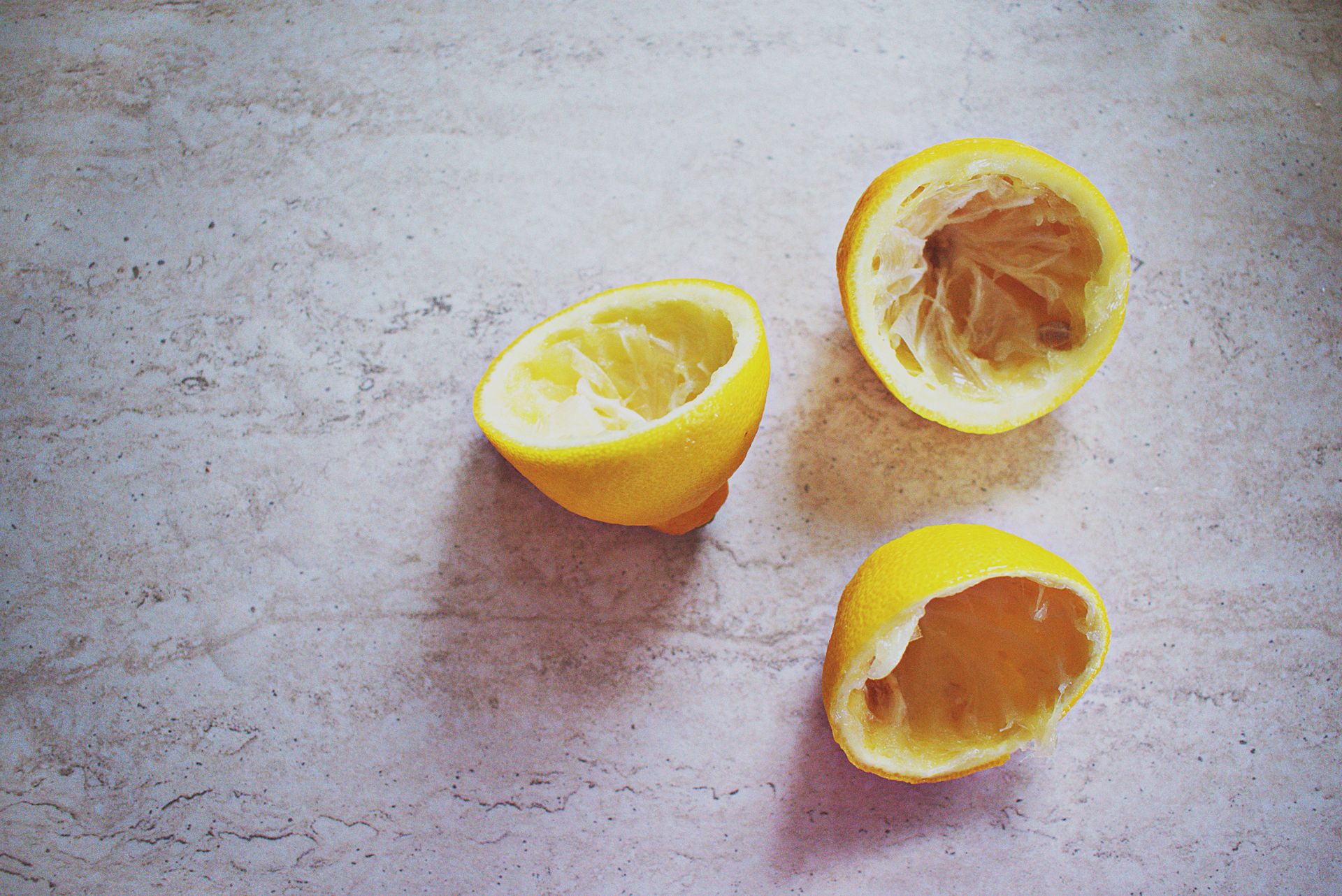
Lemon halves after juicing — the spent citrus shells that have been squeezed of their juice — still contain essential oils in the peel and a small amount of residual juice. They are useful for several applications that do not require whole fruit but benefit from lemon flavor and the mild abrasive quality of the peel.
The most immediate use is as a cleaning tool: a squeezed lemon half with a small amount of salt applied to the cut surface is an effective mild abrasive for cleaning cutting boards, removing tarnish from copper pots, and brightening stainless steel. The citric acid and the mild abrasion remove stains and odors that dish soap does not reach.
In cooking, the spent halves can be added to roasting pans with chicken or fish (where the heat extracts the remaining oils and juice into the pan drippings), used to flavor the water used to boil crabs or lobsters (where the aromatics in the peel perfume the cooking liquid), or added to a pot of poaching liquid for chicken. Grilling the spent lemon halves cut-side down in a dry pan or on a grill produces a caramelized lemon half that is a superior garnish to a fresh lemon slice — the caramelization develops sweetness and depth that the raw fruit lacks.
Best uses: cleaning tool, roasting pan aromatics, grilled lemon garnish, poaching liquid.
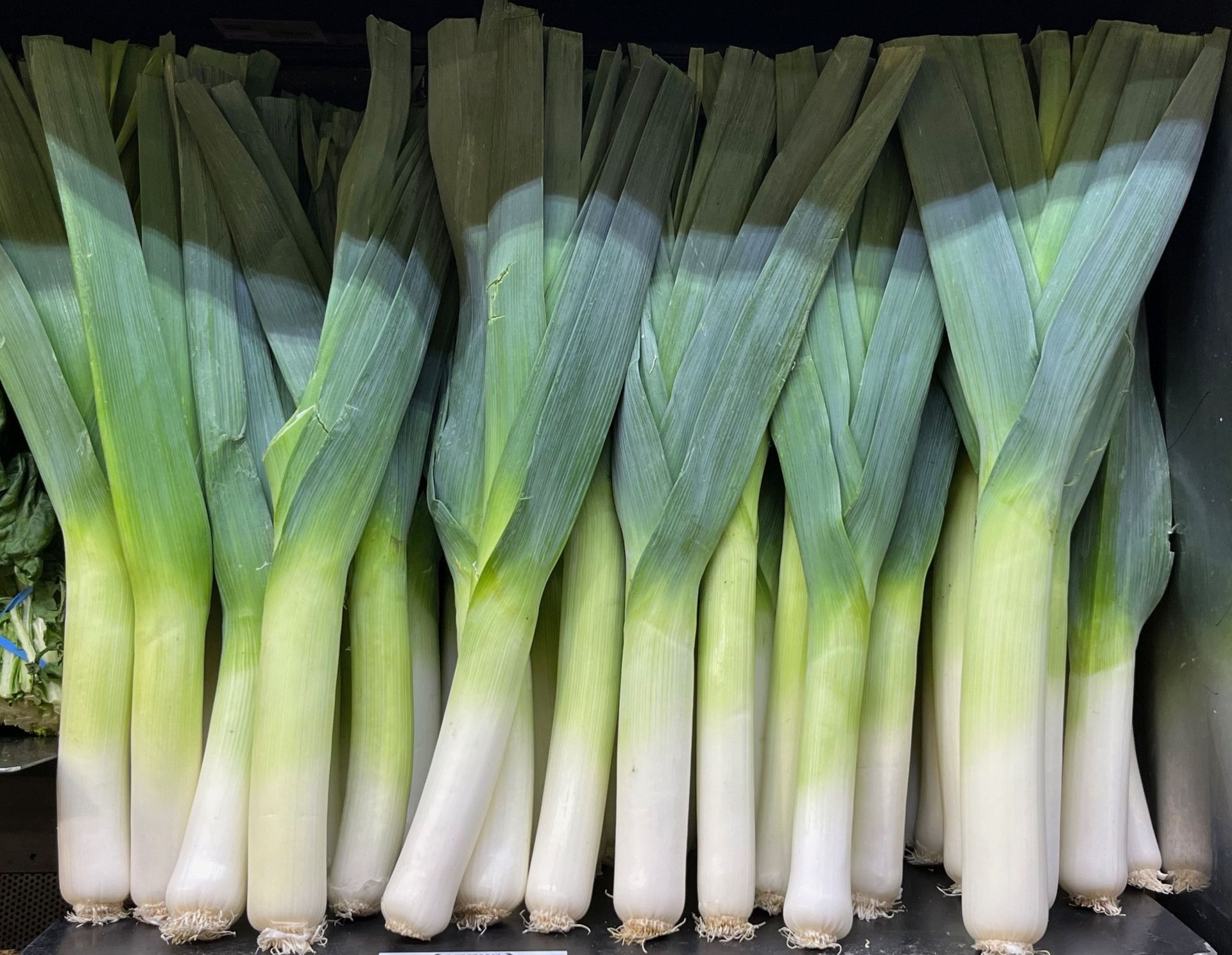
Onion and leek tops
Chixpix / Pexels
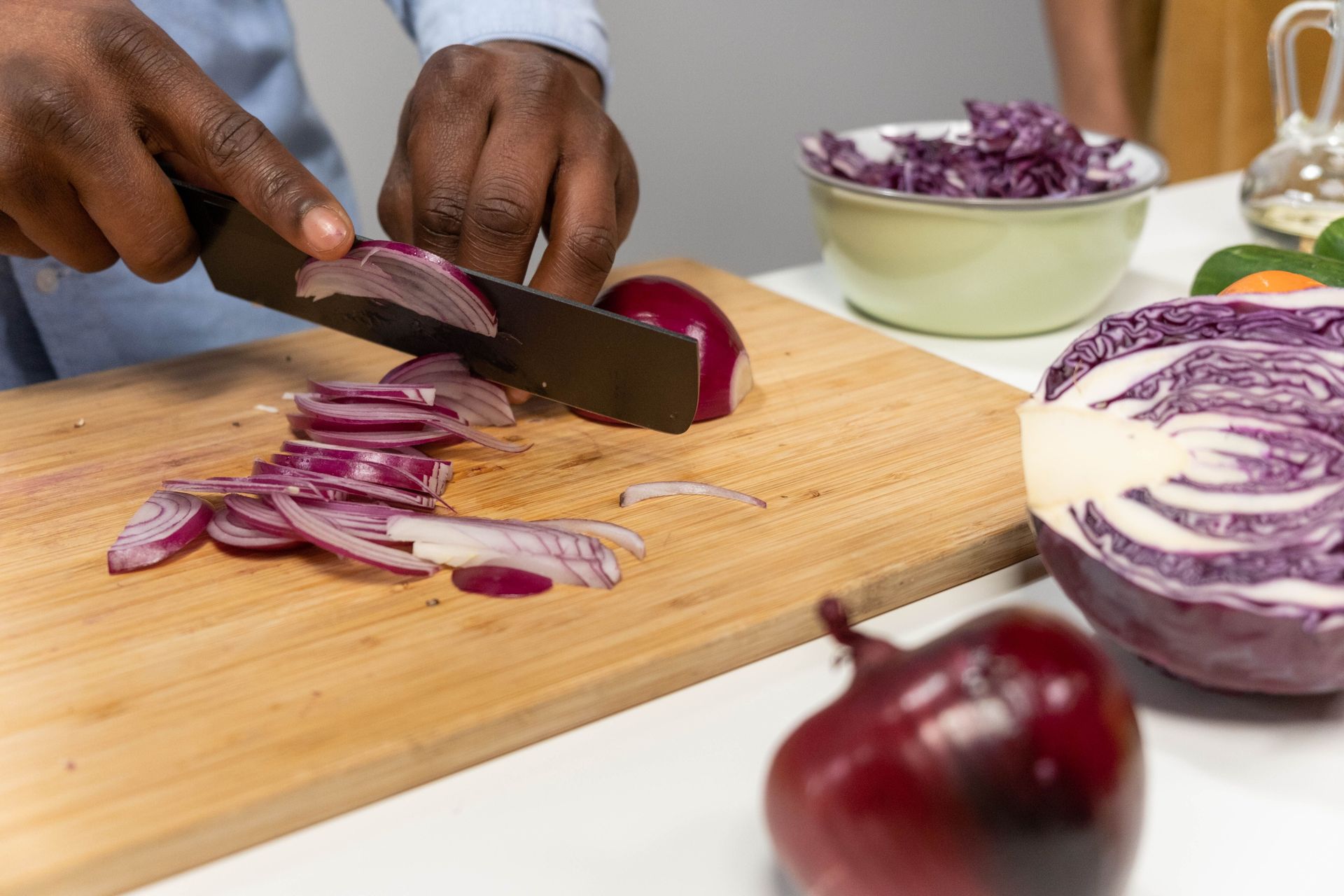
The dark green tops of leeks and the dry outer papery skins of onions — the parts that are almost universally discarded before cooking — are among the most underused aromatics available in a home kitchen. Leek tops, despite their tougher texture relative to the white and pale green portions, have essentially the same flavor and are entirely edible when cooked long enough. Onion skins, while too papery to eat, release flavor and — more strikingly — deep brown color into any liquid they are simmered in.
The brown color from onion skins is particularly useful in stock-making: a stock that includes a handful of clean brown onion skins alongside the other aromatics will take on a golden-brown color that approximates the appearance of meat stock, making it useful in applications where the pale color of a standard vegetable stock would be visually wrong. The flavor contribution of onion skins is mild, but the color contribution is significant enough that professional kitchens add onion skins specifically for this purpose.
Leek tops, chopped and added to a stock or soup, contribute the same flavor as leek middles at zero additional cost. Washed, chopped, and frozen, they form the backbone of a stock scrap bag that can be supplemented with other vegetable trimmings over weeks and turned into a liter of genuinely flavorful vegetable stock without any dedicated grocery shopping.
Best uses: stock color and flavor (onion skins), stock aromatics and soup additions (leek tops). Storage: both freeze well; keep a dedicated bag in the freezer.