Nearly 72% of LGBTQ+ consumers say they buy fewer products from companies they see as reducing diversity commitments, a new HRC survey found
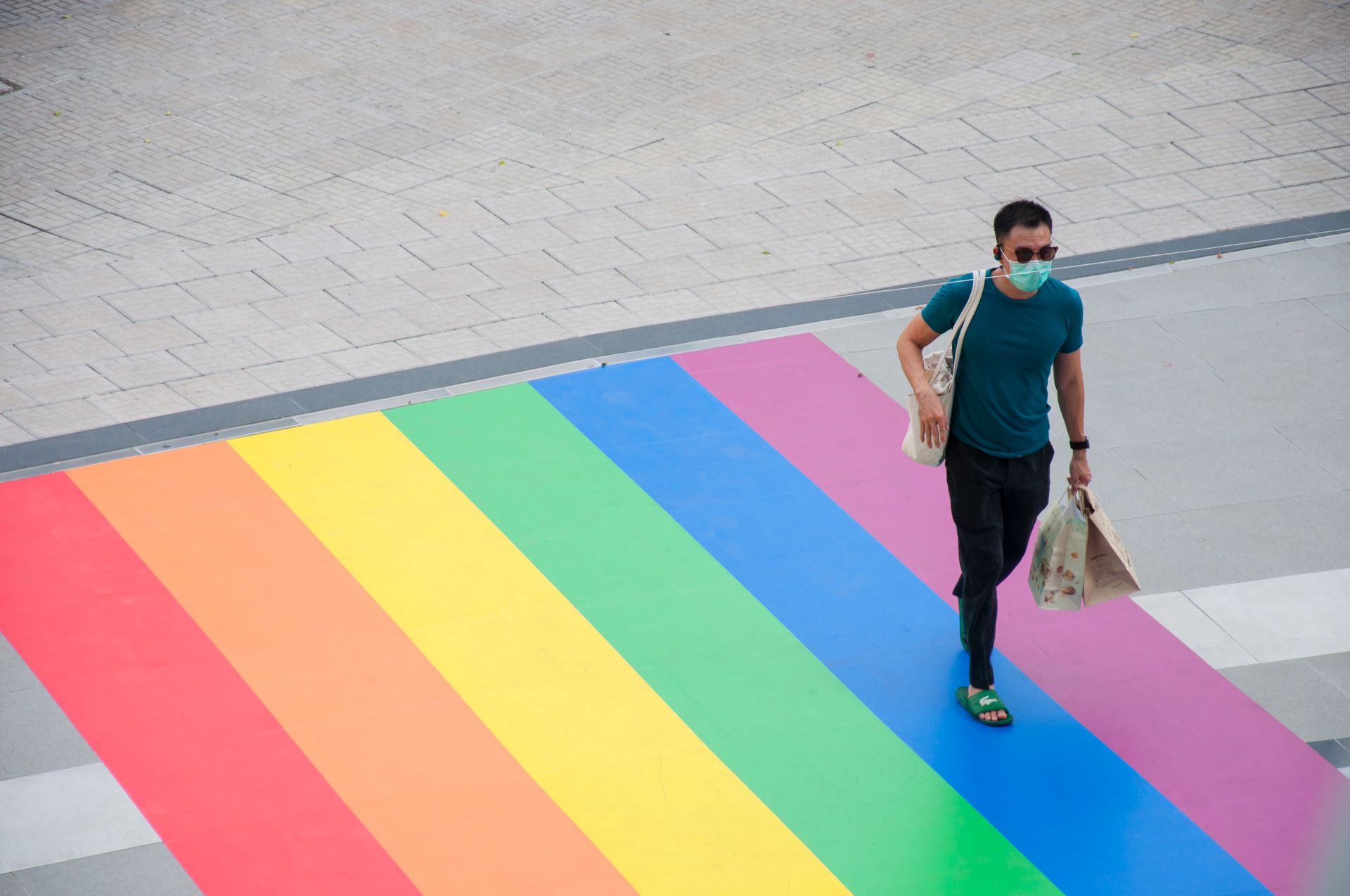
SOPA Images / Getty Images
Among the central findings of the HRC Foundation's Pride in the Marketplace 2026 report: close to 72% of LGBTQ+ respondents reported purchasing fewer products from brands they view as pulling back on diversity and inclusion, and just under 70% said they had declined to buy from those companies on at least some occasions. When asked which brands prompted that pullback, respondents named Target, Walmart, Amazon, Chick-fil-A, and Home Depot $HD more than any others.
Spending shifts ran in the other direction as well: approximately 70% of LGBTQ+ respondents said they had increased purchases at brands they consider inclusive. Costco $COST, Apple $AAPL, Ben & Jerry's, Delta Air Lines, and Kroger topped the list of companies benefiting from that uptick.
The National LGBT Chamber of Commerce estimates LGBTQ+ consumers represent more than $1.7 trillion to the U.S. economy, according to CNBC.
"Consumers are rewarding companies they see stand by their values and turning away from those who retreat under pressure," HRC President Kelley Robinson said in a statement. "The data is clear: authenticity and consistency builds community trust with brands."
HRC spokesman Jonathan Lovitz told CNBC that companies earning the strongest loyalty are those that maintained consistency rather than changed course. "Companies who have the longest run of trust with customers in the [LGBTQ+] community is they didn't change anything about what they were doing but remained consistent," Lovitz said.
He also noted a gap between companies' internal efforts and external perception. "There is a gap to close between perception and what you're doing inside," Lovitz said.
The findings land against a backdrop of eroding corporate engagement with HRC's benchmarking tools. The number of Fortune 500 firms taking part in the Corporate Equality Index collapsed by 65% in a single year, dropping from 377 participants in 2025 to just 131 in 2026.
No company appeared more often in responses tied to reduced spending than Target, which has weathered political pressure from opposing directions. Consumer Edge data cited by CNBC showed Republican-identifying shoppers trimmed their Target purchases amid backlash over the chain's 2023 Pride Month displays, while Democrat-identifying shoppers followed suit roughly two years later when Target scaled back several of its DEI programs. Despite those headwinds, the chain managed to post a positive same-store sales result in its latest quarter — the first such gain in more than a year.
Among brands linked to higher spending, Costco ranked first. The warehouse retailer has taken a notably outspoken stance in defense of its diversity programs, and at its most recent shareholder meeting investors decisively rejected a motion that sought to compel the company to conduct a risk review of those initiatives.
Asked about the survey's findings, Amazon provided a statement saying it remains committed to creating opportunities for its workforce and meeting the needs of a broad customer base. The remaining companies named in the report — Target, Walmart, Chick-fil-A, and Home Depot — had not offered responses by the time of publication.
Join 500,000+ readers who start their day with Quartz.
By subscribing, you agree to our Terms of Service and Privacy Policy.
