20 shockingly long bans — and why it took so long to lift them
From absinthe to Alabama's marriage laws, these 20 bans stayed on the books for decades before governments finally gave in
Credit: The daily beast / Wikimedia Commons (CC BY-SA 4.0)
Laws are supposed to reflect their moment. Most of them do — societies debate an issue, pass a rule, and move on when circumstances change. But some prohibitions get stuck. They outlive the fear that created them, the politicians who championed them, and often the underlying technology or social order they were meant to protect. They become inertia dressed up as policy, sitting on the books because repealing them requires more political energy than anyone wants to spend on a fight that looks, from a distance, already settled.
The 20 bans on this list share that quality. Some were built into national constitutions and needed a referendum to remove. Others were enforced by sporting federations, medical boards, or customs agencies rather than parliaments, which meant a single stubborn official could keep a rule alive for a generation. A few survived because the coalition that opposed them was smaller or quieter than the one that wanted them kept. And in at least one case, a ban is still only half lifted, more than 30 years after it was first imposed.
What connects an alcohol prohibition in the North Atlantic, a marriage clause in an American state constitution, and a corporate exile from the Indian subcontinent is not the subject matter. It is the pattern: an emergency or moral panic prompts a rule, the emergency passes, and the rule remains because no one with the standing to change it feels the urgency to try. Reversal, when it finally arrives, tends to follow either a court ruling that makes the old law legally untenable, a trade negotiation that makes it economically costly, or a single determined person who forces the issue through a tribunal or a ballot box.
Reading through these 20 cases is a reminder that the gap between what is illegal and what makes sense can stretch far longer than most people assume, and that closing it usually takes more than common sense. It takes someone willing to file the lawsuit, run the campaign, or simply keep asking the same question until the people in charge run out of good answers.
1 / 20
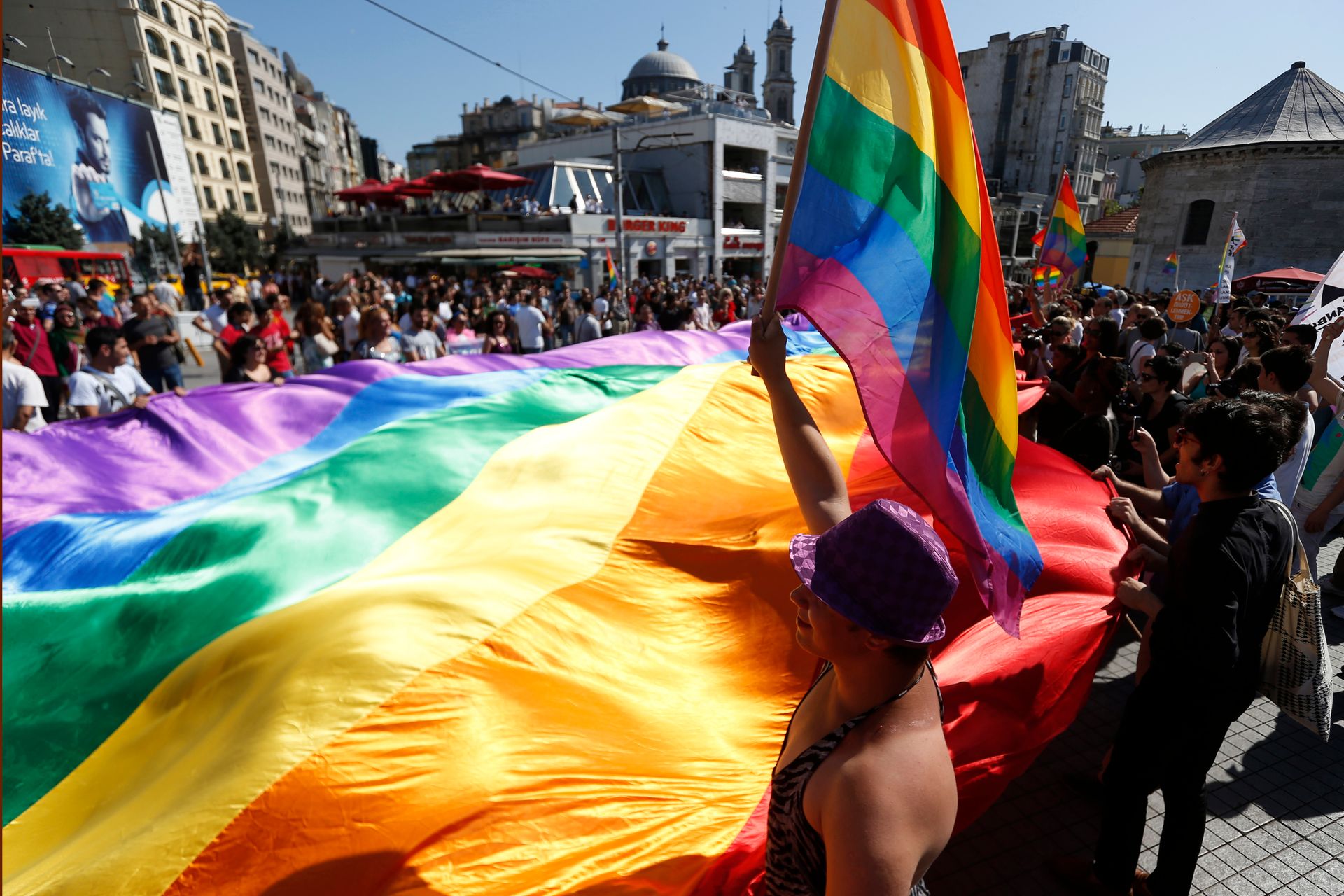
A colonial-era law banned gay sex in India for 157 years
Credit: The daily beast / Wikimedia Commons (CC BY-SA 4.0)
Section 377 of the Indian Penal Code criminalized "carnal intercourse against the order of nature," language borrowed almost verbatim from British colonial legal codes drafted in 1861. The law did not name homosexuality directly, but Indian courts and police used it for more than a century to prosecute and harass gay men in particular, along with anyone whose sexual conduct fell outside a narrow definition of what the British Empire considered natural.
Britain repealed its own version of this law in stages through the 20th century, but India kept Section 377 in place long after the empire that wrote it had disappeared. Attempts to challenge it began building momentum in the 1990s and 2000s, driven partly by public health workers who argued that the law made it harder to reach gay men with HIV prevention programs, since the threat of prosecution pushed people underground.
The Delhi High Court struck down the law's application to consenting adults in 2009, in a ruling that felt to many like the end of the story. It was not. The Supreme Court of India reversed that decision in 2013, ruling that only Parliament, not the courts, had the authority to change the law. That reversal sent activists back to the drawing board and left Section 377 fully enforceable again for five more years.
The final challenge came from a group of petitioners that included a well known dancer, a chef, and several hoteliers, all of whom argued the law violated their basic constitutional rights to equality, privacy, and dignity. On September 6, 2018, a five judge bench of the Supreme Court agreed, unanimously striking down the section insofar as it criminalized consensual sex between adults. One justice used her opinion to apologize on behalf of history to the generations of gay and lesbian Indians who had lived under the statute.
The ruling did not create marriage rights or broader anti-discrimination protections, which remain unresolved in Indian law. But it closed out one of the longest continuously enforced bans on consensual adult conduct anywhere in the world, a law that survived two world wars, Indian independence, and multiple generations of social change before finally falling.
2 / 20
Alabama kept an unenforceable ban on interracial marriage for 99 years
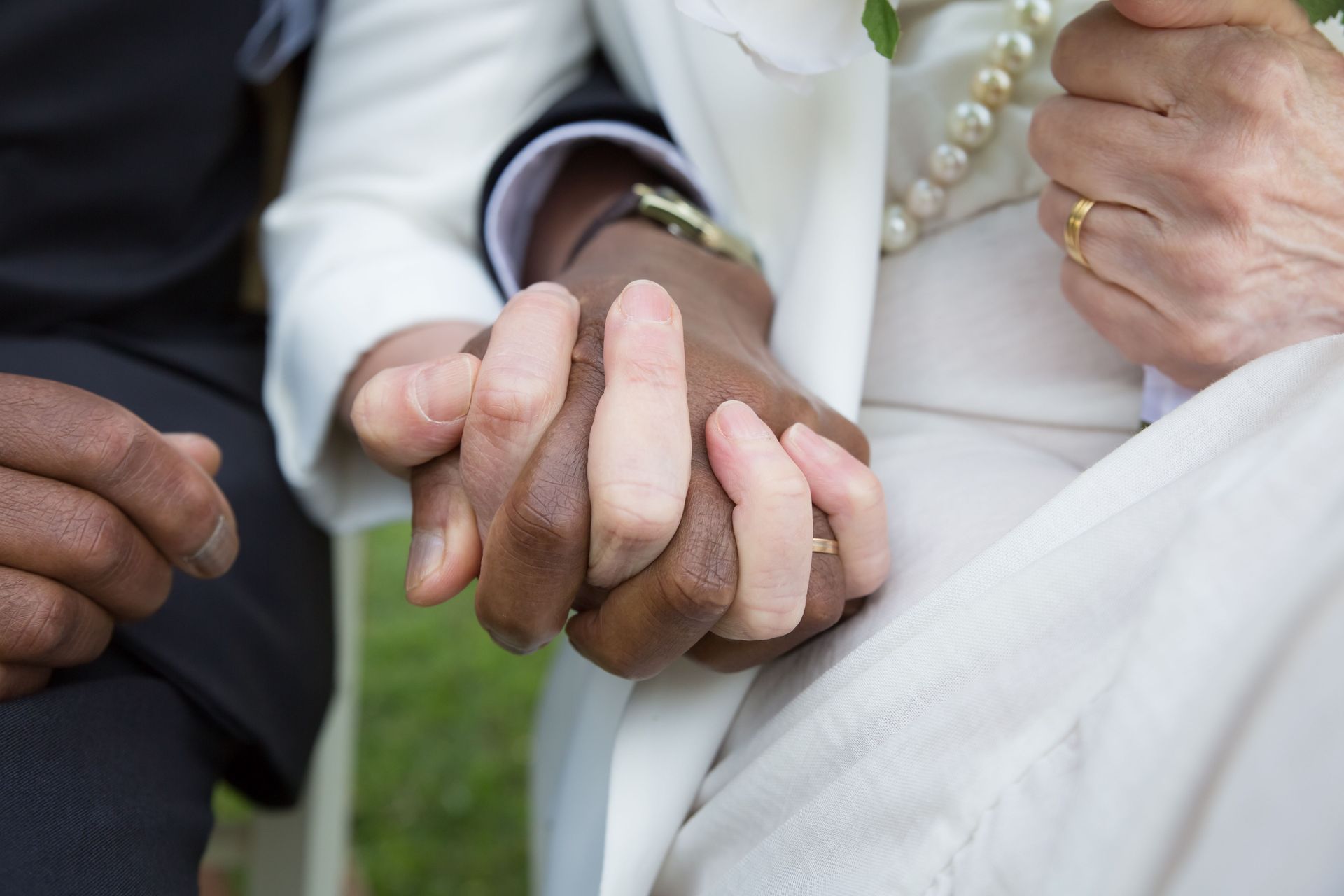
The U.S. Supreme Court settled the legal question of interracial marriage in 1967, when its decision in Loving v. Virginia struck down every state law banning marriage between people of different races. From that point forward, no state could legally prevent a couple from marrying based on race, and every remaining ban on the books became unenforceable overnight.
Alabama did not remove its own ban from the state constitution for another 33 years. Article IV, Section 102 of the Alabama Constitution of 1901 stated flatly that the legislature would never authorize marriage between a white person and a Black person, language written into the document during an era explicitly organized around white supremacy and racial segregation. Even after Loving made the clause legally meaningless, it stayed printed in the constitution that every Alabama resident technically lived under.
Removing it required a statewide referendum, and Alabama lawmakers spent decades declining to schedule one, aware that putting the question to voters carried political risk in either direction. When Amendment 2 finally reached the ballot in November 2000, it was framed by supporters, including the state's attorney general, as a simple act of housekeeping: deleting language from the constitution that no longer had legal force and existed only as an embarrassment.
Voters approved the amendment with about 59 percent in favor, a comfortable majority but far from unanimous. Roughly 40 percent of Alabama voters cast ballots to keep the ban's language in the state's founding document, even though it hadn't been enforceable in more than three decades. Twenty five of the state's 67 counties voted against the change, a split that tracked closely with the racial makeup of those counties.
Alabama's vote made it the last state in the country to formally strip an interracial marriage ban from its constitution. The episode is often cited less as a story about marriage law, which had already been settled, and more as a case study in how long symbolic and legally dead language can survive in a governing document simply because no one forces the issue to a vote.
3 / 20
France banned its own national drink, absinthe, for 96 years

Credit: Kampus Production / Pexels
Absinthe was, by the early 1900s, one of the most popular spirits in France, consumed so widely in Parisian cafes that the hour of early evening drinking was nicknamed "l'heure verte," the green hour, after the drink's distinctive color. It was also, by that point, the target of a sustained moral panic that blamed the wormwood based liquor for violence, madness, and social decay.
The panic crystallized around a single, extreme case. In 1905, a Swiss farmer named Jean Lanfray murdered his pregnant wife and two children after a day of heavy drinking that included wine, brandy, and two glasses of absinthe. Newspapers and temperance campaigners fixed on the absinthe specifically, even though Lanfray had consumed far more alcohol from other sources that day, and the case became the rallying point for prohibition campaigns across Europe.
Switzerland banned absinthe first, writing the prohibition directly into its constitution after a 1908 referendum. France followed in 1915, banning the production and sale of absinthe nationwide just as the country entered the first full year of the First World War, a period when wartime austerity made restricting alcohol production politically easy. Pastis, an aniseed spirit without wormwood, rose to fill the gap absinthe left in French bars.
The scientific basis for the ban did not hold up well over time. Later research on thujone, the chemical compound in wormwood blamed for absinthe's supposed hallucinogenic effects, found that the doses present in the drink were far too small to cause the symptoms attributed to it. By the 1990s, French distillers had begun quietly producing wormwood based spirits again, selling them under different names to skirt the 1915 law's specific wording.
French lawmakers moved slowly toward a full repeal. A 1988 decree allowed a modified version of the drink, and producers pushed for full legal recognition through the 2000s, arguing that neighboring Switzerland's own absinthe revival was cutting into a market France should have owned. The French Senate voted to formally overturn the 1915 ban in April 2011, allowing the word "absinthe" back onto labels for the first time in nearly a century.
4 / 20
The U.S. banned absinthe for 95 years over a myth about madness

Credit: Silar / Wikimedia Commons (CC BY-SA 3.0)
Absinthe arrived in the United States in the late 1800s as an import favored by artists and bohemians who had encountered it in Paris, and it developed the same reputation there that it carried in Europe: a drink supposedly capable of causing hallucinations, violence, and a specific condition doctors at the time labeled "absinthism." The U.S. government banned it outright in 1912, three years before France did the same.
The ban rested on the idea that thujone, a chemical compound found in wormwood, the plant that gives absinthe its name and bitterness, acted as a psychoactive poison distinct from ordinary alcohol. American temperance campaigners folded absinthe into a broader case against spirits generally, and its foreign, artistic associations made it an easy target compared to homegrown drinks like whiskey.
The ban survived the repeal of national Prohibition in 1933, which ended the ban on beer, wine, and most spirits but left the specific absinthe prohibition untouched. For most of the 20th century, absinthe existed in American popular culture mainly as a legend, a drink associated with Vincent van Gogh and Oscar Wilde that Americans could read about but not legally buy.
Scientific opinion shifted well before the law did. Researchers in the late 20th century established that the thujone levels in properly made absinthe were far too low to cause hallucinations or the other symptoms blamed on it, and that the drink's reputation owed more to its unusually high alcohol content, often 45 to 74 percent, than to any unique toxic property. Ordinary overconsumption, not a special poison, explained the stories.
The U.S. Alcohol and Tobacco Tax and Trade Bureau lifted the ban in 2007, allowing thujone free absinthe to be legally imported and sold, as long as producers avoided marketing language suggesting hallucinogenic effects. March 5 is sometimes marked informally in bar culture as National Absinthe Day, commemorating the date the 95 year ban formally ended.
5 / 20
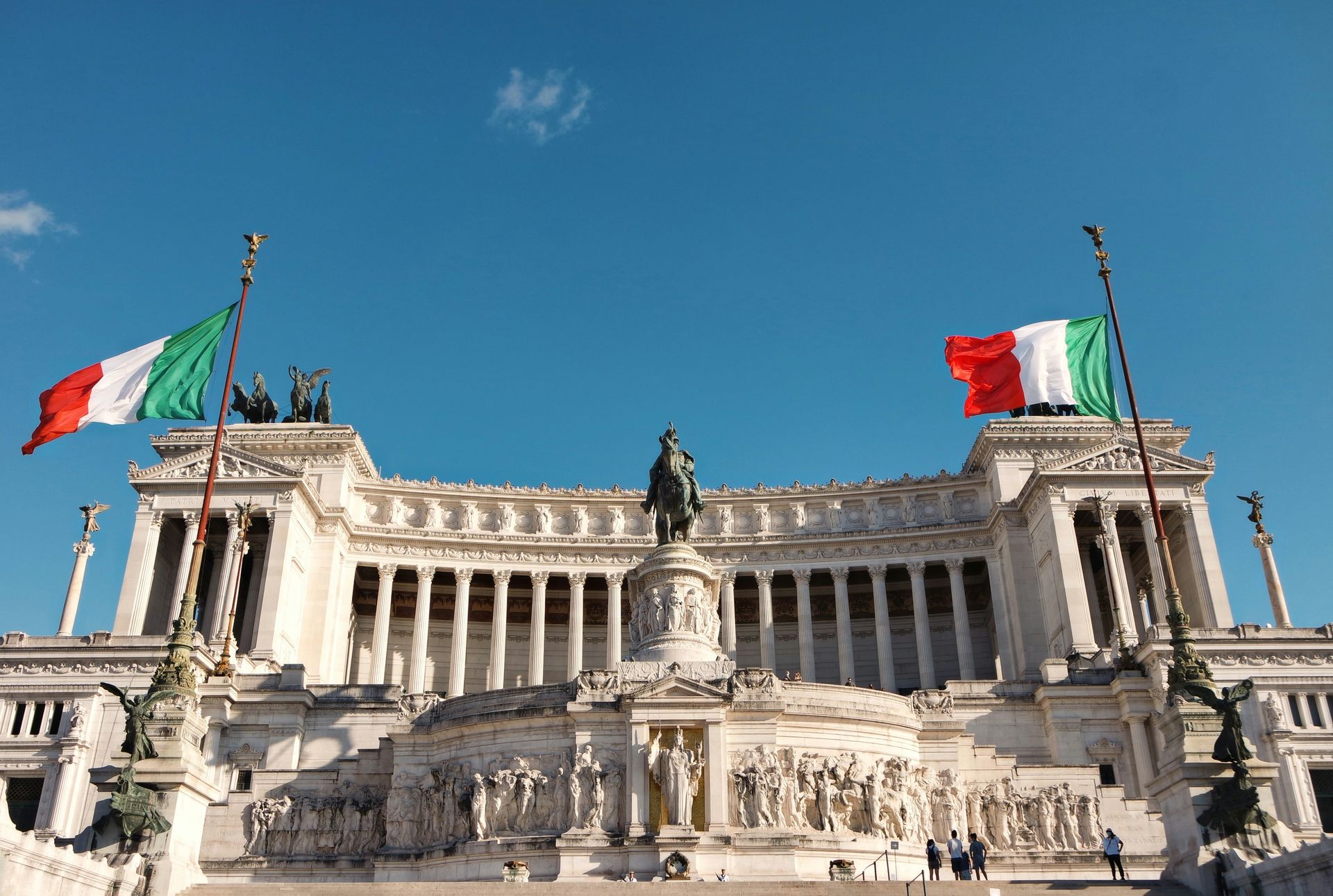
Italy had no legal way to end a marriage for more than a century
Credit: Michele Bitetto / Unsplash
When Italy unified as a single kingdom in 1861, its new civil code did not include any provision for divorce, reflecting the heavy influence of the Catholic Church on the country's legal and cultural institutions. Marriage, under Italian law, was treated as a permanent bond that only death could dissolve, regardless of abuse, abandonment, or a couple's mutual desire to separate.
That legal reality did not change when Italy became a republic after the Second World War. The country's new constitution, adopted in 1948, left family law largely untouched on this point, and successive governments avoided the issue rather than risk a direct confrontation with the Vatican, which held enormous informal influence over Italian politics well into the 20th century.
Couples who wanted to separate had limited options. Legal separation existed, allowing spouses to live apart, but neither party could remarry afterward. Wealthier Italians sometimes obtained foreign divorces or arranged annulments through Catholic Church tribunals, a process available mainly to those with the money and connections to navigate it, which left ordinary Italians with no comparable path out of an unhappy marriage.
Change finally came through a legislative push in the late 1960s led by two lawmakers, Loris Fortuna and Antonio Baslini, whose proposed law introduced limited grounds for divorce after a required separation period. Parliament passed the Fortuna Baslini law in 1970, making Italy one of the last major Western European countries to legalize divorce in any form.
The law's opponents, led by the Christian Democratic party and backed by the Church, did not accept the result quietly. They forced a national referendum in 1974 asking Italians to repeal the new divorce law outright. Nearly 60 percent of voters chose to keep divorce legal, a result that surprised many observers in a country still widely assumed to be reflexively deferential to Catholic teaching on marriage, and settled the question for good.
6 / 20
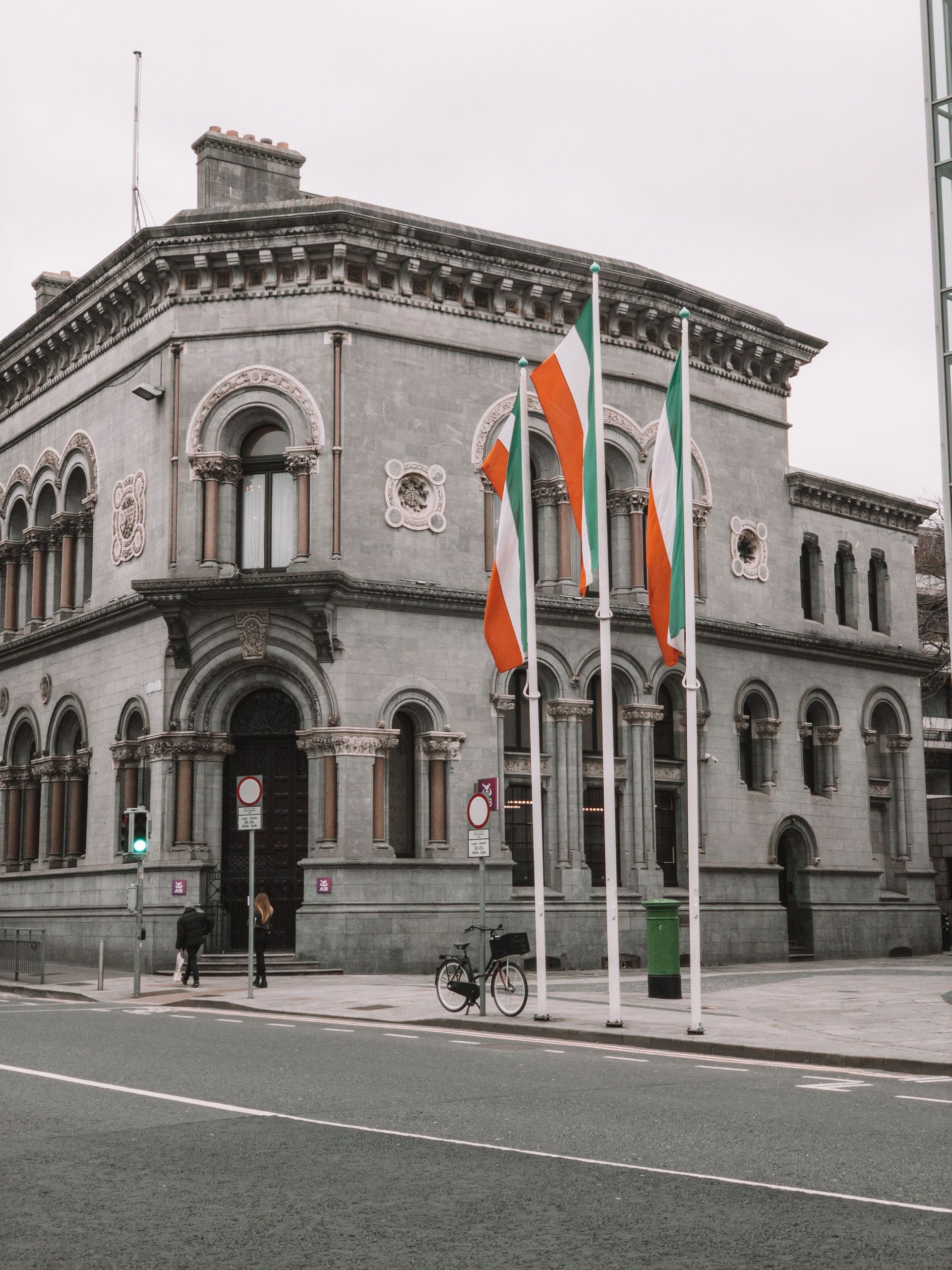
Ireland's constitution banned divorce outright for 58 years
Credit: Joaquin Carfagna / Pexels
Ireland's 1937 constitution, still in force today, was drafted under heavy input from the Catholic Church and included a direct prohibition on divorce. Article 41.3.2 stated simply that no law could ever be enacted allowing the dissolution of a marriage, a clause that made divorce not just difficult under Irish law but constitutionally impossible regardless of what parliament wanted.
The ban reflected the outsized role the Catholic Church played in Irish public life through most of the 20th century. Divorce was framed by the Church and by many politicians as a threat to the family unit and to Irish identity itself, arguments that carried enormous weight in a country where the Church ran much of the school system and shaped social attitudes on marriage, sexuality, and family structure.
Removing the ban required amending the constitution, which meant putting the question directly to Irish voters. The first attempt, a 1986 referendum, failed decisively, with roughly 63 percent voting to keep the ban in place. Campaigners against the change warned that legalizing divorce would threaten property rights, harm children, and unravel the fabric of Irish family life, arguments that resonated strongly with the electorate at the time.
By the mid-1990s, Irish society had shifted enough for reformers to try again. A second referendum, held in November 1995, proposed a carefully limited form of divorce, available only after spouses had lived apart for at least four of the previous five years and only with proper financial provision made for both spouses and any children. It passed by the narrowest possible margin, roughly 50.3 percent to 49.7 percent, a gap of just over 9,000 votes out of more than 1.6 million cast.
The constitutional amendment was signed into law in June 1996, and Ireland granted its first legal divorce in January 1997, to a terminally ill man who wished to marry his partner before he died. The 58 year gap between the constitution's original ban and its narrow repeal made Ireland one of the last countries in Europe to permit divorce in any form.
7 / 20
Iceland banned beer for 74 years while allowing hard liquor

Credit: Lance Anderson / Unsplash
Iceland's prohibition era began in 1915, after a national referendum in which roughly 60 percent of voters supported banning all alcoholic beverages. Unlike similar prohibition movements elsewhere, Iceland's ban did not last as a blanket policy for long. Wine came back onto the legal market in 1922, largely because Spain threatened to stop buying Icelandic fish unless Iceland also bought Spanish wine in return. Spirits followed in 1935, after another referendum. Beer, however, stayed illegal for more than 50 more years.
The logic behind singling out beer specifically struck many observers as strange from the start. Opponents of legalizing it argued that beer, being cheaper and less potent per serving than spirits, would be more accessible to young people and the working class, and would therefore lead to more widespread drinking than hard liquor already did. Iceland ended up with the odd situation of a country where vodka and whiskey were legal but beer was not.
Cultural and political factors reinforced the ban well past the point where its original logic made sense. Beer carried associations with Denmark, the colonial power Iceland had spent decades trying to separate from before achieving full independence in 1944, and drinking it was framed by some nationalists as an unpatriotic habit. Rural and socialist members of Iceland's parliament, Althingi, also formed a persistent bloc against legalization even as urban attitudes shifted.
Icelanders found workarounds. A drink called "bjorliki" combined legal low alcohol beer with legal spirits to mimic the effect of real beer, and smuggling from Denmark and elsewhere was common throughout the ban. More than 20 legislative proposals to legalize beer failed in Althingi over the decades, blocked repeatedly by the same coalition of rural and temperance minded lawmakers.
Parliament finally voted to end the beer ban in 1989, and it took effect on March 1 of that year, a date Icelanders have celebrated annually ever since as Bjordagur, or Beer Day. Beer has since become the dominant alcoholic drink in the country, a striking reversal for a beverage that Icelandic law treated as more dangerous than hard spirits for nearly three quarters of a century.
8 / 20
Women were unofficially barred from the Boston Marathon for 75 years

Credit: RUN 4 FFWPU / Pexels
The Boston Marathon $MPC began in 1897, and for its first seven decades, women were not permitted to register as official participants. The exclusion did not come from a single explicit rule written by race organizers. It came from the broader policies of the Amateur Athletic Union, which governed U.S. amateur sports and barred women from competing in officially sanctioned races longer than 1.5 miles, based on the widely held medical assumption of the era that long distance running was physically dangerous for women.
The exclusion became a global story in 1967, when a 20 year old Syracuse University student named Kathrine Switzer registered for the race using only her initials, K.V. Switzer, and was assigned an official bib number. Race officials had no way to know from the entry form that a woman had signed up. Roughly two miles into the race, an official named Jock Semple recognized Switzer and physically tried to tear her bib number off and pull her from the course, an altercation captured in photographs that ran in newspapers around the world.
Switzer's boyfriend at the time shoved Semple out of the way, and Switzer finished the race. She was not the first woman to run the Boston Marathon course; a woman named Bobbi Gibb had done so unofficially the year before, without a bib, after race organizers rejected her entry application on the grounds that women were not physiologically capable of running the distance. But Switzer's registered, numbered participation, and the physical confrontation that followed, turned the exclusion into a story that was hard for the sport's governing bodies to ignore.
Pressure built through the following years as more women ran the course unofficially and public opinion shifted. The Boston Athletic Association began formally registering women in 1972, five years after the Semple incident, making Boston one of the last major marathons in the world to open its official field to female runners. Switzer went on to finish that first official women's race in third place and later helped push for the addition of a women's Olympic marathon, which debuted at the 1984 Games.
9 / 20
South Africa banned interracial marriage for 36 years under apartheid
Credit: Magda Ehlers / Pexels
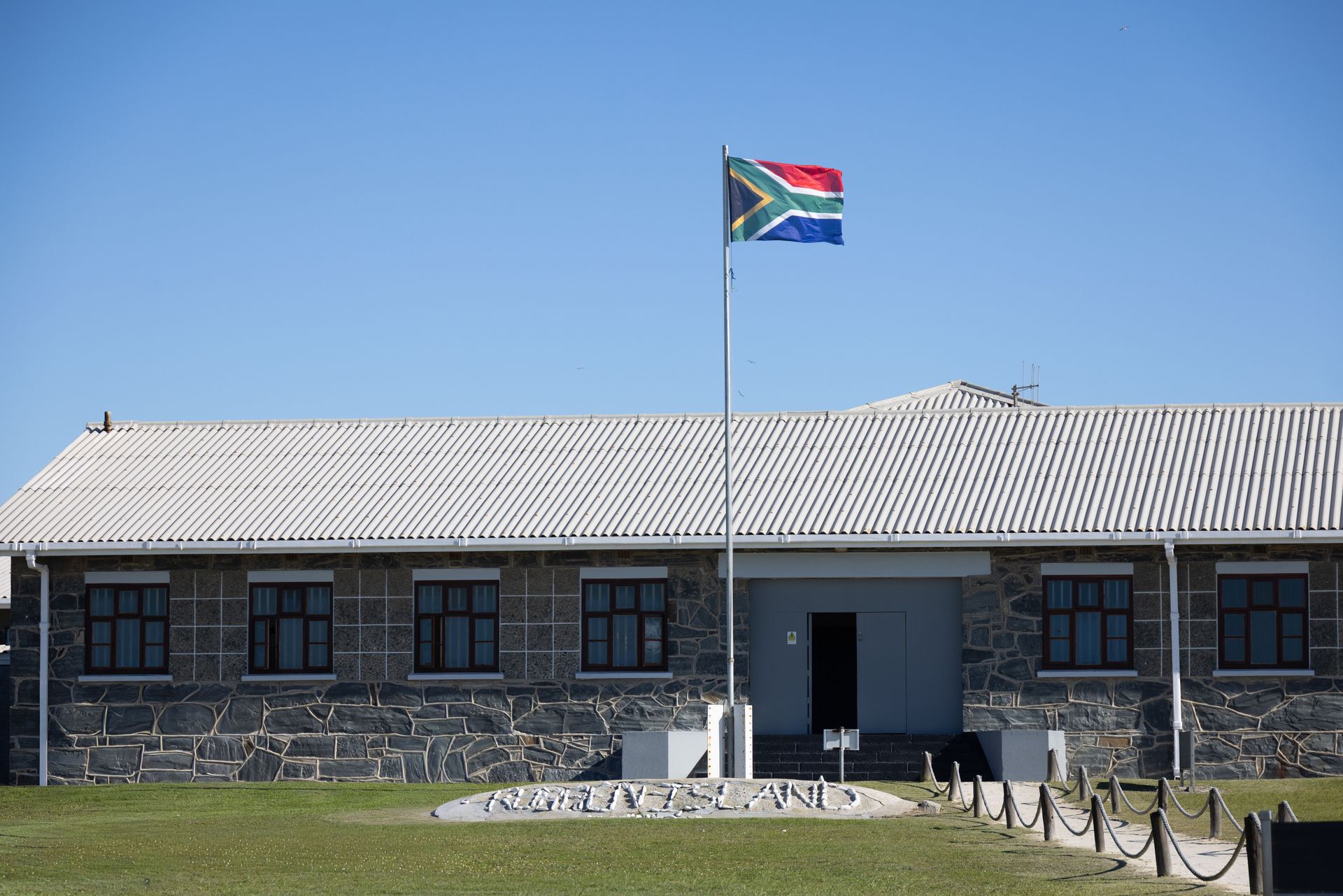
South Africa's National Party government passed the Prohibition of Mixed Marriages Act in 1949, one year after the party took power on a platform built around formal racial segregation. The law made it illegal for white South Africans to marry people classified as Black, Coloured, or Asian under the country's racial classification system, and it functioned as one of the earliest and most direct legal pillars of apartheid.
The law worked alongside the Immorality Act, which criminalized sexual relations between white South Africans and people of other races even outside of marriage, meaning the government policed not just who South Africans could legally marry but who they could be intimate with at all. Couples who defied the laws faced prosecution, and mixed race relationships that had existed before 1949 were suddenly rendered illegal, forcing some existing marriages into a legal gray area.
The laws remained a cornerstone of apartheid legal architecture for decades, reinforced by a wider system of racial classification, forced removals, and segregated institutions that touched nearly every part of South African life. International criticism of apartheid grew steadily from the 1960s onward, but the mixed marriage and immorality laws stayed in place even as other countries imposed sanctions and boycotts against the South African government.
Domestic pressure eventually outpaced the government's ability to defend the laws. By the mid-1980s, South Africa's own National Party leadership, facing sustained internal unrest and an increasingly untenable international position, began dismantling some of apartheid's most visible legal pillars in an attempt to ease pressure without giving up political control. The Prohibition of Mixed Marriages Act and the related sections of the Immorality Act were repealed in 1985.
The repeal came nine years before apartheid itself formally ended with South Africa's first fully democratic elections in 1994. It did not undo the broader system of racial classification and segregation that remained in place until the early 1990s, but it marked one of the first concrete legal retreats in a system that had, for 36 years, dictated who South Africans were permitted to love and marry based on race.
10 / 20
The U.S. made it illegal to own gold for 41 years

Credit: Zlaťáky.cz / Pexels
President Franklin D. Roosevelt signed Executive Order 6102 on April 5, 1933, just over a month into his first term, in response to a banking crisis that had gutted confidence in the U.S. financial system. The order required nearly all Americans to turn in their gold coins, gold bullion, and gold certificates to the Federal Reserve in exchange for paper currency, at a fixed rate of $20.67 per troy ounce.
The goal was monetary, not criminal. Roosevelt's administration wanted to free the government from the constraints of the gold standard, which limited how much money the Federal Reserve could print, and hoarding by nervous citizens was making that harder. Violating the order carried real penalties, up to $10,000 in fines and 10 years in prison, though in practice the government relied mostly on voluntary compliance and pressure from banks rather than mass prosecutions.
Congress followed up with the Gold Reserve Act of 1934, which centralized the surrendered gold in the U.S. Treasury and immediately revalued it to $35 per ounce, a move that effectively devalued the dollar and gave the government a one time windfall from gold it had just paid citizens $20.67 an ounce to hand over. A handful of exemptions existed for jewelry, industrial use, and coins with recognized collector value, but for ordinary Americans, owning gold as an investment was simply against the law.
The restriction stayed in place through enormous changes in the global monetary system, including the U.S. departure from the gold standard for international exchange purposes in 1971 under President Nixon, a decision that had nothing to do with domestic ownership rules but underscored how disconnected the original 1933 rationale had become from current policy.
Private gold ownership was fully restored at the end of 1974, when legislation signed by President Gerald Ford $F took effect on December 31 of that year, allowing Americans to buy, hold, and sell gold coins and bullion without restriction for the first time since the Depression. The 41 year gap between confiscation and restoration remains one of the longest peacetime property restrictions in American history.
11 / 20
Male homosexuality was a crime in England and Wales for centuries
Credit: Peter Muscutt / Pexels
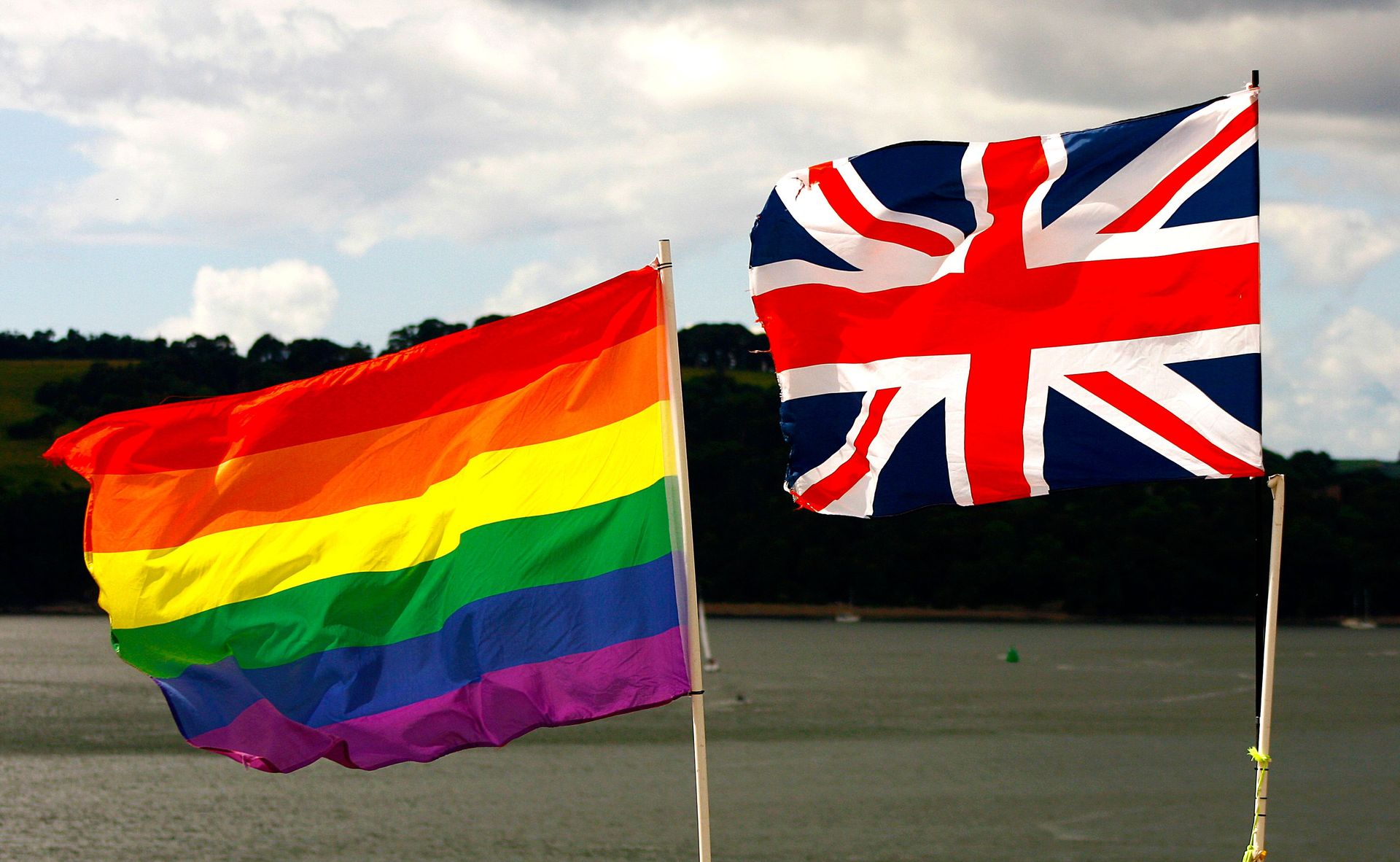
English law criminalized sex between men as far back as the Buggery Act of 1533, passed under Henry VIII, which made the offense punishable by death. The death penalty for the crime was not formally abolished in England until 1861, when the Offences Against the Person Act replaced it with lengthy prison sentences instead, and it remained a criminal offense punishable by imprisonment for more than a century after that.
The law grew more expansive, not less, as the 19th century went on. The Criminal Law Amendment Act of 1885 added a broader offense of "gross indecency" between men, a vague standard that gave police and prosecutors wide latitude to pursue private, consensual behavior that fell short of the specific acts covered by earlier statutes. Oscar Wilde was famously convicted and imprisoned under this provision in 1895.
Pressure to reform the law built gradually through the 20th century, driven partly by a 1957 government commissioned report, the Wolfenden Report, which recommended decriminalizing private consensual homosexual acts between adults. The report's conclusions were controversial and took a decade to translate into law, facing resistance from parts of the government, the medical establishment, and the public who viewed homosexuality as a matter for moral and psychiatric correction rather than criminal law reform.
Parliament passed the Sexual Offences Act in 1967, decriminalizing private consensual sex between men over the age of 21 in England and Wales specifically. The change did not apply automatically across the rest of the United Kingdom. Scotland did not decriminalize the same conduct until 1980, and Northern Ireland held out even longer, only changing its law in 1982 after a case brought before the European Court of Human Rights forced the issue.
Even after decriminalization, the law that replaced the outright ban remained unequal for decades, setting a higher age of consent for gay men than for heterosexual couples until further reforms in 2000 and 2001 finally equalized it. The uneven, staggered path from a 1533 capital offense to full legal equality illustrates how criminal law reform in a single country can move at dramatically different speeds depending on which part of it you are standing in.
12 / 20
One Swiss region denied women the vote until 1990
Credit: Gotta Be Worth It / Pexels
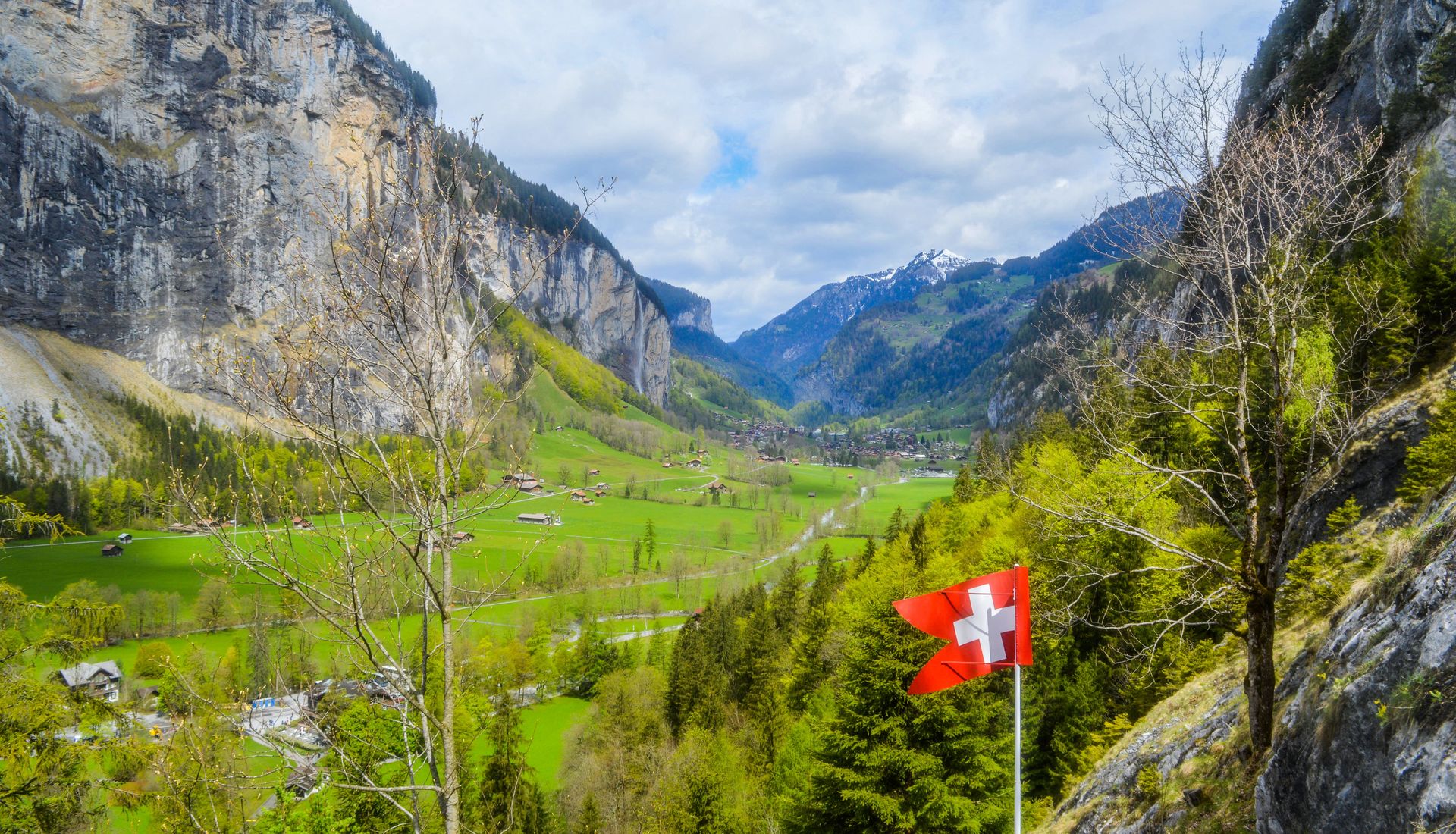
Switzerland has a reputation as one of the world's oldest continuous democracies, which makes its record on women's suffrage an unusual outlier among wealthy Western countries. Swiss women did not win the right to vote in federal elections until a 1971 referendum, decided entirely by male voters, more than 50 years after neighboring countries like Germany and Austria had already extended the vote to women.
Even that 1971 change did not settle the matter everywhere in the country. Switzerland's system of direct democracy gave individual cantons, the country's states, significant control over their own voting rules for local and cantonal matters, and several rural, German speaking cantons resisted extending suffrage even after the national question was settled. Most fell into line during the 1970s and 1980s as public opinion shifted.
One canton held out entirely. Appenzell Innerrhoden, Switzerland's smallest canton, continued to bar women from voting or speaking at its Landsgemeinde, an open air assembly where citizens gather in a town square each year and vote by a show of hands, a tradition dating back centuries. Male voters in the canton rejected proposals to extend suffrage in 1973 and again in 1982, and a 1990 attempt to let them reconsider the question themselves was voted down within seconds.
A local woman named Theresa Rohner, along with about 100 other residents, took the matter to Switzerland's Federal Supreme Court rather than wait for another local vote. On November 27, 1990, the court ruled that Appenzell Innerrhoden's exclusion of women violated the equality clause the Swiss constitution had adopted in 1981, and ordered the canton to grant women full voting rights immediately, without another referendum.
Women in Appenzell Innerrhoden cast their first cantonal votes the following spring, in 1991, closing out a suffrage battle that had taken nearly 20 years longer to resolve at the local level than it had nationally. The episode remains a frequently cited example of how Switzerland's famously localized democracy could, in this instance, delay basic rights rather than protect them.
13 / 20
Saudi Arabia was the last country to let women drive

Credit: Wolf Art / Pexels
For decades, Saudi Arabia stood as the only country in the world where women were not permitted to drive. The restriction was unusual in that it was never written into Saudi law as an explicit statute banning women from operating vehicles. Instead, it functioned through a combination of religious rulings, government policy, and a licensing system that simply never issued driver's licenses to women, making the practical effect identical to a formal ban even without one on the books.
Saudi authorities and religious scholars who supported the restriction argued that it protected women and preserved social norms tied to gender segregation, which shaped much of public life in the kingdom, from separate entrances at restaurants to restrictions on women appearing in public without a male guardian's involvement in many contexts. Critics, both inside and outside Saudi Arabia, argued the restriction had no basis in Islamic law itself and functioned purely as a social control mechanism.
Saudi women organized public challenges to the restriction as early as 1990, when a group of women drove through the capital, Riyadh, in a coordinated protest that led to their arrest and, for some, the loss of their jobs. Similar protests recurred periodically over the following decades, often organized around symbolic dates and amplified through social media as internet access spread across the kingdom in the 2000s and 2010s.
Momentum built more decisively under Crown Prince Mohammed bin Salman, who took an increasingly prominent role in Saudi governance starting in 2015 and pursued a broader social and economic reform agenda branded as Vision 2030, aimed partly at increasing women's participation in the workforce and easing the kingdom's international reputation on human rights.
King Salman issued a royal decree in September 2017 announcing that the driving restriction would end, and the change took effect on June 24, 2018, when Saudi women were legally issued driver's licenses for the first time. The reform was widely celebrated internationally, though it arrived alongside the continued detention of several women's rights activists who had campaigned for the same change years earlier, a contrast that drew criticism even as the ban itself came to an end.
14 / 20
The U.K. banned "Lady Chatterley's Lover" for 32 years

Credit: Valentin Ivantsov / Pexels
D.H. Lawrence wrote "Lady Chatterley's Lover" in 1928, but he could not publish it openly in his own country. The novel's explicit sexual content and its frank depiction of an affair between an aristocratic woman and her husband's gamekeeper made it impossible to distribute through ordinary British publishing channels, which operated under strict obscenity standards. Lawrence arranged a private printing in Italy instead, and unauthorized, often heavily altered pirated editions circulated in Britain for years afterward.
British obscenity law at the time relied on a legal test dating back to an 1868 case, which asked whether a work tended to "deprave and corrupt" those likely to read it, a standard broad enough to sweep in serious literary fiction alongside pornography. Under that test, "Lady Chatterley's Lover" remained effectively banned in its complete form in the U.K. for more than three decades after Lawrence wrote it, and for 30 years after his death in 1930.
Parliament passed the Obscene Publications Act in 1959, which introduced a new defense: a work could not be successfully prosecuted as obscene if it could be shown to have genuine literary merit, regardless of its sexual content. Penguin Books deliberately tested the new law the following year by publishing a complete, unexpurgated paperback edition of "Lady Chatterley's Lover," fully aware that prosecutors were likely to respond.
They were right. The Crown charged Penguin under the new obscenity law, leading to a widely covered 1960 trial at the Old Bailey in which the prosecution's case became something of a public embarrassment. One prosecutor famously asked jurors whether the book was one they would wish their wife or servants to read, a question that struck many observers, even at the time, as badly out of step with a rapidly changing British society.
The jury acquitted Penguin after roughly three hours of deliberation, and the publisher sold out its first print run of 200,000 copies within a single day. The verdict effectively ended the ban on the novel in Britain, 32 years after Lawrence had written it, and the case became a landmark moment in the broader loosening of British censorship law during the 1960s.
15 / 20
Singapore banned chewing gum entirely for 12 years, and still restricts it

Credit: Artem Podrez / Pexels
Singapore's government banned the import, manufacture, and sale of chewing gum starting January 3, 1992, a rule that quickly became one of the country's most internationally mocked laws. The trigger was practical rather than moral. Vandals had begun sticking used gum onto the door sensors of Singapore's newly opened Mass Rapid Transit trains, jamming the doors and causing costly, disruptive service delays on a subway system that had cost billions of dollars to build.
Gum related maintenance problems had been building for years before the ban, including gum stuck in mailbox keyholes, on elevator buttons, and on public housing stairwells, all of which added up to real cleaning costs for the city state's housing authorities. Prime Minister Goh Chok Tong, who had just taken office, decided a full ban was simpler to enforce than trying to police littering after the fact, and the law took effect within weeks of his decision.
Notably, the law never criminalized chewing gum itself, only its import, manufacture, and sale. Visitors could technically bring a personal supply into the country, and Singaporeans who already owned gum could keep chewing it. The ban targeted the supply chain rather than individual behavior, but with no legal way to buy more, the practical effect on daily life was close to total for anyone who ran out.
The ban became a genuine irritant in trade relations with the United States, home to gum manufacturer Wm. Wrigley Jr. Company, whose lobbying helped put chewing gum on the agenda during negotiations for the U.S. Singapore Free Trade Agreement in the early 2000s. Singapore agreed to a compromise rather than a full repeal, allowing the sale of gum classified as having therapeutic value.
That partial exception took effect in March 2004, 12 years after the original ban, permitting pharmacists and dentists to sell nicotine gum and certain dental health gums to customers who provide their names for a record kept on file. Ordinary bubble gum and standard chewing gum brands remain illegal to sell in Singapore today, meaning the country's gum ban, unlike most entries on this list, was only ever partially lifted rather than fully repealed.
16 / 20
Women were banned from professional boxing in the U.K. for decades

Credit: Michael Starkie / Unsplash
Organized boxing in Britain excluded women almost entirely from its earliest professional structures, and by the time the sport's modern regulatory body, the British Boxing Board of Control, was overseeing licenses in the 20th century, women's exclusion was simply assumed rather than actively debated. Amateur boxing associations maintained similar restrictions, and the ban held firm even as women's participation expanded in many other physical sports through the later 20th century.
Jane Couch, a boxer from Fleetwood in Lancashire who had already won a world amateur title, applied to the British Boxing Board of Control for a professional license in the mid-1990s. The board refused, citing reasoning that has not aged well: officials argued that premenstrual syndrome made women too emotionally unstable to box safely, and suggested Couch pursue other, more conventional work instead.
Couch pursued the case as sex discrimination, with support from Britain's Equal Opportunities Commission, taking her fight to an employment tribunal rather than accepting the board's decision. The case drew national attention and no small amount of ridicule aimed at Couch herself, alongside genuine debate about whether the sport's physical risks were being used as cover for straightforward prejudice against female athletes.
In March 1998, the tribunal ruled in Couch's favor and ordered the board to grant her a professional license, ending a ban that amateur boxing bodies had already lifted two years earlier, in 1996, but that had persisted at the professional level until Couch's case forced the issue. She received compensation from the board and, more importantly to her, the license she had sought.
Couch made her sanctioned professional debut in November 1998 at a nightclub venue in London, becoming the first woman to legally box professionally in the U.K. She went on to win five world titles over a career that ran until 2007 and was inducted into the International Boxing Hall of Fame in 2024. Women's boxing has since become an Olympic sport, debuting at the 2012 London Games, an event Couch's case helped make possible by forcing British boxing authorities to formally abandon a restriction they had never seriously had to defend before she challenged it.
17 / 20
India banned Coca-Cola for 16 years over its secret formula
Credit: Zişan Özdemir / Pexels
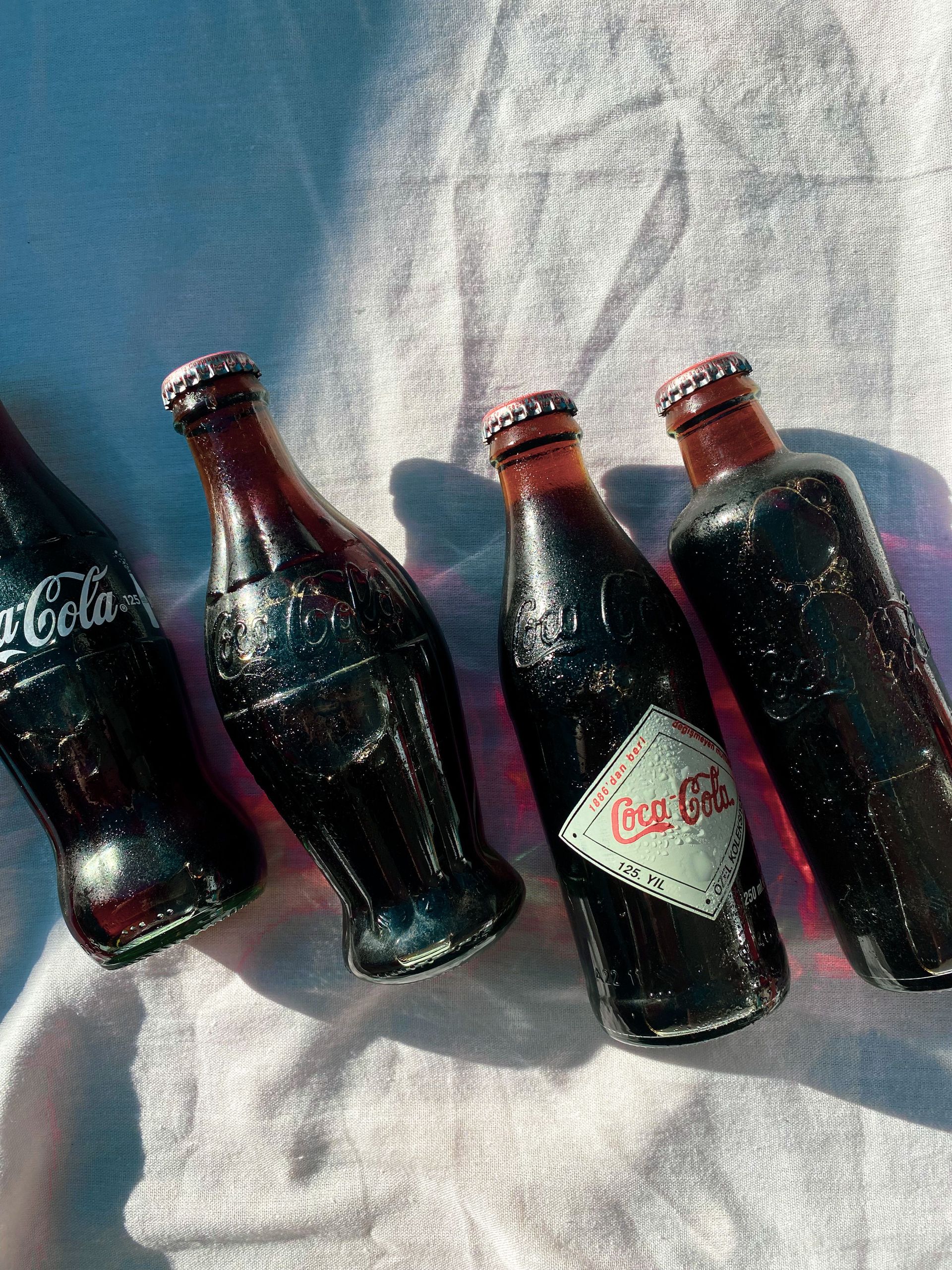
Coca-Cola $KO had operated in India since 1950, building a strong following in Indian cities as a symbol of modern, Western consumer culture. That changed in the 1970s, when the Indian government, under a socialist economic model that emphasized self-reliance and restricted foreign investment, passed the Foreign Exchange Regulation Act in 1973, requiring foreign companies operating in India to reduce their ownership stakes and often to share proprietary manufacturing details with local partners.
For Coca-Cola, the law created an impossible choice. Complying would have meant either diluting its equity below a controlling stake or disclosing the closely guarded formula that defines the brand worldwide, something the company had refused to do anywhere in its history. Rather than compromise on either point, Coca-Cola chose to shut down its Indian operations entirely in 1977, walking away from a market it had spent nearly three decades building.
The exit created an opening that local Indian companies moved quickly to fill. Parle, an Indian beverage manufacturer, expanded its own cola brand, Thums Up, along with other soft drinks like Limca and Gold Spot, and by the mid-1980s Thums Up had captured a dominant share of the Indian carbonated drink market that Coca-Cola had once controlled, giving Indian consumers a genuinely homegrown alternative during the years Coca-Cola was absent.
India's economic policies shifted substantially starting in 1991, when the government launched a broad program of liberalization that eased many of the restrictions on foreign investment that had pushed Coca-Cola out in the first place. Pepsi had already entered the Indian market in 1989 under a special joint venture arrangement, giving it a head start and putting competitive pressure on any company considering a return.
Coca-Cola re-entered India in 1993, ending its 16 year absence, and moved quickly to reclaim market share, including by acquiring the very brand, Thums Up, that had grown up to replace it in its absence. The company kept Thums Up on shelves as a distinct brand rather than replacing it outright, a decision that reflected how thoroughly the local alternative had embedded itself with Indian consumers during Coca-Cola's long, policy driven exile.
18 / 20
Bhutan was the last country on Earth to legalize television

Credit: Aswin / Unsplash
Bhutan, a small Himalayan kingdom wedged between India and China, spent most of the 20th century deliberately isolated from global media and communications technology, a policy its rulers framed as necessary to protect Bhutanese Buddhist culture and traditions from outside influence. The country had no television broadcasting of its own and, for years, actively worked to keep foreign broadcasts from reaching its population as well.
Some Bhutanese households in the 1980s managed to pick up spillover signals from Indian and Bangladeshi television stations, using antennas that caught broadcasts meant for audiences across the border. The government moved to stop this in 1989, issuing a decree that ordered the dismantling of television antennas and satellite dishes nationwide, formally banning both television reception and, later, satellite dishes as the technology spread further across the region.
The policy held for a decade, even as television became close to universal across the rest of the world and the internet began reaching most other countries. Bhutan's government maintained that unrestricted media access risked undermining the values underpinning the country's social structure, and King Jigme Singye Wangchuck, who had ruled since 1972, kept the restriction in place through most of his reign.
The turning point came in 1999, when the king used a speech marking the 25th anniversary of his coronation to announce that television and the internet would be allowed into the country, describing the moment as the arrival of what he called the light of the cyber age. Bhutan Broadcasting Service launched the country's first domestic television channel on June 2, 1999, broadcasting a ceremony featuring the king's own remarks as its very first program.
The change made Bhutan the last country in the world to introduce television, arriving decades after the medium first reached mass audiences elsewhere. The transition was not entirely smooth. Officials later linked a rise in crime in the early 2000s partly to the sudden influx of foreign programming, and the government continued to restrict certain channels, including professional wrestling broadcasts, out of concern for their effect on younger viewers even after the broader ban ended.
19 / 20
National Prohibition banned alcohol across the U.S. for 13 years
Credit: MART PRODUCTION / Pexels
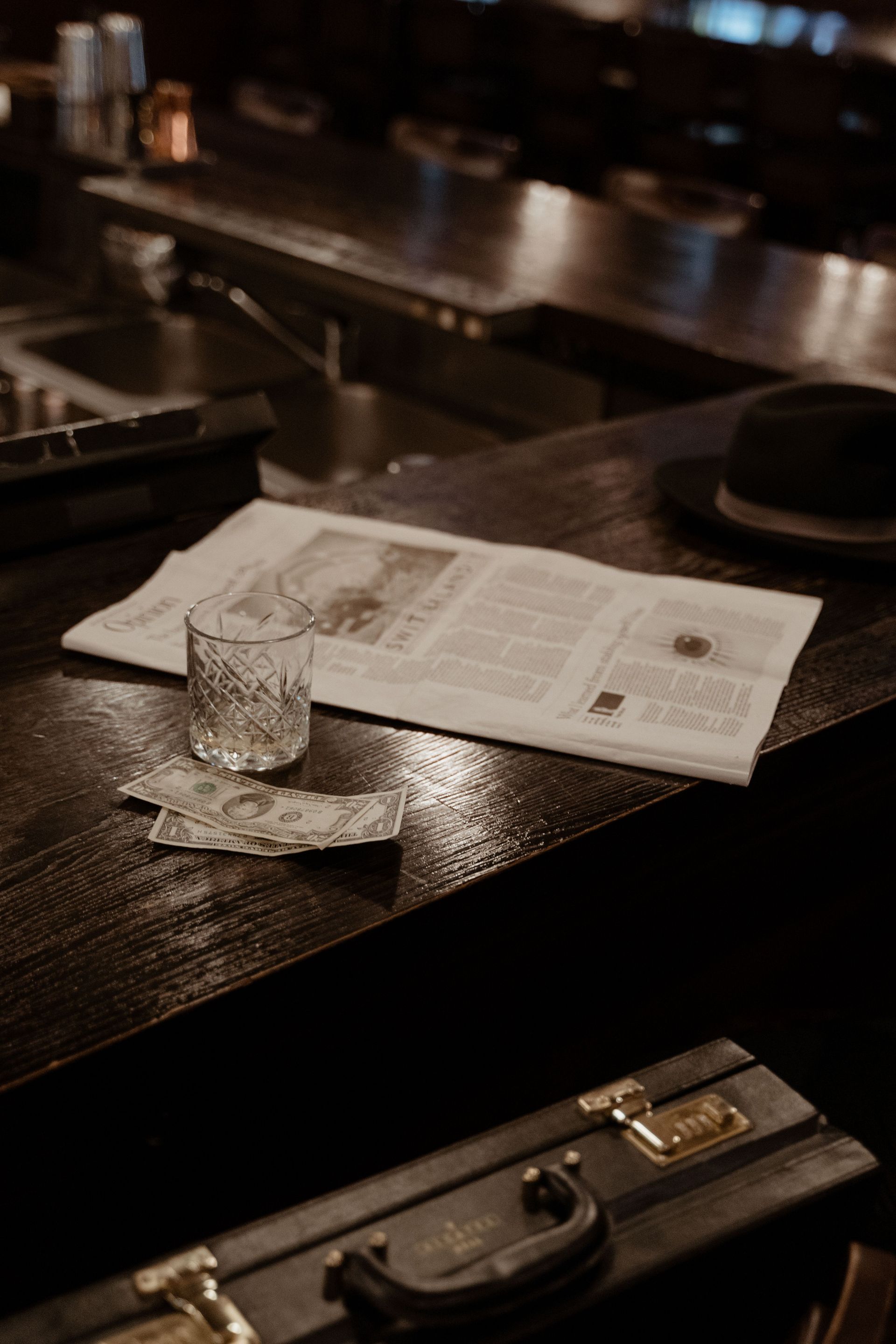
The 18th Amendment to the U.S. Constitution, ratified in January 1919 and taking effect in January 1920, banned the manufacture, sale, and transportation of alcoholic beverages nationwide, capping decades of organizing by the temperance movement, which had built a powerful coalition of religious groups, women's organizations, and public health reformers arguing that alcohol was responsible for poverty, domestic violence, and social decay.
Enforcement proved far harder than the amendment's supporters had anticipated. Illegal breweries, distilleries, and speakeasies sprang up across American cities almost immediately, and organized crime groups built enormous, well armed operations around smuggling and distributing alcohol, with figures like Al Capone in Chicago amassing fortunes and political influence through bootlegging networks that federal and local law enforcement struggled to contain.
The law also proved wildly uneven in its effects. Wealthy Americans could often still obtain alcohol through private stocks laid in before the ban or through connections to bootleggers, while working class communities bore the brunt of enforcement raids. Public support for Prohibition, strong at its outset, eroded steadily through the 1920s as crime rates associated with the illegal alcohol trade rose and government revenue from alcohol taxes, which the law had eliminated, was sorely missed during the early years of the Great Depression.
Franklin D. Roosevelt campaigned for president in 1932 partly on a promise to end Prohibition, framing repeal as both a matter of practical governance and a source of desperately needed tax revenue during an economic collapse. Congress moved quickly after his election, passing the 21st Amendment, and the necessary number of states ratified it by December 1933, formally ending national Prohibition after almost 14 years.
The 13 year experiment left a lasting mark on American drinking culture and law enforcement well beyond its repeal. Many of the organized crime networks built during Prohibition survived by shifting into other illegal enterprises, and the patchwork of state and local alcohol laws that exists in the U.S. today, including counties that remain legally dry, traces directly back to the regulatory structure states built in Prohibition's aftermath.
20 / 20
Finland banned alcohol for 13 years, with even less success than the U.S.
Credit: Canva Image
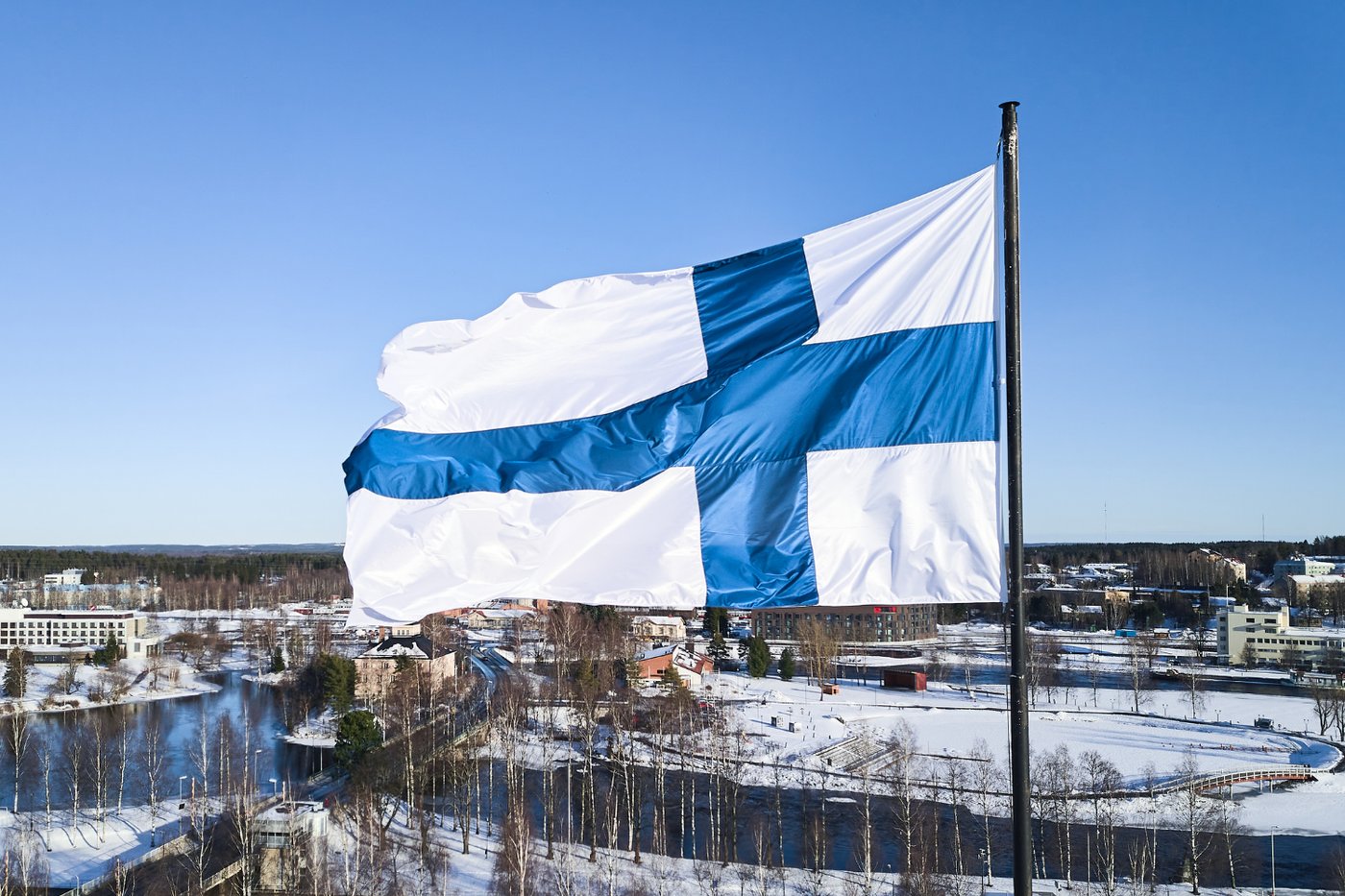
Finland introduced its own national prohibition in June 1919, shortly after gaining independence from Russia in 1917 and while the young country was still working through a bloody civil war and its economic aftermath. Temperance advocates had pushed for the ban for years before independence, and the newly formed Finnish government adopted it as one of its first major pieces of social legislation.
The law banned the manufacture, import, and sale of alcoholic beverages above a very low strength threshold, and like similar laws elsewhere, it proved difficult to enforce in practice. Finland's long coastline and proximity to Estonia, which did not share the same restrictions, made smuggling relatively easy, and organized bootlegging operations moved alcohol across the Gulf of Finland in large enough volumes that authorities struggled to keep pace.
Public health outcomes did not improve the way temperance campaigners had promised. Illegally produced spirits were often poorly made and dangerous, leading to poisoning cases that legal, regulated alcohol would not have caused, and the law generated the same kind of organized criminal enterprise that Prohibition produced in the United States during roughly the same period, just on a smaller scale suited to Finland's much smaller population.
Public opinion turned against the law well before the government acted on it. A national referendum held in 1931 showed clear majority support for repeal, reflecting widespread frustration with the law's practical failures and the sense that it had created more crime than it prevented. Finnish lawmakers moved to end the ban the following year, formally repealing prohibition in 1932.
The repeal came about a year before the United States ended its own Prohibition experiment, making Finland's 13 year ban almost exactly contemporaneous with the American one, despite the two countries otherwise sharing little in common politically or culturally at the time. Finland replaced its outright ban with a state alcohol monopoly, Alko, that retains exclusive control over retail alcohol sales in the country to this day, a regulatory legacy that has proven far more durable than the prohibition it replaced.
