Markets predict the government shutdown will last weeks, not days. That would put it up against the longest and most costly closures in U.S. history
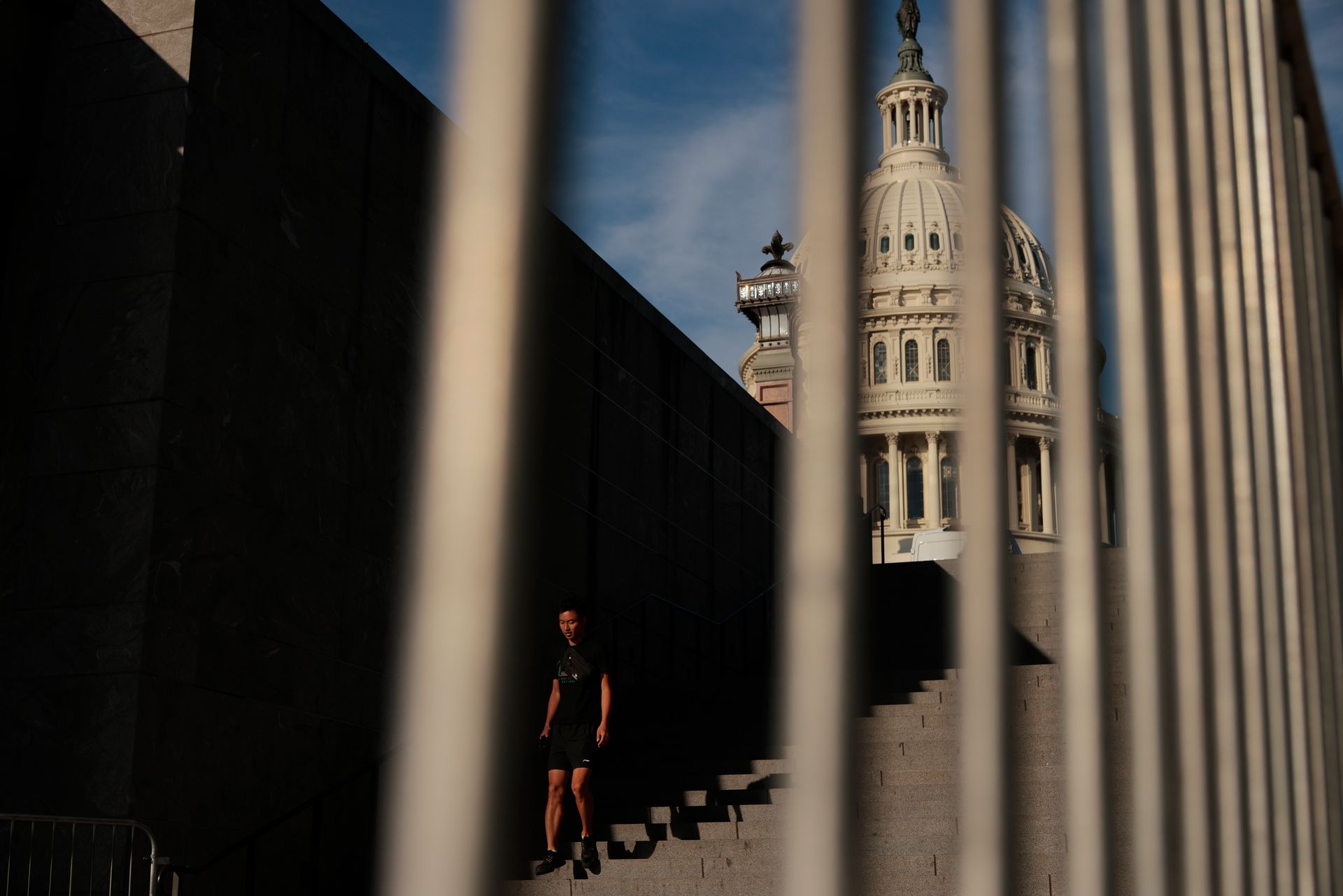
Chip Somodevilla/Getty Images
The federal government has a bad habit of turning deadlines into drama, and the curtain rose again at midnight. Washington tripped over its own funding cliff, resulting in another government shutdown — the first since 2018–19. Now, the lights are off, the paychecks are paused, and prediction markets are doing what Congress can’t: putting odds on how long the country will have to live in limbo.
On Polymarket, the most popular outcome is that a deal to end the shutdown comes no earlier than Oct. 15. The second- and third-most likely outcomes — respectively, October 6-9 and October 10-14 — aren’t exactly reassuring, either, and suggest that the crowd is betting on a multiweek shutdown, not a weekend Band-Aid. A related market framed by length points to 10-29 days as the betting favorite, with the “over in a few days” bets fading fast. Kalshi’s markets tell the same story, pointing toward a shutdown in the double-digit days. Even play-money gamblers at Manifold — who rarely agree on anything — are landing along the same range.
That puts the current standoff squarely in the shadow of history. Since 1976, when modern budgeting rules took hold, the U.S. has had 20 funding gaps (but only 10 where agencies closed and workers were furloughed) — with most barely lasting a weekend.
But for all the noise around shutdowns today, they used to be a rarity — there were none between 1995 and 2013. Since then, though, the tempo has quickened: three shutdowns in just over a decade, plus the odd near-miss. The most recent miss came earlier this year in March, when funding technically lapsed for a few hours before Trump signed a stopgap measure.
Mike Madowitz, the principal economist at the Roosevelt Institute, said in a statement that this is “an especially unfortunate time to lose monthly jobs reports and other economic statistics, which could prove unusually costly if their absence delays a policy response to inflation or recession in the months ahead.”
He added, “Given the slowdown in GDP growth during the first half of this year, which was itself driven by a breakdown in government functioning, failure to restore stability to the federal government and to quickly resolve a shutdown poses a substantial risk to the economy.”
With prediction markets now signaling that 2025 may outpace the “blip” tier and join that middle bracket of double-digit days, the question becomes: How will this current shutdown stack up against the longest in U.S. history?
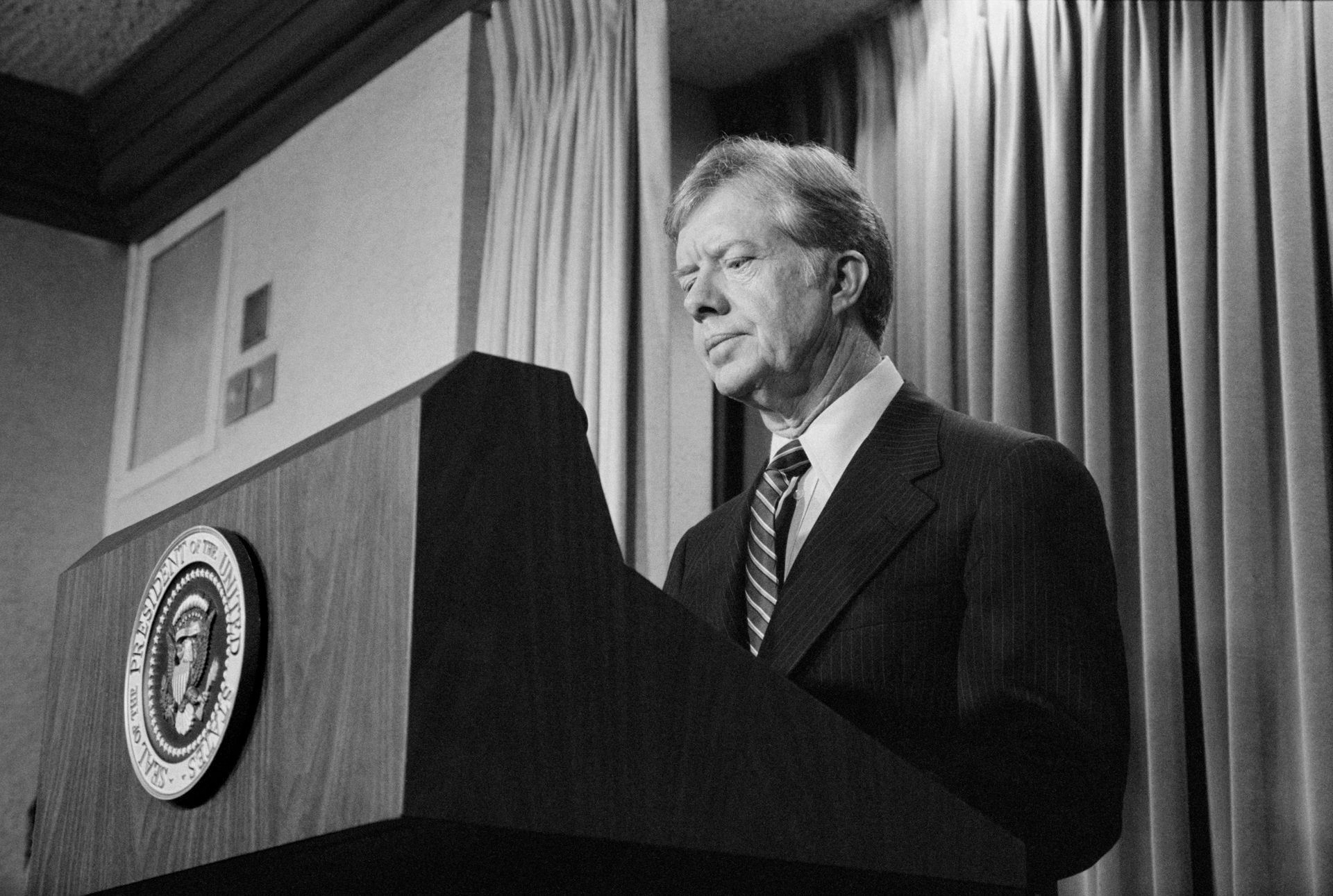
Universal History Archive/Universal Images Group via Getty Images
Before “shutdown” became a Washington genre, there was a one-day pilot episode when, on May 1, 1980, Congress let the Federal Trade Commission’s funding lapse while it fought over curbing the agency’s powers. About 1,600 staff were furloughed; the day cost roughly $700,000 in lost labor before money arrived that evening. The shutdown was brief, but it set the rulebook that everyone’s been playing by ever since.
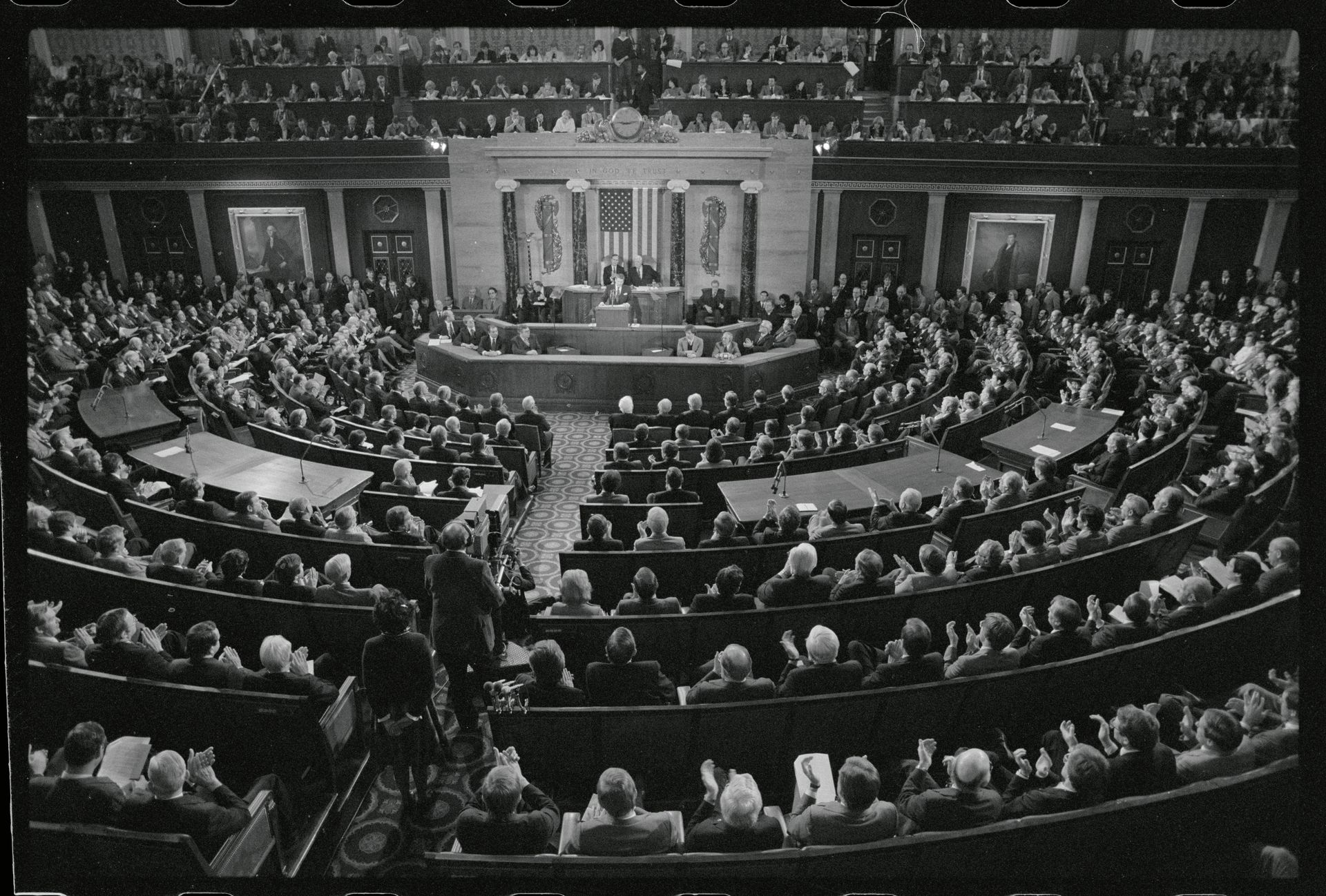
Bettmann via Getty Images
The early ’80s produced a string of “overnight” shutdowns that were largely procedural — but still disruptive. In 1982, 1984, and 1986, divided government — a Democratic House and Republican Senate — repeatedly stumbled over policy riders attached to continuing resolutions. Disputes over water projects, abortion restrictions, and Nicaragua aid pushed deadlines past the brink, forcing agencies to furlough workers and then cut back-pay checks the next day.
Win McNamee/Getty Images
President Ronald Reagan’s first budget cycle produced a short, sharp shutdown in 1981. His push for steep domestic cuts clashed with a Democratic House, even though Republicans had just retaken the Senate for the first time in a generation. Thousands were furloughed, though the economic ripples were limited.
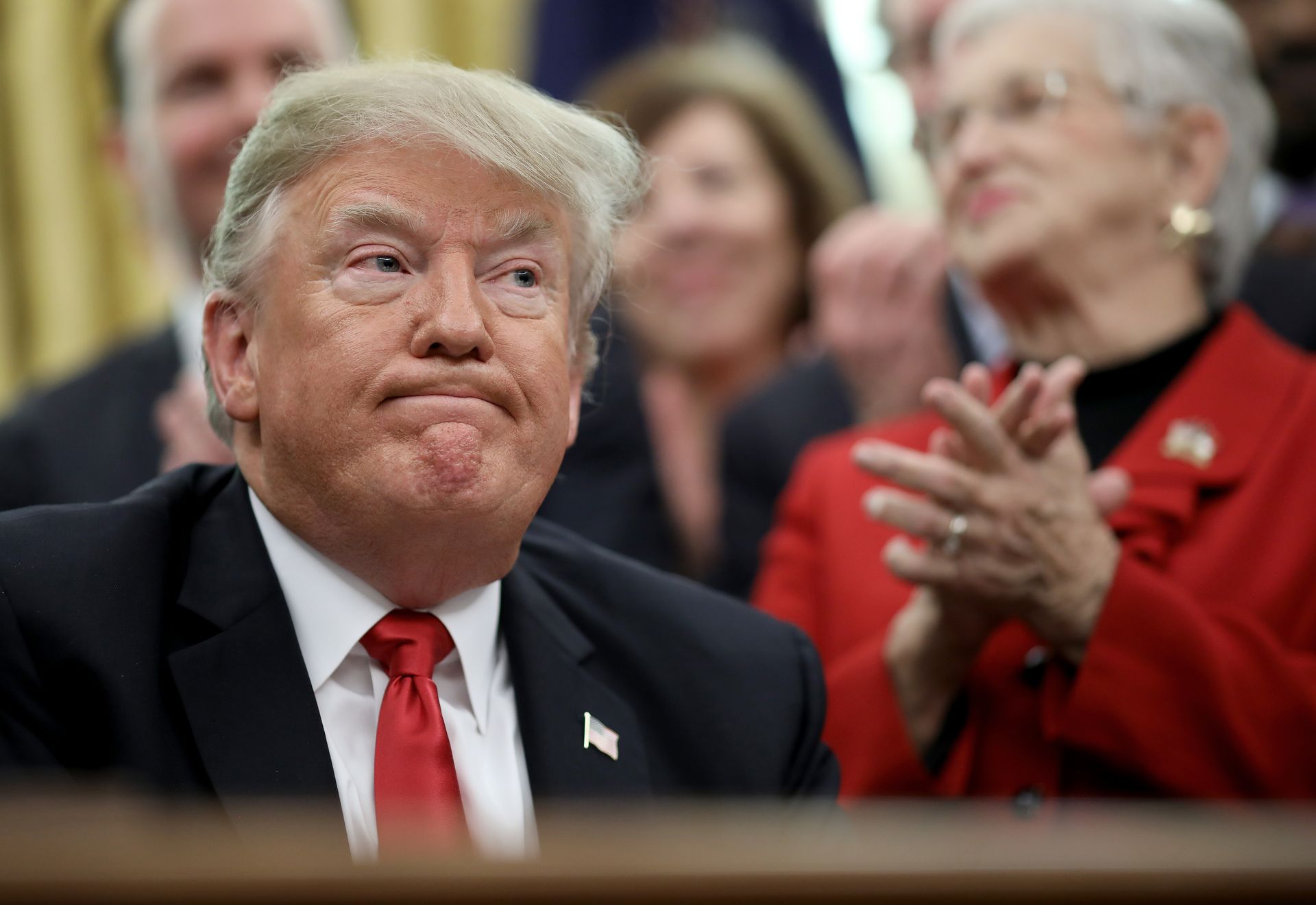
Nearly four decades later, in January 2018, Trump presided over a two-day shutdown of his own, despite unified Republican control of Congress. This time the fight was over DACA: Senate Democrats filibustered a spending bill to protect Dreamers, exposing fractures in GOP ranks and reminding Washington that immigration could derail even routine funding.
Diana Walker/Getty Images
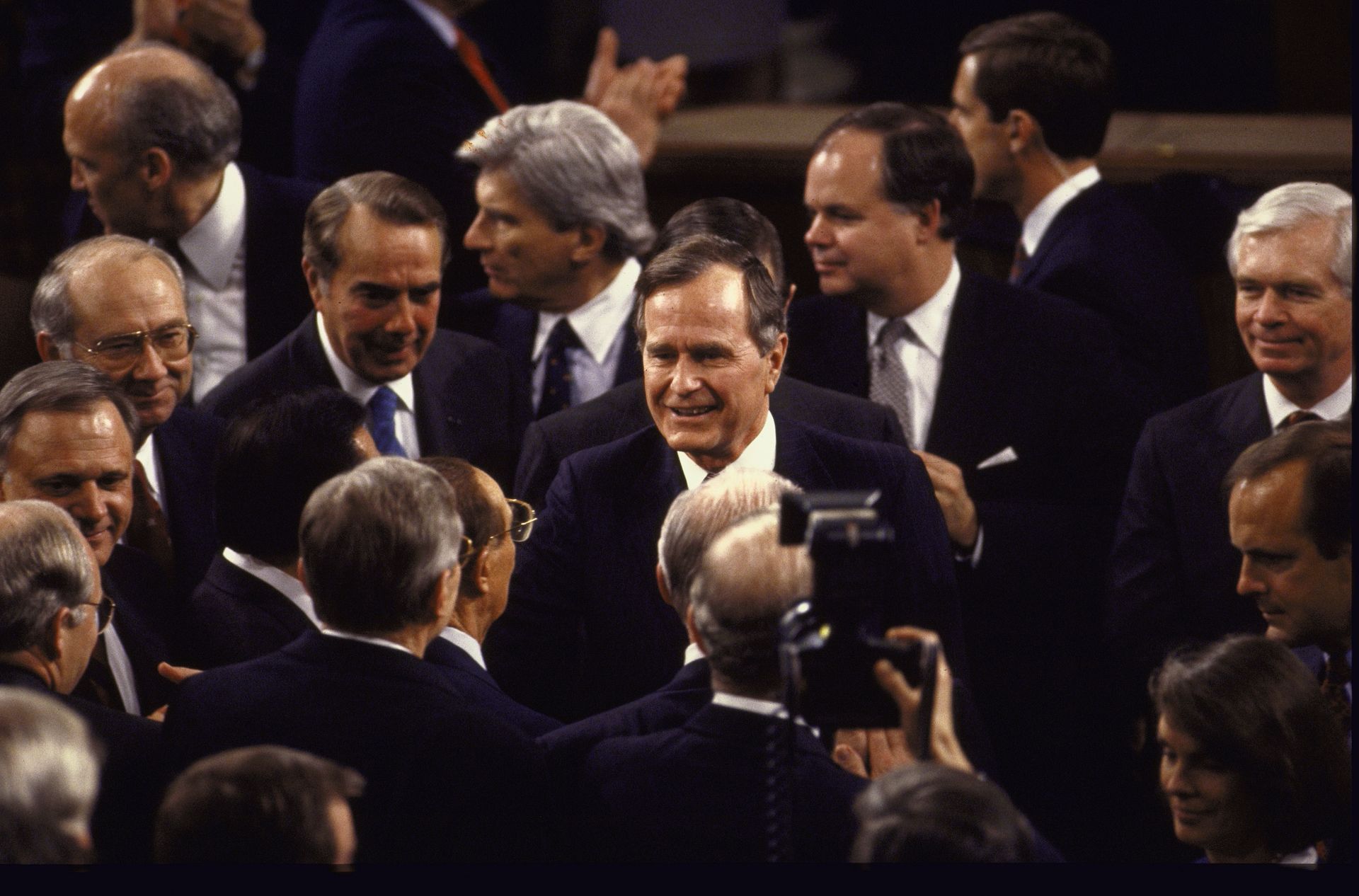
President George H. W. Bush’s three-day shutdown was less about the budget than about his credibility. Facing a Democratic Congress, Bush agreed to tax increases as part of a deficit-reduction package, breaking his famous “no new taxes” pledge. House conservatives revolted, forcing a brief shutdown that closed parks and slowed visas. The fiscal impact was modest; the political fallout was catastrophic: Bush’s broken promise haunted him through the 1992 election.
J. David Ake/AFP via Getty Images
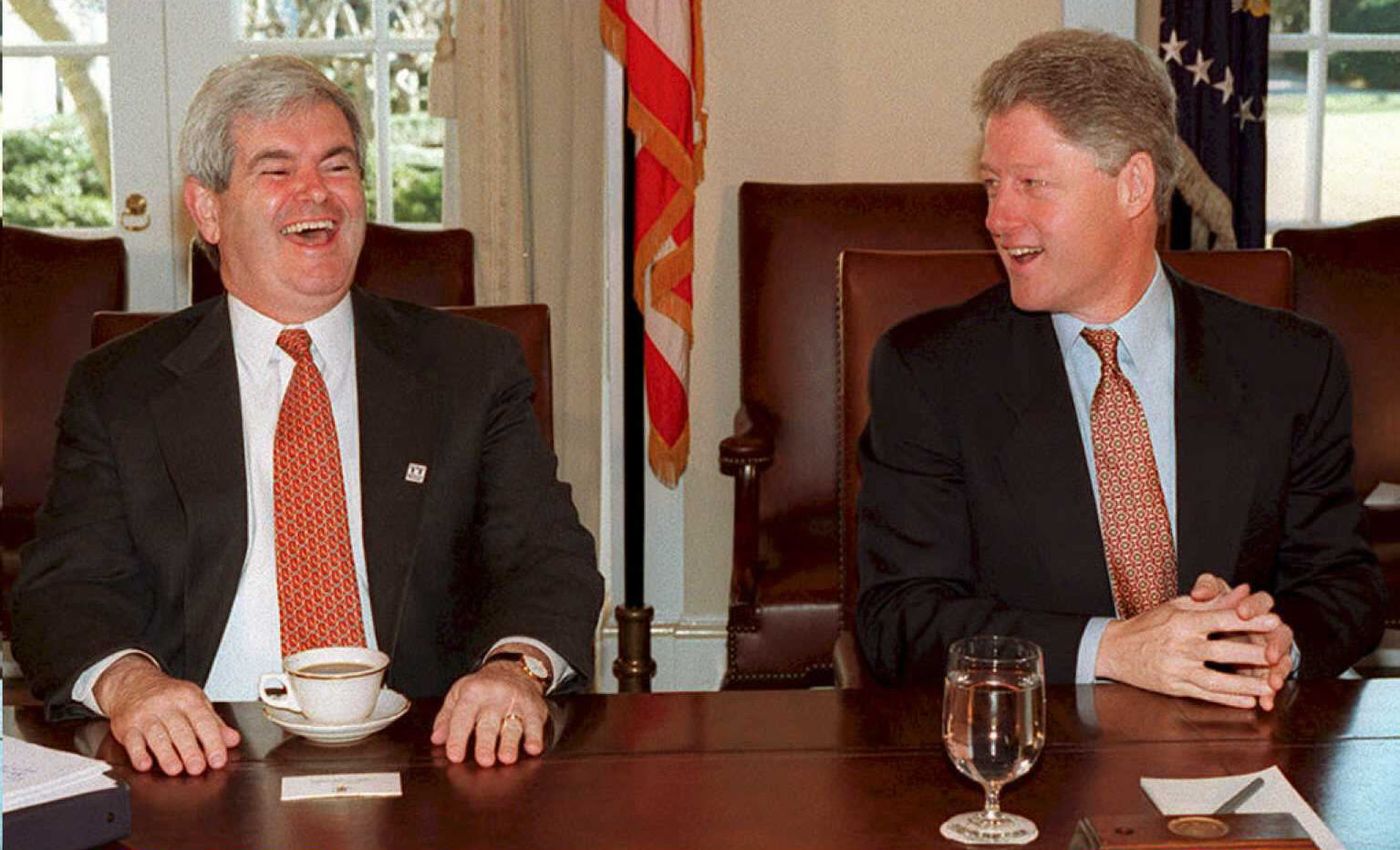
This shorter shutdown was the dress rehearsal for the saga to come. Republicans demanded cuts to Medicare, education, and environmental spending; President Bill Clinton refused. The closure idled workers, stalled basic services, and closed parks. While the economic damage was minimal, the fight hardened partisan lines. By the time the same issues resurfaced in December, both sides were entrenched, setting the stage for a longer, more damaging collision.
Chip Somodevilla/Getty Images
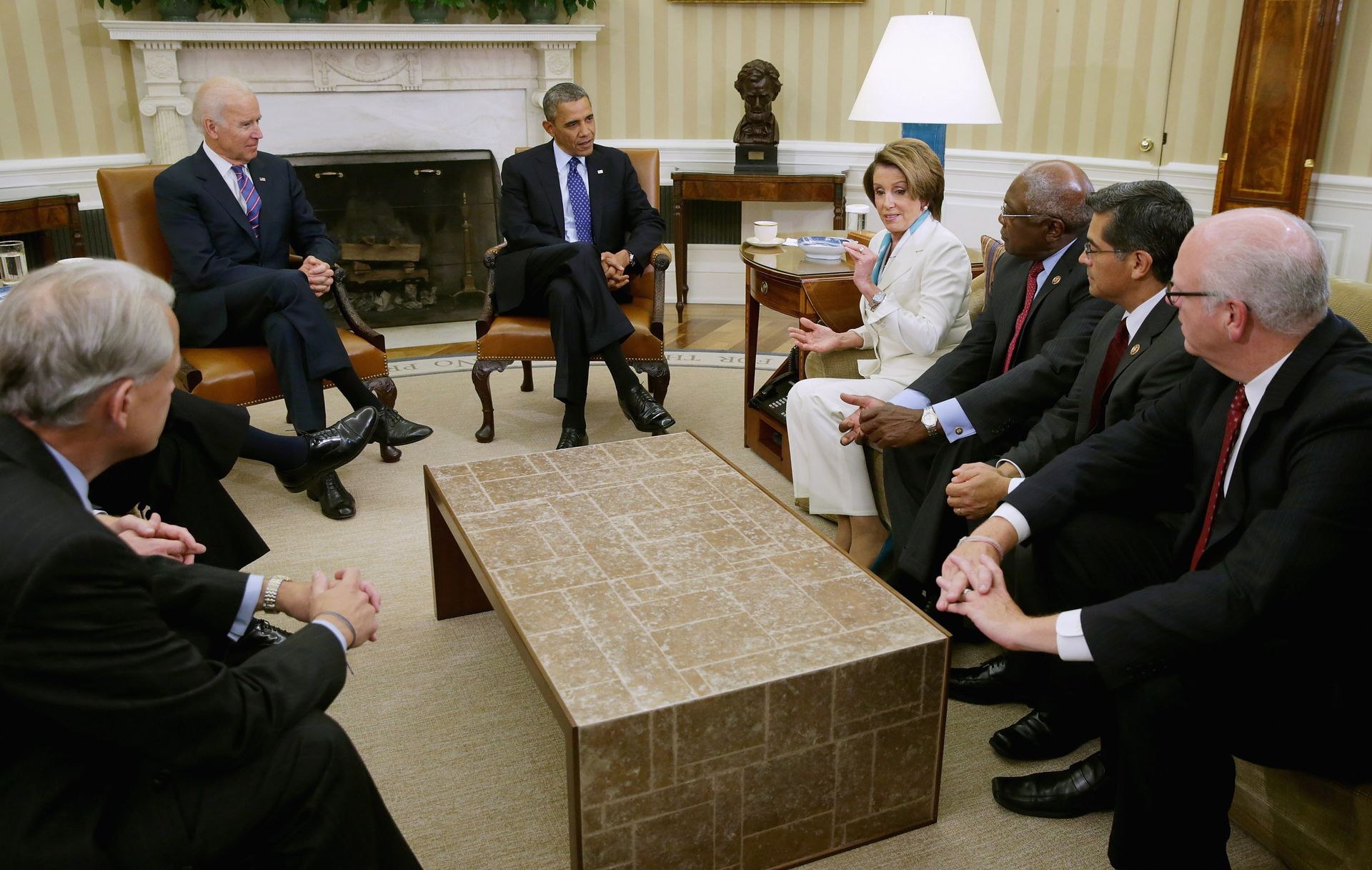
In October 2013, the government shut down because House Republicans, frustrated with the rollout of the Affordable Care Act, tried to defund it through a stopgap spending bill. Democrats in the Senate blocked the move, and the government lurched to a halt. About 850,000 federal employees were furloughed, research labs went dark, and tourists found “Closed” signs at national landmarks. Standard & Poor’s estimated $24 billion in lost economic activity, a reminder that dysfunction in Washington reverberates through the real economy. The ACA itself moved forward untouched, underscoring just how little was gained for the cost inflicted.
Richard Ellis/AFP via Getty Images
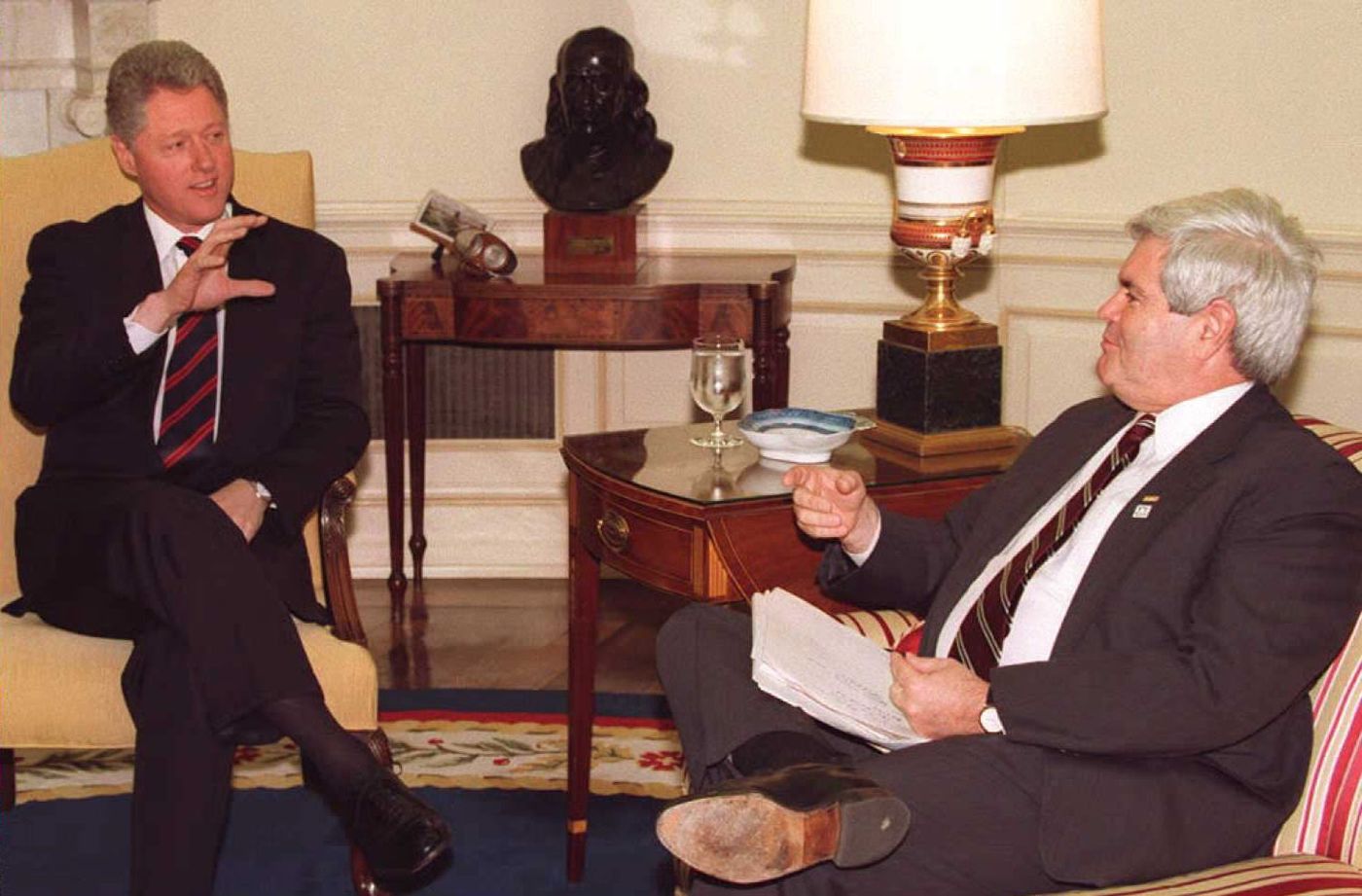
This three-week standoff epitomized the Gingrich-as-Speaker era. GOP leaders, fresh off the “Republican Revolution,” insisted on sweeping cuts to Medicare and domestic spending, betting that Clinton would cave under pressure. He didn’t. Instead, the closures of national parks, museums, and passport services soured public opinion on the Republican brand. Hundreds of thousands of federal workers were sidelined, billions in government services were delayed — yet financial markets barely flinched because investors assumed (correctly) that Washington would eventually come to its senses. Clinton’s approval rating climbed, and Gingrich’s grand gamble became a cautionary tale about the politics of shutdowns.
Alex Wong/Getty Images
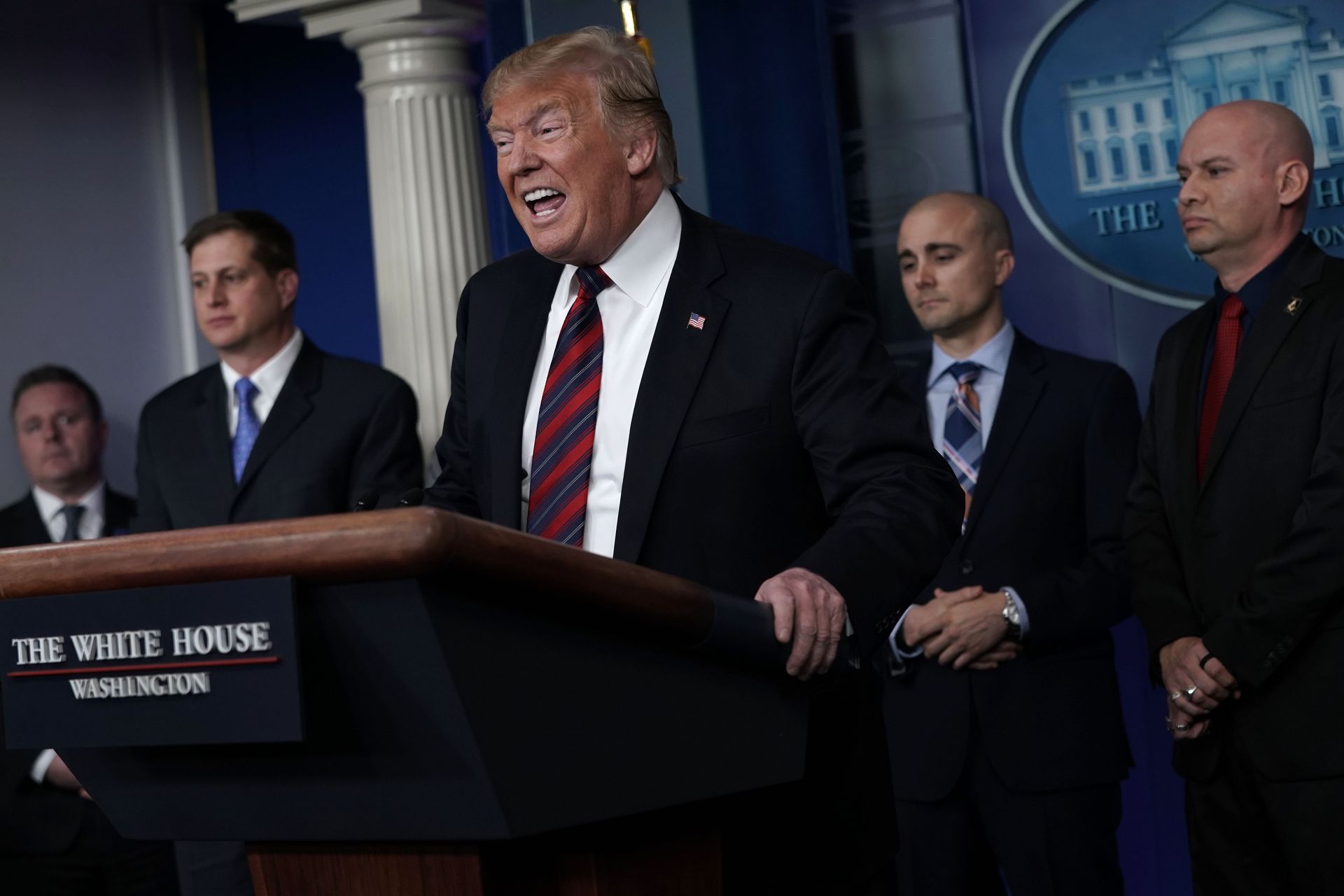
The longest shutdown in U.S. history was over a border wall showdown. For 34 days in 2018-19, Washington locked itself in a stalemate over $5.7 billion in wall funding. The toll was hard to miss: 800,000 federal workers either furloughed or working without pay, TSA lines stretching as screeners called in sick, farm loans and IRS refunds piling up in the queue. The Congressional Budget Office put the cost at $11 billion in lost GDP, with $3 billion gone for good. Politically, Trump blinked first. And when the lights finally came back on, the wall money never materialized — leaving behind nothing but back pay, economic scars, and the record for the longest self-inflicted shutdown in American history.
