Luxury real estate does not appreciate at the same pace everywhere. Redfin measured sale prices in 50 metros to find which cities have gained the most
TerryJ / Getty Images
Most homebuyers never set foot in the luxury market, but the segment's movements reveal something useful about the cities where wealth is concentrating. When high-end prices climb sharply in a metro, it signals that well-compensated workers are arriving, that desirable inventory is tightening, and that competition among buyers has grown intense enough to override the caution that restrains most markets. Those conditions do not materialize everywhere at once, and when they do coincide in a city, the price data records them clearly. Right now, a specific group of U.S. metros is showing that pattern — and the size of the gains separates them sharply from the national picture.
The national luxury market offers a stark contrast. The median U.S. luxury sale price reached $1,395,456 in March 2026. The 3.6% year-over-year gain was the slowest growth in five years. Luxury home sales fell 2.4% across the country, and properties spent a median of 73 days on the market, six more than a year earlier. The overall market is contending with mortgage rates above 6% and economic uncertainty that has put many buyers on the sidelines regardless of their means. Even high-income buyers have grown more deliberate, and the national data captures that hesitation in both the volume and pace of luxury transactions.
Redfin tracks luxury housing conditions across the 50 most populous U.S. metros, defining luxury homes as those estimated to be in the top 5% of their respective metro by price over a rolling 12-month period. Its March 2026 data covers median sale prices, pending and closed sales activity, and listing supply shifts for each metro. Seven cities recorded luxury price gains exceeding 13%. That threshold sits well above the national rate. Each city arrived at that figure through conditions specific to its market and distinct from what other metros are experiencing.
benedek / Getty Images
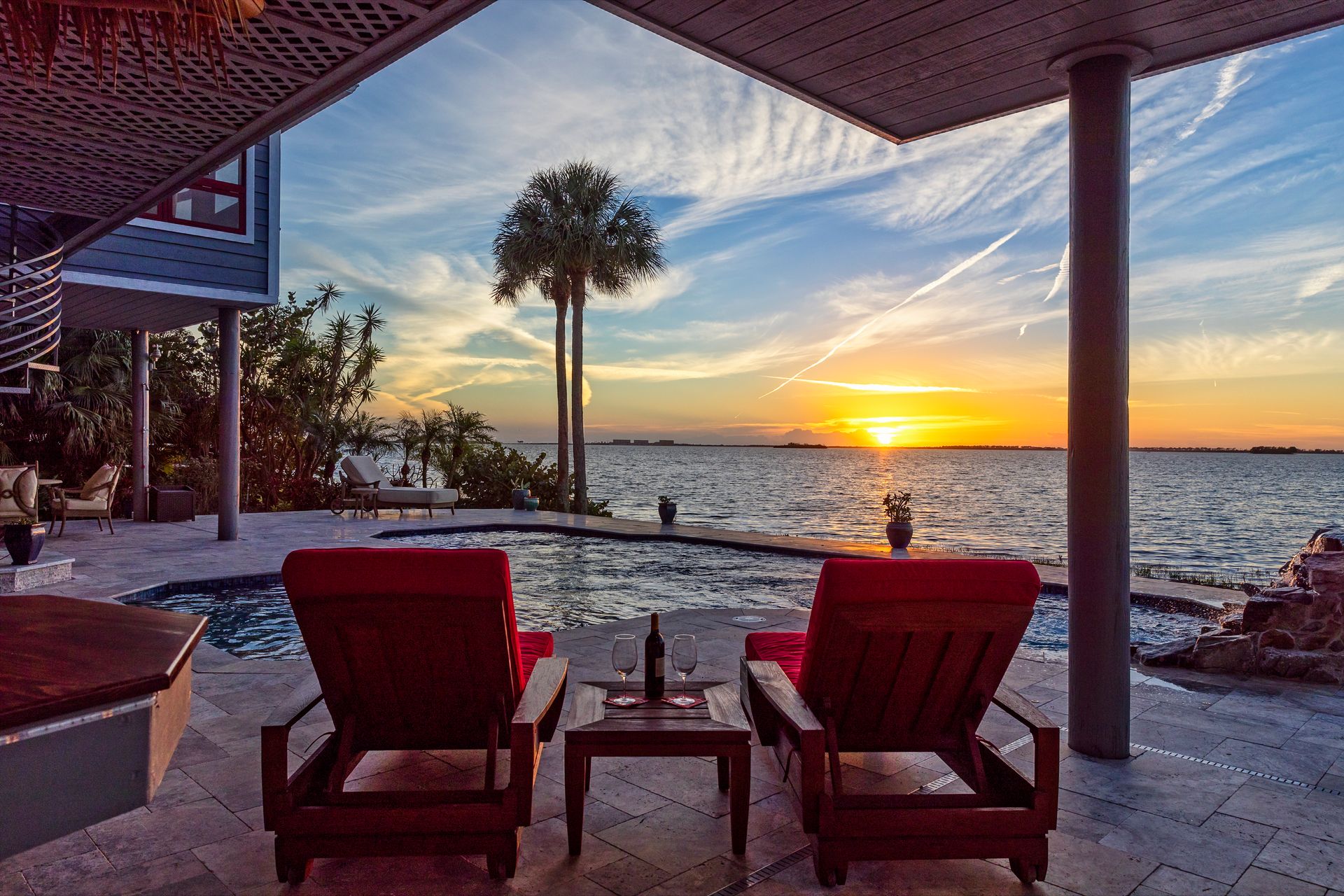
Tampa, Fla., has the fastest-appreciating luxury market in the dataset, with the median sale price reaching $1,644,620 in March 2026, up 16% year over year. Demand drove that figure to its current level even as new luxury listings rose 22.2% and total active inventory expanded 20.9% over the same period.
The volume of closed luxury sales jumped 62.3% year over year, the highest increase of any metro in the data. Pending sales — a leading indicator of near-term closings — rose 45.4%, also the steepest advance in the dataset. Those two figures describe a market where buyers are moving decisively: they are not just browsing at higher rates, they are converting offers into contracts at an extraordinary clip.
What makes Tampa's surge notable is that it persists even as inventory rebuilds. Many markets see values moderate when supply increases, but Tampa's active listings rose 20.9% year over year and its median price still advanced 16%. Demand absorbed the additional homes and kept the upward trend intact. New listings grew 22.2%, signaling that sellers recognize the opportunity, yet buyers have outpaced them.
Tampa's luxury segment draws buyers who want waterfront access, warm weather year-round, and a cost structure far below South Florida's most expensive markets. At $1,644,620, the median luxury price is a fraction of what comparable premium properties command in Miami or West Palm Beach, Fla. That relative position within the Florida luxury market keeps Tampa accessible to a broader range of high-end purchasers, and the data shows those buyers are acting in significant numbers.
The scale of Tampa's luxury activity sets it apart from every other metro in the Redfin data. Tampa's closed sales gain of 62.3% is nearly double that of the next highest metro, wide enough to confirm that buyers are willing to pay well above the prior year's benchmarks to secure properties before others do.
Gonzalo Azumendi / Getty Images
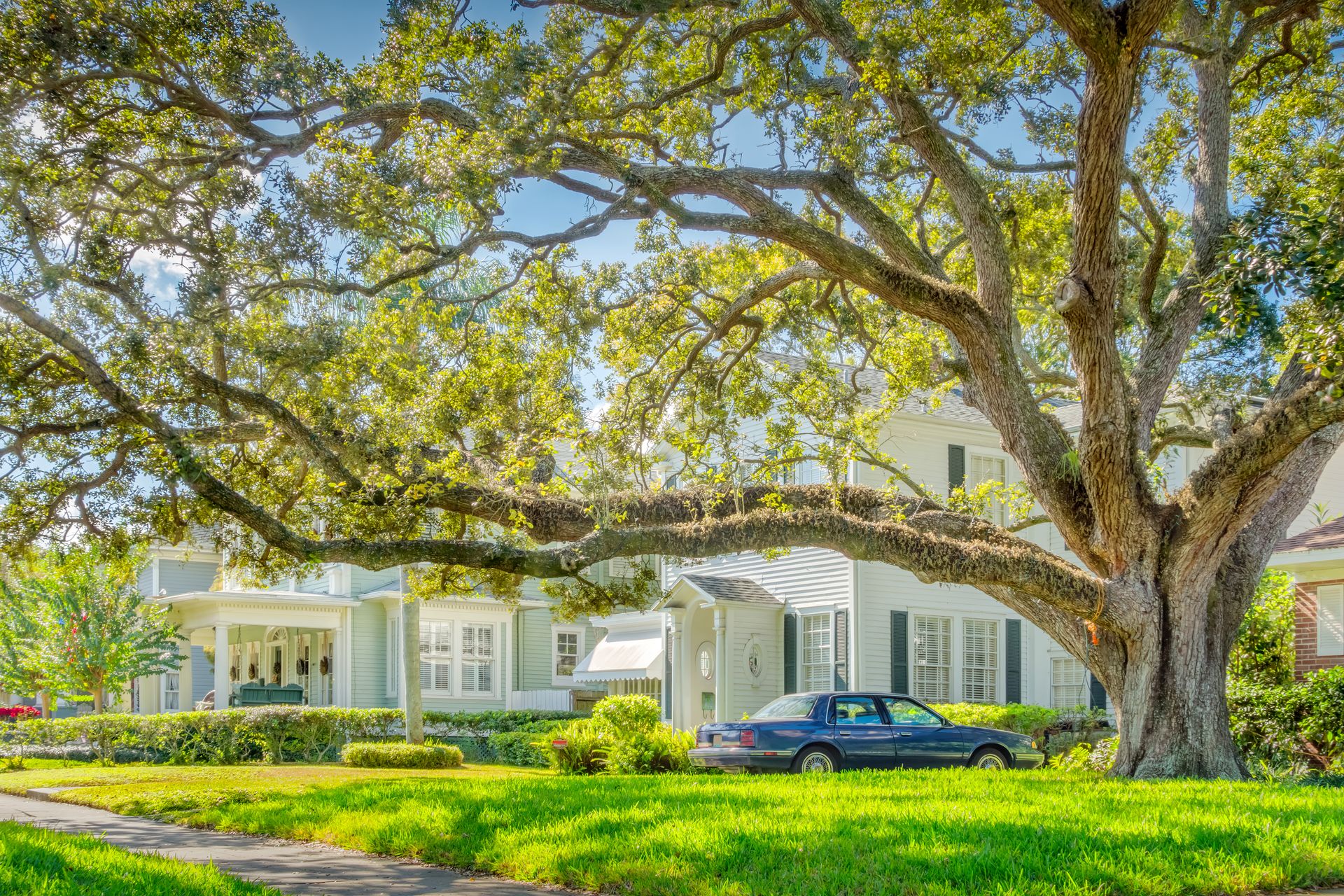
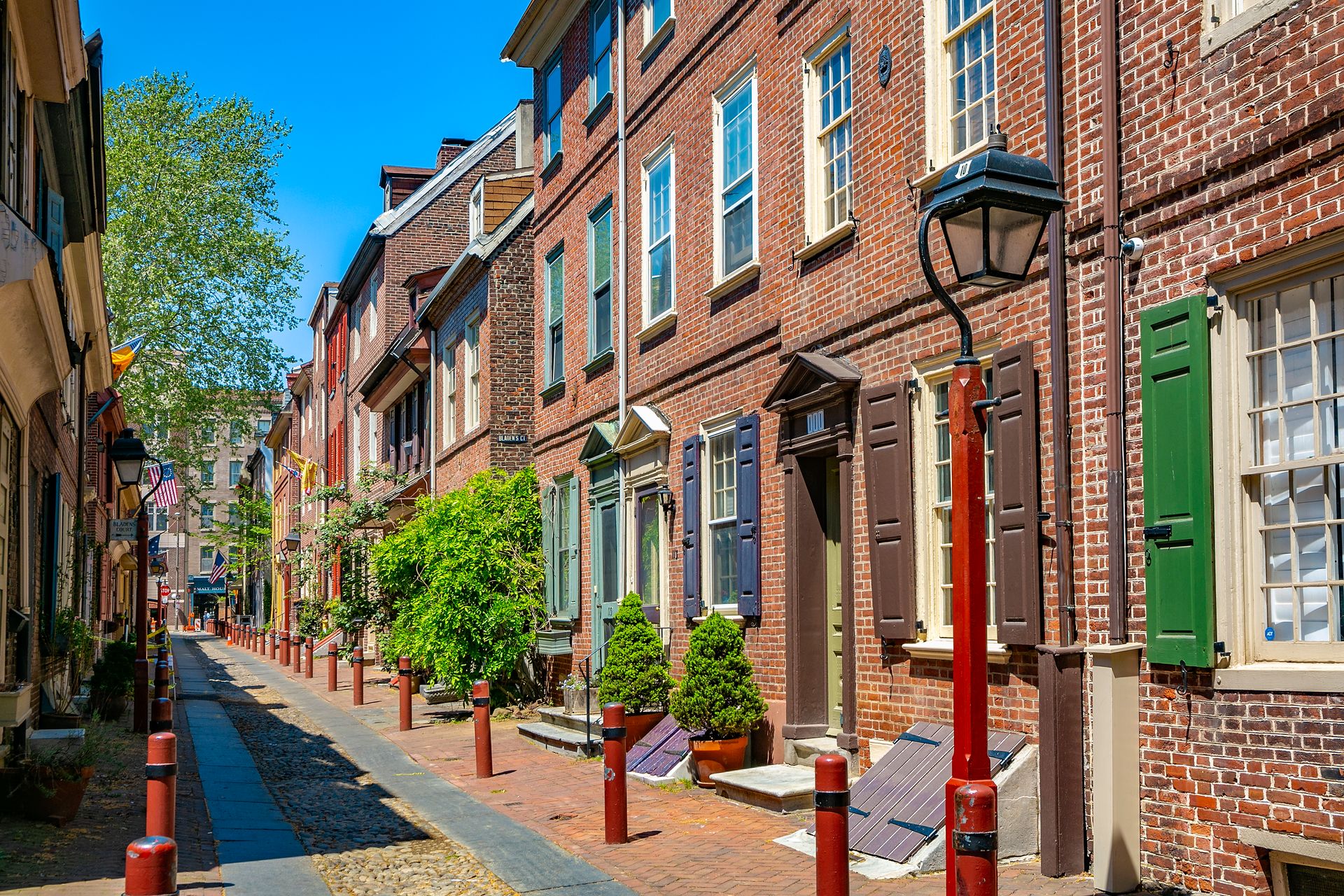
Philadelphia's luxury market posted a 15.8% year-over-year price gain in March 2026, pushing the median sale price to $1,420,131. The gain arrived alongside a 2.8% decline in closed luxury sales and a 3.9% drop in new listings. That pairing identifies constrained supply as the mechanism compressing prices upward.
Active luxury listings fell 7.1% year over year, tightening the pool of available homes even as buyers remained engaged. Pending sales rose 6.2%, confirming that demand held firm while supply shrank. When the count of buyers willing to act stays roughly steady and the homes available to them contract, prices respond accordingly. Philadelphia's 15.8% gain is that arithmetic playing out over the full first quarter.
The city's luxury price base of $1,420,131 sits well below the metros where high-end housing dominates the national conversation. That relative affordability within the luxury tier draws buyers who want elevated amenities without committing to a seven-figure-and-above threshold. Philadelphia's urban core, its proximity to New York, and its concentration of healthcare, finance, and education employers give high-earning buyers concrete reasons to choose it over other options within the Northeast corridor.
Declining new listings and shrinking active inventory carry particular weight in a market where demand, as measured by pending sales, grew 6.2%. Sellers are not rushing to capitalize on rising prices, and that restraint compounds the supply shortfall. Buyers who find a property worth pursuing in Philadelphia's luxury tier encounter a market with few alternatives, little time to deliberate, and prices that rose nearly 16% over the past year.
Philadelphia's luxury segment is not booming in volume, but it is tightening in a way that has translated directly into sustained price appreciation. Sellers hold leverage, and the data shows they have not needed to discount to close. Prices advanced while volume shifted only marginally. That pattern favors sellers as long as supply stays constrained.
Kirkikis / Getty Images
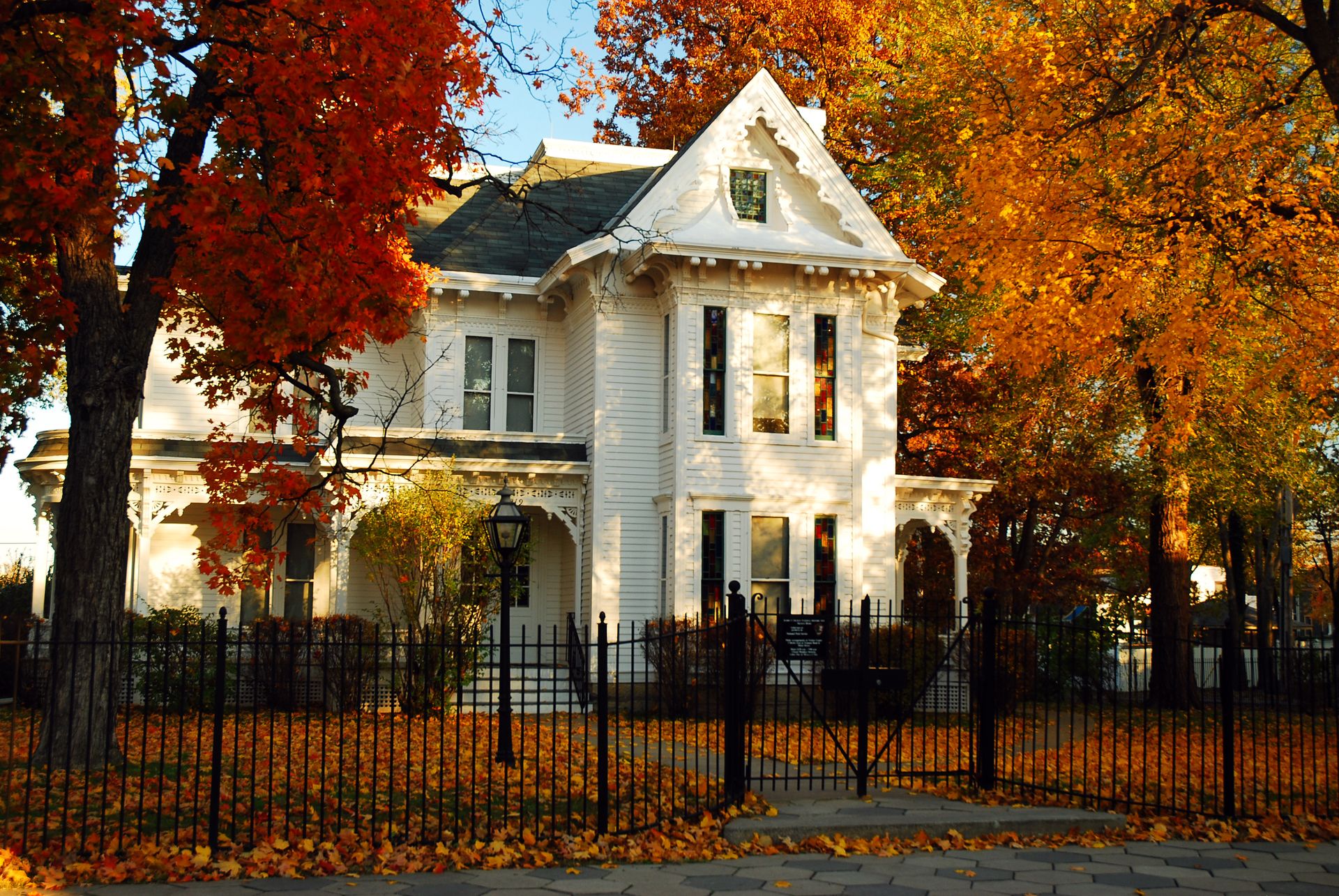
Kansas City, Mo., recorded a luxury median sale price of $1,138,414 in March 2026, a 15.6% gain year over year. Unlike Philadelphia, where shrinking inventory drove appreciation, Kansas City combined rising prices with a 16.8% jump in closed luxury sales. Both sides of the market strengthened at the same time.
Pending sales slipped 1.6%. The dip carries no structural significance. The variation likely stems from contract timing, not fading demand. Active luxury listings fell 4.0%, trimming the available pool even as closed transactions increased. New listings edged up just 3.6%, not enough to expand supply meaningfully given the pace at which closings consumed available inventory.
At $1,138,414, Kansas City's luxury median is the second-lowest among the seven cities in this list. That price point matters: buyers entering the top 5% of the metro's market are not competing against the capital concentrations that define coastal luxury segments. Yet the 15.6% appreciation rate matches or exceeds metros where luxury homes cost three to four times as much. High-end demand in Kansas City is local, specific, and growing.
The city's central location, its expanding technology and logistics sectors, and its cost structure relative to coastal alternatives all contribute to a profile that draws high earners who want high-end housing without the geography tax that coastal markets impose. Kansas City's luxury segment absorbed a 16.8% increase in closed sales while its active inventory declined and its median price rose by more than 15 percentage points. That outcome — more transactions, less supply, higher prices — describes a market where buyers outnumber sellers in the top tier and the gap is wide enough to produce sustained double-digit appreciation. For those comparing metros on a value basis, Kansas City's luxury market at $1,138,414 offers a price-to-amenity ratio that few comparable cities can match, and the March data confirms those buyers are arriving.
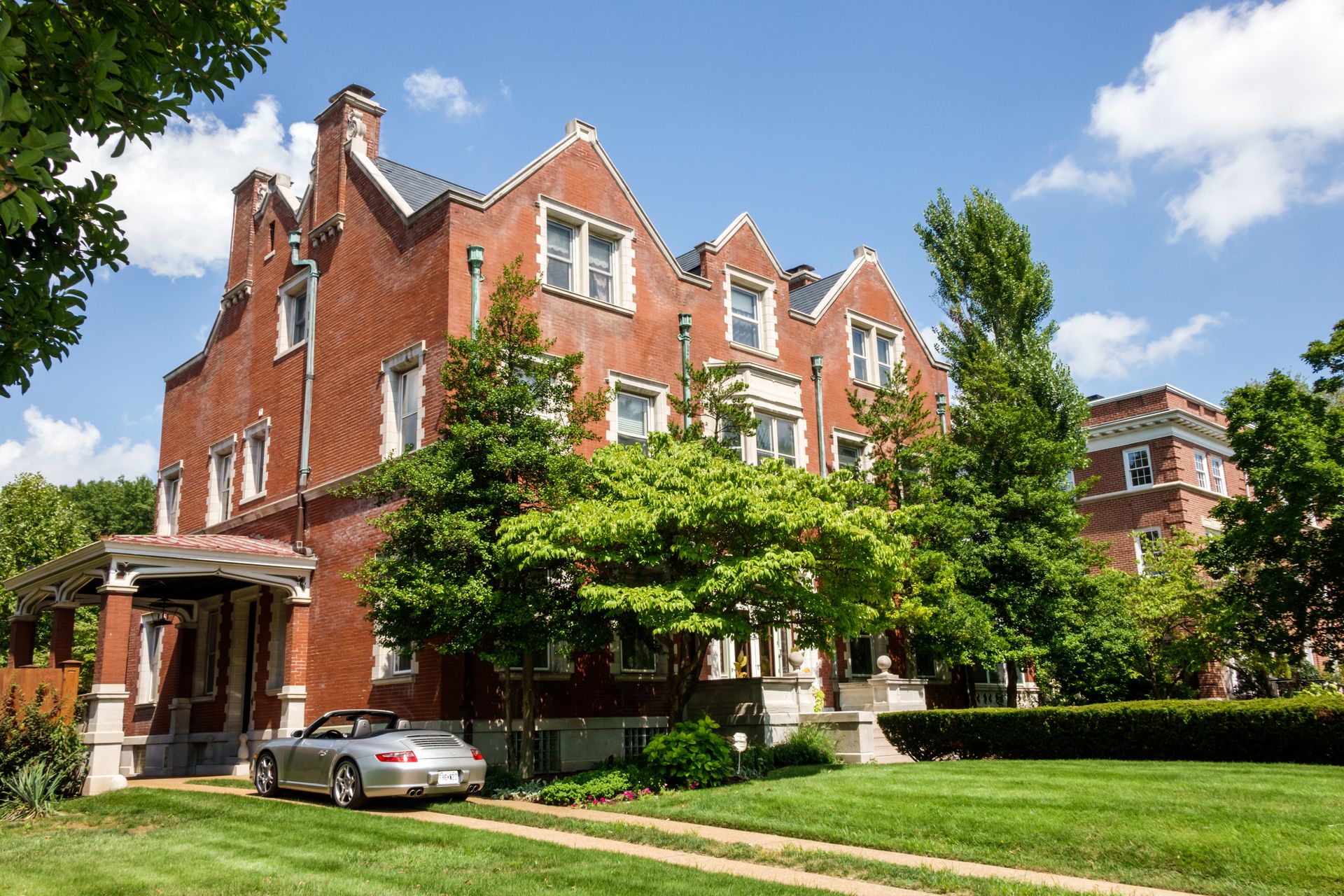
Jeffrey Greenberg / Universal Images Group via Getty Images
St. Louis posted a 15.4% year-over-year gain in luxury median sale price, reaching $1,036,007 in March 2026. What distinguishes St. Louis from the other cities in this list is that closed luxury sales recorded no change at all — a 0.0% year-over-year shift — while prices still advanced sharply.
New listings surged 23.9% year over year, the steepest increase of any metro among the top seven. Active inventory expanded 15.5%. Those supply figures might ordinarily soften prices, but pending sales climbed 5.0%, signaling that buyer interest absorbed the additional listings before they could exert downward pressure. Sellers moved properties into the market and buyers consumed them at a consistent pace, leaving supply elevated but not excessive enough to reverse the upward price trend.
The dynamic at work in St. Louis is not a demand surge. The market saw no spike in closings and no extraordinary run of pending contracts. Appreciation came through consistent buyer activity at a cost base low enough, relative to what luxury buyers in comparable metros are accustomed to paying, that the upward adjustment had considerable room to run. At $1,036,007, St. Louis's luxury median sits just above $1 million. That figure registers as entry-level in many high-cost metros and attracts buyers calibrated to higher-priced markets who find St. Louis offers genuine value within the luxury category.
St. Louis's luxury appreciation without a meaningful uptick in closed transactions confirms that the buyers who did close paid significantly more than their counterparts had a year ago. The 23.9% jump in new listings did not dilute prices. Those listings are not accumulating unsold. They are moving at the new, elevated price levels the data records. The gap between old and current benchmarks is precisely what the 15.4% appreciation figure measures. A market that posts that kind of gain while transaction volume holds flat is one where price, not pace, is the defining story.
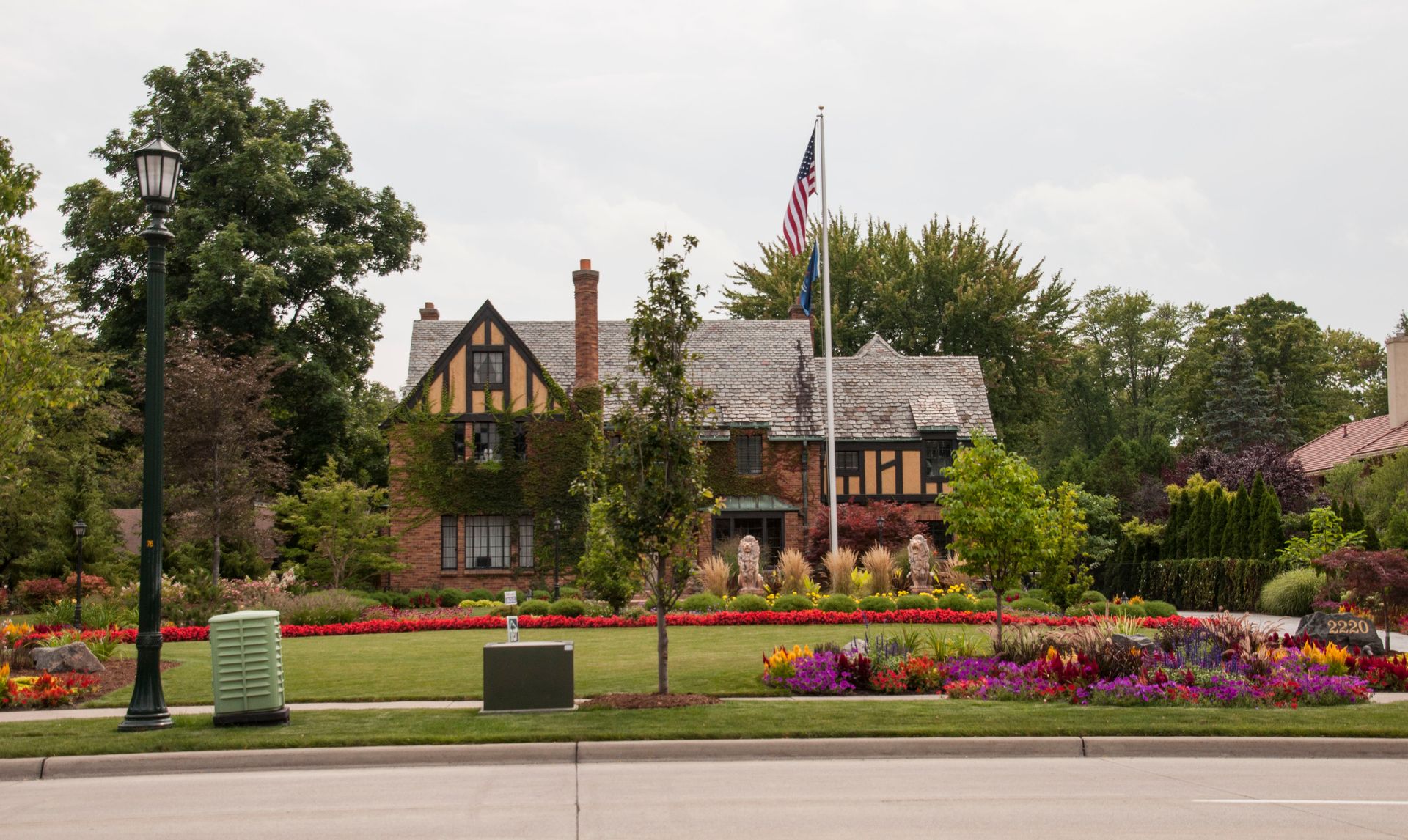
Elizabeth W. Kearley / Getty Images
Warren, Mich., recorded a luxury median price of $1,111,046 in March 2026, a 14.1% year-over-year gain. The advance happened against a backdrop of falling transaction volume: closed luxury home sales dropped 16.4% year over year, and pending contracts declined 5.6%. Warren's appreciation is a case where gains outran activity.
New listings increased 9.2% and active inventory rose 3.1%, giving the metro a modest supply expansion even as demand — measured by both actual and pending closings — contracted. Rising supply alongside falling demand would ordinarily depress prices. Instead, the median climbed more than 14%. That outcome is tied to the makeup of what sold, not broad competitive bidding across the tier.
Warren sits within the Detroit metropolitan area and draws from the same employment base. Its workforce is anchored in automotive manufacturing, technology suppliers, and a growing cluster of EV-related engineering work. The metro's luxury segment, with a median price just above $1.1 million, constitutes a premium tier for the region. It draws buyers who want high-quality space and proximity to major employers without paying the prices that comparable properties command in coastal markets. The buyer pool in Warren's luxury market tends toward established local earners and industry professionals.
The disconnect between Warren's falling sales volume and its rising price carries a specific meaning. Fewer transactions took place, but the ones that closed moved at materially higher prices. That pattern emerges when lower-priced properties within the luxury tier fail to attract offers while higher-end homes within the same segment continue to trade, pulling the median upward. Whatever the precise makeup of sales, the result is a 14.1% price gain recorded by a market where fewer luxury homes changed hands. That outcome signals a selective but determined buyer pool willing to pay considerably more for the right property than buyers were a year ago.
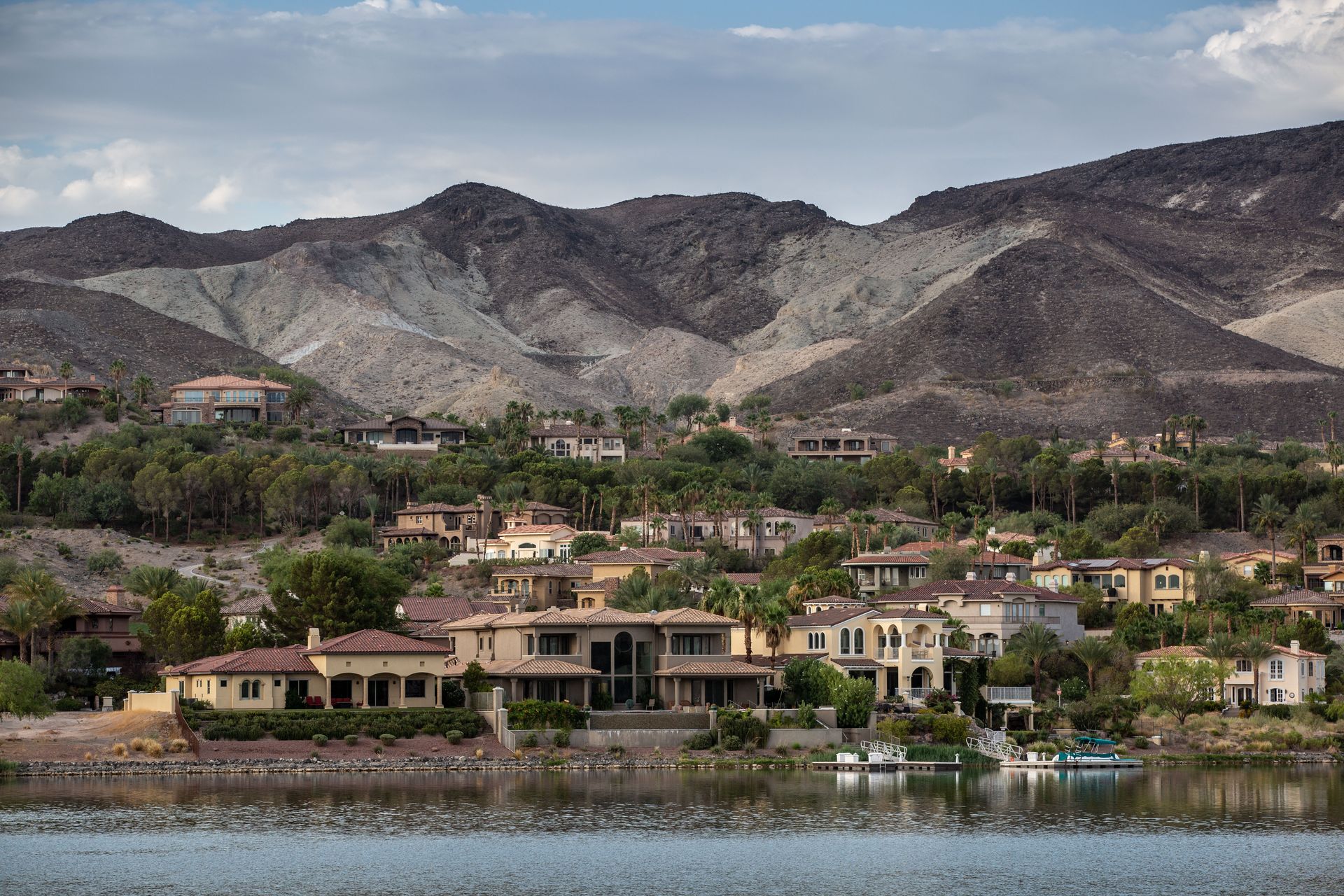
George Rose / Getty Images
Las Vegas recorded a luxury median sale price of $1,707,138 in March 2026, a 14.0% year-over-year advance. The market's supply picture is nearly unchanged from a year ago: active inventory grew just 0.3% and new listings fell 11.8% year over year. Closed sales slipped 4.4% and pending contracts ticked up 0.6%. Las Vegas's price gain unfolded in a market that was, in supply and demand terms, almost still.
That near-stillness is itself a finding. A market where new listings drop by close to 12%, where active inventory holds essentially flat, and where both pending and closed sales move by less than 5% in either direction has reached a kind of equilibrium, except that prices kept rising at a double-digit rate. Buyers who closed in March 2026 paid 14% more than their counterparts had a year earlier, and they did so without being forced into bidding wars driven by surging competition.
Las Vegas has drawn significant in-migration from higher-cost markets over the past several years, particularly from California. The luxury segment, at a median of $1,707,138, serves a buyer profile that includes transplants bringing higher wealth thresholds from prior metros, along with local high earners in finance, hospitality management, and technology. Nevada's absence of a state income tax reinforces the appeal for high-income buyers comparing net annual costs across the country.
The tightness of Las Vegas's luxury supply is the most consistent factor sustaining the 14% price gain. New listings fell close to 12%, meaning sellers are not flooding the market even as prices rise. Buyers who want a luxury home in Las Vegas have fewer options than they did a year ago, and the ones willing to transact are paying considerably more. The near-zero movement in both transaction volume and active inventory, set against a 14% price jump, establishes a new price floor that the remaining buyer pool has accepted.
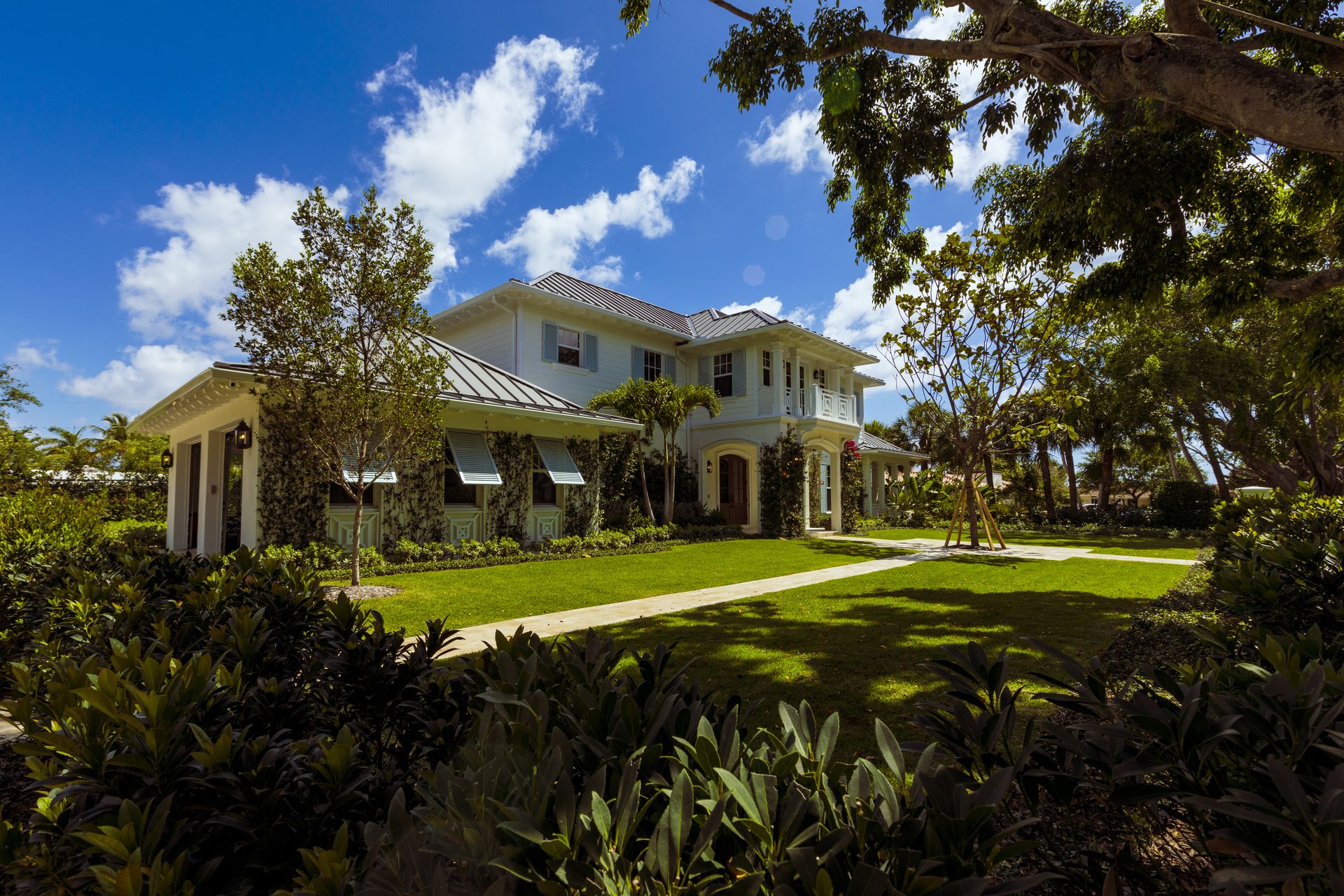
Saul Martinez / Bloomberg via Getty Images
West Palm Beach, Fla., posted a luxury median sale price of $4,485,829 in March 2026, a 13.5% year-over-year gain. The metro carries the highest luxury price point of the seven cities here, and it is the only one where the median clears $4 million. Demand outpacing constrained supply drove that price to its current level.
Pending sales rose 15.5% year over year and closed sales increased 1.4%. The gain in closed sales is modest but consistent with forward momentum. Active luxury listings fell 2.8% and new listings dropped 5.3%, shrinking the available pool of homes even as buyer interest grew. More prospective buyers pursued fewer available homes at prices already elevated. The demand-pull structure characterizes this market.
West Palm Beach sits at the center of a South Florida luxury corridor that has drawn high-net-worth buyers since at least 2020, when pandemic-era relocations brought an influx of finance professionals, entrepreneurs, and remote workers from the Northeast and Midwest. Many of those arrivals remained, and their presence reset the area's price floor for premium properties. A luxury median above $4.4 million now prices in proximity to Palm Beach's established wealth and the lifestyle amenities that cluster around that enclave. Waterfront access, warm winters, and a concentration of private clubs and high-end retail have made the area a permanent fixture in the national luxury conversation.
The 5.3% drop in new listings is a pressure point for West Palm Beach. Owners who might otherwise sell are staying put, possibly because they cannot find suitable replacements at a reasonable cost within the same market. That reluctance tightens supply further, and the 15.5% jump in pending sales confirms that buyers are active and prepared to bid. West Palm Beach's 13.5% appreciation in a market already priced above $4 million is the direct outcome of that mismatch between buyer intent and owner hesitation. The data shows no sign of the gap closing quickly.
