
The fastest-growing luxury housing markets in the U.S. in 2026
Luxury home prices are climbing faster than ever. Redfin data reveals which U.S. markets are leading the surge
Avi Werde / Unsplash
The American housing market has split into two tracks, and the gap between them is widening. Affluent buyers are bidding up prices on high-end properties across the country while the rest of the market struggles with mortgage rates, stagnant wages, and inventory that still hasn't recovered from the pandemic-era shortage. The result is a market where the top 5% of homes are appreciating at more than triple the rate of everything below them, a divergence that reflects deeper shifts in who can afford to buy and where that money is going.
The forces behind the split aren't hard to trace. Wealthy buyers are less sensitive to borrowing costs because many of them pay cash or carry mortgages that represent a fraction of their total assets. Economic uncertainty from the ongoing Iran conflict, persistent inflation, and the possibility of further Federal Reserve rate increases has made middle-income buyers more cautious, but the ultra-wealthy tend to treat real estate as a hedge against exactly that kind of instability. Stock market gains, AI-fueled compensation packages, and corporate relocations to tax-friendly states have put more money in the hands of high-end buyers at the same time that elevated costs have pushed everyone else to the sidelines.
Redfin tracked the divide in its latest analysis of MLS data covering the three months ending May 31. The median luxury home sale price in the U.S. rose 4.7% year over year to $1.37 million, more than triple the 1.5% gain in non-luxury prices. Pending sales of luxury homes climbed 5.2%, the largest increase since December 2024, while non-luxury pending sales rose just 3.6% and showed signs of slowing. Redfin defines luxury homes as those estimated to be in the top 5% of their metro area's price range, with non-luxury homes falling in the 35th to 65th percentile. The strongest growth is concentrated in a handful of metros where tax policy, tech wealth, and migration patterns are amplifying demand at the top end.
Tampa
Chalo Garcia / Unsplash
Luxury home prices in Tampa rose 15.6% year over year during the three months ending May, the largest increase among the 50 most populous U.S. metros tracked by Redfin. The median luxury sale price reached $1,650,875, and the metro posted gains across every major transaction metric. Pending sales of luxury homes climbed 20.8%, the fourth-largest increase nationally, and closed luxury sales surged 27.4%, second only to San Francisco. Those numbers represent a market where wealthy buyers aren't just browsing at higher price points but actively competing for properties and closing deals at an accelerating pace.
The broader Tampa housing market tells a different story. Non-luxury home prices fell 0.5% over the same period, a gap of more than 16 percentage points between the top and bottom of the market. That divergence reflects the influx of affluent transplants from high-tax states in the Northeast and Midwest who are drawn to Florida's lack of a state income tax, its warm climate, and its expanding inventory of waterfront and luxury-adjacent properties. Tampa and the wider Tampa Bay region have absorbed a steady stream of these buyers over the past several years, and the pace of arrivals hasn't slowed despite rising insurance costs and hurricane-related concerns that have dampened enthusiasm in other parts of the state's non-luxury market.
New listings of luxury homes in Tampa fell 2.9% year over year, and active luxury inventory dropped 0.5%, meaning supply is tightening at the same time that demand is accelerating. Luxury homes in the metro went under contract in a median of 33 days, unchanged from the prior year, suggesting that even as prices climb the buyer pool remains deep enough to absorb new inventory quickly. Three of the 10 U.S. metros with the biggest increases in luxury pending sales sit in Florida, with West Palm Beach (up 18.5%) and Miami (up 14.6%) joining Tampa in the top tier. The state's dominance of Redfin's monthly most-expensive-home-sales rankings reinforces the pattern. Ultra-wealthy buyers continue to treat Florida as a primary destination for major real estate purchases, and Tampa's combination of relative affordability within the luxury tier, no state income tax, and waterfront access has positioned it as the state's fastest-moving market for high-end homes.
Miami
Claudia Altamimi / Unsplash
Miami's luxury market posted the second-largest price increase in the country at 14.2% year over year, pushing the median luxury sale price to $4,855,331. Pending sales rose 14.6%, and closed sales climbed 5.2%, but the more revealing numbers are on the supply side. New listings of luxury homes dropped 13%, and active luxury inventory fell 17.2%, the steepest decline of any major metro in the Redfin analysis. The combination of rising demand and rapidly shrinking supply is compressing the market from both ends, creating conditions where sellers can command significantly higher prices and buyers face fewer options with every passing quarter.
The migration of ultra-wealthy Americans into South Florida has been one of the most documented trends in U.S. real estate over the past five years, and the data suggests it hasn't peaked. Billionaires, tech executives, and finance professionals continue to relocate to the Miami metro for its tax advantages, international connectivity, and expanding luxury infrastructure. The concentration of wealth on the barrier islands and in neighborhoods, such as Indian Creek and Fisher Island, has become so pronounced that the area has earned the informal label of a haven for the global ultra-rich. Redfin's monthly rankings of the country's most expensive home sales consistently feature multiple South Florida properties, and the sheer volume of eight- and nine-figure transactions is pulling the median luxury price higher even beyond what organic appreciation would suggest.
The one metric where Miami stands out for the wrong reasons is time on market. Luxury homes sat for a median of 150 days before going under contract, an increase of 24 days from the prior year and the longest wait of any major metro in the Redfin data. That figure reflects the extreme price tier of the Miami luxury market rather than weak demand. At a median sale price approaching $5 million, the buyer pool is inherently smaller, negotiations take longer, and due diligence on high-end properties is more involved. LuxurySoCalRealty noted in a recent analysis that transactions above $5 million routinely take 45 to 60 days to close even after a contract is signed, and Miami's median sits well above that threshold. The extended timeline hasn't discouraged sellers from pulling listings, as evidenced by the 17.2% drop in active inventory, nor has it slowed the pace of new buyer interest flowing into the market from other states.
San Francisco
Drei Kubik / Unsplash
No metro in the country is experiencing a more dramatic luxury rebound than San Francisco, where pending sales of high-end homes surged 45.9% year over year and closed luxury sales jumped 46.3%, both by far the largest increases in the Redfin analysis. The median luxury sale price reached $6,648,922, up 6.0%, and luxury homes went under contract in a median of just 13 days, one of the fastest paces in the nation. Nearly two thirds of high-end listings went into contract within their first 14 days on the market, and the supply of luxury homes for sale dropped 15.2% from a year earlier, deepening an already severe inventory shortage at the top of the market.
The engine behind the surge is artificial intelligence. San Francisco is home to more than 2,000 AI companies, and the rapid expansion of firms, such as OpenAI and Anthropic, has created a new class of buyers with compensation packages that dwarf even traditional tech salaries. Fox Business reported that 44 San Francisco homes sold for at least $1 million above their final asking price in June, totaling $60 million in overbids for a single month. That figure continued a steep upward trend from earlier in the year. In March, 20 homes cleared the $1 million overbid threshold. By April and May, the count had risen to roughly 30 per month. From February 2024 through February, no single month saw more than nine such transactions, and several months recorded zero.
Most of the overbids are concentrated in the 94114 zip code, which covers the Castro, Noe Valley, and Dolores Heights neighborhoods. Redfin senior economist Joel Berner noted that the uptick in buyer activity is consistent with a cash infusion on the buyer side tied to the AI boom and recent IPO activity among Bay Area companies. Both OpenAI and Anthropic, which are headquartered in San Francisco, have taken steps toward going public, and a successful IPO from either firm could inject another wave of liquidity into the local housing market. Compass Chief Economist Mike Simonsen pointed out that much of the current wealth isn't coming from new companies alone. Long-public firms, such as Nvidia $NVDA, have added trillions of dollars in market capitalization in recent years, and many of their employees live in and around the city. The result is a luxury market that hasn't only recovered from its pandemic-era downturn but is now posting growth numbers that no other U.S. metro can match.
Nashville
Josh Withers / Unsplash
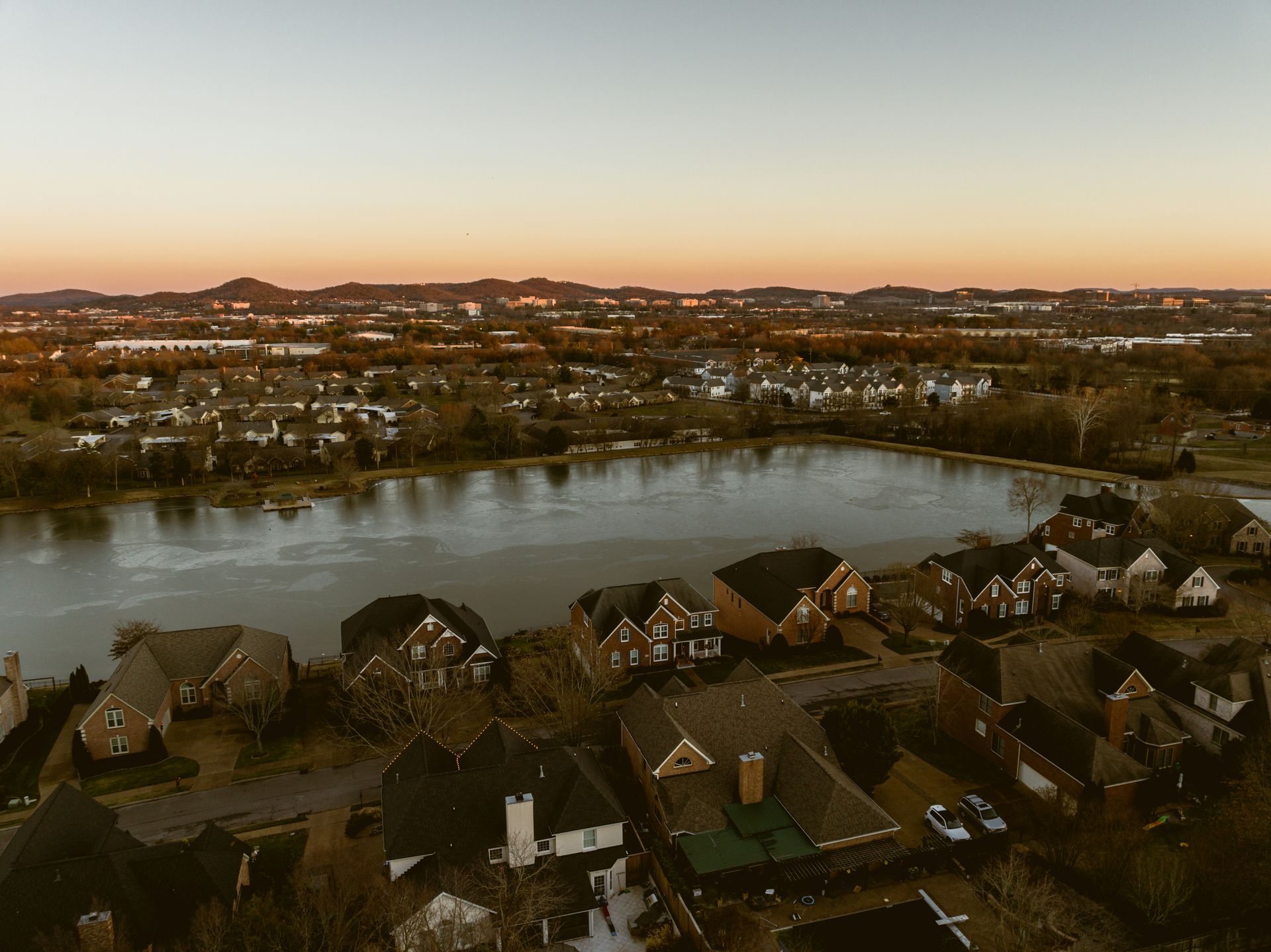
Nashville posted the second-largest increase in luxury pending sales in the Redfin analysis at 24.5% year over year, with closed luxury sales rising 10% and the median luxury sale price climbing 7.1% to $2,190,591. New listings of luxury homes increased 11.4%, the third-largest gain nationally, and active luxury inventory rose 8.4%. Unlike the Florida and California metros at the top of these rankings, Nashville's luxury growth is happening alongside an expansion in supply, a combination that signals broadening demand rather than a squeeze driven purely by scarcity.
The fundamentals driving that demand have been building for more than a decade. Tennessee has no state income tax, and Nashville's economy runs on a diversified base of healthcare, entertainment, finance, and corporate headquarters operations. Oracle $ORCL, Amazon $AMZN, and AllianceBernstein have all relocated or expanded significant operations in the Nashville metro in recent years, bringing highly compensated professionals who arrive with the purchasing power and the incentive to buy in the luxury tier. Knight Frank's 2026 U.S. Cities Prime Index identified Nashville as the standout metro in the mid-South region, and the city added roughly 35,000 new residents in 2024 alone. The neighborhoods anchoring the luxury market (Belle Meade, Forest Hills, Green Hills, and the Brentwood and Franklin corridors in Williamson County) have limited room to expand, which supports pricing even as overall metro inventory loosens.
The broader Nashville market has shifted into what local analysts describe as a more balanced phase after years of extreme seller conditions. Active supply across all price tiers has risen to approximately 3.5 to four months of inventory, up from one to two months during the pandemic peak but still below the five- to six-month range that signals a fully balanced market. Luxury properties are taking longer to sell than they did during the frenzy years, with a median of 96 days on market and an increase of 11 days year over year, but the transaction data shows that motivated buyers are still competing for well-positioned properties. The 24.5% jump in pending sales confirms that the luxury tier is absorbing new listings faster than the overall market is, and Nashville's combination of tax advantages, corporate relocation momentum, and quality-of-life appeal continues to draw affluent buyers from higher-cost states at a rate that supports long-term price appreciation in the premium neighborhoods.
San Diego
Giusy Iaria / Unsplash
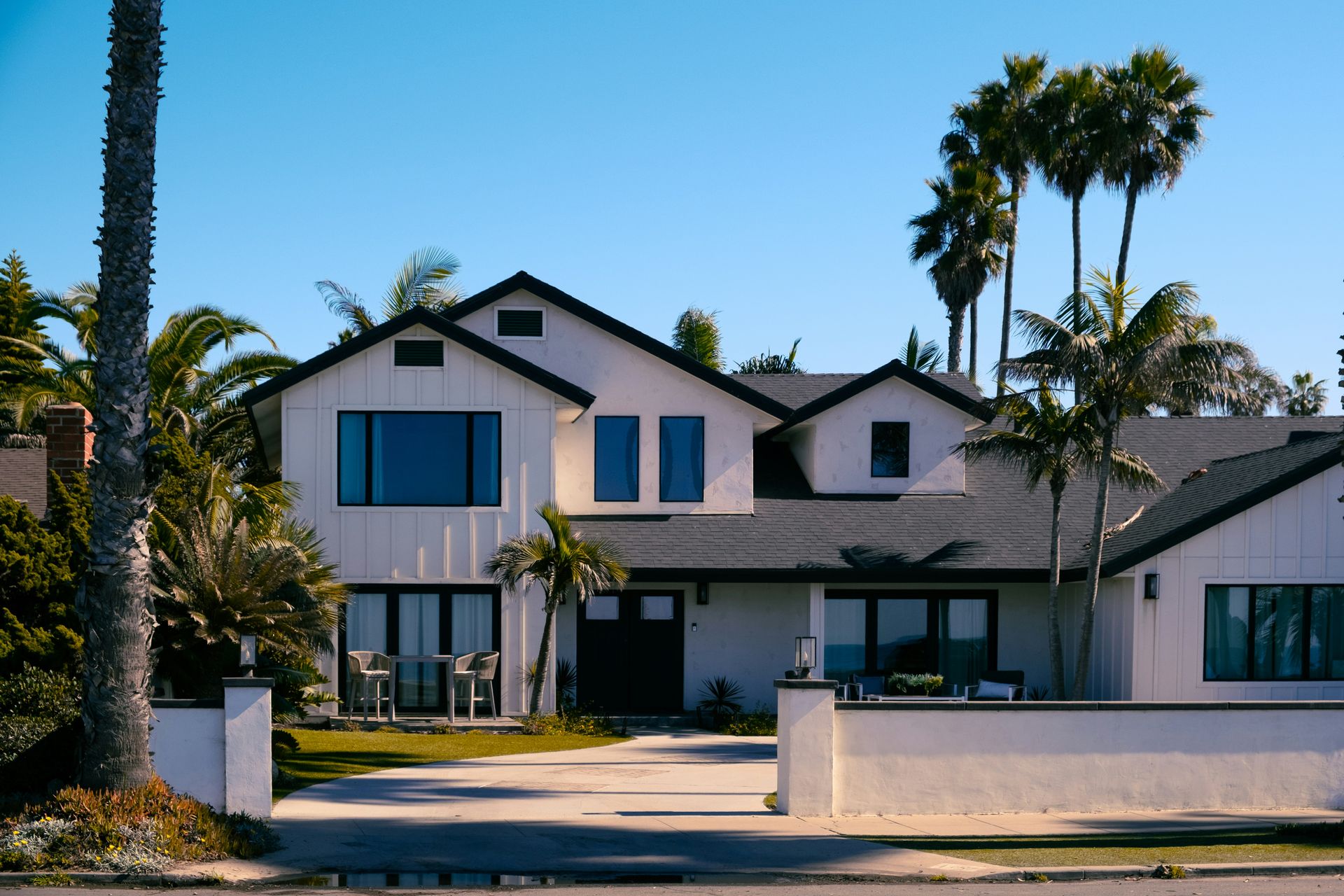
San Diego rounds out the top five with a 22.5% year-over-year increase in luxury pending sales, the third-largest gain nationally, alongside a 9.6% rise in closed luxury sales. The median luxury sale price reached $3,771,304, up 2.7%, and luxury homes went under contract in a median of 31 days with just two additional days on market compared to the prior year. The price growth is modest relative to Tampa or Miami, but the transaction volume tells a different story. Buyers at the high end are competing more actively than they have in years, and the pipeline of pending sales points to continued strength through the second half of 2026.
The demand is being fed in part by buyers who would otherwise have purchased in Los Angeles. Redfin noted that San Diego is capturing spillover from the LA market, with wealthy buyers opting for coastal San Diego communities, such as La Jolla, Del Mar, and Rancho Santa Fe, instead of traditional Los Angeles luxury enclaves like Beverly Hills. The appeal is a combination of privacy, a slower pace of life, oceanfront access, and a regulatory environment that is more accommodating to high-end development. Before the pandemic, San Diego rarely saw transactions above $10 million. That changed dramatically over the past five years. The metro recorded a record-high sale of $47 million in 2025 and now ranks among the top 10 ultra-luxury markets in the country, as industry reporting confirmed earlier this year. The trophy tier of the market, properties at 6,001 square feet and above, posted a 7.6% year-over-year price gain in May, the only size category in the county to see meaningful appreciation.
New listings of luxury homes fell 3.5% year over year, and active luxury inventory dropped 7.7%, tightening conditions for buyers at the top of the market. The $5 million-plus segment has been especially active, with LuxurySoCalRealty reporting that pending sales in that tier rose 21.8% through May. Given the 45- to 60-day lag between pending and closed sales at the luxury level, the July through September closing reports are expected to reflect that surge in activity. San Diego's broader affordability challenges, where only about 11% of local households can afford a median-priced home, have had the paradoxical effect of concentrating market energy at the top. Buyers who can afford to compete in the luxury tier face less of the financing friction that constrains the rest of the market, and the steady flow of cash-heavy purchasers relocating from Los Angeles and other expensive California metros continues to push the high-end segment further ahead of the pack.