
Gas prices are skyrocketing. Here are the luxury SUVs with the best gas mileage in 2026
From a 44-mpg Lexus UX Hybrid to a plug-in Volvo with the best interior in class, the luxury SUVs that sip the least fuel
MarioGuti / Getty Images
Gas prices have a way of making vehicle running costs personal. A price spike that looks abstract on a financial chart turns concrete the moment you’re holding a pump nozzle at a station that has revised its numbers upward since last week. Luxury SUV buyers are not immune to this arithmetic: a larger vehicle with a thirstier engine can easily add hundreds of dollars a year to fuel costs compared to a more efficient alternative. For buyers who want the refinement and features of a premium crossover without the fuel penalty that often accompanies them, the efficiency-focused models on this list offer a compelling financial argument alongside their more obvious practical appeal.
The luxury SUV segment has diversified considerably over the past decade. Hybrid drivetrains, plug-in hybrid systems, and increasingly sophisticated continuously variable transmissions have brought fuel economy figures to this category that would have been implausible in a comparable vehicle a generation ago. The trade-offs vary: a standard hybrid typically offers better combined efficiency than a plug-in hybrid on gasoline alone, while a plug-in hybrid can operate in electric-only mode for daily commutes that never touch the gasoline engine. Size matters, too. The most efficient vehicles on this list are subcompact crossovers, and efficiency drops as dimensions and weight increase. Buyers who need three-row seating or a midsize footprint will find that the efficiency leaders in those categories start from a different baseline than the compact leaders.
The 10 vehicles below come from U.S. News & World Report’s list of luxury SUVs with the best gas mileage, which ranks efficient premium crossovers using EPA combined mpg figures as the primary sorting criterion. Ties go to the lower-priced vehicle. The list covers standard hybrids, plug-in hybrids, and conventional gasoline models across subcompact, compact, and midsize segments, all with gasoline engines.
1. Lexus UX Hybrid achieves 44 mpg in the brand’s lineup
photosvit / Getty Images
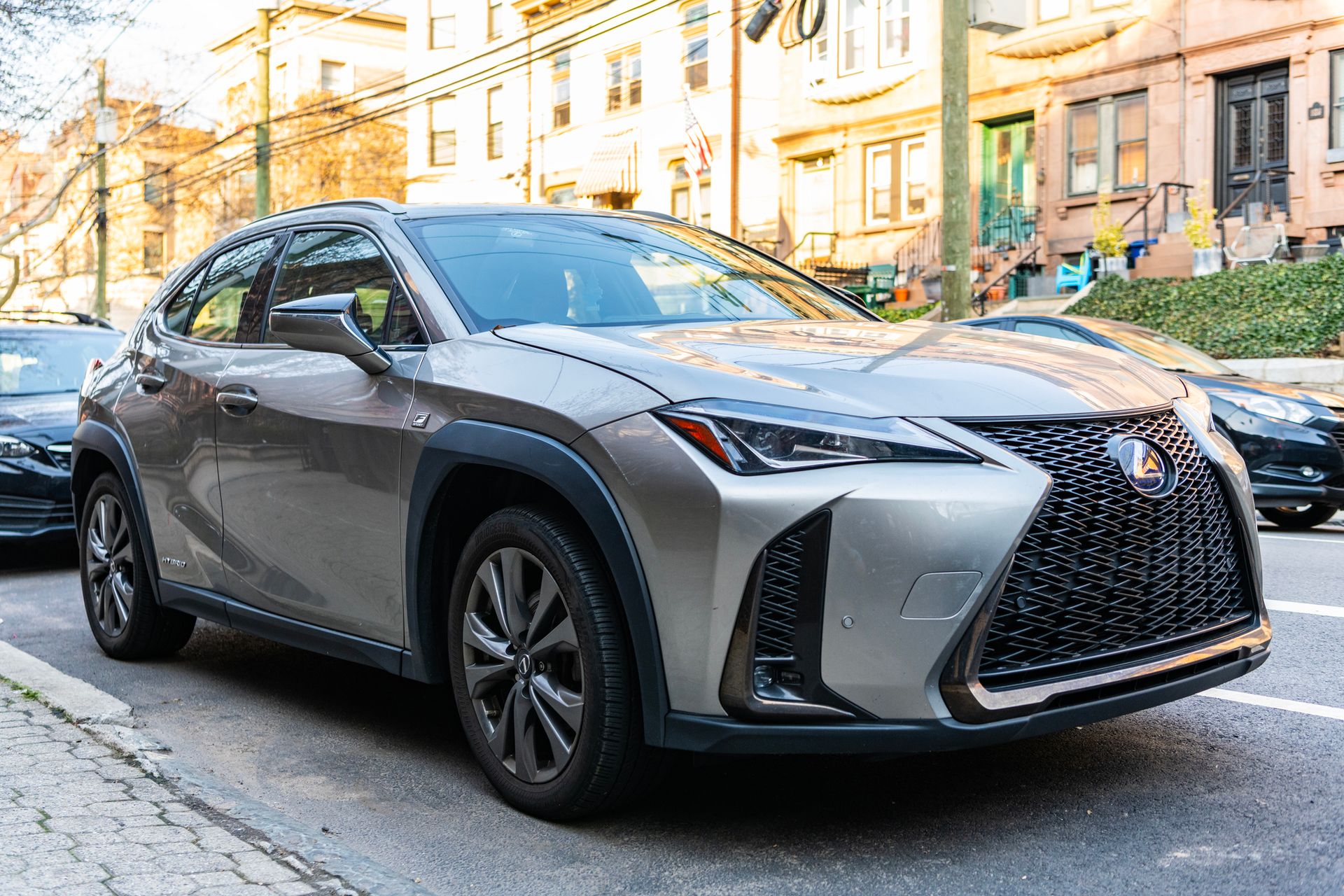
The Lexus UX Hybrid leads this list with 44 mpg combined — the strongest efficiency figure of any vehicle here — and it does so as the smallest crossover in Lexus’s lineup. Reviewer Mike Hagerty notes that the UX Hybrid’s performance falls short of what buyers typically expect from Lexus, but the vehicle compensates with a welcoming cabin, attractive materials, and competitive pricing. The powertrain is a modest four-cylinder engine paired with a continuously variable automatic transmission, with front-wheel drive standard and all-wheel drive optional.
The tradeoff for that efficiency figure is space. The second row is snug by class standards, which limits the UX Hybrid’s practicality for families who need room for adult rear passengers on a regular basis. Cargo capacity is below average for the segment. Buyers who regularly carry one or two adults and prioritize fuel economy above all other criteria will find the UX Hybrid a strong match; those who need more carrying capacity should consider the NX Hybrid further down this list.
On the road, the UX Hybrid provides a gentle, smooth ride under easy throttle. It is not a corner-carver, and the powertrain is calibrated for efficiency and comfort. At $36,995, the UX Hybrid offers an accessible entry price for the Lexus brand, and its 44 mpg figure means fuel savings compound over years of ownership in a way that other vehicles on this list, with their lower mpg ratings, cannot at a comparable price point. For a single buyer or a couple with occasional rear passengers, the UX Hybrid is the most economical luxury SUV on this list by a clear margin. At 44 mpg combined, it is also the only vehicle here that approaches the fuel economy of non-luxury hybrid cars, which makes the premium pricing easier to justify over a full ownership period when fuel savings are factored into the total cost calculation.
2. BMW X3 delivers 29 mpg with agile handling
jetcityimage / Getty Images
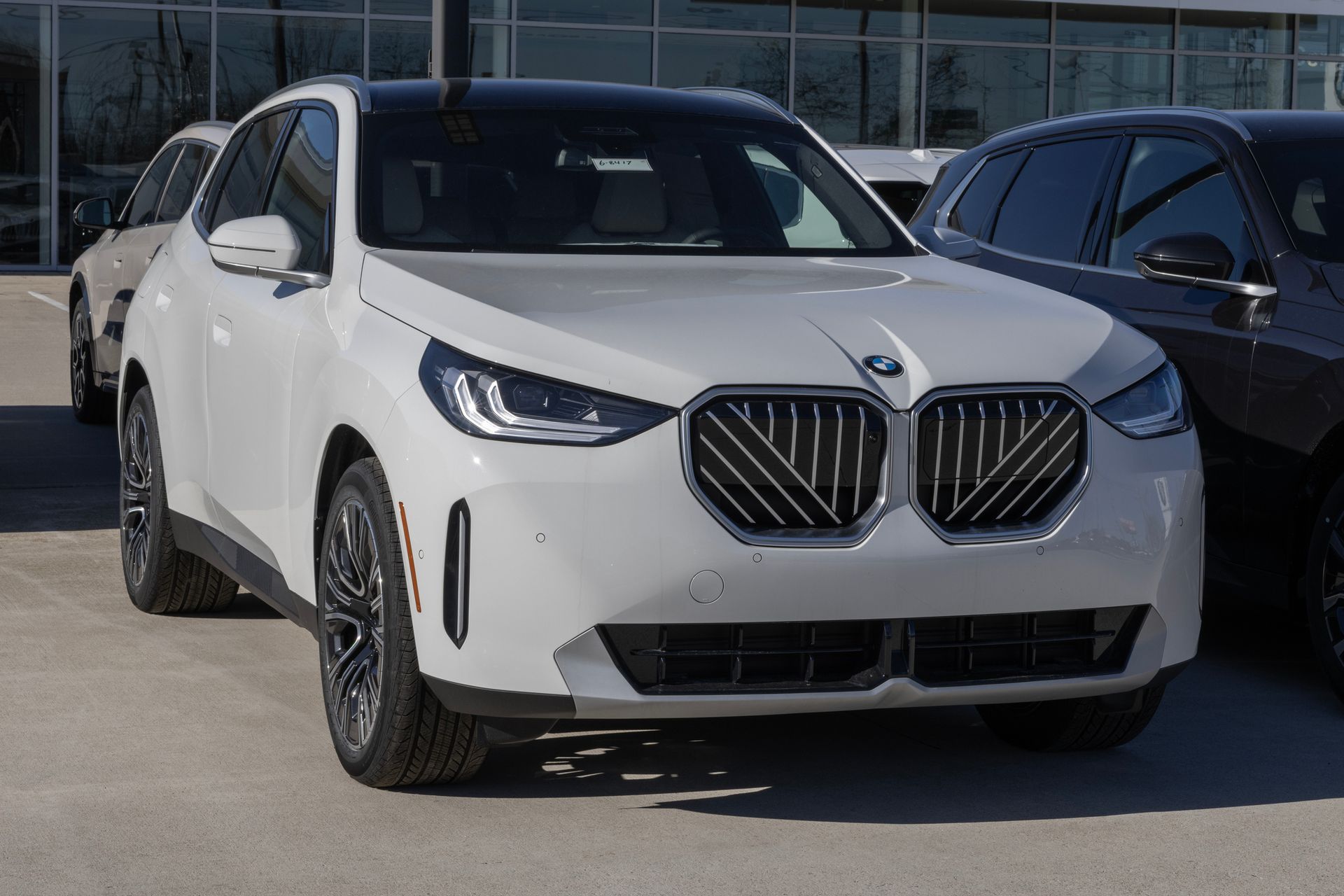
The 2026 BMW X3 achieves 29 mpg combined and earns an editor’s choice designation for the way it pairs that efficiency with driving dynamics that the rest of this list cannot approach. It is one of BMW’s bestselling vehicles and a well-rounded SUV that balances sporty performance with family-friendly practicality. The standard powertrain is a turbocharged four-cylinder engine, with a turbocharged six-cylinder available as an upgrade. Both configurations come with all-wheel drive and an eight-speed automatic transmission.
Seating is spacious and supportive, which distinguishes the X3 from the smaller subcompact crossovers on this list whose rear-row dimensions limit their usefulness for families. Interior materials are good, though buyers paying $50,900 may wish the cabin matched the price more closely. The infotainment system is BMW’s standard setup, and while it is competent, it is not the standout feature of the ownership experience.
The X3’s character comes through most clearly behind the wheel. Even in base configuration, the X3 is among the most enjoyable vehicles in its class to drive, with agile handling and sharp steering response that give it a personality other efficient luxury crossovers simply do not possess. The 29 mpg combined figure represents a reasonable efficiency outcome for an all-wheel-drive crossover with this level of driving engagement. Buyers who want a compact luxury SUV and will not sacrifice driver involvement for fuel economy will find the X3 the most rewarding choice on this list at this efficiency level. The turbocharged six-cylinder upgrade is worth noting for buyers who want more performance: it builds on the base model’s dynamic character without abandoning the all-wheel-drive standard equipment that gives the X3 its planted, confident feel in all conditions. The X3’s 29 mpg, sharp steering, and family-usable interior together make it the most complete all-rounder on this list. The eight-speed automatic transmission also contributes to the smoothness of both the daily commute and the weekend drive, giving the X3 a dual-character competence that single-focus efficient crossovers cannot replicate.
3. Acura ADX starts at $35,000 with 28 mpg combined
Credit: Acura
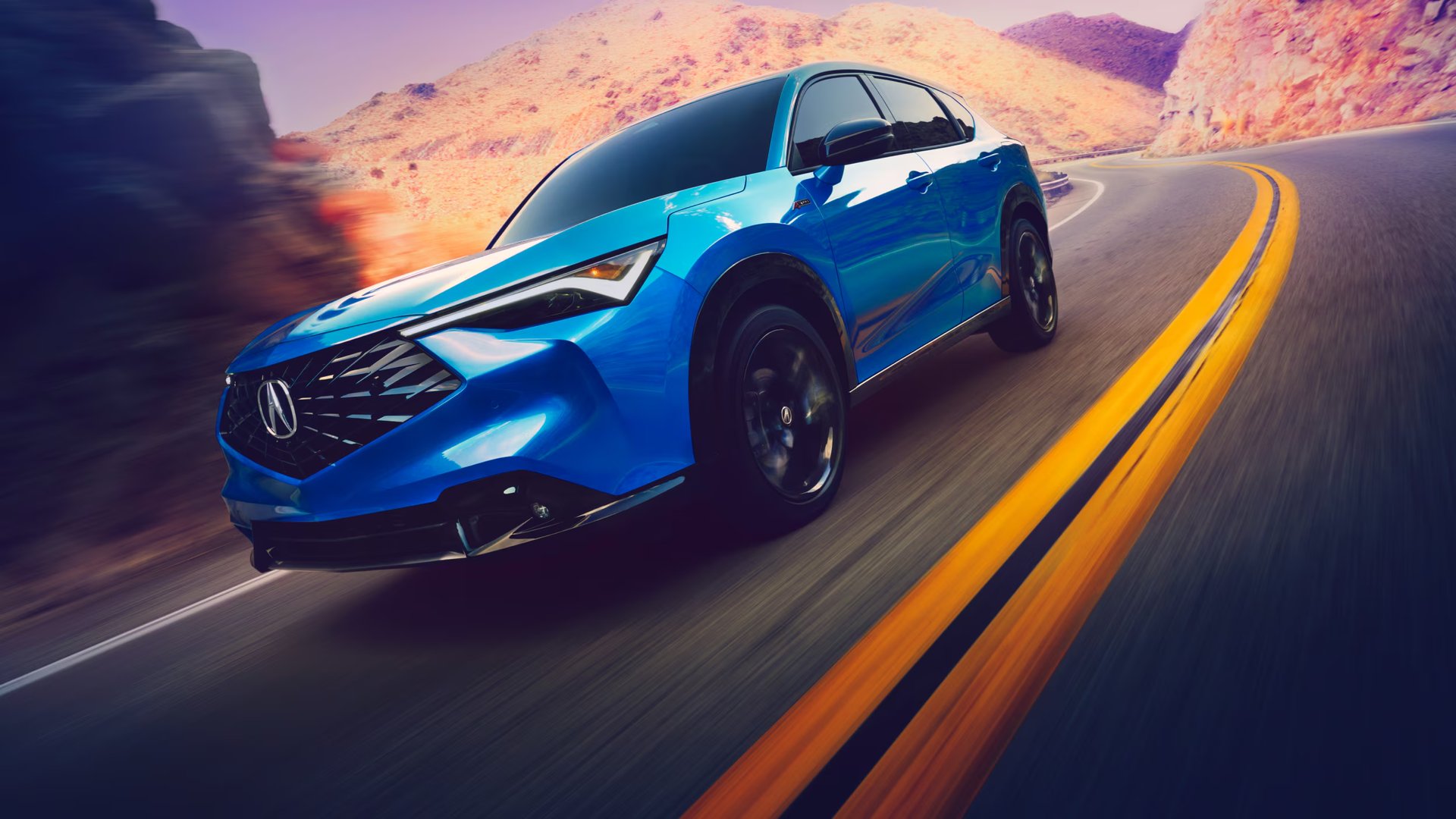
The 2025 Acura ADX enters the luxury compact SUV market at $35,000, the lowest base price among the compact and midsize options on this list, and returns 28 mpg combined. Senior Editor John Vincent notes that the ADX is smaller than most compact SUVs in the segment, which buyers should factor into any direct comparisons with mainstream alternatives at similar prices. The cabin feels spacious and welcoming despite the compact footprint, and the infotainment system is straightforward and easy to use.
Performance is the ADX’s most notable weakness. A turbocharged four-cylinder provides adequate acceleration in theory, but the CVT produces sluggish and loud throttle response that undermines what the engine should deliver. Vincent’s assessment is that the driving experience is dull, which is a meaningful consideration for buyers cross-shopping it against the more dynamically engaging BMW options on this list. Front-wheel drive is standard, with all-wheel drive available at additional cost.
The ADX’s primary argument is value. At $35,000, it offers upscale styling, build quality, and brand reputation at a price point where mainstream compact SUVs compete, allowing buyers to step into the Acura nameplate without a substantial premium over what they might otherwise pay at a mainstream brand. Shoppers who are already considering mainstream compact SUVs at this price should evaluate the ADX alongside them. The 28 mpg combined figure is competitive within this list’s compact segment, and the cabin’s livability offsets the powertrain’s limitations for buyers who prioritize commuting efficiency and daily comfort over spirited driving. The ADX also benefits from Acura’s standard safety technology suite, which at this price point includes features that some competing mainstream brands charge extra for or offer only on higher trims. Buyers who want luxury badge value and a well-equipped cabin at a price that stays below mainstream compact SUVs in higher trims will find the ADX the most financially accessible entry point on this list.
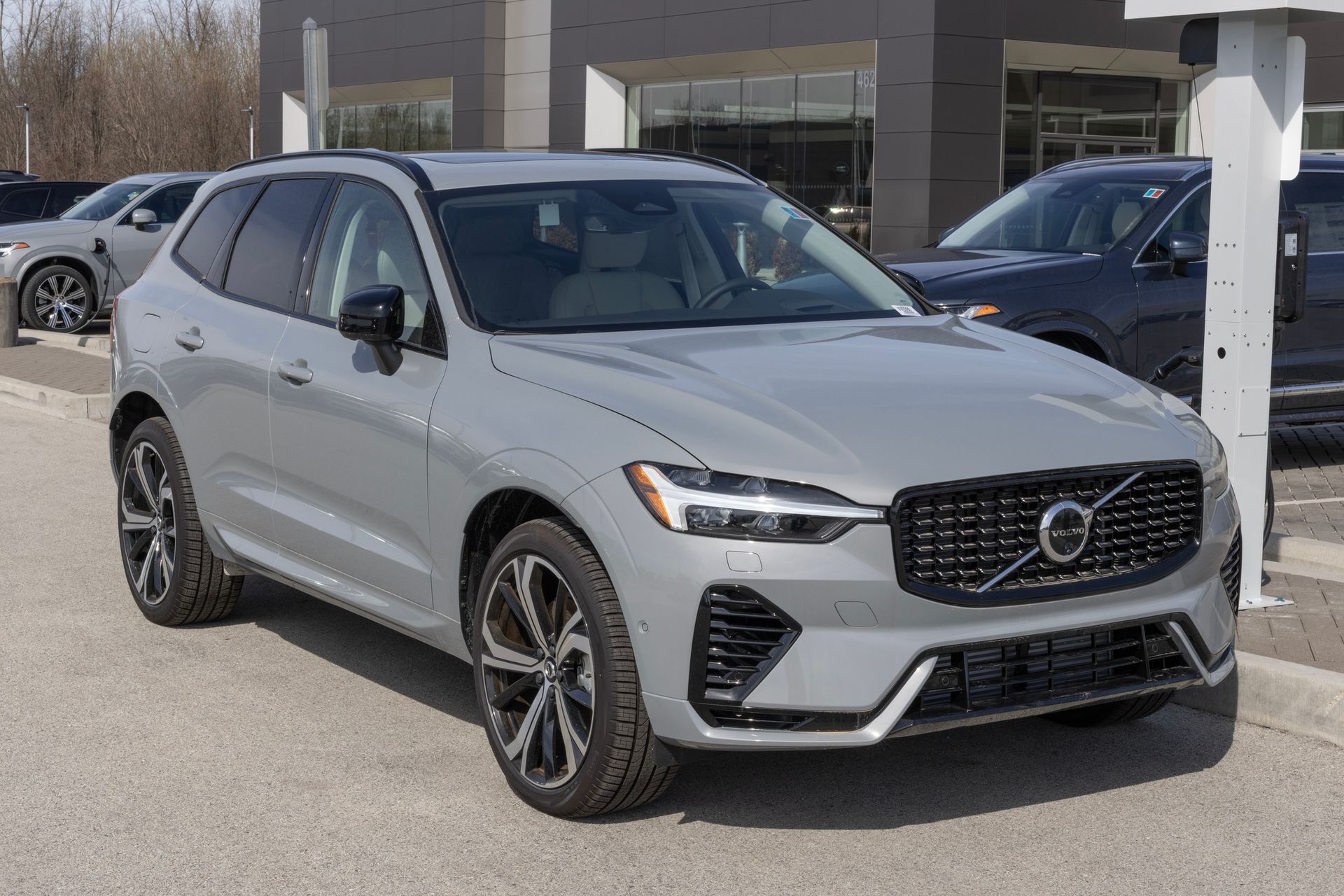
4. Volvo XC60 Plug-In Hybrid scores 9.3 for interior quality
jetcityimage / Getty Images
The 2026 Volvo XC60 Plug-In Hybrid earns an interior score of 9.3 on the U.S. News 10-point scale, the highest cabin quality rating among vehicles on this list, and Managing Editor Alex Kwanten describes the interior as posh and roomy. The XC60 PHEV was refreshed for 2026 with minor exterior styling revisions and a new infotainment display that modernizes the cabin presentation while preserving the Scandinavian minimalism the nameplate has always carried.
The powertrain pairs a turbocharged four-cylinder engine with an electric motor and an 18.8-kWh battery pack, delivering smooth power at all speeds. Kwanten notes that the system transitions seamlessly between gasoline and electric operation and that both the standard suspension and the optional air suspension manage the balance between athleticism and comfort with genuine skill. The 28 mpg combined figure applies when running on gasoline, and the plug-in architecture means buyers who charge regularly will see effective efficiency well above that number for trips within the battery’s range.
At $61,150, the XC60 PHEV is the most expensive vehicle in the compact segment on this list, and Kwanten acknowledges the price sits on the high side even by the standards of this comparison. Buyers who want the most luxurious interior experience among compact luxury plug-in hybrids and are willing to pay for it will find that the XC60 PHEV delivers on that priority without compromise. The 9.3 interior score is the highest on this list and reflects a cabin quality that Volvo has refined across multiple generations of the XC60 into one of the most cohesive luxury interior environments in the class. Buyers who place interior quality at the center of their luxury SUV decision will find the XC60 PHEV justifies its price premium over less expensive plug-in alternatives on that single criterion alone, before the powertrain’s efficiency and the air suspension option are factored into the comparison.
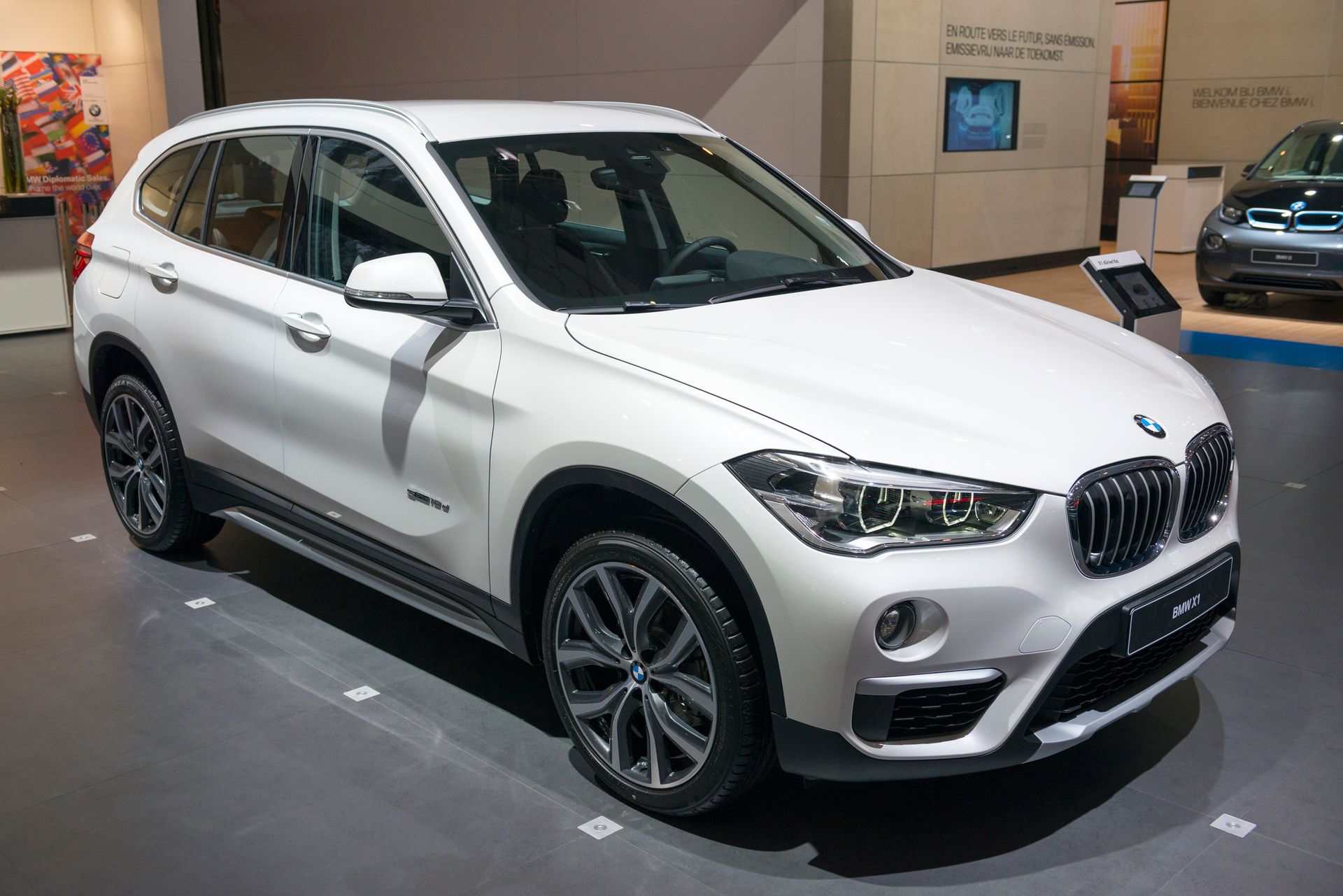
5. BMW X1 earns a 7.9 performance score in its class
Sjo / Getty Images
The 2025 BMW X1 earns a performance score of 7.9 out of 10, the highest among luxury subcompact SUVs on this list, and returns 28 mpg combined at a starting price of $41,350. John Vincent’s assessment is unambiguous: even as BMW’s most affordable SUV, the X1 is far from a compromise vehicle. The base configuration delivers great driving dynamics, and Vincent calls the X1 a standout performer among luxury subcompact SUVs with a driving experience he finds captivating and confidence-inspiring.
The powertrain is a turbocharged four-cylinder engine, with the M35i variant tuned for higher output. Standard all-wheel drive contributes to the X1’s planted feel through corners, which is the characteristic that separates BMW’s subcompact from the efficiency-focused models that dominate the rest of this list. The X1 does not ask buyers to trade away driver engagement for fuel economy.
The X1 sits in direct sibling competition with the X2, which also appears on the full U.S. News efficiency list. Vincent compares the two and finds that the X1’s more traditional shape comes with the advantages of a lower price and a more spacious interior. Buyers who want BMW driving dynamics at the lowest available entry point in the lineup, with competitive 28 mpg fuel economy and standard all-wheel drive, will find the X1 the strongest value proposition among the German entries on this list. The 7.9 performance score reflects a vehicle that earns its designation as the best-performing compact luxury SUV available at this efficiency level. Buyers who have driven the X3 and found it too large or too expensive will discover that the X1 replicates the BMW driving character in a smaller, more affordable package without meaningful compromise on the qualities that make BMW crossovers desirable. The M35i variant gives buyers who want even more engagement a factory performance path that most competing subcompact luxury SUVs do not offer at any trim level.
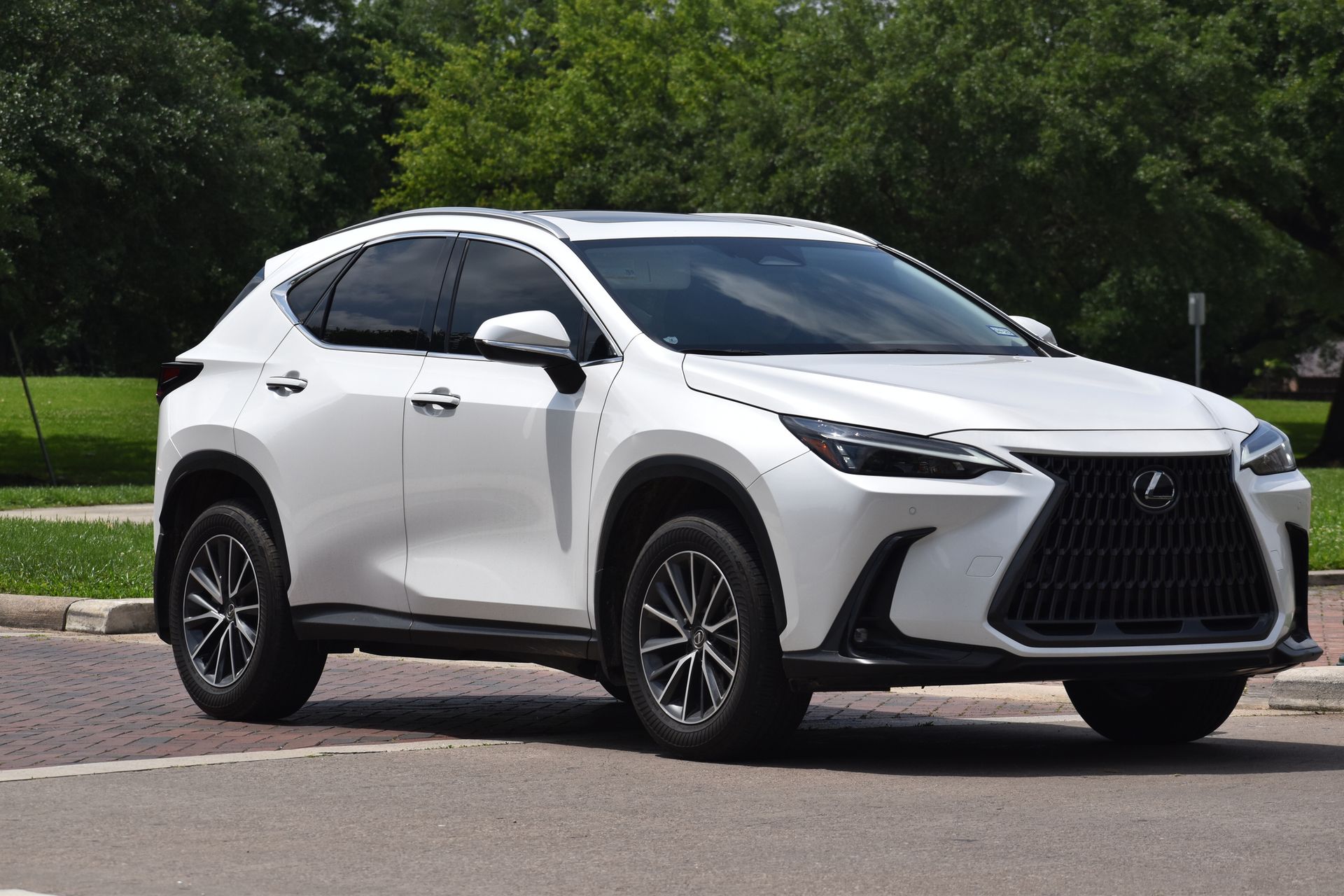
6. Lexus NX Hybrid returns 40 mpg as a highway cruiser
Artistic Operations / Getty Images
The 2026 Lexus NX Hybrid returns 40 mpg combined, the second-highest efficiency figure on this list after the UX Hybrid, and it delivers that economy in a larger body that addresses the space constraints of the UX. Editor Zach Doell characterizes the NX Hybrid as the perfect highway cruiser: it absorbs miles with a relaxing ride, requires few fuel stops, and suits buyers who spend significant time on long stretches of road rather than urban stop-and-go driving.
The NX Hybrid is well equipped across its trim lineup, with a comprehensive set of safety features and a user-friendly infotainment system that avoids the complexity of some competing systems. The hybrid system combines a four-cylinder engine with two electric motors, driving either the front axle or all four wheels through a CVT. Doell notes that the hybrid system is occasionally loud but smooth overall, with good acceleration available when needed.
At $44,175, the NX Hybrid costs more than the non-hybrid NX on this list, yet offers substantially better efficiency. The 40 mpg combined figure is 12 mpg better than the non-hybrid NX’s 28 mpg, which translates into meaningful annual savings for buyers who drive heavily. Buyers who need more space than the UX Hybrid provides and are willing to spend more to get it will find the NX Hybrid the most efficient full hybrid option in the compact luxury segment. The highway cruiser character Doell identifies makes the NX Hybrid particularly well-suited to buyers whose regular driving includes substantial freeway time, where hybrid systems recover energy consistently, and the relaxed ride quality delivers genuine comfort across long distances. Buyers who spend most of their regular miles in city traffic will also benefit from the hybrid system’s regenerative braking efficiency, but the NX Hybrid’s strongest case remains the long-haul driver who wants to cover ground comfortably and efficiently without stopping to charge.
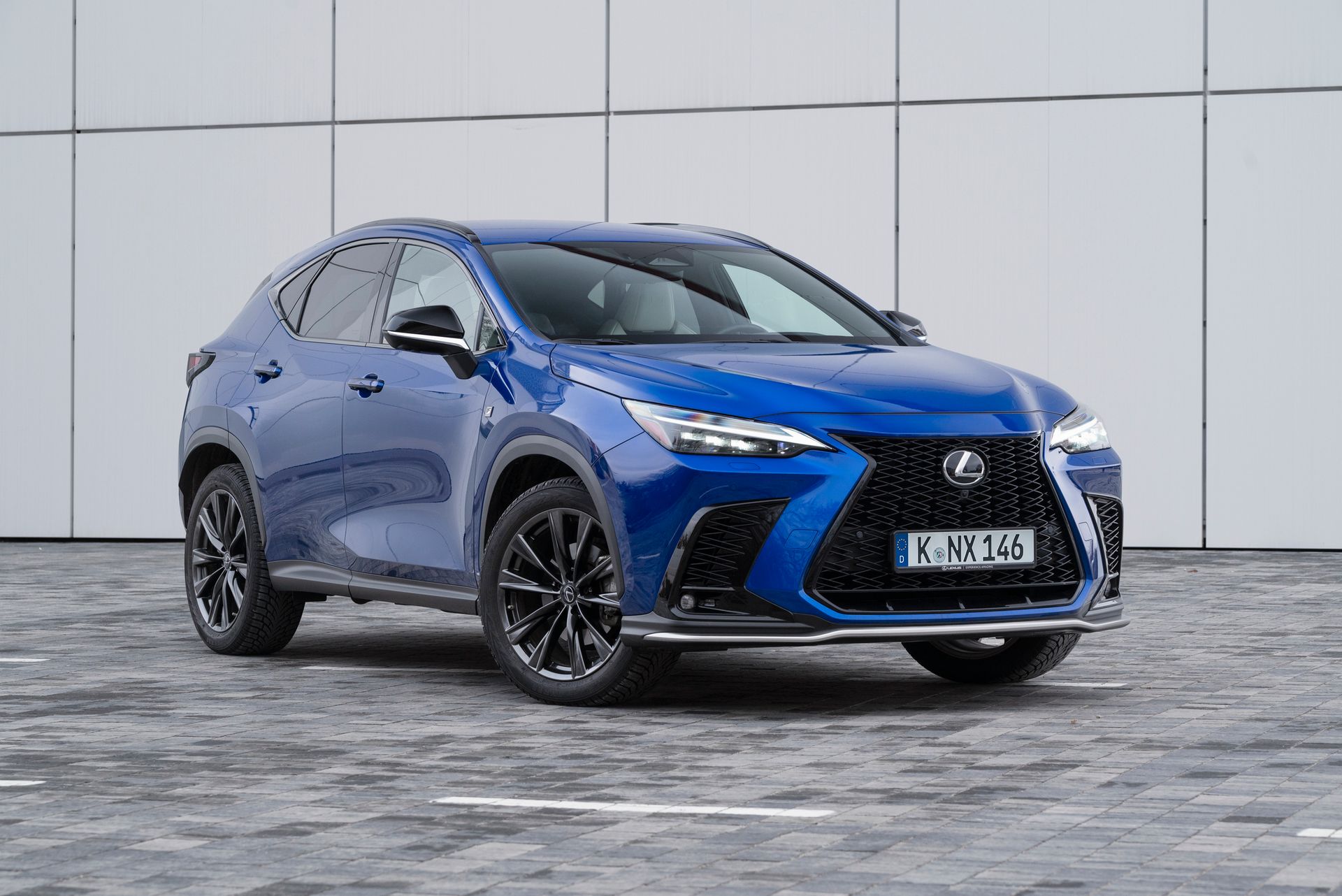
7. Lexus NX Plug-In Hybrid adds electric range with new trim
Tramino / Getty Images
The 2026 Lexus NX Plug-In Hybrid returns 37 mpg combined on gasoline and offers a meaningful electric range that the standard NX Hybrid cannot, while Lexus introduces a new, more affordable base trim called the Premium for 2026. Mike Hagerty identifies the Premium as the best value in the lineup, citing its comprehensive set of standard features and amenities as making it a strong starting point before options are added. The main practical limitation of the NX PHEV is interior space, particularly second-row legroom and cargo capacity.
The powertrain combines a four-cylinder engine with three electric motors and an 18.1-kWh lithium-ion battery pack. Hagerty rates the CVT as better than most, with smooth power delivery across the speed range. All-wheel drive is standard, and despite that configuration, the ride leans toward comfort over sport. The electric-only range reaches up to 37 miles, which is competitive in the plug-in hybrid luxury SUV class. One technical limitation applies: the NX PHEV cannot use DC fast charging, which means all charging must occur at Level 2 or slower.
At $57,810, the NX Plug-In Hybrid costs approximately $13,600 more than the standard NX Hybrid and represents a meaningful investment in electric capability. Buyers whose daily commute falls within or near 37 miles will find that investment most rewarding, as they can cover regular driving on electricity while retaining a full gasoline range for longer trips. The inability to DC fast charge narrows the time efficiency of long road trips compared to plug-in competitors that support faster charging. Buyers who primarily charge at home overnight will find the DC fast-charge limitation inconsequential in daily use. For buyers comparing the NX Hybrid and the NX PHEV, the decision turns on whether their regular driving falls within the 37-mile electric range: if it does, the PHEV’s additional cost pays back through fuel savings over time; if it does not, the standard hybrid’s lower price and simpler ownership profile may be the more rational choice.
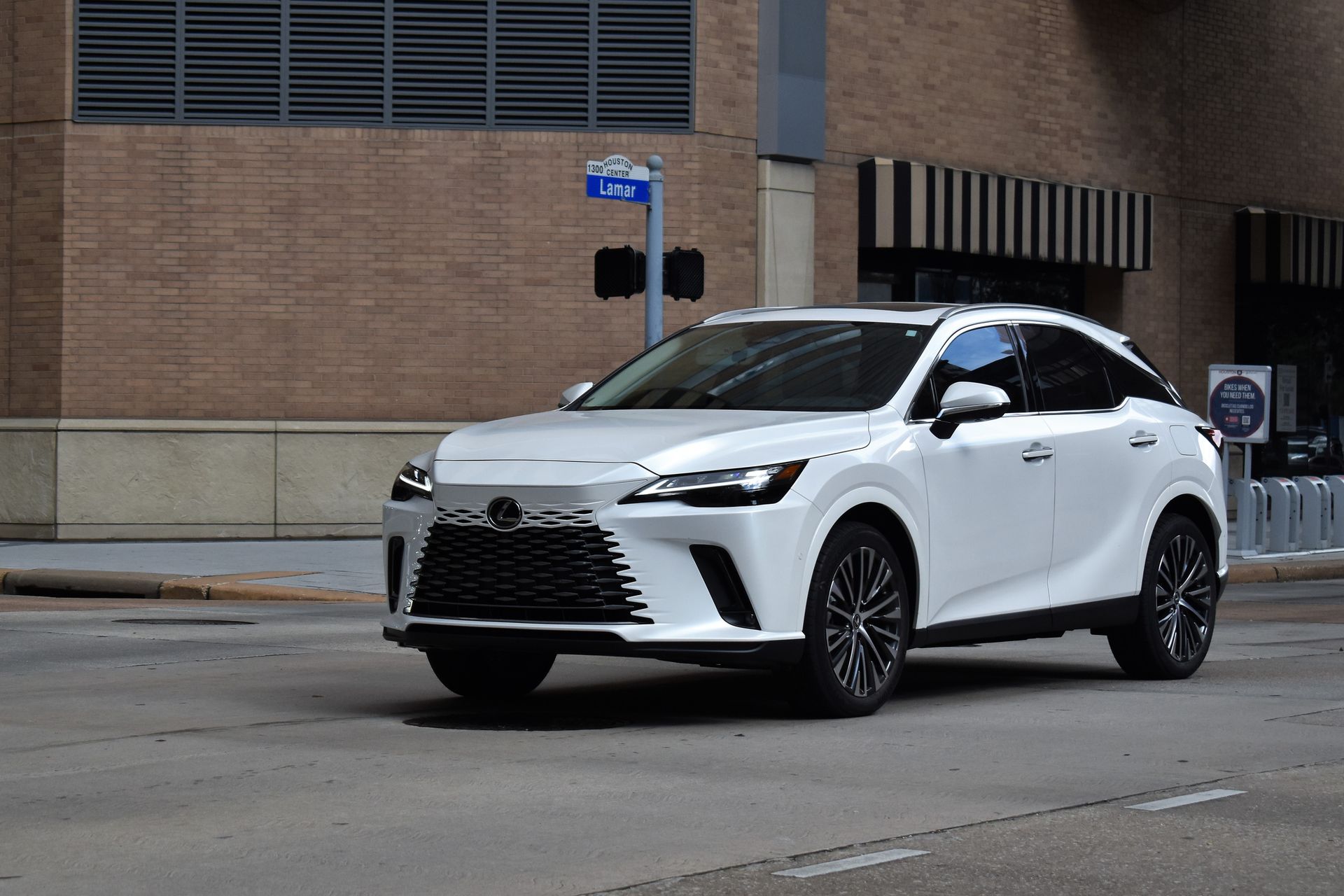
8. Lexus RX Hybrid provides 36 mpg in 2 powertrain options
Artistic Operations / Getty Images
The 2026 Lexus RX Hybrid returns 36 mpg combined and represents an upgrade path for buyers who find the NX Hybrid too small for their regular needs. Mike Hagerty acknowledges that the RX Hybrid is still somewhat more snug than most midsize rivals. It is a step up from the NX in interior space without being the roomiest vehicle in its segment. The RX Hybrid is upscale, comfortable, and capable, and Hagerty is direct about its character: there is no pretense of excitement here.
Two powertrain configurations are available. The base version uses a naturally aspirated four-cylinder engine with two electric motors, and the upgraded version adds a turbocharger for additional output. Hagerty has driven both and notes that the turbocharged engine delivers a noticeable power increase. In both cases, all-wheel drive is standard. The RX Hybrid’s suspension is comfort-tuned, and its handling reflects that priority: competent and secure but not rewarding to push.
At $52,025, the RX Hybrid sits at the bottom of the midsize luxury hybrid segment on this list. Buyers transitioning from the NX Hybrid to the RX Hybrid gain meaningful interior space and a broader powertrain selection while keeping fuel economy close to compact-SUV levels. The two-powertrain lineup gives buyers a meaningful choice between base efficiency and additional performance at a predictable price, without needing to evaluate a separate model. For buyers who need midsize comfort and strong fuel economy without a plug-in charging obligation, the RX Hybrid is the most straightforward option on this list. The comfort-tuned suspension and unhurried driving character also make it a natural fit for buyers who want a long-distance touring vehicle, not an enthusiast’s SUV. Hagerty’s observation that the RX Hybrid offers no pretense of excitement is not a criticism so much as an accurate description of exactly what this vehicle is designed to do well.
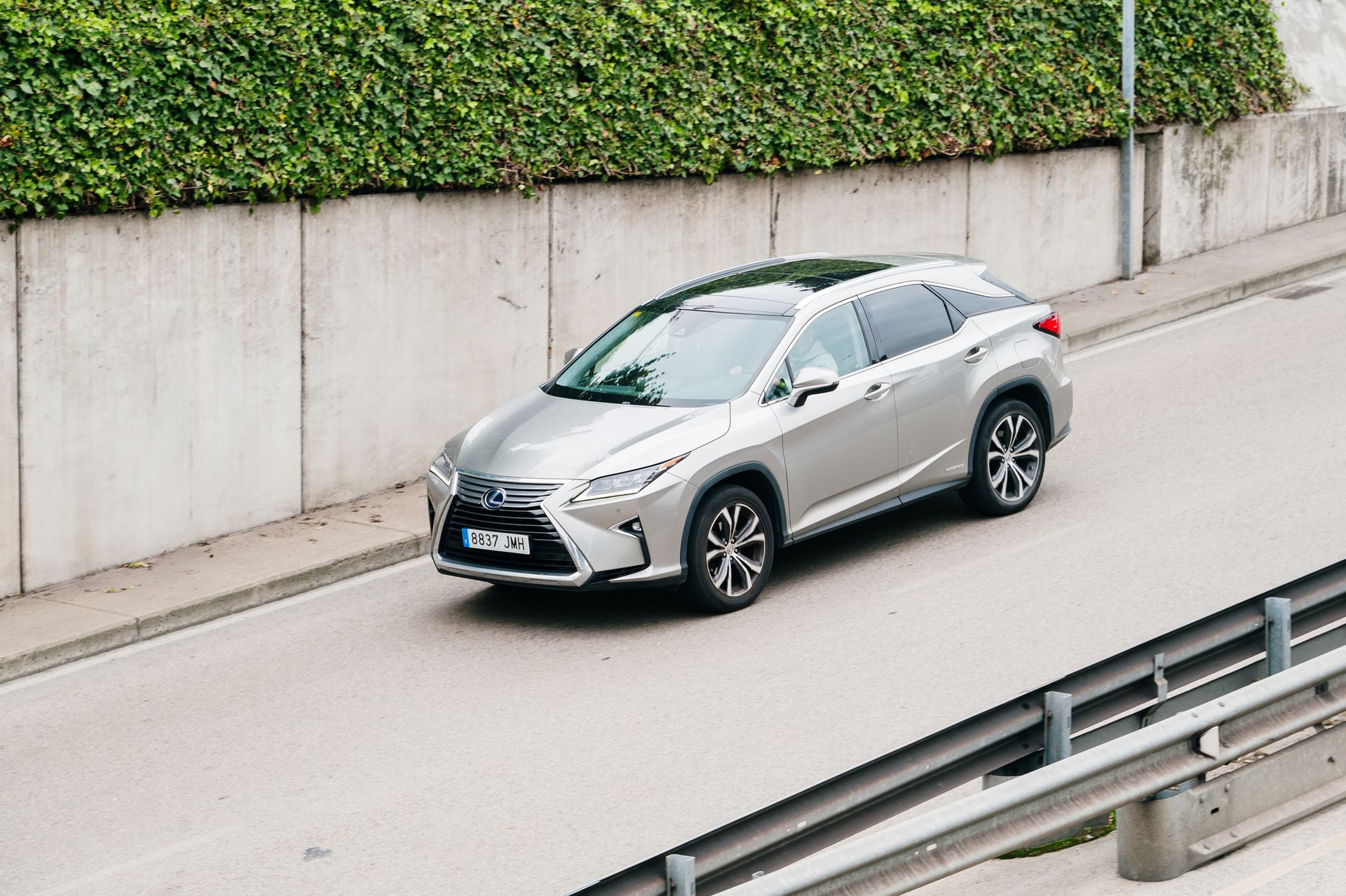
9. Lexus RX Plug-In Hybrid covers 38 miles on battery alone
MarioGuti / Getty Images
The 2026 Lexus RX Plug-In Hybrid returns 35 mpg combined on gasoline and reaches 38 miles per charge in electric-only mode, making it the most efficient luxury midsize plug-in hybrid SUV in the segment, according to reviewer Perry Stern. Stern frames the RX as one of the original luxury crossover SUVs, a vehicle that contributed significantly to Lexus’s reputation and commercial performance over decades, and notes that the plug-in hybrid architecture is a natural evolution of that legacy.
The RX PHEV balances practicality and refinement without asking buyers to choose between them: Stern describes it as luxurious enough for a special evening out but practical enough for daily errands and routine driving. A new base trim for 2026 lowers the entry price with a value-focused set of standard features, extending the RX PHEV’s accessibility. The powertrain combines a four-cylinder engine with two electric motors, a CVT, and standard all-wheel drive. Stern notes that the system transitions seamlessly between power sources, a hallmark of a mature plug-in hybrid architecture.
At $65,230, the RX PHEV is the most expensive model in the Lexus RX hybrid lineup on this list and sits at a substantial premium over the RX Hybrid. Buyers who regularly drive within the 38-mile electric range can justify the premium through fuel savings: daily commuters who charge at home overnight may rarely use gasoline on weekday trips. The 38-mile figure is competitive within the midsize plug-in luxury class and, combined with the segment-leading efficiency designation, gives the RX PHEV a specific credential no direct competitor currently matches. Buyers who regularly drive within that electric range and charge at home will find the RX PHEV’s gasoline engine functions primarily as a long-range backup, which changes the fuel cost calculus substantially. The new 2026 base trim makes the RX PHEV’s efficiency credentials available at a lower entry point than in previous model years.
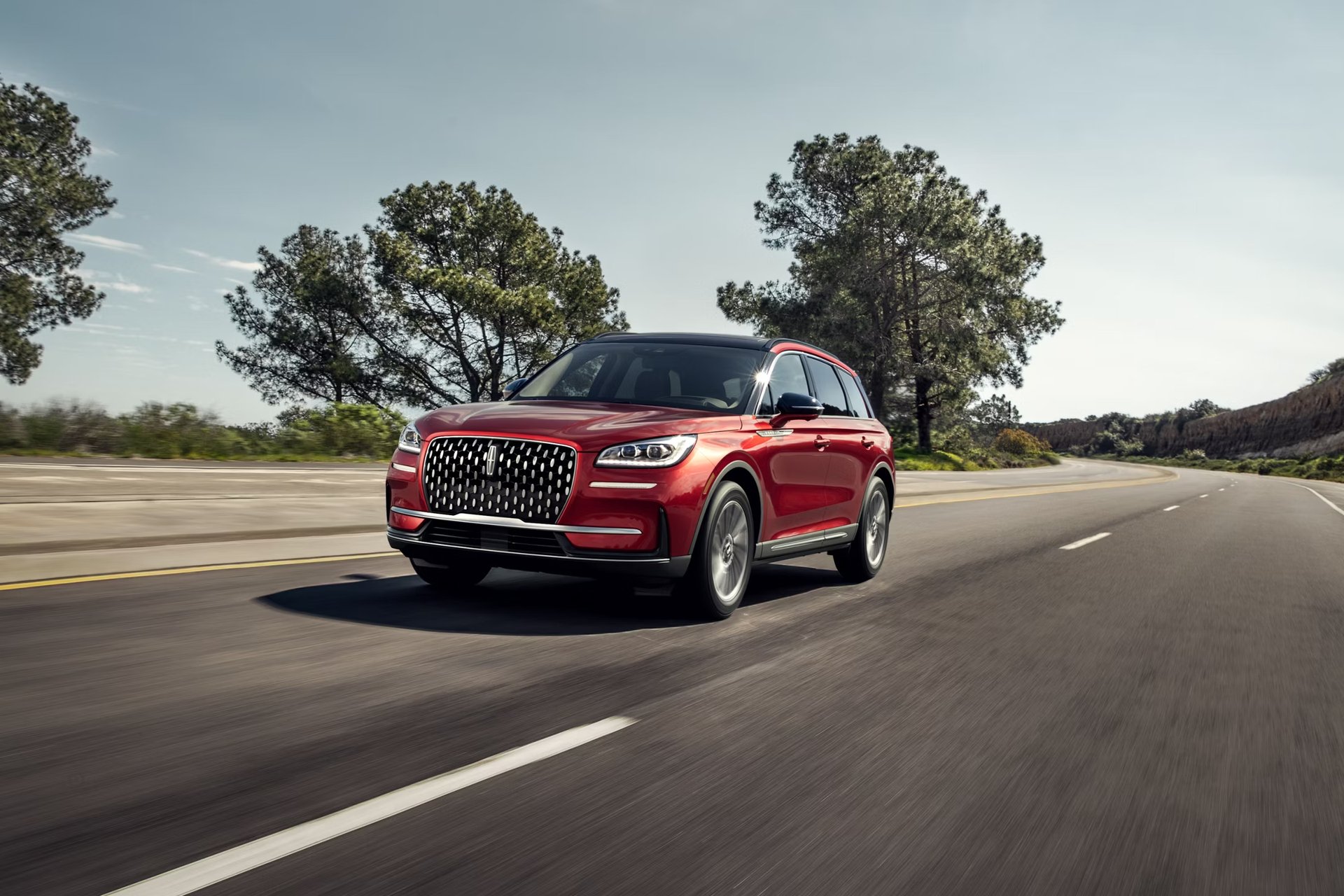
10. Lincoln Corsair Grand Touring gives low-cost PHEV access
Credit: Lincoln
The 2026 Lincoln Corsair Grand Touring starts at $54,365 and is described by contributing writer Brontë Wieland as one of the most accessible luxury plug-in hybrid SUVs on the market. Its low base price relative to plug-in luxury crossover competitors is the Corsair Grand Touring’s primary argument, and Wieland is candid about what that price buys: the Corsair Grand Touring is less engaging to drive than its rivals and offers a shorter all-electric range of just 27 miles.
The powertrain combines a turbocharged four-cylinder engine, two electric motors, and a 14.4-kWh battery pack, all paired with an electronic CVT and standard all-wheel drive. The 33 mpg combined figure applies when running on gasoline, and the cabin is comfortable, with an upscale, practical interior design that satisfies luxury expectations without exceptional distinction. The Corsair Grand Touring is a smooth cruiser whose character prioritizes comfort over engagement.
Wieland’s overall assessment is measured: most competing small plug-in hybrid SUVs deliver better efficiency and a more enjoyable ownership experience for a slightly higher price. The Corsair Grand Touring makes its case to buyers for whom the entry price is the deciding factor and who are willing to accept a shorter electric range and less spirited dynamics in exchange for the Lincoln badge and the plug-in capability at a lower upfront cost. Buyers who stretch slightly to a competitor will likely gain in both driving character and charging range, but the Corsair Grand Touring gives access to the plug-in hybrid luxury segment at a price that some of those alternatives cannot match. The 27-mile all-electric range covers a meaningful proportion of average daily commutes, and the Corsair Grand Touring's smooth, comfortable character suits buyers who want a relaxed, unfussy ownership experience in a vehicle that feels genuinely premium without demanding a premium-market budget. Among the plug-in luxury crossovers on this list, the Corsair Grand Touring occupies the entry-level price point. This is a meaningful distinction for buyers whose primary barrier to plug-in ownership has been the upfront cost.