Preparing seven nights of varied nutritious dinners in a single session requires component cooking, smart container strategies, and cross-utilizing fresh ingredients
Ello / Unsplash
Cooking dinner from scratch every single weeknight demands an extraordinary amount of time, decision-making bandwidth, and energy. By the time 6:00 p.m. arrives on a Tuesday or Thursday, the convenience of takeout often wins out over standing in front of a stove for an hour. Batch cooking on a single afternoon offers a practical solution, but standard meal prep advice often falls into a repetitive trap. Spending three hours grilling chicken breasts and steaming broccoli leads to five days of monotonous, uninspiring meals that leave home cooks burnt out by midweek.
A far more effective approach focuses on component prep rather than assembling identical fully finished meals. Instead of building complete pre-packaged dinners, an efficient afternoon cooking session transforms raw ingredients into versatile building blocks. Sheet pans of roasted root vegetables, double batches of grain bases, simmering pots of multi-use proteins, and vibrant homemade sauces form an adaptable inventory. During the week, combining these pre-cooked elements into distinct dishes takes less than 10 minutes. On Monday night, roasted pork shoulder becomes a grain bowl with chimichurri; on Wednesday, that same pork transforms into street tacos with quick-pickled onions.
This strategy maximizes efficiency, reduces food waste, and keeps weeknight meals dynamic. It also respects the reality of kitchen mechanics. By organizing tasks by equipment rather than by recipe, you maximize oven space, minimize sink dishes, and maintain momentum throughout a two-to-three-hour prep window. Crucially, successful batch preparation relies on understanding how different foods store, reheat, and interact over five to seven days. Knowing when to freeze, how to layer sauces, and which vegetables retain their texture ensures that Friday night's dinner tastes as fresh as Sunday afternoon's final bite. Here is how to execute a week of distinct, high-quality dinners in a single afternoon.
Torbjørn Helgesen / Unsplash
Designing a high-yield meal prep session starts long before lighting a burner or picking up a chef knife. The key to prepping seven distinct dinners without buying an overwhelming quantity of groceries lies in overlapping ingredients across multiple meals. When planning the menu, select two core proteins, two versatile grains, three or four sturdy vegetables, and two contrasting sauces that share complementary flavor profiles. For example, a single batch of roasted pulled chicken can anchor a Mediterranean quinoa bowl on Monday, a spiced chicken quesadilla on Tuesday, and a green salad with crunchy pepitas on Thursday. By assigning every perishable item to at least two different dinners on your calendar, you eliminate waste and shrink your grocery list. This intentional overlap ensures that you purchase whole, bulk quantities of produce and meats rather than buying small, expensive portions of single-use items.
Nathan Dumlao / Unsplash
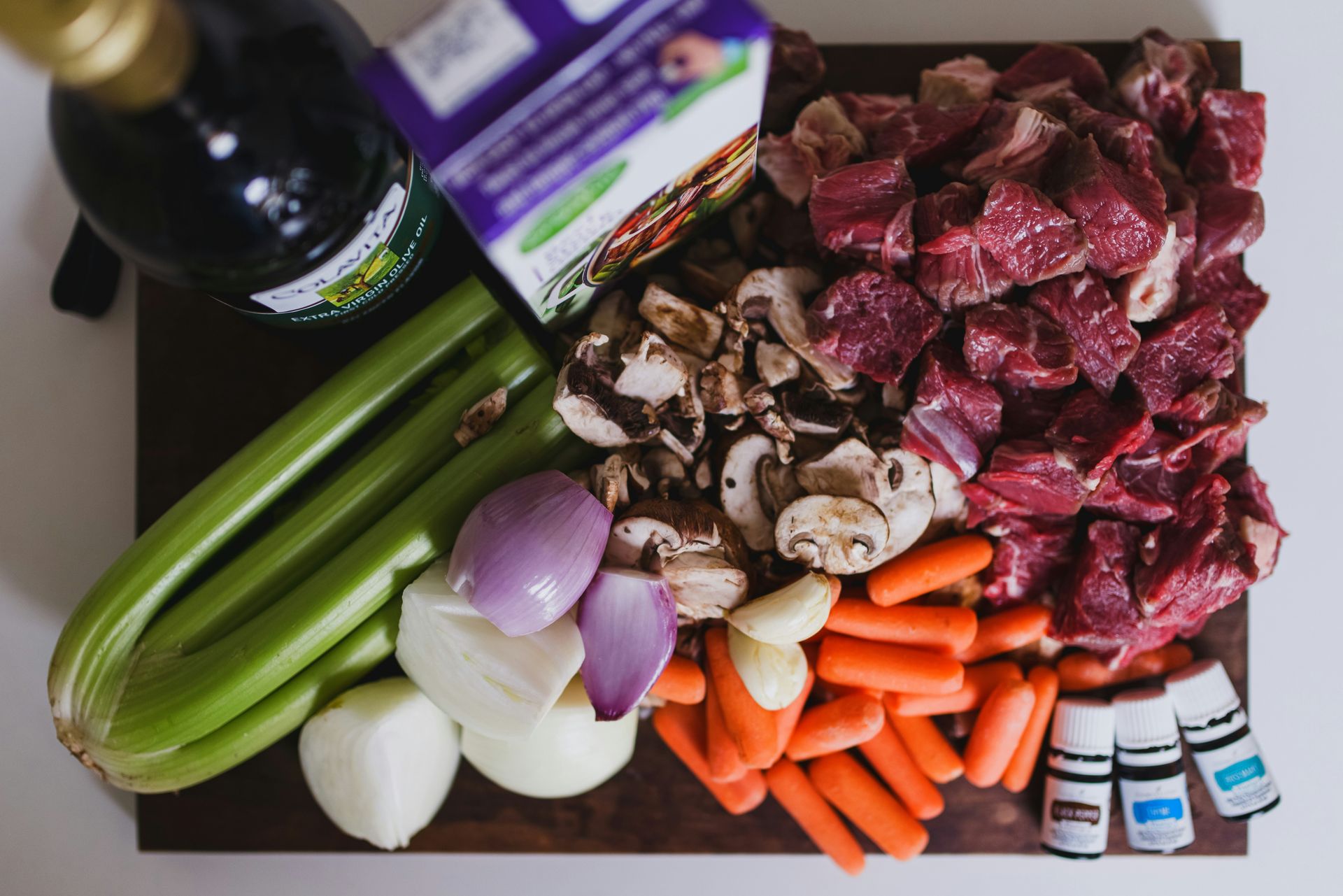
Attempting to cook four separate recipes from start to finish sequentially is the fastest way to turn a single afternoon into an exhausting, mess-filled ordeal. Efficient batch prep requires grouping kitchen tasks by physical technique rather than by the final dish. Begin your session by executing all wash-and-chop prep for every vegetable on the menu at once on a single cutting board. Next, move to all stovetop grain and legume boiling, filling burners simultaneously so those items can simmer unattended. While grains cook, fill sheet pans with chopped vegetables and proteins to roast in a hot oven together. Working in functional waves keeps your workspace clear, reduces the number of times you wash your hands, knife, and cutting board, and keeps every appliance running concurrently to compress three hours of cooking into 90 minutes.
David Trinks / Unsplash
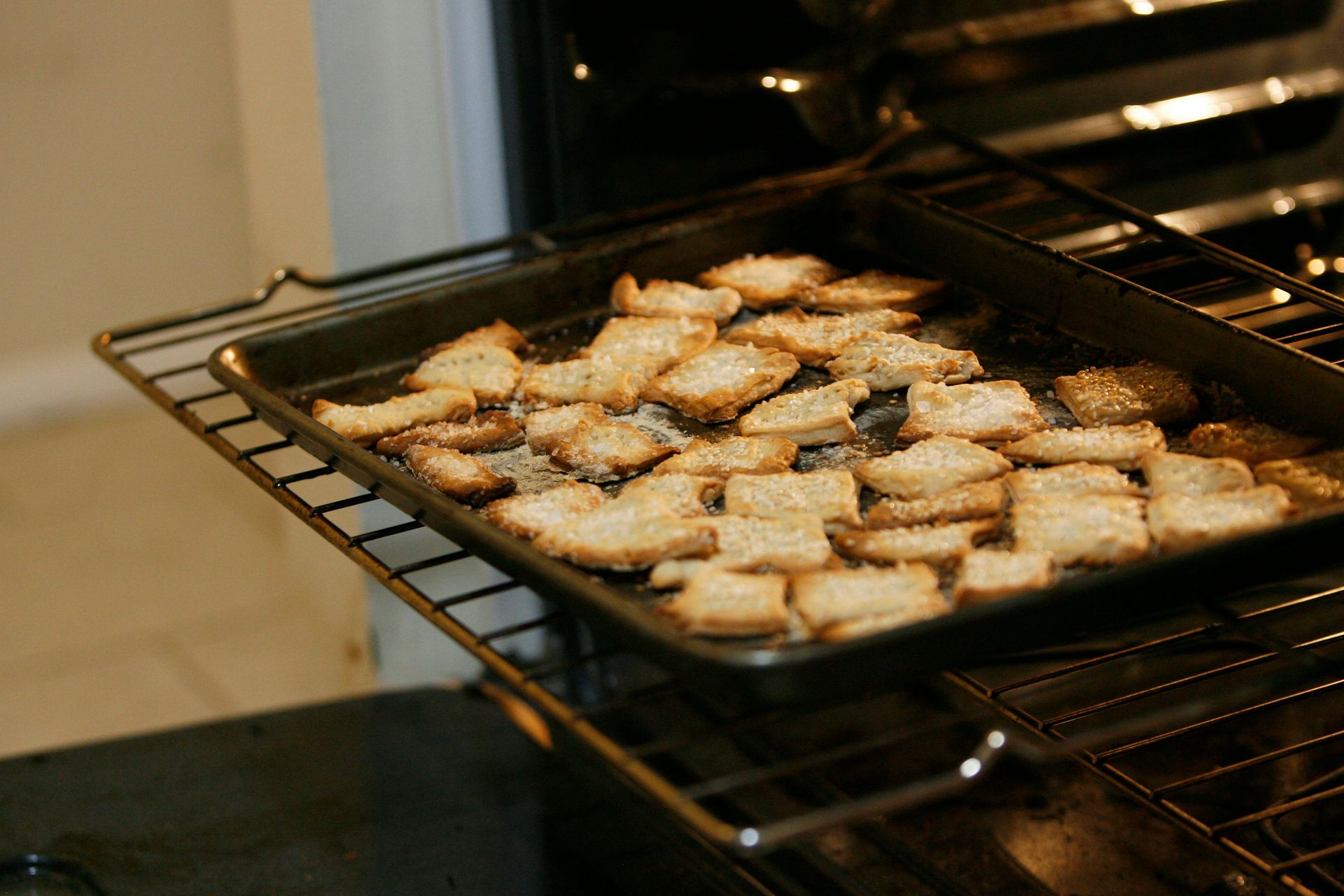
The oven is the most valuable tool for high-volume component cooking because it provides indirect, hands-off heat across massive surface areas. Set the oven to 425 degrees Fahrenheit, a temperature high enough to achieve caramelization and deep flavor through the Maillard reaction without turning vegetables into mush. Group produce on sheet pans by moisture content and density rather than mixing soft and hard vegetables on one tray. Heavy root vegetables like sweet potatoes, carrots, and butternut squash require 35 to 40 minutes, so place them on one pan. Fast-cooking vegetables like broccoli florets, bell peppers, and asparagus belong on a separate pan that can come out after 15 to 20 minutes. Lining pans with parchment paper eliminates sticking, ensures even browning, and allows you to wipe down trays between uses with minimal scrubbing.
Gu Ko / Pexels
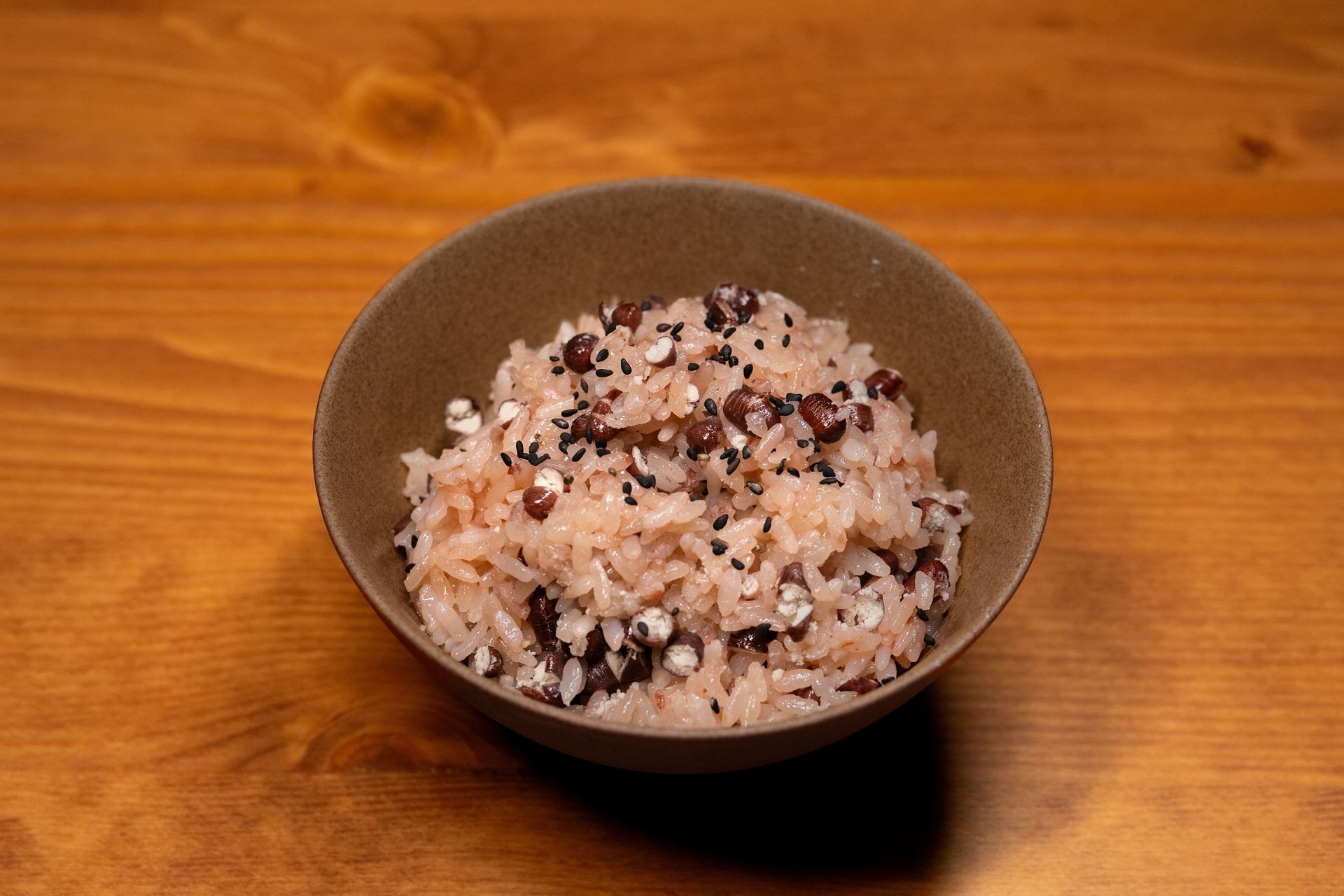
Grains provide the stabilizing carbohydrate foundation for bowls, side dishes, and bakes, making them essential for afternoon prep. Rather than cooking small cups of different grains across the week, pick two complementary options like brown rice, farro, quinoa, or wild rice and prepare large batches simultaneously. Mastering the simple liquid-to-grain ratio saves time and prevents mushy results: two parts liquid to one part grain for brown rice, and two parts liquid to one part quinoa. Cook grains in rich, seasoned liquids like low-sodium chicken stock or vegetable broth along with a bay leaf, garlic clove, or citrus peel instead of plain water. Once cooked, spread the hot grains thinly across a clean sheet pan for 10 minutes to let trapped steam escape. Air-cooling prevents grains from continuing to cook in their own moisture, keeping individual grains distinct, tender, and firm during storage.
one click / Pexels
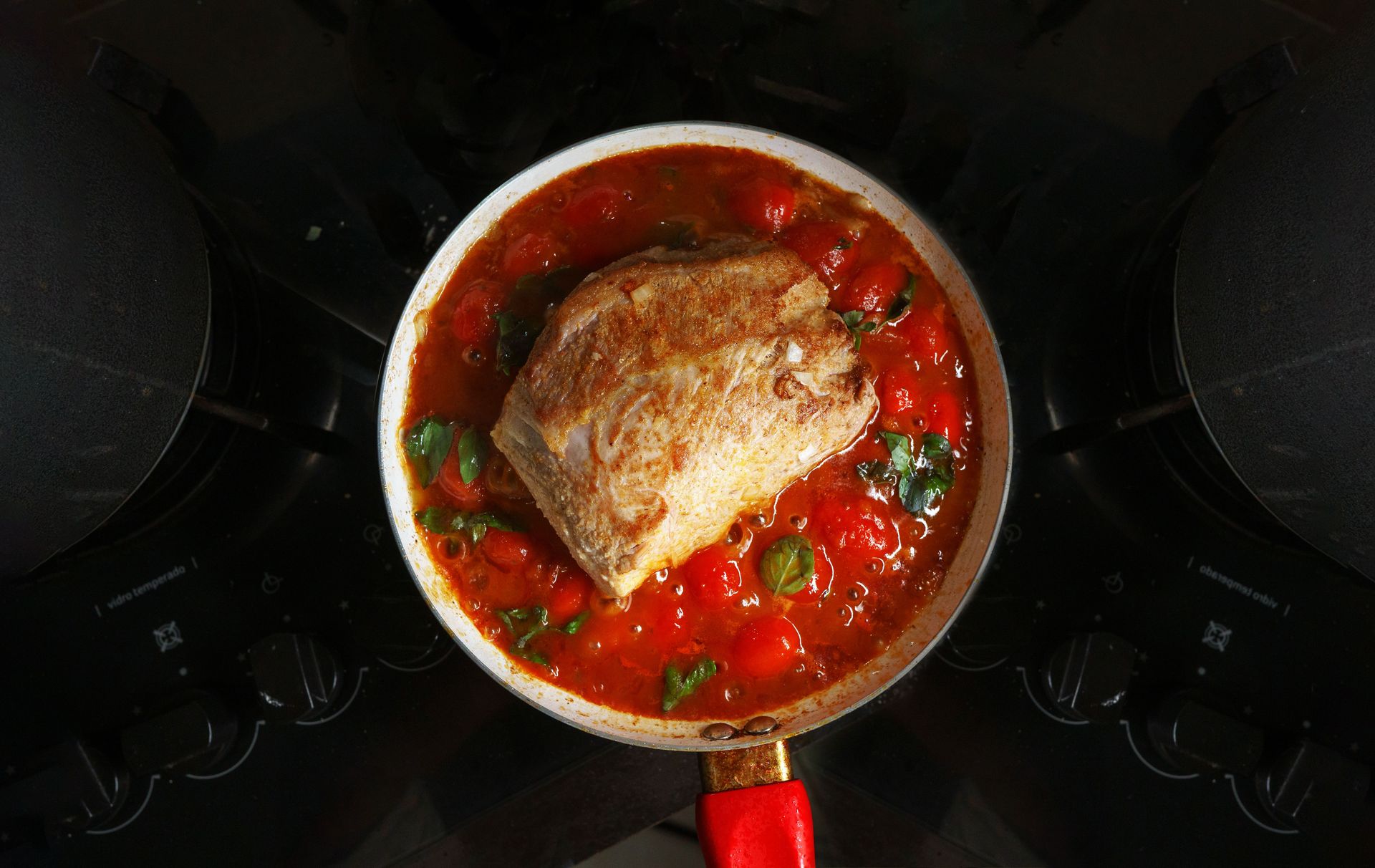
While your oven handles vegetables and your stovetop boils grains, dedicate an electric pressure cooker or slow cooker to braising a large, tough cut of meat. Cuts like pork shoulder, beef chuck roast, or bone-in chicken thighs contain collagen that breaks down into rich gelatin over long, low-heat cooking cycles. Season the meat with a neutral base profile—such as garlic, onion powder, cumin, and sea salt—that can bend easily toward different cuisines later in the week. A four-pound pork shoulder cooked in a pressure cooker yields enough tender, shredded meat for carnitas, barbecue sandwiches, and Asian noodle bowls. Once cooked, shred the protein directly in its braising juices. Storing the meat submerged in its broth prevents lean muscle fibers from drying out in the refrigerator, keeping the protein moist and flavorful through Friday.
Doris Morgan / Unsplash
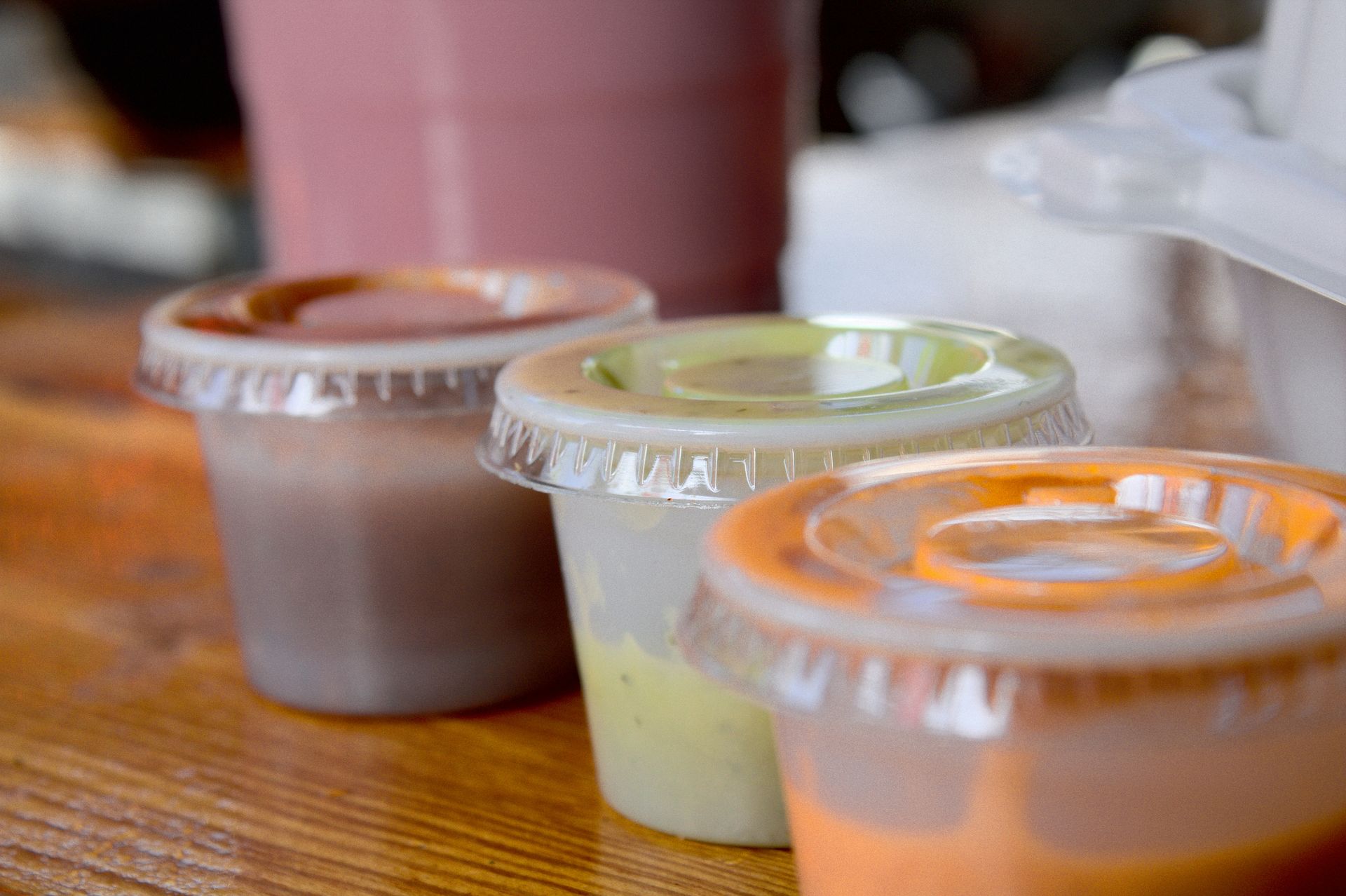
Sauces, dressings, and condiments are the primary mechanism for transforming identical base ingredients into completely distinct culinary experiences throughout the week. Dedicate 20 minutes of your afternoon prep to blending two bold, contrasting sauces from scratch, such as a bright, herbaceous green chimichurri and a creamy, smoky chipotle peanut sauce. Store-bought dressings often contain low-quality oils, excessive sodium, and artificial stabilizers that dull flavor profiles over time. Fresh, emulsion-based sauces made with cold-pressed olive oil, fresh citrus juice, garlic, and fresh herbs carry intense flavor that coats pre-cooked grains and roasted vegetables instantly. Having two distinct sauces on hand means Tuesday night's roasted sweet potato and black bean bowl tastes completely different from Thursday night's sweet potato and black bean wrap, despite using the exact same prepped base ingredients.
Marcelo de la Torre / Unsplash
One of the most common mistakes in batch preparation is transferring hot food directly from a pot or baking sheet into airtight storage containers. Sealing hot food traps steam inside the container, raising the internal temperature and creating condensation that drips back onto the food. This excess moisture makes roasted vegetables soggy, turns grains into a gummy paste, and accelerates bacterial growth by keeping food in the danger zone between 40 and 140 degrees Fahrenheit. To preserve texture and food safety, spread cooked items out on rimmed baking sheets or wide metal trays in a thin layer immediately after cooking. Allow everything to cool to room temperature for no more than 30 to 45 minutes before packing. Rapid air-cooling sets the texture, preserves crisp edges, and extends refrigerator shelf life by several days.
S'well / Unsplash
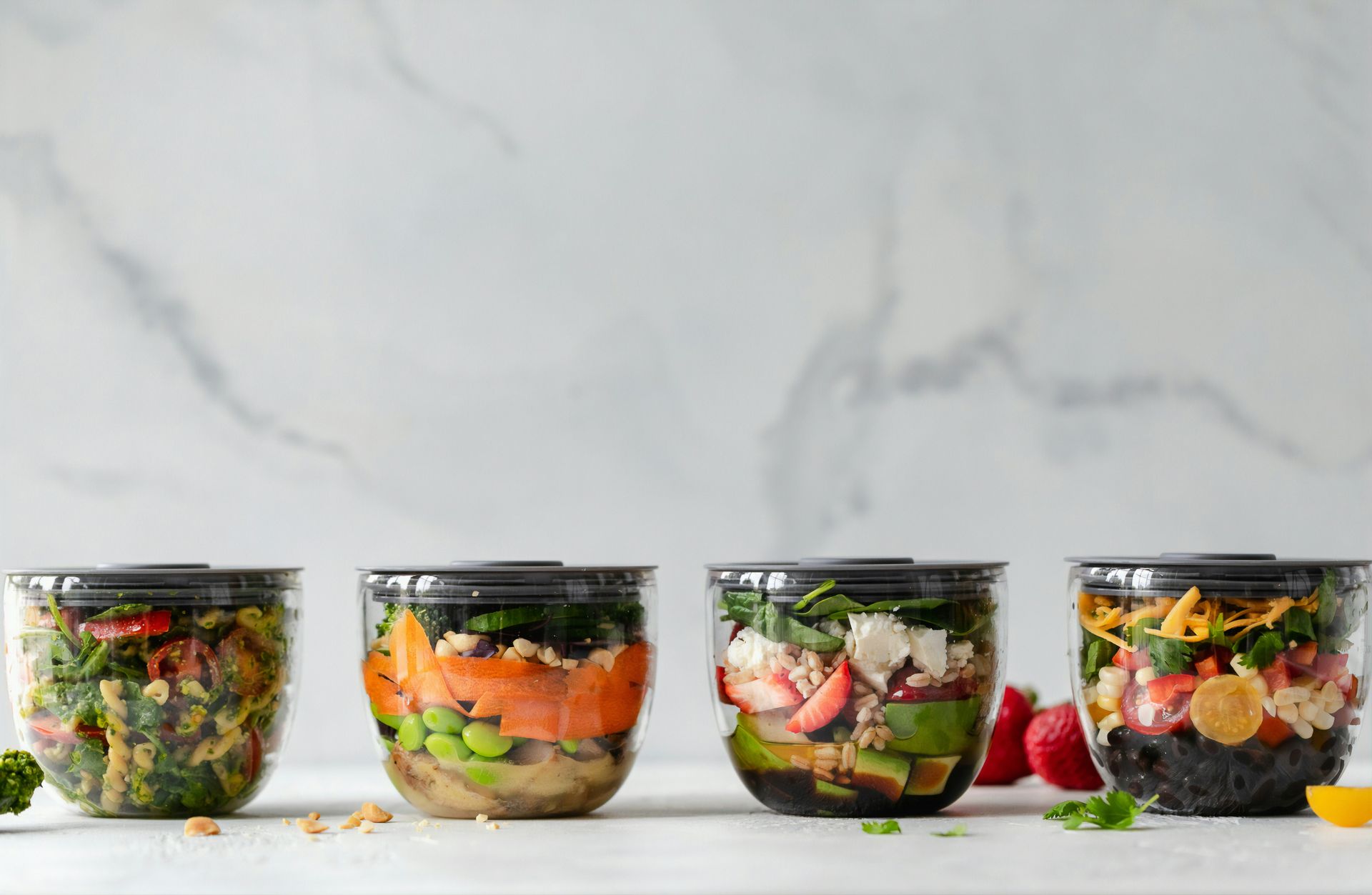
Eating fresh, crisp salads on Thursday or Friday requires an intentional assembly strategy that keeps moisture away from delicate greens. When packing salad kits during your prep afternoon, use tall, wide-mouth glass jars or deep vertical containers. Place the heaviest, wettest ingredients at the very bottom, starting with vinaigrettes, pickled vegetables, or marinated beans. Layer firm chopped vegetables like cucumbers, radishes, and cherry tomatoes directly above the liquid base. Add cooked grains, cooked proteins, and toasted nuts or seeds in the middle section. Finally, pack fresh leafy greens like arugula, romaine, or spinach tightly at the top, furthest away from the dressing. Seal the container tightly and store it upright. When you are ready to eat on a weeknight, invert the container into a large bowl; the dressing coats the greens on top while keeping everything underneath crisp.
PROJETO CAFÉ GATO-MOURISCO / Unsplash
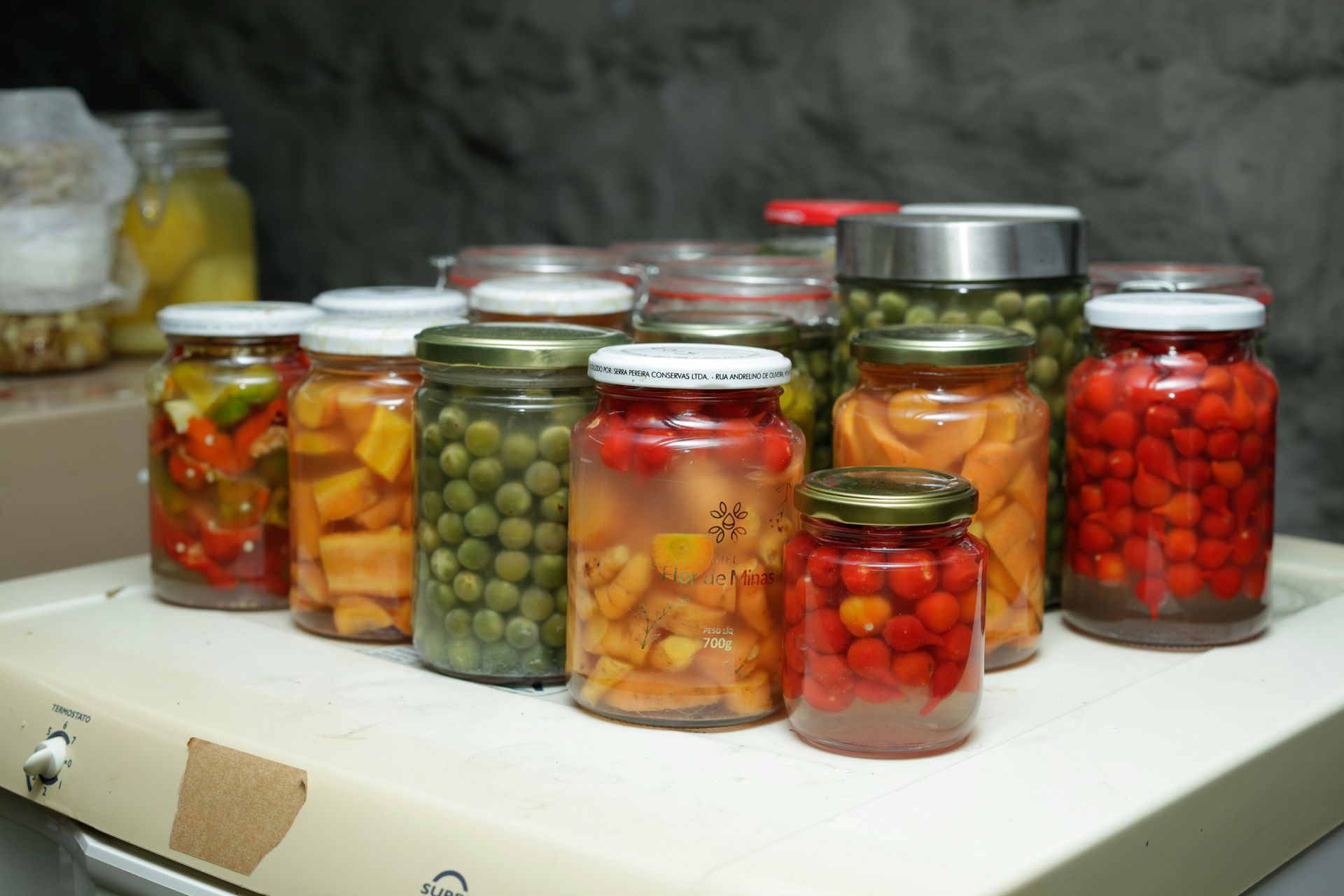
Acid balances heavy fats, cuts through salt, and brightens pre-cooked foods that have spent a few days in the refrigerator. During your prep afternoon, spend five minutes creating a quick-pickling brine by combining equal parts vinegar and water with a pinch of salt and sugar in a small saucepan. Heat until the solids dissolve, then pour the hot liquid over thinly sliced red onions, jalapeños, radishes, or cucumbers packed into glass jars. Quick-pickled vegetables require no formal canning process and develop deep, tangy flavor within two hours. Stored in the refrigerator, they remain crisp and usable for up to three weeks. Tossing a handful of pickled red onions over a weeknight grain bowl, taco, or roasted chicken plate adds immediate visual appeal, crunch, and sharp acidity that elevates prepped components to restaurant quality.
Ella Olsson / Unsplash
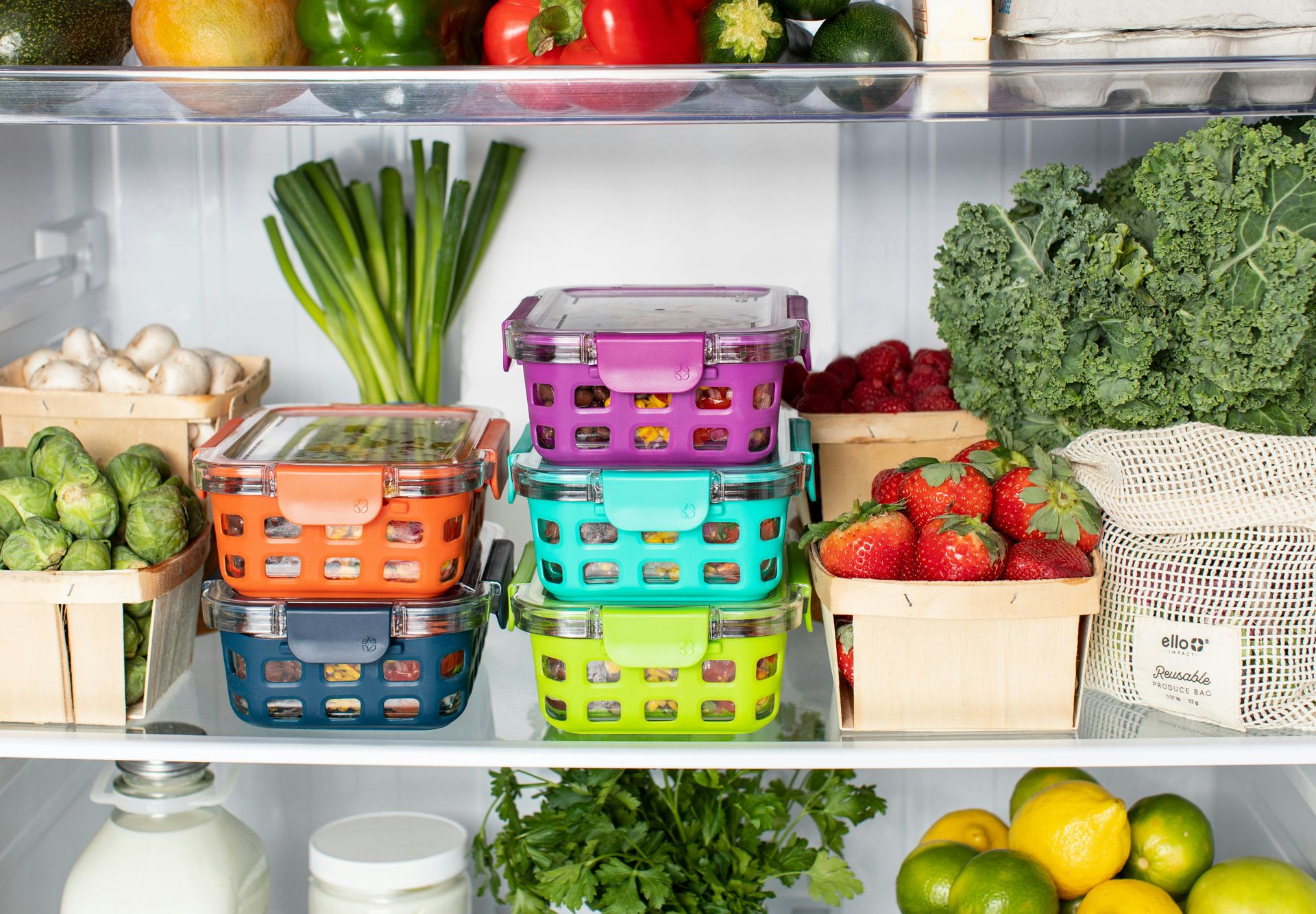
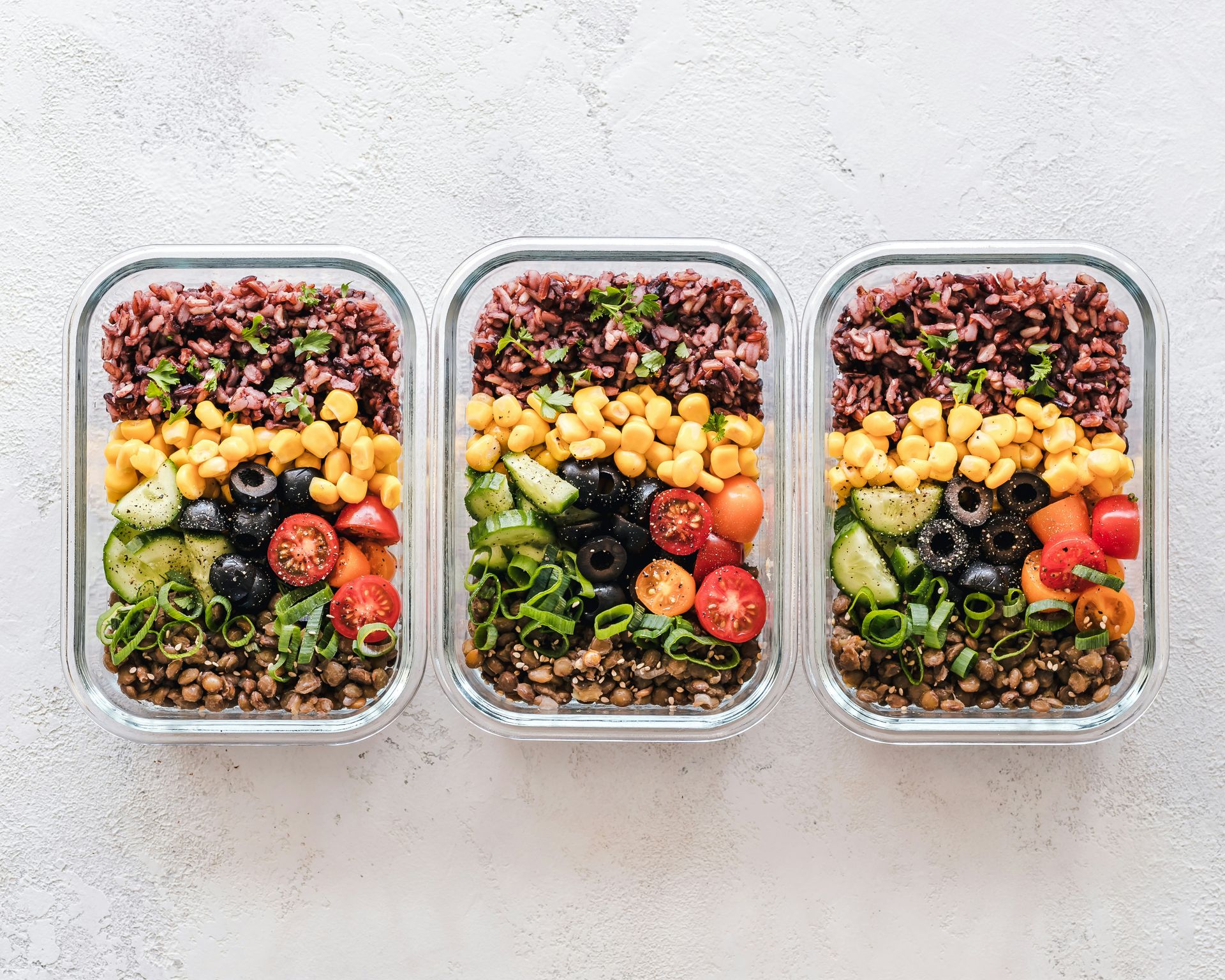
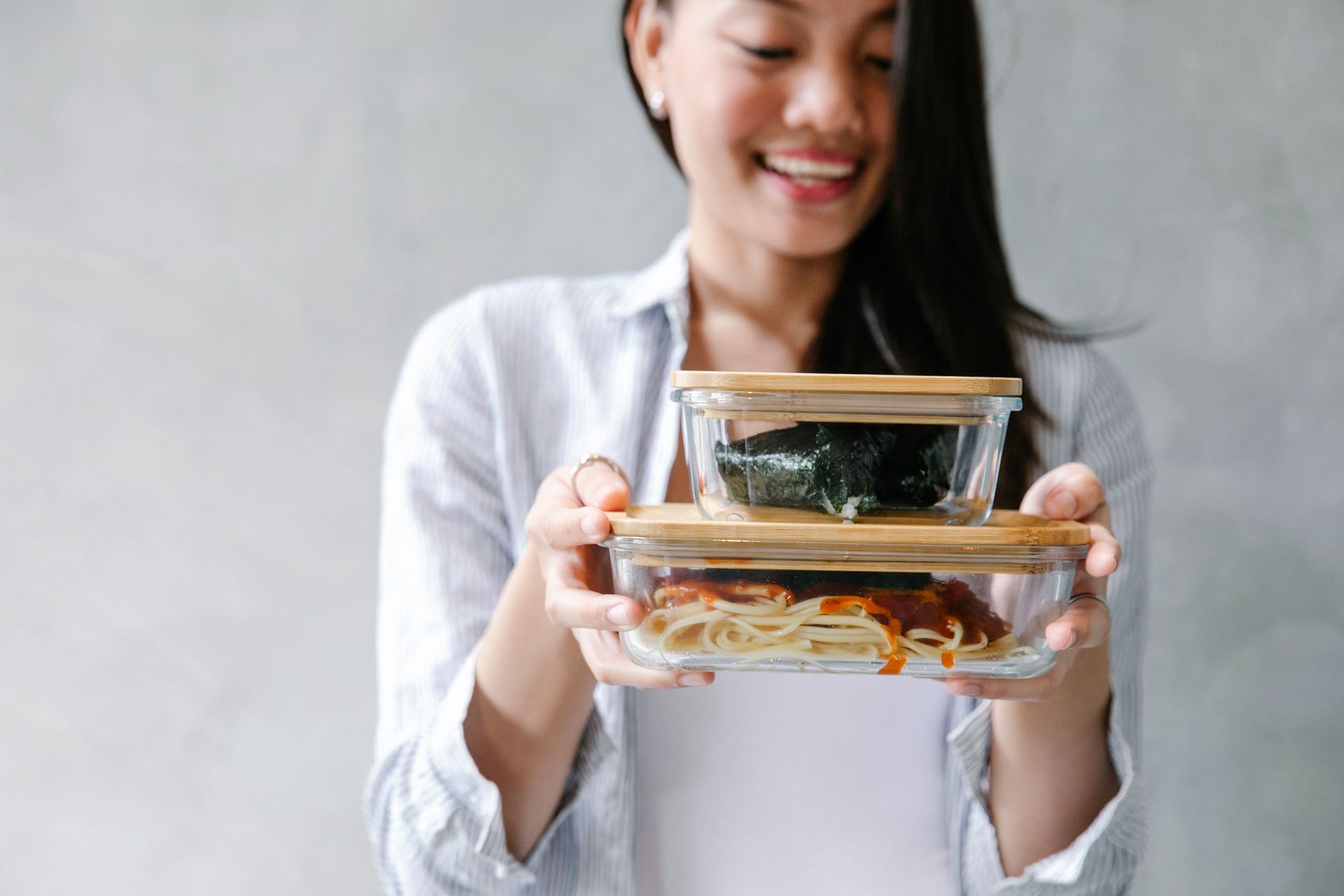
Visibility is critical when maintaining an organized, stress-free weeknight dinner system. Storing prepped components in opaque, mismatched plastic containers leads to forgotten food buried at the back of refrigerator shelves, resulting in unnecessary food waste. Invest in a uniform set of clear glass containers fitted with locking, leak-proof silicone lids. Glass is non-porous, meaning it will not absorb odors, stain from tomato sauces, or leach chemicals into warm food. Clear containers allow you to assess your inventory at a single glance when opening the refrigerator door, making weeknight meal assembly seamless. Furthermore, glass handles thermal shock far better than plastic, allowing you to transition containers safely from the refrigerator straight into a hot oven or microwave without warping or degrading the material.
Sarah Chai / Pexels
Food quality naturally degrades after three to four days in a standard domestic refrigerator, even when stored in high-quality airtight containers. To ensure that meals planned for late in the week taste as fresh as those eaten on Monday, divide your prepped components into two categories on prep day: short-term and long-term storage. Keep meals intended for Monday through Wednesday evening in the main refrigerator compartment. Immediately pack meals or cooked proteins destined for Thursday through Sunday into freezer-safe containers, leaving a half-inch of headspace for expansion. Freeze cooked stews, grain bases, and braised meats in single-serving or family-sized portions. On Wednesday night, transfer Thursday's frozen portion to the refrigerator to thaw slowly overnight, preserving moisture, texture, and flavor without risking bacterial contamination.
Cats Coming / Unsplash
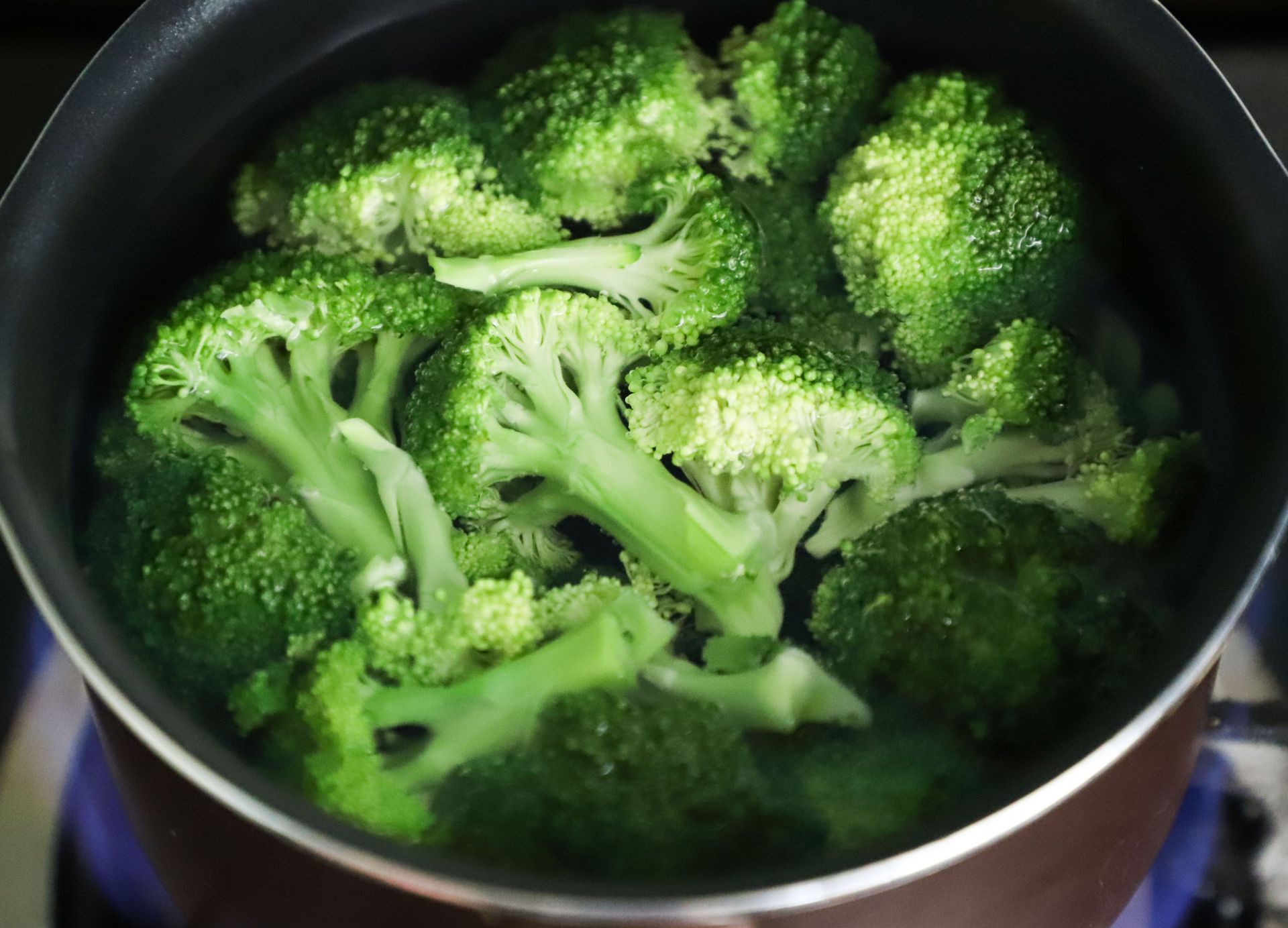
Soft green vegetables like green beans, sugar snap peas, broccolini, and asparagus lose their vibrant color and turn limp when roasted too far in advance or reheated multiple times. To prep these delicate greens for the entire week, use the blanch-and-shock technique on your prep afternoon. Bring a large pot of heavily salted water to a rolling boil, drop in the trimmed green vegetables, and cook them for merely 60 to 90 seconds until their color brightens to vivid emerald. Immediately remove the vegetables with a slotted spoon and submerge them in a large bowl filled with ice water. The rapid temperature drop stops the cooking process instantly, setting the bright green chlorophyll and preserving a firm, snappy texture. Drain well and store dry; on weeknights, these vegetables need only 60 seconds in a hot skillet to heat through.
Erik Mclean / Pexels
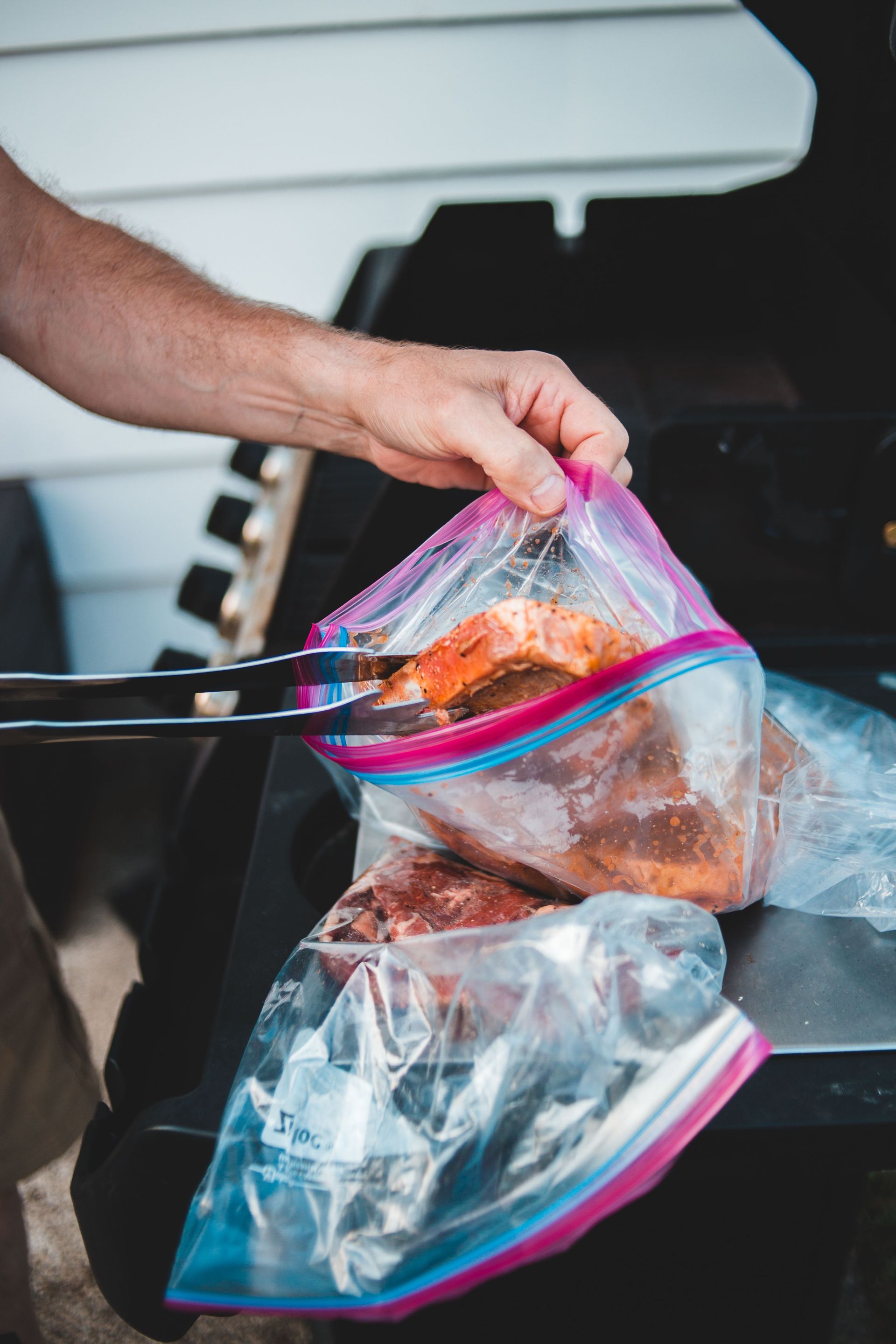
Not all weeknight proteins need to be fully cooked during your Sunday prep afternoon. Cooking delicate items like salmon fillets, shrimp, or chicken breasts days before eating can result in dry, rubbery meat upon reheating. Instead, spend 10 minutes on prep day trimming raw proteins, sliding them into freezer-safe zip-top bags, and pouring raw marinades directly over them. Citrus juices, yogurt, olive oil, garlic, and spices penetrate the raw muscle tissue as it rests. Place the bagged marinades straight into the freezer. As the protein freezes and later thaws in the refrigerator on Wednesday or Thursday morning, the meat absorbs maximum flavor without breaking down or drying out. On weeknight evening, simply drop the thawed protein onto a hot skillet or sheet pan for a fresh, hot dinner made in minutes.
Rachel Claire / Pexels
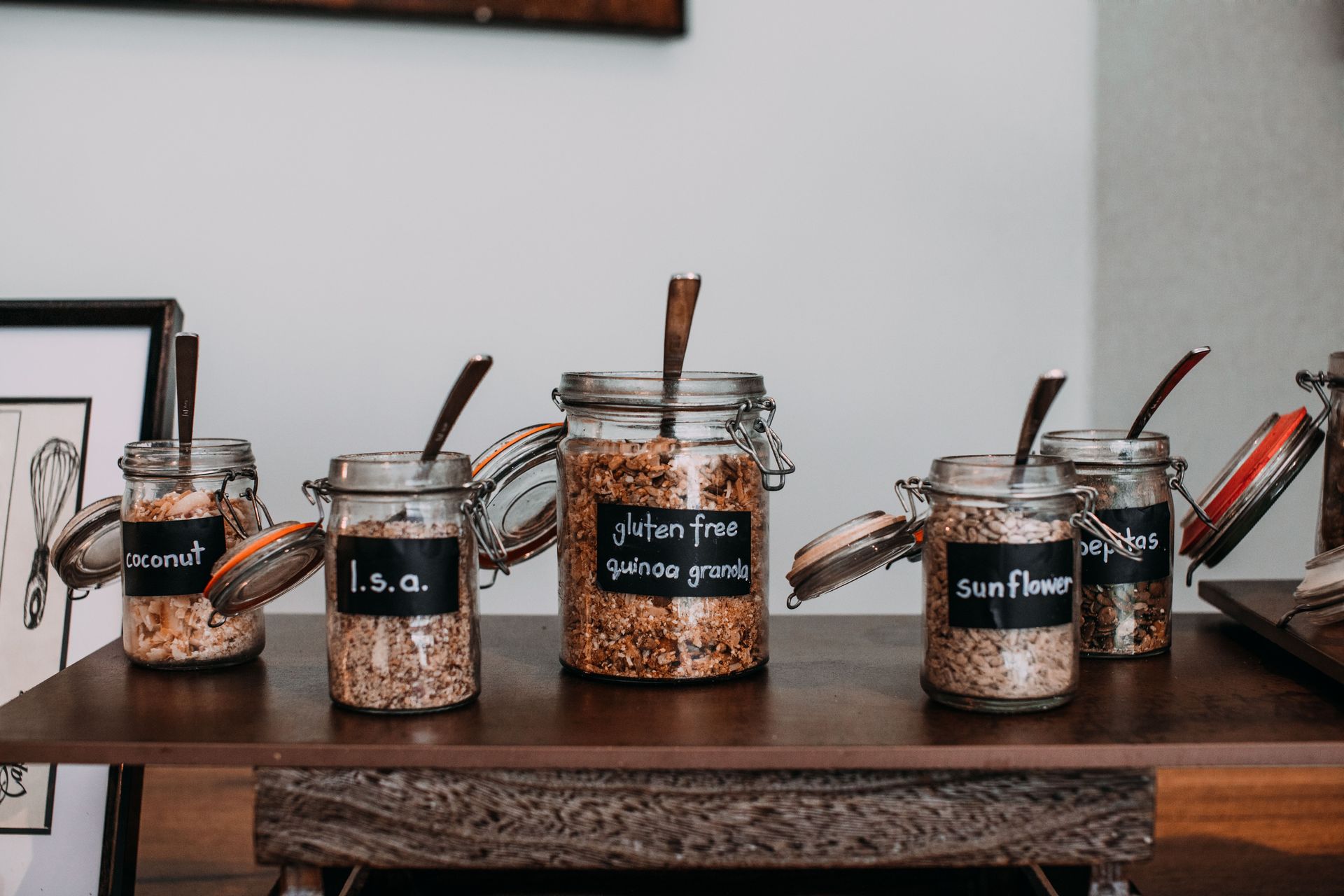
Even the most meticulous home cook can forget whether a container of grain contains brown rice or farro after three days in a crowded refrigerator. Labeling is a fundamental commercial kitchen habit that eliminates guesswork and ensures proper food safety rotation at home. Keep a roll of blue painter's tape and a permanent marker in your kitchen drawer specifically for prep day. Label every single container with the exact name of the item and the date it was cooked before placing it in the refrigerator or freezer. Clear labels prevent family members from opening the wrong containers, help you track which items need to be consumed first, and enforce strict adherence to the four-day refrigerator rule for cooked meats and dairy-based components.
Laura Ohlman / Unsplash
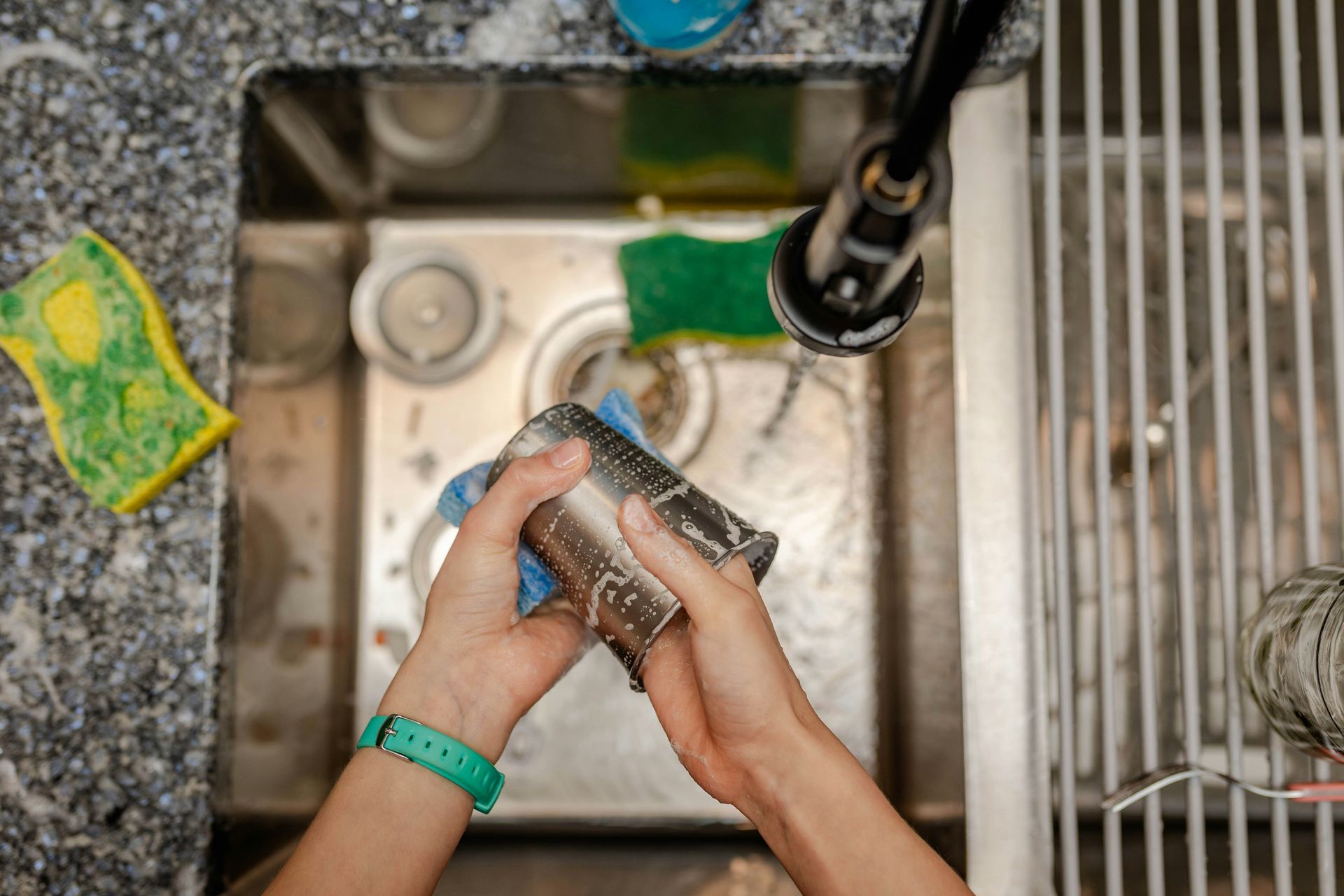
A successful meal prep session is not finished when the last lid snaps shut; it ends when the kitchen is completely restored to a clean, workable state. Leaving dirty pots, cutting boards, and greasy sheet pans piled high in the sink creates psychological friction that makes batch cooking feel burdensome and unappealing for future weekends. Build a strict 15-minute cleanup protocol directly into your afternoon timeline. Unplug electric appliances, wash large pots and cutting boards by hand immediately, run the dishwasher with all prep bowls and utensils, and wipe down countertop surfaces with disinfectant. Empty the trash and compost bins so no food scraps linger overnight. Walking into a spotless, orderly kitchen on Sunday evening with a refrigerator full of labeled, ready-to-use ingredients completes the process and sets an effortless tone for the week ahead.
