
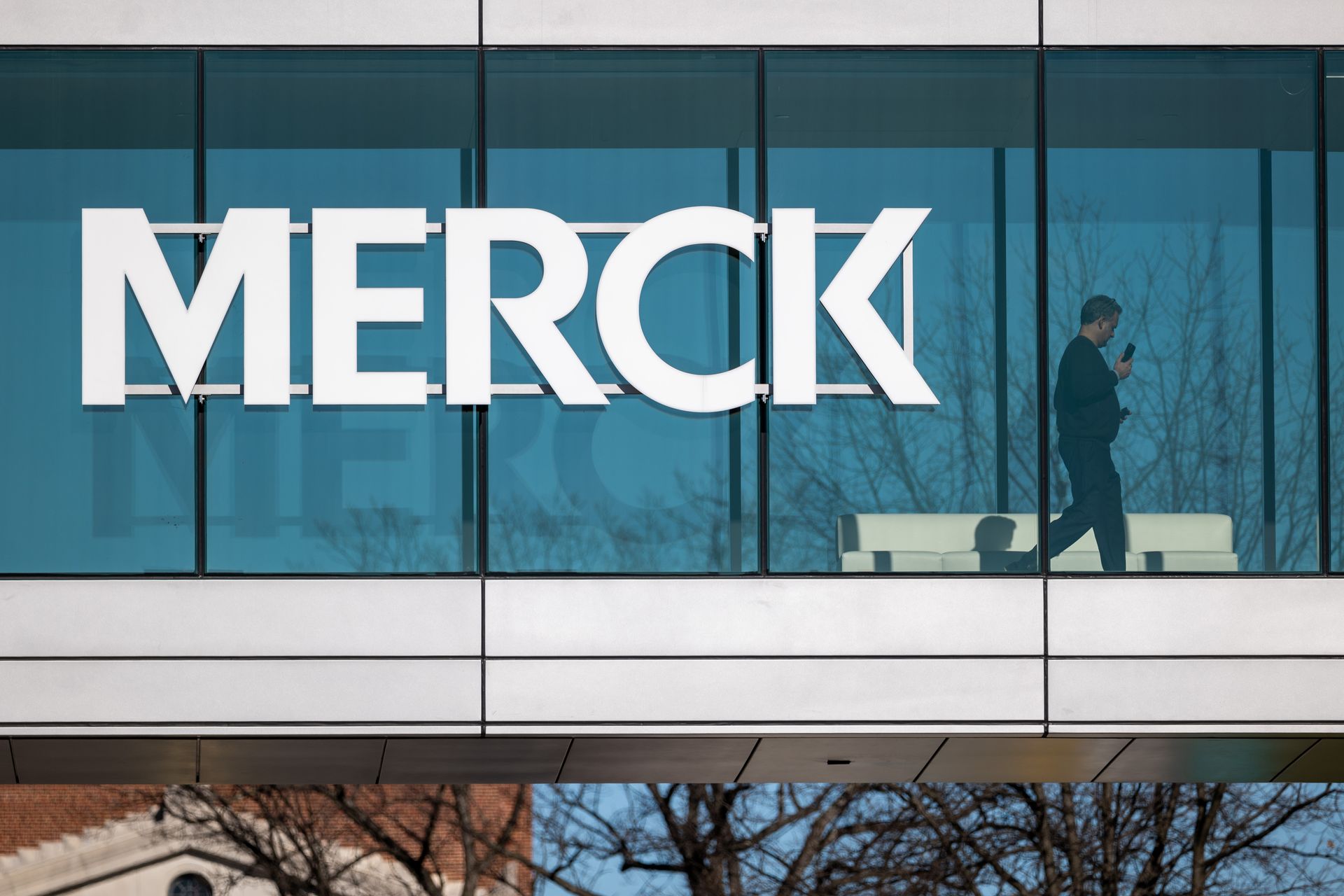
National security investigations targeting Merck $MRK and AbbVie have been launched by a bipartisan coalition of U.S. lawmakers, centering on the companies' involvement in clinical trials at Chinese facilities, including those tied to the country's military, Reuters reported.
Rep. John Moolenaar, a Michigan Republican who chairs the House Select Committee on China, signed the Monday-dated letters calling on both companies to submit information by July 17 covering how they vet trial locations, protect data, and uphold safety standards — with particular scrutiny on sites in Xinjiang and at hospitals connected to China's military.
According to the committee's findings, Merck — headquartered in New Jersey — has been linked to 224 clinical studies in China dating back to 2005, with at least 31 of those taking place in Xinjiang and 40 at facilities connected to the Chinese military. For Illinois-headquartered AbbVie, the tally since 2007 exceeds 100 studies, with at least 17 involving Xinjiang sites and 16 at military-linked centers.
"Conducting this research at PRC military hospitals puts the cutting-edge, biotechnology Intellectual Property of American companies at potential risk of being transferred to the Chinese military," the letters said, according to the outlet.
Addressed to both companies' chief executives — Robert Michael at AbbVie and Robert Davis at Merck — the letters stop short of alleging misconduct, stating that neither firm is known to have broken any laws, while still warning that China-based trial activity puts American companies at risk on both ethical and national security fronts. They also note that Xinjiang is the center of Beijing's "genocide" targeting Uyghurs and other ethnic and religious minorities, and that Chinese researchers have documented lapses in obtaining informed consent from trial participants.
Merck said patient safety and ethical integrity are priorities of its clinical research program and that it follows all global guidelines. A spokesperson for China's embassy in the U.S. said there is "nothing credible" in the committee's actions and that China opposes moves to politicize trade and technology issues.
The investigations are part of broader U.S. government concern over China's growing role in biotechnology. One study cited by Reuters found that China's portion of global early-stage drug development climbed from 8% in 2015 to more than 32% by 2024, while the U.S. share slid from 48% to about 37% over the same period.
AbbVie, whose newer immunology drugs Skyrizi and Rinvoq have driven recent revenue growth as its former top seller Humira has faced biosimilar competition, declined to address the investigation specifically. The Biosecure Act, signed into law by President Donald Trump last year, restricts federal agencies' business dealings with non-U.S. biotechnology companies, according to the outlet.