
20 things that will shock first-time visitors to the Middle East
From driverless subways to malls with indoor ski slopes, here is the practical picture behind a first trip through the Middle East
Credit: Yassen Kounchev / Pexels
The Middle East stretches from the Mediterranean coast of Lebanon to the dunes of Oman. No single description fits all of it. A week in Dubai's air-conditioned malls looks nothing like a week wandering the souks of Amman. It looks nothing like the beach clubs of Bahrain either. What unites the region for a first-time visitor is not sameness. It is a set of assumptions most travelers carry from home. Those assumptions cover religion, wealth, dress, and daily rhythm. They rarely survive contact with the place itself.
Western media has leaned for decades on a narrow set of images: oil wealth, desert landscapes, conservative dress codes, and little else. That picture leaves out a region where camel racing runs on robotics. It leaves out malls that contain ski slopes and museums that compete for global architectural attention. It leaves out a workweek that starts on a different day than it does in New York or London. It also skips over how fast the rules change from one border to the next. A glass of wine that draws no attention in Beirut is illegal in Riyadh. A dress code that is optional in most of the Gulf is written into law in Tehran.
This list is built around the practical picture rather than the postcard one. It covers what day businesses close and what airport security looks like. It covers how much a taxi costs and why the coffee cup keeps getting refilled, whether a guest asks for it or not. It focuses on the countries most first-time visitors actually reach: the UAE, Qatar, Saudi Arabia, Oman, Bahrain, Kuwait, Jordan, and Lebanon. It does not try to speak for a region of more than a dozen countries with different governments, economies, and histories.
None of this ranks one country's customs against another's. None of it suggests the region is more foreign than it is. Every one of these facts has a reason behind it, whether that reason is climate, religion, economics, or history. Knowing the reason ahead of time turns a jarring moment at customs or dinner into something closer to genuine interest.
The Middle East is not one culture
Credit: Kos / Pexels
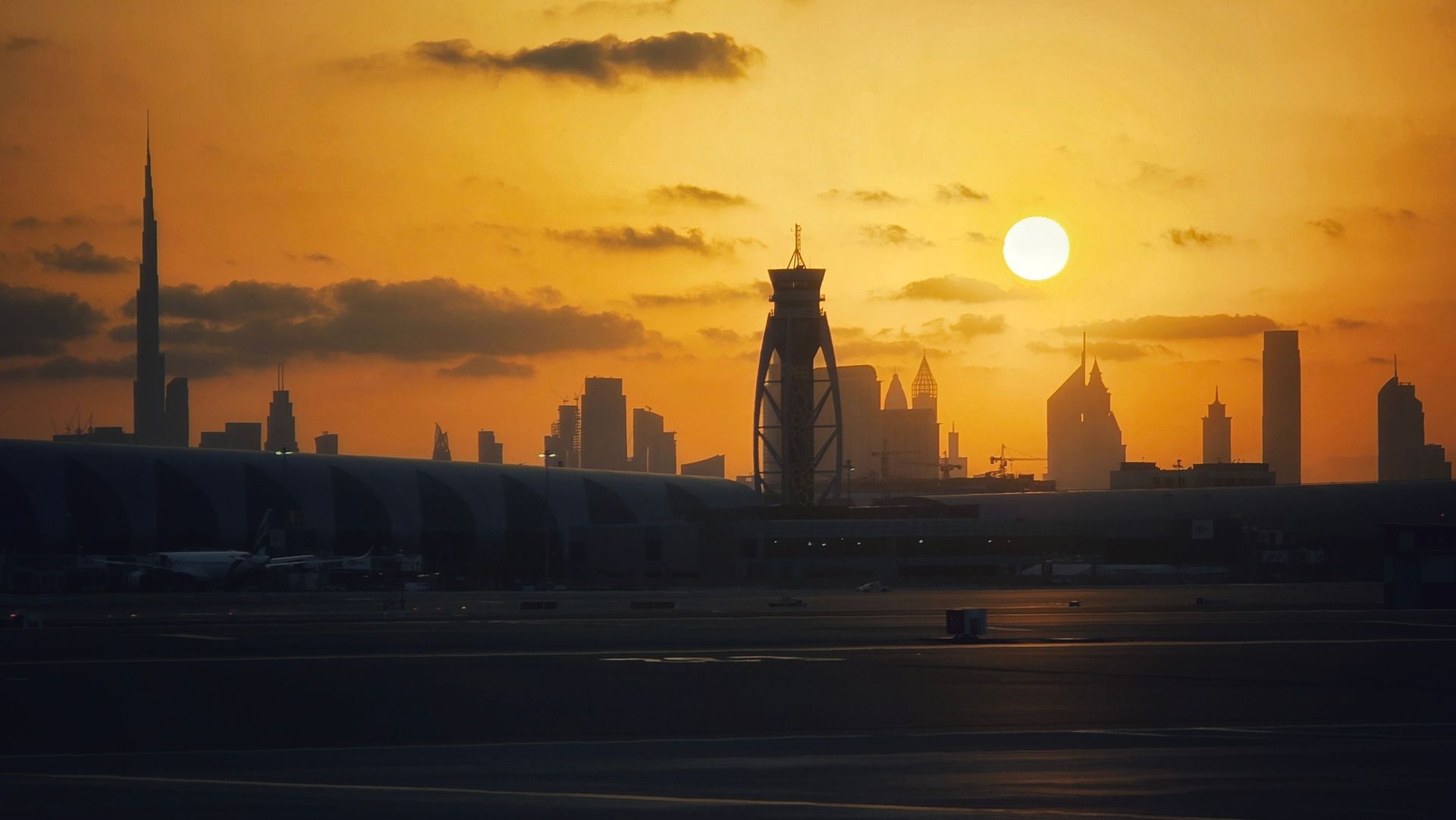
"Middle East" is a geographic label, not a cultural one. The region usually includes Bahrain, Egypt, Iraq, Jordan, Kuwait, Lebanon, Oman, Qatar, Saudi Arabia, Syria, the United Arab Emirates, and Yemen. It often includes Israel and the Palestinian territories too. Some definitions add Iran and Turkey, depending on who is drawing the map. These countries do not share a language. They do not share a government system or a level of economic development. Arabic is the majority language across most of them. Persian is spoken in Iran, Hebrew in Israel, and Turkish in Turkey. Dozens of regional dialects exist on top of that, and some can be hard for Arabic speakers from other countries to follow.
Religion follows the same pattern. Islam is the majority faith across the region. But Lebanon has one of the highest concentrations of Christians in the Arab world. Iraq and Syria are home to some of Christianity's oldest surviving communities. Bahrain has a centuries-old Jewish community alongside a Shia Muslim majority and a Sunni ruling family. Druze communities live across Lebanon, Syria, and Israel. Their faith developed separately from mainstream Islam 1,000 years ago.
Wealth varies just as widely. Qatar and the UAE post some of the highest per capita incomes in the world. That wealth is built on oil and gas exports, and increasingly on tourism and finance. Yemen and Syria rank among the poorest countries on Earth, shaped by years of conflict. Jordan and Lebanon sit in between. Tourism, remittances, and services drive economies that have weathered real strain in recent years.
A first-time visitor who treats the region as a single destination will misjudge almost everything, from a packing list to a conversation topic. The advice that applies in Dubai often does not apply in Beirut. The customs that hold in Riyadh can look different two hours away in Kuwait. Treating each country on its own terms, rather than as a stand-in for "the Middle East," is the single most useful mental shift a new visitor can make before arriving.
Weekends fall on different days depending on the country

Credit: MART PRODUCTION / Pexels
Most of the Gulf runs on a Sunday-through-Thursday workweek. Friday and Saturday form the weekend instead of Saturday and Sunday. Saudi Arabia made this switch in 2013. It moved from a Thursday-Friday weekend to align its stock exchange and banks with international markets. Qatar, Kuwait, Bahrain, and Oman follow the same Friday-Saturday pattern today.
The UAE broke from this pattern more recently. Starting in January 2022, the federal government shifted to a four-and-a-half-day workweek. Monday through Thursday are full working days. Friday is a half day, and the weekend then runs from Friday afternoon through Sunday. The change was designed to align Dubai and Abu Dhabi's business hours more closely with Europe and the U.S. It shortened the gap a Friday-Saturday weekend created with Western markets. Many private employers in the UAE have adopted the same schedule. Practice still varies by company, though.
The practical effect catches travelers off guard, regardless of which pattern a given stop follows. A visitor arriving in Riyadh, Doha, or Kuwait City on a Thursday evening may find banks and ministries already closed for the weekend. Thursday there carries something closer to the feeling of a Friday elsewhere. A visitor in Dubai or Abu Dhabi now finds a schedule that looks far more familiar. Saturday and Sunday are largely free, with only a half day of adjustment on Friday.
Not every country in the wider region follows a Gulf pattern at all. Egypt keeps a Friday-Saturday weekend across most of the public sector. Lebanon, with its large Christian population, has long observed the more familiar Saturday-Sunday break. Friday hours are adjusted there to accommodate Muslim prayer, and Sunday stays free for church. A first-time visitor planning a multi-country itinerary should check the specific weekend for each stop. The old assumption that the whole region runs Friday to Saturday is now only true for part of it.
Alcohol rules shift completely at the border
Credit: Xuân Thống Trần / Pexels
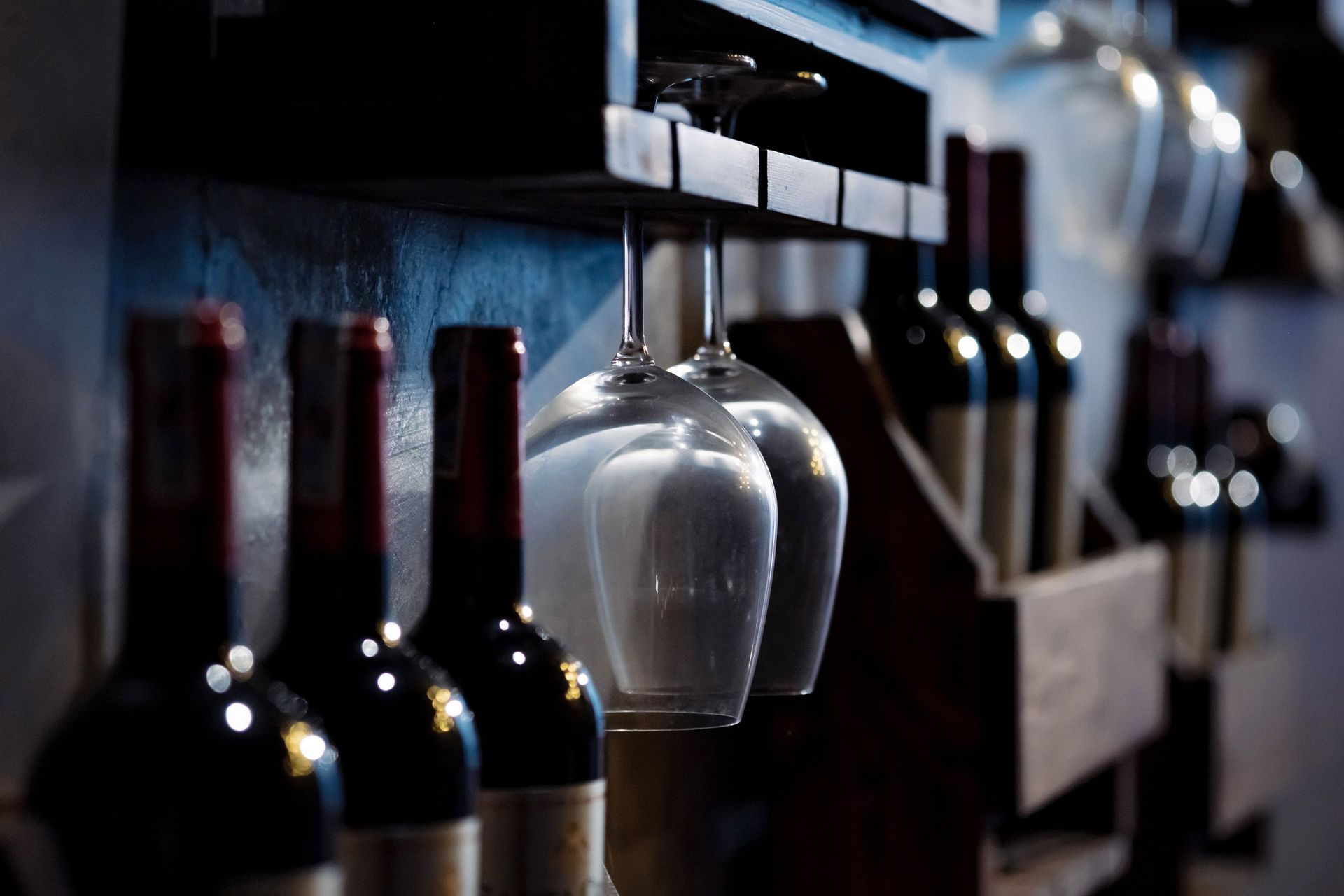
Few things change as sharply between neighboring countries as alcohol policy. Saudi Arabia and Kuwait ban alcohol outright. There is no exception for tourists, hotels, or diplomatic status, outside a small number of embassy compounds. Bringing alcohol into either country, even in small amounts, can result in confiscation or fines. The ban extends to non-Muslim visitors as much as citizens.
The UAE is more complicated than a single national policy, since its seven emirates set their own rules. Licensed hotels, restaurants, and bars in Dubai and Abu Dhabi serve alcohol to guests over 21 without checking for a personal license. Buying a bottle for home consumption is a different matter. Dubai still requires a license from a retailer, though it has become easier to obtain in recent years. Abu Dhabi scrapped that requirement entirely in 2020. Sharjah, one of the UAE's own emirates, bans alcohol altogether, just as strictly as Saudi Arabia or Kuwait.
Qatar sits somewhere in the middle nationally. Alcohol is available in hotel bars and a limited number of licensed restaurants. Residents holding a permit can also buy from one retail outlet. Public drinking rules are stricter than in Dubai, though, and enforcement tightened noticeably around the 2022 World Cup.
Bahrain has long been the most permissive country in the Gulf. Alcohol is sold in supermarkets, bars, and restaurants across Manama. Weekend visitors from Saudi Arabia cross the causeway specifically for that reason. Lebanon goes further still, with a centuries-old wine industry centered on the Bekaa Valley. Alcohol there is woven into restaurant culture much as it is in southern Europe.
The lesson for a first-time visitor is not to assume anything based on one stop's rules, or even one emirate's. A bottle of duty-free wine that raises no eyebrows in Beirut, Manama, or Abu Dhabi can become a serious legal problem in Riyadh or Kuwait City. It can even become a problem a short drive away in Sharjah. Checking the specific law for each stop on an itinerary is worth the five minutes it takes.
The call to prayer marks each day five times over
Credit: Daniel Olah / Unsplash
Five times a day, from before sunrise until after sunset, the adhan sounds out. This is the Islamic call to prayer, and it comes from mosque loudspeakers across cities and towns throughout the region. The exact times shift daily with the sun. They follow dawn, midday, afternoon, sunset, and evening prayers. Schedules showing the times are posted in hotels and printed in local newspapers. They are also built into prayer-time apps used across the Gulf and Levant.
For a first-time visitor, the sound is often the first unmistakable sign of arrival. It carries across entire neighborhoods, layered from multiple mosques a few seconds apart. It does not pause for traffic, meetings, or tourism. In more religious cities, some shops pause service briefly during prayer time. A partial shutter comes down for 10 or 15 minutes before the shop reopens.
The call to prayer is a call, not a requirement that non-Muslim visitors participate. Business continues as normal in most tourist areas. Restaurants stay open, and daily life carries on around it in the more cosmopolitan cities of the Gulf. In Saudi Arabia, the link between prayer time and daily commerce was historically closer than elsewhere in the region. Religious police once enforced shop closures during prayer windows. That practice eased considerably after a 2016 royal decree stripped the religious police of their power to make arrests.
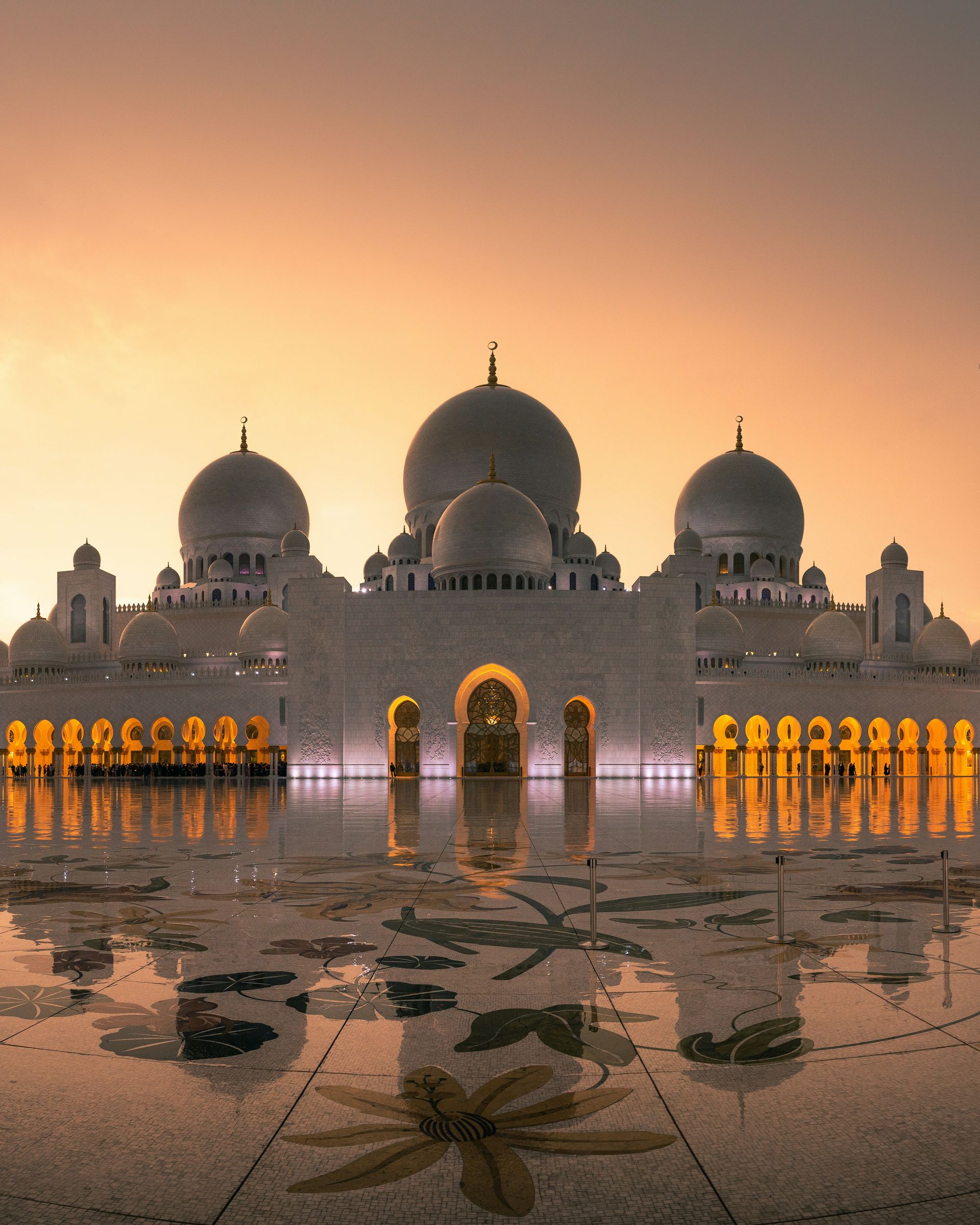
Mosque architecture often becomes a visible part of a first visit, regardless of religion. Grand mosques in Abu Dhabi, Muscat, and elsewhere welcome non-Muslim visitors outside prayer times. Modest dress is required, and free guided tours are offered in multiple languages. Standing inside a mosque built to hold tens of thousands of worshippers leaves a real impression. A dome overhead and a chandelier the size of a small car tend to stay with a visitor longer than the call to prayer itself. The call quickly becomes a familiar part of the daily rhythm rather than a novelty.
No single dress code applies across the region
Credit: cottonbro studio / Pexels
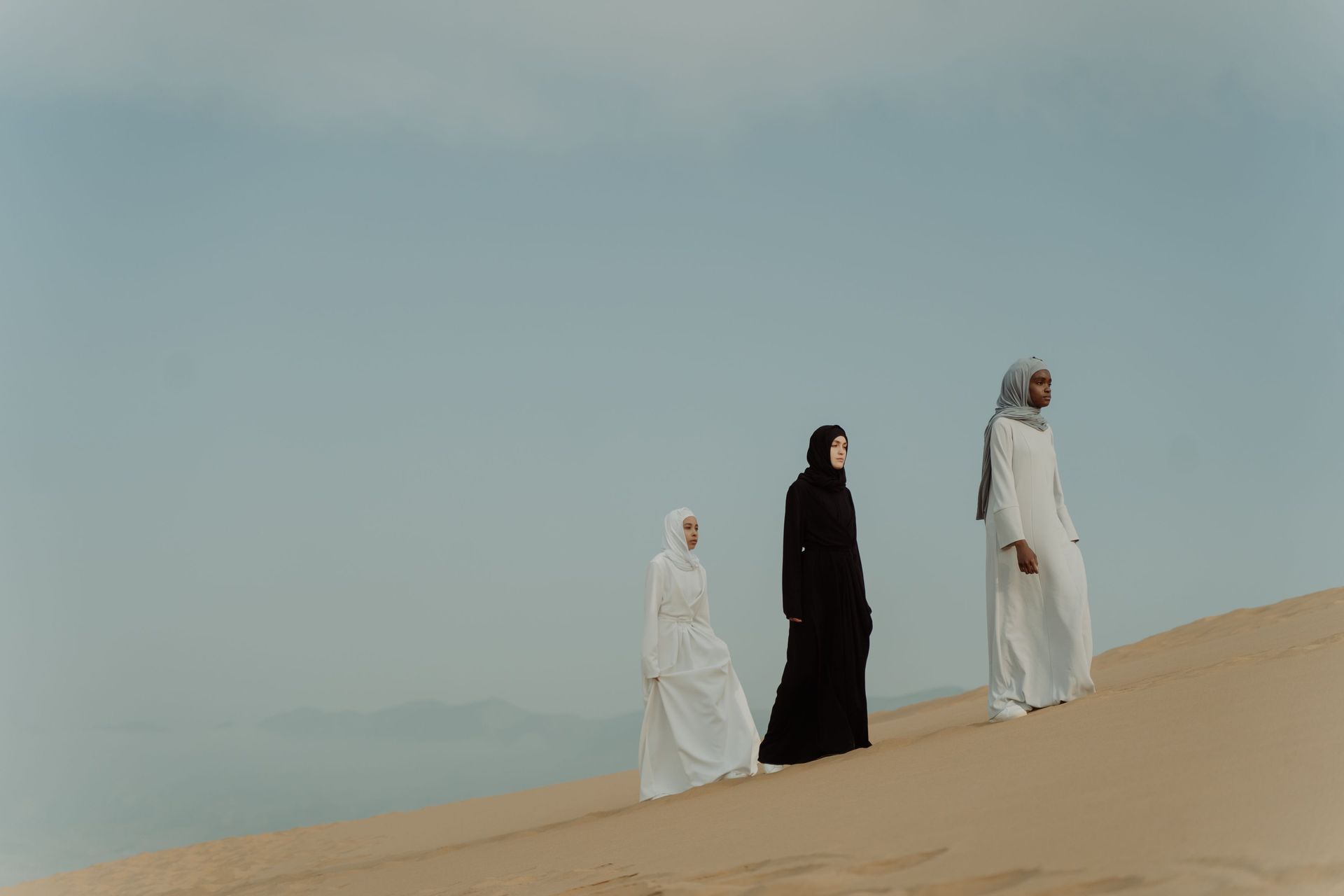
No single dress code applies across the Middle East. Assuming one exists is one of the more common mistakes a first-time visitor makes. In Saudi Arabia, women were once legally required to dress in a very specific way. The requirement to wear an abaya, the loose black robe, was dropped for foreign visitors in 2019. That change came as part of a wider set of tourism reforms. Many women still choose to wear one anyway, out of comfort or respect for local custom.
In the UAE and Qatar, there is no legal dress requirement for tourists. Modest clothing covering shoulders and knees is expected in public areas, though, outside beach resorts and hotel pools. Western swimwear is standard at those pools and resorts. Shopping malls in Dubai post signs asking visitors to avoid overly revealing clothing. This is a request rather than a law. Repeated violations have occasionally led to public complaints or, rarely, police involvement.
Lebanon and Jordan sit closer to southern Europe in everyday dress. This is especially true in Beirut, Amman, and coastal resort towns. Shorts, sundresses, and sleeveless tops draw no particular attention there. Religious sites in both countries still expect modest coverage. Headscarves and longer hemlines are required for entry to mosques and some churches, regardless of a visitor's own faith.
Men face fewer restrictions almost everywhere in the region. Shorts above the knee can still look out of place in more traditional neighborhoods, government buildings, and religious sites. Swim trunks are standard at hotel pools and beach clubs across the Gulf. The same trunks worn on a city street would look distinctly out of place, though.
The safest approach for a first visit is to pack for the specific city on the itinerary, not the region as a whole. Keep one modest, fully covering outfit on hand for mosque visits or more conservative neighborhoods. Watch what local residents are wearing in a given setting before assuming a beach-resort dress code applies everywhere else.
Hospitality customs run deep, starting with the coffee cup
Credit: Denys Gromov / Pexels
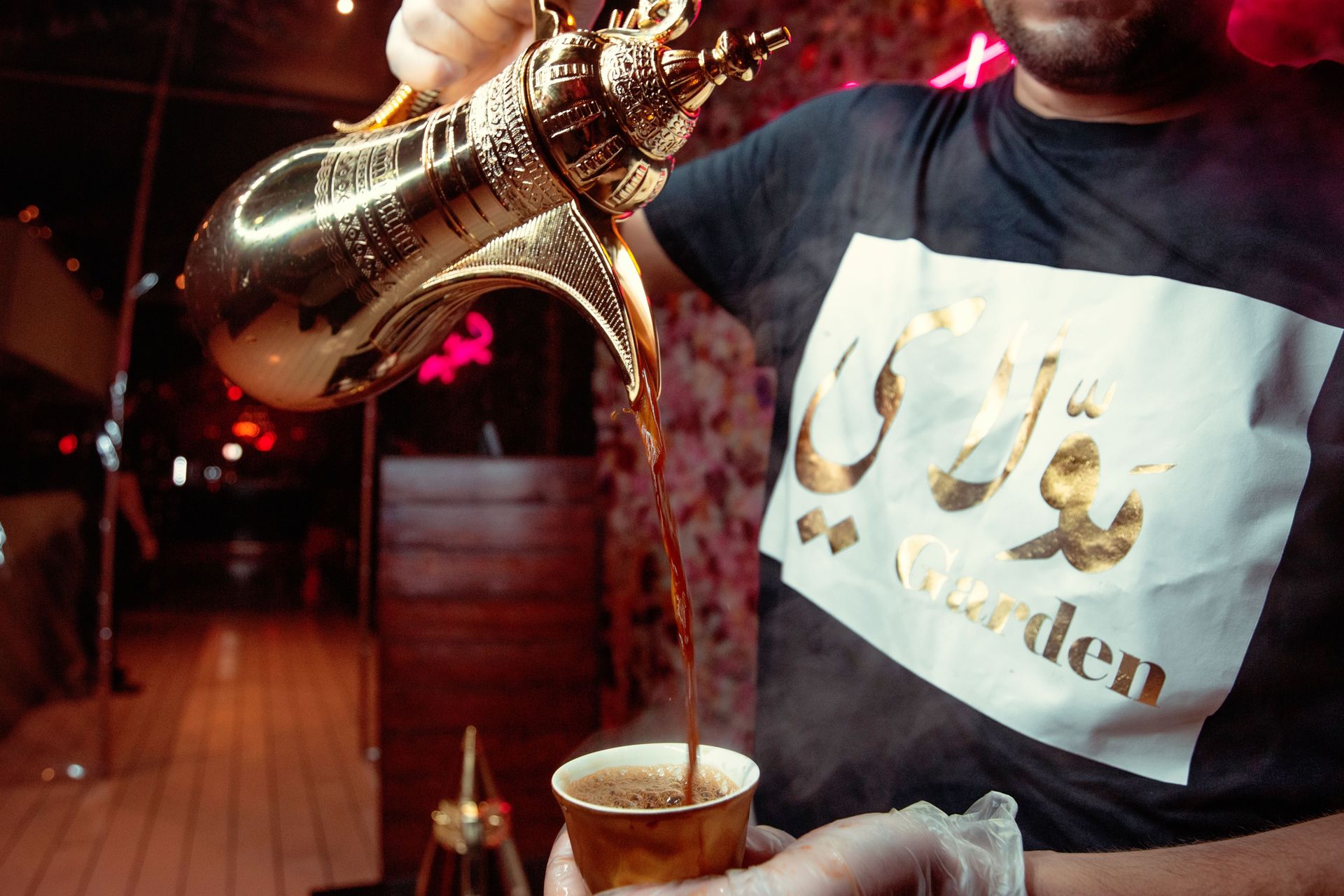
Hospitality carries more social weight across the Middle East than in most Western cultures. It shows up first, and most often, in the ritual around coffee and tea. In Gulf countries, Arabic coffee, known as gahwa, is often served in small handleless cups. It is poured only a third full and flavored with cardamom rather than sugar. Refusing a first cup outright can come across as impolite. This is especially true in a traditional home or a Bedouin-style majlis, the sitting room used for receiving guests.
A guest who has had enough simply shakes the empty cup gently from side to side when handing it back. This signals no more is needed without saying a word. Accepting at least one cup, even briefly, tends to smooth over an introduction far more than a verbal decline would. The same courtesy extends to food. A host who insists on a second or third helping is not being pushy by local standards, but generous. A firm, polite decline usually needs to be repeated more than once before it is accepted.
This hospitality extends well beyond the coffee cup. Travelers $TRV who ask for directions in smaller towns across Jordan, Oman, or the UAE often find themselves invited in for tea. They might be walked personally to their destination. They might even be handed a phone number, with an offer to call if anything is needed during the trip. It is common practice, not an exception. Declining it entirely can occasionally come across as more unusual than accepting a shortened version of it.
Paying for a shared meal follows its own etiquette. Splitting a bill is far less common than one person insisting on covering the whole check. This often follows a brief tug-of-war over the bill folder that both parties expect to happen. A first-time visitor traveling with local colleagues or new acquaintances should expect at least one meal to end this way. Attempts to contribute are often firmly and repeatedly refused.
Gulf skylines look like Manhattan, not sand dunes
Credit: Yassen Kounchev / Pexels
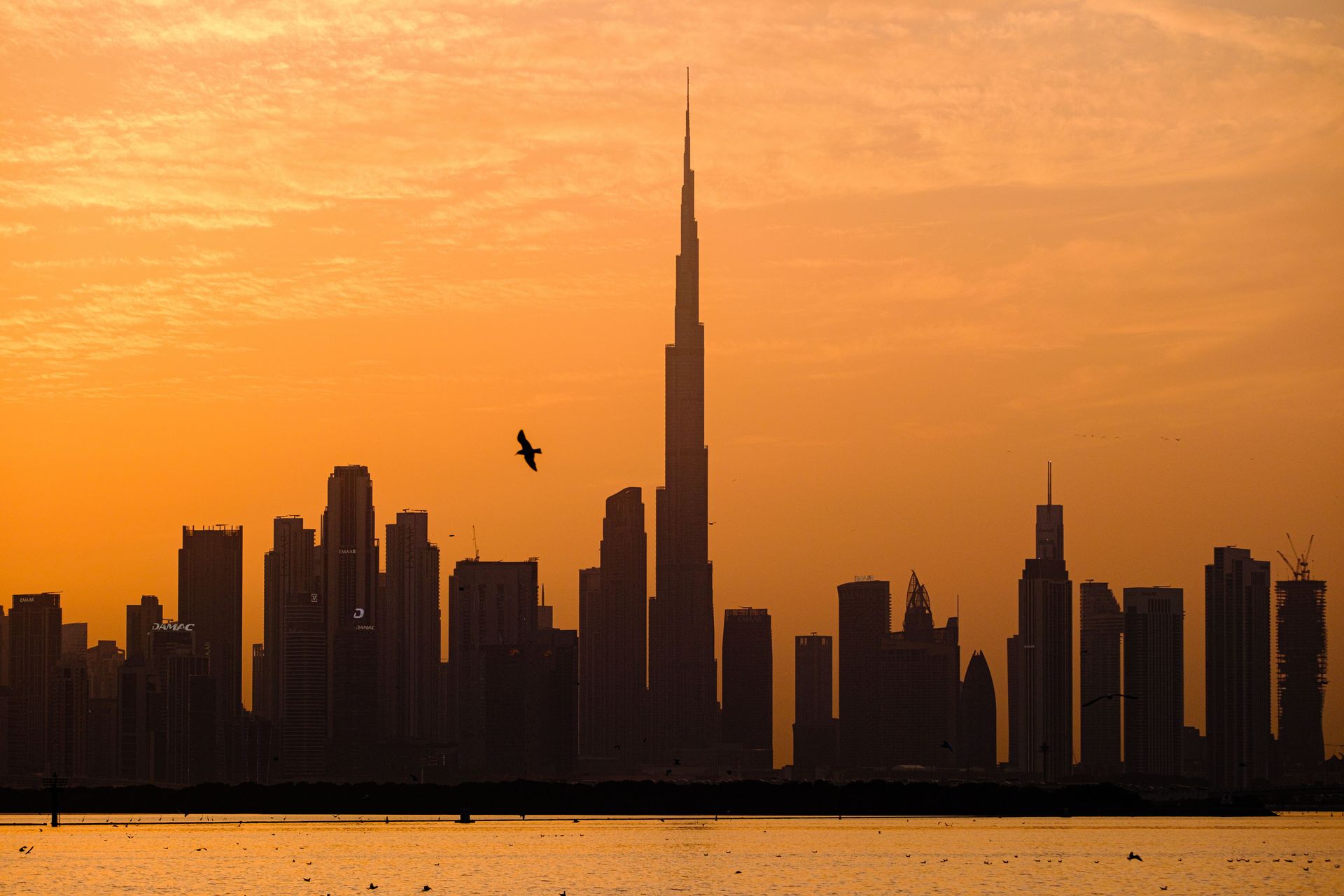
The image many first-time visitors carry of the Middle East is tents, camels, and open desert. That image collides almost immediately with the skyline of Dubai, Abu Dhabi, or Doha. Dubai alone is home to the Burj Khalifa, the tallest building in the world at over 828 meters. A dense cluster of supertall towers surrounds it, and the whole scene would not look out of place in Shanghai or New York. Doha's West Bay district and Abu Dhabi's Corniche follow a similar pattern. Glass towers rise directly out of what was, within living memory, a much smaller port city.
This transformation happened fast by any historical measure. Dubai's population and skyline grew from a modest trading port in the 1960s into a global city within a couple of generations. Oil revenue funded the first stage of that growth. Finance, trade, tourism, and real estate have funded most of it since. Abu Dhabi and Doha followed similar paths on different timelines. Each city invested oil and gas wealth into infrastructure, aviation, and urban development at a pace that outstripped most Western cities.
The desert has not disappeared. It has simply moved to the edge of town. A 30- or 45-minute drive from central Dubai or Doha reaches open dunes and desert camps. This is the kind of landscape many visitors expected to find downtown. Desert safaris, dune driving, and overnight camps remain popular tourist activities for exactly this reason. The contrast between the two settings, urban and desert, sits close together geographically, and tour operators build entire day trips around that contrast alone.
Older, low-rise architecture still exists alongside the towers, often deliberately preserved. Dubai's Al Fahidi historic district keeps traditional wind-tower buildings and narrow lanes intact. Doha's Souq Waqif does the same on its own waterfront. Both sit within walking distance of the modern skyline. A visitor can see both eras of the city in the same afternoon, rather than having to choose between them. Guided walking tours through these older quarters have become popular precisely because the contrast is so immediate.
Foreign residents outnumber citizens in some Gulf nations
Credit: Canva Images
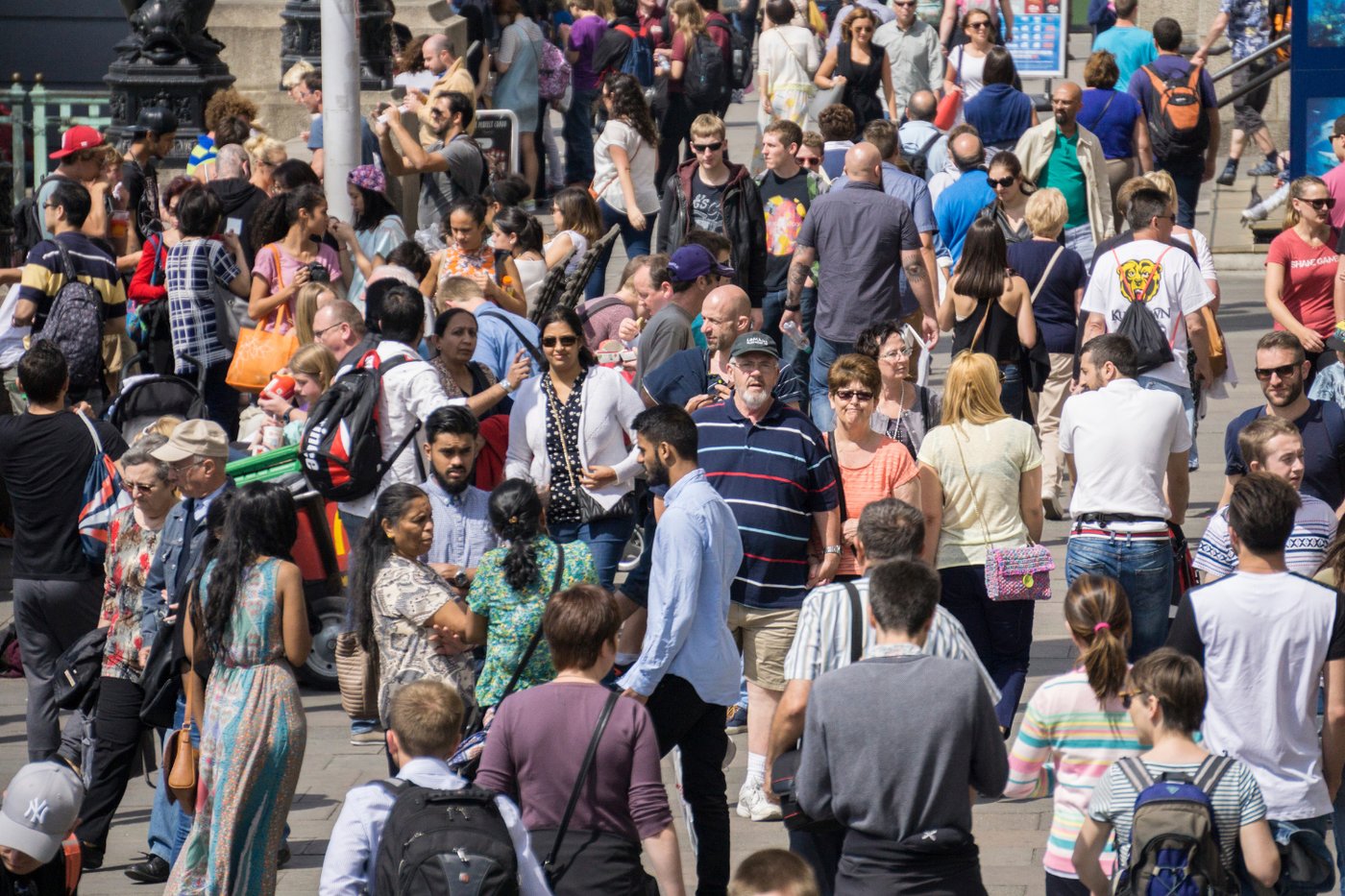
In the UAE and Qatar, citizens are a minority in their own countries. Foreign workers and their families make up close to nine in 10 residents of the UAE. Construction, finance, hospitality, and domestic work draw large communities from India, Pakistan, the Philippines, and other parts of South and Southeast Asia. Western professionals in finance and consulting add to that mix. Qatar's population follows a similar pattern. Qatari citizens represent only a small fraction of the people actually living in Doha day to day.
This shapes daily life in ways a first-time visitor notices quickly. Restaurant menus in Dubai commonly run in English, Hindi, Urdu, Tagalog, and Arabic. Construction crews, hotel staff, and retail workers are more likely to be from Kerala or Manila than from the Gulf itself. Senior management in many industries still skews toward Emirati or Qatari nationals, though. Government policies are designed to keep leadership roles in citizens' hands, even as the broader workforce stays overwhelmingly foreign.
The system runs on a sponsorship-based residency structure rather than a path to citizenship. Foreign workers generally cannot become citizens through residency alone. This holds true even for those who have lived in the UAE or Qatar for decades and raised children born in the country. Citizenship remains tightly restricted and largely hereditary. This differs sharply from immigration systems in the U.S., Canada, or much of Europe, where long-term residency typically opens a path to naturalization.
Labor conditions for lower-wage foreign workers have drawn criticism, particularly in construction and domestic work. Organizations including Human Rights Watch and Amnesty International have raised concerns over issues such as passport confiscation, unpaid wages, and restrictive employer-sponsorship rules. Both countries have introduced reforms in recent years, including changes to minimum wage rules and job-mobility restrictions. A first-time visitor will see the wealthy, cosmopolitan side of this system most visibly, in hotels, restaurants, and shopping districts. The workforce that built and maintains those spaces operates under a very different set of rules.
Public transit in the Gulf ranks among the world's most modern
Credit: Ayrat / Pexels
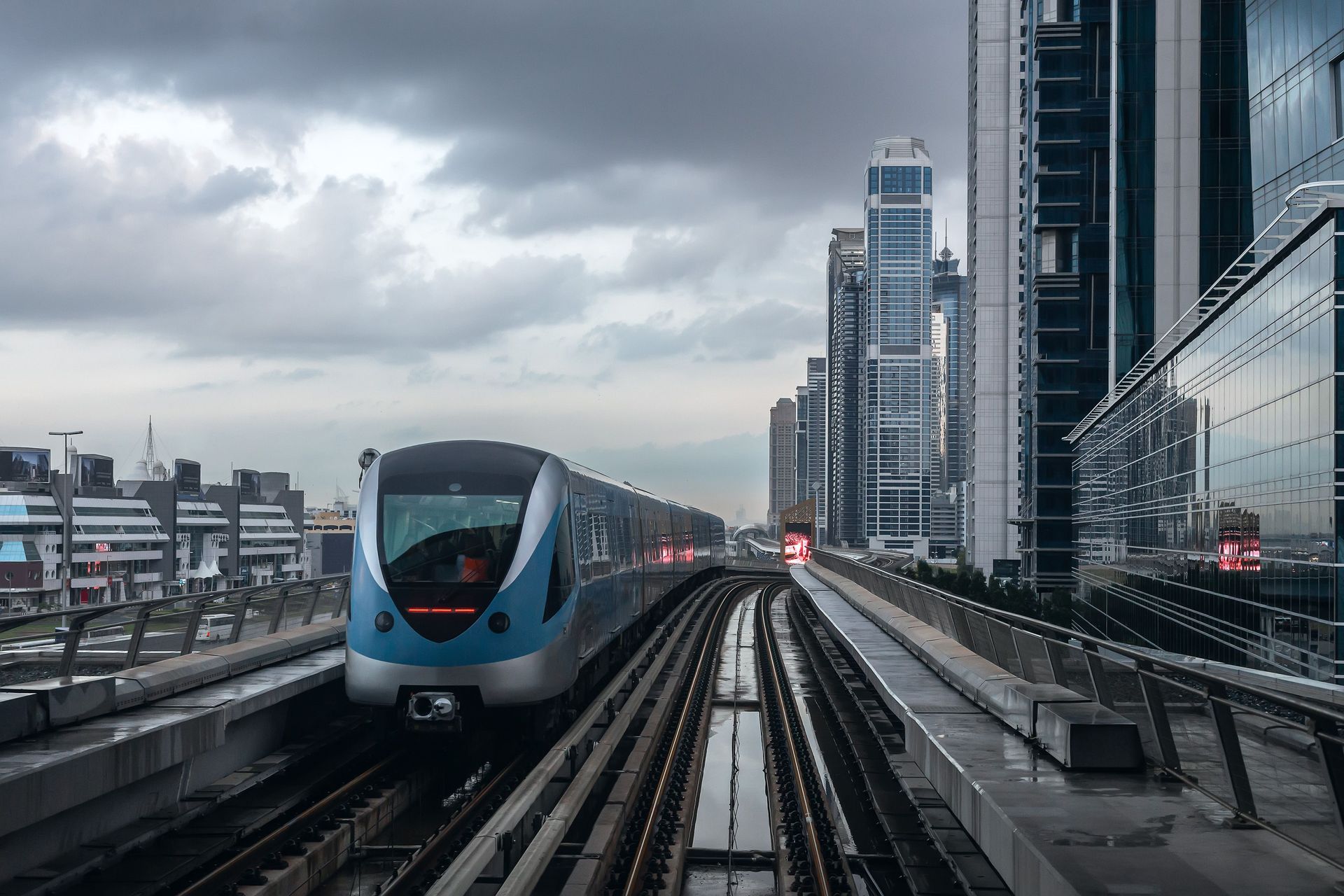
Dubai Metro opened in 2009 and set a Guinness World Record for the longest fully automated, driverless metro network at the time. It has held that title, lost it to competitors like Vancouver's SkyTrain, and reclaimed it more than once as all three systems have expanded over the years. Two elevated and underground lines connect the airport, downtown, and the Dubai Marina district today. Fares run a fraction of what a taxi across the same distance would cost. Doha's Metro opened in 2019, ahead of the 2022 World Cup. It follows a similar driverless model, with wide, air-conditioned stations designed to move large crowds quickly between stadiums and the city center.
For a first-time visitor expecting a region defined mainly by private cars and highways, the quality of these systems tends to stand out. Stations are air-conditioned throughout, a genuine necessity given summer temperatures. Many include dedicated Gold Class carriages, with a premium fare for a quieter, less crowded ride. Standard cars run alongside them, along with a women-and-children-only carriage on the Dubai Metro for those who prefer it.
Public transit outside the newest Gulf systems looks more familiar. Amman and Beirut both rely heavily on shared taxis and private cars rather than metro or light rail. Public bus networks exist in both cities but see less regular tourist use than Gulf metros do. Cairo's metro is one of the older systems in the region, dating to the late 1980s. It covers a much larger and more congested city, with a correspondingly different experience. The ride feels crowded rather than gleaming, but it remains one of the most heavily used rail systems on the continent.
Ride-hailing apps operate across nearly every major city in the region. They are often more reliable than in comparable-sized Western cities, filling the gap wherever formal transit does not reach. A first-time visitor who plans to rely mainly on Uber $UBER or a local equivalent like Careem will find coverage nearly everywhere. This holds true from central Dubai to smaller cities in Jordan and Lebanon, even where rail transit does not exist at all.
Malls double as ski slopes and ice rinks
-900x675.jpg)
Credit: Steven Byles / Wikimedia Commons (CC BY-SA 2.0)
Mall of the Emirates in Dubai contains an indoor ski slope with real snow. Chairlifts carry skiers up a vertical drop long enough for beginner and intermediate runs. All of this sits inside a retail complex that also houses hundreds of shops and restaurants. Ski Dubai, as the slope is called, keeps its indoor climate below freezing year-round. Outside temperatures can exceed 45 degrees Celsius in summer at the very same time. Rental gear, including jackets and gloves, comes included with a lift ticket.
This is not a single novelty. Dubai Ice Rink, inside the Dubai Mall, hosts public skating sessions and hockey leagues on a full-size Olympic rink. An indoor aquarium in the same mall holds thousands of marine animals. Its viewing panel is large enough to see from several floors up. Doha's malls follow a smaller version of the same model. Indoor entertainment there is built to substitute for the outdoor recreation the climate makes difficult for much of the year.
The logic behind this is straightforward. Outdoor activity across the Gulf becomes uncomfortable or dangerous for roughly half the year once summer heat sets in. Malls fill the gap as climate-controlled public space, where families can spend an entire day without stepping outside. What began as retail centers evolved into de facto community centers. They now host everything from cinemas and go-kart tracks to full-scale theme parks, all under one roof.
For a first-time visitor, the scale can be disorienting. Dubai Mall alone covers more retail floor space than several average American malls combined. Wayfinding maps are posted every few dozen meters to help visitors navigate. Dedicated valet zones serve different entrances, depending on where inside the mall a visitor is headed. Budgeting extra time to simply navigate the building, rather than only shop inside it, tends to save a first visit from running long. Some visitors plan an entire day around a single mall and still leave sections unexplored.
Summer heat routinely tops 45 degrees Celsius
Credit: matt mr / Unsplash
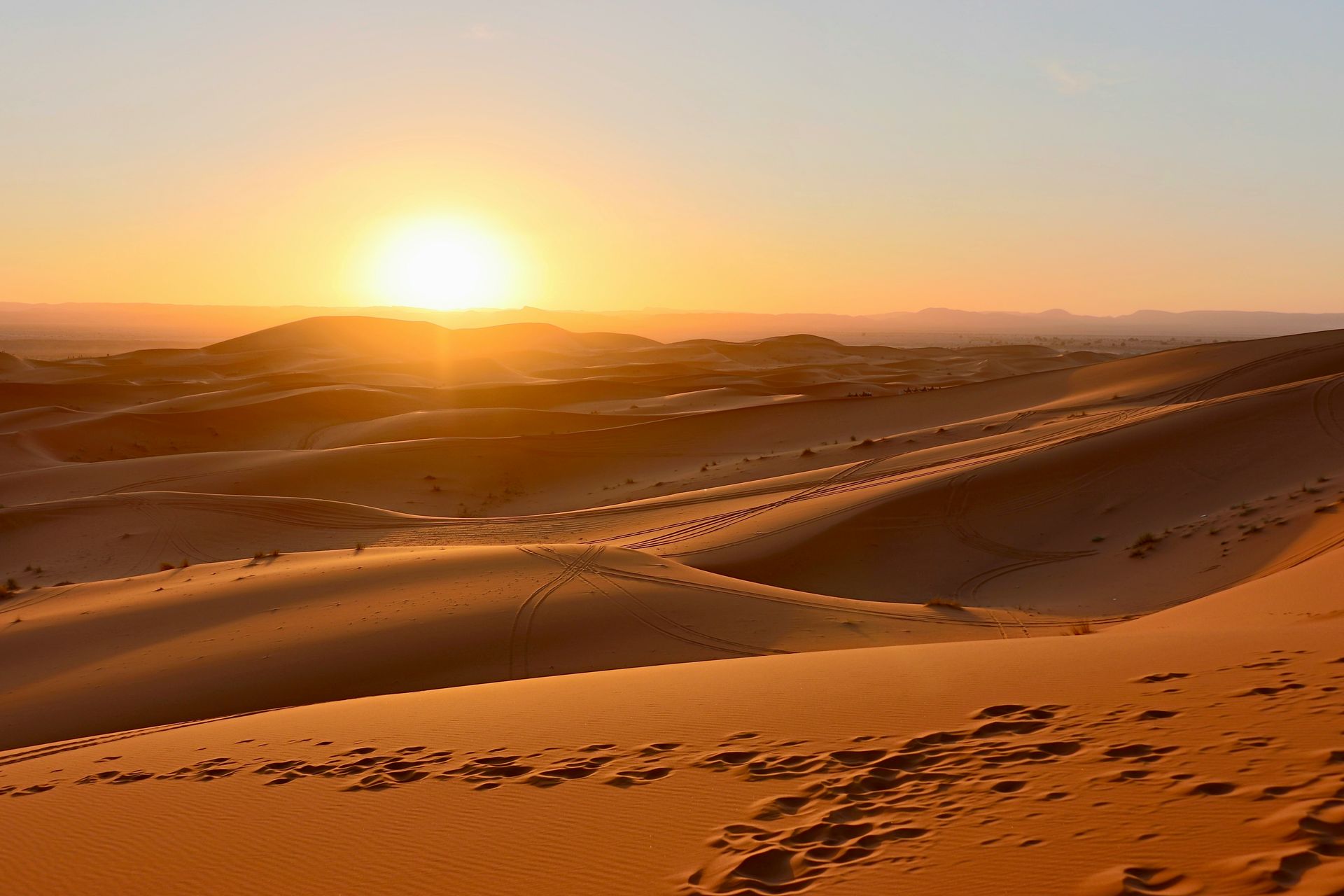
Between June and September, daytime temperatures across the Gulf commonly exceed 45 degrees Celsius, or 113 degrees Fahrenheit. Humidity along the coast makes the heat feel considerably worse than the number alone suggests. Kuwait and parts of Saudi Arabia's interior occasionally push past 50 degrees Celsius during the hottest stretches of summer. These numbers rank among the highest reliably recorded temperatures anywhere on Earth outside Death Valley.
Cities are built around this reality in ways a first-time visitor notices immediately. Air conditioning runs continuously in every building, vehicle, and covered walkway. A light jacket is genuinely useful indoors, even as the outdoor heat feels overwhelming just beyond the door. Bus stops in Dubai and other Gulf cities are enclosed and air-conditioned. This design choice would look unusual anywhere else, but it makes sense once the summer temperature is factored in.
Daily rhythm shifts around the heat as much as buildings do. Outdoor construction work is legally paused during the hottest midday hours in the UAE, Qatar, and Saudi Arabia during summer months. This rule was introduced specifically to protect laborers working outside. Social life moves later into the evening as a result. Parks, outdoor cafes, and even some retail areas see their busiest hours well after sunset, rather than during the day. A walk outside for more than a few minutes can be genuinely uncomfortable during those daytime hours.
Winter tells an entirely different story. From roughly November through March, Gulf cities see daytime temperatures in the comfortable 20s Celsius. This is mild enough for outdoor dining, desert camping, and beach days. Tourism campaigns across the region concentrate heavily on these cooler months for exactly that reason. A first-time visitor who books a summer trip, expecting year-round mild weather based on photos taken in December, is in for a considerably different experience than the one advertised. Locals plan weddings, festivals, and outdoor events almost entirely within this cooler window.
Bargaining is expected in the souk, not the mall
-1920x2875.jpg)
Credit: Beyzanur / Pexels
Traditional markets across the region, known as souks in Arabic-speaking countries, run on negotiation as a matter of course. Vendors in Dubai's Gold Souk, Doha's Souq Waqif, or Amman's downtown markets expect a back-and-forth over price. This applies to souvenirs, textiles, spices, and jewelry alike. An initial asking price is often set well above what a vendor actually expects to receive. Walking away from a stall, even slowly, frequently prompts a lower offer before a buyer reaches the door.
The etiquette around this negotiation matters as much as the numbers. A friendly, unhurried tone tends to work far better than an aggressive one. Accepting a cup of tea offered mid-negotiation is common practice, not a sign the deal is settled. Buying more than one item from the same vendor often unlocks a better price than a first offer would. Returning to a stall a shopper visited earlier in the day can have the same effect.
This entire dynamic disappears inside modern retail. Shopping malls, department stores, and chain supermarkets across Dubai, Doha, Abu Dhabi, and Beirut operate on fixed prices, exactly as they would in London or Chicago. Attempting to negotiate at a mall storefront will not get a shopper anywhere. The distinction is not subtle to residents. A first-time visitor unfamiliar with the region can occasionally misjudge which setting calls for which approach, though, especially in the first day or two of a trip.
Gold and jewelry souks deserve particular attention. Gold is typically sold by weight, at a price tied to the daily market rate. The making charge, which is the labor cost of the piece itself, is the only real point of negotiation. A visitor unfamiliar with this pricing structure can easily overpay. This happens when a buyer assumes the entire price is negotiable, when in practice the metal's value is fixed and only the craftsmanship fee moves. Asking a vendor to explain the making charge separately is a reliable way to avoid this mistake.
Ramadan reshapes daily life for a month each year
Credit: Canva Images
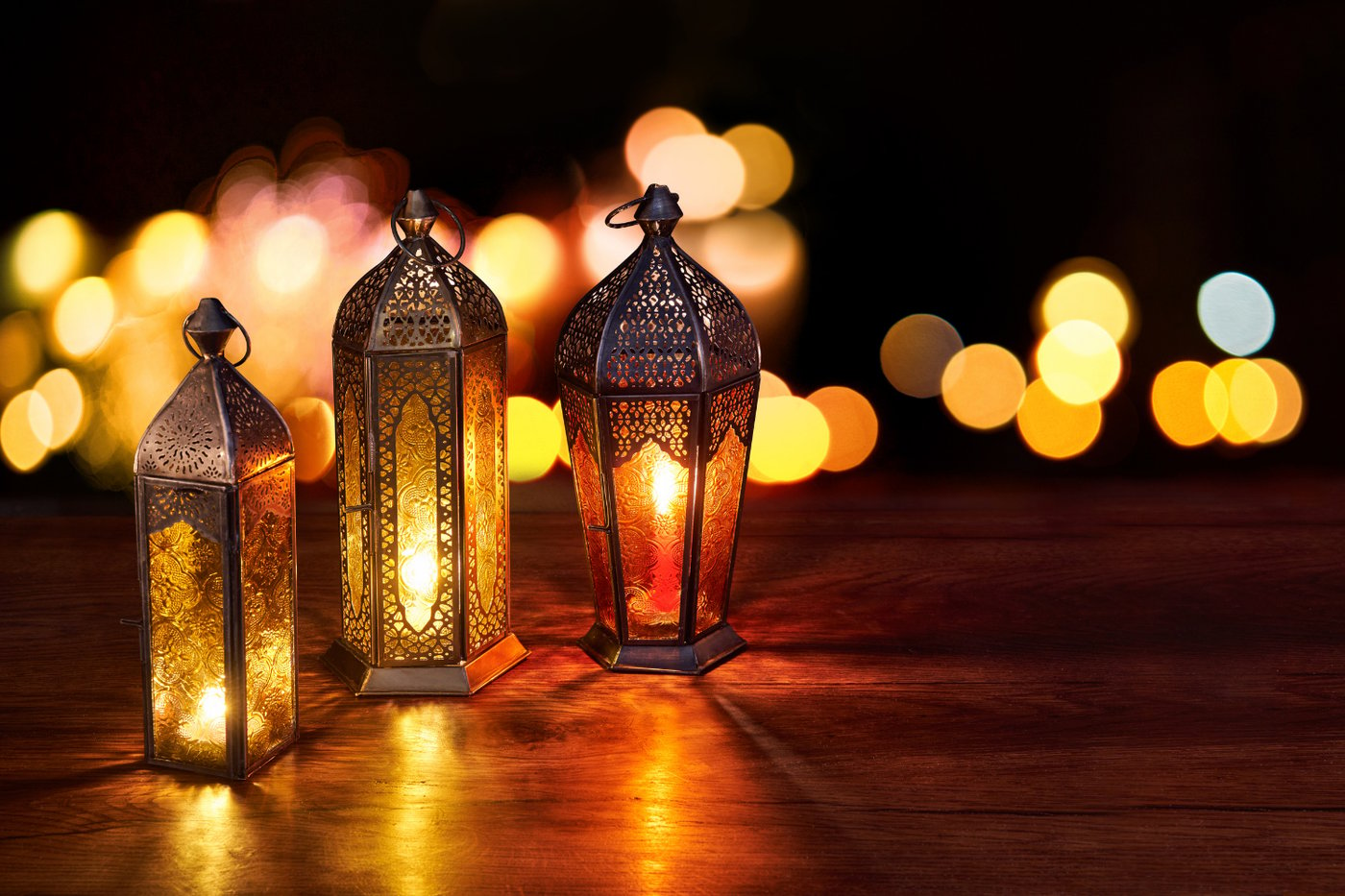
During Ramadan, the ninth month of the Islamic lunar calendar, observant Muslims fast from food, drink, and smoking between dawn and sunset. This lasts for 29 or 30 consecutive days. Because the Islamic calendar is lunar, Ramadan shifts earlier by roughly 10 or 11 days every year relative to the standard calendar. It can fall in the height of summer in one decade and in cooler months a decade later.
Daily rhythm changes noticeably for visitors during this period. In Saudi Arabia and the UAE, eating, drinking, or smoking in public during daylight hours is restricted for everyone, including non-Muslim visitors. Hotels and designated areas typically offer private dining for guests who are not fasting, though. Business hours often shorten during the month. Many offices and shops close earlier in the afternoon and reopen later in the evening, after the fast breaks at sunset.
Iftar, the meal that breaks the fast each evening, becomes a major social and commercial event across the region. Hotels and restaurants set up elaborate buffet spreads specifically for iftar. These are often priced as a set menu rather than à la carte. Reservations at popular venues fill up well in advance during the month. Suhoor, the meal eaten before dawn, draws its own late-night crowd. Some restaurants and cafes stay open through the night specifically to serve it.
Tourist attractions and transit schedules adjust as well. Museums, malls, and some government offices shift their operating hours later into the evening. Energy and attention are naturally lower during fasting daylight hours, and both pick up again after sunset. A first-time visitor traveling during Ramadan should expect a quieter daytime atmosphere in more religious cities. Streets, malls, and restaurants come alive well past what would be a typical closing time in other months, sometimes stretching past midnight. Ramadan ends with Eid al-Fitr, a multi-day holiday marked by family visits, new clothes, and shared meals across the region.
Billion-dollar museums are redrawing the region's cultural map
Credit: Lloyd Alozie / Pexels
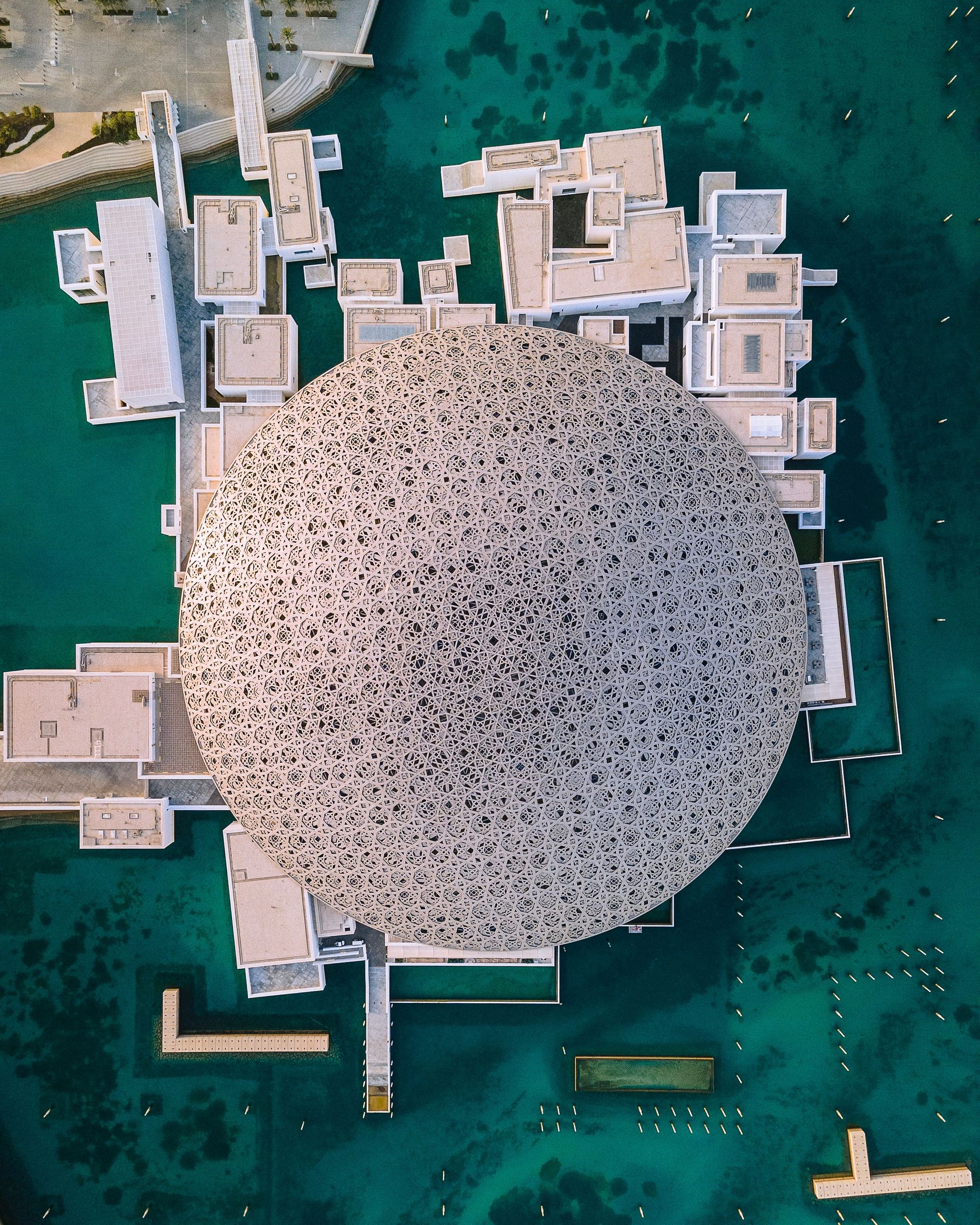
Louvre Abu Dhabi opened in 2017 on Saadiyat Island. It operates under a 30-year agreement with the French government and several French museums, including the original Louvre in Paris. That agreement lets Abu Dhabi use the Louvre name and borrow artwork on a rotating basis. The building itself was designed by architect Jean Nouvel. It sits beneath a vast perforated dome that scatters light across the galleries below, in a pattern the architect described as rain falling through palm fronds.
Nouvel designed a second regional landmark two years later. The National Museum of Qatar opened in Doha in 2019. It takes the shape of interlocking discs, inspired by the desert rose, a crystal formation that occurs naturally in the region's sand. The building wraps around the restored historic palace of a former Qatari emir.
Dubai's Museum of the Future, which opened in 2022, took a different approach entirely. It is a torus-shaped structure wrapped in a poem about the future, written in Arabic calligraphy by the ruler of Dubai. The museum is dedicated to speculative exhibits on climate change, biotechnology, and space, rather than historical artifacts. It quickly became one of the most photographed buildings in the city.
Saadiyat Island in Abu Dhabi is still adding to its cultural district. A Guggenheim outpost designed by the architect Frank Gehry has been under construction for close to 15 years. Gehry died in December 2025, and the museum is expected to open before the end of 2026, as the largest Guggenheim location in the world. Doha's Museum of Islamic Art, designed by I.M. Pei and opened in 2008, rounds out the set. Taken together, these institutions represent one of the largest concentrated investments in museum architecture anywhere on Earth.
For a first-time visitor expecting the region's cultural offering to center mainly on historical sites and religious architecture, this scale of investment tends to stand out. These institutions are not incidental additions to a tourism strategy built around beaches and shopping. Gulf governments have funded them deliberately, to establish global cultural relevance beyond oil wealth. Abu Dhabi and Doha now sit alongside Paris, London, and New York as serious destinations for art and design.
Gasoline can cost a fraction of what it does back home
Credit: Ali Mkumbwa / Unsplash
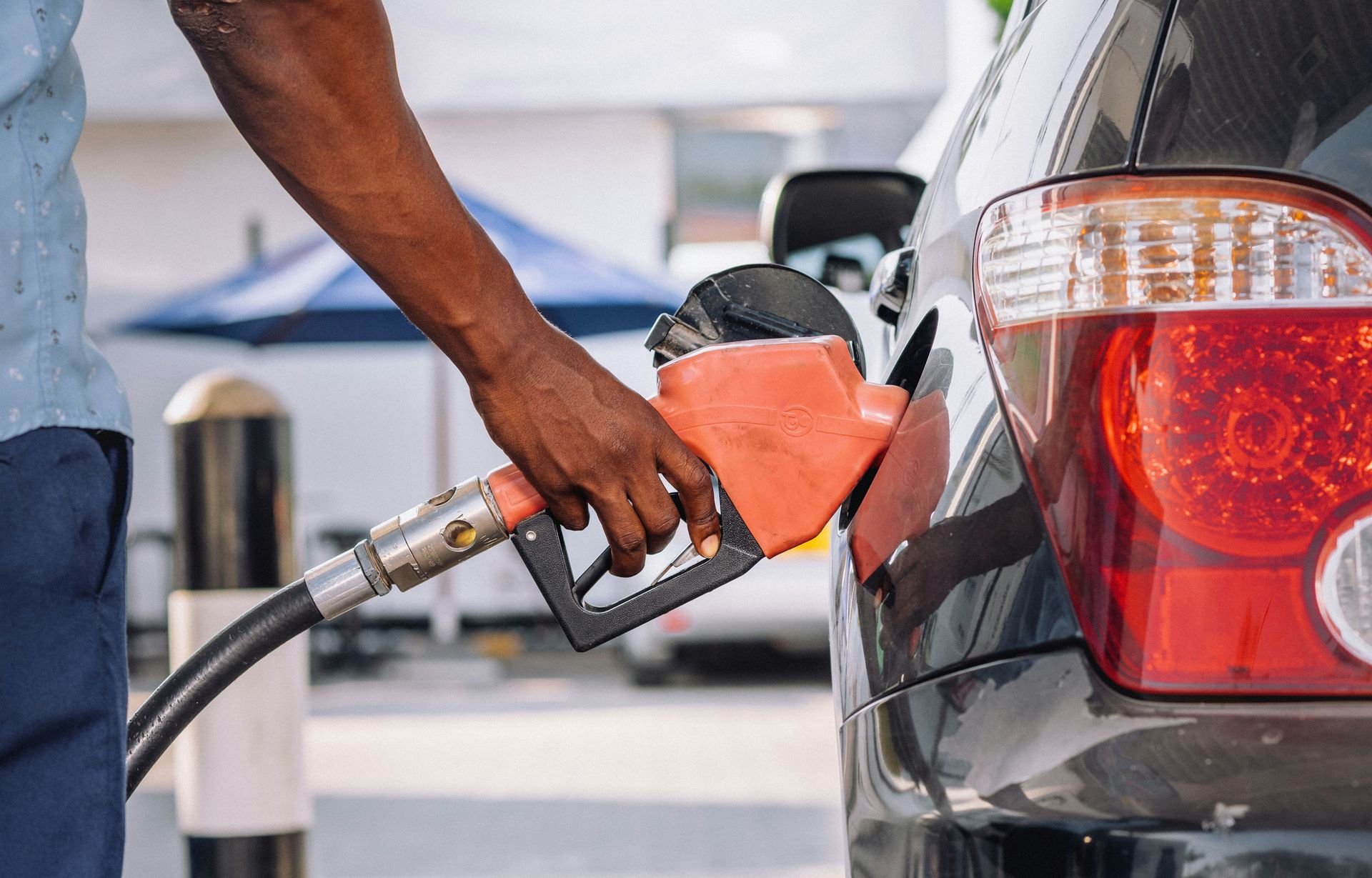
Oil and gas-producing Gulf states have historically kept fuel prices among the lowest in the world. Governments flush with energy revenue subsidize the cost directly. Saudi Arabia, Kuwait, and Qatar all price gasoline well below what drivers pay in Europe. Prices there often sit below U.S. levels too. This policy has shaped car culture, city design, and public transit investment across the region for decades.
The UAE moved away from a fully subsidized model in 2015. Fuel prices there are now tied to global oil markets, rather than fixed artificially low. Prices went up from their previous levels as a result, though they remain below many Western markets. Saudi Arabia has taken smaller steps in the same direction, as part of a broader economic reform program. Subsidies are gradually being reduced, while prices stay well under international benchmarks.
Cheap fuel has shaped these cities in visible ways. Large SUVs and full-size trucks are common on Gulf roads. Distances that might discourage driving elsewhere barely register as a cost consideration for local drivers. Air conditioning left running in parked cars is a habit that would alarm a driver paying European fuel prices. It is unremarkable across much of the region, given how directly fuel cost and cooling cost intersect during summer months.
A first-time visitor renting a car will notice the difference at the pump almost immediately. This is especially true compared to fuel prices in the U.K. or continental Europe. The gap has narrowed somewhat, as reform programs progress and global oil prices fluctuate. But filling a rental car's tank in Riyadh, Kuwait City, or Doha still typically costs a fraction of the same fill-up in London, Paris, or Tokyo. That holds true even after accounting for currency conversion. Road trips that would feel expensive elsewhere barely register on a Gulf itinerary's budget. A weeklong rental car trip across the Gulf often costs less to fuel than a single tank does in a major European capital.
Camel racing runs on robot jockeys now
Credit: Canva Images
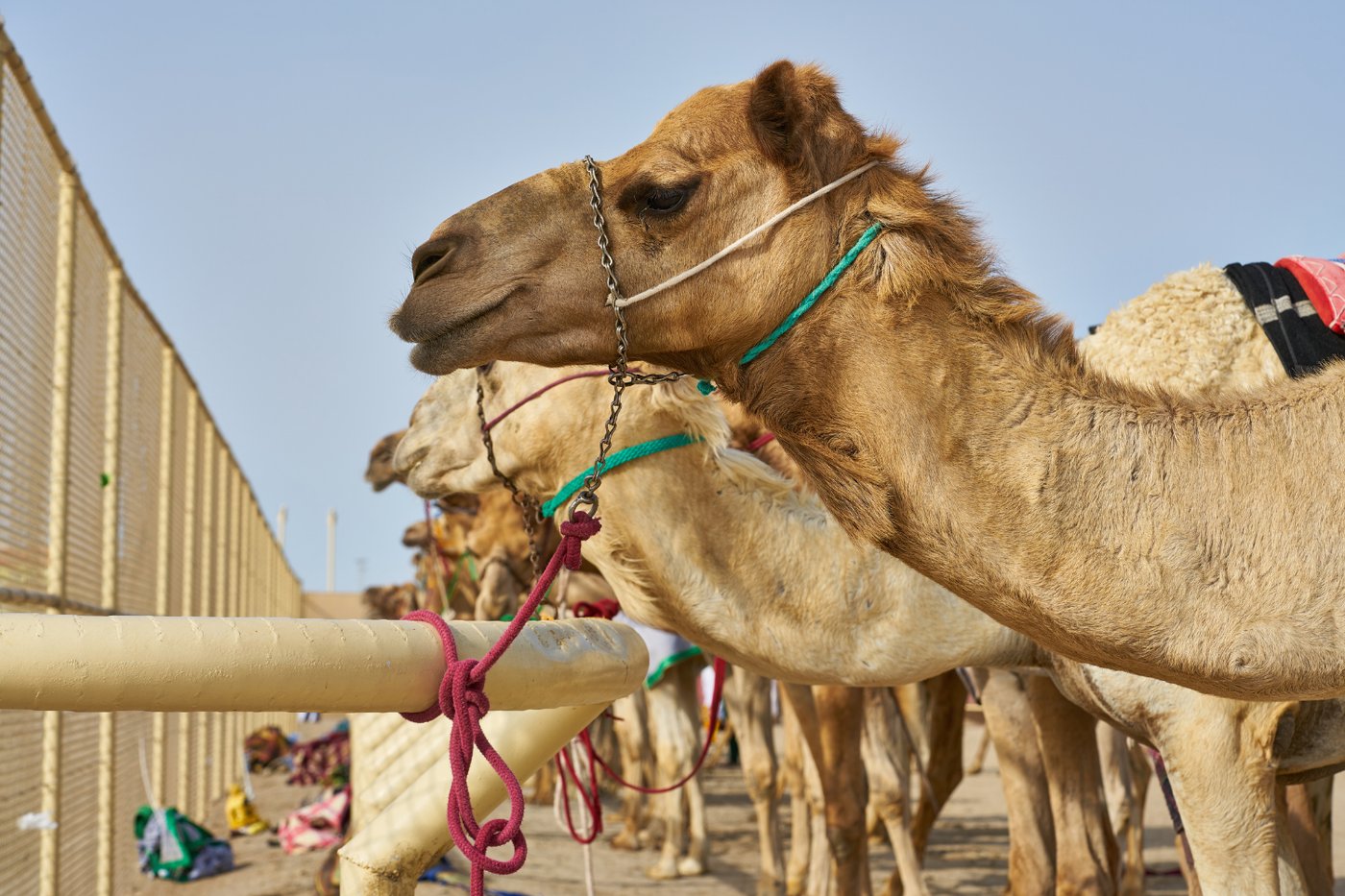
Camel racing remains a serious sport across the Gulf. Prize purses can reach well into the millions of dollars, with races held at dedicated tracks in the UAE, Qatar, Saudi Arabia, and Oman throughout the cooler months. What changed is who, or what, sits on the camel's back. Through the early 2000s, the UAE and Qatar phased out the use of child jockeys. That practice was tied to trafficking and exploitation, and it drew sustained pressure from UNICEF and international rights groups. Lightweight robotic jockeys replaced the children, controlled remotely by the camel's owner or trainer driving alongside the track.
The robots were developed initially through a Qatari government-funded program and adopted more broadly across the region since. They weigh only a few kilograms and are strapped into a small saddle. Each one holds a mechanical whip that the operator controls by radio from an SUV racing alongside the track. A speaker built into the robot lets the trainer shout commands directly at the camel mid-race. This replaces the human jockey's voice with an amplified one instead.
For a first-time visitor at a race in Al Ain, Doha, or elsewhere, the sight is genuinely unusual, even with context beforehand. A line of camels sprints down a purpose-built track, dust rising, with a small robotic figure bouncing on each animal's back. A convoy of SUVs trails alongside at speed. Races draw serious spectators and serious money. Top camels are bred and trained specifically for competition, sometimes valued at prices that rival competitive horses.
Camel beauty pageants add a further layer many visitors do not expect. Saudi Arabia's King Abdulaziz Camel Festival alone offers a prize pool of some $66 million. Its judges have disqualified dozens of camels in past years for cosmetic tampering. Botox injections, lip fillers, and rubber bands used to inflate body parts have all turned up in past scandals. Similar cases have surfaced elsewhere in the Gulf since. The stakes in camel breeding now rival those in horse racing almost anywhere else in the world.
Security checks are routine at malls and metro stations

Credit: Canva Images
Airport-style bag scanners and metal detectors sit at the entrance of most shopping malls, metro stations, and many hotels across the Gulf. Uniformed security personnel staff them, waving visitors through in a matter of seconds during quiet periods. The screening is quick and largely unremarkable to residents. It feels closer to the security line at a courthouse than the more involved process at an airport. It still catches first-time visitors off guard the first few times, though, particularly those arriving from countries where this level of screening is reserved for airports and government buildings alone.
The practice extends well beyond malls. Metro stations in Dubai and Doha screen bags before allowing entry to the platform. Many hotels, especially larger international chains, run vehicles through an under-carriage mirror check. They scan luggage before allowing guests to enter the lobby, too. Government buildings, courts, and some corporate offices add an additional layer. Visitors are sometimes required to register identification details before entry, rather than simply passing through a scanner.
The reasoning behind this level of routine screening ties to a broader emphasis on public safety. Gulf governments have prioritized this as tourism and foreign investment have grown. Crime rates in Dubai, Abu Dhabi, and Doha rank among the lowest of any major city in the world for violent crime and theft. Tourism marketing cites this fact frequently. The visible security infrastructure is part of how that reputation gets maintained and reinforced for visitors and residents alike.
For a first-time visitor, the practical adjustment is minor but worth knowing in advance. Build extra time into a schedule before a mall visit or a flight, to account for a security line. Keep bags reasonably organized for a quick scan. Expecting the same procedure at nearly every stop on a Gulf itinerary will make the process feel routine well before the end of a first trip.
Getting a visa is far easier than it used to be
Credit: Alireza Akhlaghi / Unsplash
Saudi Arabia opened to leisure tourism only in 2019. It introduced an electronic tourist visa available to citizens of dozens of countries. This was a dramatic shift for a country that had previously restricted entry mainly to business travelers, religious pilgrims heading to Mecca and Medina, and family visit visas. Before that change, independent leisure travel to Saudi Arabia was effectively not possible for most nationalities, outside of organized religious pilgrimage.
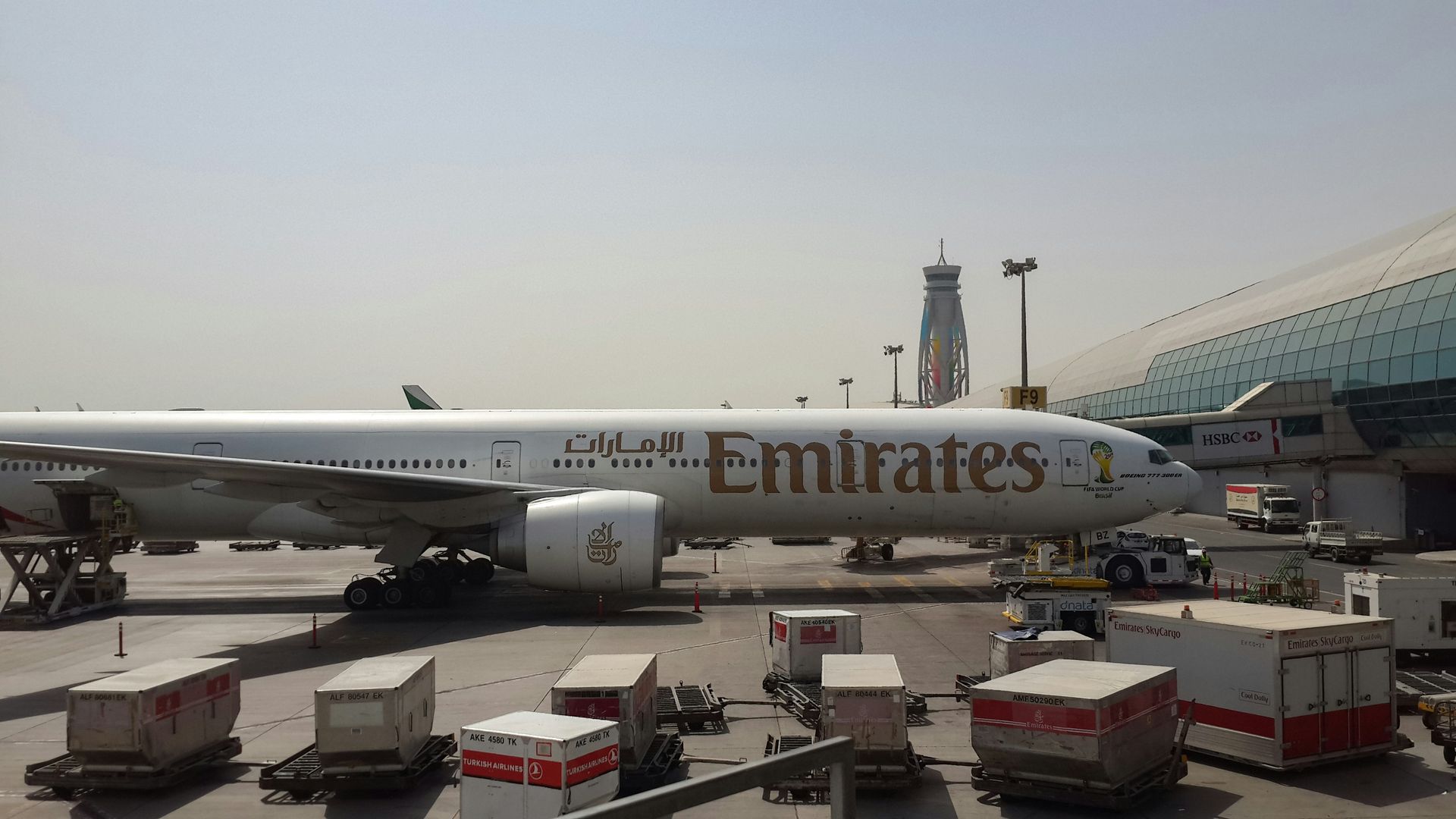
The UAE and Qatar have long offered far simpler entry than Saudi Arabia. Citizens of the U.S., the U.K., the European Union, and dozens of other countries get visa-free or visa-on-arrival access. This typically grants a stay of 30 to 90 days, depending on nationality and purpose of travel. Bahrain and Oman follow similar visa-on-arrival policies for many of the same passport holders. A Gulf multi-country itinerary is considerably simpler to plan today than it would have been 15 years ago.
Jordan offers a visa-on-arrival for most Western passport holders. It has long marketed itself as one of the more accessible countries in the region for independent travel, home to Petra, the Dead Sea, and Wadi Rum. Lebanon similarly issues visas on arrival for many nationalities. The country's ongoing economic difficulties have made cash, specifically U.S. dollars, considerably more useful there than credit cards in recent years, though.
The overall trend across the region points toward loosening entry requirements rather than tightening them. Government strategies to diversify economies away from oil and gas revenue, and toward tourism, aviation, and international business, are driving much of this. A first-time visitor planning a multi-country Gulf itinerary should still check requirements for each specific stop, since rules and eligible nationalities continue to change. The process across most of the region now looks far closer to arriving in Southeast Asia than to the lengthy consular visa applications the region required a generation ago.
Arabic dialects and English use vary enormously place to place
Credit: Berre Açıkdeniz / Pexels
Modern Standard Arabic is the formal version taught in schools and used in news broadcasts. It functions as a shared written language across the Arabic-speaking Middle East, but almost nobody speaks it in casual conversation. Spoken dialects differ enough between regions that a Moroccan and an Iraqi speaking their respective home dialects can struggle to understand each other. Both would still recognize the same formal Arabic on a news broadcast or in a newspaper, though.
Gulf Arabic is spoken across Saudi Arabia, the UAE, Qatar, Bahrain, Kuwait, and Oman. It sounds noticeably different from Levantine Arabic, the dialect family spoken in Lebanon, Syria, Jordan, and Palestine. That, in turn, differs from Egyptian Arabic, which is widely understood across the region thanks to Egypt's dominance in Arabic-language film and television for most of the 20th century. A first-time visitor who picked up a handful of Arabic phrases before a Gulf trip may find those same phrases sound slightly off later. They might even draw a puzzled look if used in Beirut or Cairo.
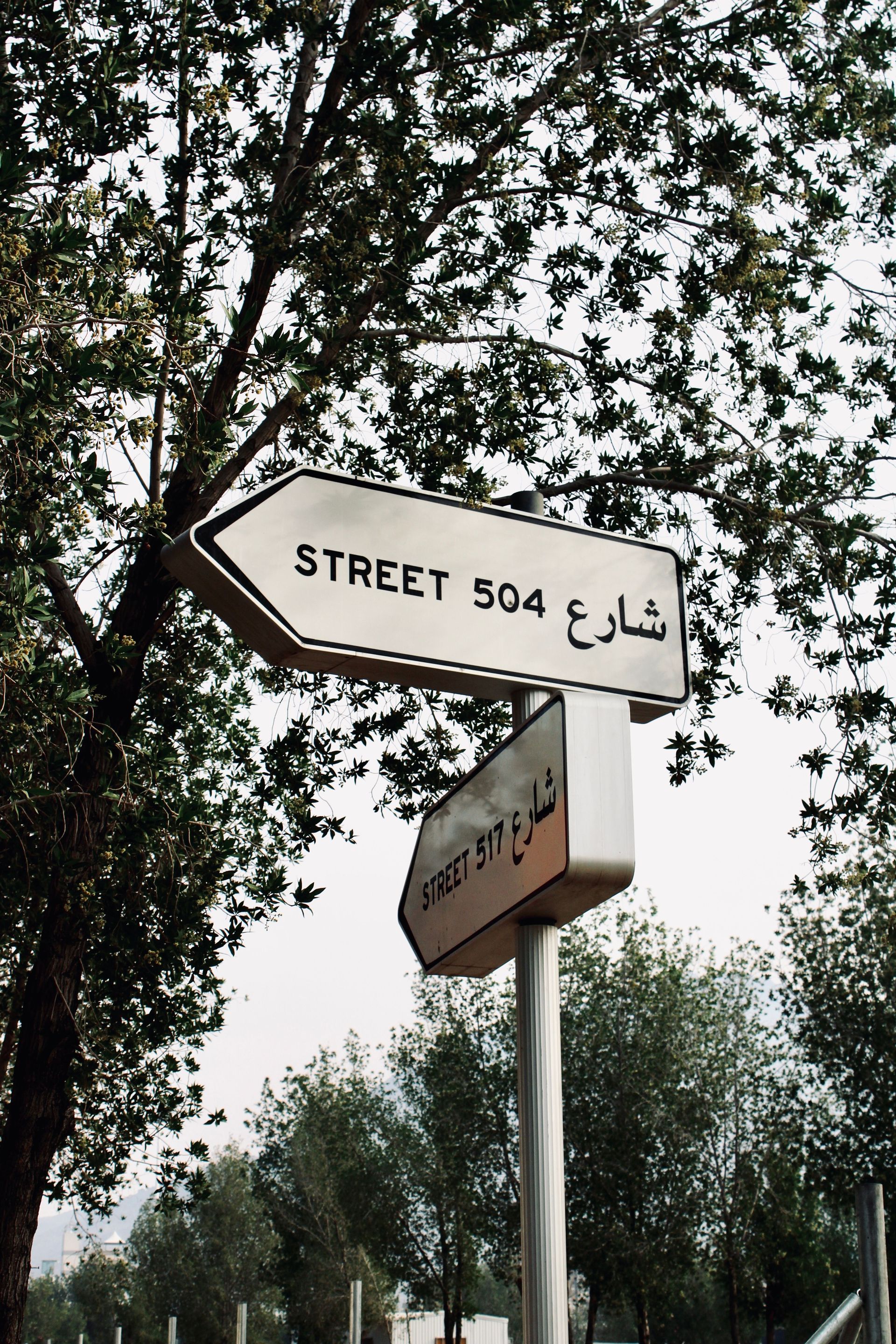
English fills much of the practical gap for visitors, especially in the Gulf. Dubai and Doha function almost entirely in English for tourism, business, and daily transactions. Large expatriate workforces from English-speaking and English-educated countries drive this. Restaurant menus, street signs, and government paperwork commonly appear in both Arabic and English. A visitor who speaks no Arabic at all can navigate Dubai, Abu Dhabi, or Doha with minimal difficulty.
Lebanon adds a third layer, with French spoken widely alongside Arabic and English. This is a legacy of the French mandate period after the First World War. Beirut menus, street signs, and casual conversation frequently mix all three languages within a single sentence. Locals call this pattern Arabizi when it is written in Latin script, with numbers standing in for Arabic sounds that do not exist in English. It remains one of the more distinctive features of the city for a first-time visitor to notice.
Falconry remains a living skill, not a museum piece
Credit: Magda Ehlers / Pexels
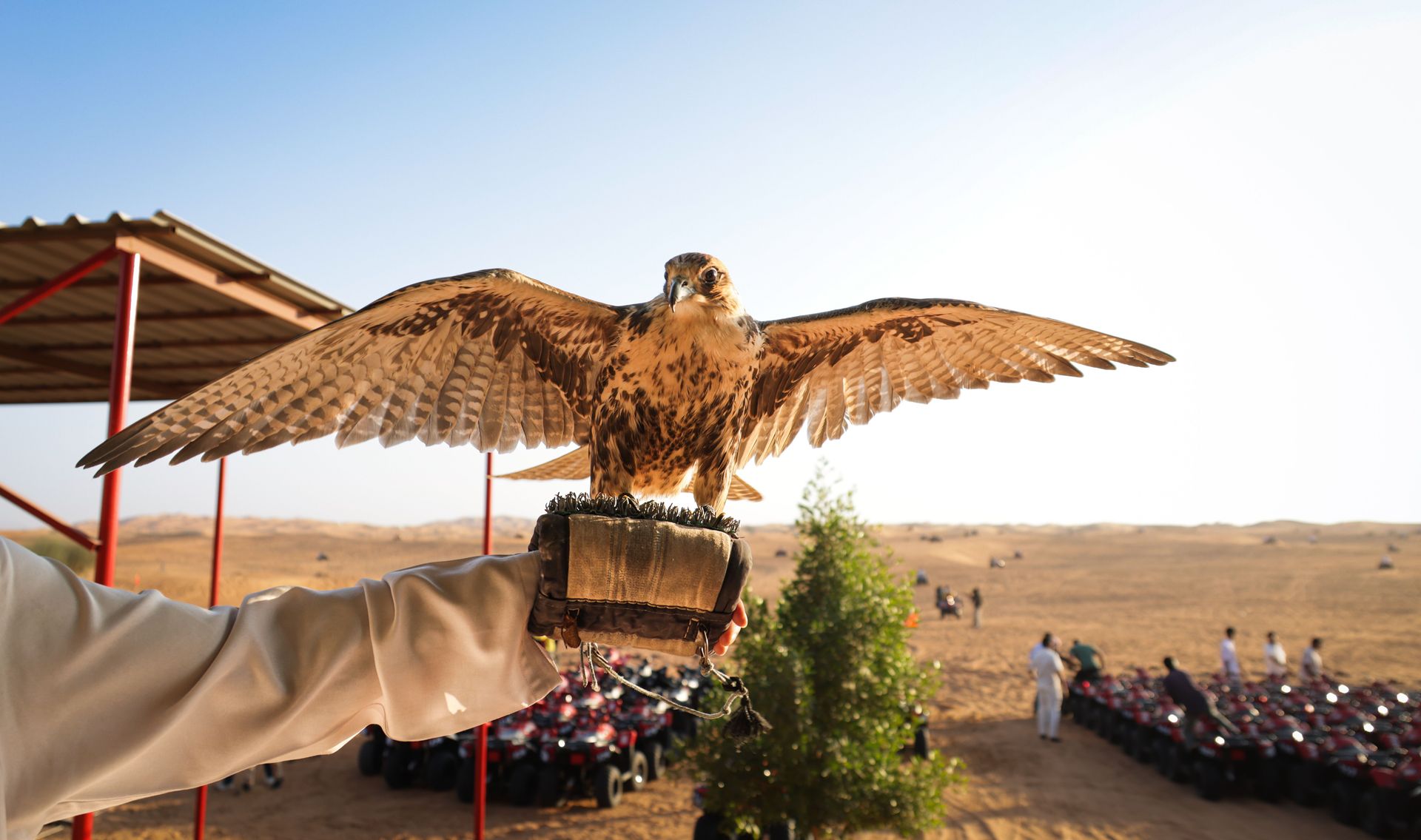
Falconry has been practiced across the Arabian Peninsula for more than 1,000 years. It began as a practical hunting method for Bedouin communities pursuing houbara bustards and hares across the desert. Unesco added falconry to its list of intangible cultural heritage in 2010. That came after a joint nomination led by the UAE alongside 10 other countries. The list has grown since to include two dozen nations, recognizing the practice as a living tradition rather than a historical artifact.
The UAE alone is home to tens of thousands of trained falcons. Prices for a single well-bred bird range from a few thousand dollars to well over 100,000 dollars for a champion racing falcon. Peregrine and saker breeds are favored in particular, for their speed and hunting instinct. Falcon hospitals in Abu Dhabi and Dubai treat sick or injured birds with the same seriousness as a veterinary practice for a racehorse. Specialized units handle broken feathers, a condition called bumblefoot, and respiratory illness.
Falcons are classified as a protected species under international trade rules. Because of this, the UAE introduced a falcon passport system. This is an official identification document that lets owners travel internationally with their birds, without running afoul of wildlife trafficking laws. The passport includes a photograph, a microchip number, and species information. Falcons routinely occupy their own airline seat, seated in a hood to keep them calm, when traveling with owners between hunting grounds in Central Asia and home in the Gulf.
For a first-time visitor, falcon souks in Abu Dhabi sell birds, hoods, gloves, and other gear to working falconers rather than tourists. Visits are welcome, though, and they offer a direct look at a living trade rather than a display behind glass. Falconry festivals and competitions held across the UAE and Saudi Arabia each winter draw serious competitors judging speed and hunting accuracy. It remains a sport still very much practiced, rather than only remembered.