These 5 U.S. states have the most cities with $1 million starter homes
Entry-level home prices have crossed $1 million in more cities than ever. A new Zillow analysis identifies the states leading the count
Christian Koch / Unsplash
The starter home used to be a modest first purchase, something small and affordable that gave a young buyer a foothold in the housing market. In a growing number of American cities, that same category of home now carries a seven-figure price tag. The pandemic set off a chain of forces that erased decades of pricing norms in a matter of months. Mortgage rates fell to record lows, unleashing a wave of demand from remote workers who could suddenly relocate to desirable markets. That demand collided with a construction shortage more than a decade in the making, and home values surged at a pace the country hadn't seen since the postwar housing boom. Mortgage rates have since climbed into the mid-6% range and inventory has loosened in parts of the country, but the price reset that occurred between 2020 and 2023 hasn't reversed. The gains are baked in, and for first-time buyers in the most expensive markets, the entry point is now a price that their parents' generation would have associated with a luxury purchase.
The imbalance isn't evenly distributed. Sun Belt states have responded to demand with significant new construction, and price growth in those regions has moderated as a result. The Northeast hasn't had that relief. Restrictive zoning, limited developable land, and decades of underbuilding have left states, such as New York and New Jersey, with inventory deficits so deep that even modest increases in demand push prices sharply higher. Zillow's own 2026 hottest markets analysis found that the Northeast accounts for more than half of the country's 10 most competitive housing markets, a concentration that reflects the structural supply constraints driving the region's affordability crisis. The cost of building new homes has also risen, with materials and labor expenses adding roughly 30% to construction budgets compared to pre-pandemic levels, a factor that limits the ability of builders to deliver entry-level inventory even in markets where land is available.
Zillow analyzed home values across the country and found that 242 U.S. cities now have starter homes, defined as properties in the lowest third of a market's home values, priced at $1 million or more. That figure is up from 226 a year ago and has nearly tripled from just 80 cities in February 2020. The count now spans 26 states, up from nine before the pandemic, and the expansion has moved well beyond the coastal enclaves that once dominated the list. Before 2020, Colorado was the only interior state with a million-dollar starter home city. Today, Texas has seven, and Wyoming and Illinois each have two. The typical U.S. starter home is still worth $198,649, a reminder that seven-figure entry points remain the exception rather than the rule. But the states where those exceptions cluster reveal where the affordability crisis is deepest and where it's spreading fastest.
1 / 5
California
Jose Rago / Unsplash
California accounts for 105 of the 242 cities on Zillow's list, nearly half the national total and more than the next two states combined. The number has doubled since February 2020, when 52 California cities had million-dollar starter homes, and it dipped by just one from 106 in 2025, a sign that the state's pricing floor has stabilized at an elevated level rather than continuing to climb. The concentration is heaviest in the Bay Area, where the San Francisco and San Jose metro areas combine for 50 cities with seven-figure entry points. The Los Angeles metro follows with 33. San Diego County contributes five, with cities, such as Rancho Santa Fe, Del Mar, Coronado, Solana Beach, and Encinitas, carrying typical starter home values between $1.25 million and $2.78 million.
The structural forces that pushed California to the top of this list are the same ones that have defined the state's housing crisis for decades. Geographic constraints, particularly the coast and mountain ranges that limit where development can go, combine with local zoning rules that have historically restricted density and slowed permitting. The result is a state where new construction consistently falls short of population-driven demand, and where the limited supply that does reach the market tends to target the upper end of the price spectrum rather than the entry-level tier. The California Association of Realtors reported that fewer than one in five households statewide could afford the median-priced home as of late 2025, and in certain coastal counties the figure drops even lower. In Marin County, part of the San Francisco Bay Area, homebuyers would need to spend 120% of their annual wages to purchase and maintain a typical home, a ratio that puts ownership functionally out of reach for all but the highest earners.
California's dominance of the Zillow list reflects something deeper than high prices in a few wealthy enclaves. The $1 million starter home threshold has spread across metro areas of varying sizes and economic profiles, reaching inland communities and mid-sized cities that wouldn't have appeared on this list a decade ago. The state lost one city from the count between 2025 and 2026, suggesting that the ceiling on starter home prices has softened slightly in a handful of markets where inventory has improved or demand has eased. But with 105 cities still above the threshold and no major shift in the state's construction or regulatory landscape on the horizon, California's position at the top of this ranking isn't changing anytime soon. Zillow senior economist Kara Ng noted that Sun Belt markets have responded to demand by building new supply and seeing price growth moderate as a result, but California hasn't experienced that kind of correction because the barriers to new construction remain deeply embedded in the state's land-use framework.
2 / 5
New York
Paul Nylund / Unsplash
New York has added cities to the Zillow list faster than any other state in the country, climbing from 12 million-dollar starter home cities before the pandemic to 41 in April 2026. The state gained 10 cities in the past year alone, the largest single-year increase of any state, and the New York City metro area now leads all U.S. metro areas with 63 cities where a typical starter home crosses the $1 million mark. That metro figure includes communities in neighboring New Jersey and Pennsylvania, but New York's own 41 cities tell a story of affordability erosion that stretches well beyond the five boroughs and into suburbs and small communities that were once considered accessible alternatives to the city itself.
Long Island is the epicenter of the expansion. Greater Long Island reporting found that the island's Nassau and Suffolk counties accounted for the vast majority of New York's million-dollar starter home cities in prior years, with communities spanning from the North Shore villages, such as Nissequogue and Old Westbury, to the Hamptons enclaves of Sagaponack, where the typical starter home is valued at more than $3 million, and Shelter Island. The most expensive community on Long Island isn't a mansion-lined beachfront but a village of fewer than 2,000 people where the combination of extremely limited inventory, high demand from New York City buyers, and strict preservation rules has pushed even the entry tier past the $3 million mark. For first-time buyers, the practical effect is that entire swaths of Long Island are now inaccessible without household incomes well into six figures or significant family wealth to supplement a down payment.
The forces behind New York's rapid expansion on the Zillow list mirror the broader Northeast trend that Kara Ng identified in the report. New construction in the state has chronically lagged demand, and the inventory deficit runs deeper here than in almost any other region of the country. Zillow's 2026 hottest markets analysis found that the Northeast dominates the country's most competitive housing markets, and New York's suburbs are feeling the pressure most acutely because they combine high desirability with zoning restrictions that make it extremely difficult to add new housing stock. The result is a market where demand from city workers seeking more space, retirees downsizing from larger properties, and out-of-state buyers relocating for the region's job base all compete for a fixed and shrinking pool of available homes. The 10-city increase from 2025 to 2026 isn't an anomaly. It's the continuation of a trajectory that has been accelerating since the pandemic, and the pipeline of communities approaching the $1 million starter home threshold suggests the list will continue growing in the years ahead.
3 / 5
New Jersey
Sean Boyd / Unsplash
New Jersey's trajectory on the Zillow list is the most dramatic of any state in the country. Before the pandemic, just one New Jersey community had a starter home valued at $1 million or more. By April 2026, the count had reached 26, a twenty-six-fold increase in six years that reflects the collision of extreme demand, constrained supply, and the spillover effects of the New York City housing market pressing outward into the surrounding suburbs. New Jersey and New York together added 15 cities to the list in the past year, the fastest combined growth of any two-state cluster, and the NYC metro area's total of 63 million-dollar starter home cities includes a significant share of New Jersey communities in Bergen, Essex, and Monmouth Counties.
The specific towns driving New Jersey's count reveal a concentration of wealth in the northern part of the state. Local reporting on the Zillow data identified Alpine, N.J., as the most expensive on the list, with a typical starter home valued at $1.82 million, followed by Short Hills, N.J., at $1.78 million, Saddle River, N.J., at $1.38 million, Englewood Cliffs, N.J., at $1.37 million, Upper Saddle River, N.J., at $1.14 million, and Franklin Lakes, N.J., at $1.07 million. Eight North Jersey towns now have starter homes above the million-dollar threshold, up from six in 2025. These aren't remote or exceptionally unusual communities. They're established residential suburbs within commuting distance of Manhattan, places where professionals with high incomes have historically been able to find four-bedroom homes with good school districts at prices that, while expensive, remained within reach of a two-income household with conventional financing. The pandemic-era price surge moved the floor above $1 million in those markets, and the lack of new construction has kept it there.
New Jersey's housing shortage is structural and longstanding. The state's density, strict municipal zoning laws, and limited open land for development mean that new construction can't respond to demand the way it does in faster-growing Sun Belt states. Kara Ng's observation that the Northeast hasn't experienced the supply-driven price relief that Sun Belt markets have seen applies directly to New Jersey, where the mismatch between what's available and what buyers are willing to pay continues to push entry-level prices higher in communities that were already expensive before the pandemic. The five-city increase from 2025 to 2026 follows an even larger jump from one to 21 between 2020 and 2025, and the trajectory points to continued expansion as more communities in central and southern New Jersey approach the $1 million threshold in the years ahead.
4 / 5
Florida
Julien Maculan / Unsplash
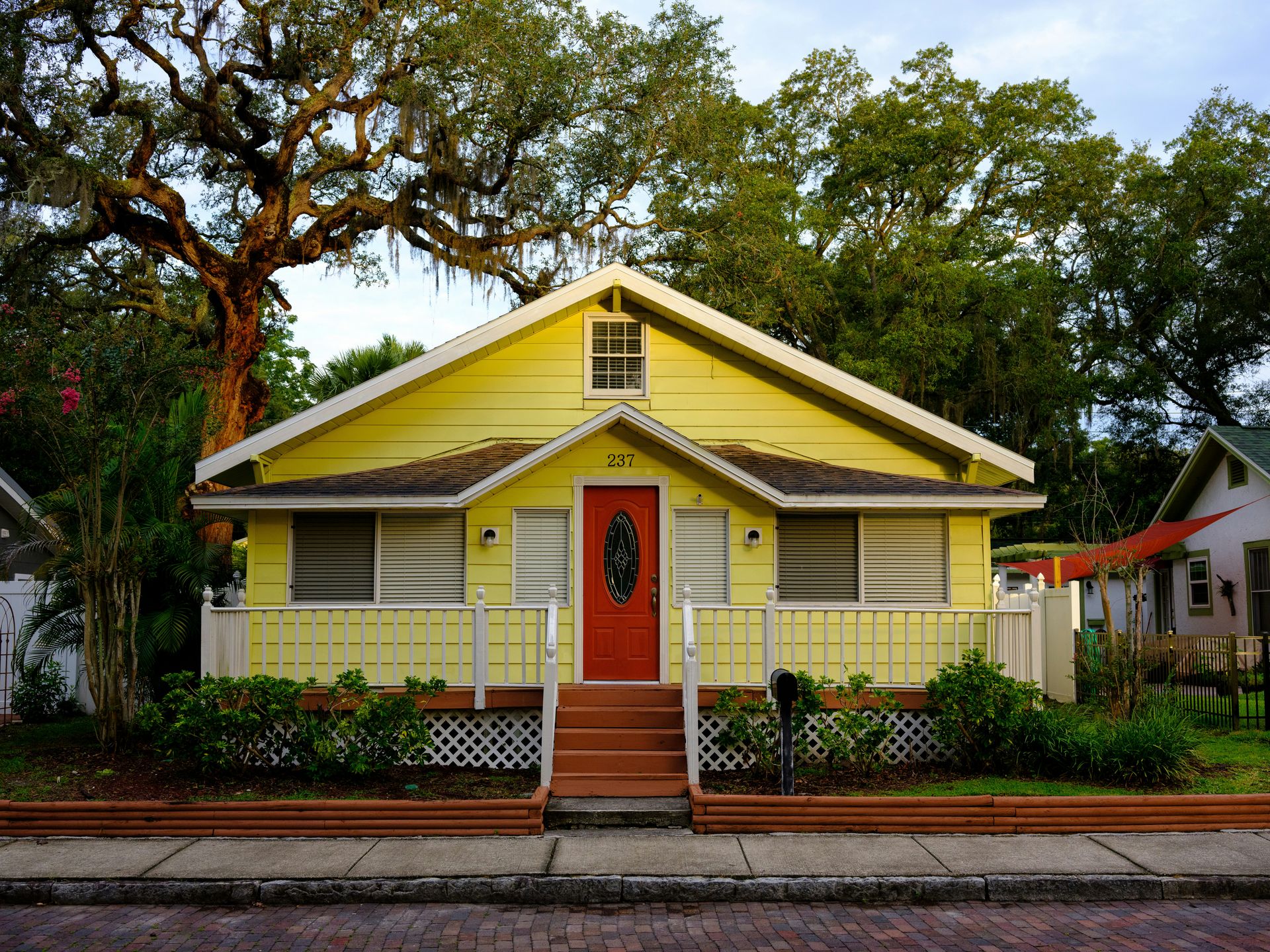
Florida's 11 million-dollar starter home cities represent a smaller footprint than the top three states on this list, but the figure carries outsized significance because of what it reveals about the state's shifting affordability picture. Before the pandemic, just four Florida cities had starter homes valued at $1 million or more, all of them concentrated in the South Florida luxury corridor. The count nearly tripled to 11 by 2025 and held steady at that level through April 2026, a plateau that suggests the state's most expensive markets have absorbed the pandemic-era price surge without adding new communities to the million-dollar tier in the past year.
Eight of Florida's 11 cities sit within the Miami metro area, where the influx of wealthy buyers from high-tax states in the Northeast and Midwest has been one of the most documented migration trends in American real estate over the past five years. The metro's appeal to ultra-high-net-worth individuals, driven by Florida's lack of a state income tax, its international connectivity, and its expanding luxury infrastructure, has pushed prices in barrier-island communities and exclusive mainland enclaves well past the point where even entry-level properties trade for seven figures. The remaining three cities are spread across other parts of the state, likely in coastal communities where waterfront access and limited buildable land create the same supply constraints that drive prices in Miami. Zillow's data shows that the Miami metro ties with Seattle for the fifth-most million-dollar starter home cities of any metro area in the country, with eight each, trailing New York (63), San Francisco (37), Los Angeles (33), and San Jose (13).
Florida's position on the Zillow list differs from the Northeast states in one important respect. Kara Ng noted in the report that Sun Belt markets have responded to high demand with new construction, and that supply response has moderated price growth in much of the region. Florida's statewide construction activity, particularly in the Tampa, Orlando, and Jacksonville metros, has been among the strongest in the country, and that output is one reason the state's total held flat at 11 rather than climbing the way New York's and New Jersey's did. The million-dollar starter home cities are concentrated in pockets of the state where geography, luxury demand, and migration patterns create conditions that new construction can't easily offset, while the broader Florida market remains far more accessible. The state's typical starter home is priced well below the national figure in many inland and smaller coastal communities, a distribution that keeps Florida's overall affordability profile more favorable than its position on this list alone would suggest.
5 / 5
Massachusetts
Vanessa Sezini / Unsplash
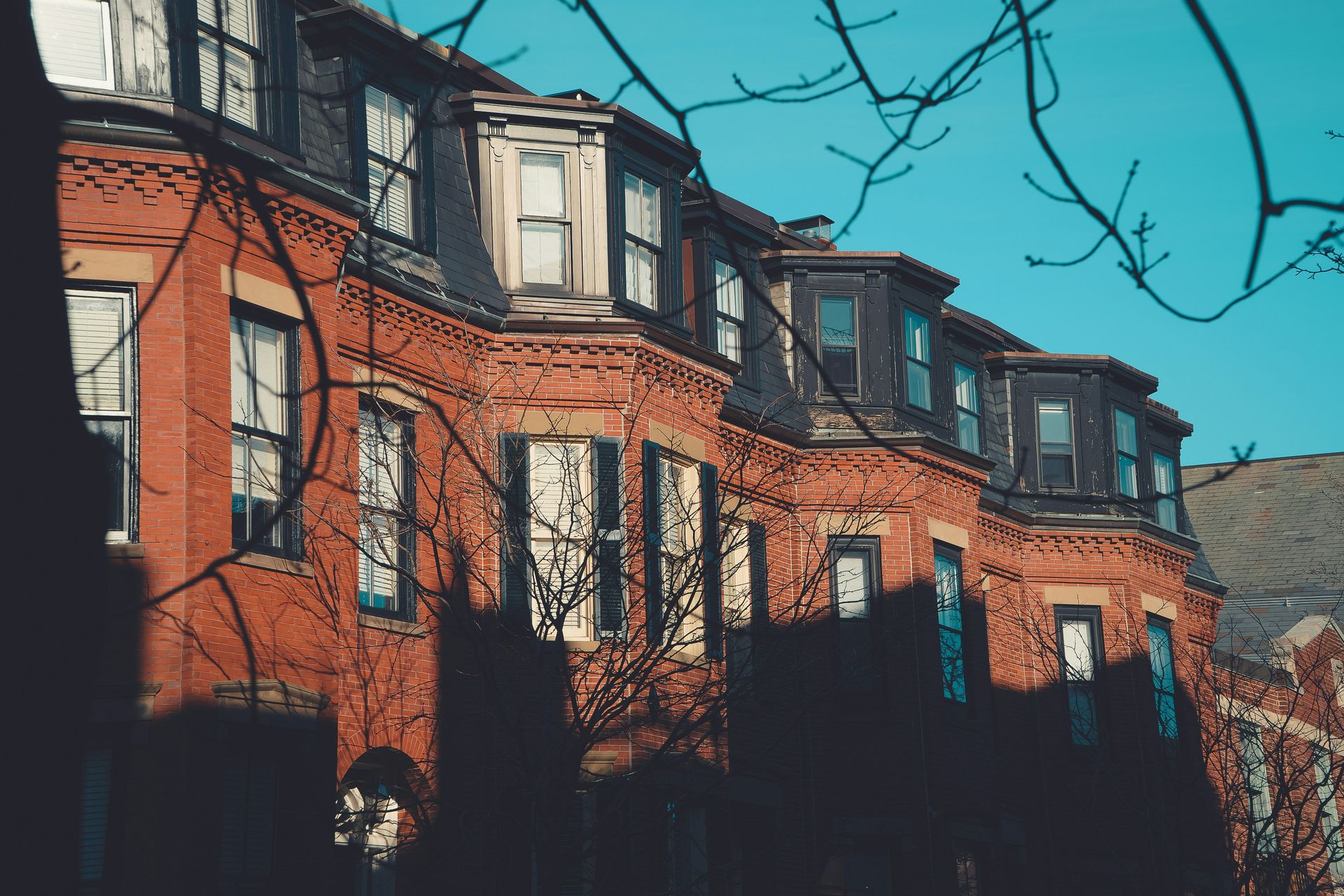
Massachusetts rounds out the top five with 10 cities where starter homes are valued at $1 million or more, unchanged from 2025 but up from just one before the pandemic. The state's expansion from a single million-dollar starter home city to 10 in six years mirrors the broader Northeast pattern of chronic underbuilding and intense demand, but Massachusetts adds a distinctive element. Boston itself isn't on the list. CBS Boston notes that the typical starter home in the city of Boston is valued at approximately $514,000, well below the million-dollar threshold, while the wealthy suburbs and island communities surrounding it are the ones driving the count. The statewide typical starter home price of $435,700 is more than double the national figure of $198,649, but it's the geographic concentration of extreme values in a ring of affluent communities that puts Massachusetts on this list rather than a uniformly high price floor across the state.
The communities on the Massachusetts list are primarily affluent suburbs in the greater Boston area and seasonal island towns, places where land is scarce, school districts are nationally ranked, and demand from professionals working in the city's healthcare, biotech, and higher education sectors keeps competition fierce. The economic engine driving those prices is anchored in Cambridge and the Kendall Square $SQ corridor, where billions of dollars in investment from MIT, Harvard, and major pharmaceutical companies have created one of the densest concentrations of high-paying jobs in the country. Workers who can't afford to live in Cambridge itself push outward into surrounding towns, bidding up prices in communities that were already expensive and pulling the entry-level tier above $1 million in the most desirable locations. Local market data from mid-2026 shows that Arlington, Mass., one of the communities near the threshold, had a median sale price of approximately $1.1 million, and the broader pattern of price escalation has led policymakers to explore regulatory responses.
Massachusetts is actively debating how to address the supply side of the problem. The MBTA Communities Act, which requires towns served by public transit to create zoning that encourages multifamily housing development, has already prompted communities, such as Lexington, Mass., to approve more than 1,000 new units of housing, and even Weston, Mass., one of the state's wealthiest communities with an average home value of $2.2 million, has plans for nearly 500 new units. A separate ballot initiative under discussion would cap minimum lot sizes for single-family construction at 5,000 square feet statewide, a measure designed to create more buildable parcels in towns where large-lot zoning has historically limited the supply of smaller, more affordable homes. Whether those interventions produce enough new inventory to slow the expansion of million-dollar starter home cities remains an open question, but the legislative activity signals that Massachusetts has recognized the structural nature of its affordability crisis and is taking steps that most of the other states on this list haven't attempted.
