Credit: NASA Goddard Space Flight Center / Wikimedia Commons (CC BY 2.0)
Human history is punctuated by moments when a single decision, a stray calculation, or plain luck kept catastrophe at bay. Some of these near-misses played out over tense days in front of the whole world. Others lasted minutes, unfolded in a Siberian forest, or hinged on one officer refusing to follow procedure. A few were geological events that predate civilization entirely.
What links them is proximity to disaster on a scale that could have reshaped or ended life as people knew it. Nuclear weapons feature heavily, because the Cold War manufactured dozens of chances for accidental annihilation. But the list runs wider than warheads. It includes a disease that killed hundreds of millions, a threat to the layer of atmosphere that shields the planet from radiation, and space rocks capable of leveling cities.
The "what stopped it" part matters as much as the danger. In several cases, the thing that saved millions was human judgment — someone who trusted their read of a situation over the machines screaming at them. In others, it was engineering, physics, distance, or an international agreement hammered out under pressure. Sometimes it was nothing more than timing, with Earth simply not in the wrong place at the wrong moment.
These stories carry weight beyond curiosity. They show how thin the margin can be between an ordinary day and a historic disaster. They also show that the safeguards are often human and fallible — a single person under enormous stress, a safety switch that happened to hold, a satellite that confirmed the truth just in time.
The 15 events below span more than 70,000 years. Some are well documented in declassified files. Others remain partly debated by scientists. Each marks a point where the trajectory of the planet or its people could have bent sharply toward ruin, and did not. Read together, they form a record of close calls and a reminder that survival has never been guaranteed.
1 / 15
Credit: U.S. National Archives / NARA & DVIDS Public Domain Archive
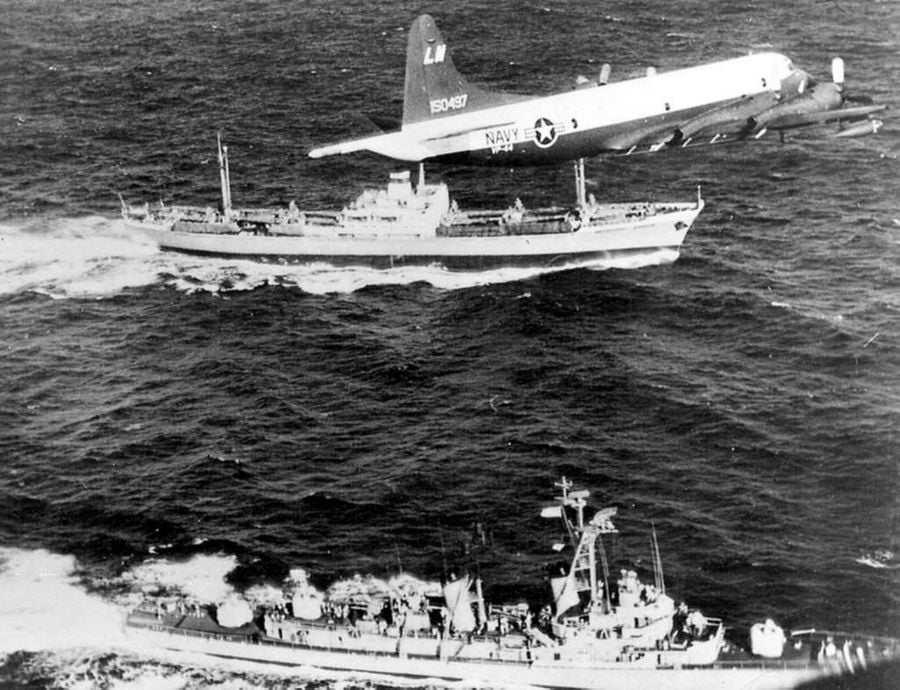
In October 1962, the U.S. discovered Soviet nuclear missiles under construction in Cuba. American U-2 spy planes photographed the launch sites, which would place warheads within easy range of most major U.S. cities. President John F. Kennedy faced a choice among airstrikes, invasion, and blockade.
Kennedy chose a naval "quarantine" of Cuba. He avoided the word blockade, which under international law can mean an act of war. For 13 days, Soviet ships steamed toward the line while both militaries moved to high alert. U.S. Strategic Air Command went to a readiness level it had never reached before.
The danger was not only a deliberate decision to fight. It was the risk that a local commander, a downed plane, or a misread signal would spark escalation neither leader wanted. On October 27, a Soviet surface-to-air missile shot down a U-2 over Cuba and killed the pilot. Some advisers in Washington pushed for immediate retaliation.
Resolution came through a mix of public and private diplomacy. Khrushchev agreed publicly to withdraw the missiles in return for a U.S. pledge not to invade Cuba. A secret side deal committed the U.S. to remove its Jupiter missiles from Turkey some months later. Back-channel talks between Attorney General Robert Kennedy and Soviet Ambassador Anatoly Dobrynin carried the crucial terms.
The crisis changed how both governments managed nuclear risk. It led directly to the 1963 Moscow-Washington hotline, a direct link meant to stop misunderstandings from spiraling. It also fed momentum toward the Partial Nuclear Test Ban Treaty signed that same year.
What stopped catastrophe was restraint at the top and a willingness to let the other side save face. Both leaders resisted the advisers urging force. The episode remains the clearest case of the world's two largest arsenals coming within days of use, and it still shapes how crises are studied today.
2 / 15
Credit: U.S. National Archives / NARA & DVIDS Public Domain Archive
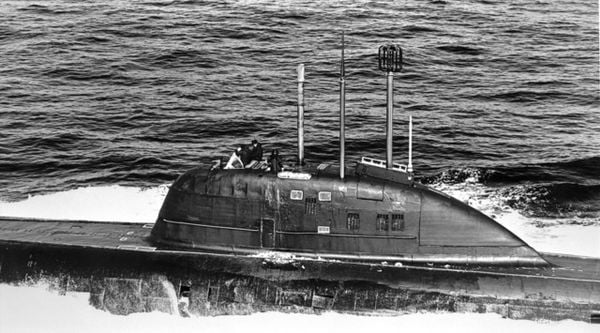
On October 27, 1962, at the peak of the Cuban Missile Crisis, a Soviet submarine named B-59 sat near the U.S. naval quarantine line. American destroyers had detected it and began dropping practice depth charges to force it to the surface. The crew did not know the charges were meant as signals rather than attacks.
The submarine had been submerged for days. Its air was foul, temperatures inside had climbed, and it had lost radio contact with Moscow. The crew had no way to know whether war had already broken out above them. Conditions on board were close to unbearable.
Unknown to the Americans, B-59 carried a nuclear torpedo. The captain, Valentin Savitsky, reportedly concluded that war might have started and moved to prepare the weapon. Under the rules for that torpedo, launch required the agreement of three senior officers aboard rather than the captain alone.
Two of the three were prepared to proceed. The third was Vasili Arkhipov, who served as chief of staff of the submarine flotilla and happened to be aboard this particular vessel. His seniority gave his objection unusual force. He refused to consent to the launch and argued for surfacing to seek orders instead.
The submarine came up, made contact, and eventually withdrew. No weapon was fired. A nuclear detonation against a U.S. fleet during those days could have triggered exactly the escalation both capitals were straining to avoid.
Details of the episode were classified for decades and emerged fully only after the Cold War. Historians have since highlighted how a single reluctant officer, in a sweltering steel hull with no information, may have blocked the first use of a nuclear weapon in war since 1945.
What stopped catastrophe here was not diplomacy or technology. It was one man's refusal to treat ambiguity as proof of attack, inside a system that, by design, required his agreement.
3 / 15
Credit: Paul Lichtblau / Pexels
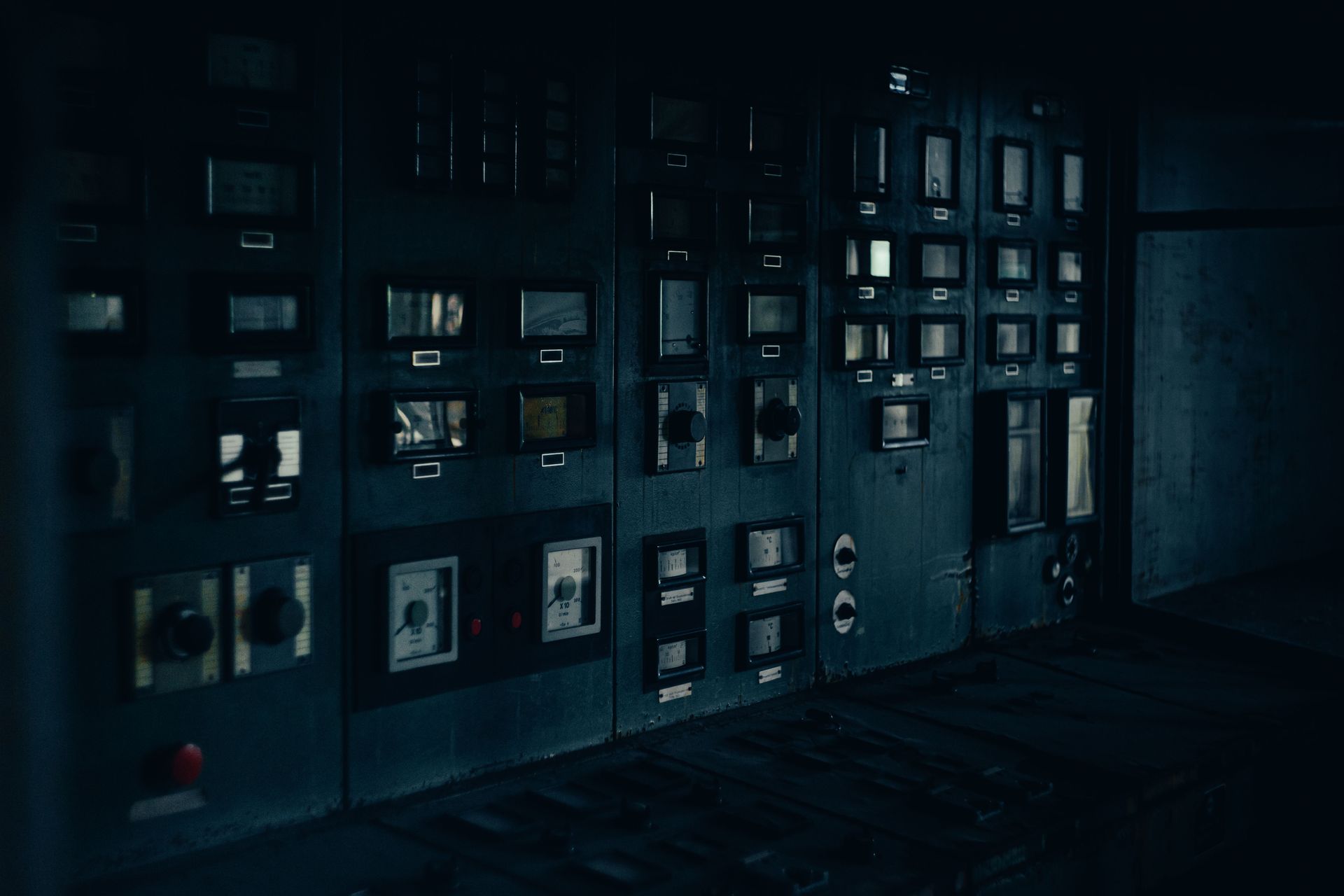
Shortly after midnight on September 26, 1983, Soviet Lieutenant Colonel Stanislav Petrov was the duty officer at a secret command bunker south of Moscow. The facility monitored the Oko early-warning satellite network, which watched for U.S. missile launches. The system suddenly reported that an American intercontinental ballistic missile had been fired.
Then it reported a second launch, a third, and eventually five in total. Sirens sounded and screens demanded action. Protocol pointed toward reporting a confirmed attack up the chain, which could have set a retaliatory strike in motion.
Petrov hesitated. His reasoning was practical. A genuine U.S. first strike, he judged, would likely involve a massive salvo of missiles rather than a handful. Five looked wrong for an opening blow meant to cripple Soviet forces before they could respond.
Ground radar had also not yet confirmed any incoming warheads. Petrov reported the event to his superiors as a probable false alarm rather than a real launch. He later described the wait for confirmation as the tensest moments of his life.
The alert proved false. Investigators concluded that sunlight reflecting off high-altitude clouds had fooled the satellites into reading launches that never happened. A design vulnerability in the detection system had produced the phantom missiles.
The incident stayed secret for years and became public only after the Soviet collapse. Petrov received no official reward at the time. He said he had simply done his job and had not wanted to be the man who started a war on faulty data.
What stopped catastrophe was human skepticism aimed at a machine. The system worked as programmed and still got the answer disastrously wrong. Petrov's decision to weigh the pattern against his own reasoning, rather than defer automatically to the alarm, is often cited as one of the closest brushes with accidental nuclear war.
4 / 15
Credit: Ries Bosch / Unsplash
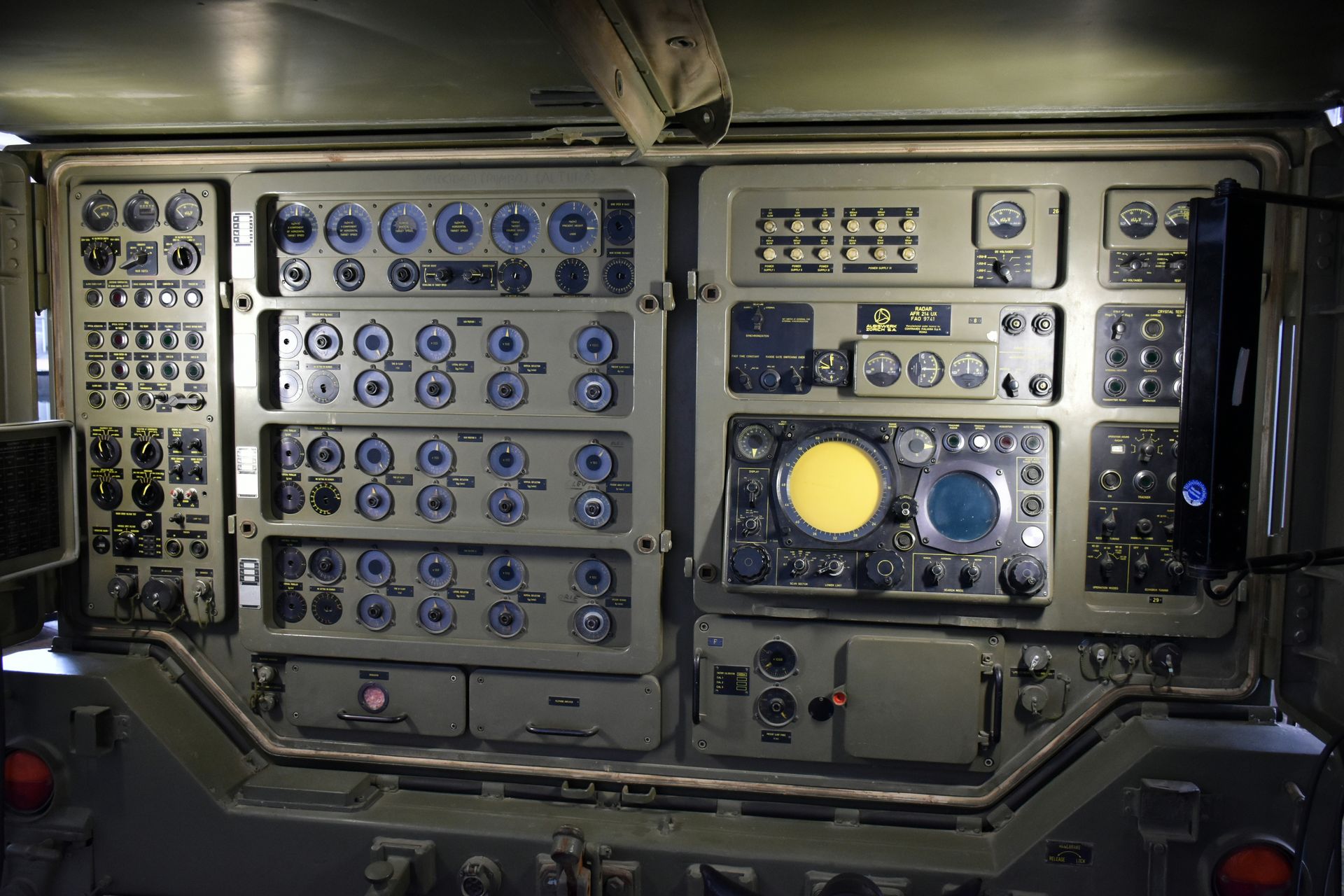
In November 1983, NATO ran a command exercise called Able Archer 83. It simulated the procedures for moving from conventional conflict to the release of nuclear weapons in Europe. The drill involved realistic communications, changes in message formats, and participation from senior officials.
The timing was dangerous. Cold War tensions were already high after a year of harsh rhetoric and the Soviet downing of a Korean airliner that September. Soviet leaders were primed to fear a surprise Western attack.
Moscow had launched an intelligence program known by the acronym RYaN, tasked with detecting signs that NATO was preparing a first strike. Analysts were told to watch for exactly the kind of activity an exercise like Able Archer would generate. The realism of the drill fed those fears.
Some Soviet forces reportedly increased their alert status during the exercise. Intelligence indicated that certain aircraft in Eastern Europe were readied and that leadership treated the possibility of a genuine attack seriously. The concern was that the Soviets might mistake preparation for war games as preparation for war itself.
Able Archer ended on schedule. NATO forces stood down, and the feared strike never came. Western officials only later grasped how nervously Moscow had watched the exercise, partly through intelligence from a Soviet source working for British intelligence.
The episode is harder to pin down than a single dramatic moment. Historians still debate how close it truly came to disaster. Declassified reviews concluded that the danger was real enough to warrant serious concern, even if a Soviet strike was never certain.
What stopped catastrophe was the exercise simply concluding before misperception hardened into action. The scare had lasting effects. It reportedly shook U.S. leadership into recognizing how differently the other side read the same events, and it contributed to a shift toward dialogue in the mid-1980s.
5 / 15
Credit: SpaceX / Pexels
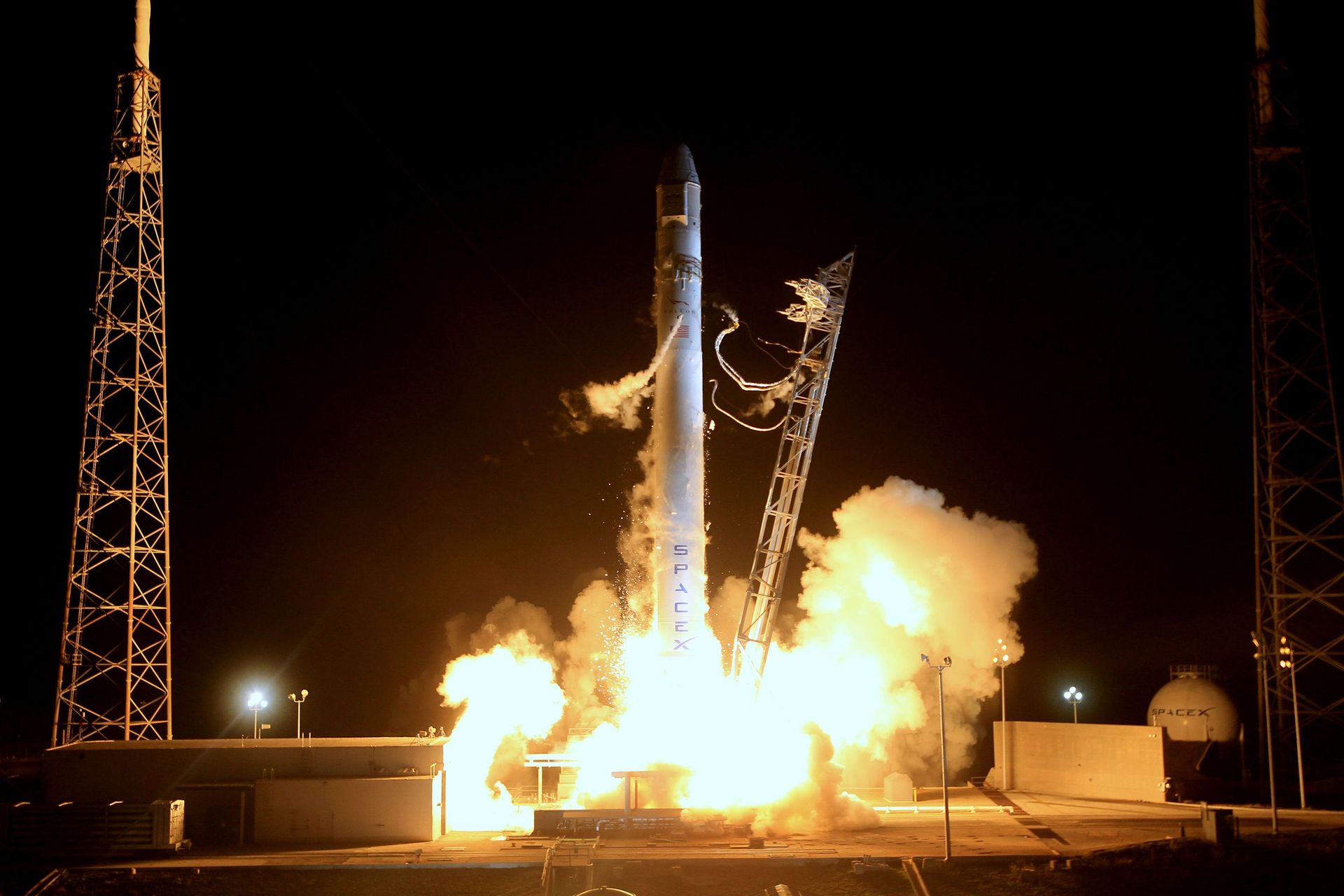
On January 25, 1995, scientists launched a research rocket from an island off the coast of Norway. The Black Brant XII was studying the aurora borealis over the Arctic. The launch was scientific and had been announced to many governments in advance.
Russian early-warning radar detected the rocket as it climbed. Its speed and trajectory resembled, for a brief period, a possible submarine-launched ballistic missile rising from the Norwegian Sea. Analysts worried it could be a single warhead detonated at high altitude to blind Russian radar before a larger attack.
The notification about the launch had reportedly not reached the right radar operators. What should have been a known scientific event appeared on screens as an unexplained missile. Russian command began working through its response procedures.
For the first known time, the Russian nuclear command system that carries launch authorization was activated and brought to President Boris Yeltsin. He and his senior military officials had minutes to assess whether the object was a threat requiring a response.
The rocket's path was tracked as it continued upward and then fell away over the sea, far from Russian territory. Officials concluded it posed no danger. The stand-down came within the short window available before any decision would have carried enormous stakes.
The incident stands out because it happened years after the Cold War officially ended. It showed that the machinery of nuclear alert remained live and that a routine scientific launch could still ripple through it. Aging warning systems and communication gaps had not disappeared with the Soviet Union.
What stopped catastrophe was quick technical assessment and a decision to wait for clarity rather than react. The rocket carried instruments, not a warhead. The episode became a case study in how easily peacetime activity can be misread by systems built for war.
6 / 15
Credit: The U.S. National Archives / PICRYL
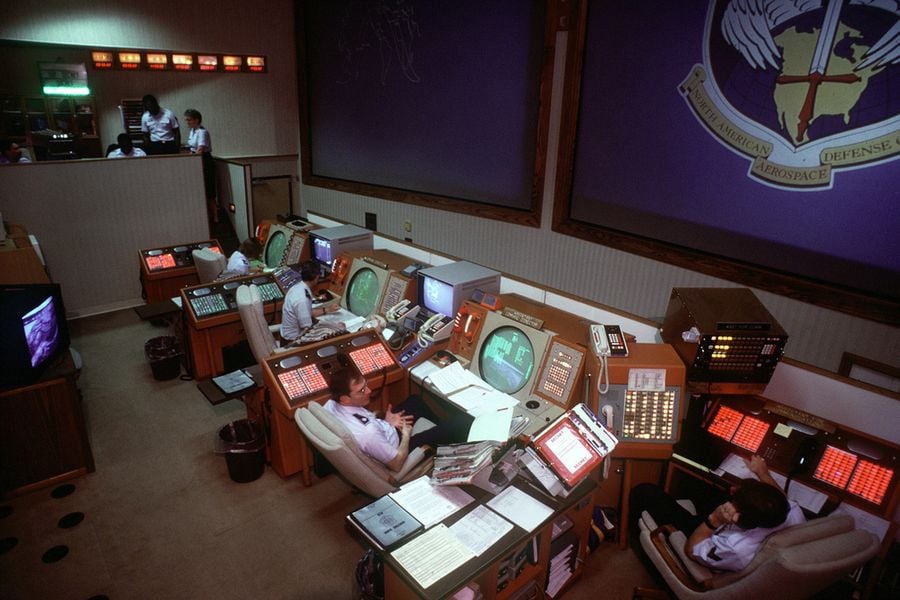
On November 9, 1979, operators at the North American Aerospace Defense Command saw their screens fill with data showing a large-scale Soviet missile attack on the U.S. and Canada. Warheads appeared to be inbound. The display suggested a coordinated first strike of the kind planners had long feared.
The response machinery began to move. Interceptor aircraft were reportedly launched, and command posts started preparations to protect national leadership. The system was doing what it had been built to do in the event of real war.
The alarming data did not match reality. Satellite sensors and ground radar, which independently watch for actual launches, showed no sign of incoming missiles. That mismatch bought time to question the screens rather than act on them.
Investigators traced the cause to a training scenario. A tape simulating a Soviet attack had been loaded in a way that fed its data into operational systems, so a drill appeared as a live event. The exercise designed to prepare crews had instead alarmed them.
The error was caught within minutes. Because the independent sensors flatly contradicted the attack display, controllers could confirm that no missiles were flying. National Security Adviser Zbigniew Brzezinski was reportedly woken during the scare before it was resolved.
The 1979 event was not the only false alarm of the era. A series of computer faults in the following months, including problems traced to a failing hardware chip, produced further erroneous warnings. Each exposed how sensitive the warning network was to internal error.
What stopped catastrophe was redundancy. The design required confirmation from multiple independent systems before anyone treated a warning as real. That layered check is what separated a frightening glitch from a decision to retaliate against an attack that existed only on a tape.
7 / 15
_(2)-1920x1440.jpg)
Credit: Clemens Vasters / Wikimedia Commons (CC BY 2.0)
On January 24, 1961, a B-52 bomber suffered a structural failure and broke apart in the air over Goldsboro, North Carolina. The aircraft was carrying two Mark 39 hydrogen bombs. As the plane disintegrated, both weapons fell toward the ground.
One bomb behaved almost as if it had been deliberately released. Its parachute deployed, and it descended in a controlled way. During the fall, the weapon reportedly moved through several of the steps in its arming sequence, the process that readies a bomb to detonate.
Later analysis of declassified documents indicated that a small number of safety mechanisms stood between that bomb and a full thermonuclear explosion. One low-voltage switch was said to be the final component that prevented detonation. The margin described in those files was narrow.
The second bomb fell without a working parachute and struck the ground at high speed. It broke apart on impact and partly buried itself in a muddy field. Crews recovered most of it, but part of the weapon, including material from its core, was never fully retrieved and remains in the ground under an easement.
Each Mark 39 carried explosive power vastly greater than the bombs dropped on Japan in 1945. A detonation over North Carolina would have caused catastrophic destruction and spread fallout across populated areas of the U.S. East Coast.
The incident was one of many so-called Broken Arrow events, the military's term for accidents involving nuclear weapons. Details of how close Goldsboro came were downplayed for decades and clarified only through later document releases and reporting.
What stopped catastrophe was engineering, and a slim margin of it. The weapons had been designed with layered safeguards precisely so that an accident would not become a detonation. At Goldsboro, those safeguards held, though by less than anyone would have wanted.
8 / 15
Credit: Alejandro De Roa / Pexels
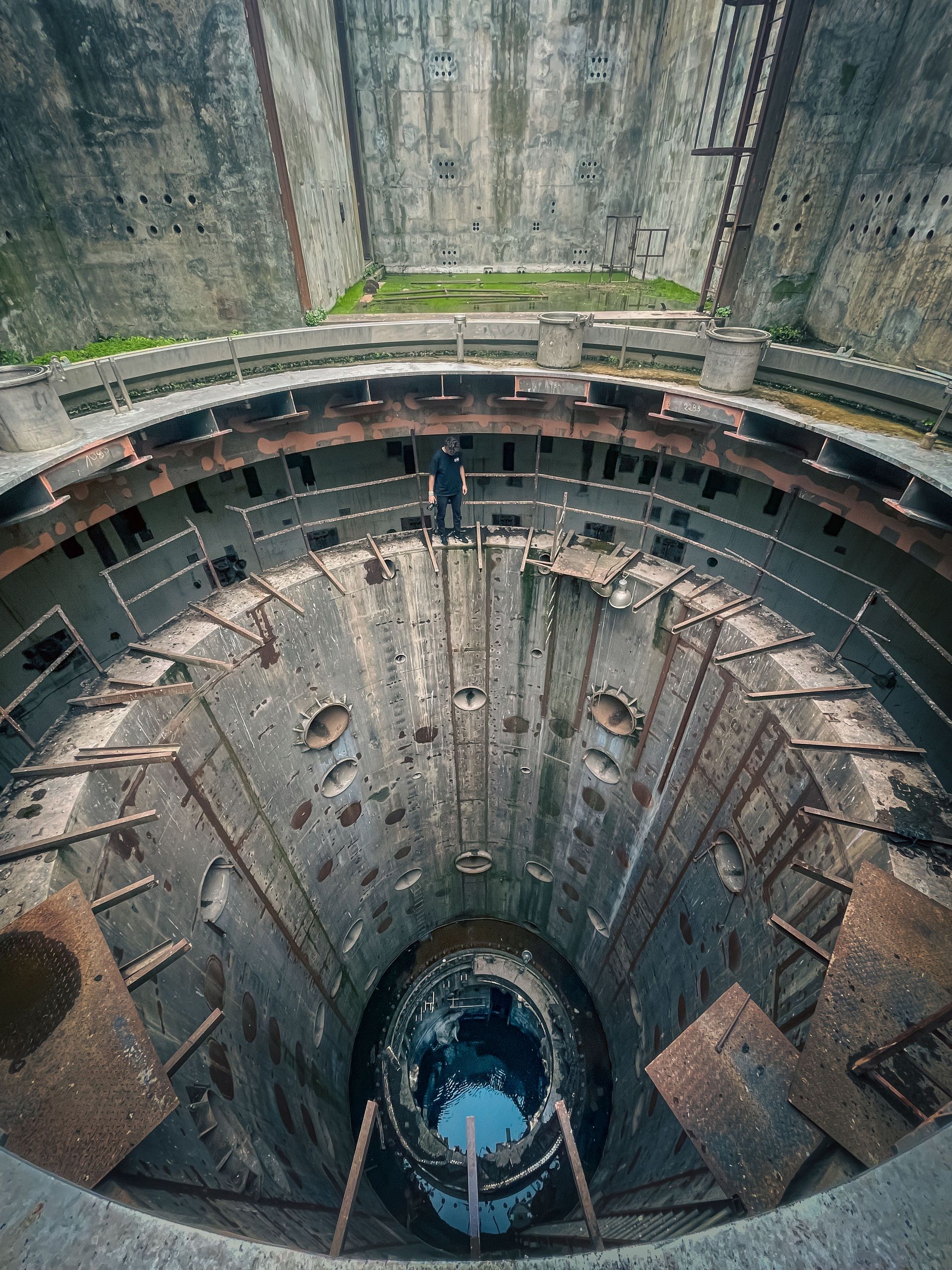
On September 18, 1980, a maintenance crew was working inside a Titan II missile silo near Damascus, Arkansas. The Titan II was a large intercontinental missile fueled by volatile liquid propellants. During the work, an airman dropped a heavy socket from a wrench.
The socket fell dozens of feet down the silo, struck the missile, and punctured a fuel tank. Pressurized propellant began spraying out. The leak created an increasingly dangerous mix of fuel vapor inside the enclosed silo.
Crews evacuated as the situation worsened. The missile sat atop its warhead, a W53 with a yield in the multi-megaton range, one of the most powerful weapons in the U.S. arsenal. A fuel explosion so close to a nuclear device raised obvious fears.
In the early hours of September 19, the accumulated vapor detonated. The blast tore the silo apart, hurled its massive concrete door aside, and ejected the warhead from the complex. One member of the response effort, David Livingston, was killed, and others were injured.
The warhead landed some distance away in the surrounding countryside. It did not detonate and did not release radioactive contamination. The weapon's safety design prevented the conventional explosion from setting off its nuclear payload.
The Damascus accident became one of the best-documented nuclear weapons mishaps in U.S. history, later examined in detail in Eric Schlosser's book "Command and Control." It exposed the risks of storing armed warheads atop aging, hazardous liquid-fueled missiles.
What stopped catastrophe was the same principle that saved North Carolina two decades earlier. Nuclear weapons were engineered so that even a violent accident would not trigger their main charge. The Titan II fleet was retired later in the decade, in part because of the dangers the Damascus explosion laid bare.
9 / 15
Credit: Pixabay / Pexels
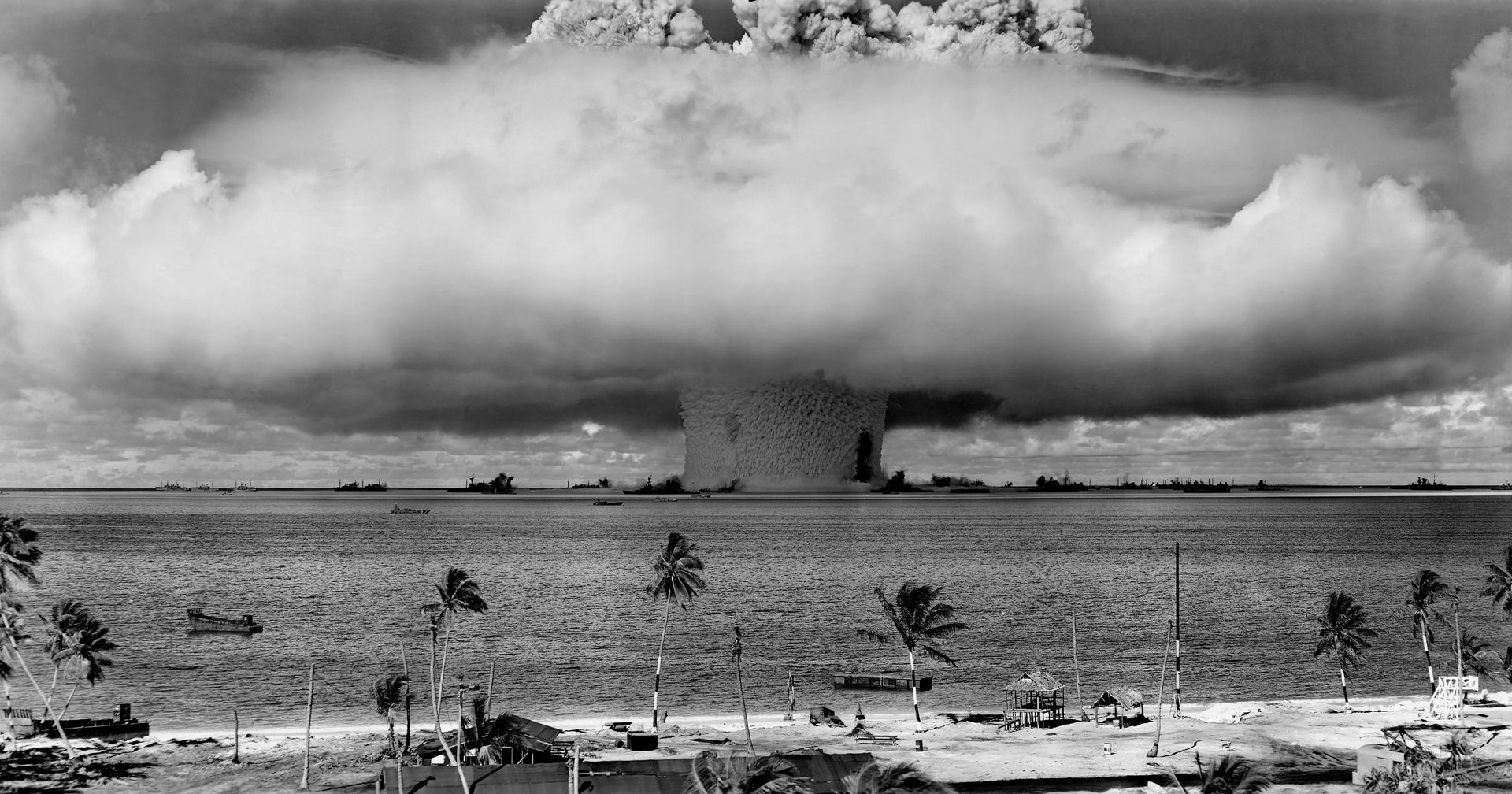
Before the first nuclear test in 1945, physicists working on the Manhattan Project confronted a disturbing question. Could the extreme heat of a nuclear detonation set off a runaway fusion reaction in the atmosphere itself, in the nitrogen of the air or the hydrogen in the oceans?
The concern is usually traced to Edward Teller, who raised the possibility during wartime discussions. If a bomb could ignite the atmosphere in a self-sustaining chain reaction, the result would not be a large explosion but the end of life on the planet. The idea demanded a serious answer before any test.
Teller and colleagues, including Emil Konopinski, worked through the physics. Their analysis, captured in a wartime report on the ignition of the atmosphere, examined whether the reactions could feed themselves. They concluded that the energy losses in the process were far too large for any chain reaction to sustain.
Hans Bethe, one of the leading theorists on the project, also examined the problem and dismissed the doomsday scenario. The calculations showed that a detonation would lose heat faster than it could drive further fusion. The atmosphere would not catch fire.
The fear was never treated as likely, but the physicists took it seriously enough to check rather than assume. Accounts describe Enrico Fermi darkly joking about the odds and taking bets among colleagues before the Trinity test. The humor sat atop a genuine effort to rule out annihilation.
On July 16, 1945, the Trinity test detonated in the New Mexico desert. The atmosphere did not ignite, exactly as the calculations had predicted. The result confirmed the theory under the harshest possible test.
What stopped catastrophe was arithmetic done in advance. The safeguard was not a switch or a treaty but the willingness to calculate a worst case honestly, and the physics that showed the worst case could not occur.
10 / 15
Credit: Oleksandra Bardash / Unsplash
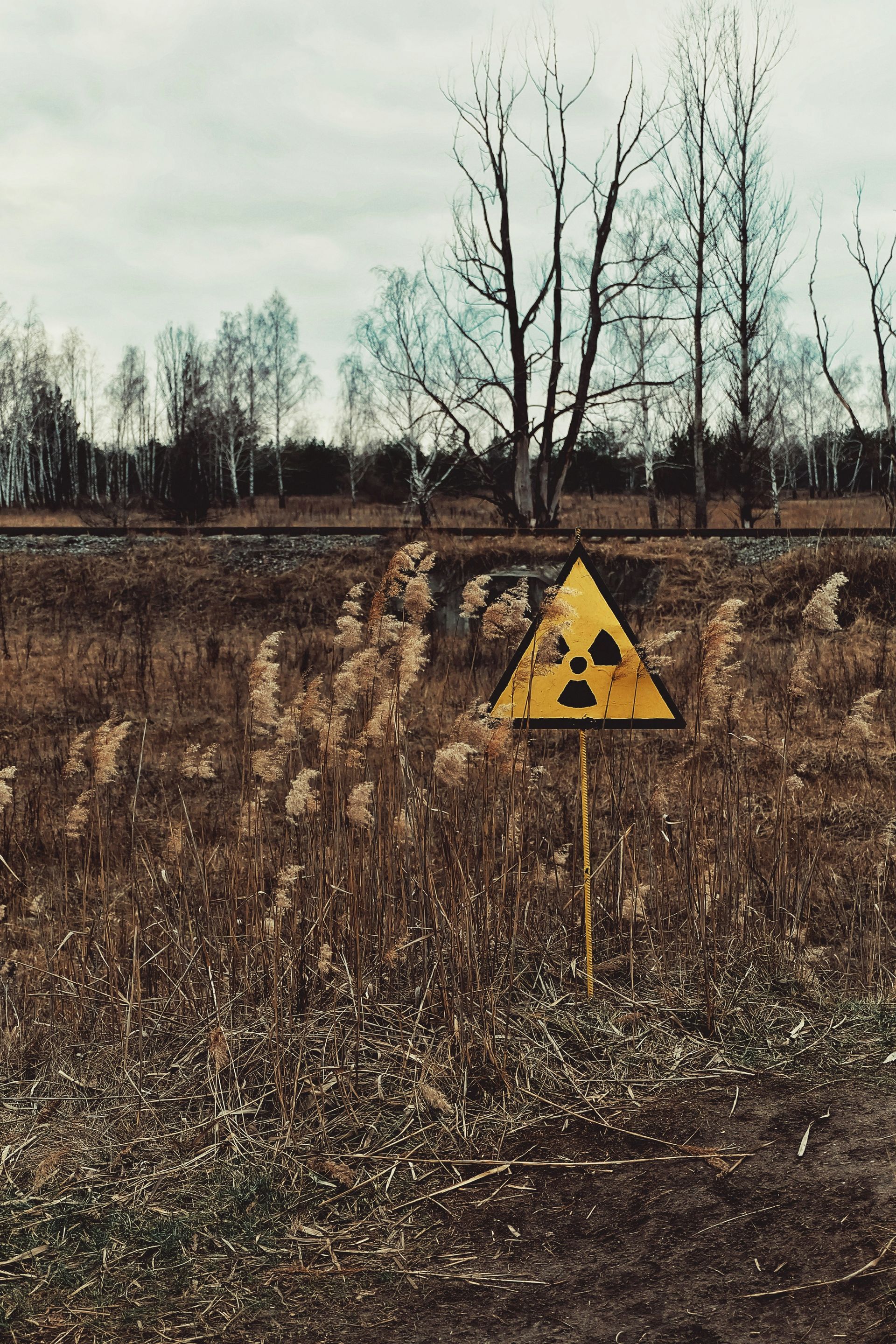
After the reactor explosion at Chernobyl on April 26, 1986, engineers faced a second, hidden danger beneath the ruined unit. The intense heat of the melted reactor core, or corium, was burning downward through the structure. Below it lay pools of water in what were called the bubbler tanks.
The fear was a steam explosion. If the molten mass reached the standing water, the sudden burst of steam could blow apart more of the building. Contemporary planners worried it would spread far more radioactive material across the surrounding region.
The water had to be drained before the corium reached it. Valves controlling the pools were located in flooded, highly radioactive corridors beneath the reactor. Reaching them meant entering some of the most dangerous spaces on Earth at that moment.
Three plant workers volunteered for the task: Alexei Ananenko, Valeri Bezpalov, and Boris Baranov. Ananenko knew the location of the valves. In protective gear and with limited light, they moved through the flooded passages, found the valves, and opened them to let the water drain away.
They completed the job and made it back out. A widespread later myth held that all three died within weeks of radiation exposure. In reality they survived the operation. Ananenko and Bezpalov were reported alive decades afterward, and Baranov lived until 2005.
The scale of the disaster that was avoided is debated by experts, and popular claims about a blast that could have devastated much of Europe are regarded as exaggerated. What is clear is that draining the water removed a real and serious hazard while the accident was still unfolding.
What stopped this particular danger was three men choosing to enter a place almost no one would. Their work was one of many desperate improvisations during the response, carried out before anyone fully understood what the ruined reactor would do next.
11 / 15
Credit: Mufid Majnun / Unsplash
Smallpox is one of the deadliest diseases humans have ever faced. It killed an estimated 300 million people in the 20th century alone and had scarred and blinded countless others across recorded history. It spread easily and killed roughly a third of those it infected in many outbreaks.
The disease had no reliable cure. Its one great weakness was that humans were its only host. It could not hide in animals or the environment, which meant that stopping human-to-human transmission everywhere could, in principle, end it for good.
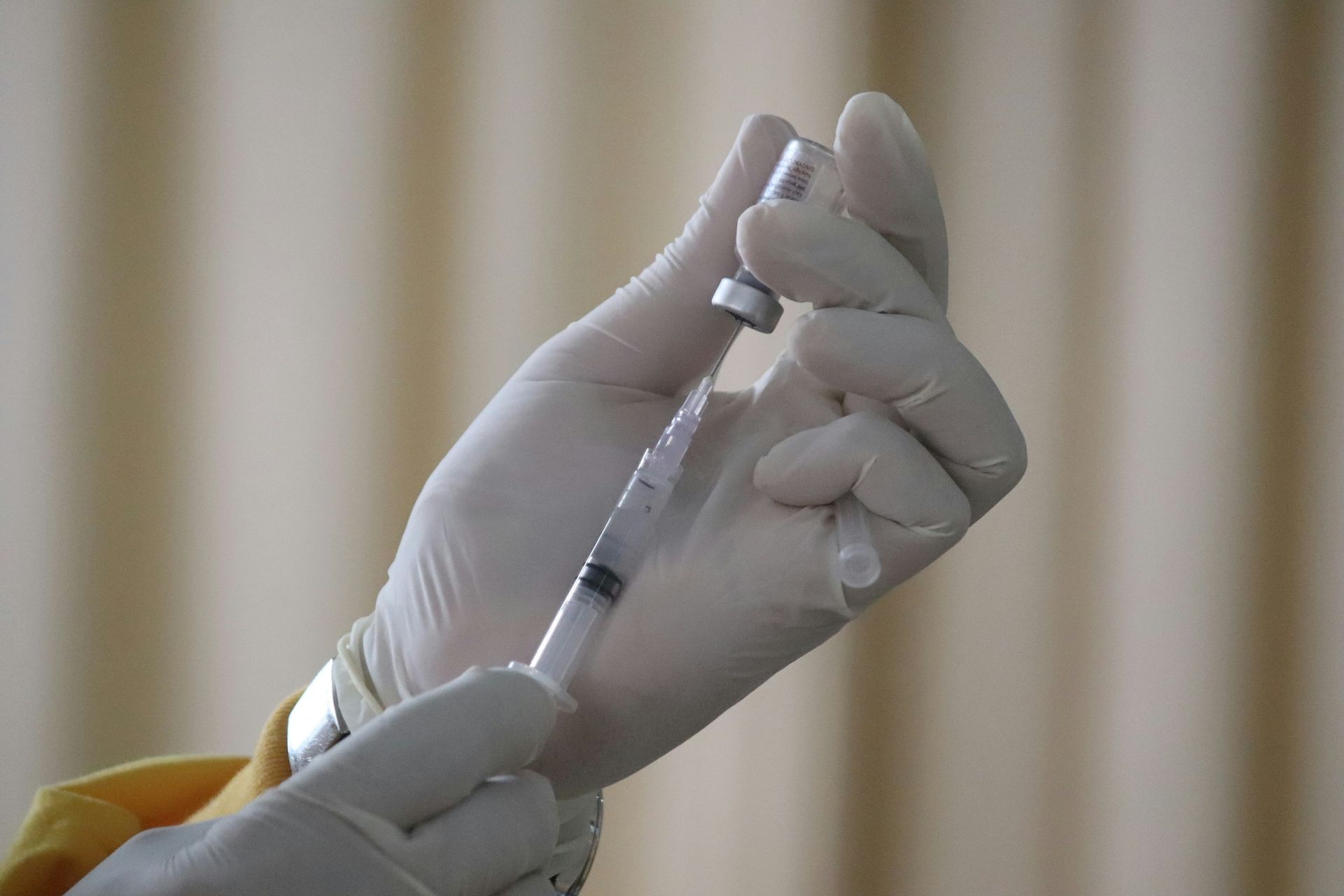
Vaccination against smallpox dated back to the work of Edward Jenner in the late 18th century. What changed in the 20th century was coordination. The World Health Organization launched an intensified global eradication program in 1967, targeting the remaining strongholds of the disease.
The strategy combined vaccination with aggressive case-finding. Teams tracked down outbreaks, isolated the sick, and vaccinated everyone around them to build a barrier the virus could not cross. This ring approach proved more efficient than trying to vaccinate entire populations.
The campaign pushed the disease out of country after country. The last known case of naturally occurring smallpox was recorded in Somalia in 1977, in a hospital worker named Ali Maow Maalin who survived. A later fatal case in the U.K. in 1978 was linked to a laboratory rather than natural spread.
In 1980, the World Health Assembly declared smallpox eradicated. It remains the only human disease ever fully eliminated from nature. Known stocks of the virus are held under tight security in a small number of laboratories.
What stopped this ongoing catastrophe was a sustained global effort rather than a single moment. Thousands of health workers, cooperating across political divides during the Cold War, ended a disease that had killed more people than most wars. The victory is often cited as the greatest achievement of international public health.
12 / 15
Credit: NASA / Unsplash
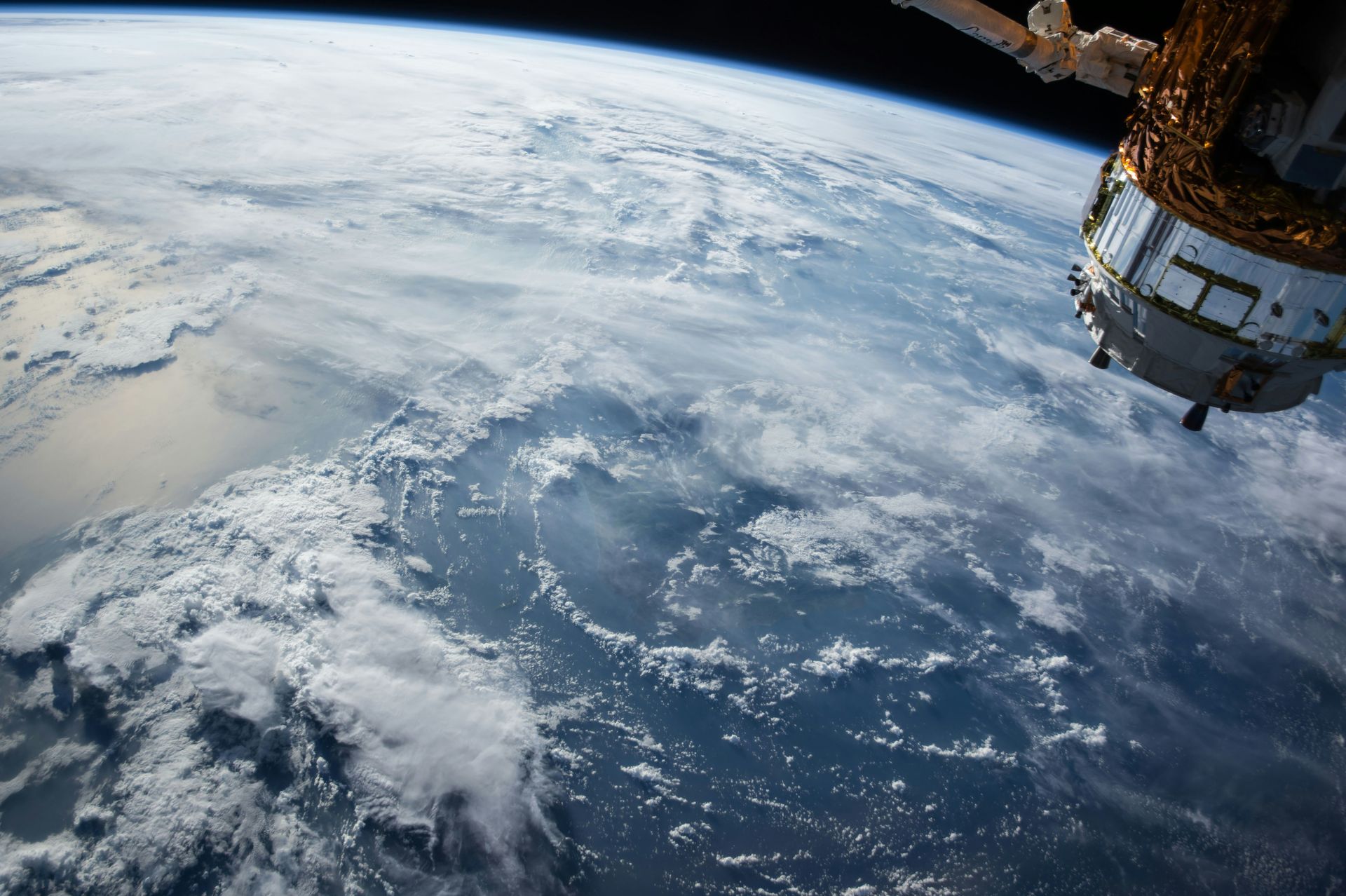
High in the atmosphere sits a layer of ozone that absorbs much of the sun's ultraviolet radiation. Without it, far more UV would reach the surface, raising rates of skin cancer and cataracts and damaging crops and marine life. The layer is thin and, it turned out, vulnerable.
In 1974, chemists Mario Molina and Sherwood Rowland published research showing that chlorofluorocarbons, or CFCs, could destroy ozone. These chemicals were widely used in aerosol sprays, refrigeration, and foam production. Once released, they could drift up and break apart ozone molecules through chain reactions.
Evidence of real harm arrived in the mid-1980s. British scientists reported a dramatic thinning of ozone over Antarctica, which became known as the ozone hole. The measured loss was severe and larger than many had expected, confirming that the theoretical danger was already unfolding.
The response was faster than for most environmental threats. Governments negotiated the Montreal Protocol, signed in 1987, which committed countries to phasing out the production of ozone-depleting substances. The agreement was later strengthened as evidence accumulated.
The protocol worked because it paired clear science with achievable action. Industry developed substitute chemicals, and the treaty won near-universal participation. Molina, Rowland, and Paul Crutzen shared a Nobel Prize in 1995 for the underlying chemistry.
Decades later, monitoring shows the ozone layer slowly recovering. Scientific assessments project that it should return toward mid-20th-century levels over the coming decades if the phase-out holds. The Antarctic hole still forms each year but is expected to shrink over time.
What stopped this catastrophe was a rare alignment of science, diplomacy, and industry. A threat that could have degraded a life-supporting part of the atmosphere was met with a binding global agreement before the damage became irreversible. The Montreal Protocol is often held up as proof that coordinated action on a planetary problem is possible.
13 / 15
Credit: Wikimedia Commons / PICRYL
On the morning of June 30, 1908, an enormous explosion tore through the sky over the Podkamennaya Tunguska River in remote Siberia. Witnesses far away described a blinding flash and a column of fire. The blast knocked people off their feet many kilometers from the center.
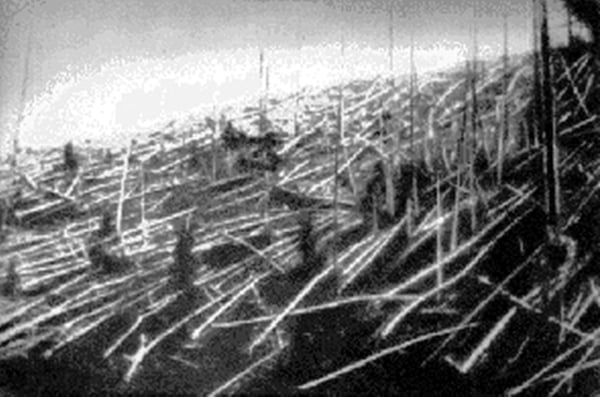
The event flattened an estimated 80 million trees across an area of roughly 2,000 square kilometers. Trees were knocked down in a radial pattern, all pointing away from a central point. The devastation resembled the aftermath of a huge explosion, yet no crater was found at the scene.
Scientists concluded that the cause was a space object, likely a stony asteroid or a fragment of a comet, that exploded several kilometers above the ground. The object never struck the surface intact. Instead it disintegrated in a massive airburst, releasing its energy in the atmosphere.
Estimates of that energy vary widely, ranging from a few megatons to around 15 megatons of TNT equivalent. Even the lower figures place it far beyond the atomic bombs of 1945. The blast was among the largest impact-related events in recorded history.
The region was almost uninhabited. Reports of direct human deaths are few and uncertain, largely because so few people lived beneath the blast. A scientific expedition did not reach the area until years later, delayed by its remoteness and by upheaval in Russia.
The implication is sobering. An object of similar size arriving over a city would cause catastrophic destruction. Tunguska is the clearest modern example of what a moderately sized space rock can do when it enters the atmosphere.
What stopped this from being a mass-casualty disaster was geography and chance. The object happened to explode over one of the emptiest places on the planet. Had it arrived hours earlier or later, Earth's rotation could have placed a populated region directly beneath it.
14 / 15
Credit: NASA Goddard Space Flight Center / Wikimedia Commons (CC BY 2.0)
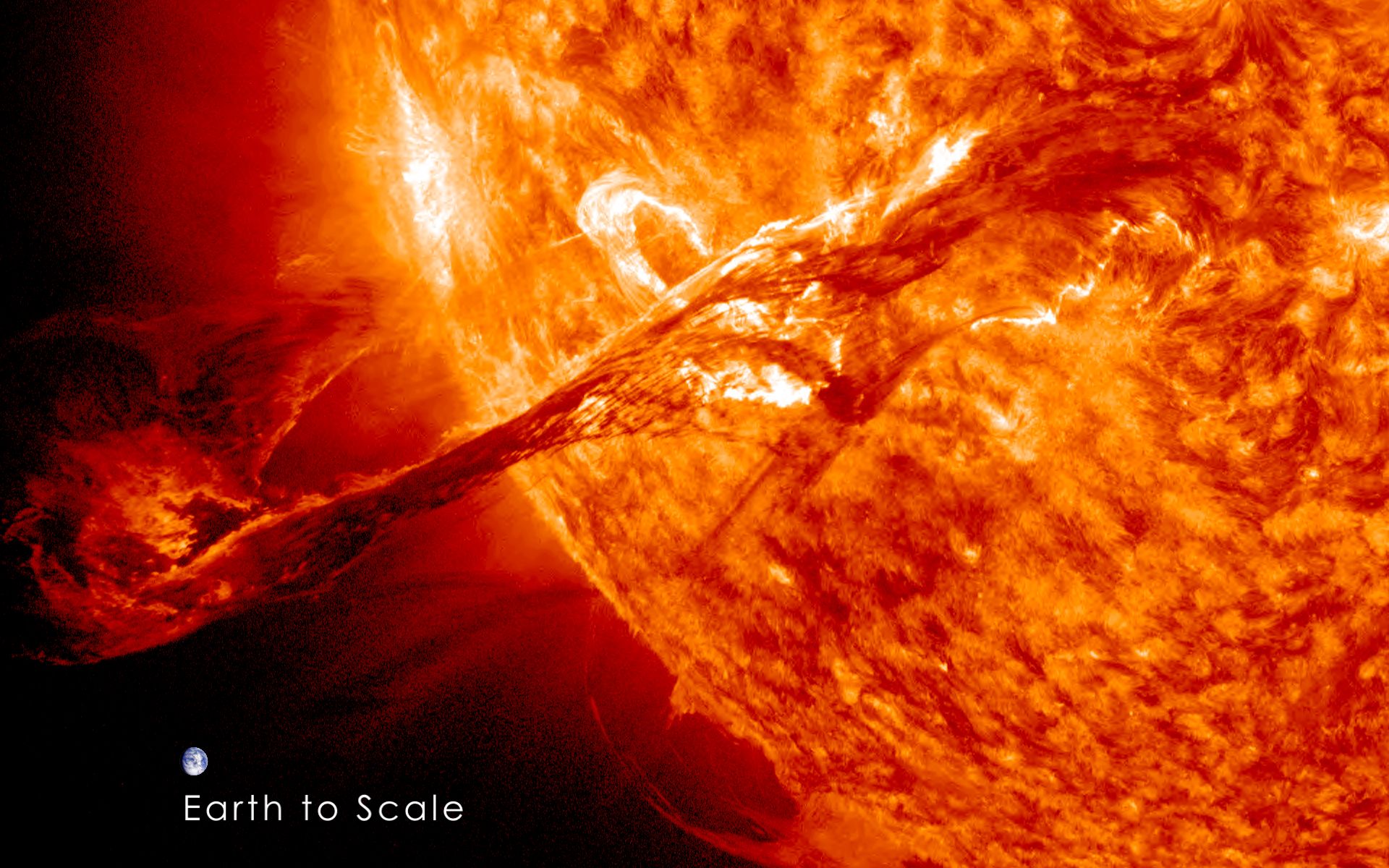
The sun regularly hurls clouds of charged particles into space in events called coronal mass ejections. Most miss Earth or arrive as manageable space weather. A rare, powerful one aimed at the planet could disrupt the technology modern life depends on.
The reference point is the Carrington Event of 1859, the most intense geomagnetic storm on record. It caused auroras visible near the equator and disrupted telegraph networks, in some cases shocking operators and setting equipment sparking. That storm struck a world with far less electrical infrastructure than today.
On July 23, 2012, the sun launched a coronal mass ejection of comparable strength. It raced across the inner solar system at high speed. The blast crossed the region of space that Earth's orbit passes through, but the planet was not there at the moment it arrived.
Earth had occupied that position roughly a week earlier. The timing meant the storm swept through empty space instead of hitting the planet. A spacecraft called STEREO-A, positioned to observe the sun, took the brunt of it and recorded the event in detail.
Researchers who analyzed the data concluded the storm was Carrington-class in intensity. Studies estimated that a direct hit could have caused widespread damage to power grids, satellites, and communication systems. Recovery from a severe strike could take a long time and carry heavy economic costs.
The near-miss drew attention to how exposed modern infrastructure is to space weather. Long power lines, satellites, and electronics are all sensitive to the currents a great storm can induce. The 2012 event showed the threat is not merely historical.
What stopped this catastrophe was orbital timing and nothing more. No decision, treaty, or engineering safeguard was involved. Earth simply passed the danger point before the storm reached it, a reminder that some close calls come down purely to where the planet happens to be.
15 / 15
Credit: Anynobody / Wikimedia Commons (CC BY-SA 4.0)
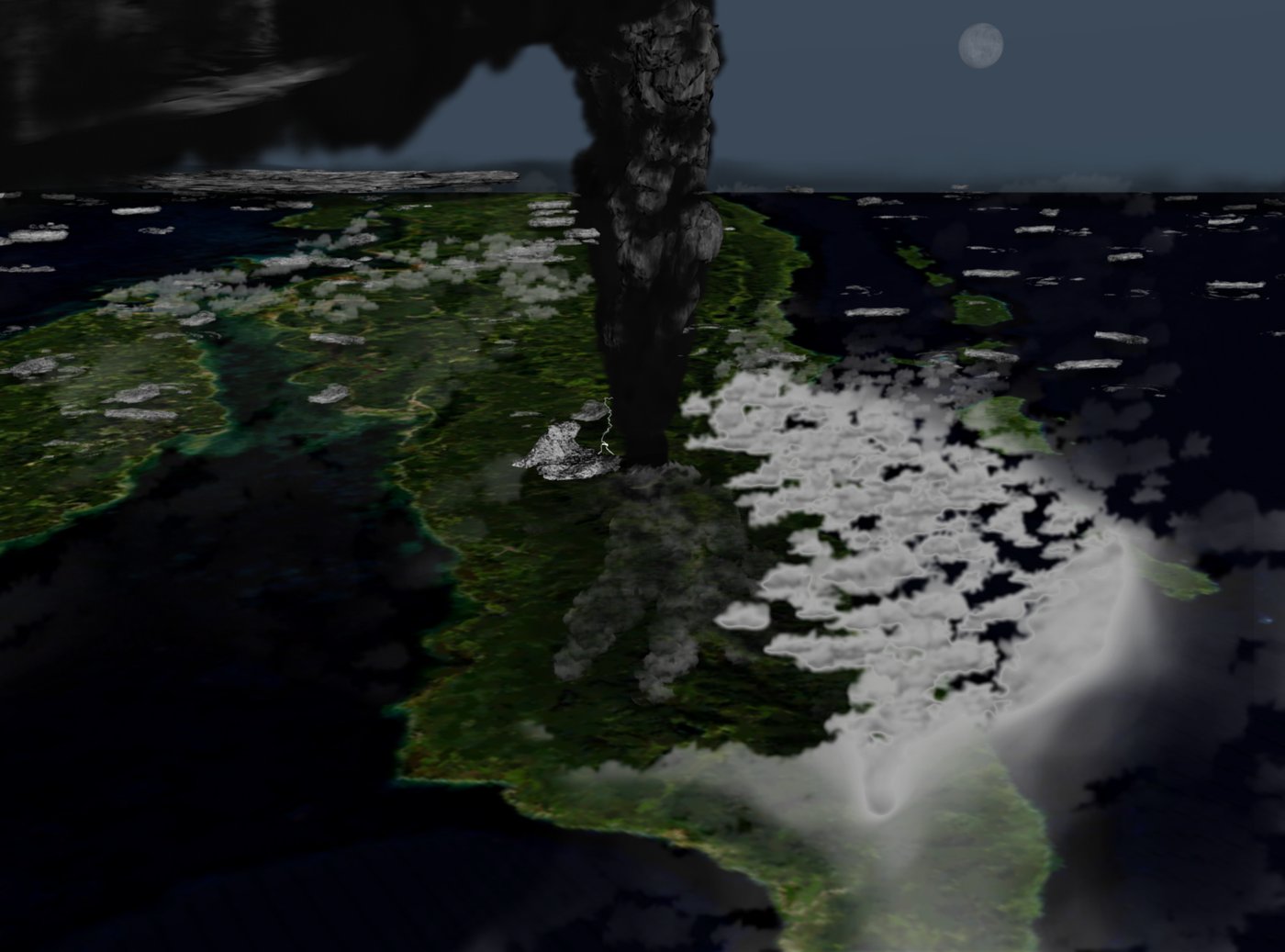
Around 74,000 years ago, a volcano at what is now Lake Toba in Sumatra produced one of the largest eruptions in the geological record. It ejected an immense volume of rock and ash, dwarfing any eruption in recorded human history. Ash from the event has been found across South Asia and beyond.
An eruption of that scale can inject huge amounts of sulfur and ash into the upper atmosphere. That material reflects sunlight and can cool the planet's surface for years. Such a period is often described as a volcanic winter, with disrupted seasons and stressed ecosystems.
One influential hypothesis, associated with archaeologist Stanley Ambrose, proposed that Toba triggered a severe volcanic winter that nearly wiped out early humans. The idea linked the eruption to a possible sharp drop in the human population, a so-called bottleneck reflected in some genetic studies.
Under this scenario, the ancestors of all living humans may have been reduced to a small number of survivors. If true, it would place our species close to the edge of extinction long before civilization began. The theory captured wide attention.
The picture is contested. Later research has questioned how severe the global cooling really was and whether human populations crashed as sharply as the hypothesis suggested. Archaeological sites in some regions show signs of human activity continuing through the period, which complicates the bottleneck story.
What the debate underscores is that the deep human past includes moments of real fragility. Whether or not Toba nearly ended our species, small early populations were vulnerable to climate shocks, disease, and disaster in ways later societies were not.
What allowed humans to endure, in the versions where the danger was acute, was adaptability. Small groups that could adjust their diets, movements, and cooperation had a better chance of surviving hard years. The episode sits at the boundary of science and open question, a candidate for the earliest near-end of humanity.
