From a five-masted sailing ship following the wind to a luxury yacht that's the only passenger vessel to reach the geographic North Pole
Credit: Windstar Cruises
A small ship changes the geometry of a cruise. Where a large vessel turns an itinerary into a series of port stops between days at sea, a small ship makes the journey itself part of the destination. The ship anchors off beaches that no tender can reach from a mega-ship, threads through fjords where the cliffs are close enough to reveal their rock texture, or follows the wind into harbors where the locals pause to watch a tall-masted sailing vessel ease into port. The intimacy extends to the onboard experience as well. With fewer than 300 passengers on most small ships — and crews that often number nearly as many as the guests — the service ratios and the personal attention create a hotel-like quality of hospitality that large-ship cruising cannot replicate.
The category covers a wide range of vessel types. Expedition ships built for polar environments carry reinforced hulls and Zodiacs for landings in places where conventional tourism infrastructure does not exist. Sailing ships use the wind as their primary means of propulsion, providing a connection to seafaring tradition that motor vessels cannot offer. Luxury mega-yachts bring a level of suite appointments, spa facilities, and fine dining typically associated with boutique hotels, not cruise ships. What unites them is access: small ships reach places that larger vessels cannot, whether that means tucking into a Seychelles harbor, threading along the Antarctic Peninsula, or anchoring off a Greek island small enough that the village appears from the water as a single cluster of white buildings.
These 10 ships come from U.S. News & World Report's selection of the top cruises on small ships, covering expedition vessels, sailing ships, and luxury yacht-style cruisers across polar, tropical, and Mediterranean itineraries. The selection spans vessels as small as 100 passengers and as large as 264, reaching destinations from the geographic North Pole to the Galápagos Islands to the French Riviera.
Credit: Silversea Cruises
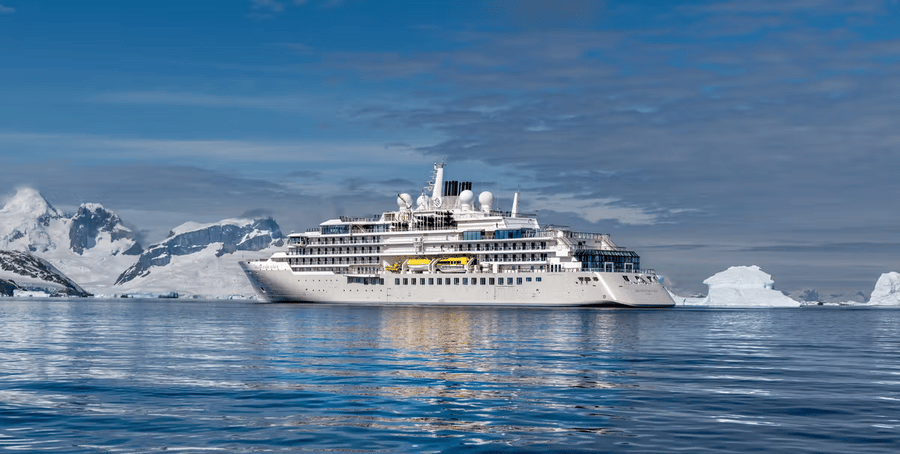
The 539-foot Silver Endeavour carries 220 passengers and has a crew count nearly equal to the passenger count, giving the Silversea ship a service standard the source identifies as outstanding. The all-suite vessel is purpose-built for polar expedition cruising and divides its year between Arctic and Antarctic itineraries. Its signature offering is a fly-cruise program that bypasses the Drake Passage entirely. The stretch of open ocean between Cape Horn and Antarctica produces some of the roughest sea conditions in the world.
The fly-cruise format begins with a guest stay at Silversea’s hotel in Puerto Williams, Chile, followed by a flight directly to King George Island at the tip of the Antarctic Peninsula. From there, passengers board the Silver Endeavour for a six-night exploration of the peninsula without experiencing the Drake Passage crossing in either direction. The time saved by skipping the Drake extends the days available for actual Antarctic exploration, and the weather windows that polar travel depends on are better used when crossing days are not part of the itinerary.
Arctic sailings include nine-day voyages between Tromsø and Longyearbyen that explore the Norwegian far north and the Svalbard archipelago. The dining program across five venues includes a gourmet French restaurant and a poolside eatery serving steaks and seafood. The Silver Endeavour’s Drake Passage avoidance, near-equal passenger-to-crew ratio, and five-venue dining program together place it at the luxury end of polar expedition cruising, where the physical achievement of reaching Antarctica comes packaged with the comfort infrastructure of a high-end hotel. The fly-cruise format also removes one of the chief deterrents to Antarctic travel: the multi-day sea passage that many prospective passengers rule out on medical or motion-sickness grounds, which narrows the Silver Endeavour’s appeal to a different pool of travelers who would otherwise avoid the region entirely, expanding Antarctic cruising’s audience beyond the pool of travelers who can tolerate multi-day open-ocean passages without distress.
Credit: Sea Cloud
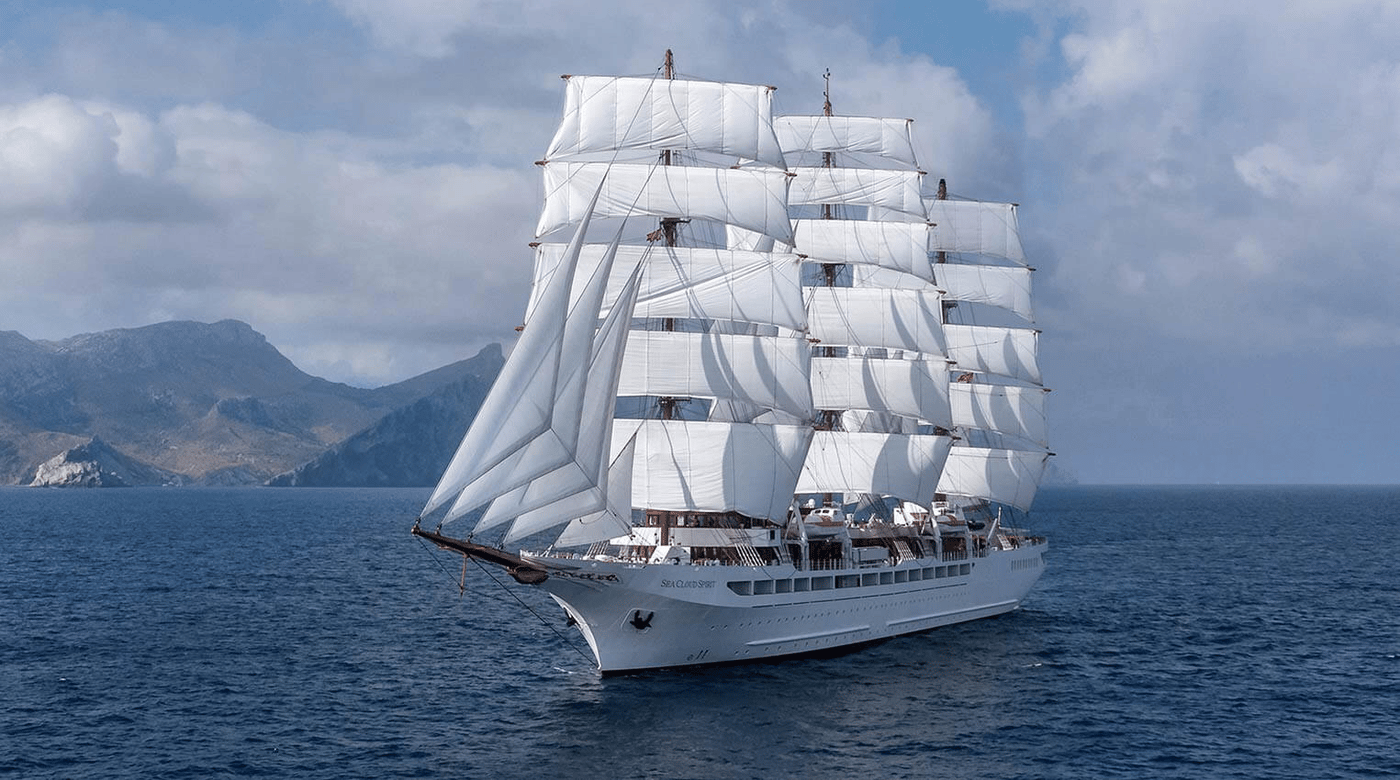
The 453-foot Sea Cloud Spirit carries 136 passengers and debuted in 2021, bringing the romantic heritage of its historic sister windjammers into a modern ship with private cabin balconies, a spa and fitness center, and a swim platform. The ship operates without relying on its engines. Motors serve as backup only, but the source makes clear that Sea Cloud Spirit sails by wind and sea whenever conditions allow, with crew members climbing the rigging by hand to set the sails. The sailing orientation gives the onboard experience an authenticity that ships that use wind as marketing language, without genuine sail propulsion, cannot match.
Mediterranean and Caribbean itineraries give Sea Cloud Spirit routes well-suited to a sailing vessel that follows favorable winds. A seven-night Sicily circumnavigation runs from Catania to Valletta, Malta, stopping at Taormina and Syracuse on a route that keeps the island’s coastline in view throughout. The Caribbean option is a seven-night Pirate Islands itinerary sailing round-trip from St. Maarten, visiting St. Barts and Jost Van Dyke, along with smaller ports that the sailing format makes accessible.
The Sea Cloud Spirit’s sailing philosophy produces a quality of travel that motor vessels do not replicate. A ship that adjusts course based on wind conditions requires patience and flexibility from its passengers, and rewards that flexibility with an experience grounded in the actual conditions of the sea. Watching the crew ascend the rigging to set canvas while underway is not a theatrical demonstration: it is how the ship moves. For travelers who want a cruise built around the traditions of ocean sailing as well as the destinations it visits, Sea Cloud Spirit offers an authenticity that the small-ship category’s newer purpose-built expedition vessels do not. Sea Cloud Spirit’s wind-first sailing philosophy also means itineraries remain genuinely subject to the weather, a flexibility the source highlights as part of the appeal and that sets the ship apart from vessels that schedule ports regardless of wind conditions. The variable routing also means that two Sea Cloud Spirit sailings on the same nominal itinerary can differ meaningfully in execution.
Credit: Atlas Ocean Voyages
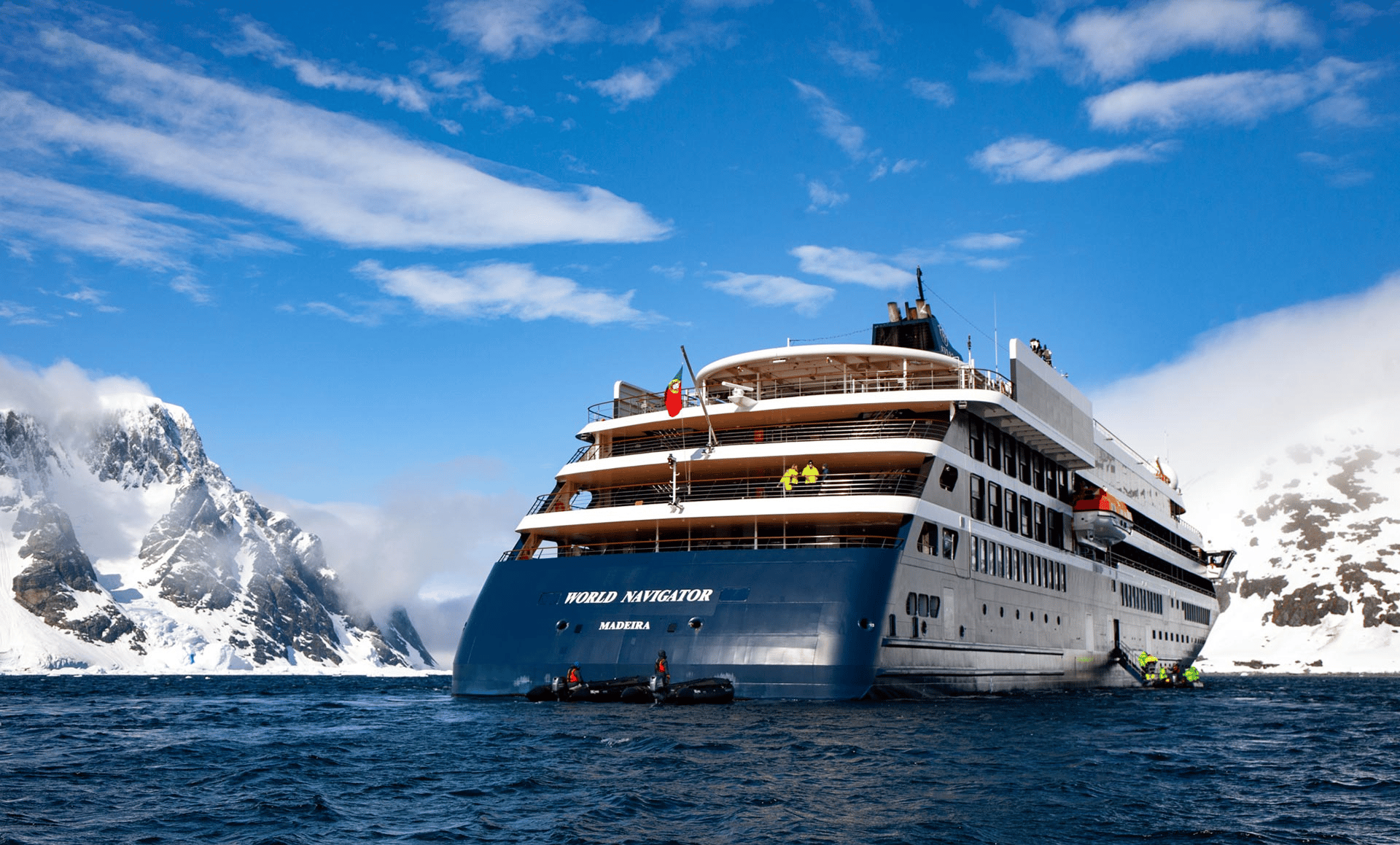
The 423-foot World Navigator carries 198 passengers as the first vessel in Atlas Ocean Voyages’ luxury expedition fleet, and its hydro-jet propulsion system operates quietly enough to allow close-range observation of marine animals without disturbing them. The design decision reflects Atlas Ocean’s focus on nature-based sailings, where the quality of wildlife encounters depends on how the ship approaches an area. Standard propulsion systems generate noise and turbulence that drives marine animals away. World Navigator’s system addresses that limitation directly.
Stateroom appointments include Portuguese cotton linens and marble bathrooms, with select suites offering balconies and butler service. The Dome Observation Lounge offers panoramic views for wildlife spotting and afternoon tea, and the SeaSpa by L’Occitane offers a wellness option between expedition outings. The ship participates in both Antarctic and Arctic expedition programs, with the source specifically noting the appeal of its 16-day Glaciers & Fjords voyage, a round-trip sailing from Nuuk, Greenland, through remote areas of Greenland and Nunavut, Canada, along Baffin Bay and Davis Strait.
The culinary program distinguishes World Navigator from other expedition vessels during the shoulder seasons when the ship transits between polar regions. The seven-night Tastes of Coasts & Vine sailing from Lisbon, Portugal, to Bordeaux, France, is framed around wine vintages and regional specialties, including Basque pintxos. The culinary-cruise concept gives the ship a purpose-built identity in non-polar months, filling the schedule with guests who might not be interested in expedition travel but want a food- and wine-focused voyage on a luxury small ship. World Navigator’s hydro-jet propulsion, the high-quality stateroom materials, and the shoulder-season culinary program together give it a more complete year-round offering than most expedition vessels manage. The Lisbon-to-Bordeaux culinary sailing in particular fills a calendar gap for small-ship travelers who want a premium experience outside polar season without defaulting to a Mediterranean port-hopping itinerary. The Bordeaux wine region provides the sailing with a culinary endpoint of the same gastronomic prestige as the Basque country at the journey’s midpoint.
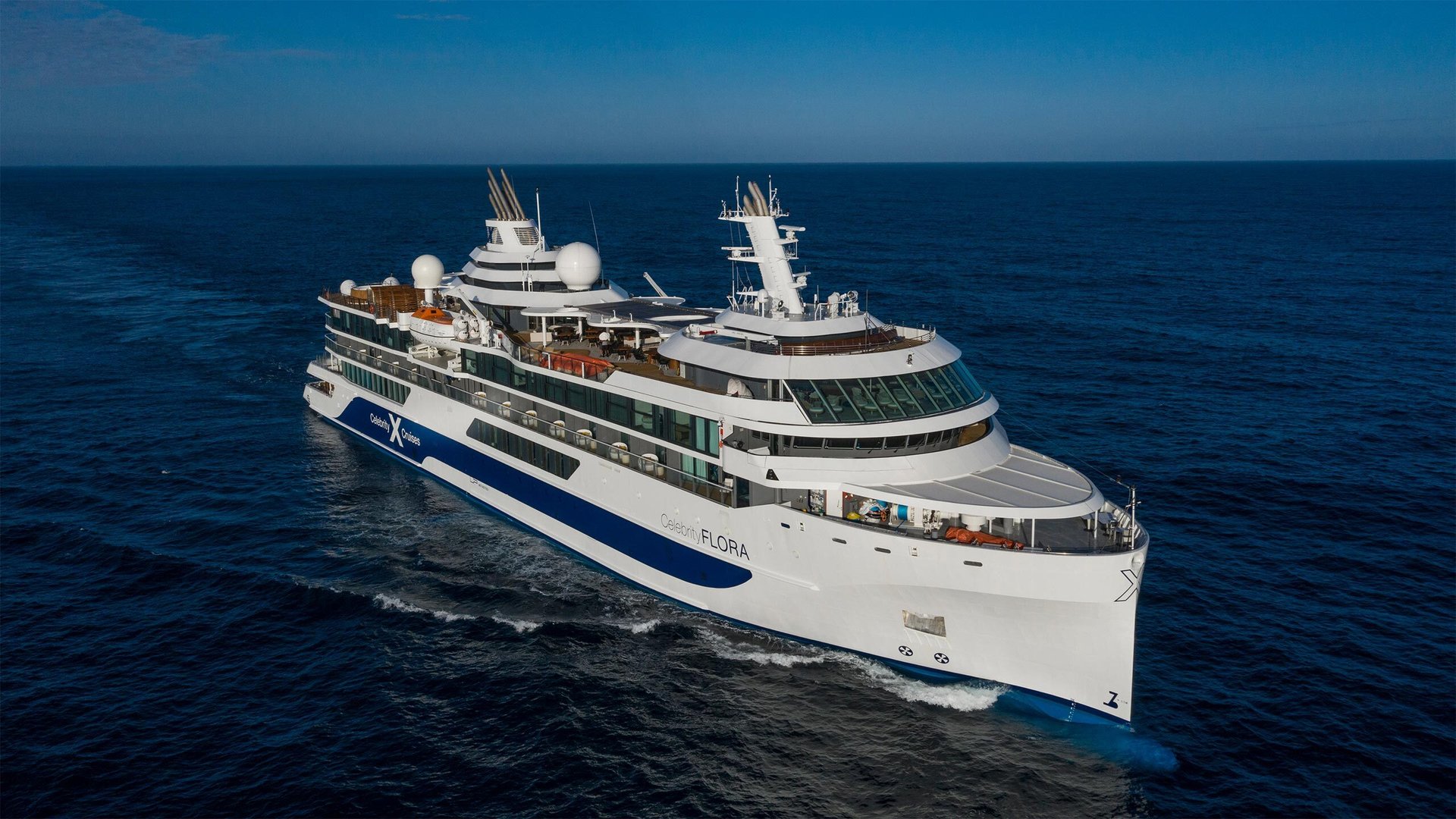
Credit: Celebrity Cruises
Celebrity Flora is a 333-foot, 100-passenger luxury mega-yacht built specifically for the Galápagos Islands. The source identifies it as the first ship of its kind, purpose-built for that destination. The eco-friendly vessel incorporates the latest environmental technologies to meet the ecological standards set by the Galápagos National Park for vessels operating in the archipelago. Every suite features either a standard veranda or an infinite veranda, a design in which the terrace extends into the living space, dissolving the boundary between inside and outside.
The onboard experience includes the alfresco Ocean Grill, which serves local, sustainable seafood during “Dinner Under the Stars,” and the Observatory, which serves as a library and lounge with a view. The ship’s most unusual offering is Galápagos Glamping on the top deck, where guests can dine and sleep outdoors under the Galápagos night sky, which the source describes as one of the most spectacular in the world.
Celebrity Flora sails seven-night inner-loop and outer-loop itineraries through the Galápagos, with extended land package options that incorporate Quito or Machu Picchu. The 16-night Galápagos Outer Loop and Machu Picchu itinerary includes wildlife encounters with giant tortoises, marine iguanas, Galápagos penguins, and red- and blue-footed boobies before guests fly from Lima to Cusco for the Sacred Valley and Machu Picchu portion. The purpose-built design for one of the world’s most ecologically sensitive cruise destinations gives Celebrity Flora a specificity that general-purpose expedition vessels cannot claim. The ship exists to serve the Galápagos, and the Galápagos program reflects that singular focus. The ship’s eco-friendly design also matters in the Galápagos context, specifically, where the national park imposes strict environmental standards on any vessel operating in the archipelago, and Celebrity Flora’s environmental credentials are not incidental but foundational to its operating license there. The ship’s status as the first vessel of this type built for the Galápagos also gives it an ongoing relationship with the park authority that newer entrants would need years to establish.
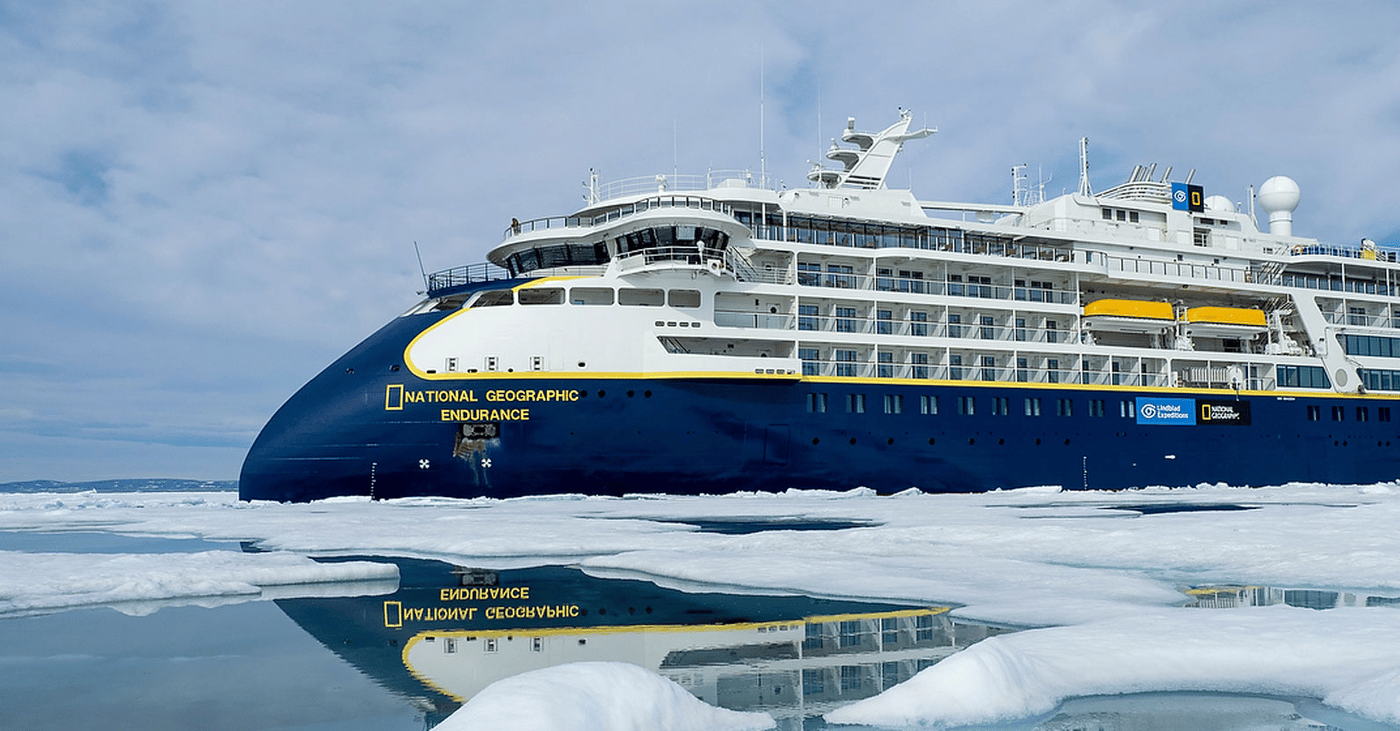
Credit: National Geographic Expeditions
The 408-foot National Geographic Endurance carries 138 passengers and features a patented X $TWTR-Bow hull design that, according to the source, provides a smoother, quieter ride than conventional bow shapes in polar seas. The ship’s most distinctive offering is a set of geodesic glass dome igloos that guests can reserve for an evening under the night sky. The igloos are available on a first-come, first-served basis, giving guests who move quickly on reservations access to one of the more unusual overnight experiences in expedition cruising.
Every sailing includes a National Geographic photographer, a certified photo instructor, and a video chronicler as part of the expedition team. The photography staff provides guests with both a working professional to observe and an instructor to work with directly, elevating the quality of wildlife photography on the onboard experience beyond what self-directed shooting from the deck produces. Expert wildlife knowledge and photographic guidance together position National Geographic Endurance as the strongest option on this list for travelers who want to document their polar wildlife encounters at a high standard.
Svalbard is the ship’s signature wildlife destination. The 10-day Svalbard: In Search of Iconic Arctic Wildlife cruise focuses on the Norwegian archipelago, which the source describes as the best place in the world to view polar bears. Walruses, reindeer, arctic foxes, and fur seals round out the wildlife profile. For travelers who want to push further south, the 16-day Quest for the Antarctic Circle expedition crosses the Drake Passage and dedicates nine days to the Antarctic Peninsula, reaching further south than most Antarctic cruises to cross the Antarctic Circle itself. The National Geographic photography program also gives passengers a way to engage with polar wildlife encounters that goes beyond observation: working alongside a professional photographer and instructor transforms the experience from tourism into active visual storytelling. The first-come, first-served igloo reservations also create a sense of shipboard competition and shared experience that structured programming typically cannot generate.
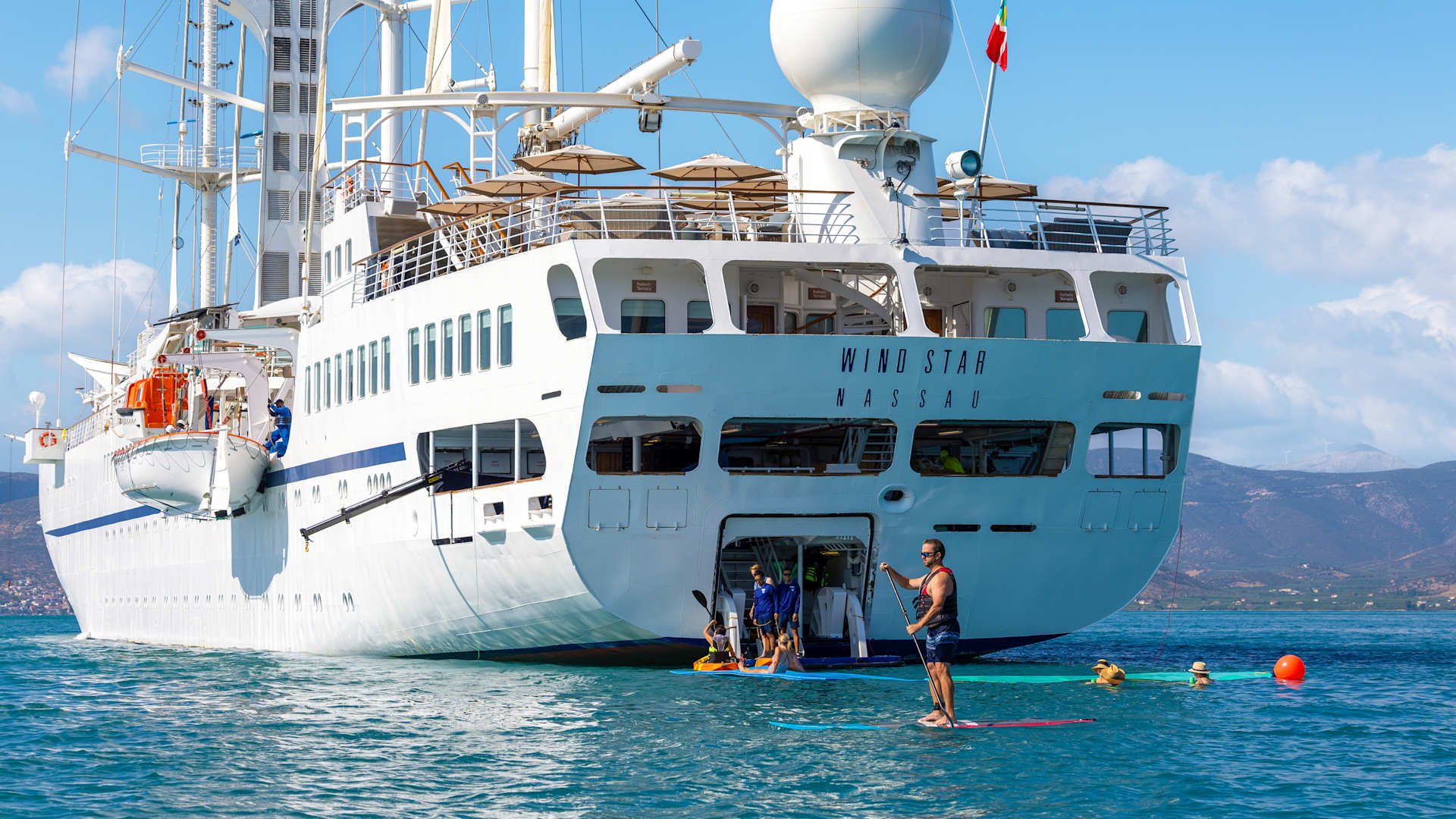
Credit: Windstar Cruises
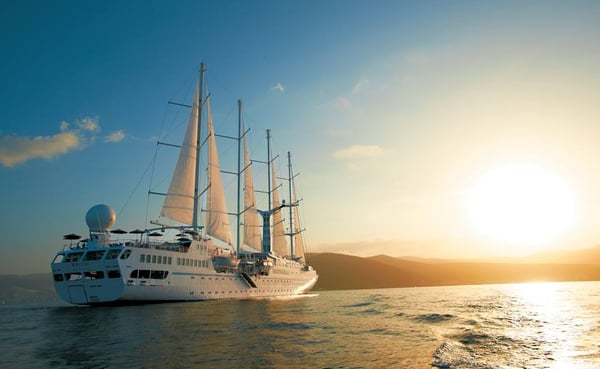
The 360-foot Wind Star is a four-masted sailing yacht carrying 148 passengers in staterooms upgraded in 2026. The ship’s culinary program operates in formal partnership with the James Beard Foundation, giving Wind Star a food identity anchored to one of the most recognized names in American culinary culture. The alfresco Candles restaurant serves steaks and seafood in the open air, while Veranda functions as the ship’s casual breakfast and lunch buffet. An open bridge policy gives passengers access to the captain for a conversation over coffee, a cultural detail that reflects the intimate atmosphere the source associates with Wind Star.
A water sports platform gives active passengers access to equipment for ocean-based recreation during port stops, complementing the sailing vessel’s deck-based relaxation when underway. Warm-weather itineraries suit the sailing format, allowing passengers to spend time on deck beneath the sails as the ship moves between islands.
The seven-night Treasures of the Greek Isles voyage sails round-trip from Athens to a series of Greek islands, including Mykonos and Santorini. The seven-night Costa Rica and Panama Canal voyage offers a South American alternative for guests who want a sailing experience with rainforest access and canal transit in a single itinerary. The James Beard culinary partnership gives Wind Star a specific food identity that distinguishes it from other sailing vessels in the small-ship category. Travelers $TRV who prioritize the quality of onboard dining as highly as the sailing experience itself will find Wind Star the most purpose-built option on this list for travelers who hold both priorities equally. The open bridge policy is worth noting as a specific differentiator: very few ships of any size allow passengers to visit the bridge during navigation, let alone invite them for a coffee conversation with the officer in command, and the gesture reflects the informal culture the source associates with Wind Star, where the line between passenger and crew is less formal than on ships built around hierarchical service models.
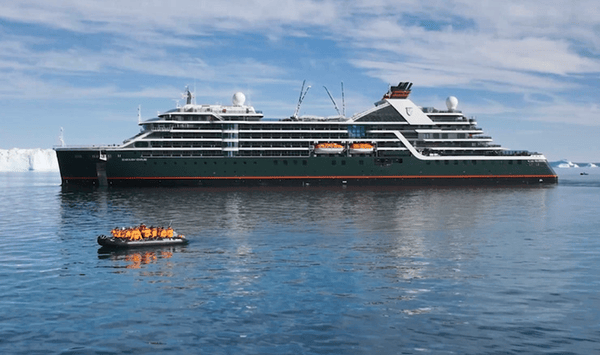
Credit: Seabourn
At 557 feet and carrying 264 passengers, the Seabourn Pursuit is the largest ship on this list by both length and capacity, yet the source classifies it as a small ship based on its expedition focus and intimate onboard character. The ship’s lounges, Zodiacs, and kayaks reflect the expedition mission. Seabourn Square $SQ functions as a European-style coffee bar with a living room atmosphere, and The Club offers an outdoor terrace and hot tubs. All suites include private balconies and marble bathrooms, with the Panorama Penthouse Suite distinguished by a curved floor-to-ceiling window arrangement that wraps the living area in panoramic views.
The Kimberley Expedition — a 10-day sailing from Darwin to Broome, Australia — is the source’s standout Seabourn Pursuit itinerary, incorporating cultural tours, snorkeling, and hiking along one of Australia’s most remote and scenically dramatic coastlines. The Kimberley region sits in Australia’s far northwest, accessible by very few cruise vessels, and Indigenous cultural experiences and wilderness access together give this itinerary a character distinct from the polar programs for which expedition ships are better known.
Seabourn Pursuit’s Antarctic options include 11-day cruises focusing on the highlights of the Antarctic Peninsula and 21-day voyages that extend from the peninsula to South Georgia and the Falkland Islands. The 21-day program departs from Ushuaia, Argentina, and covers multiple remote sub-Antarctic destinations in a single extended voyage that would require two separate trips to approximate on a shorter itinerary. The ship’s scale, which gives it more lounge and common area space than smaller expedition vessels carry, makes it the most comfortable platform on this list for a long voyage in harsh polar conditions. The Kimberley Expedition’s Darwin-to-Broome routing also gives it a directional narrative. The ship moves through the Kimberley from one gateway city to another without retracing its course, which gives the itinerary a sense of geographic progress that loop sailings cannot replicate.
Credit: Emerald Cruises
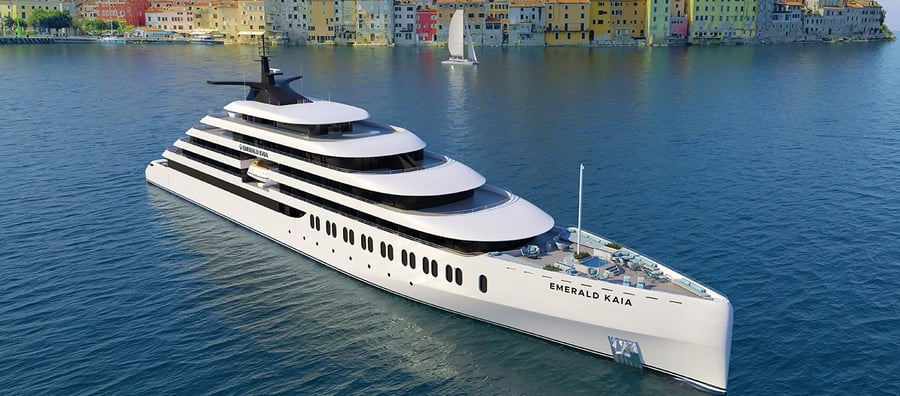
Emerald Kaia debuted in 2026 as a 393-foot superyacht carrying 128 passengers, built for Emerald Cruises with the explicit goal of reaching off-the-beaten-path destinations and fitting into smaller ports and harbors that larger ships bypass. The ship’s stern marina platform provides direct water access for paddleboarding, snorkeling, and other water sports without the logistics of tenders or intermediate equipment. An infinity pool and an infrared sauna round out the wellness and leisure infrastructure that the source presents as the ship’s onboard identity.
The maiden season program covers Italy and Croatia in the Adriatic, with alternating seven-night itineraries that passengers can book back-to-back for a two-week Adriatic immersion. The Adriatic program gives the newest ship on this list a debut season in one of the Mediterranean’s most visited and visually rich cruising areas, establishing the vessel’s operational profile before it expands to more remote destinations.
The Tropical Charms of the Seychelles itinerary, sailing round trip from Victoria on Mahé, extends the ship’s reach beyond the Mediterranean into Indian Ocean island cruising. The Seychelles program reflects the original purpose of the ship’s design: accessing smaller ports and anchorages in an archipelago where the most scenic and ecologically interesting islands are precisely the ones that restrict access to smaller vessels. Emerald Kaia’s 2026 debut, the stern marina access, and the Adriatic and Seychelles programming together give it the most geographically diverse maiden season of any ship on this list. The infrared sauna is also worth noting as a specific amenity choice: infrared technology heats the body directly at lower air temperatures than traditional saunas, making it more accessible to guests who find conventional sauna heat uncomfortable, and the choice reflects Emerald Kaia’s attention to onboard wellness infrastructure. The stern marina platform, by contrast, serves active passengers who want direct water access and the freedom to enter the sea without the logistics of tenders and equipment staging.
Credit: Ponant
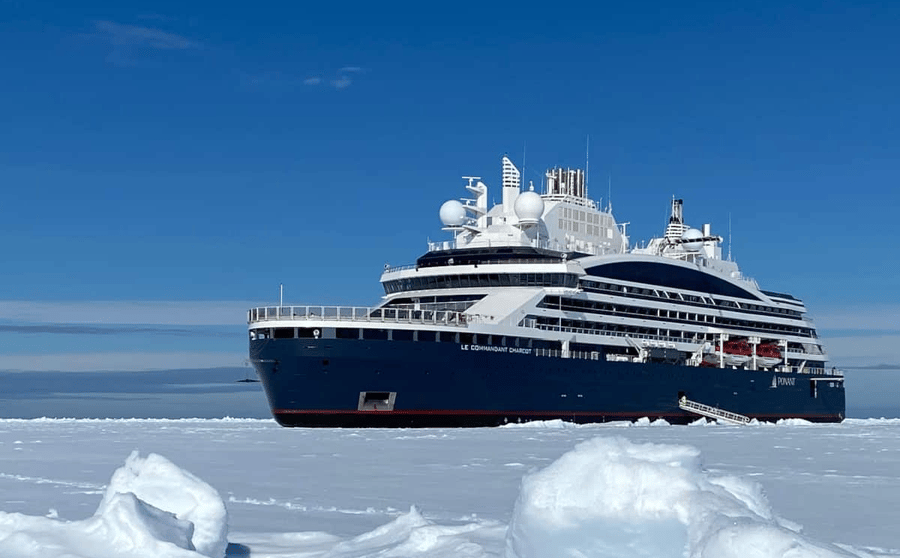
Le Commandant Charcot is the only passenger ship capable of reaching the geographic North Pole, a claim that no other vessel on this list or in the broader expedition cruise market can make. The 492-foot Ponant ship carries 245 passengers with 215 crew, a ratio that produces a private-yacht atmosphere on a vessel capable of operating in the world’s most extreme polar environments. The culinary program centers on Le Nuna, the only Alain Ducasse restaurant at sea, bringing the Michelin-starred chef’s standards to a dining room that operates amid pack ice.
The wellness facilities reflect the polar environment for which the ship is built. A snow room maintained at 14 degrees Fahrenheit with fresh powder snow, a heated indoor pool, a sauna, a heated outdoor blue lagoon, and a fire pit together provide passengers with a sensory contrast of extreme cold and warmth that defines the polar experience in concentrated form. The outdoor facilities specifically acknowledge that passengers spend time in genuinely cold environments on deck and at landing sites, and the warm recovery infrastructure gives those excursions a different character from polar landings on ships without it.
The 16-day Geographic North Pole expedition departs from Longyearbyen in Spitsbergen, Norway, and pushes to the northernmost point on the planet, a destination no other passenger vessel reaches. The ship’s Antarctic program includes the Unexplored Western and Unexplored Eastern Antarctica routes between Hobart, Tasmania, and Ushuaia, Argentina, each completing half a circumnavigation of the continent. The eastern route includes a visit to the magnetic South Pole. Le Commandant Charcot’s dual capability in reaching both the geographic North Pole and the magnetic South Pole gives it a polar ambition that every other expedition ship on this list, however capable, cannot approach. The dual polar capability — North Pole and Antarctic circumnavigation in a single vessel — also means that guests who want to see both ends of the Earth can do so on the same ship across two separate voyages, developing a familiarity with the vessel and crew that deepens the experience the second time.
Credit: Orient Express
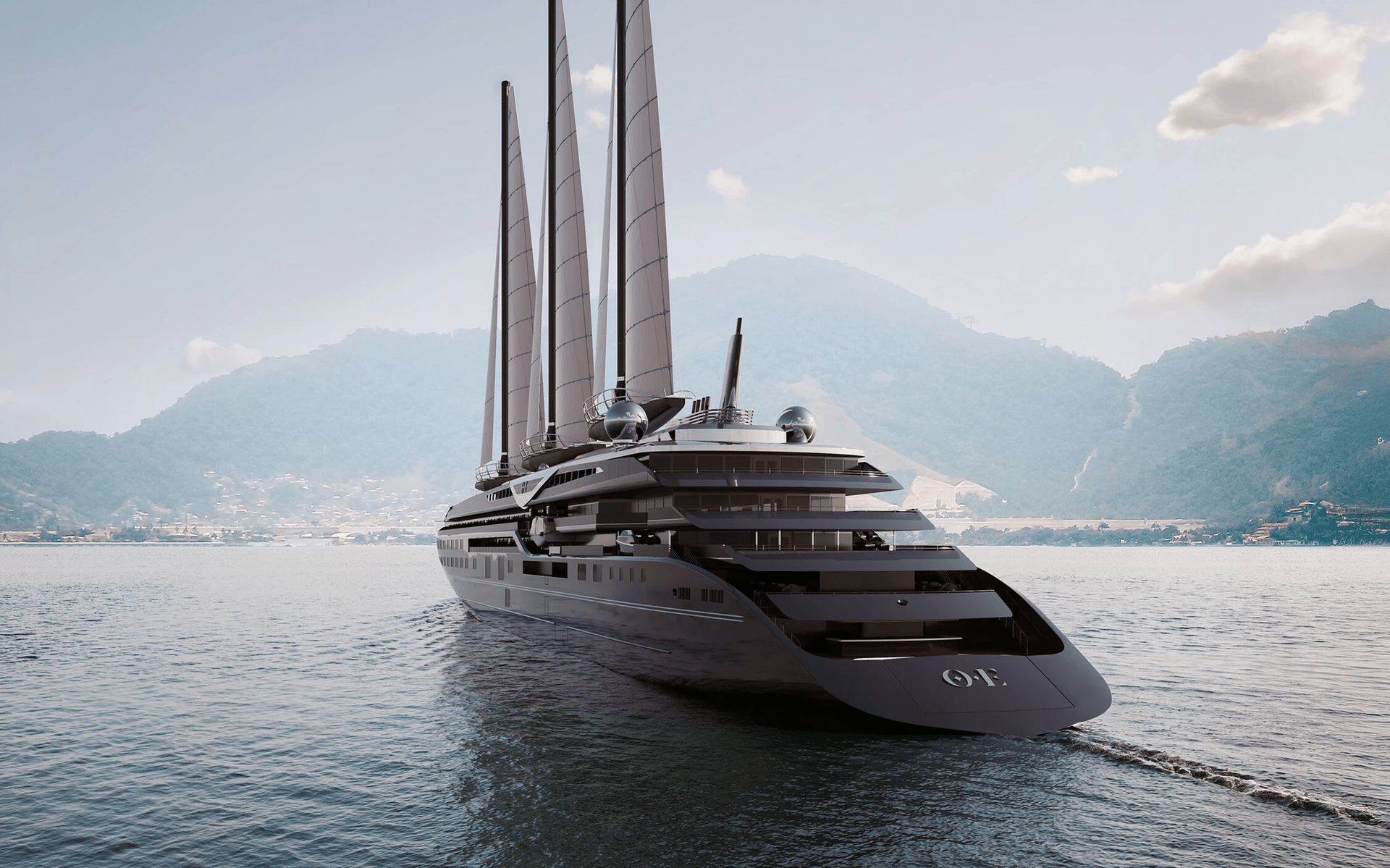
The Orient Express Corinthian is a 720-foot sailing yacht carrying 110 passengers and represents the legacy hospitality brand’s first venture into cruise ship operation. The ship’s defining technical distinction is the SolidSail wind propulsion system, a rigid sail technology that makes Corinthian the first cruise ship to use it. The French luxury orientation extends to every onboard element: a specialty restaurant from Michelin-starred chef Yannick Alléno, a Guerlain spa, a library with a bar, a game room, a cinema, and a dedicated water-sports marina.
The itinerary focus runs toward shorter voyages of two to eight nights in the yacht-filled harbors of the Mediterranean and Caribbean, reflecting an onboard culture built for guests who want to linger ashore in fashionable ports rather than cover maximum nautical miles. The French Riviera and Provence itinerary runs eight nights from Monaco to Marseille, visiting Cannes, St. Tropez, and Saint-Cyr-sur-Mer with overnight stays in each port, a schedule that gives passengers time to dine ashore at each stop without rushing back for departure.
The overnight port structure distinguishes Corinthian from most small ships on this list, which typically anchor offshore for daytime visits and sail in the evening or at night. Staying overnight in ports like St. Tropez and Cannes transforms the ship into a floating hotel that uses France’s most celebrated coastal towns as its venue, not merely as waypoints in an itinerary. The SolidSail technology, the Michelin-starred dining, the Guerlain spa, and the overnight port format together give the Orient Express Corinthian the most distinctly land-luxury character of any ship on this list. The French Riviera experience extends from the quay onto the ship itself. The SolidSail system also signals where luxury sailing is heading: rigid sails generate more consistent power from a wider range of wind angles than traditional canvas, and incorporating the technology into a ship at this price point suggests that the next generation of small-ship luxury cruising will look more like Corinthian and less like the motor vessels that currently define most of the category.
