From a Bronco Sport with standard 4WD under $32,000 to a Tahoe that seats nine and tows 8,000 pounds on 15 mpg city
Credit: Nissan
Four-wheel drive costs money, and the price gap between a base two-wheel-drive SUV and its 4WD equivalent can range from a few hundred dollars to several thousand. But the off-road capability and traction advantages that 4WD provides, particularly in snow, mud, and rough terrain, make that premium worthwhile for buyers who actually use it. The challenge is finding a 4WD SUV that doesn’t require a luxury-level budget to drive off a dealer lot.
This list covers both ends of the capability spectrum: dedicated trail-runners like the Wrangler and Bronco that sacrifice on-road manners for maximum off-road ability, and more balanced options like the Grand Cherokee and 4Runner that can handle a weekend of trail driving without making the weekday commute miserable. A few SUVs toward the bottom of the list, especially the Pathfinder, prioritize everyday usability and include 4WD as a capable but secondary feature.
The 10 SUVs below appear in U.S. News & World Report, listed in order from lowest to highest price with 4WD. All prices are base pricing with 4WD included, before destination charges. Higher trim levels can add significantly to those figures, and the prices cited represent the entry point for 4WD capability in each model, not the fully loaded version. A few models, the Grand Cherokee L and the Armada, come with rear-wheel drive as standard and charge extra for 4WD, so the price shown is after that addition. The SUVs with the lowest starting prices on this list are also the ones that include 4WD as standard equipment across all trims. The SUVs above $57,000 on this list are most accurately described as affordable for their class and capability level, not genuinely inexpensive, and buyers with firm budget constraints should focus on the first six options.
Credit: Ford
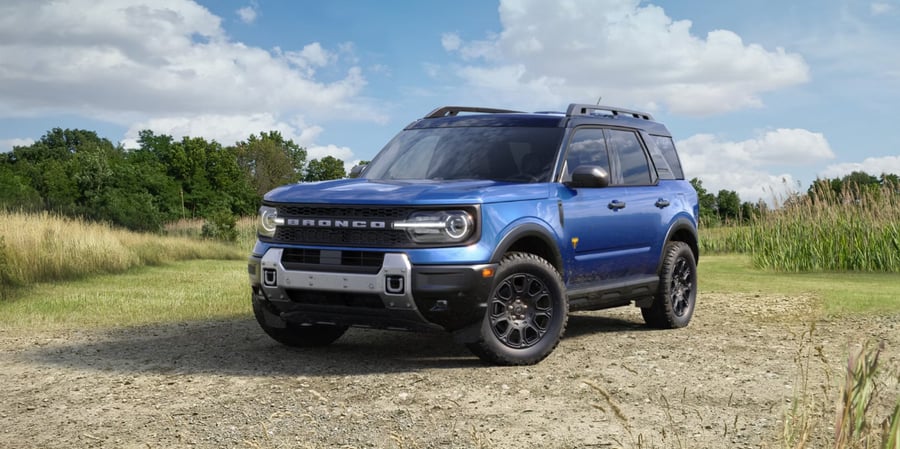
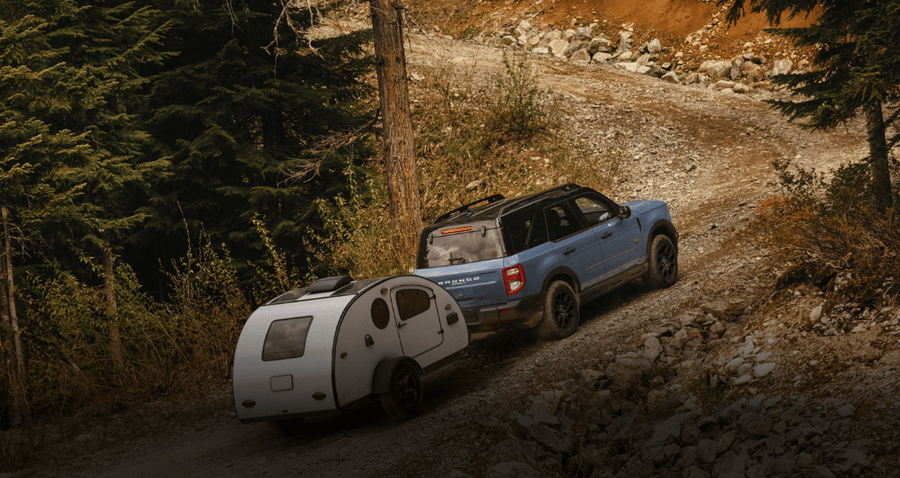
The Bronco Sport is the most affordable 4WD SUV on this list and one of only three here priced below $40,000. More to the point, 4WD isn’t an add-on option: it comes standard on every trim, regardless of which powertrain or configuration you choose. The base engine is a turbocharged three-cylinder, which is adequate but not exciting. Most serious buyers will want the turbocharged four-cylinder found in the upper trims, particularly the Badlands, which starts at $38,265 and delivers meaningfully better performance both on and off the trail.
Reviewer Perry Stern took the Bronco Sport through muddy dirt trails with ice and snow patches and found it handled the terrain without drama: the ride was bouncier than he’d prefer, but stability wasn’t affected. All models include a HOSS high-performance off-road suspension system and G.O.A.T. (Goes Over Any Type of Terrain) mode selectors, which adjust the drivetrain and stability systems for specific terrain types. The Bronco Sport has a maximum ground clearance of 8.8 inches and can ford water up to 24 inches deep.
The Bronco Sport doesn’t match its larger sibling’s raw off-road capability, but it also costs significantly less and is considerably easier to live with on the road. For buyers who want genuine 4WD capability without paying full Bronco money, the Sport makes a compelling practical case. The Bronco Sport’s G.O.A.T. modes include Normal, Eco, Sport, Slippery, Sand, and Mud/Ruts, depending on the trim level, giving drivers meaningful terrain management without requiring manual adjustments. The base three-cylinder engine is best treated as the powertrain you get if budget is the absolute priority. Most buyers who plan to use the off-road capability will prefer upgrading to the turbocharged four-cylinder. The Bronco Sport’s water fording depth of 24 inches is particularly useful for stream crossings and flooded trails, a capability that many small crossovers claiming off-road ability can’t match. For buyers who want real off-road performance in a compact package at the lowest 4WD entry price on this list, the Bronco Sport is the clear starting point.
Credit: Jeep
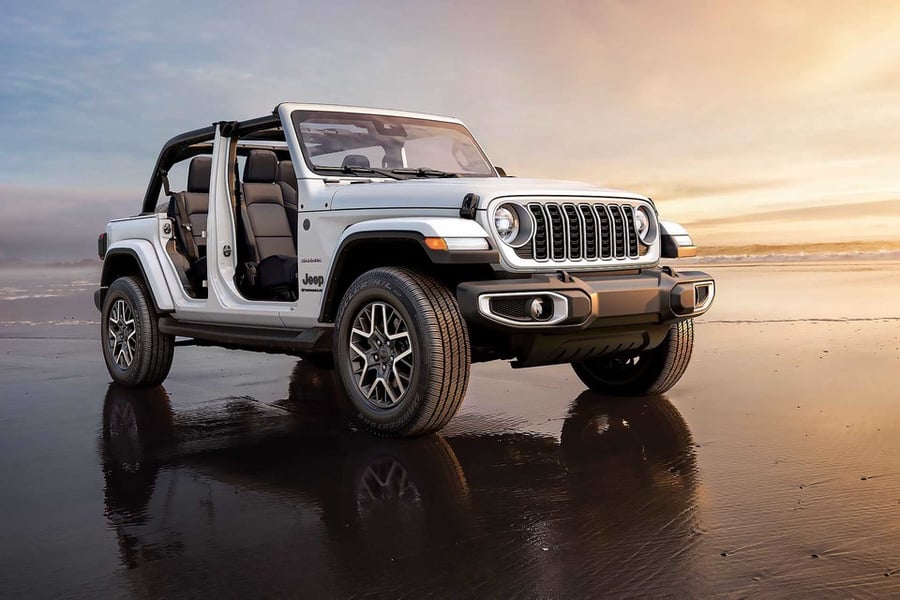
In most conversations about off-road SUVs, the Wrangler is the reference point against which everything else is measured. The only vehicles that arguably beat it in genuine trail capability carry Land Rover badges and prices well above what this list covers. The Wrangler comes in two- and four-door body styles, both with removable roof panels and doors, and in either configuration, it will outlast the driver’s nerve on any trail long before the vehicle runs out of capability.
Managing Editor Alex Kwanten puts it directly: some Wranglers are more about looking aggressive than actually hitting the Rubicon Trail, but the capable ones can legitimately take you almost anywhere and make the trip enjoyable. Every Wrangler comes standard with solid front and rear axles, Jeep’s Command-Trac 4WD system, and 9.7 inches of ground clearance.
The tradeoffs are real and worth knowing upfront. Kwanten describes the Wrangler as “unrefined and gruff” compared to less capable SUVs, with significant road and wind noise, handling that’s mediocre on pavement, and safety ratings that fall short of what more road-focused SUVs achieve. The more extreme the trim, the more the daily-driving compromises compound. For buyers who want a genuine trail machine and are willing to accept those limitations, the Wrangler remains the default answer. For buyers who want 4WD capability but spend most of their time on roads, this probably isn’t the right choice. The Wrangler’s safety ratings represent one of its more significant practical weaknesses for daily drivers: the open-body design and high center of gravity mean it doesn’t perform as well in standardized crash tests as more conventional SUVs. Buyers who plan primarily trail use should weigh this less heavily, but anyone using a Wrangler for regular family transportation should factor the safety data into the decision. The Wrangler’s pricing is also notably favorable compared to its capability level. Few vehicles this capable on the trail cost this little, and the two-door version keeps the base price lower for buyers who don’t need the extra rear-seat space. The four-door version costs more but adds meaningful practicality for buyers who regularly need to carry passengers or gear alongside off-road use.
Credit: Nissan
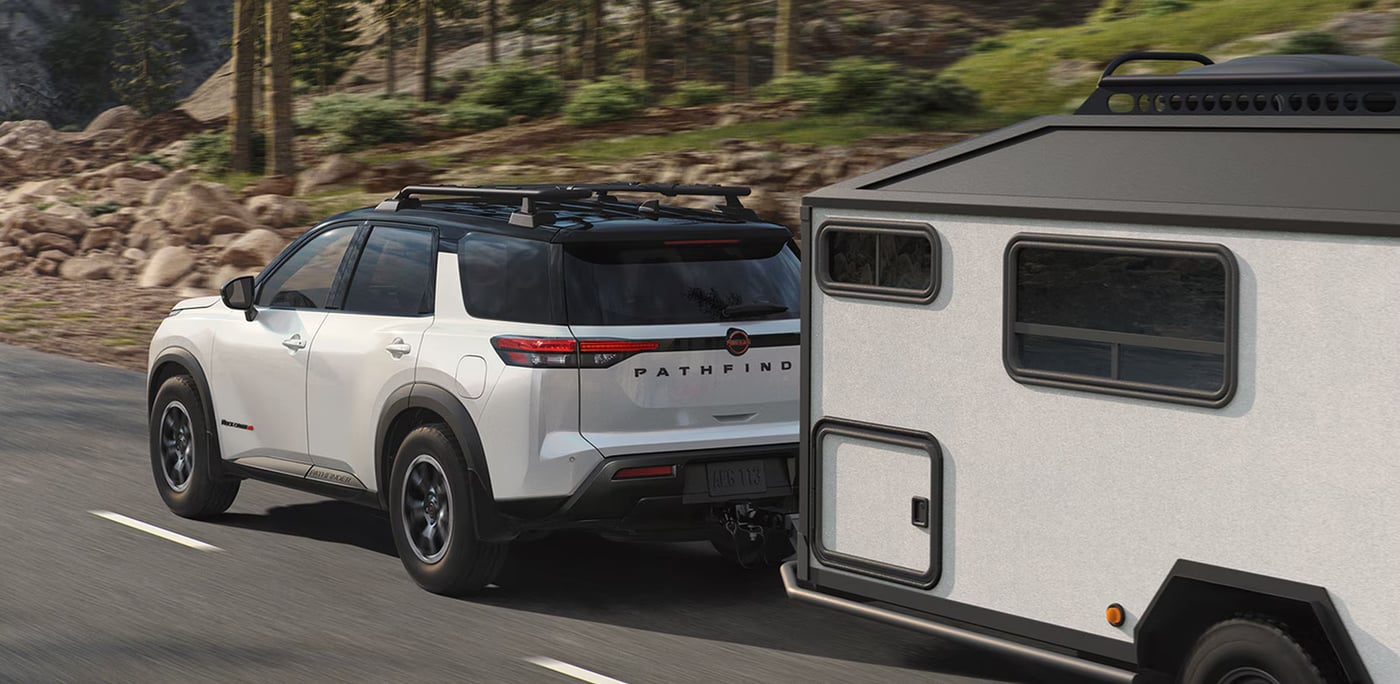
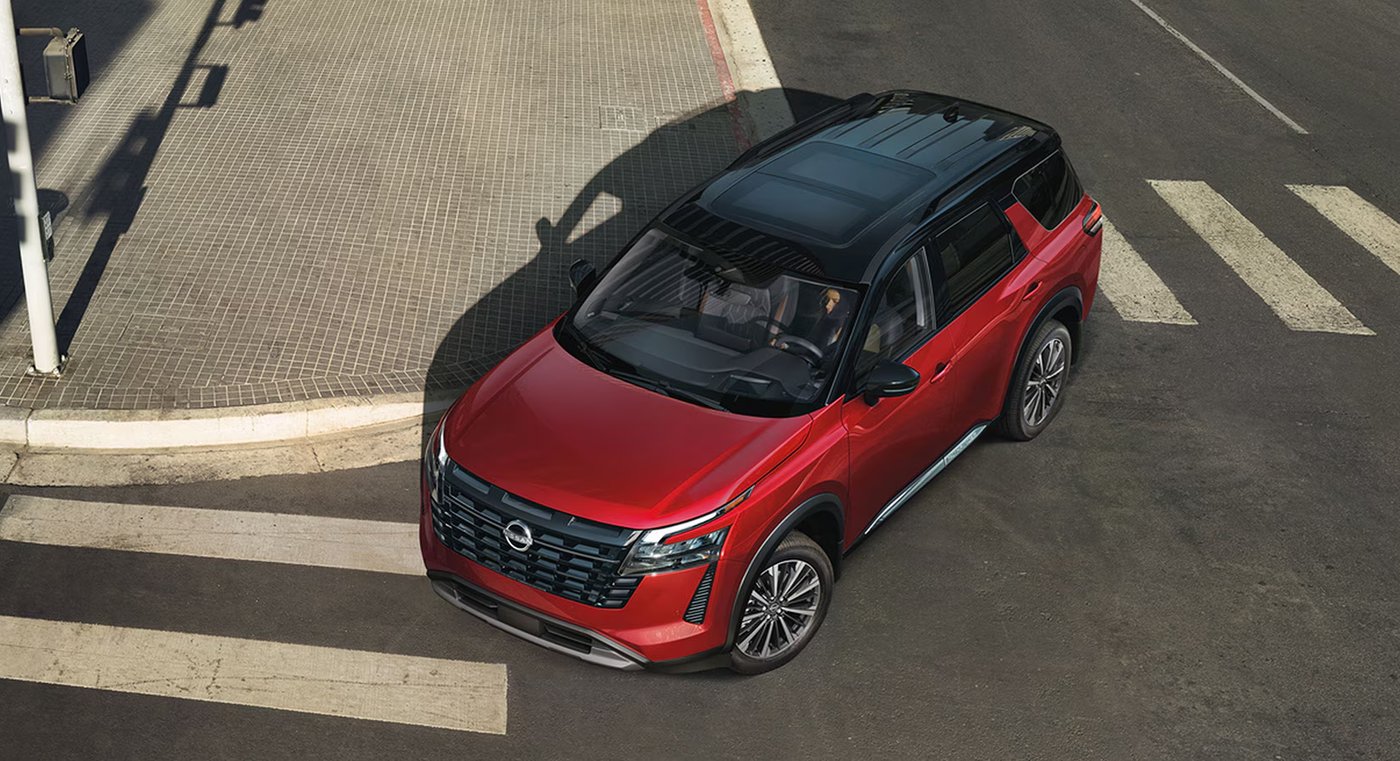
The Pathfinder won’t be anyone’s first answer in a conversation about off-road SUVs, and that’s fine. It’s not really optimized for serious trail work. What it does offer is a substantial amount of 4WD capability at a price well below most three-row SUVs, plus a driving experience that’s considerably more refined on pavement than the dedicated off-roaders on this list.
Vehicle Testing Editor Zach Doell points to a strong V6 engine as one of the Pathfinder’s genuine advantages at a time when many competitors have downsized to turbocharged four-cylinders. The V6 enables swift acceleration and a towing capacity up to 6,000 pounds, which covers most practical trailer-hauling scenarios. Handling is composed for an SUV of this size, and interior space is generous in the first two rows, with a usable cargo area.
The limits for serious off-road use are clearly defined. Maximum ground clearance tops out at 7.7 inches, and Doell identifies the Pathfinder’s approach and departure angles, long wheelbase, and absence of low-range gearing as the more constraining factors for trail use. The Rock Creek trim is the most off-road-tuned version, but even it isn’t built for serious all-terrain adventuring. Buyers who want three-row seating, 4WD, and a smooth daily driver will find the Pathfinder a strong fit. Buyers who actually plan to use the 4WD aggressively on trails should look elsewhere on this list. The Pathfinder’s V6 towing advantage over turbocharged four-cylinder competitors is a genuine differentiator for buyers who regularly tow a boat or trailer. Many compact crossovers and smaller SUVs can’t approach 6,000 pounds of towing capacity, which makes the Pathfinder a compelling family vehicle for buyers who need both passenger space and towing ability, along with 4WD capability. The Pathfinder’s three-row seating and generous cargo area address a real practical need: a family SUV with 4WD, solid towing capacity, and enough space to carry everyone and their gear. The Wrangler and Bronco can’t offer that combination, and the Grand Cherokee and Grand Cherokee L cost more while providing similar or better off-road capability.
Credit: Ford
The full-size Bronco takes the approach the Sport only hints at: everything is optimized for maximum off-road capability, and on-road manners are a secondary consideration. Perry Stern tested the Bronco Badlands with the Sasquatch package, a configuration that starts at $71,540, and found it ready for any off-road challenge, even if it didn’t quite match the extreme capability of the Bronco Raptor he’d previously driven with its 35-inch all-terrain tires and V6 engine.
The performance upside on the trail is matched by an equally clear set of daily-driving limitations. The Bronco rides rougher than most SUVs, and because the doors and roof panels can be removed entirely, road and wind noise at highway speeds is substantial. This isn’t a vehicle that compromises reluctantly. It prioritizes off-road ability as a deliberate design choice and accepts the consequences. Buyers who understand that they will likely be satisfied going in. Buyers who expect trail capability alongside a quiet, comfortable highway ride should look at the Grand Cherokee or 4Runner instead.
Certain Bronco trims reach up to 11.5 inches of ground clearance and a water fording depth of 33.5 inches, both impressive numbers in this segment. Standard off-road features include hill-descent control and hill-start assist to prevent rollbacks on steep terrain. The Bronco’s doors-and-roof removal capability is a genuine differentiator for buyers who want the open-air experience, but it’s worth noting that this feature creates a permanent wind and road noise issue, not just an occasional circumstance. If open-air driving is the primary appeal, it’s the right trade-off. If it’s merely a nice-to-have, the compromise deserves careful thought. The Bronco’s U.S. News score of 8.4 reflects a vehicle that does its specific job extremely well and isn’t trying to appeal to everyone. Buyers who’ve decided they want maximum off-road capability in a body-on-frame package with open-air potential, and who’ve accepted the on-road trade-offs that come with it, will find the Bronco one of the most purpose-built and most satisfying options available at its price.
Credit: Jeep
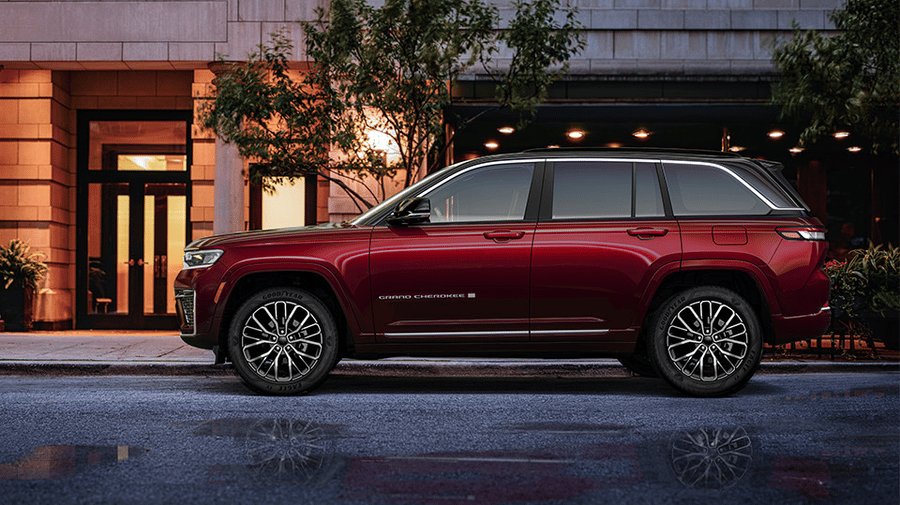
The Grand Cherokee sits at the more versatile end of this list: it can legitimately handle serious off-road terrain while also providing a comfortable, well-built interior that makes everyday driving genuinely pleasant. That balance is why it ranks near the top of its class. A V6 comes standard, but most 2026 models feature a new turbocharged four-cylinder powertrain.
Kwanten tested the turbo-four and found it more powerful than some highly tuned performance engines, achieving 26% more power per liter than Stellantis $STLA’s old Hellcat Redeye V8. It runs on regular 87-octane fuel, though noticeable turbo lag precedes the boost. Once it does, the power delivery is strong.
The interior quality varies significantly by trim. Lower Laredo trims feel basic inside, but the Limited Reserve and Summit trims are what Kwanten calls “genuinely luxurious.” Front seat space is generous even for tall passengers, and the front buckets are comfortable and supportive without feeling confining. The Grand Cherokee is the right choice for buyers who want to cover genuinely rough terrain without feeling like they’ve made a significant daily-driving sacrifice to do it. The Grand Cherokee’s class-leading U.S. News score of 9.0 reflects the breadth of what it does well: trail capability, interior quality, available safety technology, and ride comfort all land above average for the midsize SUV segment. Buyers who want a capable off-roader but also care about how it feels during the other 95% of driving, the commute, the school run, the highway trip, will find the Grand Cherokee’s balance among the most compelling on this list. The Grand Cherokee competes most directly with the Toyota $TM 4Runner in this segment, and the comparison is worth making: the Grand Cherokee scores higher overall, offers a more modern powertrain in the new turbo-four, and has a more upscale interior across its lineup. The 4Runner has a slight edge in off-road capability in its upper trims and a stronger reputation for long-term durability. Both are strong choices.
Credit: Jeep
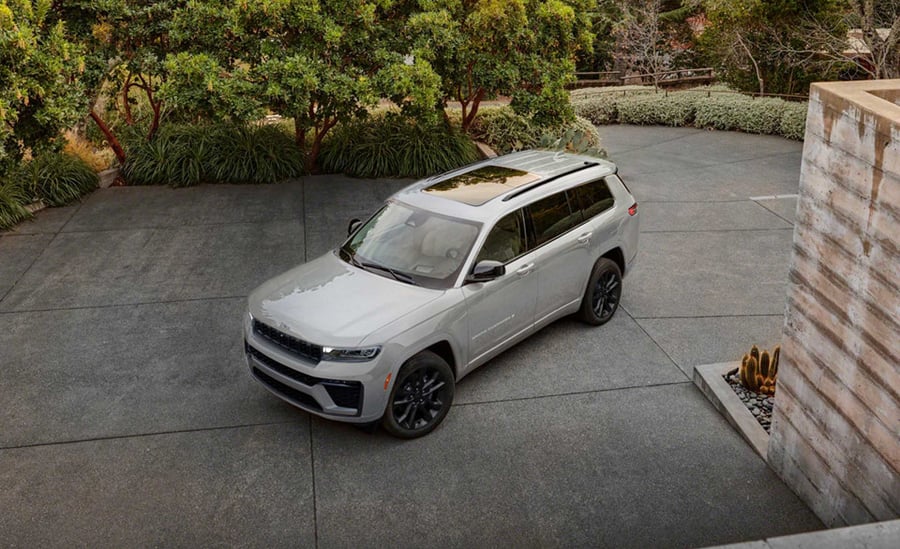
The Grand Cherokee L is essentially the same vehicle as the standard Grand Cherokee with a third row of seats added and the interior correspondingly stretched. It carries the highest interior rating of any model on this list, 8.8 out of 10, and earns Kwanten’s characterization as “a plush, handsome three-row SUV that’s very off-road capable.” For buyers who need three-row seating and also want genuine off-road ability, there are very few alternatives at this price.
One important difference from the standard Grand Cherokee: the L comes with rear-wheel drive as standard, and 4WD is an add-on across three different system configurations. Quadra-Trac I is a full-time system suited for all-weather driving but not serious trail work. Quadra-Trac I with Selec-Terrain adds a terrain management system for more deliberate off-road applications. Quadra-Drive II, the most capable option, adds a two-speed transfer case, an electronic limited-slip rear differential, and an air suspension for serious off-road scenarios.
Buyers considering the Grand Cherokee L should decide which 4WD system they need before configuring the vehicle, as the pricing and capability differences among the three options are significant. The Grand Cherokee L fills a specific market gap: most three-row SUVs with genuine 4WD capability cost considerably more than this, and the ones that cost less tend to sacrifice either interior quality or off-road performance. The L’s interior rating of 8.8 out of 10 is the highest on this list, meaning buyers don’t have to accept a penalty in comfort or materials quality to get the third row and the 4WD system. The Quadra-Drive II system’s electronic limited-slip rear differential and two-speed transfer case make it the system to specify for buyers planning serious off-road use. The Quadra-Trac I system at the lower end of the 4WD option list is better described as an all-weather system than a genuine trail tool, so buyers should align their 4WD choice with how they actually plan to use the vehicle.
Credit: Toyota
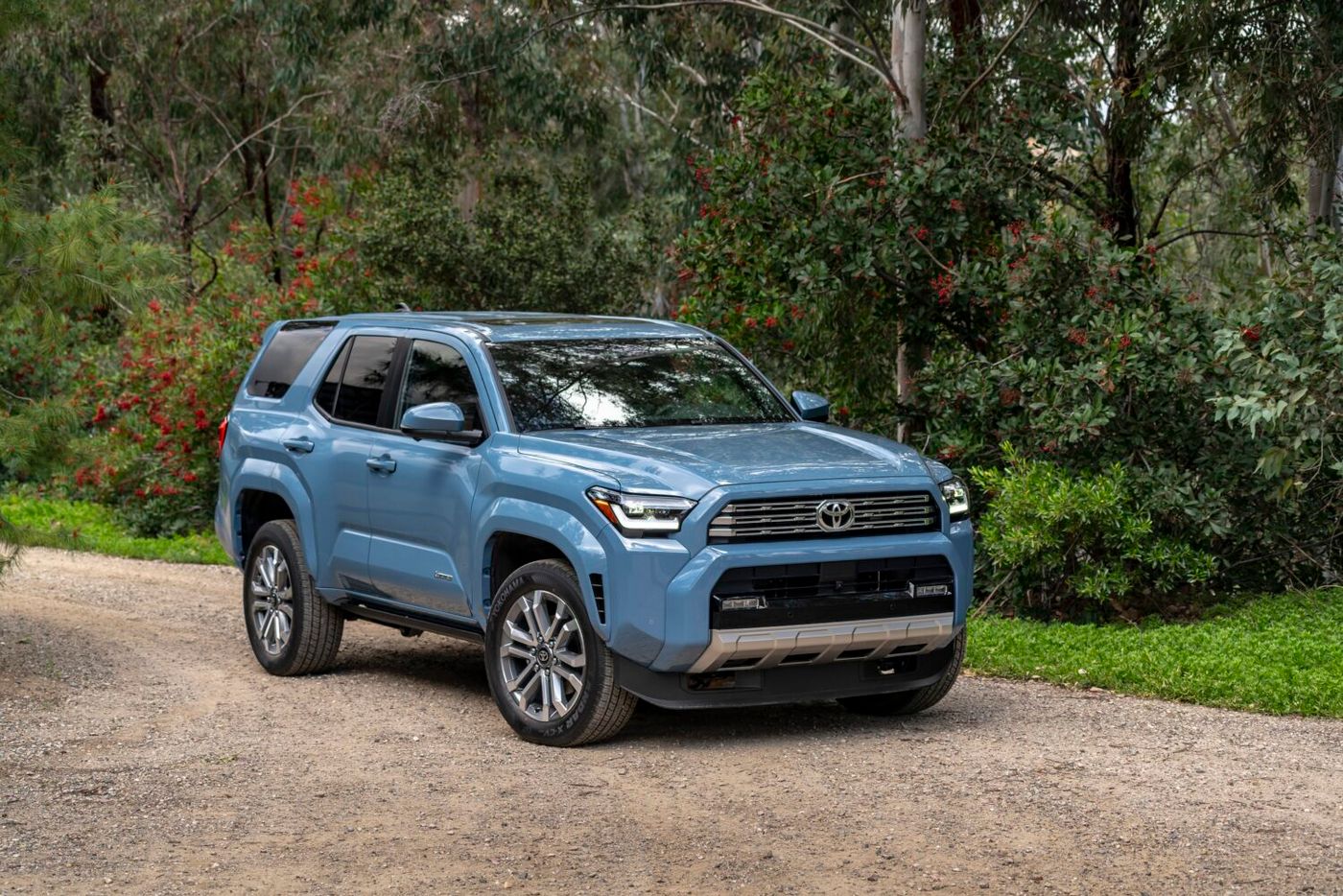
The 4Runner went through its first major redesign in years for the 2025 model year, and the 2026 version carries those changes forward with minimal updates. Crucially, the redesign didn’t soften the 4Runner’s fundamental character: it remains a rugged, capable body-on-frame SUV that can keep pace with more extreme off-roaders on the trail while remaining composed and comfortable enough for a daily commute.
Senior Vehicle Testing Correspondent John M. Vincent clearly describes the balance: while most serious off-roaders compromise significantly on the road, the 4Runner maintains a high degree of refinement alongside its off-road capability, making it genuinely usable as a weekday commuter and a weekend trail runner. The cabin is roomy and well-built, though rivals offer more upscale interiors at comparable price points. The optional third row earns a harsh assessment from Vincent, who calls it “nearly worthless,” so buyers who need three rows of functional seating should look at the Grand Cherokee L instead.
Upper trims carry the full off-road equipment complement: serious traction management controls, improved approach and departure angles, and up to 10.1 inches of ground clearance. Lower trims are more street-oriented and shouldn’t be confused with the genuinely trail-capable upper configurations. The 4Runner’s body-on-frame construction is part of what makes it so capable off-road and also part of why its ride quality on pavement can’t match crossovers built on car-based platforms. Buyers who prioritize trail performance and long-term durability over on-road refinement will find the 4Runner’s architecture a feature, not a limitation. The 4Runner’s resale value is among the strongest in the midsize SUV segment, partly because Toyota $TM’s reliability reputation drives long-term demand and partly because capable body-on-frame SUVs in good condition hold their value as the market for them remains consistently strong. Buyers who plan to own a 4Runner for many years or who want strong resale protection will find both reasons compelling. The 4Runner’s off-road upper trim lineup, particularly the TRD Pro, is where the vehicle’s trail capability reaches its peak, and the price gap between the base trim and the TRD Pro is worth understanding before starting negotiations at a dealership.
Credit: Toyota
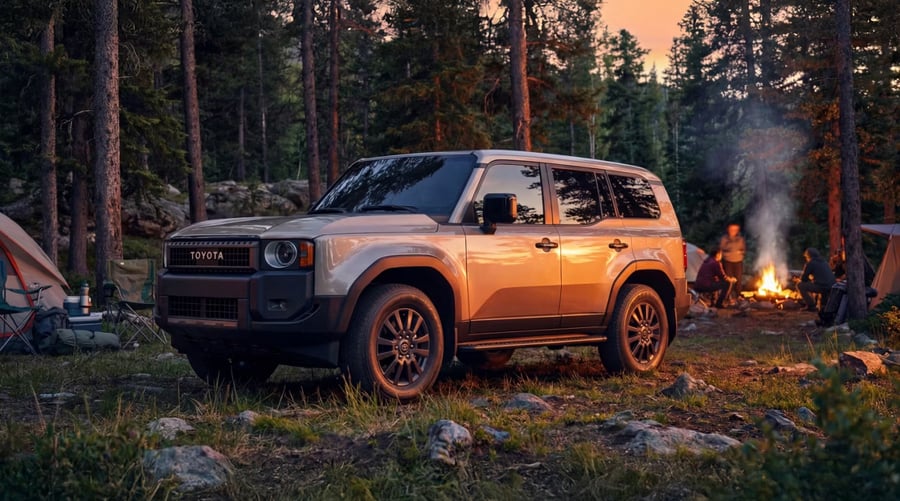
The Land Cruiser returned to Toyota $TM’s lineup after a multi-year absence and is now in its third production year. The new version is smaller than the old Land Cruiser, but Doell found it no less capable on the trail. A 326-horsepower hybrid powertrain, full-time four-wheel drive, and locking differentials form the off-road foundation, and Doell witnessed its abilities firsthand on an off-road expedition in West Virginia, describing trails he couldn’t believe the SUV successfully conquered.
On the road, the Land Cruiser is competent but not smooth, a typical trade-off for body-on-frame SUVs built for trail capability. Interior space is generous for both passengers and cargo, and the cabin quality is solid, though it falls short of what buyers might expect from a true luxury SUV at this price point. Standard off-road equipment includes tow hooks, multiple traction control modes, and a skid plate protecting the engine, transmission, and transfer case. Optional upgrades add a surround-view Multi-Terrain Monitor and an electronic front stabilizer disconnect that improves suspension articulation on uneven terrain.
The Land Cruiser’s hybrid powertrain is a notable differentiator in this segment, offering better fuel economy than comparable non-hybrid body-on-frame SUVs without sacrificing any off-road capability. The Land Cruiser’s hybrid powertrain delivers better real-world fuel economy than equivalent non-hybrid body-on-frame SUVs, which partially offsets its higher purchase price for high-mileage buyers. It’s worth noting that the Land Cruiser sits at the top of the price range on this list, and buyers who don’t specifically need hybrid efficiency or the Toyota badge’s global reliability reputation may find better value in the 4Runner. The Land Cruiser’s global reputation for durability in demanding conditions is part of its appeal at this price point: buyers who plan extended overlanding or consistent backcountry use are paying in part for a reliability track record built across decades of use in some of the world’s harshest environments, not just an impressive spec sheet. The Land Cruiser’s higher price relative to the 4Runner reflects both the hybrid powertrain premium and that accumulated reliability reputation.
Credit: Nissan
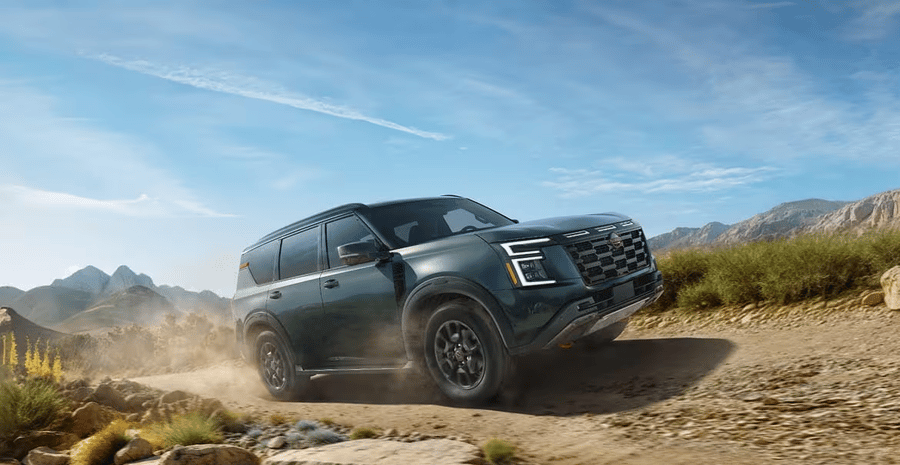
The Armada is a year removed from a full redesign and sees few changes for 2026. Reviewer Mark Takahashi appreciated the rugged capability, twin-turbo V6 power, and refreshingly simple infotainment system, though he’d hesitate before putting adults in the third row for any significant trip. The Armada is a solid, large body-on-frame SUV, but it doesn’t challenge the segment leaders directly.
Four-wheel drive costs an additional $3,000 across all trims, but buyers planning genuine off-road use should focus on the Pro-4X, which starts at $74,300. That trim adds all-terrain tires, an adaptive air suspension, a locking rear differential, and a full underbody skid plate, among other trail-specific equipment. The Pro-4X is genuinely impressive off-road. The standard Armada with 4WD added is more of a capable all-weather SUV than a dedicated trail machine.
The Armada’s on-road performance lags behind the class’s best drivers, a known characteristic of body-on-frame construction at this size. Buyers who need a large SUV with genuine 4WD capability and aren’t ready to spend Land Cruiser money will find the Armada a reasonable compromise. The Armada’s U.S. News score of 8.7 is strong for a large SUV and reflects recent improvements in the redesign, including a revised cabin layout, enhanced safety technology, and the twin-turbo V6 powertrain that delivers strong power without the complexity of a naturally aspirated V8. Buyers specifically interested in the Pro-4X trim should be aware that the jump from base 4WD pricing to that trim is substantial. Buyers comparing the Armada Pro-4X to the Chevrolet Tahoe Z71 should know they’re choosing between two meaningfully different off-road philosophies: the Armada Pro-4X is built more specifically for serious off-road work, while the Tahoe Z71 is better described as a light off-road package on a primarily road-focused large SUV. The base Armada’s towing capacity, which reaches 8,500 pounds in the right configuration, is one of its genuine strengths relative to some body-on-frame competitors in this size class, and buyers who need to tow alongside 4WD capability should factor that figure into the comparison.
Credit: Chevrolet
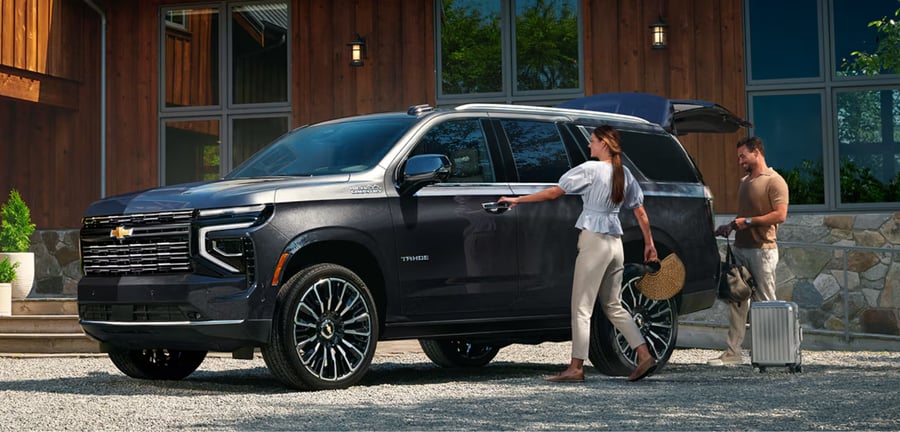
The Tahoe is the SUV families buy instead of a minivan when they want towing capacity and road presence alongside passenger space. Three powertrain options provide plenty of power, the ride is composed, and towing capacity tops 8,000 pounds, which covers boats, horse trailers, and most other realistic towing scenarios. The fuel economy numbers are, as the source description diplomatically puts it, upsetting. Buyers should plan accordingly and factor in fuel costs when calculating the total cost of ownership.
The Tahoe's interior space is its clearest strength. It seats up to 9 passengers, with all three rows configured for adults, and has a maximum cargo capacity of 122.7 cubic feet. That’s a practical, all-purpose vehicle for large families who need to move people, luggage, and gear at the same time. The Z71 trail-oriented trim adds hill-descent control, all-terrain tires, and recovery hooks for buyers who want to use the 4WD more aggressively, though the Tahoe is not a dedicated trail runner at any configuration level.
Rivals offer more luxurious interiors at comparable pricing, which is worth acknowledging. The Tahoe’s case rests on practicality: it’s one of the most space-efficient, family-friendly large SUVs available with 4WD, and it accomplishes the core mission of moving a large group of people competently and confidently in a wide range of driving conditions. The Tahoe’s 8.9 U.S. News score reflects its strength as an all-purpose family vehicle: it doesn’t lead its class in any single dimension, but it covers the practical needs of a large family vehicle thoroughly enough that its weaknesses, relatively unimpressive fuel economy, and less luxurious interior than some rivals, rarely become dealbreakers for buyers focused on its core strengths. The Tahoe’s fuel economy is worth addressing directly: the base V8 returns around 15 mpg city and 20 mpg highway, which will add up significantly for buyers who drive high annual mileages. The available diesel powertrain improves efficiency substantially but adds to the purchase price. For buyers primarily concerned with per-mile fuel costs, the Tahoe may not be the most economical large 4WD SUV choice despite its otherwise strong value proposition.
