
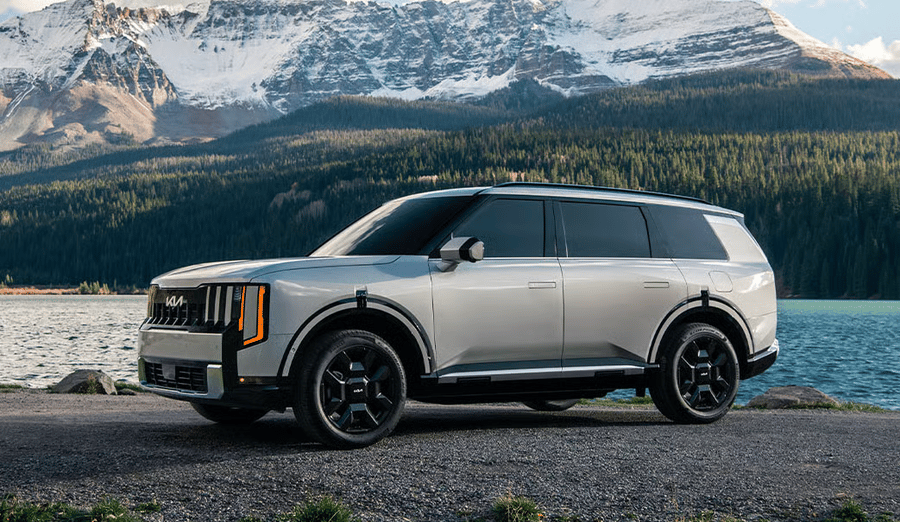
These seven-seat SUVs rank as the most affordable for 2026, spanning compact crossovers and midsize family models.
Credit: Kia
Seven-seat SUVs generally cost more than their five-seat counterparts simply because larger vehicles command higher prices, and new-car prices overall have risen substantially over the past decade. Families hoping to skip a minivan while still seating seven people don’t need to accept a painful price tag, though, since a considerable number of seven-seat SUVs start well under $40,000, with a handful priced meaningfully lower still.
Nearly every model on this particular list also carries an average transaction price, once buyers add option packages or step up to higher trims, that lands below the national average new-vehicle transaction price of roughly $50,000. This gap between sticker price and typical real-world spending matters for shoppers trying to budget accurately, rather than relying solely on a base MSRP that few buyers actually pay for their final configuration.
The 10 SUVs below appear in U.S. News & World Report's list of the cheapest seven-seater SUVs for 2026, ranked by starting price. They range from a compact SUV stretched to fit a third row to full-blown midsize models built around family hauling from the ground up, giving shoppers real range across size, powertrain and overall driving character. Several entries also come in both gasoline and hybrid form, letting families weigh a somewhat higher upfront cost against meaningfully lower fuel spending over years of ownership. Warranty coverage, expected reliability and total cost of ownership all matter just as much as the initial sticker price when comparing these particular vehicles against one another over the long term, especially for families planning to keep a given vehicle well past the typical five-year ownership window that most new-car buyers usually tend to consider when comparing monthly payments alone instead of long-term costs across the entire life of the original loan.
Credit: Mitsubishi
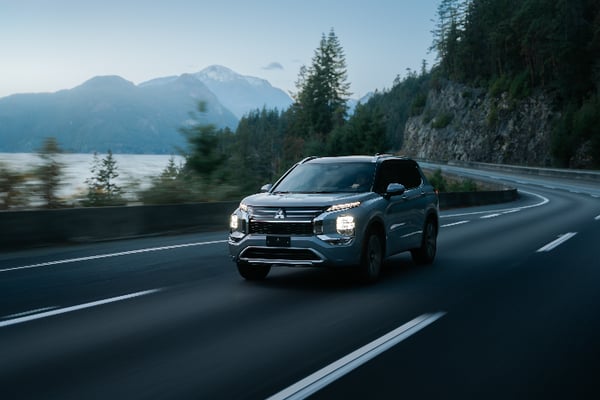
The Mitsubishi Outlander, starting at $29,995 and earning a U.S. News Rating of 8.2, ranks as the least expensive seven-seat SUV on the market and the only one that starts under $30,000. It also stands as the only compact SUV offering three rows of seating, a genuine rarity within a class typically limited to five-seat configurations.
The third row runs noticeably cramped, a common complaint even among midsize three-row SUVs with considerably more overall length to work with. The powertrain also drones somewhat at higher RPMs, though the Outlander handles well overall and delivers a comfortable ride. The cabin stays well-appointed throughout, and the infotainment system proves notably easy to operate.
Reviewers note that the Outlander doesn’t make it onto as many shoppers’ shortlists as its actual value suggests it should, a gap that reflects Mitsubishi’s weaker brand reputation compared with more established rivals instead of any real shortcoming in the vehicle itself.
This particular pairing of an unbeatable starting price and an unusually rare three-row compact layout gives the Outlander real appeal for budget-focused families willing to overlook its cramped third row and Mitsubishi’s less prestigious badge. Shoppers should test the third row directly with the actual passengers who’ll use it most often, since cramped compact SUV dimensions affect taller adults and children quite differently. Mitsubishi’s considerably longer warranty coverage, extending well beyond what most rivals offer, helps offset some buyer hesitation tied to the brand’s less prestigious reputation. Buyers should compare current incentive offers directly, since Mitsubishi frequently runs promotional financing that can narrow the price gap with competing three-row SUVs. A short test drive with the rear seats folded up reveals exactly how tight the space actually feels in practice. This particular step often settles the question faster than any spec sheet alone could. A five-minute test even at a dealership lot answers the question far better than any set of photos ever could online.
Credit: Kia
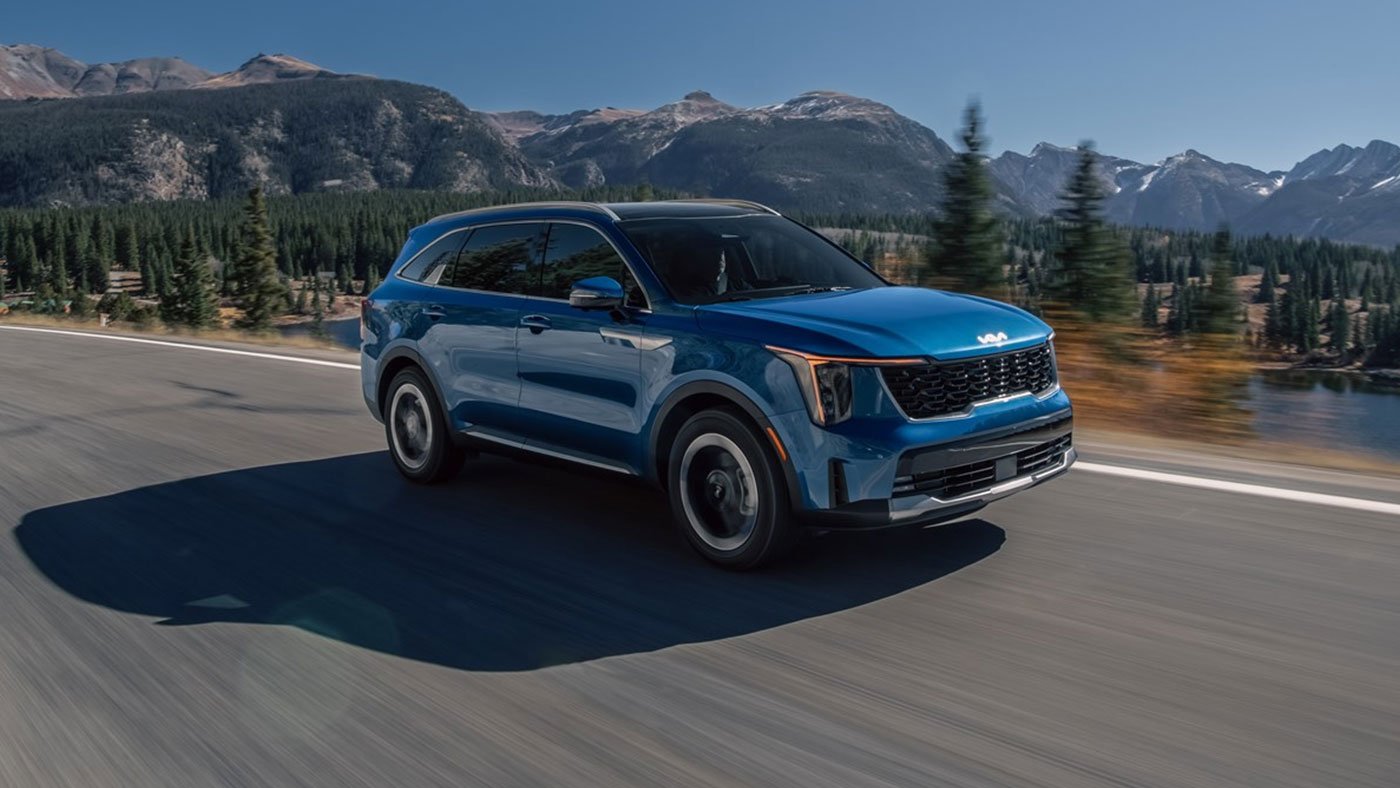
The Kia Sorento, starting at $32,390 and earning a U.S. News Rating of 8.8, occupies a genuine tweener position, running larger than the average compact SUV and smaller than a typical midsize SUV. However, U.S. News classifies it within the midsize category. Wherever it technically fits, the Sorento delivers strong value, and the model earned recognition as the publication’s 2026 Best 3-Row SUV for the Money.
The Sorento looks good both inside and out, and its seats stay comfortable throughout, though the third row runs noticeably more cramped than the first two rows. Construction quality stays solid throughout the cabin, and plenty of features come standard even on lower trims.
Reviewers describe the Sorento as pleasant but unexceptional to drive, noting steering that feels light, quick, and somewhat vague, making the vehicle easy to maneuver without feeling particularly agile when pushed hard through corners. Body roll stays minimal, and the ride remains smooth even across poorly maintained roads.
This particular pairing of considerable value and dependable, if unexciting, driving manners gives the Sorento real appeal for families prioritizing practicality over outright driving engagement in a three-row family vehicle. Kia backs the Sorento with one of the stronger warranty programs in the industry, giving buyers added peace of mind on top of the vehicle’s already competitive price. Available hybrid and plug-in hybrid variants offer shoppers additional powertrain options beyond the standard gasoline engine covered in this list. Buyers should test-drive both gasoline and hybrid versions before deciding, since the two powertrains deliver meaningfully different driving characteristics despite sharing the same body. Reading recent owner reviews alongside professional reviews helps paint a clearer picture before signing any paperwork. Real owners tend to flag long-term quirks that a single test drive can’t reveal to a first-time shopper. Forums and active online owner groups often surface these particular real-world details well before a dealership salesperson ever mentions them to a shopper.
Credit: Hyundai
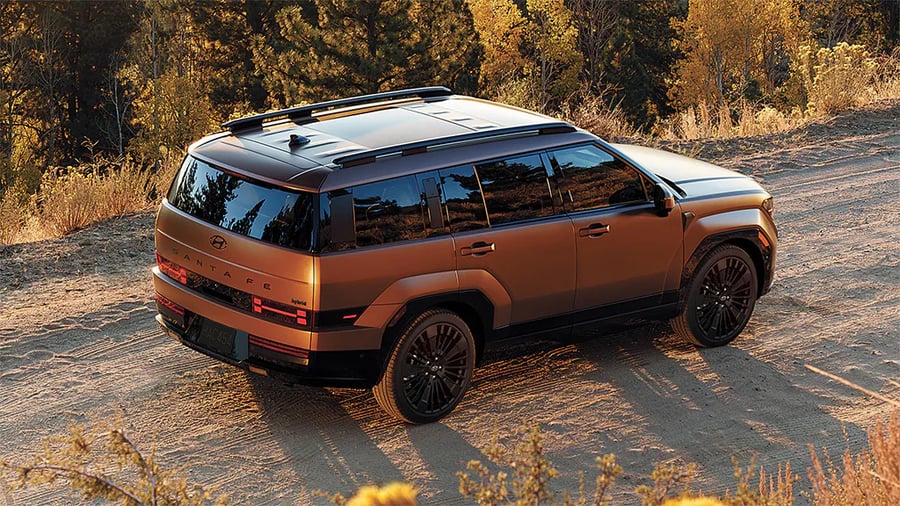
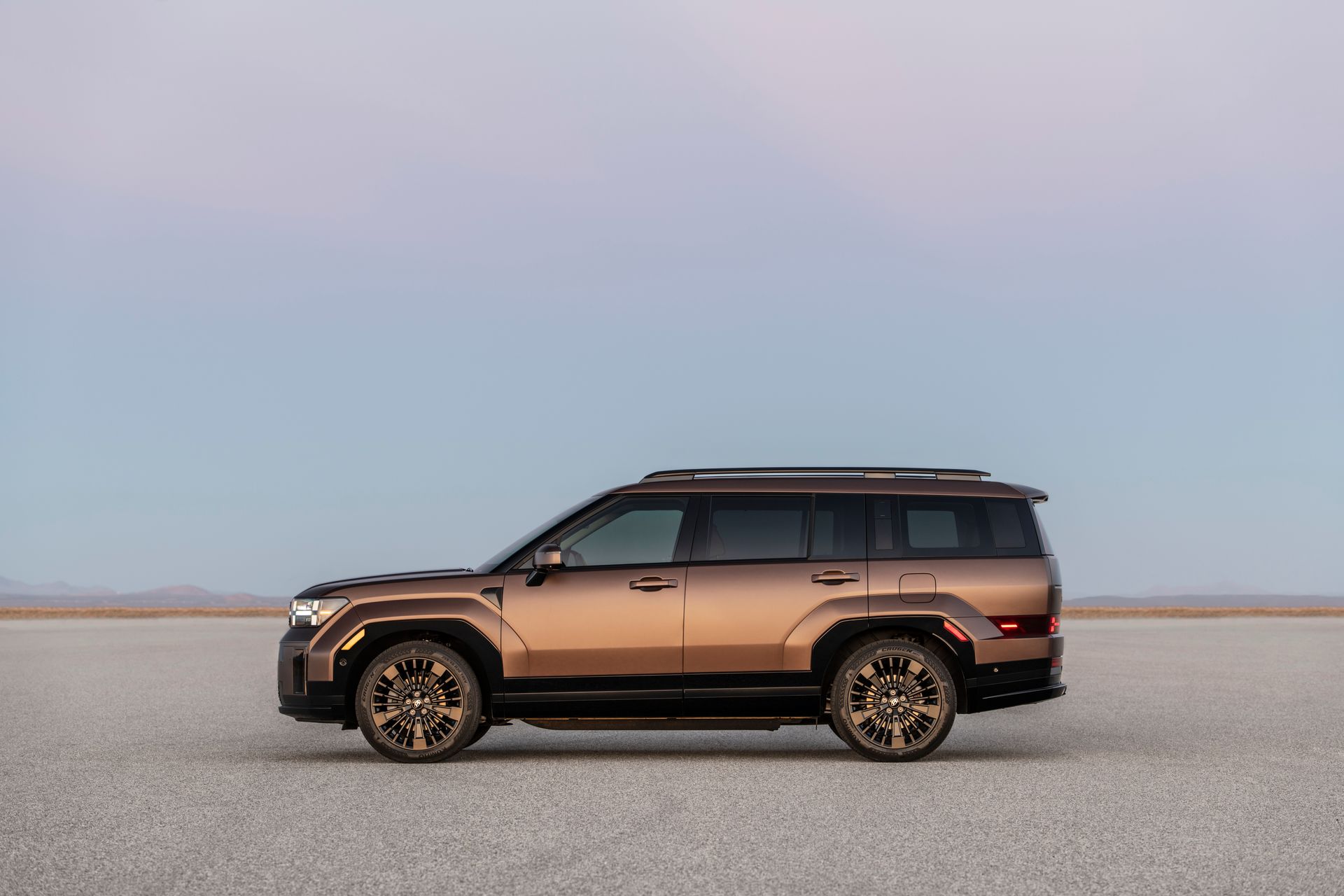
The Hyundai Santa Fe, starting at $35,050 and earning a U.S. News Rating of 9.3, underwent a full redesign a couple of years ago, and the overhaul turned it into one of the highest-rated and most affordable midsize SUVs the publication reviews. The Santa Fe also stood as a finalist for the Best 3-Row SUV for the Money award.
Reviewers describe the Santa Fe’s cabin as carrying the look and feel of a considerably pricier SUV, with a design that reads as futuristic yet familiar. Despite its eye-catching styling, the driving experience stays refreshingly straightforward, with swift acceleration, comfortable ride quality, reasonably capable handling and good fuel economy for a family hauler of its size.
The third row doesn’t offer the best legroom found in this class, and the touch-sensitive climate controls take some getting used to for new owners. Even accounting for these particular drawbacks, the Santa Fe delivers considerable value relative to its price point.
This particular pairing of striking design and unusually straightforward driving dynamics gives the Santa Fe real appeal for families hoping to combine considerable style with a midsize SUV that still drives predictably. Hyundai’s considerable investment in this generation’s design language has helped the Santa Fe stand out visually in a segment where many competitors still favor conservative styling. Standard safety features across the lineup include a considerable suite of driver-assistance technology once reserved for pricier trims on earlier Hyundai generations. Buyers should spend real time with the touch-sensitive climate controls during a test drive, since this particular interface style doesn’t suit every driver equally well. A brief hands-on session with the climate panel during a dealership visit quickly answers this question. Some drivers adapt within minutes, while others prefer physical dials over touch-based controls entirely. Knowing which specific type suits a given driver best avoids a genuine source of daily frustration down the road after purchase.
Credit: Hyundai
The Hyundai Santa Fe Hybrid, starting at $36,400 and earning a U.S. News Rating of 8.9, carries much of the standard Santa Fe’s considerable appeal while adding a more efficient hybrid powertrain into the mix. The hybrid delivers up to 36 miles per gallon, a full 33% improvement over the nonhybrid version, and ranks among the least expensive midsize hybrid SUVs currently available.
The hybrid’s cabin stays handsome and upscale throughout, closely matching competitors on power output, cargo room and interior comfort. Reviewers note that the Santa Fe Hybrid stands out most for its rich feature set and upmarket cabin, delivering agreeable, if not particularly exciting, overall driving dynamics.
This particular pairing of considerable fuel savings and a notably upscale interior gives the Santa Fe Hybrid real appeal for families hoping to reduce fuel costs without sacrificing the standard Santa Fe’s considerable style and comfort.
Shoppers comparing the hybrid against the standard Santa Fe should weigh the roughly $1,350 price difference against their own specific driving habits, since the hybrid’s fuel savings typically pay off fastest for families covering considerable annual mileage. Buyers comparing hybrid and nonhybrid versions should also factor in any available fuel tax credits or rebates in their state before finalizing a purchase decision. The hybrid system adds only modest weight over the standard powertrain, helping the vehicle retain much of the nonhybrid Santa Fe’s already competent handling characteristics. Buyers should calculate their expected annual mileage before committing to the hybrid premium, since drivers who cover fewer miles may not recoup the added upfront cost as quickly. A simple spreadsheet comparing fuel costs over several years makes this calculation much easier to visualize. Local gas prices, in particular, should factor into this calculation, since regional cost differences meaningfully shift the math. A state with notably high gas prices can shorten the payback period considerably compared with one where fuel stays cheap.
Credit: Nissan
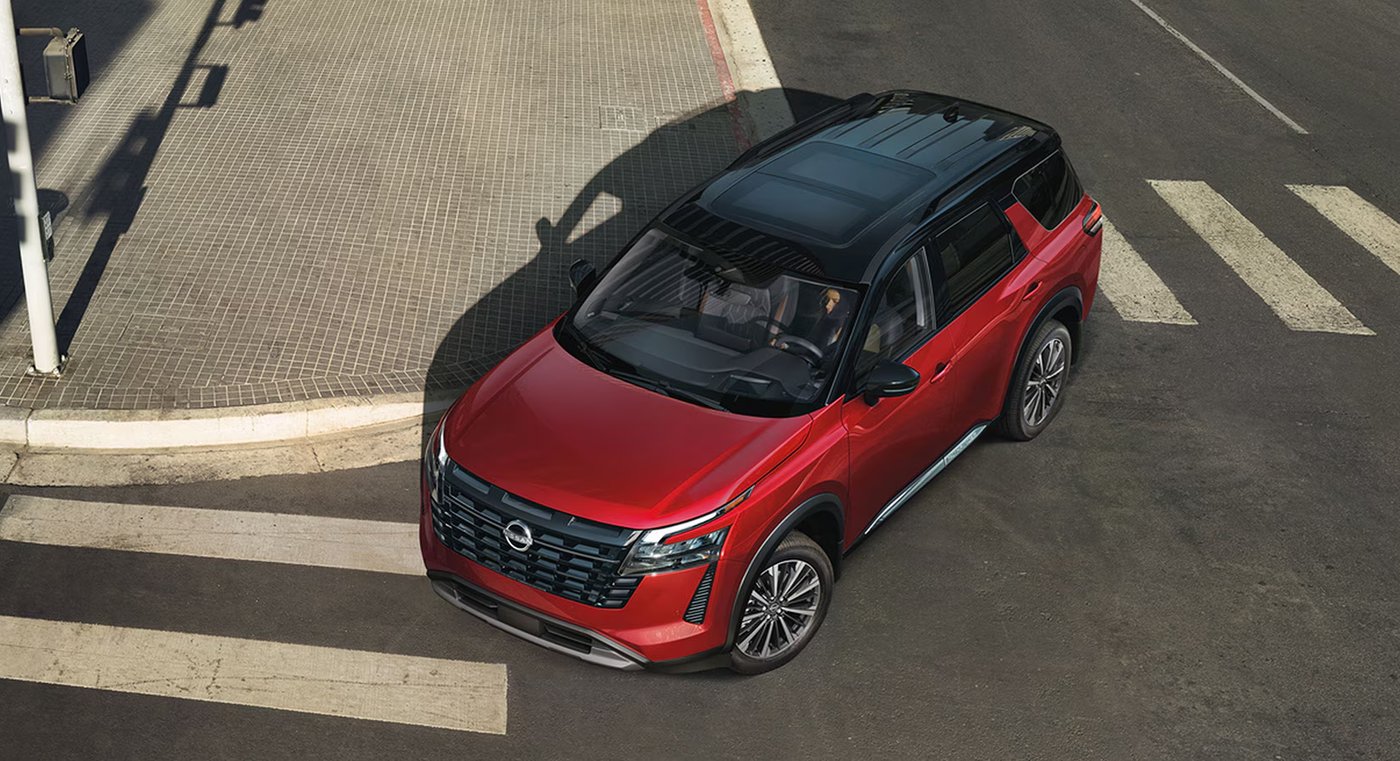
The Nissan Pathfinder, starting at $37,500 and earning a U.S. News Rating of 8.6, wins buyers over with a straightforward formula: getting the fundamentals right at an enticing starting price. This approach proves largely effective, since many buyers tolerate a few specific weaknesses as long as an SUV otherwise feels comfortable, and the Pathfinder currently sits in the middle of the broader midsize SUV rankings.
Reviewers note that the Pathfinder handles well for a vehicle of its size, exhibits restrained body motion through turns, and offers generous seating space across the first two rows, along with a sizable cargo area. The ride quality runs a bit stiff for a family hauler, though, and the third row suits children considerably better than adults given its limited space.
The interior looks nice on the surface, though it lacks the upscale feel found in some competing midsize SUVs at similar price points. This particular tradeoff between competent fundamentals and a less premium interior finish defines much of the Pathfinder’s overall character.
This particular pairing of strong core competency and an unusually accessible price gives the Pathfinder real appeal for families prioritizing dependable basics over flashy features or premium materials. Nissan offers the Pathfinder with standard all-wheel drive on certain trims, giving buyers in snowier climates a meaningful option beyond the base front-wheel-drive configuration. Nissan’s considerable investment in updated infotainment technology for this generation has narrowed the gap that once set the Pathfinder apart from newer competitors. Buyers should compare interior material quality directly against rivals during a showroom visit, since photographs alone rarely capture the tactile differences between competing cabins. Bringing along fabric or trim samples from a competitor can make this comparison considerably more concrete on the spot. Small details like stitching and panel gaps often reveal themselves only under direct comparison. Bringing a checklist of specific materials to inspect keeps the comparison consistent across every showroom visited.
Credit: Kia
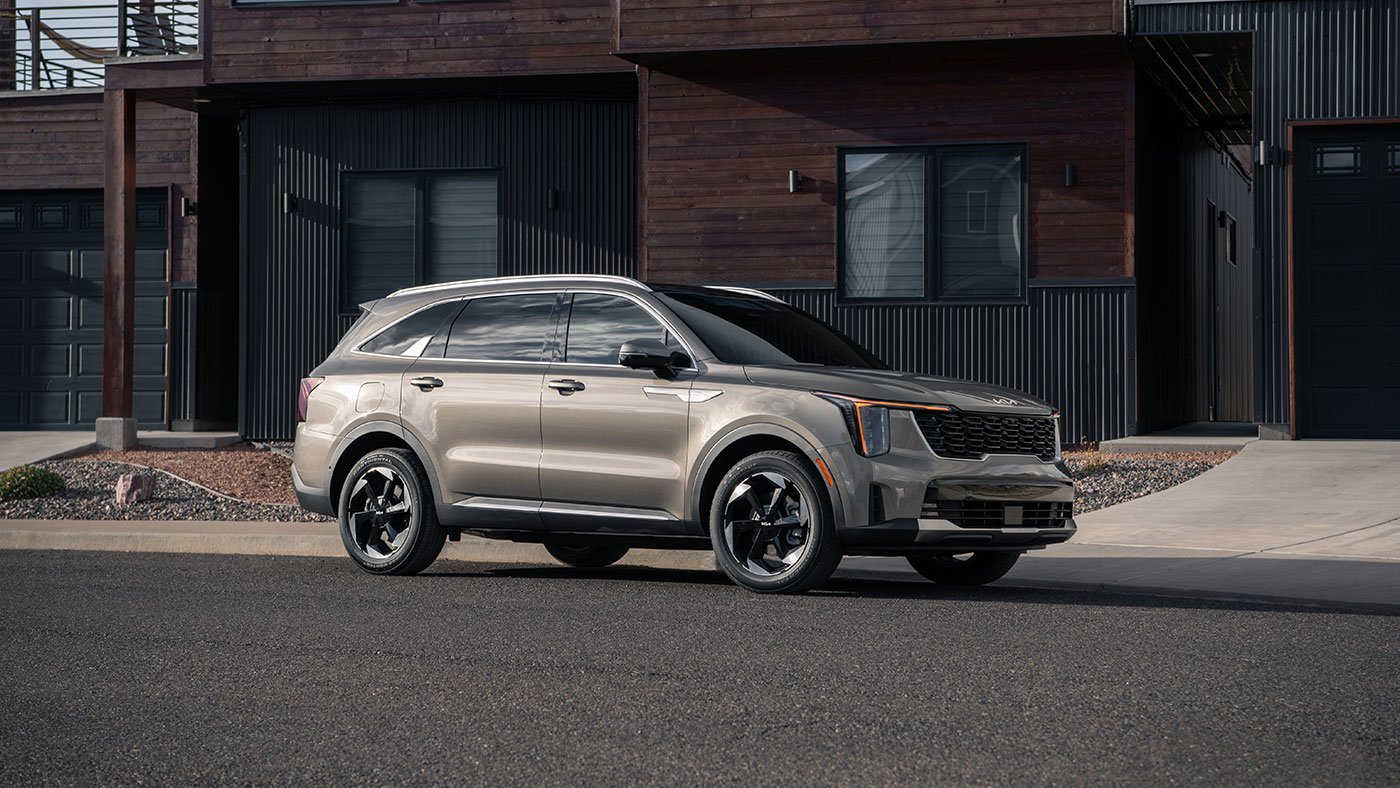
The Kia Sorento Hybrid, starting at $38,890 and earning a U.S. News Rating of 8.5, becomes the second hybrid model to join this particular list. The vehicle won the publication’s 2026 Best Midsize Hybrid SUV for the Money award, and though the third row is on the smaller side, reviewers note that the first two rows offer plenty of leg, head, and elbow room throughout.
Ride quality aids overall comfort, and the suspension does a considerably better job than expected absorbing bumps along rough pavement. Fuel economy ratings run around 36 miles per gallon in combined city and highway driving, making the Sorento Hybrid considerably more efficient than its nonhybrid counterpart, with roughly a 10-mile-per-gallon gap separating the two versions.
This particular hybrid also delivers ample power for nearly any driving situation a family might encounter, though it won’t particularly excite drivers seeking genuine performance beyond mere adequacy. The considerable fuel savings matter more here than outright driving thrills.
This particular pairing of considerable fuel efficiency and dependable, comfortable ride quality gives the Sorento Hybrid real appeal for families prioritizing lower running costs above all over an exciting driving experience. Kia also offers a plug-in hybrid version of the Sorento for buyers wanting even greater efficiency. However, that particular configuration carries a considerably higher starting price than the standard hybrid. Standard driver-assistance features across the Sorento Hybrid lineup match what Kia offers on the pricier Telluride, giving buyers access to considerable safety technology without a significant price jump. Buyers should confirm their current tax credit eligibility for hybrid purchases in their state, since incentive programs vary widely and can meaningfully affect the effective purchase price. A quick call to a local dealership or a state tax office usually clears up any remaining confusion. Rules and available amounts can also change from year to year, so current information matters most. Staying current on these details before visiting a dealership helps avoid relying on outdated secondhand information.
Credit: Dodge
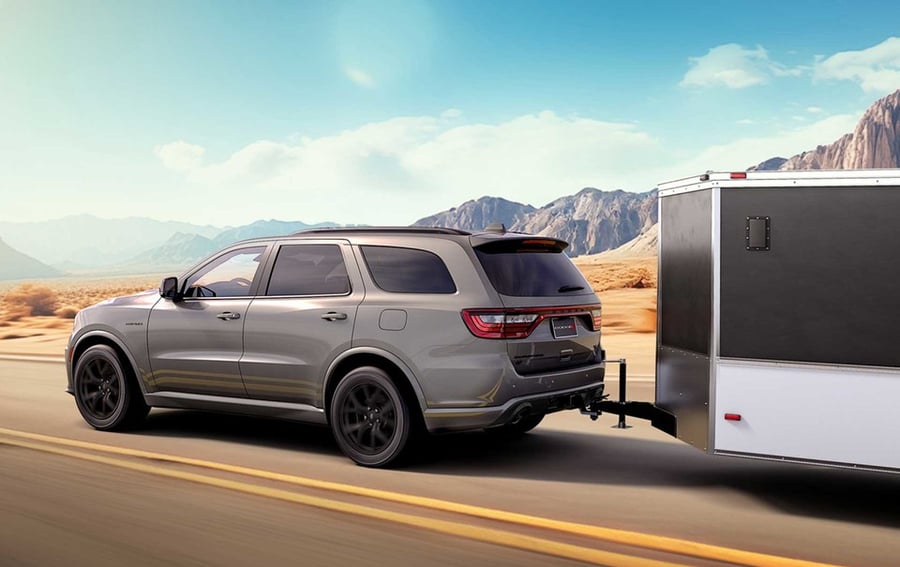
The Dodge Durango, starting at $38,995 and earning a U.S. News Rating of 8.3, carries a genuine reputation for spaciousness and considerable power, with the brand itself describing the vehicle as having the soul of a muscle car inside the body of a midsize SUV. The engine lineup backs up that description, ranging from a 295-horsepower base V6 to a 710-horsepower V8.
Reviewers note that this considerable power helps the Durango perform well in trailer towing above almost anything else. However, fuel economy stands out as a genuine weak point across the lineup. The Durango also carries a considerably older platform, originally designed during the early years of this century, and the vehicle’s updates haven’t fully kept pace with the considerable engineering, styling and technology advances the broader industry has made since then.
Reviewers suggest that, aside from a possible tinge of nostalgia, there are few compelling reasons to choose the Durango over its many newer competitors, most of which offer considerably more modern engineering at a similar price point.
This particular pairing of raw power and a considerably dated platform gives the Durango real appeal mainly for buyers prioritizing towing capacity and V8 performance over fuel efficiency or cutting-edge technology. Stellantis $STLA has confirmed plans to eventually replace the Durango with a newer platform, meaning current buyers should weigh long-term parts and service support against the vehicle’s considerable age. Buyers prioritizing towing capacity above all else should compare the Durango’s maximum rating directly against newer competitors, since raw pulling power remains one of the vehicle’s few unambiguous strengths. Buyers should also budget for considerably higher fuel costs over time, since the Durango’s thirstier engines add up meaningfully across years of regular ownership. Comparing a few years of estimated fuel spending against a more efficient rival often reframes the Durango’s upfront savings considerably. This particular exercise often changes how buyers weigh the Durango’s considerable towing advantage against its ownership costs.
Credit: Kia
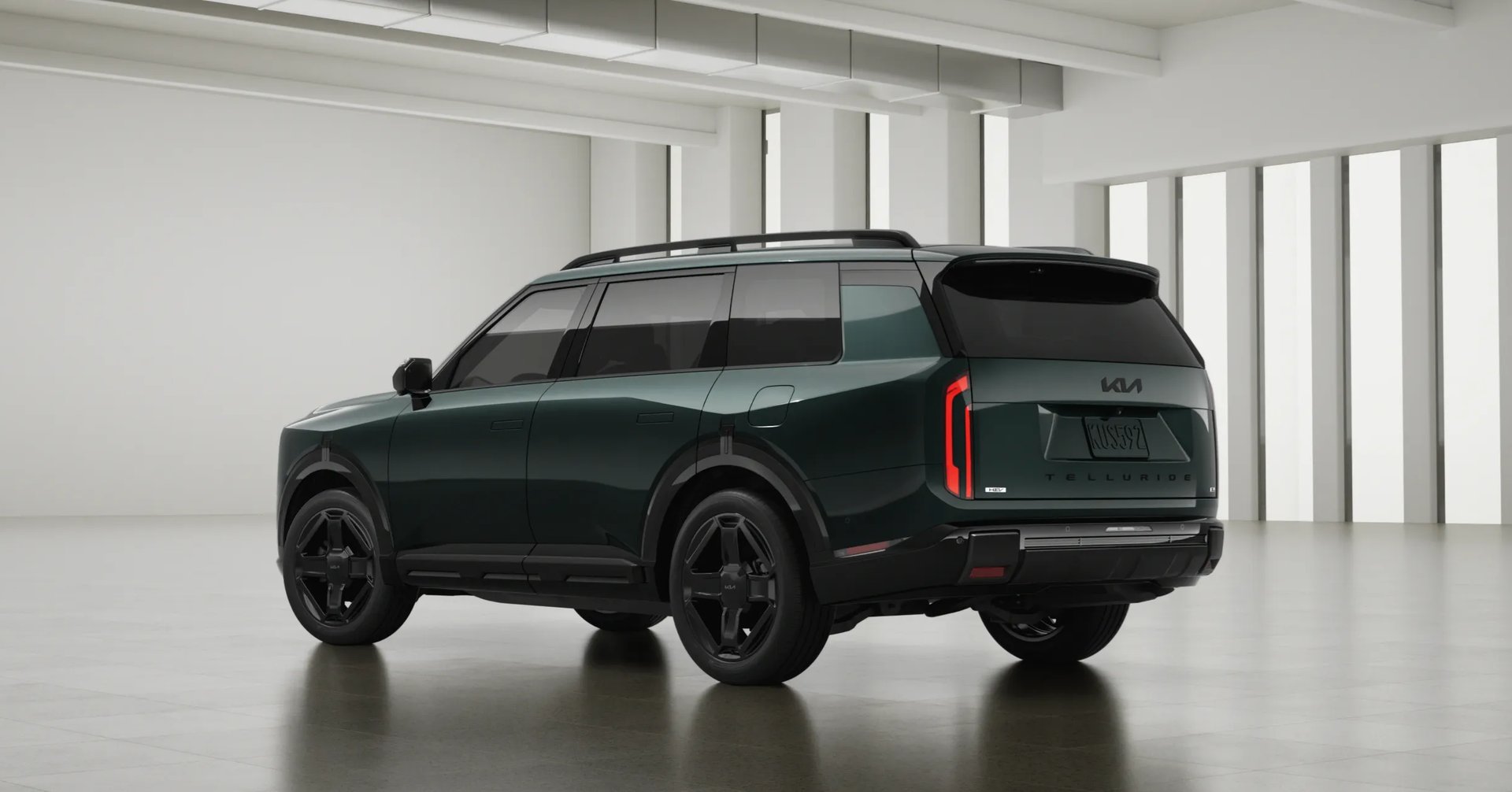
The Kia Telluride, starting at $39,190 and earning a U.S. News Rating of 9.5, entered the market at the start of this decade and immediately established itself as one of the strongest nonluxury SUVs available, outperforming a fair number of luxury models in the process. The 2027 model year brings a full redesign that reviewers describe as picking up exactly where the previous generation left off, improving the family-friendly three-row formula in several genuine ways, including a roomier cabin, stronger standard equipment and improved off-road capability in X $TWTR-Pro trim.
The cabin stays full of nice materials and clever design touches throughout, giving the Telluride a considerably fancier feel than its price might suggest. Loading up on options or choosing the higher trims with the best materials can push the price past $52,000, though, a figure that no longer qualifies as truly cheap.
Lower trims still provide considerable room and features at a reasonable price. Reviewers confirm the third row is usable for actual adults rather than just children, a real rarity in this segment.
This particular pairing of a fully redesigned platform and continued value at lower trims gives the Telluride real appeal for families hoping to combine considerable space with an unusually upscale-feeling cabin at a nonluxury price. Kia’s decision to offer a hybrid Telluride for the first time reflects the broader industry shift toward electrification even within traditionally gas-only midsize SUV segments. Waitlists formed for the Telluride during its initial launch years, and demand has stayed strong enough that some trims still command close to sticker price at busier dealerships. Buyers should shop multiple dealerships before purchasing, since markups above sticker price still occur on the most in-demand trims despite the model’s considerable age on the market. Calling ahead to confirm actual inventory and pricing saves considerable time compared with visiting several lots in person. Patience during the shopping process can translate directly into a considerably better final deal.
Credit: Mazda
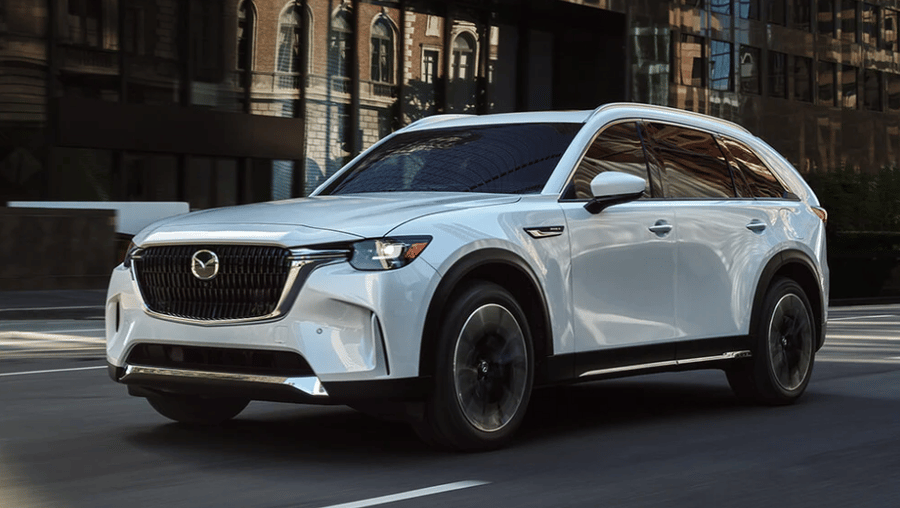
The Mazda CX-90, starting at $39,300 and earning a U.S. News Rating of 8.8, entered the market as a newcomer during the 2024 model year, replacing the smaller CX-9 in the process. Reviewers describe the CX-90 as considerably taller and boxier than its predecessor, with a bold, muscular presence that distinguishes it from the rest of the Mazda lineup.
As the largest vehicle Mazda currently builds, the CX-90 doesn’t drive with quite the same dynamic character as some of its smaller siblings, though it still handles well overall. Like every other Mazda model, the CX-90 offers a notably upscale interior that rivals some luxury SUVs at considerably higher price points, along with comfortable seating and a generous list of standard features.
This particular blend of Mazda’s typical interior polish and unusually spacious three-row practicality gives the CX-90 real appeal for families hoping to combine upscale materials with the added seating capacity Mazda’s smaller models can’t offer.
Shoppers cross-shopping the CX-90 against the discontinued CX-9 should expect a considerably different driving character, since the newer, larger platform trades some of the CX-9’s nimbleness for the added space and presence buyers wanted most. Mazda offers the CX-90 with both a standard inline-six engine and a plug-in hybrid powertrain, giving shoppers genuine choice between raw power and considerable fuel savings. Mazda’s considerable attention to sound insulation throughout the CX-90’s cabin gives the vehicle a noticeably quieter highway ride than several competitors in the same price range. Buyers should compare the inline-six and plug-in hybrid versions directly during a test drive, since the two powertrains deliver noticeably different acceleration and overall driving character. Back-to-back test drives on the same day make these subtle differences considerably easier to notice and compare. Bringing a passenger along also helps capture a second impression of ride comfort from the back seat. Switching seats partway through the drive also lets both people evaluate the same version fairly and consistently.
Credit: Volkswagen
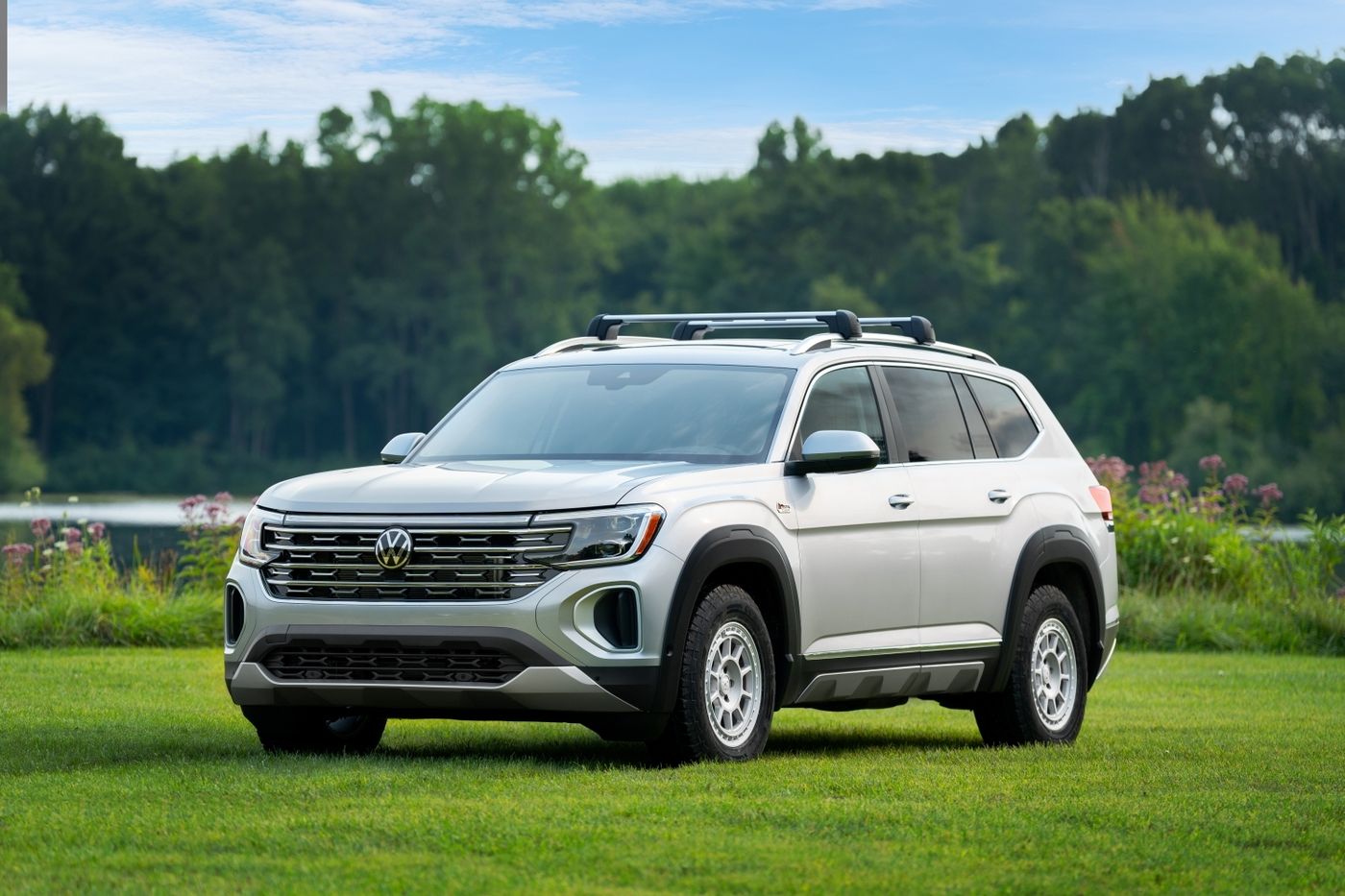
The Volkswagen Atlas, starting at $39,310 and earning a U.S. News Rating of 8.8, ranks as a notably popular midsize SUV and one of the German automaker’s biggest sales successes. Generously optioned versions can top $52,000, though reviewers note that spending that much isn’t necessary to get the most out of the Atlas, since the vehicle’s roominess and practicality shine even in more modestly equipped trims.
The interior remains spacious and brimming with premium materials throughout, and plenty of features come standard across the lineup, along with unusually generous cargo space. Fuel economy ratings are merely adequate for the class, though the ride quality stands out, remaining cushioned even over rough pavement.
A redesigned Atlas is arriving for the 2027 model year, the first full redesign in almost 10 years, bringing a sleeker, fancier look alongside slightly more power, marginally better fuel economy and a range of newly standard luxury features. Reviewers note that despite these updates, the new Atlas sticks close to the original model’s winning recipe, and for entirely good reason.
This particular pairing of considerable interior space and a proven, well-liked formula gives the Atlas real appeal for families prioritizing practicality and comfort over flashier styling or cutting-edge technology. Volkswagen backs the Atlas with a considerably longer basic warranty than several domestic competitors offer, giving budget-focused buyers additional protection against unexpected repair costs. Volkswagen’s considerable investment in cabin storage solutions throughout the Atlas gives families genuine practical advantages for everyday errands beyond simply raw passenger space. Buyers should wait for more real-world reviews of the redesigned 2027 model before assuming it automatically outperforms the outgoing version across every meaningful category. Waiting a few months after launch also tends to reveal any early reliability concerns worth factoring into a purchase decision. Patience here can help buyers avoid paying a premium for unresolved first-year production issues. A few extra months of research rarely costs buyers the vehicle itself, given how many Atlas units typically reach dealer lots.