Most U.S. cities give median earners little to buy within their budget. Redfin ranked 50 metros on share of affordable listings to find the exceptions

Geoff Robins /AFP via Getty Images
For most Americans, the math on buying a home has become hard to make work. Mortgage rates remain well above the pandemic-era lows that briefly made ownership feel attainable for a wide swath of buyers. Home prices absorbed those rate increases without retreating, rising across most of the country even as borrowing costs climbed sharply. The result is a market where the typical buyer now spends roughly 40% of income on monthly housing costs, well above the 30% threshold that financial advisors have long treated as the outer boundary of responsible spending.
That gap between incomes and prices is not uniform. A handful of U.S. cities have largely avoided the worst of that squeeze. These are places where wages are strong enough relative to local prices that a median-income household can still find a wide selection of homes within budget. What connects them is a common history: decades of industrial decline suppressed home values in each of these cities, leaving behind markets that national price surges have not yet overtaken. The narrowing is already underway in several of them, as buyers priced out of more expensive metros have begun moving in and pushing values upward.
Redfin, the real estate brokerage, published its ranking of the cities where home buyers face the least financial strain in May 2026. The study covered 50 of the largest U.S. metro areas and measured the share of active listings that a household earning the area's typical income could cover. A home counted as within reach if its monthly cost came to no more than 30% of those earnings, with a 20% down payment and a 30-year mortgage. The five cities at the top of that ranking are clustered in the Midwest and mid-Atlantic, and the data behind each makes clear that affordability, where it still exists, comes from distinct and increasingly fragile conditions.
Nick Hagen for The Washington Post via Getty Images
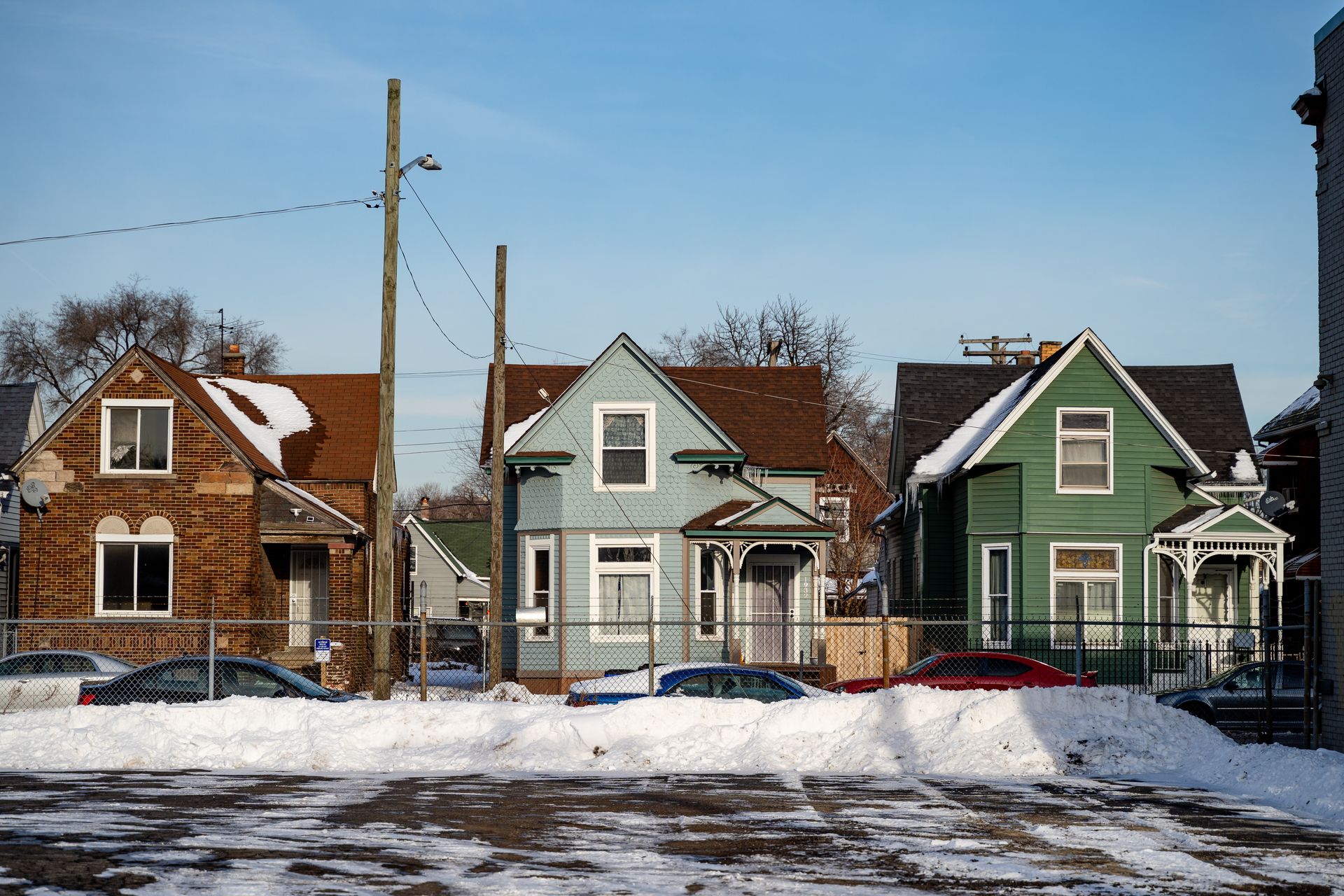
Detroit leads the ranking with 77.5% of active listings affordable to a household earning the city's median income, the highest share among all 50 metros studied. That figure grew by 5.5 percentage points over the prior year, meaning the city got measurably more accessible even as much of the country moved in the opposite direction. A buyer earning $65,687 — the area's typical household income — needs $51,489 annually to cover the home at the median sale price. Housing costs consume just 23.5% of those earnings, roughly 17 points below what a typical buyer pays nationally.
The median sale price in Detroit is $211,000. That number is low relative to most major metros, a direct consequence of the population loss and economic contraction the city absorbed over several decades. Detroit filed for bankruptcy in 2013. The contraction that preceded that filing hollowed out demand for housing and pulled prices far below national norms, leaving behind a market where ownership falls within reach for a large share of earners at nearly every income level. The city's overall cost of living sits 1% below the national average, and monthly rent on the median comes to $1,200. Both figures confirm what the sale price already suggests: Detroit is a market where the full cost of occupying a home, whether rented or owned, falls well below what buyers face in most other major U.S. cities.
Detroit's affordability is the product of conditions that are already shifting. House prices are rising as demand grows, with buyers priced out of other Midwest markets increasingly relocating to take advantage of low costs and improving economic prospects. The city has invested in infrastructure, and neighborhoods like Midtown and Corktown have gained new restaurants and businesses as the downtown core has been rebuilt. The riverfront, long underutilized, now draws residents with walking paths and community programming. None of that has erased the advantage yet, but the gap between Detroit and the rest of the country is narrowing steadily.
Michael Thomas / Getty Images
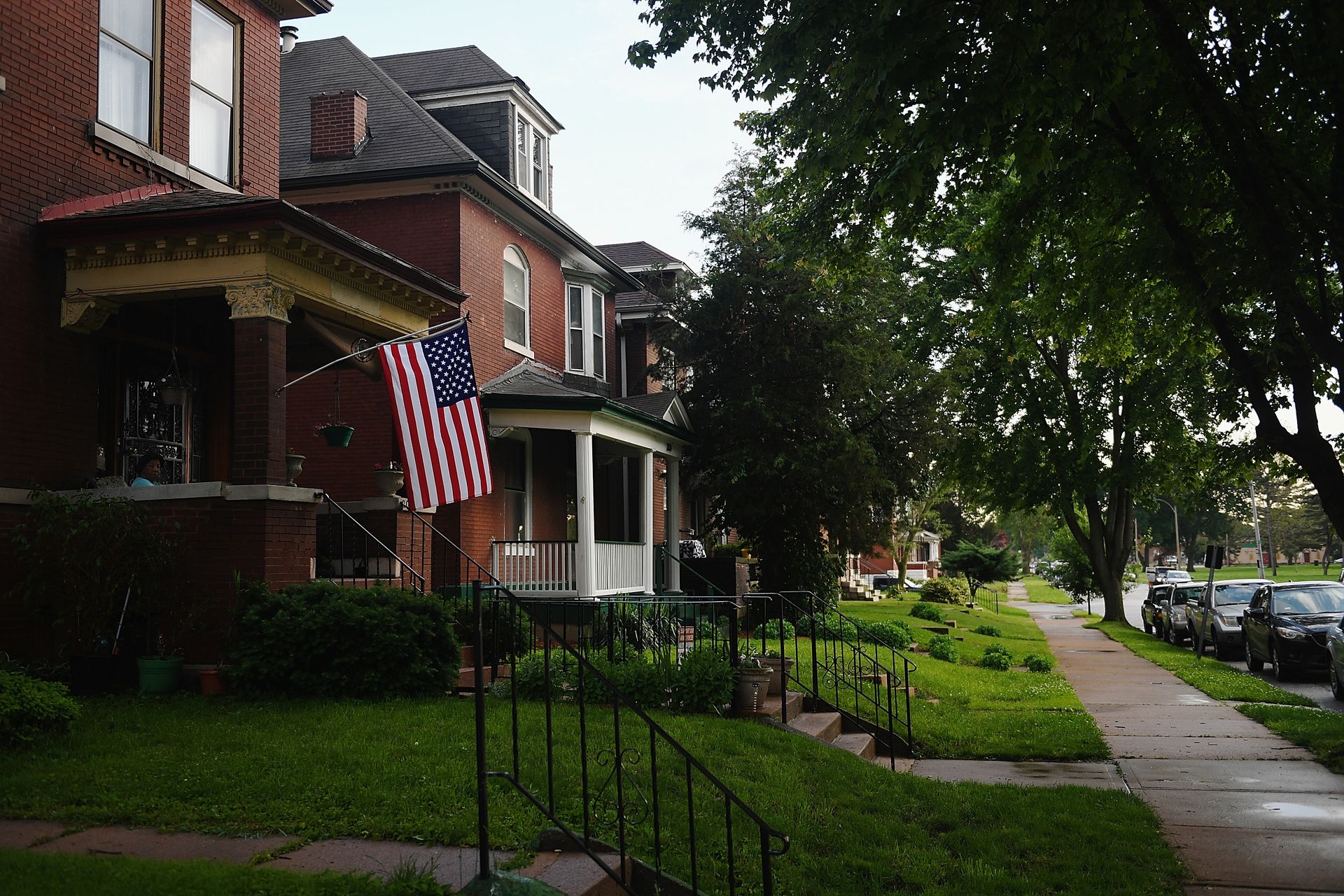
St. Louis holds the second spot, with 66.9% of active listings affordable on the area's median income, up 6.4 percentage points from the prior year. That improvement is the second-largest in the top five. The median sale price is $282,600, and a buyer needs $71,407 in annual income to afford it. Against a median household income of $88,593, the city's earners clear that threshold by a comfortable margin. Housing takes up 24.2% of median income, well inside the 30% benchmark.
What distinguishes St. Louis from the other cities in this ranking is how far its cost advantage extends beyond housing. The city's overall cost of living runs 11% below the national average. Individual spending categories — housing, healthcare, everyday errands, and entertainment — fall anywhere from 7% to 21% below national norms. The financial benefit of buying in St. Louis compounds: a reduced mortgage payment arrives together with cheaper daily expenses, stretching every earned dollar further. Monthly rent stands at $1,245, and the gap between what a typical household earns and what a home at the prevailing price costs leaves substantial room to build savings alongside a mortgage payment.
The affordability picture in St. Louis is not fixed. Home prices have risen in recent years as buyers priced out of more expensive markets have moved in. Rising demand is the same force behind the 6.4-point improvement: as more households with larger relative budgets arrive, more listings fall within their reach, but upward pressure on prices builds at the same time. St. Louis holds its position near the top of the ranking for now, and buyers who see that momentum pushing costs higher have clear reason to act on current conditions before the spread narrows further. The city's standing as one of the cheapest places to own in the country is real, but it is also the kind of edge that draws notice. Notice has a way of narrowing gaps like this one.

Justin Merriman / Bloomberg via Getty Images
Pittsburgh ranks third, with 64.8% of active listings affordable on the area's median income, up 1.2 percentage points from the year before. That gain is the smallest in the top five, a gap that reflects rising pressure on the city's supply of lower-cost homes. A buyer needs $67,470 annually to afford the median-priced home at $265,000. The city's median household income of $83,419 covers that amount, with housing consuming 24.3% of earnings. Median rent stands at $1,525, higher than Detroit and St. Louis, reflecting the demand its revitalization has drawn over the past decade.
Steel production built this city, and the collapse of that industry over the second half of the 20th century held down population growth and home values for decades. That legacy kept the city among the most affordable large markets in the country even as its economy rebuilt around technology, healthcare, and higher education. The cost of living runs 8% below the national average, adding to the value a buyer captures relative to comparable East Coast markets. Owning in Pittsburgh means spending roughly a quarter of income on housing. That frees up far more of each paycheck than a purchase in Philadelphia, Boston, or Washington would allow.
That affordability advantage has eroded faster here than in any other top-five city. Its 1.2-point year-over-year improvement is a fraction of what Detroit and St. Louis each recorded, a divergence that points to tighter supply and stronger competition from buyers who have discovered the market. Nearly two-thirds of active listings are within reach for median-income buyers, and the city is still far cheaper than New York, Boston, or Washington. But buyers who treat those numbers as permanent conditions may be underestimating how quickly the window is closing. Pittsburgh's trajectory makes a stronger case for buying soon than for waiting on prices to ease.
Dustin Franz / Bloomberg via Getty Image
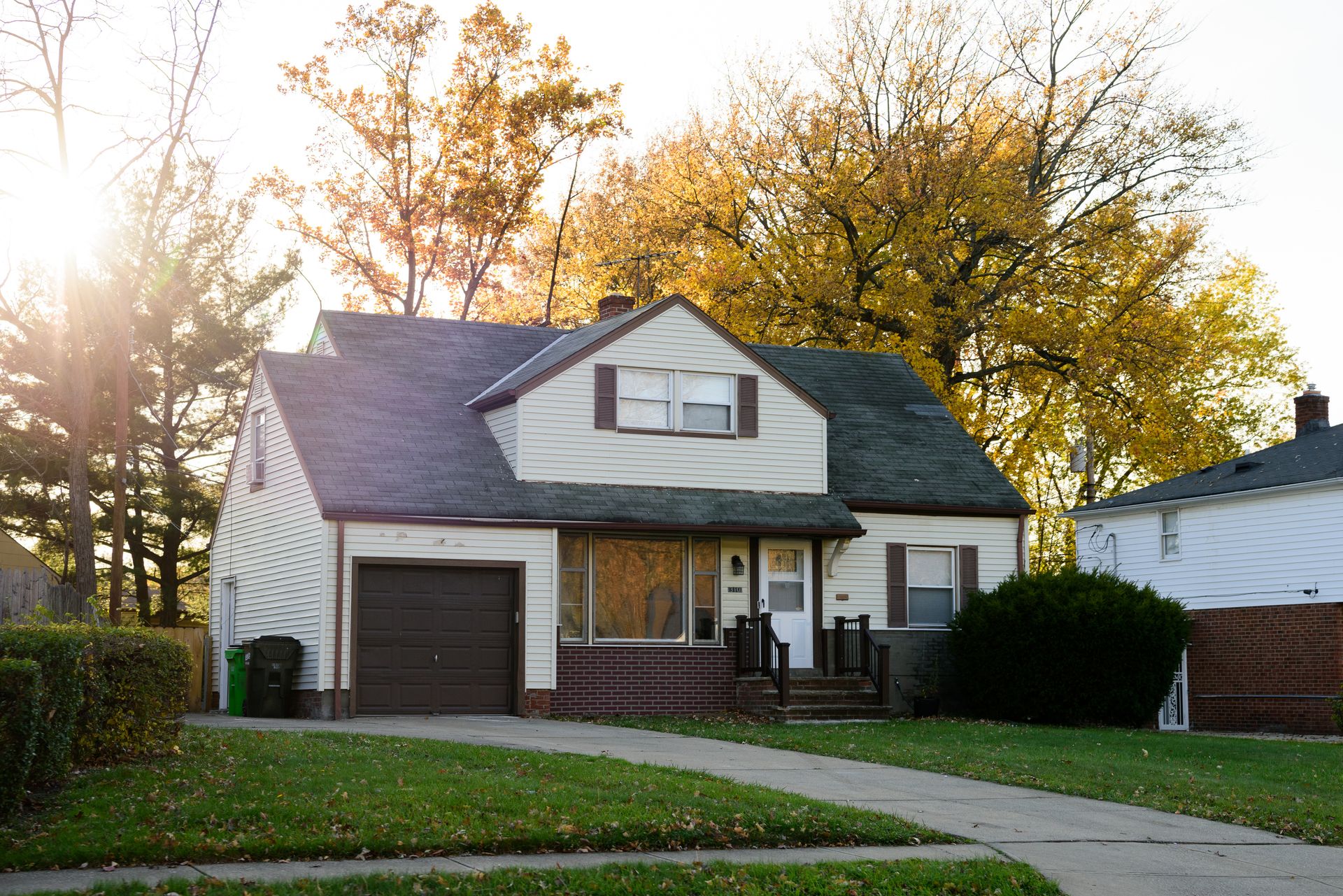
Cleveland places fourth, with 62.7% of active listings affordable on the area's median income, up 3.6 percentage points from the prior year. The median sale price is $255,000, the lowest in the top five outside of Detroit. A buyer needs $67,545 in annual income to cover it, against a city median of $78,519. Monthly rent on the median stands at $1,225, the second-lowest in the group. At each measure, Cleveland sits closer to Detroit than to the national average, making it one of the most accessible entry points into homeownership available in any major metro.
The affordability Cleveland offers is rooted in the same industrial contraction that shaped Detroit and Pittsburgh. Manufacturing decline suppressed population growth and kept home values well below what comparable square footage commands in most other major metros. Cleveland has rebuilt its economy around healthcare, financial services, and technology, bringing investment and job growth to the city without triggering the rapid price increases typical of faster-growing markets. The income gap between what earners make and what a home at the prevailing price costs is wide enough that buyers across a broad range of incomes — not only those at the household median — can find homes within budget.
Buyers spending 40% of their earnings on housing in most U.S. cities would spend closer to 26% on a home here, freeing up several hundred dollars a month that stays in their household. The city's cost of living is low by national standards, meaning everyday expenses run well below average on top of that savings. The 3.6-point year-over-year gain in listings within reach reflects wage growth and slower appreciation working in the same direction: as earnings have risen and house values have eased, more homes have crossed into range. For buyers whose priority is maximizing purchasing power without waiting for a distant market recovery, Cleveland's conditions are among the most favorable available right now.
Charly Triballeau / AFP via Getty Images
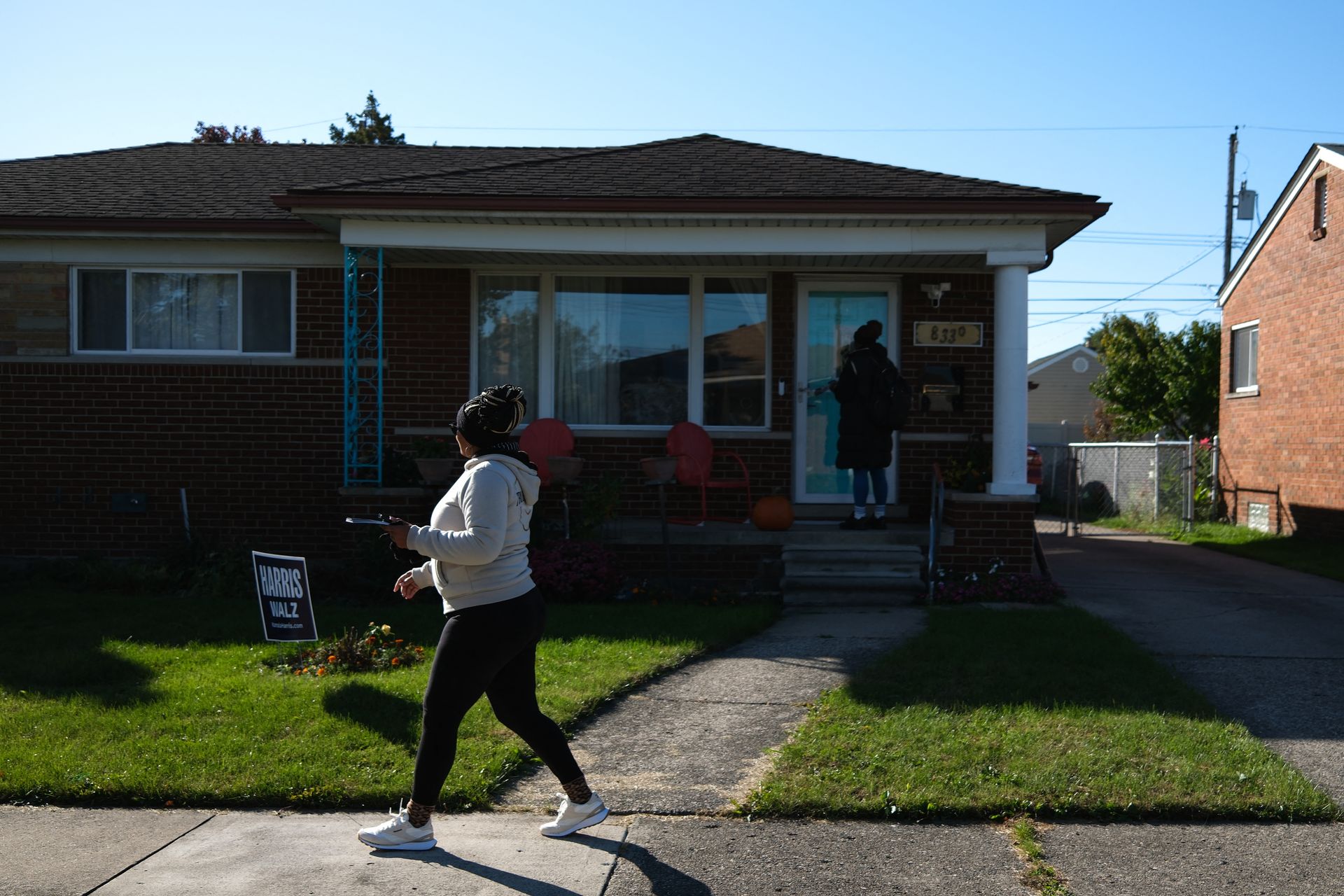
Warren, Mich., comes in fifth, with 61.3% of active listings affordable on the area's median income. Its 7.7-percentage-point year-over-year improvement is the largest in the top five, surpassing the gains posted by Detroit, St. Louis, Pittsburgh, and Cleveland. The median sale price is $325,000, the highest among the five cities, yet housing costs consume just 24.7% of those earnings. A household income of $96,676 — the highest in this group — provides the cushion. A buyer earning that amount needs $79,594 to cover the median-priced home, leaving a gap of more than $17,000.
Just north of Detroit, the city shares some of its neighbor's economic trajectory. Significant manufacturing decline in the 2000s and 2010s left many homes empty and suppressed property values below what local wages would otherwise support. That spread between earnings and ownership costs has remained wide enough to keep Warren competitive even as its sale price has climbed above the other cities in this ranking. The cost of living runs 1% below the national average, based on Detroit-area data the source applied to Warren given the two cities' proximity and similar economic profile.
The 7.7-point improvement in a single year is the most striking figure in Warren's data. It reflects strong local incomes relative to home prices and rising demand across southeastern Michigan as buyers search for accessible options in the Detroit metro area. Warren has begun investing in civic infrastructure, with active plans to build a downtown district and redevelop underused properties throughout the city. Those investments will make Warren more attractive over time, but they also tend to lift prices as they take hold. At $325,000, the median sale price already sits above every other city in this ranking, and buyers who treat today's favorable income-to-cost spread as a permanent condition may not be accounting for how quickly conditions are moving in Warren.
