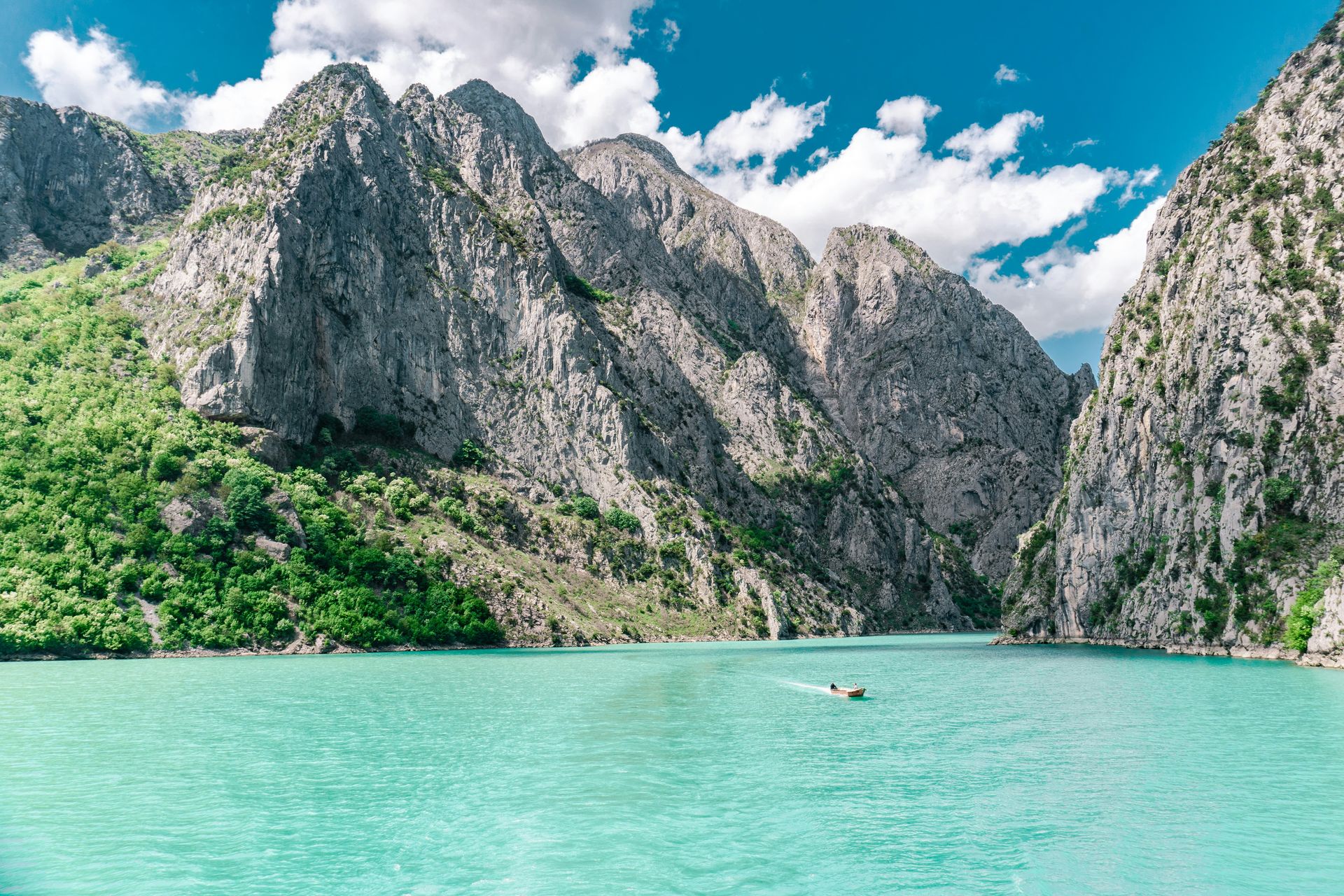
Johnny Africa / Unsplash
The most common budget travel mistake is confusing “expensive flight” with “expensive trip.” A $900 round-trip flight to Nairobi that opens up a week of safari at Kenya’s off-season rates produces a total trip cost that compares favorably to a $400 flight to a European capital where three-star hotel rooms run $300 a night, and dinner costs $50 a person. The math of international travel rewards attention to the full cost picture, not just the airfare, and some of the world’s most compelling destinations are also among its most economically rewarding once the visitor is on the ground.
The second most common mistake is peak-season pricing. Nearly every destination on this list has a low season when accommodation and activity prices drop significantly from the high-season equivalent, and the differences are not trivial. Kenya’s safari prices in the off-season are a fraction of what they command in the peak dry months. Vietnam’s transition season, from September through November, offers travelers the year’s lowest Hanoi hotel rates. Albania’s shoulder seasons make an already inexpensive destination cheaper still. The traveler who builds the itinerary around the low season calendar is doing something smarter than saving money: they are often getting a better experience, with fewer crowds, more direct access to the places and people they came to see, and the specific pleasure of a destination that is not yet fully optimized for the tourist trade.
The 10 destinations below appear in Travel + Leisure, drawn from a longer list with specific guidance on when to book for the lowest airfare and accommodation rates. Prices are approximate and reflect conditions at the time of publication. Airfare, in particular, fluctuates significantly and should be verified directly with airlines or booking platforms before final trip planning.
1 / 10
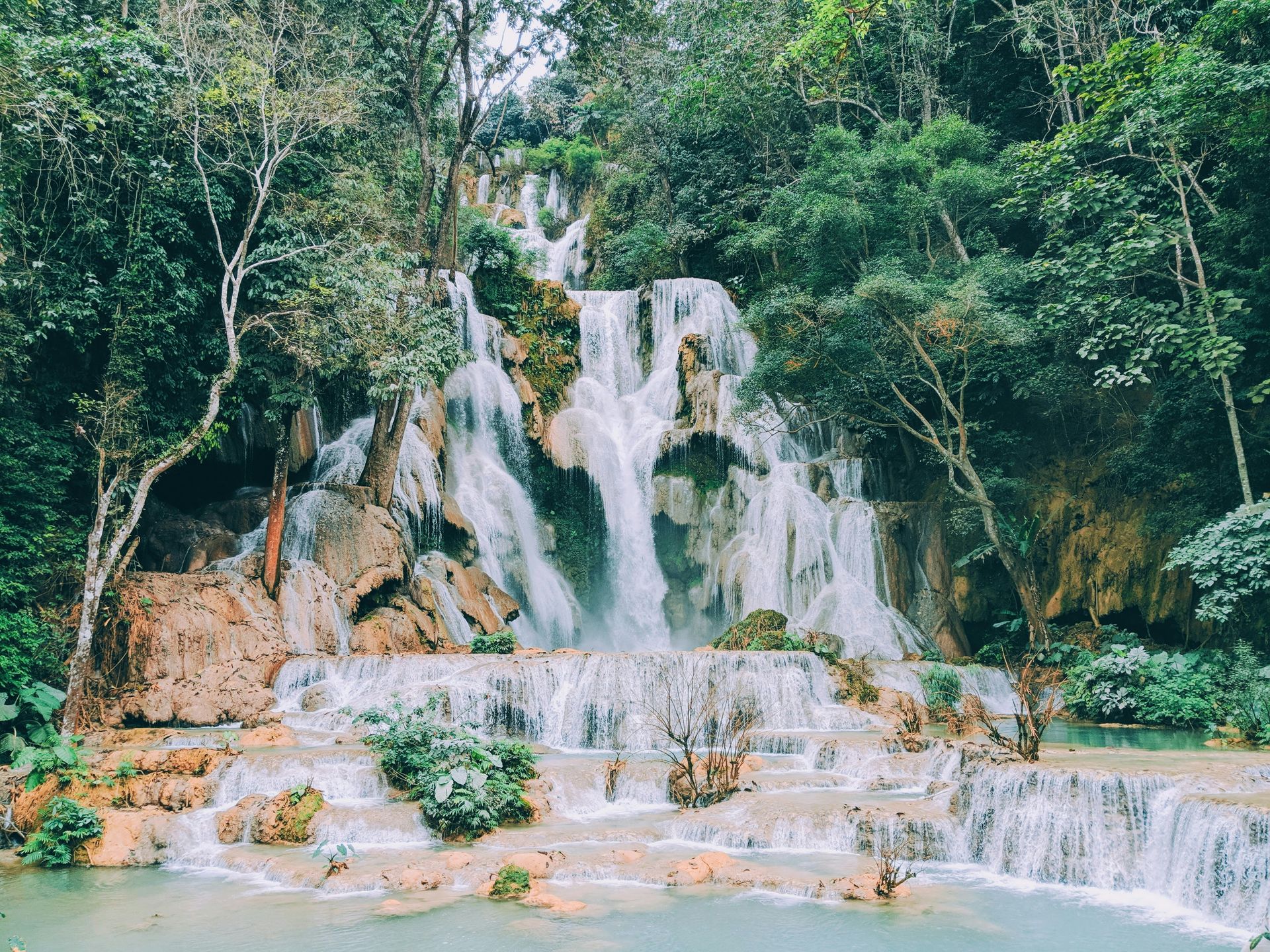
note thanun / Unsplash
Luang Prabang is a UNESCO World Heritage city in northern Laos whose Buddhist temples, French colonial architecture, and position at the confluence of the Mekong and Nam Khan rivers give it a specific beauty specific to this region of mainland Southeast Asia. The city serves as the entry point to a landscape whose rice-paddy valleys, hill-tribe villages, and the Kuang Si waterfall, accessible by songthaew, offer a program that repays extended stays. The tourist infrastructure is present but not overwhelming: the city has good restaurants, guesthouses, and boutique hotels at prices that the more developed Southeast Asian destinations have long since outgrown.
Four-star hotel rooms can run as low as $50 per night, and local meals, the khao soi noodle soup, the laap minced meat salad, the fresh spring rolls from the market, can be found for under $5, which gives the on-the-ground budget a flexibility that no comparable European destination approaches. The more expensive part of the Laos trip is getting there: trans-Pacific flights do not come cheap, but the strategy of flying into Bangkok’s Suvarnabhumi Airport, where direct flights from California typically start around $700 during the May to October off-season, and then connecting to Luang Prabang on a regional carrier, gives the trip a manageable entry cost. The low-season flight timing coincides with the period before the monsoon peaks, when the landscape is green, and the rivers are full.
The alms-giving ceremony at dawn, in which Buddhist monks in saffron robes walk silently through the old city, collecting rice from residents and visitors, defines Luang Prabang's most specific daily ritual and its most profound cultural encounter. The night market along Sisavangvong Road, where local artisans sell textiles and handicrafts, offers an evening shopping program specific to the Lao craft tradition, whose textile quality and distinctiveness exceed what the tourist markets of the more visited Southeast Asian cities reliably offer.
2 / 10
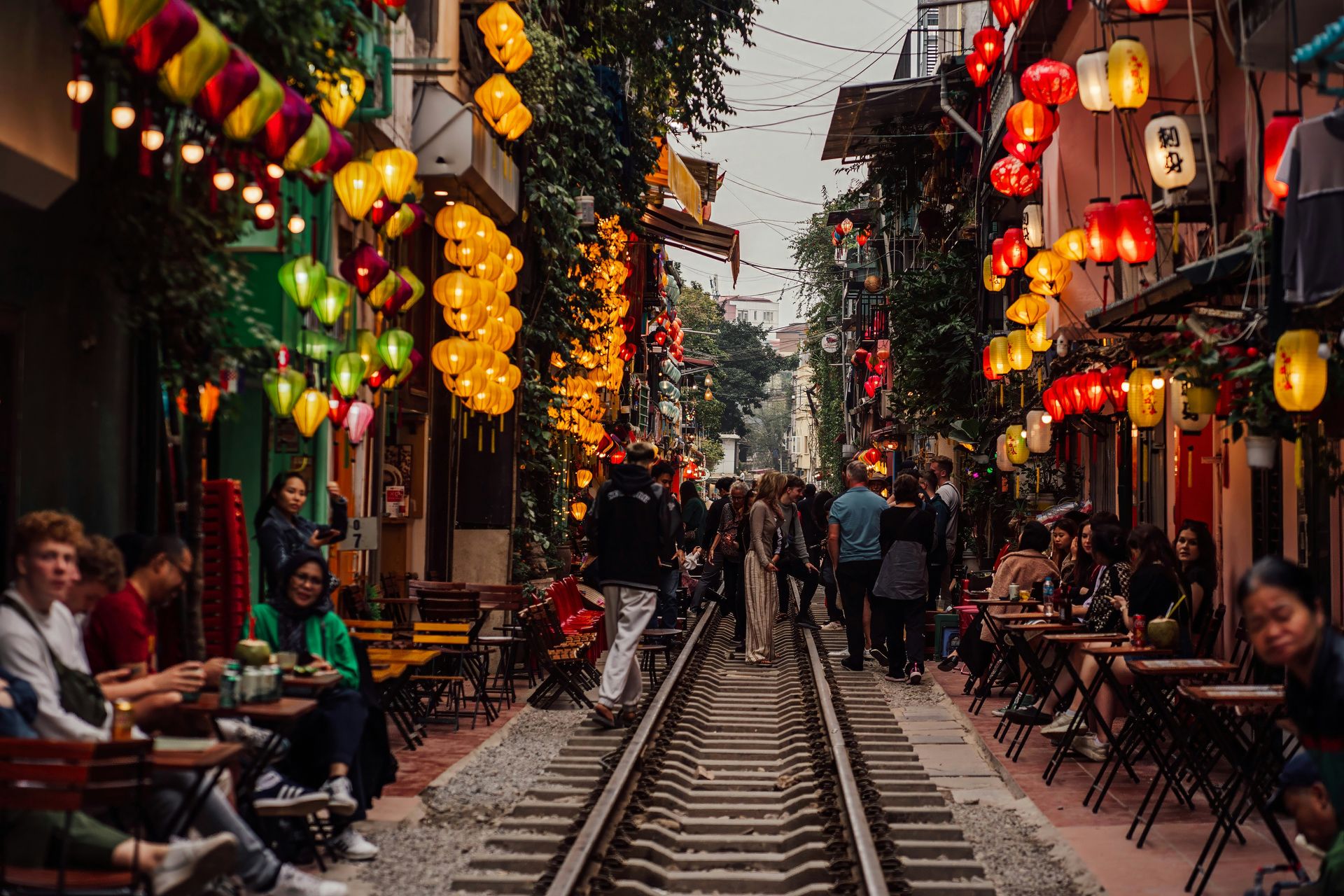
Elric Pxl / Unsplash
Hanoi is Vietnam’s capital and one of the oldest continuously inhabited cities in Southeast Asia, with a recorded history extending more than a thousand years and an Old Quarter whose 36 guild streets give the medieval city plan a physical form still legible in the neighborhood’s names, each one historically associated with a specific trade. The Hoan Kiem Lake at the city’s center, the Temple of Literature, whose stele garden records the names of the mandarin scholars who passed Vietnam’s imperial examinations from the 11th century onward, and the Ho Chi Minh Mausoleum complex give the city’s historical program a range from the medieval to the contemporary.
The food budget in Hanoi is one of the most favorable of any significant capital city in the world: with one U.S. dollar converting to more than 20,000 Vietnamese dong, the street food that defines Hanoi’s culinary identity, the banh mi, the pho, the bun cha charcoal-grilled pork, and the cha ca turmeric fish, is available at prices that make eating well in this city an exercise in spending almost nothing. The Michelin-starred restaurants that give Hanoi its fine dining credentials operate at prices well below what equivalent restaurants in European or American cities charge, giving the food-focused traveler the full range of the city’s culinary depth within a budget that accommodates both.
Round-trip flights from New York to Hanoi typically start around $870 in the September through November shoulder season, when Vietnam transitions from the wet season to the dry period that brings the most visitors. Three-star hotels in this period run approximately $125 to $150 per night, bringing the total trip cost in line with Southeast Asia’s budget-travel reputation. The shoulder season timing also gives the trip the added pleasure of arriving in Hanoi as the weather improves, with the humidity of the wet season falling away and the cool, clear weather of the Vietnamese winter beginning to set in.
3 / 10
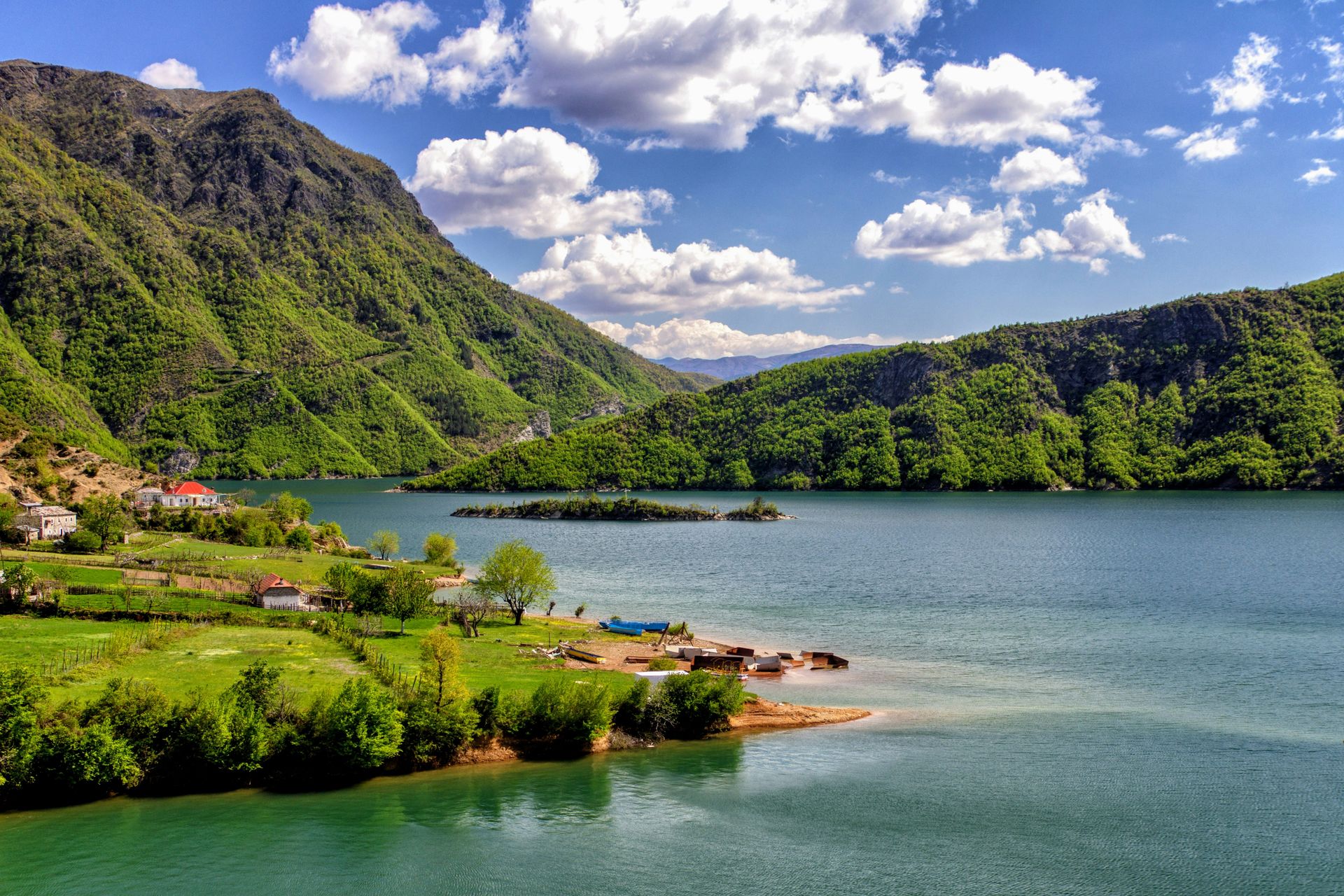
Yves Alaire / Unsplash
Albania is the European beach and hiking destination that has not yet been fully discovered by the international tourism market, which means the prices have not caught up with the quality of what the country offers. The Albanian Riviera on the Ionian coast, whose clear water and undeveloped beach towns share the same sea as the Greek islands and the Italian Adriatic coast, offers a beach experience comparable in natural quality to destinations whose prices have been bid up by decades of mass tourism. The Accursed Mountains in the north, whose hiking and mountain biking trails cover terrain that rivals the Alps in visual drama, give the outdoor program a second program as compelling as the coast.
The on-the-ground costs give Albania its most decisive budget-travel argument: Airbnbs at around $50 a night, lunches under $10, and the absence of the tourist-price premiums that Greece and Montenegro already impose give the daily cost a floor that most of Europe abandoned years ago. The capital, Tirana, whose Communist-era architecture has been literally repainted in bright colors by a mayoral initiative and whose bar and café scene reflects a young, cosmopolitan population, gives the urban program a specifically Albanian cultural character that the resort towns of the Riviera do not provide in the same terms.
No direct flights from the U.S. to Albania existed as of 2025, but a European connection through Rome, Vienna, or Istanbul gives the route a one-stop structure whose total cost typically stays well below $1,000 round-trip. The summer travel timing, when the weather is at its best and the beach season is in full swing, is recommended despite the higher tourist volume, given that Albania’s crowd levels, even at peak season, remain well below those of comparable Mediterranean destinations. The UNESCO World Heritage Sites of Berat and Gjirokastër, whose Ottoman architecture is among the best-preserved in the Balkans, give the inland program historical depth that the coastal resorts complement.
4 / 10
George Apodaca / Unsplash
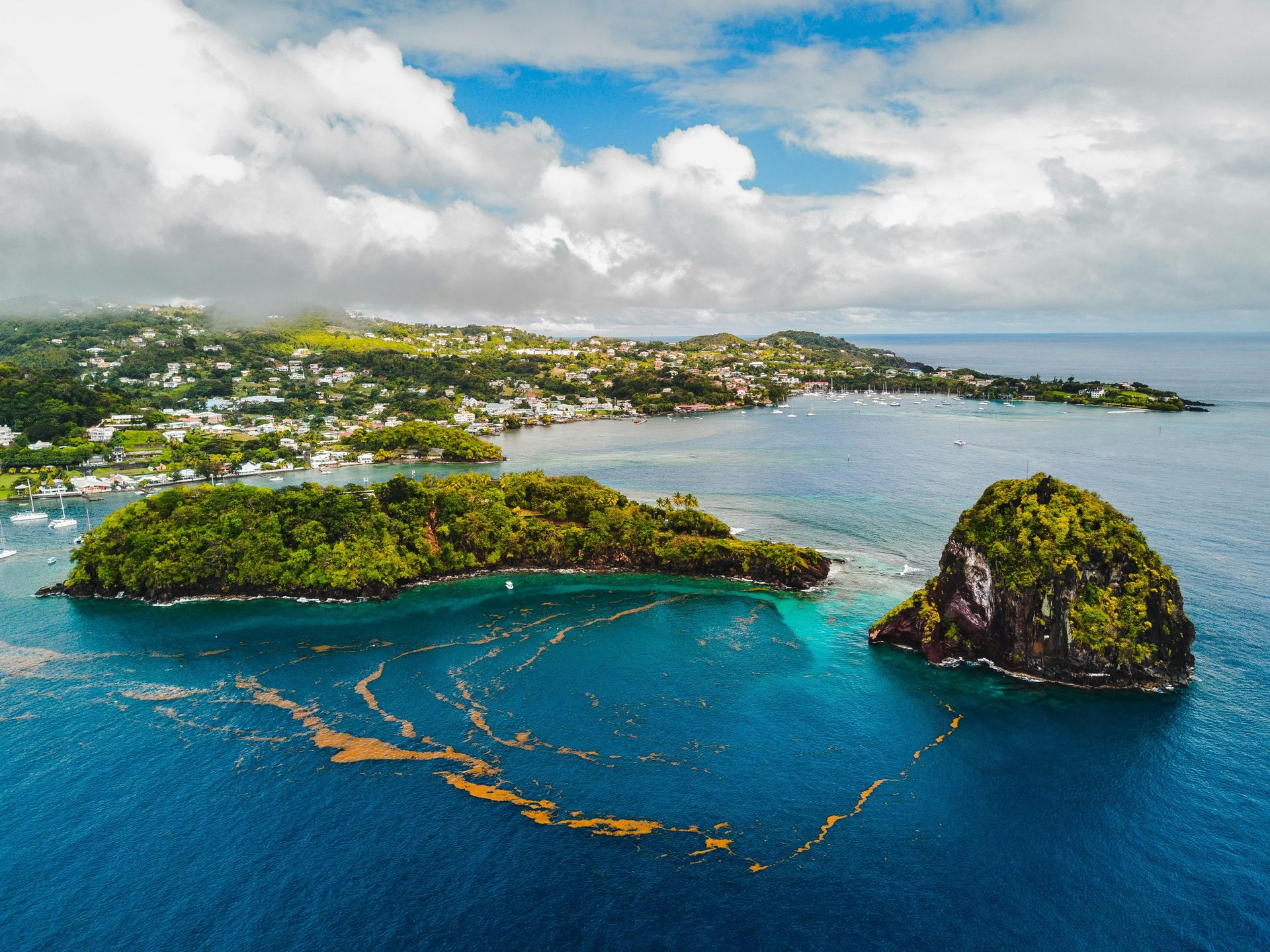
Saint Vincent and the Grenadines gained independence only in 1979, making them among the youngest independent nations in the Caribbean, and the relative lateness of their integration into the Caribbean tourism economy gives them the specific quality that early-adopter travelers prize: genuinely unhurried beaches, local restaurants whose clientele is mostly Vincentian, and a sailing culture that serves the region’s physical geography, an archipelago of volcanic islands and low coral islets whose shallow turquoise channels make the Grenadines one of the Caribbean’s most celebrated sailing destinations.
Flights from the U.S. to Argyle International Airport on St. Vincent can be found for under $300 round-trip, which is a strikingly low figure for a Caribbean destination with genuinely excellent beaches and no significant off-season penalty: prices in the Grenadines stay relatively consistent year-round because the demand pattern does not swing as dramatically as in the more heavily marketed Caribbean destinations. Hotels on St. Vincent average under $200 per night at most properties, and determined travelers can find good hotels for around $50 a night, giving the accommodation budget a floor that the destination’s Caribbean peers cannot match.
The ferry network that connects Kingstown, the capital, to the smaller Grenadian islands, including Bequia, Mustique, Canouan, and Union Island, runs several times daily and offers the multi-island experience the Grenadines’ geography demands without the expense of inter-island flights. Bequia, in particular, with its working boatyard, whale-watching tradition, and the specific community character of a small island that has maintained its own identity alongside the more famous Mustique, gives the ferry ride its most rewarding destination. The Tobago Cays Marine Park, a protected group of five small islands accessible by boat from Union Island, gives the snorkeling program access to one of the most pristine marine environments in the Eastern Caribbean, with hawksbill sea turtles visible on the coral gardens that the park’s strict no-fishing designation has maintained in their current and exceptional health.
5 / 10
Brian Kelly / Unsplash
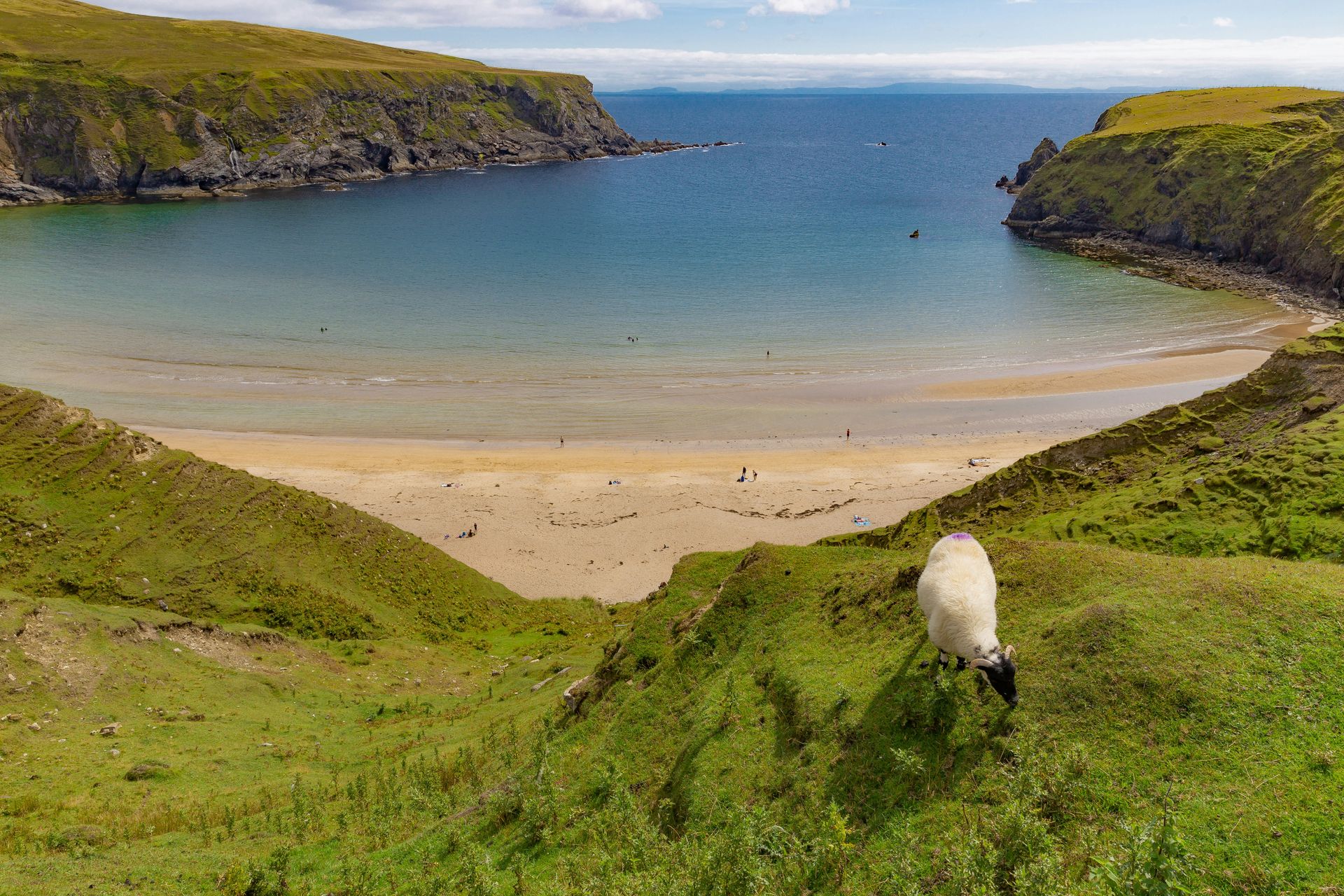
Donegal in Ireland’s northwest is the regional alternative to the Ring of Kerry and the Dingle Peninsula, whose tourism prices reflect their international celebrity. The cliffs of Slieve League, rising 1,972 feet above the Atlantic, are three times the height of the Cliffs of Moher and receive a fraction of the visitors. Glenveagh National Park, whose mountain and lake landscape covers 40,000 acres of the Derryveagh Mountains, offers a wild terrain of comparable quality to anything in the Republic and is free to enter. Malin Head, the most northerly point in Ireland, gives the coastal landscape its most dramatic extremity and a view across the North Channel that the more southerly coastal routes do not provide.
Aer Lingus regularly runs flights between U.S. cities and Dublin for under $500 round-trip, and connecting flights from Dublin to Donegal City Airport cost under $40 each way, giving the total airfare a reasonable structure for a European destination. The alternative is to fly to Dublin and drive three hours north, which offers a scenic route through the midlands and the north of Ireland that the flight skips. Once in Donegal, Airbnbs with views of the Atlantic or the Derryveagh Mountains can be found for under $100 per night, and pub meals, the chowder, the soda bread, and the Guinness stew cost less than $20 at most establishments.
The high-end scales down commensurately: Lough Eske Castle, a five-star property outside Donegal town, runs under $400 a night even in the summer high season, which is a significant reduction from what comparable castle hotel experiences cost in the more visited counties. The remoteness that keeps Donegal relatively undiscovered is itself the primary quality the destination offers: the landscape is at its most atmospheric precisely because it lacks the tourist infrastructure that the Ring of Kerry and the Wild Atlantic Way’s more developed sections have built in response to their sustained success.
6 / 10
Noelle Guirola / Unsplash
Tunisia sits on the Mediterranean’s southern shore, 90 miles from Sicily across the Strait of Sicily, and gives the budget Mediterranean traveler a destination whose cost structure reflects its position outside the European tourism mainstream. The Amphitheatre of El Jem, a UNESCO World Heritage Roman colosseum that rivals the Colosseum in Rome in size and surpasses it in preservation, provides the historical program with its most spectacular single site and the trip with its most justified destination claim. The medinas of Tunis and Kairouan, whose bazaars sell carpets, ceramics, and metalwork, give the market shopping program a North African character specific to the Maghreb tradition.
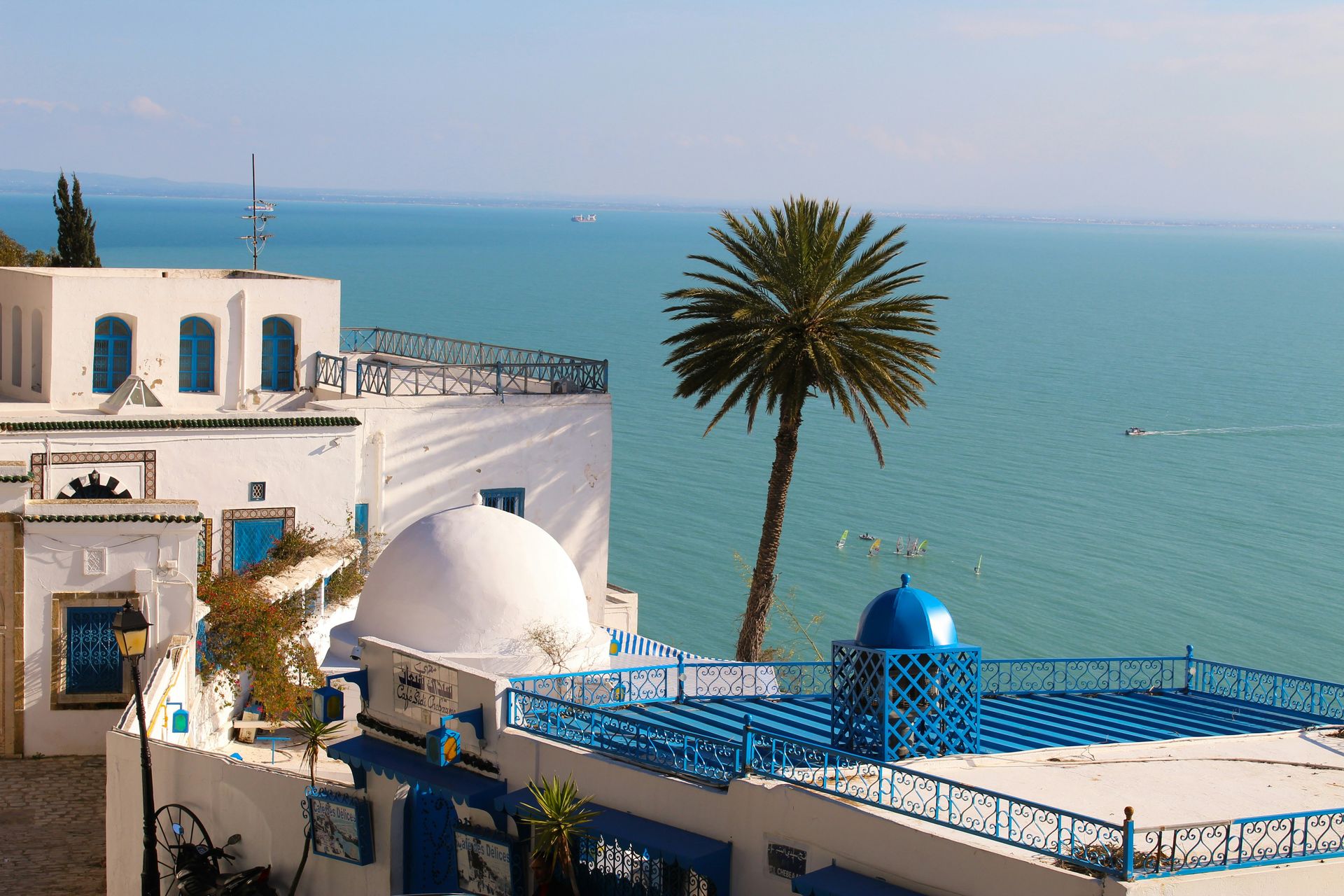
Flights from the U.S. to Tunis in the September to May off-season can be found in the $500 to $800 range, and three-star hotel rooms in Tunis typically run $100 to $200 per night, with December through March providing the lowest prices. The beaches of the Hammamet coast and the resort developments around Sousse and Monastir give the trip a Mediterranean beach component at prices that the established North African beach tourism market has maintained below European equivalents. Sidi Bou Saïd, the blue-and-white hilltop village above Tunis whose color scheme and position above the Gulf of Tunis give it a visual character that has made it one of the most photographed places in North Africa, is accessible by train from central Tunis and is free to walk through.
The safety situation in Tunisia has improved significantly since the political instability of the 2010s, and the country’s investment in cultural tourism infrastructure has made the visitor experience more navigable than the destination’s outside reputation sometimes suggests. The Roman, Arab, Ottoman, and French colonial history compressed into a small, easily traversable country gives Tunisia a cultural density that few Mediterranean destinations can match at any price. The Dougga UNESCO site in the north, the best-preserved Roman town in Africa, and the Chott el Djerid salt lake in the south give the itinerary a geographic range whose historical and natural variety belies the country’s modest size.
7 / 10
Aswathy N / Unsplash
The Grand Est region of northeastern France, which incorporates the former Alsace and Lorraine territories along the German border, is the France that French people visit: the half-timbered wine villages of the Route des Vins d’Alsace, the Gothic cathedral of Strasbourg, and the hearty cuisine of the choucroute and tarte flambée tradition give the region a specific cultural identity whose richness competes with any part of the country without the crowds or prices of Paris, Provence, or the Loire Valley.
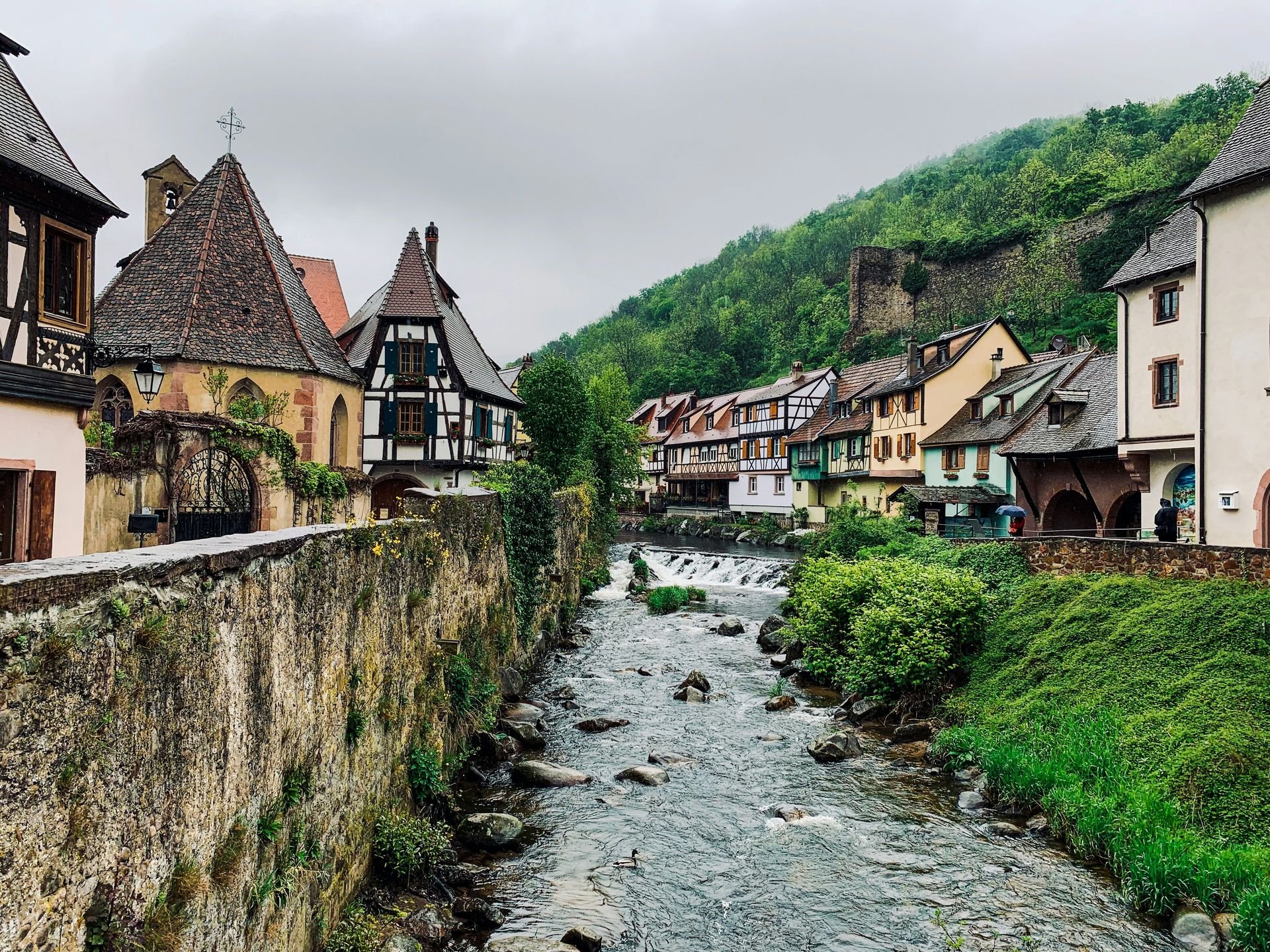
Kaysersberg, one of the villages on the Alsatian wine route, has been recognized as France’s unofficial favorite village and gives the region its most distilled small-town character: the medieval castle above the village, the Weiss River running through the town center, the wine cellars whose Riesling and Gewurztraminer reflect the specific geology of the Vosges foothills, and the 13th-century architecture give a single day in the town the kind of concentrated beauty that Paris requires a museum visit and a metro journey to approach. The regional cuisine, drawing on German as much as French culinary traditions, gives the meals a specificity whose onion tart, pork knuckle, and Munster cheese program differs from what any other French region produces.
Flights from New York to Strasbourg, the capital, can be found for under $700 round-trip in February and March, the off-season, and three-star hotel rooms in the region run as low as $89 per night in the off months. The Strasbourg arrival gives the trip immediate access to one of Europe’s most beautiful city centers, whose cathedral, Petite France quarter, and Christmas market in December give the city a program that rewards several days before the wine route villages begin. The Alsatian wine route south of Strasbourg, connecting Obernai, Ribeauvillé, Riquewihr, and Colmar through 120 miles of vineyard landscape, gives the road trip a culinary and visual program whose winemakers, working from Riesling and Gewurztraminer vines planted in Jurassic limestone and volcanic soils, give the regional wine its most directly sourced tasting format.
8 / 10
Levon Vardanyan / Unsplash
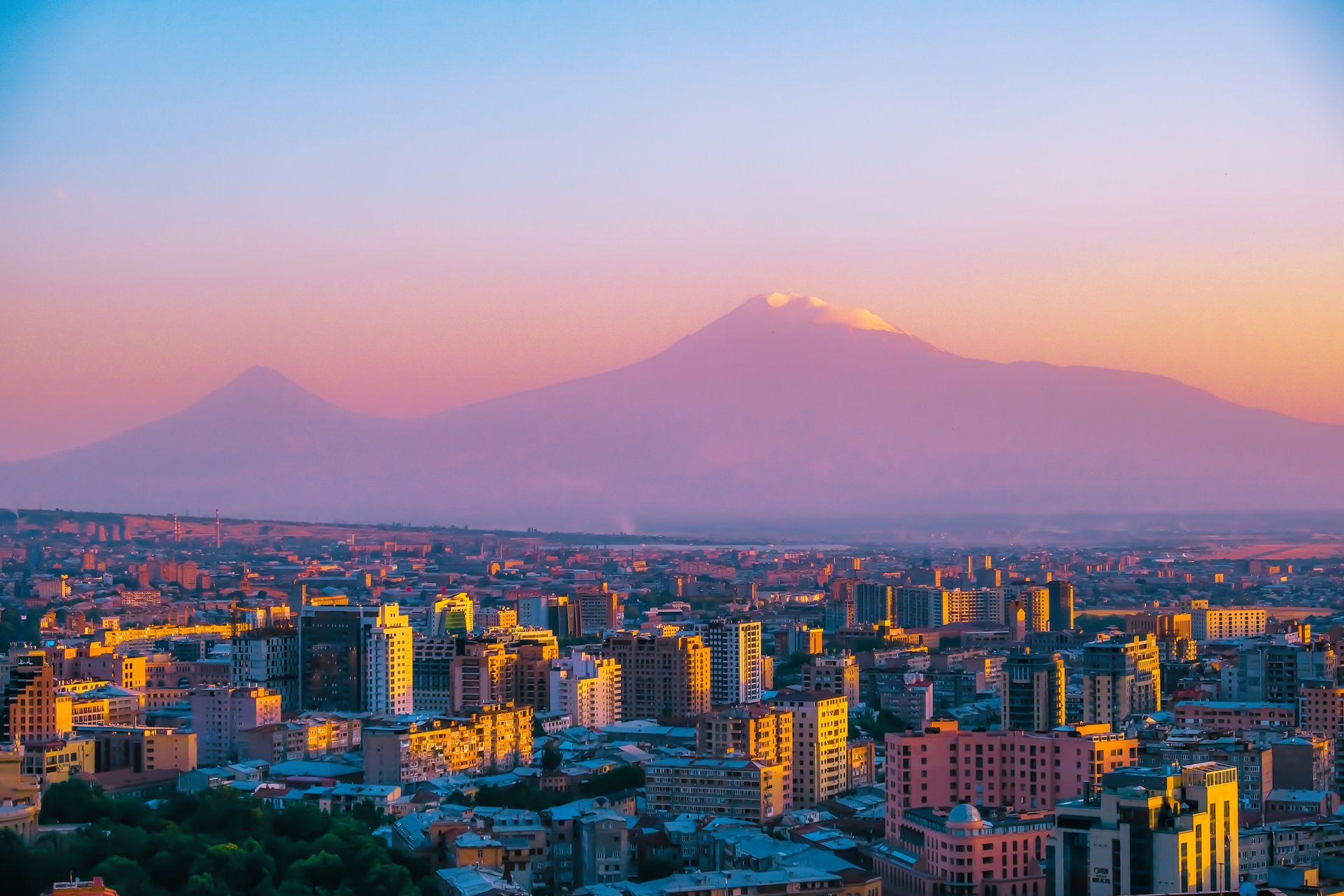
Armenia is a small South Caucasus nation whose cultural and historical depth is disproportionate to its size: the Armenian Apostolic Church, established in 301 CE as the world’s first state religion, produced a monastic tradition whose churches and khachkar cross-stones are found across every mountain valley in the country. The capital, Yerevan, gives the trip its urban program: a city of Soviet-era boulevards, outdoor cafes whose culture extends into the cool autumn evenings, museums whose collections of Armenian art and history give the medieval and ancient periods their most accessible presentation, and a restaurant scene whose prices reflect the local economy.
Khor Virap, a monastery established in the 600s at the base of Mount Ararat, gives the trip its most photographically dramatic destination: the monastery’s position on a rocky promontory with the 16,854-foot volcanic cone of Ararat rising directly behind it across the Turkish border, visible on clear days in extraordinary detail, gives the landscape photograph its most geographically specific Armenian subject. The drive from Khor Virap to the Garni Gorge and the Roman-era temple of Garni, about an hour’s journey, adds a second geological and archaeological dimension to the landscape program, as it crosses the Ararat plain.
January is Armenia’s cheapest month: round-trip flights from the U.S. run around $800, and Airbnbs can be found for $50 a night, which makes the winter trip cost less than the destination’s cultural richness would suggest. The winter in Yerevan is cold but manageable, the brandy for which Armenia is internationally known warms the evenings, and the winter light on Ararat, when the peak is snow-covered and the sky is clear, gives the Khor Virap view its most dramatically photogenic version. The Tatev Monastery in southern Armenia, accessible via the Wings of Tatev aerial tramway, whose 5.7-kilometer span was recorded as the world’s longest non-stop double-track cable car, offers a second major monastic destination whose canyon setting above the Vorotan gorge is as geologically dramatic as the Ararat view.
9 / 10
Loic Mermilliod / Unsplash
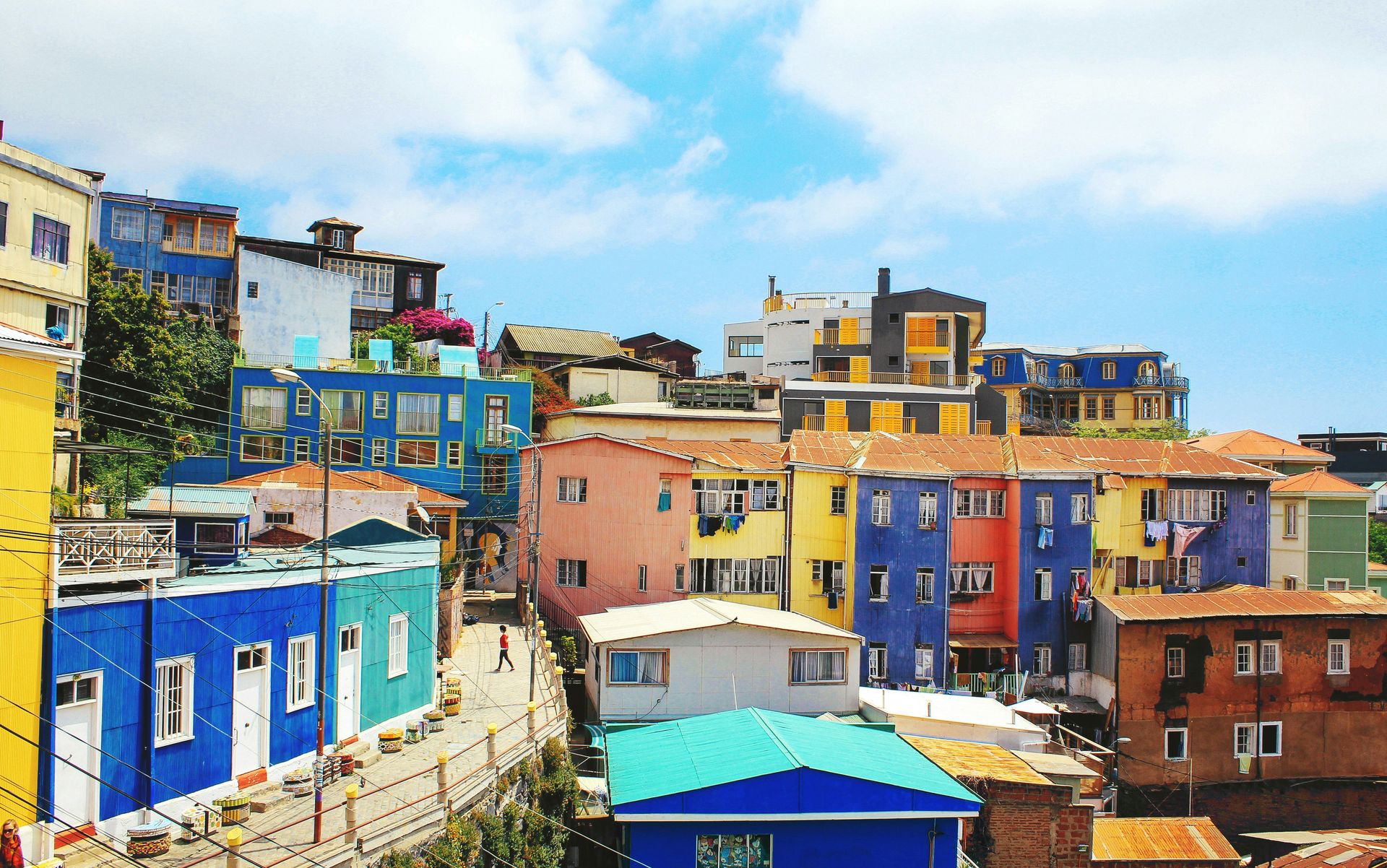
Valparaiso is the port city and surrounding region northwest of Santiago that gives Chile its most diverse single-destination travel package: the city of Valparaiso itself, with its colorful hillside neighborhoods, funicular elevators connecting the lower harbor to the upper residential barrios, and street art tradition that has turned the entire city into a surface for outdoor murals, gives the urban program a specifically Chilean creative character whose visual energy is unlike anything in South America at the same scale. Viña del Mar, 20 minutes north along the coast, offers a resort-town beach program, with Pacific beaches and casino culture that have made it the summer destination for Santiago’s population.
The Aconcagua Valley, northeast of Valparaiso, produces red wines, including the Carménère variety, which Chile has made its own since the Phylloxera epidemic wiped it out in Europe, and whose quality and critical recognition give the wine tourism program a vineyard circuit that competes with more expensive wine regions. Direct flights from New York to Santiago start around $600, and four-star hotels throughout the Valparaiso region can be found for under $200 a night, with the Chilean winter, June through August, offering the lowest prices. Vineyard tasting tours run well under $50 per person, even at the most established estates, including Errázuriz, which has been producing wine in the Aconcagua Valley since 1870.
The Santiago airport connection gives Valparaiso practical accessibility: the city is two hours from the capital by bus, which connects to all South American routes, making the Valparaiso trip a natural complement to a Santiago city visit. The shoulder months of April and October give the best balance of manageable prices and comfortable weather, avoiding both the winter cold and the peak summer heat that compresses the Valparaiso beach season. The cerro neighborhoods, the hilltop residential barrios connected to the lower city by the funicular elevators called ascensores, give the city walk its most specifically Valparaíno architectural and social experience: the painted houses, the outdoor murals, and the harbor views from each hilltop give the visitor a different and distinct panorama from each elevation.
10 / 10
Angel Lopez / Unsplash
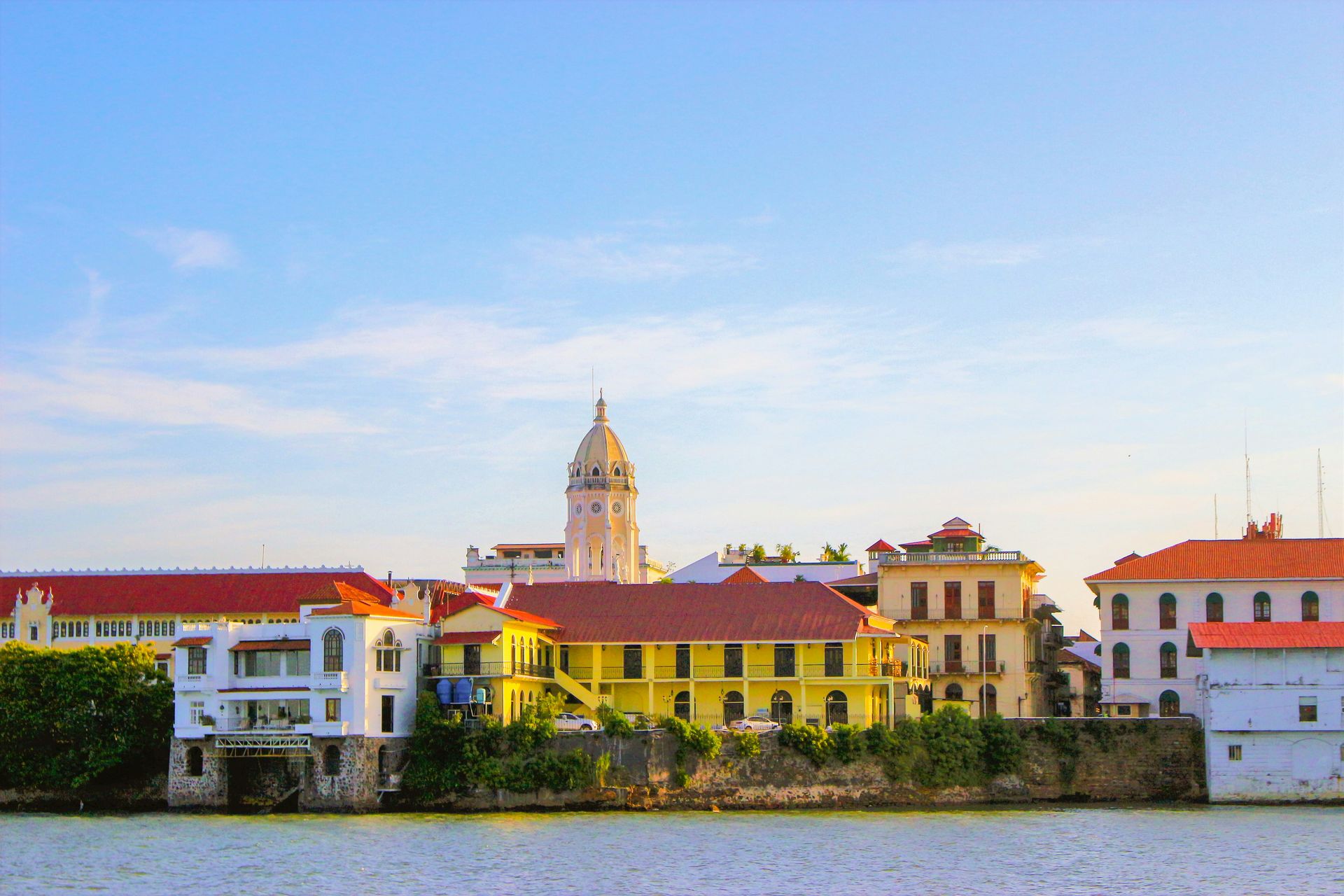
Panama City is one of the Western Hemisphere’s most undervalued city destinations: the Casco Viejo, the old quarter whose Spanish colonial architecture lines cobblestone streets above the Pacific, is a UNESCO World Heritage site that gives the historical program a neighborhood whose restaurants, boutique hotels, and nightlife coexist with the 17th-century church ruins and the 19th-century mansions whose restoration continues visibly. The Panama Canal, whose operation gives Panama its most globally recognized credential, can be observed from the Miraflores Locks visitor center, where the scale of the Panamax ships passing through the lock chambers gives the engineering its most comprehensible human dimension.
Panama City’s off-season, the wet season from May to December, gives the trip its lowest prices without necessarily diminishing the experience: the rain falls in predictable afternoon showers that clear by evening, and the dry season’s daytime heat makes the wet season’s cooling rain something closer to a relief. Off-season flights from Miami start below $300 round-trip, and three-star hotel rooms between June and September run under $130 per night, giving the city trip a total daily cost that the Casco Viejo’s growing restaurant scene makes rewarding to spend.
The rainforest accessible from the city gives Panama its most distinctively Central American natural dimension: the Soberanía National Park on the Canal’s eastern shore, accessible by taxi from the city in 45 minutes, offers the birder and nature traveler access to one of the most biodiverse corridors in the Americas. The 500 bird species recorded in Soberanía, including the harpy eagle, the country’s national bird, give the morning birding walk a distinct quality that few accessible urban-adjacent national parks in the world can match. The Miraflores Locks visitor center provides the Canal observation's most structured access: the museum that accompanies the observation deck covers the Canal’s construction history, whose human cost and engineering ambition give the visitor context for what the ships passing below represent in terms of global commerce and the physical geography of the Americas.
