From a Hyundai Tucson with the lowest upfront price in its class to a Chevrolet Equinox EV with 307 miles of range under $35,000
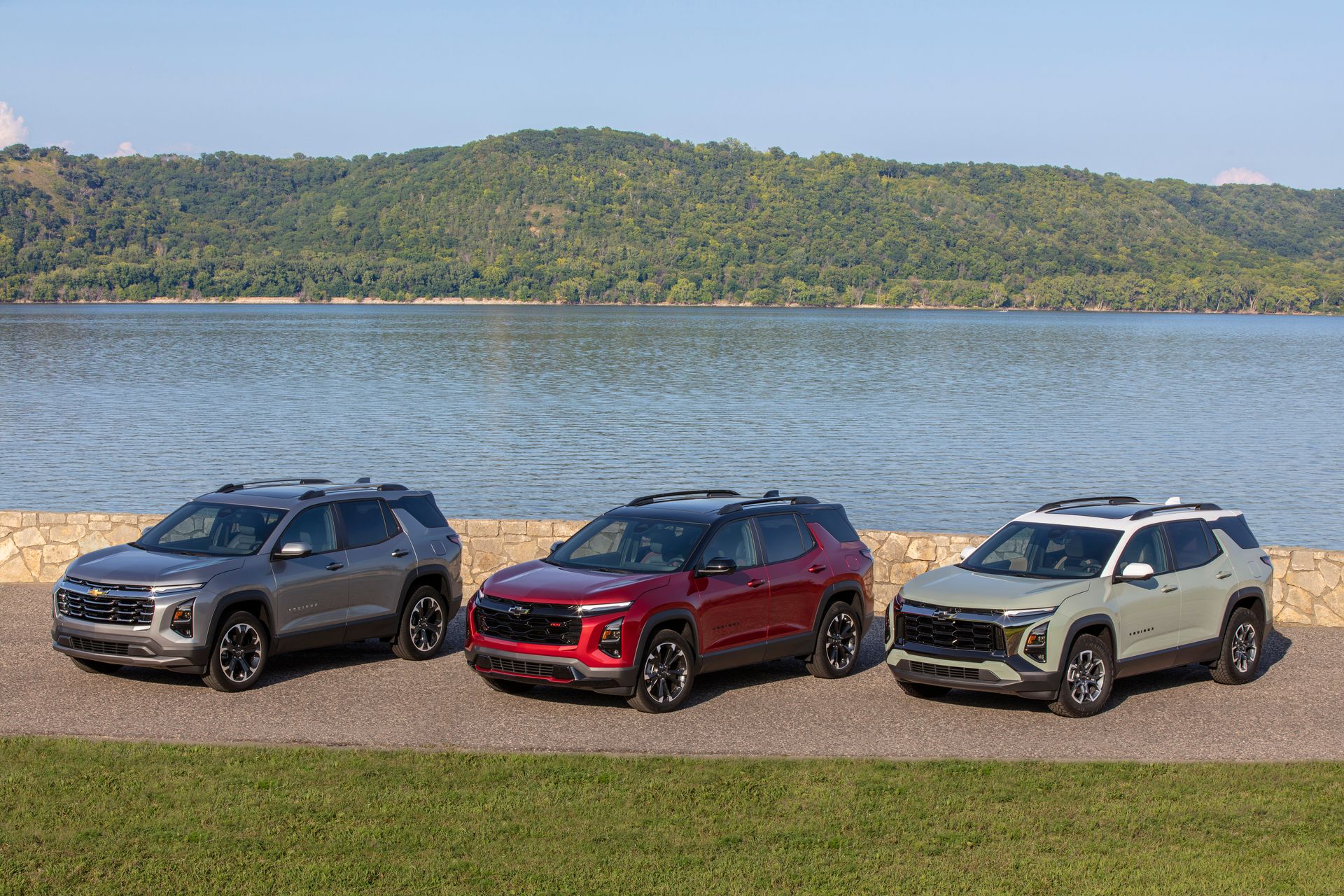
Credit: Chevrolet
Compact SUVs occupy a genuinely sweet spot in today's new-car market, offering enough interior space for a small family without the price tag or fuel bills that come with a larger three-row model. This segment has historically stayed among the more affordable corners of the market, and the models covered here specifically reward buyers who take the time to compare quality against long-term ownership costs across an entire vehicle lineup.
These rankings evaluate models against the U.S. News Rating, a holistic measure factoring in safety, fuel economy, reliability data and expert reviews from the automotive press, alongside average transaction prices and five-year cost-of-ownership data. This combined approach captures both the quality of a given vehicle and its genuine long-term value, instead of judging purely on sticker price or specs alone, giving shoppers a considerably fuller picture before making a purchase.
The nine vehicles below appear in U.S. News & World Report, covering the best compact SUVs for the money across gas, hybrid, plug-in hybrid and electric powertrains. Each category weighs both purchase price and total ownership costs, giving shoppers a genuinely fuller picture than sticker price alone would provide. Comparing winners against their finalists also helps shoppers who may prioritize a slightly different mix of features or budget than the award criteria assume. Test driving the winner and its closest finalist back to back remains one of the most reliable ways to confirm which specific vehicle actually suits a given driver's priorities. Reading full reviews of each model, alongside checking current pricing and incentive data directly with local dealers, rounds out a genuinely thorough shopping process before signing any final paperwork. Since prices and incentives shift regularly throughout the year, confirming current figures close to the actual purchase date remains genuinely worthwhile.
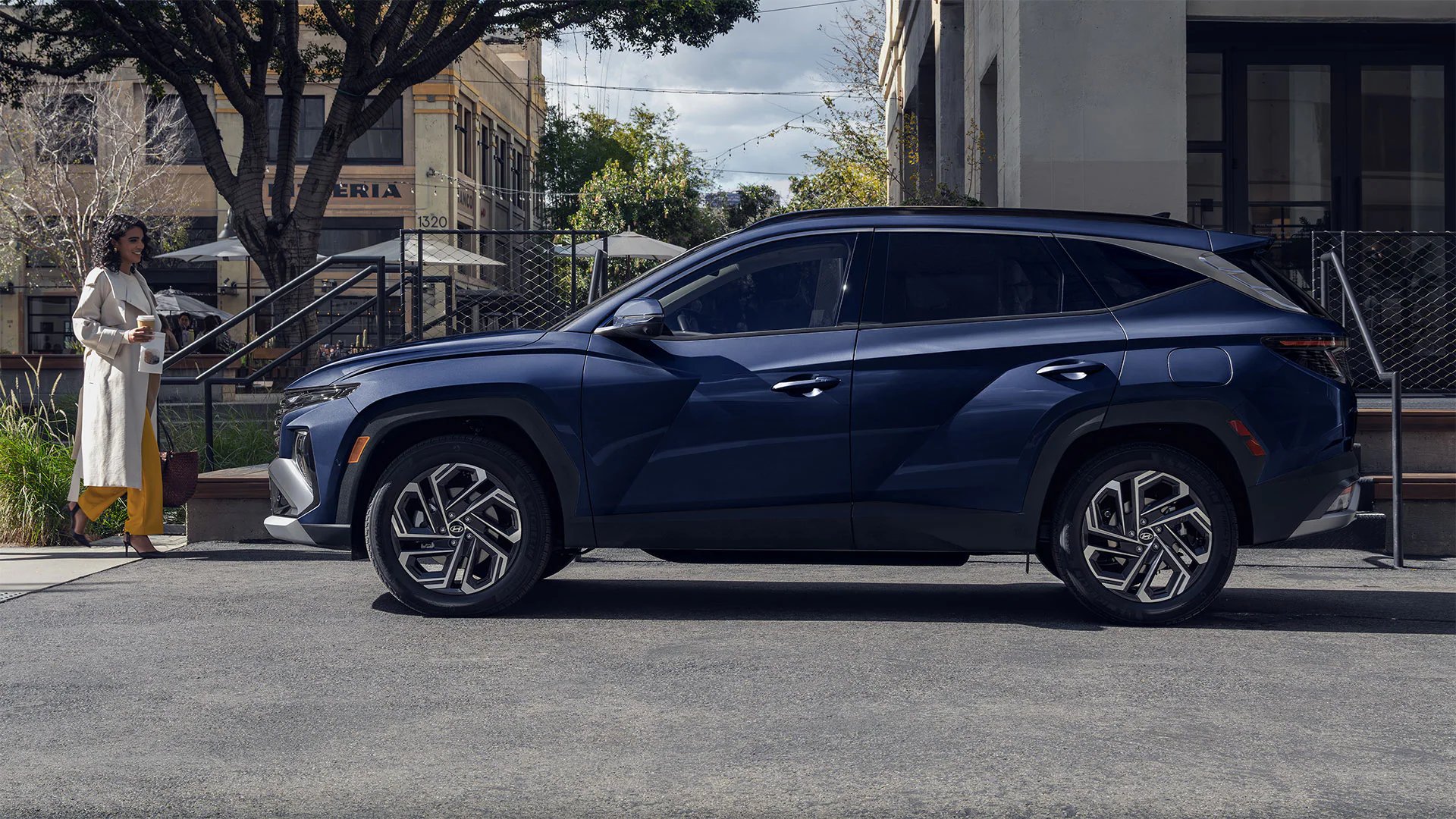
Credit: Hyundai
The 2026 Hyundai Tucson ranks as the best compact SUV for the money according to the U.S. News methodology, earning a 9.3 rating out of 10 with a starting price of $29,200 and an average transaction price of $34,085. Its estimated five-year ownership cost runs about $60,144, roughly $1,000 higher than the class average, though buyers typically spend about $1,500 less on a Tucson upfront than they would on competing small SUVs.
This tradeoff genuinely favors the average Tucson buyer, since the upfront savings outweigh the slightly higher long-term ownership cost when the full math gets worked out. The Tucson has previously won this award in 2016, 2022, 2024 and 2025, reflecting a genuinely consistent track record of strong value across multiple model years instead of a single standout redesign cycle.
Hyundai has built a hard-earned reputation for quality, and the Tucson ranks as the brand’s best seller, backed by great safety ratings, comfortable seats and more cargo space than many competitors offer. The modern infotainment system received a recent refresh that gives it a considerably more intuitive interface than previous generations.
This blend of strong upfront value and genuinely solid quality across nearly every measured category gives the Tucson broad appeal for buyers prioritizing either factor, and its repeated wins reflect just how consistently it delivers on both fronts simultaneously. Shoppers should also compare current Tucson trim-level pricing carefully, since some desirable tech features remain locked to higher trims that narrow the overall upfront price advantage. Shoppers should also compare current Tucson lease offers against purchase financing, since manufacturer-backed lease deals can shift the effective monthly cost considerably from advertised purchase pricing. Checking current Hyundai certified pre-owned inventory also gives budget-conscious buyers access to a recent Tucson model with remaining factory warranty coverage still intact. This route often makes sense for buyers on tighter budgets specifically. It genuinely deserves real, serious consideration.
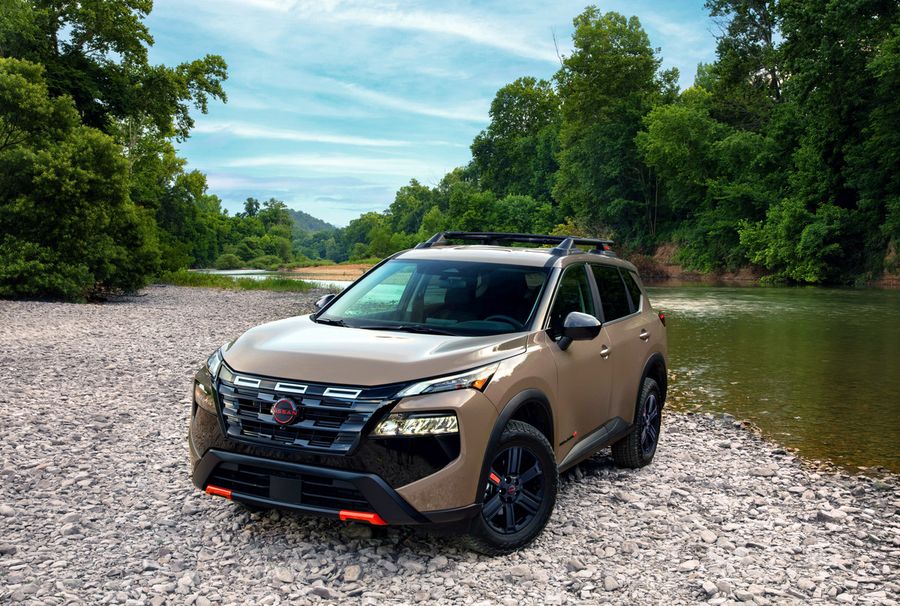
Credit: Nissan
Budget-focused buyers who watch every penny should give the 2026 Nissan Rogue a genuine look at the top of the list, since it earns an 8.8 rating with a starting price of $29,090 and an average transaction price of $33,063. The Rogue holds one of the lowest average transaction prices found anywhere in the compact SUV class, translating to average buyers saving roughly $2,600 compared with a typical compact SUV purchase.
The Rogue also carries a genuinely low estimated cost of ownership, running about $6,000 less than the class average across its first five years on the road. This pairing of low upfront pricing and genuinely low long-term costs gives the Rogue real appeal for budget-focused shoppers specifically.
Buyers get a vehicle that handles its job without fuss but also without much personality behind the wheel for what they pay, offering mediocre acceleration and fairly dull handling compared with several competitors. Daily driving performance stays genuinely fine, though the Rogue simply looks and feels considerably less sporty than most rivals in this segment.
Beyond driving dynamics, the Rogue’s overall quality is genuinely impressive and designed for broad appeal, offering a spacious, comfortable cabin well-equipped with numerous advanced safety features throughout the lineup. Shoppers prioritizing driving enjoyment over pure value should test drive the Rogue against sportier rivals before deciding, since the class-leading price comes with a genuinely less engaging driving experience. Shoppers should also check current Rogue trim availability regionally, since the most heavily discounted configurations may not appear at every dealer depending on local inventory allocation. Checking current Nissan certified pre-owned listings also gives budget-conscious buyers a way to access a recent Rogue model with remaining factory warranty coverage. This approach can meaningfully extend a limited car-buying budget. It genuinely adds up considerably over the full multiyear ownership period. This matters most for budget-conscious shoppers. Every single dollar genuinely counts here.
-1-900x675.jpg)
Credit: Honda
The Honda $HMC CR-V ranks among the original compact crossover SUVs, first introduced in the United States back in 1997, and the model has maintained a steadfast reputation for quality and value across multiple decades since. The 2026 CR-V earns an 8.9 rating with a starting price of $30,920 and an average transaction price of $36,295.
The CR-V runs generally a little more expensive than its cheapest competitors, costing about $500 more than the average rival, though it costs roughly $4,000 less to own over five years, which more than makes up for the higher initial price. This tradeoff between slightly higher upfront cost and genuinely lower long-term ownership expense gives the CR-V real appeal for buyers planning to keep the vehicle for many years.
Honda knows the CR-V has a genuinely winning formula and therefore makes changes to it sparingly. The refreshed 2026 CR-V kept its best attributes intact while thoughtfully improving its few remaining flaws, staying spacious, comfortable and efficient while adding a new standard infotainment system and an upgraded available all-wheel-drive system.
This blend of careful, incremental improvement and a slightly higher price relative to top competitors genuinely pays off in terms of overall practicality, giving the CR-V continued appeal nearly three decades after its original introduction. Shoppers should also compare current CR-V trims against the hybrid variant specifically, since the fuel savings from the hybrid powertrain may or may not offset its higher starting price depending on driving habits. Shoppers should also inspect current CR-V inventory for the specific trim they want, since certain configurations may carry longer wait times depending on regional demand and production allocation. Checking current Honda certified pre-owned inventory also gives budget-conscious buyers a way to access a recent CR-V with remaining factory warranty coverage intact. This option deserves genuine consideration from cost-conscious shoppers. It genuinely deserves a considerably closer, more careful look overall. Every dollar saved genuinely counts toward the total price.
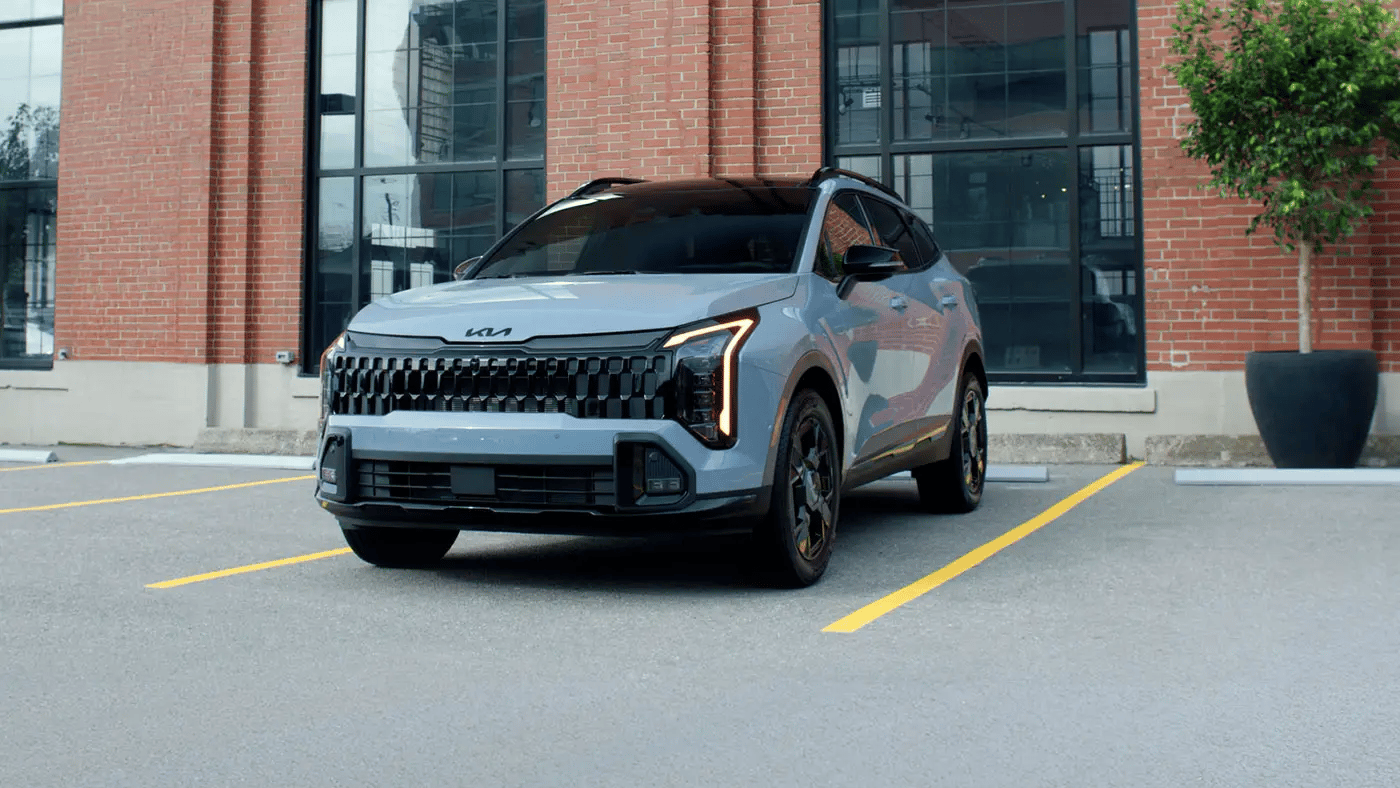
Credit: Kia
The Kia Sportage Hybrid arrives refreshed for 2026, with updates that bolster its reputation as a genuinely tech-forward yet approachable vehicle. It earns a 9.3 rating with a starting price of $30,290 and an average transaction price of $38,089, having previously won this award in 2023, 2024 and 2025.
The Sportage Hybrid holds an appealingly low base price for its class, alongside an average transaction price roughly $5,000 less than the average price paid across the broader segment. It also carries a lower-than-average estimated cost of ownership, saving buyers about $4,000 over its first five years compared with a typical compact hybrid SUV.
The Sportage Hybrid hits all the high points for a vehicle in this class, delivering a sought-after pairing of zippy handling, generous space and upscale styling without significant drawbacks. This particular version reportedly beats out both the related gas-only Sportage and the plug-in Sportage Hybrid as the strongest overall choice within the broader Sportage lineup.
The cabin offers genuine spaciousness alongside considerable cargo capacity, and the infotainment system stays user-friendly and accessible throughout, rounding out a genuinely well-balanced package across value, quality and everyday usability. Shoppers should also confirm current Sportage Hybrid dealer inventory before visiting, since popular trims can sell out regionally given the model’s genuinely strong reputation for value. Shoppers should also compare the Sportage Hybrid directly against the Tucson Hybrid, since the two share considerable engineering despite coming from different brands within the same corporate family. Asking dealers about current Kia loyalty incentives also helps returning owners stack additional savings on top of the Sportage Hybrid’s already competitive starting price. Every bit of savings helps against an already strong starting price. It genuinely adds up meaningfully over the full ownership period. This particular detail genuinely matters for long-term budget planning. Loyalty discounts genuinely add up meaningfully. Ask a dealer directly about current eligibility rules before signing any final paperwork.
Credit: Hyundai
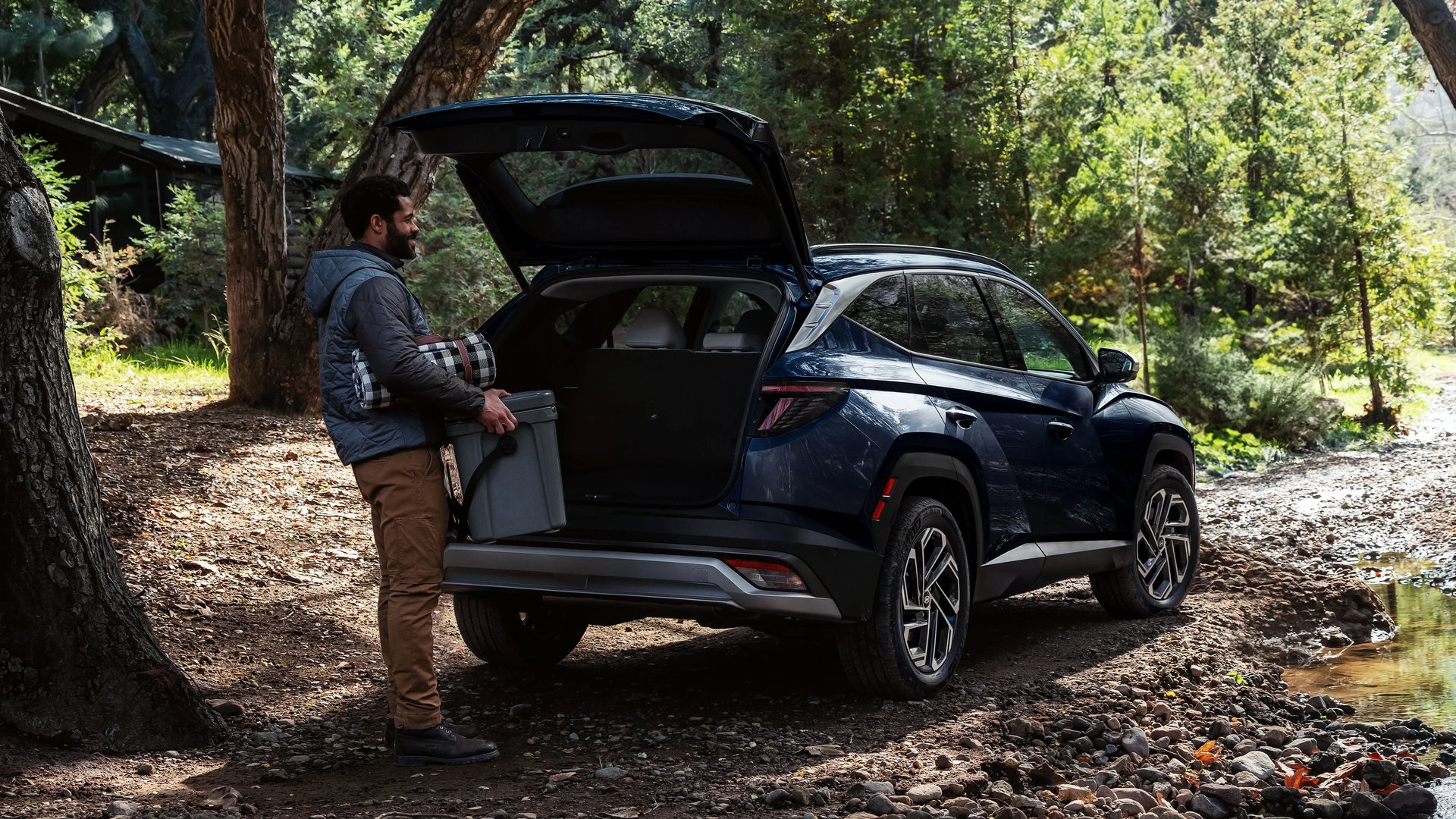
The Hyundai Tucson Hybrid follows in the footsteps of its nonhybrid sibling when it comes to value, earning a 9.4 rating with a starting price of $32,200 and an average transaction price of $40,356. Buyers typically pay about $2,800 below the class average, and the estimated five-year ownership cost runs roughly $3,700 less than the broader class average.
The Hyundai Tucson lineup also includes a gas-only version and a plug-in hybrid variant alongside this hybrid model, and the Tucson Hybrid genuinely occupies the sweet spot between the two. It delivers better driving dynamics and fuel economy ratings than the standard gas version, while costing considerably less than the plug-in hybrid alternative.
Like the regular Tucson, the hybrid version stays genuinely spacious and comfortable, offering near-premium technology features that give it a considerably more upscale feel than its price point might otherwise suggest.
This positioning between the more affordable gas version and the pricier plug-in option gives the Tucson Hybrid genuine appeal for buyers specifically seeking improved efficiency without committing to the added cost and complexity of a full plug-in hybrid powertrain. Shoppers weighing the hybrid against the plug-in version should calculate their typical daily driving distance first, since the plug-in’s added cost only pays off for drivers with regular access to charging. Shoppers should also check current Tucson Hybrid battery warranty terms, since coverage length can genuinely affect long-term ownership costs beyond the vehicle’s initial purchase price. Comparing current Tucson Hybrid insurance quotes against rival compact hybrids also helps, since insurance costs can vary meaningfully between otherwise similarly priced models. Small cost differences add up considerably over years of ownership. It genuinely pays to compare all three models carefully. This simple step genuinely helps avoid unpleasant financial surprises later on. Insurance quotes genuinely vary quite widely. Shop around carefully across multiple providers before deciding on anything truly final. A few extra minutes of comparison can genuinely save real money.
Credit: Kia
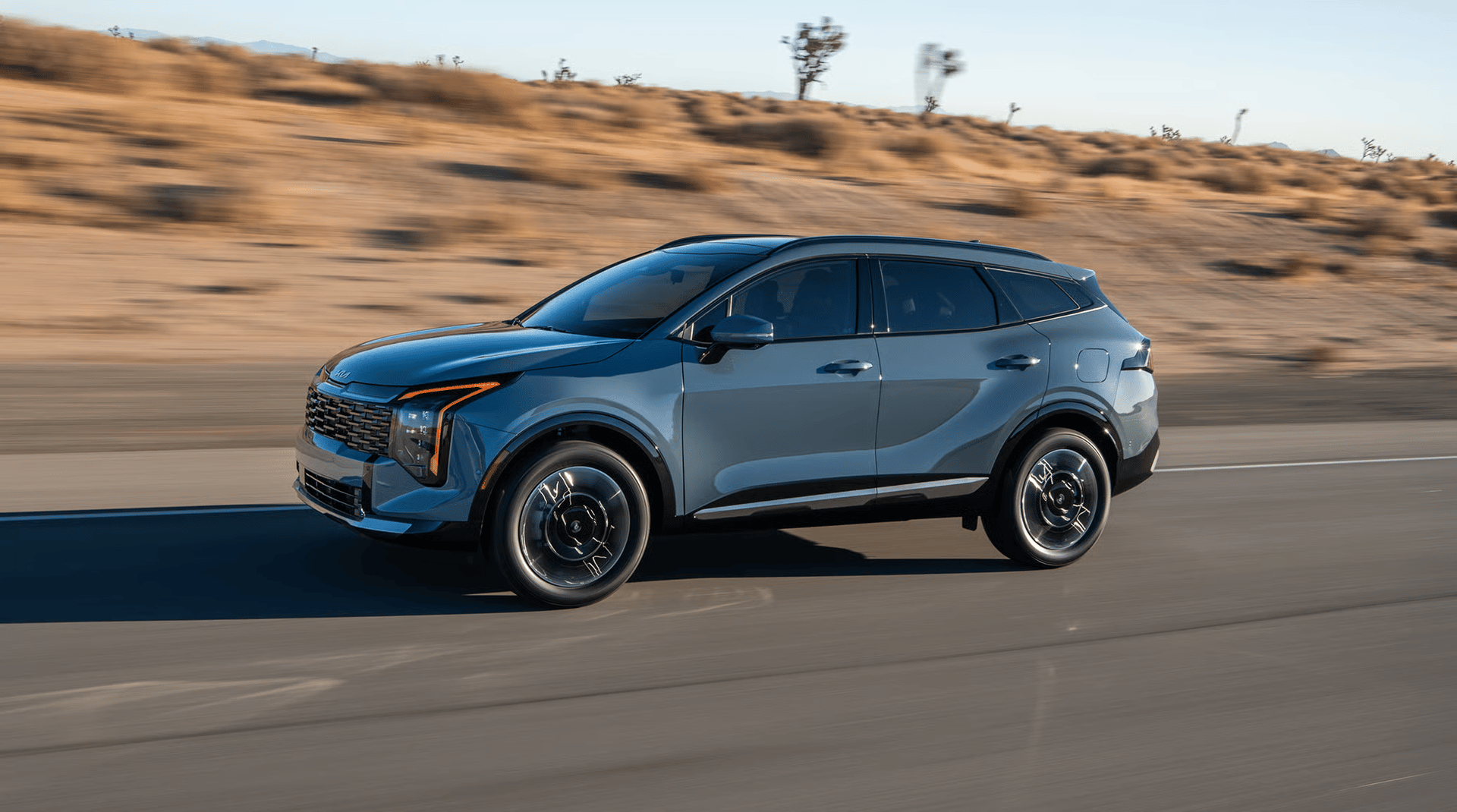
Plug-in hybrids generally rank among the most expensive compact crossovers found anywhere on the market, though it remains genuinely possible to find great value and quality within this category. The Kia Sportage Plug-in Hybrid earns a 9.4 rating with a starting price of $40,490 and an average transaction price of $43,696, having previously won this award back in 2024.
This particular Sportage carries an average purchase price more than $4,000 below the segment average, alongside five-year ownership costs roughly $8,500 less than competing models. This pairing of considerably lower pricing and dramatically reduced ownership costs makes the Sportage Plug-in Hybrid a genuinely strong value proposition within an otherwise expensive category.
This version of the Sportage might prove a tough upsell compared with the value-leading hybrid model, though it can genuinely be worth the extra cost for shoppers who have access to home EV chargers and can make full use of its 34-mile all-electric range for daily commuting.
In terms of design and finish, the plug-in version stays much like its siblings, offering a welcoming cabin with genuinely good passenger and cargo space. The interior materials aren’t especially glamorous, but they stay practical and durable throughout daily use. Shoppers without reliable home charging access should think carefully before choosing this version, since the plug-in Sportage’s value proposition depends heavily on actually using its electric-only range regularly. Shoppers should also research current federal and state incentives for plug-in hybrids specifically, since available credits can meaningfully reduce the effective purchase price depending on location and eligibility. Checking whether local utility companies offer discounted overnight charging rates also helps plug-in Sportage owners maximize savings on the electricity used to recharge the battery. These savings compound meaningfully over years of regular home charging. It rewards consistent, disciplined home charging. This small extra step genuinely improves the overall value equation considerably. Local utility rates genuinely vary considerably. Check before assuming savings.
Credit: Hyundai
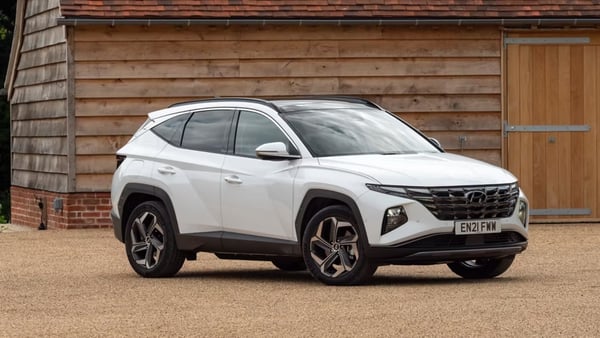
Since the Kia Sportage and Hyundai Tucson function as corporate cousins, the Tucson Plug-in Hybrid and the Kia Sorento Plug-in Hybrid share a similarly close relationship within their respective lineups. The Tucson Plug-in Hybrid earns an 8.9 rating with a starting price of $40,075 and an average transaction price of $45,692, having previously won this award in 2025.
Buyers typically spend about $2,000 less on this particular model than the typical compact plug-in hybrid crossover, and its projected five-year ownership costs run lower than the class average by roughly $4,300. This pairing of lower upfront and long-term costs gives the Tucson Plug-in Hybrid genuine competitive standing within its specific segment.
This particular Hyundai functions as a genuinely competent daily driver, offering plenty of acceleration on tap alongside well-balanced driving dynamics. It isn’t a sport SUV by any means, but it stays engaging enough to please most shoppers throughout typical daily driving scenarios.
Cabin materials stay mostly high quality throughout, and testing found the seating genuinely supportive across longer drives. This Hyundai’s cargo hold does run smaller than what some key rivals provide, though, giving buyers with significant cargo needs genuine reason to compare capacity carefully before deciding. Shoppers with significant cargo needs should measure their specific requirements against the Tucson Plug-in Hybrid’s smaller cargo hold before committing, since some rivals offer more usable space meaningfully. Shoppers should also compare current charging infrastructure near their home or workplace, since convenient access to charging meaningfully affects how much of the electric range actually gets used day to day. Comparing current Tucson Plug-in Hybrid maintenance schedules against its Kia counterpart also helps buyers estimate long-term costs beyond the initial purchase price. These comparisons help clarify true long-term ownership costs accurately. It genuinely pays to compare both closely related models closely. This side-by-side comparison genuinely clarifies which specific model fits better. Small details genuinely matter quite a bit here.
Credit: Chevrolet
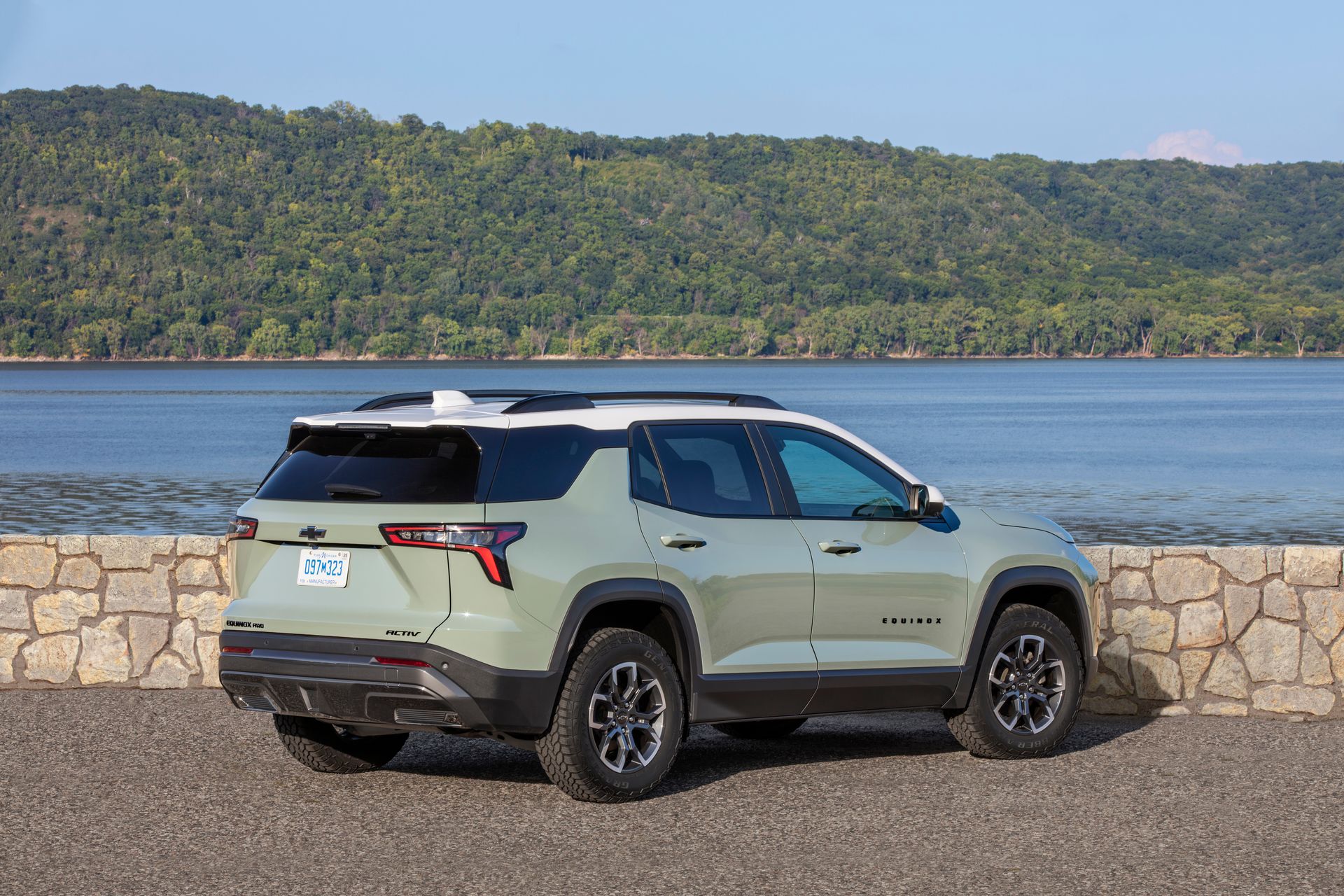
The Chevrolet Equinox EV holds a genuinely great starting price for an electric SUV, earning a 9.0 rating with a starting price of $34,995 and an average transaction price of $36,514. Data shows most shoppers spend only about $1,500 more on upgrades beyond the base price, meaning the average sale price of an Equinox EV runs nearly $6,000 less than the average compact crossover electric SUV.
Over five years, the Equinox EV costs about $600 less to own than its direct rivals, giving it genuinely strong long-term value alongside its already competitive upfront pricing. This pairing of low purchase price and reduced ownership costs gives the Equinox EV real appeal for budget-focused electric SUV shoppers specifically.
The Equinox’s competitive pricing looks even stronger once its stylish design and generous list of standard features get factored in, including a 17.7-inch infotainment display that gives the cabin a genuinely modern feel. It functions as a smooth, soothing commuter, and while it isn’t as fast as some rival electric vehicles and tends to understeer somewhat, every version offers an impressive minimum range of 307 miles.
This range figure ranks genuinely competitive within the compact electric SUV segment, giving the Equinox EV real appeal for buyers specifically concerned about range anxiety on longer trips. Shoppers specifically comparing range figures across electric SUVs should note the Equinox’s genuinely strong minimum range, which holds up well even against pricier rivals in this segment. Shoppers should also compare current Equinox EV charging speed specifications against their typical routine, since faster charging capability can meaningfully affect convenience for drivers without home charging access. Checking current Equinox EV federal and state tax credit eligibility also helps, since available incentives can meaningfully reduce the effective purchase price depending on location. These credits can meaningfully shift the overall value calculation. It genuinely pays to check current tax eligibility carefully. This research genuinely pays off for eligible buyers.
Credit: Hyundai
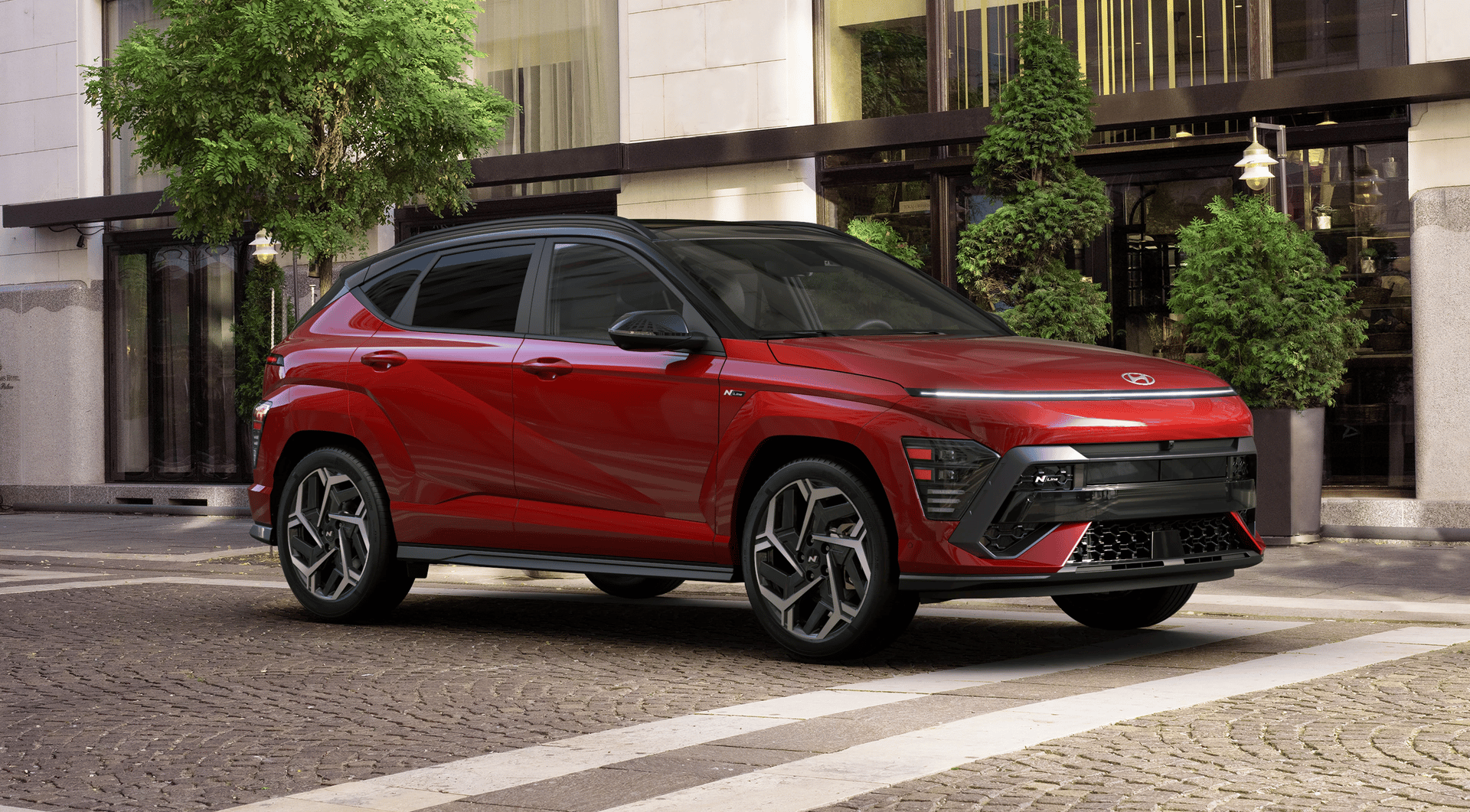
With a genuinely low starting price for an electric vehicle, the Hyundai Kona Electric appears to offer competitive value at first glance, earning an 8.6 rating with a starting price of $32,975 and an average transaction price of $39,601. The average actual sale price runs almost $6,600 above the starting figure, which skews the overall value picture somewhat away from this Hyundai’s favor.
Even so, the average upgraded Kona Electric still costs around $2,700 less than the average sale price across the compact electric SUV segment, and the model carries genuinely excellent ownership costs, coming in around $5,000 less than the segment average over five years. The Kona Electric previously won this award back in 2025.
Despite this genuine value on paper, the Kona Electric falls somewhat short of other EVs within Hyundai’s broader lineup, particularly in terms of attention from both consumers and from Hyundai itself in recent years. The maximum range has dropped noticeably since 2025 due to changes in battery and trim level availability, now reaching only 200 miles on a full charge, considerably below what most EV shoppers expect from a modern electric vehicle.
Even with this genuinely disappointing range figure, the Kona Electric remains a comfortable commuter and a potentially decent choice for shoppers specifically able to work around its reduced range compared with newer competing electric SUVs. Shoppers specifically prioritizing range above other factors should compare the Kona Electric carefully against newer rivals, since its reduced range may not suit drivers with longer regular commutes. Shoppers should also check current Kona Electric trim-level range figures carefully, since the specific configuration chosen can meaningfully affect real-world range beyond the headline figure alone. Comparing current Kona Electric battery degradation data against newer rivals also helps buyers planning to keep the vehicle for many years assess long-term value accurately. This comparison helps set realistic long-term expectations accurately. It genuinely helps set realistic expectations.
